Unlock your full potential by mastering the most common Tool Selection and Optimization interview questions. This blog offers a deep dive into the critical topics, ensuring you’re not only prepared to answer but to excel. With these insights, you’ll approach your interview with clarity and confidence.
Questions Asked in Tool Selection and Optimization Interview
Q 1. Explain the difference between tooling selection and tooling optimization.
Tooling selection and tooling optimization are two distinct but interconnected phases in the manufacturing process. Tooling selection focuses on choosing the right tools for a specific job, considering factors like material properties, desired outcome, and available resources. Think of it like choosing the right ingredients for a recipe – you need the right ones to get the desired result. Tooling optimization, on the other hand, involves improving the performance of already selected tools to enhance efficiency, reduce costs, and improve product quality. It’s like fine-tuning the recipe after the initial selection – adjusting cooking times, ingredient proportions, etc., to perfect the dish.
Q 2. Describe your process for selecting the right tool for a specific manufacturing process.
My process for selecting the right tool involves a systematic approach:
- Understanding the requirements: This involves a thorough analysis of the material being processed, the desired tolerances, the production volume, and the overall manufacturing process. For example, machining a delicate component requires different tools than forging a heavy metal part.
- Identifying potential tools: Based on the requirements, I research and identify several candidate tools. This may involve consulting catalogs, technical specifications, and expert opinions.
- Evaluating tool performance: I assess each tool’s capabilities against the requirements, considering factors such as cutting speed, feed rate, tool life, and surface finish. I might use simulations or conduct small-scale tests to refine my understanding.
- Cost-benefit analysis: I evaluate the cost of each tool, including initial investment, maintenance, and replacement costs, against its expected performance and lifespan.
- Final selection: The tool that best balances performance, cost, and reliability is selected. This decision is often documented for traceability and future reference.
For instance, when selecting a drill bit for aluminum, I’d consider the diameter, material (high-speed steel, carbide), and the type of drilling operation (through-hole, blind hole). Each option would have a unique impact on machining time, surface finish, and overall cost.
Q 3. How do you assess the cost-effectiveness of different tooling options?
Assessing the cost-effectiveness of tooling options requires a holistic approach. It’s not just about the initial purchase price. I consider the following:
- Initial cost: The upfront cost of the tool itself.
- Operating costs: Costs associated with running the tool, such as energy consumption, labor, and maintenance.
- Tool life: How long the tool lasts before needing replacement. A more expensive, long-lasting tool may be cheaper in the long run.
- Scrap rate: The percentage of parts rejected due to tool-related defects. A higher scrap rate significantly increases the overall cost.
- Downtime: The cost of production downtime caused by tool failures or maintenance.
I often use a Total Cost of Ownership (TCO) analysis to compare different options. This involves calculating all costs associated with each tool over its lifespan to determine the most economical choice. For example, a cheaper tool with a shorter lifespan might result in higher overall costs due to frequent replacements and increased downtime compared to a more expensive, durable option.
Q 4. What are the key factors to consider when optimizing a manufacturing process?
Optimizing a manufacturing process requires a multi-faceted approach. Key factors include:
- Tool wear and tear: Regular monitoring of tool wear and timely replacement or resharpening are crucial for maintaining quality and efficiency.
- Process parameters: Optimizing parameters like cutting speed, feed rate, and depth of cut can significantly improve productivity and reduce tool wear.
- Workholding and fixturing: Secure and accurate workholding ensures consistent machining and minimizes vibration, leading to better surface finish and reduced tool wear.
- Material handling: Efficient material flow minimizes downtime and improves overall efficiency. This includes storage, retrieval, and transfer of materials.
- Quality control: Implementing robust quality control measures to detect and address defects early prevents costly rework and scrap.
- Machine maintenance: Regularly scheduled maintenance prevents unexpected breakdowns and ensures optimal machine performance. This also minimizes tooling damage from machine issues.
Think of it as a well-oiled machine – each component needs to be functioning at its best for optimal output.
Q 5. How do you measure the success of a tool optimization project?
Measuring the success of a tool optimization project relies on quantifiable metrics:
- Reduced cycle time: A decrease in the time it takes to produce a single part.
- Improved surface finish: Better surface quality, leading to less post-processing and higher product value.
- Increased tool life: Longer tool lifespan, resulting in lower replacement costs and less downtime.
- Lower scrap rate: A decrease in the number of rejected parts, leading to cost savings.
- Reduced operating costs: Lower energy consumption, labor costs, and maintenance expenses.
- Improved overall equipment effectiveness (OEE): A comprehensive measure that accounts for availability, performance, and quality.
These metrics are tracked before and after optimization to demonstrate the improvements achieved. I often use data analysis techniques and statistical process control (SPC) to demonstrate the significance of the improvements.
Q 6. Describe a time you had to troubleshoot a tooling problem.
In one project involving high-speed machining of titanium, we experienced unexpectedly high tool breakage. Initial investigations focused on the cutting parameters, but adjustments didn’t significantly improve the situation. We then investigated the workholding system. We found that the clamping force wasn’t consistent across the workpiece, leading to vibrations and premature tool failure. By redesigning the fixture to provide more uniform clamping pressure, we drastically reduced tool breakage, resulting in significant cost savings and improved productivity.
Q 7. What software or tools are you proficient in for tool selection and optimization?
I am proficient in several software packages for tool selection and optimization. These include:
- Computer-aided manufacturing (CAM) software: Such as Mastercam, SolidCAM, and Fusion 360, for simulating machining processes and optimizing toolpaths.
- Finite element analysis (FEA) software: Such as ANSYS and Abaqus, for simulating tool stresses and deformations to predict tool life and optimize designs.
- Spreadsheet software: Such as Microsoft Excel, for data analysis and creating cost-benefit models.
- Statistical software: Such as Minitab, for performing statistical process control and data analysis to track and analyze process performance.
Additionally, I have experience using various specialized tooling databases and manufacturers’ online resources to identify and select appropriate tools.
Q 8. How do you stay up-to-date on the latest tooling technologies?
Staying current in the rapidly evolving field of tooling technologies requires a multi-pronged approach. I leverage several key strategies. Firstly, I actively participate in industry conferences and webinars, such as those hosted by organizations like the Society of Manufacturing Engineers (SME). These events offer invaluable insights into the latest advancements and best practices. Secondly, I subscribe to relevant trade publications and journals, like Modern Machine Shop and Manufacturing Engineering, ensuring I’m constantly exposed to new research and product releases. Thirdly, I actively engage with online professional communities and forums, exchanging knowledge and insights with peers and experts. Finally, I dedicate time to researching and testing new tools and software myself, gaining hands-on experience with the latest innovations. This holistic approach keeps my knowledge base fresh and relevant.
Q 9. Explain the concept of Total Cost of Ownership (TCO) as it relates to tooling.
Total Cost of Ownership (TCO) for tooling isn’t just the initial purchase price; it encompasses all costs associated with a tool throughout its entire lifecycle. This includes acquisition costs (purchase price, shipping, handling), operational costs (maintenance, repairs, downtime due to failures, tooling changes), and disposal costs (recycling or hazardous waste disposal). For example, a cheaper tool might seem attractive initially, but frequent replacements due to wear and tear or failures could drastically increase its overall TCO compared to a more expensive, durable tool requiring less frequent maintenance. I always perform a thorough TCO analysis before selecting tools, considering factors like tool life expectancy, maintenance intervals, and the potential impact of downtime on production schedules. This ensures we make financially sound decisions that maximize return on investment.
Q 10. How do you handle conflicting priorities when selecting tools (e.g., cost vs. quality)?
Balancing conflicting priorities like cost and quality demands a structured approach. I typically begin by clearly defining the project’s requirements and identifying the critical success factors. Then, I create a weighted scoring system, assigning weights to factors like cost, quality, durability, lead time, and safety. Each potential tool is then evaluated against these criteria, and the weighted scores are tallied. This provides a quantitative comparison, helping to objectively assess trade-offs. For example, if quality is paramount, a higher-quality, more expensive tool might be chosen despite its higher initial cost, as it could potentially prevent costly production delays or defects in the long run. This methodical approach ensures decisions are data-driven and minimize subjective biases.
Q 11. What is your experience with different types of tooling materials?
My experience encompasses a wide range of tooling materials, each with its strengths and weaknesses. I’ve worked extensively with high-speed steel (HSS) tools for their versatility and cost-effectiveness in general machining operations. Carbide tools, with their superior hardness and wear resistance, are used for high-precision work and applications demanding longer tool life, especially in harder materials. Ceramics offer even higher hardness and are ideal for very high-speed machining of difficult-to-machine materials, but require more careful handling. I also have experience with polycrystalline cubic boron nitride (PCBN) and diamond tools, which excel in the machining of extremely hard materials. The selection of the right material is critical and depends heavily on the application, material being machined, desired surface finish, and economic considerations.
Q 12. Describe your experience with different types of manufacturing processes and their associated tools.
My background includes experience with a variety of manufacturing processes and their associated tooling. This includes machining (milling, turning, drilling, grinding), forming (stamping, forging), casting (sand casting, die casting), and additive manufacturing (3D printing). For example, in CNC machining, I’m proficient in selecting and optimizing cutting tools (end mills, drills, reamers) based on material properties, desired surface finish, and cutting parameters. In forging, I have experience with die selection and maintenance, considering factors such as material flow and die life. For additive manufacturing, I have expertise in selecting appropriate materials and tool heads depending on the desired print quality and the material being used. Understanding the nuances of each process and its associated tooling is vital for optimizing efficiency and product quality.
Q 13. How do you ensure the safety of tooling operations?
Ensuring the safety of tooling operations is paramount. My approach involves a multi-layered strategy beginning with proper training for all personnel involved in tool handling and operation. This includes comprehensive safety protocols, such as the proper use of personal protective equipment (PPE) like safety glasses, hearing protection, and gloves. We utilize machine guarding and safety interlocks to prevent accidental contact with moving parts. Regular inspections of tools and equipment are conducted to identify and rectify any potential hazards. Furthermore, we adhere to all relevant safety regulations and best practices, utilizing risk assessments to proactively identify and mitigate potential hazards. A culture of safety awareness is promoted throughout the organization, emphasizing the importance of reporting near misses and incidents to prevent future occurrences.
Q 14. Explain the importance of preventative maintenance for tools.
Preventative maintenance is crucial for extending tool life, enhancing safety, and ensuring consistent performance. A well-defined preventative maintenance schedule is essential. This schedule should include regular inspections, lubrication, and cleaning of tools, as well as timely replacement of worn parts. For example, regular sharpening of cutting tools prevents premature wear and tear, reduces the risk of tool breakage, and ensures consistent surface finish. For complex tooling, more involved maintenance, like calibration or component replacement, might be required according to manufacturer guidelines. Ignoring preventative maintenance leads to increased downtime, premature tool failure, potential safety hazards, and ultimately, higher TCO. Proactive maintenance significantly contributes to operational efficiency and cost savings in the long run.
Q 15. How do you identify and address tooling failures?
Identifying and addressing tooling failures requires a systematic approach. It begins with proactive monitoring for signs of wear, tear, or malfunction. This involves regular inspections, data analysis from machine sensors, and operator feedback. When a failure occurs, a thorough investigation is crucial. We utilize a root cause analysis (RCA) methodology, such as the 5 Whys, to uncover the underlying reasons. This might involve examining the tool’s design, material properties, usage patterns, or even environmental factors. For example, if a milling cutter breaks frequently, we might investigate the cutting parameters (speed, feed, depth), the material being machined, or potential imbalances in the machine itself. Once the root cause is identified, corrective actions are implemented – this could be anything from adjusting machine settings, modifying the tool design, improving the maintenance schedule, or implementing operator training. The effectiveness of these corrective actions is then rigorously monitored to ensure the failure doesn’t recur.
Career Expert Tips:
- Ace those interviews! Prepare effectively by reviewing the Top 50 Most Common Interview Questions on ResumeGemini.
- Navigate your job search with confidence! Explore a wide range of Career Tips on ResumeGemini. Learn about common challenges and recommendations to overcome them.
- Craft the perfect resume! Master the Art of Resume Writing with ResumeGemini’s guide. Showcase your unique qualifications and achievements effectively.
- Don’t miss out on holiday savings! Build your dream resume with ResumeGemini’s ATS optimized templates.
Q 16. What are some common metrics used to evaluate tool performance?
Several metrics evaluate tool performance, depending on the application. Common ones include:
- Tool Life: The total time or number of parts produced before a tool needs replacement. This is often the most crucial metric.
- Surface Finish: Measured using parameters like Ra (average roughness) or Rz (maximum height of surface irregularities), it indicates the quality of the machined surface.
- Dimensional Accuracy: How closely the machined part conforms to the design specifications, often measured in microns.
- Material Removal Rate (MRR): The volume of material removed per unit time. A higher MRR is generally desirable, but only within the constraints of acceptable tool life and surface finish.
- Tool Wear: Monitored through regular inspections or using wear sensors; quantifying wear helps predict tool failure and optimize maintenance schedules. We often use visual inspection supplemented by microscopy for detailed analysis.
- Cost per Part: This considers the tool cost, machining time, and scrap rate to assess overall economic efficiency.
Choosing the right metric depends on the specific manufacturing process and priorities. For a high-precision application, surface finish might be paramount; in high-volume production, MRR and tool life are critical for cost-effectiveness.
Q 17. Describe your experience with statistical process control (SPC) in relation to tooling.
Statistical Process Control (SPC) is integral to optimizing tooling. We use control charts to monitor tool performance metrics over time. For instance, we might track tool life (number of parts produced before failure) using a control chart. By plotting the data, we can identify trends, shifts, or outliers indicative of process instability. For example, a sudden drop in average tool life might signal a change in material properties, incorrect machining parameters, or even a problem with the tool’s manufacturing process. SPC allows for early detection of potential problems, enabling proactive interventions, preventing widespread defects, and reducing waste. We also use capability studies to assess the tool’s ability to consistently produce parts within specification limits. This helps in tool selection and justification for tool upgrades.
Q 18. How do you incorporate lean principles into tool selection and optimization?
Lean principles are crucial in tool selection and optimization. We strive for waste reduction in every aspect. This involves:
- Value Stream Mapping: Identifying and eliminating non-value-added steps in the tooling process.
- 5S Methodology: Organizing the tooling area to improve efficiency and reduce search time.
- Just-in-Time Tooling: Ensuring tools are available precisely when needed, minimizing storage costs and reducing lead times.
- Standardized Work: Establishing consistent procedures for tool usage and maintenance.
- Kaizen Events: Holding regular improvement workshops to identify and implement incremental changes in tool selection and usage.
For example, by implementing 5S, we improved our tool retrieval time by 20%, directly impacting productivity. Applying lean principles creates a more efficient, responsive, and cost-effective tooling system.
Q 19. How do you collaborate with other teams (e.g., design, manufacturing) during tooling projects?
Collaboration is paramount in tooling projects. I work closely with design engineers to ensure the tooling is compatible with the part design and manufacturing requirements. This involves reviewing CAD models, discussing tolerances, and identifying potential challenges early on. We utilize design review meetings and collaborative software platforms to maintain open communication and ensure everyone is on the same page. With manufacturing teams, we collaborate on process planning, identifying suitable machines, and setting up optimal cutting parameters. We also discuss and resolve issues that arise during production, such as tooling failures or quality problems. Effective communication and regular feedback loops are key to successful collaboration. For example, in one project, early collaboration with the manufacturing team helped us identify a potential bottleneck, allowing us to select tooling that minimized cycle time and improved overall efficiency.
Q 20. Describe your experience with different types of tooling design software.
I have extensive experience with various tooling design software packages, including:
- SolidWorks: Used for 3D modeling, simulations, and detailed design of complex tools.
- Autodesk Inventor: Similar capabilities to SolidWorks, often used for collaborative projects.
- Mastercam: A CAM software package essential for generating CNC toolpaths and optimizing machining strategies.
- NX CAM: Another powerful CAM software that allows for complex machining operations and simulations.
My proficiency in these software packages allows me to design efficient and cost-effective tools, ensuring they meet the required specifications and tolerances. I also use these tools to simulate machining processes and optimize cutting parameters before physical implementation, reducing potential issues and saving time and resources.
Q 21. How do you manage the lifecycle of a tool from selection to disposal?
Managing the tool lifecycle involves a structured process. It begins with:
- Selection: Based on factors like material properties, machining requirements, cost, and availability. We use databases and vendor catalogs to identify suitable options and conduct comparative analyses.
- Acquisition: Ordering and receiving tools, ensuring proper documentation and traceability.
- Implementation: Setting up and testing the tools on the shop floor.
- Usage Monitoring: Tracking tool performance metrics through regular inspections and data logging.
- Maintenance: Implementing a preventive maintenance schedule to extend tool life, such as sharpening, recoating or regrinding.
- Replacement: Replacing worn or damaged tools according to the established maintenance schedule.
- Disposal: Safely and responsibly disposing of used tools, complying with environmental regulations.
We use a dedicated database to track tool information, maintenance history, and performance data, allowing us to optimize maintenance, reduce downtime, and predict when tools need replacement, minimizing waste and maximizing efficiency. This structured approach ensures cost-effectiveness and compliance with safety and environmental standards.
Q 22. What is your experience with automated tooling systems?
My experience with automated tooling systems spans over ten years, encompassing diverse applications from CNC machining centers to robotic assembly lines. I’ve worked extensively with various systems, including programmable logic controllers (PLCs), industrial robots, and sophisticated supervisory control and data acquisition (SCADA) systems. This experience includes not only the implementation and programming of these systems but also the critical aspects of integration, troubleshooting, and optimization for maximum efficiency and productivity. For example, in a previous role, I led a project to automate a previously manual assembly process using collaborative robots (cobots) resulting in a 30% increase in throughput and a significant reduction in production errors. I’m proficient in selecting and deploying appropriate sensors and data acquisition systems to monitor tool performance and optimize automated processes.
Q 23. Explain the concept of tool wear and how to mitigate it.
Tool wear is the gradual deterioration of a cutting tool’s geometry and material properties due to friction, heat, and impact during machining operations. This leads to reduced accuracy, increased surface roughness, and ultimately, tool failure. Think of it like using a knife to cut bread – repeated use dulls the blade. Mitigating tool wear involves a multi-pronged approach:
- Proper Tool Selection: Choosing the right tool material (e.g., carbide, ceramic, diamond) for the workpiece material and cutting conditions is crucial. Harder materials generally exhibit better wear resistance.
- Optimized Cutting Parameters: Careful control of parameters like cutting speed, feed rate, and depth of cut is essential. Excessive speeds and feeds generate excessive heat, accelerating wear. Using appropriate cutting fluids (coolants and lubricants) also plays a critical role in heat dissipation and reducing friction.
- Regular Inspection and Maintenance: Routine checks for signs of wear, such as chipping, cracking, or excessive wear on the cutting edge, are necessary. Tools should be replaced or resharpened proactively to prevent catastrophic failure.
- Predictive Maintenance: Utilizing sensors to monitor parameters like vibration, temperature, and cutting forces can enable the prediction of tool failure. This allows for timely intervention, preventing unplanned downtime.
For instance, in one project, we implemented a sensor system to monitor the cutting forces during milling operations. By analyzing the data, we were able to predict tool failure with 95% accuracy, allowing us to schedule tool changes during planned downtime, preventing production delays and reducing scrap.
Q 24. How do you evaluate the return on investment (ROI) of a new tooling system?
Evaluating the ROI of a new tooling system involves a comprehensive analysis that considers both the initial investment and the long-term benefits. A typical framework includes:
- Initial Investment Costs: This includes the cost of the tools themselves, any necessary tooling fixtures, software, and installation costs.
- Operational Cost Savings: This is often the largest component and considers factors such as increased production rates, reduced scrap and rework, longer tool life, and reduced labor costs due to automation or increased efficiency.
- Reduced Downtime: A more reliable tooling system translates to less downtime due to tool failures or maintenance.
- Improved Product Quality: Better tools can lead to improved product quality, reduced defects, and increased customer satisfaction.
We often use a discounted cash flow (DCF) analysis to compare the present value of the investment costs with the present value of the future benefits over the lifetime of the tooling system. A positive net present value (NPV) indicates a positive ROI. It’s crucial to be realistic about the expected lifetime and performance of the new tooling system and to account for potential risks and uncertainties.
Q 25. Describe a situation where you had to make a critical decision regarding tooling selection under pressure.
During a critical production run, we encountered a significant tooling failure – a critical milling cutter broke, threatening a major production deadline. We had to quickly select a replacement cutter under immense pressure. Our usual supplier couldn’t meet the tight deadline. My decision involved a rapid evaluation of alternative suppliers, considering factors such as availability, quality, cost, and delivery time. We opted for a slightly more expensive, high-quality cutter from a different supplier, ensuring a quick turnaround. This meant a short-term increase in costs but successfully avoided significant financial losses and reputational damage from missing the deadline. The rigorous testing of the new supplier’s cutter following the incident resulted in a change in our preferred supplier list to maintain resilience in future situations.
Q 26. What are your thoughts on using simulation software in tool selection and optimization?
Simulation software is an invaluable asset in tool selection and optimization. It allows for the virtual testing of different tools and cutting parameters before actual machining, reducing the risk of errors and costly mistakes. Software packages like ANSYS, Abaqus, or specialized CAM software with simulation capabilities can predict tool life, cutting forces, and surface finish. This predictive capability enables engineers to optimize cutting parameters for maximum efficiency and tool life before actual machining. For instance, we used simulation software to predict the tool wear rate for a complex part geometry, allowing us to adjust cutting parameters and avoid potential tool breakage and extended machining times. The results were then compared with real-world data for validation and continuous improvement.
Q 27. How do you balance the need for high precision with the need for cost-effectiveness in tooling?
Balancing high precision with cost-effectiveness requires a careful consideration of several factors. It’s not always about choosing the most expensive, highly precise tool. Often, a more cost-effective approach involves:
- Optimizing Cutting Parameters: Careful selection of cutting parameters can significantly impact both precision and tool life. A slower, more precise cut may be initially more expensive in terms of machining time but may lead to higher quality, reducing scrap and rework.
- Tool Material Selection: Balancing the cost of the tool material with its performance characteristics is crucial. While diamond tools offer exceptional precision and long tool life, they come at a high cost. For less demanding applications, carbide or high-speed steel tools might be a better compromise.
- Tool Geometry Optimization: Careful design and selection of tool geometry can significantly influence both precision and tool life. For instance, specialized tool geometries can improve surface finish and reduce tool wear.
- Process Optimization: Improving other aspects of the machining process, such as workholding, can improve overall precision and efficiency, reducing the need for extremely precise tools.
The ultimate balance depends on the specific application and the relative importance of precision versus cost. A thorough cost-benefit analysis will typically highlight the most cost-effective strategy.
Key Topics to Learn for Tool Selection and Optimization Interview
- Understanding Project Requirements: Analyzing project needs to identify the optimal tools and technologies. This includes considering factors like budget, timeline, team expertise, and scalability.
- Tool Evaluation & Comparison: Developing a structured approach to comparing different tools based on features, performance benchmarks, and cost-effectiveness. This includes practical exercises in evaluating open-source vs. commercial solutions.
- Optimization Techniques: Exploring various optimization strategies such as code optimization, database tuning, and algorithmic improvements to enhance efficiency and performance. Practical examples of applying these techniques should be considered.
- Workflow Integration: Understanding how different tools integrate within a broader development workflow, including version control, CI/CD pipelines, and monitoring systems. Focus on practical scenarios involving different tools.
- Cost-Benefit Analysis: Justifying tool selection based on a comprehensive cost-benefit analysis, considering both short-term and long-term implications. Develop the skill to clearly articulate the ROI of chosen tools.
- Security Considerations: Identifying and mitigating potential security risks associated with different tools and technologies. Demonstrate an understanding of security best practices in tool selection.
- Troubleshooting & Debugging: Developing problem-solving skills related to tool malfunctions, performance bottlenecks, and integration issues. Be ready to discuss your approach to troubleshooting complex technical problems.
Next Steps
Mastering Tool Selection and Optimization is crucial for career advancement in today’s competitive tech landscape. Demonstrating expertise in this area significantly enhances your value to any organization. To maximize your job prospects, creating an ATS-friendly resume is essential. This allows recruiters to efficiently identify your skills and experience. We highly recommend using ResumeGemini, a trusted resource for building professional, impactful resumes. Examples of resumes tailored to Tool Selection and Optimization are provided to help you craft a compelling application that showcases your abilities effectively.
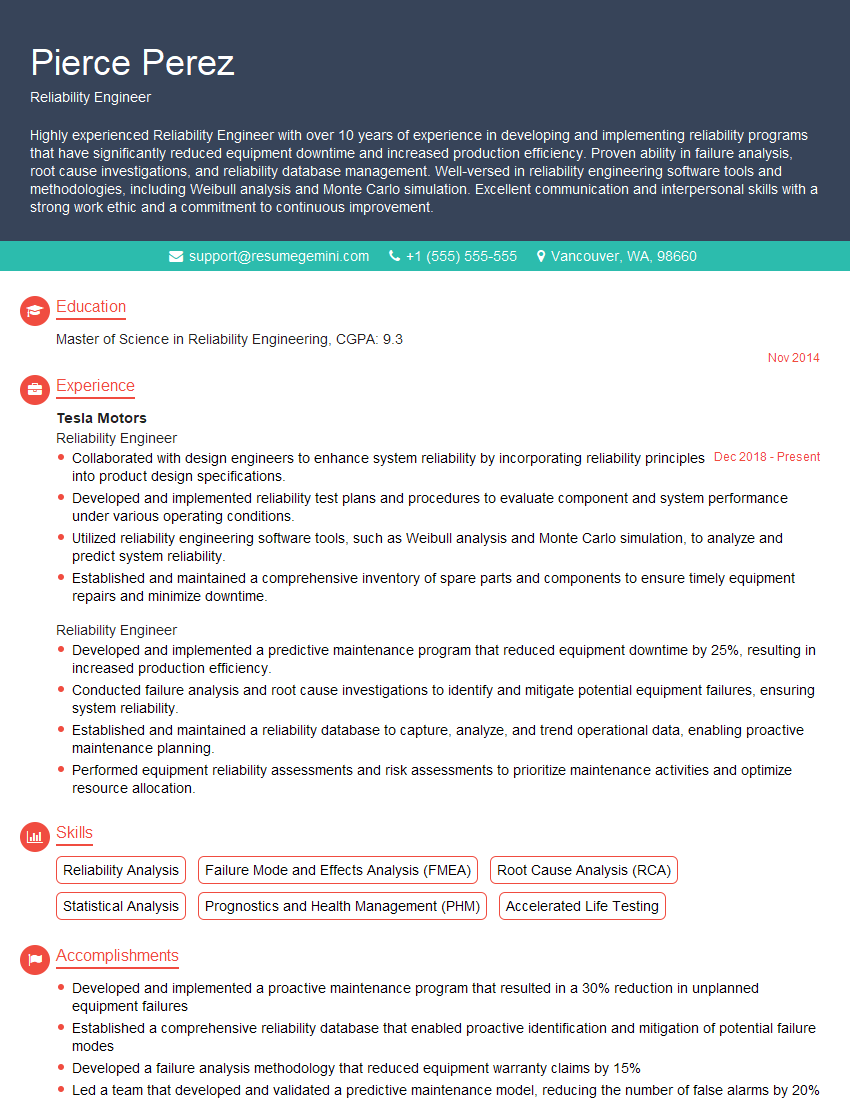
Reliability Engineer Resume Sample
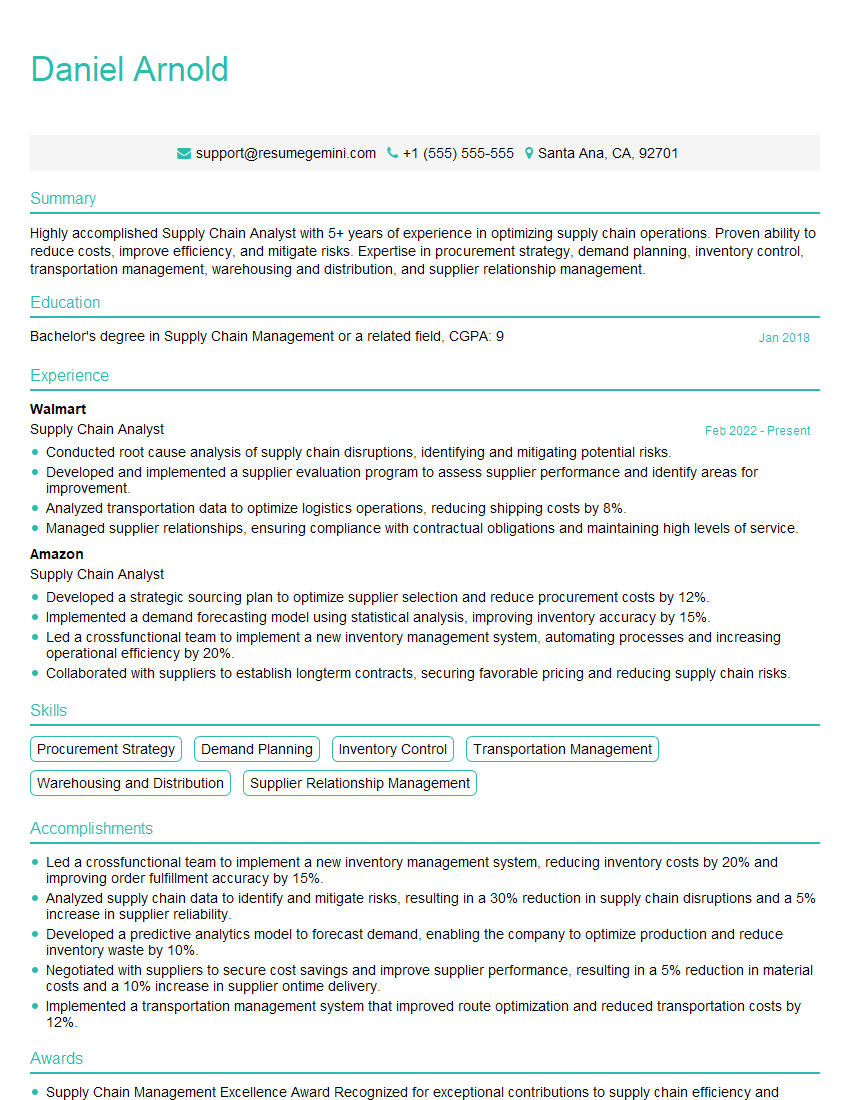
Supply Chain Analyst Resume Sample
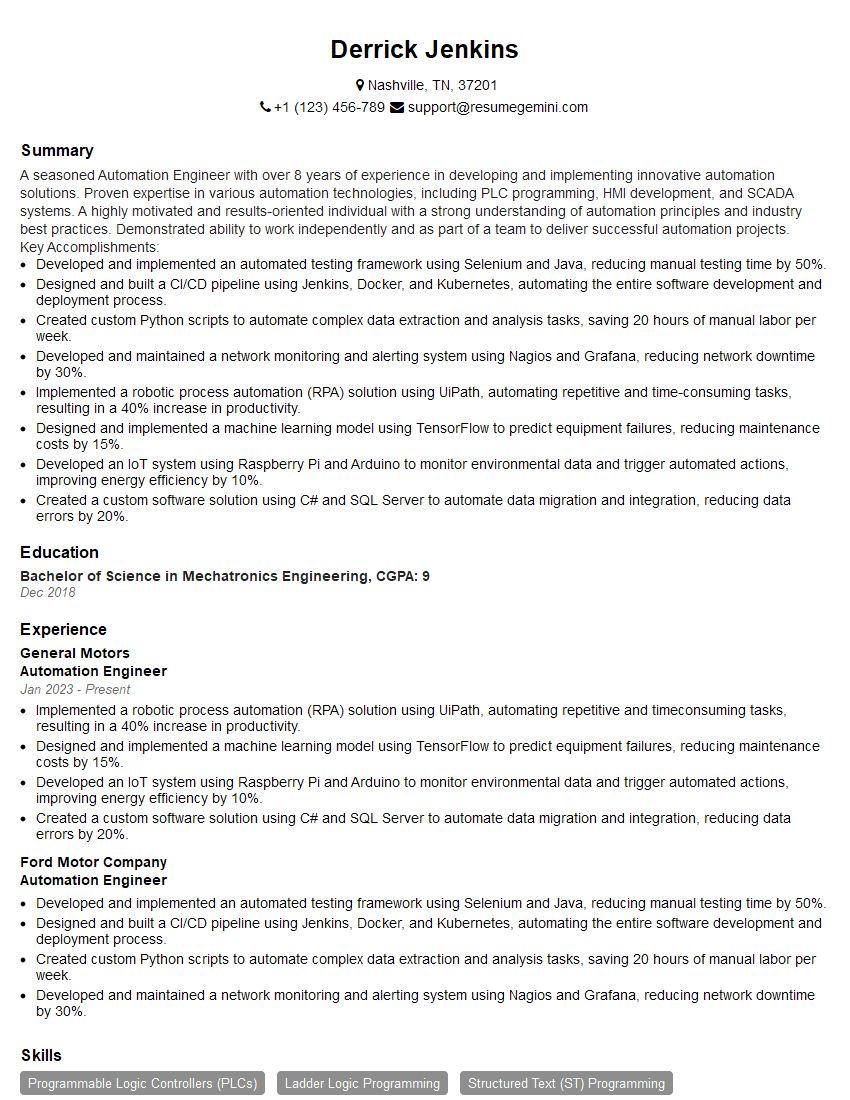
Automation Engineer Resume Sample

Operations Research Analyst Resume Sample
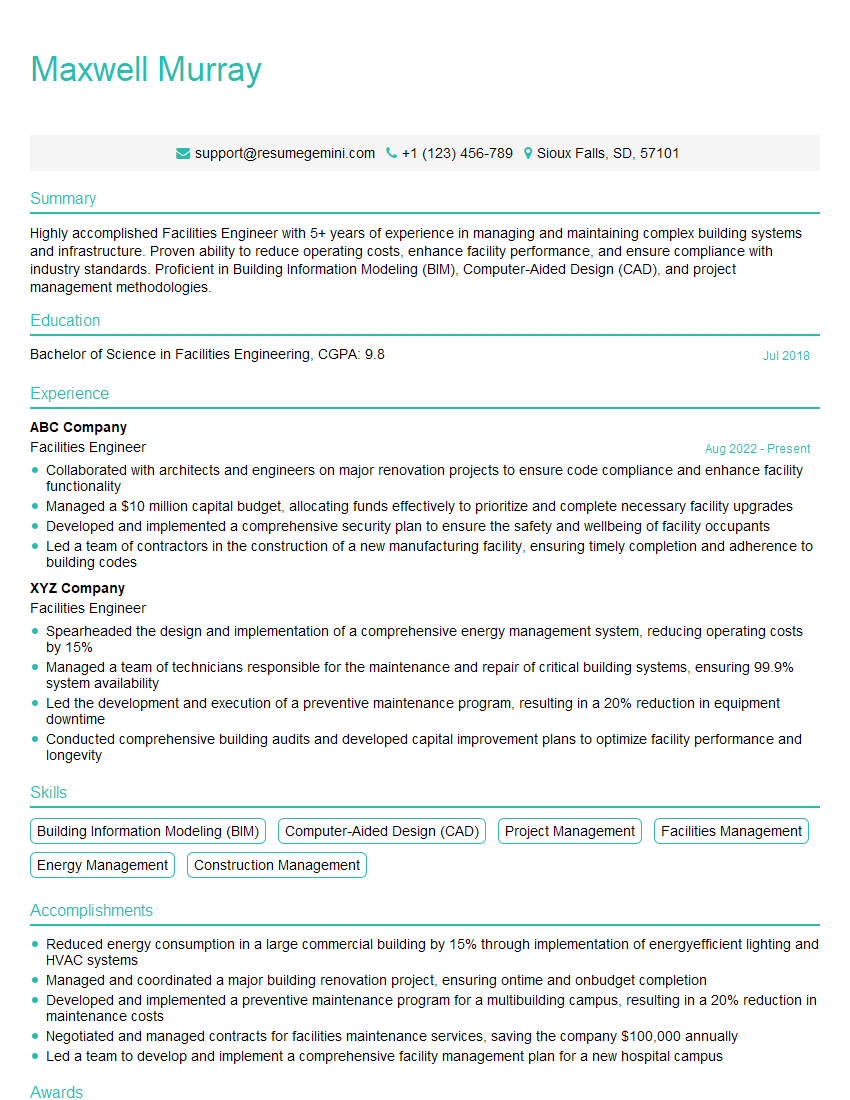
Facilities Engineer Resume Sample
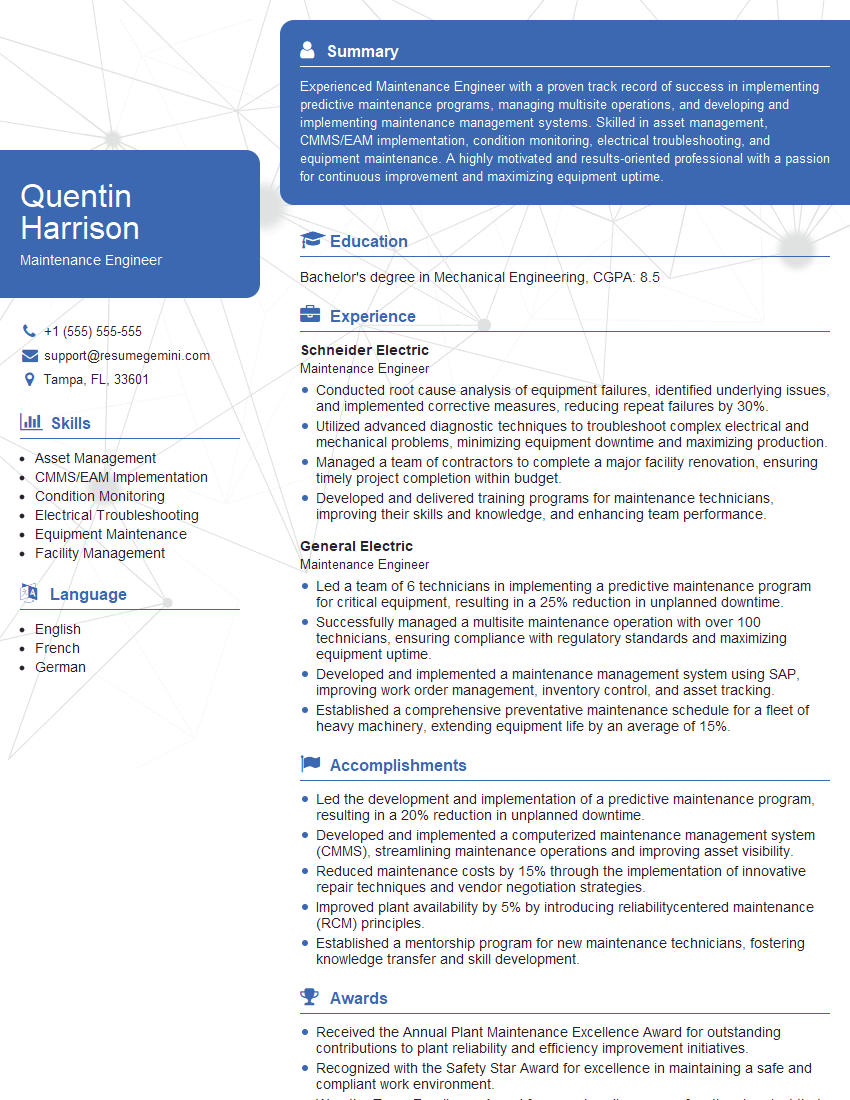
Maintenance Engineer Resume Sample
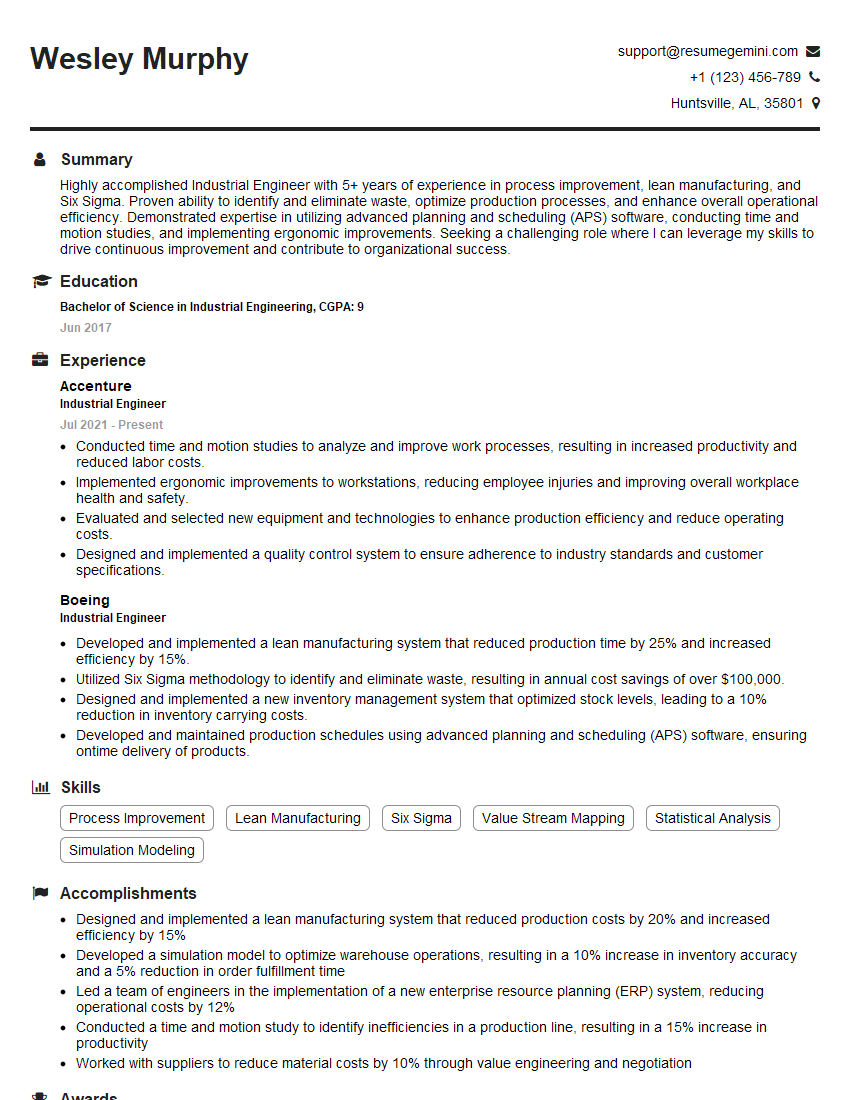
Industrial Engineer Resume Sample
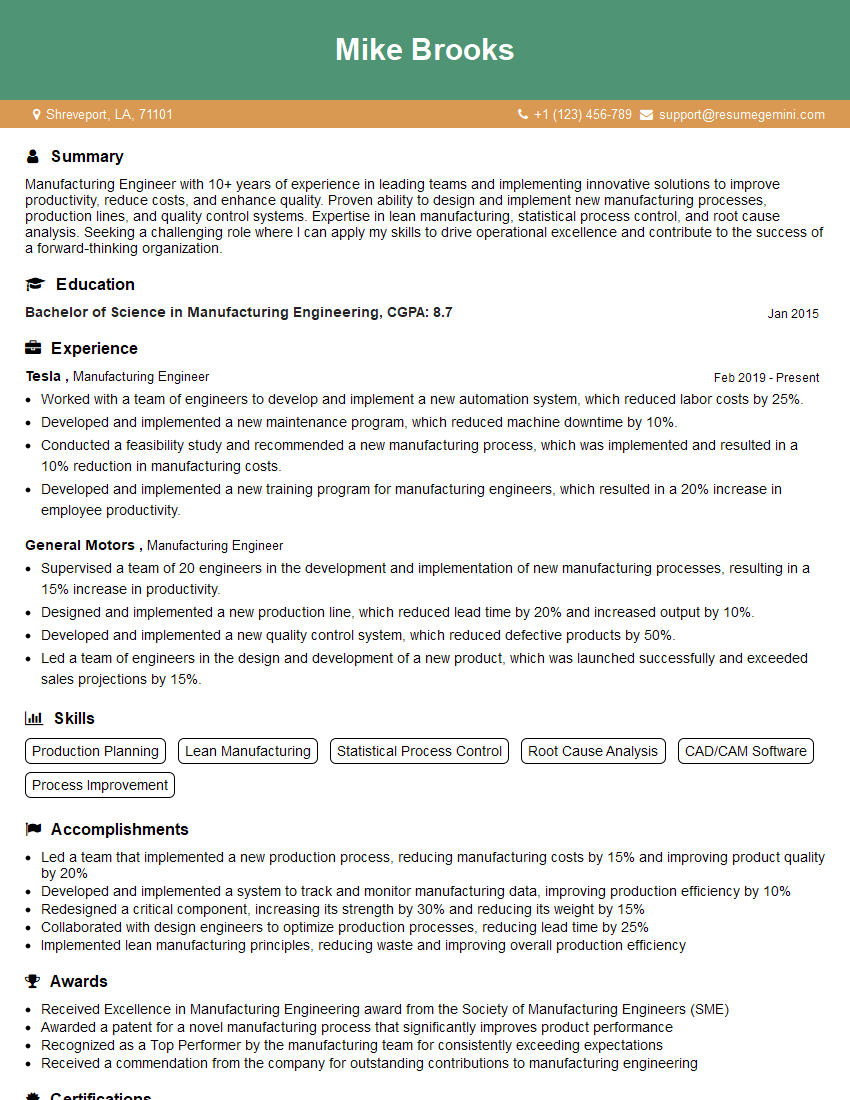
Manufacturing Engineer Resume Sample
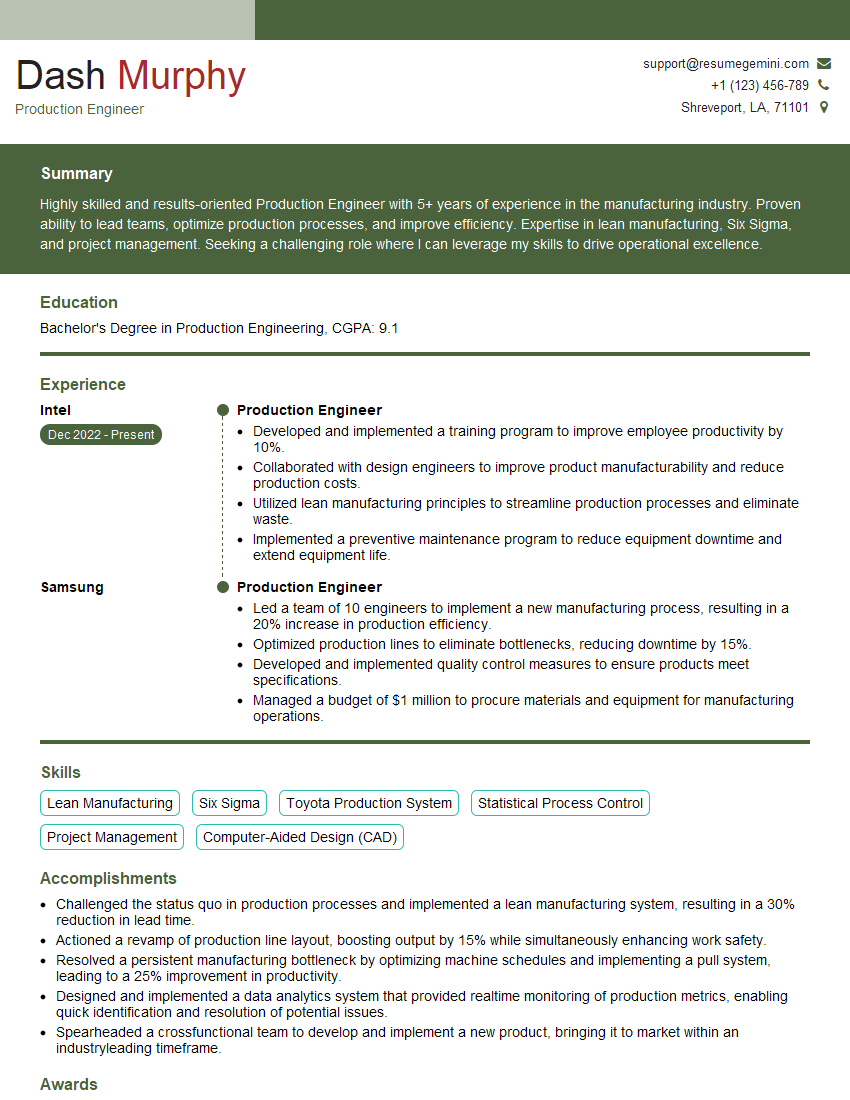
Production Engineer Resume Sample
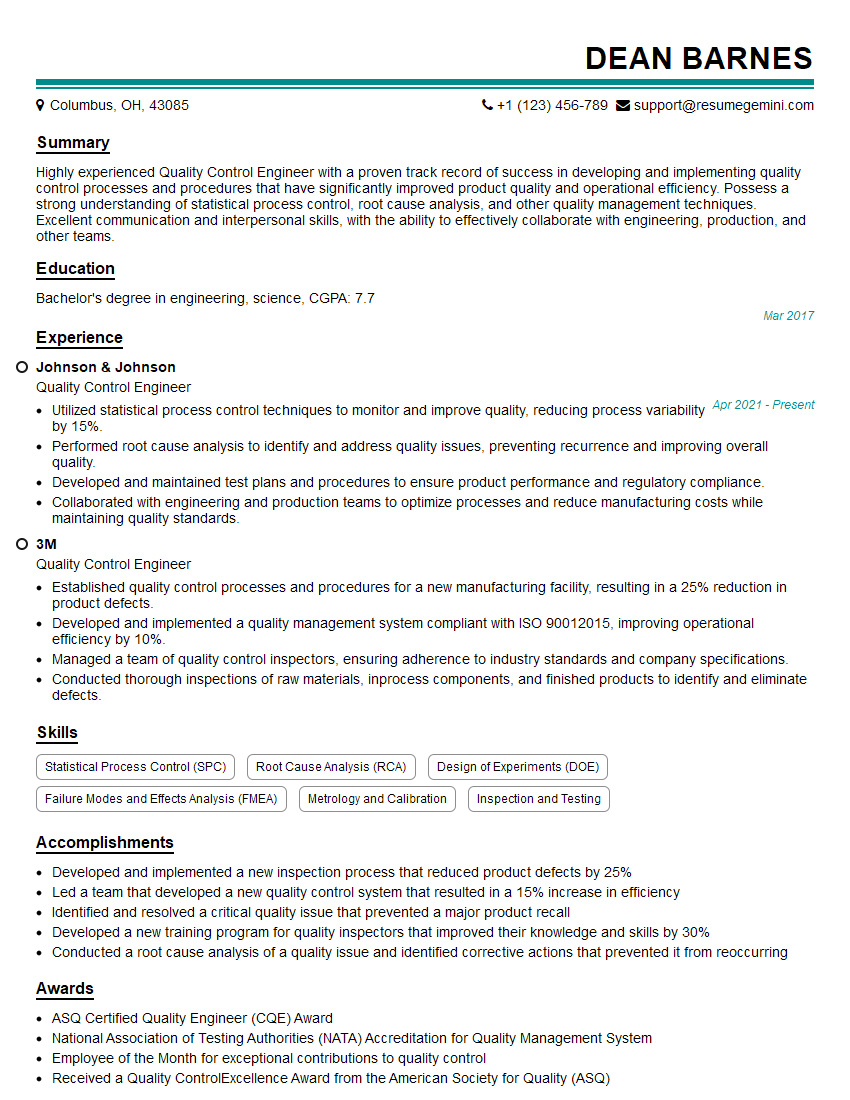
Quality Control Engineer Resume Sample
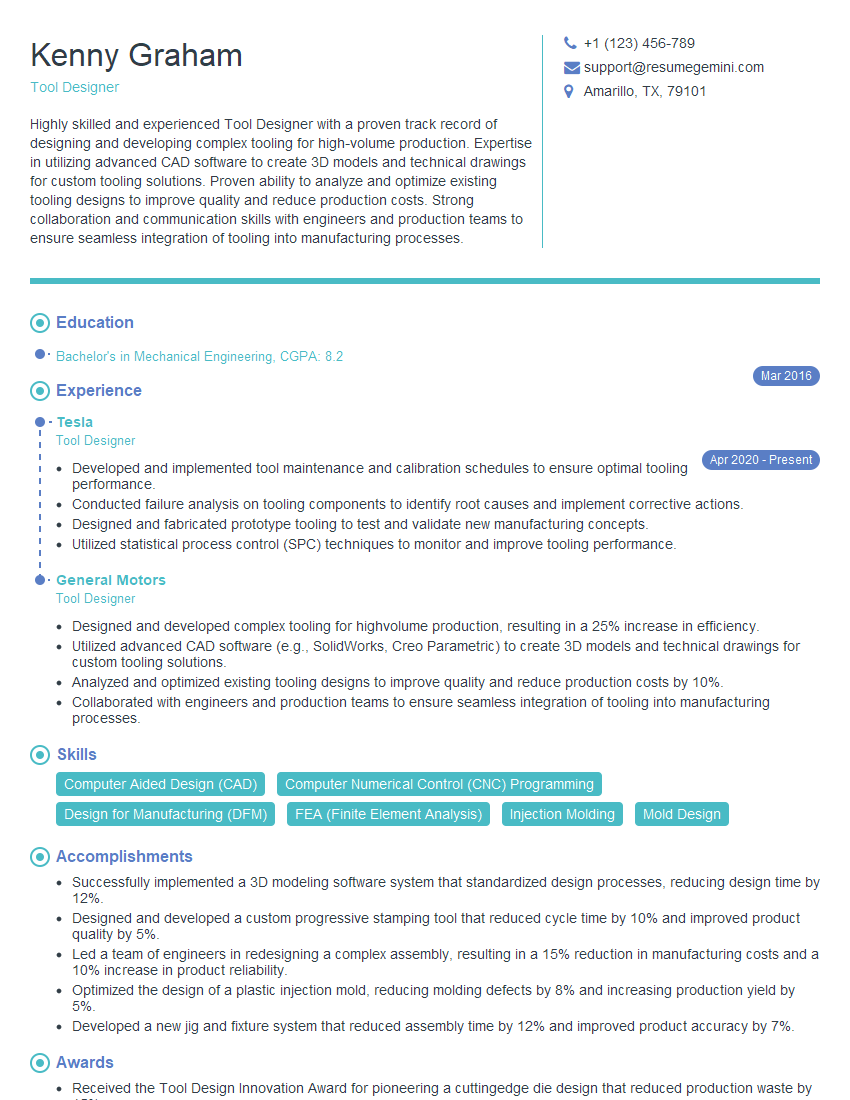
Tool Designer Resume Sample
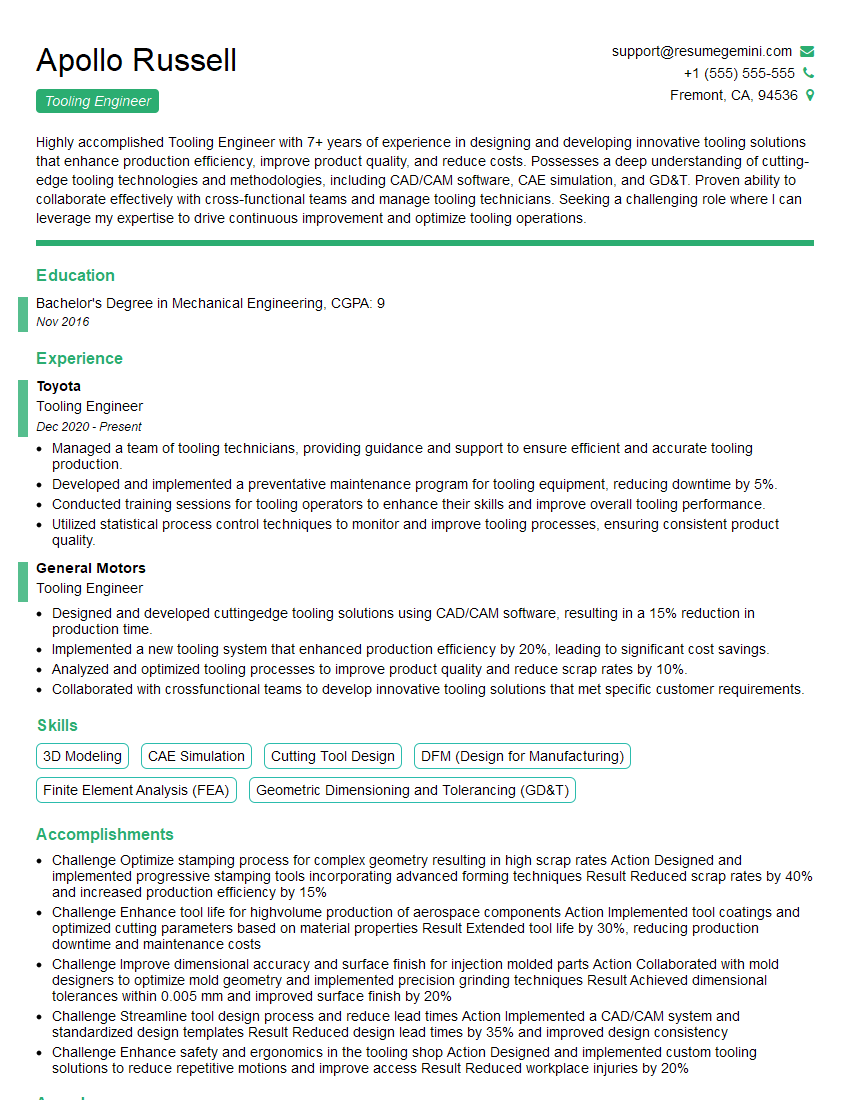
Tooling Engineer Resume Sample
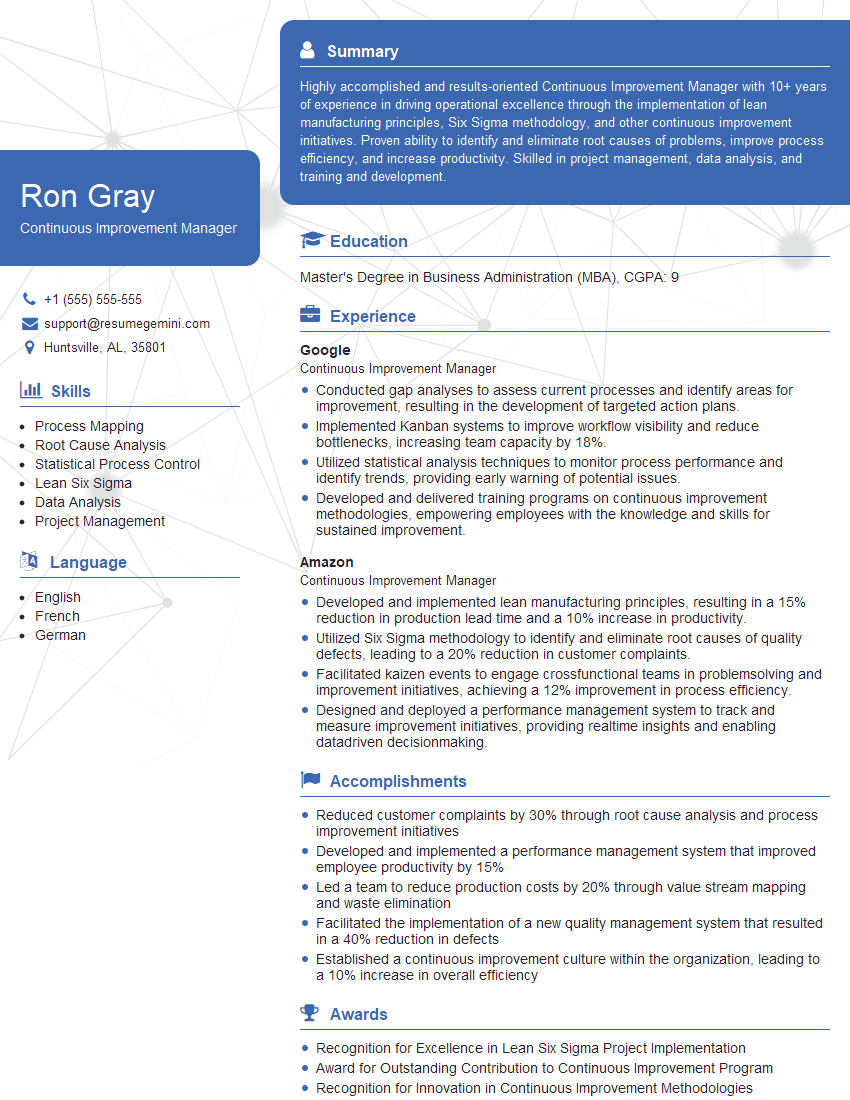
Continuous Improvement Manager Resume Sample
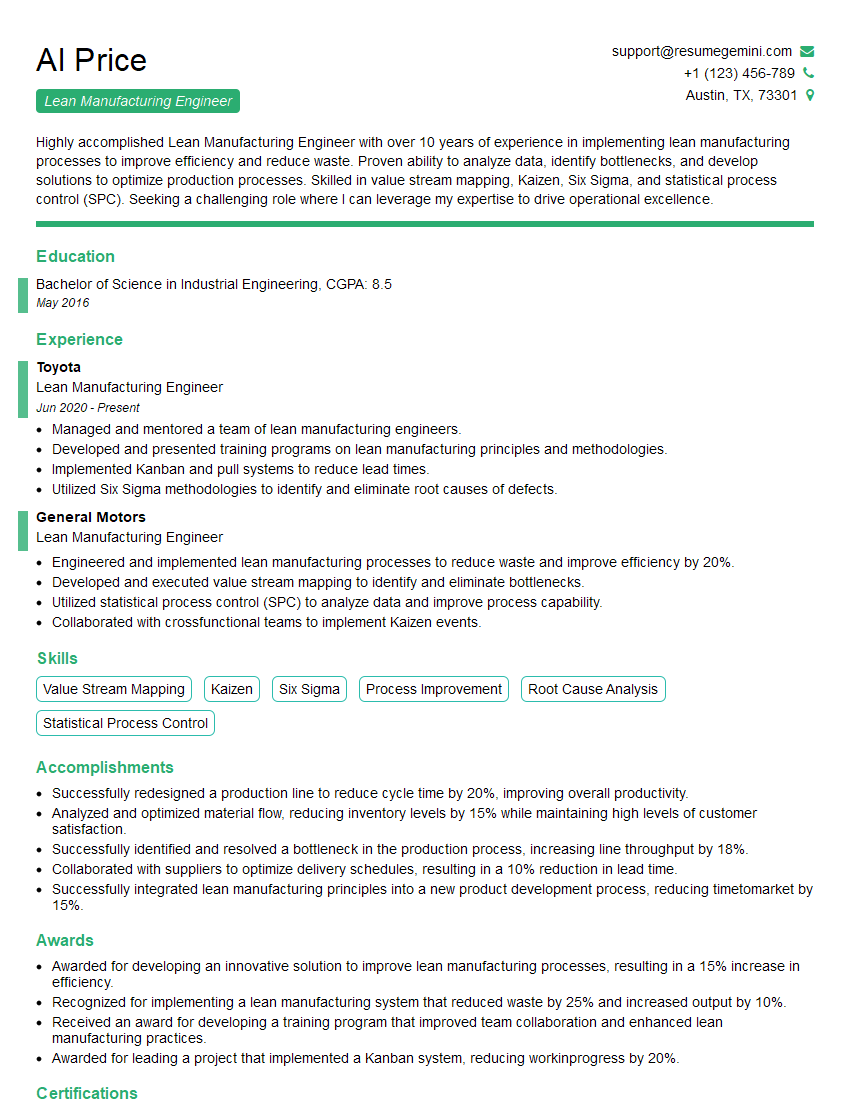
Lean Manufacturing Engineer Resume Sample
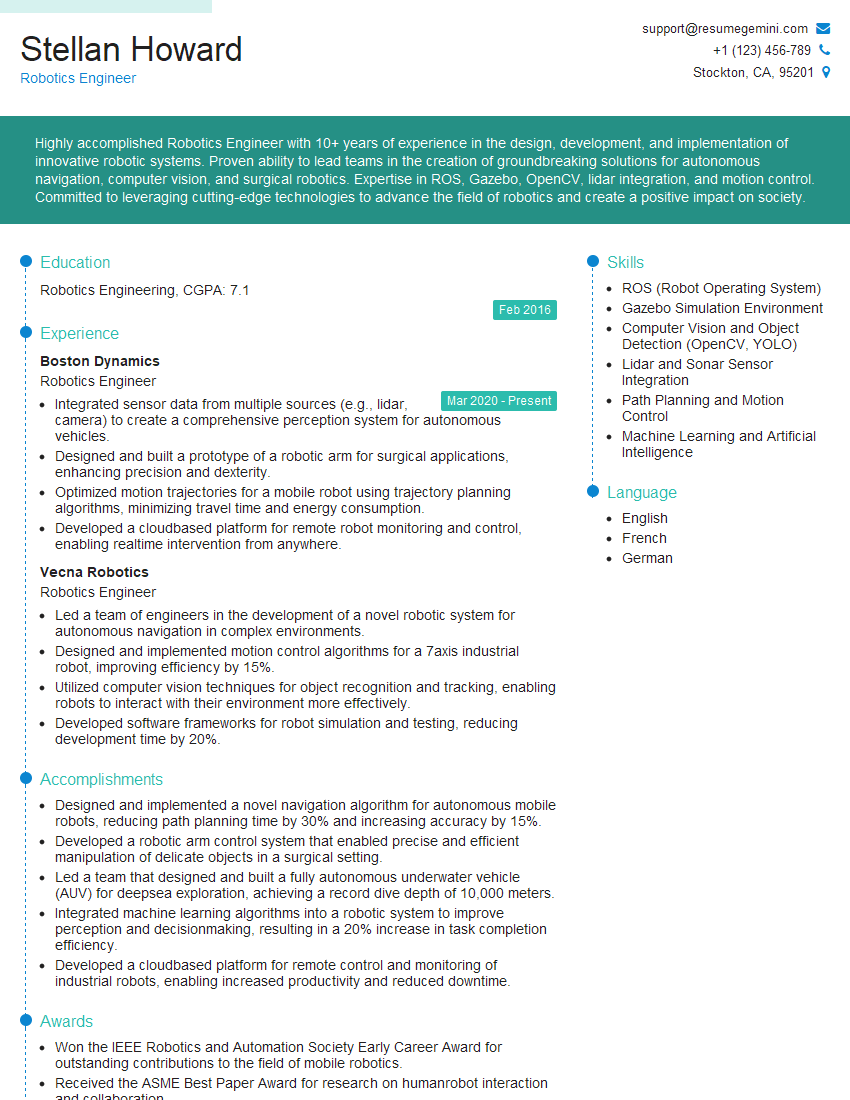
Robotics Engineer Resume Sample
- Reliability Engineer
- Supply Chain Analyst
- Automation Engineer
- Operations Research Analyst
- Facilities Engineer
- Maintenance Engineer
- Industrial Engineer
- Manufacturing Engineer
- Production Engineer
- Quality Control Engineer
- Tool Designer
- Tooling Engineer
- Continuous Improvement Manager
- Lean Manufacturing Engineer
- Robotics Engineer
Explore more articles
Users Rating of Our Blogs
Share Your Experience
We value your feedback! Please rate our content and share your thoughts (optional).
What Readers Say About Our Blog
To the interviewgemini.com Webmaster.
Very helpful and content specific questions to help prepare me for my interview!
Thank you
To the interviewgemini.com Webmaster.
This was kind of a unique content I found around the specialized skills. Very helpful questions and good detailed answers.
Very Helpful blog, thank you Interviewgemini team.