Unlock your full potential by mastering the most common Food Systems and Sustainable Agriculture interview questions. This blog offers a deep dive into the critical topics, ensuring you’re not only prepared to answer but to excel. With these insights, you’ll approach your interview with clarity and confidence.
Questions Asked in Food Systems and Sustainable Agriculture Interview
Q 1. Explain the concept of food sovereignty.
Food sovereignty is the right of peoples to healthy and culturally appropriate food produced through ecologically sound and sustainable methods, and their right to define their own food and agriculture systems. It’s not just about access to food; it’s about control over the entire food system, from seed production to distribution and consumption. Think of it as reclaiming power over what you eat and how it’s produced.
For example, a community might prioritize growing traditional crops using locally adapted methods, rather than relying on imported seeds and industrialized agriculture. This empowers them to maintain their food culture and create more resilient, sustainable systems.
In contrast, food security simply addresses the availability and access to sufficient, safe, and nutritious food, but food sovereignty goes a step further by emphasizing control and self-determination.
Q 2. Describe the challenges of implementing sustainable agricultural practices in developing countries.
Implementing sustainable agricultural practices in developing countries faces numerous challenges. Many farmers lack access to resources like improved seeds, fertilizers, and irrigation technology. Limited infrastructure, including poor roads and storage facilities, hinders the efficient distribution of produce. Furthermore, financial constraints often prevent farmers from investing in sustainable methods, and a lack of education and training can limit their understanding and adoption of these practices.
Another significant hurdle is the prevalence of land tenure insecurity, where farmers lack clear ownership rights to their land, discouraging long-term investments. Climate change, with its unpredictable weather patterns and increased frequency of extreme events, further exacerbates the challenges faced by farmers in these regions. Finally, existing market structures might not adequately reward sustainable practices, making it financially difficult for farmers to switch from conventional farming.
Q 3. What are the key components of a resilient food system?
A resilient food system is one that can withstand shocks and stresses, whether they are climate-related, economic, or social. Key components include:
- Diversity: A variety of crops, livestock, and production systems reduces the risk of widespread failure from pests, diseases, or extreme weather.
- Adaptability: The capacity to adjust to changing conditions, including climate change and market fluctuations.
- Fairness and equity: Ensuring equitable access to resources and benefits throughout the food supply chain.
- Strong local economies: Supporting local producers and processing, increasing local economic resilience.
- Environmental sustainability: Protecting natural resources and minimizing the environmental impact of food production.
- Robust infrastructure: Efficient transportation, storage, and distribution networks.
For instance, a region relying solely on a single crop would be far less resilient than one with diversified agriculture. The diversified region is better positioned to cope with crop failures or changing market demands.
Q 4. Discuss the role of technology in improving agricultural efficiency and sustainability.
Technology plays a crucial role in enhancing agricultural efficiency and sustainability. Precision agriculture techniques, like GPS-guided machinery and sensor-based monitoring, optimize resource use by tailoring inputs (fertilizers, water, pesticides) to specific field needs. This reduces waste and environmental impact while boosting yields.
Remote sensing and drone technology allow for large-scale monitoring of crop health and soil conditions, enabling timely interventions. Improved crop varieties, developed through biotechnology and conventional breeding, offer enhanced pest and disease resistance, greater yields, and improved nutritional content. Information and communication technologies (ICTs) facilitate better market access for farmers, improved supply chain management, and more effective knowledge sharing.
For example, using drones to assess crop health can lead to early detection of disease outbreaks, allowing for targeted interventions and preventing widespread crop losses.
Q 5. Explain the difference between organic and conventional farming.
Organic farming and conventional farming differ significantly in their approaches to production. Organic farming prohibits the use of synthetic pesticides, herbicides, fertilizers, and genetically modified organisms (GMOs). It emphasizes biodiversity, soil health, and natural pest control methods.
Conventional farming often relies heavily on synthetic inputs to maximize yields and control pests and diseases. While it can achieve high productivity, it can also lead to environmental concerns such as water pollution from fertilizer runoff and biodiversity loss from pesticide use. Choosing between them often depends on a consumer’s priorities – food safety, environmental impact, and the level of intervention in the production process.
Q 6. How can precision agriculture improve resource use efficiency?
Precision agriculture dramatically improves resource use efficiency by employing technology to optimize the application of inputs. Instead of applying the same amount of fertilizer or water across an entire field, precision agriculture uses sensors and data analysis to target these inputs to areas where they are most needed. This reduces waste, minimizes environmental damage, and maximizes the return on investment.
For example, using soil sensors to determine nutrient levels allows farmers to apply only the necessary amount of fertilizer, avoiding unnecessary application and reducing nutrient runoff into water bodies. Similarly, variable rate irrigation systems adjust water application based on soil moisture levels, saving water and energy.
Q 7. What are the environmental impacts of intensive livestock farming?
Intensive livestock farming, while efficient in producing large quantities of meat and dairy, has significant environmental impacts. These include:
- Greenhouse gas emissions: Livestock, particularly cattle, produce substantial amounts of methane, a potent greenhouse gas. Manure management also releases significant quantities of methane and nitrous oxide.
- Water pollution: Manure runoff can contaminate water bodies with nutrients and pathogens, leading to eutrophication and water quality degradation.
- Land use change: Intensive livestock farming often requires large areas of land for feed production, leading to deforestation and habitat loss.
- Antibiotic resistance: The widespread use of antibiotics in livestock farming contributes to the development and spread of antibiotic-resistant bacteria, posing a significant threat to human health.
Reducing the environmental impact requires a shift towards more sustainable livestock farming practices, such as improved manure management, reduced reliance on antibiotics, and diversified farming systems.
Q 8. Describe different approaches to reducing food waste throughout the supply chain.
Reducing food waste requires a multi-pronged approach targeting all stages of the supply chain, from farm to fork. Think of it like fixing a leaky pipe – you need to address each leak individually to maximize impact.
On-farm practices: Implementing precision agriculture techniques like using sensors to monitor crop health can minimize losses due to pests or diseases. Improved harvesting methods and storage solutions also play a crucial role. For instance, a farmer could use a sorting machine to separate blemished produce from marketable goods, reducing waste at the source.
Processing and manufacturing: Efficient processing techniques are crucial. Food manufacturers can reduce waste by using byproducts in new products – think apple peels in cider or bread crumbs from stale bread. Improved packaging design that extends shelf life can also significantly decrease waste at this stage.
Retail and distribution: Supermarkets can implement strategies like improved inventory management and clearer labeling of ‘best before’ and ‘use by’ dates. Donating excess food to food banks or charities is a vital step. Imagine a supermarket using a dedicated app to notify customers about discounted produce nearing its expiration date.
Consumer level: Educating consumers about proper food storage, meal planning, and reducing impulsive purchases is paramount. Composting food scraps reduces landfill waste and creates valuable fertilizer. Consider the impact of a public awareness campaign emphasizing the environmental and economic implications of food waste.
Q 9. How can we improve access to nutritious food in food deserts?
Food deserts, areas with limited access to affordable and nutritious food, are a significant challenge. Addressing this requires a multi-faceted approach that combines infrastructure development with community engagement.
Improving infrastructure: Investing in grocery stores and farmers’ markets in underserved areas is crucial. This could involve offering tax incentives to businesses willing to operate in these locations or providing subsidized transportation to existing markets.
Supporting local food systems: Promoting urban agriculture initiatives, such as community gardens and vertical farms, can increase local food production and accessibility. Think of a community garden providing fresh vegetables directly to local residents.
Strengthening food assistance programs: Expanding and enhancing existing programs like SNAP (Supplemental Nutrition Assistance Program) and WIC (Women, Infants, and Children) can ensure vulnerable populations have access to food. This includes improving the nutritional quality of food provided through these programs.
Empowering communities: Engaging local communities in identifying their needs and developing solutions is essential. Community-led initiatives can address specific challenges and ensure programs are culturally appropriate and effective.
Q 10. What are the ethical considerations of genetically modified organisms (GMOs) in agriculture?
The ethical considerations surrounding GMOs are complex and multifaceted. They encompass environmental, economic, and social aspects, often sparking heated debates.
Environmental concerns: Potential impacts include the development of herbicide-resistant weeds, effects on biodiversity, and the potential for gene flow to wild relatives. Some argue that GMOs can reduce pesticide use, leading to environmental benefits, while others express concerns about potential unforeseen ecological consequences.
Economic implications: GMOs can offer benefits like increased crop yields and reduced production costs, benefiting farmers and consumers. However, concerns exist about the control of the seed market by large corporations, potentially limiting farmer choice and independence. The economic impact on smallholder farmers in developing countries is also a critical point of discussion.
Social justice issues: Access to GMO technology and its benefits is unevenly distributed globally. Concerns exist about the potential for increased inequality and the need for equitable access to this technology. The labeling of GMOs and the right of consumers to make informed choices are also significant social justice considerations.
Health and safety: Extensive research has generally found GMOs to be safe for human consumption, but ongoing monitoring and transparent research are crucial to address any potential long-term effects. The precautionary principle suggests we should act cautiously in the face of potential harm, even if that harm is not definitively proven.
Q 11. Discuss the role of government policies in promoting sustainable agriculture.
Government policies play a crucial role in shaping sustainable agriculture. They act as the guiding force, encouraging practices that benefit both the environment and the economy.
Financial incentives: Subsidies and tax breaks for farmers adopting sustainable practices like organic farming, cover cropping, and reduced tillage can significantly increase adoption. For example, tax credits for investing in renewable energy sources for farms.
Regulations and standards: Establishing clear regulations regarding pesticide use, water management, and soil conservation helps protect the environment and ensures food safety. Organic certification programs provide consumers with a trustworthy way to choose sustainably produced food.
Research and development: Investing in research to develop climate-resilient crops, improve water-use efficiency, and develop sustainable pest management strategies is essential for long-term food security. Funding projects to study the impact of climate change on various crops.
Market access and trade policies: Supporting fair trade practices and ensuring access to markets for sustainably produced food helps farmers receive fair prices for their products. This includes measures to support local markets and reduce reliance on distant food systems.
Education and outreach: Government initiatives that educate farmers about sustainable practices and provide technical assistance can accelerate the transition to more sustainable agricultural systems. Government-funded workshops on sustainable farming techniques.
Q 12. Explain the concept of vertical farming and its potential benefits and drawbacks.
Vertical farming involves growing crops in vertically stacked layers, typically in controlled indoor environments. Imagine a skyscraper dedicated entirely to growing food, maximizing space utilization.
Potential benefits: Higher yields per unit of land, reduced water consumption through recirculation systems, minimized pesticide use due to controlled environments, and year-round production irrespective of climate.
Potential drawbacks: High initial investment costs, energy consumption for lighting and climate control, reliance on technology and expertise, potential for nutrient deficiencies without careful management, and concerns about food safety due to closed system challenges.
Vertical farming is still a developing technology, but it has the potential to play a significant role in addressing food security challenges in urban areas and reducing the environmental impact of agriculture.
Q 13. How can climate change impact food production and security?
Climate change poses a significant threat to global food production and security. Changes in temperature, precipitation patterns, and the frequency of extreme weather events can severely impact crop yields and livestock production.
Increased temperatures: Heat stress can reduce crop yields, particularly in regions already experiencing high temperatures. This can lead to reduced harvests and increased food prices.
Changes in precipitation: More frequent and intense droughts and floods can devastate crops and disrupt agricultural activities. This could result in widespread food shortages and famine.
Pest and disease outbreaks: Climate change can alter the distribution and prevalence of pests and diseases, impacting crop health and yields. Warmer temperatures could extend the range of disease vectors, leading to increased crop losses.
Ocean acidification: Increased carbon dioxide in the atmosphere is leading to ocean acidification, which threatens marine ecosystems and fisheries, impacting food security for communities reliant on seafood.
Addressing climate change and adapting agricultural practices to mitigate its effects are crucial for ensuring global food security.
Q 14. What are the key indicators used to assess food security?
Food security is a complex issue, encompassing the availability, access, utilization, and stability of food. Assessing it requires a range of key indicators.
Availability: This refers to the sufficient quantity of food available at national and household levels. Indicators include per capita food production, import and export levels, and food stocks.
Access: This refers to the affordability and physical accessibility of food. Indicators include food prices, household income, and the prevalence of hunger and malnutrition.
Utilization: This refers to the ability of the body to utilize food for growth and activity. Indicators include dietary diversity, micronutrient deficiencies (e.g., vitamin A, iron), and stunting and wasting rates in children.
Stability: This refers to the consistency of food availability, access, and utilization over time. Indicators include vulnerability to price shocks, droughts, and other crises impacting food production and distribution.
Monitoring these indicators is crucial for understanding the current state of food security and identifying areas requiring intervention.
Q 15. Describe the role of biodiversity in maintaining healthy and productive ecosystems.
Biodiversity, the variety of life at all levels, from genes to ecosystems, is the cornerstone of healthy and productive ecosystems. Think of it like a finely tuned orchestra – each instrument (species) plays a vital role, and the absence of even one can disrupt the harmony. In agricultural systems, diverse plant species contribute to soil health through varied root structures improving nutrient cycling. Diverse insect populations ensure pollination and natural pest control. A rich biodiversity also offers resilience against environmental stresses like drought or disease outbreaks. For example, a monoculture (planting a single crop repeatedly) is highly vulnerable to pests or diseases, while a diverse cropping system offers multiple defenses. The loss of biodiversity weakens this resilience, leading to less productive and more fragile ecosystems.
Career Expert Tips:
- Ace those interviews! Prepare effectively by reviewing the Top 50 Most Common Interview Questions on ResumeGemini.
- Navigate your job search with confidence! Explore a wide range of Career Tips on ResumeGemini. Learn about common challenges and recommendations to overcome them.
- Craft the perfect resume! Master the Art of Resume Writing with ResumeGemini’s guide. Showcase your unique qualifications and achievements effectively.
- Don’t miss out on holiday savings! Build your dream resume with ResumeGemini’s ATS optimized templates.
Q 16. What are the challenges of integrating sustainable agriculture into existing farming systems?
Integrating sustainable agriculture into existing farming systems presents numerous challenges. Firstly, there’s the economic hurdle: transitioning to sustainable practices often requires upfront investment in new equipment, training, and potentially lower yields in the short term. Farmers might face reduced income initially until sustainable practices become fully established. Secondly, there’s the knowledge gap: adopting new techniques like crop rotation, integrated pest management, or agroforestry requires farmers to acquire new skills and knowledge. Access to training and support is crucial. Thirdly, there are infrastructural limitations: sustainable practices often depend on efficient water management, better access to compost and organic fertilizers, and improved post-harvest handling facilities, which might not be readily available to all farmers. Finally, market accessibility is crucial. Demand for sustainably produced food needs to grow to provide incentives for farmers to adopt sustainable practices. If the market doesn’t reward sustainability, the transition becomes much harder.
Q 17. Explain the concept of circular economy in the context of food systems.
A circular economy in food systems aims to minimize waste and maximize resource utilization throughout the entire food chain. Instead of a linear model (production, consumption, disposal), it strives for a cyclical approach. This means utilizing food waste as compost for fertilizer, recovering energy from agricultural residues, designing packaging for reuse or recycling, and minimizing food loss at all stages – from farm to fork. For example, food waste from supermarkets could be diverted to anaerobic digestion plants to generate biogas for energy, while the digestate can be used as a fertilizer. Restaurants can compost their food scraps, reducing landfill waste and producing valuable soil amendment. This closed-loop approach reduces environmental impact and enhances resource efficiency.
Q 18. How can consumer behavior influence sustainable agriculture?
Consumer behavior is a powerful driver of sustainable agriculture. When consumers actively choose to purchase sustainably produced food, they create a market demand that encourages farmers to adopt eco-friendly practices. This can manifest in various ways: choosing locally sourced produce to reduce transportation emissions, opting for organic or certified sustainable products, reducing food waste at home, and supporting policies that promote sustainable agriculture. For example, a growing demand for fair-trade coffee incentivizes coffee farmers to adopt environmentally and socially responsible practices. Similarly, increased demand for locally sourced vegetables encourages local farmers to use sustainable farming methods. Ultimately, conscious consumer choices send a powerful message to the entire food system, influencing everything from farm management to packaging and distribution.
Q 19. Discuss the importance of soil health in sustainable agriculture.
Soil health is paramount in sustainable agriculture. Healthy soil acts as a living ecosystem, providing essential nutrients, water retention, and support for plant growth. Factors contributing to healthy soil include high organic matter content (from compost or cover crops), balanced nutrient levels, appropriate soil structure, and a thriving soil biota (beneficial microorganisms, earthworms, etc.). Healthy soil reduces the need for synthetic fertilizers and pesticides, increases water-use efficiency, enhances crop yields, and contributes to carbon sequestration. Imagine soil as a sponge: healthy soil absorbs and retains water effectively, reducing the need for irrigation. Conversely, degraded soil acts more like a sieve, leading to water runoff, nutrient loss, and reduced crop productivity. Practices like no-till farming, cover cropping, and crop rotation directly improve soil health and contribute to the long-term sustainability of agricultural systems.
Q 20. What are some common pest management strategies in sustainable agriculture?
Sustainable pest management focuses on preventing or minimizing pest damage through a combination of strategies, rather than relying solely on synthetic pesticides. Common strategies include:
- Crop rotation: altering the sequence of crops planted in a field disrupts pest life cycles.
- Biological control: introducing natural enemies of pests, such as predatory insects or beneficial nematodes.
- Integrated Pest Management (IPM): a holistic approach combining monitoring, preventative measures, and targeted interventions only when necessary.
- Resistant varieties: planting crop varieties that are naturally resistant to certain pests.
- Cultural practices: adjusting planting times or densities to minimize pest susceptibility.
Q 21. Describe the role of water management in sustainable agriculture.
Water management is critical in sustainable agriculture, considering water scarcity and the environmental impacts of irrigation. Efficient water management involves optimizing water use at every stage of the agricultural process. This includes:
- Drip irrigation: delivering water directly to plant roots, reducing evaporation and runoff.
- Water harvesting: collecting rainwater for later use.
- Drought-resistant crops: selecting crop varieties that require less water.
- Soil moisture monitoring: using sensors or other tools to determine when and how much water is needed.
- Improving soil water retention: enhancing soil structure through organic matter addition to increase water infiltration and storage.
Q 22. How can we improve the traceability and transparency of food supply chains?
Improving traceability and transparency in food supply chains is crucial for building consumer trust, ensuring food safety, and promoting sustainable practices. Think of it like following a package’s journey from origin to your doorstep – knowing every step builds confidence.
Blockchain Technology: This allows for secure, immutable records of every stage of the food journey, from farm to table. Each transaction – harvesting, processing, transport – is recorded on a shared, transparent ledger. This provides a complete audit trail, readily accessible to all stakeholders.
QR Codes and Mobile Apps: Consumers can scan QR codes on products to access information about the product’s origin, production methods, and even the specific farm where it was grown. This empowers informed purchasing decisions.
Standardized Data Collection: Implementing consistent data collection protocols across the supply chain ensures that information is comparable and reliable. This requires collaboration among all actors, from farmers to retailers.
Government Regulations and Certification Schemes: Clear regulations and labeling standards can mandate transparency and traceability, helping to eliminate deceptive practices. For example, organic certifications already provide a degree of traceability.
Imagine a scenario where a foodborne illness outbreak occurs. With robust traceability, identifying the source and preventing further contamination becomes significantly faster and easier, minimizing harm and economic losses.
Q 23. Explain the importance of farmer education and training in sustainable agriculture.
Farmer education and training are paramount for the success of sustainable agriculture. It’s not just about teaching new techniques; it’s about empowering farmers to make informed decisions that benefit both their livelihoods and the environment.
Climate-Smart Agriculture: Training farmers in adapting to climate change through drought-resistant crops, efficient irrigation, and conservation tillage is essential for long-term food security.
Integrated Pest Management (IPM): IPM strategies minimize pesticide use by emphasizing natural pest control methods, reducing environmental impact and improving farmer health. This requires training in identifying pests, using beneficial insects, and employing cultural controls.
Soil Health Management: Educating farmers on techniques like no-till farming, cover cropping, and crop rotation improves soil fertility and reduces erosion. This enhances long-term productivity and minimizes the need for chemical fertilizers.
Precision Agriculture: Using technology like GPS and sensors to optimize resource use – water, fertilizer, pesticides – increases efficiency and reduces environmental impact. This involves training in data analysis and technology adoption.
Financial Literacy and Market Access: Farmers need training in business management, marketing, and accessing credit to thrive in a competitive market. This is key to incentivizing sustainable practices.
For instance, a farmer trained in IPM might drastically reduce their pesticide use, resulting in higher-quality produce, lower costs, and a healthier environment. This positive feedback loop incentivizes broader adoption of sustainable practices.
Q 24. What are some strategies for promoting fair trade practices in the food system?
Promoting fair trade practices ensures that farmers receive a just price for their products, fostering economic stability and encouraging sustainable agricultural methods. It’s about creating a level playing field where producers aren’t exploited.
Direct Trade Relationships: Building direct relationships between producers and buyers eliminates intermediaries, allowing farmers to receive a larger share of the profits. This often involves cooperatives or farmer organizations.
Fair Pricing Mechanisms: Establishing minimum price guarantees or price premiums ensures farmers receive a fair return for their labor and investment, even in fluctuating markets. This is often audited by third-party organizations.
Support for Sustainable Practices: Fair trade organizations often provide technical assistance and capacity building to help farmers adopt environmentally friendly practices.
Worker Rights and Social Equity: Fair trade certification includes standards regarding worker welfare, including fair wages, safe working conditions, and freedom of association. This improves the well-being of farming communities.
Consumer Awareness and Demand: Educating consumers about fair trade products and incentivizing them to choose ethically sourced goods drives market demand, strengthening the fair trade model.
For example, a coffee farmer participating in a fair trade program will receive a guaranteed minimum price, allowing them to invest in their farm’s sustainability and improve their community’s living standards.
Q 25. How can we address the issue of land degradation in agriculture?
Land degradation, the decline in soil quality and productivity, poses a serious threat to global food security. Addressing this requires a multi-pronged approach.
Conservation Agriculture: Practices like no-till farming, cover cropping, and crop rotation minimize soil erosion and improve soil health. These methods protect the soil from the elements and enhance its natural fertility.
Agroforestry: Integrating trees into farming systems protects soil from erosion, enhances biodiversity, and provides additional income sources for farmers. Trees act as windbreaks, reducing erosion and improving soil moisture retention.
Reforestation and Afforestation: Planting trees on degraded land restores soil fertility and prevents further erosion. This also contributes to carbon sequestration, helping to mitigate climate change.
Sustainable Water Management: Efficient irrigation techniques and water harvesting methods reduce water stress on land, preventing desertification and soil salinization.
Integrated Nutrient Management: Optimizing the use of organic and inorganic fertilizers improves soil fertility while reducing environmental pollution. This balanced approach minimizes negative impacts.
Imagine a farmer using conservation agriculture techniques – reducing tillage, using cover crops. This improves soil structure, increases water infiltration, and reduces erosion, ultimately leading to higher crop yields and more sustainable land use.
Q 26. Discuss the challenges and opportunities of developing alternative protein sources.
Developing alternative protein sources is crucial for meeting the growing global demand for protein while minimizing the environmental impact of traditional livestock production. This presents both challenges and opportunities.
Challenges: Scaling up production to meet demand, overcoming consumer acceptance (taste and texture), ensuring affordability, and addressing potential environmental impacts of alternative protein production methods are key challenges.
Opportunities: Insect farming offers a highly efficient protein source with a low environmental footprint. Plant-based meat alternatives are increasingly sophisticated and appealing to consumers. Cellular agriculture (lab-grown meat) has the potential to revolutionize meat production, reducing its environmental impact.
Strategies: Investing in research and development, creating supportive regulatory frameworks, educating consumers about the benefits of alternative proteins, and establishing sustainable supply chains are crucial for successful implementation.
For example, the rise of plant-based burgers shows the growing consumer acceptance of alternative proteins. Further technological advancements and marketing strategies will determine the scale and impact of this transition.
Q 27. What are the key metrics used to evaluate the sustainability of agricultural practices?
Evaluating the sustainability of agricultural practices requires a holistic approach, considering environmental, economic, and social factors. Key metrics include:
Environmental Metrics: Greenhouse gas emissions (carbon footprint), water use efficiency, pesticide and fertilizer use, soil erosion rates, biodiversity loss, and land use change.
Economic Metrics: Farm profitability, market prices, input costs, consumer prices, and the economic contributions of agriculture to rural communities.
Social Metrics: Farmer income and well-being, food security, labor conditions, equitable access to resources, and community resilience.
A comprehensive sustainability assessment should integrate these metrics, providing a balanced picture of the farm’s overall performance. For instance, a farm might achieve high yields but at the cost of high greenhouse gas emissions and biodiversity loss; a balanced assessment would reflect this trade-off.
Q 28. Explain the role of international cooperation in addressing global food security challenges.
International cooperation is vital for addressing global food security challenges. No single nation can solve these issues alone; collaborative efforts are essential.
Sharing Knowledge and Technology: Developing countries can benefit from the knowledge and technological advancements of more developed nations, improving their agricultural practices and productivity. This includes knowledge transfer on climate-resilient crops and sustainable farming techniques.
Trade and Market Access: Facilitating fair trade practices and providing access to global markets for developing countries’ agricultural products boosts their economies and improves food security.
Investment in Research and Development: International collaborations on agricultural research can lead to breakthroughs in crop improvement, pest and disease control, and sustainable farming techniques. This is essential to adapt to climate change and improve yields.
Addressing Climate Change: International agreements and collaborations are crucial for mitigating climate change’s impact on agriculture, reducing greenhouse gas emissions, and adapting to changing weather patterns. This requires collective action on a global scale.
Disaster Relief and Humanitarian Aid: International organizations play a critical role in providing food assistance during times of crisis, such as droughts, floods, and conflicts. This immediate support is critical for preventing famine and maintaining food security.
For example, the Food and Agriculture Organization of the United Nations (FAO) facilitates international collaboration on various fronts, assisting countries in enhancing their agricultural practices and building resilience to shocks.
Key Topics to Learn for Food Systems and Sustainable Agriculture Interview
- Food System Structures & Dynamics: Understanding the interconnectedness of production, processing, distribution, consumption, and waste management within food systems. Consider the role of various actors (farmers, processors, retailers, consumers) and their influence.
- Sustainable Agriculture Practices: Explore diverse approaches like agroecology, integrated pest management, conservation tillage, and precision agriculture. Be prepared to discuss their environmental, economic, and social impacts.
- Food Security & Nutrition: Analyze the challenges of ensuring access to sufficient, safe, and nutritious food for all populations. Discuss the roles of policy, technology, and social equity.
- Climate Change Mitigation & Adaptation in Agriculture: Understand the impact of climate change on food production and explore strategies for reducing agriculture’s carbon footprint and building resilience to climate variability.
- Supply Chain Management & Traceability: Discuss efficient and ethical supply chain practices, including traceability technologies and their role in improving food safety and transparency.
- Policy & Governance in Food Systems: Analyze the role of government regulations, international agreements, and market mechanisms in shaping sustainable food systems. Be ready to discuss relevant policy instruments and their effectiveness.
- Technological Innovations: Explore the potential of biotechnology, data analytics, and other technologies to improve efficiency, sustainability, and resilience in food systems. Be prepared to discuss both the benefits and potential risks.
- Socioeconomic Aspects of Food Systems: Consider the social, economic, and ethical dimensions of food production and consumption. This includes topics like fair trade, food justice, and rural development.
- Problem-Solving & Critical Thinking: Practice analyzing complex food system challenges and developing innovative solutions. Be ready to discuss your approach to problem-solving and your ability to work collaboratively.
Next Steps
Mastering Food Systems and Sustainable Agriculture is crucial for a rewarding and impactful career. These fields are vital for addressing global challenges related to food security, environmental sustainability, and social equity. To significantly enhance your job prospects, creating an ATS-friendly resume is essential. ResumeGemini is a trusted resource to help you build a professional and impactful resume that showcases your skills and experience effectively. Examples of resumes tailored to Food Systems and Sustainable Agriculture are available to guide you through the process.
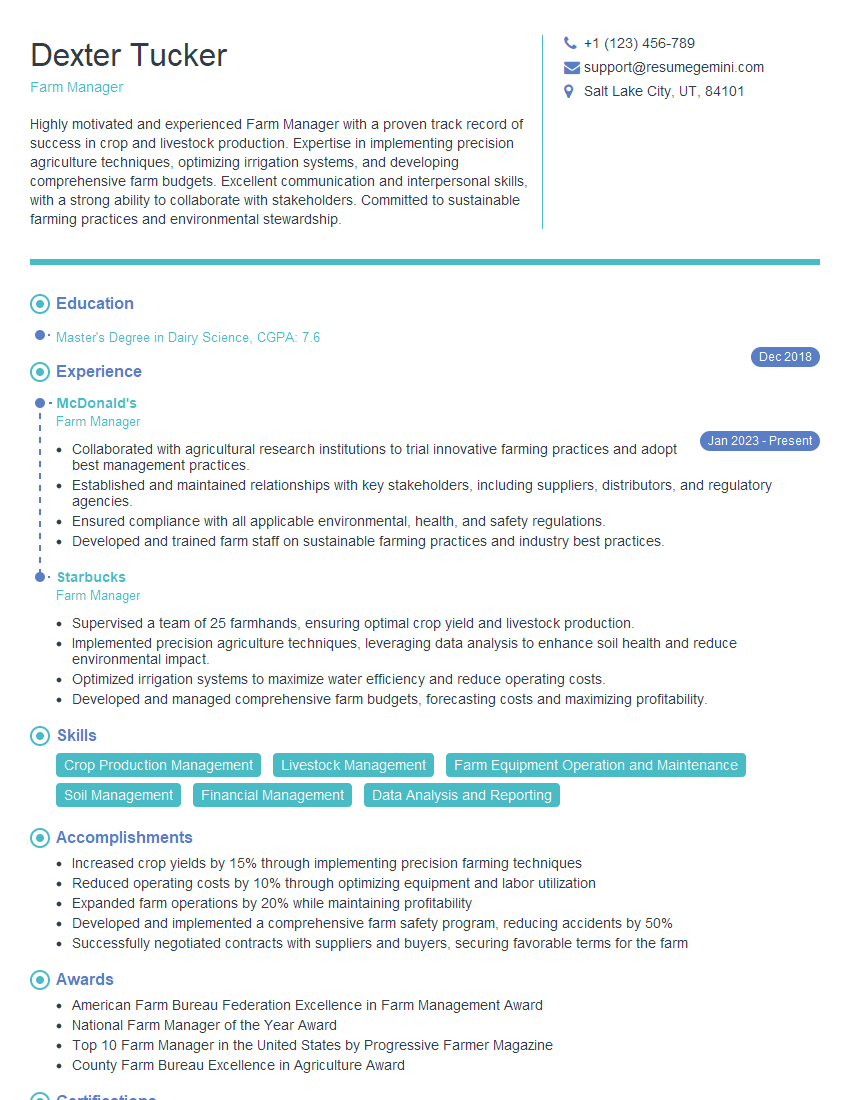
Farm Manager Resume Sample
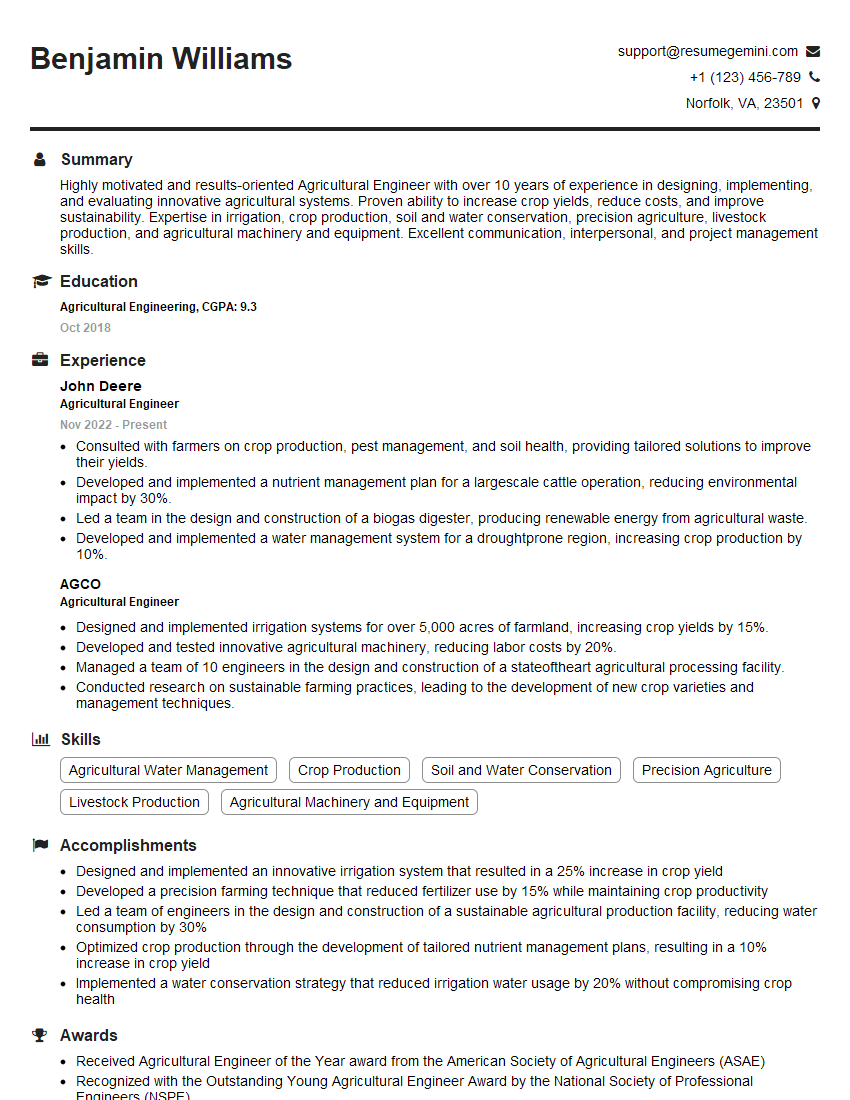
Agricultural Engineer Resume Sample
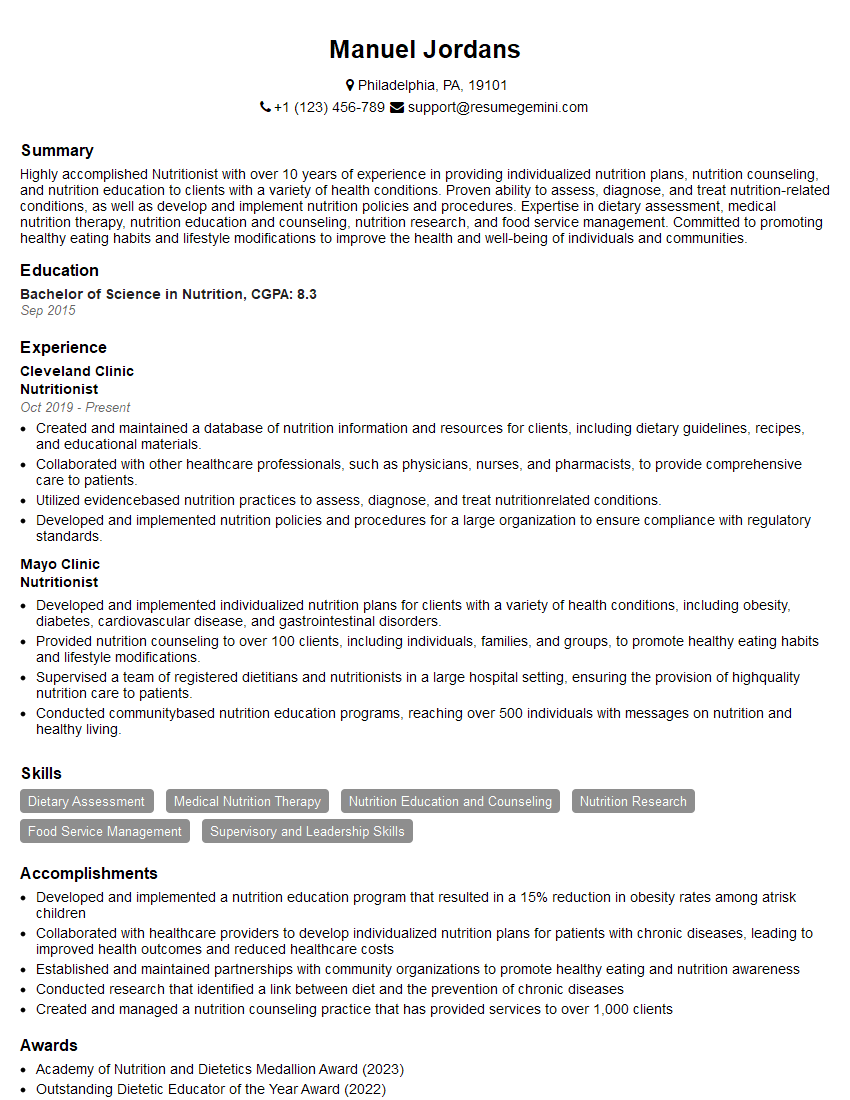
Nutritionist Resume Sample
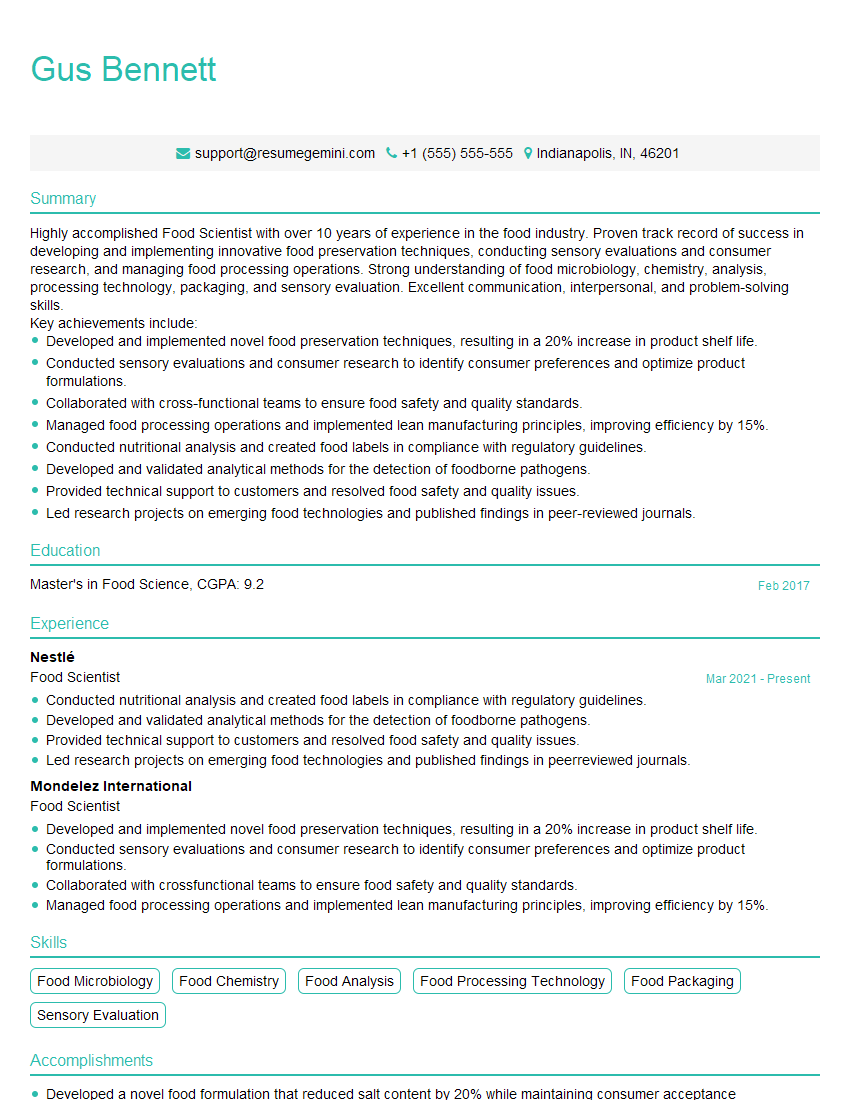
Food Scientist Resume Sample

Food Technologist Resume Sample
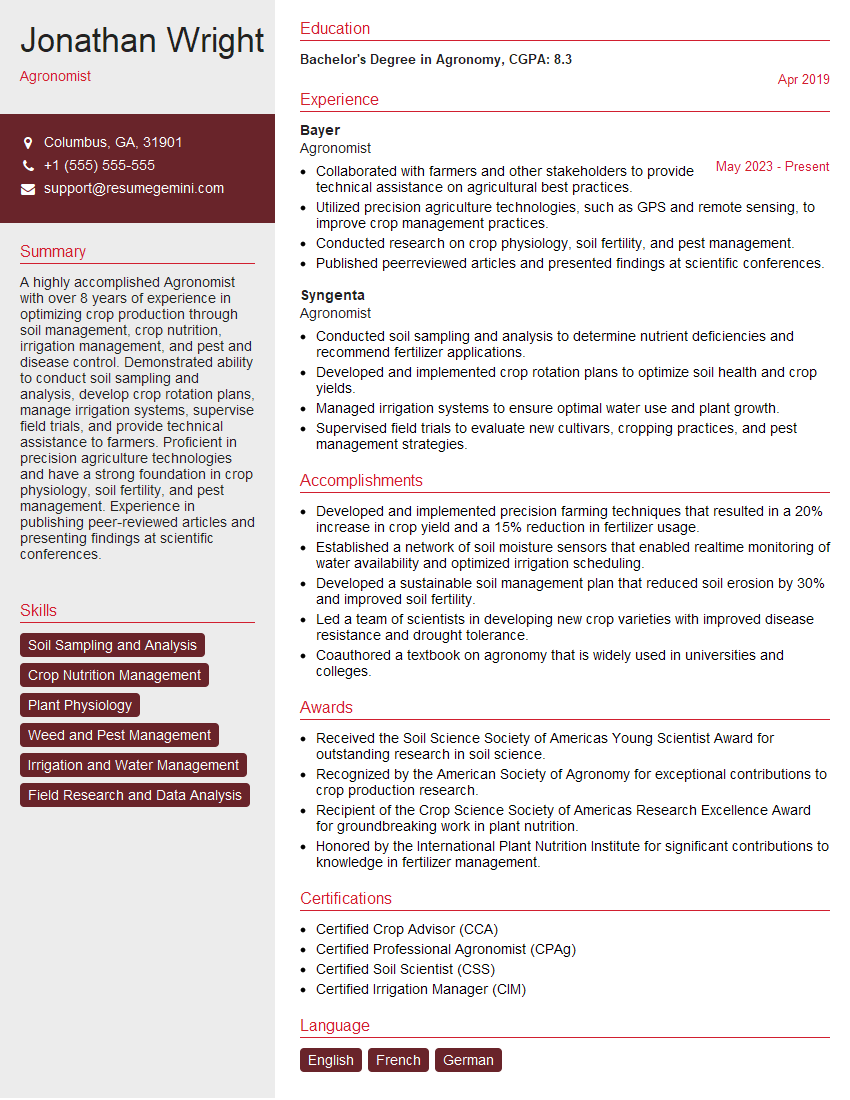
Agronomist Resume Sample

Soil Scientist Resume Sample
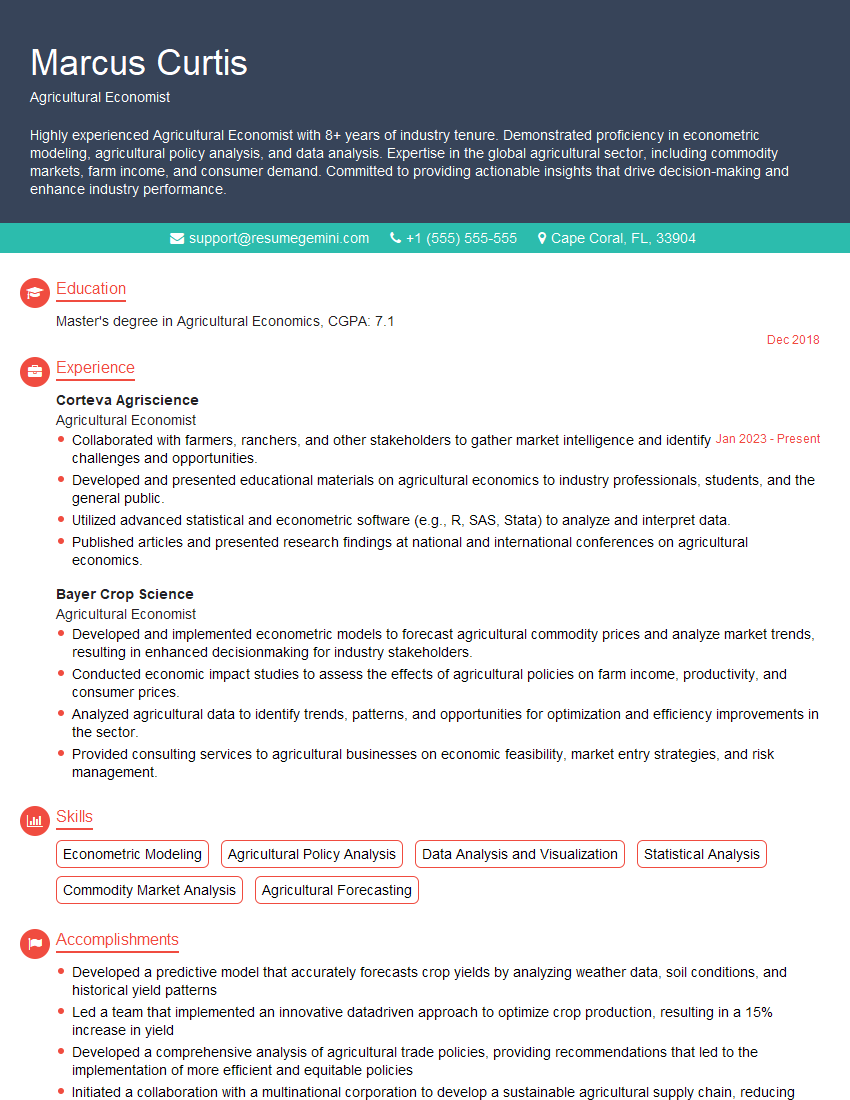
Agricultural Economist Resume Sample
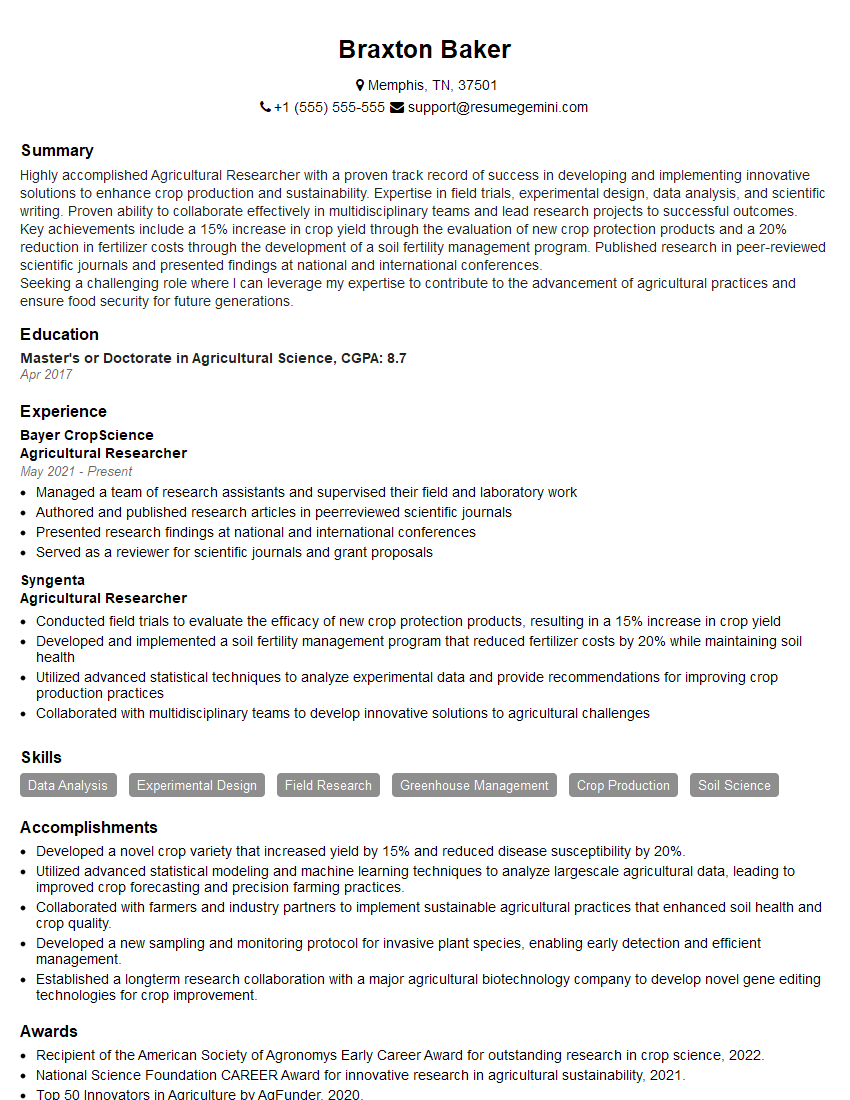
Agricultural Researcher Resume Sample
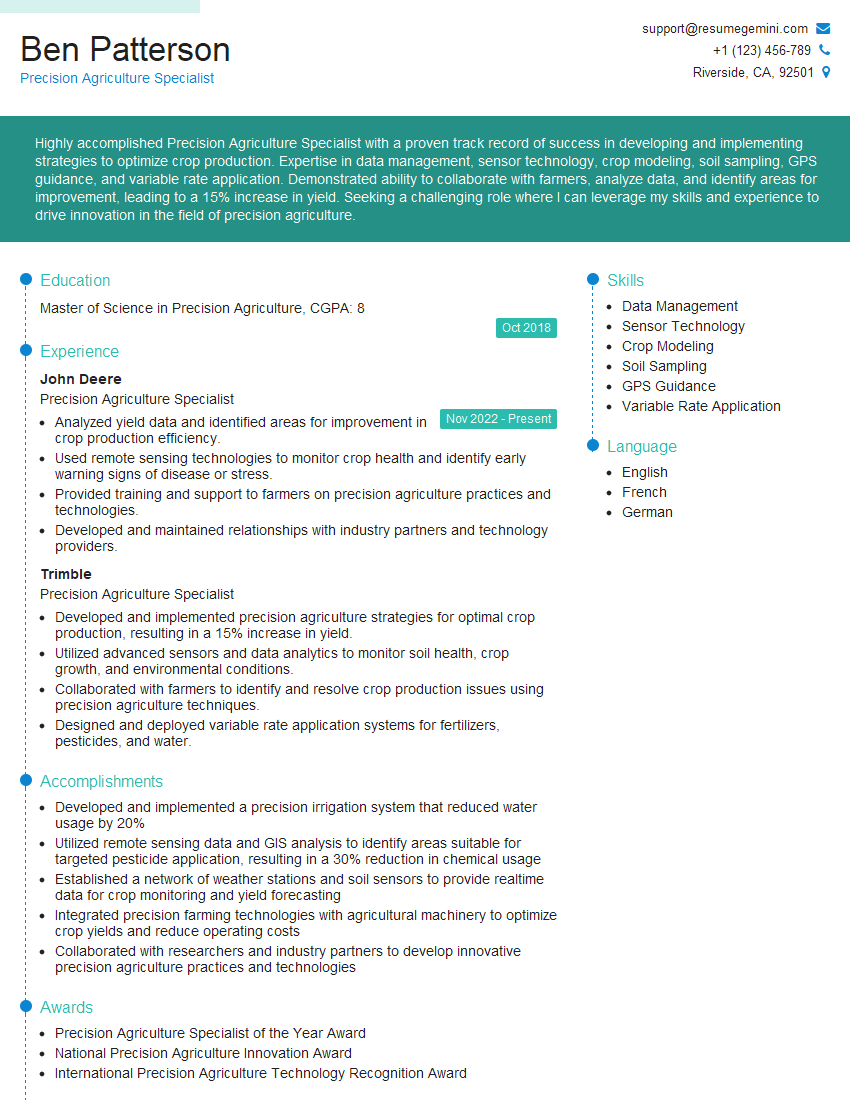
Precision Agriculture Specialist Resume Sample
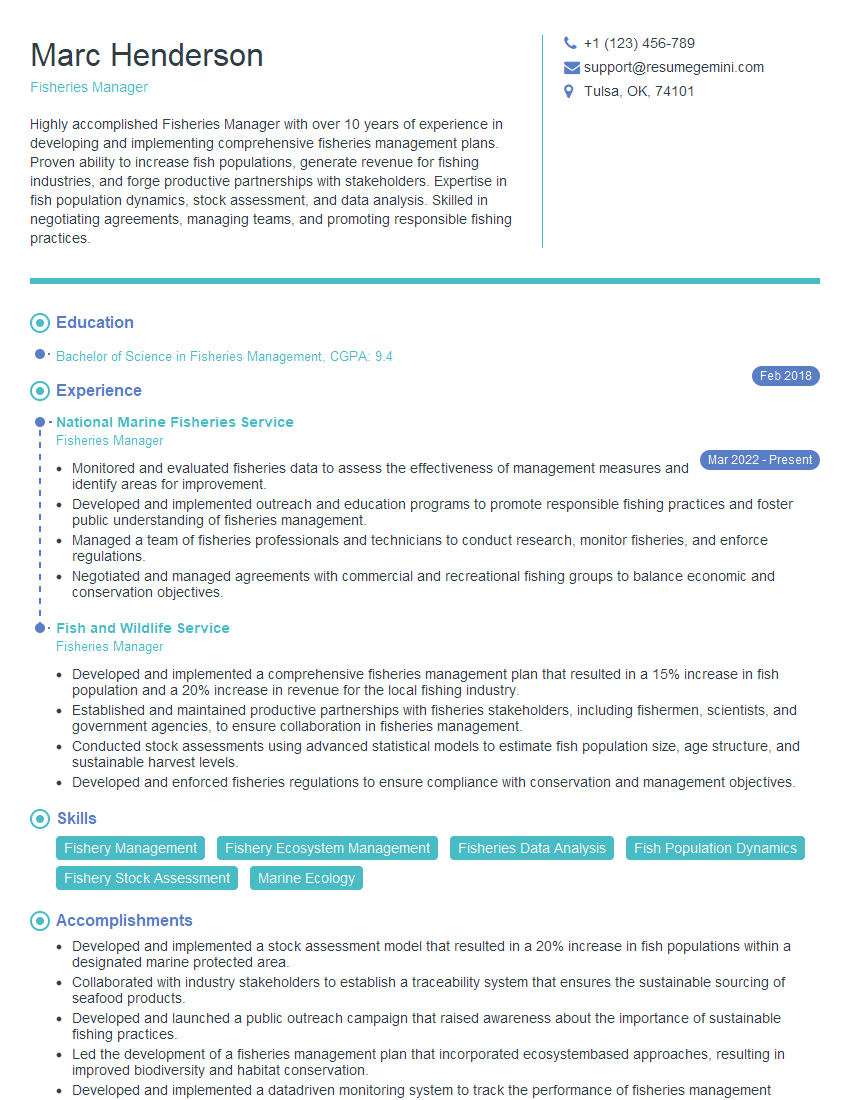
Fisheries Manager Resume Sample
Explore more articles
Users Rating of Our Blogs
Share Your Experience
We value your feedback! Please rate our content and share your thoughts (optional).
What Readers Say About Our Blog
To the interviewgemini.com Webmaster.
Very helpful and content specific questions to help prepare me for my interview!
Thank you
To the interviewgemini.com Webmaster.
This was kind of a unique content I found around the specialized skills. Very helpful questions and good detailed answers.
Very Helpful blog, thank you Interviewgemini team.