Interviews are more than just a Q&A session—they’re a chance to prove your worth. This blog dives into essential Habitat Assessment and Modeling interview questions and expert tips to help you align your answers with what hiring managers are looking for. Start preparing to shine!
Questions Asked in Habitat Assessment and Modeling Interview
Q 1. Explain the difference between habitat suitability and habitat quality.
While both relate to the environment’s ability to support a species, habitat suitability and habitat quality differ significantly. Habitat suitability focuses on the potential for a species to survive and reproduce in a given area, considering the presence or absence of necessary resources. Think of it as the theoretical ‘can it live here?’ question. Habitat quality, on the other hand, assesses the actual conditions and the degree to which the habitat supports a species’ well-being. It’s the ‘how well can it live here?’ question. A habitat might be suitable in terms of having the basic resources, but its quality could be poor due to factors like pollution, disease, or lack of sufficient food abundance.
For example, a forest might be suitable habitat for a particular bird species because it contains trees for nesting and insects for food. However, if the forest is heavily fragmented, leading to increased predation and decreased food availability, the quality of that habitat is low, even though it’s suitable in theory.
Q 2. Describe the various methods used for habitat assessment.
Habitat assessment employs a variety of methods, each with its own strengths and weaknesses. These methods can broadly be categorized as:
- Field surveys: This involves direct observation and data collection in the field. Techniques include vegetation surveys, animal abundance estimates (e.g., transect counts, mark-recapture), and habitat characterization (e.g., measuring canopy cover, soil type).
- Remote sensing: Utilizing satellite or aerial imagery to assess habitat characteristics over large areas. This is particularly useful for detecting habitat fragmentation, assessing vegetation cover, and mapping land use changes.
- Modeling approaches: This involves using statistical or mechanistic models to predict habitat suitability or quality based on environmental variables. This often involves integrating data from field surveys and remote sensing.
- Species distribution modeling (SDM): Uses presence-absence or abundance data for a species to predict its potential distribution based on environmental variables. We’ll discuss this in more detail later.
- Expert knowledge and opinion: Involving the knowledge and experience of experts in the field to assess habitat conditions and potential limitations. This is often particularly valuable in areas with limited data.
The choice of method depends on the specific research question, available resources, and the spatial and temporal scale of the study.
Q 3. What are the key factors to consider when selecting a habitat assessment methodology?
Selecting the right methodology is crucial for a robust habitat assessment. Key factors to consider include:
- Study objectives: What specific information are you trying to obtain? Are you interested in assessing suitability, quality, or both? What species are you focusing on?
- Available resources: What is your budget? What personnel and equipment are available? What data are already available (e.g., existing maps, databases)?
- Spatial and temporal scale: What is the area of interest? How long will the assessment last? Large-scale assessments might require remote sensing, while smaller-scale studies might use field surveys.
- Data availability and quality: Are there sufficient data available to support the chosen method? Is the quality of the data adequate? This will impact the reliability and accuracy of your conclusions.
- Accuracy and precision requirements: What level of accuracy and precision is needed for the results? This will influence the choice of methods and sampling design.
For instance, assessing the impact of a proposed development on an endangered species might require a highly detailed, site-specific assessment using a combination of field surveys and advanced modeling techniques, while a broader regional assessment of habitat loss might employ remote sensing and less detailed modeling.
Q 4. How do you incorporate GIS techniques into habitat assessment and modeling?
Geographic Information Systems (GIS) are indispensable tools in habitat assessment and modeling. They provide a platform to integrate, analyze, and visualize spatial data. GIS facilitates the following:
- Spatial data integration: GIS allows combining various datasets (e.g., elevation, vegetation type, soil properties, land use) into a single framework for analysis.
- Habitat mapping and visualization: GIS helps create maps illustrating habitat distribution, suitability, and quality. This is invaluable for visualizing patterns and identifying key areas.
- Overlay analysis: GIS allows overlaying different spatial datasets to identify areas where favorable habitat conditions overlap, indicating potential high-quality habitats or areas vulnerable to habitat loss.
- Modeling: GIS integrates with various modeling software packages to perform habitat suitability modeling. Environmental variables are loaded into GIS, and the models are run within the GIS environment. Results can be visualized directly as maps.
- Change detection: GIS helps track changes in habitat over time, for example using time series of satellite imagery to monitor deforestation or habitat degradation.
For example, we might use GIS to overlay a map of suitable temperature ranges for a particular species with a map of elevation and vegetation cover to identify areas with high habitat suitability. The resulting map can then be used for conservation planning or impact assessment.
Q 5. What are the limitations of habitat suitability models?
While valuable, habitat suitability models (HSMs) have limitations:
- Data limitations: HSMs are only as good as the data used to create them. Incomplete or inaccurate data can lead to biased or unreliable results. Data scarcity is a particular problem in remote or poorly studied regions.
- Model assumptions: HSMs often make simplifying assumptions about species-environment relationships. These assumptions may not always hold true in the real world, leading to inaccuracies in predictions.
- Scale dependency: The accuracy of HSMs can vary depending on the spatial scale of the analysis. Models developed at a fine scale may not be applicable at a broader scale, and vice versa.
- Uncertainties and errors: There are inherent uncertainties and errors associated with both data collection and model development. Quantifying and addressing these uncertainties is critical for reliable predictions.
- Ignoring biotic interactions: Many HSMs focus on abiotic factors (e.g., climate, topography) and neglect biotic interactions (e.g., competition, predation) which significantly influence habitat suitability.
It’s crucial to be aware of these limitations and to interpret HSM outputs with caution, acknowledging the inherent uncertainties.
Q 6. Explain the concept of species distribution modeling.
Species distribution modeling (SDM), also known as ecological niche modeling, predicts the potential geographic distribution of a species based on its observed occurrences and environmental variables. It utilizes statistical algorithms to relate species presence data (and sometimes abundance data) to environmental factors (e.g., temperature, precipitation, soil type, vegetation). The model then predicts the probability of the species’ presence across a landscape, creating a suitability map.
Several algorithms are used in SDM, including:
- Generalized linear models (GLMs): Relatively simple models suitable for analyzing presence-absence data.
- MaxEnt (Maximum Entropy): A popular algorithm that performs well even with limited data and produces probability estimates.
- Random Forest: A machine learning technique that can handle complex relationships between species occurrence and environmental variables.
SDM is a powerful tool for predicting species ranges under current and future climate conditions, identifying potential habitat loss or gain, and informing conservation management strategies.
Q 7. What are some common software packages used for habitat modeling?
Several software packages are widely used for habitat modeling, each offering a range of functionalities:
- ArcGIS: A comprehensive GIS software with extensive spatial analysis capabilities and extensions for ecological modeling.
- QGIS: A free and open-source GIS alternative to ArcGIS, also offering various extensions for habitat modeling.
- MaxEnt: A dedicated software package specifically designed for species distribution modeling using the MaxEnt algorithm.
- R: A powerful statistical programming language with numerous packages for ecological data analysis and modeling, including SDM packages.
- Biomapper: A user-friendly platform for SDM including tools for data preparation and model evaluation.
The choice of software often depends on the user’s familiarity, available resources, and the specific needs of the project. Some researchers might prefer the comprehensive capabilities of ArcGIS, while others might opt for the flexibility and cost-effectiveness of R.
Q 8. How do you validate a habitat model?
Validating a habitat model is crucial to ensure its accuracy and reliability. It’s like testing a recipe – you wouldn’t serve a cake without tasting it first! We use a variety of methods, comparing model predictions to independent data. This often involves a multi-step approach.
- Independent Data Comparison: We compare the model’s predicted habitat suitability with actual species occurrences gathered through field surveys. A high correlation between predicted and observed distributions suggests a robust model. For example, if our model predicts high suitability in an area, and we subsequently find a high density of the target species there, that’s strong evidence of validation.
- Statistical Metrics: Quantitative metrics like AUC (Area Under the Curve) from a Receiver Operating Characteristic (ROC) curve assess the model’s discriminatory power. A higher AUC indicates better model performance. We also use metrics like Kappa statistics to measure agreement between the model and observed data, accounting for chance agreement.
- Sensitivity Analysis: We systematically vary model parameters to determine their influence on the predictions. This helps identify which parameters are most critical and where model uncertainty is highest. For instance, we might vary the weight given to different environmental variables to see how it affects the predicted habitat suitability.
- Spatial Cross-Validation: This technique involves dividing the study area into multiple parts. The model is trained on some parts and tested on others, reducing bias and improving generalizability. This is similar to testing a student’s understanding by giving them different questions from the same material.
Ultimately, model validation is an iterative process. We refine the model based on the validation results, improving its accuracy and reliability until it meets our standards for application.
Q 9. Describe your experience with remote sensing data in habitat assessment.
Remote sensing data is invaluable in habitat assessment, providing a synoptic view of large areas impossible to achieve through ground surveys alone. My experience spans various data types and analytical techniques.
- Satellite Imagery: I’ve extensively utilized Landsat, Sentinel, and MODIS imagery to map vegetation cover, land use, topography, and water bodies. This data is crucial for identifying potential habitat patches and understanding habitat fragmentation. For example, I used Landsat imagery to map mangrove forests, identifying areas suitable for nesting sea turtles based on vegetation density and proximity to water.
- LiDAR: I’ve incorporated LiDAR data to create high-resolution digital elevation models (DEMs), which are vital for understanding topographic features influencing habitat suitability, such as slope, aspect, and elevation. This is especially useful for species with specific topographic requirements.
- Image Classification and Object-Based Image Analysis (OBIA): I’m proficient in using both pixel-based and object-based image analysis to classify different land cover types and extract relevant features for habitat modeling. For instance, OBIA helps to delineate individual trees or vegetation patches, crucial for characterizing forest structure.
Integrating remote sensing data with field data allows for ground-truthing and model validation, ensuring the accuracy of our assessment. The combination provides a powerful tool for comprehensive habitat mapping and monitoring.
Q 10. How do you handle uncertainty and error in habitat assessment and modeling?
Uncertainty and error are inherent in habitat assessment and modeling. Ignoring them can lead to flawed conclusions and ineffective management strategies. We employ several techniques to address this:
- Quantifying Uncertainty: We use statistical methods to estimate the uncertainty associated with our data and model predictions. This often involves incorporating error propagation from different data sources into the model.
- Sensitivity Analysis (mentioned earlier): This helps identify variables that contribute most to model uncertainty, guiding future data collection and model refinement.
- Ensemble Modeling: Running multiple models with varying assumptions and parameters provides a range of predictions, offering a more robust understanding of the uncertainty involved.
- Bayesian approaches: These statistical methods allow us to incorporate prior knowledge and update beliefs in light of new data, providing a more comprehensive representation of uncertainty.
- Error Propagation and Uncertainty Mapping: We explicitly map uncertainty associated with habitat suitability estimates. This allows us to focus conservation efforts on areas where we have high confidence in our predictions.
Transparency about uncertainty is key. We communicate the limitations of our models and highlight areas needing further investigation to prevent overconfidence in model predictions.
Q 11. Explain the importance of spatial scale in habitat assessment.
Spatial scale is paramount in habitat assessment, as habitat requirements vary dramatically depending on the organism and the question being asked. The scale at which you assess habitat determines the resolution and level of detail you can obtain.
- Organism-Specific Scales: A small insect might have a home range of just a few square meters, while a large mammal might require hundreds of square kilometers. Choosing an appropriate spatial resolution is crucial for capturing the relevant features influencing their habitat.
- Hierarchical Approaches: Often we employ hierarchical approaches, starting at a broader scale to identify potential habitat areas, then zooming in to finer scales for detailed analysis. This allows for efficient use of resources and targeted conservation efforts.
- Scale-Dependent Processes: Processes like landscape connectivity or the impact of fragmentation may be only apparent at larger scales. Ignoring this could lead to inaccurate assessments of habitat quality.
For example, assessing habitat suitability for a migratory bird requires a much broader spatial scale than for a sedentary reptile. Choosing the incorrect scale can lead to missing key habitat components or focusing on features irrelevant to the target species.
Q 12. What are the ethical considerations in habitat assessment and management?
Ethical considerations are paramount in habitat assessment and management. Our work directly impacts ecosystems and the communities that depend on them. Key ethical considerations include:
- Data Transparency and Accessibility: Sharing data and methods openly fosters collaboration and allows for independent verification. It also ensures that the results are accessible to a wider audience, including decision-makers and local communities.
- Indigenous Knowledge Integration: Traditional ecological knowledge (TEK) often holds valuable insights into habitat use and management practices. Incorporating TEK ensures a more holistic and culturally sensitive approach to habitat assessment.
- Social Equity and Justice: Habitat management decisions can significantly impact different communities. Ethical practice requires careful consideration of the potential social and economic implications of our work, ensuring that benefits and costs are equitably distributed.
- Minimizing Disturbance During Fieldwork: We need to minimize the impact of our field studies on the very ecosystems we’re trying to understand. This means adhering to strict protocols to avoid disturbing wildlife or damaging habitats.
- Bias Awareness: Being aware of potential biases in data collection and model development is crucial for avoiding skewed outcomes. For example, selecting study sites based on accessibility can lead to biased estimates of habitat extent.
Ethical considerations should be embedded at every stage, from research design to the communication of results. It’s our responsibility to conduct research that is both scientifically rigorous and socially responsible.
Q 13. How do you incorporate climate change projections into habitat models?
Incorporating climate change projections into habitat models is critical for anticipating future changes and informing effective conservation strategies. This involves several steps:
- Scenario Selection: We utilize climate projections from reputable sources like the IPCC (Intergovernmental Panel on Climate Change) to select appropriate climate scenarios based on different greenhouse gas emission pathways. This allows us to assess the potential range of impacts under various future climate conditions.
- Climate Data Integration: We integrate climate projections (temperature, precipitation, etc.) into our habitat models as predictor variables. This may involve downscaling global climate models to a finer spatial resolution relevant to our study area.
- Dynamic Modeling: We can incorporate dynamic models that account for the time-dependent nature of climate change, simulating shifts in habitat suitability over time. This can predict potential range shifts, habitat loss, and changes in species interactions.
- Vulnerability Assessment: Combining climate projections with existing habitat data allows us to identify areas and species most vulnerable to climate change. This allows us to prioritize conservation efforts to areas and species with the greatest need.
Climate change impacts habitat in complex ways. By incorporating these projections, we can develop more robust and forward-looking habitat management plans that aim to mitigate negative effects and enhance resilience.
Q 14. Describe your experience with field data collection for habitat assessment.
Field data collection is the cornerstone of robust habitat assessment, providing the ground truth against which our models are validated. My experience includes a variety of techniques tailored to specific research questions and species.
- Species Surveys: I’ve conducted extensive species surveys using various methods like visual encounter surveys, transect sampling, camera trapping, and acoustic monitoring. The choice of method depends on the species being studied and the habitat type.
- Habitat Characterization: I’ve collected detailed measurements of habitat characteristics, including vegetation structure (height, density, cover), soil properties, water quality, and microclimate variables. This involves using instruments such as GPS units, vegetation height sensors, and soil probes.
- GPS Mapping: Precise location data is critical, and I’m proficient in using GPS and GIS tools to map species occurrences and habitat features accurately. This allows for spatial analysis and integration with remote sensing data.
- Data Quality Control: Maintaining data quality is paramount. I implement rigorous quality control procedures, including data validation, error checking, and data cleaning to ensure the reliability of our datasets.
Fieldwork often involves collaboration with other experts and local communities, which enhances the richness and relevance of the collected data. For example, working with local communities allows for the incorporation of traditional knowledge and promotes local stewardship of the environment.
Q 15. How do you analyze and interpret habitat assessment data?
Analyzing habitat assessment data involves a multi-step process that goes beyond simply collecting numbers. It’s about understanding the context of the data and drawing meaningful conclusions that inform conservation strategies. First, data quality control is crucial. This includes checking for errors, outliers, and inconsistencies in the collected data. We then move into descriptive statistics, summarizing key aspects of the habitat, such as species richness, abundance, vegetation cover, and habitat quality indices.
Next, we employ spatial analysis techniques using GIS software (Geographic Information Systems) to visualize the data and identify spatial patterns and relationships. For example, we might overlay species distribution maps with habitat suitability models to pinpoint areas of high conservation priority. Inferential statistics helps us to determine if observed patterns are significant, perhaps employing techniques such as ANOVA or regression analysis to understand the relationships between habitat characteristics and species occurrence. Finally, we interpret the results in the broader ecological context, considering factors like landscape connectivity, human impact, and climate change influences, drawing upon our ecological knowledge to make informed decisions.
For instance, in a study assessing riparian habitats, we might find a significant negative correlation between riparian vegetation cover and the presence of an endangered fish species. This would suggest that riparian degradation is impacting the fish population, informing restoration strategies focused on increasing vegetation cover along waterways.
Career Expert Tips:
- Ace those interviews! Prepare effectively by reviewing the Top 50 Most Common Interview Questions on ResumeGemini.
- Navigate your job search with confidence! Explore a wide range of Career Tips on ResumeGemini. Learn about common challenges and recommendations to overcome them.
- Craft the perfect resume! Master the Art of Resume Writing with ResumeGemini’s guide. Showcase your unique qualifications and achievements effectively.
- Don’t miss out on holiday savings! Build your dream resume with ResumeGemini’s ATS optimized templates.
Q 16. What are some common challenges encountered during habitat assessment?
Habitat assessment often faces several challenges. One major hurdle is the sheer scale and complexity of ecological systems. Accurately measuring and quantifying habitat features across large, heterogeneous areas is logistically demanding and resource intensive. Another challenge is the temporal variability of habitats; conditions can change dramatically due to seasonal fluctuations, natural disturbances, or human activities. This requires repeated assessments and sophisticated modeling techniques to capture these dynamics.
Data limitations are also a persistent problem. Data might be incomplete, inaccurate, or biased, potentially leading to misinterpretations. For example, relying solely on presence/absence data rather than abundance data may underestimate population sizes. Finally, the inherently uncertain nature of ecological systems means that habitat assessments are often subject to a degree of uncertainty. Therefore, it’s essential to acknowledge and quantify the uncertainties associated with findings, clearly communicating these limitations.
Q 17. How do you communicate complex habitat assessment results to non-technical audiences?
Communicating complex habitat assessment results to non-technical audiences requires careful planning and strategic communication. Avoid technical jargon; instead, use simple, clear language and analogies to explain concepts. Visual aids, such as maps, charts, and infographics, are invaluable for conveying complex information concisely. Storytelling is also effective; weaving narratives around the key findings can make the information more engaging and memorable.
For example, instead of stating “the habitat suitability index decreased by 25%,” we might say, “The area suitable for this species has shrunk by a quarter, roughly equivalent to the size of [a familiar landmark], jeopardizing its survival.” It’s also important to focus on the implications of the findings for the audience. How will the results affect them or their communities? For example, a report on degraded wetlands might highlight the impacts on water quality and flood control for local residents. Finally, always be available to answer questions and clarify any misunderstandings.
Q 18. Describe your experience with habitat restoration projects.
I’ve been involved in numerous habitat restoration projects, spanning various ecosystems. One particularly impactful project involved restoring a degraded coastal wetland ecosystem. This involved implementing a multi-pronged approach. We started with extensive data collection, encompassing species surveys, water quality analysis, and soil testing to determine the baseline condition. Using this data, we developed a detailed restoration plan, addressing specific issues like invasive species removal, sediment management, and water flow improvements.
The project involved collaboration with local communities, government agencies, and other stakeholders to secure funding, permits, and community buy-in. Post-restoration monitoring involved repeated surveys and analysis to assess the success of the restoration efforts. We tracked metrics such as plant diversity, water quality, and the return of key species. This iterative approach allowed for adaptive management, modifying our interventions based on the monitoring data. The project not only significantly improved the wetland’s ecological health but also provided valuable lessons on engaging stakeholders and adapting restoration strategies based on ongoing monitoring.
Q 19. What is your experience with different types of habitat (e.g., terrestrial, aquatic)?
My experience encompasses both terrestrial and aquatic habitats. In terrestrial ecosystems, I’ve worked extensively with forests, grasslands, and deserts, focusing on assessments of factors like vegetation structure, species composition, and habitat fragmentation. Techniques used often include vegetation surveys, remote sensing (aerial imagery analysis), and species distribution modelling.
In aquatic systems, I’ve conducted assessments of rivers, lakes, wetlands, and coastal areas. These involved analyzing water quality parameters, benthic communities (organisms living on the bottom), fish populations, and habitat features like riparian zones and submerged aquatic vegetation. Tools utilized frequently include water sampling, electrofishing surveys, and underwater video surveys. The approaches are distinct but share the common goal of accurately characterizing habitat condition and its support of biodiversity.
Q 20. How do you prioritize conservation efforts based on habitat assessment results?
Prioritizing conservation efforts requires a systematic approach that considers multiple factors. Habitat assessment results, while crucial, are not the sole determinant. We need to integrate these results with other factors including species rarity, threats to the species and habitat, and the feasibility and cost-effectiveness of different interventions.
I typically use a multi-criteria decision analysis framework, assigning weights to different criteria based on ecological significance and feasibility. For example, a habitat supporting an endangered species facing imminent extinction would receive a higher priority than a habitat with a less threatened species, even if the former has a lower habitat quality score. Cost-benefit analyses help us evaluate the trade-offs between different conservation actions, helping to optimize the allocation of limited resources. Finally, stakeholder engagement is critical; involving affected communities and landowners ensures that conservation efforts are both effective and socially acceptable.
Q 21. Describe your familiarity with relevant legislation and regulations (e.g., ESA, Endangered Species Act).
I have a strong understanding of relevant legislation and regulations, including the Endangered Species Act (ESA) in the US. The ESA is fundamental to my work, as it guides the protection of threatened and endangered species and their habitats. I’m familiar with the processes for designating critical habitat, the consultation requirements for federal agencies, and the mechanisms for recovering endangered species. Knowledge of the ESA helps in prioritizing conservation efforts, guiding habitat assessments, and ensuring that our work complies with legal requirements.
Beyond the ESA, my familiarity extends to other relevant laws and regulations at both the national and state levels, including those related to water quality, wetlands protection, and environmental impact assessments. This understanding is critical for integrating legal considerations into all stages of habitat assessment and management, from project planning to implementation and reporting.
Q 22. Explain your understanding of carrying capacity in relation to habitat.
Carrying capacity, in the context of habitat, refers to the maximum population size of a species that a particular habitat can sustainably support over a given period. It’s not a fixed number; it fluctuates based on resource availability (food, water, shelter), environmental conditions (temperature, precipitation), and interactions with other species. Think of it like a stadium’s seating capacity – there’s a limit to how many people can comfortably fit. Similarly, a habitat has a limit to the number of individuals it can support without causing resource depletion or environmental degradation.
Assessing carrying capacity involves analyzing various factors. We might use population density studies, resource availability surveys (e.g., vegetation biomass for herbivores), and modeling techniques incorporating environmental variables. For instance, a study might reveal that a specific forest patch can support only 50 deer due to limited browse (food) availability. If the deer population exceeds this, we’d expect to see increased competition, reduced reproductive success, and potentially habitat degradation.
Q 23. How do you assess the impacts of habitat fragmentation?
Habitat fragmentation, the breaking up of large, continuous habitats into smaller, isolated patches, has severe ecological consequences. I assess these impacts using a multi-pronged approach. First, I analyze changes in habitat area and configuration using GIS software and remotely sensed imagery. This helps quantify the loss of habitat and the increase in edge effects (altered environmental conditions at patch boundaries).
Secondly, I evaluate connectivity – how easily organisms can move between habitat patches. Loss of connectivity leads to reduced gene flow, increased inbreeding, and vulnerability to local extinction. I might use landscape connectivity metrics like least-cost paths or circuit theory to model movement possibilities.
Finally, I assess the impacts on species populations, potentially combining field surveys with population viability analyses (PVA) to predict the long-term persistence of fragmented populations. For example, a study might show that fragmentation of a butterfly habitat reduces the population size because smaller patches reduce the number of host plants and increase predation risk.
Q 24. Describe your experience with using different statistical methods in habitat modeling.
My experience spans a range of statistical methods for habitat modeling. I regularly utilize generalized linear models (GLMs), particularly for modeling species occurrence data. GLMs are powerful for handling non-normal response variables (like presence/absence of a species) and incorporating multiple explanatory variables, such as habitat features, environmental gradients, and spatial covariates.
I also employ techniques like MaxEnt (maximum entropy) which is especially useful when dealing with incomplete datasets or a limited number of presence records. MaxEnt performs well even with presence-only data, which is common in many ecological surveys.
Furthermore, I’ve used spatial statistical methods such as spatial autocorrelation analysis to account for spatial dependence in the data. Ignoring spatial dependencies can lead to biased parameter estimates. My work includes scripting and analysis using R and ArcGIS, allowing for data manipulation, model fitting, and visualization of results. For example, in one project I used a GLM to model the distribution of a rare plant species based on factors like soil moisture, elevation, and distance to roads, effectively predicting suitable habitat areas for conservation management.
#Example R code snippet for GLM model <- glm(presence ~ elevation + soil_moisture, data = mydata, family = binomial) summary(model)Q 25. Explain the role of connectivity in landscape ecology and habitat assessment.
Connectivity is crucial in landscape ecology and habitat assessment. It refers to the degree to which the landscape facilitates movement of organisms between habitat patches. Well-connected landscapes allow for gene flow, dispersal, colonization of new areas, and metapopulation dynamics (a network of interacting subpopulations). In contrast, poorly connected landscapes can lead to isolated populations, making them vulnerable to local extinction and hindering species adaptation.
I assess connectivity using several approaches. GIS-based methods such as least-cost path analysis identify the most efficient routes for movement between patches based on resistance surfaces (e.g., areas that are difficult to traverse). Network analysis quantifies the structural connectivity of a landscape, measuring the number of links and nodes in the habitat network. In a project focusing on a fragmented wetland system, we used least-cost path analysis to identify potential wildlife corridors that could enhance connectivity and improve the long-term viability of the wetlands. This then guided recommendations for habitat restoration and conservation.
Q 26. How would you use habitat assessment data to inform conservation management decisions?
Habitat assessment data directly informs conservation management decisions. For instance, if my analysis reveals that a certain species is declining due to habitat loss, this evidence provides a strong justification for habitat restoration or protection efforts. Specifically, I’d use the data to identify priority areas for conservation: areas with high species richness, high concentrations of endangered species, or key habitats supporting critical life stages (e.g., breeding grounds).
I also use the data to develop conservation strategies: designing protected areas, creating wildlife corridors, mitigating threats (e.g., pollution, invasive species). My work on a coastal dune system identified specific areas highly suitable for the endangered sea turtle, which informed the design of a protected area focused on safeguarding nesting beaches. This involved integrating the habitat assessment findings with community input and regulatory guidelines. Moreover, the data helps evaluate the effectiveness of conservation actions over time. By monitoring populations and habitats, I can determine whether management interventions are achieving their intended outcomes.
Q 27. What is your experience working with different stakeholders in habitat conservation projects?
Effective habitat conservation requires collaboration with diverse stakeholders. My experience includes working with government agencies (e.g., wildlife management authorities, park services), non-governmental organizations (NGOs), local communities, landowners, and industry representatives. I’ve found that establishing open communication and trust are essential for successful collaboration. This involves actively listening to different perspectives, explaining technical concepts in a clear and accessible way, and tailoring information to meet the needs of specific audiences.
For example, in a project involving a proposed development near a protected area, I collaborated with the developers, local residents, and government agencies to identify ways to minimize the impact on wildlife and habitats. This required careful negotiation, compromise, and the development of solutions that balanced economic interests with ecological concerns. I believe that by fostering inclusive and participatory processes, we can achieve more effective and sustainable habitat conservation outcomes.
Q 28. Describe a time you had to troubleshoot a problem during a habitat assessment project.
During a habitat assessment project for a rare bird species, we encountered unexpected challenges. We initially relied heavily on automated species detection using acoustic monitoring, assuming consistent bird vocalizations throughout the breeding season. However, we found that the birds’ songs varied significantly based on weather conditions (specifically, heavy rainfall significantly reduced vocal activity). This meant our initial dataset was biased and underestimated the species' actual distribution.
To troubleshoot this, we incorporated visual surveys into our methodology, combining them with the acoustic data to get a more comprehensive picture of the bird’s habitat use. We employed statistical techniques to account for the biases in the original acoustic data, ensuring that our conclusions reflected the true habitat occupancy pattern of the species. We then presented a revised report that emphasized the importance of using multiple survey methods to compensate for environmental variability and data biases.
Key Topics to Learn for Habitat Assessment and Modeling Interview
- Habitat Suitability Indices (HSI): Understanding the principles behind HSI development, application, and limitations. Consider different modeling approaches and their strengths and weaknesses.
- Spatial Analysis Techniques: Practical application of GIS software (ArcGIS, QGIS) for habitat mapping, overlay analysis, and landscape metrics calculation. Be prepared to discuss specific techniques used in habitat assessment.
- Population Viability Analysis (PVA): Understanding the theoretical basis of PVA and its application in predicting the long-term persistence of species within specific habitats. Discuss the input parameters and assumptions.
- Remote Sensing and Image Analysis: Interpreting satellite and aerial imagery to assess habitat quality and change over time. This includes understanding different spectral indices and their applications.
- Data Management and Analysis: Demonstrate proficiency in handling large datasets, performing statistical analysis, and visualizing results effectively. Discuss experience with relevant software packages (R, Python).
- Conservation Planning and Prioritization: Understanding the application of habitat assessment and modeling in designing effective conservation strategies and prioritizing areas for protection.
- Uncertainty and Sensitivity Analysis: Discuss how to evaluate the uncertainty associated with model predictions and identify sensitive parameters influencing model outputs.
- Case Studies and Examples: Review successful applications of habitat assessment and modeling in diverse ecological contexts. Be prepared to discuss specific projects and challenges overcome.
Next Steps
Mastering Habitat Assessment and Modeling opens doors to exciting careers in conservation, environmental management, and ecological research. Your expertise in these areas will be highly valuable to organizations committed to protecting biodiversity and managing natural resources effectively. To significantly boost your job prospects, creating a strong, ATS-friendly resume is crucial. We strongly recommend leveraging ResumeGemini, a trusted resource, to craft a professional and impactful resume that highlights your skills and experience. ResumeGemini provides examples of resumes tailored to Habitat Assessment and Modeling to help you create a document that truly showcases your capabilities. Take the next step towards your dream career – build your best resume yet!
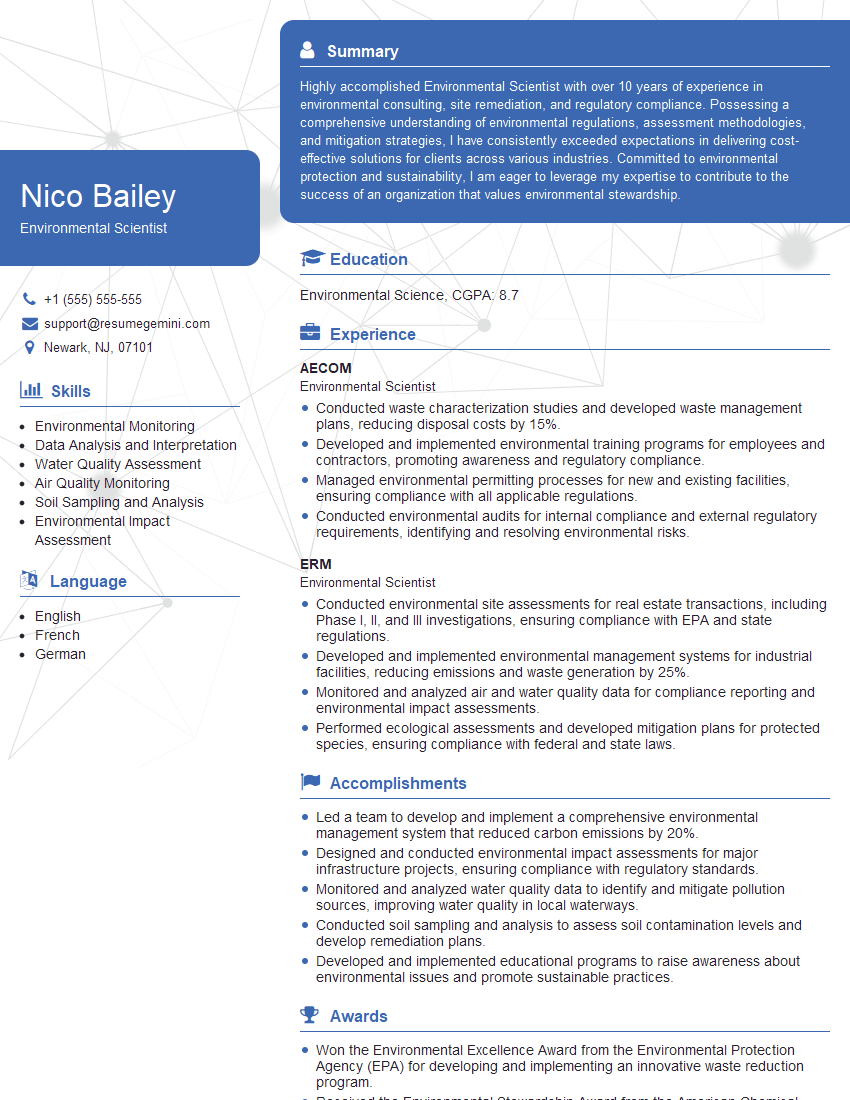
Environmental Scientist Resume Sample

Sustainability Consultant Resume Sample
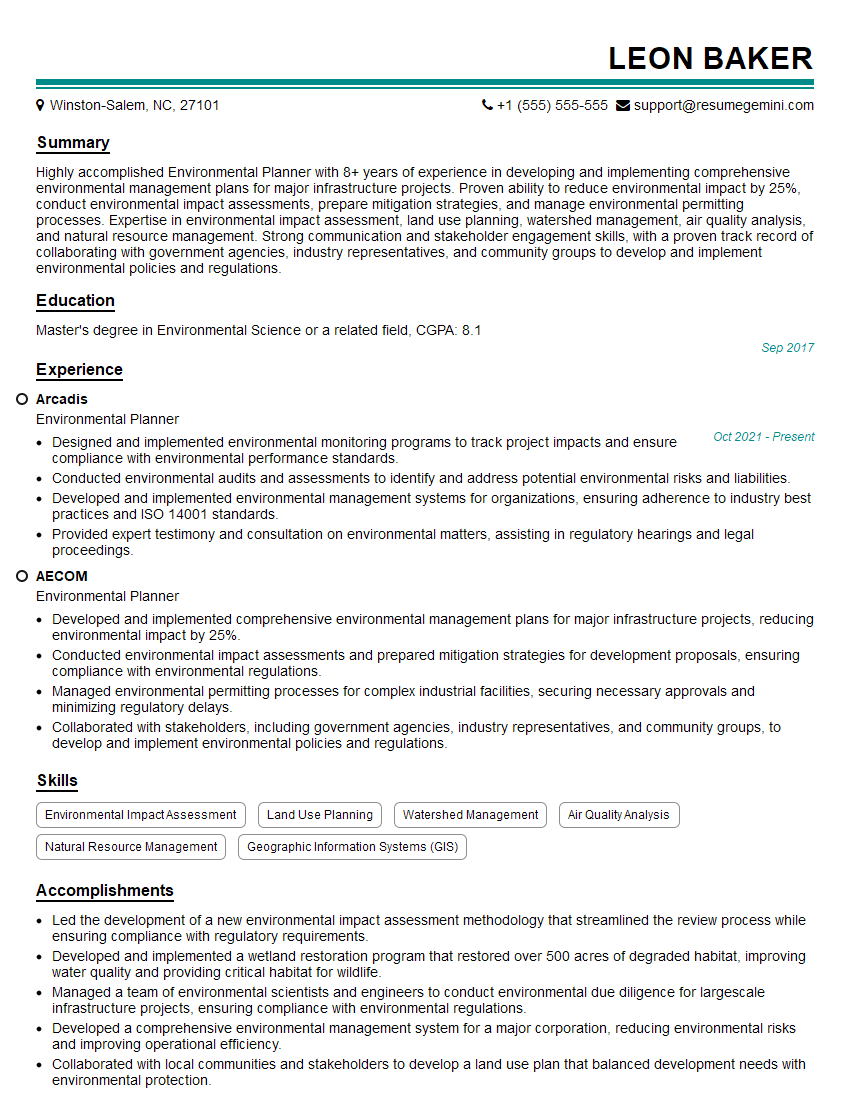
Environmental Planner Resume Sample
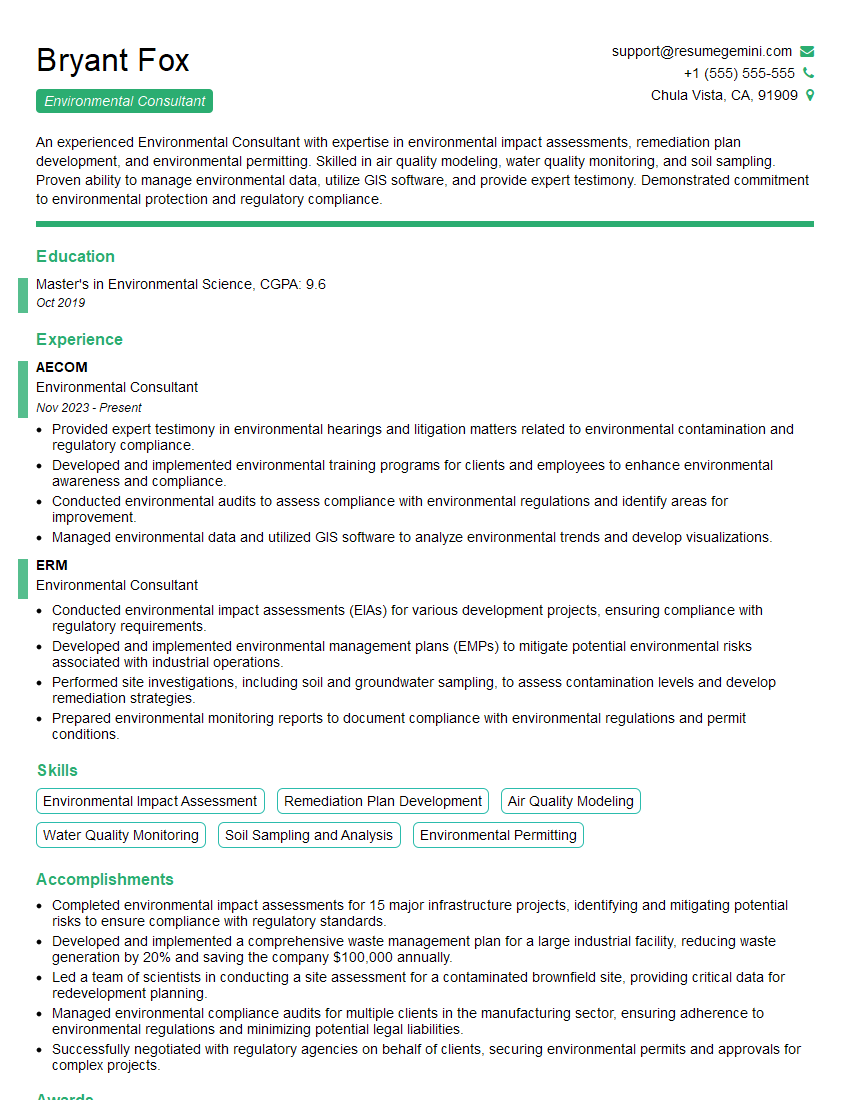
Environmental Consultant Resume Sample

Wildlife Biologist Resume Sample
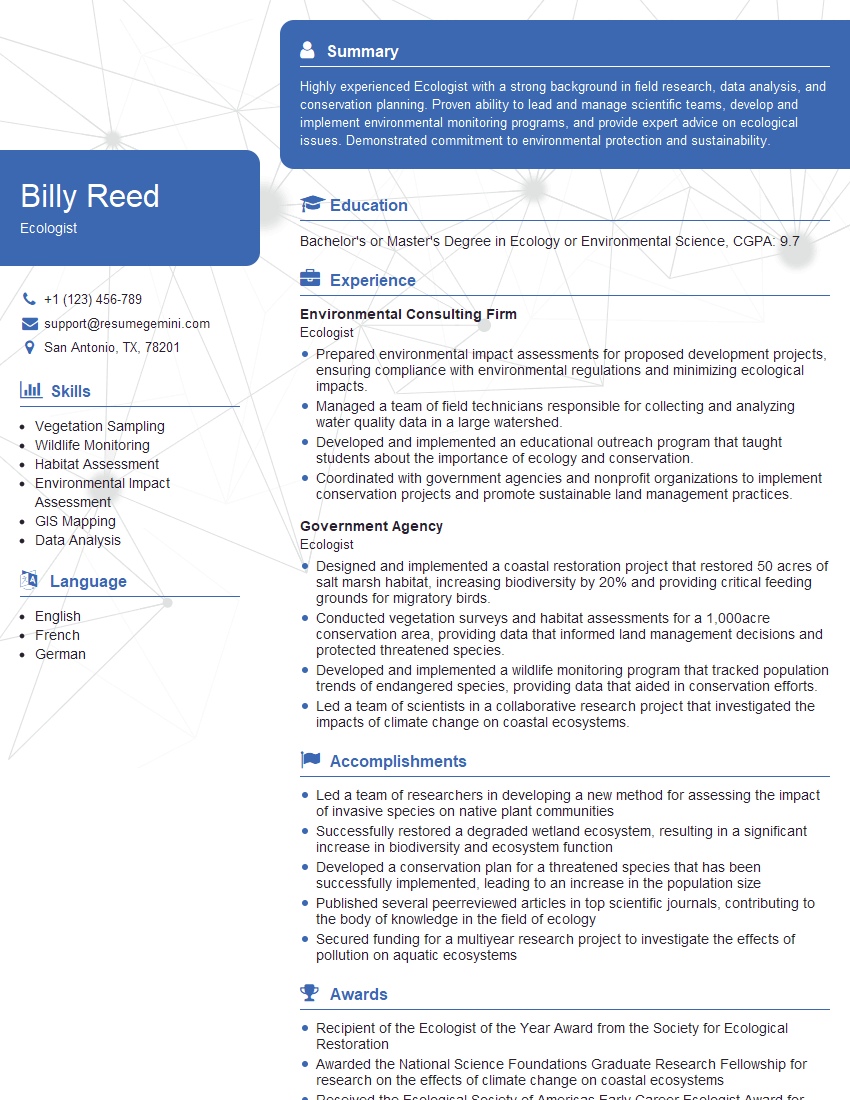
Ecologist Resume Sample
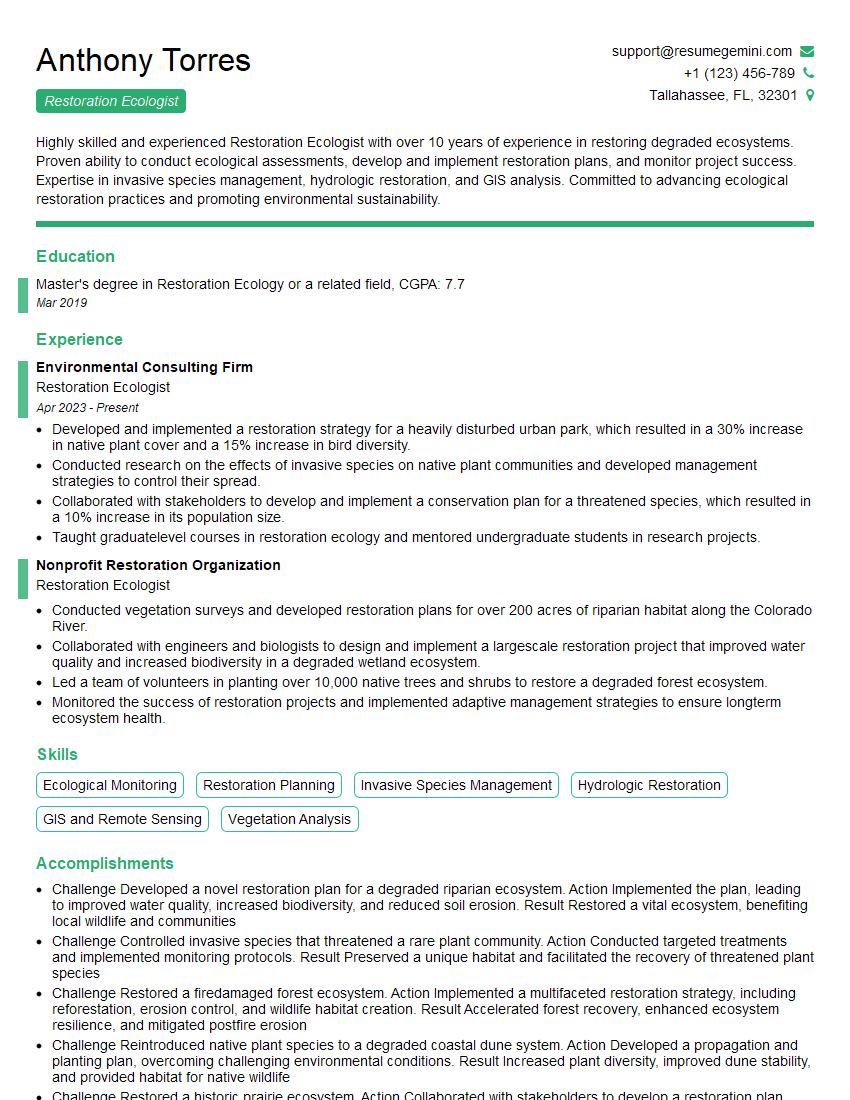
Restoration Ecologist Resume Sample

Conservation Planner Resume Sample
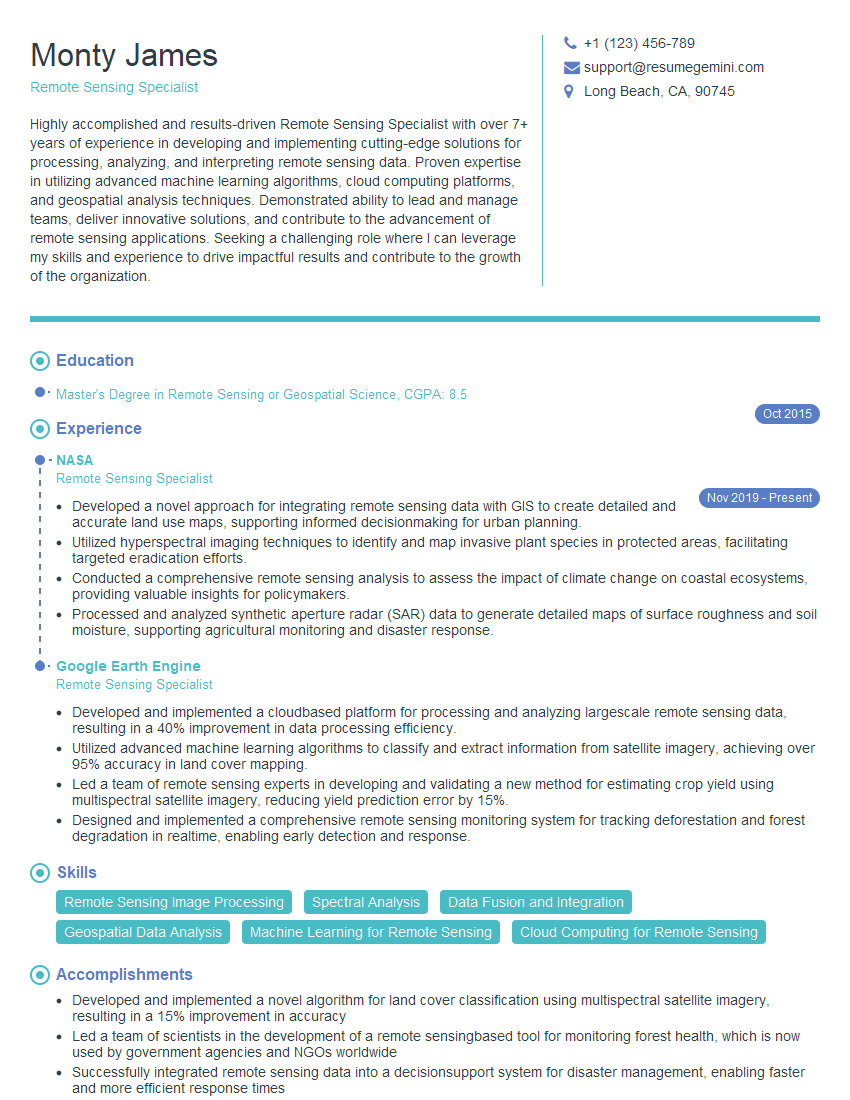
Remote Sensing Specialist Resume Sample
Explore more articles
Users Rating of Our Blogs
Share Your Experience
We value your feedback! Please rate our content and share your thoughts (optional).
What Readers Say About Our Blog
To the interviewgemini.com Webmaster.
Very helpful and content specific questions to help prepare me for my interview!
Thank you
To the interviewgemini.com Webmaster.
This was kind of a unique content I found around the specialized skills. Very helpful questions and good detailed answers.
Very Helpful blog, thank you Interviewgemini team.