Are you ready to stand out in your next interview? Understanding and preparing for Preventive Health Screenings interview questions is a game-changer. In this blog, we’ve compiled key questions and expert advice to help you showcase your skills with confidence and precision. Let’s get started on your journey to acing the interview.
Questions Asked in Preventive Health Screenings Interview
Q 1. What are the key components of a comprehensive preventive health screening program for adults aged 40-50?
A comprehensive preventive health screening program for adults aged 40-50 should be personalized but generally includes a combination of screenings based on individual risk factors and family history. Key components often include:
- Cardiovascular Health: Blood pressure, cholesterol (LDL, HDL, triglycerides), fasting blood glucose. This is crucial as heart disease risk increases significantly in this age group.
- Cancer Screenings: Mammograms for women (depending on family history and risk factors), colonoscopy (following established guidelines based on risk), PSA test for men (controversial, needs discussion with patient regarding benefits and risks).
- Metabolic Health: Assessment of body mass index (BMI), waist circumference, and discussion of lifestyle factors like diet and exercise. This helps detect early signs of metabolic syndrome.
- Dental and Vision Health: Regular dental checkups and comprehensive eye exams are essential for overall well-being and to detect early signs of issues.
- Mental Health: Screening for depression and anxiety is vital; this age group often faces significant life stressors.
- Immunizations: Up-to-date vaccinations against influenza, pneumonia, and tetanus/diphtheria are recommended.
- Bone Density Assessment: Depending on risk factors, bone density testing (DEXA scan) may be considered, especially for women.
The specific components and frequency should be determined through a detailed discussion with a healthcare provider, considering individual risk factors and family history. For example, someone with a strong family history of colon cancer might need earlier and more frequent colonoscopies.
Q 2. Explain the importance of age-appropriate screening recommendations.
Age-appropriate screening recommendations are crucial because the risk of developing various diseases changes significantly throughout life. For instance, the risk of osteoporosis increases dramatically after menopause, necessitating bone density screenings for women in their post-menopausal years. Similarly, the risk of certain cancers rises with age, leading to the implementation of age-specific guidelines for screenings like mammograms and colonoscopies. Ignoring age-appropriate recommendations can lead to:
- Overdiagnosis and overtreatment: Screening too early may lead to the detection of slow-growing cancers that may never cause harm, resulting in unnecessary anxiety, treatment, and side effects.
- Underdiagnosis and delayed treatment: Screening too late may miss crucial early stages of diseases, leading to delayed treatment and poorer outcomes.
Tailoring screening recommendations to specific age groups ensures that individuals receive the most appropriate and effective preventative care, balancing the benefits of early detection with the potential harms of overdiagnosis and unnecessary interventions. This is why guidelines are regularly updated by organizations like the USPSTF (U.S. Preventive Services Task Force).
Q 3. Describe the process of risk stratification in preventive health screenings.
Risk stratification in preventive health screenings involves identifying individuals at higher risk for specific diseases based on factors like age, family history, lifestyle, and existing medical conditions. This allows healthcare providers to personalize screening recommendations and prioritize those who need more frequent or extensive testing. For example:
- High risk: Individuals with a strong family history of colon cancer will likely be recommended earlier and more frequent colonoscopies than someone with no family history.
- Moderate risk: Someone with a BMI over 30 might be recommended more frequent blood glucose checks than someone with a healthy BMI.
- Low risk: Individuals with no significant risk factors may follow standard screening guidelines.
Risk stratification enables more efficient use of healthcare resources by focusing efforts on individuals most likely to benefit from early detection and intervention. This process often incorporates risk assessment tools and scoring systems, which use a combination of factors to determine an individual’s risk profile.
Q 4. How do you address patient concerns and anxieties regarding preventive health screenings?
Addressing patient concerns and anxieties regarding preventive health screenings is a critical aspect of providing effective care. Many individuals are apprehensive about undergoing these procedures, and building trust and open communication is vital. This can be achieved by:
- Empathetic listening: Start by actively listening to the patient’s concerns and addressing them directly.
- Providing clear and concise information: Explain the purpose, benefits, and potential risks of each screening test in a language the patient understands. Avoid medical jargon.
- Addressing specific fears: If the patient is anxious about pain or discomfort associated with a procedure, discuss ways to manage it (e.g., sedation).
- Sharing personal experiences (if appropriate): If you feel comfortable doing so, you may share your own personal experience or a positive patient experience.
- Reinforcing shared decision-making: Emphasize that the patient is an active participant in deciding what screenings are appropriate for them.
Ultimately, a collaborative approach and empathetic communication are key to reducing anxiety and improving patient adherence to screening recommendations.
Q 5. What are the ethical considerations in collecting and using patient data from preventive health screenings?
Ethical considerations in collecting and using patient data from preventive health screenings are paramount. These include:
- Informed consent: Patients must be fully informed about the purpose of the screening, how their data will be used, and who will have access to it before providing consent. This consent should be explicit, not implied.
- Data security and privacy: Robust security measures must be in place to protect patient data from unauthorized access, breaches, and misuse, complying with regulations like HIPAA (in the US).
- Data minimization: Only collect the data necessary for the screening purpose, avoiding unnecessary data collection.
- Transparency and accountability: Be transparent about how data will be used and stored, and be accountable for maintaining its integrity and security.
- Data anonymization and de-identification: Where possible, anonymize or de-identify data to protect patient confidentiality.
Ethical considerations ensure that patient autonomy and privacy are respected while still facilitating valuable research and quality improvement initiatives. Transparency and ethical practices build trust between patients and healthcare professionals.
Q 6. How do you ensure patient confidentiality during preventive health screenings?
Ensuring patient confidentiality during preventive health screenings is crucial. This involves:
- HIPAA compliance (in the US): Following all relevant regulations and maintaining strict adherence to patient privacy protocols.
- Secure data storage: Storing patient data securely, both electronically and physically, using access controls, encryption, and other protective measures.
- Limited access: Restricting access to patient data only to authorized personnel who need it for legitimate purposes.
- Confidential communication: Conducting discussions in private settings and avoiding any public disclosure of personal health information.
- Proper disposal of documents: Securely disposing of any paper records that contain patient information.
A breach in confidentiality can lead to significant legal and ethical consequences and erode patient trust. Strict protocols and ongoing training are essential to maintain confidentiality.
Q 7. What are the limitations of common preventive health screening tests (e.g., mammograms, colonoscopies)?
While preventive health screenings are invaluable, it’s essential to understand their limitations. For example:
- Mammograms: Can miss some cancers (false negatives), and some detected abnormalities may be benign (false positives), leading to unnecessary anxiety and further investigations. Density of breast tissue can also affect the accuracy of mammography.
- Colonoscopies: May not detect all polyps or cancers (false negatives), and there’s a small risk of complications like perforation or bleeding. Preparation can be uncomfortable, and the procedure itself can be unpleasant for some individuals. Some very small polyps may be missed.
Other limitations include the possibility of false positives and false negatives in various screenings. It’s also important to remember that a negative screening doesn’t guarantee the absence of disease, only a reduced likelihood. Regular follow-up and communication with your doctor are crucial for interpreting results and making informed decisions. No single test is perfect, and combining tests and considering risk factors helps create a clearer picture of an individual’s health status.
Q 8. Discuss the role of technology (e.g., electronic health records, telehealth) in improving preventive health screening programs.
Technology plays a transformative role in enhancing preventive health screening programs. Electronic Health Records (EHRs) act as a central repository, streamlining the process of scheduling, tracking screenings, and managing patient data. This ensures that individuals receive timely reminders for due screenings, preventing lapses in care. For instance, an EHR system can automatically flag patients due for a colonoscopy based on age and family history, sending automated appointment reminders via email or text.
Telehealth expands access to preventive services, especially for individuals in remote areas or with mobility challenges. Virtual consultations allow for remote risk assessments, health education, and even remote monitoring of vital signs. For example, a telehealth platform can enable a physician to conduct a virtual blood pressure check and provide tailored advice to a patient at risk for hypertension.
Furthermore, technologies like wearable health trackers and mobile apps facilitate self-monitoring and provide valuable data for personalized preventative care. This data can be integrated with EHRs to create a holistic view of the patient’s health, informing preventative strategies and early detection of potential issues. Think of a patient using a fitness tracker to monitor their activity levels; this data can be shared with their doctor to support lifestyle interventions aimed at preventing cardiovascular disease.
Q 9. How do you evaluate the effectiveness of a preventive health screening program?
Evaluating the effectiveness of a preventive health screening program requires a multifaceted approach. We look at several key metrics. Firstly, we assess participation rates: how many eligible individuals actually underwent screening. Low participation suggests barriers that need addressing. Secondly, we evaluate the detection rates of pre-clinical diseases or risk factors. A high detection rate indicates the program’s success in identifying individuals requiring intervention.
We also analyze outcomes such as reduced morbidity and mortality rates, improved quality of life, and cost-effectiveness. For example, a successful mammography screening program would demonstrate a reduction in breast cancer mortality rates and improved early diagnosis leading to better treatment outcomes. Finally, we conduct process evaluations to identify areas for improvement. This involves reviewing the program’s efficiency, accessibility, and patient satisfaction, using feedback mechanisms like surveys and focus groups. This continuous quality improvement process helps refine the program over time.
Q 10. Describe your experience using motivational interviewing techniques to encourage preventative health screenings.
Motivational interviewing (MI) is a cornerstone of my approach to encouraging preventive screenings. MI is a patient-centered, directive counseling style designed to elicit and strengthen motivation for change. I utilize the four key principles of MI – expressing empathy, developing discrepancy, rolling with resistance, and supporting self-efficacy – to help patients explore their ambivalence towards screening and to build their confidence in making healthy choices.
For example, with a patient hesitant about a colonoscopy, instead of directly urging them, I might ask open-ended questions like, “What are your thoughts and feelings about getting a colonoscopy?” This allows them to articulate their concerns. I then help them see the discrepancy between their desire for good health and their avoidance of a preventative measure. I might say, “I understand your concerns, but early detection through a colonoscopy significantly improves your chances of successful treatment should there be a problem.” By avoiding confrontation and empowering the patient to make their own decisions, I foster greater buy-in and increase the likelihood of screening participation.
Q 11. How do you communicate complex medical information to patients with varying health literacy levels?
Communicating complex medical information requires tailoring the message to the patient’s health literacy level. I start by assessing their understanding using simple questions and observing their comprehension. I avoid medical jargon and use plain language, supplemented with visual aids like diagrams or brochures. I check for understanding frequently, using teach-back methods – asking the patient to explain the information in their own words to confirm comprehension.
For example, when discussing cholesterol levels, instead of using terms like “hyperlipidemia,” I would explain it simply as “high cholesterol,” and use analogies, like comparing cholesterol to fat in pipes, to enhance understanding. I also actively involve family members or caregivers when appropriate, recognizing that they play a crucial role in supporting patients’ health decisions and understanding.
For individuals with low literacy, I might use shorter sentences, larger font sizes, and incorporate visual cues. I always ensure materials are available in multiple languages to address linguistic barriers.
Q 12. What are the common barriers to accessing preventive health screenings and how can they be overcome?
Barriers to accessing preventive screenings are multifaceted. Financial constraints are a major obstacle, with many individuals lacking health insurance or facing high out-of-pocket costs. Lack of transportation, particularly for individuals in rural areas or those with disabilities, presents another significant challenge. Long wait times for appointments and inflexible scheduling can also deter participation.
Addressing these barriers requires a multi-pronged strategy. Expanding access to affordable insurance coverage is crucial. We need to improve transportation options, perhaps through subsidized transportation programs or telehealth services that eliminate the need for travel. Implementing flexible appointment scheduling, including evening or weekend hours, enhances accessibility. Furthermore, actively addressing social determinants of health such as poverty and lack of education will play a vital role in promoting health equity and access to preventive care.
Q 13. Describe your experience with health promotion and disease prevention initiatives.
I have extensive experience in health promotion and disease prevention initiatives. I have been involved in developing and implementing community-based programs focusing on smoking cessation, diabetes prevention, and heart health. My approach involves utilizing various methods such as educational workshops, health fairs, and community outreach programs. I actively collaborate with community partners like local health departments, community centers, and faith-based organizations to reach wider audiences.
For example, I played a key role in a successful community-based smoking cessation program. We combined educational workshops with group therapy and nicotine replacement therapy. We also utilized social marketing strategies, such as distributing informational flyers and using local media outlets to raise awareness. The program demonstrated a significant reduction in smoking rates among participants.
Q 14. How would you develop a targeted preventive health screening program for a specific population (e.g., diabetics, smokers)?
Developing a targeted preventive health screening program for a specific population, such as diabetics or smokers, requires a nuanced approach. For individuals with diabetes, the program should emphasize screenings for diabetic retinopathy, nephropathy, neuropathy, and cardiovascular disease. This would involve regular eye exams, urine tests for microalbuminuria, and assessments of nerve function. Furthermore, the program should incorporate education on blood sugar control, healthy eating, and physical activity.
For smokers, the program should include lung cancer screenings (low-dose CT scans), cardiovascular risk assessments, and cessation counseling. The program should also address the social and environmental factors that contribute to smoking, such as access to cessation resources and support groups. Regular follow-ups and tailored interventions would ensure program effectiveness. For both groups, the program must prioritize patient education and engagement to promote self-management and empower individuals to take control of their health.
Q 15. How do you identify and manage patients at high risk for specific diseases?
Identifying high-risk patients involves a multi-faceted approach combining risk assessment tools, patient history, family history, and lifestyle factors. We use validated questionnaires and algorithms to stratify risk for specific diseases. For example, the Framingham Risk Score is frequently employed to assess the 10-year risk of cardiovascular disease. This score considers age, gender, cholesterol levels, blood pressure, smoking status, and diabetes. Patients scoring above a certain threshold are considered high-risk and require more intensive management, including lifestyle modifications and possibly medication.
Managing high-risk patients involves a collaborative approach. This includes regular monitoring of key risk factors, providing tailored health education, and recommending appropriate preventive screenings and interventions. For instance, a patient with a high Framingham Risk Score might receive recommendations for statin therapy, regular blood pressure checks, and lifestyle counseling on diet and exercise. We also personalize the approach based on individual patient preferences and circumstances, ensuring shared decision-making.
Another example is using family history to identify individuals at increased risk for certain cancers. A strong family history of breast cancer might prompt earlier and more frequent mammograms, starting at a younger age than recommended for the general population.
Career Expert Tips:
- Ace those interviews! Prepare effectively by reviewing the Top 50 Most Common Interview Questions on ResumeGemini.
- Navigate your job search with confidence! Explore a wide range of Career Tips on ResumeGemini. Learn about common challenges and recommendations to overcome them.
- Craft the perfect resume! Master the Art of Resume Writing with ResumeGemini’s guide. Showcase your unique qualifications and achievements effectively.
- Don’t miss out on holiday savings! Build your dream resume with ResumeGemini’s ATS optimized templates.
Q 16. Explain the importance of population health management in preventive health screenings.
Population health management plays a crucial role in preventive health screenings by shifting the focus from treating illness to preventing it. It recognizes that individual health is intertwined with the health of the broader community. By identifying and addressing health risks within specific populations, we can improve overall health outcomes and reduce healthcare costs.
This is achieved through various strategies, including:
- Targeted screenings: Identifying high-risk groups within a population (e.g., individuals with a family history of diabetes) and offering appropriate screenings.
- Data analysis: Analyzing population health data to identify trends, disparities, and areas for improvement in preventive care.
- Community engagement: Collaborating with community organizations to educate and empower individuals to adopt healthier lifestyles.
- Policy changes: Advocating for policies that support preventive health initiatives, such as increased access to healthy food and affordable healthcare.
For example, a population health initiative might focus on reducing the prevalence of diabetes within a specific community by implementing targeted screening programs, promoting healthy eating habits through community workshops, and improving access to diabetes management resources.
Q 17. What is your experience with data analysis related to preventive health screening outcomes?
I have extensive experience in data analysis related to preventive health screenings. I am proficient in using statistical software (like R and SAS) to analyze data from various sources, including electronic health records (EHRs) and screening databases. My analysis focuses on identifying trends in screening participation rates, identifying disparities in access to care, and evaluating the effectiveness of preventive interventions.
For example, I have analyzed data to determine the effectiveness of a new colorectal cancer screening program, assessing its impact on participation rates among different demographic groups and its correlation with cancer detection rates. I have also used data visualization techniques to communicate my findings to stakeholders, such as creating charts and dashboards to track key performance indicators (KPIs).
My work also involved developing predictive models to identify individuals at high risk for specific diseases based on their screening results and other relevant factors, ultimately improving the targeting and effectiveness of our preventive health programs.
Q 18. How do you stay current with the latest guidelines and recommendations in preventive health screenings?
Staying current with the latest guidelines and recommendations is paramount in preventive health. I actively participate in professional organizations like the USPSTF (United States Preventive Services Task Force) and regularly review their published recommendations. I subscribe to leading medical journals and attend conferences to learn about the most recent research and clinical trials.
Furthermore, I utilize online resources such as the CDC (Centers for Disease Control and Prevention) and other reputable health organizations to stay abreast of updated guidelines. This ongoing learning ensures that my practice reflects the most up-to-date evidence-based approaches to preventive care and allows me to provide the best possible recommendations to my patients.
Q 19. Describe your experience working within a multidisciplinary team to deliver preventive health services.
I have extensive experience collaborating within multidisciplinary teams to deliver preventive health services. This includes working closely with physicians, nurses, health educators, social workers, and other healthcare professionals. Effective teamwork is essential to ensure comprehensive and coordinated patient care. For example, in a diabetes prevention program, I would collaborate with a registered dietitian to develop patient education materials, work with nurses to monitor patients’ blood glucose levels, and engage with social workers to address any social determinants of health that might affect patients’ ability to manage their condition.
Successful collaboration hinges on clear communication, shared goals, and mutual respect for each team member’s expertise. We utilize regular team meetings, shared electronic health records, and case conferences to maintain effective communication and ensure that all team members are aware of the patient’s progress and any challenges encountered.
Q 20. How do you handle situations where patients refuse recommended preventive screenings?
When patients refuse recommended preventive screenings, it’s crucial to approach the situation with empathy and understanding. The first step involves respectful dialogue to explore the reasons behind their refusal. This might include concerns about cost, fear of the procedure, previous negative experiences, or a lack of trust in healthcare providers. Once we understand their concerns, we can tailor our approach to address them.
For example, if cost is a barrier, we explore options for financial assistance or discuss alternative, less expensive screening options. If fear is a factor, we provide detailed information about the procedure, emphasizing its benefits and minimizing any potential risks. We also consider offering additional support such as emotional or informational resources, and we respect their autonomy in the final decision.
Documentation is key. We thoroughly document the conversation, the patient’s concerns, and the strategies employed to address them. This helps ensure continuity of care and avoids any misunderstandings in the future. It’s important to remember that respect for patient autonomy is paramount, even if it means accepting their decision not to proceed with a recommended screening.
Q 21. How do you prioritize screening recommendations based on individual patient needs and resources?
Prioritizing screening recommendations requires careful consideration of individual patient needs and resources. This involves a shared decision-making process that takes into account factors such as age, gender, family history, lifestyle factors, personal preferences, and available resources. We use evidence-based guidelines, such as those published by the USPSTF, as a starting point but tailor the recommendations to each individual patient.
For example, a 50-year-old woman with a family history of breast cancer might be recommended earlier and more frequent mammograms than the general population. However, if the same patient has limited financial resources, we might discuss alternative screening options or explore ways to access financial assistance. We use a framework that considers both medical necessity and practicality. This holistic approach ensures that recommendations are both appropriate and achievable for each patient, maximizing their adherence to and benefit from screening programs.
Q 22. What is your experience with interpreting screening results and communicating them to patients?
Interpreting screening results and communicating them effectively to patients is crucial for successful preventive healthcare. It involves not only understanding the technical aspects of the results but also tailoring the explanation to the patient’s health literacy level and emotional state. My approach involves a multi-step process: first, I carefully review the results, noting any abnormalities or values outside the normal range. Then, I correlate these findings with the patient’s medical history, lifestyle, and any relevant family history. This helps me establish context and avoid misinterpretations. Finally, I communicate the findings in a clear, concise, and empathetic manner, using plain language, avoiding medical jargon. For example, if a patient’s cholesterol levels are elevated, I wouldn’t simply say ‘your cholesterol is high’. Instead, I would explain the implications in terms of heart health risk, and then discuss lifestyle modifications and potential treatments to address it. I always encourage patients to ask questions and ensure they understand their options and next steps.
I find visual aids, like charts and graphs, are incredibly helpful in illustrating complex information. For instance, when explaining the results of a mammogram, I might use a diagram to point out areas of concern, making it easier for the patient to grasp. I also prioritize active listening, allowing patients to voice their concerns and ensuring they feel heard and understood. Documenting this entire communication process meticulously is also vital, ensuring consistency and continuity of care.
Q 23. Describe your experience with quality improvement initiatives within a preventive health setting.
Quality improvement in preventive health is an ongoing process, focused on enhancing the effectiveness and efficiency of screening programs. In my previous role, I participated in a quality improvement initiative aimed at increasing colorectal cancer screening rates. We identified low screening rates among a specific demographic group due to access barriers. To address this, we implemented a multi-pronged strategy. This involved partnering with community organizations to offer free or subsidized screenings at convenient locations, implementing a reminder system via phone calls and mailers, and educating the community about the benefits of screening through health fairs and educational sessions. We tracked key metrics like screening rates and patient satisfaction, which allowed us to monitor the project’s effectiveness. We then analyzed this data to refine our approach, ensuring continuous improvement. We saw a significant increase in screening rates among the target demographic after implementing this program. For example, our initial screening rate was around 35%, and it rose to over 60% within 18 months.
Another initiative involved reducing wait times for appointments by optimizing scheduling systems and using online booking platforms. This not only improved patient satisfaction but also increased overall efficiency in our preventive health center.
Q 24. How do you ensure accurate documentation and record keeping for preventive health screenings?
Accurate documentation and record-keeping are paramount in preventive health screenings. It ensures continuity of care, facilitates effective communication between healthcare providers, and ensures compliance with legal and regulatory requirements. My approach centers on using a structured electronic health record (EHR) system. Every screening, from the initial intake to the final results interpretation and patient education, is meticulously documented. This includes the type of screening performed, the date, the results, any relevant clinical notes, patient education provided, and follow-up plans. I use standardized codes and terminology to ensure consistency and facilitate data analysis. For example, using standardized codes for diagnoses helps accurately track prevalence rates for specific conditions. Regular audits of the records are conducted to verify accuracy and identify any gaps in documentation. This commitment to thorough documentation helps maintain high standards of quality and prevent medical errors.
Q 25. What are the legal and regulatory requirements surrounding preventive health screenings?
Legal and regulatory requirements surrounding preventive health screenings are complex and vary depending on the specific screening, the location, and the payer. These requirements often involve compliance with HIPAA (Health Insurance Portability and Accountability Act) for maintaining patient privacy and confidentiality. There are also regulations regarding the accuracy and reliability of screening tests, ensuring their validity and reducing the risk of false positives or negatives. For example, mammography facilities must be certified by the state, and personnel must meet specific qualification standards. Additionally, there are guidelines and recommendations from organizations like the USPSTF (United States Preventive Services Task Force) that outline the recommended screening schedules for different age groups and risk factors. It is critical to stay updated with these guidelines and regulations to ensure compliance. Failure to comply can result in significant legal and financial repercussions.
Q 26. How would you address a discrepancy between screening results and patient’s reported health history?
Discrepancies between screening results and a patient’s reported health history warrant careful investigation. It requires a systematic approach. First, I would review the screening results thoroughly to ensure accuracy and rule out any technical errors. Next, I would discuss the discrepancy with the patient in a non-judgmental manner, encouraging open communication and exploring potential explanations. This might involve further questioning about their health history, exploring potential recall bias, or addressing any possible factors that could have influenced the results (like medication or recent illness). For example, a patient might report no family history of heart disease, yet a cholesterol screening reveals high levels. This could be due to several factors, including lifestyle choices or the presence of undiagnosed conditions. Further investigations, such as genetic testing or more detailed assessments, might be necessary. Thorough documentation of this investigation process is essential. In some cases, referring the patient to a specialist might be the most appropriate course of action.
Q 27. What is your experience with health insurance and billing procedures related to preventive screenings?
Understanding health insurance and billing procedures is crucial for ensuring patients can access preventive screenings. I have extensive experience with various insurance plans and billing codes, particularly those related to preventive services. This includes understanding the different coverage levels provided by various insurance providers, verifying patient eligibility, and submitting accurate claims. I am proficient in using various billing software and coding systems (like CPT and ICD codes) to ensure timely reimbursement. I also stay updated on changes in insurance regulations and billing practices to maintain compliance. Knowing how to effectively navigate insurance denials and appeals is also vital to ensure patients are not burdened with unexpected costs. For example, I know that many preventive services, such as annual wellness visits, are covered with no cost-sharing under the Affordable Care Act, and I actively ensure patients are aware of and benefit from this.
Q 28. How would you design a community outreach program to promote preventive health screenings?
Designing a successful community outreach program to promote preventive health screenings requires a multi-faceted approach. It should begin with identifying the target population and their specific needs and health concerns. Then, it should involve creating educational materials that are culturally appropriate and easy to understand. Different communication channels are vital to reach a wider audience; these include local media partnerships (newspapers, radio, television), social media campaigns, community events (health fairs, workshops), and collaborations with community leaders and organizations. For example, a targeted social media campaign could address specific concerns among a particular demographic, while a health fair could offer free screenings and health education to a larger segment of the population. The program must also address potential barriers to access, such as transportation, cost, and language. Offering free or low-cost screenings, transportation assistance, and multilingual resources can significantly improve participation. Finally, feedback mechanisms are vital to assess program effectiveness, allowing us to make changes for ongoing improvement. Continuous monitoring and evaluation of the program’s impact is crucial to ensure it achieves its objectives.
Key Topics to Learn for Preventive Health Screenings Interview
- Understanding the Importance of Prevention: Explore the foundational principles of preventive health screenings, including their role in early disease detection, improved patient outcomes, and cost-effectiveness within healthcare systems.
- Common Screening Tests and Guidelines: Gain a comprehensive understanding of various screening tests (e.g., mammograms, colonoscopies, Pap smears, cholesterol screenings), their recommended age ranges and frequencies, and the interpretation of results. Consider the different patient populations and their specific needs.
- Risk Assessment and Stratification: Master the techniques for identifying individuals at high risk for specific diseases based on age, family history, lifestyle factors, and other relevant data. Understand how risk assessment guides screening recommendations.
- Ethical Considerations and Patient Communication: Develop skills in explaining the benefits and limitations of screening tests, addressing patient concerns and anxieties, and ensuring informed consent. Explore ethical dilemmas surrounding screening and access to care.
- Data Analysis and Interpretation: Practice analyzing screening data, identifying trends, and using this information to improve screening programs and advocate for preventative healthcare strategies. This includes understanding sensitivity, specificity, and positive/negative predictive values.
- Program Development and Implementation: Understand the key steps in developing and implementing effective preventive health screening programs, including resource allocation, quality control, and evaluation methods. Consider how to overcome logistical and accessibility challenges.
- Health Promotion and Disease Prevention Strategies: Explore the broader context of preventive health, including lifestyle modifications (diet, exercise, smoking cessation), health education initiatives, and community-based interventions.
Next Steps
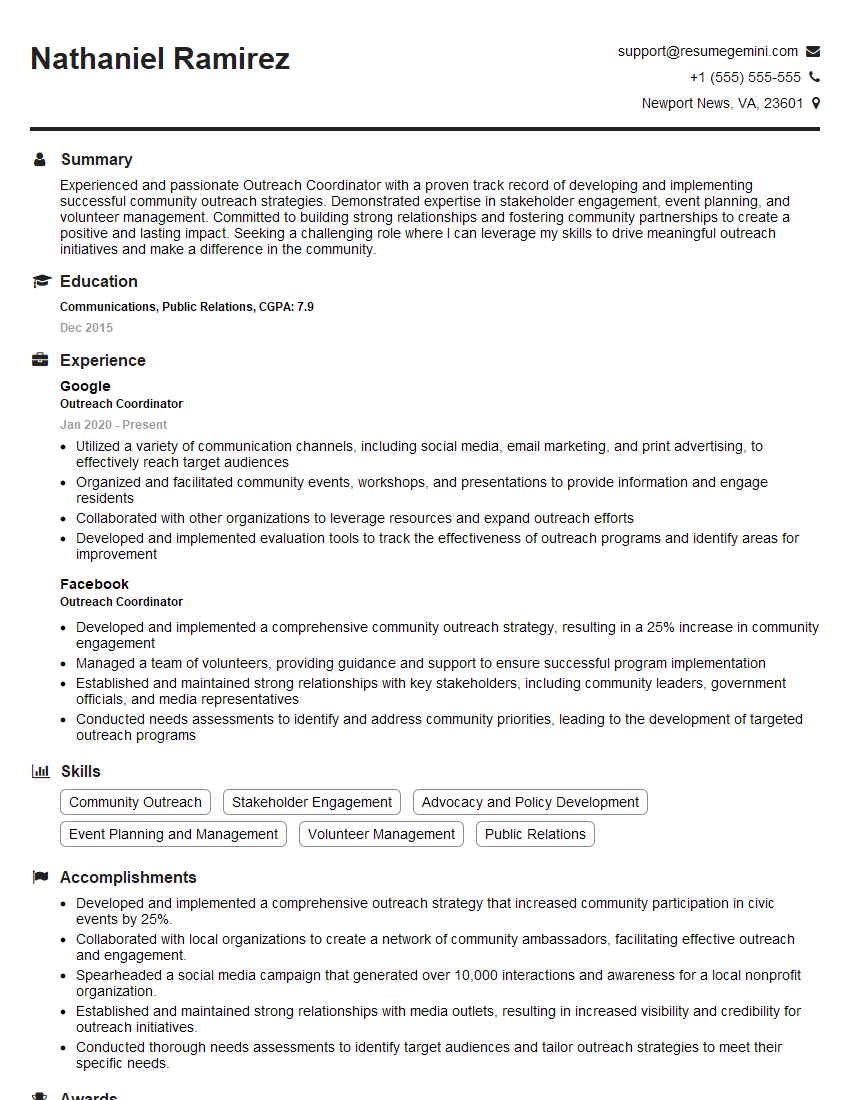
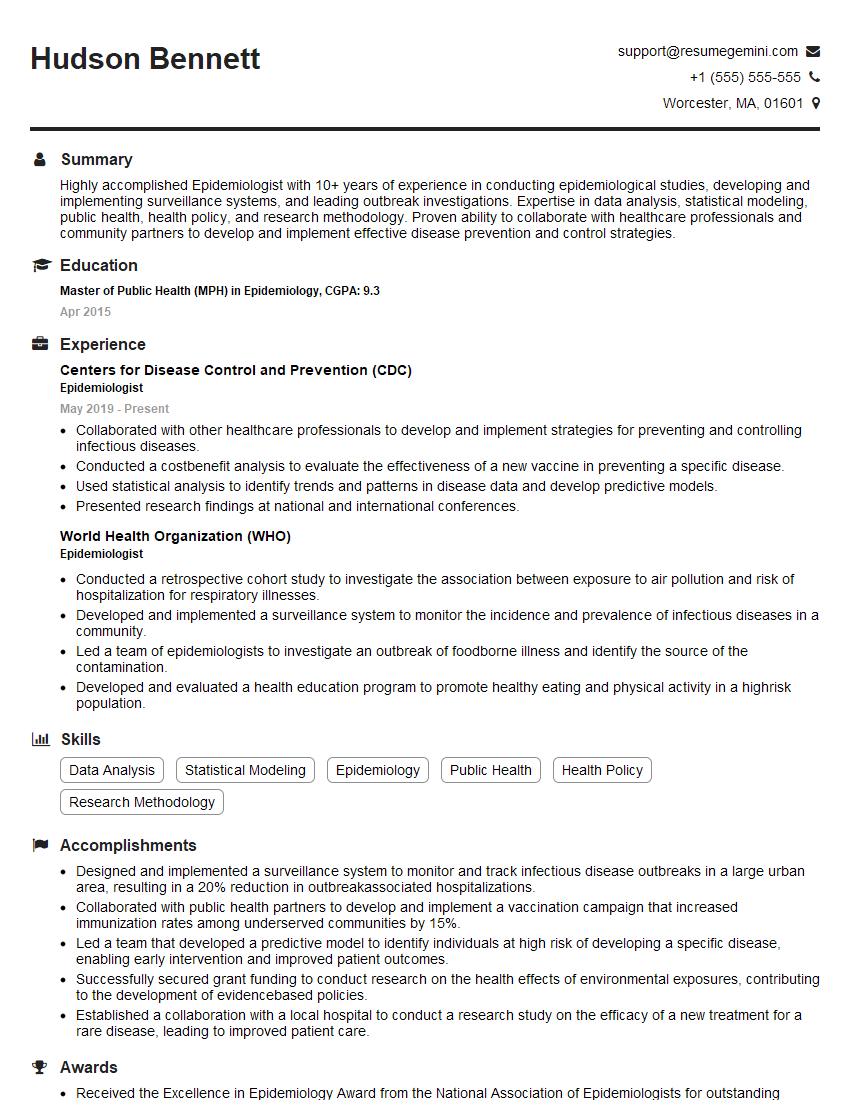
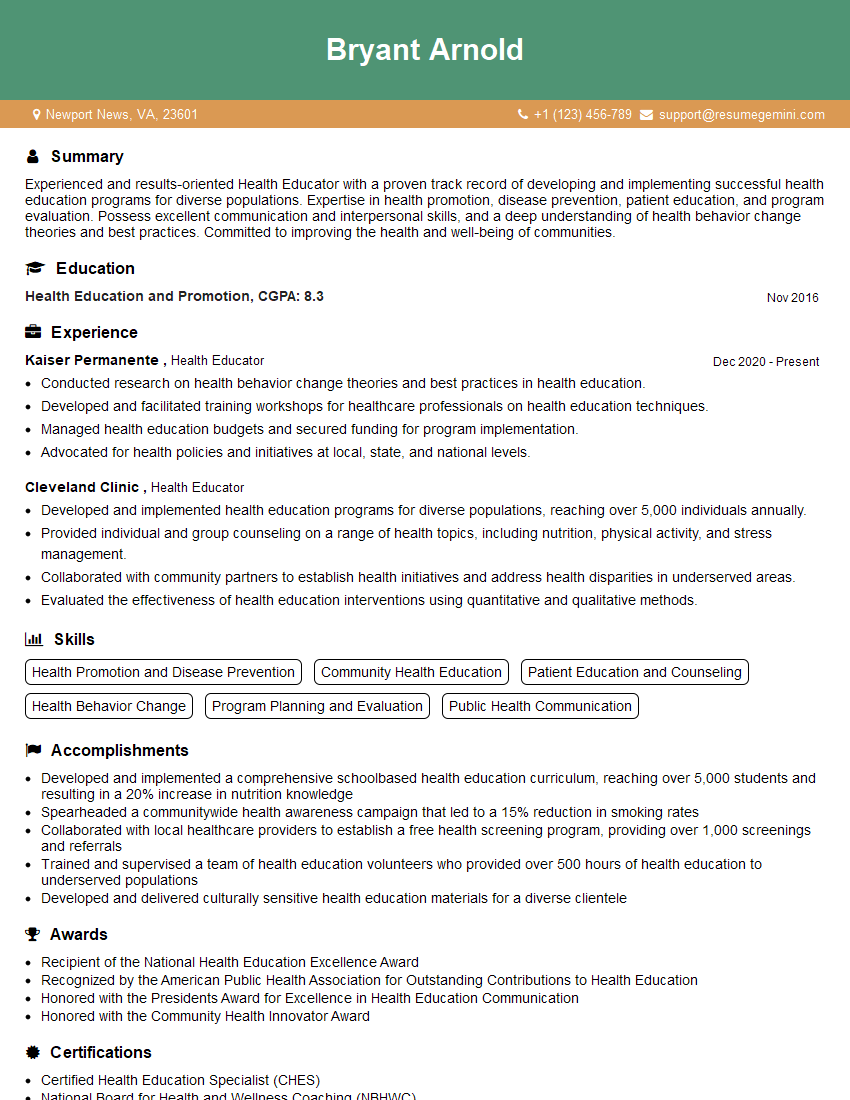
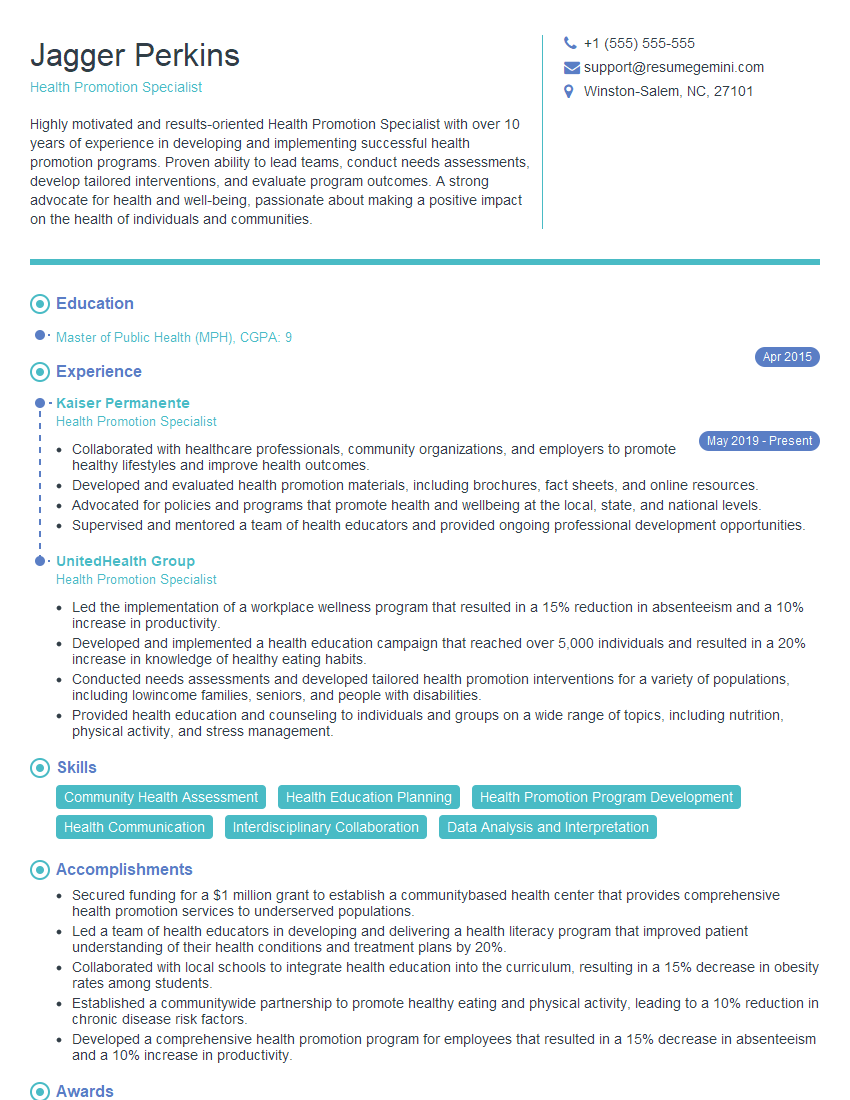
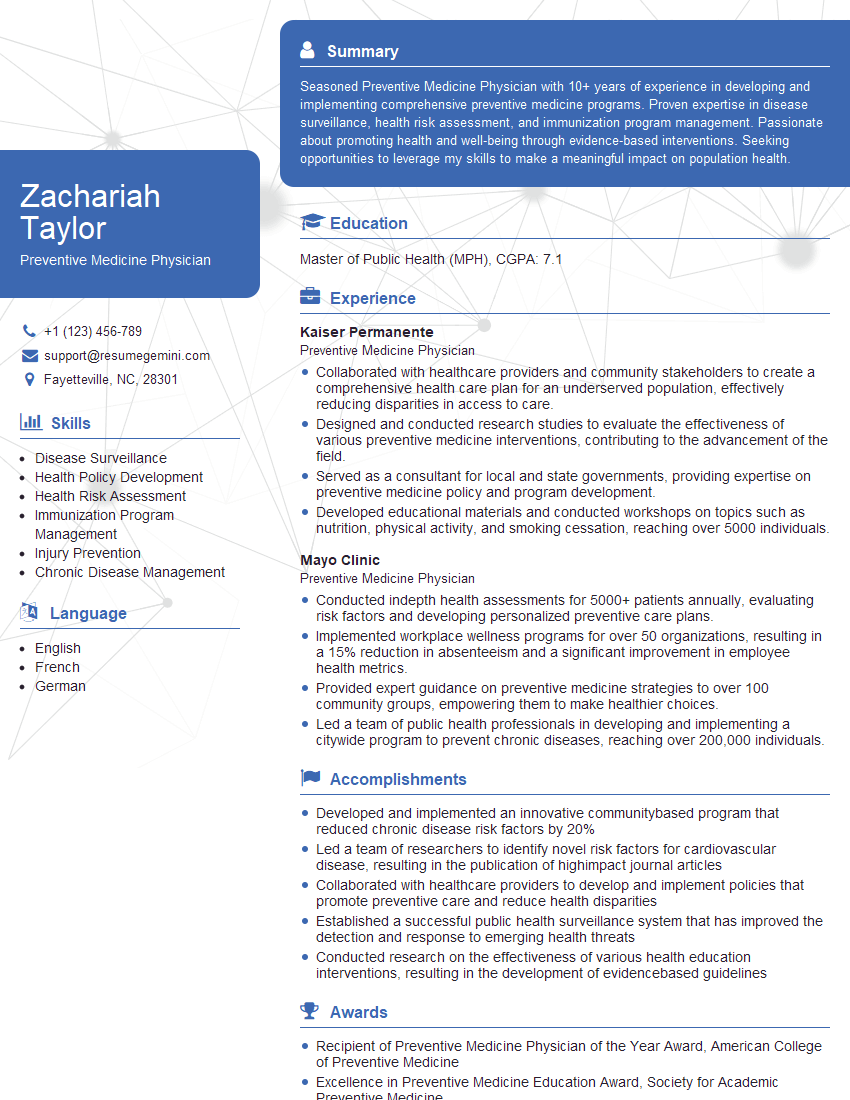
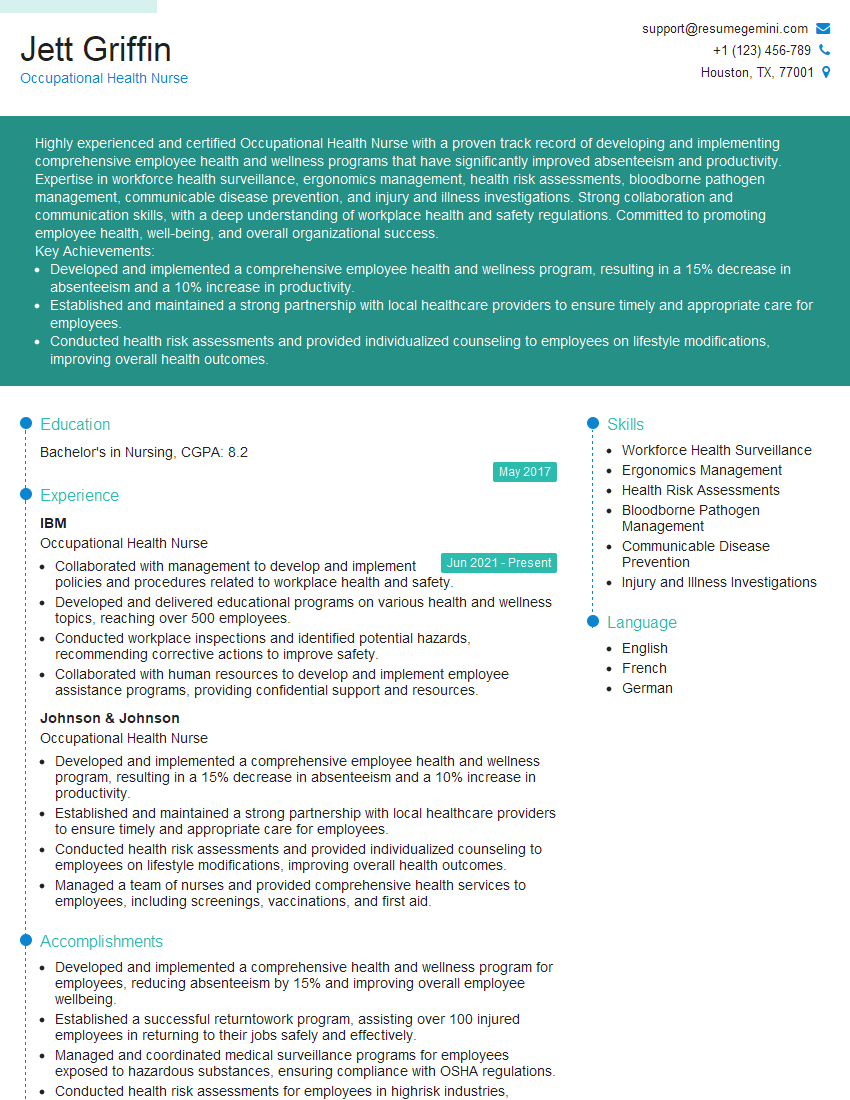
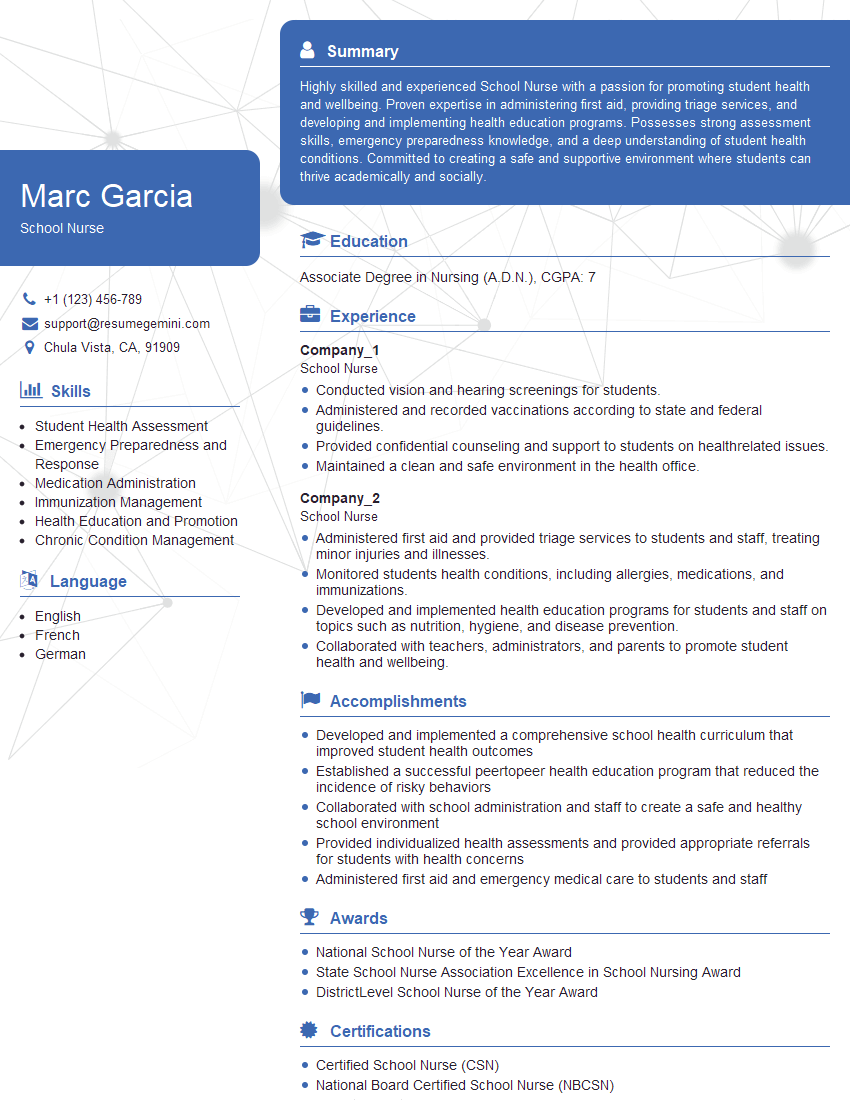
Mastering Preventive Health Screenings is crucial for career advancement in public health, healthcare administration, and related fields. A strong understanding of these concepts demonstrates your commitment to improving patient well-being and optimizing healthcare resource utilization. To significantly enhance your job prospects, create an ATS-friendly resume that highlights your skills and experience effectively. ResumeGemini is a trusted resource to help you build a professional resume that stands out to recruiters. We offer examples of resumes tailored to Preventive Health Screenings to guide you in crafting a compelling application.

Explore more articles
Users Rating of Our Blogs
Share Your Experience
We value your feedback! Please rate our content and share your thoughts (optional).
What Readers Say About Our Blog
To the interviewgemini.com Webmaster.
Very helpful and content specific questions to help prepare me for my interview!
Thank you
To the interviewgemini.com Webmaster.
This was kind of a unique content I found around the specialized skills. Very helpful questions and good detailed answers.
Very Helpful blog, thank you Interviewgemini team.