Feeling uncertain about what to expect in your upcoming interview? We’ve got you covered! This blog highlights the most important Preparing permit applications and supporting documentation interview questions and provides actionable advice to help you stand out as the ideal candidate. Let’s pave the way for your success.
Questions Asked in Preparing permit applications and supporting documentation Interview
Q 1. Explain the process of preparing a building permit application.
Preparing a building permit application is a multi-step process that requires meticulous attention to detail and a thorough understanding of local building codes and regulations. It essentially involves gathering all necessary information, completing the application forms accurately, and submitting the required documentation to the relevant authority. Think of it like assembling a puzzle – each piece (document) is crucial for the final picture (permit approval).
- Pre-Application Consultation: It’s always best to begin with a pre-application consultation with the permitting authority. This allows you to discuss your project, address any potential issues early on, and ensure your plans comply with regulations. This prevents costly mistakes later.
- Site Assessment and Surveys: Conduct a thorough site assessment to gather necessary information such as property lines, existing structures, and utility locations. This often involves a site survey conducted by a licensed surveyor.
- Plan Preparation: Detailed architectural, structural, electrical, plumbing, and mechanical plans (depending on project scope) must be prepared by licensed professionals. These plans need to adhere to all relevant building codes and regulations.
- Application Completion: The permit application forms must be accurately and completely filled out. This includes details about the project, applicant information, project location, and proposed work.
- Documentation Compilation: Gather all necessary supporting documentation, including site plans, construction plans, specifications, calculations, and any other required documents. This step is crucial for a smooth application process.
- Submission and Review: Submit the complete application package to the permitting authority. The application will undergo a review process which may include inspections before the permit is issued.
Q 2. What are the key components of a complete permit application?
A complete permit application comprises several key components. Missing even one can lead to delays or rejection. Imagine it like a recipe – each ingredient (document) is vital for the final dish (permit).
- Completed Application Form: This is the official form provided by the permitting authority. All sections must be filled out accurately and completely.
- Site Plan: A detailed drawing showing the location of the project, property lines, existing structures, and proposed work.
- Construction Plans: These plans (architectural, structural, MEP – Mechanical, Electrical, Plumbing) illustrate the proposed construction in detail, adhering to building codes.
- Specifications: A written description of materials and construction methods to be used in the project.
- Calculations: Structural, engineering, or other calculations demonstrating the project’s compliance with building codes (e.g., load calculations, energy efficiency calculations).
- Fees: Payment of all applicable permit fees.
- Contractor’s License (if applicable): Proof of the contractor’s license and insurance.
- Proof of Ownership: Evidence that the applicant owns or has the right to build on the property (e.g., deed, lease).
Q 3. How do you ensure accuracy and completeness in permit applications?
Accuracy and completeness are paramount in permit applications. Inaccurate or incomplete applications lead to delays, rejections, and potentially costly revisions. I employ a rigorous multi-step process to ensure accuracy:
- Thorough Review: I meticulously review all plans and documents before submission, checking for compliance with codes and regulations. This involves cross-checking multiple documents to ensure consistency.
- Checklist System: I utilize a detailed checklist to ensure all required documents and information are included. This checklist is customized based on the specific project and local requirements.
- Software Validation: Where possible, I leverage software to check calculations and dimensions for errors. This reduces the chance of human error.
- Internal Review: A second pair of eyes reviews the application before submission, catching any overlooked details or potential discrepancies. This is especially important for complex projects.
- Pre-Submission Consultation (when available): I schedule a pre-submission meeting with the permitting authority whenever possible to discuss the project and address any potential concerns before formal submission.
Q 4. Describe your experience handling permit application rejections and revisions.
Handling permit application rejections and revisions is a crucial aspect of my work. I view rejections not as failures, but as opportunities for improvement and clarification. My approach is systematic:
- Understanding the Rejection: I carefully review the rejection letter to understand the specific reasons for the denial. This often involves detailed analysis of the comments from the review process.
- Communication with the Authority: I establish clear communication with the permitting authority to clarify any ambiguities and obtain further guidance.
- Revisions and Resubmission: I diligently address all noted deficiencies by making necessary revisions to the plans and documentation, ensuring all comments are addressed thoroughly.
- Documentation of Revisions: I meticulously document all revisions made to the plans and supporting documentation. This aids in the review process and provides a clear record of changes.
- Resubmission with Cover Letter: I resubmit the revised application with a detailed cover letter explaining the changes and addressing the reasons for the initial rejection.
For instance, I once encountered a rejection due to an overlooked easement on the property. By promptly contacting the surveyor, correcting the site plan, and resubmitting, we secured the permit within a week.
Q 5. What software or tools are you proficient in for managing permit applications?
Proficiency in relevant software tools is essential for efficient permit application management. I am proficient in:
- AutoCAD: For creating and editing construction drawings and site plans.
- Revit: For building information modeling (BIM), facilitating collaboration and accuracy in design and documentation.
- Bluebeam Revu: For markup and collaboration on plans and documents.
- Microsoft Office Suite (Word, Excel, PowerPoint): For creating and managing documents, spreadsheets, and presentations related to the applications.
- Project Management Software (e.g., Asana, Trello): To track deadlines and manage multiple projects simultaneously.
These tools help streamline the process, ensuring accuracy and efficiency. For example, using Revit’s clash detection feature prevents errors in design coordination between different disciplines.
Q 6. How do you prioritize multiple permit applications with different deadlines?
Prioritizing multiple permit applications with varying deadlines requires a structured approach. I utilize a combination of techniques:
- Deadline-Based Prioritization: Applications with the most imminent deadlines receive top priority. This ensures timely submissions and avoids unnecessary delays.
- Project Complexity: More complex projects requiring extensive documentation and coordination are prioritized based on their individual requirements and dependencies.
- Resource Allocation: I allocate resources—time and personnel—proportionately to each project based on its urgency and complexity.
- Project Management Software: I utilize project management software to track deadlines, tasks, and progress for all applications, providing a clear overview and facilitating efficient time management. This prevents task slippage and ensures on-time delivery.
- Regular Review and Adjustment: I regularly review the project schedule and make adjustments as necessary, accounting for unforeseen delays or changes in priorities. Flexibility is key.
Q 7. Explain your understanding of zoning regulations and their impact on permit applications.
Zoning regulations dictate how land can be used and developed within a specific area. A thorough understanding of these regulations is crucial for successful permit applications. Failure to comply results in permit rejection.
My understanding encompasses:
- Setback Requirements: Minimum distances between buildings and property lines.
- Height Restrictions: Maximum allowable building heights.
- Density Limits: Maximum number of dwelling units per acre.
- Use Restrictions: Specific uses permitted on a particular parcel of land (residential, commercial, industrial).
- Parking Requirements: Minimum number of parking spaces required based on the use of the building.
- Environmental Regulations: Regulations related to environmental protection, such as wetlands and stormwater management.
I ensure compliance by thoroughly reviewing zoning maps, ordinances, and any relevant regulations before commencing with permit applications. I often consult with zoning officials for clarification on specific aspects to avoid costly errors. For example, a project exceeding the maximum allowed height will lead to an immediate rejection. Prior knowledge of zoning parameters allows us to design within the limitations or to proactively explore variances if necessary.
Q 8. Describe your experience with environmental impact assessments and their role in permit applications.
Environmental Impact Assessments (EIAs) are crucial for many permit applications, particularly those involving projects with potential environmental consequences. They are essentially detailed studies predicting the likely effects of a proposed project on the surrounding environment. My experience involves conducting, reviewing, and incorporating EIAs into permit applications for diverse projects, ranging from construction of large-scale infrastructure to smaller-scale developments. This includes identifying potential impacts (e.g., air and water pollution, habitat loss, noise pollution), proposing mitigation measures, and accurately representing the findings in the application. For instance, in a recent project involving a new highway construction, the EIA identified potential impacts on a local wetland. We proposed mitigation strategies such as creating a new, larger wetland elsewhere and incorporating these meticulously into the permit application, demonstrating our commitment to environmental responsibility and increasing the likelihood of approval.
The EIA’s role in permit applications is vital as it demonstrates to the permitting agency that the applicant has thoroughly considered the environmental implications of their project and taken steps to minimize any negative effects. A well-executed EIA significantly strengthens the permit application, making it more likely to be approved quickly and efficiently.
Q 9. How do you effectively communicate with government agencies regarding permit applications?
Effective communication with government agencies is paramount for successful permit applications. My approach emphasizes proactive, clear, and concise communication throughout the entire process. This includes:
- Proactive Engagement: I initiate contact early, establishing a relationship with the relevant agency personnel and seeking clarification on any ambiguous requirements.
- Clear and Concise Documentation: I ensure the application is complete, accurate, and easy to understand, adhering to all formatting and submission guidelines. This includes using clear language and avoiding technical jargon unless absolutely necessary.
- Regular Follow-up: I maintain regular contact, providing updates and promptly addressing any queries or requests from the agency. I track deadlines diligently.
- Professional and Respectful Tone: I maintain a professional and respectful demeanor in all interactions, understanding that agency staff are working under pressure and appreciate clear, well-organized communication.
For example, in a case involving a complex zoning permit, I proactively met with the agency’s planning department to discuss our application and address any potential concerns before submitting it officially. This prevented delays and ensured a smoother approval process.
Q 10. How do you track the progress of permit applications and communicate updates to stakeholders?
Tracking permit application progress and communicating updates to stakeholders is a critical aspect of my work. I use a combination of methods to ensure transparency and efficiency:
- Dedicated Tracking System: I employ a project management software to meticulously track deadlines, key milestones, and agency communications. This allows me to monitor progress effectively and anticipate potential delays.
- Regular Reporting: I provide regular updates to clients and stakeholders, summarizing progress and highlighting any challenges encountered. This is typically done through email, project meetings, or detailed reports.
- Proactive Communication: I proactively communicate any significant delays or setbacks to all involved parties, explaining the reasons and proposing solutions.
- Centralized Documentation: I maintain a centralized repository of all relevant documents, including application materials, agency correspondence, and internal communications. This allows for easy access to information when needed.
In one instance, I used a shared online project management tool to update my client daily on the status of their permit. This transparency helped manage expectations and fostered trust.
Q 11. What are your strategies for expediting permit applications?
Expediting permit applications involves understanding the agency’s priorities and streamlining the process wherever possible. My strategies include:
- Complete and Accurate Applications: Submitting a thorough and accurate application from the outset minimizes the need for corrections and revisions, reducing processing time.
- Proactive Communication: As mentioned before, engaging early and maintaining open communication helps anticipate and address potential issues promptly.
- Addressing Concerns Early: Identifying and addressing potential concerns proactively helps reduce the likelihood of delays.
- Meeting All Requirements: Ensuring that all agency requirements are meticulously met from the beginning demonstrates professionalism and competence.
- Seeking Pre-Application Meetings: Pre-application meetings with the agency can clarify ambiguities and ensure compliance, often saving time later in the process.
For example, in one project, we identified a potential conflict with local regulations early on and addressed it proactively. This prevented a significant delay that could have occurred if we had waited for the agency to identify the issue during the formal review.
Q 12. Describe a situation where you had to resolve a conflict related to a permit application.
In one instance, a conflict arose between our client’s proposed development plan and the concerns of a neighboring property owner regarding potential impacts on their property value and views. I addressed the conflict by:
- Facilitating Communication: I arranged a meeting between the client, the neighbor, and relevant agency personnel.
- Mediation: I acted as a neutral mediator, facilitating open communication and ensuring that all parties could express their concerns.
- Compromise: We worked together to find a compromise that addressed the neighbor’s concerns while still allowing the client to proceed with their project. This involved adjusting the building design and providing additional landscaping to mitigate the impact on the neighbor’s property.
- Documentation: We documented the agreement in writing to ensure clarity and prevent future disputes.
This collaborative approach resulted in a successful resolution that satisfied all parties involved and prevented costly delays or legal challenges.
Q 13. How do you handle incomplete or insufficient information provided for a permit application?
Handling incomplete or insufficient information is a common challenge. My approach involves:
- Identifying Gaps: I systematically review all application materials to identify any missing or inadequate information.
- Requesting Clarification: I promptly contact the client to request the necessary information, explaining its importance and the potential consequences of delay.
- Proactive Research: If information is unavailable from the client, I conduct thorough research to obtain it from other reliable sources.
- Communicating with the Agency: I communicate with the agency to clarify requirements and determine acceptable alternatives if certain information is irretrievable.
A practical example involves a missing environmental survey. I contacted the client, explaining the need for this critical document. They obtained it promptly, avoiding a significant delay in the process. In another case, after discovering missing information, I conducted my own research, using publicly available data to partially fulfill the application’s requirement. This proactive approach minimized delays.
Q 14. Explain your understanding of the different types of permits (building, zoning, environmental, etc.).
Permitting varies significantly depending on the project’s nature and location. Understanding the different permit types is essential:
- Building Permits: These are required for new construction, additions, alterations, or demolition of structures. They ensure compliance with building codes and safety regulations.
- Zoning Permits: These address the land use and development regulations. They determine the allowable uses of a property (e.g., residential, commercial, industrial), building height, setbacks, and density.
- Environmental Permits: These regulate activities that may impact the environment, such as discharging pollutants into water bodies, clearing forests, or handling hazardous materials. Examples include permits under the Clean Water Act or Endangered Species Act.
- Other Permits: Depending on the project, additional permits might be needed, including those related to traffic management, signage, demolition, and historical preservation.
For instance, constructing a new commercial building requires obtaining a building permit to ensure structural integrity and safety, a zoning permit to comply with local land use regulations, and potentially environmental permits depending on the project’s impact on the surroundings.
Q 15. How do you ensure compliance with all relevant regulations and codes during the permit application process?
Ensuring compliance is paramount in permit applications. It’s like building a house – you wouldn’t start without blueprints that meet building codes. My approach involves a multi-step process:
- Thorough Code Research: I meticulously research all applicable local, state, and federal regulations, including building codes, zoning ordinances, environmental regulations, and accessibility standards. This often involves checking multiple government websites and potentially consulting with specialized code experts.
- Pre-Application Consultation: Whenever possible, I schedule pre-application meetings with the permitting authority. This allows for early identification and resolution of potential compliance issues, preventing costly delays later.
- Detailed Design Review: Before submitting the application, I conduct a thorough review of all design plans and specifications, ensuring they adhere to every relevant code and regulation. This often includes checklists and cross-referencing with code books.
- Third-Party Reviews (When Necessary): For complex projects, I engage qualified engineers or specialists to review specific aspects of the design, ensuring compliance with specialized codes, like structural or electrical.
- Documentation: I meticulously document all compliance checks, including references to specific code sections and any waivers or approvals obtained. This is crucial for transparency and accountability.
For example, in a recent project involving a restaurant renovation, I ensured compliance with the local fire code by submitting detailed plans showing the location of fire extinguishers, sprinklers, and emergency exits, referencing specific code sections in the application.
Career Expert Tips:
- Ace those interviews! Prepare effectively by reviewing the Top 50 Most Common Interview Questions on ResumeGemini.
- Navigate your job search with confidence! Explore a wide range of Career Tips on ResumeGemini. Learn about common challenges and recommendations to overcome them.
- Craft the perfect resume! Master the Art of Resume Writing with ResumeGemini’s guide. Showcase your unique qualifications and achievements effectively.
- Don’t miss out on holiday savings! Build your dream resume with ResumeGemini’s ATS optimized templates.
Q 16. How do you manage and organize supporting documentation for permit applications?
Organizing supporting documents is as crucial as the application itself – think of it as the evidence supporting your case. My strategy focuses on a clear, logical structure:
- Digital Filing System: I utilize a cloud-based system like Dropbox or Google Drive to store all documents, allowing easy access and collaboration. Files are named consistently and clearly (e.g., ’01-SitePlan.pdf’).
- Checklists and Templates: I use checklists to ensure all required documents are included, and templates to standardize document formatting, promoting consistency and clarity.
- Hierarchical Folder Structure: Documents are organized into folders reflecting the application’s different aspects (e.g., ‘Site Plans’, ‘Engineering Drawings’, ‘Environmental Impact Assessment’).
- Metadata Tagging: I add relevant metadata to each document, including project name, date, and document type, facilitating searching and retrieval.
- Version Control: I track all document versions to manage revisions and maintain a clear audit trail.
This systematic approach not only ensures completeness but also speeds up the review process for the permitting authority. Imagine searching through hundreds of disorganized documents versus a neatly structured, easily searchable digital archive – it makes a world of difference!
Q 17. Describe your experience using online permit application portals.
I’m proficient in using various online permit application portals. Each portal has its nuances, but my approach remains consistent:
- Familiarization with Portal Features: Before starting, I thoroughly explore the portal’s features, understanding the navigation, required forms, and upload processes.
- Accurate Data Entry: I pay close attention to detail during data entry, ensuring accuracy in all fields. Errors can lead to delays and rejections.
- Digital Document Preparation: Documents are prepared in compatible formats (PDF, TIFF) and are correctly sized and labeled for optimal viewing on the portal.
- Submission Tracking: I utilize the portal’s tracking features to monitor the application’s progress and receive updates on its status.
- Communication: I use the portal’s communication tools to interact with the permitting authority and respond to any inquiries promptly.
For example, I regularly use the [Name of Local Permitting Portal] and have successfully submitted numerous applications, making use of its features like automated notifications and digital document signatures.
Q 18. What are your strategies for preventing permit application delays?
Preventing permit application delays requires proactive planning and meticulous attention to detail. My strategies include:
- Complete and Accurate Applications: Ensuring the application is fully completed and all required documentation is included is the most fundamental step. Missing information is a major cause of delay.
- Meeting all Deadlines: Adhering to deadlines is critical; procrastination can have serious consequences.
- Clear Communication: Maintaining clear and consistent communication with the permitting authority addresses questions proactively and resolves any issues quickly.
- Pre-Application Meetings: These meetings allow for early clarification of requirements and potential issues, preventing future delays.
- Professional Presentation: Neat, well-organized, and professionally presented applications make a positive impression and can speed up review time.
In one instance, a pre-application meeting revealed a minor zoning issue that we addressed immediately, preventing a significant delay in the approval process. This proactive approach saved weeks of time.
Q 19. How do you identify potential issues or risks associated with a permit application?
Identifying potential issues is crucial. It’s like a pre-flight check for an airplane – you want to identify any potential problems before takeoff. My approach involves:
- Reviewing all relevant codes and regulations: This involves a careful examination of all applicable local, state, and federal regulations to identify any potential conflicts or areas of concern.
- Detailed site analysis: Thorough investigation of the site to assess potential environmental impacts, existing infrastructure, and any potential conflicts with neighboring properties.
- Consultation with experts: Engaging specialists in areas like engineering, environmental science, or historical preservation, as needed.
- Analyzing potential impacts: Considering all potential impacts of the project, including traffic, noise, and environmental effects.
- Risk Assessment Matrix: Creating a matrix to identify, analyze, and prioritize potential risks and issues.
For instance, a project involving a building near a historical landmark required detailed analysis of potential impacts to ensure adherence to preservation guidelines, an issue identified only through careful review and expert consultation.
Q 20. What are your strategies for mitigating risks related to permit applications?
Mitigating risks involves proactive measures. It’s like having a backup plan – you prepare for potential problems to minimize their impact.
- Addressing identified issues promptly: Once potential issues are identified, I work to resolve them quickly and efficiently.
- Developing contingency plans: Creating plans to address potential issues or delays if they arise.
- Seeking waivers or variances when necessary: If some regulations cannot be met, I explore the possibility of obtaining waivers or variances from the permitting authority.
- Maintaining clear communication: Keeping the permitting authority informed of any potential issues and the steps being taken to address them.
- Engaging specialized consultants: When necessary, experts are engaged to address highly specialized issues, like geotechnical or environmental concerns.
In a recent project, we identified a potential drainage issue. By proactively engaging a civil engineer and incorporating their solutions into the design, we avoided a potential delay and ensured compliance with environmental regulations.
Q 21. Describe your experience with appeals processes for denied permit applications.
Appealing a denied permit requires a methodical and well-documented approach. It’s like presenting a case in court – you need strong evidence to support your argument.
- Thorough Review of Denial Letter: I carefully review the denial letter, identifying the specific reasons for rejection.
- Gather Supporting Documentation: I compile all supporting documentation to address the reasons for denial. This may include additional analysis, expert opinions, or revised plans.
- Prepare a Formal Appeal Letter: A well-written appeal letter clearly and concisely addresses each point of concern, providing evidence to support the appeal.
- Maintain Professional Communication: I maintain a professional and respectful demeanor throughout the appeal process.
- Legal Counsel (If Necessary): For complex appeals or significant projects, I consult with legal counsel.
A successful appeal requires a careful and strategic approach. It involves understanding the reasons for the denial, presenting compelling evidence to counter those reasons, and maintaining clear and professional communication throughout the process.
Q 22. How do you maintain accurate records of permit applications and supporting documents?
Maintaining accurate records for permit applications is crucial for efficiency and compliance. My approach involves a multi-layered system combining digital and physical record-keeping. I utilize a dedicated, secure database to store all application details, supporting documents (e.g., site plans, engineering reports, and calculations), and correspondence. This database allows for easy retrieval and version control, ensuring that we always have access to the most current and accurate information. Each application receives a unique identifier which is used consistently across all systems. Critically, I also maintain a well-organized physical filing system with hard copies of essential documents – serving as a backup and readily available for review during site inspections or in case of digital system failures. This dual system guarantees data integrity and accessibility. For instance, in a recent large-scale commercial project, the digital database allowed for quick retrieval of specific calculations for review by the building inspector, minimizing delays. The physical file acted as a reliable backup when our server experienced temporary downtime.
Q 23. How do you ensure data security and confidentiality when handling permit application information?
Data security and confidentiality are paramount. I adhere to strict protocols to safeguard sensitive permit application information. This includes utilizing password-protected databases with access control lists, limiting access to authorized personnel only. Data encryption is employed both in transit and at rest. All electronic devices holding permit data are protected with strong passwords and regularly updated anti-malware software. Physical files are kept in locked cabinets in a secure location. Furthermore, I strictly comply with all relevant data privacy regulations (like GDPR or CCPA, depending on the jurisdiction), ensuring that all applicant information is handled responsibly and according to legal requirements. For example, I’ve implemented a system where only authorized personnel can access personally identifiable information (PII) within the permit application data, strictly limiting access to ‘need-to-know’ personnel. Regular security audits and staff training reinforce these best practices.
Q 24. Explain your understanding of the different stages of the permit application review process.
The permit application review process typically involves several stages. It starts with the submission stage where the completed application and all necessary supporting documents are submitted to the relevant authority. The next stage is review, where the application is checked for completeness, accuracy, and compliance with all applicable regulations and codes. This may involve technical review by engineers and specialists. Then comes the approval or rejection stage: if the application meets all requirements, the permit is issued; otherwise, the applicant is informed of necessary corrections or additional information required. Sometimes, a site visit is conducted by inspectors to verify the information provided in the application. Finally, permit issuance or denial concludes the process. Throughout, clear and consistent communication with the applicant is vital. For example, in a residential building permit, the review process might include verifying the structural calculations against building codes, reviewing fire safety plans, and inspecting the site to ensure compliance with zoning regulations.
Q 25. How do you stay updated on changes in regulations and codes that affect permit applications?
Staying updated on changes in regulations and codes is essential. I subscribe to relevant professional journals and newsletters, participate in industry conferences and training sessions, and actively monitor online resources from government agencies responsible for building codes and permitting. I also maintain a close network of contacts within the relevant regulatory bodies to receive timely updates on changes. Regularly checking and updating our internal database with the latest codes and regulations is also critical. For example, when new energy efficiency codes were implemented in our region, I proactively updated our templates and checklists, ensuring that all subsequent permit applications complied with the latest requirements. This proactive approach minimizes delays and ensures compliance.
Q 26. Describe your experience working with different stakeholders (clients, engineers, contractors, etc.) during the permit application process.
Collaboration with diverse stakeholders is key to a successful permit application. I build strong working relationships with clients, engineers, contractors, and regulatory authorities. Clear and frequent communication is prioritized, using various methods like emails, meetings, and site visits. I actively listen to concerns, address questions promptly, and proactively communicate updates on the application’s progress. For example, in a recent project, I facilitated a meeting between the client, architect, and structural engineer to address discrepancies in the plans before submitting the application, which avoided potential delays later. My focus is on fostering a collaborative environment where all stakeholders work towards a common goal, leading to smoother processes and timely approvals.
Q 27. How do you adapt your approach to different types of permit applications and regulatory environments?
My approach is adaptable to different permit types and regulatory environments. I’m proficient in handling applications for various projects, including residential, commercial, and industrial constructions, as well as demolition, land use, and special event permits. This flexibility stems from my understanding of the unique regulations governing each project type and geographic location. When dealing with new jurisdictions or permit types, I begin by thoroughly researching the relevant codes, guidelines, and application procedures. I leverage online resources, contact local authorities directly for clarification, and often seek advice from other experienced professionals. For instance, while processing a permit for a wind turbine installation, I had to consult extensively with state and local authorities to understand unique requirements for environmental impact assessments. This meticulous preparation ensures the application is accurate and complete, resulting in a more efficient review process.
Key Topics to Learn for Preparing Permit Applications and Supporting Documentation Interview
- Understanding Permit Types and Requirements: Learn to differentiate between various permit types (e.g., building, zoning, environmental) and identify the specific documentation needed for each.
- Application Completion and Submission: Master the process of accurately completing application forms, including gathering necessary data, adhering to formatting guidelines, and submitting applications through the appropriate channels (online portals, mail, etc.).
- Gathering and Organizing Supporting Documentation: Develop strategies for efficiently collecting, organizing, and presenting supporting documents (e.g., site plans, engineering reports, environmental impact assessments) in a clear and logical manner.
- Compliance with Regulations and Codes: Understand relevant building codes, zoning ordinances, and environmental regulations to ensure applications meet all legal requirements.
- Dealing with Incomplete or Insufficient Applications: Learn to anticipate potential issues and proactively address incomplete or insufficient information to avoid delays in the permit approval process.
- Communication and Collaboration: Practice effective communication with permit reviewers and other stakeholders to clarify information and address concerns.
- Problem-solving and Troubleshooting: Develop strategies for identifying and resolving issues related to permit applications, such as discrepancies in documentation or delays in the approval process.
- Permit Tracking and Follow-up: Learn efficient methods for tracking application status and following up with relevant authorities.
Next Steps
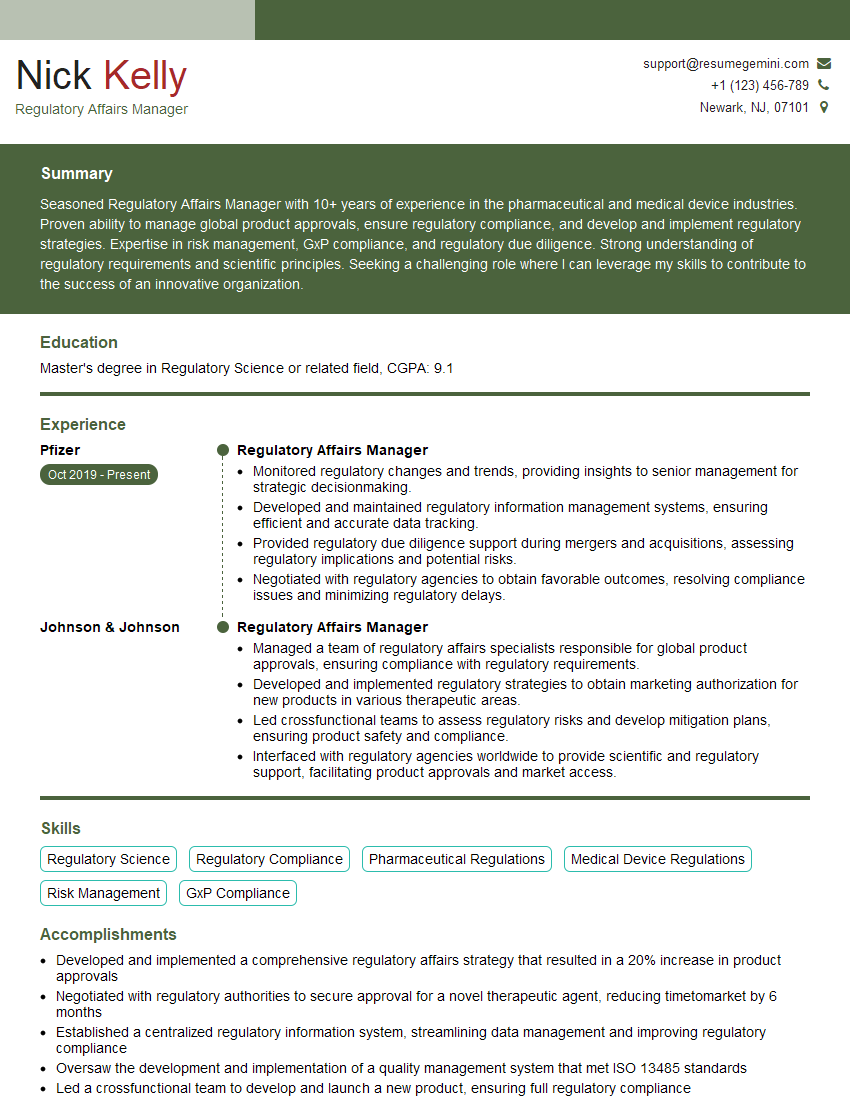
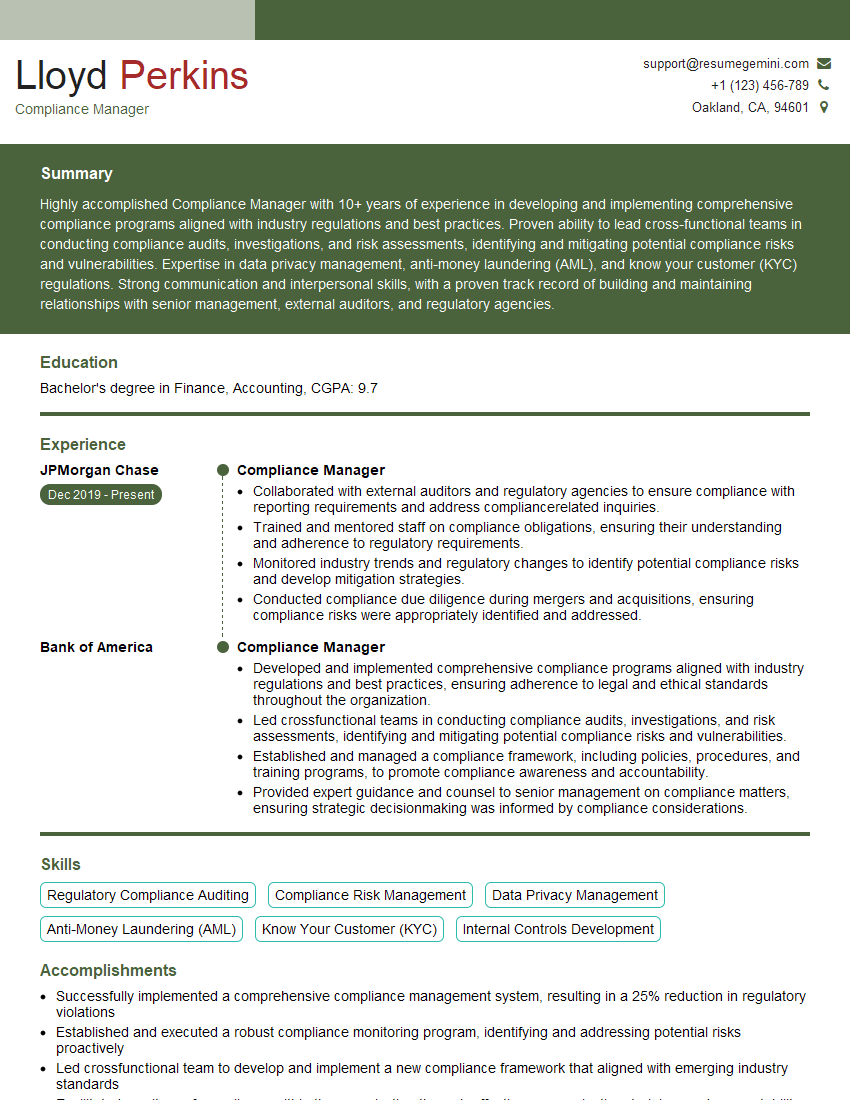
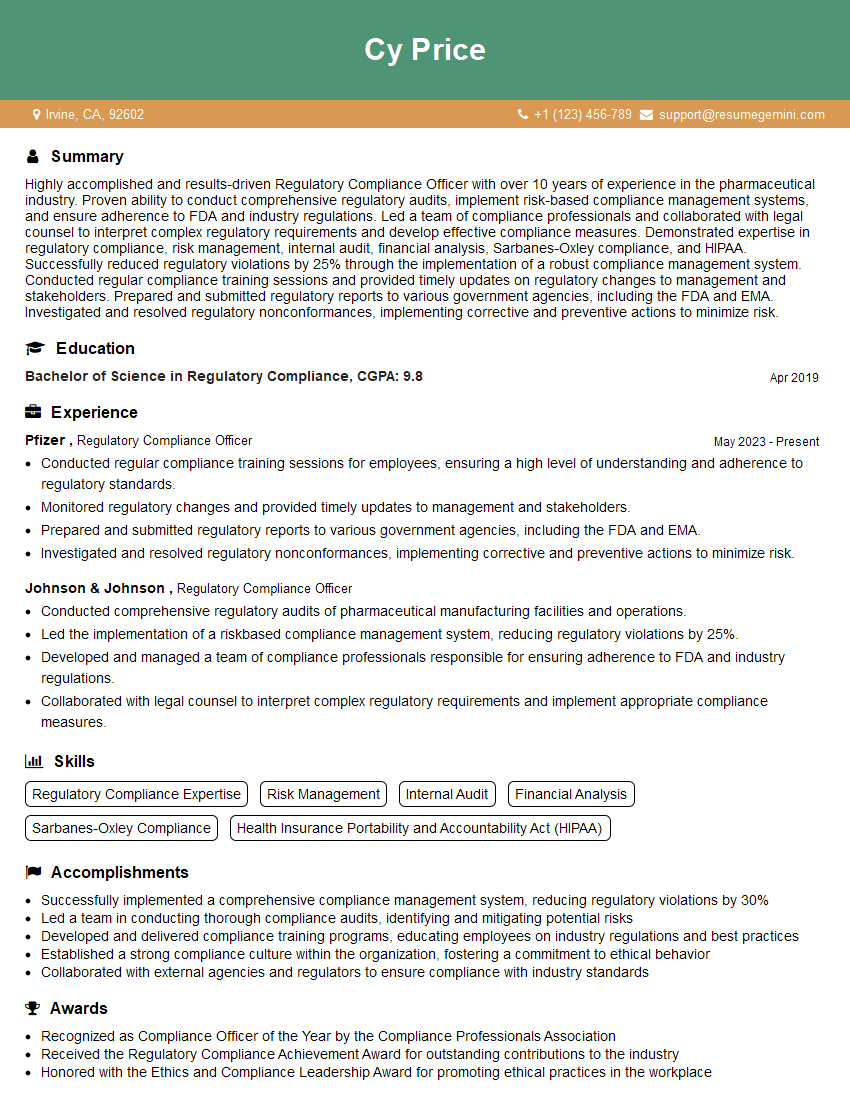
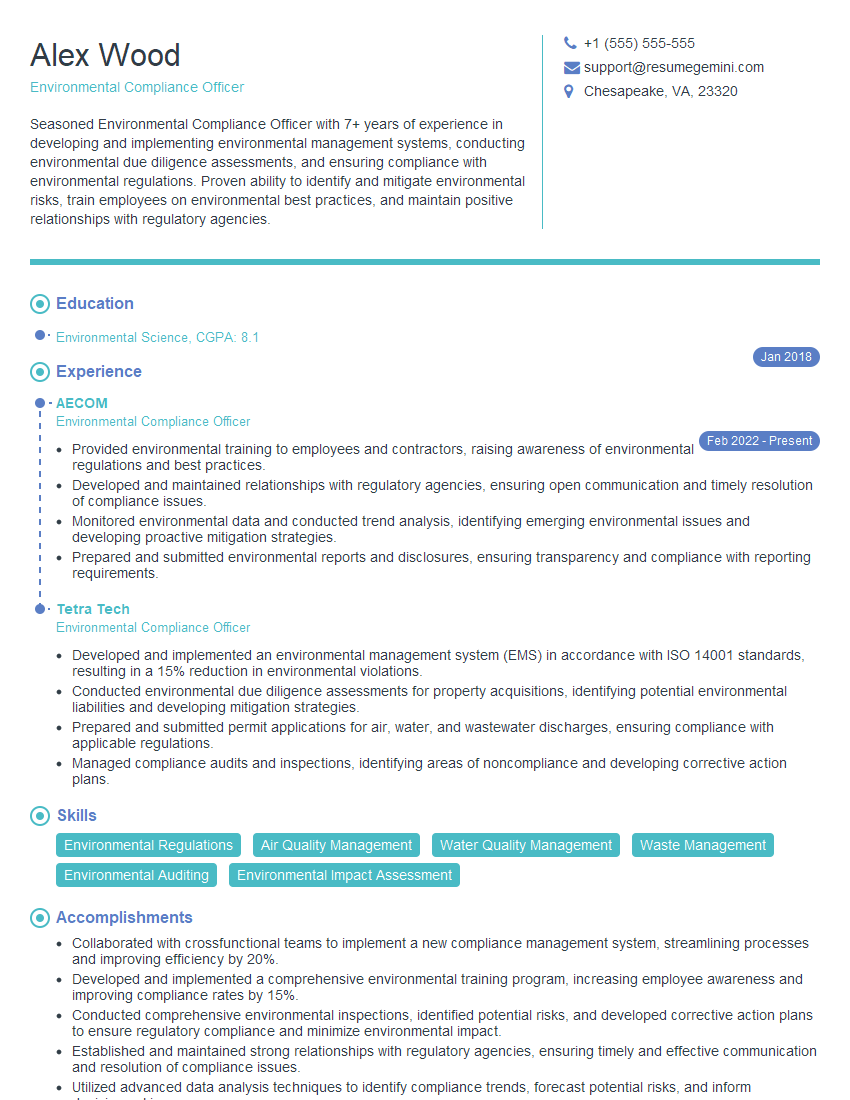
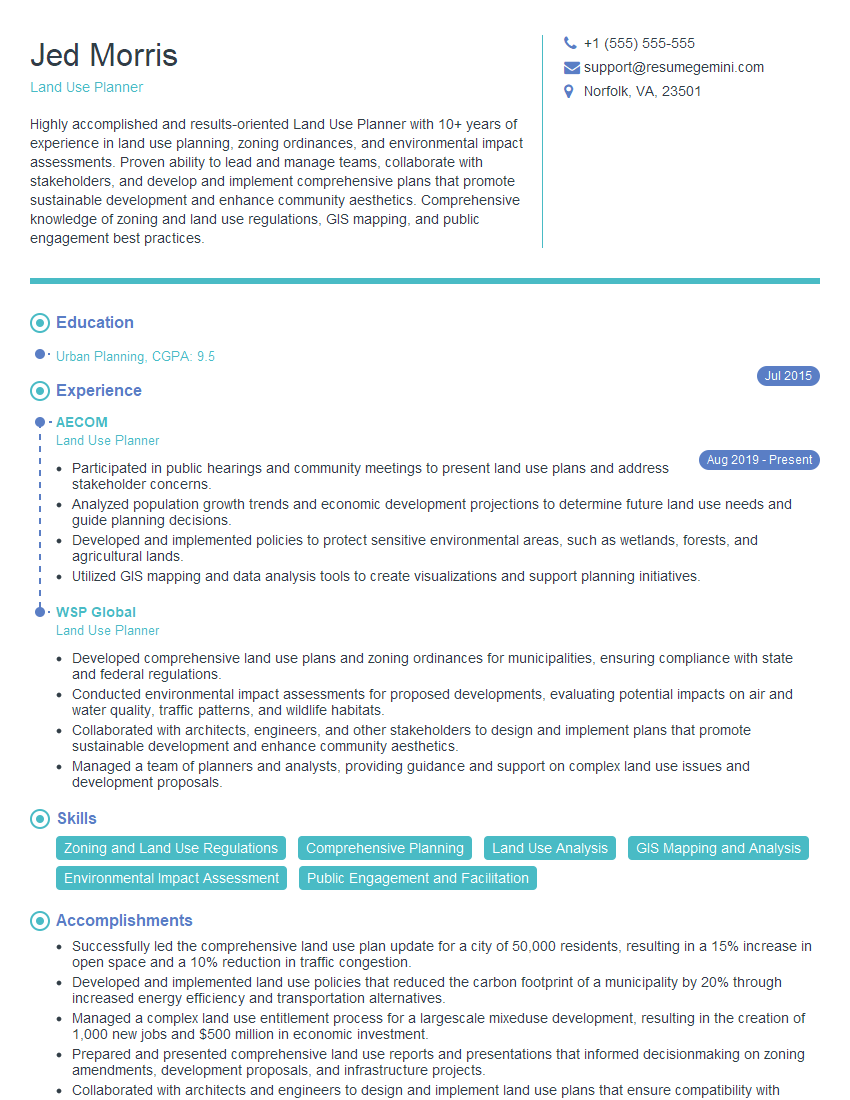
Mastering the preparation of permit applications and supporting documentation is crucial for career advancement in many fields, demonstrating strong organizational skills, attention to detail, and a thorough understanding of relevant regulations. A well-crafted resume showcasing these abilities is essential for securing your desired position. To enhance your job prospects, focus on building an ATS-friendly resume that highlights your key skills and experience. ResumeGemini is a trusted resource that can help you create a professional and impactful resume. Examples of resumes tailored to preparing permit applications and supporting documentation are available to help you build your own compelling application.
Explore more articles
Users Rating of Our Blogs
Share Your Experience
We value your feedback! Please rate our content and share your thoughts (optional).
What Readers Say About Our Blog
To the interviewgemini.com Webmaster.
Very helpful and content specific questions to help prepare me for my interview!
Thank you
To the interviewgemini.com Webmaster.
This was kind of a unique content I found around the specialized skills. Very helpful questions and good detailed answers.
Very Helpful blog, thank you Interviewgemini team.