Are you ready to stand out in your next interview? Understanding and preparing for Operating and maintaining field equipment interview questions is a game-changer. In this blog, we’ve compiled key questions and expert advice to help you showcase your skills with confidence and precision. Let’s get started on your journey to acing the interview.
Questions Asked in Operating and maintaining field equipment Interview
Q 1. Describe your experience with preventative maintenance procedures.
Preventative maintenance is the cornerstone of keeping field equipment running smoothly and avoiding costly breakdowns. It’s all about proactively identifying and addressing potential problems before they become major issues. My approach involves a multi-pronged strategy:
- Scheduled Inspections: I adhere to strict schedules for routine inspections, checking everything from fluid levels and belt tension to component wear and tear. For instance, on a diesel generator, this would include checking oil and coolant levels, inspecting the battery, and testing the exhaust system for leaks.
- Lubrication: Proper lubrication is critical. I meticulously lubricate moving parts according to manufacturer specifications, using the correct type and grade of lubricant. Neglecting this can lead to premature wear and failure.
- Component Replacement: I follow manufacturer recommendations for replacing parts at specified intervals, even if they appear to be functioning correctly. This prevents unexpected failures in the field, especially with parts that degrade over time, such as filters and belts.
- Record Keeping: Detailed records of all maintenance activities are essential. I maintain comprehensive logs detailing inspections, repairs, and part replacements. This data helps predict future needs and identify potential trends.
For example, during my time at [Previous Company Name], I implemented a new preventative maintenance schedule for our drilling rigs, which resulted in a 20% reduction in downtime due to equipment failure.
Q 2. Explain your troubleshooting methodology for malfunctioning field equipment.
Troubleshooting malfunctioning equipment is a systematic process that requires a blend of experience, knowledge, and a methodical approach. My methodology follows these steps:
- Safety First: Always prioritize safety. Before touching any equipment, I ensure the power is off and the area is secure.
- Gather Information: I begin by gathering all available information about the malfunction. This includes operator reports, error codes (if applicable), and any unusual noises or behavior observed.
- Visual Inspection: A thorough visual inspection is next. I look for obvious signs of damage, leaks, loose connections, or anything out of the ordinary. Think of it like a detective examining a crime scene.
- Systematic Testing: I then perform systematic tests to isolate the problem. This often involves checking individual components, circuits, or systems to pinpoint the faulty element. For example, if a pump is not working, I’d check the power supply, the motor, and the impeller.
- Consult Manuals & Schematics: Technical manuals and schematics are invaluable resources. I refer to these to understand the system’s workings and identify potential causes of the malfunction.
- Repair or Replacement: Once the problem is identified, I proceed with the necessary repair or part replacement, following all safety protocols.
- Testing and Verification: After the repair, I thoroughly test the equipment to ensure it’s functioning correctly before returning it to service.
For instance, I once diagnosed a malfunctioning water pump on a remote construction site by systematically checking its power supply, fuses, and finally, identifying a faulty impeller. This prevented a significant delay in the project.
Q 3. What safety protocols do you follow when operating and maintaining field equipment?
Safety is paramount in my work. I adhere to a strict set of safety protocols, which include:
- Lockout/Tagout Procedures: Before performing any maintenance or repair, I always follow lockout/tagout procedures to ensure the equipment is completely de-energized and safe to work on.
- Personal Protective Equipment (PPE): I consistently use appropriate PPE, such as safety glasses, gloves, hard hats, and safety shoes, depending on the task.
- Hazard Identification and Risk Assessment: I conduct a thorough hazard identification and risk assessment before starting any job, identifying potential hazards and implementing control measures to mitigate risks.
- Emergency Procedures: I am familiar with emergency procedures and know how to respond to various scenarios, including equipment malfunctions, fires, and injuries.
- Working at Heights Safety: When working at heights, I use proper fall protection equipment and follow all safety guidelines.
- Confined Space Entry: I only enter confined spaces after receiving proper training and following all required safety protocols.
Safety is not just a checklist for me; it’s a mindset. I always prioritize safety, both for myself and for those around me.
Q 4. How do you prioritize maintenance tasks in a high-pressure environment?
Prioritizing maintenance tasks in a high-pressure environment requires a structured approach. I use a combination of methods:
- Criticality Assessment: I assess the criticality of each task based on its impact on overall operations. Tasks that could lead to significant downtime or safety hazards are prioritized.
- Urgency Assessment: I evaluate the urgency of each task based on its timeframe. Tasks with imminent deadlines or those that could quickly escalate into major problems are given top priority.
- Risk Assessment: I consider the potential risks associated with each task. Tasks with higher risks are usually prioritized to prevent potential accidents or damage.
- Maintenance Schedules: I follow pre-defined maintenance schedules, but I remain flexible to adjust priorities based on changing circumstances. This allows me to adapt to unexpected problems or emergency situations.
- Communication: Effective communication with supervisors and other team members is vital. I keep them informed of my progress and any changes in priorities.
Imagine a scenario where a key piece of equipment malfunctions during a critical operation. I would immediately prioritize the repair of that equipment over other scheduled tasks, ensuring minimal disruption.
Q 5. What types of field equipment are you proficient in operating and maintaining?
Throughout my career, I’ve gained extensive experience operating and maintaining a wide range of field equipment. My proficiency includes:
- Diesel Generators: I’m highly experienced in maintaining and troubleshooting diesel generators of various sizes and capacities, including routine inspections, repairs, and preventative maintenance.
- Hydraulic Systems: I’m skilled in diagnosing and repairing hydraulic systems found in construction equipment, agricultural machinery, and industrial applications.
- Pumps (various types): I have expertise with centrifugal pumps, positive displacement pumps, and other types, understanding their operation, maintenance, and troubleshooting.
- Welding Equipment: I’m proficient in operating and maintaining various welding equipment, including stick, MIG, and TIG welders.
- Heavy Machinery (Construction & Agricultural): My experience extends to heavy machinery such as excavators, loaders, tractors, and harvesters, encompassing both mechanical and hydraulic components.
I’m always eager to expand my knowledge and learn new systems. Continuous learning is essential in this field to keep up with technological advancements.
Q 6. Describe your experience with diagnostic tools and equipment.
Diagnostic tools are essential for efficient and effective maintenance. My experience includes using a variety of tools, such as:
- Multimeters: For measuring voltage, current, and resistance in electrical circuits.
- Oscilloscope: To analyze waveforms and identify problems in electronic systems.
- Infrared Thermometers: To detect overheating components and potential problems.
- Pressure Gauges: For measuring pressure in hydraulic and pneumatic systems.
- Leak Detection Equipment: To identify leaks in various systems such as hydraulics and pneumatics. (e.g., ultrasonic leak detectors)
- Diagnostic Software: I’m proficient in using diagnostic software specific to certain types of equipment, allowing for detailed analysis of system performance and error codes.
For example, using an infrared thermometer, I once identified an overheating bearing in a large motor, preventing a catastrophic failure.
Q 7. How do you interpret technical manuals and schematics?
Technical manuals and schematics are my bibles. I’m adept at interpreting these documents to understand the function, operation, and maintenance of complex systems. My approach involves:
- Understanding the System Overview: I begin by reviewing the overall system description, understanding its purpose and how its various components interact.
- Component Identification: I carefully study the diagrams and tables to identify individual components and their relationships.
- Wiring Diagrams and Schematics: I can interpret electrical schematics to trace circuits, identify connections, and troubleshoot electrical issues.
- Troubleshooting Procedures: I utilize troubleshooting guides and flowcharts included in the manuals to systematically diagnose problems.
- Parts Lists and Specifications: I use parts lists and specifications to identify and order necessary replacement parts.
I find that combining visual diagrams with written instructions allows for a comprehensive understanding. For example, I recently used a hydraulic system schematic to trace a leak down to a specific fitting, saving hours of troubleshooting time.
Q 8. Explain your experience with hydraulic systems.
Hydraulic systems are the backbone of many field equipment operations, providing power for everything from lifting heavy loads to precise control movements. My experience encompasses the entire lifecycle, from understanding schematics and troubleshooting leaks to performing preventative maintenance and major overhauls.
For instance, I once worked on a malfunctioning excavator where the arm wouldn’t extend properly. Through systematic checks, I identified a leak in a hydraulic cylinder seal. I replaced the seal, bled the system, and successfully restored functionality. This involved understanding hydraulic pressure, flow rates, and the interconnectedness of components within the system. Other experiences include working with hydraulic pumps, valves (directional control, pressure relief, etc.), and actuators. I’m proficient in identifying and rectifying issues relating to contamination, pressure loss, and component wear. I’m also familiar with different types of hydraulic fluids and their properties.
Q 9. Describe your experience with electrical systems in field equipment.
My experience with electrical systems in field equipment is extensive, ranging from basic diagnostics to complex system repairs. I’m comfortable working with both low-voltage and high-voltage systems, always prioritizing safety. I understand the importance of proper grounding, wiring diagrams, and the use of appropriate safety equipment.
A memorable challenge was troubleshooting a complete electrical failure on a drilling rig in a remote location. After systematically checking power sources, fuses, and wiring harnesses, I pinpointed a faulty relay in the control panel. Replacing it restored power, demonstrating my ability to diagnose and solve problems under pressure and with limited resources. This experience highlighted the importance of methodical troubleshooting and the use of diagnostic tools like multimeters and circuit testers. I also have experience working with various electrical components including motors, sensors, controllers, and programmable logic controllers (PLCs).
Q 10. How do you handle unexpected equipment failures in the field?
Unexpected equipment failures are inevitable in field operations. My approach involves a systematic process:
- Assessment: First, I assess the situation, ensuring my safety and the safety of others. This involves identifying the immediate problem and its potential consequences.
- Diagnosis: Next, I systematically diagnose the root cause using troubleshooting techniques appropriate to the equipment. This often involves checking sensors, gauges, and diagnostic codes.
- Repair or Workaround: Based on the diagnosis, I determine whether I can perform a repair on-site or if a workaround is necessary. This depends on the severity of the failure, available tools and parts, and weather conditions.
- Documentation: Finally, I meticulously document the failure, repair process, and any necessary follow-up actions. This information is crucial for preventative maintenance and future troubleshooting.
For example, I once encountered a sudden engine shutdown on a harvesting machine. By using the onboard diagnostics, I identified a faulty fuel injector. While I couldn’t replace the injector on-site, I implemented a temporary workaround allowing the machine to operate at a reduced capacity until a replacement could be sourced.
Q 11. What is your experience with welding and fabrication in field repairs?
Welding and fabrication are essential skills for field repairs, allowing for quick and effective on-site solutions. My experience includes both MIG and arc welding, enabling me to repair damaged components and fabricate parts when necessary. I’m proficient in selecting appropriate welding techniques and materials for various metals commonly found in field equipment.
Recently, I used my welding skills to repair a broken mounting bracket on a heavy-duty pump. This prevented a costly and time-consuming replacement of the entire pump assembly. I’m also familiar with various fabrication techniques, such as cutting, grinding, and shaping metal, allowing me to create custom parts when needed.
Q 12. How do you ensure compliance with safety regulations during maintenance?
Safety is paramount in field maintenance. I strictly adhere to all relevant safety regulations and company policies, including using appropriate personal protective equipment (PPE) such as safety glasses, gloves, hard hats, and hearing protection. Before starting any maintenance task, I perform a thorough risk assessment, identifying potential hazards and implementing appropriate control measures.
Lockout/Tagout (LOTO) procedures are strictly followed to prevent accidental energization of equipment during maintenance. I’m also trained in handling hazardous materials and disposing of them according to regulations. Regular safety training keeps my knowledge and skills up-to-date, emphasizing proactive safety rather than reactive responses to accidents.
Q 13. What is your experience with inventory management of spare parts?
Effective inventory management is crucial for minimizing downtime. My experience includes managing spare parts inventory using both manual and computerized systems. I understand the importance of maintaining accurate records, tracking part usage, and forecasting future needs. This ensures that critical parts are readily available when needed.
I’ve implemented a system of regular inventory checks, and I actively participate in the ordering process, coordinating with suppliers to ensure timely delivery. This includes maintaining a database of parts with details such as part numbers, suppliers, and usage history. This optimized inventory management has significantly reduced downtime due to part shortages.
Q 14. Describe your experience with remote diagnostics and troubleshooting.
Remote diagnostics and troubleshooting are becoming increasingly important. I have experience using remote diagnostic tools and software to troubleshoot equipment issues without needing to be physically present on-site. This often involves analyzing data from sensors and other onboard systems. The ability to interpret data from remote monitoring systems and identify potential problems before they escalate into major failures is a critical skill.
For example, I once used remote diagnostic software to identify a failing bearing in a pump located in a remote mining operation. This allowed for the timely scheduling of a repair crew, minimizing downtime. This experience highlights the efficiency gains and cost savings achieved through remote diagnostics and proactive maintenance.
Q 15. How familiar are you with different types of lubrication systems?
Lubrication systems are crucial for reducing friction and wear in field equipment. I’m familiar with several types, each with its own advantages and disadvantages. These include:
- Manual lubrication: This involves manually applying grease or oil to components using grease guns or oil cans. It’s simple and inexpensive but time-consuming and may lead to inconsistent lubrication.
- Grease gun systems: These centralized systems use a single grease pump to distribute grease to multiple lubrication points, ensuring consistent lubrication. I’ve worked extensively with these on heavy machinery, optimizing pressure settings for optimal performance.
- Automatic lubrication systems: These systems automatically deliver lubricant to equipment components at set intervals. Types include progressive systems (lubricating one point at a time) and circulating systems (using a reservoir and pump). I’ve troubleshooted several automatic systems, resolving issues with pump failure and blockage.
- Oil mist lubrication: This method delivers a fine mist of oil to components, ideal for high-speed machinery. I’ve worked with systems requiring precise oil viscosity and pressure control to ensure component life.
My experience encompasses selecting the appropriate system based on equipment type, operating conditions, and maintenance budgets. For instance, on a large drilling rig, we utilized a centralized automatic system for critical components to minimize downtime. On smaller, simpler equipment, a grease gun system was sufficient.
Career Expert Tips:
- Ace those interviews! Prepare effectively by reviewing the Top 50 Most Common Interview Questions on ResumeGemini.
- Navigate your job search with confidence! Explore a wide range of Career Tips on ResumeGemini. Learn about common challenges and recommendations to overcome them.
- Craft the perfect resume! Master the Art of Resume Writing with ResumeGemini’s guide. Showcase your unique qualifications and achievements effectively.
- Don’t miss out on holiday savings! Build your dream resume with ResumeGemini’s ATS optimized templates.
Q 16. Explain your experience with pneumatic systems.
Pneumatic systems use compressed air to power tools and machinery. My experience includes working with pneumatic actuators (cylinders and motors), valves, and control systems. I’ve worked on everything from simple air-powered tools to complex automated systems involving numerous pneumatic components.
I’m proficient in troubleshooting pneumatic system leaks using leak detection equipment and repairing damaged air lines and fittings. I understand the importance of air filtration and regulation to ensure the longevity of pneumatic components. For example, I once diagnosed a malfunctioning pneumatic system on a conveyor belt by systematically checking each component, ultimately identifying a faulty pressure regulator causing inconsistent air pressure and leading to intermittent belt stoppages.
I’m also experienced in selecting the appropriate pneumatic components for specific applications considering factors like air pressure, flow rate, and environmental conditions. Safety considerations are paramount, and I always ensure proper safety procedures are followed when working with compressed air systems.
Q 17. Describe your experience working with Programmable Logic Controllers (PLCs).
Programmable Logic Controllers (PLCs) are the brains of many automated systems. My experience involves programming, troubleshooting, and maintaining PLCs across various applications. I’m proficient in several PLC programming languages, including Ladder Logic (LD), Function Block Diagrams (FBD), and Structured Text (ST).
I’ve used PLCs to control and monitor various field equipment, such as conveyors, pumps, and processing units. I’ve developed PLC programs for automated processes, implemented safety interlocks, and utilized HMI (Human-Machine Interface) software for monitoring and controlling the equipment. One challenging project involved migrating an old PLC system to a newer, more efficient one while maintaining the existing functionality. This required careful analysis of the legacy code, testing, and training personnel on the new system.
Troubleshooting PLC issues is a key part of my role. I use diagnostic tools and techniques to identify and resolve problems, often using the PLC’s built-in diagnostic capabilities. I’ve successfully diagnosed and repaired a wide range of problems, including faulty input/output modules, programming errors, and communication issues.
Q 18. How do you document maintenance activities and repairs?
Accurate documentation is essential for effective equipment maintenance. I maintain detailed records of all maintenance activities and repairs using a combination of methods. This includes:
- Work orders: These detail the work performed, parts used, time taken, and the technician’s signature.
- Maintenance logs: These provide a chronological record of maintenance tasks, allowing for trend analysis to predict potential failures.
- Digital documentation: I leverage software and mobile devices to capture photos, videos, and detailed notes during maintenance and repairs. This ensures a comprehensive record.
- Schematic diagrams and manuals: These are indispensable references for troubleshooting and repair activities.
My documentation is clear, concise, and easily accessible. It follows a standardized format, ensuring consistency and enabling efficient knowledge transfer between personnel. For example, I always include photos of the problem area before, during, and after repair to effectively document the resolution and any noteworthy observations.
Q 19. What is your experience with computerized maintenance management systems (CMMS)?
Computerized Maintenance Management Systems (CMMS) are software solutions for managing maintenance activities. I’ve extensive experience using CMMS to schedule preventive maintenance, track repairs, manage inventory, and generate reports. I’m familiar with various CMMS platforms and can adapt to new systems quickly.
I’ve used CMMS to streamline maintenance processes, reducing downtime and improving equipment reliability. For instance, I implemented a CMMS in a previous role, significantly improving our ability to predict and prevent equipment failures. We reduced downtime by 20% within the first year by utilizing preventative maintenance schedules generated by the system.
My experience includes data entry, report generation, and system configuration. I understand the importance of accurate data entry to ensure the reliability of the CMMS generated information. I’m also comfortable training others on the use of CMMS software.
Q 20. Describe a time you had to repair equipment under challenging conditions.
During a remote field operation, a critical pump failed during a severe storm. The weather hampered access to the site, and it was dark by the time we could reach the equipment. The pump was essential for a continuous process, and downtime meant significant financial losses.
Despite the challenging conditions, I systematically troubleshooted the issue. Using my headlamp, I quickly identified the faulty bearings. Since replacement bearings weren’t available immediately, I utilized a temporary fix using readily available materials, ensuring the pump could operate at a reduced capacity until replacement parts arrived. We prioritized safety during the repair and used appropriate lighting and protective gear in the challenging environment. This temporary solution prevented further disruption, minimizing losses.
The key to this successful repair was my ability to think creatively under pressure, prioritize safety, and utilize available resources effectively. Thorough documentation of the temporary fix and the subsequent permanent repair ensured future maintainability.
Q 21. How do you identify and address potential safety hazards associated with equipment?
Identifying and addressing safety hazards is paramount. My approach is proactive and multi-faceted. I utilize a combination of:
- Regular inspections: Conducting routine equipment inspections to identify potential hazards such as worn parts, leaks, or damaged electrical wiring.
- Lockout/Tagout procedures: Employing strict lockout/tagout procedures to prevent accidental energy release during maintenance and repair activities.
- Personal Protective Equipment (PPE): Ensuring proper use of PPE such as safety glasses, gloves, hard hats, and hearing protection.
- Hazard communication: Clearly communicating potential hazards to other personnel.
- Risk assessments: Performing thorough risk assessments to identify and mitigate potential hazards before commencing any work.
For example, I noticed a frayed electrical cable during a routine inspection. I immediately implemented a lockout/tagout procedure, replaced the cable, and documented the incident. Proactive identification of such hazards prevented a potential electrical shock or fire.
My commitment to safety is unwavering. I consistently prioritize safe work practices and encourage others to do the same.
Q 22. What is your understanding of root cause analysis in equipment malfunctions?
Root cause analysis (RCA) is a systematic process for identifying the underlying causes of equipment malfunctions, going beyond simply addressing the immediate symptoms. It’s crucial for preventing future failures and improving overall equipment reliability. Think of it like diagnosing a car problem – you wouldn’t just replace a flickering headlight; you’d investigate why the electrical system is failing.
A common method is the ‘5 Whys’ technique, where you repeatedly ask ‘why’ to drill down to the root cause. For example:
- Symptom: Pump failed.
- Why? The motor overheated.
- Why? The cooling fan was clogged.
- Why? Insufficient maintenance; fan wasn’t cleaned regularly.
- Why? Lack of clear maintenance schedule and training for the personnel.
Other methods include fault tree analysis (FTA) and fishbone diagrams, which are particularly useful for complex systems with multiple potential causes. Effective RCA involves careful data collection, thorough investigation, and a collaborative approach, often involving multiple stakeholders.
Q 23. How do you stay updated on the latest technologies and maintenance practices?
Staying current in this field requires a multifaceted approach. I actively participate in professional organizations like the ASME (American Society of Mechanical Engineers) and ISA (International Society of Automation), attending conferences and webinars to learn about the latest advancements in equipment technology and maintenance strategies. I also subscribe to industry-specific publications and regularly review technical journals to keep abreast of emerging trends and best practices. Furthermore, I actively engage in online learning platforms, taking courses and workshops on topics relevant to my field. Finally, I believe in hands-on learning, seeking opportunities to work with new equipment and technologies whenever possible.
Q 24. Describe your experience with data acquisition and analysis from field equipment.
My experience with data acquisition and analysis from field equipment is extensive. I’ve worked with a variety of sensors and data loggers, collecting data on parameters like temperature, pressure, vibration, and flow rates. I’m proficient in using software tools like SCADA (Supervisory Control and Data Acquisition) systems and various data analysis packages to interpret this data. For instance, in a previous role, I used SCADA to monitor the performance of a network of remote pumping stations. By analyzing the collected data, I identified a recurring pattern of pressure drops, leading to the discovery of a faulty valve assembly that was causing significant energy losses. This allowed us to implement preventative maintenance and significantly improve system efficiency. My experience encompasses data cleaning, statistical analysis, and the creation of visual reports to facilitate decision-making.
Q 25. How do you manage your workload and prioritize tasks effectively?
Effective workload management is crucial in this field. I utilize a combination of techniques. I begin by prioritizing tasks based on urgency and importance using methods like the Eisenhower Matrix (urgent/important). This helps me focus on critical tasks first and prevent delays. I also break down large projects into smaller, manageable tasks, making them less daunting. Regularly reviewing my to-do list and adjusting priorities as needed is key. Utilizing project management software helps with task tracking, scheduling, and collaboration. Furthermore, I’m adept at delegating tasks when appropriate and communicating effectively with my team to ensure everyone is aware of deadlines and responsibilities. I’m also mindful of avoiding overcommitment and building in buffer time for unexpected issues.
Q 26. What are your salary expectations?
My salary expectations are commensurate with my experience and skills, and are in line with the industry standards for a professional with my qualifications in this specific geographic location. I am open to discussing this further once I have a better understanding of the complete compensation package, including benefits.
Q 27. What are your career goals?
My career goals involve progressing into a leadership role within the field of equipment maintenance and operations. I aim to leverage my expertise to lead teams, optimize maintenance strategies, and contribute to the development of innovative solutions for improving equipment reliability and efficiency. I’m particularly interested in exploring the intersection of predictive maintenance and data analytics to enhance proactive maintenance and reduce downtime.
Q 28. Why are you interested in this position?
I’m highly interested in this position because it offers a unique opportunity to utilize my skills and experience in a challenging and rewarding environment. The company’s reputation for innovation and its commitment to employee development align perfectly with my career aspirations. The opportunity to work on such cutting-edge equipment and contribute to a team focused on operational excellence is particularly exciting. The specific responsibilities outlined in the job description closely match my area of expertise, and I am confident that I possess the necessary skills to excel in this role and make significant contributions to the organization.
Key Topics to Learn for Operating and Maintaining Field Equipment Interviews
- Equipment Operation: Understanding operating procedures for various field equipment (e.g., tractors, excavators, drills). This includes pre-operation checks, safe operation techniques, and post-operation maintenance.
- Preventative Maintenance: Implementing regular maintenance schedules to prevent equipment failure. This encompasses lubrication, cleaning, inspection, and minor repairs to prolong equipment lifespan and efficiency.
- Troubleshooting and Repair: Diagnosing and resolving common equipment malfunctions. This requires practical knowledge of mechanical systems, hydraulics, and electrical components. Developing problem-solving skills is crucial.
- Safety Procedures: Adherence to safety regulations and best practices while operating and maintaining field equipment. This includes understanding risk assessments, using personal protective equipment (PPE), and following emergency protocols.
- Data Recording and Reporting: Maintaining accurate records of equipment operation, maintenance, and repairs. This involves understanding data logging systems and creating clear and concise reports.
- Regulatory Compliance: Knowledge of relevant industry regulations and standards related to equipment operation and maintenance. Staying updated on legal requirements is essential.
- Working Knowledge of Relevant Software: Familiarity with any software used for equipment management, data analysis, or maintenance scheduling. This could include specialized applications or standard software packages.
Next Steps
Mastering the operation and maintenance of field equipment is crucial for career advancement in this dynamic field. It showcases your practical skills, problem-solving abilities, and commitment to safety – all highly valued by employers. To significantly increase your job prospects, creating a compelling and ATS-friendly resume is essential. ResumeGemini is a trusted resource that can help you build a professional resume that highlights your skills and experience effectively. We provide examples of resumes tailored to Operating and Maintaining Field Equipment to guide you in creating your own. Take advantage of this resource to present yourself in the best possible light to potential employers.
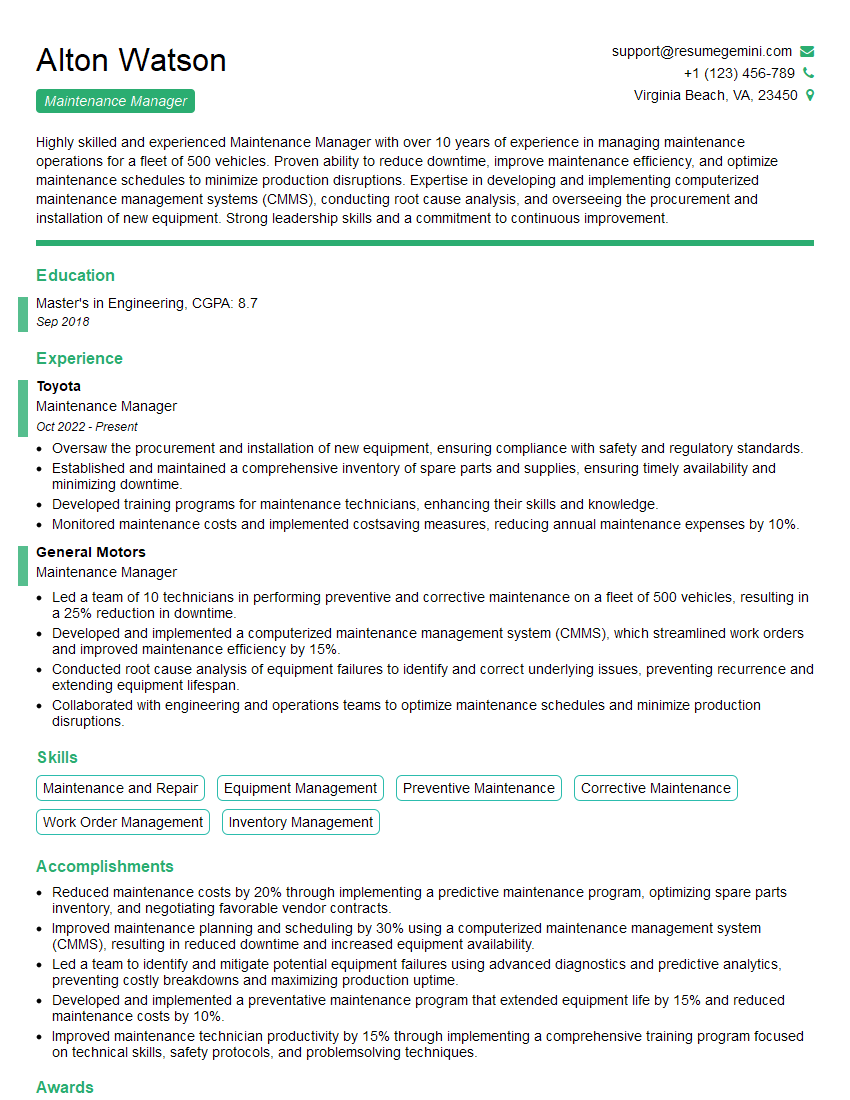
Maintenance Manager Resume Sample
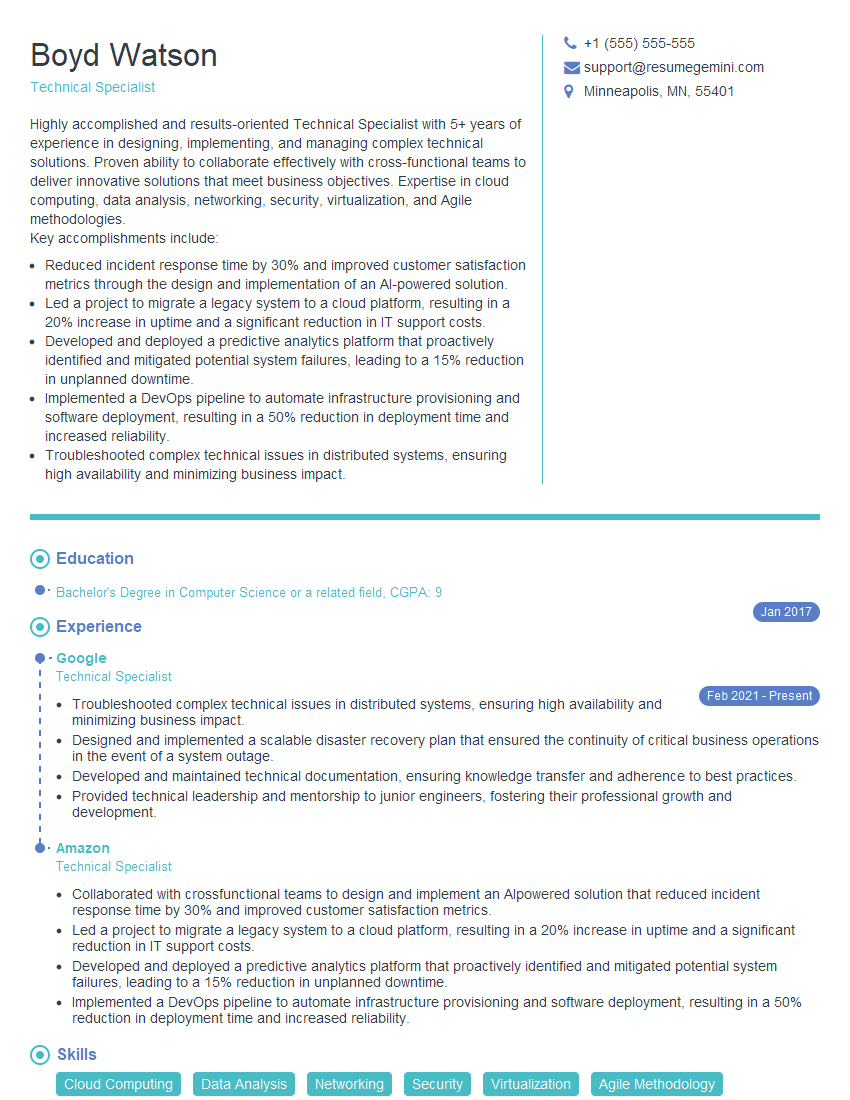
Technical Specialist Resume Sample
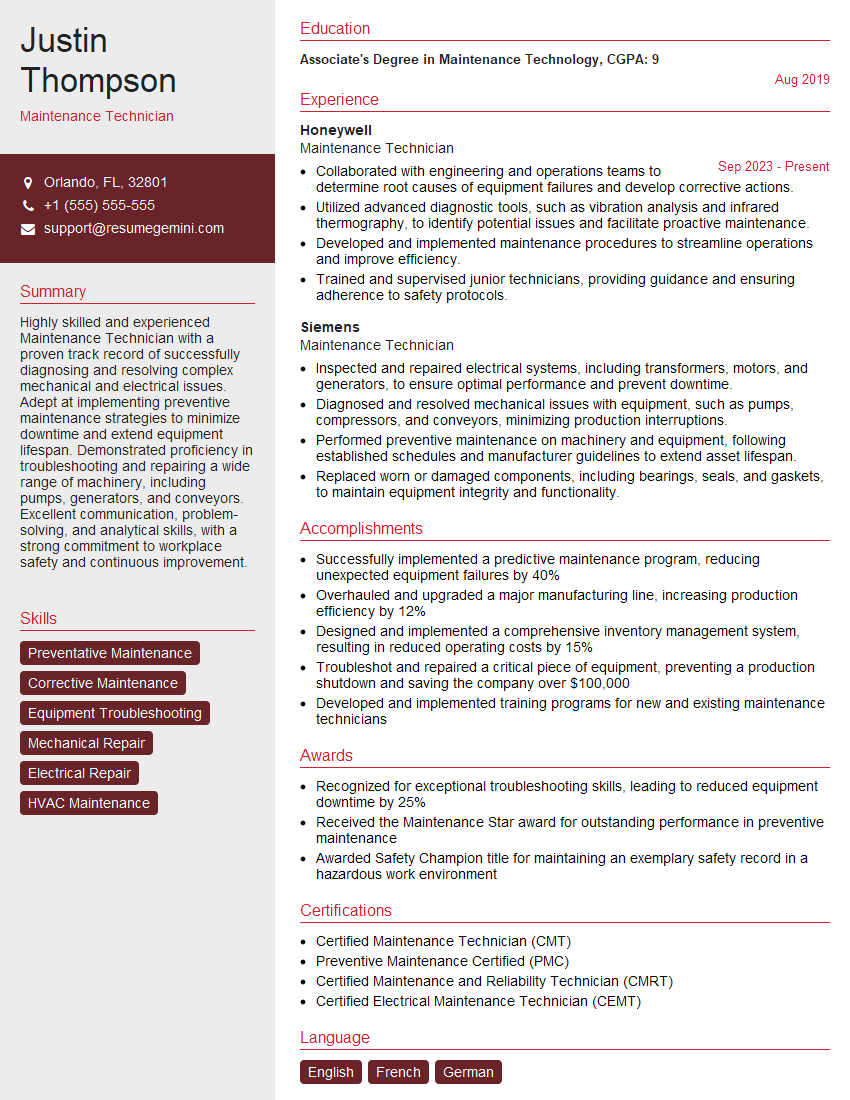
Maintenance Technician Resume Sample
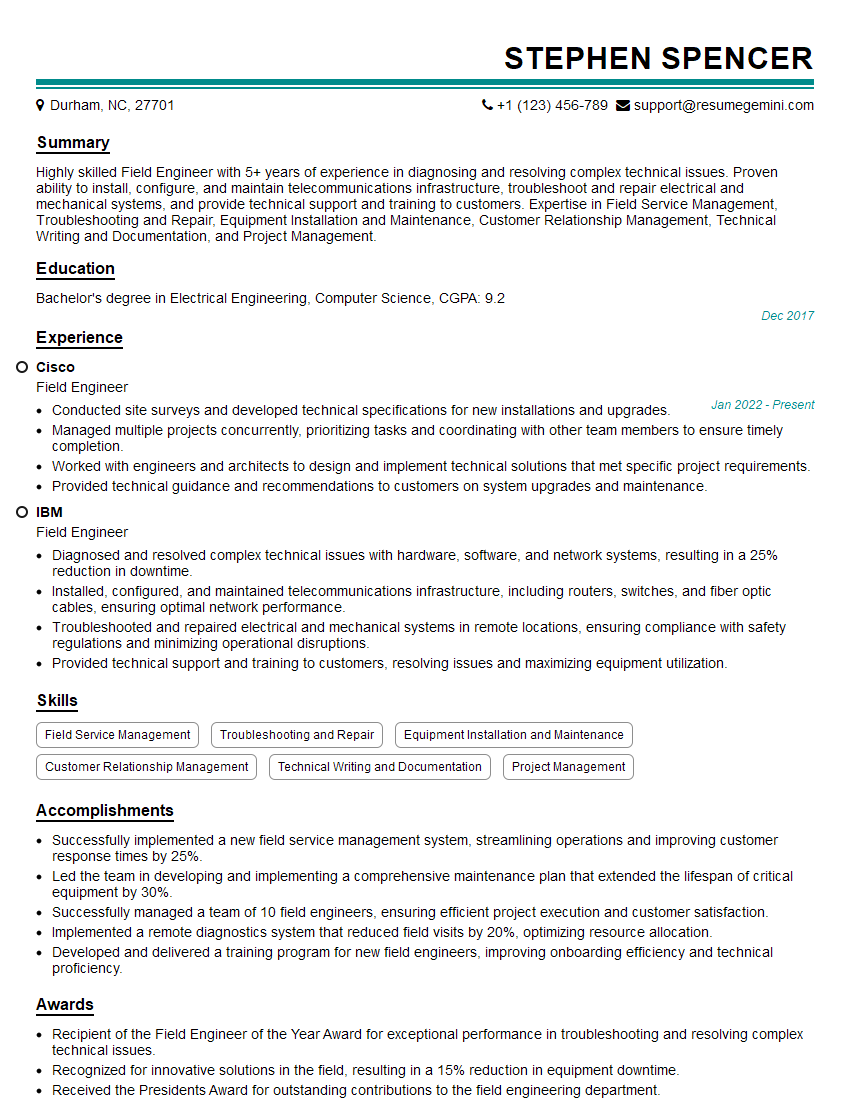
Field Engineer Resume Sample
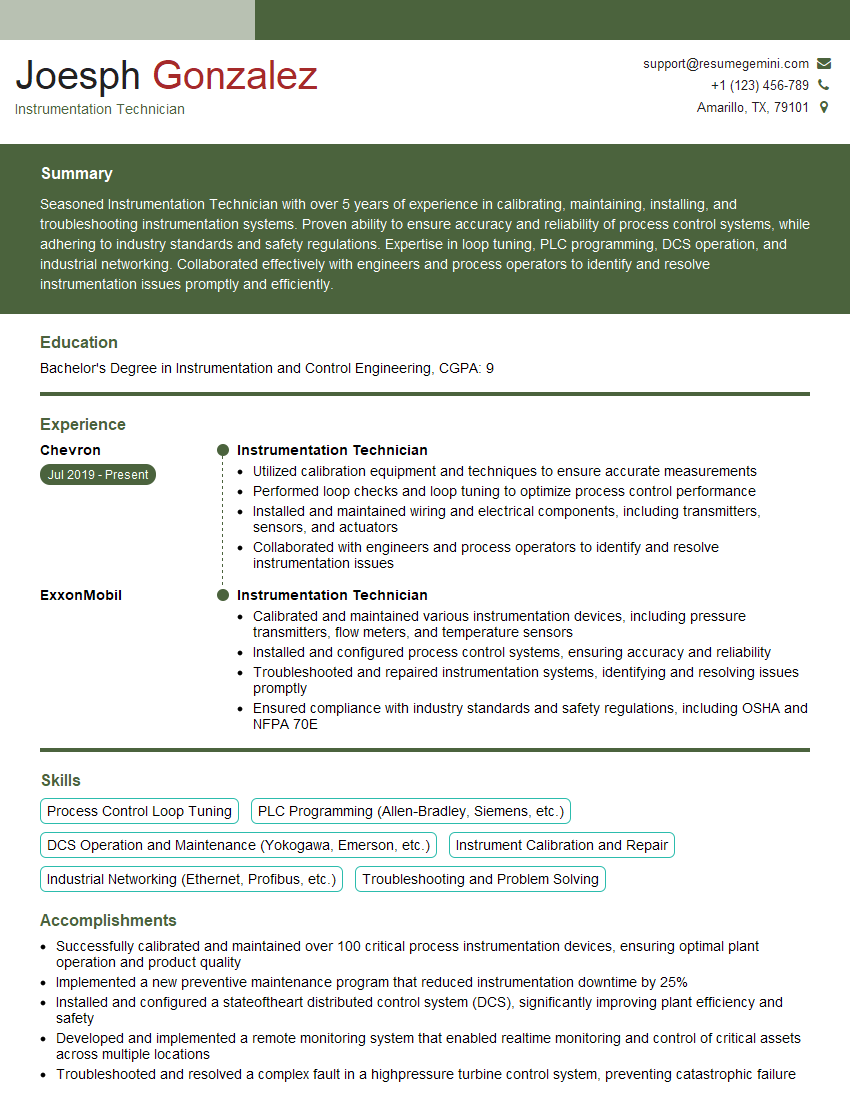
Instrumentation Technician Resume Sample
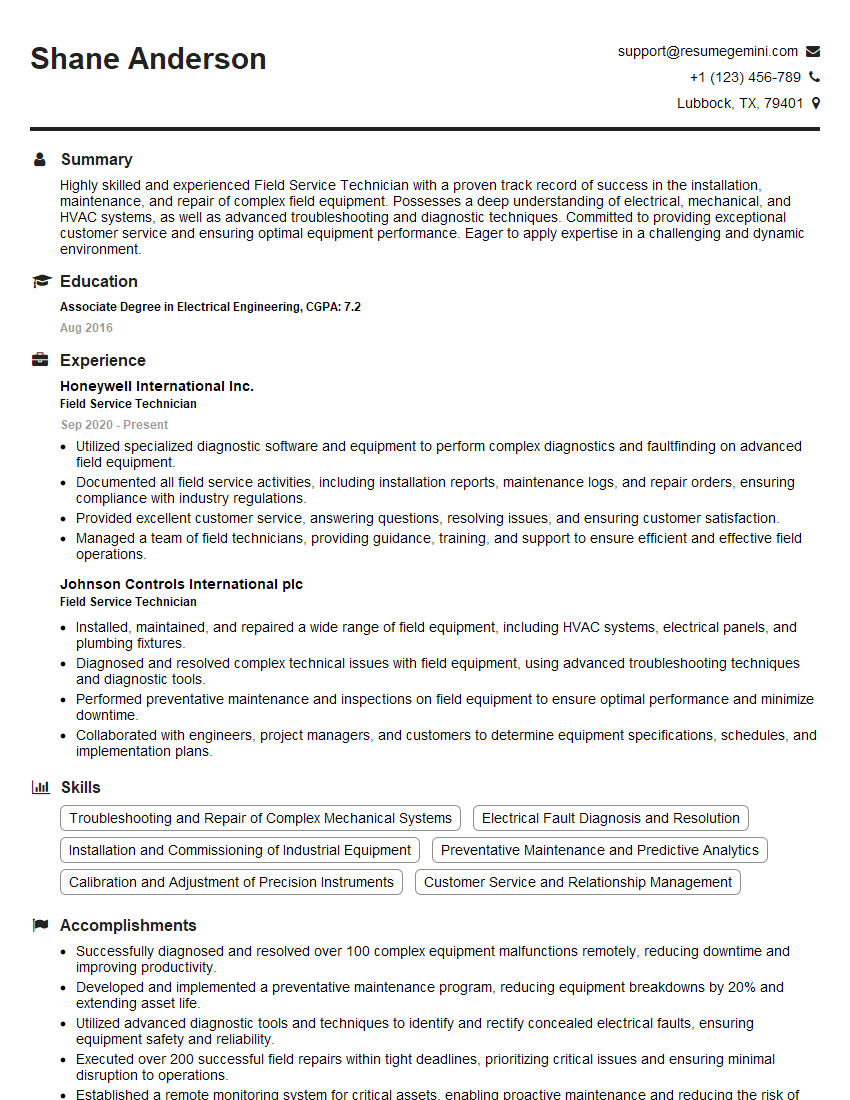
Field Service Technician Resume Sample
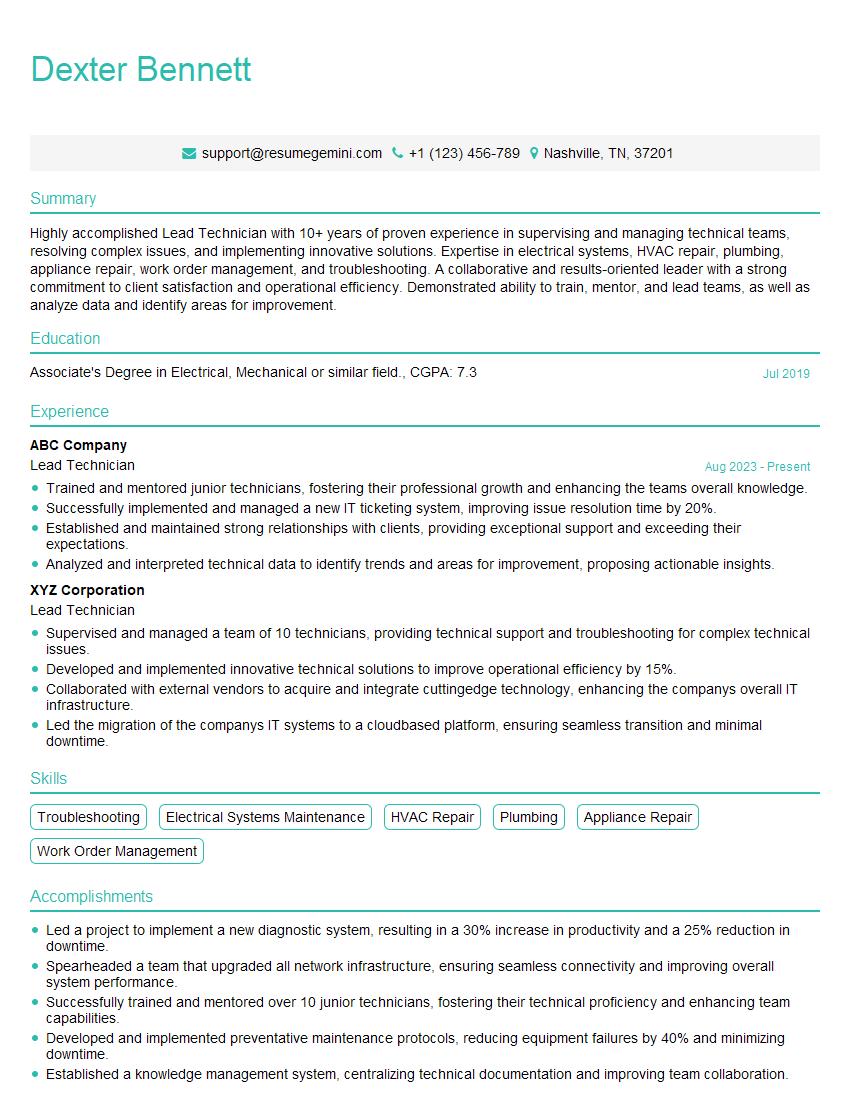
Lead Technician Resume Sample
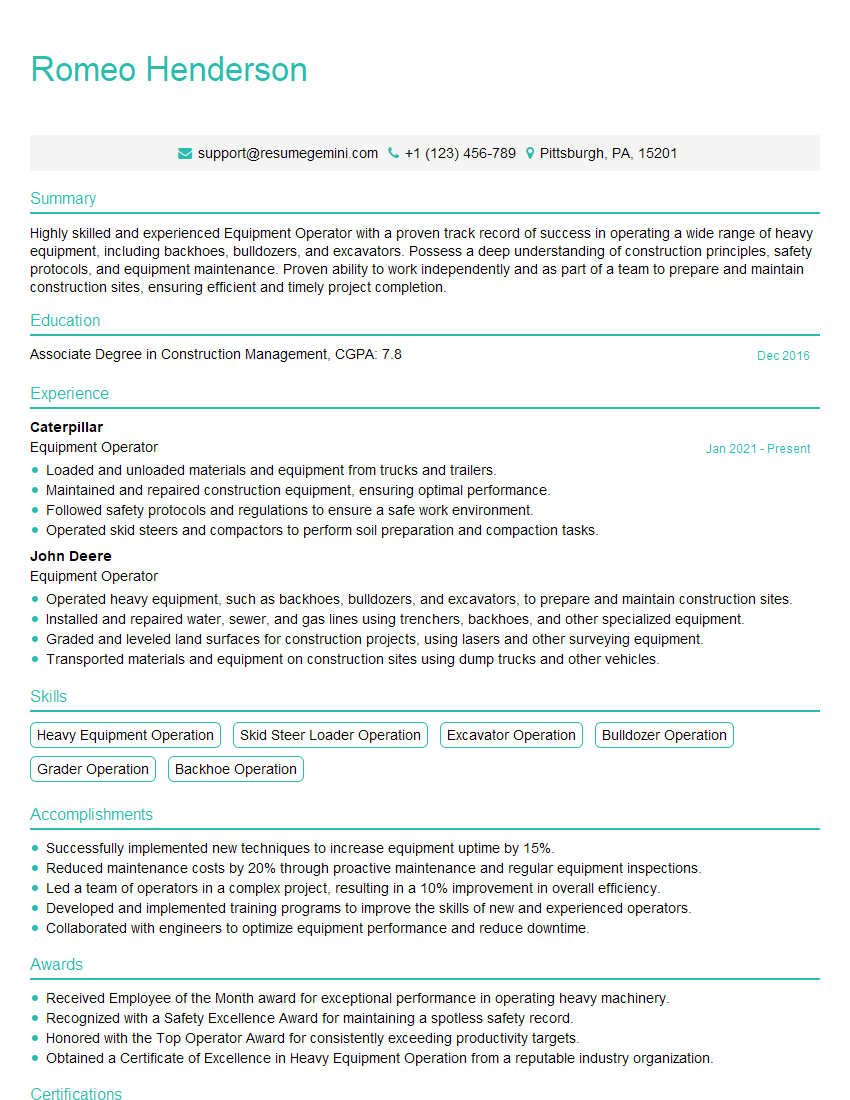
Equipment Operator Resume Sample
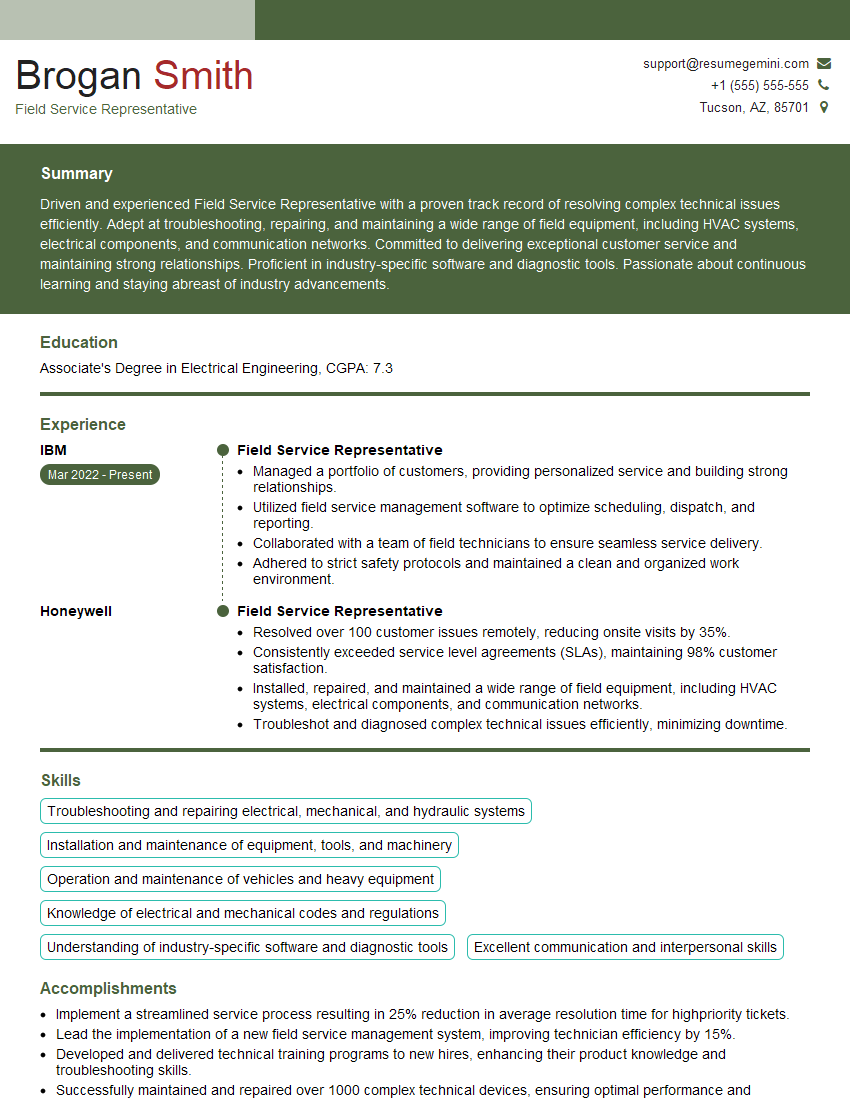
Field Service Representative Resume Sample
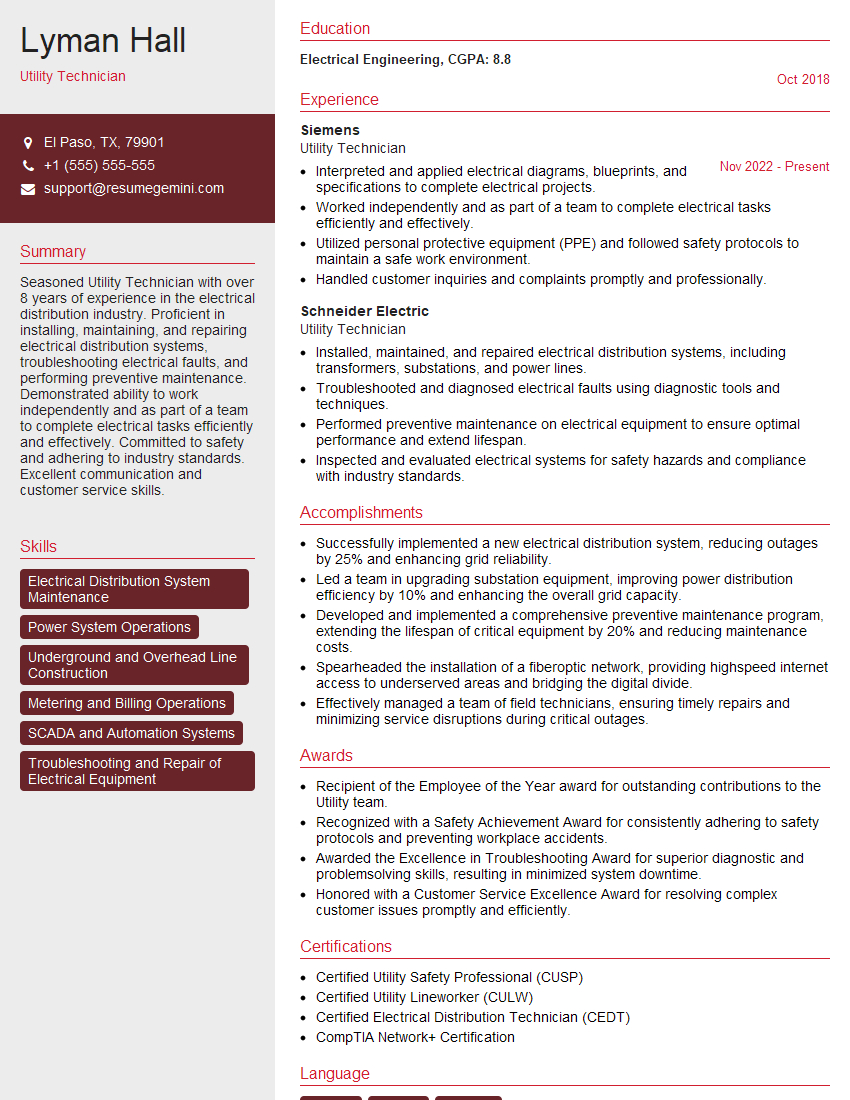
Utility Technician Resume Sample
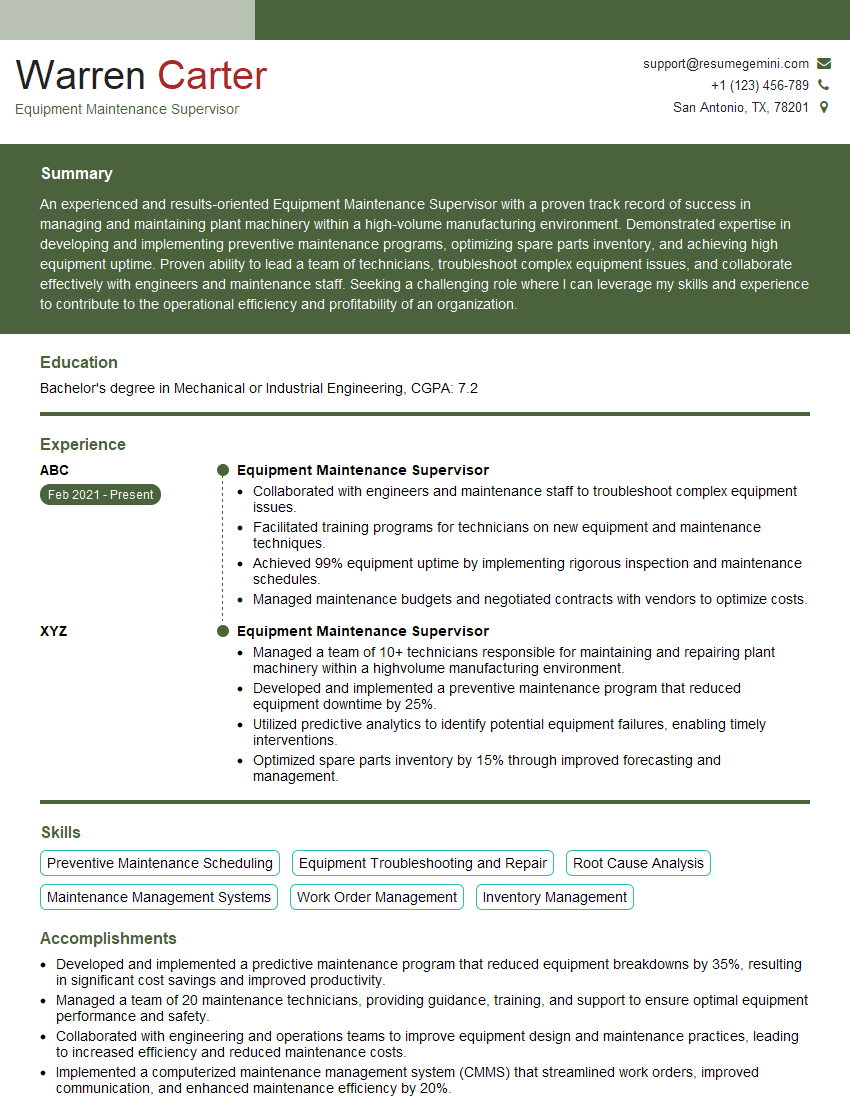
Equipment Maintenance Supervisor Resume Sample
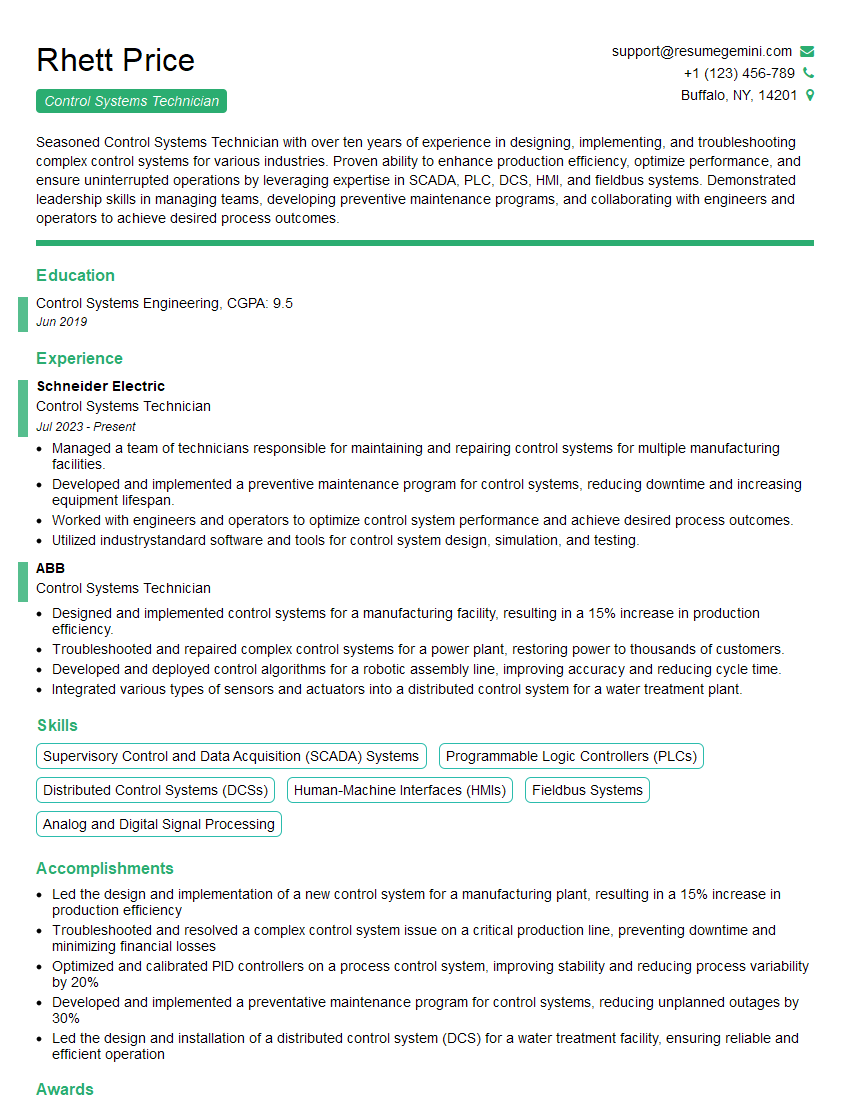
Control Systems Technician Resume Sample
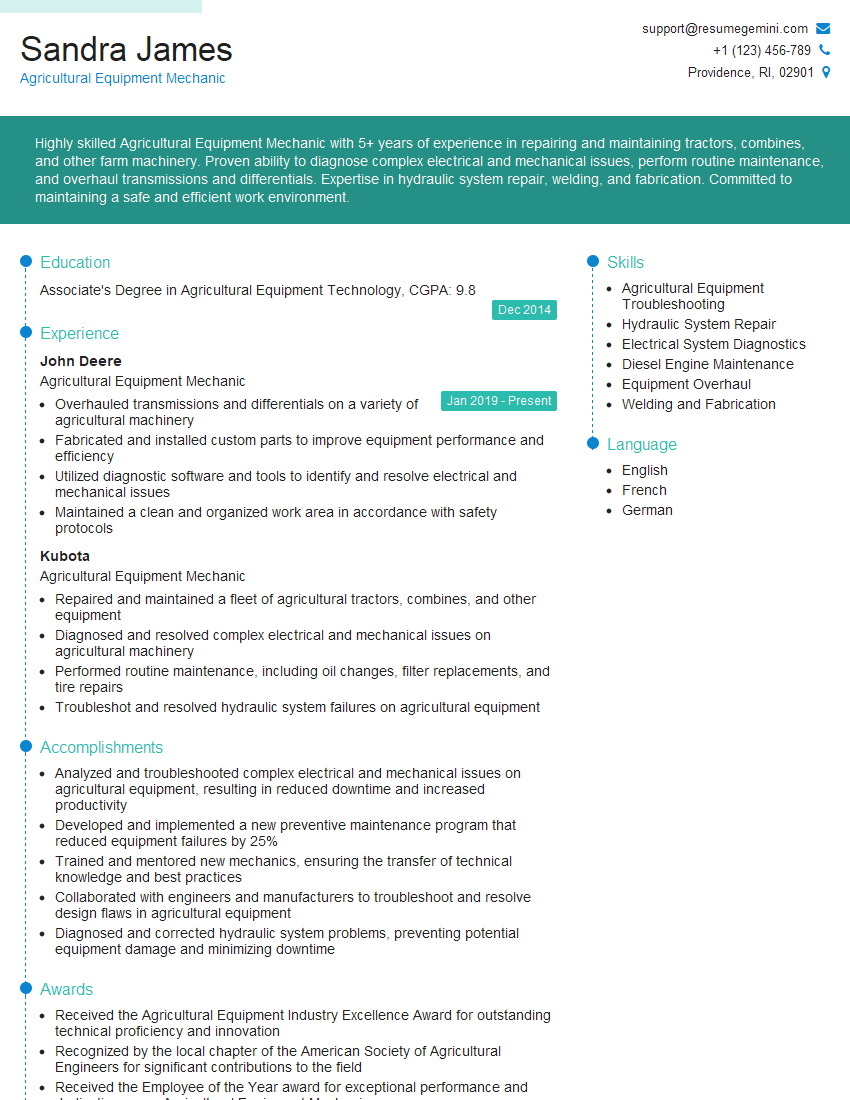
Agricultural Equipment Mechanic Resume Sample
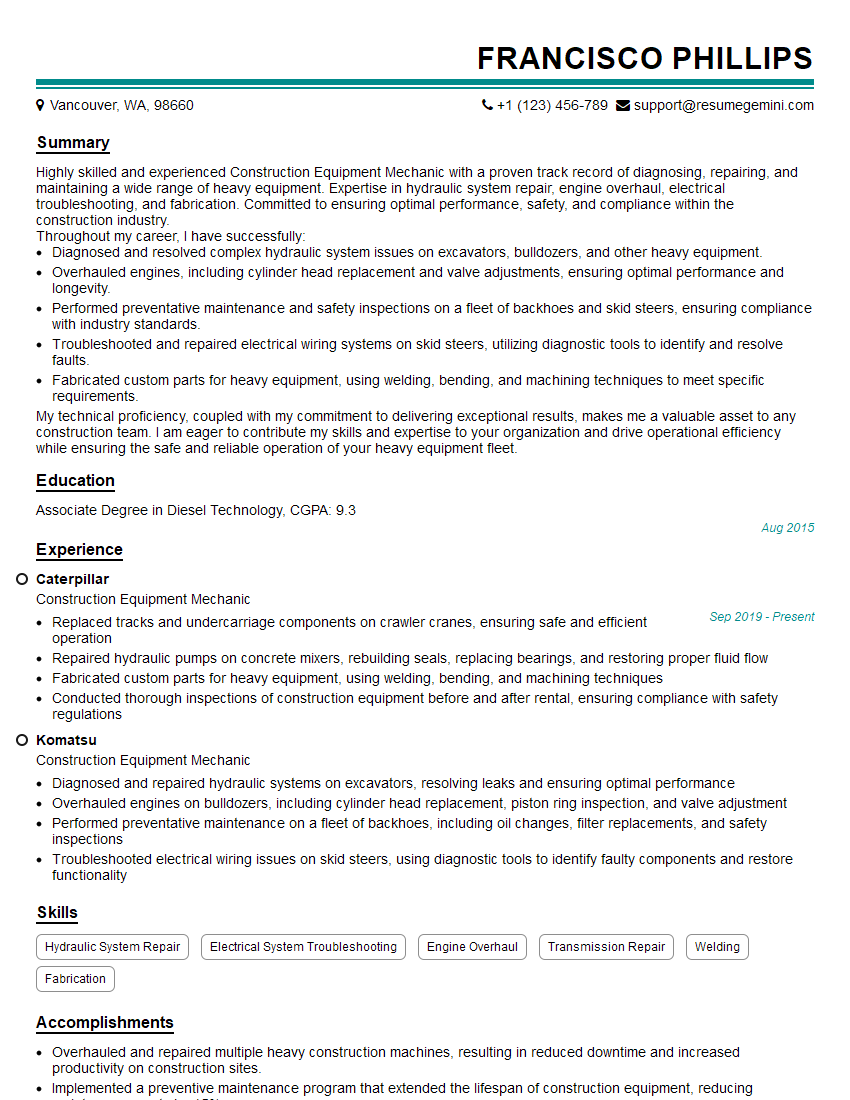
Construction Equipment Mechanic Resume Sample
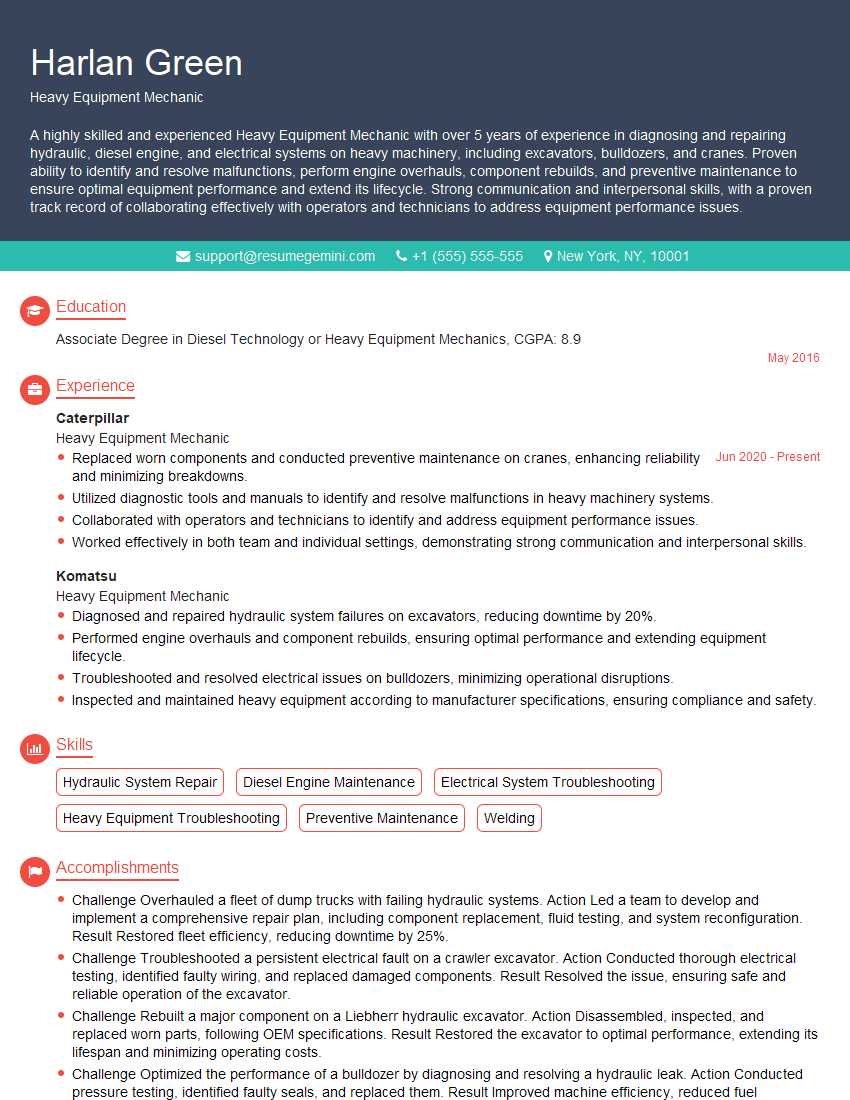
Heavy Equipment Mechanic Resume Sample
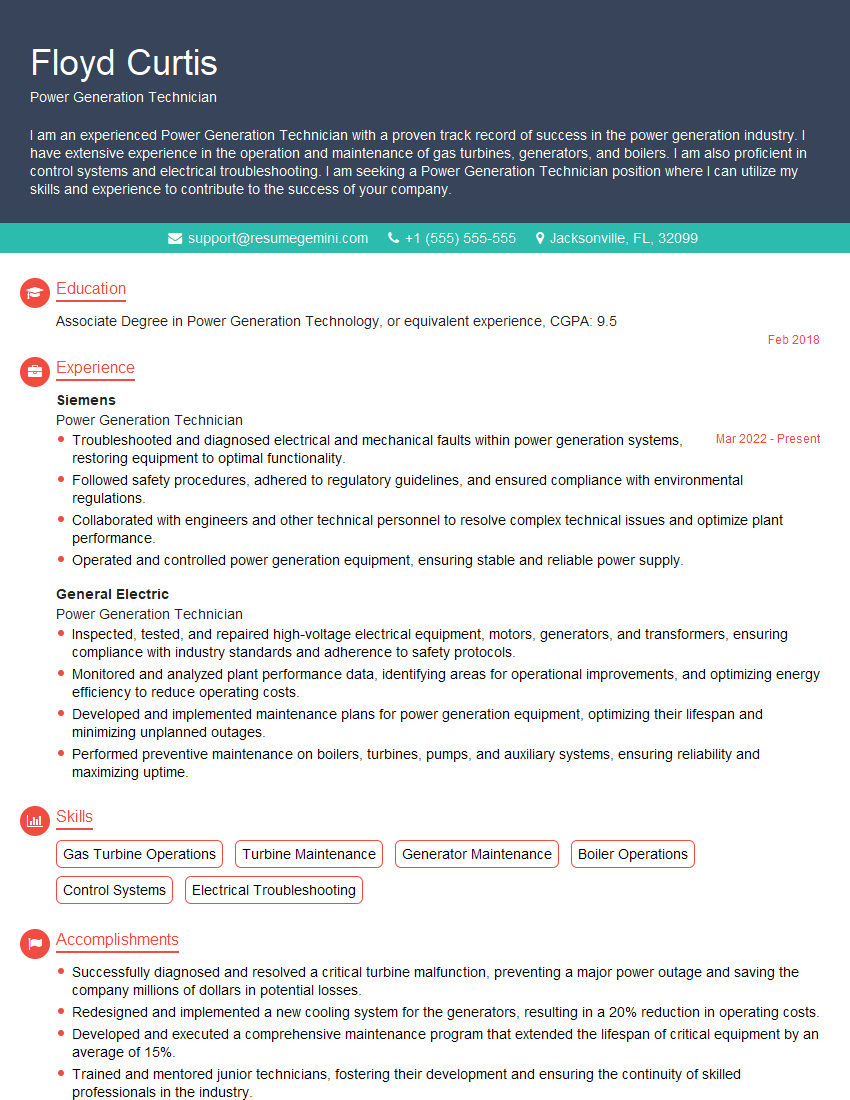
Power Generation Technician Resume Sample
- Maintenance Manager
- Technical Specialist
- Maintenance Technician
- Field Engineer
- Instrumentation Technician
- Field Service Technician
- Lead Technician
- Equipment Operator
- Field Service Representative
- Utility Technician
- Equipment Maintenance Supervisor
- Control Systems Technician
- Agricultural Equipment Mechanic
- Construction Equipment Mechanic
- Heavy Equipment Mechanic
- Power Generation Technician
Explore more articles
Users Rating of Our Blogs
Share Your Experience
We value your feedback! Please rate our content and share your thoughts (optional).
What Readers Say About Our Blog
To the interviewgemini.com Webmaster.
Very helpful and content specific questions to help prepare me for my interview!
Thank you
To the interviewgemini.com Webmaster.
This was kind of a unique content I found around the specialized skills. Very helpful questions and good detailed answers.
Very Helpful blog, thank you Interviewgemini team.