Unlock your full potential by mastering the most common Emergency Operations interview questions. This blog offers a deep dive into the critical topics, ensuring you’re not only prepared to answer but to excel. With these insights, you’ll approach your interview with clarity and confidence.
Questions Asked in Emergency Operations Interview
Q 1. Describe your experience in developing and implementing emergency response plans.
Developing and implementing emergency response plans is a multifaceted process requiring a deep understanding of potential hazards, community vulnerabilities, and available resources. It’s like building a detailed blueprint for a house, anticipating everything from a minor leak to a major earthquake.
My experience involves a systematic approach: starting with a thorough hazard analysis, identifying potential threats ranging from natural disasters (hurricanes, floods) to man-made events (chemical spills, terrorist attacks). Then, I work to create detailed plans that outline procedures for pre-event mitigation, response actions during an event (including evacuation routes, communication protocols, and resource allocation), and post-event recovery strategies.
For example, in my previous role, I led the development of an emergency response plan for a coastal community vulnerable to hurricanes. This involved collaborating with local officials, first responders, and community leaders to create a comprehensive document covering evacuation routes, shelter management, resource distribution, and post-disaster recovery. We conducted regular drills and training exercises to ensure plan effectiveness and familiarity among stakeholders. The plan also factored in specific vulnerabilities like an aging population and limited access for people with disabilities, demonstrating a commitment to inclusivity.
Q 2. Explain your familiarity with the National Incident Management System (NIMS).
The National Incident Management System (NIMS) is a standardized approach to incident management used by all levels of government and private sector organizations to ensure a unified response to incidents. Think of it as a common language and framework enabling seamless cooperation during emergencies.
My familiarity with NIMS is extensive. I’ve utilized its key components, including the Incident Command System (ICS), which provides a clear organizational structure and roles for effective management of an incident. I’m proficient in using the NIMS resource management process for tracking and allocating resources efficiently. Furthermore, I understand the importance of employing common terminology and communication protocols within the NIMS framework to minimize confusion and ensure effective collaboration between diverse agencies.
In a recent large-scale wildfire, my team successfully utilized NIMS principles to coordinate the efforts of numerous agencies, including local fire departments, state emergency management, and federal disaster relief organizations. This coordinated effort resulted in a more efficient and effective response, minimizing property damage and saving lives.
Q 3. How would you assess the risks and vulnerabilities of a particular community?
Assessing community risks and vulnerabilities is crucial for creating effective emergency response plans. This involves a thorough understanding of the community’s unique characteristics and potential threats. It’s like conducting a thorough health check-up for a community.
My approach combines qualitative and quantitative methods. First, I conduct a hazard analysis identifying potential threats based on geographical location, historical data, and future projections. Next, I assess the community’s vulnerabilities—factors like population density, infrastructure limitations, and socioeconomic factors—to understand their susceptibility to these threats. This may include things like mapping flood zones, identifying critical infrastructure, analyzing demographic data, and even studying socio-economic indicators like poverty levels, which can affect response and recovery times. Finally, I use this information to identify critical areas needing improvement.
For instance, while assessing a rural community, I found that its remoteness created significant vulnerabilities during winter storms, impacting emergency access. The assessment led to the development of a plan that included pre-positioning supplies, establishing communication backups, and training volunteers in emergency response.
Q 4. What are your strategies for resource allocation during a crisis?
Resource allocation during a crisis is a critical decision-making process requiring careful prioritization and strategic thinking. It’s like managing a budget under extreme pressure, needing to make the most of limited resources to maximize impact.
My strategies are guided by the principles of need, urgency, and available resources. I use a tiered system, prioritizing life-saving interventions (search and rescue, medical care) first, followed by critical infrastructure protection, and then addressing long-term needs like shelter and food. This involves constantly monitoring resource availability, adjusting allocations based on the evolving situation and using technology like GIS mapping to track resource deployment and ensure equitable distribution.
During a hurricane, for instance, I successfully prioritized the allocation of rescue teams to areas with the most significant immediate needs, ensuring the timely evacuation of individuals trapped in flood zones while simultaneously coordinating the deployment of emergency medical personnel and supplies.
Q 5. How do you prioritize tasks during a large-scale emergency?
Prioritizing tasks during a large-scale emergency demands a clear, organized approach, otherwise, things can quickly become chaotic. It’s like conducting an orchestra, ensuring each section plays its part in harmony.
I use a combination of strategies. First, I employ a prioritization matrix that considers factors such as the urgency of the task, its impact on overall objectives, and the resources required. This helps to ensure that critical tasks get immediate attention while others are addressed in a sequential manner. I utilize incident management systems like ICS to delegate tasks efficiently and ensure accountability. Regular communication and updates are vital, keeping all teams informed and aligned.
During a major earthquake, I successfully prioritized search and rescue operations in heavily damaged areas while concurrently establishing emergency communication lines and securing essential infrastructure like hospitals and power grids. This involved constant reassessment and adaptation to changing conditions.
Q 6. Describe your experience with coordinating multiple agencies during an emergency.
Coordinating multiple agencies during an emergency necessitates excellent communication, collaboration, and a shared understanding of roles and responsibilities. It’s like conducting a well-rehearsed play with multiple actors, each knowing their lines and cues.
My experience includes successfully coordinating the efforts of numerous agencies—police, fire departments, healthcare providers, and volunteer organizations—during various large-scale emergencies. This involved establishing clear communication protocols, regularly updating all parties on the evolving situation, and facilitating joint decision-making. I foster a collaborative environment built on trust and mutual respect, emphasizing clear roles and shared objectives.
For example, in a major chemical spill incident, I effectively coordinated the response of hazmat teams, medical personnel, and environmental agencies, ensuring a safe and effective containment and cleanup, minimizing environmental impact and public health risks. Effective communication was paramount in this success.
Q 7. How do you manage stress and fatigue during prolonged emergency situations?
Managing stress and fatigue during prolonged emergency situations is crucial for maintaining effectiveness and ensuring both physical and mental well-being. It’s about maintaining stamina in a marathon, not just a sprint.
My approach is multi-pronged. First, I emphasize self-care: ensuring adequate rest, nutrition, and hydration. I promote a supportive team environment, encouraging open communication about stress levels and providing access to mental health resources. I prioritize regular breaks and encourage team members to utilize stress-reduction techniques like mindfulness and deep breathing. Effective shift scheduling and appropriate workload distribution are also key strategies to prevent burnout.
In a prolonged wildfire response, I implemented these strategies, resulting in a highly functional and resilient team capable of maintaining effectiveness over several weeks. Regular check-ins and access to mental health resources were vital to the team’s success and well-being.
Q 8. Explain your experience using emergency communication systems.
My experience with emergency communication systems spans over a decade, encompassing various technologies and scenarios. I’ve worked extensively with systems ranging from simple two-way radios to sophisticated integrated communication platforms incorporating voice, text, and data. For example, during a large-scale wildfire, I coordinated the deployment of a mobile command center equipped with a robust satellite communication system to ensure seamless communication with field teams even in areas with limited cellular service. This allowed real-time updates on fire progression, resource allocation, and personnel safety. In another instance, I utilized a web-based platform to disseminate critical information to the public via social media and emergency alert systems during a severe weather event. This system allowed for targeted messaging and updates, which played a vital role in keeping the public informed and safe.
My expertise extends to understanding the limitations and strengths of different systems and adapting to changing circumstances. I’m proficient in maintaining system integrity, troubleshooting communication failures, and developing contingency plans to mitigate potential disruptions. This includes having backup communication strategies ready and understanding how to integrate different platforms effectively.
Q 9. What is your understanding of different types of emergency alerts and warning systems?
Emergency alert and warning systems are crucial for disseminating timely information to the public during emergencies. They vary in their reach, capabilities, and target audiences. Some common systems include:
- Wireless Emergency Alerts (WEA): These are geographically targeted alerts sent directly to cell phones via the cellular network. They’re effective for immediate warnings about imminent threats, such as severe weather or active shooter situations.
- National Oceanic and Atmospheric Administration (NOAA) Weather Radio: This is a nationwide network of radio stations that broadcast weather information 24/7, including emergency alerts and warnings. It’s particularly useful for reaching areas with limited cellular coverage.
- Reverse 911 Systems: These allow emergency managers to send voice or text messages to specific geographic areas or lists of phone numbers. This provides targeted communication for evacuations, shelter-in-place orders, or other community-specific information.
- Social Media and Mass Notification Systems: These platforms are increasingly used for broader public awareness campaigns and disseminating information about less immediate, but still important, emergency events. However, it’s crucial to consider potential misinformation and filter information effectively.
Understanding the strengths and limitations of each system is crucial for effective emergency response. For instance, WEA is great for immediate threats but may be less effective for disseminating complex information or providing ongoing updates. Conversely, a mass notification system can reach a wider audience but might not reach everyone, especially those without access to technology. A comprehensive strategy will often incorporate a combination of these systems.
Q 10. How do you ensure effective communication and information sharing during an emergency?
Effective communication and information sharing are paramount during emergencies. My approach involves establishing clear communication protocols, utilizing a variety of communication channels, and fostering a collaborative environment. This starts with a well-defined communication plan, outlining roles, responsibilities, and reporting procedures. This plan should be regularly tested and updated to adapt to evolving circumstances.
During an emergency, I prioritize using multiple channels for redundancy and to ensure a broad reach. This could involve a combination of radio communications, mobile phones, internet-based platforms, and even face-to-face briefings where appropriate. Centralized information management, perhaps using a common operating picture (COP) system, is also critical for coordinating efforts. This ensures all stakeholders have access to the latest information in a consistent and reliable way. Transparency, clear messaging, and active listening are also key to fostering trust and effective collaboration with the public and responder teams.
For example, during a hurricane response, I used a combination of radio communications for rapid alerts to field teams, web-based platforms for coordinating resource requests and deployment, and social media channels for sharing public safety information. Regular briefings and debriefings ensured everyone remained synchronized.
Q 11. How do you track and manage resources (personnel, equipment, supplies) during an emergency response?
Tracking and managing resources during an emergency is a complex but essential task. This requires a combination of robust planning, technology, and skilled personnel. Prior to an event, we develop detailed resource inventories, identifying personnel expertise, equipment capabilities, and available supplies. This information is often input into a resource management system, which can track real-time location, status, and availability of personnel and equipment.
During an emergency, this system helps to effectively allocate resources to where they’re most needed. For example, we might use GPS tracking for ambulances and fire trucks to optimize their deployment to incident locations. Personnel accountability systems are used to track the location and well-being of our personnel. In the case of supply management, real-time inventory tracking assists with order placement and distribution to impacted areas.
Regular updates, reporting, and robust communication channels are key for maintaining a clear picture of resource availability and needs. We also plan for potential resource shortages, creating contingency strategies to secure additional resources as needed.
Q 12. Describe your experience in conducting post-incident reviews and analysis.
Conducting thorough post-incident reviews (PIRs) is critical for continuous improvement. My approach to PIRs is systematic and data-driven. It involves gathering information from various sources, including incident reports, interviews with personnel, and data analysis of resource utilization. We use a structured methodology to analyze the events, identify areas for improvement in our planning, response, and recovery efforts, and learn from both successes and failures.
For instance, after a major flooding event, we conducted a PIR that highlighted communication breakdowns between different agencies. This led to the implementation of a new inter-agency communication platform and the development of standardized communication protocols. Similarly, analyzing resource deployment data helped us to optimize our resource allocation model and improve our ability to anticipate future needs.
The ultimate goal of a PIR is to enhance preparedness, improve response efficiency, and reduce the impact of future emergencies. The findings and recommendations from the PIR are documented, shared with stakeholders, and implemented into our ongoing training and planning activities.
Q 13. What is your experience with developing and delivering training programs for emergency response?
Developing and delivering training programs for emergency response is a significant part of my role. My approach is to create engaging, scenario-based training that focuses on practical skills and knowledge. This includes developing training curricula that cover a wide range of emergency scenarios, from natural disasters to active shooter events.
I leverage various training methodologies, including classroom instruction, simulations, and field exercises to enhance learning and knowledge retention. For instance, I’ve developed and facilitated simulations that replicate real-world emergency situations, allowing participants to practice their skills in a safe environment. I also incorporate continuous feedback mechanisms to adapt and improve the training based on participant performance and evolving best practices.
The training programs are designed to meet specific needs and are tailored to the audience. We regularly assess training effectiveness through feedback mechanisms, post-training assessments, and observations of performance in real-world scenarios.
Q 14. How would you handle conflicting priorities or competing demands during an emergency?
Handling conflicting priorities and competing demands during an emergency requires strong decision-making skills, clear communication, and a strategic approach. My methodology involves prioritizing actions based on a thorough risk assessment, considering the potential impact of each decision. This includes identifying immediate life-threatening situations and addressing those first, while delegating tasks appropriately to ensure efficient resource allocation.
For example, during a multi-casualty incident, I might prioritize triage and immediate medical attention for the most critically injured individuals while simultaneously deploying resources to secure the scene and prevent further harm. Transparent communication with all stakeholders is essential to ensure everyone understands the priorities and the rationale behind decisions. I use a structured decision-making framework, possibly like a decision matrix, to weigh competing priorities and document the rationale for each decision. This process enables efficient resource allocation while minimizing the impact of any potential delays.
Q 15. Explain your understanding of legal and regulatory requirements related to emergency response.
Legal and regulatory requirements in emergency response are crucial for ensuring accountability, efficiency, and the protection of both responders and the public. These requirements vary depending on the jurisdiction and the type of emergency, but generally cover areas like incident command systems (ICS), health and safety regulations (OSHA, for example), privacy laws (HIPAA for medical information), and environmental regulations.
For instance, the National Incident Management System (NIMS) provides a framework for managing incidents, outlining roles and responsibilities, communication protocols, and resource management. Failure to adhere to NIMS guidelines can lead to inefficiencies, legal liabilities, and potentially even loss of life. Similarly, OSHA regulations dictate safety procedures for responders, requiring appropriate personal protective equipment (PPE) and adherence to safety protocols to prevent workplace accidents. Understanding and implementing these regulations are paramount for effective and legally sound emergency response.
In a real-world example, during a hazardous materials spill, we must adhere to EPA regulations regarding containment and cleanup, while simultaneously ensuring responder safety under OSHA guidelines. This necessitates thorough risk assessment, the use of specialized equipment, and meticulous documentation of all actions taken. Ignoring these regulations could result in significant fines, legal repercussions, and environmental damage.
Career Expert Tips:
- Ace those interviews! Prepare effectively by reviewing the Top 50 Most Common Interview Questions on ResumeGemini.
- Navigate your job search with confidence! Explore a wide range of Career Tips on ResumeGemini. Learn about common challenges and recommendations to overcome them.
- Craft the perfect resume! Master the Art of Resume Writing with ResumeGemini’s guide. Showcase your unique qualifications and achievements effectively.
- Don’t miss out on holiday savings! Build your dream resume with ResumeGemini’s ATS optimized templates.
Q 16. Describe your experience in working with diverse teams and stakeholders.
My experience working with diverse teams and stakeholders is extensive. I’ve collaborated with fire departments, police, medical personnel, government agencies, NGOs, and community volunteers in various large-scale emergency responses. Effective communication and collaboration are key to success in these situations.
Building trust and understanding between diverse groups requires active listening, clear communication, and a collaborative approach to problem-solving. I’ve found that establishing a common goal – saving lives and protecting property – helps overcome differences in perspectives and methodologies. I’ve used tools like regular briefings, standardized communication protocols, and clearly defined roles and responsibilities to ensure everyone is on the same page.
In one instance, during a major flood, I coordinated the efforts of local firefighters, National Guard units, and dozens of volunteers. Each group had its own strengths, expertise, and preferred methods. By clearly outlining tasks, facilitating open communication channels, and celebrating successes along the way, I successfully integrated their efforts, leading to efficient rescue and recovery operations.
Q 17. How do you maintain situational awareness during a dynamic and rapidly changing emergency?
Maintaining situational awareness in a dynamic emergency is crucial. It involves constantly gathering and processing information from multiple sources to understand the current state of the incident and anticipate future developments. This includes monitoring real-time data feeds, communicating with field teams, and analyzing the evolving situation.
My approach utilizes a combination of techniques:
- Information gathering: Utilizing various communication channels (radio, phone, email, etc.), I actively collect data from diverse sources, including first responders, meteorological reports, and social media.
- Data analysis: I use this information to build a comprehensive picture of the situation, including the location of affected areas, the extent of damage, and the needs of the population.
- Predictive modeling: Based on the data, I anticipate potential future problems, like the spread of a wildfire or the flooding of a low-lying area.
- Regular briefings: Continuous updates are provided to stakeholders, ensuring everyone remains informed and can adapt their strategies accordingly.
For instance, during a hurricane, continuously monitoring weather forecasts and reports from field personnel allows for proactive evacuations and resource deployment to areas expected to be hit hardest. This proactive approach minimizes casualties and property damage.
Q 18. How do you ensure the safety of responders and the public during an emergency?
Ensuring the safety of responders and the public is the top priority in any emergency response. This requires a multi-faceted approach focusing on risk assessment, mitigation, and clear communication.
My strategies include:
- Risk Assessment: Identifying potential hazards and vulnerabilities early on, considering factors like the type of emergency, the environment, and the available resources.
- Mitigation Strategies: Implementing measures to reduce risks, such as establishing safety zones, providing appropriate PPE, and implementing clear evacuation plans.
- Responder Safety Protocols: Establishing and enforcing strict safety procedures for responders, including buddy systems, regular check-ins, and post-incident debriefings.
- Public Communication: Communicating clear and concise information to the public through various channels, including warning systems, social media, and traditional media outlets. Providing regular updates about the incident helps manage fear and anxiety, making it easier for people to follow instructions and remain safe.
During a chemical spill, for example, we would establish a perimeter, utilize specialized HAZMAT teams equipped with appropriate PPE, and clearly communicate risks and safety guidelines to the public through emergency alerts and local media, ensuring safe evacuation and minimizing exposure to hazardous materials.
Q 19. What are your methods for evaluating the effectiveness of emergency response efforts?
Evaluating the effectiveness of emergency response efforts requires a systematic approach incorporating multiple metrics and feedback mechanisms. This evaluation should happen during and after the emergency.
My methods include:
- Key Performance Indicators (KPIs): Tracking KPIs such as response times, casualty numbers, property damage, and resource utilization. These provide quantitative data on the efficiency and effectiveness of the response.
- Post-Incident Reviews (PIRs): Conducting thorough post-incident reviews with involved personnel. These are vital for identifying areas of improvement and lessons learned. This includes feedback from responders, affected communities, and stakeholders.
- After-Action Reports (AARs): Creating detailed AARs which document the entire event, including strengths, weaknesses, and areas for improvement. These reports are crucial for future planning and training exercises.
- Community Feedback: Gathering feedback from affected communities on aspects of the response, focusing on communication clarity and responsiveness.
For example, after a wildfire, we would analyze response times, evaluate the effectiveness of evacuation procedures, assess the damage caused, and gather feedback from those affected. This information then informs improvements to our procedures and training, creating a continuous cycle of improvement.
Q 20. How familiar are you with various emergency response technologies (e.g., GIS, mapping software)?
I am highly proficient in various emergency response technologies, particularly Geographic Information Systems (GIS) and mapping software. These tools are essential for situational awareness, resource allocation, and effective communication during emergencies.
My experience includes:
- GIS Mapping: Using GIS software (ArcGIS, QGIS) to create maps showing the location of incidents, affected areas, resource deployments, and evacuation routes. This allows for real-time tracking of the situation and informed decision-making.
- Mapping Software: Utilizing various mapping tools for route optimization, resource allocation, and communication of locations to emergency responders and the public.
- Data Integration: Integrating data from multiple sources – weather forecasts, social media feeds, sensor data – into a common operating picture, giving us a comprehensive view of the situation.
During a search and rescue operation, for example, GIS mapping helps us track the location of missing persons, identify potential rescue routes, and manage the deployment of search teams, increasing efficiency and maximizing the chances of a successful rescue.
Q 21. Describe your experience in managing volunteers during an emergency.
Managing volunteers during an emergency is crucial, as they often represent a significant portion of the workforce. Effective management requires clear communication, proper training, and a focus on safety.
My approach includes:
- Pre-Event Training: Conducting thorough training sessions before an event, covering safety protocols, communication procedures, and specific tasks. This minimizes confusion and ensures volunteer preparedness.
- Clear Roles and Responsibilities: Assigning specific roles and responsibilities, ensuring each volunteer understands their tasks and how they contribute to the overall effort.
- Ongoing Communication: Maintaining consistent communication with volunteers, providing regular updates and addressing their questions and concerns.
- Safety Protocols: Emphasizing safety protocols and providing appropriate PPE. Regular check-ins and clear communication minimize risks for volunteers.
- Debriefing: Conducting post-event debriefing sessions to gather feedback, discuss lessons learned, and acknowledge the volunteers’ contributions.
During a large-scale evacuation, for example, I’ve successfully managed hundreds of volunteers, guiding them in directing traffic, providing assistance to evacuees, and distributing supplies. Clear communication, proper training, and a focus on safety are essential for maximizing their effectiveness and ensuring their well-being.
Q 22. What is your experience with developing and executing emergency exercises and drills?
Developing and executing emergency exercises and drills is crucial for validating preparedness plans and improving response capabilities. My experience encompasses the full lifecycle, from needs assessment and planning, through design, implementation, and post-exercise analysis.
For example, in my previous role, I led the development of a multi-agency exercise simulating a major earthquake affecting a densely populated urban area. This involved creating detailed scenarios, coordinating participation from diverse agencies (fire, police, medical, public works), establishing realistic communication protocols, and developing measurable objectives to assess performance. The exercise involved tabletop discussions, functional drills, and a full-scale field exercise. Post-exercise analysis included a comprehensive review of exercise playbacks, incident reports, and participant feedback to identify strengths and weaknesses and inform improvements to our emergency plans.
Another example involved developing and conducting regular drills focused on specific operational needs, such as active shooter response, evacuation procedures, and hazardous material spills. These drills used a mix of tabletop exercises and smaller-scale physical simulations. This iterative approach allows us to address specific deficiencies in a timely and cost-effective manner.
Q 23. How would you handle a critical incident that deviates significantly from established plans?
Handling a critical incident significantly deviating from established plans requires adaptability, decisive leadership, and a robust incident command system. The first step is to acknowledge the deviation and initiate a rapid assessment of the situation. This includes determining the nature and extent of the deviation, the impact on pre-established goals, and the resources required to mitigate the situation.
Next, I would convene the incident management team to collaboratively develop a revised response strategy, leveraging the expertise of various stakeholders and adapting existing plans as needed. Flexibility is key; we might need to temporarily deviate from established protocols to address immediate life-safety concerns or prioritize critical infrastructure protection. This might involve diverting resources or assigning personnel to roles not explicitly defined in the original plan. Clear communication across all levels is essential during this process.
Finally, after the incident, a thorough after-action review is critical. This allows us to analyze the effectiveness of our adaptive response, identify areas for improvement in our plans, and develop training to better equip our personnel for unexpected challenges. Imagine a hurricane’s path unexpectedly shifting, requiring a last-minute change in evacuation routes. We’d use the existing framework, but adjust the routes based on real-time data and available resources.
Q 24. What metrics do you use to measure the success of emergency preparedness and response initiatives?
Measuring the success of emergency preparedness and response initiatives requires a multi-faceted approach using both quantitative and qualitative metrics. Quantitative metrics include:
- Exercise evaluation scores: These measure the effectiveness of response plans and personnel performance during drills and exercises.
- Time to response: This assesses the speed of initial response to incidents.
- Resource utilization: This analyzes the efficiency of resource allocation during an emergency.
- Incident duration: This measures the length of time needed to resolve an incident.
Qualitative metrics include:
- Stakeholder satisfaction: This assesses the satisfaction of agencies and the public with the response effort.
- Lessons learned: This identifies areas for improvement in preparedness and response plans.
- Community resilience: This measures the community’s ability to recover from an emergency.
By combining these quantitative and qualitative measures, we can gain a comprehensive understanding of the effectiveness of our emergency management program. It’s also crucial to regularly review and update these metrics to reflect evolving threats and circumstances.
Q 25. Explain your understanding of continuity of operations planning (COOP).
Continuity of Operations Planning (COOP) is a comprehensive management process to ensure essential functions of an organization continue during a disruption, whether natural, man-made or technological. It focuses on maintaining critical operations and minimizing disruption to services. A well-developed COOP plan includes several key components:
- Essential functions identification: Determining which functions are critical to maintain during a disruption.
- Alternative work locations: Identifying backup facilities or remote work capabilities.
- Communication plans: Establishing procedures for maintaining communication within the organization and with stakeholders.
- Resource allocation: Identifying and securing resources needed to maintain operations during a disruption.
- Recovery strategies: Developing plans to resume normal operations after the disruption.
For instance, a hospital’s COOP plan would prioritize patient care, ensuring continued access to essential medical services even during a power outage by utilizing backup generators and emergency communication systems. Similarly, a government agency might outline procedures for maintaining essential services like emergency response and public safety during a cyberattack. Regular testing and updates are crucial to ensure the COOP plan’s effectiveness.
Q 26. How do you incorporate lessons learned from past emergencies into future planning?
Incorporating lessons learned from past emergencies is essential for continuous improvement in emergency preparedness. This process typically involves a structured after-action review (AAR), a comprehensive analysis of an emergency response. The AAR process systematically reviews the event, identifying successes, failures, and areas for improvement.
This analysis is often facilitated by a dedicated team, involving participants from various agencies and levels of responsibility. The findings are documented, including specific recommendations for improvement, which are then used to update emergency plans, revise training programs, and enhance communication protocols. For example, after a severe flood, we might revise evacuation procedures based on the observed limitations of transportation routes or improve communication strategies to ensure better dissemination of information to impacted communities. This iterative process, of learning from mistakes and continuously refining plans and practices, forms the backbone of effective emergency management.
Q 27. Describe your experience in working with media and public information during an emergency.
Effective communication with the media and the public during an emergency is paramount to maintaining public safety and minimizing panic. My experience includes developing and implementing communication strategies that ensure timely, accurate, and consistent information dissemination. This involves establishing a dedicated public information team, often in collaboration with the media relations specialists.
We establish clear communication channels, including press briefings, social media updates, and public service announcements. We also create a central information hub to ensure consistency and accuracy in information flow. During an emergency, maintaining transparency and building trust with the public is critical. Clear, concise messaging, avoiding technical jargon, is key. For example, during a hazardous materials spill, we’d coordinate with media to accurately inform the public about the situation, potential risks, and evacuation procedures, thereby preventing the spread of misinformation and panic. Regularly rehearsing these communication strategies with media outlets helps ensure smooth and effective communication when an emergency arises.
Key Topics to Learn for Emergency Operations Interview
- Incident Command System (ICS): Understanding ICS principles, roles, and responsibilities is fundamental. Consider practical applications like resource allocation during a large-scale disaster.
- Emergency Planning & Preparedness: Explore the development and implementation of emergency plans, including risk assessment, mitigation strategies, and continuity planning. Think about how you would apply this in a real-world scenario, such as developing a plan for a specific type of hazard.
- Resource Management: Mastering resource allocation, logistics, and supply chain management during emergencies is crucial. Practice problem-solving exercises involving limited resources and competing priorities.
- Communication & Coordination: Effective communication is paramount. Understand various communication methods and their limitations, and consider strategies for maintaining clear and concise communication under pressure.
- Public Information & Community Engagement: Learn how to effectively communicate with the public during an emergency, including crisis communication and community outreach strategies.
- Recovery & Mitigation: Understanding post-incident recovery phases and strategies for future mitigation is vital. Consider the long-term impacts of an event and how to support community resilience.
- Legal & Ethical Considerations: Be prepared to discuss legal frameworks and ethical considerations relevant to emergency response and decision-making.
- Technological Tools & Systems: Familiarity with relevant software and technologies used in emergency operations will significantly enhance your preparedness.
Next Steps
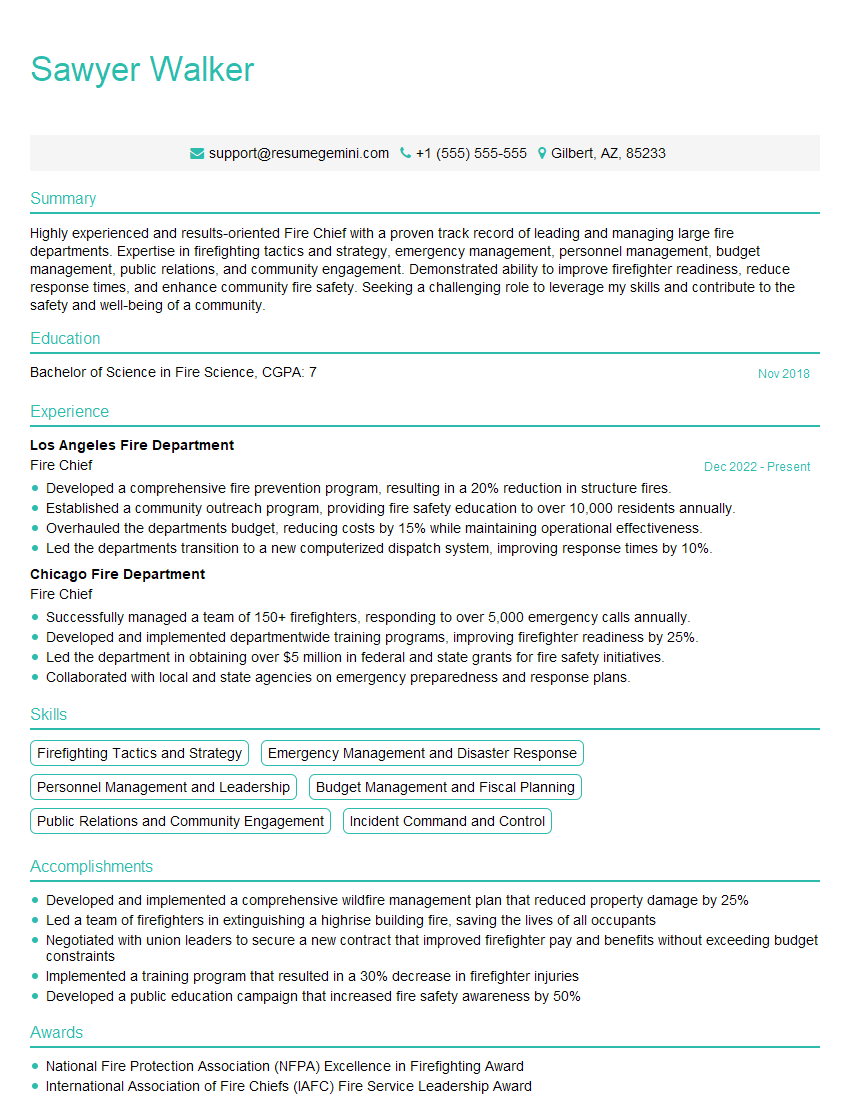
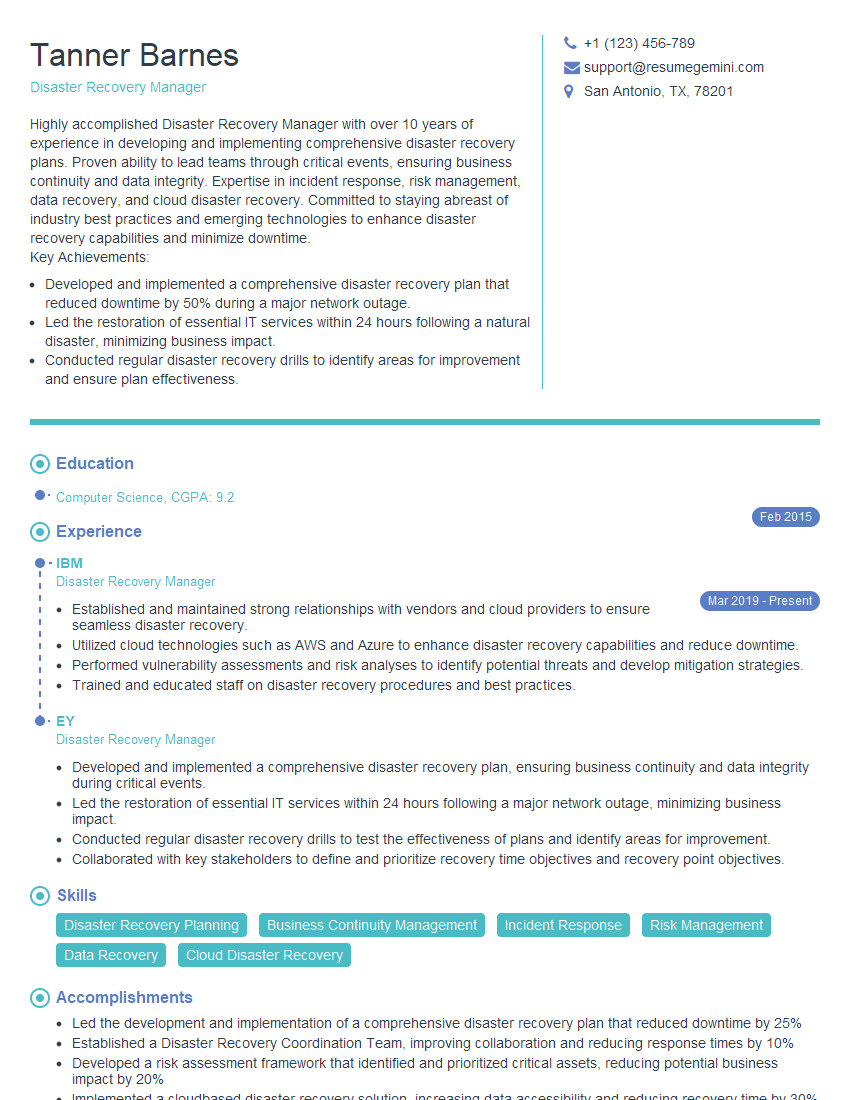
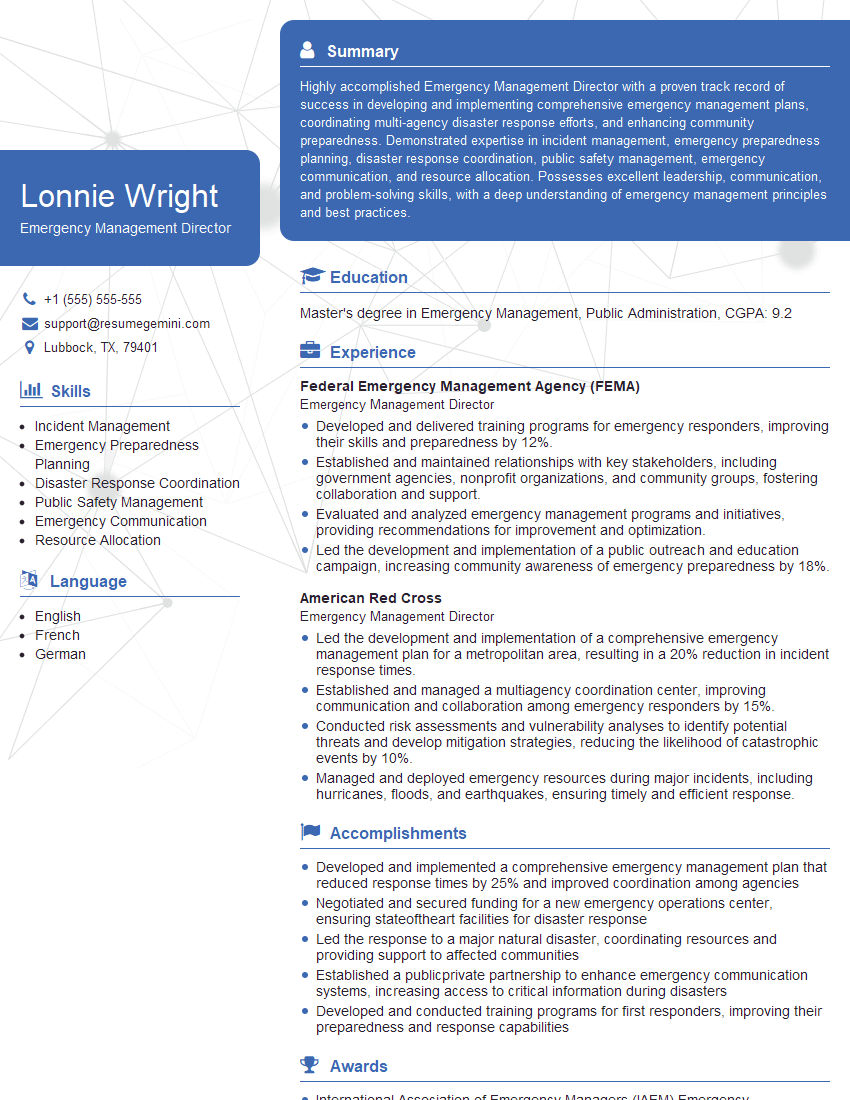
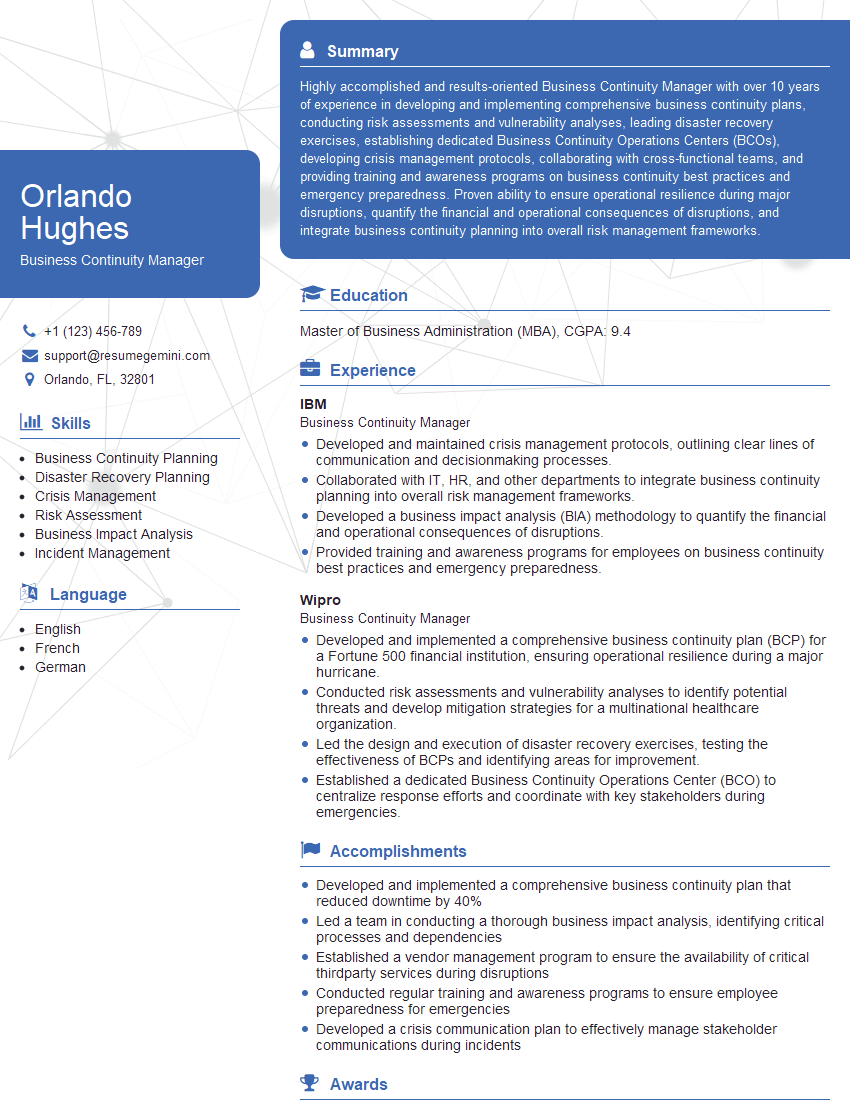
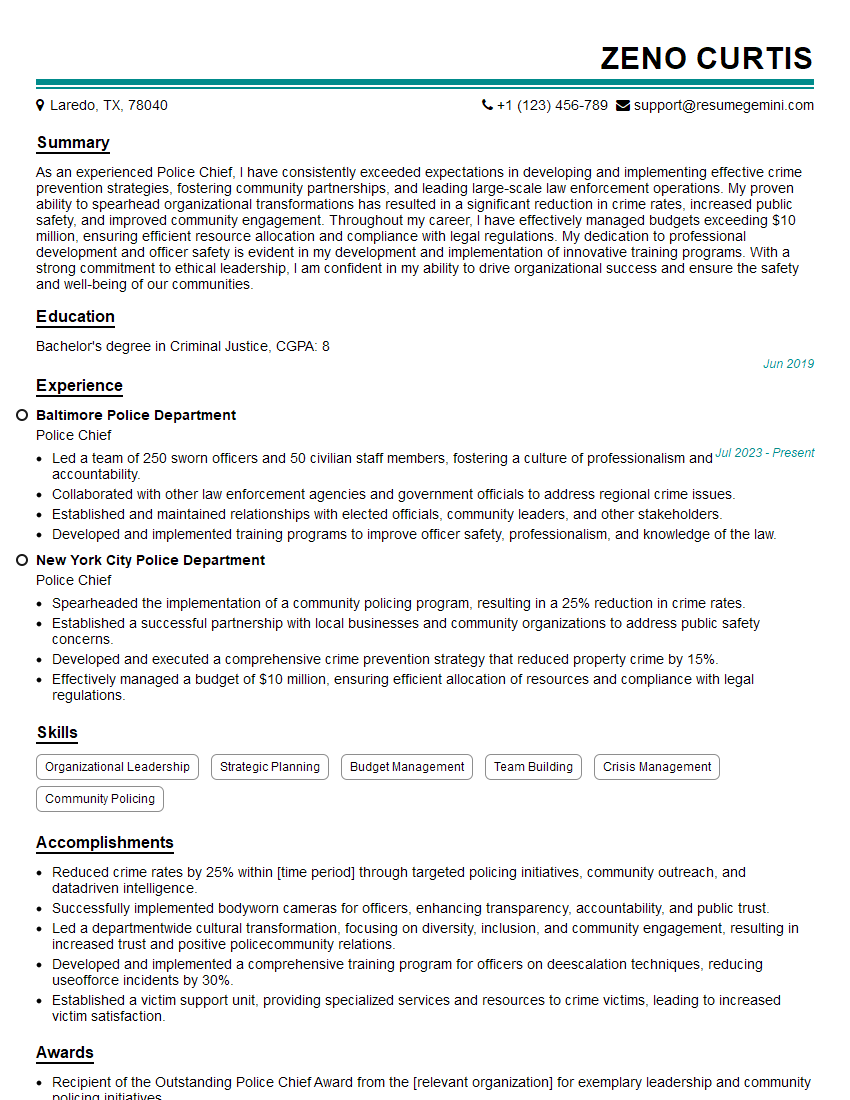
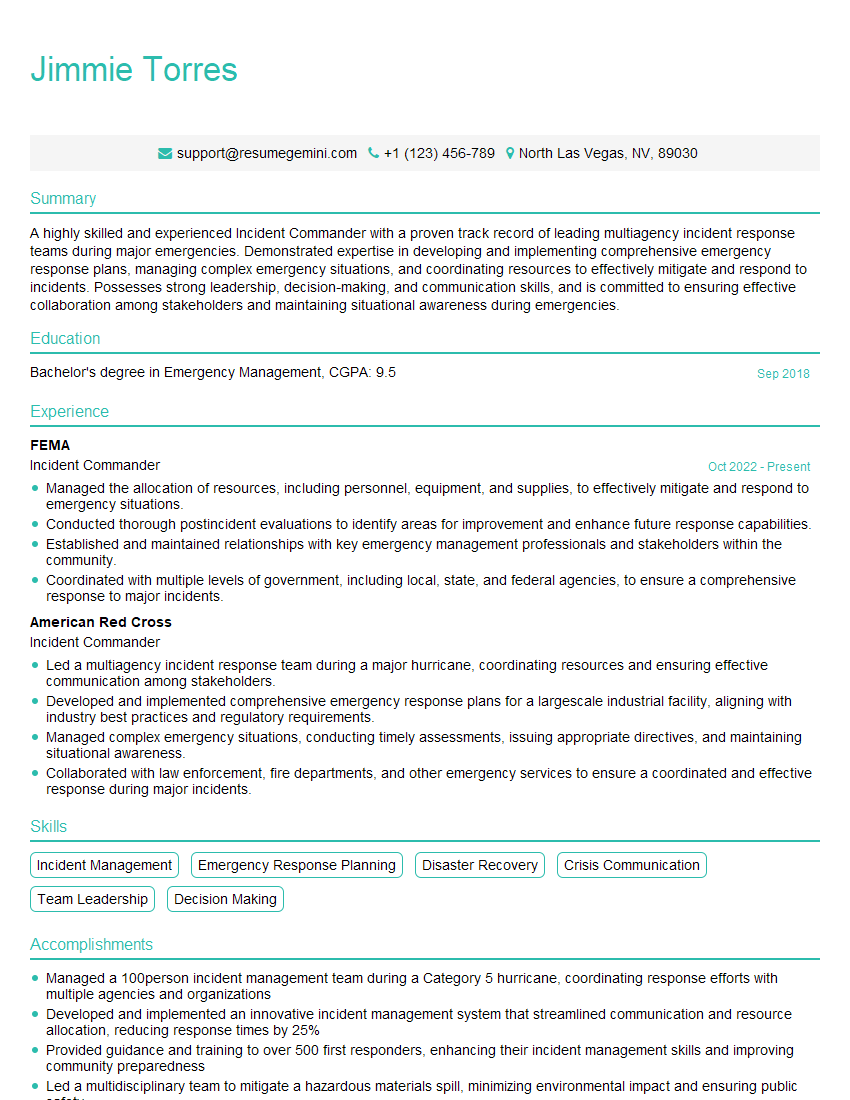
Mastering Emergency Operations opens doors to rewarding and impactful careers, offering opportunities for growth and leadership within the field. To maximize your job prospects, building an ATS-friendly resume is essential. ResumeGemini can help you craft a compelling and effective resume that highlights your skills and experience. ResumeGemini provides examples of resumes tailored to Emergency Operations, showcasing the best ways to present your qualifications to potential employers. Invest time in building a strong resume—it’s your first impression and a critical step in securing your dream role.
Explore more articles
Users Rating of Our Blogs
Share Your Experience
We value your feedback! Please rate our content and share your thoughts (optional).
What Readers Say About Our Blog
To the interviewgemini.com Webmaster.
Very helpful and content specific questions to help prepare me for my interview!
Thank you
To the interviewgemini.com Webmaster.
This was kind of a unique content I found around the specialized skills. Very helpful questions and good detailed answers.
Very Helpful blog, thank you Interviewgemini team.