Interviews are more than just a Q&A session—they’re a chance to prove your worth. This blog dives into essential Outage Management and Restoration interview questions and expert tips to help you align your answers with what hiring managers are looking for. Start preparing to shine!
Questions Asked in Outage Management and Restoration Interview
Q 1. Describe your experience with SCADA systems in outage management.
SCADA (Supervisory Control and Data Acquisition) systems are the backbone of modern outage management. They provide real-time monitoring and control of the electrical grid. My experience involves utilizing SCADA data to identify the location and extent of outages, analyze power flow patterns to pinpoint fault locations, and remotely control switching devices to isolate faulty equipment and restore power to affected customers. For example, I’ve used SCADA systems to remotely switch a faulty transformer out of service during a thunderstorm, minimizing the impact on customers and allowing for a quicker repair. This involved interpreting real-time voltage and current readings, analyzing alarm messages, and executing pre-planned switching sequences within the SCADA interface. I’m proficient in several SCADA platforms, including [mention specific platforms if comfortable, e.g., GE Energy Management, Schneider Electric].
Q 2. Explain the difference between planned and unplanned outages.
Planned outages are those intentionally scheduled by utility companies, usually for maintenance, upgrades, or repairs. These are planned well in advance, customers are notified, and the work is performed during off-peak hours to minimize disruption. An example is a scheduled power outage to replace aging transformers in a neighborhood. Unplanned outages, conversely, are unexpected disruptions to the power supply, often caused by unforeseen events such as severe weather, equipment failures, or accidents. For instance, a lightning strike causing a major transmission line failure would be an unplanned outage. The key difference lies in predictability and control; planned outages are managed and controlled, while unplanned outages require immediate response and restoration efforts.
Q 3. How do you prioritize restoration efforts during a widespread outage?
Prioritizing restoration during a widespread outage requires a structured approach. We use a combination of factors to determine which areas to address first. This usually involves prioritizing critical facilities like hospitals and emergency services, followed by areas with the largest number of affected customers, considering factors like population density and outage duration. A well-defined restoration plan will utilize a pre-defined restoration strategy, often weighted by customer impact and critical infrastructure. For instance, using a weighted score based on the number of customers, the criticality of infrastructure, and the outage duration. This ensures a fair and efficient allocation of resources, as well as a prioritized approach for communicating restoration timelines to customers. This involves close coordination with field crews and constant monitoring of the situation via SCADA and customer reports.
Q 4. What are the key performance indicators (KPIs) you use to measure outage management effectiveness?
Key Performance Indicators (KPIs) for outage management effectiveness are crucial for measuring performance and identifying areas for improvement. We monitor several metrics, including:
- System Average Interruption Duration Index (SAIDI): The average outage duration experienced by each customer.
- System Average Interruption Frequency Index (SAIFI): The average number of outages experienced by each customer per year.
- Customer Average Interruption Duration Index (CAIDI): The average time it takes to restore power to each customer after an outage.
- Restoration Time: The time taken to restore power after an outage occurs, broken down by various factors such as cause and location.
- Outage Restoration Rate: The percentage of outages restored within a specific timeframe.
By analyzing these KPIs, we can identify trends, assess the effectiveness of our restoration strategies, and make data-driven improvements to our processes.
Q 5. Describe your experience with outage prediction and prevention strategies.
Outage prediction and prevention are proactive strategies to minimize disruptions. We utilize historical outage data, weather forecasts, and advanced analytics to predict potential outages. For instance, we might use machine learning models to analyze historical data on equipment failures to identify patterns and predict future failures. We also incorporate real-time weather data to predict the likelihood of outages caused by severe weather events, allowing for preemptive measures to be taken. Prevention strategies include regular maintenance, equipment upgrades, vegetation management, and implementing grid hardening techniques to improve resilience against extreme weather events. For example, proactively replacing aging insulators on transmission lines reduces the likelihood of outages caused by lightning strikes.
Q 6. How do you utilize GIS mapping in outage restoration?
Geographic Information Systems (GIS) mapping is indispensable in outage restoration. It provides a visual representation of the electrical network, showing the location of substations, transmission lines, distribution feeders, and customer locations. During an outage, GIS maps help us quickly identify the affected areas, determine the optimal routes for crews to access the fault location, and coordinate restoration efforts. For example, if a tree falls on a power line, GIS maps help pinpoint the location of the damage, allowing crews to quickly reach the site and begin repairs. This also supports better coordination between field crews and communication of restoration timelines to affected customers by visualizing progress on the map.
Q 7. What are your methods for communicating outage information to customers?
Effective communication during an outage is vital for maintaining customer trust and minimizing disruption. We use a multi-channel approach:
- Automated phone calls and text messages: provide immediate notification of outages and estimated restoration times.
- Website and mobile app: offer real-time outage maps, updates, and FAQs.
- Social media: engage with customers, answer questions, and provide updates.
- Email alerts: provide more detailed information and updates to registered customers.
- Local media outlets: inform the broader community about large-scale outages and restoration progress.
This integrated approach ensures that customers receive timely and accurate information regardless of their preferred communication channel. We also emphasize transparency and proactive communication, keeping customers informed even if there are delays or uncertainties.
Q 8. Explain your understanding of fault location and isolation techniques.
Fault location and isolation are critical in outage management. It’s the process of pinpointing the exact location of a fault within a power system and then isolating it to prevent further damage and allow for safe repair. This involves a systematic approach, often using a combination of techniques.
Protective Relaying: This is the first line of defense. Protective relays detect abnormal conditions like overcurrent, ground faults, or voltage imbalances. They automatically isolate the faulty section by tripping circuit breakers. Imagine a relay as a smart sensor that instantly detects and cuts off a damaged part of the electrical circuit to protect the rest.
SCADA (Supervisory Control and Data Acquisition) Systems: SCADA provides real-time data on the power system’s status. By analyzing voltage, current, and power flow readings, operators can identify sections experiencing anomalies. It’s like having a comprehensive dashboard displaying the health of the entire power grid.
Traditional Methods: In some cases, especially in older or less instrumented systems, traditional methods like visual inspection, using test equipment (like ohmmeters and voltage testers) on the lines, and sectionalizing the system (switching off segments of the network one by one) are employed to locate the fault. This is more like detective work, systematically checking each section until the culprit is found.
Advanced Techniques: Modern systems often incorporate advanced techniques like automated fault location algorithms that analyze the wave shapes of fault currents to pinpoint the fault’s precise location within a few meters. Think of this as using sophisticated analytical tools to zoom in on the problem area with incredible precision.
The isolation part involves strategically opening circuit breakers or switches to isolate the faulty section from the rest of the system, preventing cascading outages or further damage. This is similar to isolating a patient with a contagious disease to prevent further spread.
Q 9. How do you handle conflicting priorities during an outage event?
Handling conflicting priorities during an outage is a constant challenge. We use a prioritization matrix that considers several factors:
Safety: The safety of our crews and the public is always paramount. Any action that compromises safety is immediately reconsidered.
Criticality of Customers: Hospitals, emergency services, and other essential services are prioritized. This means restoring power to these vital locations as quickly and safely as possible.
Number of Affected Customers: Restoring power to the largest number of affected customers in the shortest time is a key goal. This requires a careful balance of speed and effectiveness.
Resource Availability: We consider the availability of crews, equipment, and materials. This involves efficient resource allocation to manage the restoration efforts effectively.
We use a transparent communication system to ensure all stakeholders understand the prioritization rationale. This includes regular updates to affected customers, internal teams, and regulatory bodies. Sometimes tough choices need to be made, but we make them in a data-driven and ethical manner, always placing safety first.
Q 10. What is your experience with root cause analysis of outages?
Root cause analysis (RCA) is crucial for preventing future outages. My experience involves a structured approach, usually following a method like the ‘5 Whys’ technique or a more formal RCA methodology such as Fishbone Diagram or Fault Tree Analysis. This helps us get to the fundamental cause and not just treat symptoms.
For example, if a transformer failed, we wouldn’t just replace the transformer. We’d investigate why it failed: Was it due to overheating (maybe a faulty cooling system)? Was there a manufacturing defect? Was it overloaded? By asking ‘why’ repeatedly, we uncover the root cause, implement corrective actions, and improve the system’s resilience.
I’ve been involved in numerous RCAs, including cases involving equipment failures, human error, and environmental factors. Documentation is key; meticulously recording the details of each outage, the steps taken to restore power, and the RCA findings helps us learn from past events and prevent similar incidents in the future.
Q 11. How do you ensure safety during outage restoration efforts?
Safety is the top priority during restoration. We follow stringent safety protocols, including:
Lockout/Tagout procedures: These procedures ensure that equipment is de-energized and locked out before any work is performed. This is like ensuring a gun is unloaded and safely stored before handling it.
Personal Protective Equipment (PPE): Our crews are always equipped with appropriate PPE, such as hard hats, safety glasses, insulated gloves, and arc flash suits. This is essential for protecting them from electrical hazards.
Site safety assessments: Before any work begins, a thorough safety assessment is performed to identify potential hazards, such as overhead lines, underground cables, and confined spaces. This is a crucial first step in ensuring a safe working environment.
Regular safety training: Our crews receive regular safety training to refresh their knowledge and skills. This includes practical exercises and simulations to prepare them for real-world scenarios.
We also employ safe work practices such as having multiple workers on site, using insulated tools, and using warning signs to caution the public about ongoing work. Safety briefings are conducted before every restoration activity to reiterate safety procedures and address specific hazards at the work site.
Q 12. Describe your experience with outage restoration coordination with external teams.
Coordination with external teams is vital during major outages. This usually involves:
Communication: Establishing clear communication channels with other utility companies, contractors, and emergency services using various communication mediums, including dedicated radio channels, email, and instant messaging. This ensures information flows smoothly.
Joint Operations Centers (JOC): In large-scale events, we often collaborate with other utilities in a joint operations center. This facilitates shared situational awareness and coordinated restoration efforts. It’s like having a central command center for a large-scale operation.
Mutual Aid Agreements: Many utilities have mutual aid agreements with other utilities, providing backup resources and support during major outages. This ensures that assistance is readily available when needed.
Data Sharing: Sharing information on outage locations, affected customers, and restoration progress is essential for efficient coordination. This ensures everyone is on the same page.
I’ve had extensive experience coordinating with various external teams, and clear, concise communication is the key to success. Regular briefings, collaborative decision-making, and a shared understanding of objectives are essential for successful collaboration.
Q 13. What software or tools do you use for outage management?
We use a variety of software and tools for outage management:
Geographic Information System (GIS): GIS maps provide a visual representation of our power system, showing the location of outages, crews, and equipment. It helps us visualize the network and understand the impact of outages.
SCADA (Supervisory Control and Data Acquisition): SCADA provides real-time data on the power system’s status, including voltage, current, and power flow. This gives us a live feed of what’s happening in the network.
Outage Management System (OMS): OMS software integrates data from various sources, including SCADA, GIS, and customer reports, to provide a comprehensive view of outages, their impact, and restoration progress. Think of this as a central hub for all outage-related information.
Work Management Systems: These systems track work orders, crew assignments, and material requirements for restoration efforts. They help us to coordinate tasks and track progress.
In addition to these, we utilize specialized software for fault location, load forecasting, and network modeling, depending on the task. The integration of these tools is critical for efficient and effective outage management.
Q 14. How do you manage the stress and pressure of handling critical outage situations?
Managing stress during critical outages requires a multi-faceted approach:
Preparation and Training: Thorough training and preparation are key. This reduces uncertainty and builds confidence when faced with challenging situations.
Teamwork and Support: A strong team is essential. We rely on each other for support and mutual encouragement during stressful times.
Clear Communication: Effective communication reduces ambiguity and keeps everyone informed. This helps mitigate stress and confusion.
Prioritization and Focus: We prioritize tasks systematically, focusing on one step at a time. This prevents feeling overwhelmed.
Post-Outage Debriefings: After an outage, we conduct debriefings to review what went well, what could have been done better, and to learn from the experience. This promotes continuous improvement and helps alleviate stress from post-event analysis.
Also, maintaining a healthy work-life balance outside of work hours is crucial for managing stress. Regular exercise, proper rest, and time with family and friends are critical for long-term well-being.
Q 15. Describe your knowledge of different types of protective relays.
Protective relays are the first line of defense in power systems, instantly detecting faults and isolating them to prevent widespread outages. They’re essentially sophisticated sensors and switches that monitor voltage, current, and other parameters. If an abnormality is detected—like a short circuit or ground fault—they rapidly trip circuit breakers, disconnecting the faulty section from the rest of the grid.
- Overcurrent Relays: These are the most common type, tripping when the current exceeds a preset threshold for a specified time. Think of them as circuit breakers on steroids, responding much faster and more intelligently.
- Differential Relays: These compare the current entering and leaving a protected zone. Any discrepancy indicates an internal fault, triggering a trip. Imagine a perfectly balanced scale; if one side is heavier, it signifies a problem within the zone.
- Distance Relays: These measure the impedance to a fault along a transmission line. By calculating the distance, they can pinpoint the fault location, isolating only the affected segment and minimizing the outage impact. It’s like having a GPS for faults on power lines.
- Pilot Wire Relays: These use communication channels (pilot wires) between substations to coordinate tripping. This is particularly useful for long transmission lines, allowing for faster and more precise fault isolation. This is a coordinated effort between two ends of a transmission line, communicating with each other to identify and clear a fault.
Understanding the nuances of each relay type is crucial for effective outage management and restoration, as misconfiguration or malfunction can lead to unnecessary outages or even cascading failures.
Career Expert Tips:
- Ace those interviews! Prepare effectively by reviewing the Top 50 Most Common Interview Questions on ResumeGemini.
- Navigate your job search with confidence! Explore a wide range of Career Tips on ResumeGemini. Learn about common challenges and recommendations to overcome them.
- Craft the perfect resume! Master the Art of Resume Writing with ResumeGemini’s guide. Showcase your unique qualifications and achievements effectively.
- Don’t miss out on holiday savings! Build your dream resume with ResumeGemini’s ATS optimized templates.
Q 16. Explain the importance of load shedding during an outage.
Load shedding is the intentional reduction of electrical demand during a power system emergency. It’s a critical tool for preventing a complete system collapse—a blackout—when supply falls drastically short of demand. Think of it as a controlled sacrifice to save the whole system.
Imagine a ship taking on water. If the crew doesn’t close some compartments (shed load), the whole ship will sink. Similarly, load shedding prevents the cascading failure that can occur when overloaded parts of the power grid overheat and fail, leading to a domino effect.
Load shedding is usually prioritized by classifying loads based on their criticality (e.g., hospitals, essential services) and economic value. Non-critical loads are shed first to ensure the continued operation of essential services. This prioritization is defined through load shedding schemes programmed into the grid’s control systems.
The process is automated using sophisticated software that monitors system conditions and initiates shedding when certain thresholds are exceeded. Manual intervention may be needed in extreme cases or when automated systems fail.
Q 17. How familiar are you with NERC standards related to outage management?
I’m intimately familiar with NERC (North American Electric Reliability Corporation) standards related to outage management, particularly those outlined in the Reliability Standard (RST). These standards are crucial for ensuring the reliable operation of the bulk power system across North America. I have hands-on experience with standards such as:
- RST-E-1-1: Addresses emergency operating procedures and plans, including emergency response resources and strategies.
- RST-E-1-2: Covers system restoration, detailing procedures and planning for post-outage recovery.
- RST-E-1-3: Focuses on preventing cascading events, a major concern in modern interconnected grids.
- RST-E-1-4: Defines requirements for maintaining sufficient generation and transmission capacity to meet demand.
My experience extends to understanding the compliance requirements, auditing processes, and the importance of these standards in preventing catastrophic outages and improving grid resilience.
Q 18. What is your experience with restoration planning and emergency response procedures?
I have extensive experience in both restoration planning and emergency response procedures. Restoration planning involves developing detailed procedures for restoring power after an outage, including prioritizing critical loads, coordinating crews, and managing resources. This is not just a static document; it’s a living document that should be frequently reviewed and updated based on lessons learned from past events and changes in the grid configuration.
Emergency response, on the other hand, is about immediate action during an outage. It involves coordinating with various teams (field crews, dispatchers, engineers), assessing the situation, and implementing the restoration plan as efficiently as possible. This often requires swift decision-making under pressure. I’ve successfully managed several major outage events, demonstrating my ability to lead teams and resolve complex issues effectively.
For example, during one event, I coordinated the restoration efforts after a major storm caused widespread damage to our transmission lines. By effectively utilizing our resources and working closely with other utilities, we were able to restore power to the majority of our customers within a relatively short time frame. This example showcases practical experience in emergency situations.
Q 19. Explain your understanding of the impact of weather on power systems and outages.
Weather significantly impacts power systems, being a primary cause of outages. Extreme weather events—like hurricanes, ice storms, and heat waves—can damage transmission lines, substations, and generation facilities. For example, heavy snow can cause lines to sag and short-circuit, while strong winds can uproot trees, causing them to fall onto power lines. High temperatures can lead to increased demand, potentially exceeding the system’s capacity. In addition, lightning strikes are a major source of fault initiation in electrical systems, directly damaging equipment or initiating ground faults.
Understanding the impact of different weather conditions is crucial for proactive outage management. This involves using weather forecasts to anticipate potential outages, preparing crews and resources, and implementing preventive measures to minimize damage and downtime. For example, pre-emptive trimming of trees near power lines, utilizing advanced weather forecasting technologies, and creating robust contingency plans are all integral components of mitigating weather-related risks.
Q 20. Describe your experience with outage reporting and documentation.
Accurate and timely outage reporting and documentation are critical for improving system reliability and providing transparency to customers and regulatory bodies. My experience includes developing and implementing robust outage management systems (OMS), ensuring all events are recorded accurately and comprehensively.
This includes documenting the cause of the outage, the duration of the interruption, the number of customers affected, restoration efforts, and any lessons learned. This data is invaluable for identifying trends, improving grid resilience, and complying with regulatory requirements. We employ a combination of automated data collection from SCADA systems and manual inputs from field crews to create a comprehensive record. Data analysis tools help visualize outages, identifying patterns and helping to prioritize system upgrades and maintenance activities.
Furthermore, I have experience with reporting to regulatory bodies, such as NERC, ensuring compliance with all applicable standards.
Q 21. How do you ensure efficient resource allocation during an outage event?
Efficient resource allocation during an outage is paramount for speedy restoration. This involves a multi-faceted approach that prioritizes the most critical tasks and resources.
First, we prioritize based on the impact of the outage. Restoring power to essential services (hospitals, emergency services) is the top priority. Then, we focus on areas with the highest number of affected customers. This prioritization is balanced with the availability of resources and accessibility to damaged infrastructure.
Second, using an OMS (Outage Management System) and geographic information system (GIS) is crucial. These systems provide real-time information about the outage, the location of damaged equipment, and the location and availability of crews and equipment. This allows for optimal deployment of resources, minimizing travel time and maximizing efficiency.
Finally, effective communication is vital. Clear and concise communication between crews, dispatchers, and management ensures everyone is aware of the situation, their responsibilities, and any changes in priorities. This could involve a structured communication plan and the use of relevant communication tools.
By combining prioritization, advanced technologies, and effective communication, we can significantly improve the speed and efficiency of resource allocation during an outage.
Q 22. What is your experience working with various stakeholders during an outage?
Effective outage management relies heavily on collaboration. My experience involves coordinating with a wide range of stakeholders, including field crews, engineers, dispatchers, customers, and public relations teams. During an outage, communication is paramount. I use a multi-pronged approach:
- Clear and concise communication: I ensure all stakeholders receive timely updates using various channels—phone calls, email, text alerts, and potentially social media updates in case of widespread outages. Information is presented in a clear, easily understood format, minimizing technical jargon.
- Regular status meetings: Frequent briefings keep everyone informed on the progress of restoration efforts, identify emerging issues, and allow for collaborative problem-solving. These are crucial for alignment of efforts.
- Prioritization of information: During a crisis, not all information is equally important. I prioritize critical updates related to safety, restoration timelines, and impacted customers. I also manage expectations effectively, providing realistic estimates of restoration times.
- Customer interaction management: I work to understand customer concerns, manage expectations, and provide regular updates. This helps maintain trust and minimizes frustration. This might involve directly addressing customer inquiries or working with customer service representatives.
- Post-outage debriefs: After restoration, I facilitate post-incident reviews to learn from past experiences and identify areas for process improvement. This is essential for continuous improvement in outage management.
For example, during a significant ice storm, I coordinated with the field crews to prioritize restoration to critical facilities like hospitals and emergency services, while simultaneously communicating restoration timelines to the general public via social media and the company website.
Q 23. Explain your understanding of different outage restoration strategies.
Outage restoration strategies vary depending on the cause and scope of the outage. Common strategies include:
- Isolation and switching: Quickly isolating the faulty section of the network to minimize the number of affected customers. This involves strategically using switches and circuit breakers to reroute power around the problem area.
- Mobile generation: Using portable generators to temporarily restore power to critical areas or small communities while permanent repairs are underway. This is particularly useful in remote areas or when repairs will take significant time.
- Repair and replacement: This is the most common strategy involving repairing damaged equipment or replacing faulty components. The speed of this process will depend on the complexity of the damage, equipment availability, and weather conditions.
- Load shedding: In extreme situations, where the demand on the grid exceeds supply, controlled power outages may be implemented to prevent a complete system collapse. This is used as a last resort to protect the entire network.
- Automated restoration systems: Many modern grids utilize advanced systems that can automatically detect and isolate faults, and in some cases, even automatically restore power. This significantly speeds up the restoration process.
For instance, in a case of a downed power line caused by a tree, the isolation and switching strategy is used first. Then, crews go out to repair and replace the damaged line, possibly using mobile generation if needed to restore power to a small area faster.
Q 24. How do you evaluate the effectiveness of outage restoration efforts?
Evaluating the effectiveness of outage restoration efforts involves several key metrics and qualitative assessments:
- Restoration Time Interval (RTI): This measures the time it takes to restore power to affected customers. Shorter RTIs indicate improved efficiency.
- Customer satisfaction: Gathering feedback through surveys or social media monitoring helps assess customer experience and identify areas for improvement.
- System reliability indicators: Metrics like System Average Interruption Duration Index (SAIDI) and Customer Average Interruption Duration Index (CAIDI) provide a long-term perspective on system reliability.
- Cost analysis: Evaluating the costs associated with the restoration efforts, including labor, materials, and potential penalties for extended outages.
- Safety performance: Ensuring restoration work is performed safely, without injury to personnel or damage to equipment.
A comprehensive evaluation might involve analyzing the RTI for different customer segments, reviewing customer feedback, and comparing the performance against industry benchmarks and previous events. This holistic approach allows for identifying both successes and shortcomings.
Q 25. Describe your experience with outage data analysis and trend identification.
My experience with outage data analysis involves using various tools and techniques to identify trends and patterns in outage data. This helps in proactive outage prevention and improved restoration strategies:
- Data mining and visualization: I use software to analyze large datasets containing outage information, such as location, cause, duration, and weather conditions. This enables the identification of recurring outage patterns.
- Statistical analysis: Techniques like regression analysis and time series forecasting help identify correlations between outages and environmental factors (e.g., weather events) or equipment age.
- Geographic Information Systems (GIS): GIS tools are used to visualize outage locations on maps, identifying areas prone to frequent outages. This helps prioritize investments in infrastructure upgrades or vegetation management.
- Predictive modeling: Advanced algorithms can forecast potential future outages based on historical data and weather forecasts. This allows for preemptive measures.
For example, by analyzing historical outage data, I discovered that a particular section of the network experienced frequent outages during periods of high wind. This insight allowed us to prioritize tree trimming and infrastructure improvements in that area, resulting in a significant reduction in outages.
Q 26. What are your strategies for improving outage management processes?
Improving outage management processes is an ongoing effort that focuses on enhancing efficiency, reliability, and customer satisfaction. My strategies include:
- Investing in smart grid technologies: Implementing advanced metering infrastructure (AMI), distribution automation systems, and outage management systems (OMS) enhance outage detection, isolation, and restoration speed.
- Improving communication systems: Utilizing advanced communication networks, such as two-way radios and mobile data terminals, enhances real-time communication between field crews and dispatchers.
- Enhancing workforce training: Providing field crews and dispatchers with regular training on the latest technologies and best practices improves their efficiency and safety.
- Optimizing restoration procedures: Regularly reviewing and refining restoration procedures, based on lessons learned from past outages, leads to improved processes.
- Strengthening predictive capabilities: Implementing predictive maintenance programs and utilizing advanced analytics enables proactive identification and mitigation of potential outages.
For instance, we’ve successfully improved our restoration time by implementing a new OMS which provides real-time information to our field crews, allowing for better resource allocation and quicker response times. We also use predictive modeling to anticipate outages during severe weather events, allowing us to pre-position crews and equipment.
Q 27. How do you stay updated on advancements in outage management technology?
Staying updated on advancements in outage management technology is critical. I employ various methods:
- Industry conferences and workshops: Attending industry events allows me to network with other professionals and learn about new technologies and best practices.
- Professional organizations: Membership in organizations like the IEEE Power & Energy Society provides access to publications, webinars, and training opportunities.
- Trade publications and journals: Regularly reading industry publications keeps me abreast of the latest developments in outage management.
- Vendor demonstrations and training: Participating in product demonstrations and training sessions from technology vendors helps me evaluate new tools and their applicability to our system.
- Online learning platforms: Utilizing online courses and resources expands my knowledge of new technologies and analysis techniques.
For example, I recently completed a course on the application of Artificial Intelligence in outage prediction, which has significantly enhanced my ability to leverage data analytics for proactive outage prevention.
Key Topics to Learn for Outage Management and Restoration Interview
- Outage Detection and Isolation: Understanding various methods for detecting outages (SCADA, customer reports, automated systems), and strategies for quickly isolating the affected area to minimize impact.
- Restoration Strategies and Prioritization: Developing and implementing efficient restoration plans, prioritizing critical infrastructure and customer segments, and utilizing various restoration techniques (e.g., switching, rerouting).
- Fault Location and Repair: Mastering fault finding techniques, utilizing diagnostic tools, and coordinating repair crews for efficient and safe restoration.
- Safety Procedures and Regulations: Demonstrating a thorough understanding of relevant safety protocols, industry regulations, and best practices for working on energized equipment and in hazardous environments.
- Communication and Coordination: Highlighting experience in effectively communicating outage information to customers, internal teams, and external stakeholders, including crisis communication strategies.
- Outage Prevention and Predictive Maintenance: Discussing proactive measures for preventing outages, implementing predictive maintenance programs, and utilizing data analytics to identify potential risks.
- Outage Management Systems (OMS): Demonstrating familiarity with OMS software and its applications in managing and tracking outages, including data analysis and reporting.
- Root Cause Analysis (RCA): Explaining your approach to identifying the root cause of outages and implementing corrective actions to prevent recurrence.
- Performance Metrics and Reporting: Understanding key performance indicators (KPIs) related to outage management, and the ability to generate accurate and insightful reports.
Next Steps
Mastering Outage Management and Restoration is crucial for career advancement in the energy sector, opening doors to leadership roles and specialized expertise. A strong, ATS-friendly resume is your key to unlocking these opportunities. To significantly improve your chances of securing interviews, invest time in crafting a compelling and effective resume. ResumeGemini is a trusted resource that can help you build a professional resume tailored to highlight your skills and experience in this competitive field. Examples of resumes specifically tailored for Outage Management and Restoration professionals are available, providing valuable templates and guidance to help you showcase your unique qualifications.
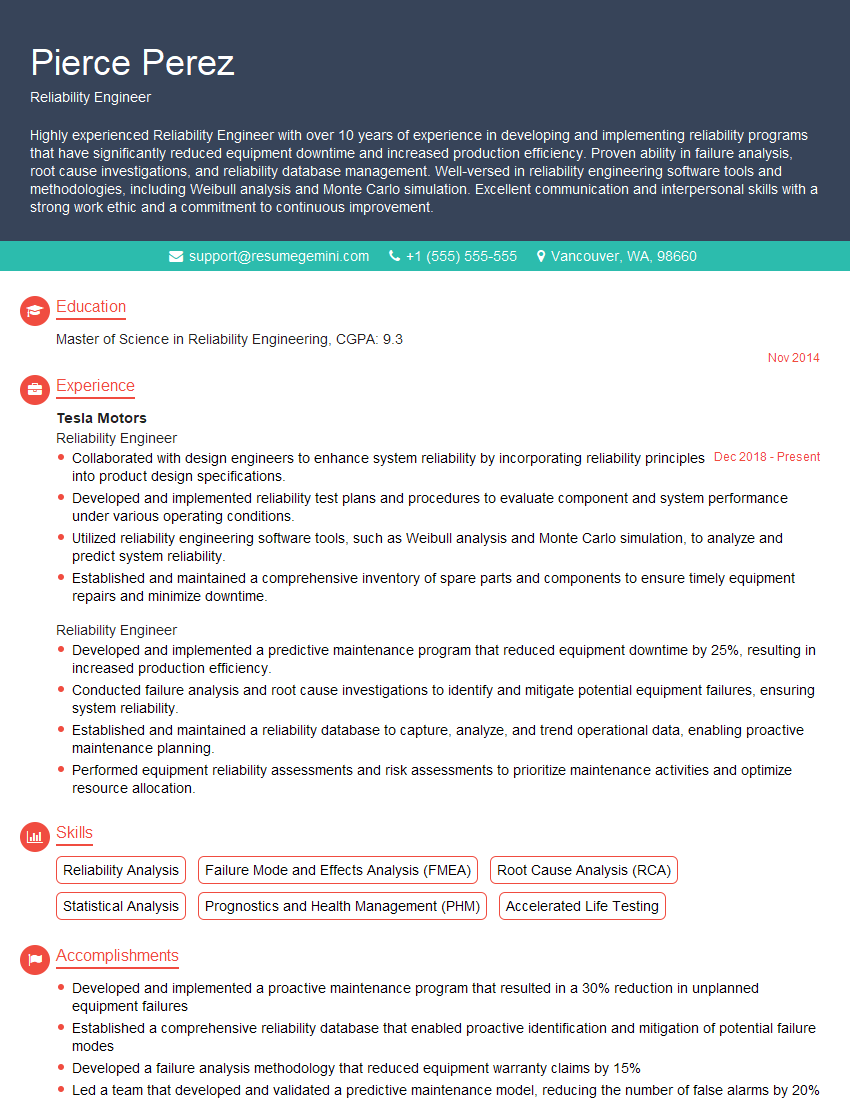
Reliability Engineer Resume Sample
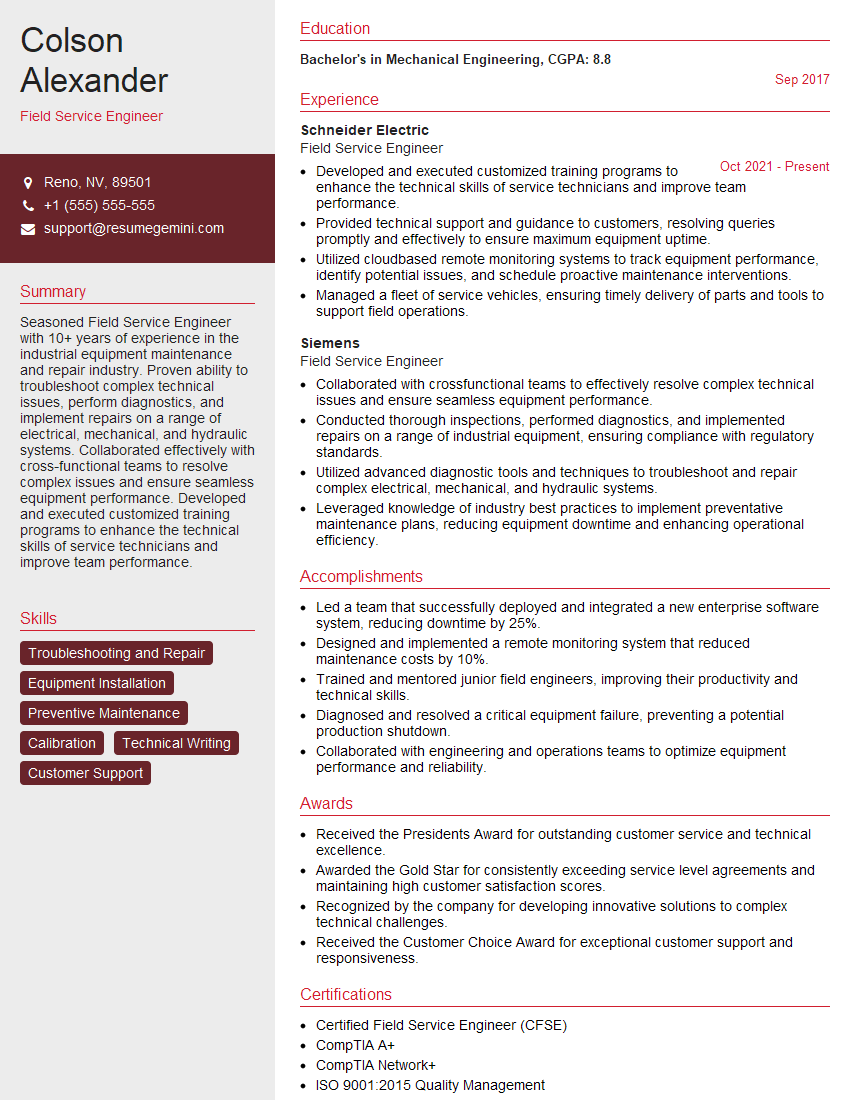
Field Service Engineer Resume Sample
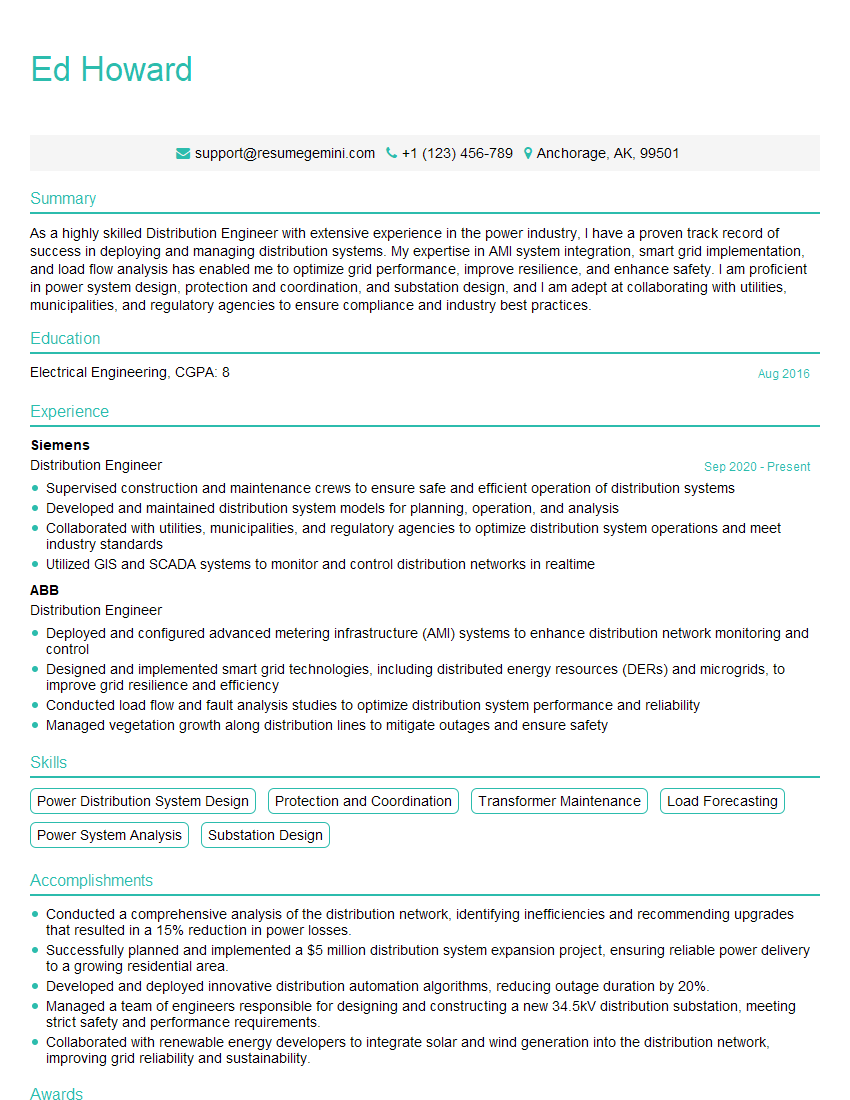
Distribution Engineer Resume Sample
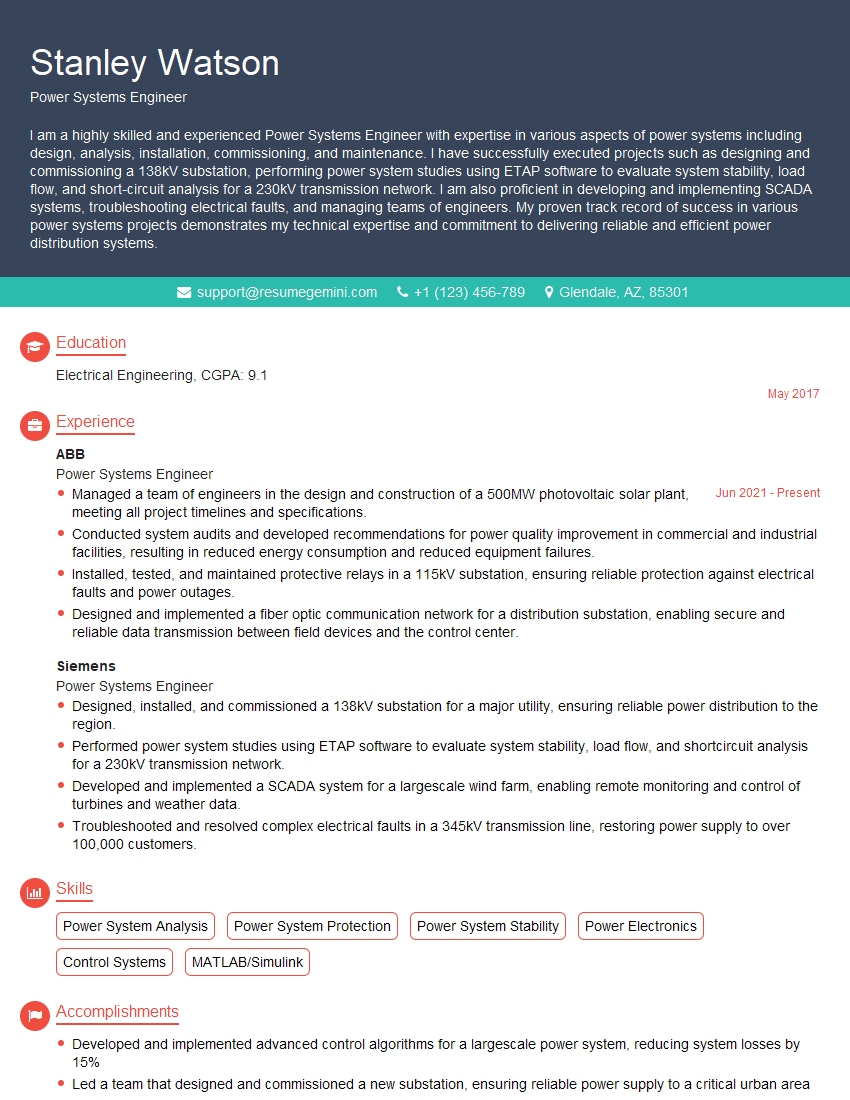
Power Systems Engineer Resume Sample
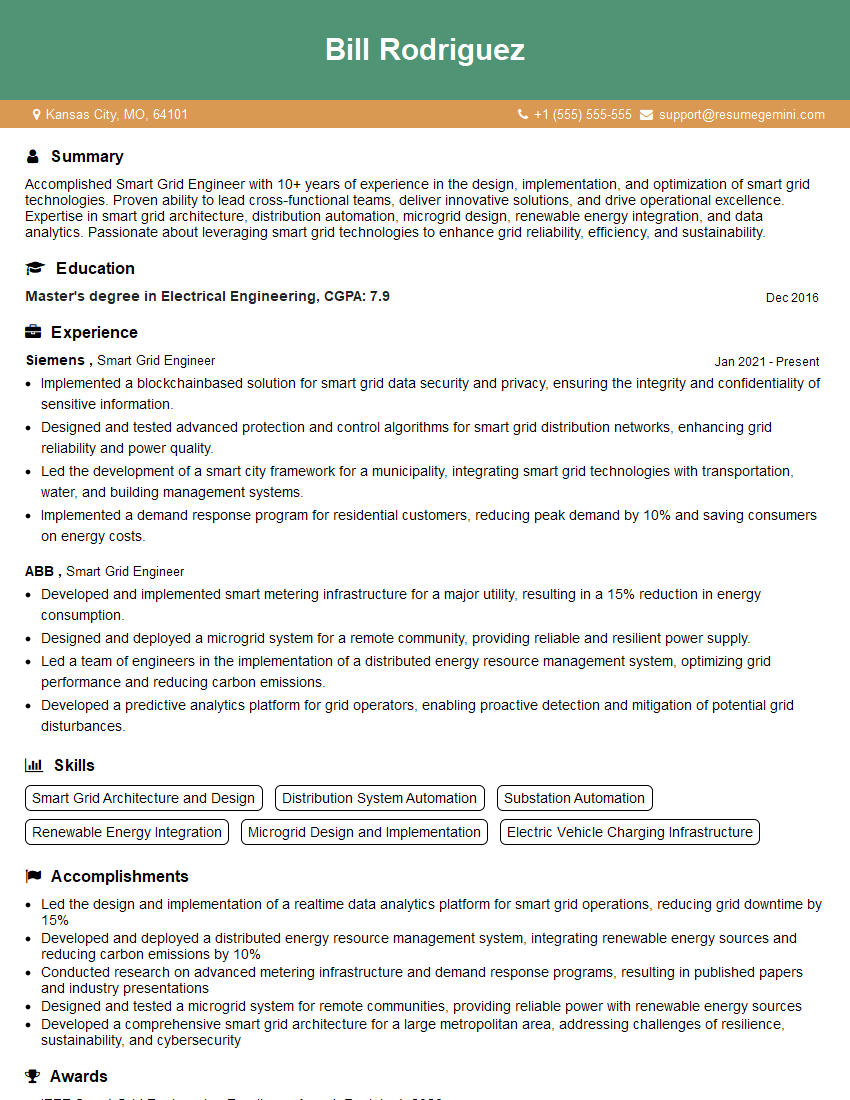
Smart Grid Engineer Resume Sample

Transmission Engineer Resume Sample
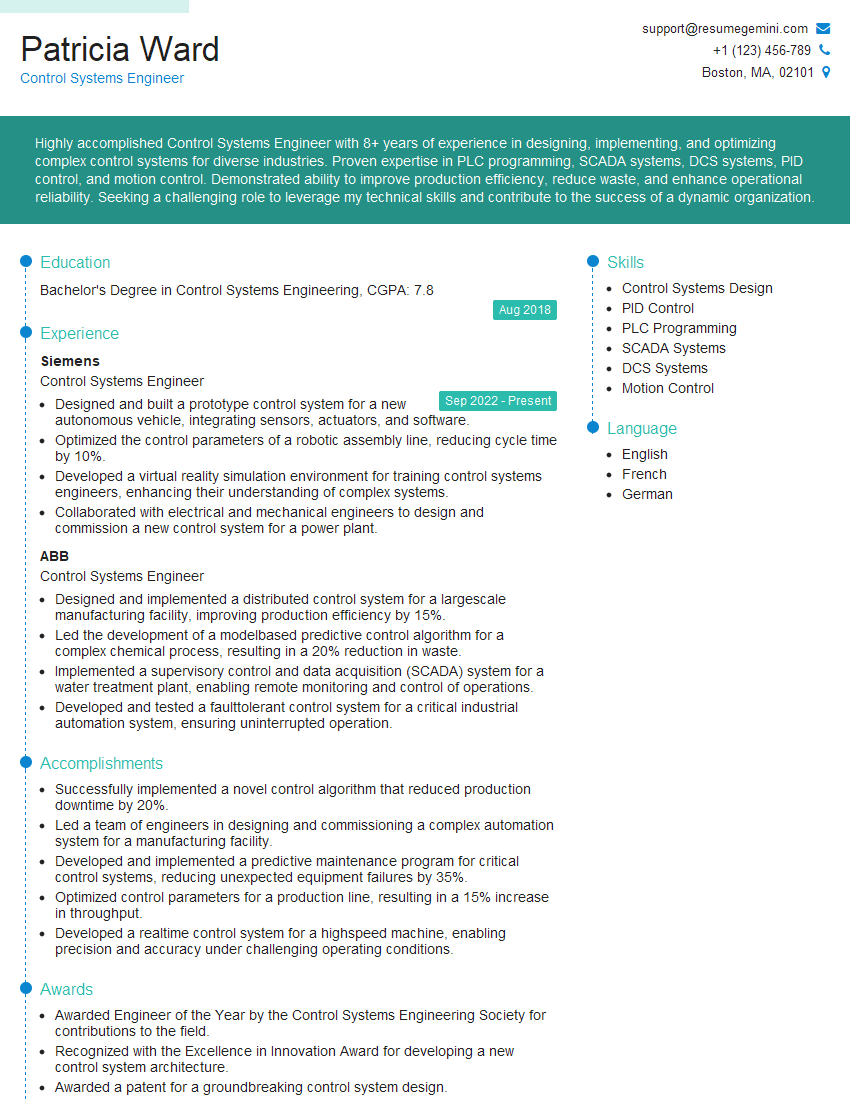
Control Systems Engineer Resume Sample
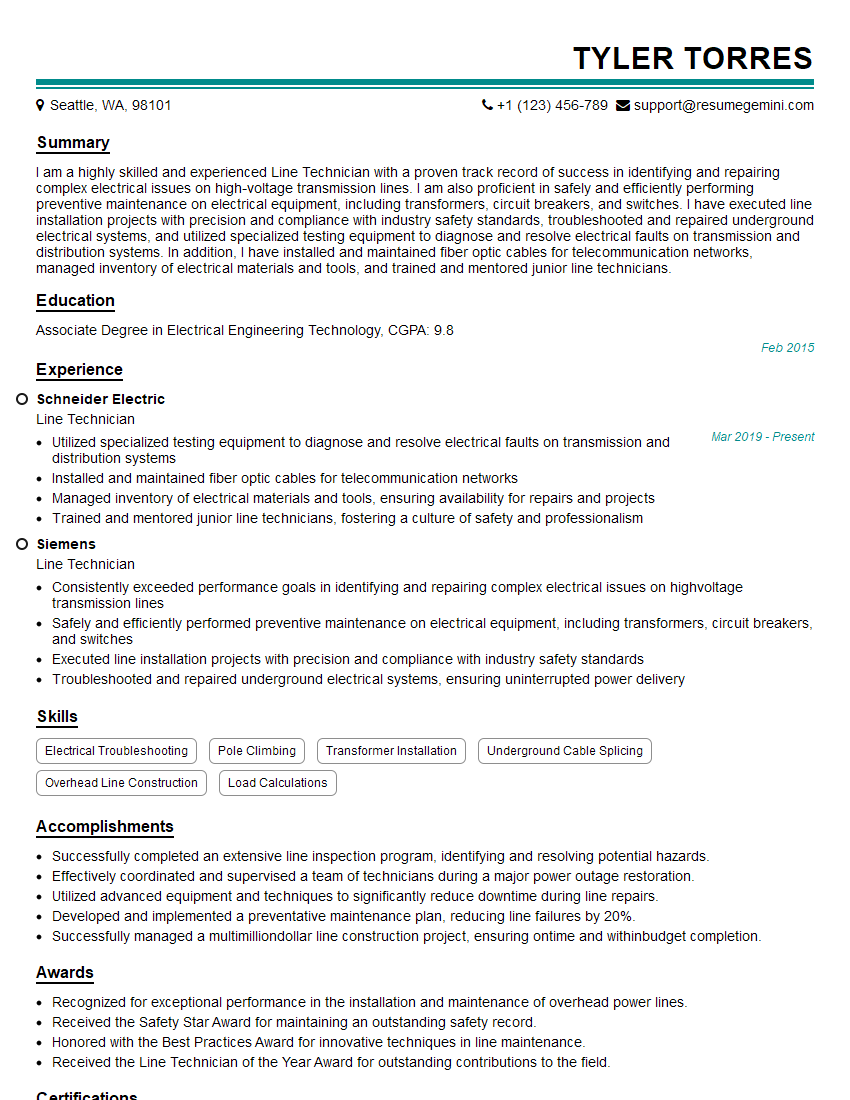
Line Technician Resume Sample
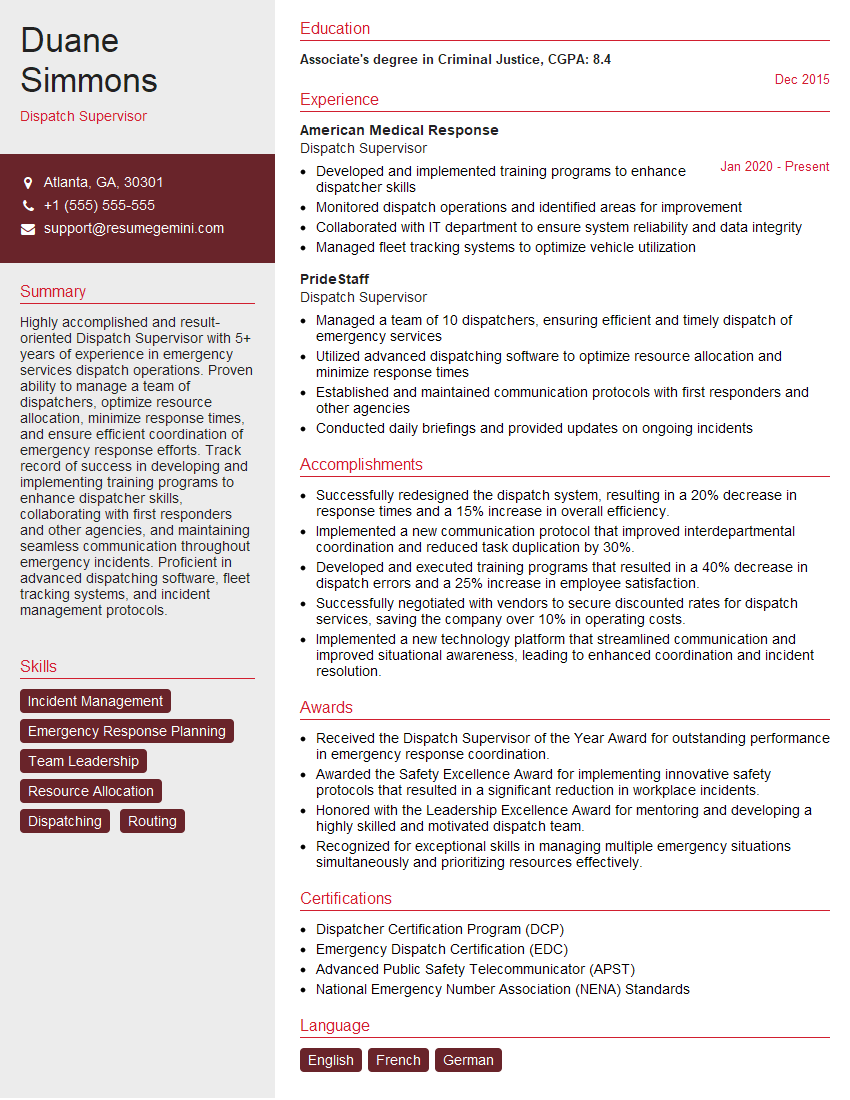
Dispatch Supervisor Resume Sample
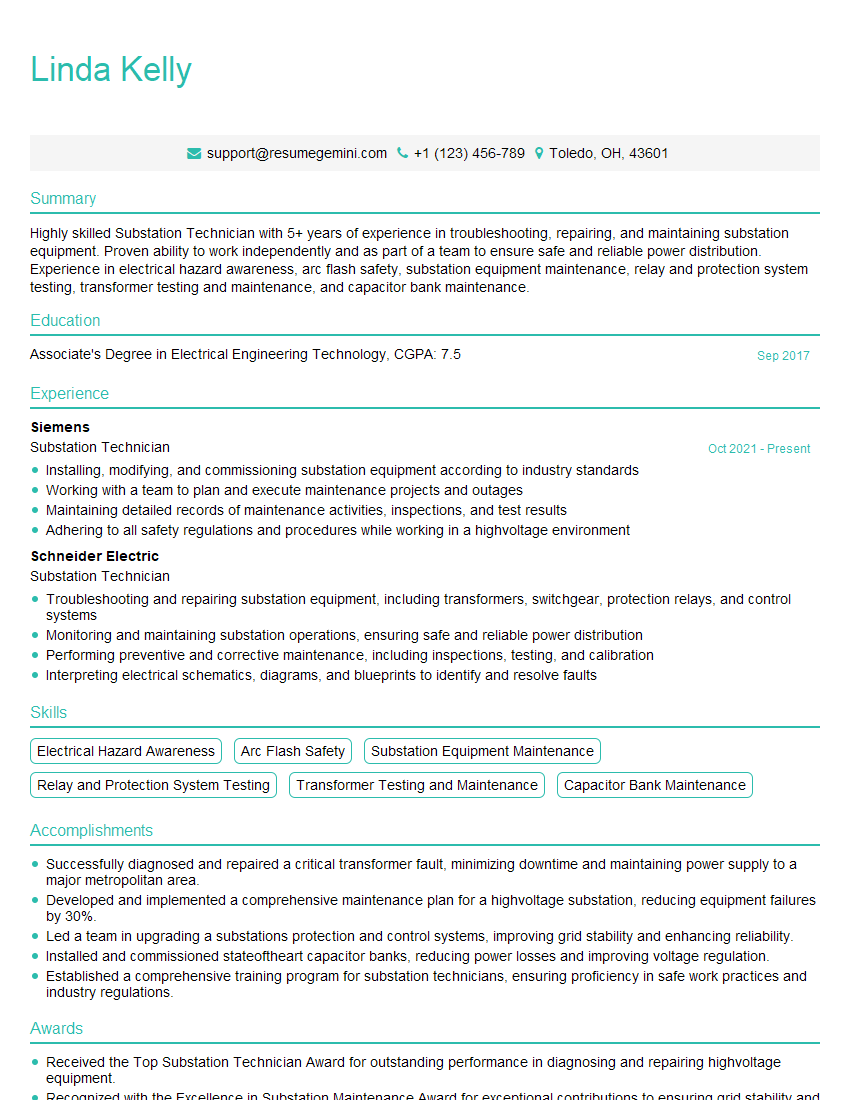
Substation Technician Resume Sample
Explore more articles
Users Rating of Our Blogs
Share Your Experience
We value your feedback! Please rate our content and share your thoughts (optional).
What Readers Say About Our Blog
To the interviewgemini.com Webmaster.
Very helpful and content specific questions to help prepare me for my interview!
Thank you
To the interviewgemini.com Webmaster.
This was kind of a unique content I found around the specialized skills. Very helpful questions and good detailed answers.
Very Helpful blog, thank you Interviewgemini team.