Cracking a skill-specific interview, like one for Endobronchial Ultrasound (EBUS), requires understanding the nuances of the role. In this blog, we present the questions you’re most likely to encounter, along with insights into how to answer them effectively. Let’s ensure you’re ready to make a strong impression.
Questions Asked in Endobronchial Ultrasound (EBUS) Interview
Q 1. Describe the principles of Endobronchial Ultrasound (EBUS).
Endobronchial ultrasound (EBUS) is a minimally invasive procedure that uses ultrasound technology to visualize the airways and surrounding structures in the lungs. It combines bronchoscopy (a technique to visually examine the airways using a thin, flexible tube) with ultrasound. The ultrasound probe, integrated within the bronchoscope, transmits high-frequency sound waves that bounce off tissues, creating images. These images allow physicians to see the size, shape, and texture of lymph nodes, blood vessels, and other tissues, providing valuable information for diagnosis and staging of lung diseases, particularly lung cancer.
Imagine it like using a sophisticated sonar system inside the lungs. The sound waves penetrate tissues, creating an image that helps doctors ‘see’ what’s happening beyond what’s immediately visible during a standard bronchoscopy.
Q 2. What are the different types of EBUS procedures (radial, linear)?
There are two primary types of EBUS procedures, categorized by the type of ultrasound probe used:
- Radial EBUS (rEBUS): This uses a probe with ultrasound transducers arranged in a radial pattern around the tip of the bronchoscope. This provides a circular, cross-sectional view of the structures surrounding the airway. It’s particularly useful for assessing lymph nodes close to the airways.
- Linear EBUS (lEBUS): This utilizes a linear ultrasound probe that produces a linear image. The probe can be moved to visualize structures in different planes. lEBUS offers better resolution for characterizing tissue structure and depth compared to rEBUS, allowing for more precise tissue sampling.
The choice between rEBUS and lEBUS depends on the specific clinical question and the location of the suspected pathology. Often, rEBUS is used for initial lymph node assessment, while lEBUS might be employed for targeted sampling or further evaluation of suspicious areas identified with rEBUS.
Q 3. Explain the indications for performing EBUS.
EBUS is primarily indicated for the evaluation of mediastinal and hilar lymph nodes, particularly in patients suspected of having lung cancer. Other indications include:
- Staging of lung cancer: Determining the extent of cancer spread to lymph nodes and other structures.
- Diagnosis of lung nodules: Differentiating between benign and malignant lung nodules.
- Evaluation of mediastinal masses: Determining the nature and origin of mediastinal masses (masses in the chest cavity).
- Assessment of airway lesions: Evaluating abnormal growths or narrowing within the airways.
- Diagnosis of infectious diseases: In certain cases, EBUS can help obtain samples for diagnosing infections within the lungs or lymph nodes.
In essence, EBUS is a powerful tool to obtain tissue samples from areas that were previously difficult to access, significantly improving diagnostic accuracy and guiding treatment decisions.
Q 4. What are the contraindications for EBUS?
Contraindications to EBUS are generally relative rather than absolute and are carefully weighed against the potential benefits of the procedure. Some contraindications include:
- Severe respiratory compromise: Patients with severe shortness of breath or other respiratory difficulties may not tolerate the procedure well.
- Uncontrolled bleeding disorders: The risk of bleeding during the procedure is increased in patients with bleeding disorders.
- Severe cardiac disease: Patients with severe heart conditions may be at higher risk of complications during sedation or the procedure itself.
- Inability to cooperate with the procedure: Patients who cannot cooperate due to cognitive impairment or other factors may not be suitable candidates.
A detailed pre-procedure assessment, including a review of the patient’s medical history, physical examination, and relevant laboratory tests, is crucial for determining suitability for EBUS.
Q 5. Describe the steps involved in performing an EBUS procedure.
The EBUS procedure typically involves the following steps:
- Informed consent: The patient is thoroughly informed about the procedure, risks, and benefits.
- Sedation: The patient is given sedation medication to ensure comfort and relaxation during the procedure.
- Bronchoscopy: A bronchoscope is advanced into the airways under fluoroscopic or endoscopic guidance.
- Ultrasound imaging: The ultrasound probe is used to visualize lymph nodes and other structures.
- Sampling: Using specialized needles, tissue samples (biopsies) are collected from suspicious areas under ultrasound guidance.
- Withdrawal of the bronchoscope: The bronchoscope is carefully withdrawn.
- Post-procedure monitoring: The patient is closely monitored for any complications before being discharged.
The entire procedure typically lasts 30-60 minutes, depending on the complexity and the number of samples required. The exact steps can vary depending on the type of EBUS being performed (rEBUS vs. lEBUS).
Q 6. What are the potential complications of EBUS?
While generally safe, EBUS carries some potential complications, including:
- Bleeding: Minor bleeding is common, but major bleeding is rare.
- Pneumothorax (collapsed lung): Air leaking into the pleural space around the lung.
- Infection: Infection at the puncture site or in the lungs is possible.
- Hematoma (blood clot): Formation of a blood clot at the puncture site.
- Reactions to sedation: Adverse reactions to sedative medications.
- Cardiac arrhythmias: Irregular heartbeats.
These complications are typically rare and often manageable with appropriate medical intervention. The risks are carefully discussed with the patient before the procedure.
Q 7. How do you interpret EBUS images?
Interpreting EBUS images requires expertise and experience. Radiologists and pulmonologists specializing in interventional pulmonology are trained to analyze these images. Several factors are considered:
- Size and shape of lymph nodes: Enlarged or irregularly shaped lymph nodes can be suspicious for malignancy.
- Echogenicity (brightness) of lymph nodes: The brightness of the lymph nodes on the ultrasound image can provide clues about their composition.
- Vascularity (blood flow): Increased blood flow within a lymph node can indicate malignancy.
- Tissue characteristics: The texture and pattern of the tissue within the lymph node can also be helpful in determining its nature.
The interpretation of EBUS images is often combined with other clinical information, such as the patient’s history, symptoms, and results of other imaging studies (CT scans, PET scans) to reach a definitive diagnosis. Cytopathology (examination of cells obtained via biopsy) is crucial for confirming the diagnosis.
Think of it like reading a complex medical map. Experienced professionals use the ultrasound images, combined with other information, to accurately diagnose and guide treatment.
Q 8. What are the key anatomical landmarks identified during EBUS?
EBUS utilizes ultrasound to visualize the tracheobronchial tree and surrounding mediastinal structures. Key anatomical landmarks identified during the procedure include the trachea, main bronchi, lobar and segmental bronchi, pulmonary arteries and veins, lymph nodes (particularly those within the mediastinum), the esophagus, and the aortic arch. Accurate identification of these structures is crucial for safe and effective needle placement during procedures like EBUS-guided transbronchial needle aspiration (TBNA).
Think of it like a detailed map of the airways and surrounding areas. The bronchi are like roads, the lymph nodes are like houses along the road, and the vessels are like the rivers. The ultrasound helps us see the “terrain” to safely navigate to our target, which are usually the lymph nodes.
- Trachea: The main airway.
- Main bronchi: The two main branches of the trachea leading to the lungs.
- Lobar and segmental bronchi: Further subdivisions of the airways within the lungs.
- Lymph nodes: Small, bean-shaped structures part of the immune system; crucial for staging lung cancer.
- Vascular structures (arteries and veins): Blood vessels that must be carefully avoided during needle aspiration.
- Esophagus: The food tube running alongside the trachea and bronchi.
- Aortic arch: A major blood vessel arising from the heart.
Q 9. Discuss the role of EBUS in staging lung cancer.
EBUS plays a pivotal role in lung cancer staging, particularly for evaluating mediastinal lymph nodes. Mediastinal lymph node involvement is a critical factor determining the stage and prognosis of lung cancer. Traditional methods, like mediastinoscopy, are invasive; EBUS offers a less invasive alternative. By visualizing and sampling lymph nodes, EBUS allows pathologists to determine whether cancer cells are present. This information helps clinicians choose the most appropriate treatment strategy – surgery, chemotherapy, radiotherapy, or a combination.
For instance, a patient with a lung mass might undergo a CT scan initially. If the CT scan shows enlarged mediastinal lymph nodes, an EBUS is often performed to determine if the cancer has spread to these nodes. This staging information dictates whether surgery is a viable option. If the lymph nodes are negative for cancer, a surgical approach is likely. If positive, the treatment plan shifts to less invasive options.
Q 10. How does EBUS compare to other diagnostic modalities for lung lesions (e.g., CT scan, PET scan)?
EBUS is a complementary diagnostic tool, not a replacement for CT or PET scans. CT scans provide excellent anatomical detail of the lungs and surrounding structures, while PET scans highlight metabolic activity, useful in identifying malignant tissue. EBUS, however, excels in directly sampling suspicious lymph nodes and lesions, providing tissue diagnosis (cytology/histology). It’s a targeted approach providing a definitive diagnosis, unlike CT or PET scans which are mainly imaging modalities.
Imagine a detective investigating a crime. A CT scan is like a photograph of the crime scene, showing potential clues. A PET scan is like a heat map, highlighting areas of suspicious activity. EBUS is like collecting forensic evidence – it directly samples and analyses the suspect material to definitively confirm its nature.
Q 11. Explain the role of EBUS-guided transbronchial needle aspiration (TBNA).
EBUS-guided TBNA is a minimally invasive procedure that utilizes an endobronchial ultrasound probe to guide a needle through the bronchial wall into suspicious mediastinal lymph nodes or peripheral lung lesions. The needle aspirates cells or tissue samples, which are then sent to a pathologist for analysis. This provides a definitive diagnosis, crucial for determining the best treatment strategy for various lung diseases, predominantly lung cancer.
Essentially, it’s a targeted biopsy. Instead of a large surgical incision, we use a small needle guided by ultrasound to collect a tissue sample for definitive diagnosis. This reduces the risk of complications associated with open surgery.
Q 12. Describe the technique of EBUS-TBNA.
The EBUS-TBNA procedure begins with bronchoscopic insertion of the EBUS probe into the airways, guided by fluoroscopy or other imaging modalities. Ultrasound images are used to identify target lymph nodes or lesions. Then, a needle is advanced through the probe into the target. Once appropriate needle placement is confirmed, suction is applied to obtain a tissue sample. This sample is then sent for cytological or histological examination. The entire procedure is typically performed under conscious sedation or general anesthesia, depending on the patient’s condition and the complexity of the case.
The technique requires high skill and precision. Think of it as a microsurgery inside the lung, guided by real-time ultrasound images. The success rate of obtaining a diagnostic sample hinges significantly on operator experience and skill in navigating the intricate anatomy.
Q 13. How do you manage complications during an EBUS procedure?
Complications during EBUS are rare but possible. These include bleeding (hemoptysis), pneumothorax (collapsed lung), infection, perforation of an airway or vascular structure, and reactions to sedation or anesthesia. Management strategies involve immediate cessation of the procedure if severe complications arise. Hemoptysis is often managed conservatively with close observation and supplemental oxygen. Pneumothorax may necessitate chest tube insertion. Antibiotics are administered to prevent or treat infection. Careful monitoring of vital signs and patient status is crucial throughout and post-procedure.
A comprehensive pre-procedural assessment, including evaluation of the patient’s coagulation status and lung function, helps minimize the risk of complications. The operator’s skill and experience are also crucial factors in ensuring safe procedure execution.
Q 14. What are the advantages and disadvantages of EBUS compared to other minimally invasive techniques?
Compared to other minimally invasive techniques like mediastinoscopy or video-assisted thoracoscopic surgery (VATS), EBUS offers several advantages. It’s less invasive, resulting in shorter recovery times, decreased pain, and reduced risk of complications. It can be performed in an outpatient setting in many cases. However, EBUS may not be suitable for all patients, particularly those with severe airway compromise or significant comorbidities. The yield of diagnostic samples might be lower compared to mediastinoscopy in certain situations. VATS, while more invasive than EBUS, may offer access to more peripheral lesions not easily reachable with EBUS.
Choosing the optimal approach depends on several factors, including the location and size of the lesion, the patient’s overall health, and the expertise of the physicians. In many cases, EBUS provides an excellent balance of minimal invasiveness and high diagnostic yield, making it the preferred choice.
Q 15. Discuss the importance of pre-procedure patient evaluation and preparation for EBUS.
Pre-procedure evaluation and preparation for EBUS are crucial for patient safety and procedure success. It’s akin to meticulously preparing for a complex surgical operation. We begin with a thorough review of the patient’s medical history, focusing on respiratory function, coagulation status, and any allergies. This includes reviewing their complete blood count (CBC), prothrombin time (PT), and activated partial thromboplastin time (aPTT) to assess bleeding risk. Imaging studies like CT scans are essential to identify the target lymph nodes or lesions and plan the optimal approach. We also assess the patient’s ability to tolerate the procedure, considering factors like age, comorbidities, and anxiety levels. Patients are educated about the procedure, including potential risks and benefits, and given appropriate pre-procedure instructions such as fasting guidelines. For patients with a known bleeding risk, we may discuss prophylactic measures. Finally, we obtain informed consent, ensuring the patient fully understands the process and its implications. This comprehensive approach helps minimize complications and maximizes the chances of a successful and safe EBUS procedure.
Career Expert Tips:
- Ace those interviews! Prepare effectively by reviewing the Top 50 Most Common Interview Questions on ResumeGemini.
- Navigate your job search with confidence! Explore a wide range of Career Tips on ResumeGemini. Learn about common challenges and recommendations to overcome them.
- Craft the perfect resume! Master the Art of Resume Writing with ResumeGemini’s guide. Showcase your unique qualifications and achievements effectively.
- Don’t miss out on holiday savings! Build your dream resume with ResumeGemini’s ATS optimized templates.
Q 16. How do you select the appropriate needle size for EBUS-TBNA?
Needle size selection for EBUS-TBNA (transbronchial needle aspiration) is a critical decision influencing the yield and safety of the procedure. Think of it like choosing the right tool for a delicate job. Smaller gauge needles (e.g., 22-25 gauge) are generally preferred for their reduced risk of bleeding and pneumothorax. They’re ideal for sampling small, fragile lesions. However, smaller needles may also result in a lower yield of tissue. Larger gauge needles (e.g., 21-22 gauge) can acquire more tissue, improving diagnostic accuracy, but they carry a higher risk of complications. The choice depends on several factors: the size and location of the target lesion, the patient’s coagulation profile, and the operator’s experience. For example, in a patient with a history of bleeding disorders, a smaller gauge needle would be prioritized. For larger, more easily accessible lesions, a slightly larger needle might be appropriate. The decision is always individualized and made after careful consideration of the potential benefits and risks.
Q 17. Describe your experience with different types of EBUS equipment.
My experience encompasses a range of EBUS equipment, from conventional radial EBUS systems to the newer generation of linear EBUS probes. Each system presents unique advantages and limitations. Radial EBUS probes, offering a wider field of view, are often the first choice for initial assessment of mediastinal lymph nodes. They’re like a wide-angle lens, allowing for comprehensive visualization. Linear EBUS probes, on the other hand, have higher resolution, providing superior image quality and enabling more precise needle targeting, particularly for deeper or smaller lesions. Think of them as a zoom lens, providing detailed images. I’ve used various brands and models over the years, gaining expertise in handling their specific features, such as image enhancement settings, needle guidance capabilities, and different aspiration techniques. This hands-on experience helps me choose the most suitable equipment based on the individual patient’s needs and the characteristics of the lesion being targeted. This ensures that we have the best possible tools for a successful procedure.
Q 18. Explain your approach to managing bleeding complications during EBUS-TBNA.
Managing bleeding complications during EBUS-TBNA requires prompt action and a structured approach. It’s like having a well-rehearsed emergency plan in place. The first step is immediate cessation of the procedure. We then carefully assess the severity of the bleeding. Mild bleeding often resolves spontaneously with watchful waiting and close monitoring of vital signs. For more significant bleeding, we utilize various interventions, starting with bronchoscopic techniques such as direct pressure and application of epinephrine-soaked sponges to the bleeding site. If bleeding persists despite these measures, we may consider using argon plasma coagulation (APC) to achieve hemostasis. In rare cases of severe, uncontrolled bleeding, interventional radiology techniques, such as bronchial artery embolization, may be necessary. Continuous monitoring of vital signs, oxygen saturation, and haemoglobin levels is critical throughout the process. Post-procedure care includes close observation in a monitored setting, potentially requiring blood transfusions if significant blood loss occurs. Our approach emphasizes prompt intervention to mitigate complications and ensure patient safety.
Q 19. How do you interpret cytology and pathology results from EBUS-TBNA?
Interpreting cytology and pathology results from EBUS-TBNA requires a systematic approach and a strong understanding of both cytopathology and histopathology. Think of it as deciphering a complex code. We examine the cellular composition of the samples under a microscope, looking for specific features indicative of malignancy or other pathological conditions. For instance, the presence of atypical cells, nuclear changes, or specific markers can suggest malignancy. We consider the adequacy of the sample; an insufficient amount of tissue can lead to inconclusive results. We correlate the findings with clinical data, including imaging studies and patient history. A multidisciplinary approach is crucial; collaboration with pathologists and other specialists helps to ensure accurate diagnosis and appropriate management. In some cases, we might need to repeat the procedure or employ other diagnostic tools to reach a definitive diagnosis. The overall aim is to translate microscopic observations into clinically relevant information that will inform patient management and treatment strategies.
Q 20. How do you counsel patients about the risks and benefits of EBUS?
Counseling patients about the risks and benefits of EBUS is a critical part of the process. It’s about having an open and honest conversation, building trust, and empowering the patient to make informed decisions. I start by explaining the procedure in simple terms, using analogies where appropriate. For instance, I might describe the bronchoscope as a thin, flexible tube that allows us to visualize the airways and surrounding tissues. I discuss the potential benefits, such as obtaining a tissue sample for diagnosis and avoiding more invasive procedures. It’s equally important to openly discuss the risks, including pneumothorax (collapsed lung), bleeding, infection, and the possibility of an inconclusive result. I try to personalize the conversation, addressing the patient’s specific concerns and tailoring my explanations to their understanding. I answer all their questions patiently and honestly, ensuring they feel fully informed before consenting to the procedure. This approach fosters a strong doctor-patient relationship based on trust and mutual respect.
Q 21. What is your experience with EBUS in patients with specific comorbidities (e.g., bleeding disorders)?
My experience with EBUS in patients with specific comorbidities, particularly bleeding disorders, necessitates a modified approach. It’s like navigating a challenging terrain requiring special expertise. We carefully evaluate the patient’s coagulation profile, and we may consult with hematology to assess the risk of bleeding. We often choose smaller-gauge needles to minimize trauma. Pre-procedural optimization of coagulation factors may be considered depending on the severity of the disorder. Close monitoring during and after the procedure is crucial to detect early signs of bleeding. Patients with severe bleeding disorders may require a multidisciplinary approach, including consultation with interventional radiology to facilitate potential bleeding management techniques. We may even consider alternative diagnostic methods if the risk of bleeding outweighs the benefits of EBUS-TBNA. The overall goal is to balance the diagnostic needs of the patient with the risk of complications, always ensuring their safety and well-being.
Q 22. Describe your experience with difficult EBUS cases.
Difficult EBUS cases often involve challenging anatomical locations, such as lesions deeply embedded in mediastinal lymph nodes or those obscured by vascular structures. I’ve encountered situations where the target lesion was difficult to visualize due to patient anatomy or prior surgical scarring. For example, I once had a case involving a patient with significant mediastinal fibrosis from prior radiation therapy, making accurate needle placement exceedingly challenging. In such cases, meticulous pre-procedural planning, including review of CT scans and fluoroscopy guidance, is crucial. I also employ advanced techniques like radial EBUS probes to improve visualization and navigate around obstacles. Careful manipulation of the bronchoscope and precise needle control are essential to avoid complications like bleeding or pneumothorax. Sometimes, multiple passes might be required, and accepting that some lesions might be inaccessible without compromising patient safety is vital.
Another scenario is when a lesion is very small or hard to differentiate from adjacent structures on ultrasound. In these circumstances, I rely on high-resolution imaging, combining EBUS with other imaging modalities like fluoroscopy for precise needle guidance. Ultimately, successful navigation relies on a combination of technical expertise, careful planning, and a healthy dose of patience and adaptability.
Q 23. How do you maintain sterility and infection control during EBUS procedures?
Maintaining sterility and infection control during EBUS is paramount. We adhere to strict protocols consistent with Centers for Disease Control and Prevention (CDC) guidelines. These include thorough hand hygiene, use of sterile gowns and gloves, and maintaining a sterile field around the procedure area. The bronchoscope is meticulously cleaned and sterilized using high-level disinfection according to the manufacturer’s instructions between patients. Single-use items are discarded after each procedure, and reusable equipment undergoes rigorous cleaning and sterilization. The procedure room itself is maintained to a high standard of cleanliness. We use appropriate barriers and techniques to minimize the risk of cross-contamination. Prophylactic antibiotics are considered on a case-by-case basis depending on patient risk factors and the complexity of the procedure.
Regular audits of our infection control practices are conducted to identify and address any potential weaknesses. Continuous education of the team on infection prevention is also vital. Our commitment to sterile technique is unwavering; even seemingly small lapses can lead to serious consequences, so vigilance is always maintained.
Q 24. What are your preferred techniques for optimizing image quality during EBUS?
Optimizing image quality during EBUS is key for accurate diagnosis and safe sampling. Several factors contribute to optimal image quality. First, adequate patient preparation is crucial. We ensure that the patient’s airways are clear and that they are comfortable to minimize movement artifacts during imaging. We use a combination of techniques to optimize image acquisition. Proper bronchoscope positioning is essential to obtain optimal ultrasound views of the target lesion. Using the right transducer frequency for the depth of the target is also important. Higher frequency transducers provide better resolution for superficial structures, while lower frequency transducers are used for deeper structures. Appropriate gain settings on the ultrasound machine are adjusted to enhance visualization. The use of harmonic imaging can improve image resolution and reduce artifact caused by air bubbles.
Furthermore, experience plays a vital role. With experience comes the ability to better recognize subtle anatomical variations and the capacity to adjust various parameters quickly and precisely to obtain the clearest image.
Q 25. Describe the use of EBUS in the diagnosis of other mediastinal pathologies.
EBUS is not limited to lung cancer staging; it’s a versatile tool for diagnosing various mediastinal pathologies. It can be used to characterize mediastinal lymphadenopathy, helping to differentiate benign from malignant conditions. For example, EBUS can be used to evaluate sarcoidosis, lymphoma, and other granulomatous diseases. The ability to obtain tissue samples through EBUS-guided transbronchial needle aspiration (TBNA) allows for definitive diagnosis. Furthermore, EBUS can help in the assessment of vascular structures in the mediastinum and the detection of mediastinal masses, even differentiating cystic from solid lesions. It can also be used to guide interventions, allowing for drainage of cysts or abscesses under ultrasound guidance.
In short, EBUS’s capabilities extend beyond lung cancer, providing valuable diagnostic information for a wide spectrum of mediastinal diseases.
Q 26. How do you determine the appropriate depth of needle insertion during EBUS-TBNA?
Determining the appropriate depth of needle insertion during EBUS-TBNA is crucial to ensure adequate sampling while minimizing complications. This is done by carefully assessing the ultrasound image to determine the location and size of the target lymph node or lesion. The depth of insertion is planned to reach the center of the target, ensuring optimal sample acquisition. This is done visually with the guidance of the ultrasound image and the bronchoscope positioning.
The needle is advanced slowly and incrementally while continually monitoring the ultrasound image to ensure the needle tip remains within the target area. The use of real-time ultrasound feedback allows for precise needle positioning, adjusting the angle and depth as needed to avoid adjacent structures. The aspiration is performed gradually to avoid excessive tissue trauma. The goal is to optimize the sample yield while minimizing the risk of injury to vessels or other critical structures. Experience and real-time feedback are vital in this process.
Q 27. What are the latest advancements in EBUS technology?
Recent advancements in EBUS technology have significantly improved diagnostic capabilities. High-definition EBUS probes offer superior image quality compared to previous generations, enabling better visualization of even small lesions. The development of radial-probe EBUS allows for a wider field of view, enhancing the visualization of multiple lymph nodes in a single sweep. This is particularly beneficial in the evaluation of mediastinal lymph nodes. Further technological advancements focus on improving needle control and guidance, reducing the risk of complications and enabling more precise sampling. Some systems integrate advanced imaging modalities such as enhanced harmonic imaging and virtual bronchoscopy, improving lesion characterization. This contributes to reducing unnecessary procedures and improving diagnostic accuracy. There is ongoing research into integrating other diagnostic technologies to create multi-modality systems, bringing together EBUS and other diagnostic techniques for a complete view.
Q 28. Describe your experience with documenting and reporting EBUS findings.
Accurate and comprehensive documentation of EBUS findings is essential for patient care and communication among healthcare professionals. My reporting process includes a detailed description of the procedure performed, including the type of EBUS probe used, the number of lymph nodes sampled, and the location and characteristics of any lesions encountered. The report meticulously documents the ultrasound images obtained, highlighting significant findings and measurements of lymph nodes and lesions. The cytological or histological findings from the obtained samples are integrated into the report. I include a summary of the findings and their implications for diagnosis and management, in clear, concise language that is easily understood by referring physicians. These reports are carefully reviewed to ensure accuracy and completeness before being sent to the referring physician and added to the patient’s medical record, thereby playing a vital role in the overall treatment plan.
I use standardized reporting templates that comply with established guidelines to ensure consistency and completeness in my documentation, contributing to effective communication and high-quality patient care.
Key Topics to Learn for Endobronchial Ultrasound (EBUS) Interview
- EBUS Principles: Understand the fundamental physics of ultrasound and its application in the bronchoscopic setting. Consider the differences between radial and linear EBUS probes.
- Image Interpretation: Master the skills needed to identify normal and abnormal mediastinal and hilar structures on EBUS images. Practice differentiating benign from malignant findings.
- Procedure Technique: Familiarize yourself with the procedural steps involved in performing an EBUS examination, including patient positioning, bronchoscope insertion, and ultrasound probe manipulation. Understand the importance of safety and asepsis.
- Needle Aspiration Biopsy (EBUS-TBNA): Deeply understand the technique of EBUS-guided transbronchial needle aspiration, including needle selection, tissue acquisition, and specimen handling. Be prepared to discuss complications and management strategies.
- EBUS Applications: Be ready to discuss the various clinical applications of EBUS, such as staging lung cancer, evaluating mediastinal lymphadenopathy, and diagnosing other mediastinal masses. Know the strengths and limitations of EBUS compared to other imaging modalities.
- Complications and Management: Understand potential complications associated with EBUS, such as bleeding, pneumothorax, and infection. Be prepared to discuss preventative measures and management strategies.
- Ethical and Legal Considerations: Be aware of the ethical and legal aspects of performing EBUS procedures, including informed consent and patient safety.
Next Steps
Mastering Endobronchial Ultrasound (EBUS) significantly enhances your career prospects in pulmonology, respiratory medicine, and related fields. It demonstrates advanced technical skills and a commitment to providing high-quality patient care. To maximize your job search success, it’s crucial to have a resume that effectively showcases your expertise. Creating an ATS-friendly resume is essential for getting your application noticed by recruiters. We strongly encourage you to leverage ResumeGemini, a trusted resource for building professional and impactful resumes. ResumeGemini provides examples of resumes tailored to Endobronchial Ultrasound (EBUS) professionals, helping you craft a document that truly highlights your qualifications and experience.
Research Scientist Resume Sample
Clinical Research Associate Resume Sample
Medical Technologist Resume Sample
Nurse Practitioner Resume Sample

Physician Assistant Resume Sample
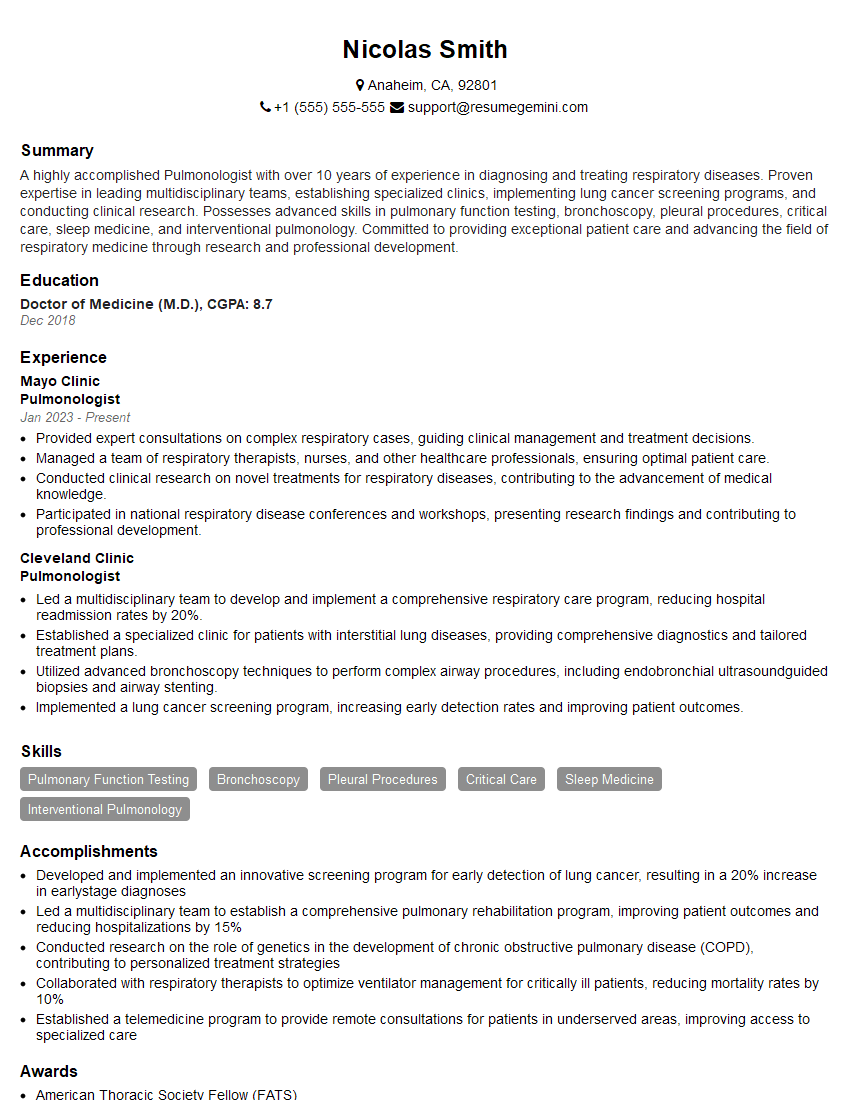
Pulmonologist Resume Sample
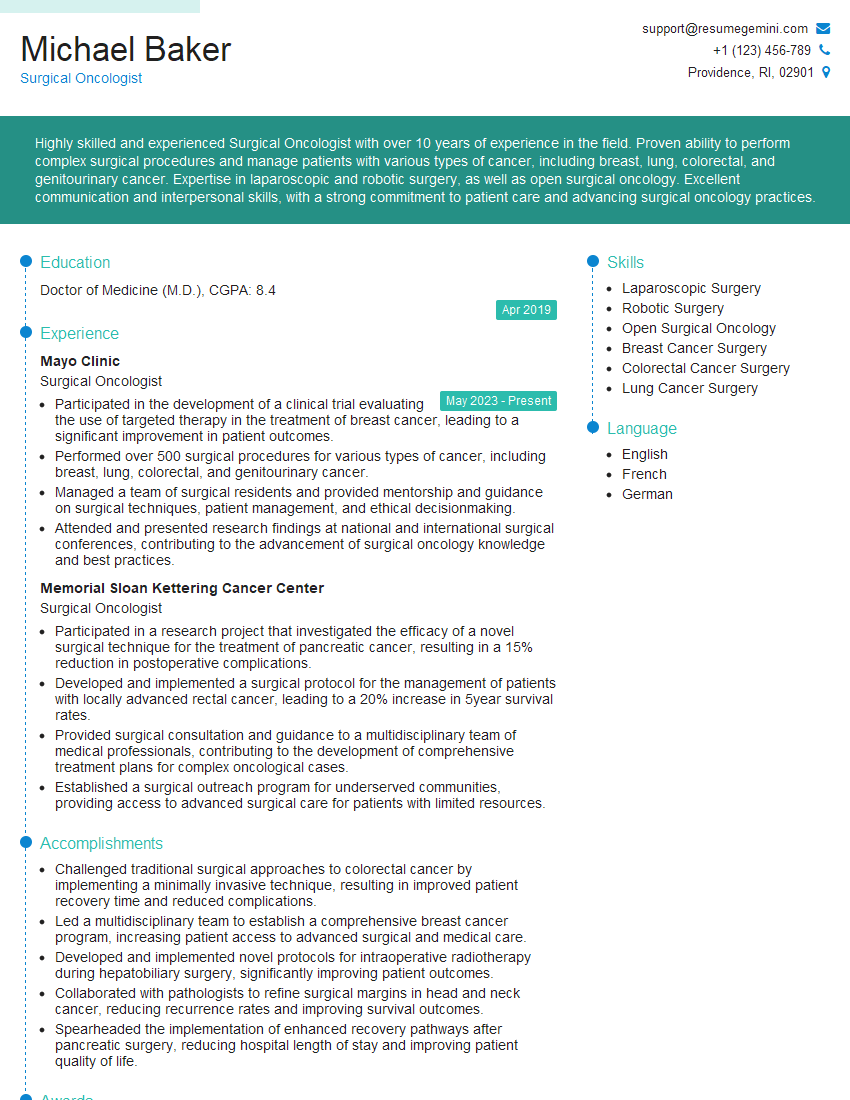
Surgical Oncologist Resume Sample
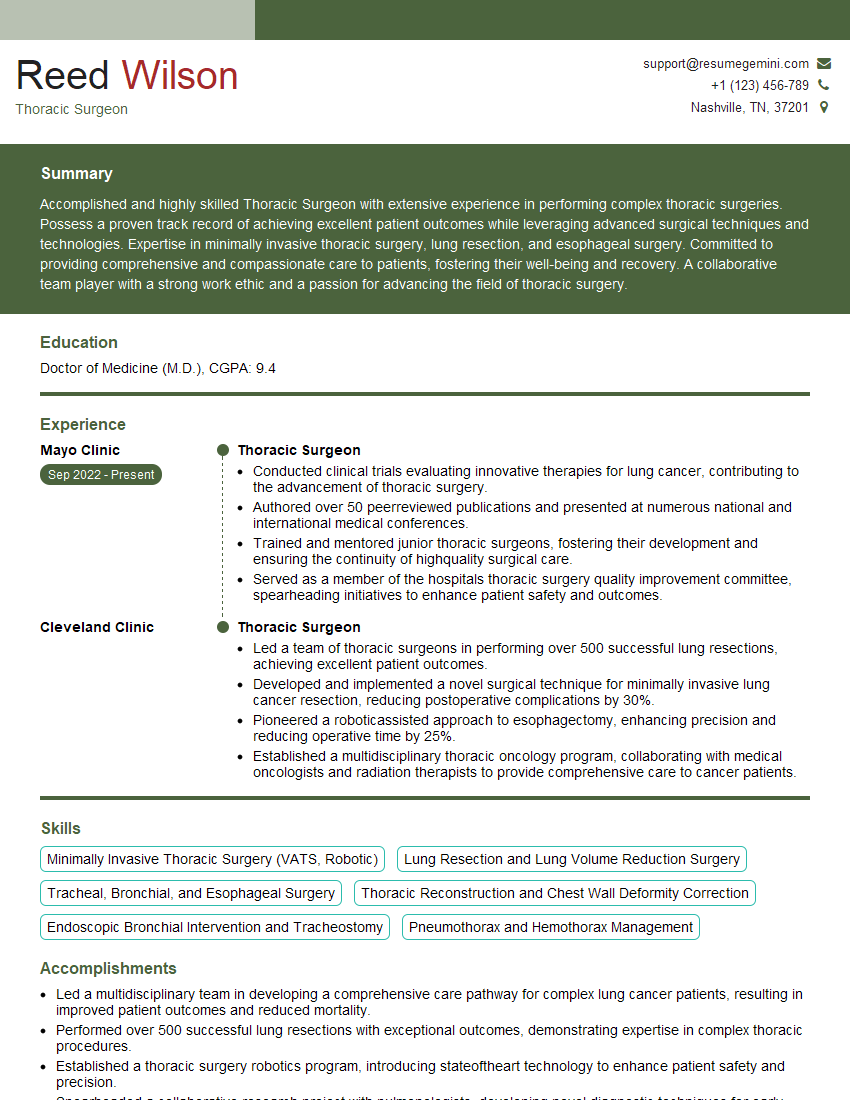
Thoracic Surgeon Resume Sample
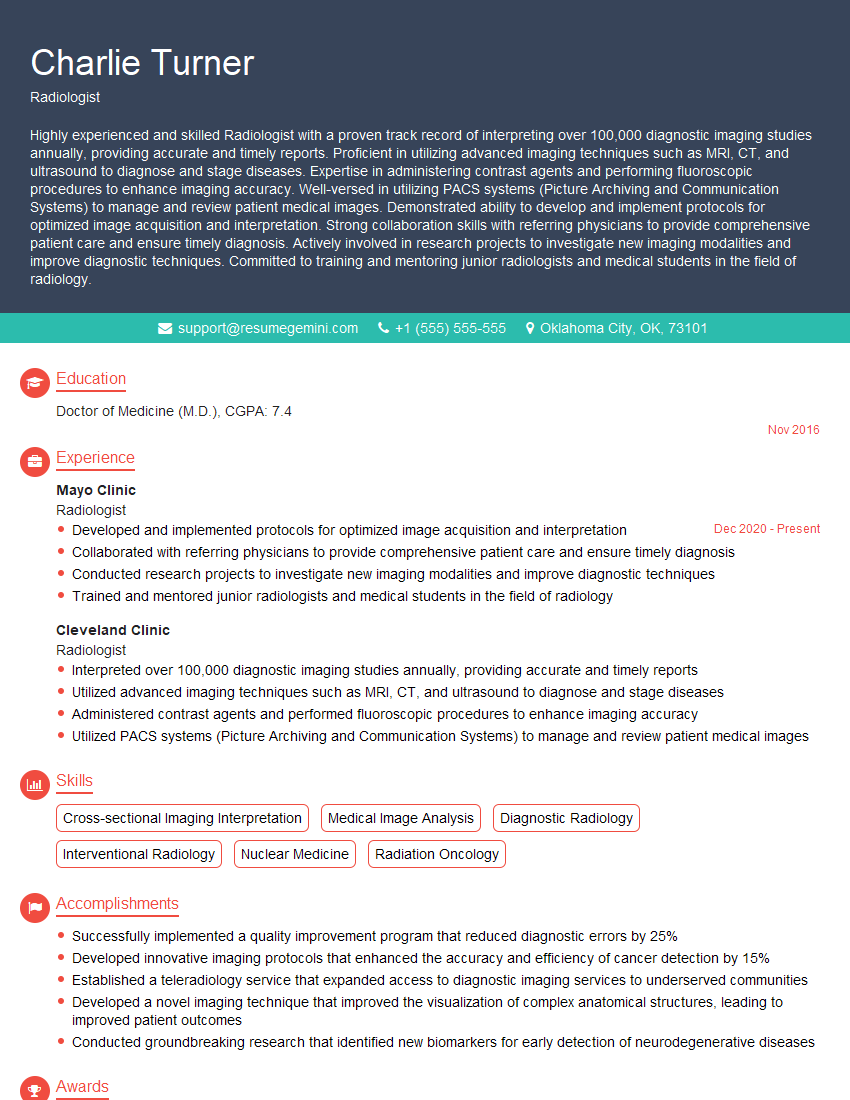
Radiologist Resume Sample
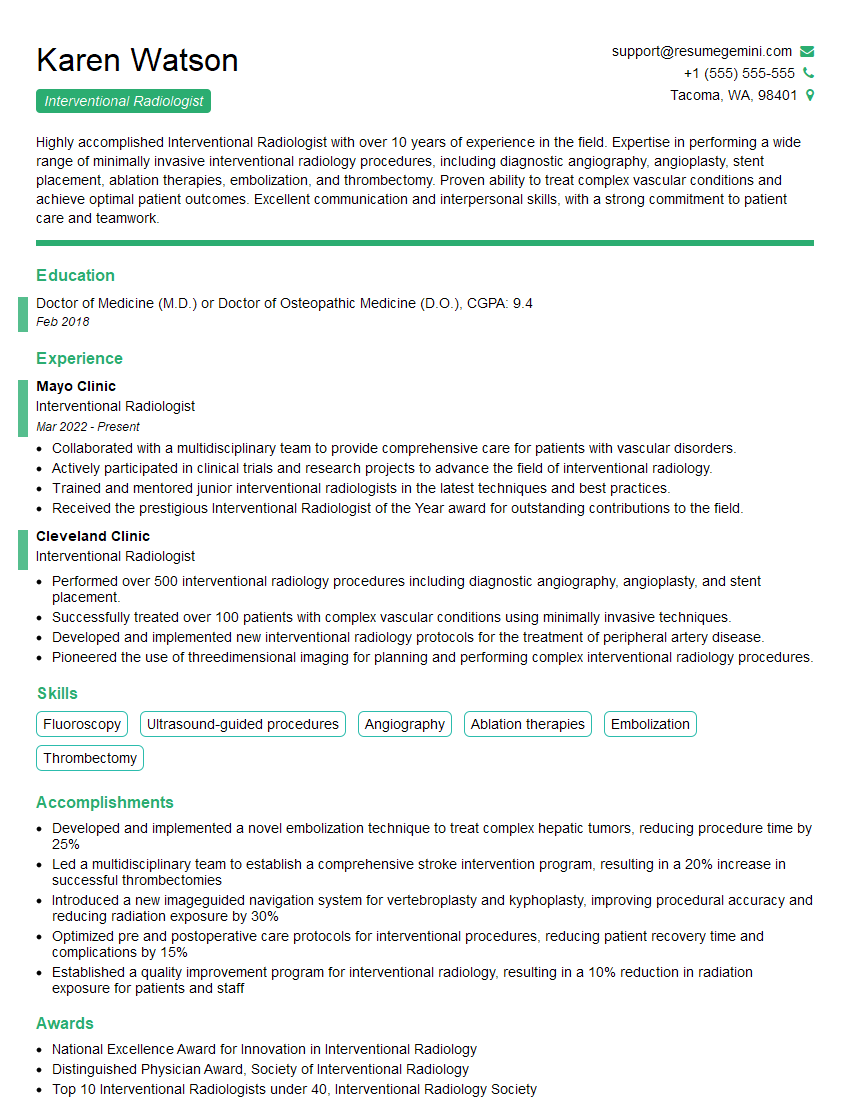
Interventional Radiologist Resume Sample
Explore more articles
Users Rating of Our Blogs
Share Your Experience
We value your feedback! Please rate our content and share your thoughts (optional).
What Readers Say About Our Blog
To the interviewgemini.com Webmaster.
Very helpful and content specific questions to help prepare me for my interview!
Thank you
To the interviewgemini.com Webmaster.
This was kind of a unique content I found around the specialized skills. Very helpful questions and good detailed answers.
Very Helpful blog, thank you Interviewgemini team.