Every successful interview starts with knowing what to expect. In this blog, we’ll take you through the top Thoracic Aortic Surgery interview questions, breaking them down with expert tips to help you deliver impactful answers. Step into your next interview fully prepared and ready to succeed.
Questions Asked in Thoracic Aortic Surgery Interview
Q 1. Describe your experience with aortic dissection repair techniques.
Aortic dissection repair requires a multifaceted approach tailored to the specific characteristics of the dissection, including its location, extent, and presence of complications. My experience encompasses both open and minimally invasive techniques. For acute type A dissections, the standard of care remains emergent open surgical repair, involving cardiopulmonary bypass (CPB) and deep hypothermic circulatory arrest (DHCA) for optimal visualization and repair of the aortic root and ascending aorta. This often includes replacing the diseased portion of the aorta with a prosthetic graft. For chronic type B dissections, a more conservative approach, possibly including endovascular stent grafting, is often preferred, unless there’s evidence of ongoing expansion or complications like rupture or malperfusion. I’ve successfully managed numerous cases employing both techniques, adapting my strategy to the individual patient’s anatomy and hemodynamic status. In complex cases, hybrid approaches, combining open and endovascular techniques, can be extremely effective.
For instance, I recall a patient with a complicated Stanford type A dissection involving the aortic arch. Using DHCA, we successfully replaced the ascending aorta and performed arch repair with a branched graft. Post-operatively, the patient made a full recovery. In another case, a patient with a chronic type B dissection and persistent pain was treated successfully with a thoracic endovascular aortic repair (TEVAR).
Q 2. Explain the different types of aortic aneurysms and their surgical management.
Aortic aneurysms are classified primarily by their location: thoracic (affecting the aorta in the chest) and abdominal (affecting the aorta in the abdomen). Thoracic aneurysms, the focus of my expertise, can be further categorized into aneurysms of the ascending aorta, aortic arch, descending aorta, and thoracoabdominal aorta. The surgical management depends on several factors, including aneurysm size, rate of expansion, location, associated symptoms (such as pain or dysphagia), and patient-specific comorbidities.
- Ascending Aorta Aneurysms: Often require open surgical repair with CPB, involving replacement of the diseased portion with a prosthetic graft.
- Aortic Arch Aneurysms: These are complex cases often requiring specialized techniques like elephant trunk repair or frozen elephant trunk repair, potentially combined with endovascular techniques.
- Descending Aorta Aneurysms: May be managed medically with close surveillance, or surgically with open repair or TEVAR, depending on the rate of growth and presence of complications.
- Thoracoabdominal Aneurysms: These extensive aneurysms often necessitate complex hybrid procedures or lengthy open repairs, requiring specialized expertise and careful perioperative management.
The choice between open and endovascular techniques is determined by a thorough risk-benefit analysis specific to each patient. Factors considered include the patient’s overall health, aneurysm characteristics, and the surgeon’s expertise with each technique.
Q 3. What are the indications for and contraindications against open versus minimally invasive aortic surgery?
The decision between open and minimally invasive (e.g., TEVAR) aortic surgery hinges on several factors. Open surgery offers direct visualization and precise repair but involves a larger incision, greater blood loss, and longer recovery. Minimally invasive techniques, such as TEVAR, use smaller incisions and less invasive approaches but may not be suitable for all anatomical situations or aneurysm types.
- Indications for Open Surgery: Complex aortic arch aneurysms, acute type A dissections, extensive thoracoabdominal aneurysms, aneurysms with significant comorbidities requiring open repair.
- Indications for Minimally Invasive Surgery (TEVAR): Chronic type B dissections, descending thoracic aneurysms suitable for endovascular access, patients with significant comorbidities who may not tolerate major open surgery.
- Contraindications for Open Surgery: Severe comorbidities rendering the patient unfit for major surgery.
- Contraindications for Minimally Invasive Surgery: Aneurysms with unsuitable anatomy for endovascular access (e.g., significant proximal aortic disease or inadequate landing zones), rapidly expanding aneurysms demanding immediate intervention where open surgery might be quicker.
Ultimately, a multidisciplinary team approach, involving cardiologists, anesthesiologists, and radiologists, is crucial in determining the optimal surgical strategy for each individual patient. The decision is always personalized and prioritized towards maximizing the patient’s long-term outcome and minimizing risks.
Q 4. How do you manage perioperative complications in thoracic aortic surgery?
Perioperative complications in thoracic aortic surgery are a significant concern, and meticulous planning and execution are crucial for minimizing their occurrence. Common complications include bleeding, stroke, spinal cord ischemia, renal failure, and infections. Management involves a proactive approach focusing on:
- Preoperative Optimization: Careful patient selection, thorough assessment of comorbidities, and optimization of medical conditions prior to surgery.
- Intraoperative Technique: Minimizing ischemic time, precise surgical technique, and vigilant monitoring of vital signs throughout the procedure.
- Postoperative Care: Intensive monitoring in a cardiac surgical ICU, aggressive fluid management, meticulous wound care, and prompt intervention for any emerging complications.
- Specific Complication Management: Stroke necessitates neurologic monitoring and potentially rehabilitation; spinal cord ischemia requires specialized management and monitoring of neurological function; renal failure may necessitate dialysis; bleeding may necessitate reoperation or interventional radiology procedures; infections are addressed with antibiotics and surgical debridement where necessary.
For example, maintaining normothermia and avoiding hypotension are crucial in reducing the risk of spinal cord ischemia. Prompt recognition of any signs of neurological compromise warrants immediate action. A multidisciplinary approach, involving neurologists, intensivists, and nephrologists as needed, is essential in managing these complications effectively.
Q 5. Discuss your experience with the use of circulatory support during complex aortic procedures.
Circulatory support plays a vital role in complex aortic procedures, helping to maintain hemodynamic stability and organ perfusion during periods of circulatory arrest or low flow states. My experience includes the use of various circulatory support devices such as:
- Cardiopulmonary Bypass (CPB): Provides temporary circulatory and respiratory support during open procedures.
- Intra-aortic Balloon Pump (IABP): Provides temporary circulatory support and improves myocardial blood flow, particularly helpful for patients with impaired cardiac function.
- Impella devices: These percutaneous ventricular assist devices provide support for left ventricular function and can be used in conjunction with CPB or as a standalone device.
- Extracorporeal Membrane Oxygenation (ECMO): Provides temporary cardiopulmonary support for patients with severe cardiogenic or respiratory failure.
The selection of appropriate circulatory support depends on the complexity of the procedure, the patient’s cardiac and pulmonary reserve, and the anticipated need for circulatory arrest or low flow periods. The use of these devices enhances the safety and feasibility of complex aortic procedures, enabling us to successfully manage patients with significant comorbidities.
For instance, in patients with very low cardiac output prior to aortic arch repair, the use of Impella may allow us to proceed with surgery that otherwise would be too risky. In a case of severe cardiogenic shock, ECMO can be crucial for stabilizing the patient during complex surgery.
Q 6. Explain the principles of hybrid approaches in thoracic aortic surgery.
Hybrid approaches combine open surgical techniques with endovascular interventions to treat complex aortic pathology. This approach leverages the strengths of both methods, allowing for targeted repair while minimizing the invasiveness associated with extensive open surgery. A classic example is the use of a hybrid technique for thoracoabdominal aortic aneurysms (TAAA).
In this approach, a portion of the aneurysm (often the distal part) is repaired endovascularly with a stent-graft, while the proximal portion, which might require more precise repair, is addressed via a smaller, less invasive open surgical approach. This minimizes the extensive dissection required in a total open TAAA repair, leading to shorter operating times, reduced blood loss, and potentially better patient outcomes. The planning and execution of a hybrid procedure necessitates meticulous preoperative imaging and planning, careful interdisciplinary collaboration, and a deep understanding of both open and endovascular techniques.
Another example is using TEVAR to treat a chronic type B dissection while simultaneously addressing a specific branch vessel occlusion through a minimally invasive open approach. This combination of techniques allows for comprehensive treatment of complex pathology with a less morbid approach compared to solely open surgery.
Q 7. What are your preferred methods for aortic graft selection and implantation?
Aortic graft selection and implantation are critical steps ensuring a successful outcome. The choice of graft material (e.g., Dacron, PTFE) and its configuration (e.g., tubular, branched, fenestrated) depends on the specific anatomical situation and the surgical technique employed. My preference is to use grafts that are biocompatible, durable, and appropriately sized for the patient’s anatomy.
- Graft Material: Dacron remains a mainstay, offering excellent durability and biocompatibility. PTFE (polytetrafluoroethylene) may be considered in specific circumstances.
- Graft Configuration: For simple ascending aortic aneurysms, a standard tubular graft suffices. For more complex situations involving the aortic arch, branched or fenestrated grafts are frequently utilized to ensure adequate perfusion to the major branch vessels.
- Graft Sizing: Precise sizing is essential to avoid kinking or tension on the graft, which can compromise the long-term durability of the repair. Preoperative imaging is invaluable in determining the appropriate graft size.
- Implantation Technique: The surgical technique must ensure precise anastomoses (connections) to avoid leaks and to ensure the graft is securely positioned to prevent issues like migration or kinking. Careful attention to details and meticulous surgical technique are paramount.
In cases involving the aortic arch, the use of branched or fenestrated grafts may necessitate specific techniques to ensure adequate perfusion to the cerebral and visceral arteries during the repair. My approach to graft implantation always prioritizes meticulous technique and close monitoring throughout the procedure and postoperative period.
Q 8. How do you assess and manage patients with acute type A aortic dissection?
Acute type A aortic dissection is a life-threatening condition requiring immediate surgical intervention. Assessment begins with a rapid clinical evaluation focusing on identifying signs of aortic rupture (severe chest pain radiating to the back, hypotension, neurological deficits). We immediately obtain a chest X-ray, transesophageal echocardiogram (TEE), and CT angiogram to confirm the diagnosis, delineate the extent of dissection, and assess for complications like malperfusion syndromes. Management involves immediate transfer to the operating room for surgical repair, typically involving replacement of the ascending aorta and aortic valve if involved. Preoperative stabilization focuses on blood pressure control with medications like sodium nitroprusside, aiming for a controlled reduction to avoid further dissection. We also address any organ malperfusion to ensure adequate blood flow to vital organs.
For instance, a patient presenting with sudden, excruciating chest pain, hypotension, and neurological deficits might undergo emergency surgery after the diagnostic imaging confirms a type A dissection involving the aortic valve. Surgical repair involves replacing the affected portion of the aorta, meticulously re-establishing the aortic valve function to ensure proper blood flow.
Q 9. Describe your approach to the surgical management of chronic type B aortic dissection.
Chronic type B aortic dissection, involving the descending aorta, often necessitates a more measured approach compared to type A. Initial management focuses on aggressive medical therapy to reduce blood pressure and shear stress on the aortic wall. We use beta-blockers and angiotensin-converting enzyme inhibitors (ACE inhibitors) to control blood pressure and reduce the risk of further dissection. Surgical intervention is considered when there’s evidence of progressive aortic enlargement, aneurysm formation, malperfusion syndromes, or intractable pain. Surgical approaches range from open repair involving a tube graft to endovascular repair using stent grafts. The choice depends on several factors, including the location, size, and shape of the dissection, as well as the patient’s overall health. A detailed patient history, meticulous physical examination, and advanced imaging including CT angiography are essential for deciding the best course of action.
An example might be a patient with a chronic type B dissection showing gradual aortic enlargement on serial imaging. We’d carefully monitor their condition medically initially. However, if the aortic diameter continues to increase beyond a certain threshold or if they develop complications like malperfusion, we would proceed with an endovascular repair, using a stent graft to reinforce the weakened aortic wall, potentially avoiding extensive open surgery.
Q 10. What are the key considerations in the perioperative management of patients with Marfan syndrome undergoing aortic surgery?
Patients with Marfan syndrome undergoing aortic surgery require specialized perioperative care due to their inherent connective tissue disorder. Preoperative assessment must include a thorough evaluation of their cardiovascular system, focusing on the size and morphology of the aorta, and the presence of other cardiovascular complications like mitral valve prolapse. We use detailed imaging (TEE, MRI) to plan the extent of the surgical repair accurately. The surgical approach may necessitate more extensive aortic replacement, sometimes involving a composite graft or procedures addressing the root of the aorta. Close monitoring of hemodynamics during and after surgery is crucial to avoid complications. Postoperative management includes careful hemodynamic support, along with rigorous management of pain and potential complications like bleeding, infection, and respiratory problems. Genetic counseling is important for family members.
For example, a young adult with Marfan syndrome and an enlarged ascending aorta would require a more extensive procedure than a typical aortic replacement might involve. This might necessitate a root replacement and potentially a simultaneous mitral valve repair. Close postoperative monitoring for potential complications is paramount given their predisposition to complications related to their connective tissue issues.
Q 11. Explain your understanding of the different types of aortic valve pathologies and their surgical treatment.
Aortic valve pathologies encompass a spectrum of diseases. Aortic stenosis, characterized by narrowing of the aortic valve orifice, restricts blood flow from the left ventricle. Aortic regurgitation involves the backflow of blood into the left ventricle during diastole. These conditions can be caused by degenerative changes, congenital defects (bicuspid aortic valve), or rheumatic heart disease. Surgical treatment for aortic stenosis typically involves aortic valve replacement (AVR), using a mechanical or biological prosthesis. For aortic regurgitation, AVR is usually the treatment of choice, especially when symptoms are present or the left ventricle is significantly affected.
Sometimes, valve-sparing procedures like aortic valve repair are feasible for specific conditions, particularly in younger patients to preserve native valve function. This might involve repairing the leaflets with annuloplasty to correct leaflet prolapse or valvuloplasty to address calcification in stenosis cases. Choosing between repair and replacement is based on a number of factors, including the severity of the disease, the patient’s age and overall health, and the surgical feasibility. An example would be a patient with severe aortic stenosis showing significant left ventricular hypertrophy, where AVR is the definitive treatment strategy.
Q 12. How do you manage patients with a combination of aortic and valvular disease requiring surgery?
Patients with combined aortic and valvular disease often require a comprehensive surgical approach. The strategy depends on the specific pathologies, severity, and the patient’s overall condition. A combined procedure, involving aortic root replacement or repair with simultaneous AVR, is frequently necessary. This often necessitates a longer operating time, and a more complex surgical reconstruction. Preoperative planning, including a thorough assessment of the heart and aorta using advanced imaging techniques, is essential to optimize the surgical strategy. The surgical approach can significantly impact the outcome; careful attention must be paid to preserving the coronary arteries during aortic root surgery, and the use of cardiopulmonary bypass is typically needed for these extensive surgeries.
For instance, a patient with aortic dissection involving the aortic root and significant aortic stenosis would undergo a combined procedure, often involving replacement of the aortic root and the aortic valve. The surgical plan would be tailored around the individual case, optimizing the replacement techniques used and any necessary additional interventions.
Q 13. What is your experience with endovascular aortic repair (EVAR) and its limitations?
Endovascular aortic repair (EVAR) is a minimally invasive technique used to treat aneurysms and dissections of the aorta, especially in the thoracic and abdominal regions. It involves deploying a stent-graft via a catheter, placing it within the aorta to exclude the aneurysm or dissection from the circulation. My experience encompasses a wide range of EVAR cases, including thoracic and abdominal aneurysms and dissections. This technique offers several advantages over open surgery, including smaller incisions, reduced blood loss, shorter hospital stays, and faster recovery times. However, EVAR has limitations. Not all patients are suitable candidates for EVAR due to aortic anatomy, vessel calcification, or other factors that may make stent-graft deployment challenging or risky. Also, long-term follow-up is essential due to the risk of endoleaks (blood leakage around the stent-graft), stent-graft migration, or other complications requiring further intervention.
For example, a patient with a relatively simple abdominal aortic aneurysm, suitable anatomy, and no significant comorbidities is an ideal candidate for EVAR. However, a patient with a complex thoracic aortic dissection with significant branch vessel involvement might not be suitable, and open surgery may be necessary.
Q 14. How do you assess the suitability of a patient for EVAR versus open aortic repair?
The decision of whether to perform EVAR versus open aortic repair hinges on several critical factors. Patient-specific considerations include age, overall health, comorbidities, and the anatomy of the aorta. Detailed imaging (CT angiography, MRI) is essential to assess the suitability for EVAR, focusing on aneurysm size, morphology, and the presence of suitable landing zones for the stent-graft. If the anatomy is favorable for stent-graft deployment and the patient’s health permits, EVAR might be preferred due to its less invasive nature. However, open repair remains the gold standard for complex cases, including those with challenging anatomy, significant comorbidities, or the need for concomitant procedures. Thorough risk assessment, taking into account both the surgical risks and potential complications of each approach, guides the final decision, always prioritizing patient safety and long-term outcomes.
To illustrate, a patient with a relatively simple, small abdominal aortic aneurysm and good overall health would be a better candidate for EVAR. Conversely, a patient with a complex thoracic aortic dissection with multiple branch vessels involved, or a patient with significant comorbidities, might be better suited for open repair.
Q 15. Describe your experience with transcatheter aortic valve implantation (TAVI) in aortic valve disease.
Transcatheter aortic valve implantation (TAVI) is a minimally invasive procedure used to replace a diseased aortic valve. My experience encompasses a wide range of cases, from patients with severe aortic stenosis who are at high surgical risk to those with bicuspid aortic valve disease. I’ve been involved in all aspects of TAVI, from patient selection and pre-procedural planning using advanced imaging (CT, MRI, TEE) to performing the procedure itself and managing post-procedural care. A key element of my practice involves careful assessment of each patient’s anatomy to determine the optimal valve size and delivery approach. For instance, I recently successfully performed a TAVI in a patient with a severely calcified aortic annulus and significant tortuosity of the access vessels, requiring a specialized delivery system and meticulous technique. Successful outcomes depend on precise deployment, minimizing paravalvular leak, and careful hemodynamic monitoring. Post-procedure, I focus on early mobilization, pain management, and close monitoring for complications like bleeding, stroke, or conduction disturbances.
Career Expert Tips:
- Ace those interviews! Prepare effectively by reviewing the Top 50 Most Common Interview Questions on ResumeGemini.
- Navigate your job search with confidence! Explore a wide range of Career Tips on ResumeGemini. Learn about common challenges and recommendations to overcome them.
- Craft the perfect resume! Master the Art of Resume Writing with ResumeGemini’s guide. Showcase your unique qualifications and achievements effectively.
- Don’t miss out on holiday savings! Build your dream resume with ResumeGemini’s ATS optimized templates.
Q 16. Discuss your experience with the management of post-operative complications, such as bleeding, infection, and organ dysfunction.
Post-operative complications in thoracic aortic surgery are a serious concern. Managing bleeding involves meticulous surgical technique during the procedure, followed by close monitoring of hemoglobin levels and careful attention to any signs of bleeding at the incision site or from other sources. Early identification of bleeding is crucial. If significant bleeding occurs, we may need blood transfusions, interventional radiology procedures to embolize bleeding vessels, or even return to the operating room for surgical repair. Infection is managed proactively with prophylactic antibiotics, meticulous surgical technique, and careful monitoring for signs of infection such as fever, wound drainage, and leukocytosis. Treatment for infection may range from intravenous antibiotics to surgical debridement and drainage. Organ dysfunction, particularly renal failure or respiratory failure, requires aggressive supportive care including dialysis, respiratory support (mechanical ventilation), and management of fluid balance and electrolyte abnormalities. A multidisciplinary approach, involving intensivists, nephrologists, and pulmonologists, is essential in these complex cases. For example, in one case, a patient developed acute kidney injury post-surgery. We promptly initiated dialysis, closely monitored fluid balance, and adjusted medications to support renal function, resulting in a successful recovery.
Q 17. How do you manage a patient who experiences a stroke during aortic surgery?
A stroke during aortic surgery is a devastating complication, and immediate action is paramount. The initial step is to stabilize the patient’s vital signs and neurologic status. We then initiate immediate neurologic assessment, including CT scan of the brain to identify the extent of the stroke. Neurointerventional consultation is crucial to assess the possibility of mechanical thrombectomy or other interventions to restore blood flow to the affected area. The patient’s neurological status is carefully monitored, and supportive therapies are implemented as needed. This can include management of cerebral edema, prevention of further complications, and initiation of rehabilitation therapy at the appropriate time. The cause of the stroke is thoroughly investigated, including assessing for emboli, dissection, or other vascular events. Long-term management may involve antiplatelet or anticoagulant therapy to prevent recurrence. Every effort is made to minimize long-term disability. We approach every case with a tailored strategy informed by the patient’s unique presentation, the location of the stroke, and the extent of neurological deficit.
Q 18. What are the key elements of postoperative care in thoracic aortic surgery?
Postoperative care in thoracic aortic surgery is multi-faceted and crucial for patient recovery. It begins in the intensive care unit (ICU) with close monitoring of vital signs, hemodynamic parameters, and organ function. Pain management is crucial and usually involves a multimodal approach. We focus on early mobilization to prevent complications like pneumonia and deep vein thrombosis (DVT). We use prophylactic anticoagulation to reduce the risk of DVT. We monitor for signs of infection, bleeding, and organ dysfunction. Respiratory support, including mechanical ventilation, may be required. Nutritional support, often involving enteral or parenteral nutrition, is vital for healing. As the patient stabilizes, they are transferred from the ICU to a regular ward for continued monitoring and rehabilitation. A gradual and personalized approach to weaning from mechanical ventilation, resuming oral intake, and initiating physical therapy is implemented. Regular follow-up appointments and imaging studies are essential for long-term monitoring.
Q 19. How do you monitor patients after thoracic aortic surgery to detect potential complications?
Monitoring for post-thoracic aortic surgery complications involves a comprehensive approach. Continuous monitoring in the ICU includes vital signs, electrocardiography (ECG), arterial blood pressure, and central venous pressure. Regular blood tests assess organ function (kidneys, liver), electrolyte levels, and signs of infection (complete blood count, inflammatory markers). Chest X-rays and echocardiograms are frequently performed to assess lung function and cardiac status. Neurological examinations are crucial to detect strokes or other neurological events. Ultrasound is used to monitor for deep vein thrombosis and other vascular complications. Close monitoring of the incision site is essential to detect infection or bleeding. The frequency of monitoring depends on the patient’s clinical status, but diligent observation and proactive investigation remain paramount in identifying and addressing potential problems promptly. For instance, a subtle change in the patient’s urine output might indicate early renal dysfunction, which we would investigate immediately with blood tests and imaging.
Q 20. Describe your experience with using various imaging modalities (CT, MRI, TEE) in preoperative planning for thoracic aortic surgery.
Preoperative imaging is critical for planning thoracic aortic surgery. Computed tomography (CT) angiography provides detailed three-dimensional images of the aorta and its branches, allowing for accurate assessment of the aneurysm size, location, and morphology, as well as the presence of any associated pathologies. Magnetic resonance imaging (MRI) provides excellent soft tissue contrast and can be used to assess the aortic wall thickness and identify any potential complications. Transesophageal echocardiography (TEE) is useful for evaluating the aortic valve, left ventricular function, and any potential intracardiac thrombi. The integration of information from these three modalities allows for a precise surgical plan, tailoring the approach to the patient’s unique anatomy and identifying potential challenges. For example, a patient with a complex aortic dissection might require MRI to delineate the extent of the dissection and CT angiography to plan for optimal surgical access and graft placement. Using this comprehensive imaging approach enables us to optimize surgical strategy, reduce operative time, and improve patient outcomes.
Q 21. How do you assess and manage patient risk factors associated with thoracic aortic surgery?
Thoracic aortic surgery carries significant risks, and careful assessment of patient risk factors is essential for optimizing outcomes. This involves a thorough evaluation of the patient’s cardiac, pulmonary, renal, and neurological function. Pre-operative testing includes electrocardiogram (ECG), echocardiogram, chest X-ray, blood tests (including coagulation profile), and assessment of renal function. We assess the patient’s overall frailty and comorbidities like diabetes, hypertension, and chronic obstructive pulmonary disease (COPD), as these significantly impact surgical risk. Smoking, obesity, and family history of aortic disease are additional risk factors. We use validated risk prediction tools to estimate perioperative risk. Depending on the patient’s risk profile, we may optimize their medical condition before surgery, address any treatable comorbidities, and plan for appropriate perioperative management. This may involve optimizing blood pressure, improving cardiac function, and addressing any respiratory issues. A shared decision-making approach involving the patient and their family is integral to ensuring that the best course of action is determined considering the risks and potential benefits of surgery.
Q 22. What is your understanding of the role of genetic testing in patients with thoracic aortic disease?
Genetic testing plays a crucial role in the management of thoracic aortic disease. Many cases are linked to genetic disorders affecting connective tissue, such as Marfan syndrome, Loeys-Dietz syndrome, and familial thoracic aortic aneurysm and dissection (FTAAD). Identifying these genetic predispositions is critical for several reasons.
- Risk stratification: Knowing the genetic cause allows for better prediction of disease progression and the likelihood of future events like aortic dissection or rupture. This informs the frequency and intensity of surveillance imaging (e.g., CT scans, MRIs).
- Family screening: Positive genetic testing allows for proactive screening of family members, enabling early diagnosis and intervention in those at risk. This is vital as many of these conditions are hereditary.
- Treatment decisions: While not a direct guide to treatment, genetic information helps tailor treatment plans. For instance, certain genetic mutations may suggest a higher risk of complications during surgery, influencing the surgical approach.
- Prognosis: Genetic testing, combined with clinical findings, can aid in predicting long-term outcomes, helping patients and their families make informed decisions about lifestyle and family planning.
For example, a patient with a known family history of Marfan syndrome and a positive genetic test result will undergo more frequent aortic imaging and may require prophylactic surgery at a younger age than a patient without such a family history or genetic confirmation.
Q 23. How do you counsel patients about the risks and benefits of thoracic aortic surgery?
Counseling patients about thoracic aortic surgery is a delicate process requiring empathy and clear communication. I always begin by acknowledging the anxieties associated with such a significant procedure. The discussion is broken down into several key parts:
- Explanation of the condition: I explain the patient’s specific aortic pathology in clear terms, using analogies when appropriate. For instance, I might compare the weakened aorta to a worn-out tire, emphasizing the risk of rupture.
- Surgical options: We explore the available surgical options, including the type of graft to be used and the potential approaches (open vs. minimally invasive). I explain the pros and cons of each option based on their individual anatomy and risk factors.
- Risks and benefits: A detailed explanation of the potential risks is provided, including stroke, spinal cord injury, bleeding, infection, and death. The potential benefits – improved survival and reduced risk of life-threatening complications – are also discussed. I emphasize that these are potential risks, not guarantees.
- Recovery process: A realistic description of the recovery period is given, addressing pain management, physical therapy, and potential limitations. I also discuss follow-up care and the need for regular monitoring.
- Alternative treatments: If applicable, alternative treatments, such as medical management with blood pressure control medication, are also discussed and compared to surgical intervention.
The goal is to empower the patient to make an informed decision, ensuring they fully understand the potential implications of both proceeding with surgery and choosing to delay or forgo it. Open dialogue and answering their questions honestly are essential.
Q 24. What are your strategies for minimizing surgical complications and improving patient outcomes?
Minimizing surgical complications and improving outcomes in thoracic aortic surgery is a multi-faceted endeavor. Our strategies encompass:
- Preoperative optimization: This includes meticulous patient evaluation to identify and manage risk factors such as hypertension, renal dysfunction, and bleeding disorders. We optimize the patient’s overall health before surgery to reduce perioperative complications.
- Minimally invasive techniques: Where appropriate, we utilize minimally invasive approaches to reduce trauma, blood loss, and shorten recovery times. This involves smaller incisions, less tissue dissection, and often the use of specialized tools and technology.
- Advanced imaging and planning: Three-dimensional CT scans and other advanced imaging techniques allow us to develop a detailed surgical plan, anticipate potential challenges, and tailor the procedure to the individual patient’s anatomy.
- Specialized surgical techniques: Utilizing advanced surgical techniques like circulatory arrest and hypothermic circulatory arrest (if appropriate for the condition) minimizes the time the body is without blood flow, decreasing the risk of organ damage.
- Postoperative care: Postoperative care is crucial and includes aggressive pain management, careful monitoring of organ function, and timely intervention for any complications.
- Multidisciplinary approach: Aortic surgery often requires a multidisciplinary team of cardiologists, anesthesiologists, perfusionists, and specialized nurses. Effective teamwork improves communication and coordination, leading to better outcomes.
For example, using a hybrid approach, combining open and endovascular techniques allows for targeted repair of the aorta with reduced invasiveness and improved results in selected patients.
Q 25. Describe your approach to managing a challenging or unexpected surgical situation during a thoracic aortic procedure.
Managing unexpected surgical situations requires rapid assessment, decisive action, and a calm, methodical approach. Our response depends on the nature of the complication. For example:
- Significant bleeding: Immediate steps include controlling the bleeding source, often through direct surgical pressure or the use of specialized surgical techniques and possibly blood transfusion.
- Aortic rupture: Rapid mobilization of the surgical team, potentially including additional specialists, is crucial. Aortic clamping and repair techniques are immediately initiated, prioritizing immediate stabilization of the patient.
- Stroke or spinal cord injury: Neurosurgical consultation is immediately sought. Treatment focuses on neuroprotective measures, including stabilizing the patient and appropriate medical management.
- Technical difficulties: If faced with unexpected anatomical variations or technical challenges, we may need to adapt our approach, using alternative surgical techniques or devices. Open communication with the surgical team and the patient’s family is vital during such events.
Throughout these challenges, maintaining a calm demeanor and clear communication within the surgical team is vital. A step-by-step approach, prioritizing stabilization and addressing the immediate life-threatening issues, guides our response.
Q 26. How do you stay current with the latest advancements and techniques in thoracic aortic surgery?
Staying current in thoracic aortic surgery requires a continuous commitment to learning. My strategies include:
- Participation in professional organizations: Active membership in organizations like the Society of Thoracic Surgeons (STS) allows me to attend conferences, read peer-reviewed journals, and network with other experts.
- Continuing medical education: I consistently participate in continuing medical education (CME) activities, including courses and workshops on advanced surgical techniques, new technologies, and the latest research findings.
- Review of literature: Regularly reviewing medical literature, including high-impact journals, helps me stay abreast of the latest research on aortic diseases, surgical approaches, and patient outcomes.
- Collaboration and mentorship: I actively collaborate with colleagues and participate in mentorship programs to share knowledge and experience, learning from the successes and challenges of others.
- Case reviews and presentations: Regular case reviews and presentations at departmental and national meetings facilitate discussion and critical analysis of surgical techniques and outcomes.
Staying up-to-date ensures I can provide my patients with the best possible care using the most effective and safest techniques available.
Q 27. What is your experience with aortic root replacement techniques?
My experience with aortic root replacement techniques encompasses a wide range of procedures. I am proficient in both traditional open surgical techniques and minimally invasive approaches. These techniques include:
- David procedure: This involves replacing the aortic valve and the ascending aorta with a composite graft.
- Bentall procedure: This involves replacing the aortic valve and the ascending aorta with separate grafts.
- Cabrol procedure: This is a technique used in cases where only the aortic valve needs to be replaced.
- Minimally invasive aortic root replacement: This technique involves smaller incisions and often utilizes specialized instruments and techniques to reduce trauma and improve patient recovery.
The choice of technique is highly individualized and depends on factors such as the patient’s age, anatomy, and the extent of the aortic involvement. Careful preoperative planning and the selection of the appropriate graft are crucial for successful outcomes. My experience spans all of these techniques with consistent attention to detail and personalized patient care.
Q 28. Describe your experience in managing patients with bicuspid aortic valve and associated aortic dilation.
Bicuspid aortic valve (BAV) is a common congenital heart defect where the aortic valve has only two leaflets instead of three. Patients with BAV often develop aortic dilation and are at increased risk of aortic dissection and rupture. Managing these patients requires a comprehensive approach:
- Careful monitoring: Regular echocardiograms and CT or MRI scans are crucial to monitor aortic size and valve function. The frequency of imaging depends on the rate of aortic dilation.
- Medical management: Medical management focuses on blood pressure control using medications to minimize the strain on the aorta. Careful consideration of potential drug interactions is critical.
- Surgical intervention: Surgical intervention may be necessary if the aortic dilation progresses rapidly or reaches a critical size. The procedure might involve valve repair or replacement, along with aortic root replacement or repair as needed.
- Genetic counseling: Genetic testing may be considered to identify potential familial predispositions and to counsel family members regarding their risk.
The management strategy for patients with BAV and aortic dilation requires a balance between careful surveillance and timely intervention, tailored to the individual patient’s unique needs and disease progression. The goal is to prevent the potentially life-threatening complications of aortic dissection or rupture.
Key Topics to Learn for Thoracic Aortic Surgery Interview
- Aortic Dissection: Understanding the different types (Stanford classification), pathophysiology, and diagnostic approaches (imaging modalities, clinical presentation).
- Aortic Aneurysms: Differentiating between different aneurysm types (e.g., ascending, descending, thoracoabdominal), risk stratification, and surgical indications.
- Surgical Techniques: Familiarity with open and minimally invasive techniques (e.g., endovascular repair, hybrid procedures), including their advantages, limitations, and patient selection criteria.
- Preoperative Planning and Assessment: Mastering the importance of comprehensive patient evaluation, including cardiac assessment, risk factor analysis, and the selection of appropriate imaging modalities.
- Postoperative Management: Understanding potential complications (e.g., stroke, paraplegia, renal failure), their management, and strategies for optimizing patient outcomes.
- Anesthesia Considerations: Awareness of the unique challenges associated with anesthesia in thoracic aortic surgery, including hemodynamic management and organ protection.
- Hybrid Techniques and Endovascular Repair: Understanding the role and application of endovascular techniques in the management of thoracic aortic disease, including device selection and post-procedural surveillance.
- Trauma and Aortic Injury: Knowledge of the management of acute traumatic aortic injury, including both surgical and endovascular approaches.
- Current Research and Advances: Staying abreast of the latest advancements in surgical techniques, materials, and patient management strategies, including emerging technologies and research findings.
- Problem-Solving and Critical Thinking: Developing the ability to analyze complex clinical scenarios, identify potential complications, and formulate appropriate management plans.
Next Steps
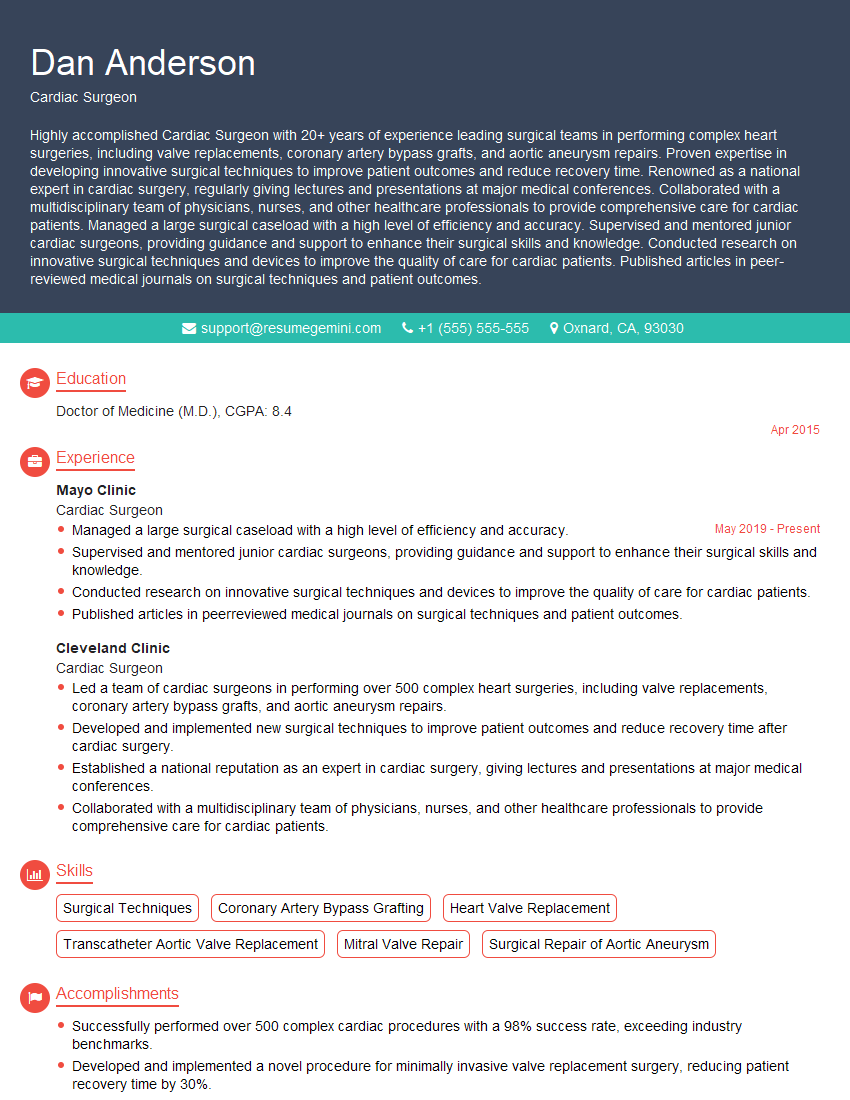
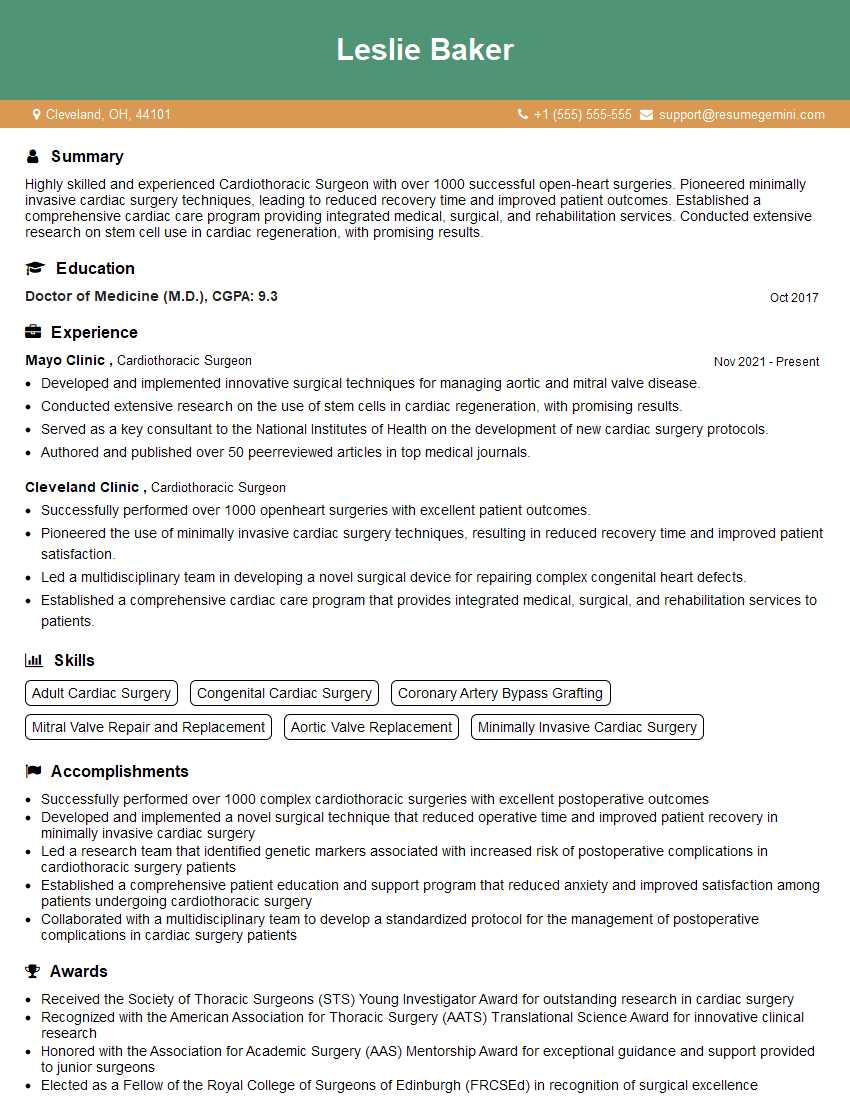
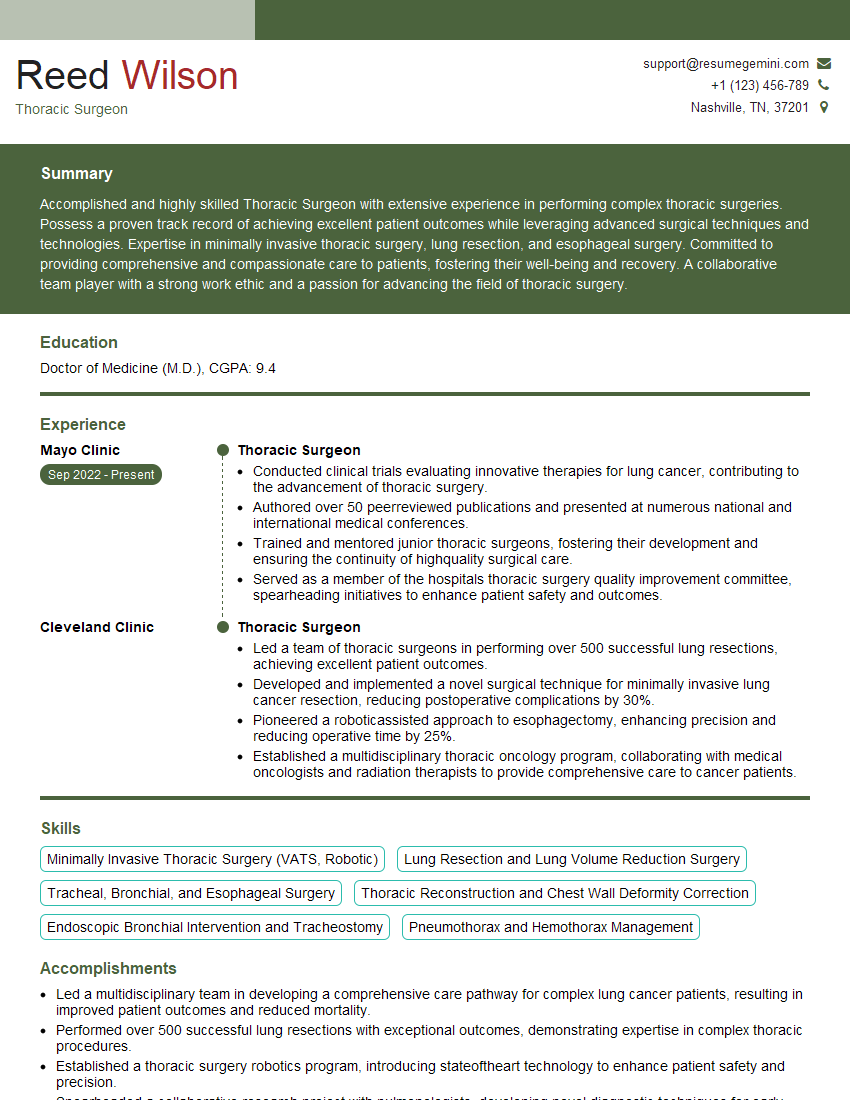
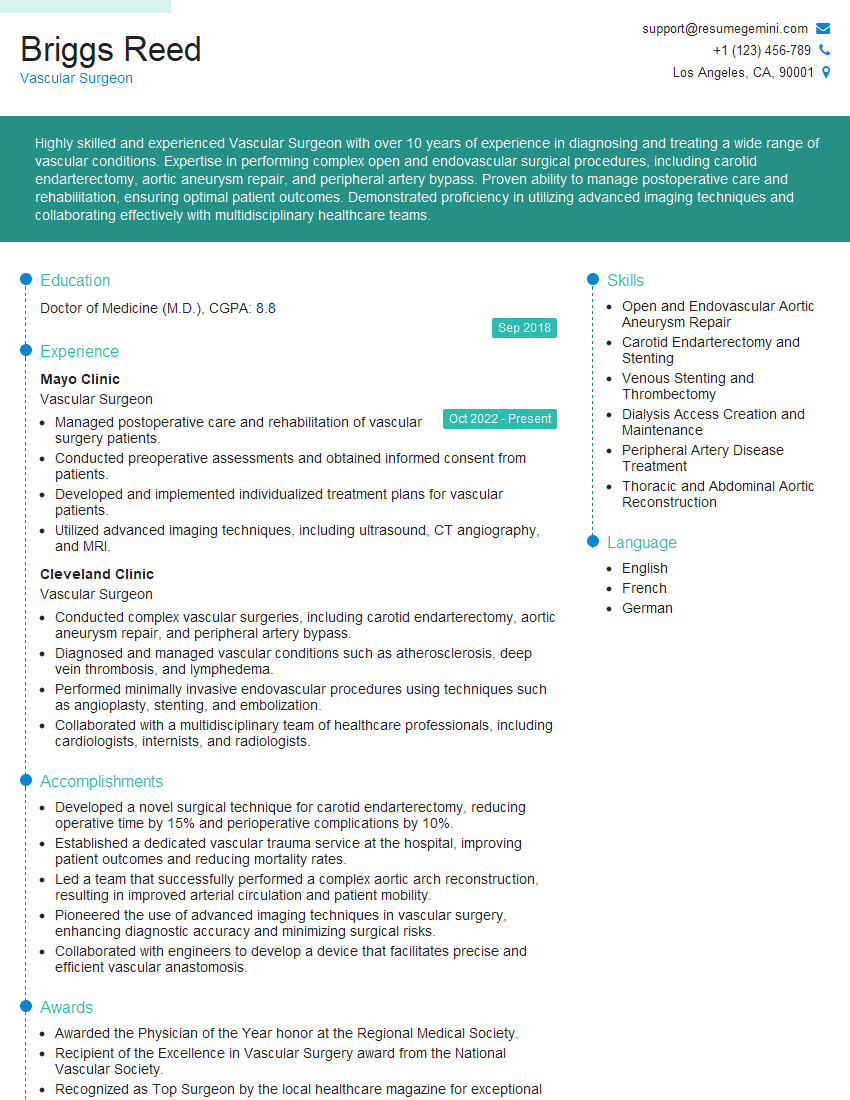
Mastering Thoracic Aortic Surgery is crucial for career advancement in cardiovascular surgery, opening doors to specialized fellowships and leadership roles. A strong resume is essential for showcasing your skills and experience to potential employers. Creating an ATS-friendly resume increases your chances of getting your application noticed. To enhance your resume-building experience, we highly recommend using ResumeGemini. ResumeGemini offers a powerful platform to craft a professional and effective resume. Examples of resumes tailored specifically to Thoracic Aortic Surgery are available to guide you. Invest in your future; invest in your resume.
Explore more articles
Users Rating of Our Blogs
Share Your Experience
We value your feedback! Please rate our content and share your thoughts (optional).
What Readers Say About Our Blog
To the interviewgemini.com Webmaster.
Very helpful and content specific questions to help prepare me for my interview!
Thank you
To the interviewgemini.com Webmaster.
This was kind of a unique content I found around the specialized skills. Very helpful questions and good detailed answers.
Very Helpful blog, thank you Interviewgemini team.