Cracking a skill-specific interview, like one for Chemistry and Water Treatment, requires understanding the nuances of the role. In this blog, we present the questions you’re most likely to encounter, along with insights into how to answer them effectively. Let’s ensure you’re ready to make a strong impression.
Questions Asked in Chemistry and Water Treatment Interview
Q 1. Explain the process of coagulation and flocculation in water treatment.
Coagulation and flocculation are crucial steps in water treatment designed to remove suspended solids and other impurities. Think of it like cleaning a muddy pond – we need to clump the mud together before we can easily remove it.
Coagulation involves adding a chemical coagulant, such as alum (aluminum sulfate) or ferric chloride, to the water. These coagulants neutralize the electrical charges on the suspended particles, allowing them to come closer together. Imagine the mud particles as tiny magnets, all repelling each other. The coagulant neutralizes their ‘magnetism,’ letting them get close enough to stick.
Flocculation is the subsequent process where the destabilized particles clump together to form larger, heavier aggregates called flocs. This is often achieved by gentle mixing to encourage collision and aggregation. These flocs are large enough to settle out of the water during sedimentation. It’s like gently stirring the muddy water to help the clumps grow bigger and heavier.
In essence, coagulation destabilizes the particles, and flocculation facilitates their aggregation into removable flocs. The effectiveness of these processes depends on factors like water temperature, pH, and the type and concentration of coagulants used. Proper control of these factors is essential for efficient removal of suspended solids.
Q 2. Describe different types of water filtration methods and their applications.
Water filtration employs several methods to remove impurities. The choice depends on the specific contaminants and the desired water quality. Let’s explore a few common types:
- Slow Sand Filtration: This traditional method uses a bed of sand to filter water. It’s effective for removing suspended solids and some bacteria, but it’s relatively slow and requires large land areas. Think of it as naturally filtering water through a layer of earth.
- Rapid Sand Filtration: A faster alternative, rapid sand filtration utilizes coarser sand and gravel layers, along with chemical pretreatment (coagulation and flocculation) to enhance efficiency. It’s widely used in municipal water treatment plants.
- Membrane Filtration: This includes microfiltration, ultrafiltration, nanofiltration, and reverse osmosis. These methods use membranes with progressively smaller pore sizes to remove various contaminants, from suspended particles to dissolved salts and organic molecules. Reverse osmosis is especially effective for removing dissolved solids and producing high-quality drinking water. Imagine it as a sieve with incredibly tiny holes.
- Activated Carbon Filtration: Activated carbon adsorbs many organic compounds, chlorine, and other impurities. This method is valuable for improving taste, odor, and removing specific contaminants. This is like using a sponge to absorb unwanted substances from the water.
The selection of filtration method depends on the quality of the raw water, the desired effluent quality, and cost considerations. For instance, a community might use a combination of slow sand filtration and activated carbon to produce potable water from a relatively clean source, while a municipality might employ rapid sand filtration and membrane filtration for treating heavily contaminated water.
Q 3. What are the common chemical disinfectants used in water treatment, and their advantages and disadvantages?
Several chemical disinfectants are used to eliminate harmful microorganisms in water. Each has its advantages and drawbacks:
- Chlorine (Cl2): Widely used due to its effectiveness, affordability, and residual effect. However, it can form disinfection byproducts (DBPs) like trihalomethanes (THMs), which are potential carcinogens. The amount of chlorine used needs careful monitoring.
- Chloramine (NH2Cl): A combination of chlorine and ammonia, offering a longer-lasting residual disinfectant than chlorine alone. It forms fewer DBPs but can be less effective against some microorganisms and may react with lead pipes increasing lead leaching.
- Chlorine Dioxide (ClO2): A powerful disinfectant that doesn’t form THMs. However, it’s more expensive than chlorine and requires specialized handling. It is very effective against Cryptosporidium and Giardia.
- Ozone (O3): A strong oxidant that effectively kills pathogens without leaving significant DBPs. However, it’s less stable than chlorine and has no residual disinfection effect, requiring a secondary disinfectant like chlorine.
- Ultraviolet (UV) Radiation: A physical disinfection method using UV light to damage the DNA of microorganisms. It’s effective but doesn’t leave a residual disinfectant.
The choice of disinfectant depends on the water quality, regulatory requirements, cost, and the desired level of disinfection. For example, chlorine is commonly used for its cost-effectiveness in large-scale treatment plants, while ozone might be chosen for a smaller facility with stricter DBP regulations.
Q 4. How do you monitor and control pH levels in water treatment?
pH control is crucial in water treatment as it impacts the efficiency of various processes, including coagulation, disinfection, and corrosion control. It’s monitored and controlled using several methods:
Monitoring: pH is continuously monitored using a pH meter, which measures the hydrogen ion concentration. Regular sampling and analysis confirm the accuracy of the meter.
Control: pH is adjusted using chemicals like lime (calcium hydroxide) to increase pH (make it more alkaline) or acid (sulfuric acid or hydrochloric acid) to decrease pH (make it more acidic). The amount of chemical added depends on the initial pH and the desired target pH. This is often automated using a feedback control system, which automatically adjusts the chemical dosage based on the measured pH value.
Maintaining the optimal pH range (typically between 6.5 and 8.5 for drinking water) ensures efficient water treatment and prevents corrosion or scaling in pipes.
Q 5. Explain the importance of dissolved oxygen (DO) levels in water treatment.
Dissolved oxygen (DO) is the amount of oxygen gas dissolved in water. It plays a critical role in water treatment and the overall aquatic environment.
In Water Treatment: Adequate DO is crucial for aerobic biological treatment processes like activated sludge treatment, where microorganisms require oxygen to break down organic matter. Low DO can lead to anaerobic conditions, resulting in the production of unpleasant odors and harmful byproducts. In addition, DO levels affect the efficiency of some disinfection processes.
Monitoring and Control: DO levels are measured using dissolved oxygen meters. Aeration is commonly used to increase DO levels, which can be done by adding air through diffusers or cascading the water. Controlling DO is essential for ensuring the effective operation of biological treatment processes.
Q 6. What are the key indicators of water quality, and how are they measured?
Several key indicators reveal the overall quality of water. These are routinely measured to ensure water safety and compliance with regulations.
- Turbidity: A measure of water clarity, indicating the presence of suspended solids. Measured using a turbidimeter.
- pH: Indicates the acidity or alkalinity of water. Measured using a pH meter.
- Dissolved Oxygen (DO): The amount of oxygen dissolved in water. Measured using a DO meter.
- Total Dissolved Solids (TDS): The total amount of inorganic and organic substances dissolved in water. Measured using conductivity meters or evaporation techniques.
- Biological Indicators: Presence of bacteria (e.g., coliforms), viruses, and protozoa. Detected using microbiological tests.
- Chemical Indicators: Presence of heavy metals, pesticides, and other contaminants. Detected using various analytical techniques (e.g., atomic absorption spectroscopy, gas chromatography).
The specific indicators monitored vary depending on the intended use of the water and the potential sources of contamination. For drinking water, microbiological indicators and certain chemical parameters are especially crucial.
Q 7. Describe the different types of water hardness and their effects.
Water hardness refers to the presence of dissolved minerals, primarily calcium and magnesium ions. There are two main types:
- Carbonate Hardness (Temporary Hardness): Caused by bicarbonate salts of calcium and magnesium. It can be easily removed by boiling the water, which precipitates the carbonates. Think of it as ‘soft’ hardness.
- Non-carbonate Hardness (Permanent Hardness): Due to the presence of other dissolved salts of calcium and magnesium, such as sulfates, chlorides, and nitrates. Boiling doesn’t remove this type of hardness. It’s more ‘stubborn’ hardness.
Effects of Water Hardness:
- Scale Formation: Hard water can form scale deposits in pipes, appliances, and heating elements, reducing efficiency and increasing energy costs. This is mainly due to carbonate hardness.
- Soap Scum: Hard water reacts with soap to form insoluble soap scum, making it less effective for cleaning.
- Health Effects: While some moderate hardness is generally considered safe, very hard water may contribute to certain health issues, depending on the specific minerals present and individual sensitivities.
Water softening methods, such as ion exchange or lime softening, are employed to reduce hardness levels, mitigating these negative effects. The choice of method depends on the hardness level and cost considerations.
Q 8. How is water softened, and what are the chemical processes involved?
Water softening primarily targets the removal of hardness minerals, mainly calcium (Ca2+) and magnesium (Mg2+) ions, which cause scale buildup in pipes and appliances and can affect the taste and feel of water. There are two main methods:
- Lime-Soda Softening: This chemical process uses lime (calcium hydroxide, Ca(OH)2) and soda ash (sodium carbonate, Na2CO3) to precipitate the hardness minerals. Lime reacts with bicarbonate hardness (calcium and magnesium bicarbonates) to form insoluble calcium carbonate (CaCO3) and magnesium hydroxide Mg(OH)2, which are removed by sedimentation and filtration. Soda ash reacts with non-bicarbonate hardness (calcium and magnesium chlorides and sulfates) to form more CaCO3 and Mg(OH)2. This is a cost-effective method for large-scale applications.
- Ion Exchange Softening: This method uses ion exchange resins, usually containing negatively charged sulfonate groups (-SO3–), which attract and bind the positively charged Ca2+ and Mg2+ ions. Sodium ions (Na+) are released into the water in exchange. This process effectively removes hardness but increases the sodium content. When the resin is saturated with calcium and magnesium, it needs to be regenerated with a concentrated brine solution (NaCl), which replaces the Ca2+ and Mg2+ with Na+.
Think of it like a molecular swap meet – hardness ions are traded for softer sodium ions in ion exchange, or they’re turned into solid sludge that’s easily removed in lime-soda softening.
Q 9. Explain the principles of reverse osmosis (RO) and its applications in water treatment.
Reverse osmosis (RO) is a membrane filtration process that uses pressure to force water through a semipermeable membrane. This membrane only allows water molecules to pass through, rejecting dissolved salts, minerals, and other contaminants. The principle is based on osmosis, where water naturally flows from a region of low solute concentration to a region of high solute concentration. RO reverses this process by applying pressure, overcoming the osmotic pressure and forcing water through the membrane, leaving behind the impurities.
RO is widely used in various water treatment applications, including:
- Desalination: Removing salt from seawater or brackish water to produce potable water.
- Water purification: Removing contaminants such as heavy metals, pesticides, and bacteria from drinking water.
- Industrial applications: Producing high-purity water for pharmaceutical, electronics, and other industries.
For example, many homes use RO systems to improve the taste and quality of their tap water. RO systems are effective, but they’re also energy-intensive because of the high pressure needed, and they create a concentrated stream of brine wastewater that requires careful disposal.
Q 10. What are the common types of membrane filtration used in water treatment?
Several membrane filtration types are used in water treatment, each with specific applications:
- Microfiltration (MF): Removes particles larger than 0.1 microns, such as suspended solids, bacteria, and algae.
- Ultrafiltration (UF): Removes particles between 0.01 and 0.1 microns, including viruses and larger organic molecules.
- Nanofiltration (NF): Removes dissolved salts, multivalent ions, and organic molecules with molecular weights between 200-1000 Da. It’s less effective than RO in removing monovalent ions like sodium and chloride.
- Reverse Osmosis (RO): Removes dissolved salts, minerals, and other contaminants with high efficiency, as discussed earlier.
The choice of membrane depends on the specific water quality goals. For example, MF might be used for preliminary treatment to remove large particles, while RO might be used for producing ultrapure water for industrial purposes.
Q 11. Describe the process of wastewater treatment, including primary, secondary, and tertiary treatment.
Wastewater treatment aims to remove pollutants from wastewater to protect the environment and public health. It typically involves three stages:
- Primary Treatment: This is a physical process that removes large solids through screening, grit removal (settling out sand and grit), and sedimentation. It reduces the amount of suspended solids but does not significantly remove dissolved pollutants or pathogens.
- Secondary Treatment: This is a biological process that uses microorganisms to break down organic matter in wastewater. Common methods include activated sludge (discussed further in the next question) and trickling filters. This stage significantly reduces BOD (biochemical oxygen demand) and COD (chemical oxygen demand), indicators of organic pollution, and also removes many pathogens.
- Tertiary Treatment: This is an advanced treatment stage designed to remove remaining pollutants, including nutrients (nitrogen and phosphorus), pathogens, and dissolved solids. Methods include filtration, disinfection (chlorination, UV, ozone), and advanced oxidation processes.
Imagine a three-step cleaning process: primary treatment is like a strainer removing large debris, secondary treatment is like a compost heap breaking down organic matter, and tertiary treatment is a fine polishing to eliminate any remaining impurities.
Q 12. Explain the role of activated sludge in wastewater treatment.
Activated sludge is a crucial component of secondary wastewater treatment. It’s a mixture of microorganisms (bacteria, protozoa, fungi) that are used to aerobically break down organic matter in wastewater. The process involves mixing wastewater with a concentrated suspension of these microorganisms in an aeration tank. Oxygen is provided to support the microbial growth and activity. The microorganisms consume the organic matter, converting it into carbon dioxide, water, and biomass (new microbial cells). After aeration, the mixture goes to a clarifier where the activated sludge settles and is recycled back to the aeration tank, while the treated effluent is discharged.
Think of it as a tiny army of microbes working hard to digest the organic ‘waste’ in the wastewater, leaving behind cleaner water.
Q 13. What are the common pollutants found in wastewater, and how are they removed?
Wastewater contains a wide range of pollutants, including:
- Organic Matter: From human waste, food scraps, and industrial discharges. This includes BOD and COD.
- Nutrients: Nitrogen and phosphorus, which can cause eutrophication (excessive algae growth) in receiving waters.
- Pathogens: Bacteria, viruses, and parasites that can cause disease.
- Heavy Metals: Lead, mercury, cadmium, etc., from industrial discharge.
- Suspended Solids: Clay, silt, sand, etc.
- Oil and Grease: From industrial and domestic sources.
Removal methods vary depending on the pollutant. Organic matter is largely removed through biological processes (activated sludge, trickling filters). Nutrients can be removed through biological processes (nitrification/denitrification), chemical precipitation, or advanced oxidation processes. Pathogens are usually removed through disinfection. Heavy metals are often removed through chemical precipitation or adsorption. Suspended solids are removed through sedimentation and filtration.
Q 14. What are the regulations and standards for safe drinking water?
Regulations and standards for safe drinking water vary by country and region, but they generally focus on ensuring water is free from harmful contaminants. The World Health Organization (WHO) provides guidelines, and many countries have their own stricter regulations. These regulations typically include:
- Microbial limits: Maximum allowable levels for bacteria, viruses, and parasites.
- Chemical limits: Maximum contaminant levels (MCLs) for various chemicals, including heavy metals, pesticides, and industrial byproducts.
- Physical limits: Standards for turbidity (cloudiness), color, odor, and taste.
- Radiological limits: Limits on radioactive substances.
Regular monitoring and testing of water sources and treatment plants are essential to ensure compliance with these standards. Failure to meet these standards can result in significant penalties and health risks.
Q 15. How do you identify and troubleshoot common problems in water treatment plants?
Identifying and troubleshooting problems in water treatment plants involves a systematic approach combining observational skills, analytical testing, and a deep understanding of the treatment processes. It’s like diagnosing a patient – you need to gather information, analyze the symptoms, and then prescribe the correct treatment.
Visual Inspection: Start with a thorough visual inspection of the plant. Look for unusual odors, discoloration of water, unusual levels of foam or solids, leaks, and the overall condition of equipment. For instance, cloudy effluent could indicate problems with filtration or disinfection.
Data Analysis: Review historical data from SCADA systems, water quality monitoring instruments, and process control charts. Sudden changes in parameters like pH, turbidity, chlorine residuals, or flow rates can point to a malfunction. For example, a sharp drop in chlorine residual might suggest a problem with the chlorination system or a leak in the pipework.
Targeted Testing: Based on the visual inspection and data analysis, conduct targeted water quality tests. This might include testing for specific contaminants, microorganisms, or chemical parameters. For instance, if you suspect bacterial contamination, you’d perform microbiological tests.
Process Understanding: A strong understanding of the various unit processes within the plant (coagulation, flocculation, sedimentation, filtration, disinfection) is crucial. Knowing how each process works helps pinpoint the likely source of the problem. For example, ineffective coagulation could lead to poor sedimentation and filter clogging.
Troubleshooting Strategies: Depending on the identified problem, troubleshooting could involve cleaning filters, replacing faulty equipment, adjusting chemical dosages, or even recalibrating instruments. A systematic approach, often involving a ‘divide and conquer’ strategy is essential to isolate the root cause.
Career Expert Tips:
- Ace those interviews! Prepare effectively by reviewing the Top 50 Most Common Interview Questions on ResumeGemini.
- Navigate your job search with confidence! Explore a wide range of Career Tips on ResumeGemini. Learn about common challenges and recommendations to overcome them.
- Craft the perfect resume! Master the Art of Resume Writing with ResumeGemini’s guide. Showcase your unique qualifications and achievements effectively.
- Don’t miss out on holiday savings! Build your dream resume with ResumeGemini’s ATS optimized templates.
Q 16. Describe your experience with water quality testing and analysis.
My experience in water quality testing and analysis is extensive. I’m proficient in a wide range of analytical techniques, from standard methods for turbidity, pH, and chlorine residual to advanced techniques like GC-MS (Gas Chromatography-Mass Spectrometry) for the identification of volatile organic compounds (VOCs) and HPLC (High-Performance Liquid Chromatography) for pesticide analysis.
I’ve worked with both online and offline analyzers. Online analyzers provide continuous monitoring of key parameters, offering real-time data for process control and early detection of anomalies. Offline analysis is crucial for detailed investigations and confirmation of online measurements.
In my previous role, I played a key part in developing and implementing a robust water quality monitoring program, including setting up sampling protocols, conducting analyses, and reporting results to regulatory agencies and stakeholders. One memorable instance was when we detected elevated levels of nitrates using ion chromatography. This led to an investigation which ultimately identified a leaking agricultural runoff pipe. Proper data analysis was instrumental in pinpointing the source of the contamination.
Q 17. Explain your experience with various water treatment chemicals and their handling.
My experience with water treatment chemicals encompasses a broad range, including coagulants (like alum and ferric chloride), flocculants (polymers), disinfectants (chlorine, chlorine dioxide, UV), pH adjusters (acids and bases), and corrosion inhibitors. I understand their chemical properties, handling procedures, and safe storage requirements.
Safe handling is paramount. I’m well-versed in safety protocols for chemical storage, including proper labeling, segregation of incompatible chemicals, and the use of personal protective equipment (PPE) such as respirators, gloves, and eye protection. I’m also experienced in calculating the correct chemical dosages based on water quality parameters and treatment objectives, minimizing unnecessary chemical use and preventing environmental impact.
In one project, I successfully optimized the coagulation process by carefully adjusting the dosage of alum and polymer, resulting in improved solids removal and reduced sludge production. This not only enhanced water quality but also decreased operating costs.
Q 18. How do you ensure compliance with environmental regulations related to water treatment?
Ensuring compliance with environmental regulations is a critical aspect of water treatment. This involves a multi-faceted approach encompassing meticulous record-keeping, regular monitoring, and adherence to discharge permits. We meticulously document all aspects of treatment operations, including chemical usage, water quality parameters, and equipment maintenance. This documentation is essential for demonstrating compliance during audits.
Regular monitoring of effluent quality is paramount, as it ensures we’re meeting discharge limits for various pollutants. I have experience working with various regulatory agencies and understanding their specific requirements, ensuring that all our practices and reporting align with the applicable legislation. For example, compliance reporting for the Clean Water Act in the US would be quite different than compliance reporting under EU water directives. Understanding these differences is critical for international projects.
In a previous project, we were able to anticipate and prevent a potential violation by proactively adjusting our treatment processes in response to changing seasonal water quality characteristics. This proactive approach was essential in preserving our record of compliance.
Q 19. Describe your experience with SCADA systems in water treatment plants.
I possess considerable experience with SCADA (Supervisory Control and Data Acquisition) systems in water treatment plants. SCADA systems are crucial for real-time monitoring and control of various treatment processes. They provide a centralized platform for viewing key operational parameters, such as flow rates, chemical dosages, and water quality data. Think of it as the plant’s nervous system.
My experience includes configuring and troubleshooting SCADA systems, developing alarm systems for critical parameters, and using the data for process optimization. The ability to access real-time data allows for prompt identification and resolution of operational issues, which minimizes downtime and improves efficiency. For example, a sudden pressure drop detected through the SCADA system might indicate a leak in the pipeline, allowing for immediate action to prevent water loss and potential environmental damage.
I’m proficient in interpreting the data generated by SCADA, using it to identify trends, predict potential problems, and make informed decisions about process adjustments. This data-driven approach is essential for optimizing plant performance and ensuring consistent water quality.
Q 20. Explain your experience with troubleshooting and maintaining water treatment equipment.
Troubleshooting and maintaining water treatment equipment requires a combination of practical skills, theoretical knowledge, and a systematic approach. I’m experienced in the maintenance of various equipment, including pumps, filters, chlorinators, and other process units. This includes preventative maintenance, which is crucial for preventing unexpected failures. Regular inspections, lubrication, and part replacements help maintain the equipment’s optimal functionality.
Troubleshooting equipment malfunctions often involves a logical and step-by-step approach. I start by identifying the symptoms, carefully investigating potential causes, and using diagnostic tools to pinpoint the exact problem. This might involve checking electrical connections, pressure gauges, or analyzing the performance of individual components. For instance, if a pump fails, it could be due to a faulty motor, worn bearings, or a blockage in the pipeline. A systematic approach will quickly determine the problem.
I’ve overseen several major equipment repairs and upgrades, ensuring minimal disruption to plant operations. For example, I was involved in the replacement of a failing clarifier, a complex process that required careful planning, coordination, and adherence to safety protocols.
Q 21. How do you manage and interpret data from water quality monitoring systems?
Managing and interpreting data from water quality monitoring systems requires a keen eye for detail and a strong understanding of statistical analysis. The data, often visualized in charts and graphs, provides a comprehensive picture of water quality trends over time.
I use statistical methods to analyze the data, identifying trends, anomalies, and correlations between different parameters. This helps us understand the effectiveness of the treatment process and identify areas for improvement. For example, identifying a correlation between high turbidity and rainfall could suggest improvements needed in the pretreatment process.
Data visualization techniques such as trend analysis and control charts are essential for quickly identifying outliers and abnormal variations in water quality parameters. This information is crucial for timely intervention and prevention of potential problems. Data interpretation is also vital for compliance reporting, demonstrating to regulatory agencies that we consistently meet required water quality standards.
Q 22. Describe your experience with designing or improving water treatment processes.
My experience in designing and improving water treatment processes spans over a decade, encompassing various projects from small-scale municipal systems to large industrial facilities. I’ve been involved in every stage, from initial assessments and conceptual design to detailed engineering, implementation, and performance monitoring. For instance, I led a project to optimize a municipal water treatment plant experiencing high turbidity levels. By implementing a multi-barrier approach, incorporating enhanced coagulation, flocculation, and filtration steps, we achieved a significant reduction in turbidity, meeting stringent regulatory standards and improving water quality for the community. Another project involved designing a new treatment system for a pharmaceutical company, focusing on removing specific organic contaminants using advanced oxidation processes. This required a deep understanding of the target contaminants and the selection of appropriate treatment technologies. This involved detailed chemical analysis and modeling to predict system efficiency and minimize operating costs.
Q 23. What are your experiences with different types of water sources and their treatment requirements?
My work has exposed me to a wide range of water sources, each demanding a unique treatment strategy. I’ve worked with surface water sources like rivers and lakes, groundwater from wells, and even reclaimed wastewater. Surface waters often require treatment for suspended solids, turbidity, algae, and pathogens. For example, in one project involving a lake with high algae concentration, we integrated a combination of coagulation, filtration, and UV disinfection to effectively remove algae and ensure microbiological safety. Groundwater sources, on the other hand, might contain high levels of dissolved minerals like iron and manganese, requiring different treatment processes like aeration, filtration, and ion exchange. Reclaimed wastewater presents even more challenges, requiring advanced treatment methods to remove pollutants and ensure it meets stringent reuse standards. Each project demands a thorough understanding of the source water characteristics and careful selection of appropriate treatment technologies.
Q 24. Explain the concept of water balance and its importance in water treatment.
Water balance refers to the careful management of water inflow, outflow, and storage within a water treatment system. It’s crucial for ensuring efficient and reliable operation. Think of it like balancing a household budget – you need to know how much water is coming in (inflow), how much is being used (outflow), and how much needs to be stored (storage) to meet demand. A proper water balance prevents issues like overflow, underflow, and inefficient use of resources. Imbalances can lead to operational problems, such as inadequate treatment, increased energy consumption, and even system failures. In practice, it involves accurately measuring water flow rates, monitoring storage levels, and adjusting processes to match supply and demand. For instance, during peak demand hours, we might optimize pumping rates to maintain adequate pressure and supply, while reducing flow during off-peak hours to prevent overflows and reduce energy consumption. Regular monitoring and adjustments are vital to maintain optimal water balance.
Q 25. Describe your understanding of different types of water meters and their applications.
I’m familiar with various types of water meters, each suited for specific applications. These include:
- Electromagnetic flow meters: These are ideal for large pipes and accurately measure flow rates by detecting the magnetic field induced by conductive water moving through a pipe.
- Ultrasonic flow meters: These use sound waves to measure flow velocity, making them suitable for various pipe sizes and less prone to wear and tear.
- Positive displacement meters: These meters accurately measure flow by trapping and counting fixed volumes of water, making them ideal for applications needing high accuracy, such as billing.
- Venturi meters: These utilize pressure differences to measure flow rate and are suitable for large pipelines and systems with high flow rates.
The choice of meter depends on factors like pipe size, required accuracy, cost, and the type of fluid being measured. For example, in a large municipal water supply system, electromagnetic flow meters are common due to their high accuracy and suitability for large pipes. In smaller applications, like individual household metering, positive displacement meters are more common due to their cost-effectiveness and high accuracy for smaller flow rates.
Q 26. How familiar are you with different types of pumps used in water treatment?
My experience encompasses various pump types used in water treatment, each with its own strengths and weaknesses:
- Centrifugal pumps: These are commonly used for moving large volumes of water at moderate pressures, like in pipelines and filtration systems.
- Positive displacement pumps: These pumps deliver precise volumes of water at higher pressures, useful for applications like dosing chemicals or boosting water pressure in distribution systems.
- Submersible pumps: These are often used for groundwater extraction, allowing for direct pumping from wells without the need for surface-mounted pumping equipment.
Selecting the appropriate pump involves considering factors such as flow rate, head pressure, fluid characteristics, energy efficiency, and maintenance requirements. For example, in a water treatment plant, centrifugal pumps are ideal for large-scale water transfer, while positive displacement pumps are more suitable for precise chemical dosing to maintain water quality.
Q 27. Explain your experience with developing and implementing water treatment operation and maintenance plans.
Developing and implementing operation and maintenance (O&M) plans is essential for ensuring the long-term efficiency and reliability of water treatment facilities. My experience includes creating comprehensive plans that cover every aspect of the system, from routine inspections and cleaning to major equipment repairs and replacements. These plans usually involve:
- Detailed equipment schedules: Establishing preventive maintenance routines for all equipment, ensuring timely servicing and minimizing unexpected breakdowns.
- Inventory management: Maintaining adequate stocks of spare parts and consumables to reduce downtime during repairs.
- Personnel training: Providing comprehensive training for operators to ensure consistent and safe operation.
- Performance monitoring: Regularly tracking key operational parameters, such as flow rates, water quality indicators, and energy consumption, to identify potential problems early on.
For example, in one project, I developed a comprehensive O&M plan that significantly reduced the plant’s downtime and improved its overall efficiency. This plan resulted in substantial cost savings and improved water quality for the community.
Q 28. How do you ensure the safety and security of water treatment facilities?
Ensuring the safety and security of water treatment facilities is paramount. My approach involves a multi-layered strategy encompassing:
- Physical security: Implementing measures like perimeter fencing, access control systems, and surveillance cameras to deter unauthorized entry and prevent vandalism or sabotage.
- Cybersecurity: Protecting the facility’s control systems from cyberattacks that could compromise the operation of the plant and water quality.
- Chemical safety: Implementing robust protocols for the handling, storage, and disposal of chemicals used in the treatment process, minimizing environmental risks and protecting worker health.
- Emergency response planning: Developing detailed emergency response plans to handle various scenarios, including equipment failures, chemical spills, and power outages, ensuring the continuity of water supply and public safety.
A proactive approach is crucial, regularly updating and testing these safety and security measures to ensure the plant’s continued reliability and safeguard public health.
Key Topics to Learn for Chemistry and Water Treatment Interview
- Water Chemistry Fundamentals: Understanding pH, alkalinity, hardness, dissolved oxygen, and their impact on water quality. Explore the role of various chemical species in water treatment processes.
- Water Treatment Processes: Become proficient in coagulation/flocculation, sedimentation, filtration (various types), disinfection (chlorination, UV, ozonation), and membrane technologies (reverse osmosis, microfiltration, ultrafiltration). Understand the chemical principles behind each process.
- Water Quality Analysis: Master various analytical techniques used in water quality testing, including titrations, spectrophotometry, and chromatography. Be prepared to discuss the significance of different water quality parameters and their regulatory limits.
- Chemical Kinetics and Equilibrium in Water Treatment: Apply your knowledge of chemical kinetics and equilibrium to understand reaction rates and the factors influencing the effectiveness of treatment processes. Consider the impact of temperature, pH, and reactant concentrations.
- Wastewater Treatment: Familiarize yourself with the principles of wastewater treatment, including primary, secondary, and tertiary treatment processes. Understand the role of biological processes and the removal of pollutants.
- Instrumentation and Process Control: Understand the instrumentation used in water and wastewater treatment plants, such as flow meters, pH meters, and turbidity sensors. Discuss your experience with process control systems and automation.
- Environmental Regulations and Compliance: Familiarize yourself with relevant environmental regulations and compliance requirements related to water quality and discharge permits.
- Problem-Solving and Troubleshooting: Be prepared to discuss your approach to problem-solving in a water treatment setting, such as troubleshooting equipment malfunctions or addressing unexpected water quality issues.
Next Steps
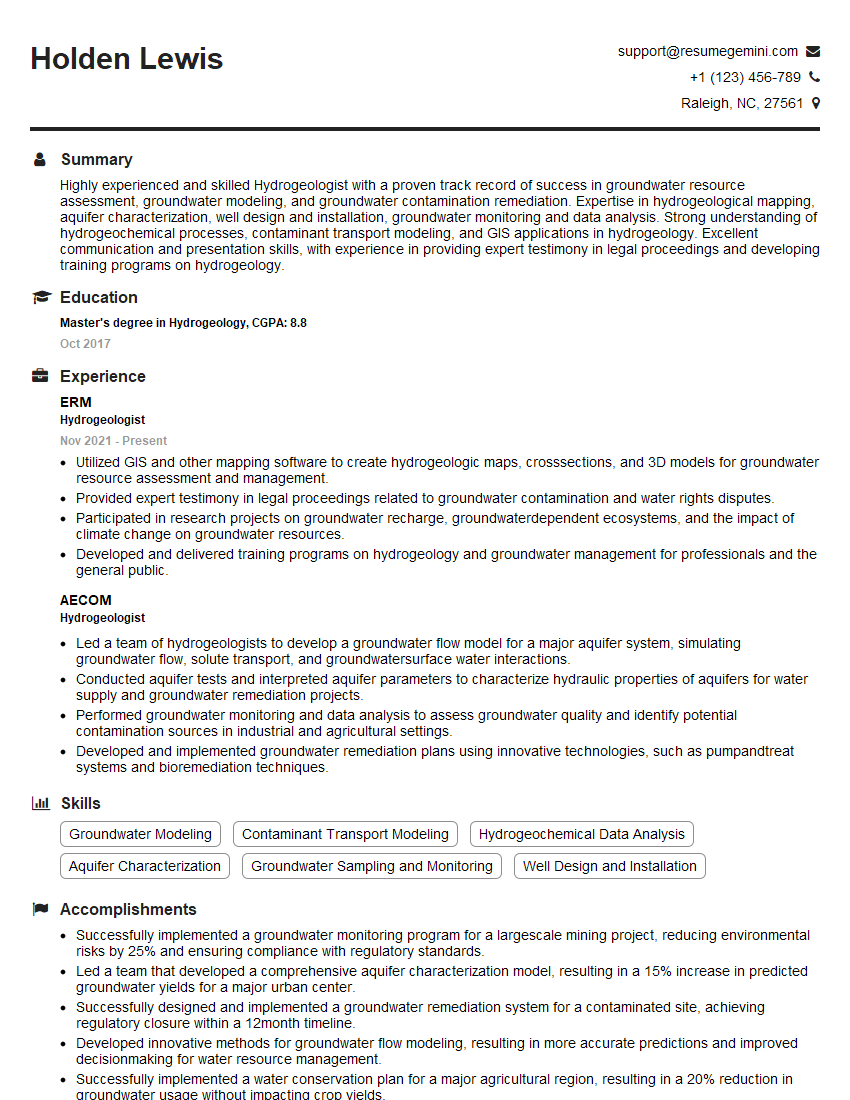
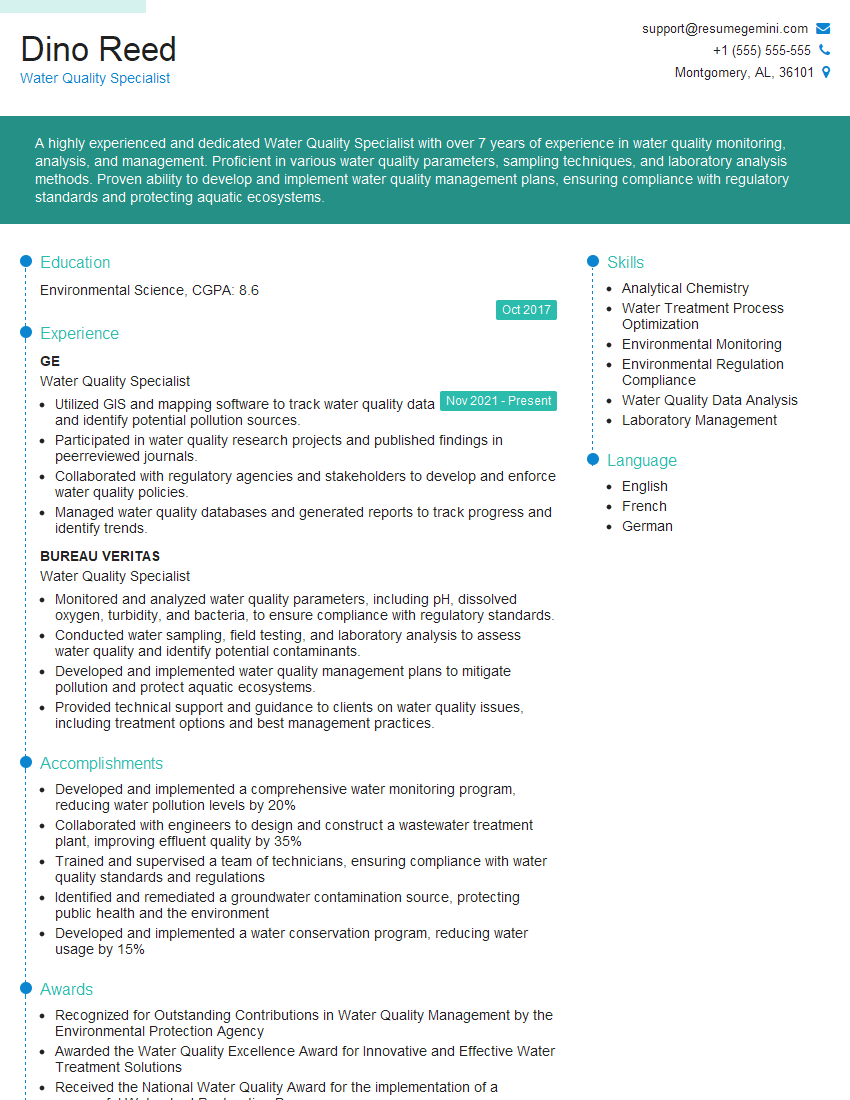
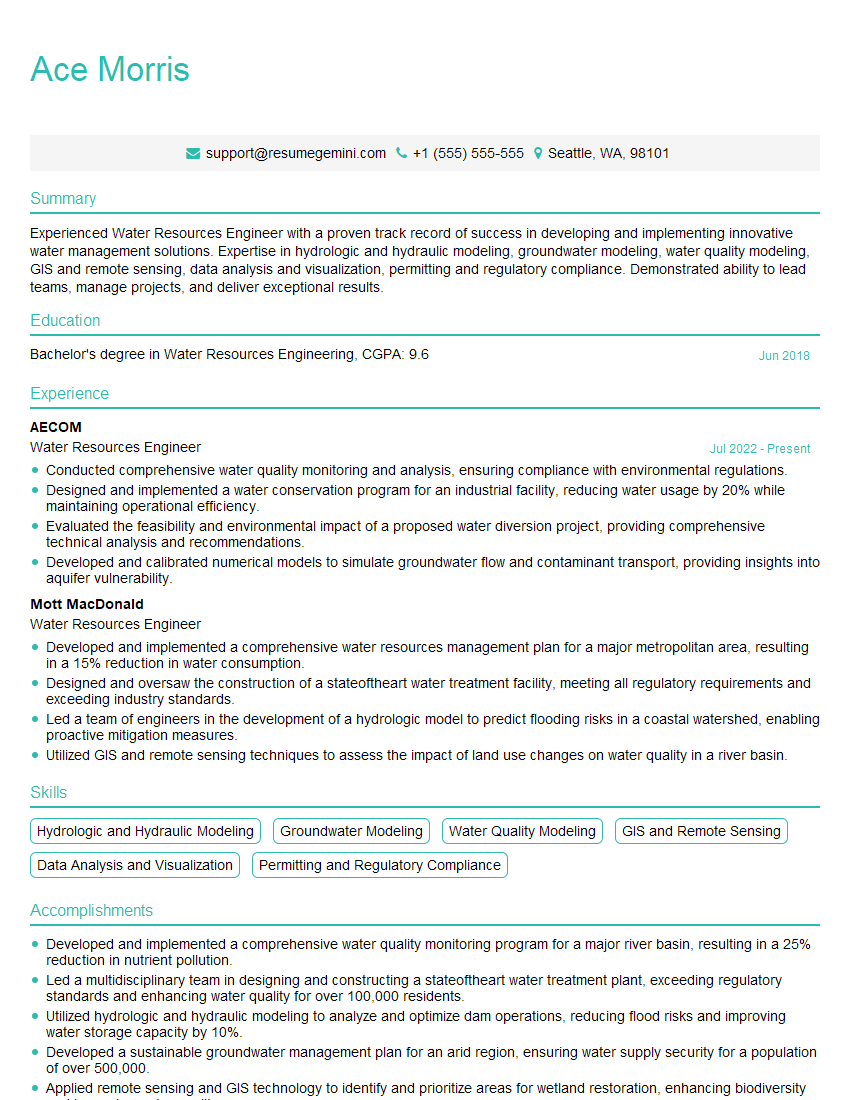
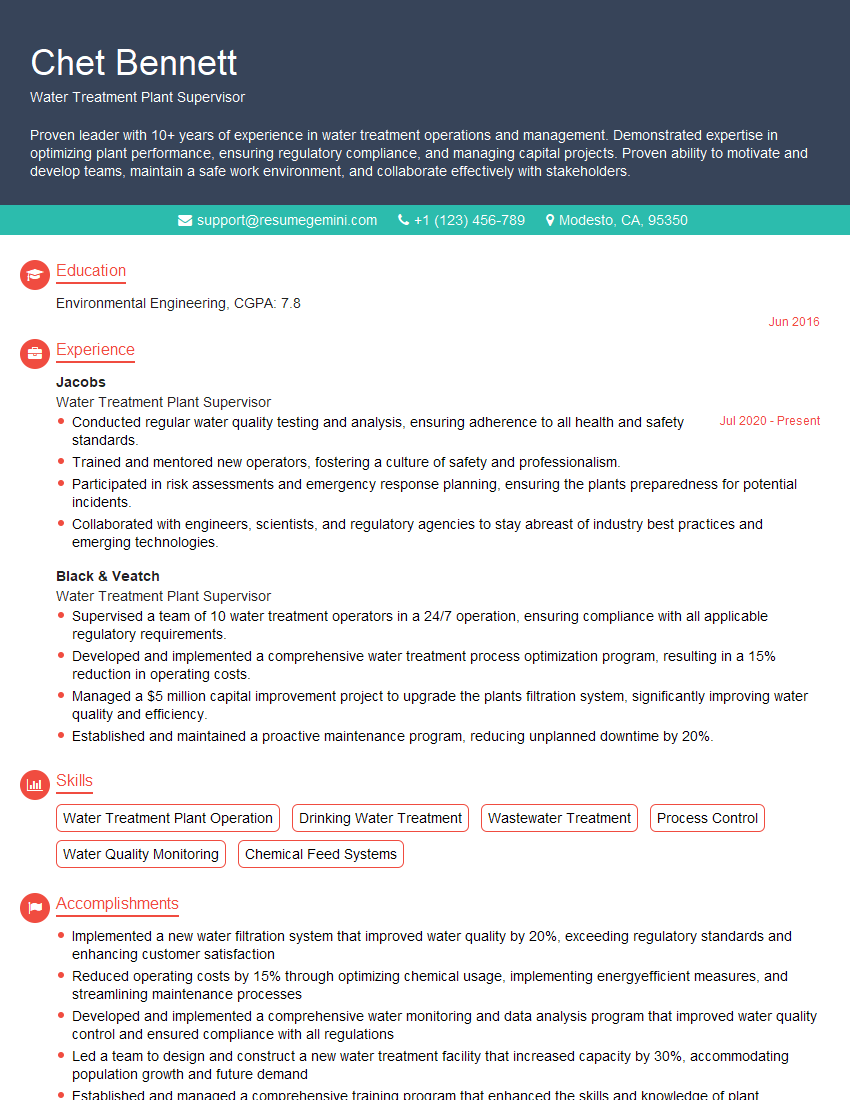
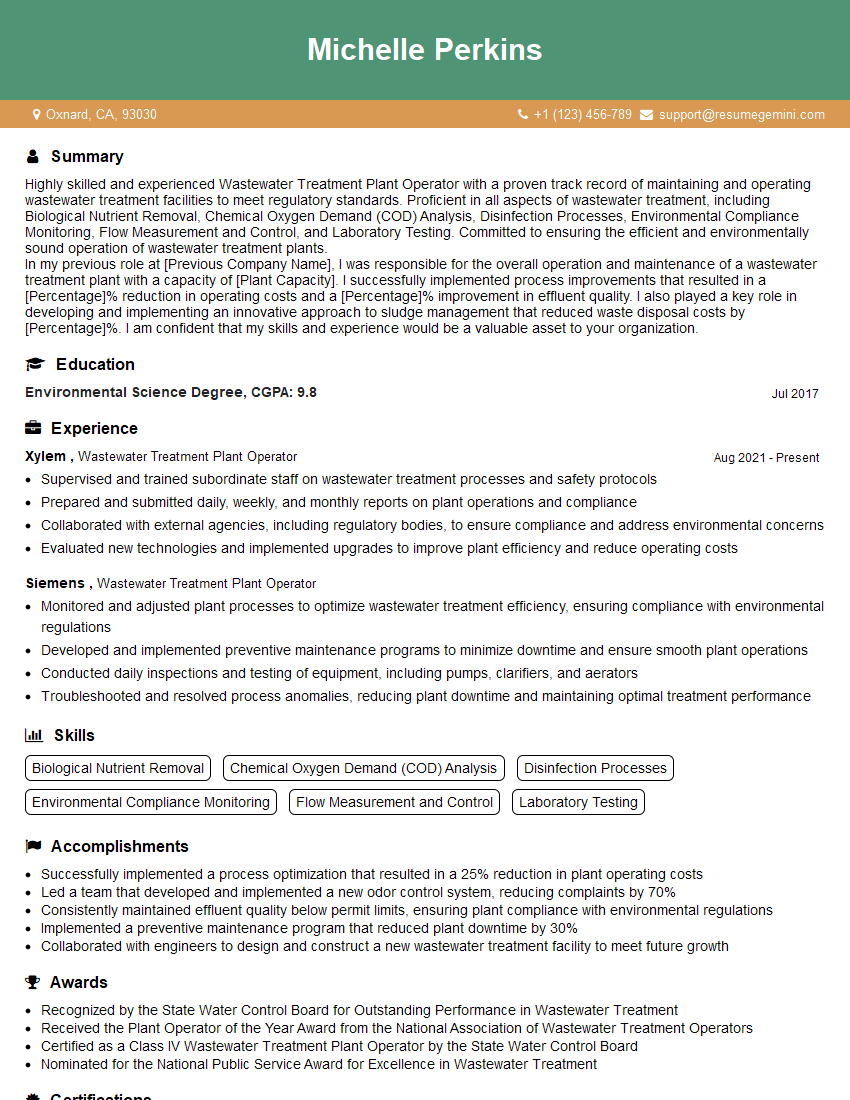
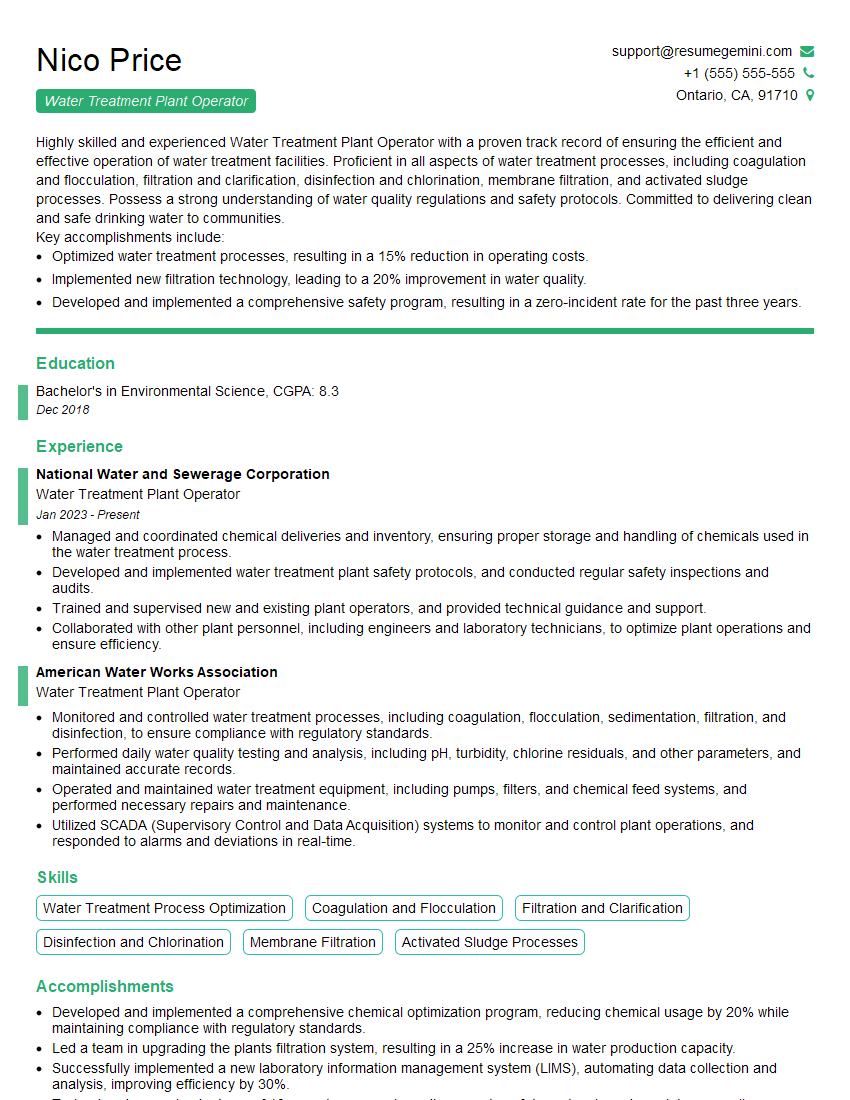
Mastering Chemistry and Water Treatment principles is crucial for a successful and rewarding career in this vital field. Strong analytical skills, coupled with a deep understanding of treatment processes, will open doors to exciting opportunities in research, plant operation, environmental consulting, and more. To maximize your job prospects, create a compelling and ATS-friendly resume that showcases your skills and experience effectively. ResumeGemini is a trusted resource that can help you build a professional resume that stands out. Take advantage of our examples of resumes tailored to Chemistry and Water Treatment to craft a document that highlights your qualifications and secures your next interview.
Explore more articles
Users Rating of Our Blogs
Share Your Experience
We value your feedback! Please rate our content and share your thoughts (optional).
What Readers Say About Our Blog
To the interviewgemini.com Webmaster.
Very helpful and content specific questions to help prepare me for my interview!
Thank you
To the interviewgemini.com Webmaster.
This was kind of a unique content I found around the specialized skills. Very helpful questions and good detailed answers.
Very Helpful blog, thank you Interviewgemini team.