Interviews are opportunities to demonstrate your expertise, and this guide is here to help you shine. Explore the essential Individual and Group Psychotherapy interview questions that employers frequently ask, paired with strategies for crafting responses that set you apart from the competition.
Questions Asked in Individual and Group Psychotherapy Interview
Q 1. Describe your approach to building rapport with clients in individual therapy.
Building rapport is foundational to effective individual therapy. It’s about creating a safe and trusting therapeutic alliance where the client feels understood, respected, and genuinely heard. My approach involves several key elements:
- Active Listening and Empathy: I focus intently on the client’s verbal and nonverbal communication, reflecting their emotions and experiences back to them to ensure I’m understanding accurately. For example, if a client describes feeling overwhelmed, I might say, “It sounds like you’re feeling incredibly overwhelmed right now. Can you tell me more about that?”
- Genuine Warmth and Acceptance: I strive to create a non-judgmental space where clients feel comfortable sharing even their most vulnerable thoughts and feelings. This involves demonstrating unconditional positive regard, regardless of their behaviors or beliefs.
- Collaboration and Shared Goals: I work collaboratively with clients to establish clear, achievable therapeutic goals. This collaborative process helps foster a sense of ownership and motivation throughout the therapy journey.
- Self-Disclosure (when appropriate): I use judicious self-disclosure to build connection and demonstrate authenticity. However, this is always done ethically and with careful consideration of the client’s needs and the therapeutic process. For example, sharing a brief, relevant personal anecdote to normalize a client’s experience can be beneficial.
Ultimately, building rapport is an ongoing process that requires sensitivity, flexibility, and a deep commitment to understanding the client’s unique perspective.
Q 2. Explain your preferred theoretical framework for individual psychotherapy.
My preferred theoretical framework integrates aspects of psychodynamic and cognitive-behavioral therapies (CBT). I find this integrative approach particularly effective because it allows me to address both the unconscious patterns and conscious thoughts and behaviors contributing to a client’s difficulties.
The psychodynamic lens helps me understand the client’s past experiences and how they might be influencing their current relationships and emotional patterns. For instance, exploring early childhood attachments can provide valuable insights into present-day relational struggles.
Simultaneously, CBT principles help clients identify and challenge negative thought patterns and maladaptive behaviors. We collaboratively develop coping strategies and techniques to manage symptoms and improve functioning. For example, we might use cognitive restructuring to challenge unhelpful beliefs contributing to anxiety or use behavioral activation to increase engagement in pleasurable activities.
This integrated approach allows for a comprehensive understanding of the client’s challenges and a flexible treatment plan tailored to their individual needs.
Q 3. How do you assess client progress in individual therapy?
Assessing client progress is a multifaceted process that involves several methods. It’s not simply about measuring symptom reduction; it’s about evaluating overall well-being and the client’s movement toward their established therapeutic goals.
- Symptom Tracking: Clients might use self-report measures or journals to monitor the frequency and intensity of their symptoms. This provides quantifiable data on progress over time.
- Goal Attainment Scaling: We collaboratively establish specific, measurable, achievable, relevant, and time-bound (SMART) goals at the beginning of therapy. We regularly revisit these goals to assess progress and make adjustments as needed.
- Clinical Observation: My observations of the client’s behavior, affect, and communication style throughout the sessions provide valuable qualitative data about their progress.
- Client Feedback: Regular check-ins allow clients to reflect on their experience, share their perceptions of progress, and identify any challenges they’re facing.
- Functional Assessment: We regularly evaluate how the client’s functioning in various life domains (e.g., work, relationships, social life) is improving or changing.
Ultimately, the assessment of progress is a collaborative process that acknowledges the client’s subjective experience and uses multiple data points to paint a comprehensive picture of their journey.
Q 4. Describe a challenging case in individual therapy and how you addressed it.
One challenging case involved a young woman struggling with severe anxiety and avoidance behaviors stemming from a traumatic childhood experience. She initially presented with significant emotional numbness and difficulty forming trusting relationships.
Addressing this involved a phased approach. Initially, we focused on building a strong therapeutic alliance based on trust and safety. This required employing techniques like mindfulness and grounding exercises to help her manage overwhelming emotions in the present moment. As she felt safer, we began to explore her trauma narrative using a trauma-informed approach, emphasizing her agency and control throughout the process.
We employed techniques from both psychodynamic and CBT frameworks: exploring the roots of her avoidance in her early experiences while simultaneously teaching her coping mechanisms to manage anxiety and engage in exposure therapy. This gradual approach, combined with consistent support and validation, helped her slowly process her trauma, develop healthier coping strategies, and build more fulfilling relationships. Her progress was slow but significant, demonstrating the importance of patience and adapting interventions to individual needs.
Q 5. What are the key differences between psychodynamic and cognitive behavioral therapy?
Psychodynamic and Cognitive Behavioral Therapy (CBT) are distinct approaches to psychotherapy, each with unique theoretical underpinnings and therapeutic techniques.
- Psychodynamic therapy emphasizes the unconscious mind and past experiences. It explores how past relationships and unresolved conflicts shape current behaviors and emotions. The focus is on uncovering and understanding these unconscious patterns to promote insight and change. Techniques often involve free association, dream analysis, and exploring transference and countertransference.
- Cognitive Behavioral Therapy (CBT) focuses on present-day thoughts, feelings, and behaviors. It posits that our thoughts directly influence our emotions and behaviors. CBT uses techniques like cognitive restructuring (challenging negative thoughts) and behavioral experiments to change maladaptive patterns. The emphasis is on practical strategies for managing symptoms and improving functioning.
In essence, psychodynamic therapy delves into the ‘why’ behind a client’s difficulties, while CBT focuses on the ‘how’ to improve their present-day functioning. They are not mutually exclusive and can be effectively integrated, as I often do in my practice.
Q 6. How do you handle transference and countertransference in individual therapy?
Transference and countertransference are crucial concepts in psychotherapy, particularly in psychodynamic approaches.
Transference refers to the client’s unconscious redirection of feelings from one person to another, particularly onto the therapist. This often involves projecting feelings and experiences from past relationships (e.g., parent-child relationships) onto the therapeutic relationship. For instance, a client might unconsciously treat me with hostility if they had a negative relationship with a father figure.
Countertransference refers to the therapist’s unconscious emotional reactions to the client. It involves the therapist’s own unresolved issues or personal experiences influencing their interactions with the client. For example, a client’s manipulative behaviors might trigger unresolved feelings of powerlessness in the therapist.
I manage both by maintaining a high level of self-awareness, engaging in regular supervision, and utilizing techniques like process consultation to discuss and analyze these dynamics with a colleague. Understanding and addressing these dynamics is critical for maintaining ethical boundaries and providing effective and unbiased care.
Q 7. Explain your understanding of ethical considerations in individual psychotherapy.
Ethical considerations are paramount in individual psychotherapy. My practice is guided by a commitment to upholding the highest ethical standards. Key considerations include:
- Confidentiality: Maintaining client confidentiality is essential, with exceptions only made in cases of mandated reporting (e.g., child abuse, imminent harm to self or others). Clients are informed of these limitations at the outset of therapy.
- Informed Consent: Clients must provide informed consent before any treatment begins. This involves fully understanding the nature of therapy, the therapist’s qualifications, potential risks and benefits, and the limits of confidentiality.
- Boundaries: Maintaining clear professional boundaries is critical. This includes avoiding dual relationships (e.g., becoming friends with a client), maintaining appropriate physical and emotional distance, and addressing any potential conflicts of interest.
- Competence: I only provide services within my area of expertise. If a client’s needs fall outside my scope of practice, I will refer them to a more appropriate professional.
- Cultural Sensitivity: I acknowledge and address cultural differences, ensuring that my interventions are culturally appropriate and sensitive to the client’s background.
Ethical decision-making is often complex, and I regularly consult ethical guidelines and seek supervision when facing challenging ethical dilemmas.
Q 8. Describe your experience with crisis intervention in individual therapy.
Crisis intervention in individual therapy focuses on immediate stabilization and safety planning for clients experiencing acute distress. My approach involves a rapid assessment of the client’s immediate risk, providing emotional support and validation, and collaboratively developing a safety plan to address the presenting crisis. This often includes identifying coping mechanisms, connecting them with emergency resources (hotlines, hospitals), and establishing follow-up appointments to address underlying issues once the acute phase has subsided.
For example, if a client presents with suicidal ideation, my priority is to ensure their immediate safety. This might involve hospital referral, contacting family or friends for support, and collaboratively creating a safety plan that includes identifying warning signs, coping strategies, and contact information for crisis resources. The focus isn’t on deep therapeutic work during the crisis; it’s on managing the immediate danger and creating a pathway to stability.
Q 9. How do you manage client confidentiality?
Client confidentiality is paramount and is governed by ethical guidelines and legal regulations. I adhere strictly to these principles, only sharing information with others when legally mandated or when there’s a clear and imminent risk of harm to the client or others. Informed consent is crucial; clients are fully informed about the limits of confidentiality at the outset of therapy.
Exceptions to confidentiality, which are extremely rare and carefully considered, include situations involving mandated reporting (child abuse, elder abuse, imminent threat of harm to self or others). Even in these cases, I will only disclose the minimum necessary information to the appropriate authorities. Maintaining client trust is essential for effective therapy; transparency about confidentiality practices is a key part of building that trust.
Q 10. Explain the role of therapeutic alliance in individual therapy.
The therapeutic alliance is the collaborative relationship between the therapist and the client, characterized by trust, empathy, and a shared understanding of therapeutic goals. It’s the foundation of effective individual therapy. A strong alliance fosters a safe and supportive environment where clients feel comfortable exploring their thoughts, feelings, and behaviors without judgment. This bond enables the client to engage fully in the therapeutic process, leading to improved outcomes.
For instance, a client might be hesitant to discuss deeply personal experiences. A strong therapeutic alliance, built on mutual respect and empathy, would help the client feel safe enough to share these vulnerabilities, knowing they are understood and supported. Without this alliance, therapy might become a frustrating or unproductive experience.
Q 11. What are the advantages and disadvantages of different therapeutic modalities?
Various therapeutic modalities—such as Cognitive Behavioral Therapy (CBT), psychodynamic therapy, humanistic therapy, and others—each offer unique advantages and disadvantages.
- CBT: Advantages: Structured, evidence-based, focuses on practical skills; Disadvantages: Can feel overly structured for some clients, may not address deeper emotional issues.
- Psychodynamic Therapy: Advantages: Explores unconscious patterns, addresses root causes; Disadvantages: Can be lengthy and expensive, may not be suitable for all clients.
- Humanistic Therapy: Advantages: Client-centered, emphasizes self-acceptance and personal growth; Disadvantages: Less structured, may not be suitable for clients needing highly directive approaches.
Choosing the appropriate modality depends on the client’s specific needs, preferences, and the presenting problem. A skilled therapist is often eclectic, integrating techniques from different modalities to tailor treatment to the individual.
Q 12. Describe your approach to group therapy.
My approach to group therapy is grounded in a psychodynamic and systems perspective. I create a safe and contained environment where group members can explore their thoughts and feelings in relation to others. I emphasize the importance of confidentiality within the group, promoting a sense of trust and collaboration. I facilitate the group’s natural process, guiding discussions, and gently intervening when necessary to address conflicts or power dynamics. I strive to create a balance between individual exploration and group interaction, enabling members to learn from each other’s experiences and gain valuable insights into their own patterns of relating.
For example, I might use techniques like role-playing or empty chair work to help group members explore interpersonal dynamics and unresolved conflicts. The focus is on creating a microcosm of the clients’ social lives where they can practice new communication skills and develop healthier relationship patterns.
Q 13. How do you manage conflict within a group therapy setting?
Conflict is inevitable in group therapy, and I view it as a valuable opportunity for growth and learning. My approach to managing conflict involves setting clear ground rules at the beginning of the group, emphasizing respectful communication and active listening. When conflict arises, I facilitate a constructive dialogue, helping members understand each other’s perspectives and express their feelings without resorting to personal attacks. I encourage empathy and collaboration in finding solutions, acting as a mediator, but not imposing my own solutions.
For instance, if two members engage in a heated argument, I might gently intervene by helping them to re-frame their statements, clarifying misunderstandings, and encouraging them to hear each other’s point of view. The goal is not to suppress conflict, but to manage it constructively and promote growth through healthy conflict resolution.
Q 14. How do you facilitate group cohesion and participation?
Facilitating group cohesion and participation involves creating a sense of safety and belonging within the group. I achieve this by establishing clear ground rules, ensuring a comfortable and supportive environment, and actively promoting participation from all members. I employ techniques such as icebreakers, structured activities, and reflective exercises to help members connect with each other. I actively manage group dynamics, noticing and addressing any patterns of exclusion or marginalization.
For example, I might use a check-in procedure at the start of each session where each member shares their thoughts and feelings. This helps create a sense of community and allows everyone to feel heard. I might also use creative activities or discussions to draw out quieter members and build trust within the group.
Q 15. Explain the stages of group development.
Group therapy, much like a team developing cohesion, progresses through distinct stages. These stages aren’t always linear; groups might regress or revisit earlier phases. Understanding these stages is crucial for effective facilitation.
- Forming: This initial phase is characterized by dependence and apprehension. Members are cautious, testing the waters, and seeking orientation. They might focus on superficial interactions and avoid vulnerability. Example: In a grief support group, the forming stage might involve introductions and cautious sharing of basic information about the loss.
- Storming: As trust develops (or doesn’t), conflict emerges. Power struggles, disagreements, and challenges to the group’s structure and the therapist’s role are common. This stage is crucial for growth, as members begin to express their true selves and work through differences. Example: Disagreements about the pace of the group or the focus of discussions might arise in a substance abuse recovery group during the storming phase.
- Norming: The group establishes working norms and expectations. Cohesion and collaboration increase as members develop a sense of belonging and shared purpose. Roles within the group become clearer. Example: In an assertiveness training group, members might establish norms around respecting speaking time and providing constructive feedback.
- Performing: The group functions effectively and collaboratively toward its goals. Members support each other, share openly, and demonstrate a high level of trust. Deep work and significant progress are made. Example: In a group focused on anxiety management, members might demonstrate improved coping skills and support each other during moments of anxiety.
- Adjourning: This final stage involves termination of the group. Members process the experience, say goodbye, and integrate what they’ve learned. It’s important to acknowledge the ending and allow for expression of feelings about the separation. Example: In any group, a planned closing session provides a structured opportunity for members to share their reflections and plan for sustaining progress after the group ends.
Career Expert Tips:
- Ace those interviews! Prepare effectively by reviewing the Top 50 Most Common Interview Questions on ResumeGemini.
- Navigate your job search with confidence! Explore a wide range of Career Tips on ResumeGemini. Learn about common challenges and recommendations to overcome them.
- Craft the perfect resume! Master the Art of Resume Writing with ResumeGemini’s guide. Showcase your unique qualifications and achievements effectively.
- Don’t miss out on holiday savings! Build your dream resume with ResumeGemini’s ATS optimized templates.
Q 16. What are some common challenges in group therapy and how do you address them?
Group therapy, while powerful, presents unique challenges. Addressing them proactively is essential for a successful therapeutic experience.
- Resistance: Some members might resist participating fully, perhaps due to fear of vulnerability or past trauma. Addressing this involves creating a safe and supportive environment, actively listening to their concerns, and gently encouraging participation without pressure.
- Power Struggles: Dominating or passive members can disrupt group dynamics. Facilitating healthy communication and setting clear group norms are crucial. Intervening respectfully but firmly when needed is essential to ensure balance.
- Confidentiality Issues: Maintaining confidentiality is paramount. I clearly outline confidentiality guidelines at the beginning and address any breaches promptly and sensitively.
- Transference and Countertransference: Members may project feelings onto the therapist or other group members (transference), and the therapist may have unconscious reactions to members (countertransference). Ongoing self-reflection and supervision help manage these dynamics.
- Emotional Overload: Groups can be intense emotionally. Providing regular breaks, offering self-care strategies, and recognizing individual limitations are important to prevent burnout and ensure safety.
Addressing these challenges often involves a combination of therapeutic techniques such as psychoeducation, setting boundaries, modeling healthy behavior, and providing individual support when necessary.
Q 17. How do you ensure client safety in group therapy?
Client safety is my top priority. Several strategies are employed to ensure a secure therapeutic environment.
- Screening Process: A thorough screening process helps identify individuals who might pose a risk to themselves or others. This may involve interviews and sometimes even collateral contact (with permission).
- Clear Boundaries and Guidelines: Establishing and enforcing clear group norms and boundaries regarding behavior, communication, and confidentiality is paramount.
- Crisis Management Plan: Having a crisis management plan in place, including procedures for handling emergencies or escalating conflicts, is vital.
- Confidentiality Agreement: Group members are explicitly reminded about the importance of confidentiality, and any breach is handled with sensitivity and direct communication.
- Ongoing Monitoring: Careful monitoring of group dynamics and individual member behaviors is essential for early detection of potential problems. Providing support for members experiencing distress is also a key component.
- Collaboration with Other Professionals: If necessary, I readily collaborate with other mental health professionals or relevant agencies to provide a comprehensive support system for clients at risk.
Q 18. Describe your experience working with diverse populations in both individual and group therapy.
I have extensive experience working with diverse populations, including individuals and groups from various cultural, socioeconomic, and racial backgrounds. In individual therapy, I adapt my approach to be culturally sensitive and use culturally relevant interventions. For instance, I have worked with members of the LGBTQ+ community, addressing unique challenges they face in individual therapy, focusing on issues like identity, prejudice, and discrimination. In group therapy, this diversity enriches the experience, providing opportunities for cross-cultural learning and understanding. I’ve facilitated groups for immigrants navigating the challenges of acculturation and for individuals dealing with issues of race, gender, and sexual orientation.
One memorable experience involved a group composed of refugees who had experienced significant trauma. I used a trauma-informed approach, focusing on safety, trust, and empowerment, emphasizing collaboration and flexibility in tailoring the therapeutic process to their specific cultural contexts.
Q 19. How do you adapt your therapeutic approach to different cultural backgrounds?
Adapting my approach to different cultural backgrounds involves understanding and respecting cultural values, beliefs, and communication styles. This requires ongoing learning, self-reflection, and a willingness to be flexible. I avoid imposing my own cultural biases and strive to create a safe space for clients to express themselves authentically. Several key strategies guide my approach:
- Cultural Humility: I continuously reflect on my own biases and limitations, recognizing that I cannot fully understand all cultures. I approach each interaction with humility and a willingness to learn.
- Culturally Relevant Interventions: I incorporate culturally relevant interventions and materials, drawing on evidence-based practices tailored to the specific cultural context.
- Collaboration and Consultation: When necessary, I consult with colleagues who possess specialized expertise in working with specific cultural groups to ensure effective and culturally sensitive treatment.
- Language Access: I ensure that clients have access to language services, such as interpreters, as needed.
- Empowerment and Advocacy: I advocate for my clients’ needs within the broader social and political context of their lives.
For example, when working with a client from a collectivist culture, I would emphasize the importance of family and community support in the therapeutic process.
Q 20. How do you handle a client who is resistant to therapy?
Resistance to therapy is common and often reflects underlying anxieties or fears. Understanding the reasons behind resistance is crucial. I approach it collaboratively rather than confrontationally.
- Exploring Resistance: I create a safe space for the client to discuss their resistance without judgment. This involves actively listening, showing empathy, and asking open-ended questions to explore the root causes.
- Building Rapport: Establishing a strong therapeutic alliance is essential. This involves demonstrating empathy, genuine care, and respect for the client’s autonomy.
- Collaboration and Goal Setting: I work collaboratively with the client to establish realistic and achievable goals. This empowers them to take ownership of the therapeutic process.
- Adjusting the Approach: If necessary, I modify my therapeutic approach to better meet the client’s needs and preferences. This might involve adjusting the frequency of sessions or incorporating different therapeutic techniques.
- Motivational Interviewing: This technique is particularly useful for addressing resistance by helping clients identify their own reasons for change and fostering intrinsic motivation.
For example, I might say, “I understand that you’re feeling hesitant about therapy right now. Could you tell me more about what’s making you feel this way?”
Q 21. How do you manage client termination in individual and group therapy?
Client termination, whether in individual or group therapy, requires careful planning and sensitivity. The process should be collaborative and gradual, allowing clients to process their feelings about the ending.
- Planning the Termination: In individual therapy, I begin discussing termination well in advance, giving the client ample time to process their feelings and prepare for the transition. We collaboratively review progress, identify remaining goals, and develop strategies for maintaining gains after therapy ends. In group therapy, this process is similar but also considers the group’s dynamics and the impact of an individual’s departure on others.
- Addressing Emotional Reactions: Termination often triggers a variety of emotions, such as sadness, anxiety, or relief. I provide a supportive space for clients to express these feelings and work through them constructively.
- Summarizing Progress: We review the client’s progress, accomplishments, and remaining challenges. This helps clients feel a sense of closure and accomplishment.
- Developing a Relapse Prevention Plan: We collaborate on a plan to maintain progress after therapy ends. This might include relapse prevention strategies, a list of support resources, and a schedule for follow-up sessions if necessary.
- Saying Goodbye: The final session allows for a thoughtful and respectful closure. Both individual and group therapy termination often includes an opportunity for clients to express gratitude and to share their thoughts on the experience.
Q 22. Describe your experience with supervision and consultation.
Supervision and consultation are integral to my professional development and ethical practice. I’ve consistently sought supervision throughout my career, initially through a university-based program and subsequently through ongoing individual and group supervision with experienced clinicians. My supervisors have been instrumental in helping me refine my therapeutic techniques, navigate complex ethical dilemmas, and process challenging cases. Consultation, often with colleagues or through professional organizations, provides a different perspective and collaborative problem-solving approach for especially difficult cases or when seeking input on novel treatment strategies. For example, I recently consulted with a colleague on a case involving a client with severe trauma and complex PTSD, leveraging their expertise in EMDR to develop a more comprehensive treatment plan. I actively seek supervision and consultation to ensure the highest quality of care for my clients and to maintain my professional competence.
Q 23. How do you maintain your own professional well-being?
Maintaining my own well-being is paramount, both for my personal health and my ability to effectively serve my clients. I prioritize self-care through a variety of strategies. This includes regular exercise, mindful meditation practices, and engaging in hobbies outside of work, like spending time in nature and painting. Crucially, I also dedicate time to personal reflection and self-compassion. This might involve journaling, attending workshops on stress management, or engaging in therapy myself, which allows me to process the emotional weight of my work and prevent burnout. Maintaining a healthy work-life balance, setting boundaries with clients and my work schedule, and fostering a supportive network of colleagues and friends are also vital aspects of my self-care routine. Essentially, it’s about actively nurturing myself physically, emotionally, and mentally to avoid compassion fatigue and maintain a sustainable career in this demanding field.
Q 24. How do you incorporate evidence-based practices into your therapy?
Evidence-based practice (EBP) is central to my therapeutic approach. I integrate research findings and best practices into my work with clients. For example, when treating depression, I draw upon the robust evidence supporting Cognitive Behavioral Therapy (CBT) and incorporate its core techniques like cognitive restructuring and behavioral activation. For anxiety disorders, I often utilize techniques from Acceptance and Commitment Therapy (ACT) and Exposure and Response Prevention (ERP), tailoring the interventions to the individual client’s needs and preferences. My approach isn’t simply about applying a manualized treatment; rather, I use EBP as a foundation, adapting and personalizing the intervention to fit the client’s unique context and cultural background. Staying current with research through professional journals, conferences, and continuing education is crucial for me to remain informed about evolving EBPs and the most effective interventions.
Q 25. Describe your experience using technology in therapy (e.g., telehealth).
My experience with telehealth has been extensive and largely positive, especially since the pandemic. I utilize HIPAA-compliant platforms to conduct secure video sessions. This has expanded access to therapy for clients with geographical limitations or mobility issues. Initially, I was concerned about the impact of technology on the therapeutic relationship, but I’ve found that with careful attention to building rapport and maintaining a comfortable virtual environment, the benefits significantly outweigh the challenges. For example, I use techniques such as focusing on nonverbal cues during video sessions and ensuring a professional and private space for both myself and the client. However, I also recognize the limitations and ensure clients have access to alternative communication methods if needed and always maintain appropriate confidentiality and security practices. I continuously adapt my approach based on the client’s comfort level and technological capabilities.
Q 26. How do you document client sessions effectively?
Effective documentation is essential for ethical and legal compliance. My documentation adheres to best practices by including a clear, concise, and objective record of each session. This includes pertinent client information, presenting problems, treatment goals, interventions employed, and client progress. I use a structured approach, often utilizing SOAP notes (Subjective, Objective, Assessment, Plan), which ensures comprehensive and organized recording. I am meticulous in maintaining client confidentiality and follow all HIPAA regulations regarding data storage and security. My documentation is easily accessible to me, and in the event of a consultation or supervision, I can provide a detailed and readily understandable account of the therapeutic process. Furthermore, it assists in clinical decision making, tracking progress and making adjustments to the treatment plan as necessary.
Q 27. What are your professional goals in the field of psychotherapy?
My professional goals include expanding my expertise in trauma-informed care and integrating mindfulness-based interventions into my practice. I also aim to contribute to the field through research and publication, focusing on underserved populations. I want to specialize further in working with individuals experiencing complex trauma, possibly involving additional specialized training. Ultimately, I strive to provide high-quality, compassionate care and make a meaningful impact on the lives of my clients while also furthering the understanding and treatment of mental health issues within the broader community.
Q 28. Explain your understanding of the DSM-5 and its implications for diagnosis and treatment.
The DSM-5 (Diagnostic and Statistical Manual of Mental Disorders, 5th Edition) is a widely used classification system for mental disorders. It provides a standardized framework for diagnosing and understanding various conditions. While I utilize the DSM-5 as a guide, I approach diagnosis with a nuanced and holistic perspective. It’s important to remember that the DSM-5 is a tool, and not the sole determinant of treatment. I recognize the limitations of diagnostic labels and prioritize understanding the client’s unique experience and narrative within their cultural context. A DSM-5 diagnosis informs treatment planning, helping to identify potential interventions and guide prognosis. For example, a diagnosis of Major Depressive Disorder might lead to the implementation of CBT or medication management, while a diagnosis of Generalized Anxiety Disorder might indicate the use of ACT or relaxation techniques. However, the diagnosis itself is not a limitation – rather it acts as a starting point for a collaborative treatment process tailored to the individual client’s needs and goals. Ultimately, the therapeutic relationship and the individual’s experience remain at the heart of the treatment process.
Key Topics to Learn for Individual and Group Psychotherapy Interview
- Theoretical Foundations: Understand and compare various therapeutic approaches (e.g., psychodynamic, cognitive-behavioral, humanistic, systems) and their application in individual and group settings. Consider the strengths and limitations of each.
- Individual Psychotherapy Techniques: Explore practical skills such as active listening, empathy, building rapport, setting therapeutic goals, managing transference and countertransference, and utilizing different therapeutic interventions (e.g., cognitive restructuring, behavioral experiments).
- Group Dynamics and Processes: Master understanding group dynamics, including group stages, roles, cohesion, conflict resolution, and the impact of individual members on the group’s progress. Familiarize yourself with different group leadership styles.
- Ethical and Legal Considerations: Review ethical guidelines related to confidentiality, informed consent, dual relationships, and boundaries in both individual and group therapy. Understand relevant legal requirements and potential liability.
- Assessment and Diagnosis: Develop proficiency in conducting thorough assessments, utilizing diagnostic tools (e.g., DSM-5), and formulating appropriate diagnoses based on clinical observations and client information. Practice formulating treatment plans based on these assessments.
- Case Conceptualization and Treatment Planning: Practice developing comprehensive case conceptualizations that integrate assessment findings, theoretical understanding, and treatment goals. Be prepared to discuss the rationale for chosen interventions.
- Crisis Intervention and Risk Management: Familiarize yourself with strategies for identifying and managing crises, assessing risk factors (e.g., suicide, violence), and implementing safety planning interventions in individual and group contexts.
- Cultural Competence and Diversity: Demonstrate understanding of cultural sensitivity and its importance in therapeutic practice. Be prepared to discuss how cultural factors might influence the therapeutic process and client responses to interventions.
- Supervision and Consultation: Understand the role of supervision and consultation in professional development and ethical practice. Be prepared to discuss your approach to seeking and utilizing supervision.
Next Steps
Mastering Individual and Group Psychotherapy is crucial for a successful and rewarding career in mental health. A strong foundation in these areas will significantly enhance your job prospects and allow you to make a meaningful impact on the lives of your clients. To maximize your chances of landing your dream role, it’s vital to create an ATS-friendly resume that showcases your skills and experience effectively. ResumeGemini is a trusted resource to help you build a professional resume that stands out. They offer examples of resumes tailored specifically to Individual and Group Psychotherapy to help guide you. Invest time in crafting a compelling resume; it’s your first impression on potential employers.
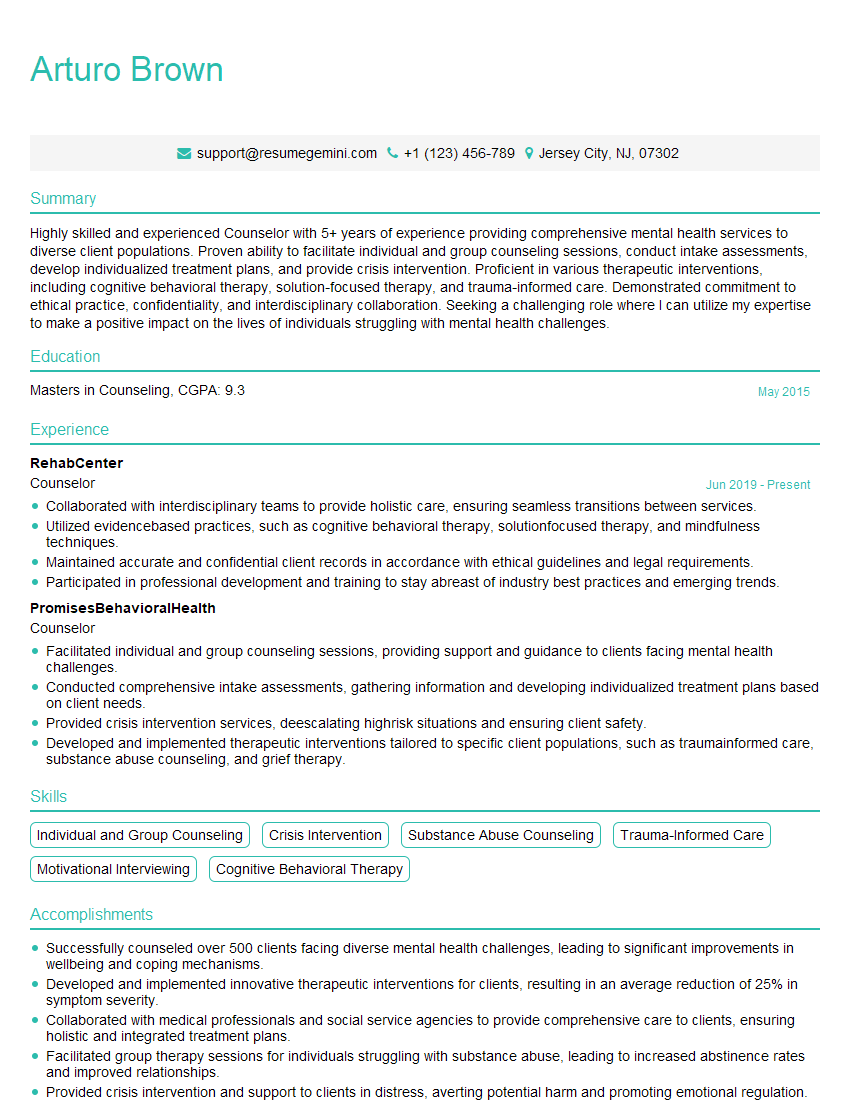
Counselor Resume Sample
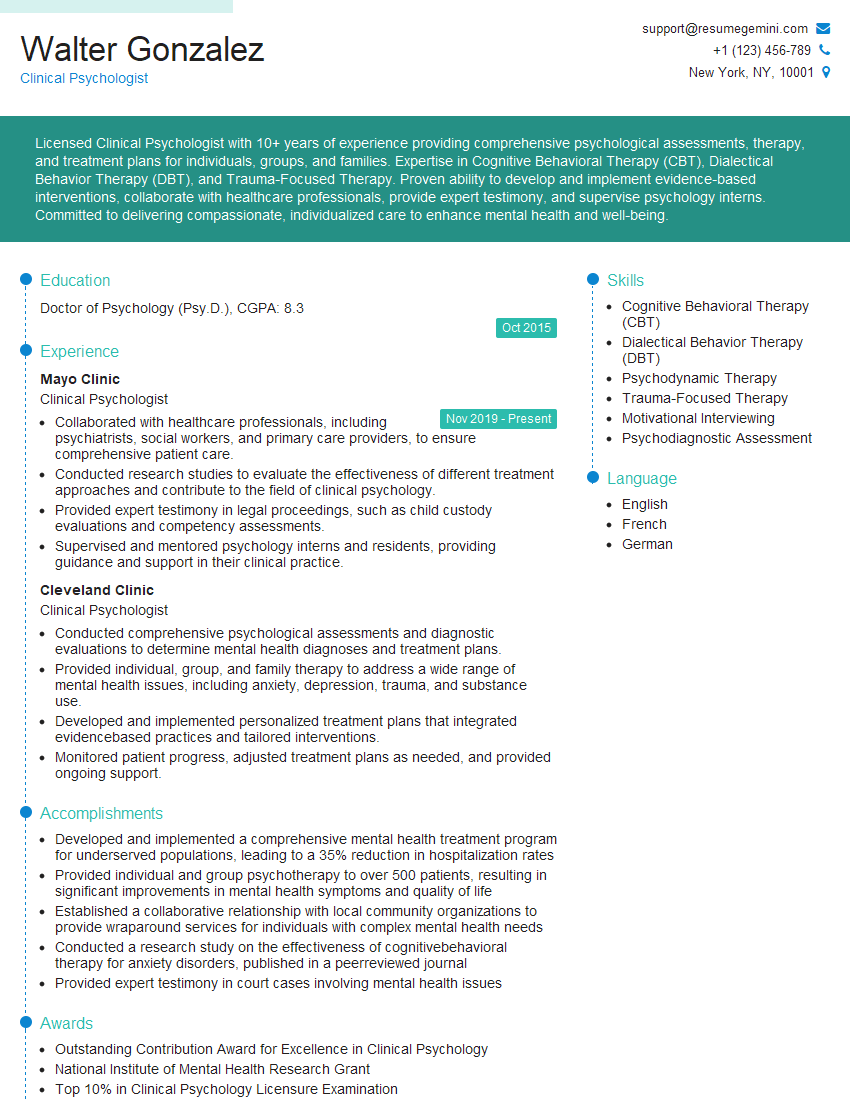
Clinical Psychologist Resume Sample
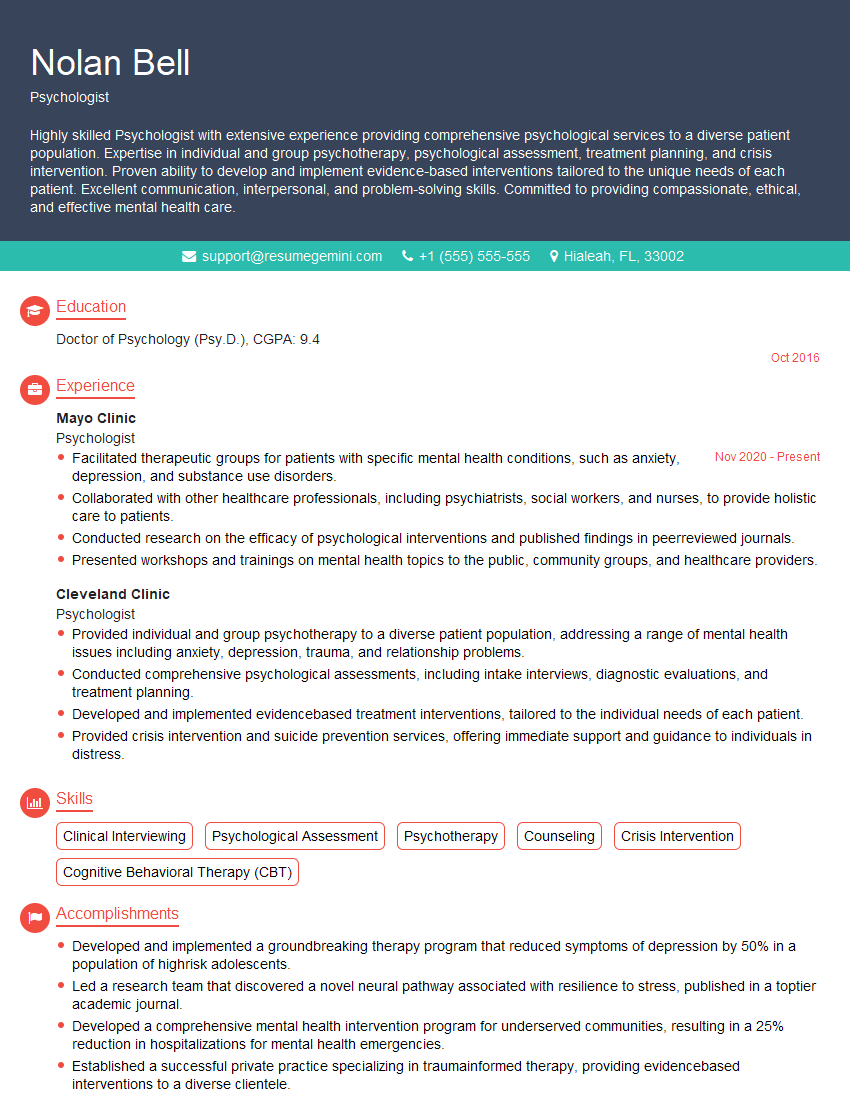
Psychologist Resume Sample
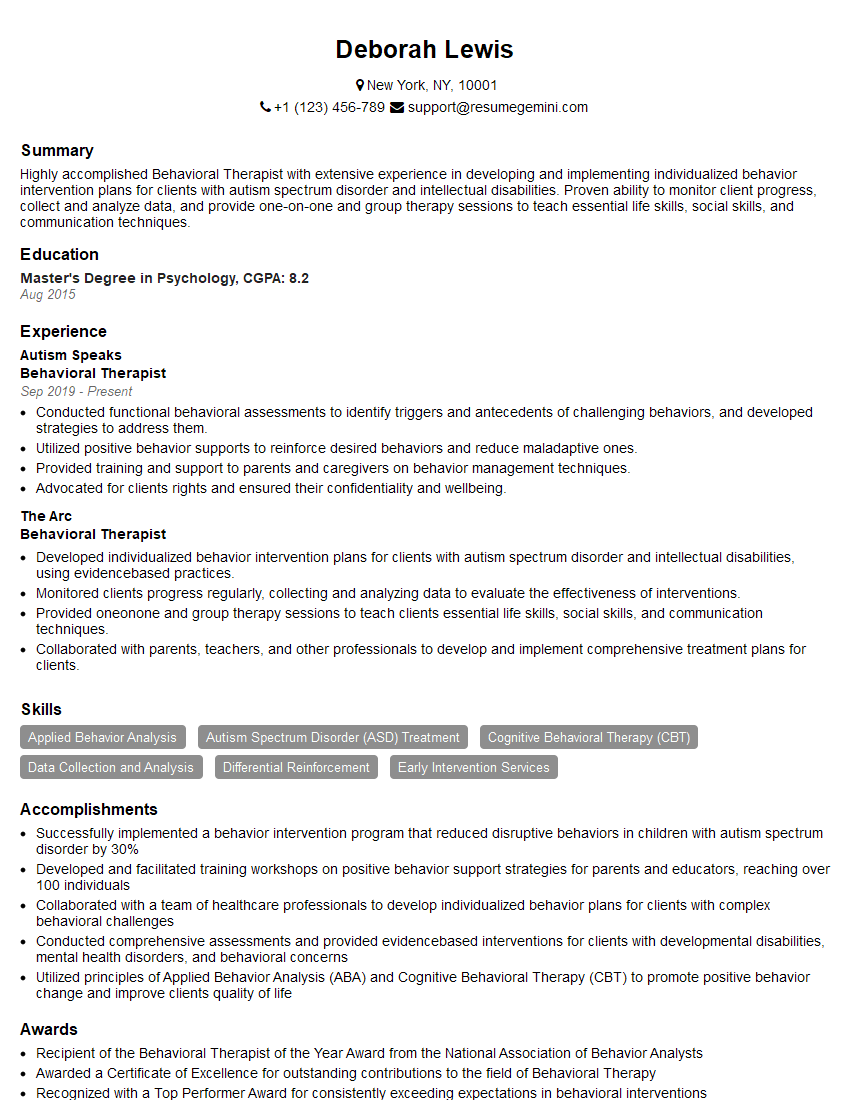
Behavioral Therapist Resume Sample
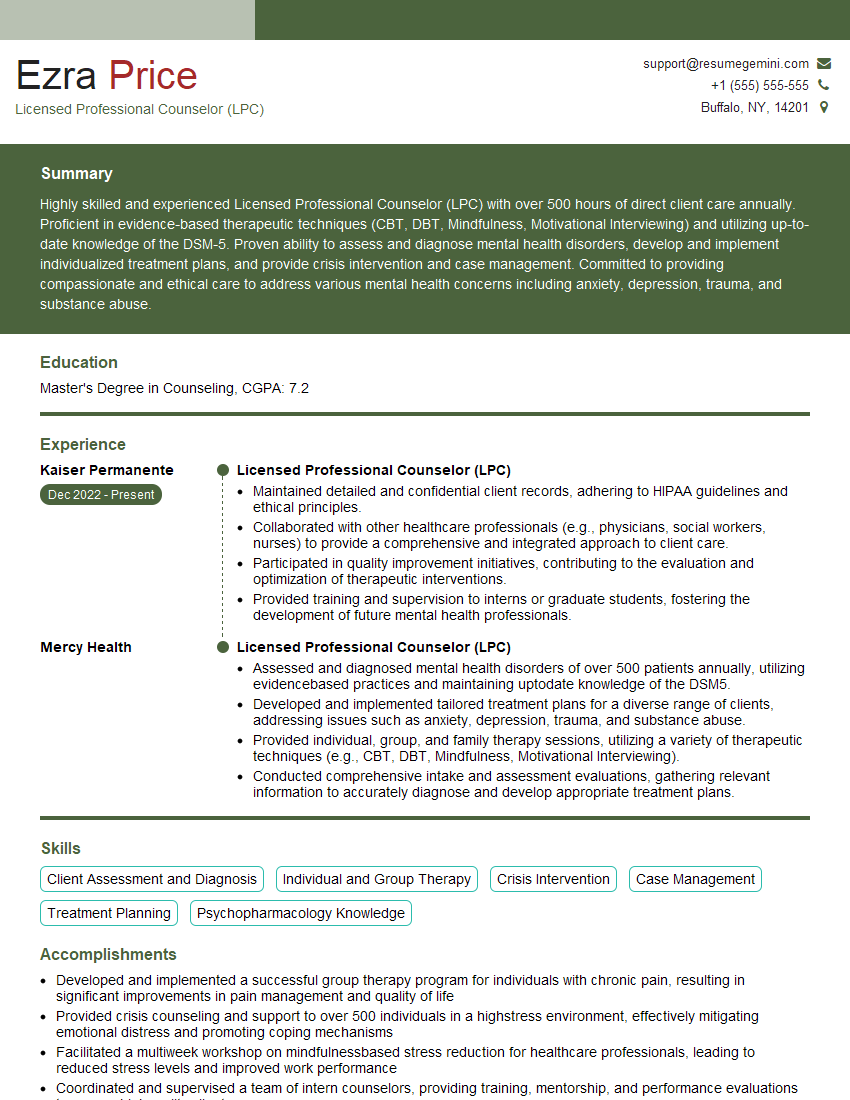
Licensed Professional Counselor (LPC) Resume Sample
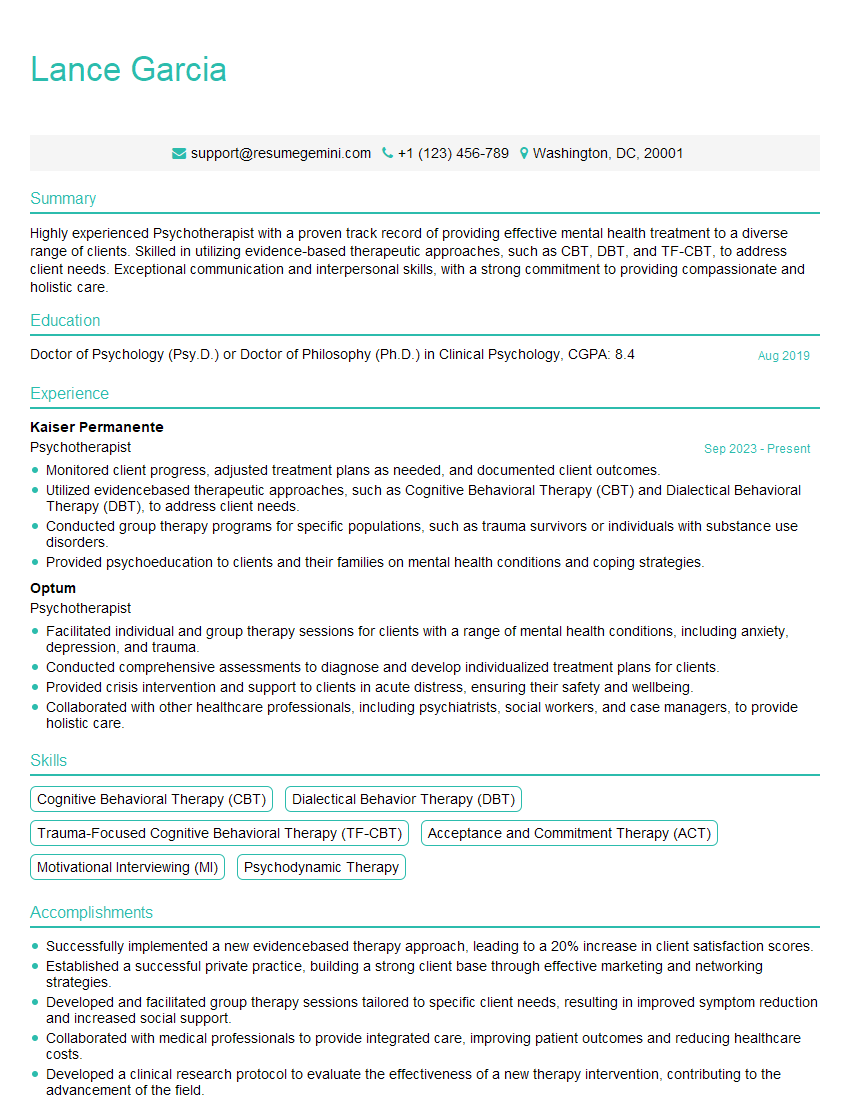
Psychotherapist Resume Sample
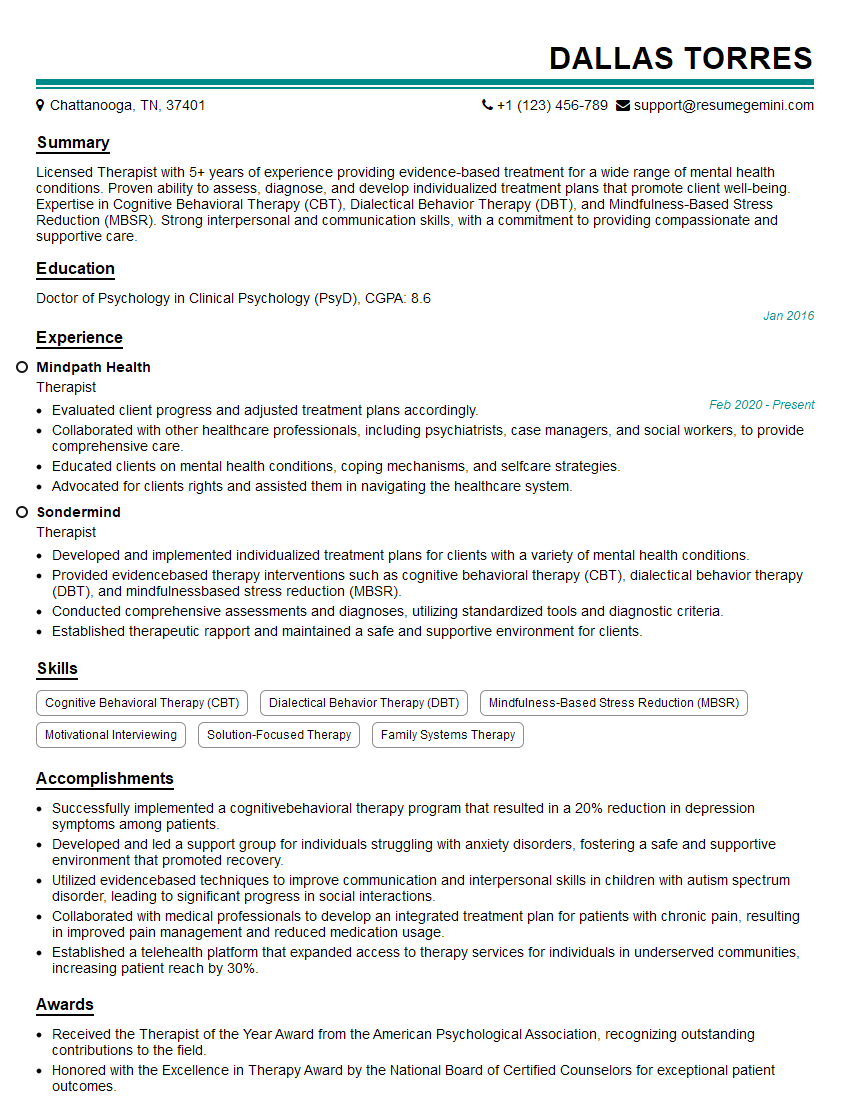
Therapist Resume Sample
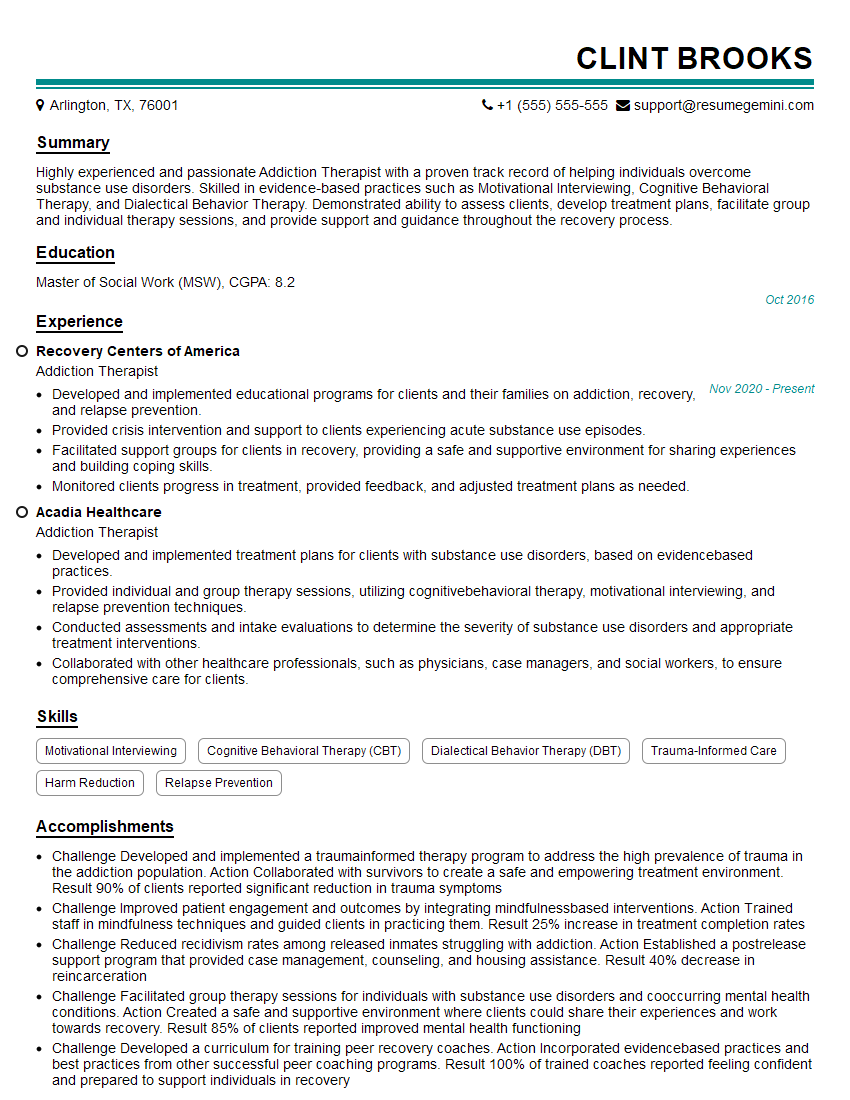
Addiction Therapist Resume Sample

Mental Health Counselor Resume Sample
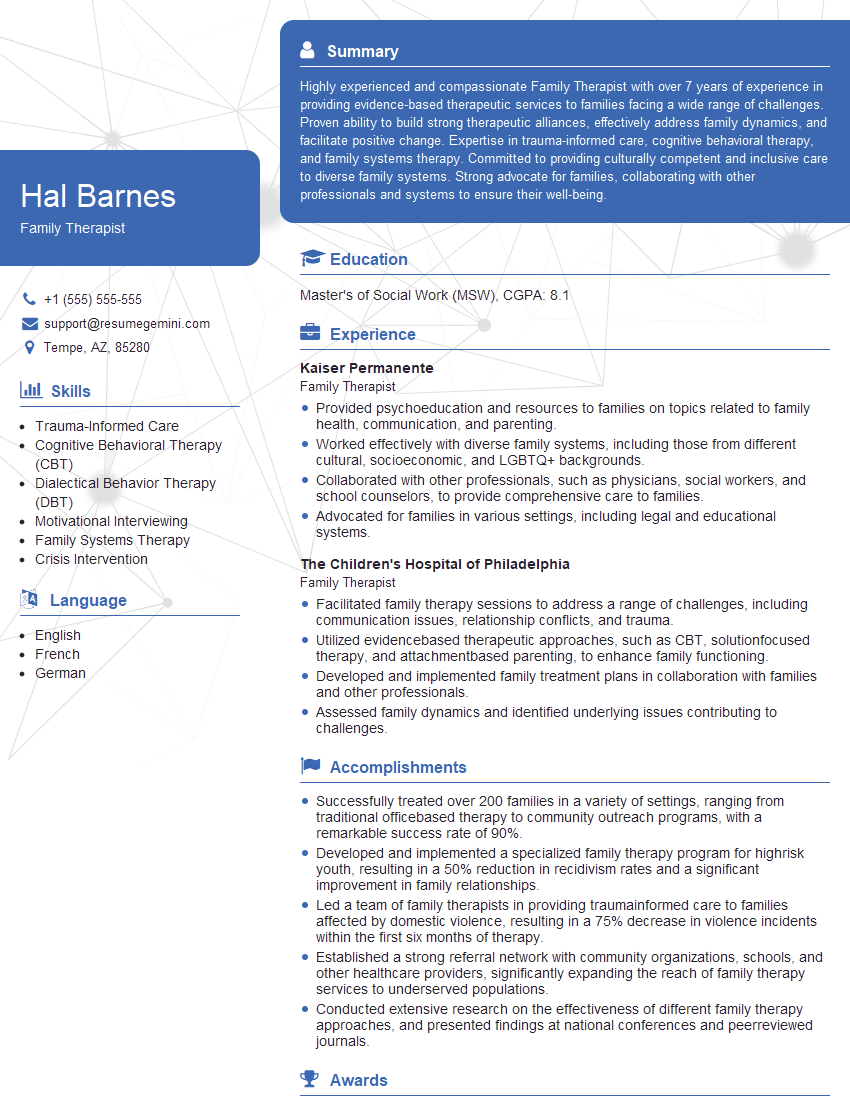
Family Therapist Resume Sample
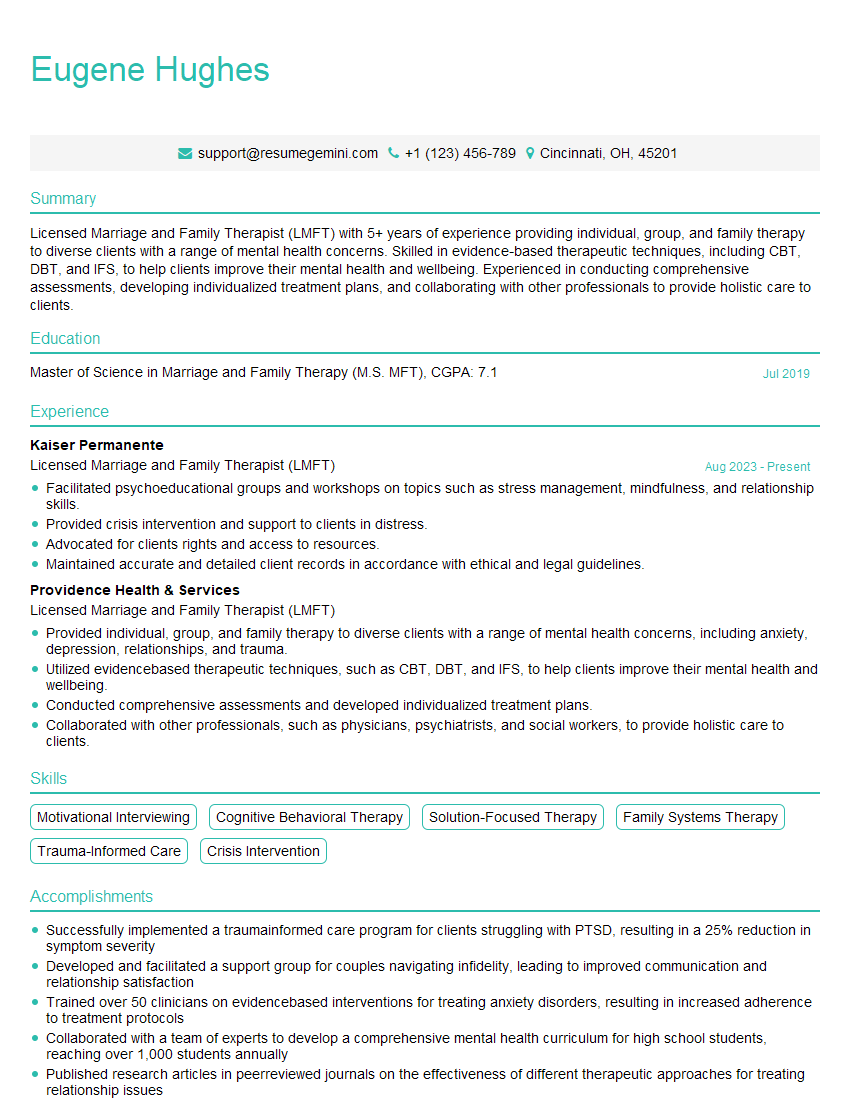
Licensed Marriage and Family Therapist (LMFT) Resume Sample
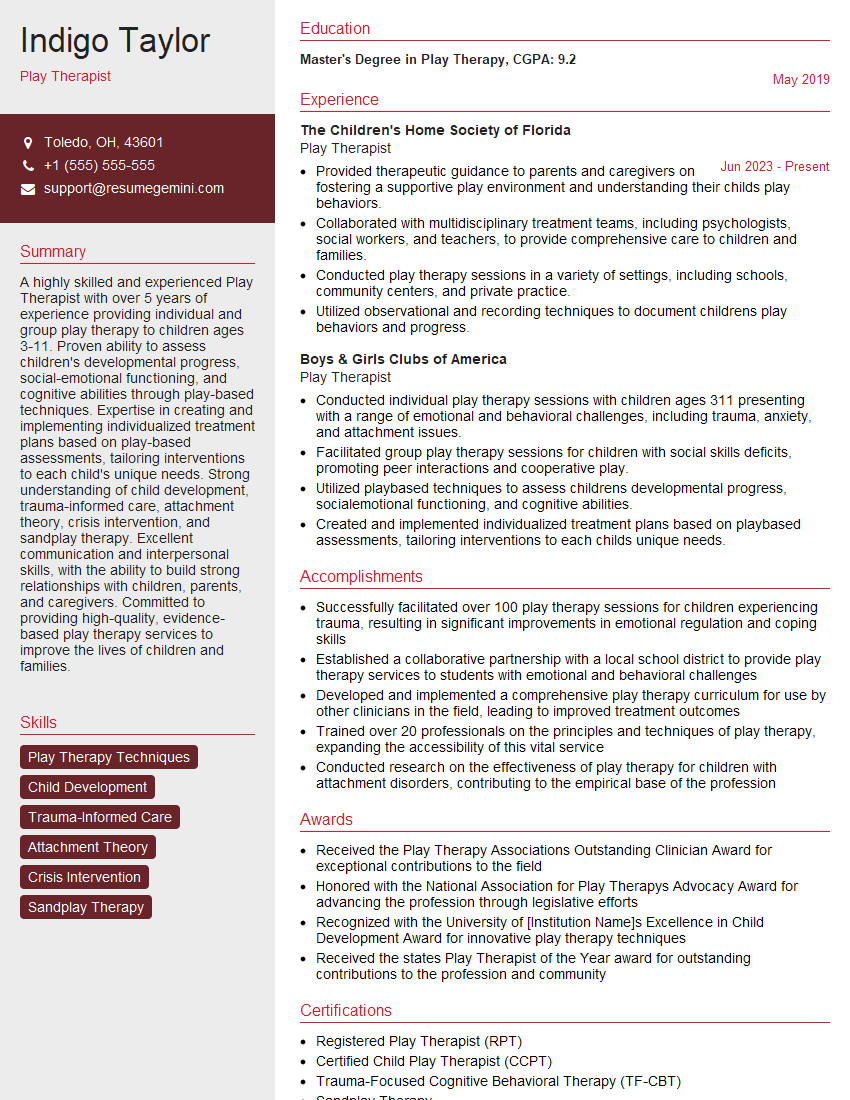
Play Therapist Resume Sample
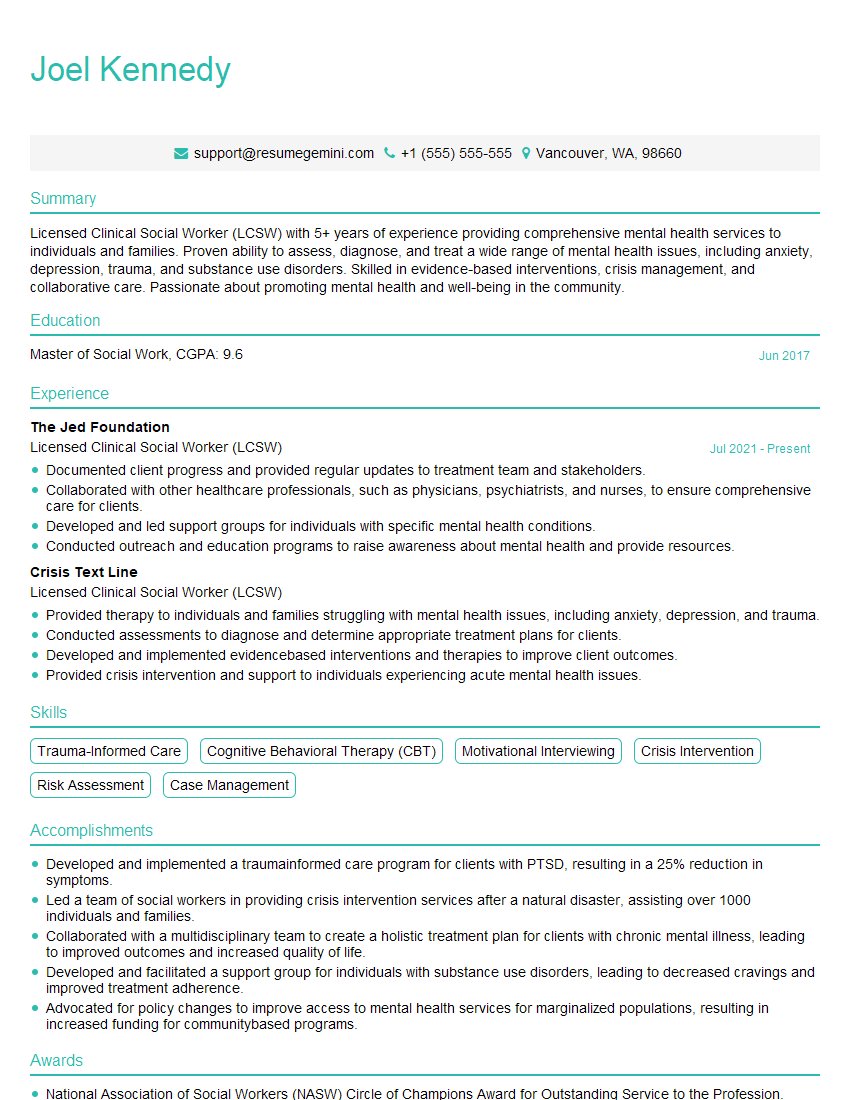
Licensed Clinical Social Worker (LCSW) Resume Sample
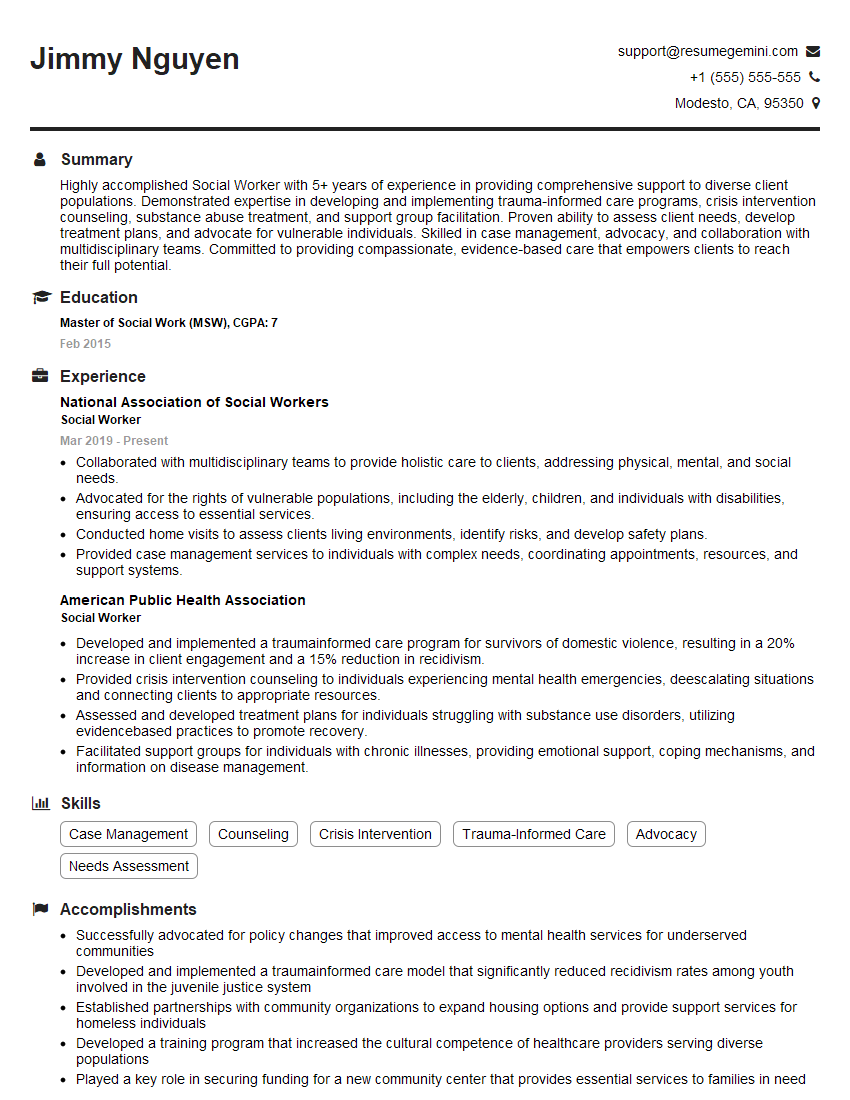
Social Worker Resume Sample
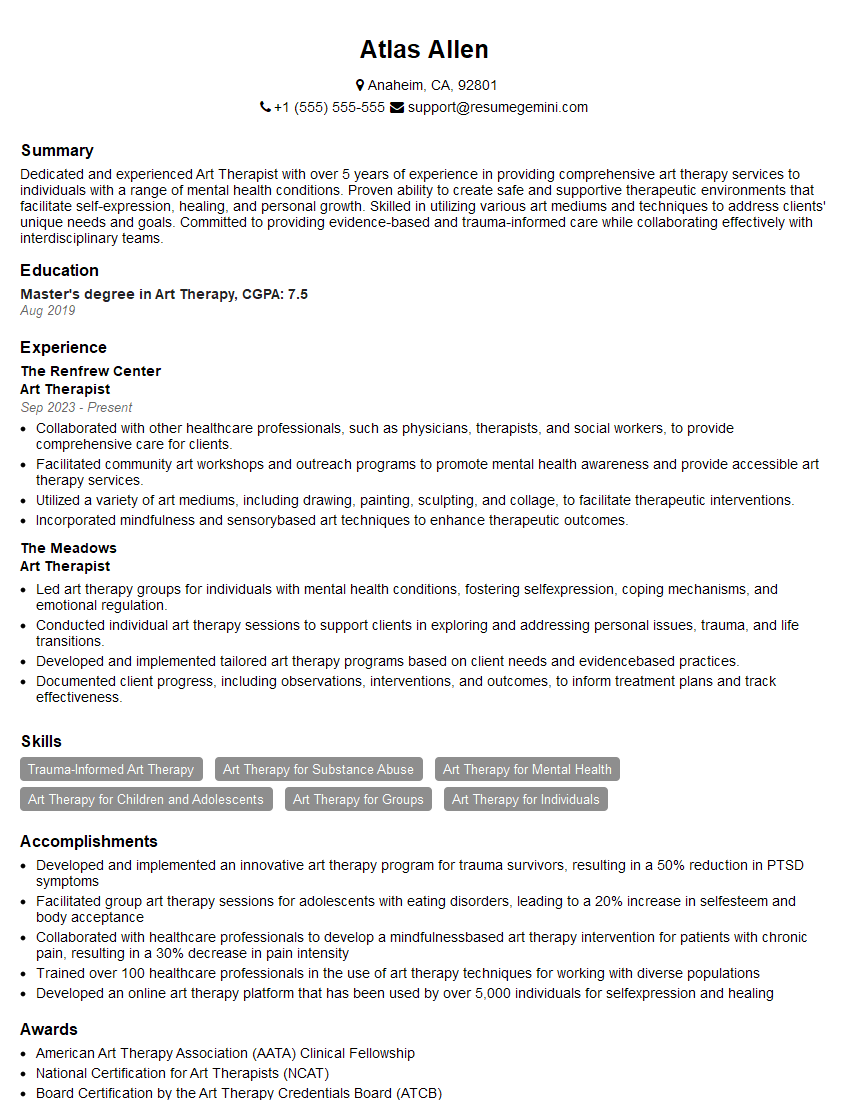
Art Therapist Resume Sample
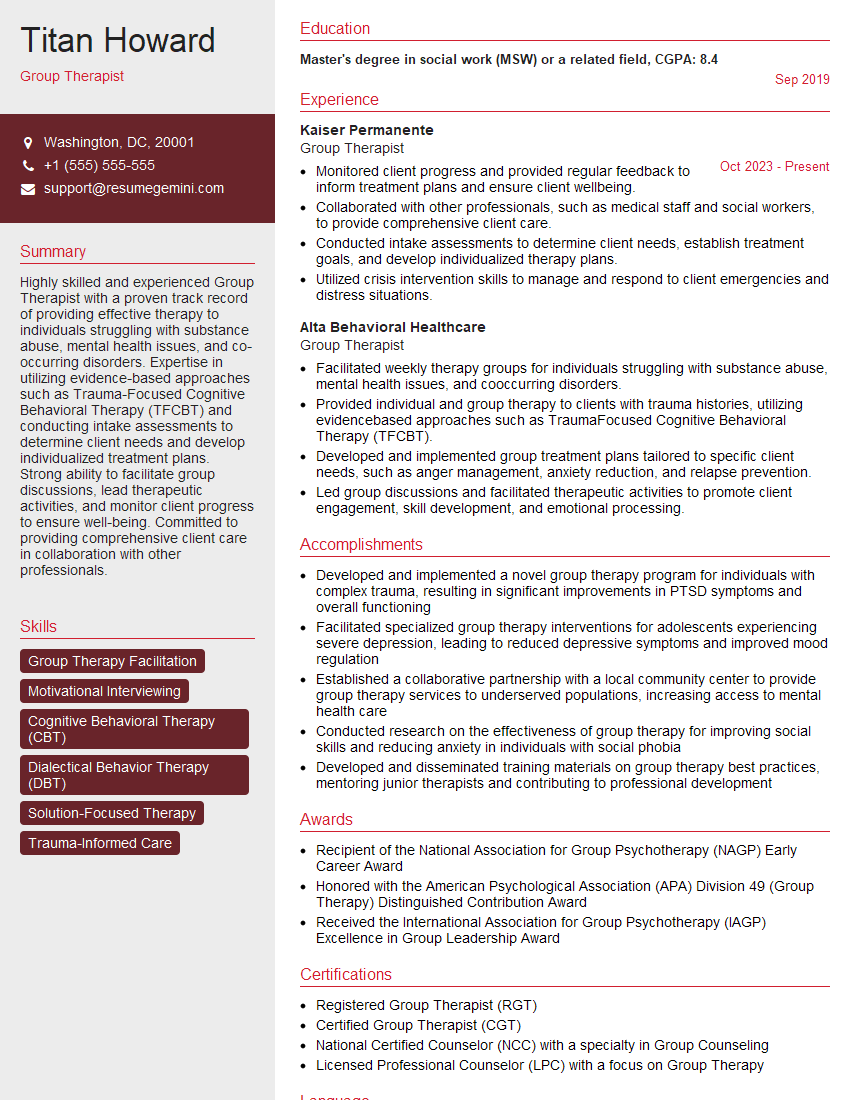
Group Therapist Resume Sample
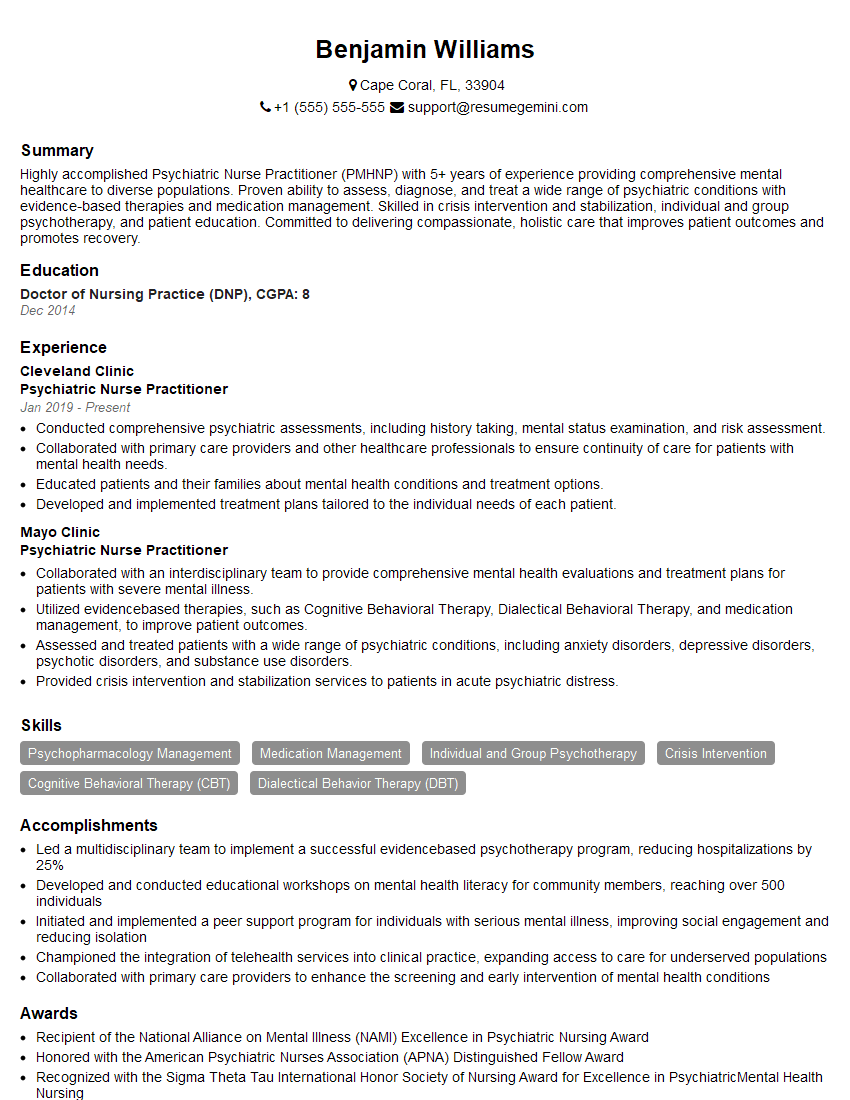
Psychiatric Nurse Practitioner Resume Sample
- Counselor
- Clinical Psychologist
- Psychologist
- Behavioral Therapist
- Licensed Professional Counselor (LPC)
- Psychotherapist
- Therapist
- Addiction Therapist
- Mental Health Counselor
- Family Therapist
- Licensed Marriage and Family Therapist (LMFT)
- Play Therapist
- Licensed Clinical Social Worker (LCSW)
- Social Worker
- Art Therapist
- Group Therapist
- Psychiatric Nurse Practitioner
Explore more articles
Users Rating of Our Blogs
Share Your Experience
We value your feedback! Please rate our content and share your thoughts (optional).
What Readers Say About Our Blog
To the interviewgemini.com Webmaster.
Very helpful and content specific questions to help prepare me for my interview!
Thank you
To the interviewgemini.com Webmaster.
This was kind of a unique content I found around the specialized skills. Very helpful questions and good detailed answers.
Very Helpful blog, thank you Interviewgemini team.