Are you ready to stand out in your next interview? Understanding and preparing for Case Conceptualization and Report Writing interview questions is a game-changer. In this blog, we’ve compiled key questions and expert advice to help you showcase your skills with confidence and precision. Let’s get started on your journey to acing the interview.
Questions Asked in Case Conceptualization and Report Writing Interview
Q 1. Define ‘case conceptualization’ and explain its importance in clinical practice.
Case conceptualization is a collaborative process where clinicians and clients work together to understand the client’s presenting problems within a specific theoretical framework. It’s essentially a story about the client’s difficulties, explaining how their past experiences, thoughts, feelings, and behaviors interact to create their current struggles. It goes beyond simply labeling a diagnosis; it aims to provide a comprehensive understanding of the individual’s unique situation.
Its importance in clinical practice is paramount because it guides treatment planning, predicts treatment outcomes, and facilitates communication among professionals. Imagine trying to build a house without a blueprint – it would be chaotic and inefficient. Similarly, treating a client without a clear case conceptualization is like building a treatment plan without understanding the client’s unique needs and the underlying mechanisms of their difficulties. A strong conceptualization ensures that interventions are tailored to the individual, maximizing effectiveness and improving outcomes.
Q 2. Describe the different theoretical frameworks used in case conceptualization.
Many theoretical frameworks can inform case conceptualization. The choice depends on the clinician’s training, the client’s presentation, and the available research evidence. Some common frameworks include:
- Cognitive Behavioral Therapy (CBT): Focuses on the interplay between thoughts, feelings, and behaviors. A CBT conceptualization would highlight maladaptive cognitive schemas, negative automatic thoughts, and behavioral patterns contributing to the client’s problems.
- Psychodynamic Therapy: Emphasizes unconscious conflicts, early childhood experiences, and relational patterns. A psychodynamic conceptualization would explore unconscious motivations, defense mechanisms, and the impact of past relationships on the client’s current functioning.
- Attachment Theory: Examines the impact of early attachment experiences on the development of relationships and emotional regulation. A conceptualization from this perspective would focus on attachment styles, internal working models, and relational patterns.
- Systems Theory: Views individuals within their social context, considering the influence of family, friends, and culture. This approach emphasizes the interconnectedness of various systems and how they contribute to the client’s challenges.
- Trauma-Informed Care: This framework prioritizes understanding the impact of trauma on the individual’s emotional, psychological, and physiological functioning. The conceptualization would explore the effects of trauma and prioritize safety and empowerment.
Often, clinicians integrate elements from multiple frameworks to develop a comprehensive and nuanced understanding of the client’s situation.
Q 3. How do you integrate assessment data into a case conceptualization?
Integrating assessment data is crucial to building a strong case conceptualization. This involves systematically reviewing all relevant information gathered from various sources. This might include:
- Clinical Interviews: Detailed information about the client’s history, current problems, and personal experiences.
- Psychological Testing: Results from standardized tests providing quantitative data on personality, cognitive functioning, and psychopathology.
- Behavioral Observations: Clinician’s observations of the client’s demeanor, interactions, and emotional expression during sessions.
- Collateral Information: Data from family members, friends, teachers, or other professionals involved in the client’s life.
The data should be analyzed to identify patterns, themes, and relationships between different aspects of the client’s life. For example, a client reporting high levels of anxiety might also exhibit avoidance behaviors on a behavioral checklist, and this pattern might be linked to past traumatic experiences revealed during interviews. This interconnected information forms the basis of the case conceptualization.
Q 4. Explain the process of formulating a diagnostic hypothesis based on available data.
Formulating a diagnostic hypothesis involves a systematic process of analyzing the available data to identify potential diagnoses that best explain the client’s symptoms. This process is not a guessing game but rather a structured approach based on established diagnostic criteria outlined in manuals like the DSM-5 or ICD-11.
The process typically involves:
- Reviewing the assessment data: Carefully examine all gathered information to identify prominent symptoms, their severity, duration, and impact on the client’s life.
- Identifying potential diagnoses: Based on the symptoms, consider all possible diagnoses that could account for the client’s presentation.
- Applying diagnostic criteria: Check if the client’s symptoms meet the criteria for each potential diagnosis, using the diagnostic manual as a guide.
- Differentiating between diagnoses: If multiple diagnoses are possible, carefully analyze the data to determine which diagnosis best explains the client’s overall presentation. Consider the symptom overlap and unique characteristics of each diagnosis.
- Considering the context: Evaluate the client’s developmental history, cultural background, and social circumstances, as these factors can influence the presentation of symptoms.
For example, a client presenting with persistent sadness, loss of interest, and sleep disturbances might initially suggest Major Depressive Disorder. However, further investigation might reveal additional symptoms like racing thoughts and impulsive behavior, leading to considering a diagnosis of Bipolar Disorder.
Q 5. How do you differentiate between a hypothesis and a diagnosis?
A hypothesis and a diagnosis are related but distinct concepts. A diagnostic hypothesis is a tentative explanation for a client’s symptoms, formulated based on available data before a comprehensive evaluation is complete. It’s an educated guess or working theory that guides further assessment. A diagnosis, on the other hand, is a formal conclusion reached after a thorough evaluation, confirming that a client meets the established diagnostic criteria for a specific disorder. It is a more definitive statement based on sufficient evidence.
Think of it like detective work. The hypothesis is the initial hunch based on early clues; the diagnosis is the final conclusion after gathering all the evidence and analyzing it thoroughly. A hypothesis is refined or rejected as more data becomes available, ultimately leading (hopefully) to a confirmed diagnosis or, sometimes, to a conclusion that no diagnosis fits the presented data.
Q 6. What are the key components of a well-written clinical report?
A well-written clinical report should be clear, concise, and comprehensive. Key components include:
- Identifying Information: Client’s name, date of birth, referral source, etc.
- Reason for Referral: A brief statement outlining the client’s presenting problem(s).
- History of Presenting Problem: Detailed description of the onset, duration, severity, and impact of the client’s symptoms.
- Past History: Relevant information about the client’s past experiences, including medical, psychiatric, educational, and social history.
- Assessment Procedures: A description of the assessment methods used (e.g., clinical interviews, psychological testing).
- Assessment Findings: Summary of the results from all assessment procedures, including both quantitative and qualitative data.
- Case Conceptualization: A narrative that integrates the assessment findings into a coherent explanation of the client’s problems, including a diagnostic hypothesis.
- Diagnostic Impression: Formal diagnosis(es) based on DSM-5 or ICD-11 criteria.
- Recommendations: Specific suggestions for treatment, including therapy modalities, medication management, and other interventions.
- Prognosis: Prediction of the client’s likely outcome with and without treatment.
Q 7. How do you ensure clarity, accuracy, and conciseness in your reports?
Ensuring clarity, accuracy, and conciseness in clinical reports requires careful attention to detail and adherence to professional writing standards. Here are some strategies:
- Use clear and concise language: Avoid jargon and technical terms unless absolutely necessary. Define any technical terms that are used.
- Organize information logically: Present information in a structured and systematic manner, using headings and subheadings to enhance readability.
- Use precise and specific language: Avoid vague or ambiguous terms. Be as precise as possible in describing the client’s symptoms, behaviors, and experiences.
- Support statements with evidence: All statements should be supported by evidence from the assessment data. Clearly indicate the source of the information.
- Review and edit carefully: Proofread the report thoroughly to identify and correct any errors in grammar, spelling, or punctuation. Consider having another clinician review your report for clarity and accuracy.
- Use templates or standardized formats: Using a structured template can ensure that all essential information is included and the report is consistently formatted.
A well-written report is not only informative but also demonstrates professionalism and competence. It is a vital tool for communication among clinicians, providing a clear and concise summary of the client’s case and guiding treatment decisions.
Q 8. Describe your experience using different report writing formats.
My experience encompasses a variety of report writing formats, tailored to the specific needs of each situation. I’m proficient in creating comprehensive clinical reports following the SOAP (Subjective, Objective, Assessment, Plan) note format, widely used in healthcare settings. This structure allows for a clear and organized presentation of client information, from the client’s perspective (Subjective) to observations and test results (Objective), a professional clinical assessment (Assessment), and a detailed treatment plan (Plan). I’ve also prepared concise progress notes, focusing on key changes and interventions, ideal for tracking progress over time. For legal contexts, I’ve crafted forensic reports with meticulous attention to detail and adherence to legal standards, emphasizing objectivity and supporting evidence. Furthermore, I’ve developed reports for insurance purposes, ensuring compliance with specific requirements and using clear, unambiguous language to facilitate claims processing. Each format requires a different approach; the SOAP note requires a holistic viewpoint, progress notes require brevity and focus, forensic reports demand stringent accuracy, and insurance reports need conciseness and clarity.
Q 9. How do you maintain confidentiality and ethical considerations when writing reports?
Maintaining confidentiality and ethical considerations is paramount in my report writing. I strictly adhere to HIPAA regulations and relevant professional codes of conduct, ensuring all identifying information is either removed or anonymized, especially when sharing data with third parties. Client records are stored securely using password-protected electronic systems and physically locked filing cabinets. I carefully review reports before dissemination to eliminate any inadvertent breaches of confidentiality. When writing about sensitive information, such as disclosures of abuse or trauma, I use cautious, non-judgmental language and focus on presenting factual data without making assumptions or interpretations. This includes obtaining informed consent from clients before including any details that might be considered sensitive or personal. Any data used is carefully sourced and accurately reflected.
Q 10. Explain the importance of using objective language in clinical reports.
Objective language is crucial in clinical reports to maintain credibility and avoid bias. Subjective interpretations, opinions, or judgments can compromise the report’s reliability and validity. Imagine a report stating, ‘The client was uncooperative.’ This statement is subjective; it does not explain the behavior that led to this conclusion. An objective statement would describe the behavior without judgment. For example, ‘The client refused to engage in the planned activity and verbally expressed his dissatisfaction.’ This precise description enables the reader to draw their own conclusion. Using objective language increases the report’s transparency, allowing for better communication and collaboration among healthcare professionals. It also helps to reduce the likelihood of legal challenges and enhances the overall quality and integrity of the documentation.
Q 11. How do you incorporate evidence-based practices into your case conceptualization and report writing?
Evidence-based practices (EBP) are the cornerstone of my case conceptualization and report writing. Before developing a case conceptualization, I thoroughly review the most recent research and best practices related to the client’s presenting problem. For example, if working with a client experiencing anxiety, I will consult peer-reviewed journals, clinical guidelines, and reputable databases like PubMed to understand the latest treatment modalities, including Cognitive Behavioral Therapy (CBT) or mindfulness-based techniques. These findings then directly inform my assessment and the development of the treatment plan detailed in the report. I cite relevant research and literature in my reports, demonstrating that my work is grounded in empirical evidence and not merely opinion. This ensures that the intervention strategies recommended are both effective and ethical.
Q 12. How do you handle discrepancies or inconsistencies in client data?
Discrepancies or inconsistencies in client data require careful consideration and investigation. They can arise from various sources, such as memory lapses, differing perspectives from various sources, or even errors in data collection. My approach is systematic: first, I re-examine all the data points to confirm the inconsistency. If possible, I will seek clarification from the client, or other relevant sources, in a non-judgmental and supportive manner. If the discrepancy cannot be resolved, I document it transparently in the report, explaining the different accounts and my attempts at resolution. This transparency ensures that the reader understands the limitations of the data and can interpret it accordingly. Drawing a conclusion despite unclear information can damage the reliability of the final assessment. Honesty and a transparent acknowledgment of limitations are critical for ethical reporting.
Q 13. Describe your experience in writing reports for different audiences (e.g., clinicians, legal professionals, insurance companies).
I’ve prepared reports for diverse audiences, adapting my style and level of detail for each. For clinicians, my reports contain comprehensive clinical information, including diagnostic impressions, treatment plans, and relevant assessment data using professional terminology. For legal professionals, reports are structured to meet legal requirements, presenting information concisely and objectively, emphasizing factual evidence and avoiding subjective opinions. Reports for insurance companies are concise, focused on meeting their specific criteria, and clearly demonstrate the necessity and efficacy of treatment provided, using only appropriate medical terminology. This adaptation of style demonstrates an understanding of the various contexts within which clinical reports are used.
Q 14. How do you ensure your reports are easily understood by non-clinical audiences?
Ensuring reports are easily understood by non-clinical audiences involves using clear, concise language, avoiding jargon whenever possible. If technical terms are necessary, I provide a simple explanation in parentheses. I employ analogies or metaphors to explain complex concepts in an accessible way. For instance, instead of saying ‘the client demonstrated a high level of emotional dysregulation,’ I might say, ‘The client’s emotions were very intense and difficult for them to manage, like a rollercoaster that’s hard to control.’ Visual aids like graphs or charts can also clarify data presentation. The focus is always on transforming complex clinical information into a user-friendly narrative that anyone can understand and act upon. This careful consideration of audience ensures that important information isn’t lost in technicalities.
Q 15. What software or tools do you use for case conceptualization and report writing?
For case conceptualization and report writing, I leverage a combination of software and tools tailored to maximize efficiency and accuracy. My primary tools include a comprehensive electronic health record (EHR) system, which allows for secure storage and easy access to client data. This system often integrates directly with assessment tools and scoring programs, streamlining the process of data entry and analysis. I also utilize word processing software like Microsoft Word for report writing, prioritizing clear formatting and readability to ensure the reports are easily understood by all stakeholders. Beyond this, I utilize mind-mapping software like MindManager to visually organize complex case information and explore different theoretical perspectives during the conceptualization phase. This aids in identifying patterns and connections that might be missed with linear note-taking. Finally, I employ citation management software like Zotero to maintain accurate and consistent referencing throughout my reports.
Career Expert Tips:
- Ace those interviews! Prepare effectively by reviewing the Top 50 Most Common Interview Questions on ResumeGemini.
- Navigate your job search with confidence! Explore a wide range of Career Tips on ResumeGemini. Learn about common challenges and recommendations to overcome them.
- Craft the perfect resume! Master the Art of Resume Writing with ResumeGemini’s guide. Showcase your unique qualifications and achievements effectively.
- Don’t miss out on holiday savings! Build your dream resume with ResumeGemini’s ATS optimized templates.
Q 16. How do you manage your time effectively when working on multiple case files?
Effective time management is crucial when handling multiple cases. I employ a project management approach, utilizing tools like Trello or Asana to track deadlines, progress, and tasks for each case. Prioritization is key; I use methods like the Eisenhower Matrix (urgent/important) to identify tasks that require immediate attention versus those that can be scheduled. Batching similar tasks (e.g., conducting all initial interviews on one day) improves efficiency. I also allocate specific blocks of time for each case, sticking to a schedule to avoid task-switching and maintain focus. Regular review of my schedule helps me identify potential bottlenecks and adjust my workflow accordingly. For example, I might dedicate Monday mornings to report writing and Wednesday afternoons to client meetings.
Q 17. Describe your approach to collaborating with other professionals on a client’s case.
Collaboration is central to effective case management. My approach prioritizes clear and open communication. I establish regular meetings with the treatment team (therapists, physicians, educators, etc.), using a shared online platform for document sharing and updates. This allows for real-time discussion of client progress, challenges, and new information. I actively listen to the perspectives of other professionals, valuing their expertise and integrating their insights into the case conceptualization and report writing process. Before making any significant decisions, I seek consensus within the team. For instance, if there’s a disagreement on a particular diagnosis, I would facilitate a discussion to collaboratively reach a shared understanding, supported by evidence and research.
Q 18. How do you adapt your case conceptualization approach for different client populations (e.g., children, adults, families)?
My approach to case conceptualization adapts significantly across different client populations. When working with children, I incorporate developmental considerations, understanding that their cognitive abilities and communication styles vary greatly depending on age. This might involve using play therapy techniques or relying on information from parents or caregivers to understand the child’s experience. With adults, I focus on their individual history, life experiences, and personal goals, taking into account their capacity for self-reflection and insight. When working with families, I adopt a systemic perspective, acknowledging the interconnectedness between family members and how their interactions influence individual functioning. The assessment tools, interview strategies, and theoretical frameworks I employ are tailored to the specific developmental stage and contextual factors of each client population.
Q 19. How do you address limitations in the available data when formulating a case conceptualization?
Limitations in data are inevitable. When facing this, I begin by acknowledging the gaps and explicitly stating them in my conceptualization. Then, I explore alternative data sources to supplement the available information. For example, if limited test results are available, I might supplement with collateral information from interviews with family members or teachers. It’s crucial to be transparent about the limitations, acknowledging the potential impact on the accuracy and comprehensiveness of the case conceptualization. I explicitly state my reasoning and the assumptions I’ve made based on the available information. The report then clearly articulates the limitations and the possible implications of the missing data for the conclusions reached.
Q 20. What are the potential challenges in integrating information from multiple sources (e.g., interviews, observations, test results)?
Integrating information from diverse sources presents challenges. Inconsistencies between self-report, observations, and test results are common. To address this, I employ a systematic approach, rigorously documenting the source of each piece of information. I carefully analyze potential biases associated with different methods. For example, self-report might be influenced by social desirability bias, while observations can be affected by observer bias. I actively look for patterns and themes across different data sources, while also acknowledging discrepancies. When inconsistencies emerge, I explore potential explanations and integrate these into the overall case conceptualization. This might involve further investigation or clarification with the client or other informants.
Q 21. How do you handle sensitive or controversial information in case conceptualization and report writing?
Handling sensitive information requires a nuanced approach. I adhere strictly to ethical guidelines and legal regulations regarding confidentiality and privacy. When dealing with controversial information, such as allegations of abuse or self-harm, I prioritize the client’s safety and well-being. I document all information accurately and objectively, avoiding subjective interpretations or judgments. Reports are written using neutral language, focusing on factual observations rather than emotionally charged descriptions. If legal reporting requirements are triggered, I follow established procedures carefully, ensuring that the necessary steps are taken to protect both the client and myself. Furthermore, I maintain meticulous records of all communications and actions taken in relation to sensitive information.
Q 22. How do you revise and refine your case conceptualization as new information becomes available?
Case conceptualization is a dynamic process, not a static document. As new information emerges – through further sessions with the client, collateral information from family members or other professionals, or even the client’s response to interventions – it’s crucial to revise and refine the initial understanding. Think of it like building a house: you start with a blueprint (initial conceptualization), but as you build, you might discover structural issues or changes in client preferences (new information), requiring adjustments to the design.
My approach involves a cyclical process: Review, Revise, Re-evaluate. I regularly review the existing conceptualization, comparing it to the accumulating data. If discrepancies or inconsistencies arise, I revise the conceptualization accordingly. For instance, if my initial hypothesis focused on anxiety as the primary issue but the client consistently demonstrates anger management difficulties, I would revise the conceptualization to incorporate this new information. Finally, I re-evaluate the effectiveness of the revised conceptualization by observing the client’s progress and making further adjustments as needed. This continuous feedback loop ensures the conceptualization remains relevant and accurate throughout the treatment process.
Q 23. Describe a situation where you had to modify your case conceptualization based on treatment response.
I worked with a client presenting with symptoms consistent with depression, initially conceptualized as stemming from a recent job loss. The initial treatment plan focused on cognitive restructuring and behavioral activation techniques. However, after several sessions with little progress, I observed that her sleep disturbances were significantly impacting her mood and energy levels. This previously under-considered factor suggested that addressing her sleep issues might be crucial to improving her overall depression.
Consequently, I modified my case conceptualization to integrate the sleep difficulties as a significant contributing factor to her depression. The treatment plan was then adjusted to include sleep hygiene education and relaxation techniques. This modification resulted in a substantial improvement in her overall functioning, highlighting the importance of flexibility and responsiveness to treatment outcomes in case conceptualization.
Q 24. How do you ensure the accuracy and reliability of your case conceptualization and report writing?
Accuracy and reliability in case conceptualization and report writing are paramount. I employ several strategies to ensure both:
- Data triangulation: I gather information from multiple sources (client self-report, collateral reports, observations) to corroborate findings and reduce reliance on any single source.
- Peer consultation: I regularly discuss complex cases with colleagues to gain alternative perspectives and identify potential biases in my thinking.
- Evidence-based practice: I ground my conceptualizations and reports in empirical research, citing relevant studies and theoretical frameworks to support my conclusions.
- Thorough documentation: I meticulously document all sessions, assessments, and interventions, creating a detailed audit trail that supports the accuracy and reliability of my interpretations.
- Regular self-reflection: I critically evaluate my own biases and assumptions to minimize their influence on my case conceptualizations and reports.
By combining these methods, I strive to create accurate, reliable, and defensible case conceptualizations and reports.
Q 25. What strategies do you use to overcome writer’s block or difficulty in organizing your thoughts when writing reports?
Writer’s block is a common challenge. To overcome it, I utilize several strategies:
- Mind mapping: I start by brainstorming and visually organizing my thoughts through mind maps. This helps me identify key themes and connections.
- Outlining: I create a detailed outline before starting to write, breaking down the report into logical sections and subsections. This provides a clear structure to follow.
- Freewriting: I engage in freewriting for a set period, letting my thoughts flow freely onto the page without worrying about grammar or style. This can help break through initial resistance.
- Changing my environment: A change of scenery – working in a different location or at a different time of day – can sometimes stimulate creativity.
- Taking breaks: Stepping away from the writing for a while can allow my subconscious mind to work on the task, leading to fresh perspectives.
If the organizational challenges persist, I might use a template or utilize specific report writing software which helps streamline the process.
Q 26. How do you ensure your reports comply with all relevant legal and ethical standards?
Adherence to legal and ethical standards is non-negotiable. I ensure compliance by:
- Maintaining client confidentiality: I strictly adhere to HIPAA regulations and all relevant privacy laws, using appropriate safeguards to protect client information.
- Avoiding biased language: I use objective and neutral language in my reports, avoiding potentially stigmatizing or discriminatory terms.
- Obtaining informed consent: I obtain informed consent from clients before sharing any information or conducting any assessments.
- Maintaining accurate records: My records are complete, accurate, and readily accessible, ensuring transparency and accountability.
- Staying updated on legal and ethical guidelines: I regularly review relevant ethical codes and legal updates to ensure my practice remains compliant.
In cases involving legal proceedings, I consult with legal counsel to ensure my reports meet all necessary requirements.
Q 27. Describe your experience with using technology to enhance case conceptualization and report writing (e.g., electronic health records, telehealth platforms).
Technology has significantly enhanced my work. I use electronic health records (EHRs) for secure storage and access to client information, improving efficiency and reducing paperwork. EHRs often integrate with telehealth platforms, enabling remote sessions and report generation. These platforms allow for secure video conferencing, document sharing, and online scheduling.
Specific examples include using telehealth platforms like Zoom for client sessions, creating and managing client files within the EHR, and utilizing templates within the EHR to streamline report writing. Furthermore, some EHR systems offer features that facilitate data analysis and trend identification, aiding in refining my case conceptualizations over time. These technological advancements have dramatically improved my efficiency and allowed me to provide more effective and accessible services.
Q 28. How do you stay updated on current trends and best practices in case conceptualization and report writing?
Staying current in this rapidly evolving field requires ongoing professional development. I achieve this through several methods:
- Continuing education courses and workshops: I actively participate in relevant training opportunities focusing on advancements in case conceptualization, evidence-based treatment modalities, and report writing best practices.
- Professional journals and publications: I regularly review peer-reviewed journals and professional publications in psychology and related fields to stay abreast of the latest research and theoretical developments.
- Conferences and presentations: Attending professional conferences provides opportunities to learn from experts, network with colleagues, and engage with cutting-edge research.
- Membership in professional organizations: My membership in relevant professional organizations provides access to resources, publications, and networking opportunities that support ongoing learning.
- Supervision and consultation: Regular supervision and consultation with experienced professionals offer valuable feedback and guidance on improving my skills and knowledge.
This multi-faceted approach ensures that my case conceptualizations and report writing are grounded in the most current and effective practices.
Key Topics to Learn for Case Conceptualization and Report Writing Interview
Ace your interview by mastering these crucial areas:
- Understanding Case Conceptualization Models: Explore different theoretical frameworks (e.g., psychodynamic, cognitive-behavioral, systemic) and their application in formulating case conceptualizations. Practice identifying key theoretical principles relevant to different client presentations.
- Data Integration and Analysis: Learn to synthesize information from various sources (e.g., client interviews, psychological assessments, collateral information) to build a coherent and comprehensive understanding of the case.
- Formulating Diagnostic Hypotheses: Develop your skills in accurately identifying and justifying diagnostic impressions based on DSM or ICD criteria, considering differential diagnoses and the nuances of clinical presentation.
- Developing Treatment Goals and Strategies: Practice formulating measurable and achievable treatment goals aligned with the client’s needs and the chosen theoretical framework. Explore various evidence-based treatment approaches and their suitability for different clinical situations.
- Report Writing Structure and Style: Master the art of writing clear, concise, and professional reports that effectively communicate your case conceptualization and recommendations to a wider audience (e.g., colleagues, supervisors, legal professionals).
- Ethical Considerations in Case Conceptualization and Report Writing: Understand and apply ethical principles related to confidentiality, informed consent, cultural sensitivity, and bias awareness in your work.
- Problem-Solving and Critical Thinking: Develop your ability to analyze complex clinical situations, identify potential challenges, and propose effective solutions within the context of case conceptualization and report writing.
Next Steps
Mastering Case Conceptualization and Report Writing is essential for career advancement in many mental health and related fields. A strong understanding of these skills demonstrates your clinical competence and ability to communicate effectively. To significantly boost your job prospects, invest time in crafting an ATS-friendly resume that highlights your expertise. ResumeGemini is a trusted resource that can help you build a professional and impactful resume tailored to your specific skills and experience. Examples of resumes tailored to Case Conceptualization and Report Writing are available within ResumeGemini to provide you with guidance and inspiration. Take the next step toward your dream career today!
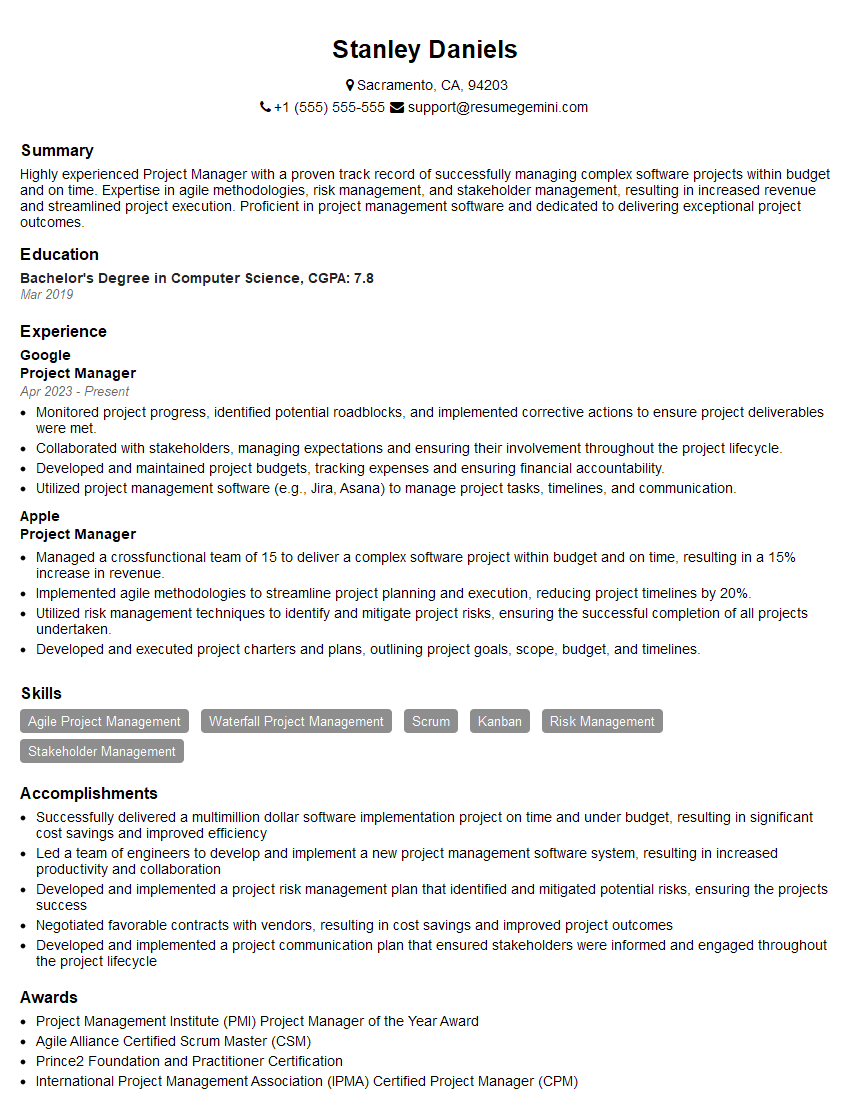
Project Manager Resume Sample
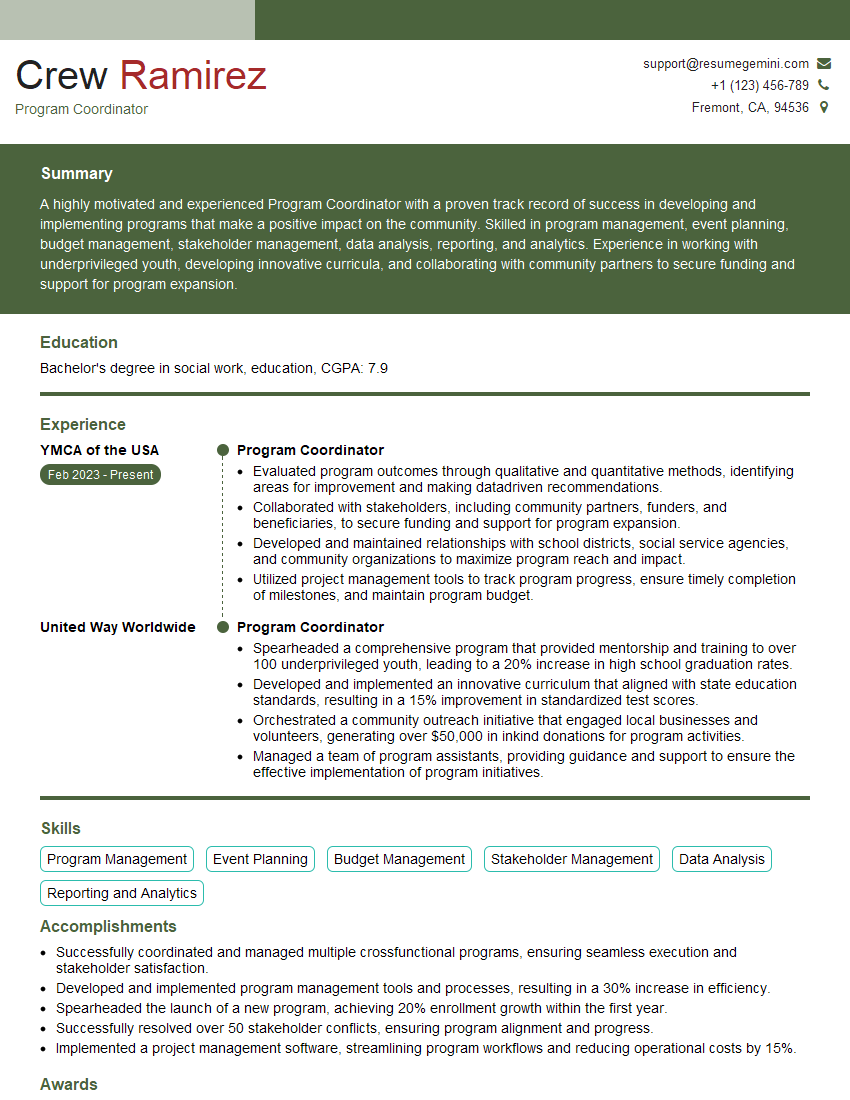
Program Coordinator Resume Sample
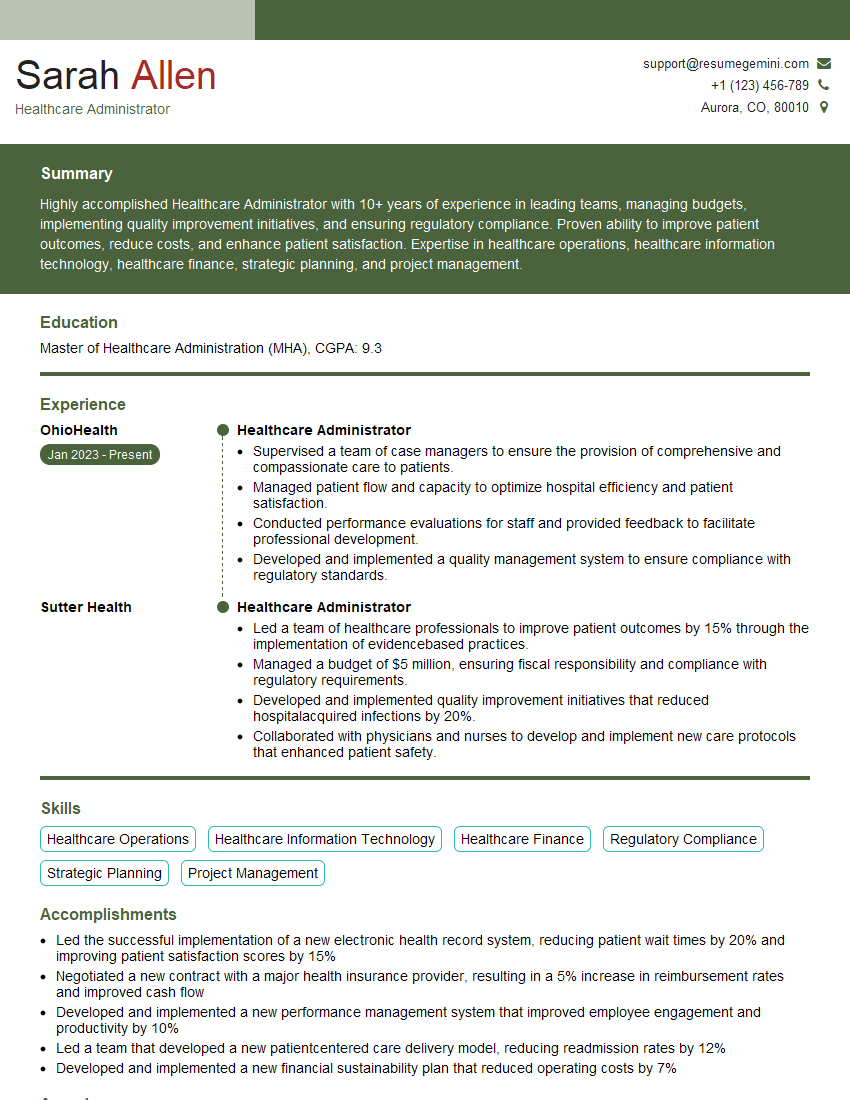
Healthcare Administrator Resume Sample
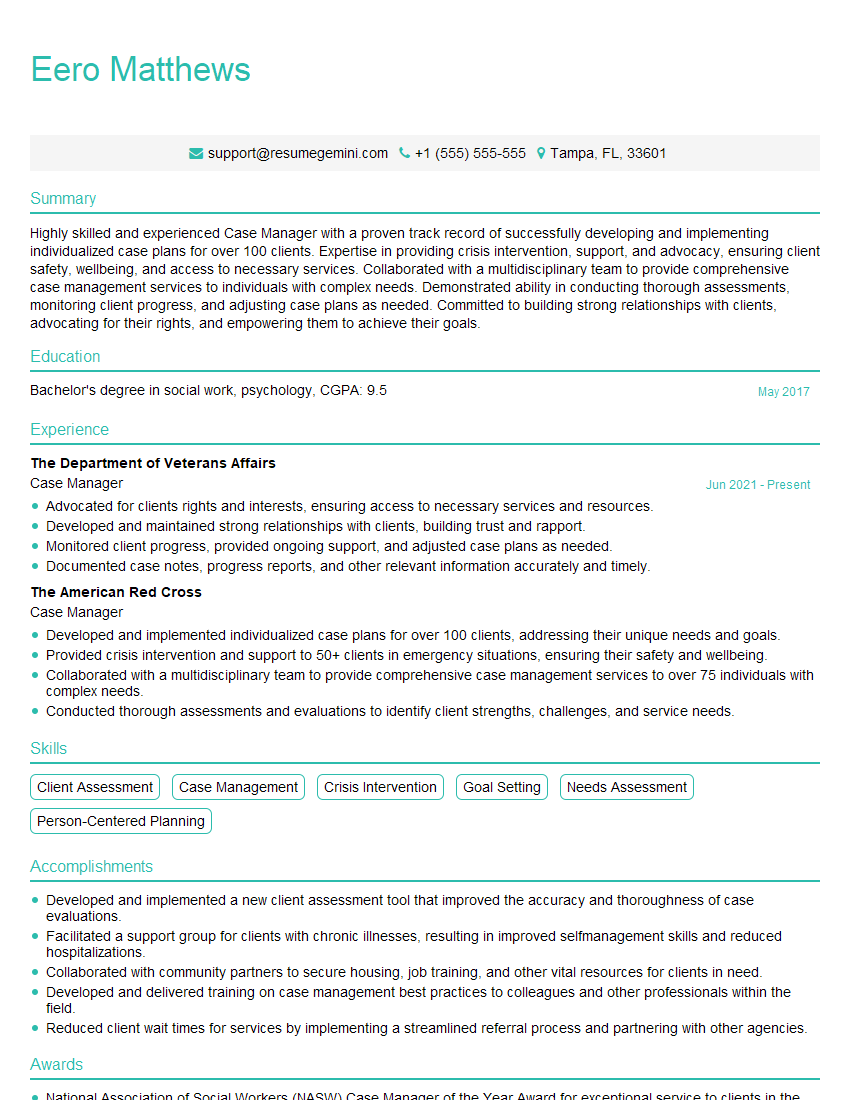
Case Manager Resume Sample
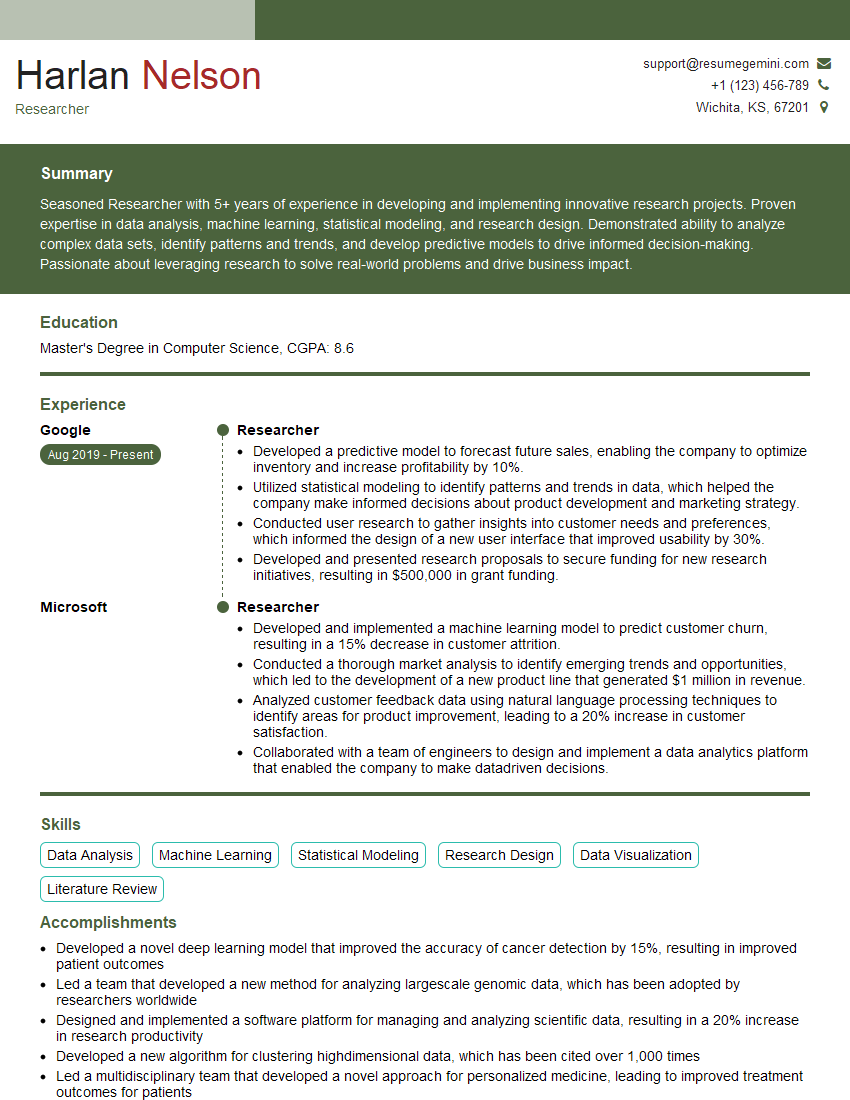
Researcher Resume Sample
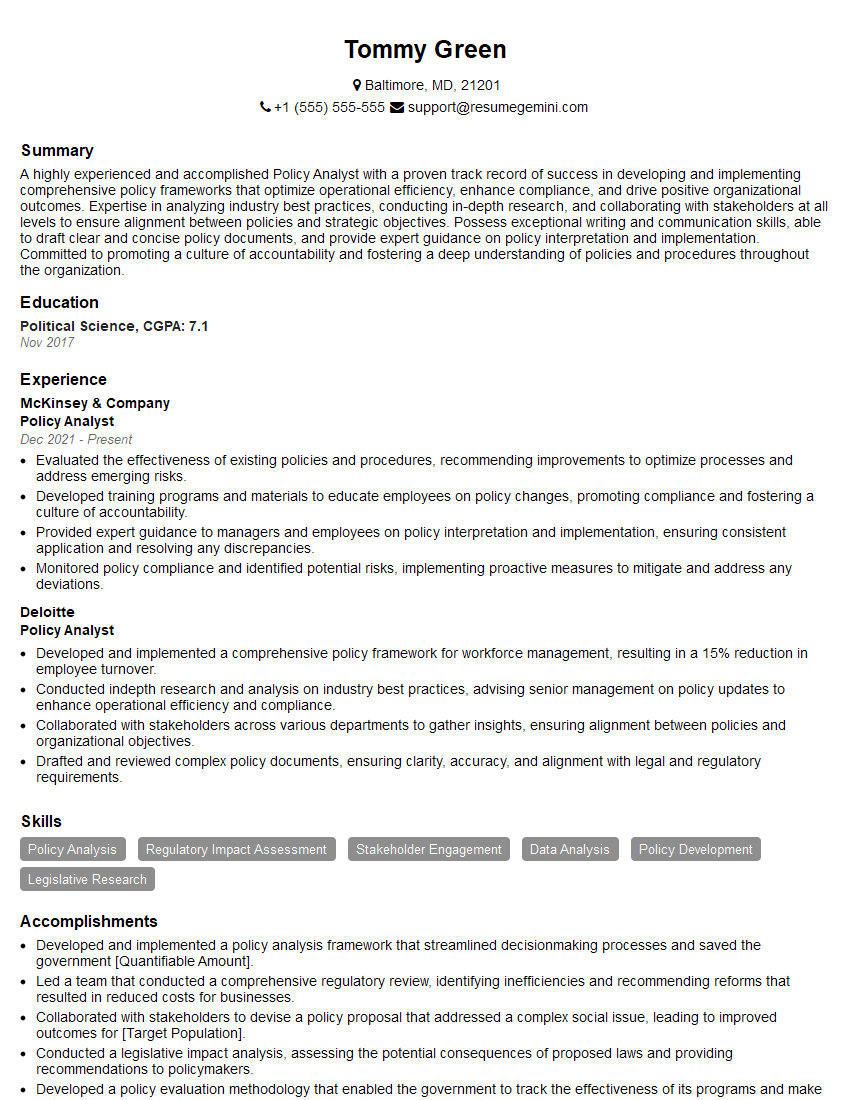
Policy Analyst Resume Sample
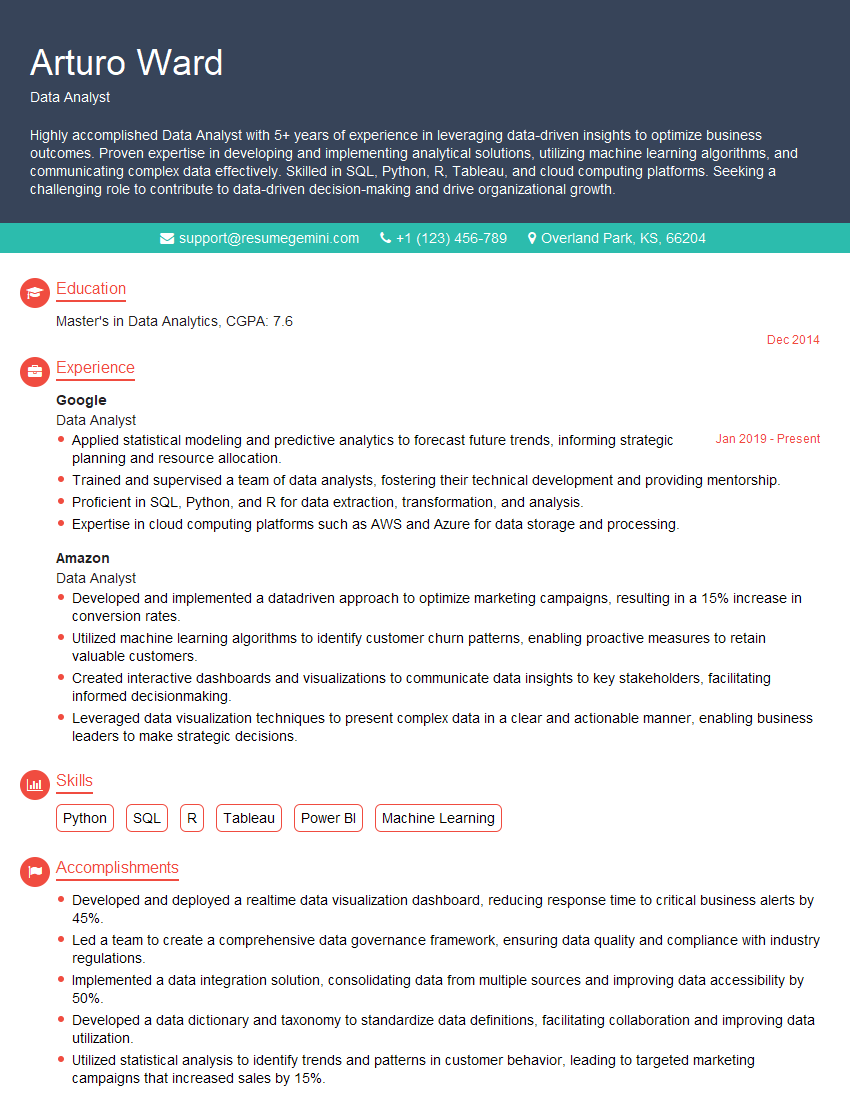
Data Analyst Resume Sample
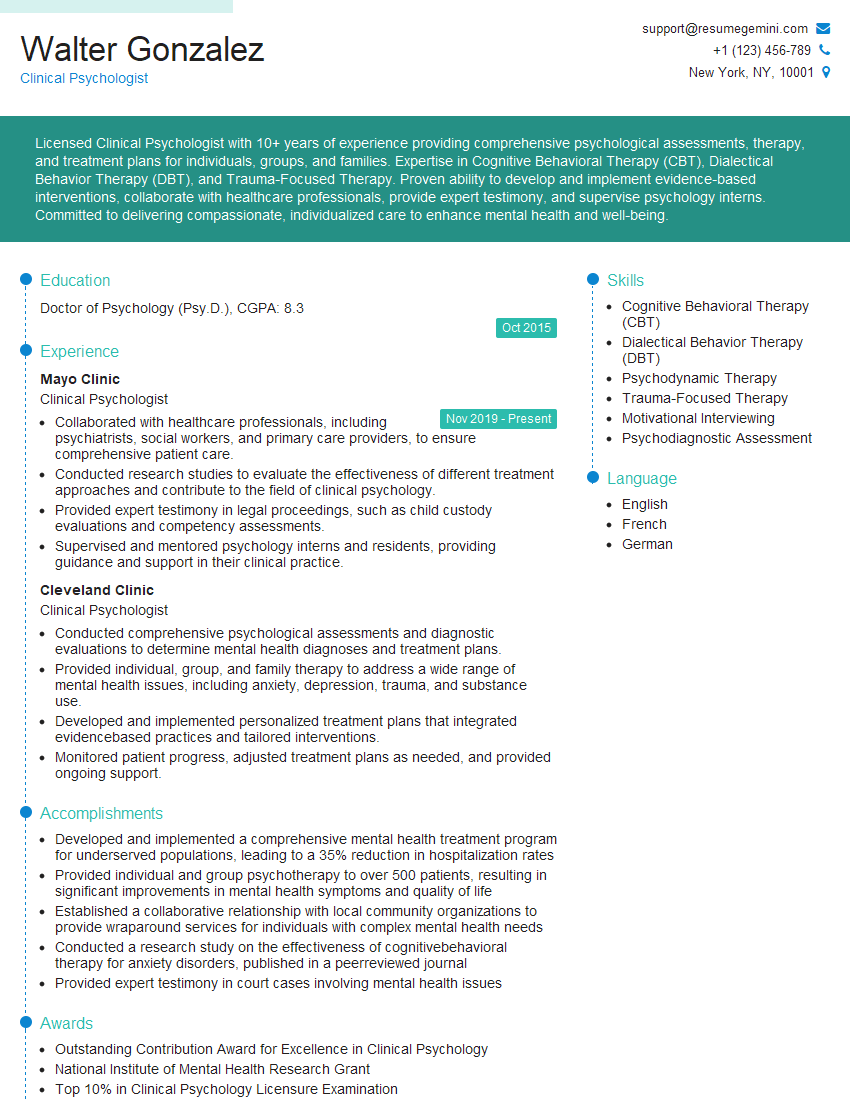
Clinical Psychologist Resume Sample
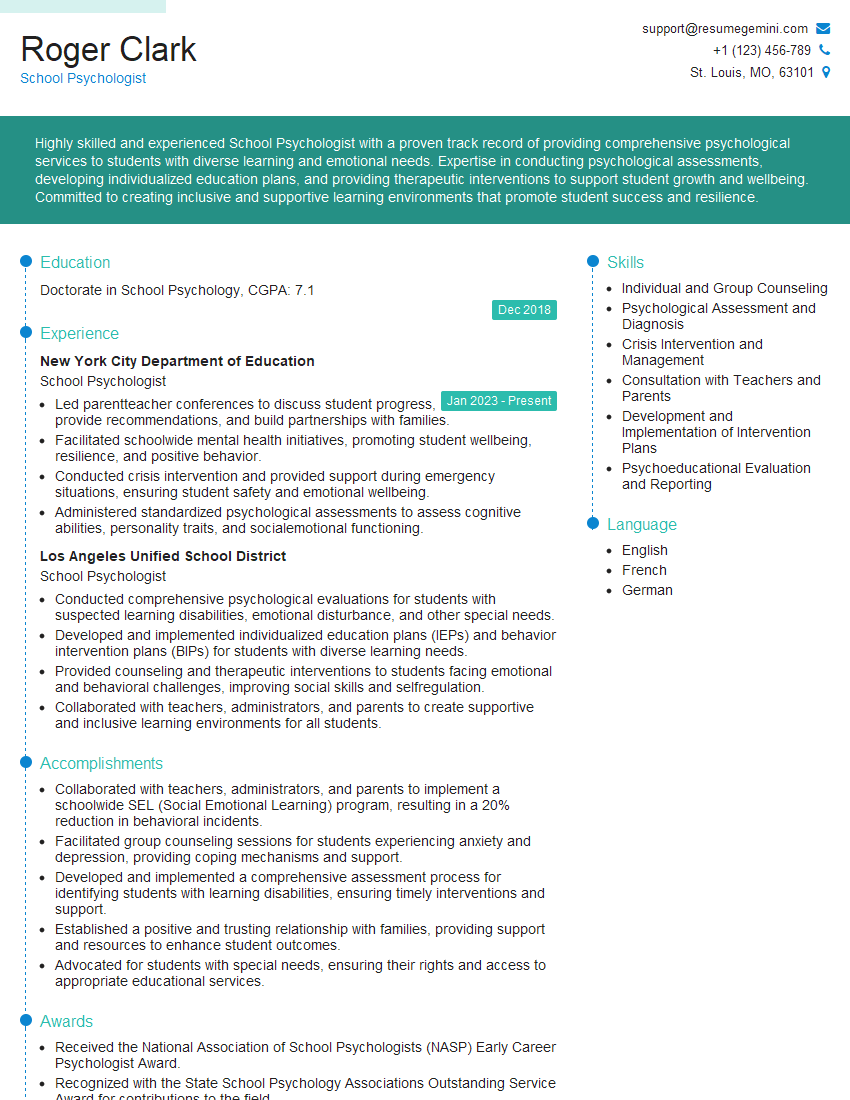
School Psychologist Resume Sample
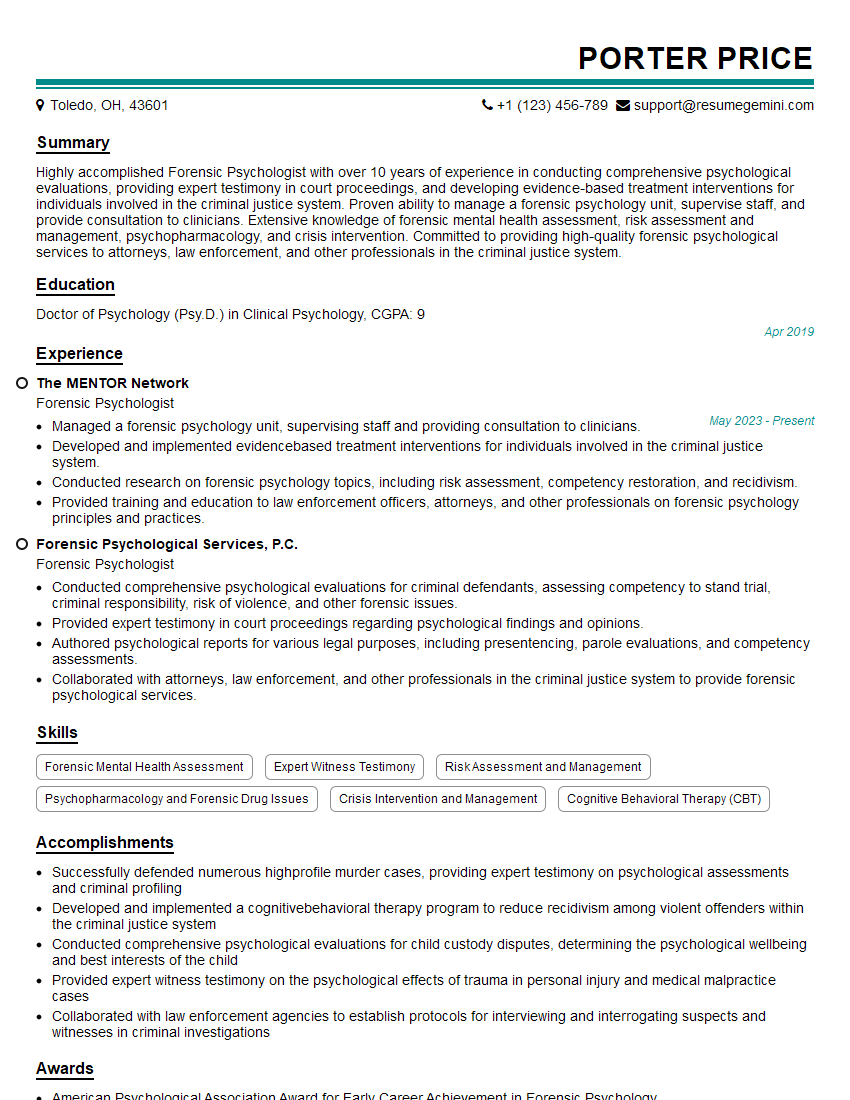
Forensic Psychologist Resume Sample

Mental Health Counselor Resume Sample

Rehabilitation Counselor Resume Sample
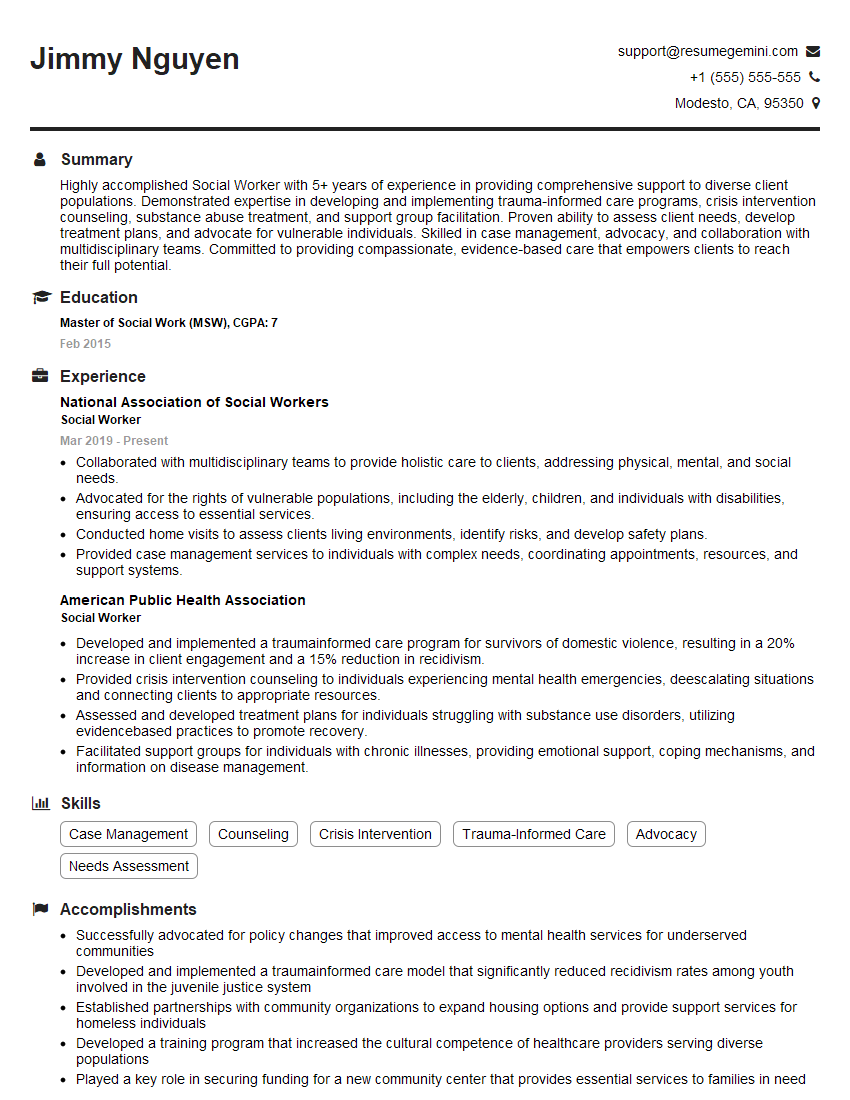
Social Worker Resume Sample
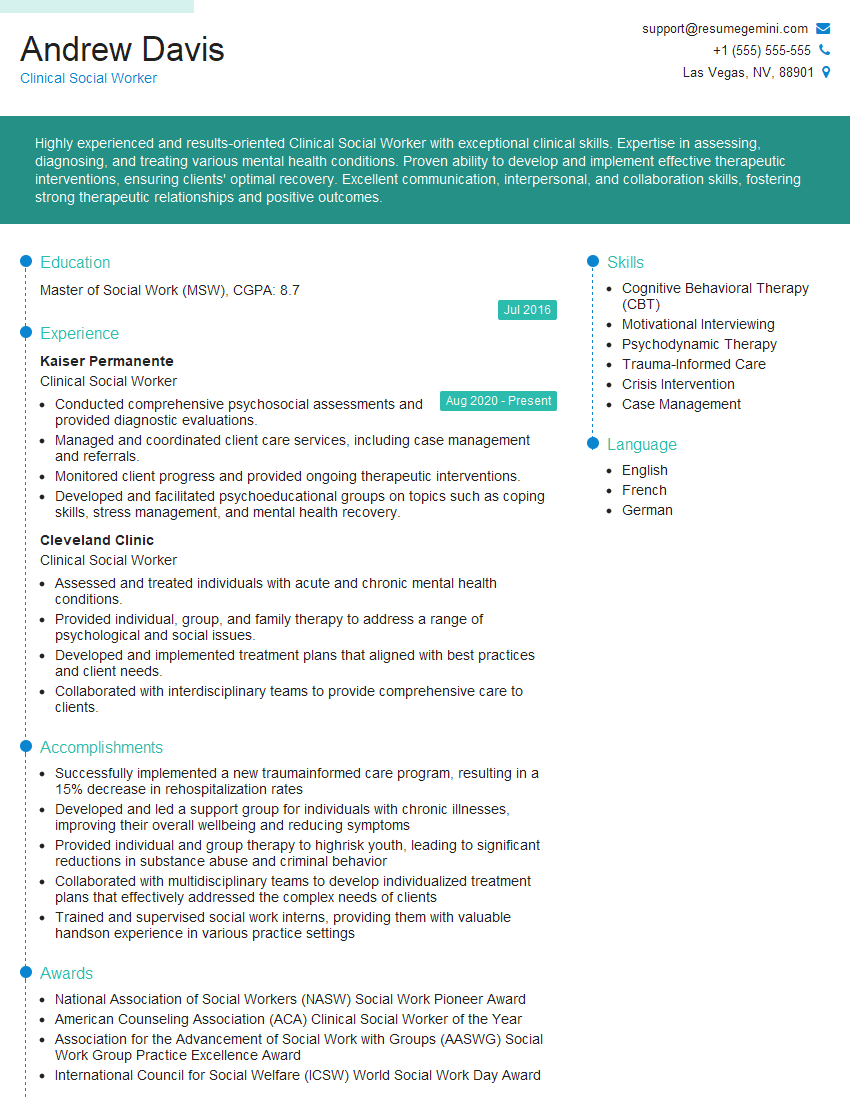
Clinical Social Worker Resume Sample
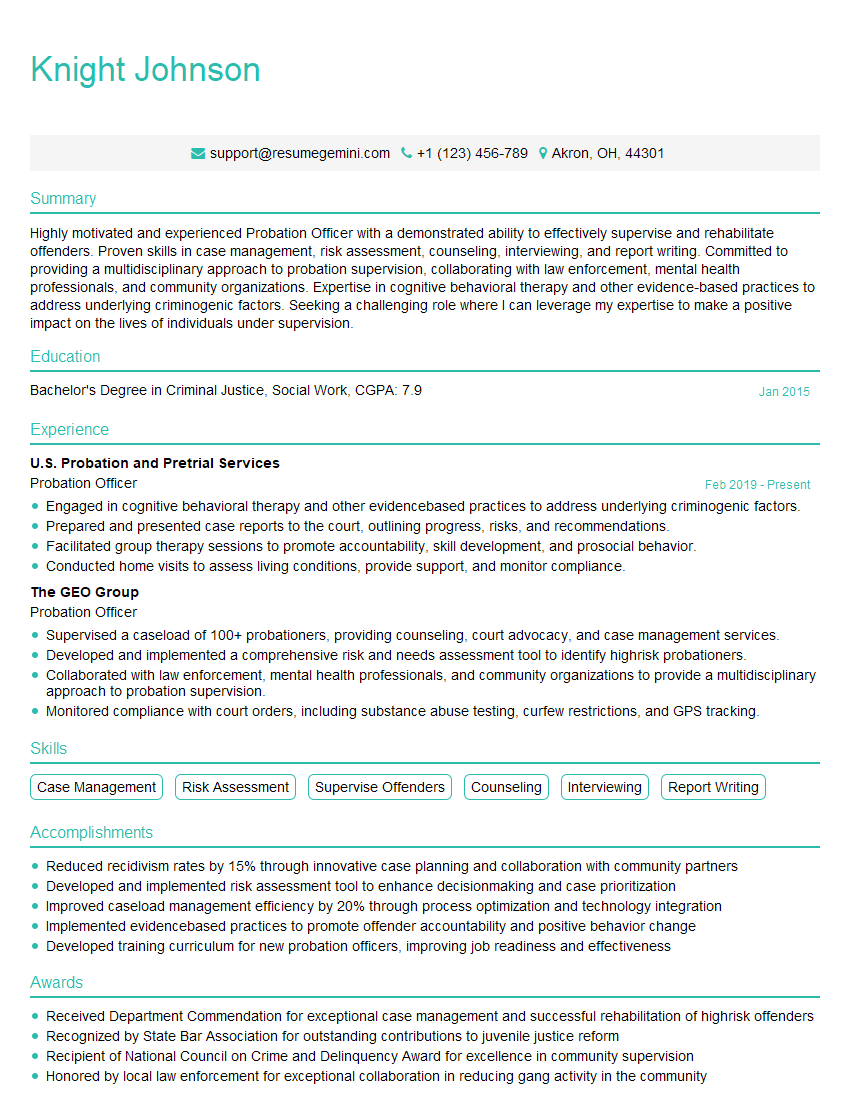
Probation Officer Resume Sample
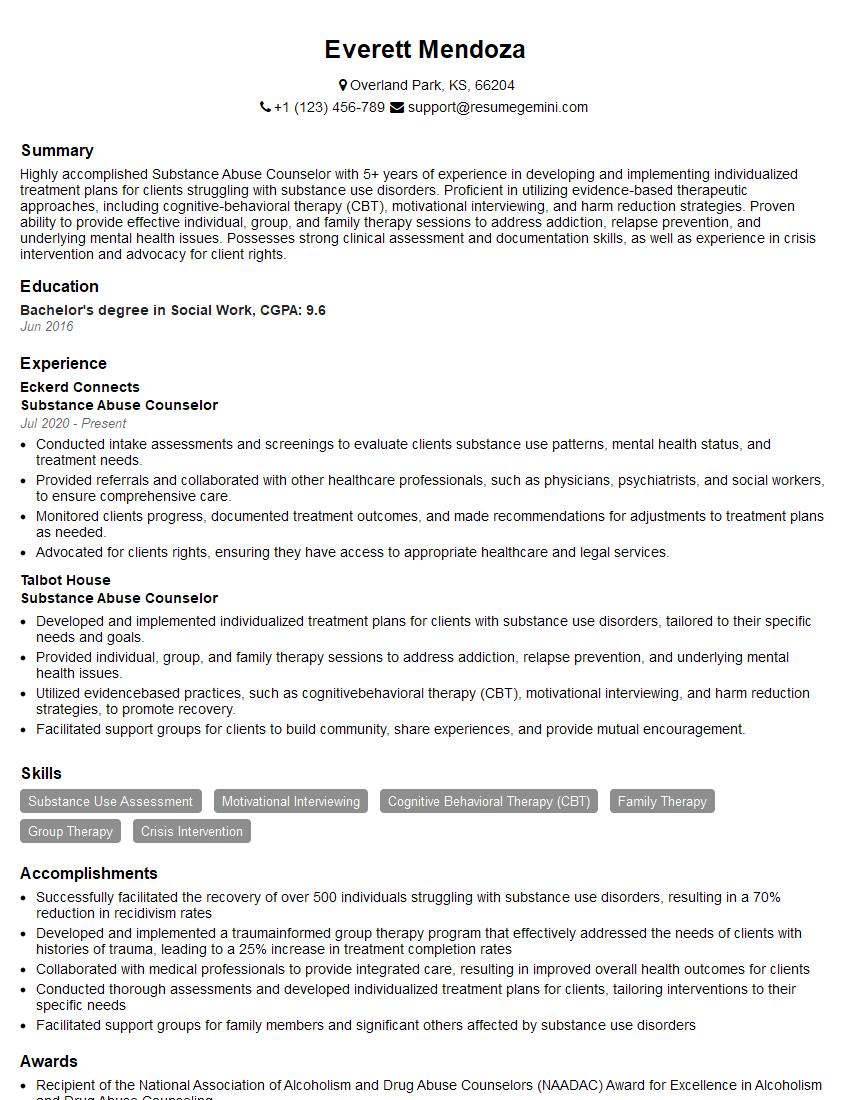
Substance Abuse Counselor Resume Sample
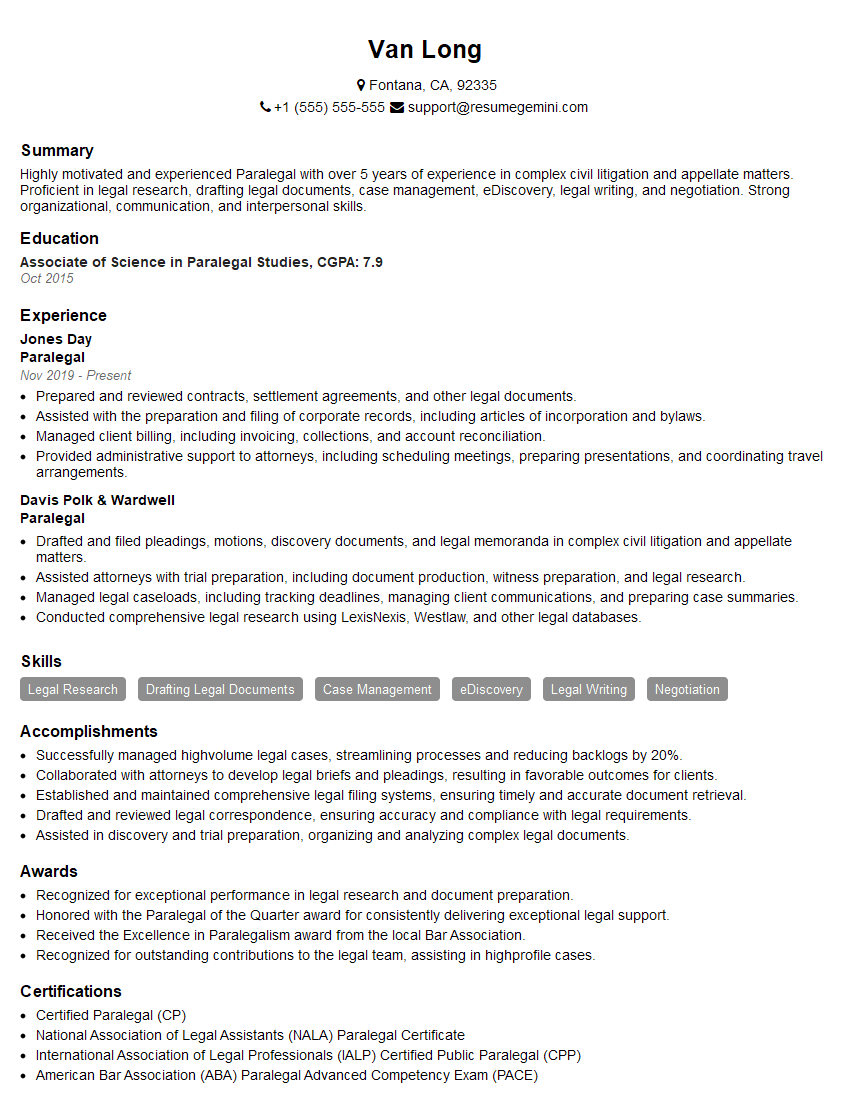
Paralegal Resume Sample
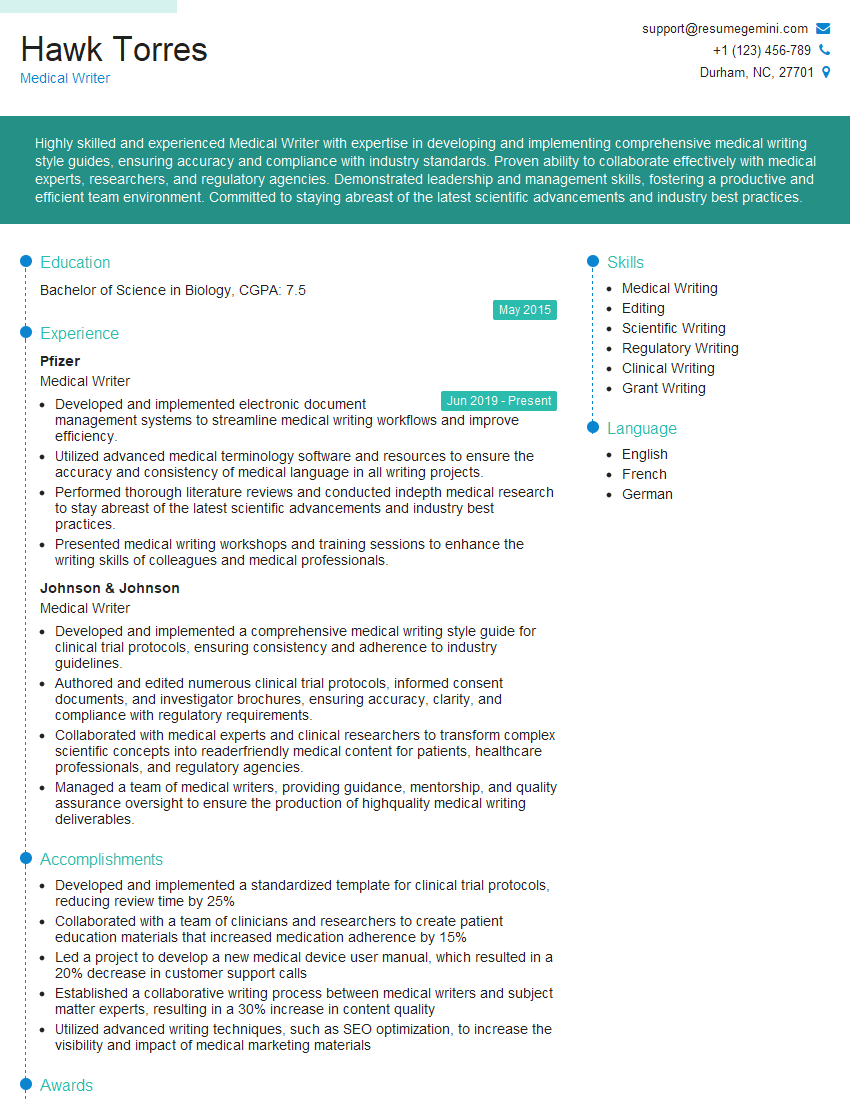
Medical Writer Resume Sample
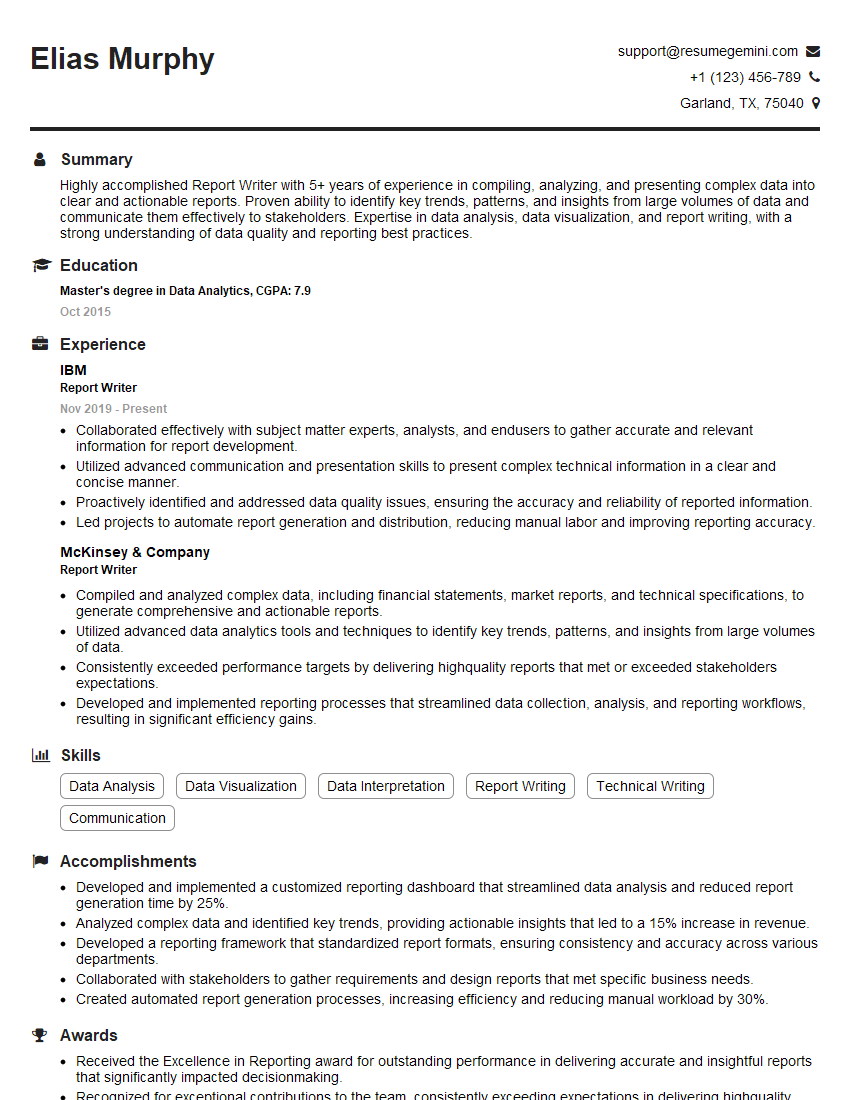
Report Writer Resume Sample
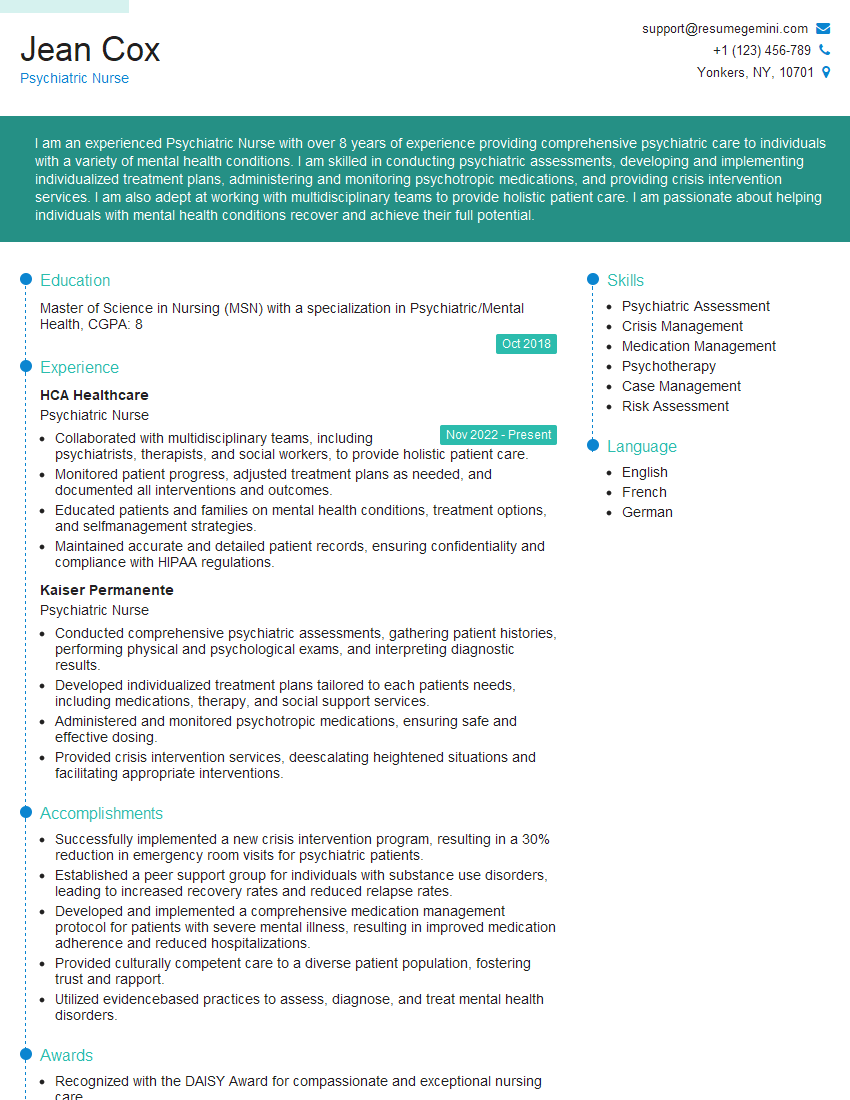
Psychiatric Nurse Resume Sample
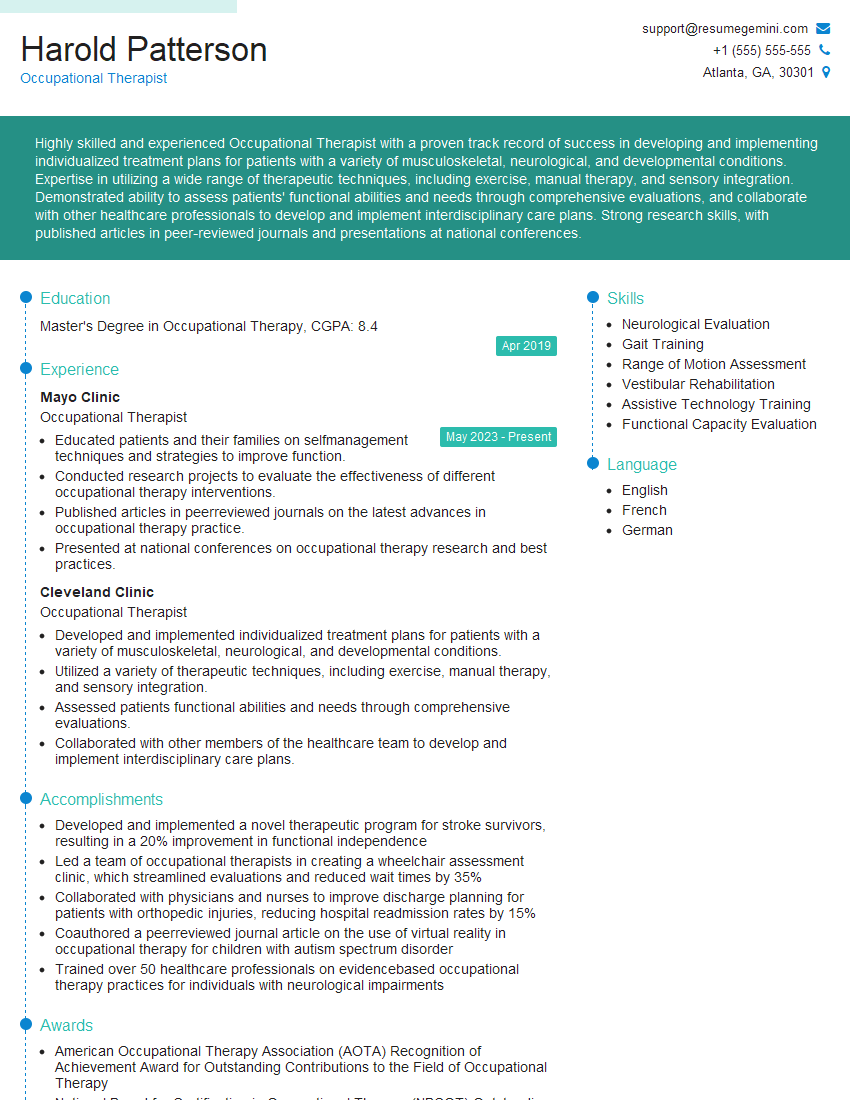
Occupational Therapist Resume Sample
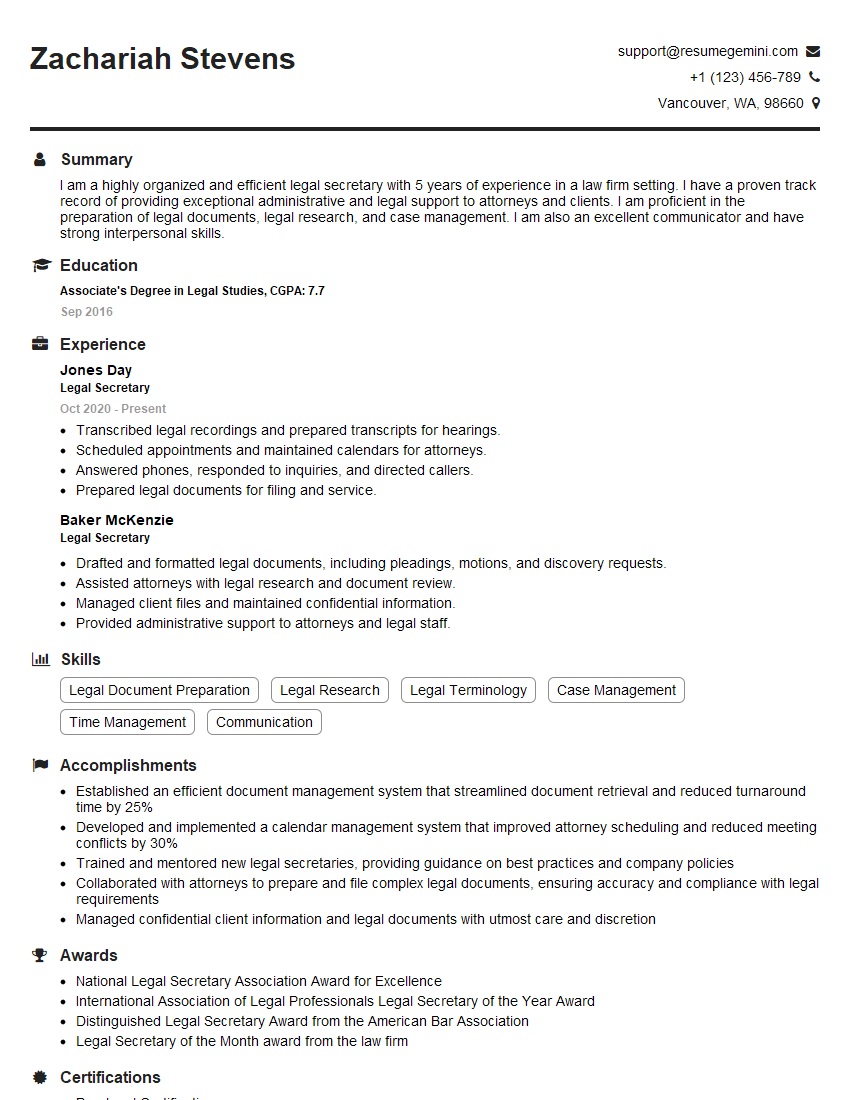
Legal Secretary Resume Sample
- Project Manager
- Program Coordinator
- Healthcare Administrator
- Case Manager
- Researcher
- Policy Analyst
- Data Analyst
- Clinical Psychologist
- School Psychologist
- Forensic Psychologist
- Mental Health Counselor
- Rehabilitation Counselor
- Social Worker
- Clinical Social Worker
- Probation Officer
- Substance Abuse Counselor
- Paralegal
- Medical Writer
- Report Writer
- Psychiatric Nurse
- Occupational Therapist
- Legal Secretary
Explore more articles
Users Rating of Our Blogs
Share Your Experience
We value your feedback! Please rate our content and share your thoughts (optional).
What Readers Say About Our Blog
To the interviewgemini.com Webmaster.
Very helpful and content specific questions to help prepare me for my interview!
Thank you
To the interviewgemini.com Webmaster.
This was kind of a unique content I found around the specialized skills. Very helpful questions and good detailed answers.
Very Helpful blog, thank you Interviewgemini team.