Are you ready to stand out in your next interview? Understanding and preparing for Pulmonary Fibrosis interview questions is a game-changer. In this blog, we’ve compiled key questions and expert advice to help you showcase your skills with confidence and precision. Let’s get started on your journey to acing the interview.
Questions Asked in Pulmonary Fibrosis Interview
Q 1. Explain the pathogenesis of idiopathic pulmonary fibrosis (IPF).
The pathogenesis of idiopathic pulmonary fibrosis (IPF) is complex and not fully understood, but it’s believed to involve a combination of genetic predisposition and environmental triggers. The process begins with an aberrant wound healing response in the lungs. Instead of repairing minor lung injuries efficiently, the body initiates excessive and disorganized fibrosis, leading to the formation of scar tissue. Think of it like a persistent, uncontrolled ‘scarring’ process in the lungs. This process involves multiple cellular and molecular mechanisms, including:
Epithelial cell injury: Damage to the alveolar epithelium (the lining of the tiny air sacs in the lungs) initiates the cascade. This could be due to various factors like chronic inhalation of toxins or genetic susceptibility.
Fibroblast activation: Damaged epithelium signals nearby fibroblasts (cells that produce collagen) to become activated. These activated fibroblasts, along with myofibroblasts (a type of specialized fibroblast), produce excessive extracellular matrix (ECM), primarily collagen, leading to stiffening and scarring of the lung tissue.
Immune dysregulation: Abnormal immune responses, involving inflammatory cells like macrophages and lymphocytes, contribute to the ongoing injury and fibrosis. These cells release factors that further promote fibrosis.
Genetic factors: Specific genes have been implicated in increasing the risk of IPF, highlighting the role of genetics in individual susceptibility.
Ultimately, this uncontrolled cycle of injury, inflammation, and fibrosis leads to progressive lung scarring, reduced lung capacity, and respiratory failure. Research continues to uncover the intricate details of this complex process, aiming to identify new therapeutic targets.
Q 2. Describe the diagnostic criteria for IPF according to the ATS/ERS guidelines.
The 2011 American Thoracic Society/European Respiratory Society (ATS/ERS) guidelines for the diagnosis of IPF require a combination of clinical, radiological, and physiological findings. It’s not a simple checklist but rather a careful assessment of the patient’s presentation. Key criteria include:
Clinical features: Progressive dyspnea (shortness of breath) is usually present, often accompanied by a dry, persistent cough.
High-resolution computed tomography (HRCT): HRCT is crucial for identifying typical radiological features of IPF. These include ‘usual interstitial pneumonia’ (UIP) pattern, characterized by areas of ground-glass opacities, honeycombing, and traction bronchiectasis (abnormal widening of the airways). The pattern must be consistent with UIP throughout the lung field.
Exclusion of other causes: It’s essential to exclude other interstitial lung diseases (ILDs) that can mimic IPF, as the treatment approaches differ significantly.
Pulmonary function tests (PFTs): These tests often show restrictive lung disease pattern (reduced lung volumes) and reduced diffusion capacity (DLCO). However, these findings are not specific to IPF alone.
The diagnosis often requires a multidisciplinary approach involving pulmonologists, radiologists, and potentially other specialists. A thorough evaluation, including a detailed history, physical examination, and appropriate investigations, is crucial to reach a confident diagnosis.
Q 3. What are the key clinical features of IPF?
The clinical presentation of IPF is highly variable, but some common features are:
Progressive dyspnea: This is typically the most prominent symptom, often worsening gradually over time. Initially, it may only occur with exertion, but it can progress to dyspnea at rest.
Dry, non-productive cough: A persistent dry cough is frequently reported, although the cough can be absent in some cases.
Crackles on lung auscultation: On physical examination, doctors might hear crackling sounds (crackles or crepitations) during breathing, especially at the lung bases, reflecting the underlying fibrosis.
Digital clubbing: In advanced disease, clubbing of the fingers (widening and rounding of the fingertips) may be observed.
Fatigue: Patients often experience significant fatigue and reduced exercise capacity.
Importantly, the onset is often insidious and the symptoms can be vague, leading to delays in diagnosis. Patients may initially attribute their symptoms to aging or other benign conditions.
Q 4. Discuss the different imaging techniques used in the diagnosis of IPF (HRCT, etc.).
High-resolution computed tomography (HRCT) is the cornerstone of IPF imaging. It provides detailed images of the lungs, allowing radiologists to identify the characteristic features of UIP, which is crucial for diagnosis. HRCT demonstrates:
Ground-glass opacities: These represent areas of increased lung density, indicating inflammation and early fibrosis.
Honeycombing: This is a hallmark feature of IPF. It refers to the presence of cystic spaces in the lungs, resulting from destruction of the lung architecture and the formation of scar tissue.
Traction bronchiectasis: This involves the distortion and widening of the airways due to the pull of the surrounding fibrotic tissue.
Other imaging techniques may be used in specific cases, but HRCT remains the most important. For instance, chest X-rays are usually insufficient for diagnosing IPF as the changes are often subtle in the early stages. Sometimes, additional investigations, such as CT scans with contrast, may be used to evaluate for other conditions that could mimic IPF.
Q 5. What are the common differential diagnoses for IPF?
The differential diagnosis of IPF is broad, as several other interstitial lung diseases (ILDs) can mimic its presentation. It’s essential to consider and exclude these conditions to ensure accurate diagnosis and appropriate management. Some key differential diagnoses include:
Other ILDs: These include hypersensitivity pneumonitis, sarcoidosis, asbestosis, and various connective tissue diseases associated with ILDs (e.g., rheumatoid arthritis).
Chronic obstructive pulmonary disease (COPD): While primarily affecting the larger airways, COPD can sometimes overlap with features of ILD.
Lung cancers: Certain types of lung cancer can present with interstitial lung disease-like features on imaging.
Drug-induced lung disease: Some medications can cause lung fibrosis as a side effect.
Cardiac causes: Conditions like heart failure can mimic some symptoms of IPF.
A thorough clinical history, detailed physical examination, and additional investigations (e.g., blood tests, bronchoalveolar lavage, biopsy) are crucial in differentiating IPF from these other conditions. Often, a multidisciplinary approach, including expert consultations, is necessary.
Q 6. Explain the role of pulmonary function tests (PFTs) in IPF diagnosis and monitoring.
Pulmonary function tests (PFTs) play a crucial role in both the diagnosis and monitoring of IPF. While not specific for IPF, PFTs provide valuable information about the extent and severity of lung dysfunction. Typical findings in IPF include:
Restrictive pattern: Reduced lung volumes (e.g., forced vital capacity, FVC) indicate the stiffness and decreased elasticity of the lungs due to fibrosis.
Reduced diffusing capacity of the lung for carbon monoxide (DLCO): This reflects the impaired gas exchange across the alveolo-capillary membrane, a hallmark of interstitial lung disease.
Reduced total lung capacity (TLC): The overall capacity of the lungs to hold air is compromised.
In monitoring, PFTs track disease progression by assessing the changes in these parameters over time. A decline in FVC, for example, might indicate disease worsening and might guide treatment decisions. However, PFTs alone are insufficient for diagnosing IPF; they must be interpreted in conjunction with HRCT findings and clinical presentation.
Q 7. Describe the current treatment options for IPF.
Treatment for IPF focuses on slowing disease progression and improving symptoms, as there is currently no cure. The primary treatment options include:
Antifibrotic medications: These drugs, such as pirfenidone and nintedanib, aim to slow the rate of fibrosis and reduce the progression of lung damage. They are the cornerstone of IPF treatment.
Supplemental oxygen: Oxygen therapy can help improve oxygen levels in the blood, reducing shortness of breath and improving quality of life, particularly in later stages.
Pulmonary rehabilitation: This comprehensive program focuses on improving exercise capacity, breathing techniques, and overall functional status. It’s a key component of holistic IPF management.
Supportive care: This includes managing symptoms like cough and shortness of breath, addressing nutritional issues, and providing psychosocial support. This is crucial for improving the patient’s quality of life.
Emerging research is exploring other potential therapeutic avenues, such as novel antifibrotic agents, immunomodulatory therapies, and cell-based therapies. The treatment approach is individualized and depends on the severity of the disease, the patient’s overall health status, and their response to therapy. Regular monitoring is crucial to assess treatment effectiveness and adjust the management plan as needed.
Q 8. What are the potential benefits and risks associated with antifibrotic medications?
Antifibrotic medications are a cornerstone of Idiopathic Pulmonary Fibrosis (IPF) treatment, aiming to slow disease progression. However, like all medications, they come with potential benefits and risks.
Benefits: The primary benefit is a slowing of the decline in lung function, as demonstrated in clinical trials. This translates to improved quality of life and potentially increased lifespan. For example, pirfenidone and nintedanib, two common antifibrotic agents, have shown statistically significant improvements in forced vital capacity (FVC), a key measure of lung function, compared to placebo in large clinical trials.
Risks: These medications can cause side effects, some of which can be significant. Pirfenidone commonly causes nausea, diarrhea, and photosensitivity (sun sensitivity). Nintedanib can lead to diarrhea, nausea, vomiting, and elevated liver enzymes. Both medications can also increase the risk of liver damage, requiring regular monitoring of liver function tests. It’s crucial to weigh the potential benefits against these risks on an individual patient basis, considering their overall health and tolerance.
In summary, the decision to use antifibrotics involves a careful risk-benefit assessment, tailored to the individual patient’s condition and tolerance.
Q 9. How is the prognosis of IPF determined?
Prognosis in IPF is complex and depends on several factors. It’s not simply a matter of a single number predicting lifespan, but rather a holistic assessment involving various clinical parameters.
- Lung function tests: Forced vital capacity (FVC) and diffusion capacity of the lung for carbon monoxide (DLCO) are crucial indicators of disease severity. A faster decline in these values suggests a poorer prognosis.
- Imaging studies: High-resolution computed tomography (HRCT) scans can assess the extent and pattern of fibrosis, helping to predict disease progression. More extensive fibrosis indicates a worse prognosis.
- Symptoms: The severity and progression of symptoms like shortness of breath, cough, and fatigue significantly influence prognosis. Earlier intervention and better symptom management generally improve outcomes.
- Comorbidities: The presence of other health conditions like heart disease or chronic kidney disease can complicate management and impact survival.
- Functional capacity: Measures like the 6-minute walk test (6MWT) assess a patient’s ability to perform daily activities and correlate with prognosis. Reduced exercise capacity indicates a worse outlook.
These factors are often combined using validated prognostic models, such as the GAP index, to provide a more individualized assessment. However, it’s important to remember that these are only estimates, and individual patient responses to treatment and disease progression vary.
Q 10. What are the challenges in managing patients with IPF?
Managing IPF presents numerous challenges, stemming from its progressive nature, the lack of a cure, and the individual variability in disease course and response to treatment.
- Disease Heterogeneity: IPF affects patients differently, making it difficult to predict individual disease progression and response to therapy.
- Toxicity of Treatments: Antifibrotic medications, while beneficial, can cause significant side effects, requiring close monitoring and adjustments to treatment plans.
- Symptom Management: Managing symptoms like dyspnea (shortness of breath) and cough requires a multi-faceted approach, often involving oxygen therapy, bronchodilators, and supportive care.
- Psychological Impact: The diagnosis of IPF can be emotionally challenging for both patients and their families. Addressing the psychological aspects of the disease is essential for comprehensive care.
- Monitoring and Assessment: Regular monitoring of lung function, imaging, and symptoms is vital to track disease progression and adjust treatment accordingly. This can place a significant burden on both the patient and the healthcare system.
Overcoming these challenges necessitates a collaborative approach involving pulmonologists, respiratory therapists, physiotherapists, social workers, and other healthcare professionals, working together to provide holistic and individualized care.
Q 11. Discuss the role of pulmonary rehabilitation in IPF management.
Pulmonary rehabilitation (PR) plays a vital role in improving the quality of life for IPF patients. It’s a structured, multidisciplinary program focusing on improving physical function, exercise capacity, and overall well-being.
Components of PR:
- Exercise training: Tailored exercise programs, including aerobic, strength training, and endurance exercises, improve respiratory muscle strength, cardiovascular fitness, and daily activity levels.
- Education: Patients learn about IPF, its management, and techniques for managing symptoms like dyspnea.
- Breathing techniques: Specific breathing exercises, such as pursed-lip breathing and diaphragmatic breathing, help improve oxygen uptake and reduce shortness of breath.
- Psychosocial support: Addressing psychological issues like anxiety and depression is crucial, often involving counseling or support groups.
Benefits of PR: PR has been shown to improve exercise capacity, reduce dyspnea, enhance quality of life, and potentially improve survival in IPF patients. It empowers patients to actively manage their condition and participate in daily life.
In essence, PR is not simply physical therapy; it’s a comprehensive approach that addresses the multiple dimensions of IPF, leading to improved functional capacity and well-being.
Q 12. Explain the importance of supportive care in IPF patients.
Supportive care is crucial in IPF management, as it addresses the numerous non-pulmonary issues that significantly impact the patient’s experience.
- Oxygen therapy: Supplemental oxygen helps alleviate hypoxia (low blood oxygen levels) and improves exercise tolerance and quality of life.
- Symptom management: Treating cough, breathlessness, and other symptoms with appropriate medications and techniques improves comfort and allows better participation in daily activities.
- Nutritional support: Maintaining adequate nutrition is vital, particularly in advanced stages where dyspnea and fatigue can impact appetite. Nutritional counseling and dietary adjustments might be necessary.
- li>Psychosocial support: Addressing anxiety, depression, and other emotional challenges through counseling, support groups, or other therapeutic interventions is essential for both patient and caregiver well-being.
- Palliative care: As the disease progresses, palliative care focuses on symptom relief, comfort, and quality of life, helping patients and families navigate the advanced stages of IPF.
Supportive care is integral to the holistic management of IPF. It’s not an adjunct to disease-modifying treatments but an essential component ensuring optimal well-being throughout the course of the illness.
Q 13. What are the ethical considerations in managing patients with advanced IPF?
Managing advanced IPF involves significant ethical considerations, particularly regarding end-of-life care and decision-making.
- Informed consent: Ensuring patients fully understand their diagnosis, prognosis, treatment options, and potential risks and benefits is paramount. This necessitates open communication and shared decision-making.
- Advance care planning: Discussions about advance directives, including living wills and durable power of attorney for healthcare, should be initiated early, allowing patients to express their wishes regarding life-sustaining treatment in the event of declining capacity.
- Symptom management vs. life prolongation: Balancing the desire to alleviate symptoms and improve quality of life with aggressive life-prolonging interventions can be challenging. Careful consideration of patient preferences and values is essential.
- Resource allocation: The high cost of managing IPF, including medications, hospitalizations, and supportive care, raises ethical questions about resource allocation and equitable access to care.
- Research participation: Discussing the potential benefits and risks of clinical trial participation is important for those who might be candidates.
Open communication, empathy, and a patient-centered approach are crucial in navigating these ethical dilemmas, ensuring that patient autonomy and well-being are prioritized throughout the course of the illness.
Q 14. Describe the current research directions in IPF.
Research in IPF is vigorously pursuing a better understanding of disease pathogenesis and developing more effective treatments.
- Identifying disease mechanisms: Research focuses on unraveling the complex biological processes leading to fibrosis, with investigations into genetic factors, immune responses, and cellular mechanisms.
- Developing novel therapeutics: Numerous clinical trials are evaluating new antifibrotic agents targeting various pathways involved in fibrogenesis. These include molecules targeting transforming growth factor-beta (TGF-β), connective tissue growth factor (CTGF), and other key players in the fibrotic process.
- Exploring combination therapies: Studies are exploring whether combining different antifibrotic agents or combining them with other treatment modalities might enhance efficacy.
- Biomarkers and diagnostics: Research aims to identify reliable biomarkers that can predict disease progression, response to treatment, and prognosis. Improved diagnostic tools can facilitate earlier and more precise diagnosis.
- Regenerative medicine: Approaches such as stem cell therapy are being investigated to promote lung tissue regeneration and repair.
Overall, the field of IPF research is dynamic and promising, with ongoing efforts to improve the lives of patients affected by this devastating disease.
Q 15. What are the potential future therapies for IPF?
Future therapies for Idiopathic Pulmonary Fibrosis (IPF) are incredibly promising, focusing on multiple approaches to slow disease progression and improve patient quality of life. Currently, antifibrotic medications like nintedanib and pirfenidone are the cornerstones of treatment, but research is aggressively exploring new avenues.
- Targeting specific pathways: Research is ongoing to identify and inhibit specific signaling pathways involved in fibrosis, such as the transforming growth factor-beta (TGF-β) pathway. This involves developing more potent and specific inhibitors with fewer side effects.
- Combination therapies: Combining antifibrotic agents with other medications, such as those targeting inflammation or the immune system, may provide synergistic effects and enhance therapeutic efficacy. Clinical trials are exploring these combinations.
- Regenerative medicine: Stem cell therapy and other regenerative approaches aim to replace damaged lung tissue and stimulate lung repair. While still in early stages, this holds significant potential for long-term disease modification.
- Novel antifibrotic agents: Numerous molecules are under investigation, targeting different aspects of the fibrotic process, including those that modulate the activity of fibroblasts (cells responsible for producing scar tissue) and other immune cells involved in the disease process.
- Gene therapy: While still in its infancy for IPF, gene therapy holds the potential to correct genetic defects contributing to the disease or to modulate specific gene expressions that drive fibrosis.
- Immunomodulatory therapies: Given the involvement of the immune system in IPF, therapies that modulate immune responses may play a role. This area is actively being explored in clinical research.
It’s important to note that many of these therapies are still in the research and clinical trial phases, and their effectiveness and safety need further evaluation. However, the ongoing innovation offers substantial hope for improved treatment options for IPF patients in the future.
Career Expert Tips:
- Ace those interviews! Prepare effectively by reviewing the Top 50 Most Common Interview Questions on ResumeGemini.
- Navigate your job search with confidence! Explore a wide range of Career Tips on ResumeGemini. Learn about common challenges and recommendations to overcome them.
- Craft the perfect resume! Master the Art of Resume Writing with ResumeGemini’s guide. Showcase your unique qualifications and achievements effectively.
- Don’t miss out on holiday savings! Build your dream resume with ResumeGemini’s ATS optimized templates.
Q 16. Explain the role of biomarkers in IPF diagnosis and prognosis.
Biomarkers play a crucial role in both diagnosing and predicting the course of IPF. Unfortunately, a single definitive biomarker for IPF remains elusive, but several indicators are showing promise in improving diagnostic accuracy and prognostication.
- Surfactant protein-D (SP-D): Decreased levels of SP-D in serum or bronchoalveolar lavage (BAL) fluid are associated with IPF and can be helpful in differentiating IPF from other interstitial lung diseases.
- KL-6 and YKL-40: These are serum markers that reflect the extent of lung damage and inflammation. Elevated levels are often observed in IPF and can help assess disease severity and monitor response to treatment.
- Cellular senescence markers: These markers identify aging or dysfunctional cells that contribute to fibrosis. Their levels can be assessed in blood or lung tissue samples, aiding in diagnosis and prognosis.
- Fibroblast activation markers: These markers reflect the activity of fibroblasts, the key cells responsible for scar tissue formation in the lungs. They are valuable in monitoring the disease’s progression and treatment effectiveness.
- Imaging biomarkers: Advanced imaging techniques, such as high-resolution computed tomography (HRCT), can be used to assess lung structural changes and quantify fibrosis. Quantitative analysis of HRCT scans provides objective measures of disease severity and progression.
It’s crucial to remember that biomarkers are used in conjunction with clinical evaluation, pulmonary function tests, and other imaging studies to provide a comprehensive assessment of IPF. The combination of these methods allows for a more accurate diagnosis and a better prediction of the disease’s trajectory.
Q 17. Discuss the genetic factors associated with IPF.
Genetic factors play a significant role in the development of IPF, although the exact mechanisms are not fully understood. While IPF is considered idiopathic (meaning of unknown cause), genetic predisposition is increasingly recognized as an important factor.
- TERT and TERC gene mutations: These genes are involved in telomere maintenance (the protective caps at the ends of chromosomes). Mutations in these genes are found more frequently in IPF patients compared to the general population, suggesting a link between telomere dysfunction and the development of IPF.
- MUC5B gene promoter polymorphism: A specific genetic variation in the MUC5B gene is strongly associated with an increased risk of IPF. This gene is involved in the production of mucin, a major component of airway mucus.
- Other susceptibility genes: Several other genes have been implicated in the development of IPF, though their roles are less well-defined compared to TERT, TERC, and MUC5B. Ongoing research continues to identify additional genetic contributors to IPF risk.
The presence of these genetic variants does not guarantee the development of IPF, but they significantly increase an individual’s susceptibility. Understanding the genetic landscape of IPF is vital for developing targeted therapies and identifying individuals at higher risk.
Q 18. What are the environmental risk factors for IPF?
Environmental exposures are strongly implicated in the development of IPF, although the specific mechanisms are often complex and not always fully elucidated. Several environmental risk factors have been identified through epidemiological studies.
- Silica dust: Exposure to silica dust, particularly in occupations like mining and construction, is a well-established risk factor for silicosis, a type of interstitial lung disease that can progress to IPF-like changes.
- Asbestos: Exposure to asbestos fibers can lead to asbestosis, another interstitial lung disease, which can also increase the risk of developing IPF.
- Wood dust: Exposure to certain types of wood dust, particularly hardwood, has been associated with an increased risk of IPF.
- Metal dust: Exposure to certain metal dusts, such as those containing cobalt or hard metal, is associated with an increased risk of IPF.
- Agricultural exposures: Exposure to various agricultural dusts and microorganisms can also increase the risk of IPF, though the precise mechanisms are not fully understood.
- Viral Infections: Some evidence suggests past viral infections, especially certain types of respiratory viruses, might increase IPF risk.
It’s important to note that the interaction between genetic susceptibility and environmental exposures is likely crucial in determining the development of IPF. Someone with a strong genetic predisposition might be more susceptible to the effects of environmental exposures than someone without such genetic risk factors.
Q 19. How do you counsel patients and their families regarding the diagnosis and prognosis of IPF?
Counseling patients and their families diagnosed with IPF is a crucial aspect of care. It requires sensitivity, empathy, and a comprehensive understanding of the disease’s implications. My approach involves several key steps:
- Explain the diagnosis in clear, understandable terms: I avoid medical jargon and use analogies to help patients grasp the complexity of the disease. I emphasize the progressive nature of IPF and its potential impact on lung function.
- Discuss prognosis realistically but with hope: I present the prognosis honestly, acknowledging the challenges associated with IPF while emphasizing the importance of ongoing management and the potential benefits of available treatments and ongoing research. I avoid giving overly pessimistic or optimistic predictions, focusing instead on individual patient characteristics and their response to therapy.
- Explore patient and family concerns: I actively listen to their questions, anxieties, and concerns, providing a safe space for open communication. This often includes discussions about their emotional and psychological well-being.
- Provide information about treatment options: I detail the benefits and potential side effects of available therapies. I emphasize shared decision-making, ensuring patients actively participate in their treatment plan.
- Connect patients with support resources: I offer referrals to pulmonary rehabilitation programs, support groups, and relevant patient organizations. These resources provide emotional support, practical advice, and connections with other individuals facing similar challenges.
- Follow up regularly: Ongoing monitoring and support are crucial. Regular visits provide an opportunity to address concerns, adjust treatment as needed, and provide encouragement.
Ultimately, my aim is to empower patients and their families with the knowledge and resources they need to cope with IPF, make informed decisions, and improve their quality of life.
Q 20. Describe a case of IPF you have managed, highlighting your approach to diagnosis and treatment.
I recently managed a 68-year-old male patient who presented with progressive shortness of breath, dry cough, and fatigue over six months. His initial HRCT scan revealed patchy areas of ground-glass opacities and honeycombing, suggestive of IPF. His pulmonary function tests (PFTs) demonstrated a restrictive pattern with reduced lung volumes and diffusion capacity.
To confirm the diagnosis, I excluded other potential causes, such as other interstitial lung diseases, infections, and autoimmune disorders. This involved reviewing his medical history, performing a thorough physical examination, obtaining additional blood tests, and analyzing his BAL fluid if deemed necessary. His clinical presentation and imaging findings were consistent with the diagnosis of IPF.
We initiated treatment with pirfenidone, carefully monitoring for side effects. He also participated in pulmonary rehabilitation to improve his exercise capacity and quality of life. We had regular follow-up appointments to assess his response to treatment, adjust medication as needed, and address his concerns. While IPF is a progressive disease, our goal was to slow the progression of the disease, manage his symptoms effectively, and improve his quality of life. It’s a challenging disease, requiring a multidisciplinary approach and close collaboration with the patient.
Q 21. How do you differentiate IPF from other interstitial lung diseases?
Differentiating IPF from other interstitial lung diseases (ILDs) can be challenging as many ILDs share overlapping clinical features and imaging findings. The diagnostic process often requires a multidisciplinary approach involving clinicians experienced in ILDs. Here’s how we approach differentiation:
- Detailed clinical history: A thorough history focusing on occupational and environmental exposures, family history, and symptom progression is critical.
- High-resolution computed tomography (HRCT) of the chest: HRCT provides detailed images of the lungs, enabling the identification of characteristic patterns of fibrosis. IPF typically shows a pattern of patchy ground-glass opacities, honeycombing, and traction bronchiectasis.
- Pulmonary function tests (PFTs): PFTs help assess lung function and reveal restrictive lung disease, a common feature of IPF.
- Bronchoalveolar lavage (BAL): BAL fluid can be analyzed to identify inflammatory cells and other biomarkers that may be suggestive of specific ILDs.
- Lung biopsy: In cases where the diagnosis remains unclear, a surgical lung biopsy is often necessary to obtain tissue for histopathological examination. This is considered the gold standard for definitive diagnosis of ILDs, but it’s an invasive procedure.
- Autoantibody testing: Testing for certain autoantibodies can help identify autoimmune-related ILDs.
Differentiating IPF from other ILDs often involves considering the constellation of clinical, radiographic, and pathological findings. It’s not always straightforward, and it can sometimes require ongoing assessment to arrive at the most accurate diagnosis. This is why collaboration among specialists in pulmonology, radiology, and pathology is so essential.
Q 22. What are the common complications of IPF?
Idiopathic Pulmonary Fibrosis (IPF) is a progressive and ultimately fatal lung disease. While the primary issue is scarring and stiffening of the lung tissue, several serious complications can arise.
- Respiratory Failure: As the lungs lose their ability to expand and exchange gases effectively, respiratory failure becomes a major threat, often necessitating supplemental oxygen or mechanical ventilation.
- Pulmonary Hypertension: The increased resistance to blood flow through the scarred lungs leads to high blood pressure in the pulmonary arteries, placing extra strain on the heart.
- Heart Failure: The strain of pulmonary hypertension can eventually lead to right-sided heart failure, where the heart struggles to pump blood to the lungs.
- Lung Infections (Pneumonia): The compromised lung tissue is more susceptible to infections, which can be life-threatening in patients with IPF.
- Lung Cancer: While not directly caused by IPF, there’s an increased risk of lung cancer in individuals with the condition.
- Pleurisy: Inflammation of the pleura (the lining of the lungs and chest cavity) can cause sharp chest pain.
- Digital Clubbing: This is a physical sign where the fingertips and toenails become enlarged and rounded, often associated with underlying lung diseases.
The severity and occurrence of these complications vary from patient to patient, influenced by factors like disease severity, overall health, and treatment response.
Q 23. How do you monitor the progression of IPF?
Monitoring IPF progression involves a multi-pronged approach combining clinical assessment, imaging, and pulmonary function tests. The goal is to track disease worsening and adjust treatment accordingly.
- Pulmonary Function Tests (PFTs): These measure lung capacity and airflow. Key indicators like Forced Vital Capacity (FVC) and diffusing capacity of the lung for carbon monoxide (DLCO) are closely monitored for decline, signaling disease progression.
- High-Resolution Computed Tomography (HRCT) scan of the Chest: HRCT provides detailed images of the lungs, allowing for visualization of the characteristic pattern of fibrosis (scarring). Changes in the extent and pattern of fibrosis over time help assess disease progression.
- Clinical Assessment: Regular consultations assess symptoms like shortness of breath, cough, fatigue, and exercise capacity. These subjective measures provide crucial context to objective test results.
- 6-minute walk test (6MWT): This simple test measures how far a patient can walk in 6 minutes. A decline in distance covered suggests worsening of the disease.
Regular monitoring, typically every 3-6 months, helps tailor treatments and manage symptoms. For example, a significant decline in FVC or a worsening HRCT might prompt adjustments to therapy or consideration of newer treatment options.
Q 24. Explain the role of oxygen therapy in IPF management.
Oxygen therapy plays a crucial role in managing IPF by addressing the underlying hypoxemia (low blood oxygen levels) common in advanced stages. It improves oxygen saturation, reduces shortness of breath, and enhances the patient’s overall quality of life.
Oxygen is usually delivered through nasal cannulae or face masks, with the flow rate tailored to maintain adequate oxygen saturation levels, usually monitored by pulse oximetry. The goal is not to reach normal levels necessarily, but to alleviate symptoms and improve exercise tolerance.
In advanced disease, supplemental oxygen can significantly improve comfort and enable patients to participate in activities of daily living. It is crucial to note that while oxygen therapy is supportive, it does not alter the underlying disease process and is part of a broader management strategy.
Q 25. Describe the use of immunosuppressive therapy in IPF.
Historically, immunosuppressive therapy was widely used in IPF. However, current evidence indicates that most immunosuppressants are generally ineffective and may even be harmful in IPF. They haven’t been shown to slow the progression of the disease and can increase the risk of serious infections.
This is a crucial point for physicians, who need to weigh the potential risks and benefits for each individual patient. There may be exceptional circumstances, but the general consensus is to avoid routine use of immunosuppressants in IPF. The focus has shifted toward antifibrotic therapies which target the underlying disease process, rather than suppressing the immune system.
Q 26. What are the symptoms that would prompt referral to a specialist for suspected IPF?
Several symptoms warrant a referral to a pulmonologist or specialist for suspected IPF. It’s crucial to remember that these symptoms can be present in other lung conditions, and a thorough evaluation is necessary for accurate diagnosis.
- Progressive Dyspnea (Shortness of Breath): Worsening breathlessness, especially with exertion, is a hallmark symptom.
- Dry, Persistent Cough: A cough that doesn’t resolve with usual treatments should raise concern.
- Inspiratory Crackles (Velcro Rales): These are characteristic sounds heard with a stethoscope during inhalation, reflecting the stiffening of lung tissue.
- Fatigue and Weakness: Unexplained fatigue significantly impacting daily activities.
- Weight Loss: Unexplained weight loss can be a sign of advanced disease.
- Clubbing of Fingers and Toenails: Although not specific to IPF, this is a common finding in chronic lung diseases.
A combination of these symptoms, particularly progressive dyspnea and a dry cough, accompanied by abnormal chest imaging (HRCT) and pulmonary function tests strongly suggest the need for referral to a specialist for further evaluation and diagnosis.
Q 27. Explain the importance of shared decision-making in the management of IPF.
Shared decision-making is paramount in IPF management due to the disease’s complexity, variable progression, and potential impact on quality of life. It’s not just about the physician prescribing treatment; it’s about a collaborative partnership between the patient and the healthcare team.
This approach ensures the treatment plan aligns with the patient’s values, preferences, and goals. It involves open communication, where the physician explains treatment options, potential benefits, and risks clearly and concisely. The patient, in turn, shares their concerns, lifestyle considerations, and expectations. For example, a patient might prioritize maintaining their ability to care for their grandchildren, influencing the aggressiveness of the treatment approach. Shared decision-making empowers patients to actively participate in their care, leading to better treatment adherence and improved outcomes.
Q 28. How do you stay updated on the latest advancements in the field of IPF?
Staying current in the rapidly evolving field of IPF requires a multi-faceted approach.
- Participation in Professional Organizations: Membership in organizations like the American Thoracic Society (ATS) or the European Respiratory Society (ERS) provides access to conferences, journals, and updates on research.
- Review of Key Journals: Regularly reviewing leading journals like the American Journal of Respiratory and Critical Care Medicine, The Lancet Respiratory Medicine, and the European Respiratory Journal is vital for accessing the latest research findings.
- Attendance at Conferences and Meetings: Attending national and international conferences allows for direct engagement with experts and the latest advancements in the field.
- Continuing Medical Education (CME): Completing CME courses focusing on IPF ensures that my knowledge remains updated and aligned with current best practices.
- Networking with Colleagues: Regular interactions with colleagues through professional organizations and informal discussions help exchange information and insights.
By actively engaging in these activities, I ensure that my knowledge and practice remain at the forefront of IPF management.
Key Topics to Learn for Pulmonary Fibrosis Interview
- Pathophysiology of Pulmonary Fibrosis: Understand the cellular and molecular mechanisms driving the disease, including epithelial injury, fibroblast activation, and extracellular matrix deposition. Consider the role of inflammation and immune responses.
- Clinical Presentation and Diagnosis: Familiarize yourself with the typical symptoms, diagnostic methods (e.g., pulmonary function tests, high-resolution CT scans, bronchoalveolar lavage), and challenges in early diagnosis. Be prepared to discuss differential diagnoses.
- Treatment Strategies: Master the current therapeutic approaches, including antifibrotic medications (e.g., pirfenidone, nintedanib), oxygen therapy, pulmonary rehabilitation, and supportive care. Understand the rationale behind each treatment modality and their limitations.
- Disease Progression and Prognosis: Grasp the natural history of pulmonary fibrosis, including the factors influencing disease progression and the methods used to assess prognosis. Be ready to discuss the challenges in predicting individual patient outcomes.
- Research Advances: Stay updated on the latest research in pulmonary fibrosis, including novel therapeutic targets, biomarkers, and ongoing clinical trials. This demonstrates your commitment to the field and your ability to learn and adapt.
- Ethical Considerations: Be prepared to discuss ethical dilemmas related to patient care, such as end-of-life decisions and resource allocation in the context of a chronic, progressive disease like pulmonary fibrosis.
- Case Studies and Problem Solving: Practice analyzing hypothetical case scenarios involving patients with pulmonary fibrosis. Focus on applying your knowledge to diagnose, manage, and predict the course of the disease.
Next Steps
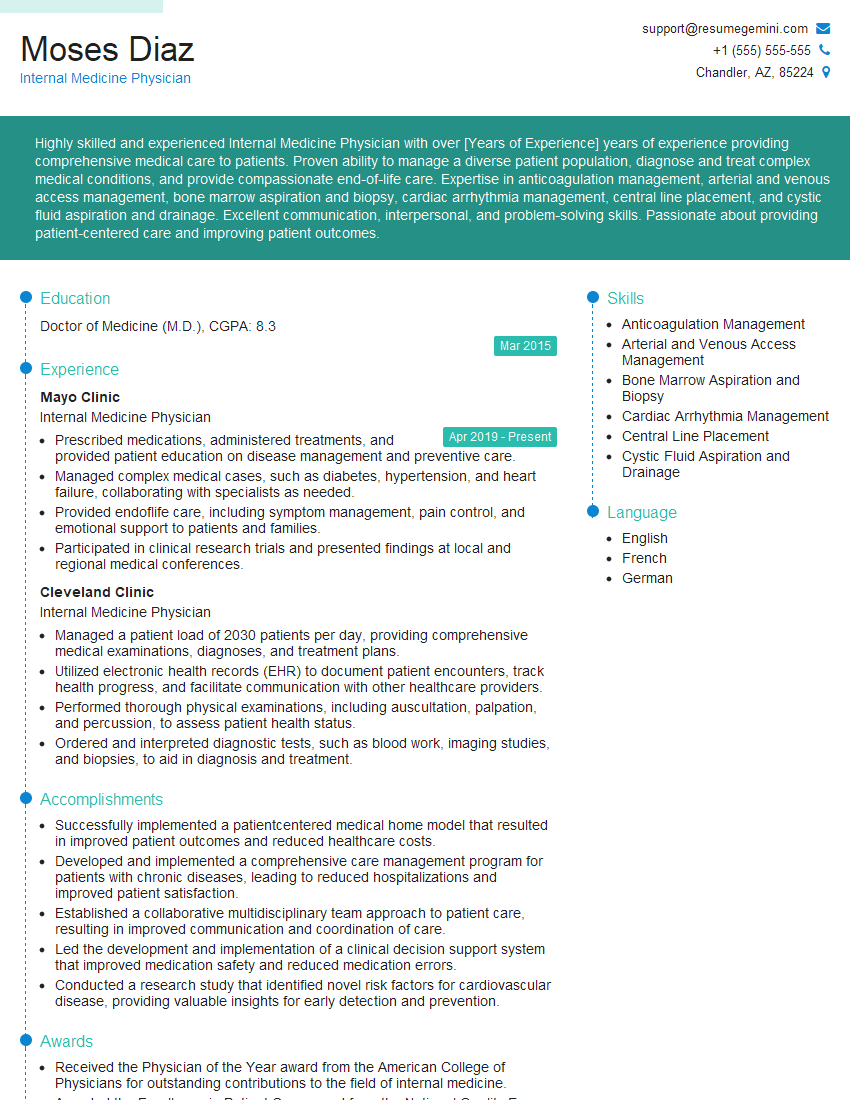
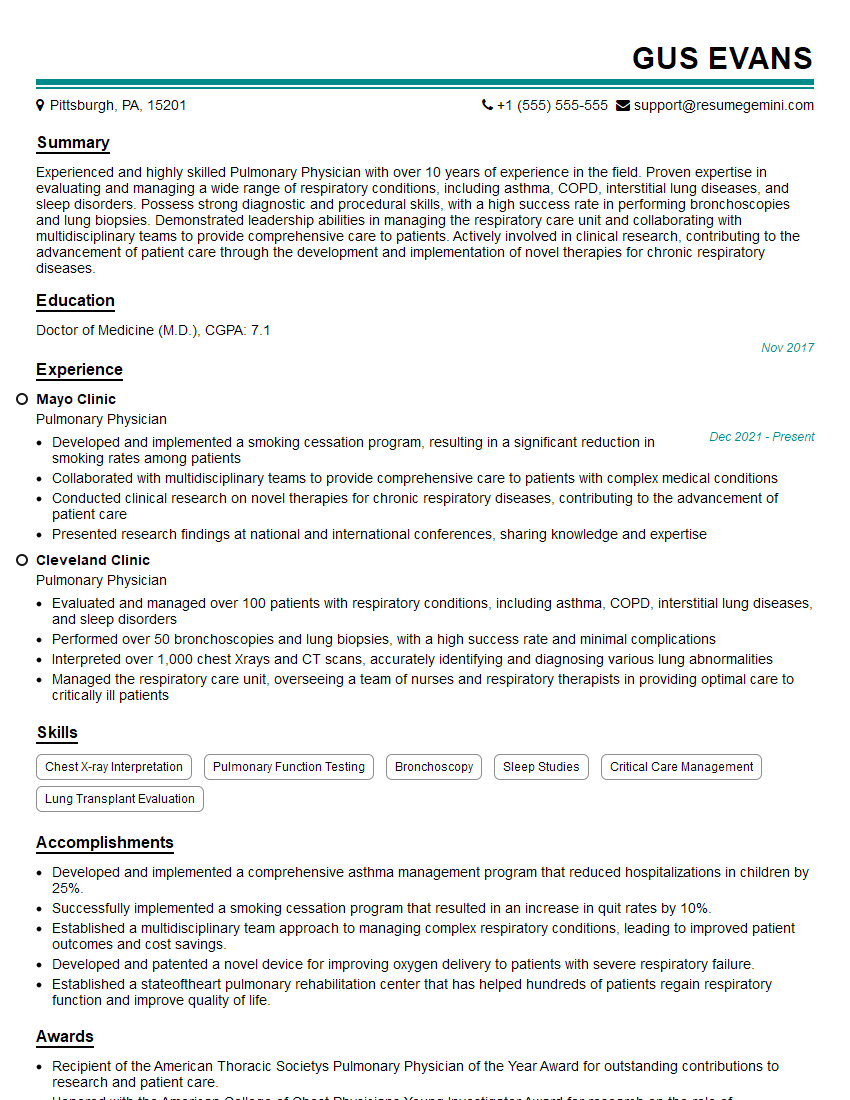
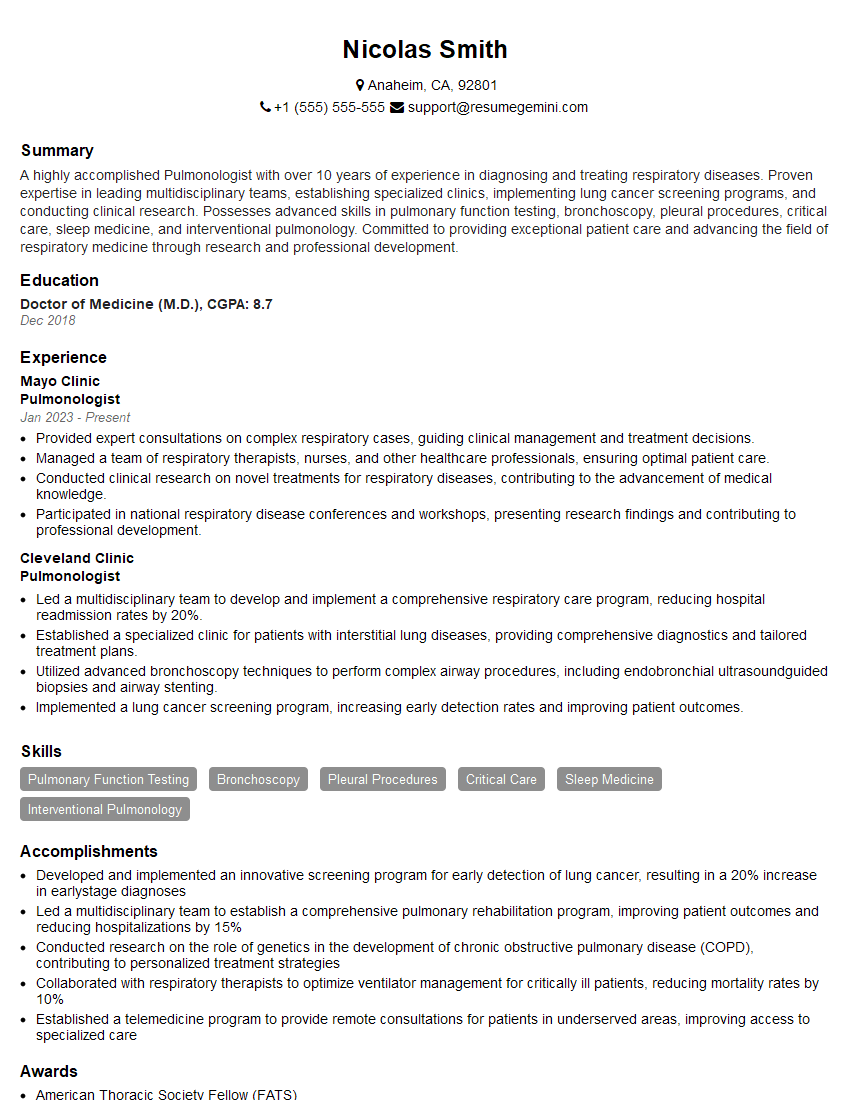
Mastering the complexities of pulmonary fibrosis is crucial for career advancement in respiratory medicine. A strong understanding of this disease demonstrates expertise and commitment to patient care. To enhance your job prospects, it’s vital to present your skills effectively through a well-crafted, ATS-friendly resume. ResumeGemini is a trusted resource that can help you build a professional and impactful resume tailored to highlight your pulmonary fibrosis knowledge. Examples of resumes specifically designed for pulmonary fibrosis specialists are available to help you create a winning application.
Explore more articles
Users Rating of Our Blogs
Share Your Experience
We value your feedback! Please rate our content and share your thoughts (optional).
What Readers Say About Our Blog
To the interviewgemini.com Webmaster.
Very helpful and content specific questions to help prepare me for my interview!
Thank you
To the interviewgemini.com Webmaster.
This was kind of a unique content I found around the specialized skills. Very helpful questions and good detailed answers.
Very Helpful blog, thank you Interviewgemini team.