Interviews are opportunities to demonstrate your expertise, and this guide is here to help you shine. Explore the essential Central Sleep Apnea interview questions that employers frequently ask, paired with strategies for crafting responses that set you apart from the competition.
Questions Asked in Central Sleep Apnea Interview
Q 1. Explain the pathophysiology of central sleep apnea.
Central sleep apnea (CSA) is a sleep disorder characterized by the brain’s failure to send the proper signals to the respiratory muscles to initiate breathing during sleep. Unlike obstructive sleep apnea (OSA), where airflow is blocked despite respiratory effort, CSA involves the absence of respiratory effort altogether. The pathophysiology is complex and not fully understood, but it involves disruptions in the neural pathways controlling respiration in the brainstem. These disruptions can be caused by various factors, including damage to the brainstem itself (e.g., stroke, trauma), heart failure, opioid use, or certain neurological conditions. The result is a cessation of breathing for periods of time, resulting in decreased oxygen saturation and increased carbon dioxide levels in the blood.
Imagine a conductor of an orchestra. In CSA, the conductor (brainstem) isn’t sending the correct signals to the musicians (respiratory muscles), leading to periods of silence (apnea) in the music (breathing).
Q 2. Differentiate between central, obstructive, and mixed sleep apnea.
The key difference lies in the underlying cause of the apneas:
- Central Sleep Apnea (CSA): Characterized by the absence of respiratory effort. The brain fails to signal the respiratory muscles to breathe. This is a problem with the central nervous system’s control of breathing.
- Obstructive Sleep Apnea (OSA): Characterized by the presence of respiratory effort, but airflow is obstructed. The airway collapses despite the brain sending signals to breathe. This is a problem with airway patency.
- Mixed Sleep Apnea: A combination of both central and obstructive apneas. Periods of central apnea are interspersed with periods of obstructive apnea. The patient exhibits both an absence of respiratory effort and an obstruction of airflow during sleep.
Consider these analogies: CSA is like forgetting to turn on the engine of a car; OSA is like having the engine running but the gas pedal stuck; mixed apnea is like having both problems intermittently.
Q 3. Describe the diagnostic criteria for central sleep apnea according to the AASM.
According to the American Academy of Sleep Medicine (AASM), the diagnostic criteria for central sleep apnea include:
- Polysomnography (PSG): A sleep study is essential for diagnosis. PSG measures various physiological parameters during sleep, including brain waves (EEG), eye movements (EOG), muscle activity (EMG), airflow, respiratory effort, and oxygen saturation (SpO2).
- Apnea-Hypopnea Index (AHI): The AHI is calculated by counting the number of apneas and hypopneas (shallow breaths) per hour of sleep. For CSA diagnosis, the AHI must be ≥5 events/hour, with a clear predominance of central apneas (usually >50% of total events).
- Cheyne-Stokes Respiration (CSR): A specific pattern of breathing characterized by periods of increasing tidal volume followed by periods of apnea, is highly suggestive of CSA. This often seen in heart failure patients.
It is crucial to differentiate CSA from OSA and other respiratory disorders. The PSG results, including the respiratory effort pattern, are critical for accurate diagnosis.
Q 4. What are the common risk factors for central sleep apnea?
Several factors increase the risk of developing central sleep apnea. These include:
- Heart failure: A major risk factor, frequently causing Cheyne-Stokes respiration.
- Stroke: Brain damage can disrupt respiratory control centers.
- Opioid use: Opioids depress the respiratory drive.
- High altitude: Reduced oxygen levels can affect respiratory control.
- Brainstem injury: Trauma or other neurological conditions affecting the brainstem.
- Other neurological disorders: Conditions impacting the respiratory centers in the brain.
- Aging: The elderly are at increased risk.
Understanding these risk factors allows for targeted screening and prevention strategies.
Q 5. Discuss the various treatment options for central sleep apnea.
Treatment for central sleep apnea depends on the underlying cause and severity. Options include:
- Adaptive Servo-Ventilation (ASV): A type of CPAP that adjusts the pressure based on the patient’s respiratory effort. This is often the first-line treatment for CSA.
- Oxygen therapy: Supplemental oxygen can improve oxygen saturation.
- Treating the underlying condition: Addressing conditions like heart failure or managing opioid use is crucial.
- Medications: In some cases, medications like acetazolamide can be helpful.
- Positive Airway Pressure (PAP) therapy: While CPAP is less effective than ASV, it might be considered in specific scenarios.
A tailored treatment approach is essential, often requiring collaboration between sleep specialists, cardiologists, and other medical professionals.
Q 6. Explain the role of CPAP therapy in central sleep apnea.
CPAP therapy’s role in CSA is limited. While CPAP provides consistent airway pressure, it is not as effective as ASV because it doesn’t adapt to the patient’s irregular breathing patterns. In CSA, the problem isn’t airway obstruction but the lack of respiratory effort. CPAP might be used as a supplementary treatment or in specific situations where ASV is not tolerated or feasible.
Think of it like trying to push a stalled car with a constant force. The car (breathing) needs variable assistance (ASV), not just a continuous push (CPAP).
Q 7. What are the limitations of CPAP therapy in central sleep apnea?
CPAP’s limitations in CSA are significant. It is generally less effective than ASV in improving symptoms and reducing AHI. Furthermore, CPAP therapy can be poorly tolerated by some individuals with CSA, particularly those with underlying cardiac or neurological conditions. In some cases, CPAP may even worsen the condition or induce respiratory distress.
Therefore, while CPAP has a role in certain sleep disorders, its use in CSA should be carefully considered and often requires close monitoring and potentially adjusted based on patient response.
Q 8. Discuss the use of adaptive servo-ventilation (ASV) in central sleep apnea.
Adaptive Servo-Ventilation (ASV) is a sophisticated form of non-invasive ventilation used to treat central sleep apnea (CSA). Unlike CPAP, which delivers a constant air pressure, ASV adjusts the pressure in real-time based on the patient’s respiratory effort. It senses when breathing pauses or becomes shallow and provides pressure support to maintain regular breathing patterns. Think of it like a sophisticated breathing assistant, constantly monitoring and adapting to the patient’s needs.
In CSA, the brain fails to send the proper signals to the respiratory muscles, leading to breathing pauses (apneas). ASV detects these pauses and provides precisely timed pressure support, preventing the apneas and improving sleep quality. It’s especially beneficial in patients with Cheyne-Stokes respiration (CSR), a specific type of CSA characterized by cyclical breathing patterns.
However, it’s crucial to note that ASV has been associated with increased mortality in certain patient subgroups with heart failure. Careful patient selection and close monitoring are essential. Not every CSA patient is a suitable candidate for ASV.
Q 9. Describe the role of oxygen therapy in central sleep apnea.
Oxygen therapy in central sleep apnea plays a supportive role, primarily addressing any underlying hypoxemia (low blood oxygen levels) that may be present. While it doesn’t directly treat the apnea itself, supplemental oxygen can improve oxygen saturation levels during sleep and reduce the severity of symptoms, improving overall health.
In some cases, particularly in patients with severe CSA and accompanying lung disease, supplemental oxygen is an important adjunctive therapy, improving oxygenation and reducing the strain on the cardiovascular system. Oxygen therapy is usually not the primary treatment for CSA but is considered based on the patient’s oxygen saturation levels during sleep as measured by polysomnography.
It’s important to remember that oxygen therapy alone does not address the underlying cause of the central apneas; it solely targets the consequence of low blood oxygen levels.
Q 10. Explain the importance of polysomnography in diagnosing central sleep apnea.
Polysomnography (PSG) is the gold standard for diagnosing central sleep apnea. It’s an overnight sleep study that comprehensively monitors various physiological parameters during sleep. This detailed assessment is crucial because CSA is often masked by other sleep disorders, making accurate diagnosis challenging based on symptoms alone.
PSG measures brain waves (EEG), eye movements (EOG), muscle activity (EMG), heart rate, respiratory effort (thoracic and abdominal movements), blood oxygen levels (SpO2), and airflow. By analyzing these parameters, clinicians can identify the characteristic apneas and hypopneas of CSA, differentiating it from obstructive sleep apnea (OSA) where airflow is blocked despite respiratory effort.
For example, in CSA, the PSG will show absent or decreased respiratory effort during apneas, whereas in OSA, strong respiratory effort is present against an obstructed airway. PSG allows precise quantification of apnea-hypopnea index (AHI) and identification of specific patterns like Cheyne-Stokes respiration, vital for appropriate treatment planning.
Q 11. Interpret a polysomnogram showing characteristics of central sleep apnea.
Interpreting a polysomnogram for central sleep apnea involves looking for specific patterns in the recorded data. Key features include:
- Apneas: Absence of airflow despite apparent respiratory effort (seen as absent or decreased movement in the thoracic and abdominal effort channels).
- Central Apneas: This is characterized by the absence of respiratory effort, making it different from obstructive sleep apnea.
- Cheyne-Stokes Respiration (CSR): A cyclical pattern of breathing with progressively increasing tidal volumes followed by apneas. This is a common presentation in central sleep apnea.
- Reduced Respiratory Effort Related Arousals (RERAs): Periods of decreased respiratory effort that lead to arousal from sleep.
- Low SpO2: Frequent drops in blood oxygen saturation levels during apneas and hypopneas.
A high apnea-hypopnea index (AHI) with predominantly central apneas confirms the diagnosis of central sleep apnea. The pattern and severity of these findings guide treatment recommendations.
For instance, a PSG showing numerous central apneas, CSR, low SpO2, and a high AHI suggests severe CSA and might indicate the need for ASV or other advanced treatment strategies.
Q 12. What are the potential complications of untreated central sleep apnea?
Untreated central sleep apnea can have significant and potentially life-threatening consequences. Because of the disrupted breathing and resulting hypoxemia, several organ systems are impacted:
- Cardiovascular Problems: Increased risk of hypertension, heart failure, stroke, and atrial fibrillation.
- Cognitive Impairment: Daytime sleepiness, reduced cognitive function, impaired concentration and memory.
- Neurological Issues: Increased risk of headaches, mood disturbances, and potentially even dementia.
- Pulmonary Issues: Pulmonary hypertension (high blood pressure in the arteries of the lungs).
- Metabolic Disturbances: Increased risk of type 2 diabetes.
- Increased Mortality: Studies have linked severe, untreated CSA to a significantly increased risk of death.
The impact on quality of life is also profound, with patients experiencing fatigue, irritability, and impaired daily functioning.
Q 13. How do you assess the severity of central sleep apnea?
The severity of central sleep apnea is primarily assessed using the apnea-hypopnea index (AHI), which represents the number of apneas and hypopneas per hour of sleep.
Generally, an AHI of 5 or more is considered clinically significant.
- Mild CSA: AHI of 5-15
- Moderate CSA: AHI of 15-30
- Severe CSA: AHI >30
However, the AHI alone doesn’t fully capture the clinical picture. Other factors influencing severity assessment include:
- Presence of Cheyne-Stokes Respiration (CSR): This pattern often indicates more severe disease.
- Oxygen Desaturation Levels: The frequency and degree of oxygen drops during apneas.
- Daytime Symptoms: The extent to which patients experience excessive daytime sleepiness, fatigue, and cognitive impairment.
- Presence of Comorbidities: Existing heart or lung conditions often influence treatment strategies.
A holistic assessment, considering both the quantitative AHI and the qualitative clinical presentation, is crucial for determining the severity of CSA and guiding treatment decisions.
Q 14. Discuss the role of medication in the management of central sleep apnea.
The role of medication in managing central sleep apnea is somewhat limited compared to other treatment modalities like ASV or CPAP. Medications don’t directly address the underlying cause of CSA, which involves the brain’s respiratory control center. Instead, they may be used to address specific symptoms or underlying conditions that contribute to the severity of CSA.
Some medications that may be used in specific situations include:
- Acetazolamide: Can be used in certain cases to reduce the severity of Cheyne-Stokes respiration in patients with heart failure.
- Opioids (in limited cases): Though their use is carefully considered due to potential respiratory depression, opioids might be prescribed to treat underlying conditions.
- Medications addressing underlying comorbidities: Treating conditions like heart failure or chronic obstructive pulmonary disease may indirectly help manage CSA.
It’s important to note that medication alone is rarely sufficient for managing CSA. It’s often used as an adjunct to other therapies, such as ASV or CPAP, depending on the patient’s specific circumstances and the presence of comorbidities.
Q 15. Describe the challenges in managing central sleep apnea in specific patient populations (e.g., elderly, heart failure patients).
Managing central sleep apnea (CSA) presents unique challenges in specific populations due to comorbidities and physiological changes. The elderly, for instance, often have multiple health issues like heart failure and cognitive impairment that complicate diagnosis and treatment. Their frailty can make them less tolerant of certain therapies. Similarly, patients with heart failure are at increased risk of CSA, and their underlying cardiac condition often limits treatment options. For example, some medications used to treat heart failure might worsen CSA or interact negatively with other CSA medications.
- Elderly: The elderly may experience more frequent and severe episodes of CSA, leading to increased daytime sleepiness, cognitive decline, and falls. Their decreased physiological reserve makes them more vulnerable to the consequences of untreated CSA. Treatment often involves a careful balancing act, avoiding medications with potential adverse effects. A multidisciplinary approach involving geriatricians, cardiologists, and sleep specialists is often crucial.
- Heart Failure Patients: In heart failure patients, CSA can worsen heart failure symptoms and increase mortality risk. Treatment requires a collaborative effort between cardiologists and sleep specialists to optimize both cardiac and respiratory management. Adjusting medications for heart failure and addressing sleep apnea simultaneously requires careful monitoring and titration.
In both these populations, careful assessment of comorbidities, medication profiles, and functional status is paramount before initiating treatment. Treatment strategies may need to be individualized and adapted based on patient tolerance and response. A holistic approach considering the patient’s overall health, beyond just their sleep apnea, is key to successful management.
Career Expert Tips:
- Ace those interviews! Prepare effectively by reviewing the Top 50 Most Common Interview Questions on ResumeGemini.
- Navigate your job search with confidence! Explore a wide range of Career Tips on ResumeGemini. Learn about common challenges and recommendations to overcome them.
- Craft the perfect resume! Master the Art of Resume Writing with ResumeGemini’s guide. Showcase your unique qualifications and achievements effectively.
- Don’t miss out on holiday savings! Build your dream resume with ResumeGemini’s ATS optimized templates.
Q 16. How do you counsel patients about lifestyle modifications to manage central sleep apnea?
Counseling patients on lifestyle modifications for CSA is crucial, as it forms the cornerstone of a comprehensive management strategy. It’s important to emphasize that while lifestyle changes alone may not cure CSA, they can significantly reduce its severity and improve symptoms.
- Weight Management: Obesity is a significant risk factor for CSA. Weight loss, even modest amounts, can improve respiratory function and alleviate CSA symptoms. We provide practical advice, including dietary modifications, increased physical activity, and behavior therapy if needed.
- Sleep Hygiene: Consistent sleep schedules, creating a relaxing bedtime routine, optimizing bedroom environment (temperature, darkness, noise), and avoiding caffeine or alcohol before bed are emphasized. We often recommend sleep diaries to track sleep patterns and identify potential issues.
- Smoking Cessation: Smoking significantly worsens respiratory health. We provide counseling and resources for patients who smoke, encouraging them to quit to improve both their respiratory function and overall well-being.
- Addressing Underlying Medical Conditions: Treatment of any underlying health conditions like heart failure or chronic lung disease is vital in managing CSA effectively. This involves close collaboration with other specialists.
The counseling process involves active listening, setting realistic goals, and providing consistent support and encouragement. We often schedule follow-up appointments to monitor progress, adjust strategies, and address any challenges the patient may face.
Q 17. Explain the role of home sleep apnea testing (HSAT) in central sleep apnea.
Home sleep apnea testing (HSAT) plays a significant role in the initial evaluation of CSA, particularly as it’s more convenient and cost-effective than polysomnography (PSG). HSAT devices typically measure respiratory effort, airflow, heart rate, and oxygen saturation during sleep. This data helps clinicians identify potential sleep apnea.
While it may not provide the same level of detailed information as a full PSG, HSAT can be useful in screening for CSA and identifying patients who may benefit from further evaluation. It’s especially helpful in identifying patients with potential for CSA who may not require a full PSG.
For example, a patient presenting with symptoms suggestive of CSA, such as excessive daytime sleepiness or nocturnal gasping, might undergo HSAT first. If the HSAT suggests significant respiratory events and a low oxygen saturation, the clinician can then determine if further testing, like a full polysomnogram, is necessary to confirm the diagnosis.
Q 18. Discuss the limitations of HSAT in central sleep apnea.
HSAT, while convenient, has limitations, especially when diagnosing CSA. The most significant limitation is its reduced diagnostic accuracy compared to full PSG. HSAT devices primarily measure respiratory effort and airflow, but they may not accurately detect the subtle variations in respiratory patterns characteristic of CSA. This can lead to underdiagnosis or misdiagnosis of CSA.
- Limited Respiratory Parameter Measurement: HSAT may not capture the nuances of respiratory effort and timing that are critical in differentiating CSA from other sleep-disordered breathing conditions. For example, it might not accurately assess central versus obstructive apnea events.
- Potential for False Negatives: Patients with mild or intermittent CSA may not show enough respiratory events during HSAT to trigger an alert, leading to a false negative result.
- Lack of EEG Data: HSAT typically lacks electroencephalography (EEG) data, which is crucial for determining sleep stages and for differentiating between different types of apneas. The sleep architecture is vital in differentiating CSA from other apnea conditions.
Therefore, while HSAT can be a valuable screening tool, it should not be considered a definitive diagnostic test for CSA. A full PSG is often necessary to confirm a diagnosis and guide appropriate treatment strategies, especially in cases of suspected CSA.
Q 19. How do you differentiate central sleep apnea from Cheyne-Stokes respiration?
Differentiating CSA from Cheyne-Stokes respiration (CSR) can be challenging because both involve cyclical breathing patterns during sleep. However, key differences exist in their underlying pathophysiology and clinical presentation.
CSA is characterized by central apneas (absence of respiratory effort), often occurring in the context of underlying cardiac or neurological conditions. The pattern is usually irregular and less predictable compared to CSR. The respiratory effort ceases altogether.
CSR, on the other hand, is a specific type of CSA characterized by a cyclical pattern of increasing and decreasing tidal volume, alternating between periods of apnea and hyperpnea (increased breathing). It often associates with heart failure, stroke, and other neurological disorders. The respiratory effort remains present, even if reduced in volume.
In practice, distinguishing between them often requires careful review of polysomnographic data. Specific features such as the presence of respiratory effort, the regularity of the breathing pattern, and the presence of other sleep-related disorders, as well as the patient’s clinical history, help make the differentiation. Experienced sleep specialists usually analyze multiple parameters to confidently differentiate these two conditions.
Q 20. What are the emerging treatment modalities for central sleep apnea?
Emerging treatment modalities for CSA are constantly evolving. Traditional treatment options like adaptive servo-ventilation (ASV) remain effective, but research focuses on optimizing therapy and developing new approaches.
- Adaptive Servo-Ventilation (ASV) Refinements: Ongoing research aims to refine ASV algorithms to better adapt to individual patient needs and reduce the risk of adverse events, particularly in patients with heart failure.
- Hypoglossal Nerve Stimulation (HNS): HNS offers a minimally invasive alternative to ASV. A device implanted under the skin stimulates the hypoglossal nerve, helping to regulate breathing during sleep. This technology shows promise and has undergone various iterations to improve its efficacy and safety.
- Positive Airway Pressure (PAP) Modifications: Research is investigating various modifications to traditional PAP devices to improve their effectiveness in treating CSA. This includes exploring different pressure settings, waveforms, and triggers.
- Pharmacological Interventions: Studies are exploring different medications, focusing on those that could improve respiratory drive and reduce central apneas. However, currently, there are no FDA-approved medications specifically for CSA.
The field is rapidly advancing, and it is anticipated that new treatments and technologies will continue to emerge, improving the quality of life for CSA patients.
Q 21. Describe the role of cardiorespiratory monitoring in central sleep apnea.
Cardiorespiratory monitoring plays a vital role in the diagnosis and management of CSA because it allows for a comprehensive assessment of the interplay between respiratory and cardiovascular systems. Continuous monitoring during sleep helps identify the underlying mechanisms of CSA and assesses the effectiveness of treatment.
During polysomnography, cardiorespiratory monitoring includes measuring:
- Heart rate (ECG): Provides information about cardiac rhythm and response to respiratory events.
- Oxygen saturation (SpO2): Measures the amount of oxygen in the blood, revealing the impact of apneas on oxygenation.
- Respiratory effort (thoracic and abdominal movements): Helps differentiate between central and obstructive apneas.
- Blood pressure: Provides data on the impact of sleep apnea on cardiovascular function.
This comprehensive data helps clinicians not only diagnose CSA but also assess its severity, predict potential complications, and monitor treatment response. It is particularly crucial in patients with underlying cardiac or pulmonary disease, as it allows for a detailed evaluation of the impact of CSA on these systems and guides the optimal management strategy.
For example, a patient with CSA and concurrent heart failure might require more frequent cardiorespiratory monitoring during treatment to detect any signs of worsening heart failure. The monitoring data facilitates making timely adjustments to their therapy and preventing potential complications.
Q 22. Explain the importance of patient education in managing central sleep apnea.
Patient education is paramount in managing central sleep apnea (CSA) because it empowers individuals to actively participate in their treatment and improve their outcomes. Understanding the condition, its consequences, and the treatment options fosters better adherence and reduces the likelihood of relapse.
- Disease Understanding: Explaining CSA – the brain’s failure to signal the respiratory muscles properly – in simple terms, without overwhelming medical jargon, is crucial. We use analogies, like a faulty thermostat in the body, to help patients visualize the problem.
- Treatment Adherence: We emphasize the importance of consistent use of prescribed treatments, whether it’s adaptive servo-ventilation (ASV) or other therapies. We discuss potential side effects and how to manage them. For example, we might explain that initial discomfort with a CPAP mask is common but temporary.
- Lifestyle Modifications: We educate patients on the importance of lifestyle changes, such as weight management (if applicable), avoiding alcohol and sedatives before sleep, and maintaining a regular sleep schedule. We tailor advice to individual needs and circumstances.
- Symptom Recognition: Patients need to understand the signs and symptoms of CSA, such as excessive daytime sleepiness, cognitive impairment, and morning headaches. This empowers them to recognize potential relapses and seek timely intervention.
For example, I recently explained CSA to a patient using the analogy of a car’s engine stalling intermittently. Understanding this helped them accept the need for continuous support from the ASV machine as a crucial component of their recovery.
Q 23. How do you assess treatment adherence in central sleep apnea?
Assessing treatment adherence in CSA involves a multi-pronged approach, combining objective data with subjective patient reports. It’s not simply about whether they *use* their therapy; it’s about its *effective use* and impact on their health.
- Device Data: For ASV, we monitor usage hours, pressure settings, and any reported device alarms or errors. Consistent use, reflected in data logs, is a key indicator.
- Polysomnography (PSG): Follow-up PSG studies are essential to evaluate the effectiveness of treatment and identify any residual apneas or hypopneas. Improvement in AHI (Apnea-Hypopnea Index) is a significant marker.
- Patient Diaries and Questionnaires: We utilize sleep diaries and validated questionnaires (e.g., Epworth Sleepiness Scale) to track daytime sleepiness, fatigue, and overall quality of life. These provide subjective perspectives supplementing objective data.
- Clinical Interviews: Regular follow-up appointments allow direct assessment of the patient’s experience. We discuss any difficulties they are experiencing, whether with the equipment, treatment adjustments, or side effects.
For instance, a patient might report improved daytime sleepiness, but their device data might show infrequent use. This inconsistency highlights a need for further discussion and potential strategies to improve adherence, like addressing any equipment discomfort or concerns.
Q 24. Discuss the role of telehealth in the management of central sleep apnea.
Telehealth plays a significant role in managing CSA, particularly in improving access to care and reducing the burden of frequent in-person visits. It’s not a replacement for in-person care but a valuable supplement.
- Remote Monitoring: Telehealth enables remote monitoring of ASV device data, allowing for proactive adjustments to therapy based on real-time usage patterns and outcomes. This reduces the need for frequent office visits for simple adjustments.
- Virtual Consultations: Virtual consultations facilitate regular check-ins with patients, addressing questions, adjusting therapy, and providing support. This is particularly beneficial for patients in remote areas or with mobility challenges.
- Patient Education: Telehealth platforms can be used to deliver educational materials, videos, and interactive modules to support patients’ understanding of CSA and its management.
- Data Transmission: Secure platforms allow for the transfer of PSG results and other data between the patient and healthcare providers, simplifying the monitoring process.
For example, a patient experiencing increased daytime sleepiness after a recent ASV setting change can easily have a virtual consultation with their physician who can remotely adjust the settings based on the transmitted data, avoiding an unnecessary trip to the clinic.
Q 25. What are the common challenges faced in diagnosing and treating central sleep apnea?
Diagnosing and treating CSA presents several challenges, stemming from its complex nature and the variability in presentation.
- Diagnostic Difficulty: CSA is often underdiagnosed because its symptoms can mimic other conditions. Differentiating CSA from other sleep disorders, particularly central sleep apnea syndrome, requires careful evaluation and sometimes multiple PSG studies.
- Treatment Complexity: Effective treatment for CSA often involves ASV, which requires specialized training for both the patient and clinician. Finding the optimal settings and ensuring proper device fitting can be time-consuming and require close monitoring.
- Treatment Adherence Challenges: Some patients find ASV uncomfortable or inconvenient, leading to poor adherence. Addressing these challenges requires patience, open communication, and sometimes adjustments to the therapy.
- Comorbidities: CSA frequently co-occurs with other conditions, such as heart failure and stroke, which can complicate both diagnosis and treatment. A holistic approach is needed.
- Lack of Awareness: Both healthcare professionals and patients may lack sufficient awareness of CSA, leading to delayed diagnosis and treatment.
For example, a patient with CSA and heart failure may experience increased shortness of breath with ASV, requiring careful titration of pressure and close monitoring of their cardiovascular status.
Q 26. How do you manage patients with both central and obstructive sleep apnea?
Managing patients with both central and obstructive sleep apnea (OSA) is more complex than managing either condition alone, as the underlying mechanisms differ. It often requires a tailored approach based on careful evaluation of the patient’s specific characteristics.
- Diagnostic Assessment: A comprehensive sleep study (PSG) is essential to quantify the severity of both CSA and OSA components. This allows for an accurate determination of the predominant apnea type and the severity of each component.
- Treatment Strategy: The optimal approach often involves a combination of therapies. If OSA is the predominant type, CPAP therapy may be used as a first-line treatment. If CSA is significant or CPAP is not effective, ASV may be needed to manage central apneas while providing support for any remaining obstructive events. Sometimes, weight loss is encouraged for both components.
- Titration and Monitoring: Close monitoring of therapy response is vital. Regular follow-up appointments and PSG studies are necessary to assess the effectiveness of the treatment and make any necessary adjustments.
- Addressing Comorbidities: The presence of other health issues, such as heart failure, must be considered when selecting and tailoring treatment strategies.
For example, a patient with predominant OSA and some central apneas might initially be started on CPAP. If their AHI remains elevated, ASV may be considered to further improve their sleep quality and daytime functioning. Regular follow-up is key to refining their care plan.
Q 27. Explain the impact of central sleep apnea on cardiovascular health.
CSA has a significant impact on cardiovascular health, increasing the risk of several serious conditions. The intermittent hypoxia and hypercapnia associated with CSA can trigger a cascade of physiological changes that strain the cardiovascular system.
- Increased Blood Pressure: CSA leads to repeated episodes of low oxygen levels in the blood, triggering the sympathetic nervous system, which elevates blood pressure. This chronic elevation can increase the risk of hypertension and cardiovascular complications.
- Arrhythmias: Oxygen desaturation and autonomic nervous system instability associated with CSA can increase the risk of heart rhythm disturbances, such as atrial fibrillation and bradycardia.
- Heart Failure: CSA is associated with increased risk of heart failure. The chronic stress on the heart, combined with reduced oxygen delivery, can compromise its function over time.
- Stroke: The link between CSA and stroke risk is well-established. Hypoxia and hypercapnia contribute to blood clot formation, which can lead to cerebral vascular events.
Understanding this cardiovascular risk is crucial for clinicians. We often refer patients with CSA for cardiac evaluations and incorporate cardiovascular risk reduction strategies into their overall treatment plan. This often involves collaborative care between pulmonologists and cardiologists.
Q 28. How do you monitor for treatment efficacy in central sleep apnea?
Monitoring treatment efficacy in CSA involves assessing both the objective and subjective improvement in the patient’s condition.
- Polysomnography (PSG): Follow-up PSG studies are essential to evaluate the reduction in apnea-hypopnea index (AHI) after initiating or adjusting therapy. A significant decrease in AHI signifies improved respiratory function during sleep.
- Device Data: For ASV, reviewing device data, including usage hours and pressure settings, helps assess adherence and effectiveness. Consistent use and absence of alarms suggest effective therapy.
- Symptom Improvement: Assessing the patient’s subjective experience through questionnaires (e.g., Epworth Sleepiness Scale) and clinical interviews is crucial. Improvements in daytime sleepiness, cognitive function, and overall quality of life are indicators of successful treatment.
- Cardiovascular Monitoring: In patients with cardiovascular comorbidities, monitoring blood pressure, heart rate variability, and other relevant parameters helps assess the impact of treatment on cardiovascular health.
For example, if a patient’s AHI decreases significantly after ASV initiation, and they report marked improvement in daytime sleepiness and energy levels, we can conclude that the treatment is effective. Regular monitoring ensures we address any issues and maintain optimal treatment efficacy.
Key Topics to Learn for Central Sleep Apnea Interview
- Pathophysiology of Central Sleep Apnea (CSA): Understand the underlying mechanisms, differentiating CSA from Obstructive Sleep Apnea (OSA). Consider the roles of chemoreceptors, respiratory control centers, and potential neurological contributions.
- Diagnostic Criteria and Procedures: Become familiar with polysomnography (PSG) interpretation, focusing on identifying characteristic features of CSA in sleep studies. Understand the use of other diagnostic tools and the importance of accurate diagnosis.
- Treatment Modalities: Explore various treatment options, including adaptive servo-ventilation (ASV), positive airway pressure (PAP) therapy, and the role of oxygen therapy. Discuss the advantages, disadvantages, and patient suitability of each.
- Differential Diagnosis: Master the ability to distinguish CSA from other sleep-related breathing disorders and conditions that might present with similar symptoms. This includes understanding overlapping symptoms and the significance of proper clinical assessment.
- Clinical Presentation and Patient Management: Develop a strong understanding of how CSA presents in patients, including common symptoms, comorbidities, and the impact on quality of life. Discuss the importance of comprehensive patient care and follow-up.
- Advanced Topics (for Senior Roles): Explore research methodologies in CSA, including clinical trials and the development of new treatment approaches. Understanding recent advancements and future directions in the field demonstrates a commitment to professional growth.
Next Steps
Mastering Central Sleep Apnea expertise opens doors to rewarding and impactful careers in respiratory care, sleep medicine, and related healthcare fields. A strong understanding of CSA demonstrates a commitment to patient well-being and positions you as a valuable asset to any team. To enhance your job prospects, crafting an ATS-friendly resume is crucial. ResumeGemini is a trusted resource to help you build a professional resume that highlights your skills and experience effectively. Examples of resumes tailored to Central Sleep Apnea positions are available to guide you. Invest the time to present yourself effectively – your future success depends on it!
Family Medicine Physician Resume Sample
Internal Medicine Physician Resume Sample
Pulmonologist Resume Sample
Cardiologist Resume Sample
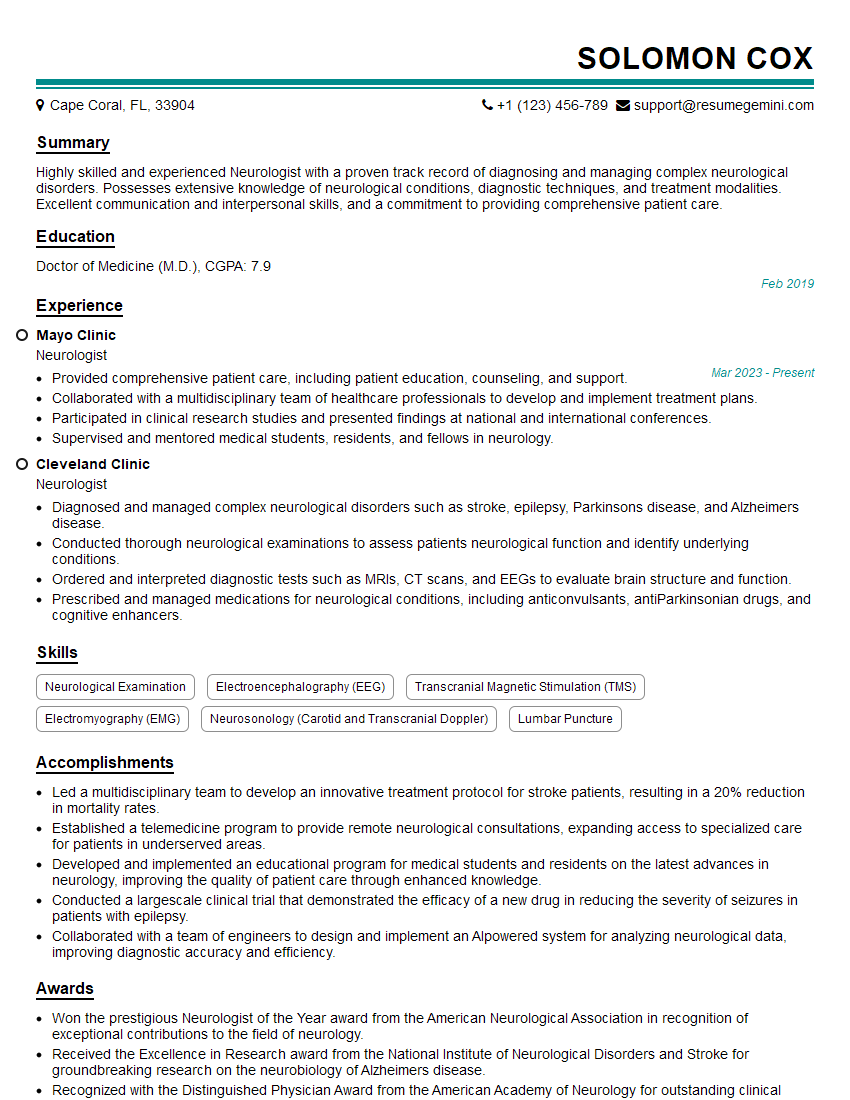
Neurologist Resume Sample
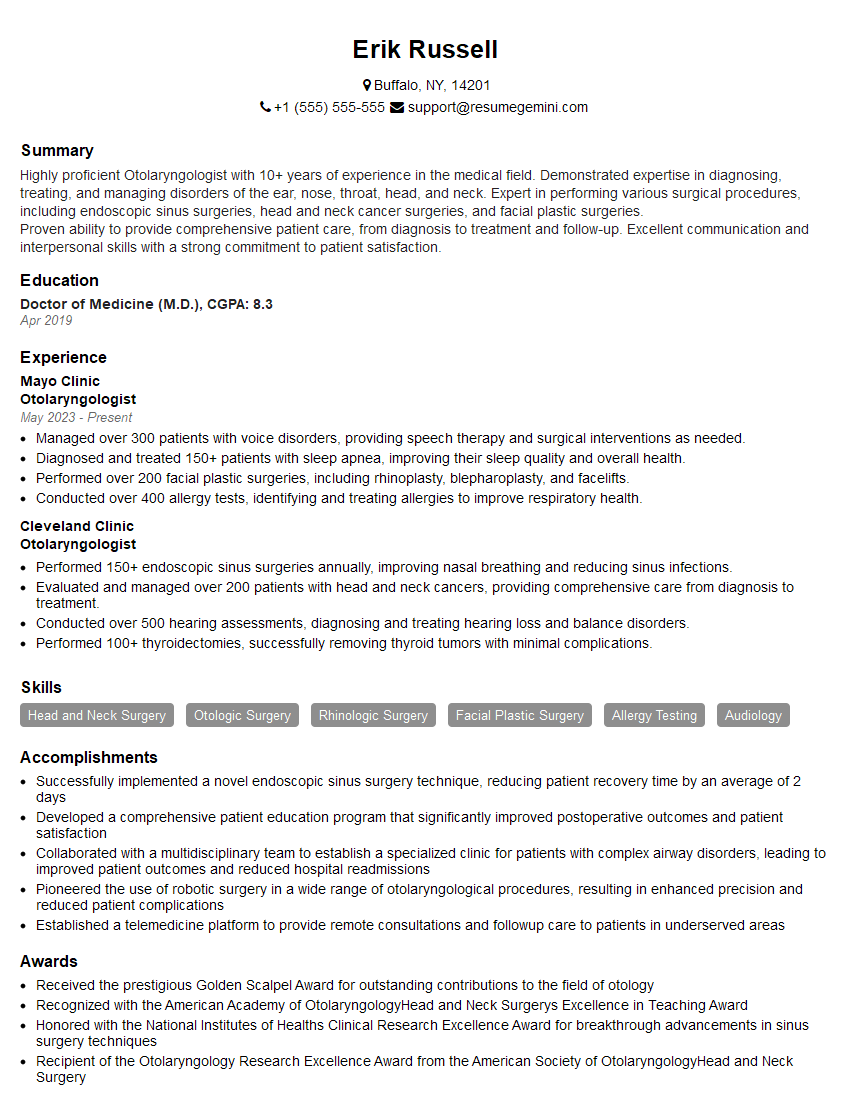
Otolaryngologist Resume Sample
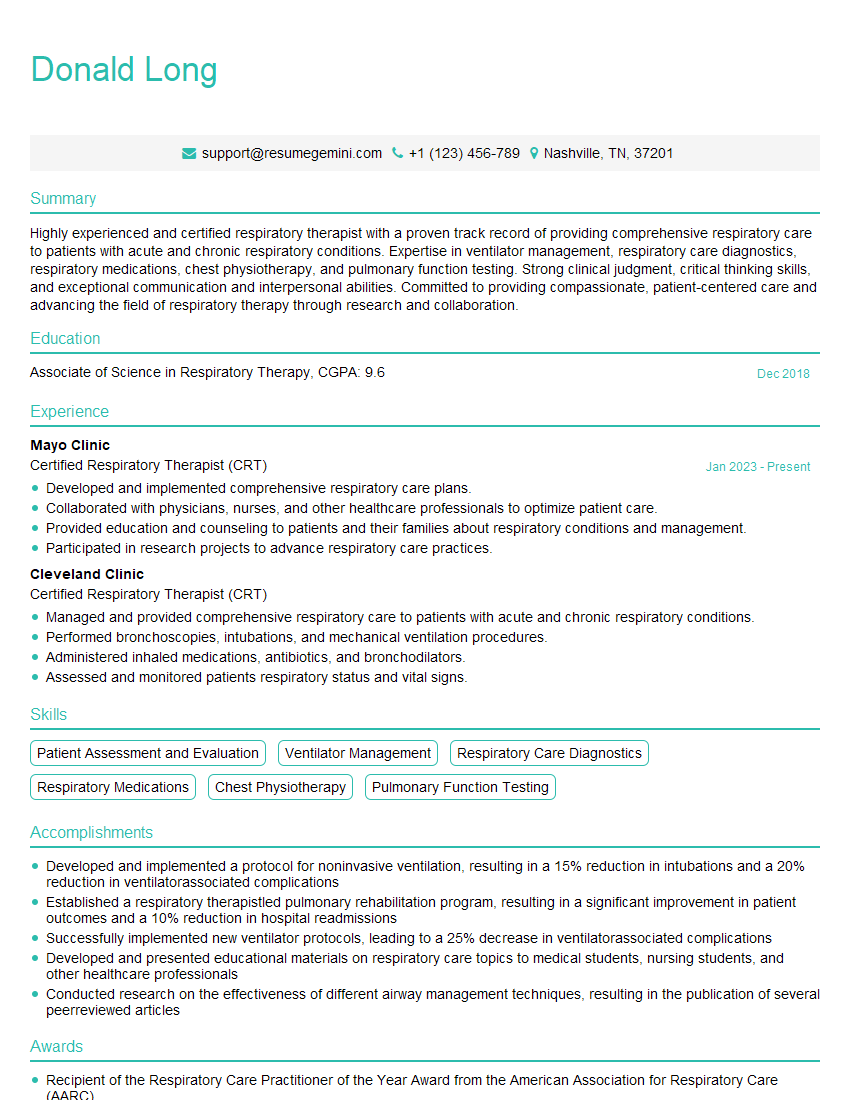
Certified Respiratory Therapist (CRT) Resume Sample
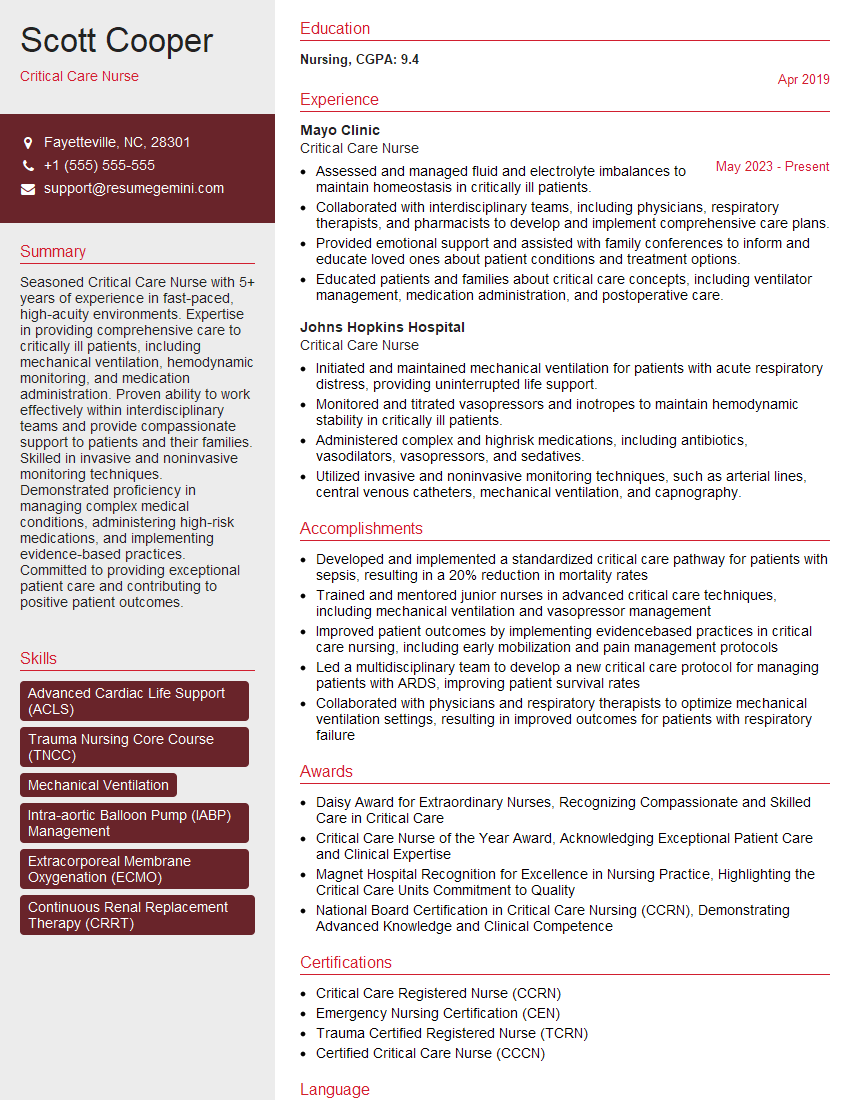
Critical Care Nurse Resume Sample
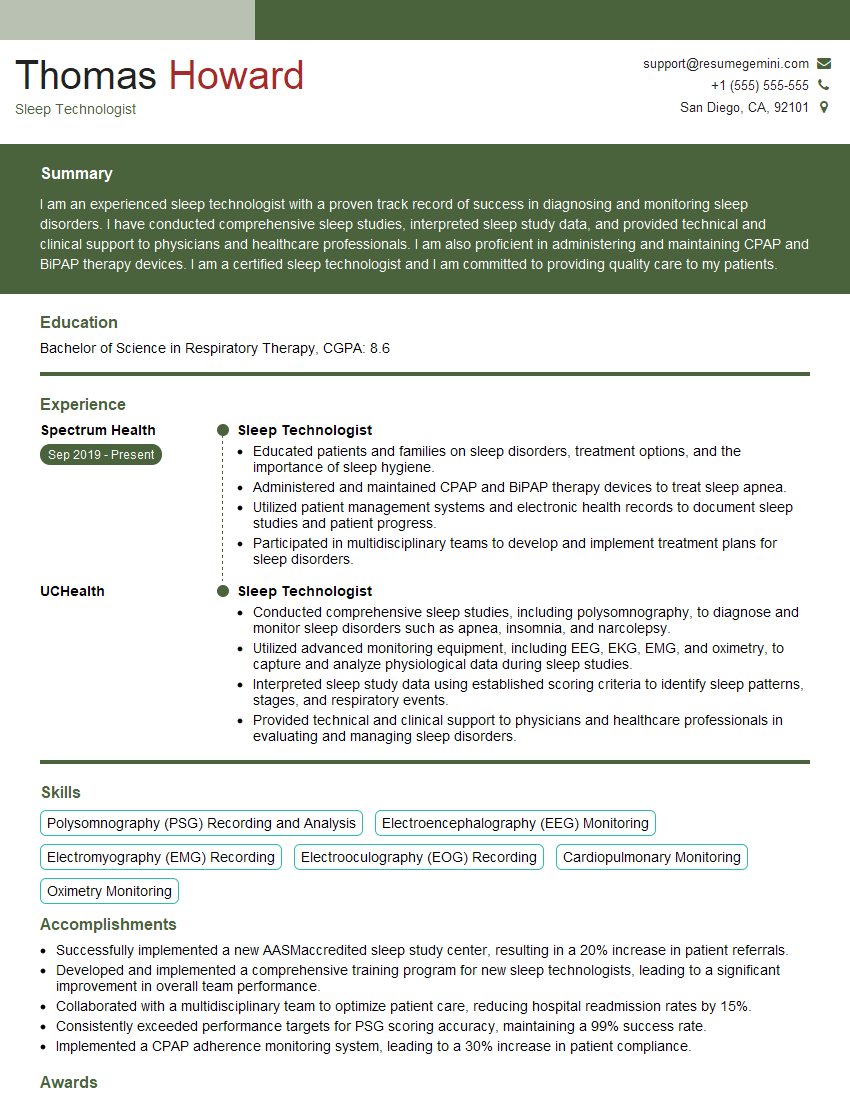
Sleep Technologist Resume Sample
Explore more articles
Users Rating of Our Blogs
Share Your Experience
We value your feedback! Please rate our content and share your thoughts (optional).
What Readers Say About Our Blog
To the interviewgemini.com Webmaster.
Very helpful and content specific questions to help prepare me for my interview!
Thank you
To the interviewgemini.com Webmaster.
This was kind of a unique content I found around the specialized skills. Very helpful questions and good detailed answers.
Very Helpful blog, thank you Interviewgemini team.