Interviews are more than just a Q&A session—they’re a chance to prove your worth. This blog dives into essential Infiltration Basin Design and Construction interview questions and expert tips to help you align your answers with what hiring managers are looking for. Start preparing to shine!
Questions Asked in Infiltration Basin Design and Construction Interview
Q 1. Explain the design principles of an infiltration basin.
Infiltration basin design centers around managing stormwater runoff by allowing it to slowly seep into the ground, mimicking natural groundwater recharge. Key principles include maximizing infiltration area, ensuring adequate soil permeability, preventing clogging, and managing water quality. Designers must consider factors such as basin geometry (shape and dimensions), the type of underlying soil, and the anticipated rainfall intensity to achieve the desired infiltration rate. The goal is to minimize surface runoff and reduce the load on downstream drainage systems.
For example, a properly designed basin should incorporate features like a vegetated surface to slow down water flow and increase infiltration, or a graded bottom to distribute water evenly across the infiltration area. A crucial design aspect is managing the potential for ponding—the basin needs to hold water temporarily, yet not overflow, until it infiltrates.
Q 2. Describe different types of infiltration basins and their applications.
Several types of infiltration basins exist, each suited for different applications:
- Conventional Infiltration Basins: These are simple excavated areas that allow water to infiltrate directly into the underlying soil. They are cost-effective but may require larger areas compared to other types.
- Underdrained Infiltration Basins: These include a system of underdrains to improve drainage and prevent ponding. They are suitable for areas with less permeable soils. The underdrains accelerate infiltration in situations where natural infiltration is slow.
- Sand-filled Infiltration Basins: A layer of sand is placed within the basin to improve infiltration capacity, especially where the native soil has low permeability. The sand acts as a highly permeable filter medium.
- Vegetated Infiltration Basins: These basins incorporate vegetation to enhance infiltration by improving the soil structure and reducing surface runoff velocity. Plants also help filter pollutants and enhance aesthetics.
The choice depends on factors like soil conditions, site constraints, and project objectives. For instance, a sand-filled basin might be preferred in areas with clay soils, while a vegetated basin would be suitable where aesthetics and water quality improvement are important.
Q 3. How do you determine the appropriate size and capacity of an infiltration basin?
Sizing an infiltration basin involves a hydrological analysis determining the volume of runoff to be managed. This analysis considers factors such as the basin’s drainage area, rainfall intensity, and soil infiltration rate. The basin’s capacity must be sufficient to store the design storm volume without overflowing. The size is calculated based on the required storage volume and design geometry.
The process often uses equations based on the rational method or more sophisticated hydrological models. For example, one might use a rainfall intensity-duration-frequency (IDF) curve to estimate the peak flow rate, then use the infiltration rate of the soil to determine the time required to infiltrate that flow. The area is determined based on these values and the desired ponding depth. Software tools and hydraulic models are commonly employed for accurate sizing.
Q 4. What are the key factors influencing the selection of a suitable location for an infiltration basin?
Site selection is crucial for infiltration basin success. Key factors include:
- Soil Permeability: High permeability soils are essential for effective infiltration. A site with low permeability will lead to ponding and potential failure.
- Hydrogeological Conditions: The location should not be situated above sensitive groundwater resources to prevent contamination. Understanding the groundwater table depth is critical.
- Topography: A relatively flat area is preferable to minimize excavation and grading costs. The slope should be gentle enough to not increase erosion issues.
- Proximity to Drainage Areas: The basin should be conveniently located near the areas generating stormwater runoff, minimizing pipe lengths and construction costs.
- Environmental Considerations: Avoid areas with sensitive ecosystems, wetlands, or endangered species habitats.
A poorly chosen location can lead to prolonged waterlogging, clogging, or even contamination of the subsurface. Conducting thorough site investigations, including soil testing and hydrogeological surveys, is paramount.
Q 5. Discuss the importance of soil permeability testing in infiltration basin design.
Soil permeability testing is paramount. It determines the rate at which water infiltrates the soil, a key design parameter. Several methods exist, including the double-ring infiltrometer, slug tests, and permeameters. These tests provide data on the infiltration rate (measured in inches per hour or millimeters per hour), which is directly incorporated into the basin design calculations to determine the size and capacity needed.
Without accurate permeability data, the basin may be undersized (leading to overflowing) or oversized (leading to unnecessary land use and cost). Different soil layers may have different permeabilities, and testing must account for these variations for proper design. For instance, a basin designed based on a highly permeable surface layer might fail if a less permeable layer exists underneath.
Q 6. Explain how you would design an infiltration basin to handle varying rainfall intensities.
Handling varying rainfall intensities necessitates designing the basin for a design storm event, usually a storm with a specific return period (e.g., a 10-year or 100-year storm). This design storm defines the peak flow rate the basin must handle. To manage variations, designers might incorporate features such as:
- Multiple Infiltration Areas: Dividing the basin into sections allows for staged infiltration during smaller storms, reserving capacity for larger events.
- Overflow Provisions: An overflow mechanism directs excess water beyond the basin’s capacity to a secondary drainage system to prevent flooding.
- Detention Features: Temporary storage of stormwater allows for gradual infiltration, reducing the peak flow rate entering the infiltration area.
Sophisticated hydrologic models can simulate the basin’s response to various rainfall intensities to fine-tune the design. This ensures the basin handles both typical and extreme rainfall events effectively.
Q 7. How do you account for clogging and maintenance in the design of an infiltration basin?
Clogging is a significant concern. Design strategies to mitigate clogging include:
- Pre-treatment: Employing a filter or settling basin upstream of the infiltration basin removes larger debris and sediment, extending the basin’s lifespan.
- Underdrains: Installing underdrains helps prevent clogging by allowing excess water to escape and reducing pressure build-up within the soil.
- Geotextiles: Using geotextile filters within the basin prevents soil particles from migrating into the infiltration area, thus reducing clogging.
- Regular Maintenance: A maintenance plan should be established including regular inspections, sediment removal, and cleaning of underdrains. This ensures long-term functionality.
Incorporating maintenance access points during the design phase is essential for facilitating periodic cleaning and avoiding costly repairs. Regular maintenance is crucial to prevent performance degradation.
Q 8. What are the environmental considerations in infiltration basin design?
Environmental considerations in infiltration basin design are paramount to ensure the system’s effectiveness and minimizes negative impacts on the surrounding ecosystem. These considerations go beyond just water quality; they encompass groundwater protection, surface water quality, and ecological impacts.
- Groundwater Protection: We must carefully assess the soil’s permeability and the presence of any confining layers to prevent contamination of groundwater resources. For example, if the soil has high clay content, it might not be suitable for infiltration. Detailed hydrogeological investigations are crucial. We must also consider the potential for leaching of pollutants from the infiltrated water.
- Surface Water Quality: The design must prevent runoff from the basin itself from carrying pollutants into nearby surface waters (streams, lakes). Proper sizing and the use of appropriate filtration techniques are critical here. We need to avoid overloading the basin, causing excess water to overflow and potentially contaminate surface waters.
- Ecological Impacts: The basin’s construction could disrupt existing habitats. Minimizing land disturbance and restoring the area after construction are vital. We often choose native vegetation to re-establish the local ecosystem. Careful consideration should be given to the potential for changes in the local water table affecting plant life.
- Climate Considerations: The design must account for local precipitation patterns and evapotranspiration rates to determine the appropriate basin size and prevent overloading. Increased rainfall in certain regions can affect performance, demanding a more robust design.
Ignoring any of these can lead to environmental damage, regulatory non-compliance, and system failure.
Q 9. Describe the construction process of an infiltration basin.
Constructing an infiltration basin involves several key steps, requiring meticulous planning and execution. The process typically begins with site preparation and grading, followed by the creation of the basin itself and the installation of any necessary components. Let’s break down the process:
- Site Preparation: This involves clearing vegetation, removing topsoil (often stored for later use in landscaping), and grading the area to achieve the desired slopes and elevations. Accurate surveying is critical at this stage.
- Excavation: The excavation process creates the basin’s cavity, reaching the depth determined by the design. The soil excavated is often used as backfill in other areas, making for sustainable construction.
- Underdrain Installation (if necessary): In some cases, an underdrain system is incorporated to enhance drainage and prevent ponding. This typically involves a network of perforated pipes laid within a layer of gravel.
- Basin Lining (optional): Depending on the soil type, a geotextile filter fabric or other suitable lining material might be used to separate the native soil from the infiltrated water, preventing clogging and improving infiltration rates. The selection of the right liner is crucial for the basin’s longevity.
- Backfilling: Once the underdrain (if applicable) and liner are in place, the basin is backfilled with the excavated soil or suitable engineered fill material. The backfill is compacted in layers to ensure stability and minimize settling.
- Topsoil Replacement and Landscaping: The topsoil is replaced to support vegetation, and landscaping is carried out to blend the basin into the surrounding environment, enhancing aesthetics.
Each step needs precise measurements and adherence to specifications to guarantee optimal performance.
Q 10. What are the common materials used in infiltration basin construction?
Material selection significantly impacts the infiltration basin’s lifespan, performance, and cost-effectiveness. Common materials include:
- Soil: The native soil plays a crucial role. Its permeability (ability to transmit water) determines the basin’s infiltration capacity. Sand and gravel are preferable, while clay soils are less suitable. Soil testing is essential for selection.
- Gravel: Used as a filter media around underdrains or as a component of the basin’s construction to enhance drainage.
- Geotextiles: These fabrics separate different soil layers, preventing clogging of the infiltration area and improving water flow. They are chosen based on permeability and strength requirements.
- Concrete or Riprap: These materials might be used for retaining walls or to stabilize the basin’s perimeter, especially in areas with potential erosion.
- Underdrain Pipes: Perforated pipes, usually made of PVC or HDPE, are used in underdrain systems to collect and convey excess water. The pipe selection depends on factors like water flow and soil chemistry.
Choosing appropriate materials aligned with site-specific conditions ensures long-term performance and sustainability of the infiltration basin.
Q 11. Explain quality control measures during infiltration basin construction.
Quality control (QC) is vital in all phases of infiltration basin construction to assure compliance with the design specifications and to ensure long-term effectiveness. A robust QC program includes:
- Regular Site Inspections: Frequent inspections by qualified personnel to verify that the work is being performed according to plans and specifications. This includes verifying excavation depths, compaction levels, and materials used.
- Material Testing: Testing soil permeability, and geotextile strength to ensure that materials meet specified requirements. Laboratory testing is done for many components.
- Compaction Testing: Regular monitoring of the compaction of backfill materials to ensure proper density and stability. Using tools like nuclear density gauges ensures accuracy.
- In-situ Permeability Tests: Conducting infiltration tests to measure the actual infiltration rate of the basin to verify it aligns with the design parameters. These tests can be performed before and after construction.
- Documentation: Maintaining detailed records of all construction activities, materials used, and test results. This documentation is crucial for future maintenance and regulatory compliance.
A thorough QC plan minimizes errors, avoids costly rework, and ensures a functional and long-lasting infiltration basin.
Q 12. How do you ensure proper drainage and prevent ponding in an infiltration basin?
Proper drainage and preventing ponding are key to preventing basin failure. This requires careful consideration during design and construction:
- Appropriate Sizing: The basin’s size should be adequately sized to handle the design inflow, considering peak rainfall events and infiltration rates.
- Underdrain System: Installing an underdrain system is often necessary, especially in areas with low soil permeability. This system collects excess water and redirects it away from the basin.
- Gravel Layer: A layer of gravel around the underdrain enhances drainage and improves water distribution within the basin.
- Proper Sloping: The basin bottom should be sloped appropriately to facilitate water flow towards the underdrain and prevent stagnant water.
- Permeable Materials: Using permeable materials during construction, such as sand or gravel, maximizes infiltration capacity.
- Regular Maintenance: Regularly cleaning the basin and underdrain can prevent clogging and maintain drainage efficiency. Regular inspections help identify potential problems.
By combining these approaches, we can effectively manage water flow and prevent ponding, ensuring the basin functions optimally.
Q 13. Describe methods for monitoring the performance of an infiltration basin.
Monitoring an infiltration basin’s performance is essential to verify its effectiveness and identify any potential problems early on. Monitoring methods include:
- Water Level Monitoring: Regularly measuring the water level in the basin to assess infiltration rates and identify potential clogging. Water level sensors provide continuous data.
- Infiltration Rate Testing: Periodically conducting infiltration rate tests to measure the basin’s ability to absorb water. This helps to detect any decline in infiltration capacity.
- Groundwater Monitoring: Monitoring groundwater levels in observation wells around the basin to assess any impact on the groundwater table and to check for any potential contamination.
- Water Quality Monitoring: Analyzing water samples from the basin inflow and outflow to monitor the removal of pollutants. This verifies the basin’s effectiveness in treating the water.
- Visual Inspections: Regular visual inspections to assess the basin’s condition, looking for signs of erosion, settlement, or clogging. This is a simple yet crucial step.
The frequency of monitoring depends on factors like local climate, soil conditions, and the basin’s size and use. A comprehensive monitoring plan allows proactive maintenance, ensuring long-term functionality.
Q 14. What are the regulatory requirements for infiltration basin design and construction?
Regulatory requirements for infiltration basin design and construction vary significantly depending on location. These requirements are generally established at the local, state, or federal level and are designed to protect environmental resources and public health. Key aspects often covered include:
- Permitting: Obtaining the necessary permits before commencing construction. The specific permits vary with the locality and project size.
- Design Standards: Adhering to design standards and guidelines specified by the regulatory authorities. This includes specifications for basin size, construction materials, and performance criteria.
- Soil and Groundwater Investigations: Conducting thorough soil and groundwater investigations to assess suitability and potential impacts. Detailed reports are often required.
- Water Quality Standards: Meeting water quality standards for treated effluent before it infiltrates the ground. Pre-treatment may be necessary.
- Construction Inspection: Allowing for inspections by regulatory authorities during the construction process to ensure compliance with regulations.
- Post-Construction Monitoring: Conducting post-construction monitoring to verify that the basin is performing as designed and is not causing any adverse environmental impacts.
It is crucial to consult with relevant regulatory agencies early in the design phase to understand specific requirements and avoid delays or conflicts. Non-compliance can lead to penalties and project delays.
Q 15. How do you incorporate sustainability principles in infiltration basin design?
Incorporating sustainability in infiltration basin design goes beyond simply meeting regulatory requirements; it’s about creating a system that minimizes environmental impact and maximizes its long-term benefits. This involves a holistic approach considering several key factors.
Material Selection: We prioritize using locally sourced, recycled, or sustainably harvested materials like permeable concrete or recycled aggregates to reduce embodied carbon and transportation costs. For example, in a recent project, we successfully utilized recycled concrete from a demolished highway overpass, significantly reducing the project’s environmental footprint.
Optimized Sizing and Design: Careful hydrological modeling (discussed further in a later question) allows for optimized basin sizing, ensuring we only construct what’s necessary, minimizing land use and material consumption. We often explore innovative designs, such as incorporating bioswales or rain gardens, to further enhance water infiltration and treatment naturally.
Energy Efficiency: Where pumps or other equipment are needed, we specify high-efficiency models to reduce energy consumption and operational costs. For instance, choosing solar-powered monitoring systems can reduce reliance on grid electricity.
Ecosystem Integration: Designing the basin to support native vegetation can enhance biodiversity and improve water quality. This can include carefully selecting plant species that are tolerant of fluctuating water levels and improve soil structure.
Water Quality Considerations: We aim to create a system that not only infiltrates water but also improves its quality through natural processes. This involves careful consideration of the soil type and the potential for pollutant removal.
By integrating these principles, we move beyond simply creating a functional infiltration basin towards building a sustainable and environmentally responsible stormwater management system.
Career Expert Tips:
- Ace those interviews! Prepare effectively by reviewing the Top 50 Most Common Interview Questions on ResumeGemini.
- Navigate your job search with confidence! Explore a wide range of Career Tips on ResumeGemini. Learn about common challenges and recommendations to overcome them.
- Craft the perfect resume! Master the Art of Resume Writing with ResumeGemini’s guide. Showcase your unique qualifications and achievements effectively.
- Don’t miss out on holiday savings! Build your dream resume with ResumeGemini’s ATS optimized templates.
Q 16. What are the potential risks and challenges associated with infiltration basin projects?
Infiltration basin projects, while offering significant environmental benefits, present several potential risks and challenges:
Soil Suitability: The success of an infiltration basin hinges on having suitable soil that can effectively absorb and infiltrate water. Improper soil assessment can lead to ponding, reduced infiltration rates, and even basin failure. We mitigate this by conducting thorough geotechnical investigations to determine soil permeability and hydraulic conductivity.
Groundwater Contamination: If the basin isn’t properly designed or maintained, there’s a risk of contaminating groundwater with pollutants from the infiltrated stormwater. This is addressed through careful design considerations, including appropriate liner materials and pollutant filtration measures.
Clogging: Over time, the soil within the basin can become clogged with sediment and organic matter, reducing its infiltration capacity. Regular maintenance, including sediment removal, is crucial to ensure long-term functionality. Proper pre-treatment of the influent water can also help minimize clogging.
Hydraulic Overload: During intense rainfall events, the basin might not be able to handle the inflow volume, leading to overtopping and potential damage. Adequate sizing and the incorporation of overflow protection measures are essential to prevent this.
Regulatory Compliance: Meeting all relevant building codes, environmental regulations, and permitting requirements is vital. Failure to do so can lead to project delays, costly revisions, or even project abandonment. We proactively engage with regulatory agencies throughout the design and construction process.
Construction Challenges: Construction in wetland or other sensitive areas can present unique challenges. We employ specialized construction techniques and equipment to minimize environmental disruption and ensure compliance with regulations.
Addressing these challenges proactively through careful planning, thorough site investigation, and robust design is paramount for a successful and sustainable infiltration basin project.
Q 17. Explain your experience with hydrological modeling related to infiltration basins.
Hydrological modeling is an indispensable tool in infiltration basin design. I have extensive experience using various software packages, including SWMM (Storm Water Management Model) and HEC-HMS (Hydrologic Engineering Center's Hydrologic Modeling System). These models allow us to simulate the hydrological processes within the basin, accurately predicting water levels, infiltration rates, and outflow volumes under different rainfall scenarios.
For instance, in a recent project involving a large urban development, we used SWMM to model the impact of the proposed infiltration basins on the overall stormwater management system. The model helped us determine the optimal size and location of the basins, ensuring sufficient infiltration capacity while minimizing potential flooding risks. This process also allowed us to assess the effectiveness of different design alternatives and ultimately optimize the basin’s performance.
My experience extends beyond simply running simulations. I can critically evaluate model results, calibrate models using field data, and incorporate uncertainty analysis to provide robust design recommendations. The models provide invaluable insights which directly inform the design, ensuring it’s both effective and resilient.
Q 18. How do you manage conflicts between different stakeholders during a project?
Managing stakeholder conflicts is a crucial aspect of any successful project, especially those involving public infrastructure like infiltration basins. My approach involves open communication, collaborative problem-solving, and a commitment to finding mutually acceptable solutions.
Early and Frequent Communication: I believe in engaging all stakeholders from the outset of the project. This includes holding regular meetings, actively listening to their concerns, and providing clear and transparent updates on project progress.
Mediation and Facilitation: When conflicts arise, I act as a neutral facilitator, helping stakeholders understand each other’s perspectives and find common ground. This might involve brainstorming alternative solutions or proposing compromises that address everyone’s key concerns.
Transparency and Documentation: Maintaining a detailed record of all communications, decisions, and agreements ensures accountability and minimizes misunderstandings. This documentation also serves as a valuable reference throughout the project lifecycle.
Collaborative Decision-Making: Whenever possible, I strive to involve stakeholders in the decision-making process, empowering them to contribute to the project’s success. This fosters a sense of ownership and reduces the likelihood of future conflicts.
For example, in a project near a residential area, concerns were raised about potential mosquito breeding in the basin. By incorporating features like a properly functioning outlet system and regular maintenance protocol, coupled with community outreach to clarify these concerns, we successfully addressed their worries and ensured their support for the project.
Q 19. Describe your experience with CAD software used in infiltration basin design.
I am proficient in several CAD (Computer-Aided Design) software packages commonly used in civil engineering, including AutoCAD Civil 3D and MicroStation. My expertise extends beyond basic drafting; I utilize these tools for creating detailed design plans, generating accurate quantity take-offs, and conducting 3D modeling for visualization and analysis.
In AutoCAD Civil 3D, for example, I routinely use the surface modeling capabilities to create detailed topographic models of the site, which are crucial for designing the basin’s geometry and determining earthwork volumes. The software also allows for the generation of detailed construction drawings, ensuring that the project is accurately and efficiently built. The 3D visualization tools aid in communication with stakeholders, helping them to understand the project’s design and its impact on the surrounding environment. My proficiency in these tools allows me to create high-quality, accurate, and efficient designs that meet all project requirements.
Q 20. How familiar are you with relevant building codes and regulations?
I am very familiar with relevant building codes and regulations pertaining to infiltration basin design and construction. This includes local, state, and federal regulations, as well as industry best practices. My knowledge encompasses:
Stormwater Management Regulations: I am well-versed in regulations related to stormwater runoff control, water quality protection, and pollutant reduction.
Geotechnical Requirements: I understand the requirements for soil investigation, foundation design, and slope stability analysis.
Environmental Protection Regulations: I am aware of regulations related to wetland protection, endangered species, and other environmental concerns.
Accessibility Standards: I ensure that the design meets accessibility standards, considering the needs of people with disabilities.
Staying updated on these regulations is a continuous process. I regularly review updated codes, attend relevant workshops and training sessions, and collaborate with regulatory agencies to ensure compliance throughout the project lifecycle. This ensures our designs are not only functional but also legally sound and environmentally responsible.
Q 21. Explain your approach to problem-solving in a complex design scenario.
My approach to problem-solving in complex design scenarios is systematic and iterative, focusing on collaboration and leveraging my diverse skillset. It involves these key steps:
Problem Definition and Decomposition: I begin by clearly defining the problem, breaking it down into smaller, manageable components. This allows for a more focused and efficient approach.
Data Gathering and Analysis: I gather all relevant data, including site-specific information, hydrological data, regulatory requirements, and stakeholder input. This data is then analyzed to identify key constraints and opportunities.
Brainstorming and Conceptualization: I utilize brainstorming sessions, both individually and with the project team, to generate multiple design concepts. This fosters creativity and ensures a broad range of solutions are considered.
Modeling and Simulation: Hydrological and other relevant models are employed to evaluate the performance of each concept, identifying potential challenges and areas for improvement.
Optimization and Iteration: The design is refined iteratively, incorporating feedback from modeling and stakeholder input. This allows for continuous improvement and optimization of the design.
Validation and Verification: The final design is thoroughly validated to ensure it meets all requirements and is robust enough to handle anticipated conditions.
This systematic approach, coupled with my experience and expertise, enables me to effectively tackle complex design challenges and deliver successful and sustainable solutions.
Q 22. How do you ensure the integration of an infiltration basin with the overall stormwater management system?
Integrating an infiltration basin effectively into a stormwater management system requires a holistic approach. It’s not just about digging a hole; it’s about understanding the entire water flow path and how the basin fits within it. This involves considering the basin’s location within the watershed, its capacity relative to the anticipated runoff volume, and its interaction with other stormwater controls like detention basins or bioretention areas.
For example, if we’re designing a system for a suburban development, we might use a series of smaller infiltration basins distributed throughout the site to manage runoff from individual neighborhoods, rather than one large basin at the outflow point. This decentralized approach minimizes potential downstream flooding and allows for more effective infiltration. We’d also need to consider the pre-treatment needed. If the runoff has high sediment loads, we might incorporate a sediment forebay upstream of the infiltration basin to prevent clogging. This ensures the longevity and efficiency of the basin. Furthermore, we need to carefully analyze the hydraulic connection—how the water gets to and from the basin. This often involves sizing pipes and other conveyance infrastructure appropriately.
- Hydraulic Modeling: Using software like SWMM or HEC-HMS to simulate water flow and determine optimal basin design parameters.
- Connectivity: Strategically placing the basin to effectively capture runoff from specific areas.
- Pre-treatment: Incorporating pre-treatment measures like sediment basins or filters to protect the basin’s infiltration capacity.
Q 23. Describe your experience with geotechnical investigations for infiltration basin projects.
Geotechnical investigations are paramount for infiltration basin success. Poor subsurface conditions can render a basin ineffective, leading to costly repairs or even failure. My experience includes conducting and overseeing numerous investigations, ranging from small residential projects to large-scale commercial developments.
We typically begin with a thorough review of existing data, like soil maps and borehole logs. Then, we conduct a site visit to assess surface conditions and identify potential constraints. This often involves the use of field techniques such as test pits, borings, and in-situ permeability tests like slug tests or permeameters. The data collected helps us determine the soil type, its permeability, its bearing capacity, and the presence of any bedrock or other subsurface obstacles. We use this information to select the appropriate basin design, including depth, sizing, and the selection of suitable materials like gravel for enhanced drainage.
For example, I once worked on a project where initial soil borings showed a relatively high clay content. This would have resulted in poor infiltration rates. Through additional investigation and careful analysis, we identified a permeable sand layer at a greater depth. We then adjusted the design to incorporate a deeper basin and incorporate underdrains to maximize infiltration and manage groundwater conditions.
Q 24. How do you assess the long-term sustainability of an infiltration basin?
Assessing the long-term sustainability of an infiltration basin involves considering several factors, primarily its hydraulic performance and structural integrity over time. We need to ensure it continues to meet its design objectives for many years, even under variable climatic conditions.
The key elements include:
- Clogging potential: Regularly monitoring for clogging of the soil matrix caused by fine sediments, which are addressed using pre-treatment strategies. Long-term sustainability assessments will also incorporate a life-cycle analysis considering clogging probabilities.
- Hydraulic performance: Periodically analyzing hydraulic parameters like infiltration rates. Any reduction in infiltration necessitates maintenance or remedial action. Using historical rainfall data we can model the behavior of the basin across seasons and years.
- Structural integrity: Regular inspections of basin embankments and other structural elements to detect erosion or settlement. Maintaining appropriate vegetation can significantly reduce erosion, enhancing the sustainability of the structure.
- Groundwater impacts: Monitoring groundwater levels to ensure that the basin does not negatively affect nearby properties or infrastructure.
Sustainability is an ongoing commitment that extends beyond construction. It requires proactive monitoring, maintenance, and adaptive management strategies to ensure it serves its purpose for its designed lifespan.
Q 25. What is your experience with different construction methods for infiltration basins?
Construction methods for infiltration basins vary depending on the site conditions, budget, and project scale. I have experience with several approaches.
- Excavation and fill: This is the most common method, involving excavating the basin to the required depth and then backfilling with engineered soil, gravel, or a combination of both to create a permeable layer.
- Pre-fabricated basins: These are factory-made basins that are installed on-site. They offer increased speed and control but might have limitations in terms of sizing and flexibility.
- In-situ constructed basins: These methods involve using geosynthetics such as geotextiles or geocomposites to enhance permeability and facilitate construction in less favorable soil conditions.
For example, on a recent project in an area with highly compacted clay soils, we used an in-situ constructed basin incorporating geotextiles to create a permeable layer. This allowed us to construct a functional basin where a traditional excavation and fill approach would have been ineffective. The selection of the construction method is often a balancing act between cost, speed, and performance based on the unique project constraints.
Q 26. Explain your familiarity with hydraulic modeling software.
I am proficient in using several hydraulic modeling software packages, most notably SWMM (Storm Water Management Model) and HEC-RAS (Hydrologic Engineering Center’s River Analysis System). These tools are crucial for designing and analyzing infiltration basins, allowing for detailed simulations of water flow, infiltration, and groundwater interactions.
SWMM, for instance, allows us to model various aspects of the basin’s hydraulic behavior, such as infiltration rates, runoff volumes, and water levels. Using this data, we can refine our design to optimize the basin’s performance and meet specified environmental criteria. The software can also assist in understanding the interactions between infiltration basins and other stormwater management facilities within a larger system. For example, we can model the impact of the basin on downstream flooding by analyzing the changes in peak flows. The detailed output from these models provide critical information needed for decision-making.
Q 27. How do you estimate the cost of an infiltration basin project?
Estimating the cost of an infiltration basin project requires a comprehensive approach that accounts for various factors. It’s not a simple calculation.
Key cost components include:
- Site investigation: This includes geotechnical investigations, surveying, and environmental assessments.
- Design: This involves engineering design, permitting, and construction plans.
- Construction: This includes excavation, material procurement, installation, and landscaping.
- Contingency: A percentage to account for unforeseen costs and potential issues.
We typically use a combination of unit costs, historical data, and contractor bids to develop a detailed cost estimate. For instance, we might estimate the excavation cost based on the volume of soil to be removed, using regional unit costs for similar projects. Material costs are determined from supplier quotes, and labor costs are usually estimated based on local labor rates and the construction method. The contingency factor is typically 10-15% to cover unforeseen issues.
Q 28. Describe your experience with project management software and techniques.
Effective project management is essential for successful infiltration basin projects. My experience includes using various software and techniques to ensure projects are completed on time and within budget.
I’m proficient in project management software like Microsoft Project and Primavera P6. These tools help me create detailed project schedules, track progress, manage resources, and identify potential delays. We also utilize techniques such as critical path analysis to identify the most time-sensitive tasks and manage risks effectively. Regular project meetings and progress reports are crucial for open communication and collaboration with the team and stakeholders. We also implement quality control measures to ensure adherence to design specifications and industry standards at each stage of the project. This includes conducting regular inspections and documenting all construction activities.
For example, on a recent large-scale project, we used Primavera P6 to track the progress of multiple subcontractors and ensure that construction activities were coordinated effectively. This meticulous approach helped us complete the project on time despite challenging weather conditions and logistical issues.
Key Topics to Learn for Infiltration Basin Design and Construction Interview
- Hydrology and Hydraulics: Understanding rainfall patterns, infiltration rates, and water flow dynamics within the basin. This includes applying relevant equations and models to predict basin performance.
- Soil Science and Geotechnical Engineering: Assessing soil properties (permeability, porosity, bearing capacity) to determine suitability for infiltration basin construction and long-term performance. This involves understanding soil testing methods and their interpretation.
- Design Criteria and Regulations: Familiarity with relevant codes, standards, and best practices for infiltration basin design, including considerations for water quality and environmental impact.
- Construction Methods and Materials: Knowledge of different construction techniques (excavation, filtration layer installation, piping systems) and material selection (geotextiles, gravel, concrete) for optimal basin function and longevity.
- Modeling and Simulation: Experience using hydrological and hydraulic modeling software to simulate basin performance under various scenarios and optimize design parameters. This also includes the ability to interpret and present simulation results effectively.
- Environmental Considerations: Understanding the environmental impact of infiltration basins, including considerations for groundwater recharge, nutrient removal, and potential contamination risks. This involves knowledge of relevant environmental regulations and mitigation strategies.
- Cost Estimation and Project Management: Ability to develop realistic cost estimates for infiltration basin projects and manage the construction process effectively, including scheduling and resource allocation.
- Maintenance and Operation: Understanding long-term maintenance requirements and operational considerations for ensuring the continued effectiveness of the infiltration basin.
Next Steps
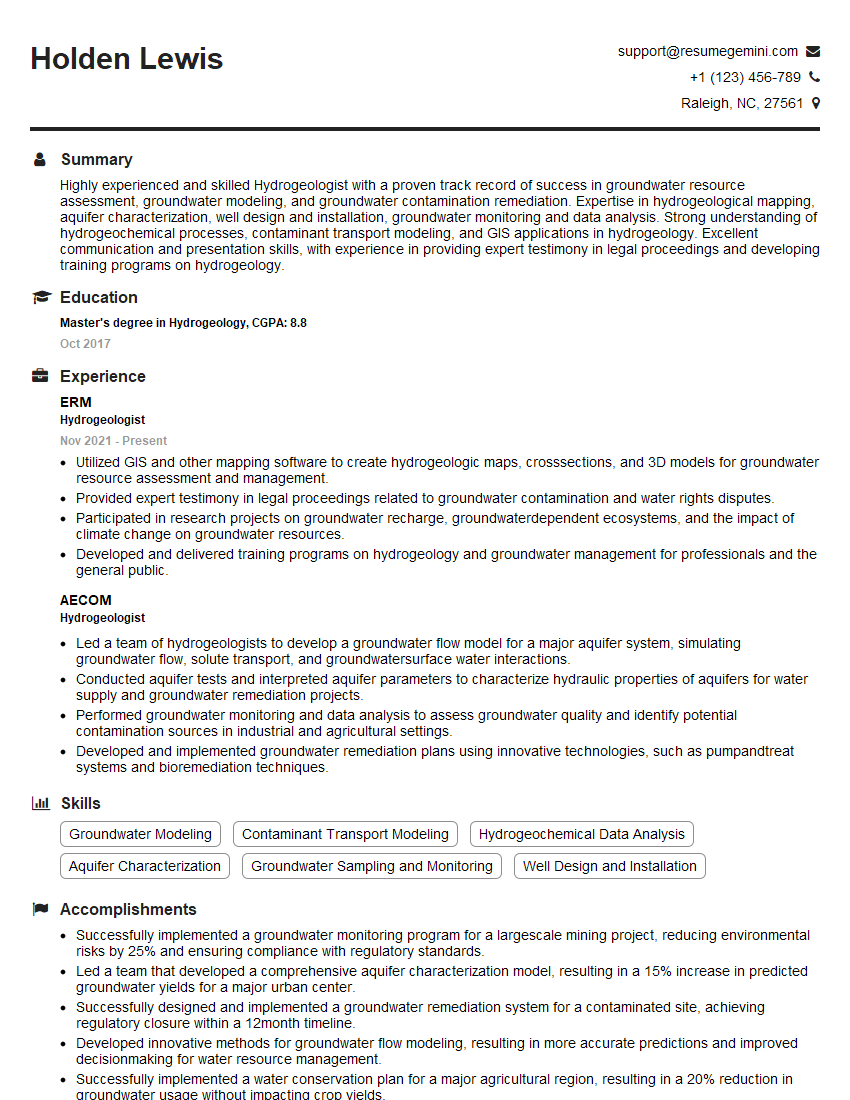
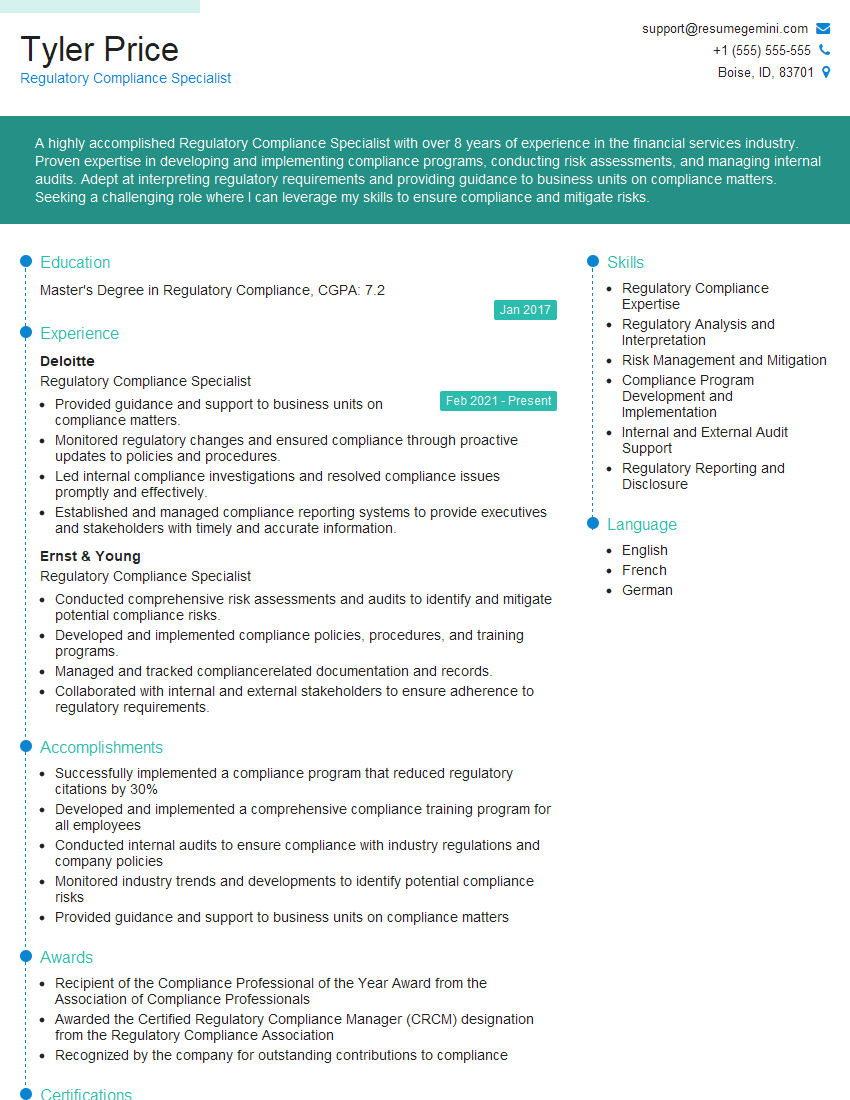
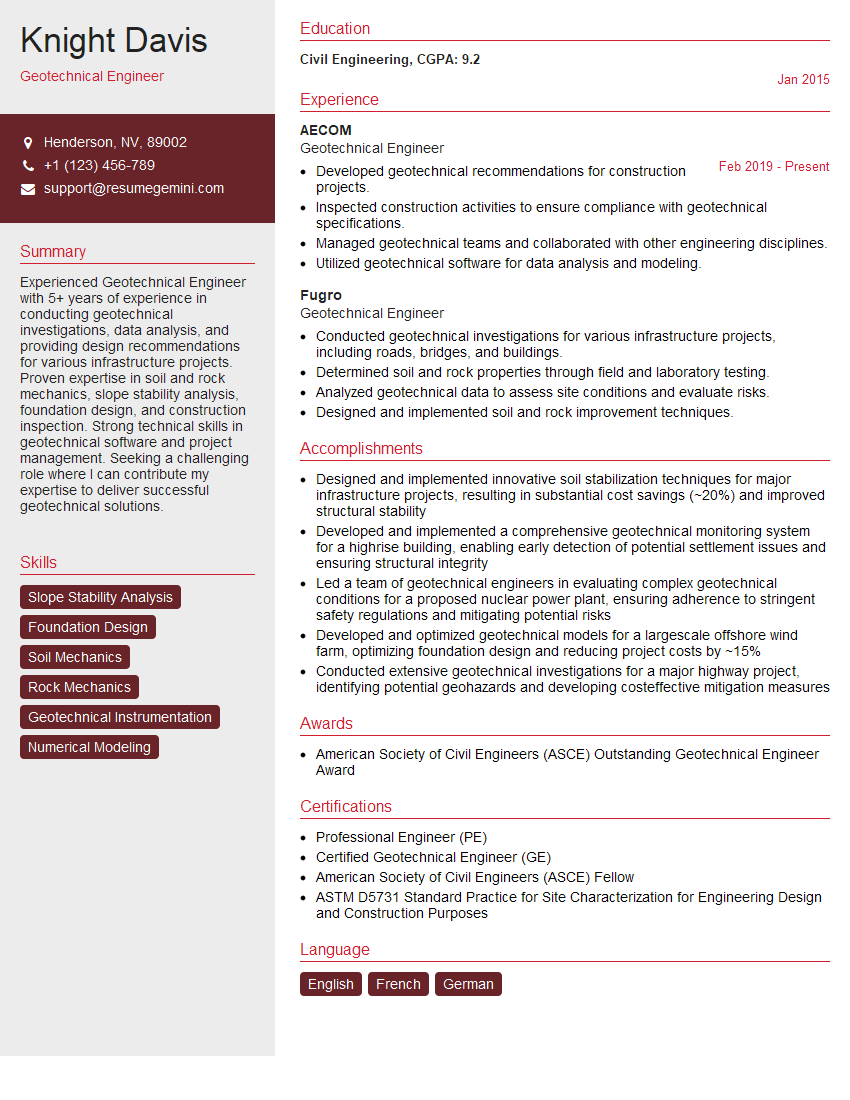
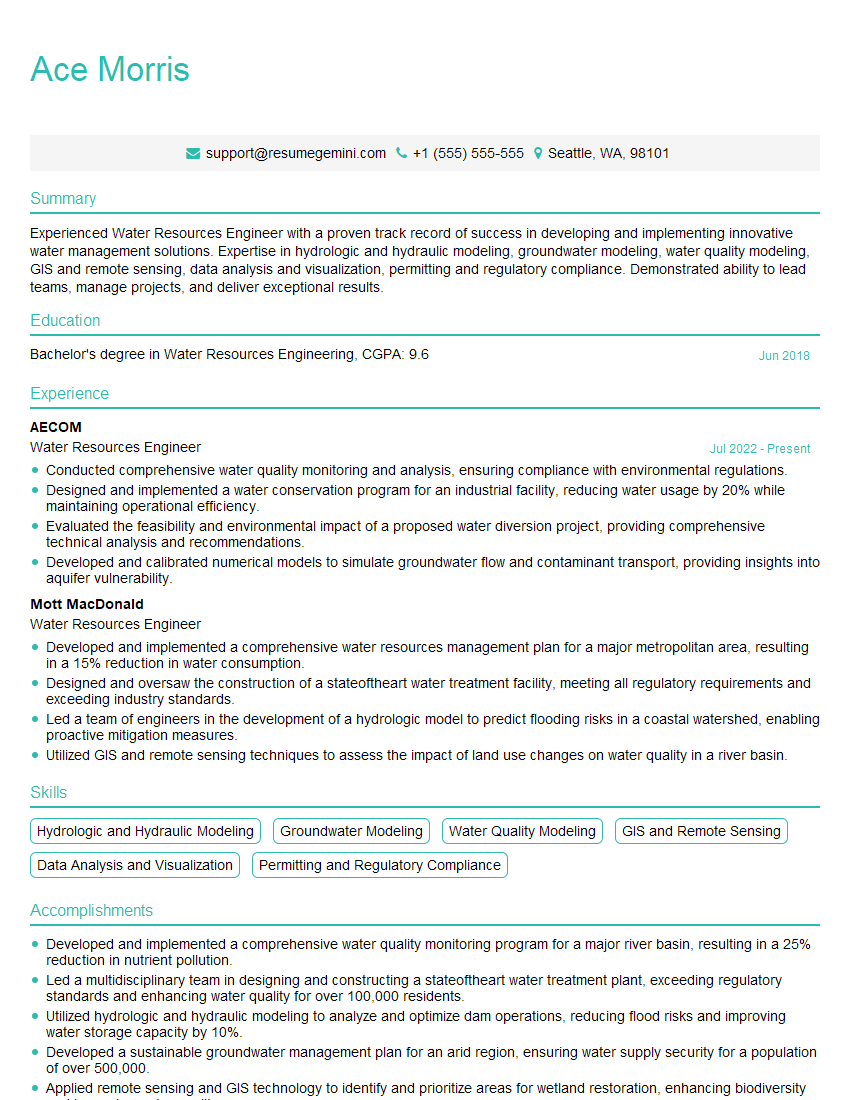
Mastering Infiltration Basin Design and Construction opens doors to exciting career opportunities in environmental engineering and water resource management. A strong understanding of these concepts is highly sought after by employers. To maximize your chances of landing your dream job, focus on creating an ATS-friendly resume that effectively showcases your skills and experience. ResumeGemini is a trusted resource that can help you build a professional and impactful resume. They offer examples of resumes tailored to Infiltration Basin Design and Construction, ensuring your qualifications shine.

Explore more articles
Users Rating of Our Blogs
Share Your Experience
We value your feedback! Please rate our content and share your thoughts (optional).
What Readers Say About Our Blog
To the interviewgemini.com Webmaster.
Very helpful and content specific questions to help prepare me for my interview!
Thank you
To the interviewgemini.com Webmaster.
This was kind of a unique content I found around the specialized skills. Very helpful questions and good detailed answers.
Very Helpful blog, thank you Interviewgemini team.