Preparation is the key to success in any interview. In this post, we’ll explore crucial Strong understanding of group dynamics interview questions and equip you with strategies to craft impactful answers. Whether you’re a beginner or a pro, these tips will elevate your preparation.
Questions Asked in Strong understanding of group dynamics Interview
Q 1. Describe a time you identified a conflict within a group. How did you address it?
Identifying and resolving conflict is crucial for effective teamwork. In a previous project, involving the development of a new marketing campaign, two team members—a designer and a copywriter—clashed repeatedly over creative direction. The designer favored a minimalist approach, while the copywriter preferred a more vibrant, visually busy style. This conflict manifested as unproductive arguments and delayed progress.
To address this, I first initiated a private meeting with each individual separately to understand their perspectives and concerns. I used active listening, focusing on understanding their individual motivations and needs rather than judging their viewpoints. Then, I facilitated a joint meeting where I established ground rules for respectful communication. We used a collaborative brainstorming session, focusing on the overall campaign goals and how different design elements could contribute to achieving those goals. This allowed them to see the bigger picture and find common ground. Ultimately, we reached a compromise that incorporated elements of both their preferred styles, resulting in a successful campaign. The key was to shift from a win-lose scenario to a win-win, where everyone felt heard and valued.
Q 2. Explain Tuckman’s stages of group development. How have you applied this model in a professional setting?
Tuckman’s stages of group development describe the phases a team goes through: Forming, Storming, Norming, Performing, and Adjourning.
- Forming: This initial stage is characterized by dependence and uncertainty. Team members are getting to know each other and the project goals.
- Storming: Conflicts and disagreements arise as team members assert their roles and ideas. This stage is crucial for clarifying expectations and roles.
- Norming: Team members establish norms, expectations, and working styles. Collaboration increases, and trust begins to build.
- Performing: The team operates efficiently and effectively, achieving high levels of productivity and collaboration.
- Adjourning: This final stage involves the team disbanding after completing the project.
In a previous project managing a software development team, I actively observed the team progress through these stages. During the storming phase, I proactively facilitated open communication and conflict resolution sessions. I helped define clear roles and responsibilities, which significantly eased the transition into the norming phase, improving team cohesion and project effectiveness.
Q 3. How do you identify and manage different personality types within a team?
Understanding and managing diverse personality types is critical for effective team dynamics. I use a combination of observation, communication, and personality assessments (though cautiously, acknowledging limitations) to gain insight into team members’ working styles. For example, I might notice that a particular individual consistently needs detailed instructions and prefers structured tasks (indicating a preference for a structured environment), while another thrives on independent work and innovative solutions (indicating a preference for autonomy and creativity).
My approach to management focuses on adapting my leadership style to individual needs. I provide structured support for those who need it and empower those who prefer autonomy. Open communication is key. I encourage regular check-ins to discuss individual progress and address any challenges.
Q 4. What strategies do you employ to foster collaboration and teamwork?
Fostering collaboration and teamwork involves creating a supportive and inclusive environment. I use several strategies:
- Establish clear goals and shared vision: Ensuring everyone understands the project’s purpose and their role in achieving it.
- Promote open communication: Regular team meetings, brainstorming sessions, and open-door policies help facilitate information sharing and idea generation.
- Encourage active listening and respect: Creating a culture where everyone feels comfortable sharing their opinions without fear of judgment.
- Use collaborative tools and technologies: Project management software, shared online documents, and communication platforms improve efficiency and coordination.
- Celebrate successes: Recognizing and rewarding team accomplishments builds morale and strengthens teamwork.
For example, in a past project, I implemented a daily stand-up meeting where team members briefly discussed their progress and any roadblocks, promoting accountability and rapid problem-solving.
Q 5. Describe a time you had to facilitate a group discussion. What techniques did you use to ensure everyone participated?
Facilitating inclusive group discussions requires careful planning and execution. In a recent strategic planning session, I needed to ensure everyone, including quieter participants, contributed. I started by setting clear objectives for the discussion. Then, I used a combination of techniques to engage everyone:
- Structured agendas: Provided a framework for discussion, keeping it focused and on track.
- Round-robin approach: Gave each person a chance to speak, preventing more dominant personalities from monopolizing the conversation.
- Open-ended questions: Promoted deeper engagement and diverse perspectives.
- Visual aids: Used whiteboards or mind maps to visually organize ideas and facilitate collaboration.
- Active listening and paraphrasing: Confirmed understanding and showed appreciation for all contributions.
By employing these techniques, I ensured that every participant had an opportunity to voice their ideas and actively contribute to the session’s success.
Q 6. How do you handle disagreements or conflicts within a team?
Handling disagreements requires a balanced approach prioritizing constructive conflict resolution. My strategy focuses on:
- Active listening: Understanding each party’s perspective before jumping to conclusions.
- Neutral facilitation: Guiding the discussion, ensuring everyone feels heard and respected.
- Identifying common goals: Focusing on shared objectives to find mutually acceptable solutions.
- Brainstorming solutions: Generating multiple options to find a solution that addresses everyone’s concerns.
- Mediation (if needed): If the conflict escalates, providing impartial guidance to resolve the issue.
I always try to frame disagreements as opportunities for improvement and growth, rather than personal attacks. This encourages a collaborative problem-solving approach.
Q 7. How do you build trust and rapport within a group?
Building trust and rapport is fundamental for effective teamwork. I focus on:
- Vulnerability and transparency: Sharing relevant information openly and honestly. This builds confidence and establishes a sense of shared purpose.
- Respectful communication: Active listening, valuing diverse perspectives, and maintaining professional etiquette.
- Celebrating successes: Recognizing individual and team achievements reinforces a sense of accomplishment and shared pride.
- Supporting team members: Offering help and encouragement to build mutual reliance and foster a sense of belonging.
- Fairness and consistency: Applying rules and expectations equitably to all team members.
Building trust is an ongoing process. It requires consistent effort and a commitment to creating a positive and supportive environment.
Q 8. What are some common group dynamics challenges and how do you overcome them?
Common group dynamics challenges often stem from communication breakdowns, conflict, lack of clarity in roles, and unequal participation. Overcoming these requires a multifaceted approach.
- Communication breakdowns: Establish clear communication channels (e.g., regular meetings, project management software) and protocols (e.g., response times, meeting agendas). Actively promote active listening and feedback. For example, in a previous project, we implemented daily stand-up meetings to ensure everyone was on the same page and could quickly address any roadblocks.
- Conflict: Facilitate healthy conflict resolution by creating a safe space for expressing differing opinions. Employ techniques like mediation or collaborative problem-solving. I’ve found that focusing on the issue, not the person, is key to productive conflict resolution.
- Role ambiguity: Clearly define roles and responsibilities from the outset. Utilize a Responsibility Assignment Matrix (RAM) to visually clarify who is accountable for each task. This prevents duplication of effort and avoids confusion.
- Unequal participation: Actively solicit input from all team members. Employ techniques like brainstorming or round-robin discussions to ensure everyone has a voice. I often assign specific roles (e.g., note-taker, timekeeper) to encourage participation from quieter members.
Q 9. How do you encourage open communication within a team?
Encouraging open communication requires building trust and fostering a psychologically safe environment. This means creating a space where team members feel comfortable sharing ideas, concerns, and even disagreements without fear of retribution.
- Lead by example: Be transparent and vulnerable in your own communication. Share your own challenges and uncertainties to model the desired behavior.
- Active listening: Pay close attention to what others are saying, both verbally and nonverbally. Ask clarifying questions to ensure understanding.
- Regular feedback: Establish a system for providing and receiving regular feedback, both positive and constructive. This could be through formal performance reviews, informal check-ins, or anonymous feedback mechanisms.
- Utilize diverse communication channels: Offer multiple ways for team members to communicate, catering to different preferences. This could include face-to-face meetings, video conferencing, email, instant messaging, or project management tools.
- Establish ground rules: Clearly define expectations for communication, such as respecting others’ opinions, maintaining confidentiality, and avoiding interrupting.
Q 10. Describe your experience with group decision-making processes. What are their advantages and disadvantages?
Group decision-making processes can range from brainstorming sessions to formal voting systems. Each approach has its strengths and weaknesses.
- Advantages: Group decisions leverage the collective knowledge and diverse perspectives of team members, leading to more creative and robust solutions. They also foster buy-in and commitment from those involved.
- Disadvantages: Group decision-making can be time-consuming and prone to groupthink (discussed further in the next question). Dominating personalities can stifle dissent, and reaching consensus can be challenging, potentially leading to compromises that are suboptimal.
In my experience, employing a structured decision-making process, like the Nominal Group Technique (NGT), can mitigate some of the disadvantages. NGT involves individual idea generation followed by group discussion and voting, ensuring all voices are heard before a final decision is made.
Q 11. How do you identify and address groupthink in team settings?
Groupthink is a phenomenon where the desire for harmony or conformity within a group results in an irrational or dysfunctional decision-making outcome. Identifying and addressing it requires vigilance and proactive measures.
- Encourage dissent: Actively solicit opposing viewpoints. Assign a “devil’s advocate” role to challenge the prevailing assumptions.
- Anonymous feedback: Use anonymous surveys or feedback mechanisms to allow team members to express concerns without fear of reprisal.
- Break into smaller groups: Divide the team into smaller subgroups to encourage independent thinking and diverse perspectives before reconvening as a whole.
- Second-guessing decisions: After making a decision, revisit it to ensure it still aligns with the available information and objectives. Ask “what if” questions to explore potential risks and alternative solutions.
For example, in one project, we noticed a strong push towards a specific solution, despite some reservations from a few members. By implementing an anonymous feedback session, we discovered significant concerns that had been previously unvoiced, allowing us to refine our approach and avoid a potentially poor decision due to groupthink.
Q 12. How do you handle a situation where a team member is underperforming?
Addressing underperformance requires a sensitive yet firm approach. It’s crucial to understand the root cause before taking action.
- One-on-one meeting: Schedule a private meeting with the underperforming team member to discuss the issue in a supportive yet direct manner. Focus on specific examples of underperformance and avoid making general or vague statements.
- Identify root causes: Work collaboratively with the team member to determine the underlying reasons for their subpar performance. Are there skill gaps? Lack of resources? Personal issues?
- Create a performance improvement plan (PIP): Develop a clear and measurable plan outlining specific goals, timelines, and support resources. Regularly monitor progress and provide ongoing feedback.
- Offer support and training: Provide the necessary resources, training, or mentorship to help the team member improve their skills and performance.
- Progressive discipline: If performance doesn’t improve despite support and training, progressive disciplinary action may be necessary, following company policy and procedures.
It’s vital to remember that underperformance can often stem from a lack of clarity, support, or appropriate resources, rather than a lack of effort or ability.
Q 13. How do you delegate tasks effectively within a group?
Effective task delegation maximizes team efficiency and develops individual skills. It involves understanding individual strengths, aligning tasks with those strengths, and clearly communicating expectations.
- Assess team members’ skills and interests: Understand each team member’s capabilities, experience, and areas of interest. Delegate tasks that align with their strengths and motivate them.
- Clearly define tasks and expectations: Provide clear instructions, deadlines, and desired outcomes for each task. Ensure everyone understands their roles and responsibilities.
- Provide necessary resources and support: Make sure team members have the tools, information, and support they need to complete their assigned tasks.
- Monitor progress and provide feedback: Regularly check on progress and offer constructive feedback. Address any challenges or roadblocks promptly.
- Empowerment and autonomy: Give team members the autonomy to decide how they approach their tasks. Trust their judgment and allow them to own their work.
For example, I once delegated a complex project to a team by breaking it down into smaller, manageable tasks, assigning them based on individual expertise, and holding regular check-in meetings to monitor progress and provide support. This ensured accountability while fostering a collaborative environment.
Q 14. What are some methods for assessing team effectiveness?
Assessing team effectiveness involves evaluating both the team’s output and its processes. Several methods can be employed.
- Output-based measures: Evaluate the team’s performance against established goals and metrics. Examples include project completion rates, quality of deliverables, customer satisfaction scores, or revenue generated.
- Process-based measures: Assess the team’s internal functioning. This involves evaluating factors such as communication effectiveness, collaboration, conflict resolution, decision-making efficiency, and overall morale. Tools such as team surveys, 360-degree feedback, and observation can be used.
- Team self-assessment: Facilitate team discussions where members reflect on their performance, identify areas for improvement, and develop action plans.
A balanced approach incorporating both output and process-based measures provides a holistic understanding of team effectiveness. Regularly monitoring these factors allows for timely adjustments and continuous improvement.
Q 15. How do you adapt your leadership style based on the group dynamics?
Adapting my leadership style hinges on understanding the group’s dynamics. It’s not a one-size-fits-all approach. I assess the team’s stage of development, their communication styles, and the overall group cohesion. For example, a newly formed team might require a more directive leadership style to establish clear goals and processes. I’ll provide structure, set expectations, and offer frequent feedback. Conversely, a highly experienced and autonomous team might thrive under a more facilitative or delegative approach, where I focus on removing roadblocks and empowering individuals to take ownership. I might use a coaching style with individuals struggling with specific tasks, providing guidance and support. The key is flexibility and observation; I continuously monitor group interactions and adjust my approach accordingly to foster collaboration and productivity.
Think of it like gardening: You wouldn’t use the same tools and techniques for cultivating seedlings as you would for mature plants. Each requires a different approach to thrive.
Career Expert Tips:
- Ace those interviews! Prepare effectively by reviewing the Top 50 Most Common Interview Questions on ResumeGemini.
- Navigate your job search with confidence! Explore a wide range of Career Tips on ResumeGemini. Learn about common challenges and recommendations to overcome them.
- Craft the perfect resume! Master the Art of Resume Writing with ResumeGemini’s guide. Showcase your unique qualifications and achievements effectively.
- Don’t miss out on holiday savings! Build your dream resume with ResumeGemini’s ATS optimized templates.
Q 16. Explain the importance of establishing clear roles and responsibilities within a group.
Clearly defined roles and responsibilities are paramount for successful teamwork. They prevent duplication of effort, confusion, and conflict. Each team member understands their contribution and how it aligns with the overall project goals. This promotes accountability and efficiency. Without clearly defined roles, individuals might feel uncertain about their tasks, leading to decreased productivity and frustration. Furthermore, it allows for efficient delegation and task assignment, leveraging individual strengths. The process of defining roles can itself foster team cohesion as it encourages open communication and collaboration.
- Clarity: Each role’s responsibilities should be clearly articulated, avoiding ambiguity.
- Accountability: Each member understands their deliverables and is accountable for their performance.
- Collaboration: Roles should encourage teamwork and collaboration, not isolation.
Imagine a basketball team without defined positions – chaos would ensue! Establishing roles allows for organized play and maximizes the team’s potential.
Q 17. How do you measure the success of a team project based on group dynamics?
Measuring the success of a team project based on group dynamics involves going beyond simply meeting deadlines or achieving targets. It requires a holistic assessment of the team’s functioning throughout the project lifecycle. This includes evaluating aspects like:
- Collaboration and Communication: How effectively did the team communicate, share information, and resolve conflicts?
- Cohesion and Morale: Was the team supportive, collaborative, and did they maintain positive morale throughout the project?
- Conflict Resolution: How effectively did the team handle disagreements and challenges?
- Individual Growth: Did the project offer opportunities for individual learning and development?
- Process Efficiency: How efficiently did the team manage their workflow and meet deadlines?
I would utilize feedback mechanisms like team retrospectives, individual performance reviews, and project post-mortems to gather data on these aspects. Quantitative metrics (e.g., project completion time, budget adherence) should be complemented by qualitative data gathered through surveys and observations to obtain a comprehensive understanding of the team’s dynamics and overall success.
Q 18. How do you manage the emotional aspects of teamwork, such as stress or frustration?
Managing the emotional aspects of teamwork is crucial for a productive and healthy environment. Stress and frustration are inevitable, and ignoring them can lead to decreased morale, conflict, and ultimately, project failure. My approach involves:
- Open Communication: Creating a safe space where team members feel comfortable expressing their concerns and frustrations without fear of judgment.
- Active Listening: Truly listening to understand team members’ perspectives and empathizing with their feelings.
- Stress Management Techniques: Introducing stress-reducing techniques such as regular breaks, mindfulness exercises, or team-building activities that promote relaxation and well-being.
- Conflict Resolution Strategies: Providing tools and training on effective conflict resolution, focusing on collaboration and finding win-win solutions.
- Celebrating Successes: Acknowledging and celebrating milestones and achievements to boost morale and reinforce positive feelings.
It’s important to be empathetic and understanding, recognizing that individuals react differently to stress. Providing support and resources tailored to individual needs is essential.
Q 19. How do you handle a situation where there is a conflict of interests within a group?
Conflicts of interest are inevitable in group settings. Addressing them requires a structured and impartial approach. I would:
- Identify and Define the Conflict: Clearly articulate the nature of the conflict and the parties involved. Ensure everyone understands the points of disagreement.
- Facilitate Open Discussion: Create a safe space for each party to express their concerns and perspectives without interruption. Encourage active listening and empathy.
- Explore Solutions: Collaboratively brainstorm potential solutions that address the interests of all parties. Focus on finding mutually acceptable outcomes.
- Document the Agreement: Once a solution is reached, document it clearly and ensure everyone understands their responsibilities.
- Monitor and Follow Up: Regularly check in to ensure the agreed-upon solution is effective and address any lingering concerns.
The goal is not to eliminate conflict entirely (which is unrealistic), but to manage it constructively and reach solutions that benefit the team and the project. Often, conflicts can lead to creative problem-solving and improved team cohesion if handled effectively.
Q 20. Describe a time you successfully mediated a conflict within a team.
In a previous project, two team members had a significant disagreement regarding the design approach for a key feature. One favoured a more innovative, riskier solution, while the other preferred a more conservative, tried-and-tested method. This created tension and hampered progress. I intervened by first facilitating a private discussion with each member to understand their perspectives and concerns. I actively listened, acknowledging their valid points. Then, I facilitated a joint meeting where I encouraged them to present their arguments calmly and respectfully, focusing on the merits of each approach rather than personal attacks. We then brainstormed a hybrid solution incorporating elements from both approaches, mitigating the risks of the innovative solution while still incorporating its key advantages. This collaborative process resolved the conflict, leading to a superior design and strengthened team cohesion. The successful mediation highlighted the importance of active listening, finding common ground, and creating a safe space for constructive dialogue.
Q 21. What strategies do you use to build a high-performing team?
Building a high-performing team requires a multifaceted approach. Key strategies include:
- Clear Goals and Objectives: Establishing shared goals ensures everyone is working towards the same outcome.
- Effective Communication: Encouraging open, honest, and regular communication minimizes misunderstandings and promotes collaboration.
- Strong Leadership: Providing clear direction, support, and guidance, while empowering team members.
- Trust and Respect: Fostering a culture of mutual trust and respect where individuals feel valued and supported.
- Shared Values and Vision: Defining a set of shared values and a common vision unifies the team and motivates individuals to work together.
- Regular Feedback and Recognition: Providing constructive feedback and recognizing achievements motivates and builds morale.
- Conflict Resolution Mechanisms: Establishing processes for addressing conflict fairly and constructively.
- Team Building Activities: Engaging in activities that foster camaraderie and improve interpersonal relationships.
The process is iterative and requires consistent effort. It’s about creating a supportive and engaging environment where individuals feel empowered to contribute their best work.
Q 22. Describe a time you had to manage a dysfunctional team. What actions did you take?
Managing a dysfunctional team requires a delicate balance of understanding the root causes of the dysfunction and implementing strategic interventions. In one instance, I inherited a team plagued by internal conflict, missed deadlines, and low morale. The initial assessment revealed a lack of clear roles and responsibilities, poor communication, and a breakdown in trust among team members.
- Step 1: Individual Interviews: I began with one-on-one meetings with each team member to understand their perspectives, concerns, and contributions. This helped identify individual pain points and recurring themes.
- Step 2: Define Roles and Responsibilities: Based on the interviews, we collaboratively redefined roles, ensuring clear ownership and accountability for tasks. This clarified expectations and reduced overlap or gaps in responsibilities.
- Step 3: Establish Clear Communication Channels: We implemented regular team meetings with a structured agenda, encouraging open communication and constructive feedback. We also utilized a project management tool to track progress and facilitate collaboration.
- Step 4: Team Building Activities: To foster trust and camaraderie, we engaged in team-building exercises designed to improve communication and collaboration. These activities helped break down barriers and build rapport.
- Step 5: Performance Management: For those consistently underperforming despite support, I implemented performance improvement plans with clear expectations and timelines. This ensured fairness and accountability.
The combination of these strategies gradually improved team dynamics. Productivity increased, morale improved, and the team started to function as a cohesive unit. It’s crucial to remember that addressing team dysfunction is an iterative process; constant monitoring and adjustment are vital.
Q 23. How do you promote inclusivity and diversity within a team?
Promoting inclusivity and diversity is not just about representation; it’s about creating a culture where every team member feels valued, respected, and empowered to contribute their unique perspectives. This requires a multi-faceted approach:
- Diverse Hiring Practices: Actively recruiting from diverse talent pools and removing bias from the hiring process ensures a representation of backgrounds and perspectives.
- Inclusive Language and Communication: Using inclusive language, avoiding jargon, and being mindful of communication styles ensures everyone feels understood and included.
- Training and Awareness Programs: Providing training on unconscious bias, cultural sensitivity, and inclusive leadership equips team members with the knowledge and skills to foster a truly inclusive environment.
- Mentorship and Sponsorship: Mentoring and sponsorship programs can provide support and guidance to underrepresented team members, helping them navigate challenges and advance in their careers.
- Feedback Mechanisms: Establishing anonymous feedback mechanisms allows team members to share concerns or suggestions without fear of retribution, facilitating continuous improvement.
- Celebrating Diversity: Celebrating cultural events and differences promotes appreciation and understanding among team members.
For example, in one team I worked with, we implemented a ‘Reverse Mentorship’ program where junior team members from diverse backgrounds mentored senior team members on topics related to digital literacy and social media, creating mutual learning opportunities and promoting inclusivity.
Q 24. How do you use feedback to improve team performance and dynamics?
Feedback is a crucial element for improving team performance and dynamics. It should be delivered regularly, constructively, and specifically focused on behaviours and outcomes.
- Regular Check-ins: Implementing regular one-on-one meetings and team meetings facilitates open communication and ongoing feedback. This allows for proactive identification of challenges and course correction.
- 360-degree Feedback: Collecting feedback from multiple sources (peers, superiors, subordinates) provides a holistic view of individual and team performance, identifying blind spots and areas for improvement.
- Constructive Criticism: Focusing on specific behaviors rather than personality traits, and providing actionable suggestions for improvement, makes feedback more effective and less defensive.
- Feedback as a Two-way Street: Encourage team members to provide feedback to each other, fostering a culture of mutual support and learning.
- Action Planning: Following feedback sessions, create action plans to address identified areas for improvement, ensuring accountability and monitoring progress.
For instance, I once implemented a peer review system where team members anonymously provided feedback on each other’s performance on a project. This led to significant improvements in collaboration and overall project quality.
Q 25. How do you handle situations where there is resistance to change within a team?
Resistance to change is a common challenge in teams. Effective management requires understanding the source of the resistance and implementing strategies to address concerns and build buy-in.
- Understanding the Resistance: Start by identifying the reasons behind the resistance. Is it fear of the unknown, lack of understanding, loss of control, or something else?
- Open Communication: Clearly communicate the rationale behind the change, emphasizing the benefits and addressing concerns openly and transparently.
- Participation and Involvement: Involve team members in the change process. Solicit their input, ideas, and suggestions to increase ownership and buy-in.
- Training and Support: Provide adequate training and support to help team members adapt to the changes and develop necessary skills.
- Pilot Projects: Implement the change in phases, starting with a small-scale pilot project, allowing for adjustments and addressing issues before a full-scale rollout.
- Celebrate Successes: Recognize and celebrate milestones achieved during the change process to reinforce positive momentum and boost morale.
In a previous role, we were implementing a new project management software. Instead of imposing the change, we conducted workshops to familiarize the team, gathered feedback on their workflow preferences, and addressed their concerns before the full launch. This approach minimized resistance and ensured smooth transition.
Q 26. How do you motivate a team to achieve its goals?
Motivating a team to achieve its goals requires understanding individual motivations and providing the necessary resources and support.
- Clear Goals and Expectations: Set clear, measurable, achievable, relevant, and time-bound (SMART) goals, ensuring everyone understands their contribution to the overall objective.
- Recognition and Rewards: Recognize and reward both individual and team achievements, acknowledging contributions and effort. This can include verbal praise, bonuses, promotions, or other incentives.
- Empowerment and Autonomy: Empower team members by giving them autonomy over their work, allowing them to take ownership and make decisions.
- Support and Development: Provide the necessary resources, training, and support to help team members develop their skills and overcome challenges.
- Positive Team Dynamics: Foster a positive and collaborative team environment, building trust and camaraderie among team members.
- Regular Feedback: Provide regular and constructive feedback, highlighting both strengths and areas for improvement.
In one project, I motivated my team by creating a visual progress tracker where each completed task contributed to the overall picture. This tangible representation of progress boosted morale and kept everyone focused on the shared goal.
Q 27. Describe your experience using different communication styles to effectively interact with diverse team members.
Effective communication is crucial for managing diverse teams. My approach involves adapting my communication style to suit the individual preferences and cultural backgrounds of team members.
- Active Listening: Paying close attention to both verbal and non-verbal cues, and ensuring understanding by paraphrasing and asking clarifying questions.
- Clear and Concise Language: Avoiding jargon and technical terms, using simple and clear language, and tailoring communication to the audience’s level of understanding.
- Visual Aids: Using visuals like charts, graphs, and diagrams to communicate information effectively, particularly beneficial for visually-oriented individuals.
- Written Communication: Using written communication for clarity and record-keeping, especially when dealing with complex information or decisions.
- Cultural Sensitivity: Being aware of cultural differences in communication styles, including direct vs indirect communication, high vs low context cultures, and nonverbal cues.
- Multiple Channels: Utilizing multiple communication channels (email, instant messaging, video conferencing) to cater to individual preferences and ensure efficient information flow.
For example, I once worked with a team where some members preferred direct and concise communication while others preferred more collaborative and detailed discussions. I adjusted my approach accordingly, ensuring everyone felt comfortable and understood.
Q 28. How do you use technology to facilitate communication and collaboration within a team?
Technology plays a significant role in facilitating communication and collaboration within a team. The choice of technology depends on the team’s size, location, and project requirements.
- Project Management Software: Tools like Asana, Trello, or Jira facilitate task management, progress tracking, and collaboration on projects.
Example: Assigning tasks, setting deadlines, and tracking progress through a shared platform. - Communication Platforms: Using platforms like Slack, Microsoft Teams, or Google Chat for instant messaging, file sharing, and video conferencing enables seamless communication across geographical locations.
- Video Conferencing: Tools like Zoom or Google Meet are crucial for virtual meetings, ensuring face-to-face interaction, and fostering a sense of connection among geographically dispersed team members.
- Cloud Storage: Utilizing cloud storage solutions like Google Drive, Dropbox, or OneDrive enables easy file sharing, access, and collaboration on documents.
- Collaboration Tools: Employing collaborative document editing tools like Google Docs or Microsoft Office 365 allows team members to work on the same documents simultaneously.
Effective implementation of these technologies requires training and establishing clear guidelines on usage to maximize benefits and minimize disruptions.
Key Topics to Learn for Strong Understanding of Group Dynamics Interview
- Group Cohesion and Conflict: Understand the factors that contribute to effective teamwork and the strategies for resolving conflicts constructively. Consider exploring models like Tuckman’s stages of group development.
- Communication Styles and Dynamics: Analyze different communication styles within groups and their impact on collaboration. Practice identifying and addressing communication barriers effectively.
- Leadership Styles and Influence: Explore various leadership approaches and their effectiveness in different group contexts. Be prepared to discuss your preferred leadership style and how you adapt it to varying group needs.
- Decision-Making Processes: Familiarize yourself with different group decision-making models (e.g., consensus, majority rule) and their advantages and disadvantages. Be ready to discuss your experience navigating group decision-making processes.
- Group Roles and Responsibilities: Understand the different roles individuals play within a group (e.g., leader, follower, taskmaster, socializer) and how these roles contribute to overall group effectiveness. Be able to articulate how you contribute to a team.
- Groupthink and Bias: Recognize the potential for groupthink and other biases to negatively impact group decisions. Discuss strategies for mitigating these risks and fostering critical thinking within the group.
- Diversity and Inclusion: Understand how diversity impacts group dynamics and the importance of creating an inclusive environment for all members. Be prepared to discuss your experiences promoting diversity and inclusion in group settings.
- Team Performance and Measurement: Explore different ways to assess team performance and identify areas for improvement. This might include discussing metrics, feedback mechanisms, and strategies for continuous improvement.
Next Steps
Mastering group dynamics is crucial for career advancement, enabling you to collaborate effectively, lead teams, and navigate complex workplace situations. A strong understanding of these concepts will significantly enhance your interview performance and demonstrate your value to potential employers. To further improve your job prospects, create an ATS-friendly resume that highlights your relevant skills and experience. ResumeGemini is a trusted resource to help you build a professional and impactful resume. We provide examples of resumes tailored to showcasing a strong understanding of group dynamics to help you get started.
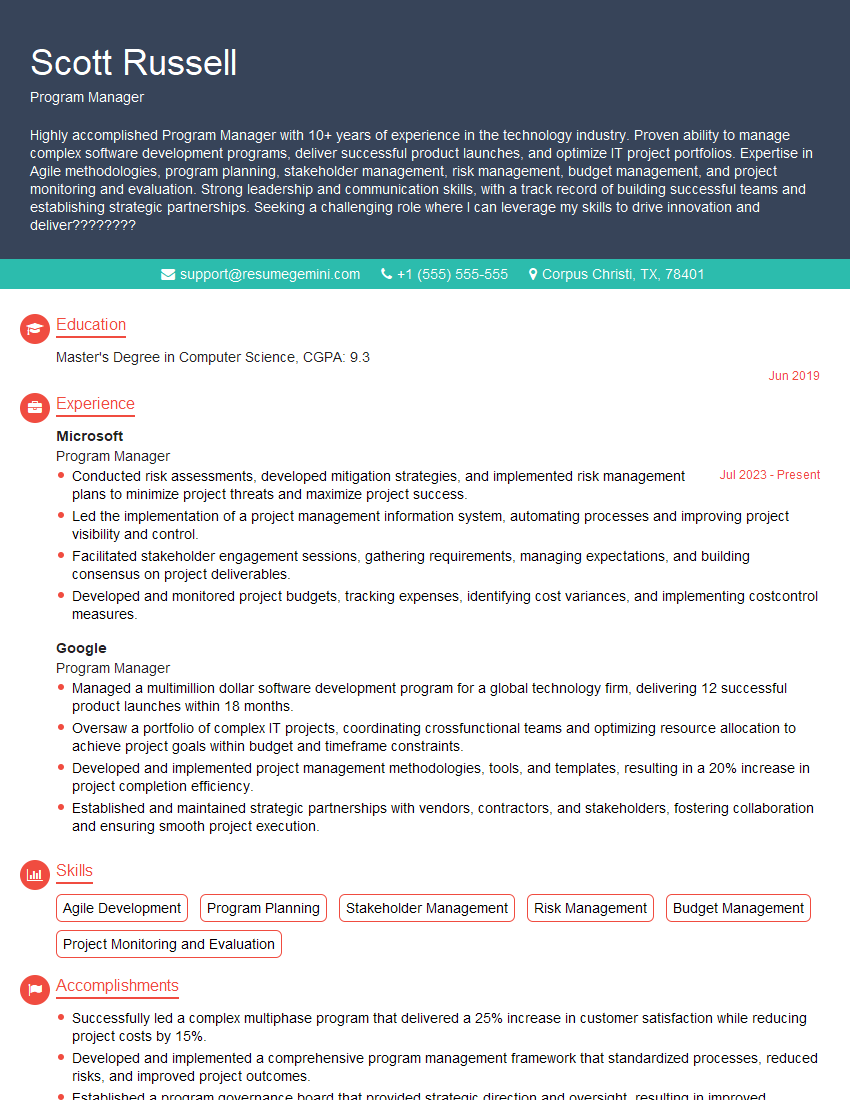
Program Manager Resume Sample
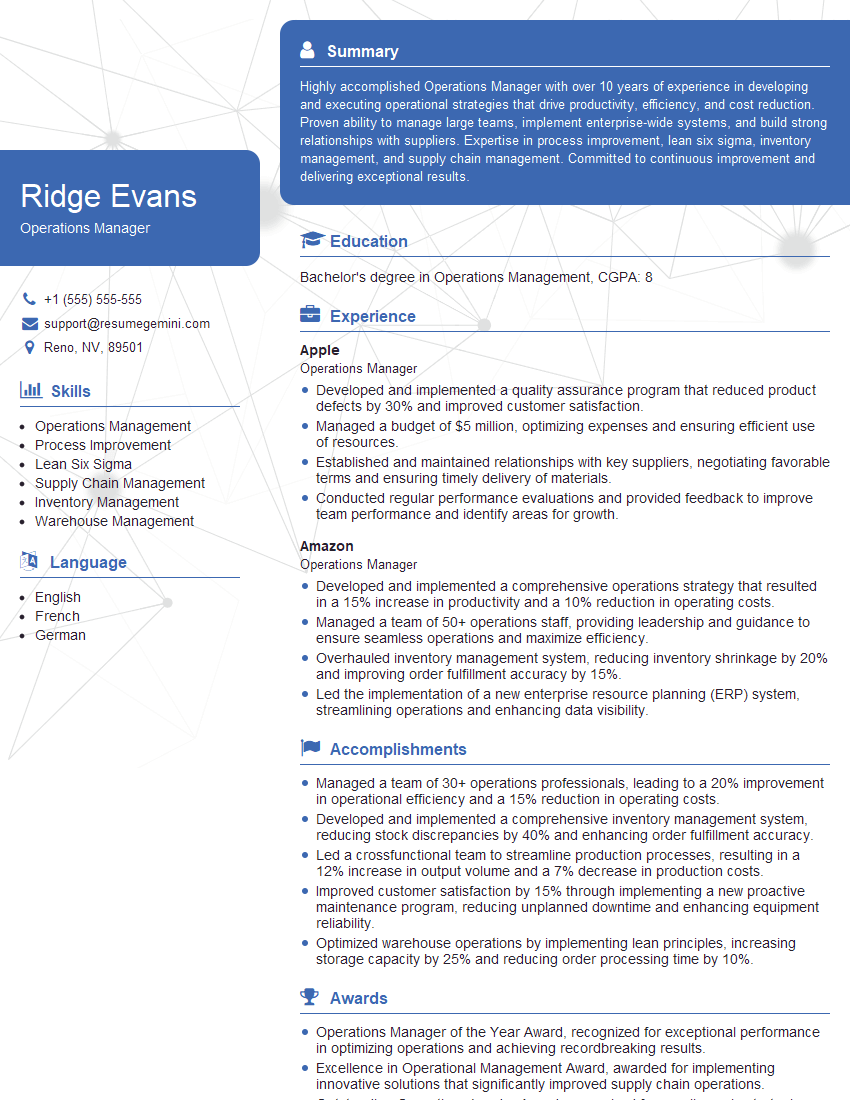
Operations Manager Resume Sample
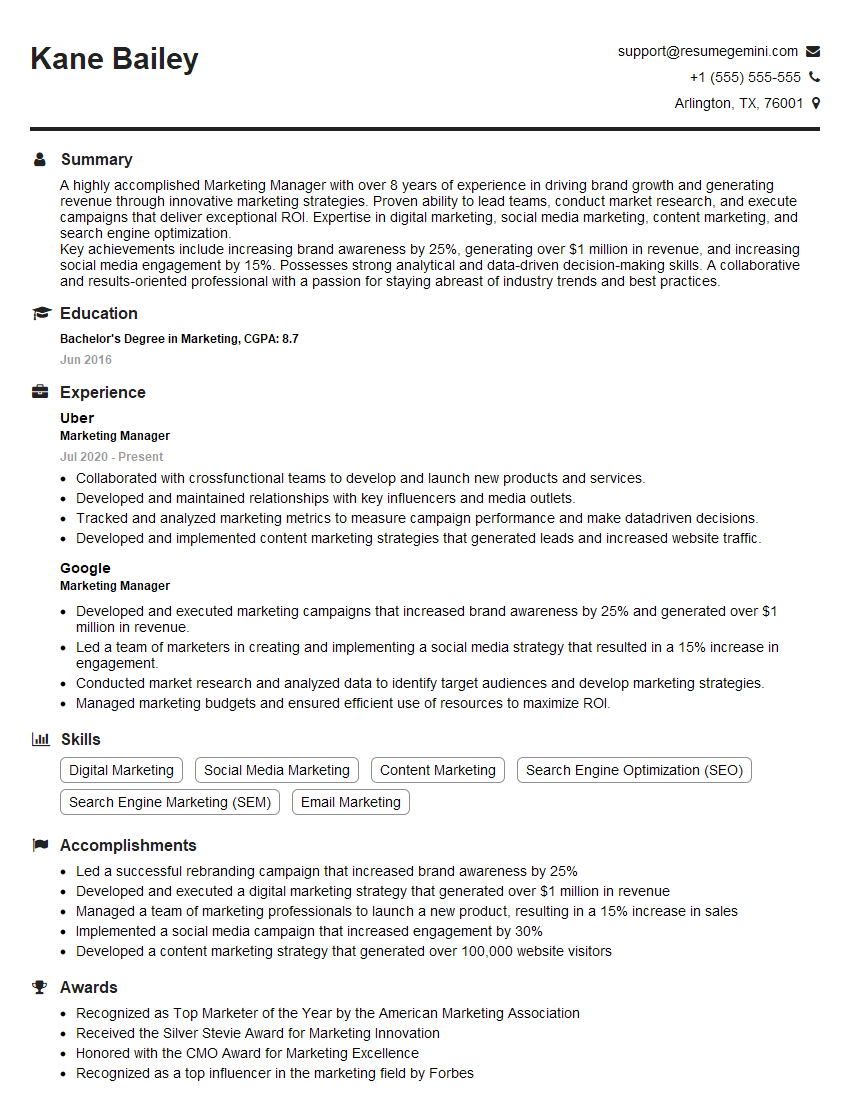
Marketing Manager Resume Sample
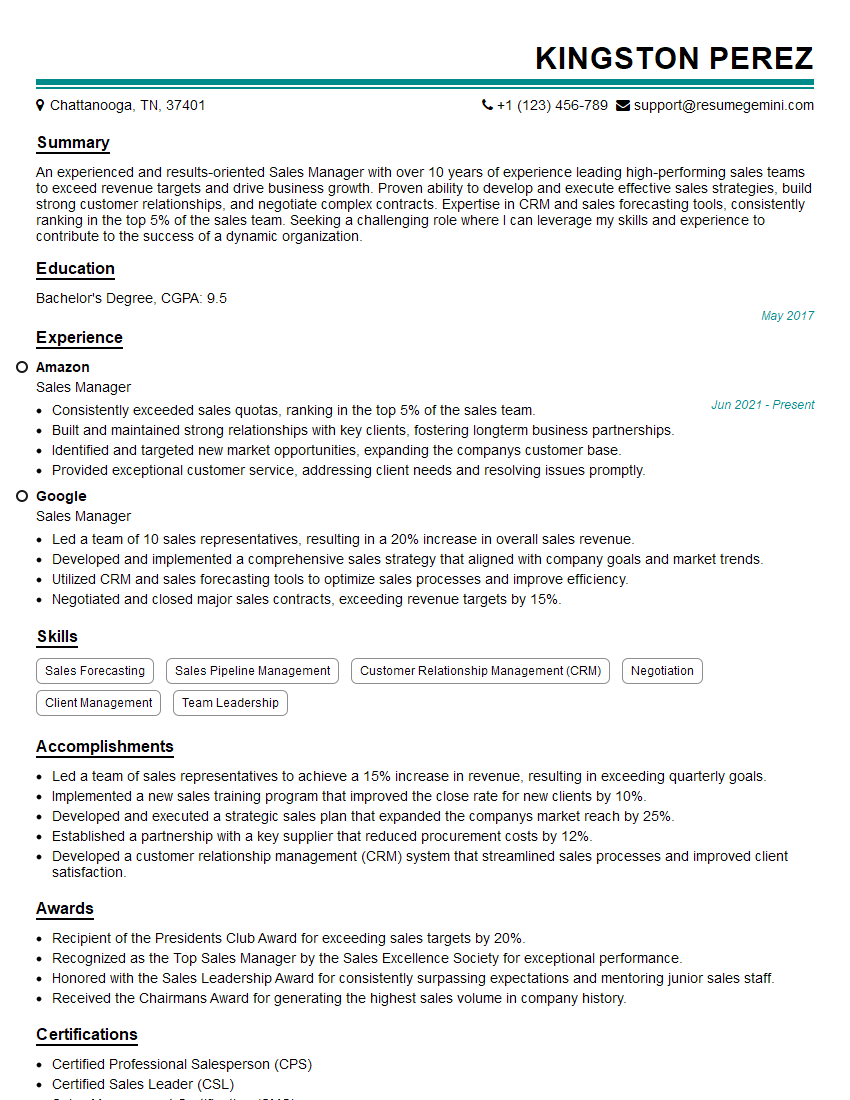
Sales Manager Resume Sample
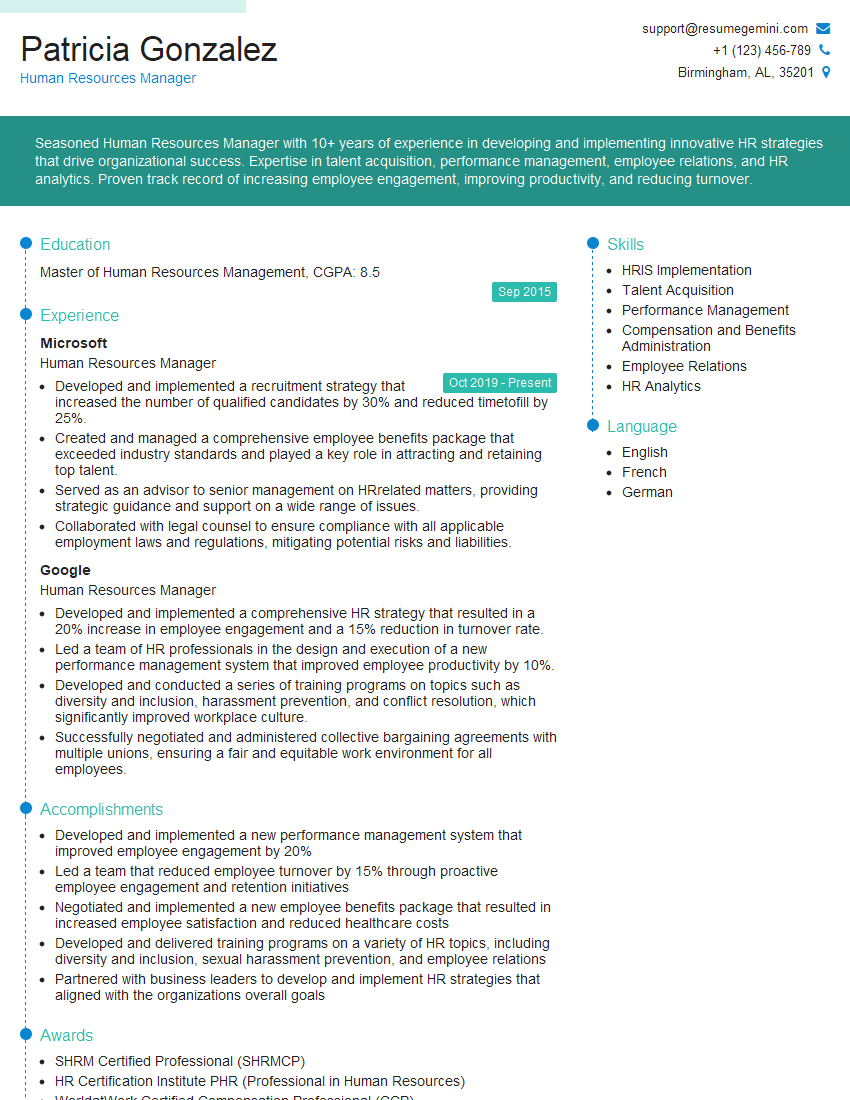
Human Resources Manager Resume Sample
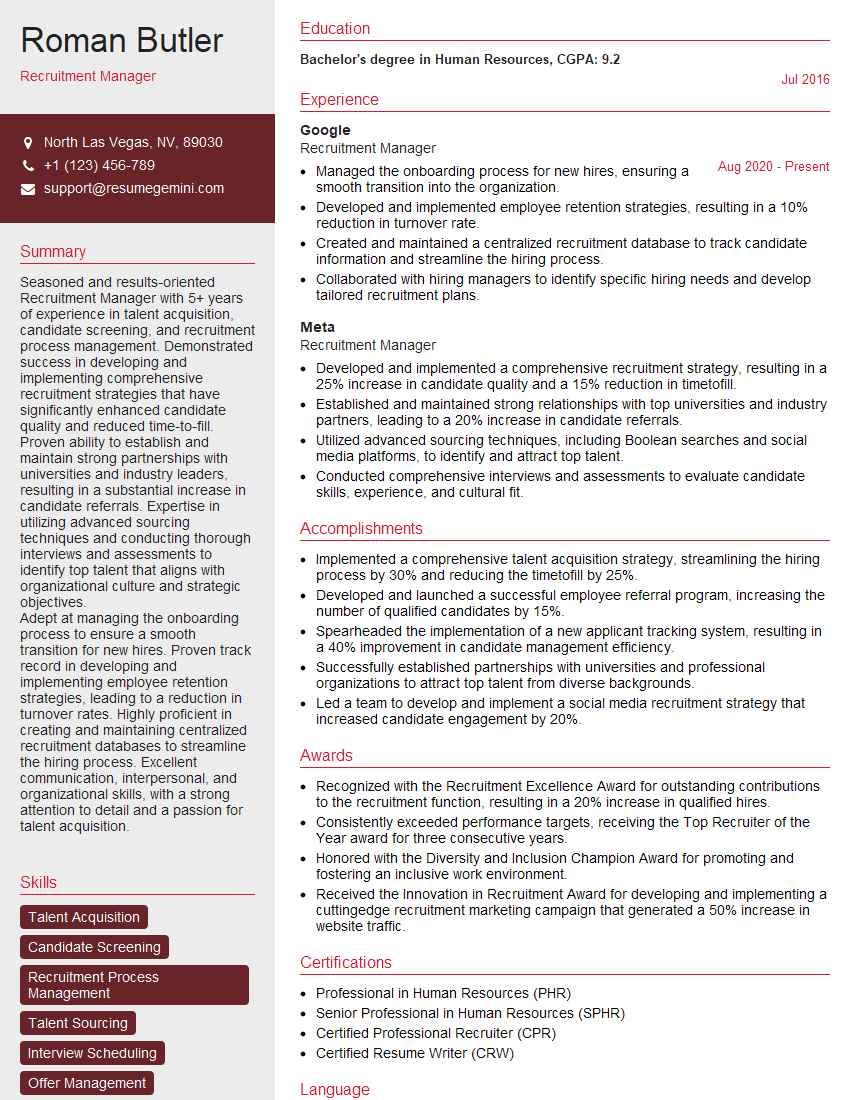
Recruitment Manager Resume Sample
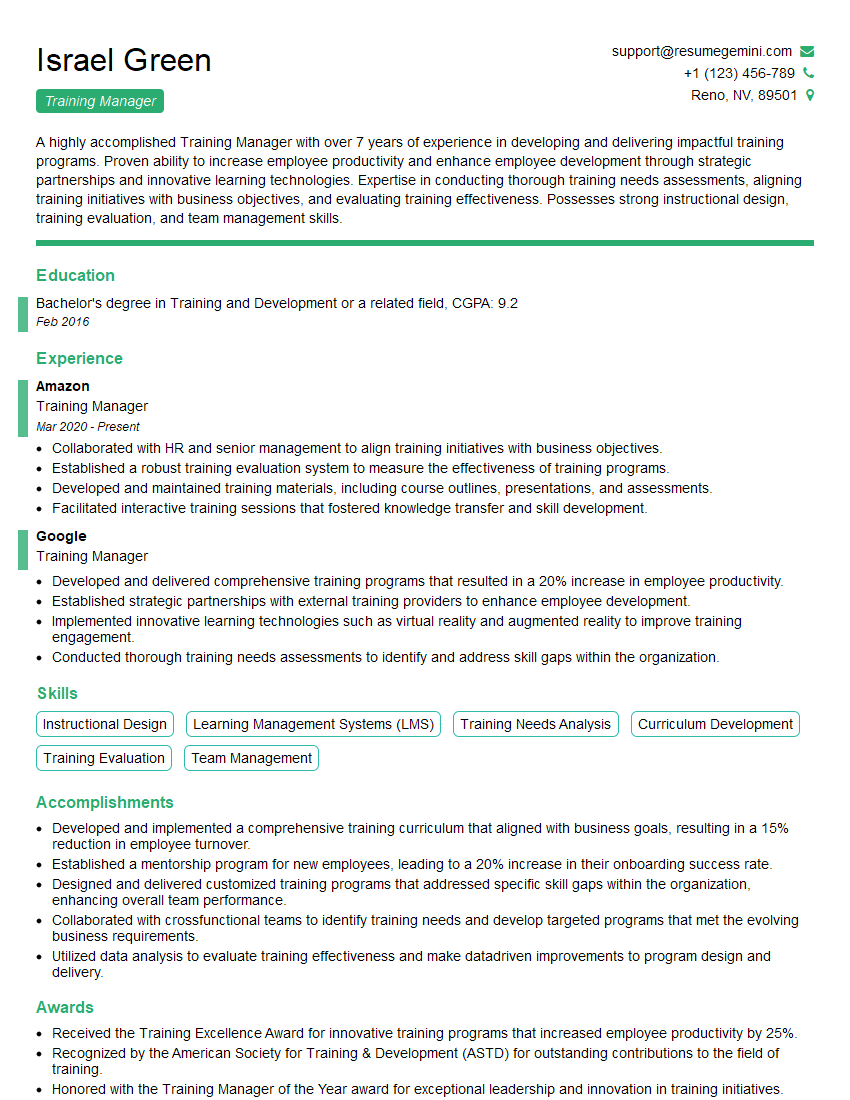
Training Manager Resume Sample
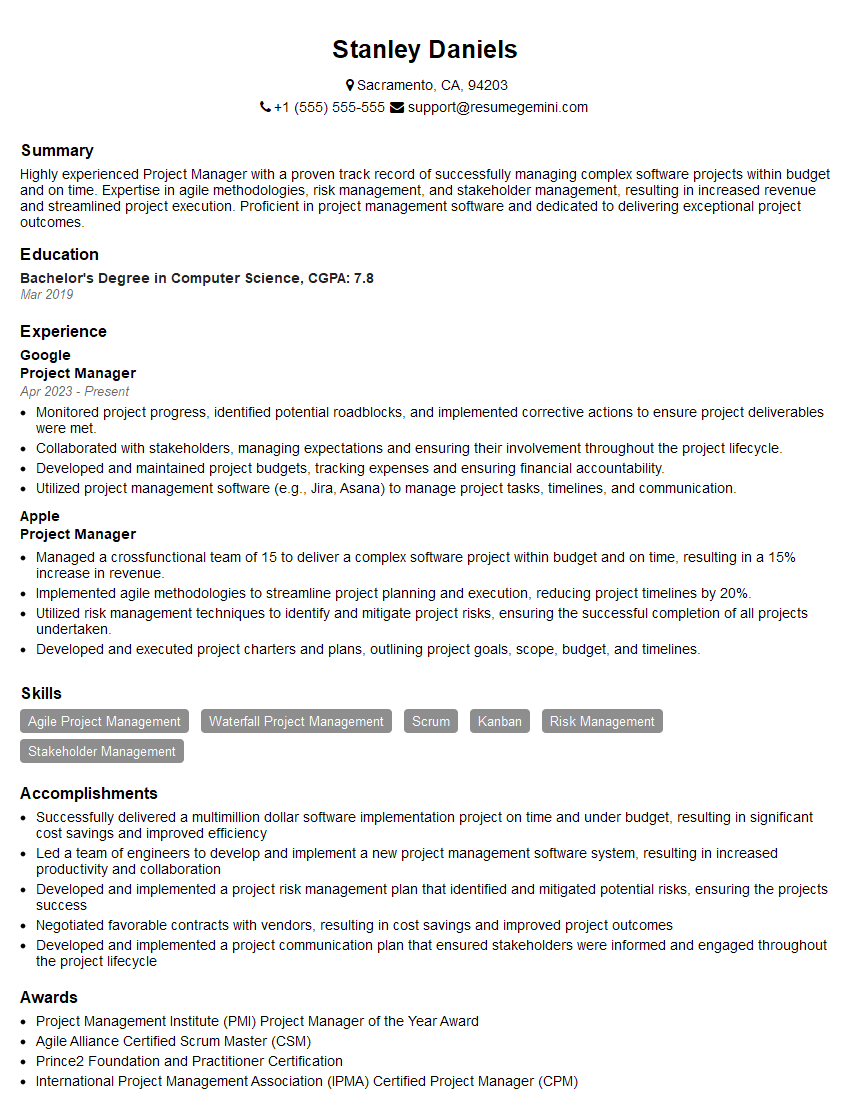
Project Manager Resume Sample
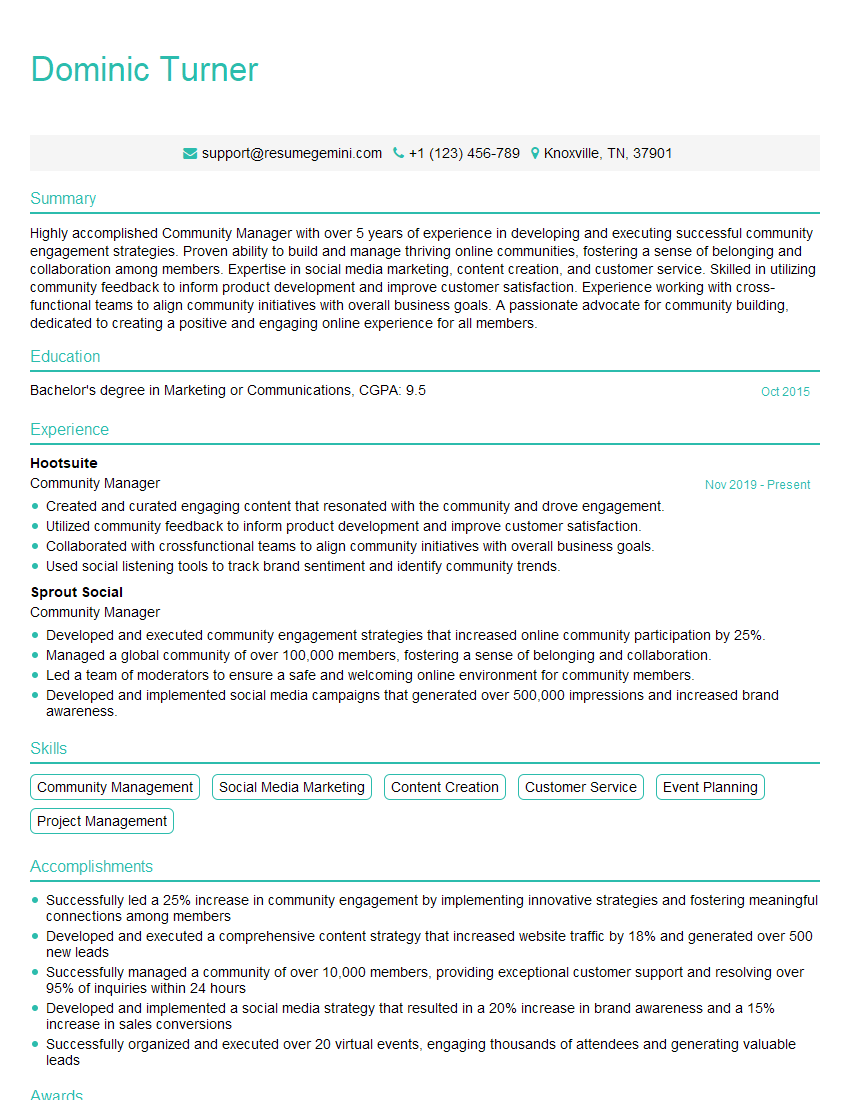
Community Manager Resume Sample
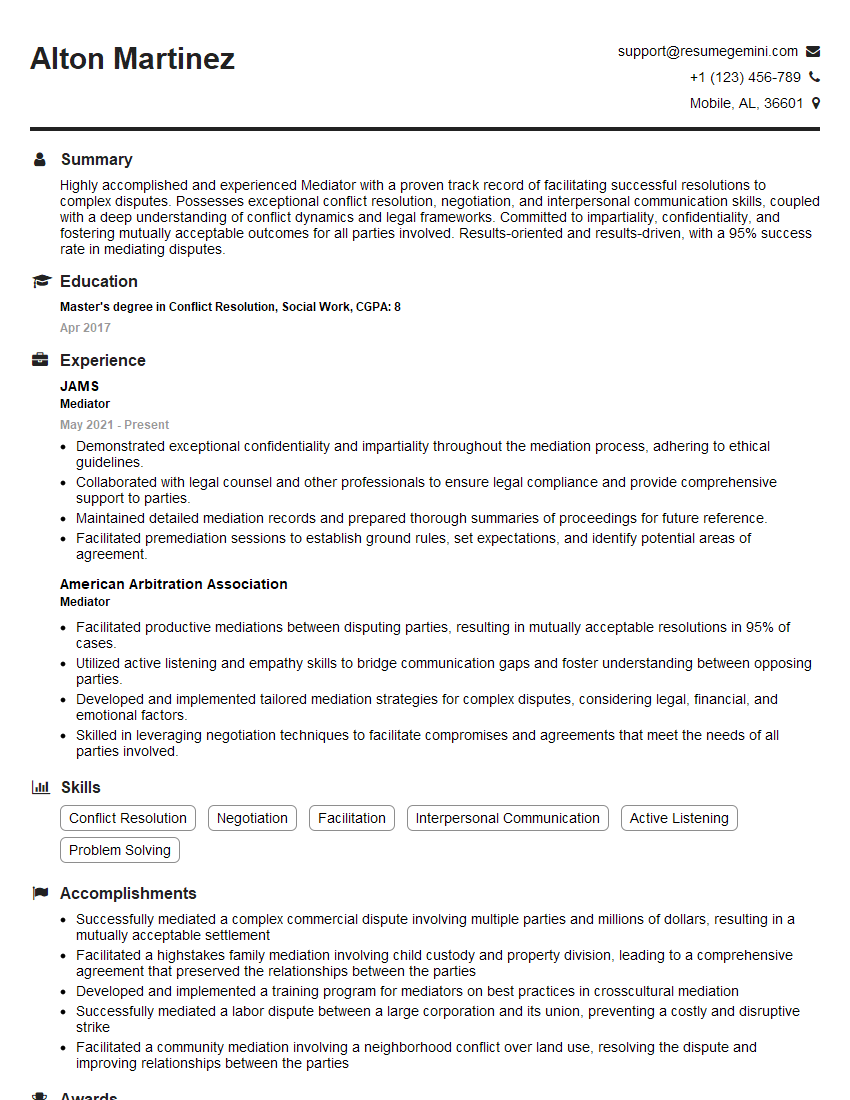
Mediator Resume Sample
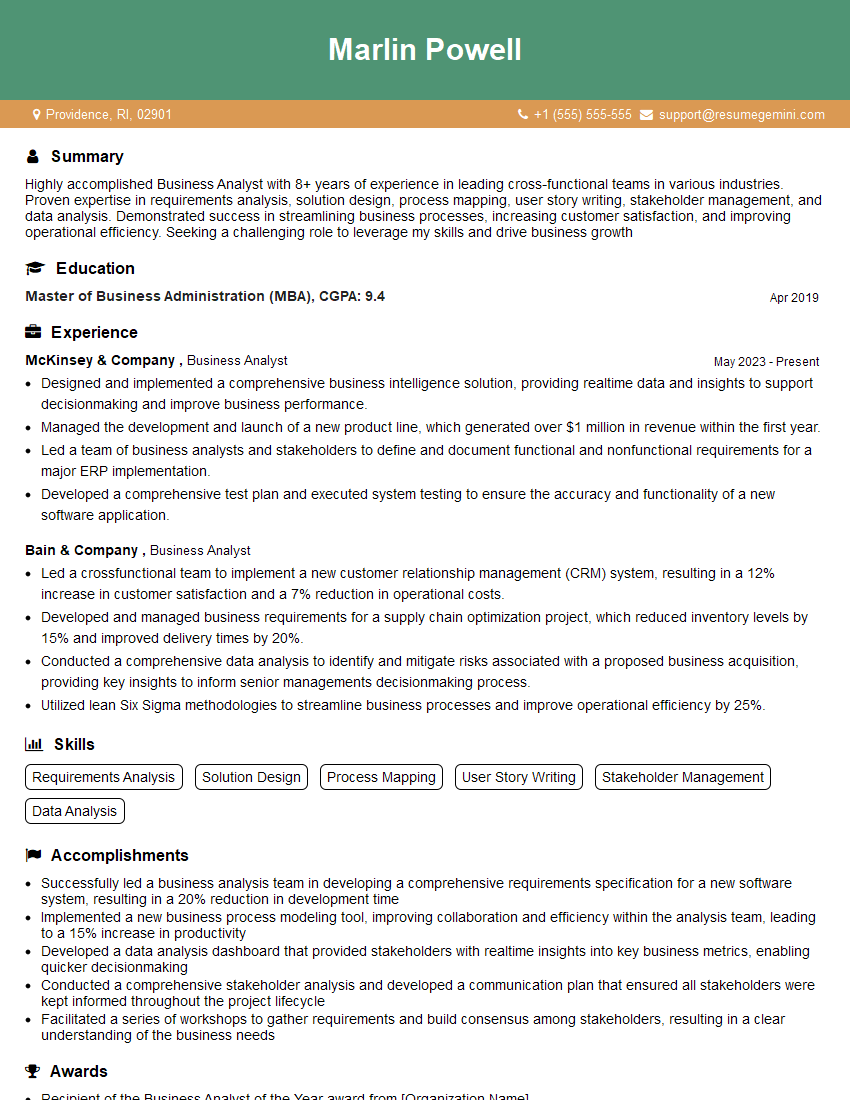
Business Analyst Resume Sample
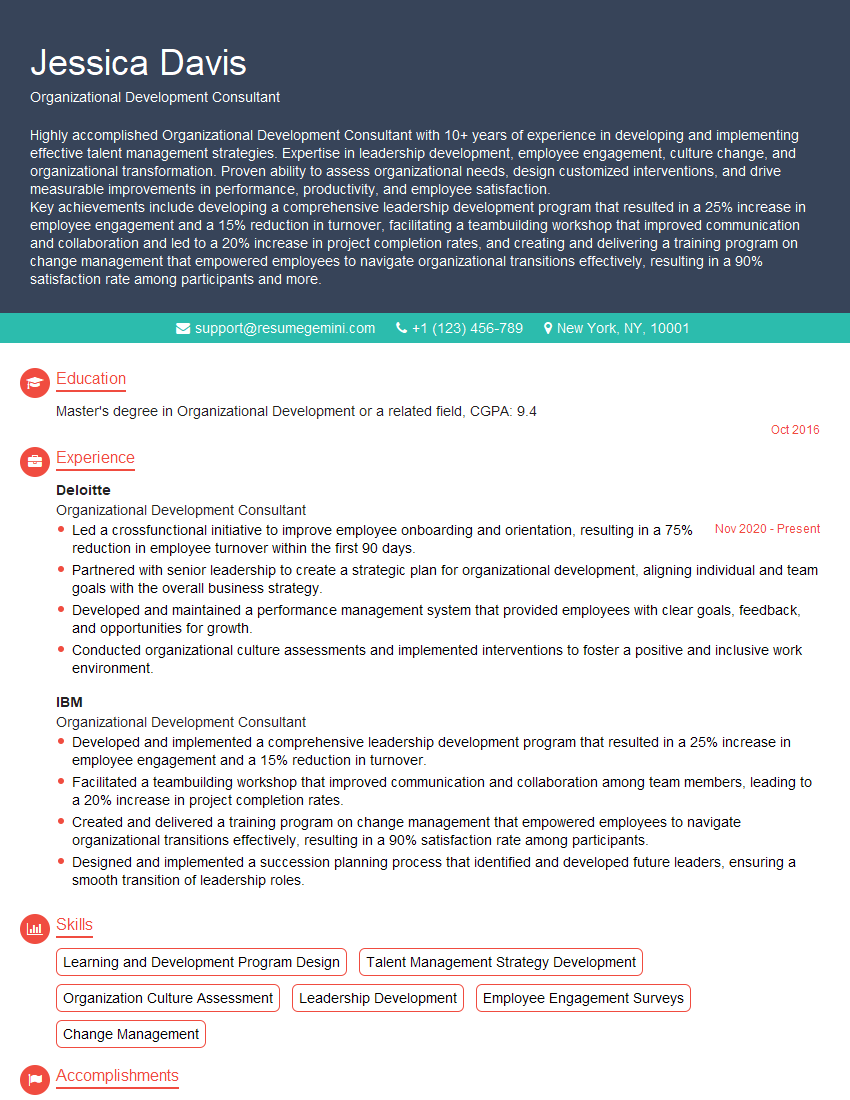
Organizational Development Consultant Resume Sample
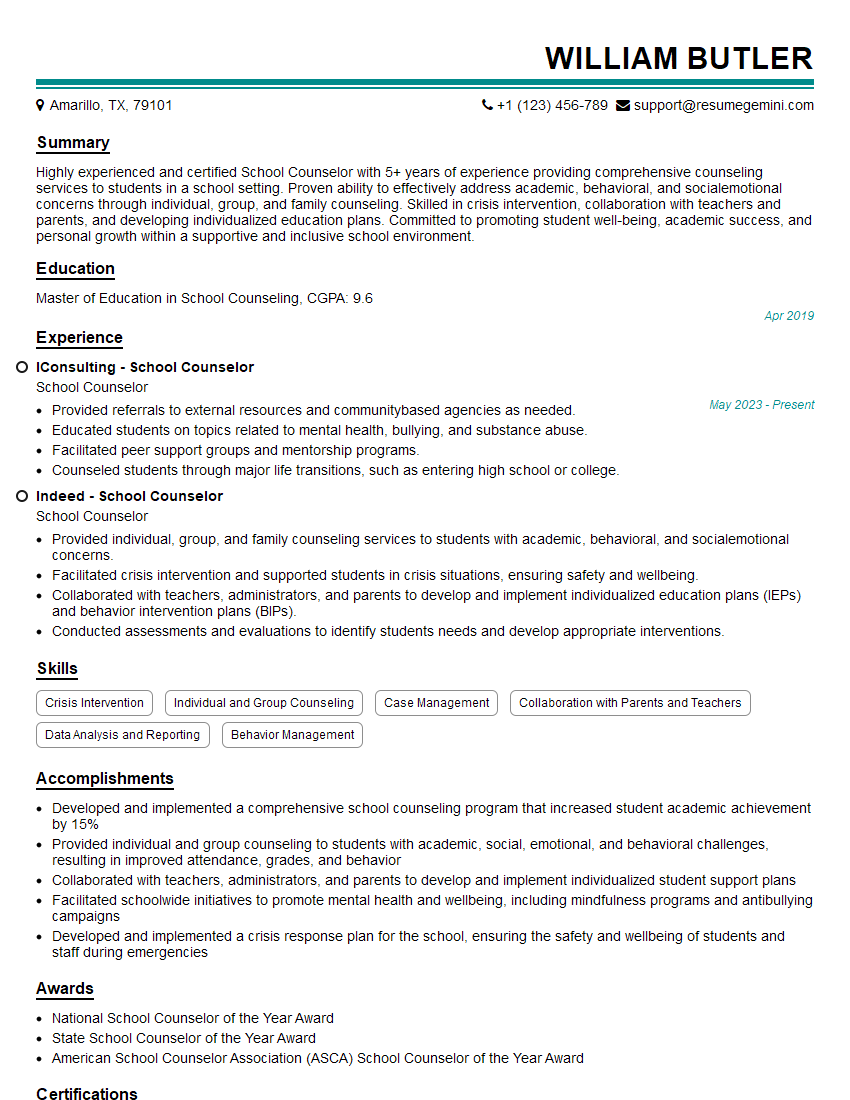
School Counselor Resume Sample
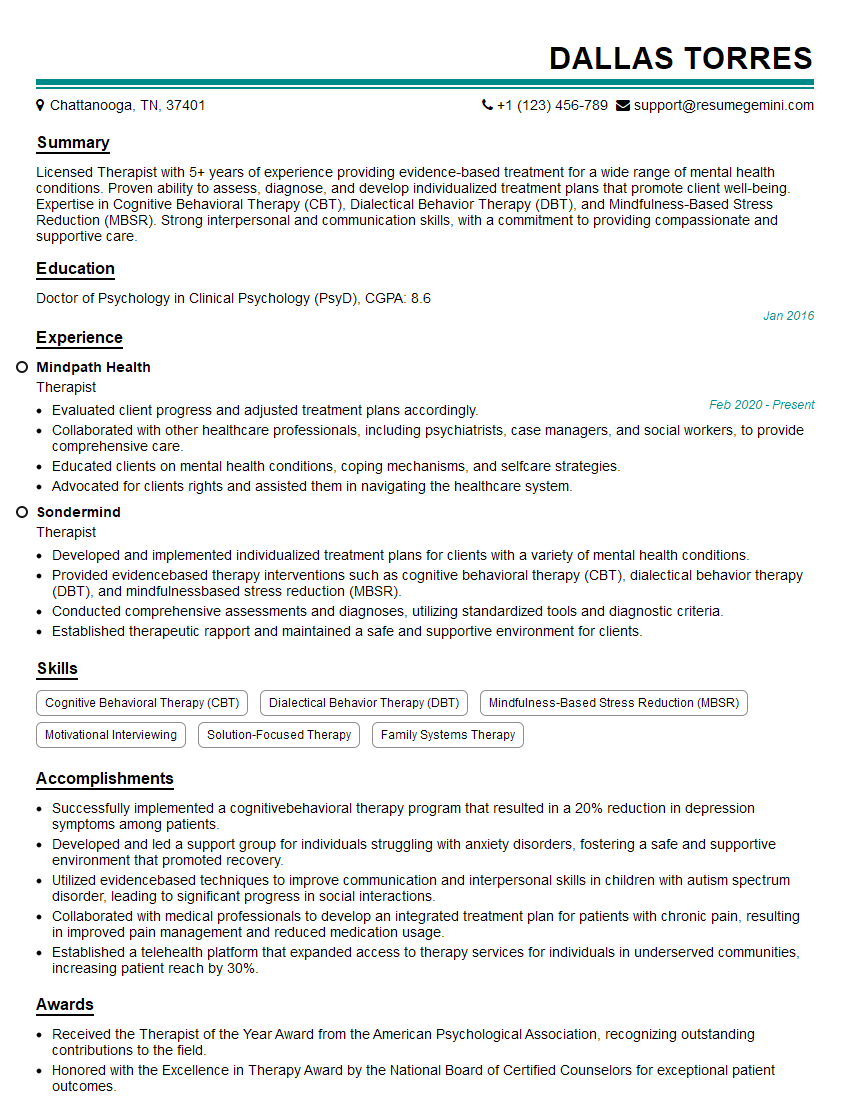
Therapist Resume Sample
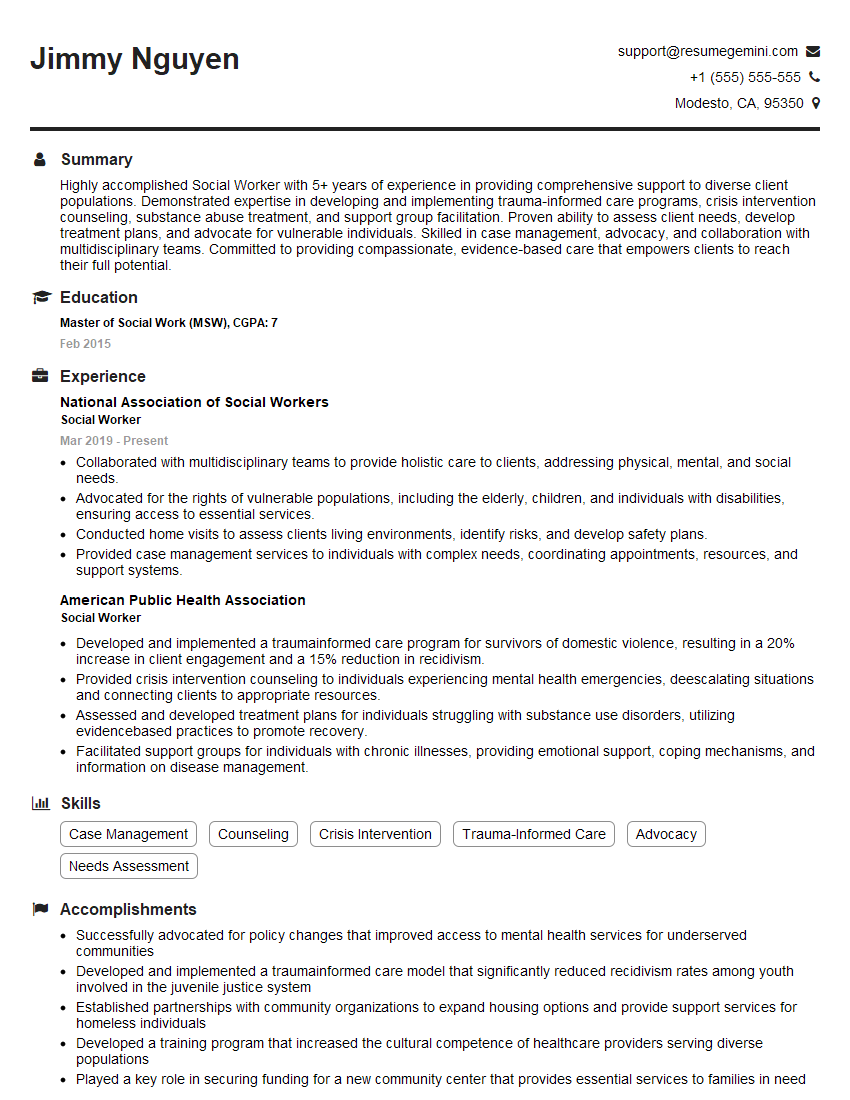
Social Worker Resume Sample
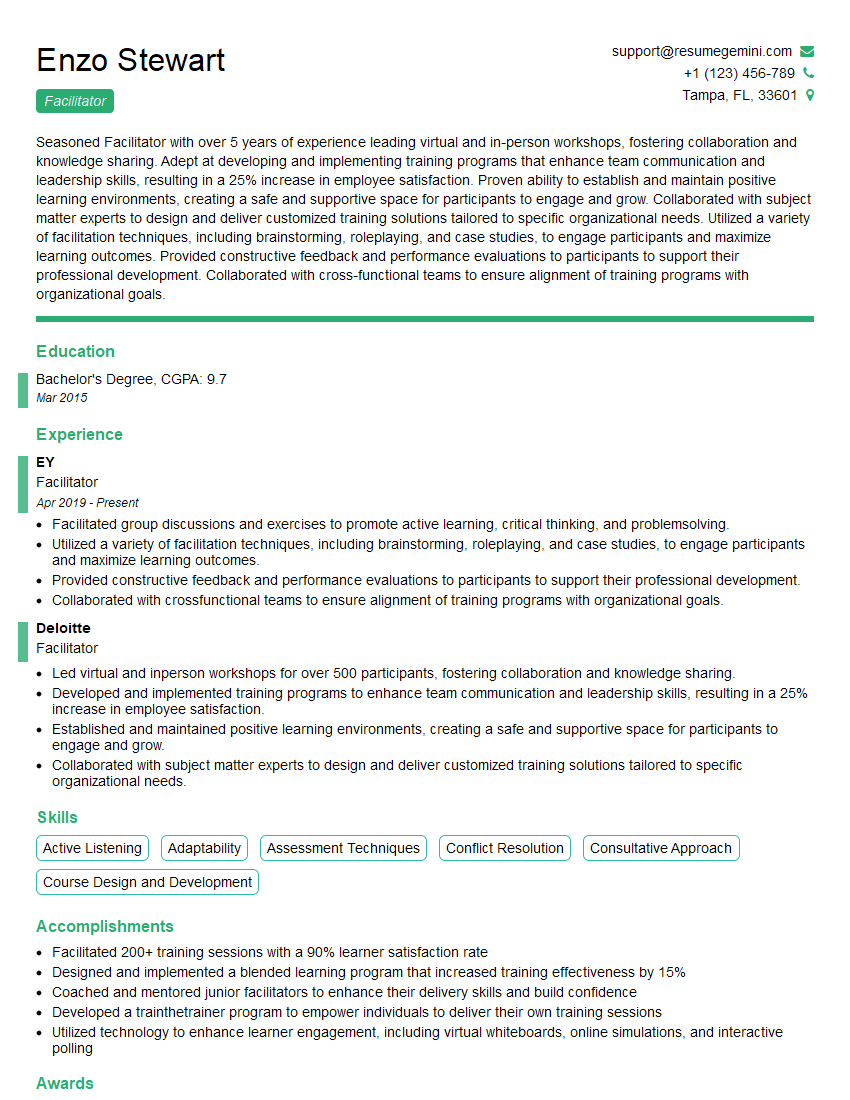
Facilitator Resume Sample
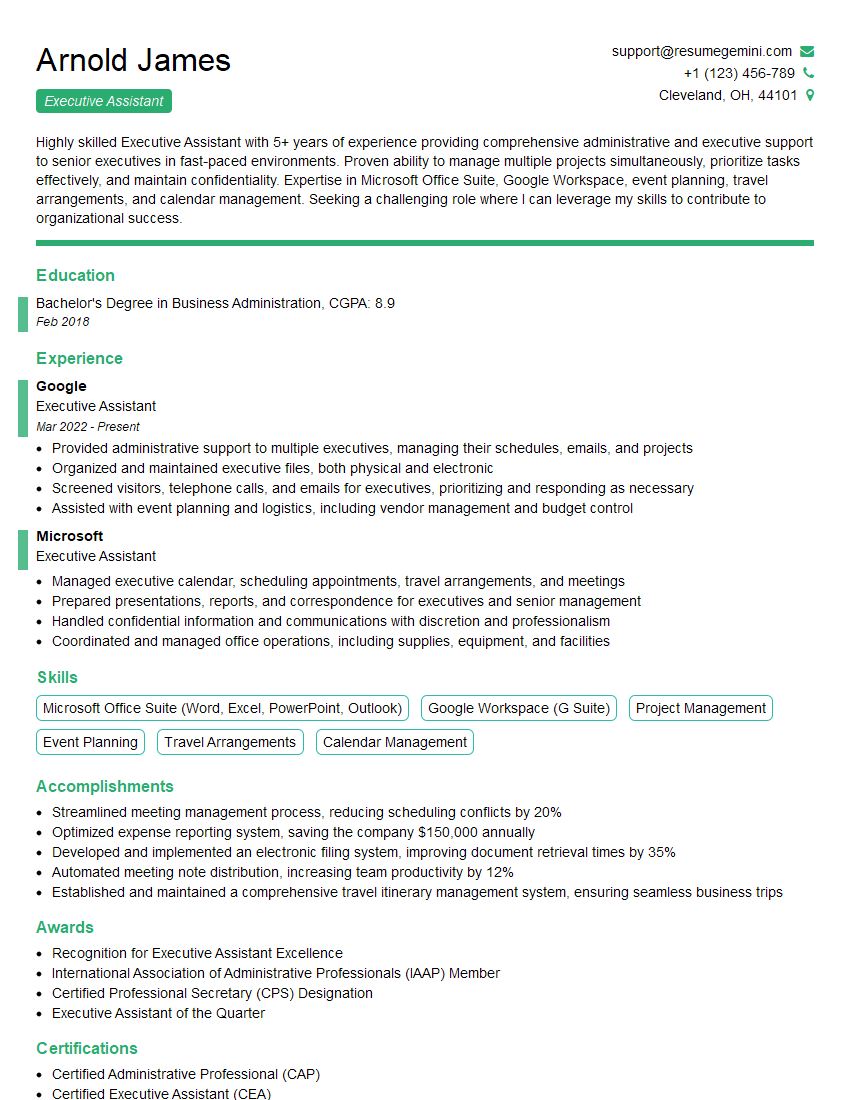
Executive Assistant Resume Sample
Explore more articles
Users Rating of Our Blogs
Share Your Experience
We value your feedback! Please rate our content and share your thoughts (optional).
What Readers Say About Our Blog
To the interviewgemini.com Webmaster.
Very helpful and content specific questions to help prepare me for my interview!
Thank you
To the interviewgemini.com Webmaster.
This was kind of a unique content I found around the specialized skills. Very helpful questions and good detailed answers.
Very Helpful blog, thank you Interviewgemini team.