Feeling uncertain about what to expect in your upcoming interview? We’ve got you covered! This blog highlights the most important Package Treatment Plant Troubleshooting and Repair interview questions and provides actionable advice to help you stand out as the ideal candidate. Let’s pave the way for your success.
Questions Asked in Package Treatment Plant Troubleshooting and Repair Interview
Q 1. Describe your experience troubleshooting malfunctioning blowers in a package treatment plant.
Troubleshooting malfunctioning blowers in a package treatment plant often starts with a systematic approach. First, I’d check the most obvious – power supply. Is the breaker tripped? Are there any loose connections? Then, I move to the blower itself. I’d listen for unusual noises – squealing, grinding, or humming, which could indicate bearing wear, belt slippage, or impeller damage. A visual inspection for leaks, debris, or damage to the housing is crucial.
Next, I’d look at operational parameters. Are the pressure readings within the normal operating range? If not, it might indicate a blockage in the air delivery system, or potentially a problem with the blower itself. A pressure gauge reading significantly lower than expected points to a leak or restriction; conversely, a pressure reading that’s too high could mean the blower is overworking, suggesting a problem further down the line.
Finally, if the problem persists after checking these aspects, I’d check the blower’s control system. This often involves checking the motor controller, examining control panel wiring, and verifying that the system is responding correctly to sensors. I’ve encountered cases where a simple sensor malfunction resulted in a seemingly serious blower issue. Often, a combination of these checks pinpoints the source of the problem, leading to targeted repairs or replacement of faulty components.
Q 2. Explain the process of diagnosing and resolving low dissolved oxygen levels in an activated sludge system.
Low dissolved oxygen (DO) in an activated sludge system is a serious issue, as it hampers the bacteria’s ability to break down organic matter. My diagnostic process begins with reviewing the SCADA data, specifically looking at DO levels throughout the aeration tank. I’d also check the aeration system – are the blowers functioning correctly? Are there any blockages in the diffusers? A visual inspection of the aeration tank itself is vital to look for any unusual foam, sludge build-up, or signs of inadequate mixing.
Next, I’d investigate the sludge characteristics. High solids concentration could reduce DO transfer efficiency. Conversely, if the MLSS (Mixed Liquor Suspended Solids) concentration is too low, it might not be enough biomass to consume the oxygen efficiently. A properly functioning activated sludge system requires a delicate balance between these parameters. I would analyze these parameters for deviations from typical values, along with the influent wastewater quality and the system’s hydraulic retention time.
To resolve low DO, the solutions vary depending on the diagnosis. If it’s a blower issue, repair or replacement is necessary. Blockages in the diffusers require cleaning or replacement. If the MLSS is too high or low, adjustments to the waste sludge flow rate would be required to optimize the system’s biomass. Adding chemicals like oxygen is also a possibility in emergency situations but is generally a last resort.
Q 3. How do you identify and address issues related to solids settling in a clarifier?
Poor solids settling in a clarifier usually manifests as high effluent turbidity. My first step involves checking the clarifier’s operational parameters. Are the influent flow rates and solids concentration within acceptable limits? High flow rates can cause washout, preventing adequate settling. Similarly, if the concentration of solids is too high, it can overload the clarifier.
A visual inspection of the clarifier is essential. I’d look for signs of sludge bulking (fluffy, poorly settling sludge), which could be due to filamentous bacteria growth. I would also check for the presence of grease, oil, or other floating materials that can interfere with settling. Sometimes, a simple mechanical issue like a malfunctioning sludge rake could be the culprit.
Addressing these issues varies. Reducing the influent flow rate might resolve washout. If sludge bulking is the problem, I might explore strategies to control filamentous bacteria. This could involve adjusting the aeration, the introduction of chemicals, or even a complete clarifier clean out and re-start. For mechanical issues, repair or replacement of the damaged part is the solution. Systematic investigation and data analysis are key to understanding root causes before implementing any solution.
Q 4. What are the common causes of high effluent turbidity, and how would you troubleshoot them?
High effluent turbidity indicates that the treatment plant isn’t effectively removing suspended solids. Common causes include inadequate settling in the clarifier (as discussed earlier), problems with the filtration system (if present), or even issues in the primary treatment stages.
Troubleshooting starts with a thorough review of the process. Are there any process upsets – changes in influent flow or characteristics? I’d look at data from the clarifier such as the effluent turbidity, solids concentration in the effluent, and sludge blanket level to diagnose settling issues. If the plant has filtration, I’d inspect the filter media for clogging or damage.
Solutions depend on the root cause. Improving solids settling through adjustments as mentioned in the previous question is often necessary. If filtration is the problem, backwashing the filters or replacing the filter media might be needed. In some cases, high turbidity indicates problems earlier in the treatment process, requiring a more thorough investigation of pretreatment operations.
Q 5. Explain your experience with troubleshooting and repairing effluent pumps.
Troubleshooting and repairing effluent pumps involves a multi-step process. I begin by assessing the problem – is the pump not running at all, running intermittently, or producing lower than expected flow? I’d check the power supply first, ensuring that the breaker isn’t tripped and the wiring is intact. Then, I’d listen for any unusual noises emanating from the pump – loud humming, grinding, or knocking – which can signify mechanical problems.
Next, I’d visually inspect the pump and its surroundings. Are there any leaks? Is there excessive vibration? Is the pump impeller clogged with debris? The pump’s pressure readings are also crucial to check. An unusually high pressure reading could indicate blockage while a low pressure suggests insufficient pump performance.
Depending on the diagnosis, repairs can range from a simple unclogging of the impeller to more extensive repairs involving replacement of seals, bearings, or even the motor. Regular maintenance, such as lubrication and inspection of seals, are preventative measures I highly recommend to ensure long pump life and avoid unexpected issues.
Q 6. Describe your familiarity with various types of biological treatment processes used in package plants.
Package treatment plants utilize various biological treatment processes, each with its own strengths and weaknesses. I’m familiar with activated sludge, which is a highly efficient process relying on microorganisms to degrade organic matter. I’m also experienced with sequencing batch reactors (SBRs), offering excellent flexibility and control and membrane bioreactors (MBRs), known for high effluent quality and smaller footprint compared to conventional activated sludge.
I have worked with other variations including extended aeration systems, which provide more aeration time for enhanced treatment, and oxidation ditches, which are less capital intensive but may require more space. Understanding the strengths and weaknesses of each process is crucial for selecting the most suitable system for a particular application. Each of these processes needs careful monitoring and adjustment based on the influent wastewater characteristics and performance requirements.
Q 7. How do you interpret data from SCADA systems to identify operational issues?
SCADA (Supervisory Control and Data Acquisition) systems are essential tools for monitoring and controlling package treatment plants. I interpret data from these systems to identify operational issues by looking for deviations from established baselines or setpoints. For example, a consistent drop in dissolved oxygen levels, as shown on a trend graph, indicates a problem that needs immediate attention. Similarly, consistently high effluent turbidity or unusual changes in pressure or flow rates can be readily identified.
Alarm settings on the SCADA system help me spot immediate problems. I’ll examine historical trends for patterns that might indicate developing problems. For example, gradually increasing effluent turbidity could signal a slow build-up of sludge in the clarifier. I would then correlate this data with other parameters, such as MLSS and sludge volume index, to gain a comprehensive understanding of the situation. The data’s historical context and correlations between variables are invaluable in pinpointing the likely root cause. Effective use of SCADA data dramatically improves diagnostic efficiency and enables proactive maintenance rather than just reactive repairs.
Q 8. What safety precautions do you take when working on electrical components within a wastewater treatment plant?
Safety is paramount when working with electrical components in a wastewater treatment plant. Before even touching anything, I always ensure the power is completely isolated. This involves using lockout/tagout procedures, verifying the power is off using a voltage tester, and then double-checking. I never rely on just one safety measure. Think of it like this: locking out the power is like putting a padlock on a door, testing the power is like checking the door is locked, and double-checking is like making sure there’s no hidden keyhole. I also wear appropriate PPE, including insulated gloves and safety glasses, to protect against electrical shocks and arc flashes. Working near energized equipment is never done without a qualified electrician’s presence and supervision.
Furthermore, I meticulously inspect all equipment for signs of damage before working on it. If there’s any corrosion, fraying of wires, or other issues, I won’t proceed until they’re addressed by a certified technician. I also familiarize myself with the plant’s electrical schematics and understand the power distribution system. This pre-work planning minimizes risks and ensures a safe operation.
Q 9. How do you perform preventative maintenance on key components of a package treatment plant?
Preventative maintenance is key to avoiding costly breakdowns and ensuring the plant runs efficiently. My approach focuses on a scheduled regime for key components, tailored to the manufacturer’s recommendations and plant-specific needs. This involves regular inspections and cleaning of pumps, blowers, and aeration systems. I look for signs of wear and tear, such as leaking seals or worn bearings. For example, regularly lubricating pump bearings can dramatically extend their lifespan and prevent premature failure, saving both time and money.
Membrane systems are cleaned periodically using chemical cleaning agents (following strict protocols) to remove foulants. Similarly, the clarifiers need regular sludge removal to prevent overloading and poor effluent quality. We also perform regular checks on the instrumentation, such as pH meters and dissolved oxygen sensors, calibrating them as necessary for accurate readings. Finally, all maintenance work is meticulously documented, allowing us to track trends, predict future needs, and refine our maintenance schedule for maximum efficiency.
Q 10. Describe your experience working with different types of chemical dosing systems.
My experience encompasses several chemical dosing systems, including gravimetric feeders, peristaltic pumps, and diaphragm pumps. Gravimetric feeders are precise and ideal for chemicals with a consistent bulk density; however, they can be costly. Peristaltic pumps are excellent for handling corrosive chemicals, minimizing maintenance needs, and providing accurate flow rates. Diaphragm pumps can handle higher pressures and viscous chemicals, which are often found in wastewater treatment. I have successfully installed, commissioned, and maintained all these systems, adapting the selection to the specific chemical being dosed and the plant requirements. For example, when dealing with ferric chloride, which is corrosive, I’d opt for a peristaltic pump to avoid wear on the pump itself and ensure safety.
Q 11. Explain your troubleshooting experience with membrane filtration systems (if applicable).
Membrane filtration systems, such as ultrafiltration (UF) and microfiltration (MF), are prone to fouling, leading to reduced flow rates and treatment efficiency. Troubleshooting usually begins with a thorough examination of the transmembrane pressure (TMP). A high TMP typically indicates fouling, necessitating cleaning. I’ve addressed this by implementing a combination of chemical cleaning (with solutions such as sodium hypochlorite and citric acid) and physical cleaning (backwashing and air scouring) to restore membrane performance. I’ve also investigated membrane integrity using bubble point tests and analyzed the flux rates to pinpoint the location and severity of the fouling. It’s like a detective story; I systematically investigate the clues to find the root cause of the problem. This systematic approach, combined with regular maintenance and understanding of the specific membrane technology, helps resolve many membrane-related issues effectively.
Q 12. How do you handle emergency situations, such as a sudden power outage?
A sudden power outage is a serious event requiring swift action. My first priority is to ensure the safety of personnel and equipment. This involves immediately shutting down non-essential equipment to prevent damage, which might include certain pumps, aerators, and blowers. We immediately switch over to emergency power sources, if available, to maintain critical operations, particularly those affecting the effluent quality to prevent environmental issues. We continuously monitor the plant’s status and implement emergency procedures as necessary, such as diverting flow, adjusting chemical dosing rates, or initiating a bypass system. Regular emergency drills simulate these scenarios, ensuring everyone is prepared and knows their roles.
Q 13. What are the common causes of sludge bulking, and how would you address them?
Sludge bulking, where the activated sludge flocs lose their density and settle poorly, is a common problem. It often arises from several factors. One common culprit is poor nutrient balance (nitrogen and phosphorus levels); it can also stem from an increase in filamentous bacteria due to process upsets, toxic shock, or inappropriate dissolved oxygen (DO) levels. Other contributing factors are an excessive amount of easily biodegradable substrates, inadequate mixing in the aeration tank, or high levels of toxic substances. To address sludge bulking, I would first conduct a thorough investigation, including microscopic examination of the sludge to identify the dominant microorganisms. Based on the cause, various measures might be required. This could include adjusting the aeration rate, adjusting the waste activated sludge (WAS) removal rate, modifying the F/M ratio (food-to-microorganism ratio), adding clarifier chemicals (polymers) to improve settling, or implementing a process control modification.
Q 14. Describe your experience with troubleshooting and repairing instrumentation and control systems.
I have extensive experience with troubleshooting and repairing instrumentation and control systems (ICS) in wastewater treatment plants. This includes PLCs (Programmable Logic Controllers), SCADA (Supervisory Control and Data Acquisition) systems, and various sensors and transmitters (flow meters, level sensors, pH meters, etc.). My troubleshooting strategy often involves a systematic approach: I start with reviewing alarm logs and historical data to identify the problem’s nature and timing. Then, I inspect the physical components, checking for wiring issues, sensor malfunctions, or other hardware problems. If the problem is software-related, I can use programming tools to diagnose and correct the faults within the PLC or SCADA system. For instance, if a pump fails to start, I’d first check the power supply, then the PLC program to make sure the start command is being sent, and finally, check the motor and its starter.
Regular calibration and maintenance of the instrumentation are crucial to ensuring accurate readings and system stability. Preventative maintenance significantly minimizes unscheduled downtime, improving the overall reliability of the plant’s operation.
Q 15. How do you maintain accurate records and logs of plant operations and maintenance activities?
Maintaining accurate records is crucial for efficient plant operation and regulatory compliance. We utilize a comprehensive Computerized Maintenance Management System (CMMS). This system allows us to meticulously track all aspects of plant operations and maintenance, from daily operational data like flow rates and effluent quality, to scheduled maintenance tasks and repair histories. Each entry includes date, time, personnel involved, work performed, materials used, and any relevant observations. We also incorporate data from online sensors and automated monitoring systems for real-time tracking of critical parameters. For example, the CMMS might record a specific pump’s performance, flagging any deviation from the norm and prompting scheduled preventative maintenance before failure occurs. This proactive approach minimizes downtime and extends the lifespan of equipment. Regular audits ensure data integrity and consistency.
Beyond the CMMS, we maintain physical logs, especially for processes lacking automated data acquisition, and these logs are meticulously reviewed and reconciled with the CMMS data to maintain consistency and accuracy. This dual-record system provides a failsafe, ensuring that even if one system encounters an issue, we have a backup record.
Career Expert Tips:
- Ace those interviews! Prepare effectively by reviewing the Top 50 Most Common Interview Questions on ResumeGemini.
- Navigate your job search with confidence! Explore a wide range of Career Tips on ResumeGemini. Learn about common challenges and recommendations to overcome them.
- Craft the perfect resume! Master the Art of Resume Writing with ResumeGemini’s guide. Showcase your unique qualifications and achievements effectively.
- Don’t miss out on holiday savings! Build your dream resume with ResumeGemini’s ATS optimized templates.
Q 16. How familiar are you with regulatory compliance requirements for wastewater discharge?
I’m intimately familiar with all relevant local, state, and federal regulations pertaining to wastewater discharge. This includes understanding and adhering to permit limits for various pollutants, such as BOD (Biochemical Oxygen Demand), TSS (Total Suspended Solids), ammonia, and pH. I’m adept at interpreting discharge permits, ensuring that the plant’s operations remain within the allowed limits. I’m experienced in preparing and submitting discharge monitoring reports (DMRs) accurately and on time. Furthermore, I stay updated on any changes or revisions to these regulations, attending relevant training sessions and workshops to maintain my expertise. For instance, I was directly involved in a recent plant upgrade to meet stricter nutrient limits imposed by our state’s environmental protection agency. This involved not only the installation of new equipment but also significant process modifications and rigorous testing to ensure compliance.
Q 17. Explain your experience with troubleshooting and repairing aeration systems.
Aeration systems are vital for biological treatment processes. My troubleshooting experience encompasses various aeration system types, including diffused aeration (fine-bubble and coarse-bubble diffusers) and surface aeration systems. I’ve tackled problems ranging from simple issues like clogged diffusers (often requiring cleaning or replacement) to more complex issues such as blower malfunctions (including diagnosing faulty motors, bearings, or electrical components), and issues related to air leaks in the piping system. I approach troubleshooting systematically. For example, if dissolved oxygen levels drop unexpectedly, I would first check the blower operation, then inspect the air supply lines for leaks, examine the diffuser system for blockages, and finally assess the health of the biomass itself (possible bulking). I utilize diagnostic tools like pressure gauges, oxygen meters, and flow meters to identify the root cause of the problem. In one instance, a sudden drop in dissolved oxygen was ultimately traced to a leak in an air header; replacing the faulty section restored aeration efficiency and prevented further process upsets.
Q 18. How do you ensure the proper functioning of the plant’s disinfection process?
Effective disinfection is crucial to ensure safe effluent discharge. We employ UV disinfection primarily, but I’m experienced with chemical disinfection (chlorination and other advanced oxidation processes) as well. Ensuring proper functioning involves regularly monitoring UV lamp intensity and performance, checking for fouling or scaling within the UV chambers, and conducting regular calibration and maintenance of UV sensors. For chemical disinfection, we monitor residual disinfectant levels, chlorine demand, and contact time. We also utilize a rigorous safety protocol for handling chemicals. Maintenance includes checking chemical feed pumps and ensuring sufficient chemical storage. Failure to maintain the disinfection system can lead to significant problems, so we prioritize it highly. For instance, in one situation, we discovered biofouling within the UV system, which we addressed by implementing a regular cleaning schedule and chemical treatment, restoring disinfection efficiency.
Q 19. What are your experiences with troubleshooting and repairing anaerobic digesters (if applicable)?
Yes, I have extensive experience with anaerobic digesters, primarily in troubleshooting and maintaining their effective operation. Common issues I’ve addressed include low biogas production (due to factors such as low organic loading rates, inadequate mixing, or an imbalance in microbial populations), digester foaming (often managed through chemical adjustment and optimized mixing), and scum layer formation (requiring adjustments to feed rates and potentially mechanical interventions). I’m proficient in interpreting digester performance data, including volatile fatty acid (VFA) levels, pH, and methane content. For example, if a digester experiences reduced biogas production, I would systematically investigate factors such as feedstock composition, temperature, and mixing efficiency, using laboratory analysis to pinpoint the root cause. I also have experience in digester startup and optimization, involving carefully balancing inoculum, feedstock, and operational parameters to achieve efficient biogas generation. Addressing issues promptly is crucial, as failure to do so can disrupt the entire wastewater treatment process.
Q 20. How do you handle and dispose of hazardous waste generated during plant operations?
Hazardous waste management is paramount. We adhere strictly to all relevant regulations governing the handling, storage, and disposal of hazardous wastes generated during plant operations. This includes proper labeling, containment, and tracking of materials like spent chemicals, used filters, and contaminated sludges. We contract with licensed hazardous waste haulers for safe and compliant disposal, maintaining comprehensive documentation of all waste shipments. Furthermore, we utilize best management practices to minimize hazardous waste generation through process optimization, waste reduction strategies, and the responsible use of chemicals. For example, we’ve implemented a system for recovering and recycling certain spent chemicals to reduce both waste disposal costs and environmental impact. Regular internal audits are conducted to ensure consistent compliance and to continually refine our hazardous waste management program.
Q 21. What are the key performance indicators (KPIs) you monitor to assess the effectiveness of a package treatment plant?
Several KPIs are crucial for assessing package treatment plant effectiveness. These include:
- Influent and Effluent Quality: Monitoring parameters such as BOD, TSS, ammonia, and other relevant pollutants in both the influent (incoming wastewater) and effluent (treated wastewater) provides a clear indication of treatment performance. We track the removal efficiencies of each pollutant to identify areas for improvement.
- Sludge Production and Handling: The volume and characteristics of sludge generated influence operational costs and efficiency. Regular monitoring is essential.
- Energy Consumption: Tracking energy consumption related to aeration, pumping, and other processes allows for optimization and identification of energy-saving opportunities.
- Chemical Usage: Monitoring chemical consumption, particularly for disinfection and pH control, helps ensure efficient use and identify potential leaks or process inefficiencies.
- Equipment Uptime: Tracking equipment operational hours and downtime minimizes disruptions and helps predict maintenance needs. High uptime suggests efficient system design and maintenance.
- Compliance with Discharge Permits: Consistent compliance with permit limits demonstrates effective operation and minimizes potential regulatory penalties.
Regularly reviewing these KPIs provides valuable insights into overall plant performance, allowing for timely interventions to address any deficiencies and ensure consistently high-quality effluent.
Q 22. Explain your experience with troubleshooting and repairing UV disinfection systems.
Troubleshooting and repairing UV disinfection systems involves a systematic approach focusing on lamp output, sensor functionality, and overall system integrity. I’ve extensively worked on low-pressure and medium-pressure UV systems. A common issue is lamp aging, resulting in reduced UV intensity. My troubleshooting begins with checking the lamp’s operational hours against the manufacturer’s recommended lifespan. If the hours are excessive, replacement is usually the solution. I then measure the UV intensity using a calibrated UV sensor, comparing readings to the manufacturer’s specifications. Low intensity could also indicate issues with the ballast (power supply) or problems with the sensor itself; faulty ballasts are tested with a multimeter, while sensors may need calibration or replacement. Furthermore, I meticulously check for fouling on the quartz sleeves that encase the UV lamps. Fouling reduces UV transmission; cleaning or replacement is necessary depending on the severity. In one instance, a plant experienced a significant drop in disinfection efficiency. Through a systematic check, I discovered a faulty sensor was reporting incorrect intensity data. Replacing this faulty component immediately restored the system’s performance.
Q 23. Describe your experience with troubleshooting and repairing media filters.
Troubleshooting media filters centers around managing pressure differential, identifying clogging, and ensuring proper backwashing. I have experience with sand, anthracite, and dual-media filters. A rising pressure differential across the filter indicates increased resistance to flow, usually due to clogging. My approach involves first checking the backwash cycle; inadequate backwashing leads to media compaction. If the backwash is insufficient, I’ll adjust the backwash parameters, including flow rate, duration, and air scour. If the problem persists, it’s indicative of excessive solids loading or filter media degradation. In this case, a thorough inspection of the filter media might reveal that the filter requires replacement or that the influent needs pre-treatment to reduce the solids load. I once dealt with a situation where a sand filter showed excessively high pressure differential. After a thorough check, I found a substantial amount of debris trapped within the underdrain system. This was cleaned thoroughly to restore normal operation. This highlighted the importance of not just focusing on the filter media but also the ancillary components that support filtration.
Q 24. How do you utilize process control strategies to optimize the performance of a package treatment plant?
Optimizing package plant performance requires implementing robust process control strategies. This involves utilizing SCADA (Supervisory Control and Data Acquisition) systems for monitoring and controlling key parameters like flow rates, dissolved oxygen levels, and pH. I leverage control loops (PID controllers, primarily) to maintain setpoints for crucial variables. For instance, maintaining optimal dissolved oxygen (DO) levels in the aeration tank is vital for efficient biological treatment. A PID controller constantly monitors the DO, adjusting the aeration blower’s speed accordingly to maintain the desired DO level. Furthermore, I utilize data analysis to identify trends and optimize operational parameters. For example, analyzing historical data on influent characteristics and effluent quality can help in predicting operational needs and proactively adjusting control settings. In a recent project, by fine-tuning the control loops and leveraging historical data analysis, I managed to reduce energy consumption by 15% while simultaneously improving effluent quality.
Q 25. Explain your familiarity with different types of wastewater influent characteristics and their impact on plant operations.
Wastewater influent characteristics significantly impact plant operations. I’m familiar with various parameters such as flow rate, BOD (Biochemical Oxygen Demand), COD (Chemical Oxygen Demand), suspended solids, pH, and the presence of specific industrial pollutants. High BOD/COD levels indicate a high organic load, requiring increased aeration and potentially impacting biological treatment efficiency. High suspended solids can lead to rapid filter clogging, requiring more frequent backwashing. Extreme pH values can disrupt biological processes and necessitate chemical adjustment. Industrial pollutants may require specialized treatment processes. For example, a sudden increase in industrial discharge might lead to toxicity issues in the biological treatment stage, requiring emergency measures such as bypassing the biological treatment or activating emergency chemical treatment methods. Understanding these parameters helps in predicting potential operational challenges and proactively adjusting treatment strategies.
Q 26. Describe your experience in troubleshooting and repairing mechanical screening systems.
Troubleshooting mechanical screening systems involves identifying blockages, assessing wear and tear, and ensuring proper cleaning cycles. I’ve worked with bar screens and fine screens. Blockages are frequently caused by rags, debris, or oversized solids. My troubleshooting involves visually inspecting the screen, clearing blockages manually or using automated cleaning mechanisms. I regularly check for wear and tear on the screen bars or meshes, replacing damaged components as needed. Proper cleaning cycles are vital to prevent blockages and ensure efficient operation. I frequently adjust cleaning cycles based on influent characteristics. In one case, a bar screen repeatedly clogged due to excessive debris. After careful analysis, I implemented a pre-screening stage to remove larger debris before it reached the main screen, significantly reducing blockages and improving system uptime.
Q 27. How familiar are you with different types of flow meters and their applications in wastewater treatment?
I’m familiar with various flow meters, including magnetic flow meters (best for conductive fluids), ultrasonic flow meters (suitable for a wide range of fluids), and vortex flow meters (ideal for less-clean fluids). The choice of flow meter depends on several factors including the type of fluid, flow range, accuracy requirements, and cost. Magnetic flow meters are commonly used for measuring flow in wastewater treatment plants due to their high accuracy and non-intrusive nature. Ultrasonic flow meters are used where installing a magnetic flow meter isn’t feasible, for example, in pipes that carry non-conductive materials. Vortex flow meters can withstand more solids and debris, making them appropriate for locations where the flow might be less than clean. I consider the specific application and characteristics of the fluid to select the appropriate flow meter type. The accuracy of flow measurement is crucial for optimizing plant operation and ensuring compliance with discharge permits.
Q 28. Describe your experience with troubleshooting and repairing grit removal systems.
Troubleshooting grit removal systems involves inspecting the components for wear, managing the effectiveness of the grit removal process and ensuring proper grit washing. Common issues include clogging due to excessive organic matter or fine particles. My approach starts with inspecting the grit channel for blockages and ensuring smooth flow. I regularly assess the effectiveness of the grit removal process, measuring the grit concentration to optimize the system’s performance. Grit washing is crucial for removing organic matter from the collected grit. If the grit washing is inadequate, it leads to putrefaction and odor issues. Adjusting the wash water flow rate or changing the wash cycle helps manage this. In one instance, a grit removal system experienced frequent clogging. After careful investigation, I discovered that the influent contained an unusually high concentration of fine particles. To address this, I recommended implementing a pre-treatment stage with a fine screen to remove these fine particles before they reached the grit chamber, improving the efficiency and reducing the clogging issues in the grit removal system.
Key Topics to Learn for Package Treatment Plant Troubleshooting and Repair Interview
- Understanding Package Plant Components: Familiarize yourself with the function and operation of all major components, including pumps, blowers, control systems, and treatment media. Be prepared to discuss their interdependencies.
- Process Control and Instrumentation: Master the principles of process control and the interpretation of data from sensors and instrumentation. Practice diagnosing issues based on readings from various meters and gauges.
- Troubleshooting Common Issues: Develop a systematic approach to troubleshooting. Learn how to identify and rectify problems related to low flow, high turbidity, odor control, and malfunctioning equipment.
- Preventive Maintenance Strategies: Understand the importance of routine maintenance and inspections. Be prepared to discuss best practices for preventing equipment failures and extending the lifespan of plant components.
- Safety Procedures and Regulations: Demonstrate a strong understanding of relevant safety protocols and regulations within the wastewater treatment industry. This includes proper handling of chemicals and emergency response procedures.
- Electrical and Mechanical Systems: Gain a solid understanding of the electrical and mechanical aspects of package plants, including motor controls, wiring diagrams, and basic mechanical repair techniques.
- Data Analysis and Reporting: Practice interpreting operational data to identify trends and potential issues. Be ready to discuss how you would document findings and create effective reports.
- Problem-Solving and Critical Thinking: Highlight your ability to approach problems systematically, analyze data effectively, and develop practical solutions under pressure.
Next Steps
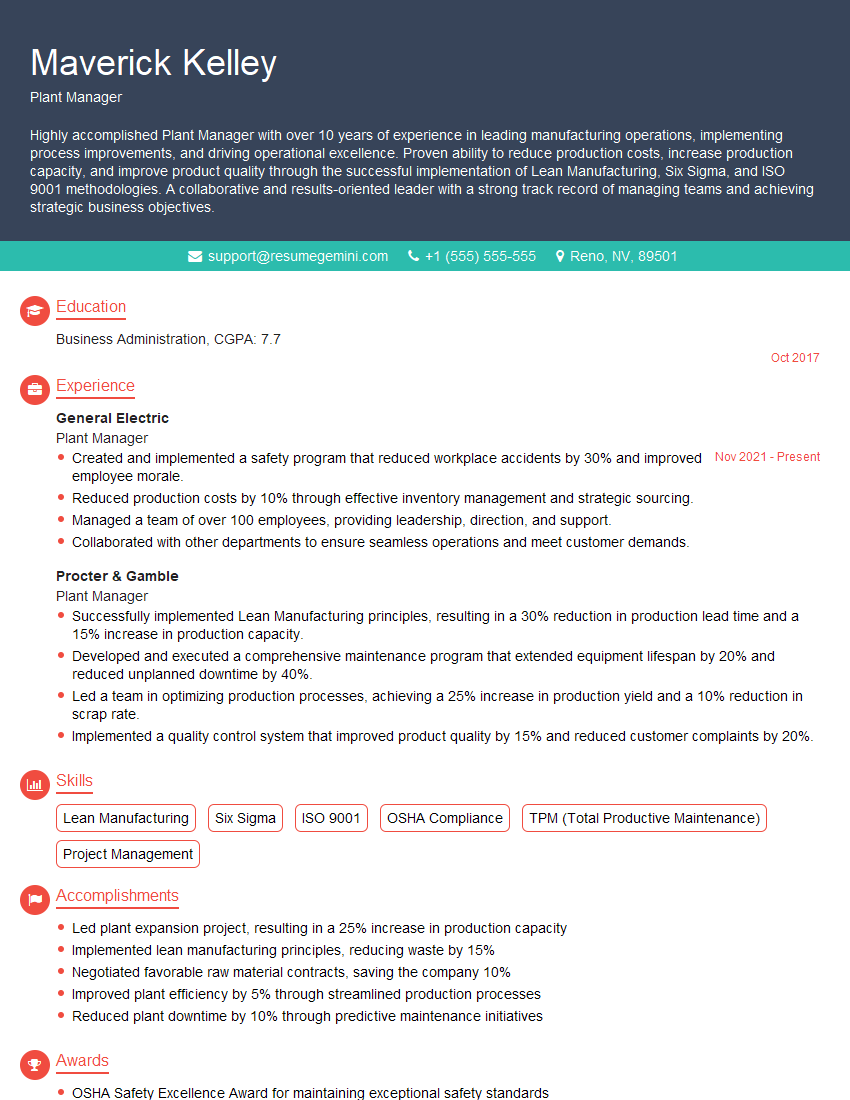
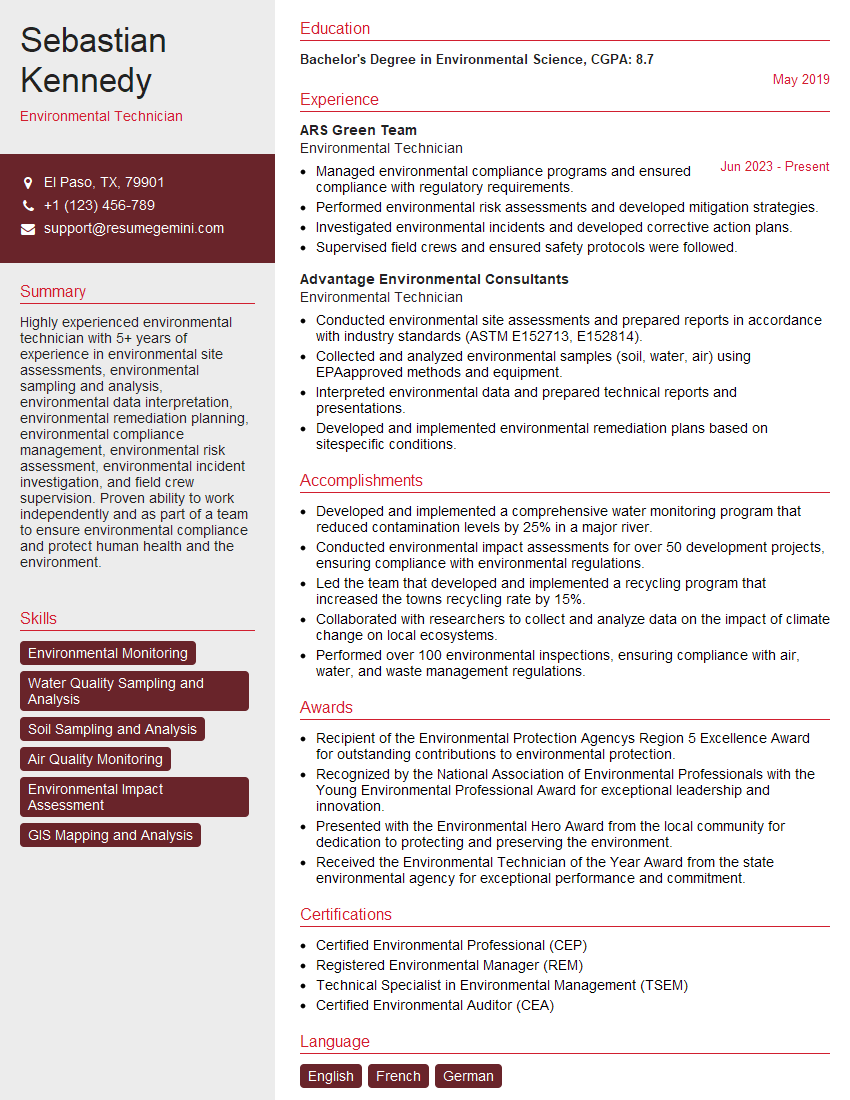
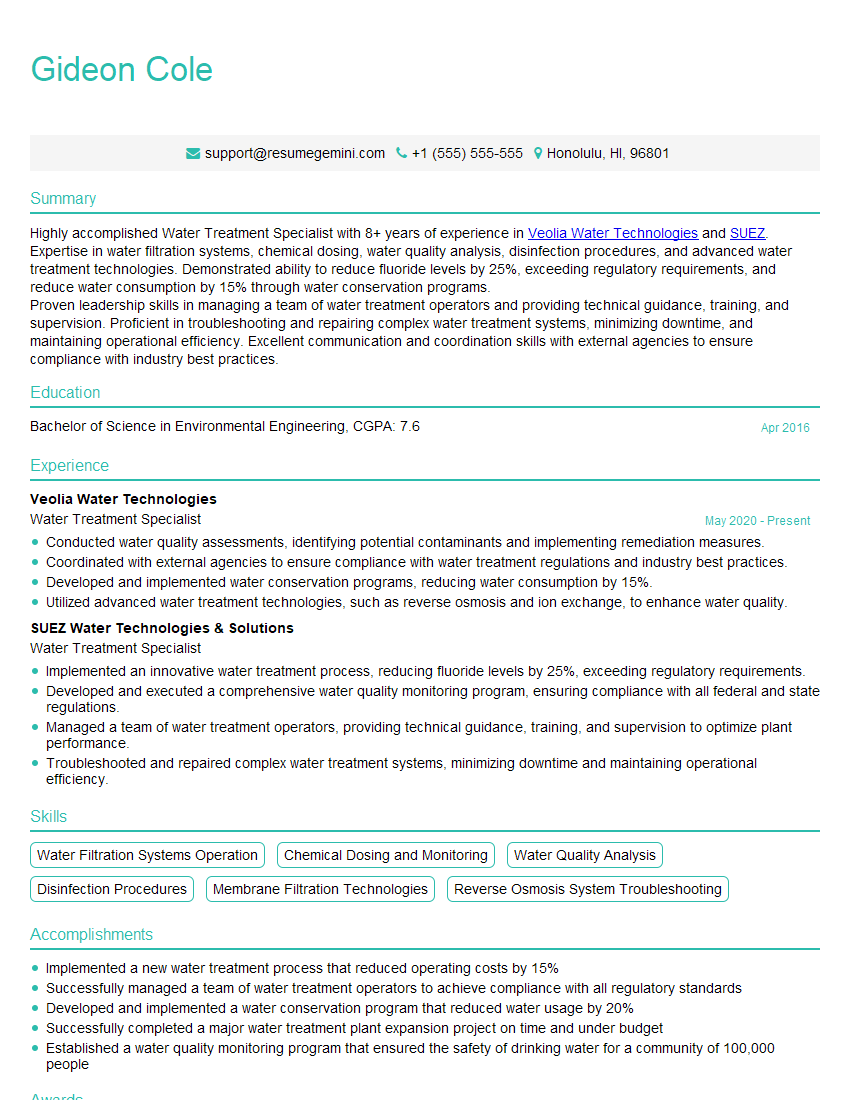
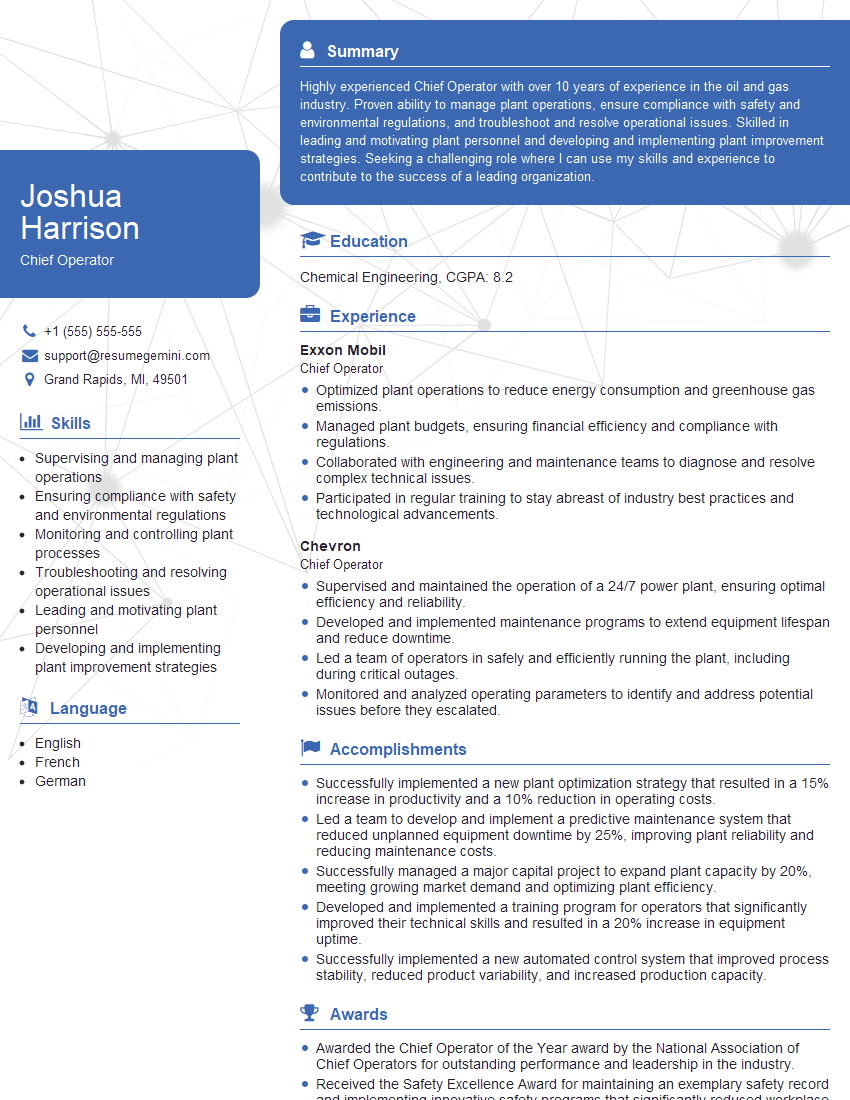
Mastering Package Treatment Plant Troubleshooting and Repair is crucial for career advancement in the water treatment industry. It opens doors to senior roles, higher earning potential, and greater responsibility. To maximize your job prospects, creating a strong, ATS-friendly resume is essential. ResumeGemini is a trusted resource to help you build a professional and impactful resume that showcases your skills and experience effectively. Examples of resumes tailored to Package Treatment Plant Troubleshooting and Repair are available through ResumeGemini to help you craft your perfect application.

Explore more articles
Users Rating of Our Blogs
Share Your Experience
We value your feedback! Please rate our content and share your thoughts (optional).
What Readers Say About Our Blog
To the interviewgemini.com Webmaster.
Very helpful and content specific questions to help prepare me for my interview!
Thank you
To the interviewgemini.com Webmaster.
This was kind of a unique content I found around the specialized skills. Very helpful questions and good detailed answers.
Very Helpful blog, thank you Interviewgemini team.