Every successful interview starts with knowing what to expect. In this blog, we’ll take you through the top Insect Allergy Diagnosis and Treatment interview questions, breaking them down with expert tips to help you deliver impactful answers. Step into your next interview fully prepared and ready to succeed.
Questions Asked in Insect Allergy Diagnosis and Treatment Interview
Q 1. Describe the different types of insect allergy tests available and their limitations.
Insect allergy diagnosis relies on several tests, each with its strengths and weaknesses. The most common are skin prick tests (SPTs), specific IgE (sIgE) blood tests, and in some cases, intradermal tests.
Skin Prick Tests (SPTs): This is a quick, relatively inexpensive, and widely available method. A small amount of allergen extract (e.g., honeybee venom) is pricked onto the skin. A positive reaction, indicated by a wheal (raised bump) and flare (redness) at the prick site, suggests an allergic reaction. Limitations include potential for false negatives in very severe allergies or if the patient is on antihistamines. It also cannot detect IgE to certain allergens.
Specific IgE (sIgE) Blood Tests: This lab test measures the levels of IgE antibodies specific to certain insect venoms or allergens in the blood. It’s useful for diagnosing allergies when skin testing isn’t feasible (e.g., widespread skin reactions or medication interference). However, sIgE levels don’t always correlate precisely with the severity of a clinical reaction. A positive result does not automatically mean a person will have a severe allergic reaction, and a negative result does not entirely rule it out.
Intradermal Tests: These are rarely used now, reserved for situations where SPTs are non-diagnostic. A diluted allergen extract is injected under the skin. While offering higher sensitivity than SPTs, they carry a higher risk of serious reactions and are considered less safe.
Choosing the right test depends on several factors, including patient history, clinical presentation, and access to testing resources. Often, a combination of tests is used for a comprehensive assessment.
Q 2. Explain the process of skin prick testing for insect allergies.
Skin prick testing (SPT) is a relatively straightforward procedure. The patient’s skin, usually on the forearm or back, is cleaned. Then, a small drop of diluted allergen extract (e.g., yellow jacket venom, honeybee venom, etc.) is placed on the skin. A sterile lancet is used to lightly prick through the drop, allowing a small amount of allergen to penetrate the skin. This process is repeated for other allergens being tested, with a saline control prick included. The area is observed for 15-20 minutes for the development of a wheal and flare reaction. The size of the wheal is measured and compared to the control. A larger wheal than the control indicates a positive reaction, suggesting sensitization to that allergen. For example, a wheal of 3mm or more is often considered positive for a relevant allergen, but this threshold can vary slightly based on the specific lab and test kit.
Q 3. How do you interpret the results of a specific IgE blood test for insect venom?
Interpreting specific IgE (sIgE) blood test results for insect venom requires careful consideration. The result is reported as a quantitative value (e.g., kU/L or IU/ml), indicating the concentration of IgE antibodies specific to the venom. There isn’t a universally agreed upon threshold for positivity. Instead, the result is interpreted in the context of the patient’s clinical history. For example, a high sIgE level coupled with a history of systemic reactions (e.g., anaphylaxis) after a sting strongly supports a diagnosis of venom allergy. However, a low sIgE level doesn’t rule out allergy, especially if the patient has experienced significant reactions in the past. Furthermore, interpretation should consider the patient’s age, clinical presentation, and the specific venom tested. It’s crucial to discuss the results with an allergist to make informed management decisions. A high sIgE level for a specific venom warrants consideration for venom immunotherapy.
Q 4. What are the key differences between venom immunotherapy (VIT) and allergen-specific immunotherapy (AIT)?
Both venom immunotherapy (VIT) and allergen-specific immunotherapy (AIT) are forms of immunotherapy aimed at desensitizing patients to allergens. However, they differ significantly in their target allergens and clinical applications.
Venom Immunotherapy (VIT): This specifically targets insect venoms (e.g., bee, wasp, hornet, ant). It’s used for individuals with a history of systemic reactions (including anaphylaxis) after insect stings and aims to reduce the risk of future severe reactions. VIT involves subcutaneous injections of increasing doses of venom extract, gradually building tolerance.
Allergen-Specific Immunotherapy (AIT): This is a broader term encompassing immunotherapy for various allergens, including pollen, dust mites, pet dander, etc. While it can sometimes include insect venom allergens, it often focuses on respiratory or other non-venom-related allergies. AIT aims to reduce symptoms of allergic rhinitis, asthma, or other allergic reactions associated with these allergens. The administration route can vary (subcutaneous, sublingual).
The key difference is the target allergen: VIT is specifically for insect venoms causing systemic reactions, while AIT addresses a wider range of allergens and usually focuses on less severe symptoms than those associated with insect venom allergies.
Q 5. Describe the protocols for administering venom immunotherapy, including dosage and frequency.
Venom immunotherapy (VIT) protocols vary slightly depending on the allergen and the allergist’s preference, but they generally follow a standardized approach. It involves administering increasing doses of venom extract via subcutaneous injection.
Up-dosing Phase: This phase involves gradually increasing the venom dose over several weeks or months until a maintenance dose is reached. The frequency of injections can range from once or twice a week in the initial phase to less frequently later on. A common protocol begins with a very small initial dose and progressively increases it, carefully monitoring the patient for any adverse reactions.
Maintenance Phase: Once the maintenance dose is reached, injections are given at longer intervals, typically monthly or every few months, for several years. This phase aims to maintain the desensitization effect. The duration of VIT varies, typically ranging from 3-5 years, although some allergists might suggest longer treatment in specific cases.
Careful monitoring of the patient is critical throughout the process, with observation for any reactions immediately after each injection. Patients should always carry an epinephrine auto-injector and be aware of potential side effects. The exact dosing schedule is tailored to each individual’s response, ensuring their safety and effectiveness.
Q 6. How do you manage anaphylaxis following an insect sting?
Managing anaphylaxis after an insect sting is a life-threatening emergency requiring immediate action. The cornerstone of treatment is the prompt administration of epinephrine. The sequence is outlined below:
Activate Emergency Medical Services (EMS): Immediately call emergency services (911 or your local equivalent).
Administer Epinephrine: If the patient has an epinephrine auto-injector (EpiPen, Auvi-Q, etc.), administer it immediately intramuscularly into the outer thigh.
Monitor Vital Signs: Continuously monitor the patient’s breathing, heart rate, blood pressure, and level of consciousness.
Place in Recovery Position: If the patient is conscious and breathing adequately but still experiencing symptoms, place them in the recovery position.
Supplemental Oxygen: Administer oxygen if available and indicated.
Transport to Hospital: Ensure prompt transport to the nearest hospital for further evaluation and management, even if symptoms appear to resolve.
It is crucial to understand that epinephrine is only the first step. Hospital care may involve intravenous fluids, antihistamines, corticosteroids, and other supportive measures. Even if seemingly recovered, the patient requires close monitoring for delayed reactions.
Q 7. Discuss the use of epinephrine in insect sting allergy emergencies.
Epinephrine is the first-line treatment for anaphylaxis following an insect sting. It’s a potent sympathomimetic drug with multiple actions that counteract the effects of anaphylaxis. It works by:
Constricting blood vessels: This helps to increase blood pressure, counteracting the drop in blood pressure associated with anaphylaxis.
Relaxing airway muscles: This opens the airways, relieving bronchospasm and improving breathing.
Increasing heart rate and contractility: This helps maintain adequate cardiac output.
Epinephrine should be administered intramuscularly into the outer thigh, as this provides better absorption and faster effects compared to other routes. Delaying epinephrine administration can significantly increase the risk of morbidity and mortality. Patients at high risk of anaphylaxis should always carry an epinephrine auto-injector and be trained in its proper use. They should also be educated about the signs and symptoms of anaphylaxis and when to seek immediate medical attention. The importance of epinephrine cannot be overstated in these life-threatening situations.
Q 8. What are the contraindications to venom immunotherapy?
Venom immunotherapy (VIT), while highly effective for many, isn’t suitable for everyone. Contraindications primarily revolve around safety concerns. Patients with uncontrolled autoimmune diseases like lupus or rheumatoid arthritis are generally not candidates, as VIT might exacerbate their condition. Similarly, those with a history of severe allergic reactions to other substances, particularly medications, need careful evaluation before starting VIT. A recent history of anaphylaxis (a life-threatening allergic reaction) unrelated to insect venom also poses a risk. Active infections or uncontrolled medical conditions such as unstable cardiovascular disease should also be managed before initiating VIT. Finally, patients who are unable to adhere to the strict monitoring and follow-up protocols required during VIT are not good candidates because of the increased risk of side effects. Think of it like this: VIT is a powerful treatment, but like a strong medicine, it needs the right patient and careful management to be safe and effective.
Q 9. How do you differentiate between insect sting allergy and other causes of similar symptoms?
Differentiating insect sting allergy from other causes of similar symptoms requires a thorough history and physical exam, coupled with allergy testing. Many conditions mimic insect sting reactions, like exercise-induced anaphylaxis or food allergies. A detailed account of the event – including the timing of symptoms relative to the sting, the specific location of symptoms (e.g., widespread versus localized), and associated symptoms (e.g., itching, swelling, hives, breathing difficulties) – is crucial. Skin prick tests are often the first step, checking for IgE antibodies specific to insect venoms (bee, wasp, yellow jacket, ant, etc.). Positive results strongly suggest an allergy. Blood tests (RAST) measure these IgE antibodies in the blood, providing another layer of confirmation. If the history is unclear, or if testing is inconclusive, a controlled food challenge may be necessary to rule out other causes. In essence, careful evaluation of the entire clinical picture helps us pinpoint the true cause of the reaction. For example, a patient presenting with generalized hives and breathing difficulties shortly after a bee sting will likely have a different diagnosis than someone with similar symptoms after eating peanuts.
Q 10. What are the common side effects of venom immunotherapy?
Venom immunotherapy, while effective, isn’t without potential side effects. The most common are local reactions at the injection site, including pain, redness, and swelling. These are usually mild and manageable with over-the-counter pain relievers and ice. More serious systemic reactions, though less frequent, can occur. These can include generalized itching, hives, nausea, dizziness, and in rare cases, anaphylaxis. The severity of systemic reactions typically correlates with the dose of venom administered, and are more prevalent during the initial build-up phase of immunotherapy. That’s why close monitoring is essential during this period. It’s important to emphasize that the benefits of VIT in preventing serious future reactions outweigh the risk of side effects in most individuals. Regular monitoring and careful management by an allergist can greatly minimize these risks.
Q 11. Explain the role of patient education in the management of insect allergies.
Patient education is the cornerstone of successful insect allergy management. It empowers patients to actively participate in their care and reduces the likelihood of severe reactions. This education should encompass several key areas: understanding their specific allergy (which insect venoms they react to); recognizing early symptoms of an allergic reaction; knowing how to use their emergency epinephrine auto-injector (EpiPen); developing and implementing a personal sting prevention plan (e.g., avoiding areas with high insect populations, wearing protective clothing); and adhering to their immunotherapy regimen (if applicable). Regular follow-up appointments with the allergist offer a valuable opportunity for reinforcement and clarification. Effective patient education reduces anxiety, improves compliance, and ultimately leads to better health outcomes. For instance, a patient who fully understands their allergy and how to use an EpiPen is much better equipped to manage a sting and prevent a life-threatening reaction.
Q 12. How do you assess the risk of future insect sting reactions?
Assessing the risk of future insect sting reactions involves a combination of factors. The severity of the patient’s previous reaction is paramount – a previous anaphylactic reaction indicates a significantly higher risk. The type of insect involved matters too; some venoms are more potent allergens than others. The patient’s history of multiple reactions also increases risk. Allergy testing provides objective data, helping us quantify the level of sensitization. Finally, patient lifestyle and exposure habits play a role; those who live in areas with many stinging insects or frequently engage in outdoor activities face a greater risk. A comprehensive risk assessment allows for tailored management strategies; those at high risk may benefit from venom immunotherapy, while those at lower risk may manage with a focus on avoidance and epinephrine preparedness.
Q 13. Discuss the long-term prognosis for patients with insect venom allergies.
The long-term prognosis for patients with insect venom allergies is generally good, particularly with appropriate management. For many, venom immunotherapy leads to a significant reduction in the risk of severe reactions and improved quality of life. The success of VIT depends on patient compliance and the duration of treatment. Even without VIT, careful avoidance strategies and prompt use of epinephrine in case of a sting can significantly reduce the risk of severe outcomes. However, it’s crucial to remember that allergy symptoms can change over time. Regular follow-up with an allergist is vital to monitor the patient’s response and adjust the management plan as needed. While a complete cure isn’t always possible, effective management strategies can minimize the impact of insect venom allergies on a patient’s daily life for many years.
Q 14. What are the latest advancements in insect allergy diagnosis and treatment?
Recent advancements in insect allergy diagnosis and treatment are improving outcomes. Improved allergy testing techniques provide more precise and sensitive results, enabling more accurate diagnosis. Research is exploring novel immunotherapy approaches, such as sublingual immunotherapy (placing venom under the tongue), which may offer more convenient alternatives to injections. Studies are also investigating the role of novel biologics in managing allergic reactions. Better understanding of the underlying mechanisms of insect venom allergies is leading to the development of more targeted therapies. Finally, advancements in the development and use of epinephrine auto-injectors are improving emergency response to severe allergic reactions. These innovations collectively offer hope for more effective and personalized management of insect allergies in the future.
Q 15. Explain the concept of cross-reactivity in insect allergies.
Cross-reactivity in insect allergies refers to the phenomenon where antibodies produced against the venom of one insect species can also react with the venom of another, often related, species. Imagine it like having a key that can unlock multiple similar locks. For example, antibodies formed against yellow jacket venom might also react to honeybee venom, causing an allergic reaction even though the person has never been stung by a honeybee before. This occurs because certain proteins within the venoms share similar structures, causing the immune system to mistakenly recognize them as the same threat. The degree of cross-reactivity varies depending on the specific insect species and the shared allergenic components in their venoms. Understanding cross-reactivity is crucial in diagnosing and managing insect allergies, as it influences the selection of venom for immunotherapy and the assessment of a patient’s overall risk.
Clinically, this means that a patient allergic to one type of insect venom may experience a reaction to another type, even without prior exposure. This highlights the importance of comprehensive allergy testing to identify all potential cross-reactive allergens.
Career Expert Tips:
- Ace those interviews! Prepare effectively by reviewing the Top 50 Most Common Interview Questions on ResumeGemini.
- Navigate your job search with confidence! Explore a wide range of Career Tips on ResumeGemini. Learn about common challenges and recommendations to overcome them.
- Craft the perfect resume! Master the Art of Resume Writing with ResumeGemini’s guide. Showcase your unique qualifications and achievements effectively.
- Don’t miss out on holiday savings! Build your dream resume with ResumeGemini’s ATS optimized templates.
Q 16. How do you counsel patients about the benefits and risks of venom immunotherapy?
Counseling patients about venom immunotherapy (VIT) involves a careful balance of explaining the potential benefits and risks. The primary benefit is a significant reduction in the risk of severe, life-threatening reactions to future stings. We discuss how VIT works by gradually desensitizing the immune system to the specific venom, reducing the intensity of the allergic response over time. We use relatable analogies, like building up a tolerance to a medication, to make this concept easily understood.
However, it’s equally crucial to discuss the potential risks. These include local reactions at the injection site (pain, swelling, redness), systemic reactions (ranging from mild hives to severe anaphylaxis), and the possibility that the therapy might not be completely effective. We explain the importance of careful monitoring during the therapy and the need to carry an epinephrine auto-injector at all times, even after completing VIT. The decision to undergo VIT is highly individualized and depends on factors such as the severity of previous reactions, the patient’s risk of future exposure, and their willingness to manage the risks associated with the treatment. We thoroughly discuss these factors with the patient, answering any questions they may have and ensuring they feel empowered to make an informed decision.
Q 17. Describe the management of patients with a history of severe insect sting reactions.
Managing patients with severe insect sting reactions involves a multi-pronged approach focusing on prevention and emergency preparedness. The cornerstone of management is carrying and knowing how to use an epinephrine auto-injector (like an EpiPen). We emphasize the importance of prompt epinephrine administration at the first sign of a severe reaction. We also educate patients and their families about recognizing the signs and symptoms of anaphylaxis, which may include difficulty breathing, swelling of the face and throat, dizziness, and a drop in blood pressure.
Further management includes allergy testing to identify the specific insect causing the reaction, and often, the recommendation of venom immunotherapy to reduce the risk of future severe reactions. We work closely with allergists and emergency medicine specialists to develop a comprehensive emergency plan that addresses the unique needs of each patient. This plan may involve the use of other medications, such as antihistamines and corticosteroids, and potentially, referral to specialized centers for management of severe allergy.
Q 18. How do you evaluate the efficacy of venom immunotherapy?
Evaluating the efficacy of venom immunotherapy involves a combination of objective and subjective measures. Objective measures include skin prick testing, which assesses the patient’s immediate hypersensitivity to the venom. We look for a reduction in the wheal and flare reaction size over time as an indication of desensitization. Blood tests, measuring venom-specific IgE antibodies, may also be employed to monitor the changes in immune response. However, relying solely on these tests can be misleading because venom-specific IgE levels do not always correlate perfectly with clinical protection. Therefore, clinical assessments are important as well. Subjective measures include the patient’s self-reported reduction in symptoms and the absence of severe reactions following natural stings.
Ultimately, the most crucial measure is the reduction in the incidence and severity of systemic reactions after sting exposures. A reduction in the severity of reactions or complete absence of reactions after sting challenges is the most compelling evidence of the efficacy of venom immunotherapy.
Q 19. What are some alternative treatment strategies for insect allergy, apart from immunotherapy?
Alternative treatment strategies for insect allergies, besides venom immunotherapy, primarily focus on avoidance and emergency preparedness. Avoidance strategies involve taking precautions to minimize exposure to insects, such as wearing protective clothing, using insect repellents, and removing insect nests. Emergency preparedness means having readily available epinephrine auto-injectors and understanding their proper use. Additionally, some patients may benefit from prophylactic medications, such as antihistamines or corticosteroids, taken before engaging in activities that increase the risk of insect stings. These are often used to lessen the severity of reactions if a sting occurs but do not replace the protection provided by venom immunotherapy.
Note that while these are valuable strategies, they do not address the underlying immune response to the venom. They are adjunctive strategies rather than a cure.
Q 20. Describe the role of desensitization therapy in insect allergy treatment.
Desensitization therapy, in the context of insect allergies, is synonymous with venom immunotherapy (VIT). It’s a process of gradually introducing increasing doses of insect venom into a patient’s system to desensitize their immune response. The goal is to shift the immune response away from a harmful IgE-mediated reaction towards a more tolerant IgG-mediated response. This tolerance reduces the severity of the allergic reaction upon encountering the allergen. The process is carefully monitored, and doses are adjusted based on the patient’s response. Desensitization therapy involves a series of injections, starting with very small doses and gradually increasing over time, usually spanning several months. It’s a highly effective treatment for people with a history of severe insect sting reactions.
Q 21. How do you manage a patient who experiences a severe reaction during venom immunotherapy?
Managing a severe reaction during venom immunotherapy is a medical emergency. The immediate priority is to ensure the patient’s airway, breathing, and circulation (ABCs). Epinephrine is the first-line treatment for anaphylaxis. This should be administered immediately, followed by close monitoring of vital signs, supportive care (oxygen, intravenous fluids), and potentially, transfer to a hospital for further management. The severity of the reaction will dictate the level of care required. Mild reactions might only require observation and adjustment of the dose in subsequent injections, while more severe reactions might require hospitalization and specialized treatment.
After the acute phase is managed, the patient’s treatment plan needs to be carefully reassessed. This may involve altering the immunotherapy schedule, potentially reducing the dose or slowing down the rate of escalation. In certain cases, discontinuation of the therapy might be necessary.
Q 22. Discuss the importance of pre-treatment assessment before starting immunotherapy.
Pre-treatment assessment for insect venom immunotherapy (IVT) is crucial for patient safety and treatment success. It’s like carefully inspecting a building’s foundation before starting renovations – you need a solid base to ensure a successful outcome. This involves a thorough history taking, physical examination, and allergy testing.
- Detailed History: We meticulously document the patient’s sting history, including the type of insect, reaction severity (local vs. systemic), previous treatments, and any family history of allergies. For example, understanding if a patient experienced only local swelling or a full-blown anaphylactic reaction guides our treatment strategy.
- Physical Examination: This assesses the patient’s overall health and identifies any pre-existing conditions that might influence treatment, such as cardiovascular disease or asthma, which could interact with the immunotherapy.
- Allergy Testing: Skin prick tests (SPT) and/or ImmunoCAP (blood test) are performed to confirm the specific insect venom(s) causing the allergy and quantify the IgE antibody levels. This determines the exact allergen for targeted immunotherapy.
- Assessment of Comorbidities: We need to identify any co-existing conditions that might affect treatment response or safety. This might include evaluating the effectiveness of the patient’s current asthma medication or reviewing their cardiac health.
This comprehensive assessment allows us to select the appropriate immunotherapy protocol, predict potential risks, and ensure patient safety throughout the treatment process. Skipping this step would be akin to starting renovations without a blueprint—risky and potentially disastrous.
Q 23. How do you address patient concerns and anxieties about immunotherapy?
Addressing patient anxieties about IVT is paramount. Many patients are understandably apprehensive about receiving injections of the allergen that triggers their allergic reaction. We use a multi-pronged approach to build trust and address concerns:
- Open Communication: We initiate a conversation focusing on empathetically listening to their fears and misconceptions. Using plain language devoid of medical jargon is crucial. For instance, instead of saying “IgE-mediated hypersensitivity,” we might say, “Your body overreacts to the insect venom.”
- Education: Providing detailed, step-by-step explanations of the immunotherapy process, potential side effects (and how to manage them), and the benefits of long-term protection helps allay anxieties. We use visual aids, such as diagrams, to enhance understanding.
- Shared Decision-Making: Emphasizing that the patient is an active participant in the treatment process is empowering. We discuss the pros and cons together and allow them to make informed choices about their treatment plan.
- Gradual Desensitization: The gradual increase in allergen doses in IVT mirrors a process of gradually building trust with the patient. Each step reinforces their growing comfort level with the treatment.
- Supportive Resources: We provide contact information for support groups, online resources, or other professionals (e.g., psychologists or counselors) as needed. Knowing they have access to support outside our office is invaluable.
A collaborative and empathetic approach allows patients to feel heard, informed, and more comfortable proceeding with the treatment.
Q 24. Explain the importance of regular follow-up appointments during immunotherapy.
Regular follow-up appointments during IVT are critical for monitoring treatment effectiveness, managing side effects, and ensuring patient safety. Think of it like regular tune-ups for a car – essential for optimal performance and preventing major problems. These visits typically involve:
- Symptom Monitoring: We carefully assess any local or systemic reactions to the injections. Early identification of adverse events allows for prompt intervention, preventing escalation.
- Allergy Testing: Periodic skin prick tests or ImmunoCAP measurements track changes in allergy levels over time, helping to determine the appropriate dosage and duration of treatment.
- Dosage Adjustments: The allergen dose is adjusted based on the patient’s response. This titration process is vital in ensuring efficacy while maintaining safety.
- Adverse Event Management: We discuss and manage any side effects, providing guidance and adjustments as needed. This might involve adjusting the injection schedule or prescribing medication to mitigate symptoms.
- Patient Education & Support: Each visit reinforces education on sting prevention strategies, emergency preparedness, and the ongoing management of their allergy.
Consistent follow-up is not just a protocol; it’s a commitment to the patient’s well-being and the success of the immunotherapy.
Q 25. Describe the role of emergency preparedness in managing insect sting allergy.
Emergency preparedness is vital for managing insect sting allergies, especially in individuals who have experienced anaphylaxis. It’s akin to having a fire extinguisher readily available – you hope you never need it, but it’s crucial to have it in case of an emergency.
- Emergency Action Plan (EAP): Each patient should have a personalized EAP that details the steps to take in case of a sting reaction. This includes clear instructions on self-administration of epinephrine (e.g., EpiPen), seeking immediate medical attention, and contacting emergency services.
- Epinephrine Auto-Injector Training: Proper training on using an epinephrine auto-injector is critical, emphasizing correct injection technique and potential side effects. We often provide hands-on demonstrations and practice sessions.
- Medical Alert Bracelet or Necklace: Wearing medical identification that clearly indicates the allergy and the need for epinephrine is essential, particularly for individuals who might be unable to communicate during an emergency.
- Family and Friends Training: Educating family members and close friends about recognizing the signs of an allergic reaction, administering epinephrine, and calling emergency services is crucial. They become part of the patient’s safety net.
- Regular Updates: The EAP should be reviewed and updated regularly, especially if there are changes in the patient’s health, medication, or the severity of their allergy.
A comprehensive approach to emergency preparedness can be the difference between a manageable reaction and a life-threatening event.
Q 26. How do you determine if a patient is a suitable candidate for immunotherapy?
Determining suitability for IVT involves a careful evaluation of several factors. Not everyone is a candidate, and the decision requires a holistic assessment of the individual’s risk-benefit profile.
- History of Systemic Reactions: Patients with a documented history of systemic reactions to insect stings are typically the best candidates for IVT, particularly those with anaphylaxis.
- Allergen Identification: We need to confirm the specific insect venom(s) causing the allergic reaction through appropriate testing.
- Age and Overall Health: IVT is generally suitable for adults and children over 5, provided they have no significant contraindications (like uncontrolled asthma or cardiovascular problems).
- Compliance and Motivation: Successful IVT requires commitment to a long-term treatment plan, including multiple injections and regular follow-up appointments. A patient’s willingness to adhere to the treatment regimen is essential.
- Risk Assessment: We meticulously weigh the potential benefits of desensitization against the risks of treatment, including the possibility of allergic reactions during immunotherapy.
Suitable candidates show a good balance between the risk of future anaphylaxis and the potential benefits of successful venom immunotherapy. This includes patients who demonstrate high levels of adherence and understanding.
Q 27. What are the ethical considerations related to insect allergy treatment?
Ethical considerations in insect allergy treatment are paramount. They revolve around ensuring patient autonomy, informed consent, and equitable access to care.
- Informed Consent: Patients must be fully informed about the risks and benefits of IVT, including potential side effects, before consenting to treatment. This includes ensuring they understand alternative management strategies.
- Patient Autonomy: Respecting a patient’s right to refuse treatment or discontinue it at any point is non-negotiable. Their decision should be honored without coercion.
- Equitable Access: Ensuring access to allergy diagnosis and treatment for all individuals, regardless of their socioeconomic status or geographic location, is crucial for health equity. This may involve addressing cost barriers or disparities in healthcare access.
- Transparency and Honesty: Maintaining transparency in the treatment process is key, including honest discussions about potential risks and limitations of IVT.
- Research Ethics: If a patient is participating in clinical research involving IVT, strict adherence to ethical guidelines concerning informed consent, data privacy, and patient well-being is mandated.
These considerations prioritize patient well-being and ensure ethical and responsible practices in insect allergy management.
Q 28. Describe the proper documentation and reporting procedures for insect allergy cases.
Proper documentation and reporting for insect allergy cases are crucial for patient safety, research, and quality assurance. This includes comprehensive record-keeping, adhering to regulatory requirements and maintaining patient confidentiality.
- Detailed Patient History: Meticulous documentation of the patient’s sting history, allergic reactions, treatment plans, and responses is essential. This includes noting the type and severity of reactions.
- Allergy Testing Results: Detailed records of all allergy testing (SPT, ImmunoCAP) must be maintained, including dates, results, and interpretations.
- Immunotherapy Records: Detailed records of IVT administration are necessary. This includes dates, doses, routes of administration, and any observed reactions.
- Adverse Event Reporting: Any adverse events or serious reactions during or after treatment must be documented promptly, with details about the nature, severity, and management of the event. This often involves reporting to regulatory agencies.
- Patient Confidentiality: Strict adherence to patient confidentiality protocols is critical, complying with HIPAA and other relevant regulations.
- Electronic Health Records (EHR): Utilizing a secure EHR system enhances efficiency, accuracy, and accessibility of patient information, facilitating seamless care coordination and continuity.
Comprehensive documentation facilitates effective communication, improves patient care, and supports ongoing research in insect allergy management.
Key Topics to Learn for Insect Allergy Diagnosis and Treatment Interview
- Patient History and Physical Examination: Understanding how to effectively elicit a detailed patient history, focusing on identifying potential insect allergens and relevant symptoms. Practical application includes differentiating between insect sting reactions and other allergic conditions.
- Skin Prick Testing and Intradermal Testing: Mastering the techniques, interpretation of results, and limitations of these common diagnostic tools. Consider scenarios where results are inconclusive or require further investigation.
- Serum-Specific IgE Testing: Understanding the role of IgE testing in confirming suspected allergies, its strengths and weaknesses compared to skin testing, and appropriate test selection based on clinical presentation.
- Allergen Identification: Familiarity with common insect allergens (e.g., Hymenoptera venoms), cross-reactivity patterns, and techniques for identifying specific allergens contributing to a patient’s symptoms.
- Treatment Strategies: Thorough understanding of various treatment approaches, including venom immunotherapy (VIT), pharmacological management of acute reactions (e.g., epinephrine auto-injectors), and patient education on self-management strategies.
- Emergency Management of Anaphylaxis: Mastering the recognition, diagnosis, and immediate treatment of anaphylaxis resulting from insect stings or bites. This includes detailed knowledge of epinephrine administration and subsequent care.
- Special Considerations: Understanding the unique challenges in diagnosing and treating insect allergies in specific patient populations (e.g., children, the elderly, patients with comorbidities).
- Ethical Considerations and Informed Consent: Addressing the ethical implications of allergy testing and treatment, including obtaining informed consent and managing patient expectations.
- Documentation and Record Keeping: Understanding the importance of meticulous documentation of patient history, allergy testing results, treatment plans, and patient progress.
Next Steps
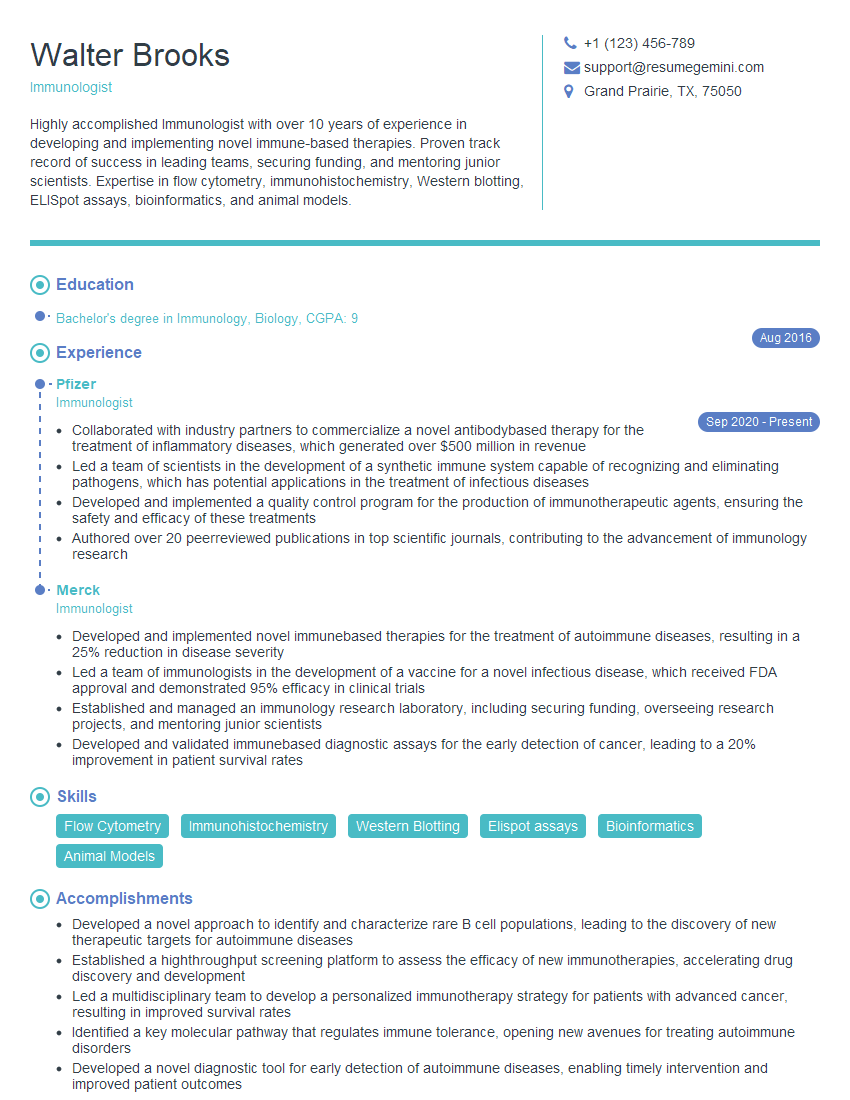
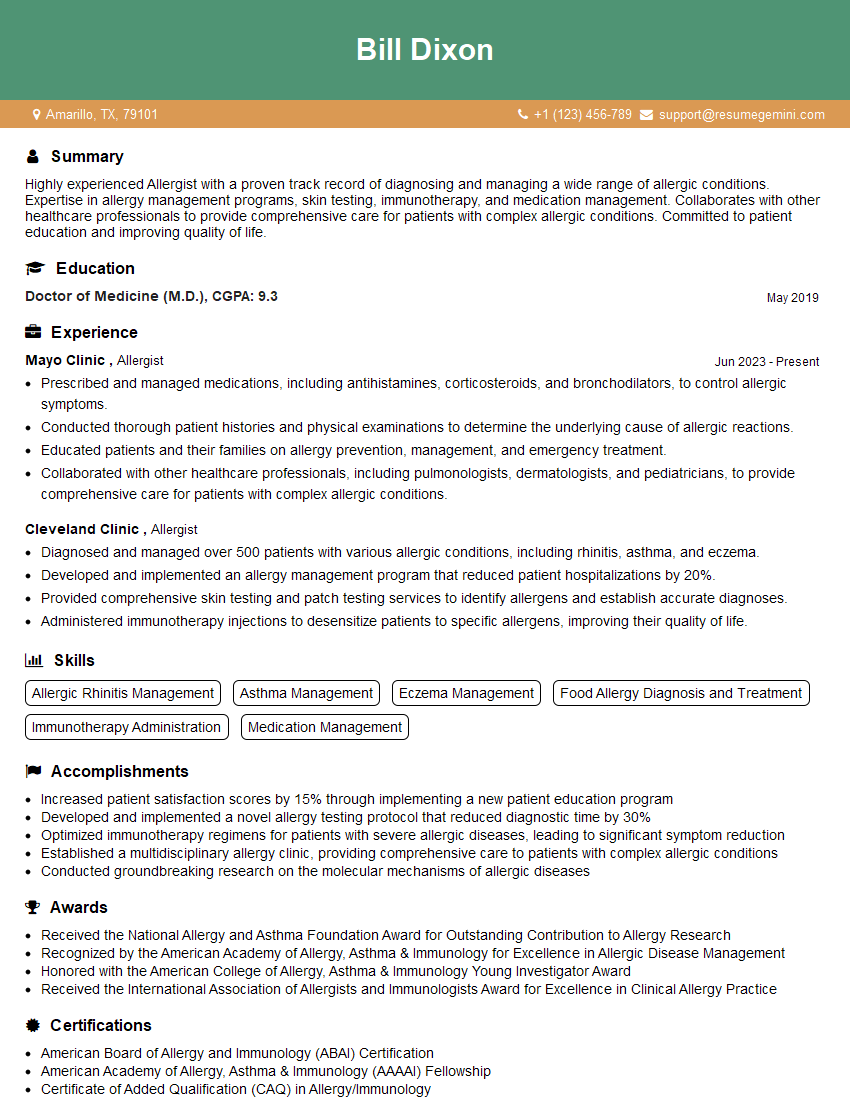
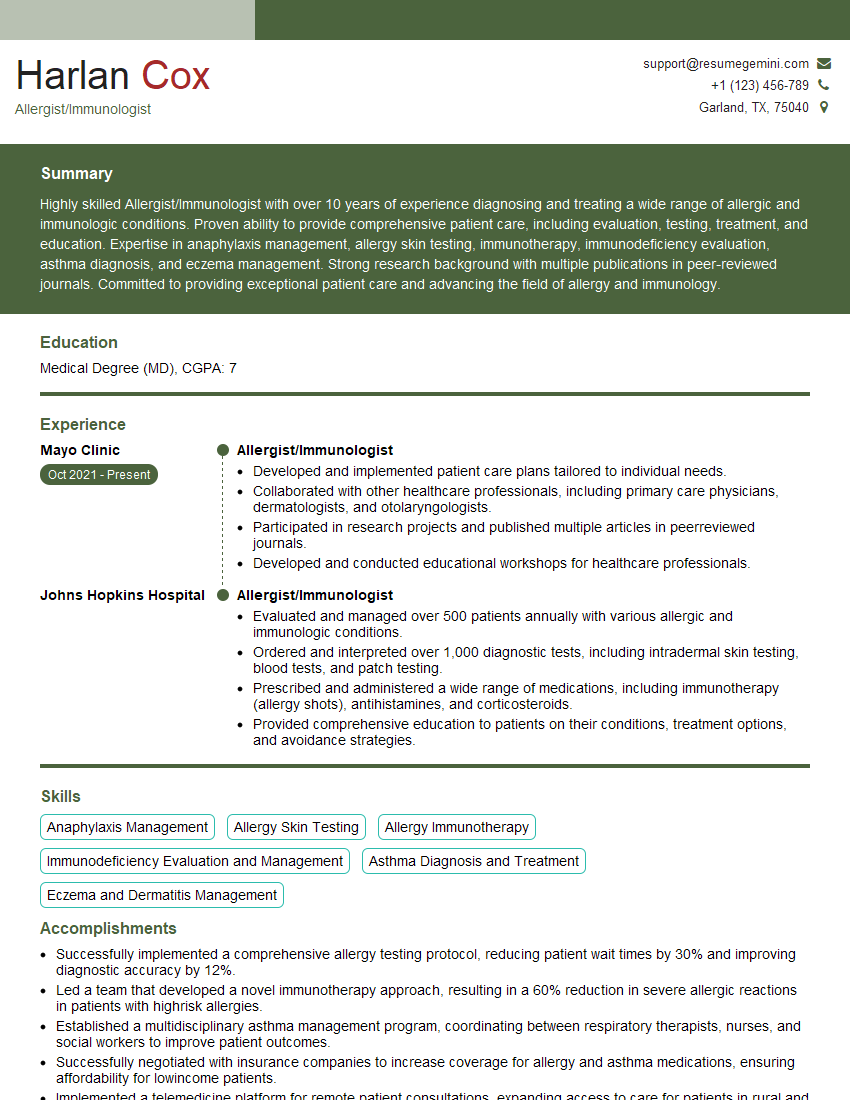
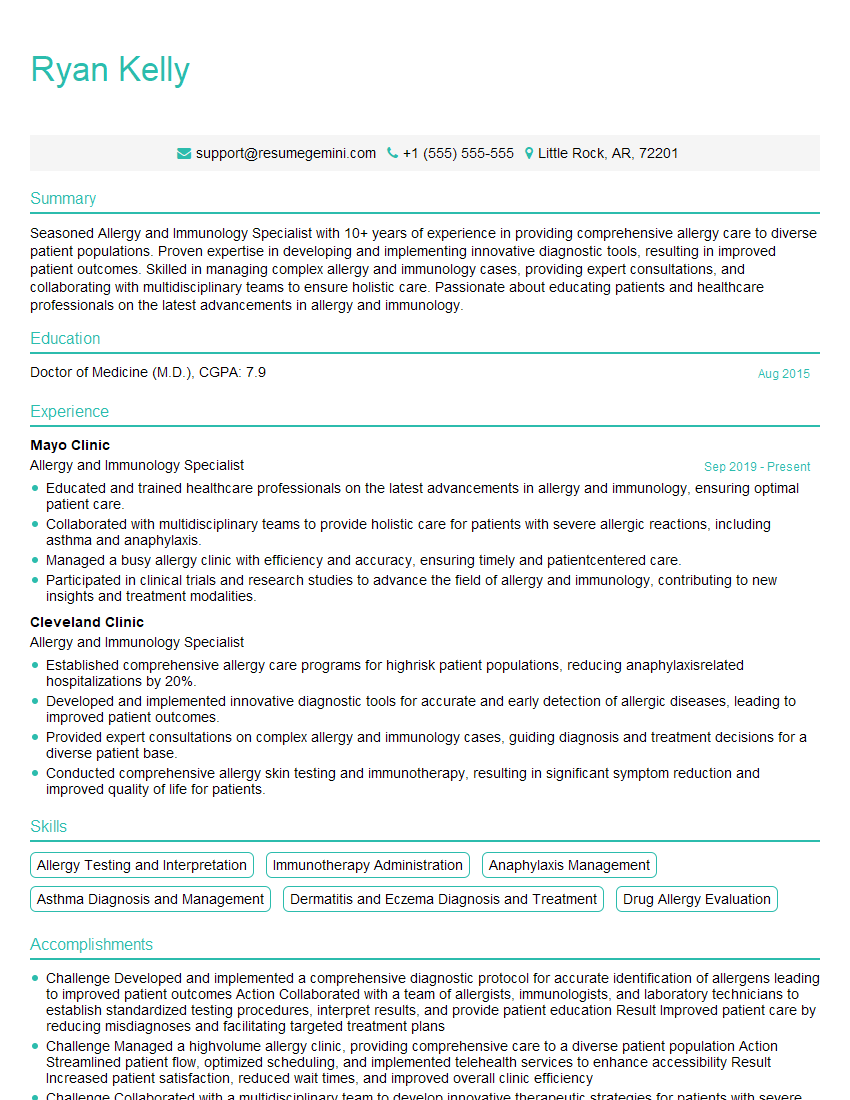
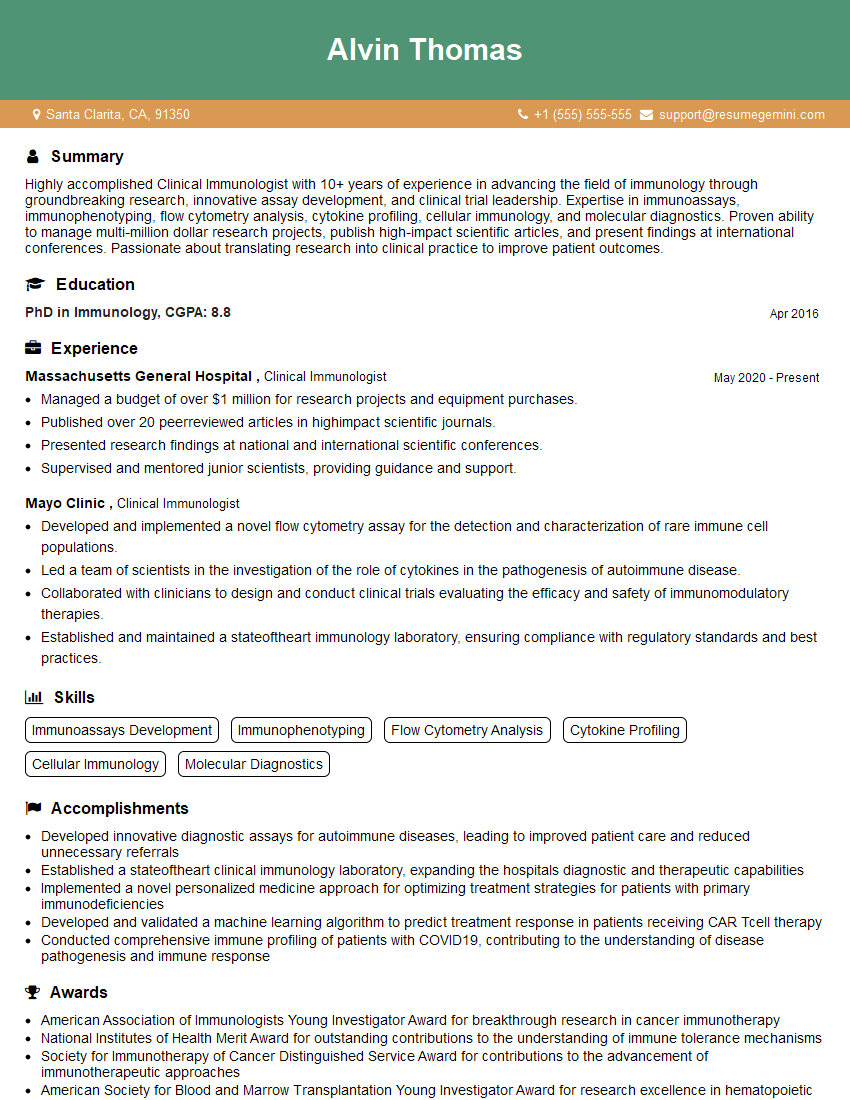
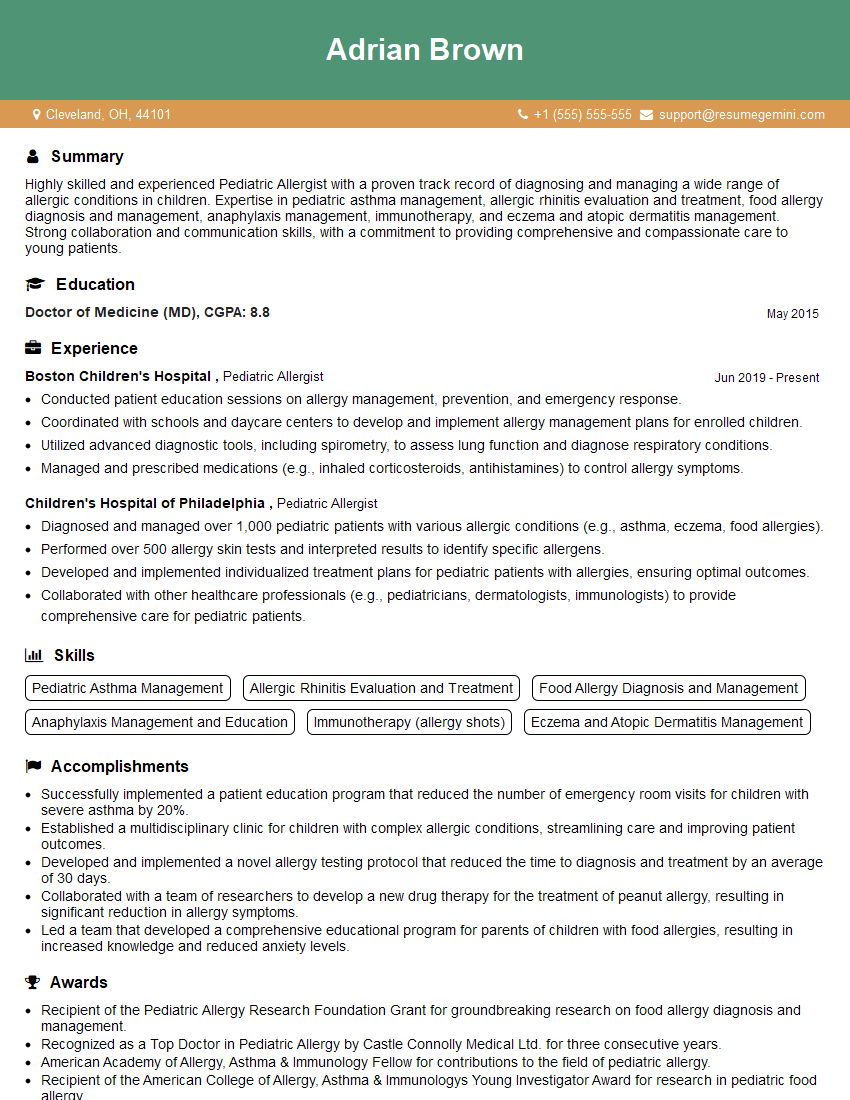
Mastering Insect Allergy Diagnosis and Treatment is crucial for career advancement in this specialized field. A strong understanding of these key concepts will significantly improve your interview performance and open doors to exciting opportunities. To maximize your job prospects, create an ATS-friendly resume that effectively highlights your skills and experience. ResumeGemini is a trusted resource for building professional resumes, and we provide examples tailored specifically to the field of Insect Allergy Diagnosis and Treatment to help you present yourself in the best possible light. Take the next step towards your dream career – craft a compelling resume today!
Explore more articles
Users Rating of Our Blogs
Share Your Experience
We value your feedback! Please rate our content and share your thoughts (optional).
What Readers Say About Our Blog
To the interviewgemini.com Webmaster.
Very helpful and content specific questions to help prepare me for my interview!
Thank you
To the interviewgemini.com Webmaster.
This was kind of a unique content I found around the specialized skills. Very helpful questions and good detailed answers.
Very Helpful blog, thank you Interviewgemini team.