Cracking a skill-specific interview, like one for Diagnostic interviewing and history taking, requires understanding the nuances of the role. In this blog, we present the questions you’re most likely to encounter, along with insights into how to answer them effectively. Let’s ensure you’re ready to make a strong impression.
Questions Asked in Diagnostic interviewing and history taking Interview
Q 1. Describe the key elements of a structured diagnostic interview.
A structured diagnostic interview is a systematic approach to gathering information from a patient, following a pre-defined format to ensure comprehensive data collection and reduce bias. Unlike unstructured interviews, which are more conversational, structured interviews use standardized questions and prompts, often with specific branching pathways depending on the patient’s responses. This ensures all relevant areas are covered and allows for easier comparison between patients.
- Standardized Questionnaires: Many structured interviews utilize validated questionnaires, ensuring consistency and reliability. These questionnaires guide the interviewer through key diagnostic criteria for various disorders.
- Branching Logic: The interview’s flow is often determined by the patient’s answers. For example, a ‘yes’ answer to a question about experiencing significant sadness might lead to more detailed questions about depressive symptoms, while a ‘no’ answer might direct the interview to a different area.
- Rating Scales: Structured interviews frequently incorporate rating scales to quantify the severity of symptoms. This allows for objective measurement and better tracking of symptom change over time. For instance, a scale might rate the intensity of anxiety from 1 (mild) to 10 (severe).
- Diagnostic Algorithms: Some structured interviews incorporate diagnostic algorithms, which use the patient’s responses to generate a probable diagnosis. This aids in clinical decision-making, but it’s crucial to remember that these are probabilistic and require clinical judgment.
For example, the Structured Clinical Interview for DSM-5 (SCID-5) is a widely used structured interview for assessing various mental disorders based on DSM-5 criteria.
Q 2. Explain the difference between open-ended and closed-ended questions in diagnostic interviewing.
Open-ended and closed-ended questions serve different purposes in diagnostic interviewing. The choice depends on the stage of the interview and the information sought.
- Open-ended questions encourage detailed, narrative responses. They are great for beginning the interview, building rapport, and exploring the patient’s perspective. They often start with words like ‘tell me’, ‘describe’, or ‘how’. Example: ‘Can you tell me more about what you’ve been experiencing lately?’
- Closed-ended questions elicit brief, specific answers, often ‘yes’ or ‘no,’ or a choice from a limited set of options. They’re useful for clarifying details, confirming information, and focusing the conversation. Example: ‘Have you experienced any suicidal thoughts?’
Effectively using both question types is essential. Open-ended questions initiate the conversation and uncover the patient’s story, while closed-ended questions help to refine and validate the information obtained.
Q 3. How do you handle patient resistance or reluctance during an interview?
Patient resistance or reluctance is common and often stems from fear, mistrust, shame, or discomfort. Addressing this requires patience, empathy, and skillful communication.
- Empathetic Validation: Acknowledge the patient’s feelings. For instance, ‘It’s understandable that you might feel hesitant to discuss this. It can be difficult to talk about personal matters.’
- Collaboration: Frame the interview as a collaborative process. Emphasize that you’re working together to understand their experiences and improve their well-being.
- Gradual Approach: Start with less sensitive topics to build trust. Don’t push the patient to reveal anything they’re not ready to share.
- Reframing Questions: Rephrase questions to be less confronting. Instead of ‘Why did you do that?’, try ‘Can you help me understand what led up to that event?’
- Offering Choices: Provide options to empower the patient. ‘Would you prefer to talk about this now or come back to it later?’
Sometimes, acknowledging the patient’s resistance directly can be helpful. For example, ‘I notice you seem hesitant to answer that question. Is there something making it difficult for you to talk about it?’
Q 4. What techniques do you use to build rapport with patients?
Building rapport is fundamental to a successful diagnostic interview. It creates a safe and trusting environment where the patient feels comfortable sharing sensitive information.
- Active Listening: Demonstrate attentiveness through verbal and nonverbal cues like maintaining eye contact, nodding, and using encouraging phrases.
- Empathy: Show genuine understanding and concern for the patient’s experiences. Avoid judgmental language or responses.
- Respectful Communication: Use respectful language, address the patient by their preferred name, and maintain appropriate professional boundaries.
- Nonverbal Communication: Be mindful of your body language. Maintain a relaxed posture, avoid crossing your arms, and ensure a comfortable physical distance.
- Shared Understanding: Summarize the patient’s responses periodically to ensure accuracy and demonstrate you’re listening attentively. For example, ‘So, if I understand correctly, you’ve been feeling anxious for the past two weeks, and this has impacted your sleep…’
A simple, genuine approach such as, ‘Thank you for sharing that with me. It takes courage to talk about these things’ can go a long way in building rapport.
Q 5. How do you ensure the accuracy and reliability of information gathered during an interview?
Ensuring accuracy and reliability involves multiple strategies:
- Multiple Data Sources: Don’t rely solely on the patient’s self-report. Whenever possible, corroborate information with other sources, such as medical records, family members (with the patient’s consent), or collateral information.
- Clarification and Verification: Regularly clarify ambiguous statements and verify information by summarizing and paraphrasing the patient’s responses. ‘Just to make sure I understand, you said…is that correct?’
- Structured Interviewing Techniques: Utilizing structured interviews minimizes interviewer bias and ensures consistent questioning across different patients.
- Documentation: Meticulous documentation is crucial. Record all relevant information accurately and objectively, noting any inconsistencies or discrepancies.
- Self-Reflection: Be aware of your own biases and potential influences on the interview process. Regularly reflect on your interactions to identify areas for improvement.
For example, if a patient reports experiencing hallucinations, you might ask follow-up questions to determine their sensory modality, frequency, content, and the context in which they occur. You might also consider reviewing any relevant medical records to check for potential contributing factors.
Q 6. Explain the importance of active listening in diagnostic interviewing.
Active listening is paramount in diagnostic interviewing. It’s more than just hearing words; it involves fully understanding the patient’s message, both verbal and nonverbal.
- Understanding the Patient’s Perspective: Active listening helps understand the patient’s experience from their point of view, avoiding premature judgments or assumptions.
- Identifying Nonverbal Cues: Paying attention to body language, tone of voice, and facial expressions can reveal emotions and information not explicitly stated.
- Building Trust and Rapport: Showing genuine interest in the patient’s story fosters a sense of trust and encourages open communication.
- Gathering Comprehensive Information: Active listening ensures all relevant details are gathered, leading to a more complete and accurate understanding of the patient’s situation.
- Improving Accuracy of Diagnosis: By understanding the nuances of the patient’s narrative, active listening can improve the accuracy of the diagnosis and the formulation of an effective treatment plan.
Imagine a patient describing feelings of sadness. Active listening would involve not only noting the sadness but also exploring its intensity, duration, triggers, and associated symptoms to develop a clearer picture.
Q 7. How do you identify and manage your own biases during an interview?
Identifying and managing personal biases is crucial for objectivity in diagnostic interviewing. We all have inherent biases shaped by our background, experiences, and beliefs. These can unconsciously influence our interactions and interpretations.
- Self-Awareness: Regularly reflect on your own biases. What are your assumptions about different types of people? How might these influence your questions or interpretations of responses?
- Structured Interviewing: Using structured interviews helps minimize bias by providing a consistent framework for questioning.
- Seeking Feedback: Ask colleagues to review your interview techniques and provide feedback on potential biases.
- Cultural Sensitivity Training: Ongoing training can help develop awareness of different cultural perspectives and avoid making assumptions based on cultural background.
- Objective Data Collection: Focus on gathering objective data through observation and structured questioning rather than relying on subjective interpretations.
For example, if I have a preconceived notion about a particular age group or socioeconomic status, I need to be conscious of that bias and actively work to avoid letting it influence my questioning or interpretation of the patient’s responses.
Q 8. Describe your approach to interviewing patients with cognitive impairments.
Interviewing patients with cognitive impairments requires a significantly different approach than interviewing neurologically intact individuals. The key is patience, adaptation, and utilizing alternative methods to gather information. I begin by establishing rapport, understanding their level of cognitive function, and adapting my communication style accordingly. This might involve using simpler language, shorter sentences, and visual aids. I focus on open-ended questions that encourage narrative rather than specific, detailed questioning, which might overwhelm them. For example, instead of asking ‘What were your symptoms on Monday?’, I might ask, ‘Can you tell me about how you’ve been feeling lately?’
I also rely heavily on collateral information from family members or caregivers to fill in gaps in the patient’s recollection. I would carefully document the source of any information obtained from others. It’s also crucial to be aware of potential biases in reported information from family members and to corroborate their accounts whenever possible. Finally, I might use standardized cognitive assessments, such as the Mini-Mental State Examination (MMSE) or the Montreal Cognitive Assessment (MoCA), to objectively measure cognitive function and tailor my interview based on their scores.
For example, if a patient with dementia struggles to recall recent events, I might focus on their longer-term history and rely on family members for recent details. This approach allows me to gather a comprehensive history despite the cognitive limitations.
Q 9. How do you handle sensitive or emotionally charged topics during an interview?
Handling sensitive or emotionally charged topics requires empathy, tact, and a non-judgmental approach. I always start by creating a safe and comfortable environment. I would assure the patient of confidentiality (while explaining appropriate limits) and make it clear that I’m there to listen without interruption, unless necessary for safety or clarity. I use open-ended questions like ‘Can you tell me more about that?’ or ‘What were your thoughts and feelings at that time?’ to encourage them to share at their own pace.
I would actively listen, validating their emotions with statements like, ‘That sounds incredibly difficult’ or ‘I understand why you feel that way’. If the patient becomes overwhelmed, I might suggest taking a short break or returning to the topic later. If necessary, I might normalize their feelings by saying something like, ‘Many people experience similar feelings in this situation’. If the topic is related to abuse or neglect, I am obligated to report it according to legal and ethical guidelines.
For example, when discussing a traumatic event, I wouldn’t pressure the patient to provide details they aren’t ready to share. Instead, I would focus on building trust and allowing them to share information at their own pace. Sometimes, just acknowledging their pain can be therapeutic in itself.
Q 10. Explain your understanding of the DSM-5 or ICD-11 diagnostic criteria.
The DSM-5 (Diagnostic and Statistical Manual of Mental Disorders, 5th Edition) and ICD-11 (International Classification of Diseases, 11th Revision) are the standard diagnostic classification systems for mental and behavioral disorders. They provide a structured framework for identifying and diagnosing mental illnesses. The DSM-5 uses a categorical approach, meaning that disorders are defined by specific diagnostic criteria that must be met. The ICD-11, similarly, provides codes and descriptions for a wide array of conditions but differs slightly in terminology and organization.
My understanding involves applying these criteria systematically during the interview. I use the information gathered— symptoms, signs, duration, course of illness, social and personal history — to determine whether the criteria for a specific diagnosis are met. It’s important to note that these criteria are not absolute; clinical judgment plays a crucial role. For example, I might not rigidly apply all criteria if the patient’s presentation is somewhat atypical but still fits the overall picture. This requires experience and careful interpretation of the individual’s presentation within the broader framework of the diagnostic criteria.
I’m also aware of the limitations of these systems. They’re constantly evolving and may not fully capture the complexity of human experience and mental illness. Comorbidity (co-occurrence of two or more disorders) is common, and a person may meet criteria for multiple diagnoses simultaneously. I also always consider the cultural context, avoiding imposing diagnostic categories inappropriately.
Q 11. How do you document your findings from a diagnostic interview?
Documentation of a diagnostic interview is crucial for ensuring continuity of care, legal protection, and research purposes. My documentation is detailed, accurate, and objective. It includes the date, time, and location of the interview; the patient’s demographic information; and a clear and chronological account of the interview itself. I use precise language to describe the patient’s symptoms, including onset, duration, frequency, severity, and context.
I meticulously document the patient’s responses to open-ended and direct questions. Where I used any assessment tool, I carefully note the scores and any significant findings. I also include a summary of the patient’s history (including medical, psychiatric, social, and family history). Any collateral information obtained from family members or other healthcare providers is carefully documented, including the source of the information. Finally, I state my provisional diagnosis or differential diagnoses (possible diagnoses). This entire process adheres strictly to HIPAA (Health Insurance Portability and Accountability Act) guidelines to protect patient privacy.
For example, I avoid subjective interpretations like ‘the patient appeared anxious’. Instead, I’d state observable behaviors, such as, ‘Patient reported feeling anxious, accompanied by increased heart rate, sweating, and difficulty concentrating’. This ensures clarity and reduces ambiguity.
Q 12. What are the ethical considerations involved in diagnostic interviewing?
Ethical considerations are paramount in diagnostic interviewing. Respect for patient autonomy is central: patients have the right to refuse an interview or any part of it, and they have the right to access their records. Confidentiality is crucial, with appropriate limits as per the law (e.g., mandatory reporting of child abuse). I adhere to professional ethical codes, ensuring I act in the patient’s best interests and avoiding any conflict of interest. Informed consent is essential; patients must understand the purpose of the interview, what information will be collected, and how it will be used. I always maintain professional boundaries, avoiding any dual relationships that might compromise the patient’s trust or the integrity of the interview process.
For example, I might need to break confidentiality in situations involving risk of harm to self or others. In such cases, appropriate legal procedures are followed. I also avoid imposing my personal beliefs or biases on the patient, providing a neutral and supportive environment for them to express themselves freely. Cultural competence is also essential. I strive to understand and respect cultural differences that may influence the patient’s beliefs about mental health and illness, ensuring the interview process is respectful and culturally sensitive.
Q 13. Describe your experience with different interviewing techniques (e.g., motivational interviewing).
My experience encompasses various interviewing techniques. The traditional structured interview allows for systematic assessment and minimizes bias, ensuring that I cover all relevant areas in a consistent manner. The unstructured interview, which allows more flexibility and patient-led conversation, is particularly useful in building rapport and understanding the patient’s unique perspective. However, it may be less reliable in terms of standardized data collection. I also use semi-structured interviews, combining elements of both approaches.
Motivational interviewing (MI) is a patient-centered, directive counseling style that helps patients explore and resolve ambivalence about change. In MI, I avoid confrontation and work collaboratively with the patient to identify their own goals and develop strategies for achieving them. It’s highly effective in addressing issues such as substance abuse and behavioral problems. For example, with a patient struggling with alcohol dependence, I would use reflective listening and open-ended questions to understand their ambivalence about quitting, helping them explore the benefits and drawbacks of change, while empowering them to make their own decisions. Other techniques I’ve employed include the use of standardized rating scales to assess the severity of symptoms and the use of cognitive behavioral therapy (CBT) techniques to identify and modify maladaptive thoughts and behaviors.
Q 14. How do you differentiate between symptoms and signs in your assessment?
Differentiating between symptoms and signs is crucial for accurate diagnosis. Symptoms are subjective experiences reported by the patient; they are what the patient feels or perceives. Signs, on the other hand, are objective observations made by the clinician during the examination; they are what the clinician sees, hears, or measures.
For example, a patient reporting feeling depressed (sadness, loss of interest, sleep disturbances) is describing symptoms. However, if the clinician observes a flat affect (lack of emotional expression) or psychomotor retardation (slowed movements), these are signs. Both symptoms and signs are critical for forming a comprehensive clinical picture. Symptoms provide insight into the patient’s subjective experience, whereas signs allow for objective verification and can offer additional information not readily available through self-report. Together, they form a more complete picture to guide diagnosis and treatment planning. Ignoring either could lead to an incomplete or inaccurate assessment.
Q 15. Explain the importance of cultural sensitivity in diagnostic interviewing.
Cultural sensitivity is paramount in diagnostic interviewing because individuals’ experiences, beliefs, and expressions of illness are deeply shaped by their cultural background. Ignoring cultural factors can lead to misinterpretations of symptoms, inaccurate diagnoses, and ineffective treatment plans. For example, a patient from a culture that values stoicism might not readily express pain, leading a clinician to underestimate its severity if cultural nuances aren’t considered. A culturally sensitive approach involves understanding how cultural factors influence communication styles, symptom presentation, help-seeking behaviors, and even the patient’s relationship with the healthcare system. It requires actively listening to understand the patient’s perspective within their cultural context, using interpreters when necessary, and being mindful of potential biases.
Practical Application: Imagine interviewing a patient from a collectivist culture. They may hesitate to share personal information without consulting family members. A culturally sensitive interviewer would adapt their approach to involve the family appropriately while still respecting the patient’s autonomy. Conversely, a patient from an individualistic culture might be more comfortable discussing sensitive information directly with the clinician.
Career Expert Tips:
- Ace those interviews! Prepare effectively by reviewing the Top 50 Most Common Interview Questions on ResumeGemini.
- Navigate your job search with confidence! Explore a wide range of Career Tips on ResumeGemini. Learn about common challenges and recommendations to overcome them.
- Craft the perfect resume! Master the Art of Resume Writing with ResumeGemini’s guide. Showcase your unique qualifications and achievements effectively.
- Don’t miss out on holiday savings! Build your dream resume with ResumeGemini’s ATS optimized templates.
Q 16. How do you assess a patient’s reliability as an informant?
Assessing a patient’s reliability involves a multifaceted approach that goes beyond simply observing their demeanor. It requires careful consideration of several factors. First, I assess the consistency of their narrative across different parts of the interview. Do their descriptions of symptoms align over time? Are there inconsistencies in their accounts of events? Second, I look for corroborating evidence from other sources, such as family members, medical records, or collateral informants. Third, I consider the patient’s cognitive state. Are they alert, oriented, and capable of providing accurate information? Factors like substance use, memory impairment, or severe mental illness could affect reliability. Finally, I observe the patient’s overall presentation. Are they truthful and forthcoming, or are there signs of deception or minimization of symptoms?
Example: If a patient gives conflicting accounts of a traumatic event, I would delve deeper into the discrepancies, while also exploring if other factors, like trauma-related amnesia, might be contributing.
Q 17. How do you handle discrepancies in information obtained from different sources?
Discrepancies between information from different sources require careful investigation and a non-judgmental approach. My first step is to gather all the available information from each source. Then, I assess the credibility and potential biases of each informant. For instance, a family member might be overly protective or might have a personal agenda. I then try to find common ground and areas of agreement between the different accounts. Often, the discrepancies themselves offer valuable clues. Are they about minor details, or are they significant contradictions about core symptoms or events? I would actively seek clarification by respectfully addressing the differences with each informant directly, while always maintaining confidentiality. When discrepancies remain, I carefully document all sources of information, acknowledging the inconsistencies and explaining how they were addressed in my assessment.
Example: A patient reports feeling depressed, while their spouse states the patient is functioning normally. I would explore possible reasons for this discrepancy: Is the patient minimizing their symptoms? Does the spouse lack understanding of depression? Are there different interpretations of “normal functioning”? Further investigation and open communication are key.
Q 18. What are some common pitfalls to avoid in diagnostic interviewing?
Several common pitfalls can compromise the accuracy and effectiveness of diagnostic interviewing. One significant pitfall is confirmation bias – the tendency to seek out information that confirms pre-existing beliefs and disregard contradictory evidence. Another is leading questions, which inadvertently steer the patient towards specific answers. Interrupting the patient disrupts the flow of information and can prevent the clinician from gaining a complete understanding of the situation. Jumping to conclusions based on limited information can result in premature diagnoses. Finally, failing to establish rapport can hinder the patient’s willingness to disclose important information. Good interviewers actively work to mitigate these biases, asking open-ended questions, actively listening, and maintaining a non-judgmental stance throughout the interview.
Q 19. How do you prioritize information gathered during a complex interview?
Prioritizing information in a complex interview involves a structured approach. I first identify the presenting problem or chief complaint. This serves as the anchor for all subsequent questioning. Next, I gather information relevant to the patient’s history of similar symptoms, any relevant past medical, surgical, psychological, or family history, and current medications and social factors. This information often helps explain the presenting complaint or suggests other potential diagnoses. I then systematically explore each area using a combination of open-ended and focused questions. Red flags, such as significant inconsistencies, alarming symptoms, or serious risk factors, are prioritized. Any potential for immediate harm (e.g., suicidal ideation) takes precedence over other information, requiring immediate attention and intervention.
Example: If a patient presents with chest pain, the initial focus is on characterizing the pain (location, quality, onset, duration, radiation, associated symptoms), as this is crucial to differentiating between life-threatening and less serious conditions.
Q 20. How do you tailor your interviewing style to different patient populations?
Adapting interviewing style to different patient populations requires sensitivity and flexibility. For children, the interview might involve play therapy or using simpler language. With adolescents, it’s crucial to establish trust and respect their autonomy, allowing for candid conversations in a private setting. Elderly patients may require more time and patience due to potential cognitive or physical limitations. Cultural background, as discussed earlier, dictates the level of involvement of family members, appropriate communication styles (direct vs. indirect), and potentially the need for an interpreter. Individuals with cognitive impairments might need frequent prompts, simplified questions, and adapted assessment tools. In each case, I strive to establish rapport by tailoring my approach to the individual’s needs and communication style, using clear, empathetic, and culturally sensitive communication.
Q 21. Describe your experience with using standardized diagnostic instruments.
I have extensive experience using standardized diagnostic instruments, including the Structured Clinical Interview for DSM-5 (SCID) and the Beck Depression Inventory (BDI). The SCID is a valuable tool for establishing diagnostic criteria for mental disorders, providing a structured framework for collecting information systematically and reliably. It helps minimize biases inherent in unstructured interviews. The BDI is a self-report instrument assessing the severity of depression symptoms. Using these tools has improved my diagnostic accuracy and consistency. However, I understand that these instruments are best utilized in conjunction with clinical judgment and a thorough clinical interview. The structured interview provides a framework, but the human element of rapport-building and understanding the individual’s narrative remains essential for a comprehensive assessment.
Q 22. How do you incorporate information from collateral sources into your assessment?
Incorporating information from collateral sources, such as family members, medical records, or previous therapists, is crucial for a comprehensive assessment. It provides valuable context that the patient might not be able to offer themselves, either due to cognitive impairment, emotional distress, or simply a lack of awareness. However, it’s vital to obtain informed consent from the patient whenever possible, explaining the purpose of gathering this information and respecting their privacy.
- Process: I start by clearly explaining to the patient that I will be speaking with others involved in their care to gain a broader perspective. I obtain their permission. Then, I carefully document all information obtained from collateral sources, noting the source and the specific information received. I always compare this information with the patient’s own account, noting any discrepancies and attempting to resolve them through further questioning.
- Example: A patient presents with symptoms of depression. Their spouse reports significant changes in sleep patterns and appetite, information the patient had not volunteered. This collateral information helps paint a more complete picture and strengthens the diagnostic impression.
- Ethical Considerations: Maintaining confidentiality is paramount. I always adhere to HIPAA regulations and only share information on a need-to-know basis with relevant healthcare professionals.
Q 23. How do you use nonverbal cues to enhance your understanding during an interview?
Nonverbal cues are invaluable in diagnostic interviewing, often revealing more than spoken words. They provide insights into a patient’s emotional state, credibility, and overall presentation. I actively observe body language, facial expressions, tone of voice, and eye contact to enhance my understanding.
- Body Language: Restlessness, fidgeting, or avoidance of eye contact might suggest anxiety or discomfort. Conversely, relaxed posture and open body language might indicate comfort and openness.
- Facial Expressions: Subtle changes in facial expression, like a fleeting look of sadness or anger, can be highly informative. I pay attention to microexpressions to detect inconsistencies between verbal and nonverbal communication.
- Tone of Voice: The tone of voice can often contradict verbal content. A hesitant or shaky voice might suggest uncertainty or fear, even if the words express confidence.
- Example: A patient describes their anxiety as ‘mild,’ but they’re visibly trembling, avoiding eye contact, and speaking in a rapid, high-pitched tone. The nonverbal cues suggest a higher level of anxiety than the patient is verbalizing.
By integrating nonverbal cues with verbal information, I gain a holistic understanding of the patient’s situation.
Q 24. How do you manage interruptions during an interview?
Interruptions are inevitable in clinical settings. Managing them effectively requires tact and diplomacy. My approach is to acknowledge the interruption briefly, then gently guide the conversation back to the patient.
- Strategies: If the interruption is urgent (e.g., a medical emergency), I’ll pause the interview, addressing the urgent matter before returning to the patient. For less urgent interruptions (e.g., a phone call), I might politely ask the person to call back later. If possible, I explain to the patient why there’s been an interruption and reassure them that we’ll continue.
- Example: If a colleague interrupts to ask a quick question during an interview, I might say, ‘Excuse me, I’ll be with you in just a moment. I’m currently speaking with a patient.’ I’ll then briefly address the colleague’s request and return to the patient, explaining, ‘I apologize for the interruption. Let’s continue where we left off.’
- Maintaining Focus: After an interruption, I actively re-establish rapport with the patient to regain their trust and continue the interview smoothly.
Q 25. Describe your experience with conducting interviews in different settings (e.g., inpatient, outpatient).
My experience encompasses diverse settings, each presenting unique challenges and opportunities. Inpatient settings often involve time constraints and a focus on immediate needs, while outpatient settings allow for more in-depth explorations.
- Inpatient Settings: Interviews are often shorter and more focused on immediate concerns like safety and symptom management. Collaboration with other members of the healthcare team is crucial. The environment is frequently more distracting, requiring greater concentration and adaptability.
- Outpatient Settings: These settings generally provide more time and flexibility. I can conduct more extensive interviews, explore the patient’s history in greater detail, and delve into nuanced aspects of their experiences. I have more control over the environment and minimize distractions.
- Example: In an inpatient setting, I may prioritize assessing suicidal ideation or risk of self-harm. In an outpatient setting, I can explore the patient’s childhood experiences and their impact on current functioning.
Regardless of setting, I maintain a consistent approach: establishing rapport, creating a safe space, actively listening, and using appropriate interviewing techniques.
Q 26. How do you maintain confidentiality during and after an interview?
Confidentiality is paramount in my practice. I strictly adhere to HIPAA regulations and other relevant privacy laws. This includes protecting patient information during the interview and after its completion.
- During the Interview: I conduct interviews in private settings, ensuring no unauthorized individuals can overhear the conversation. I avoid discussing the patient’s information in public areas or with unrelated individuals.
- After the Interview: All patient information, including notes and recordings, is securely stored in accordance with HIPAA guidelines. I use password-protected electronic systems and lock physical files. I only share information with other healthcare professionals on a need-to-know basis, obtaining the patient’s consent whenever possible.
- Example: I would never discuss a patient’s case with a friend or family member, even if it’s outside of a clinical setting. All electronic communications concerning patients are encrypted and sent only through secure channels.
My commitment to confidentiality fosters trust and encourages open communication with patients.
Q 27. How do you ensure the patient understands the purpose of the interview?
It’s essential to ensure patients understand the purpose of the interview from the outset. This promotes collaboration and trust.
- Clear Explanation: I begin by introducing myself and explaining my role. I then clearly state the purpose of the interview, outlining what information I need and how it will be used. I use plain language, avoiding jargon. I ensure the patient understands that they can ask questions at any time.
- Addressing Concerns: I acknowledge any apprehension the patient may have and address their concerns honestly. I reassure them that the information they share will be treated confidentially and used responsibly.
- Example: ‘Hi [Patient Name], I’m [Your Name], and I’m a [Your Title]. Today’s interview is to understand your symptoms better so that we can create a treatment plan that’s right for you. This will involve discussing your medical history, current symptoms, and lifestyle. Is there anything you’d like to ask before we begin?’
By clearly explaining the purpose of the interview, I build a foundation of trust and facilitate a productive exchange of information.
Q 28. How do you deal with a patient who is providing inconsistent information?
Inconsistencies in patient information are common and often reflect various factors, including memory lapses, anxiety, or deliberate attempts to conceal information. My approach is to explore these discrepancies gently and respectfully.
- Non-confrontational Approach: I avoid accusatory language. I might use phrases like, ‘I’ve noticed a slight difference in your accounts of [event]. Could you help me understand this?’
- Explore Possible Explanations: I explore potential reasons for the inconsistencies. Perhaps the patient is struggling to remember details, feels ashamed or embarrassed to reveal certain information, or is intentionally withholding information.
- Clarifying Questions: I use open-ended questions to encourage the patient to elaborate. I might ask, ‘Can you tell me more about [specific event or detail]?’
- Documenting Discrepancies: I carefully document all information, including any inconsistencies. I note the context and any possible explanations.
- Example: A patient initially denies any history of trauma but later reveals details of childhood abuse. Instead of confronting them directly, I might say, ‘I understand that it’s difficult to discuss these matters, and I appreciate your willingness to share this information.’
By handling inconsistencies with sensitivity and understanding, I aim to build trust and encourage the patient to provide more accurate and complete information.
Key Topics to Learn for Diagnostic Interviewing and History Taking Interviews
- The Patient Interview: Structure and Approach: Mastering the art of structuring a patient interview, from opening the conversation to a thoughtful conclusion, ensuring all crucial information is gathered effectively and efficiently.
- Active Listening and Empathetic Communication: Developing strong active listening skills to fully understand patient concerns, using verbal and nonverbal cues to build rapport and elicit detailed information while demonstrating empathy and understanding.
- Open-Ended and Focused Questions: Learning to strategically employ both open-ended questions to encourage narrative and focused questions to clarify specific details, thereby gathering a complete and accurate history.
- Nonverbal Communication and Observation: Recognizing the significance of nonverbal cues – body language, facial expressions, tone of voice – and integrating observations into the diagnostic process. Understanding how these can complement or contradict verbal information.
- Differential Diagnosis and Hypothesis Formulation: Developing the ability to formulate potential diagnoses based on the information gathered during the interview, considering various possibilities and prioritizing based on probability and severity.
- Documentation and Record Keeping: Understanding the importance of meticulous and accurate documentation, following established medical record-keeping protocols to ensure clarity, completeness, and legal compliance.
- Ethical Considerations and Patient Confidentiality: Maintaining patient confidentiality and adhering to professional ethical standards throughout the interview process, ensuring a safe and respectful environment for patients to share sensitive information.
- Managing Difficult Conversations and Challenging Patients: Developing strategies for effectively handling challenging patients, maintaining composure and professionalism, while still gathering crucial information in a respectful and productive manner.
- Integrating Physical Examination Findings: Understanding how information gathered from the patient interview complements and informs the physical examination, leading to a more comprehensive and accurate diagnosis.
Next Steps
Mastering diagnostic interviewing and history taking is crucial for career advancement in healthcare. Proficiency in this area demonstrates strong clinical skills and enhances patient care. To increase your chances of securing your dream role, building a strong, ATS-friendly resume is essential. ResumeGemini is a trusted resource that can help you craft a compelling resume showcasing your skills and experience. ResumeGemini offers examples of resumes tailored to Diagnostic Interviewing and History Taking roles to help guide you. Take the next step towards your ideal career today!
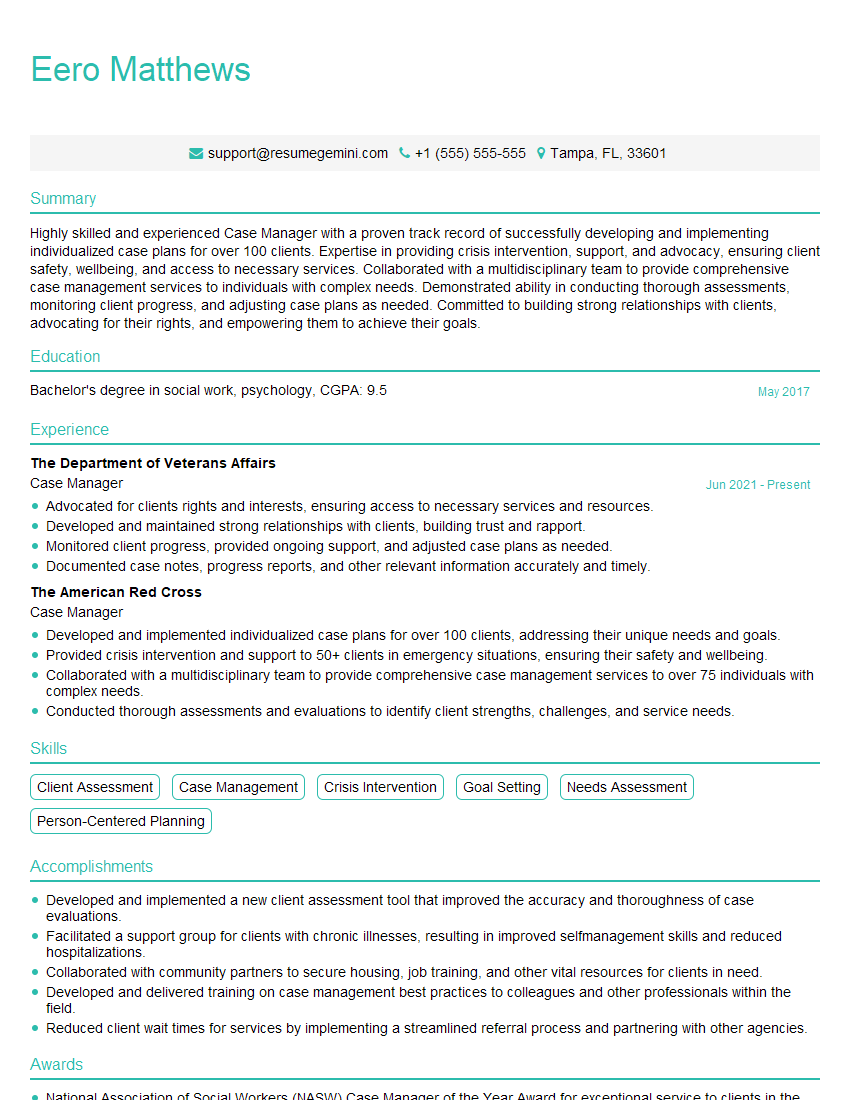
Case Manager Resume Sample
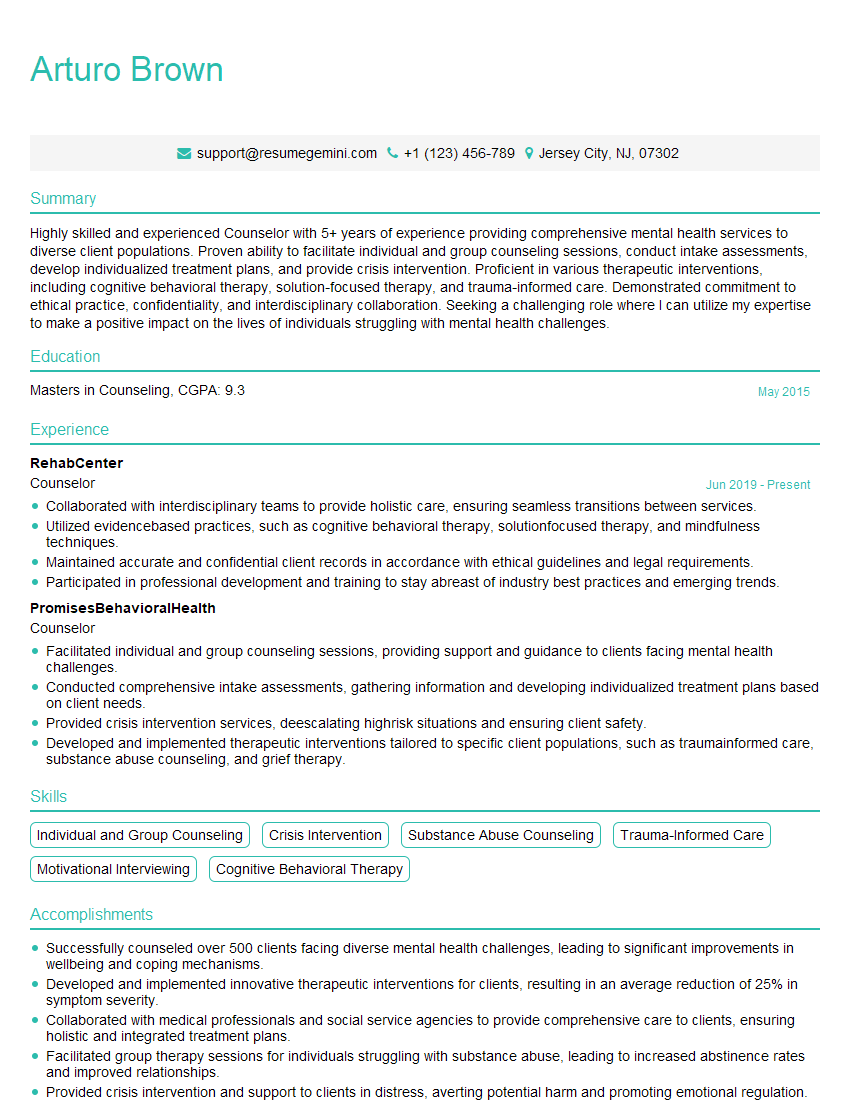
Counselor Resume Sample
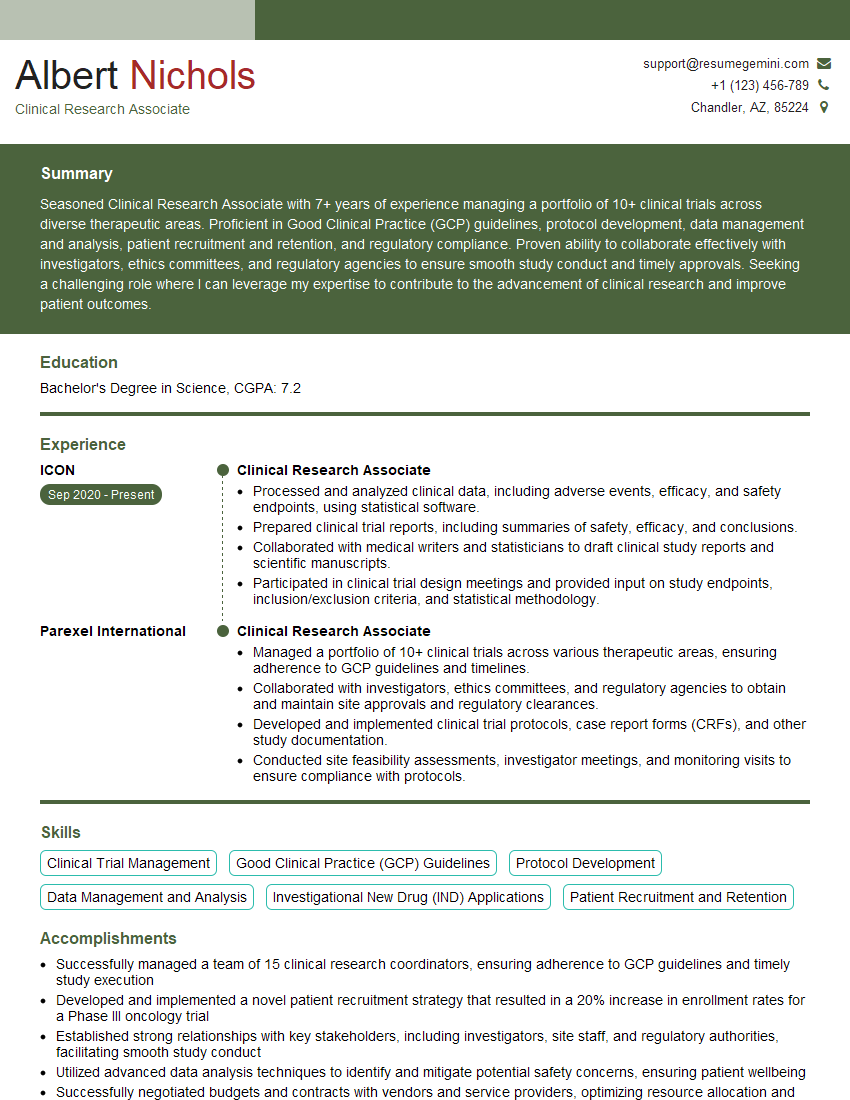
Clinical Research Associate Resume Sample
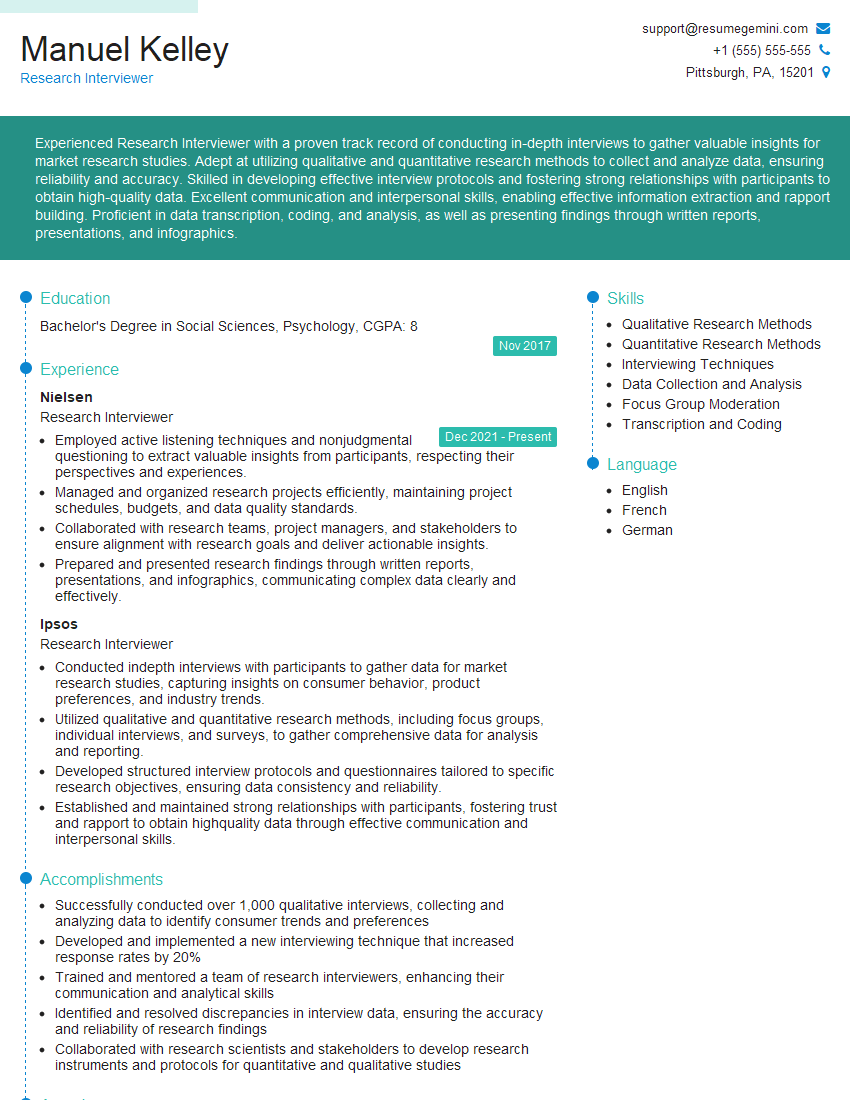
Research Interviewer Resume Sample
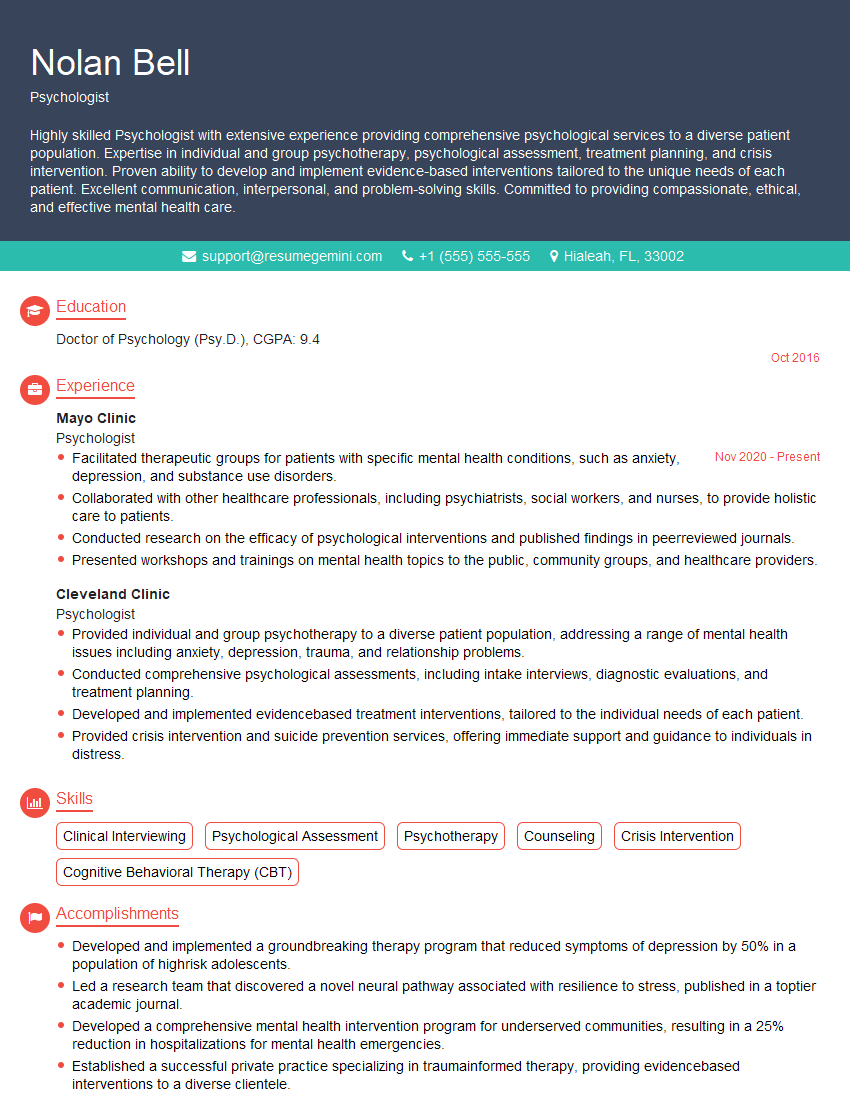
Psychologist Resume Sample
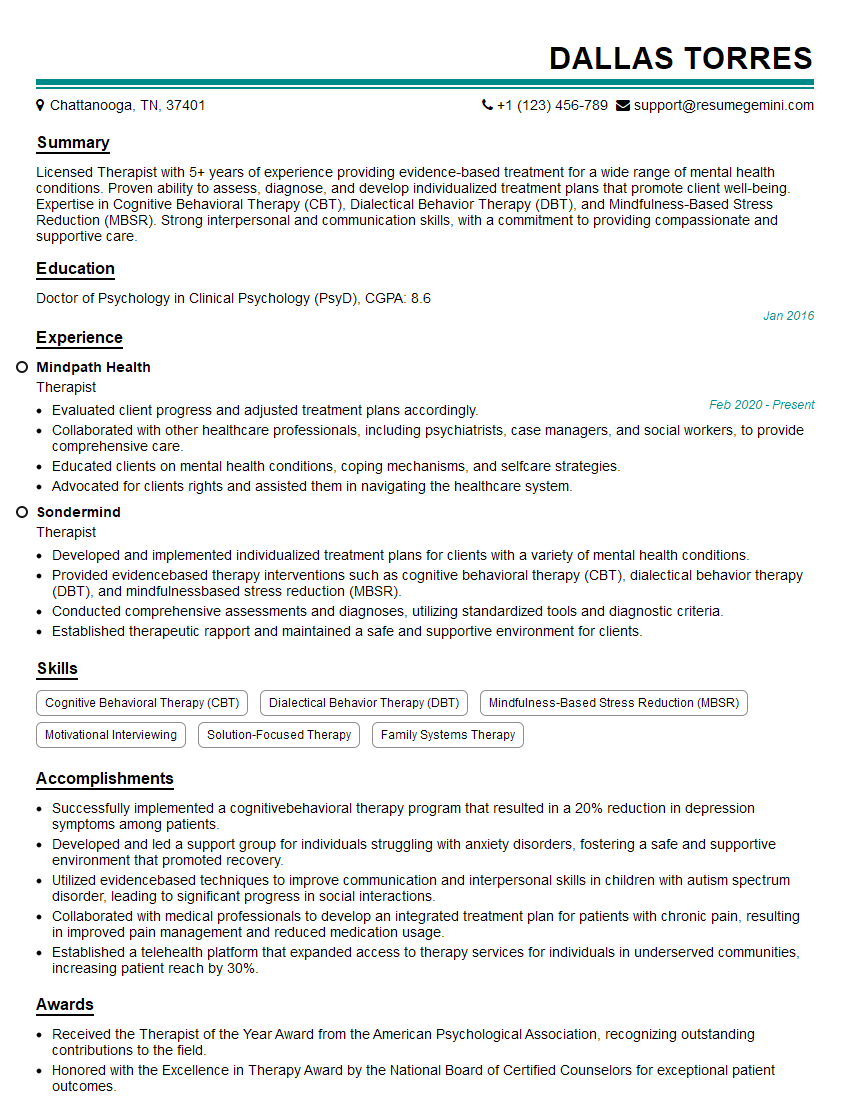
Therapist Resume Sample
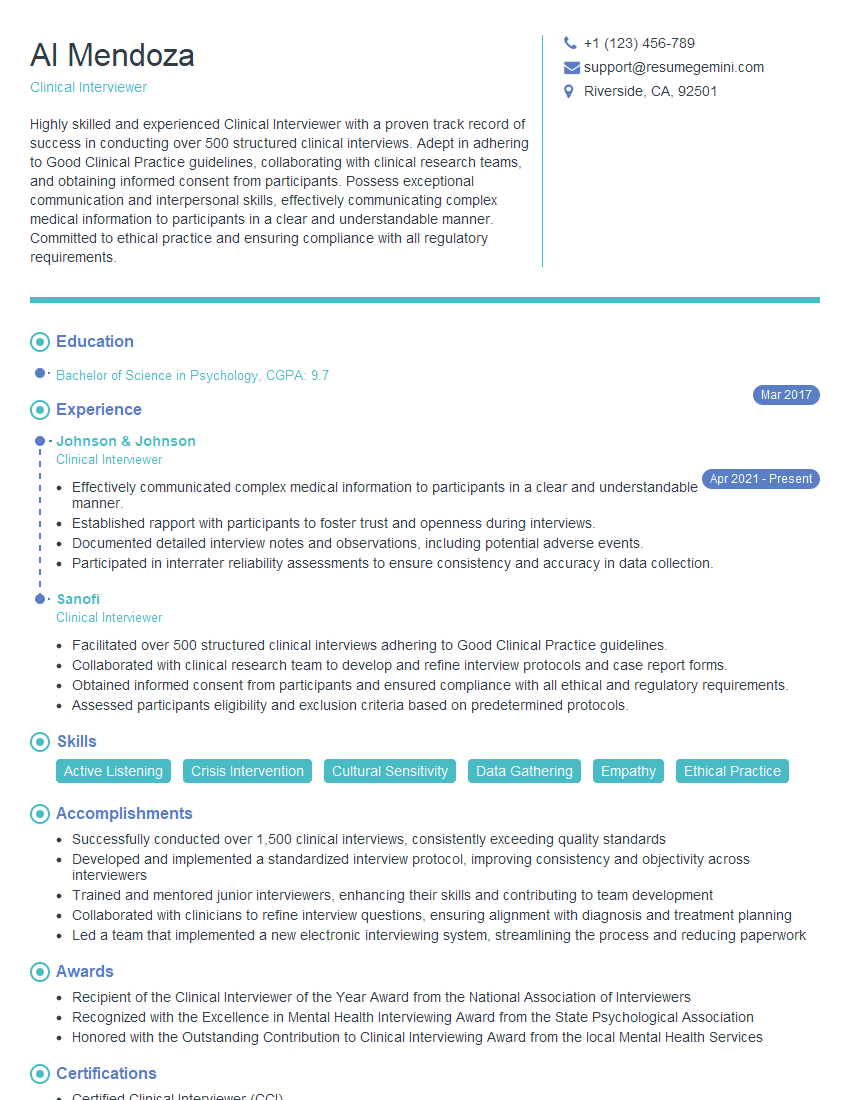
Clinical Interviewer Resume Sample
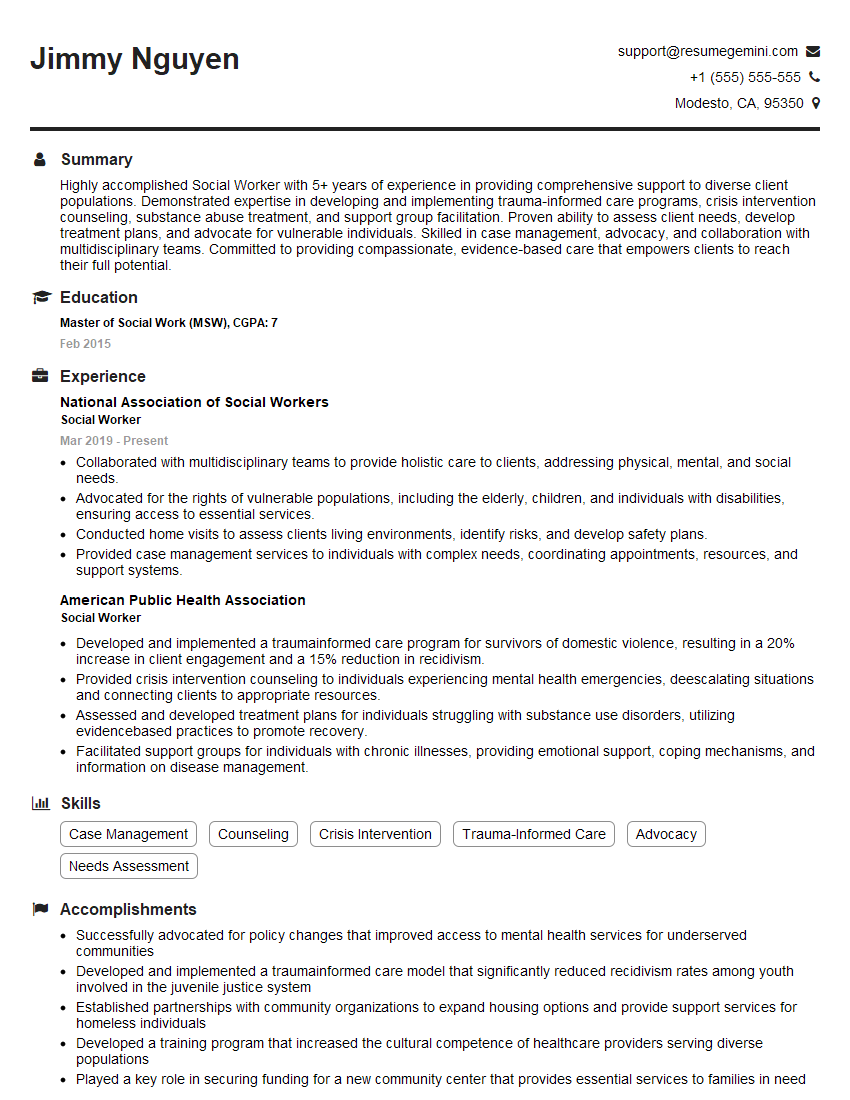
Social Worker Resume Sample
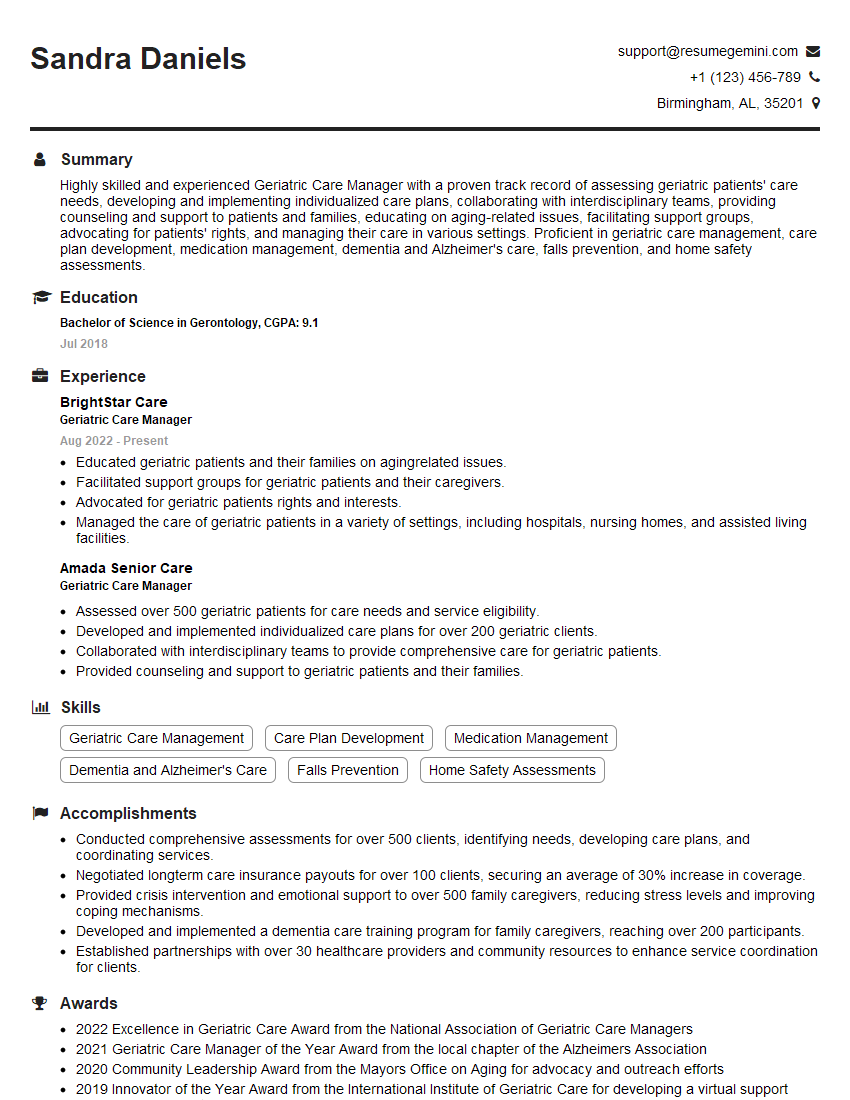
Geriatric Care Manager Resume Sample
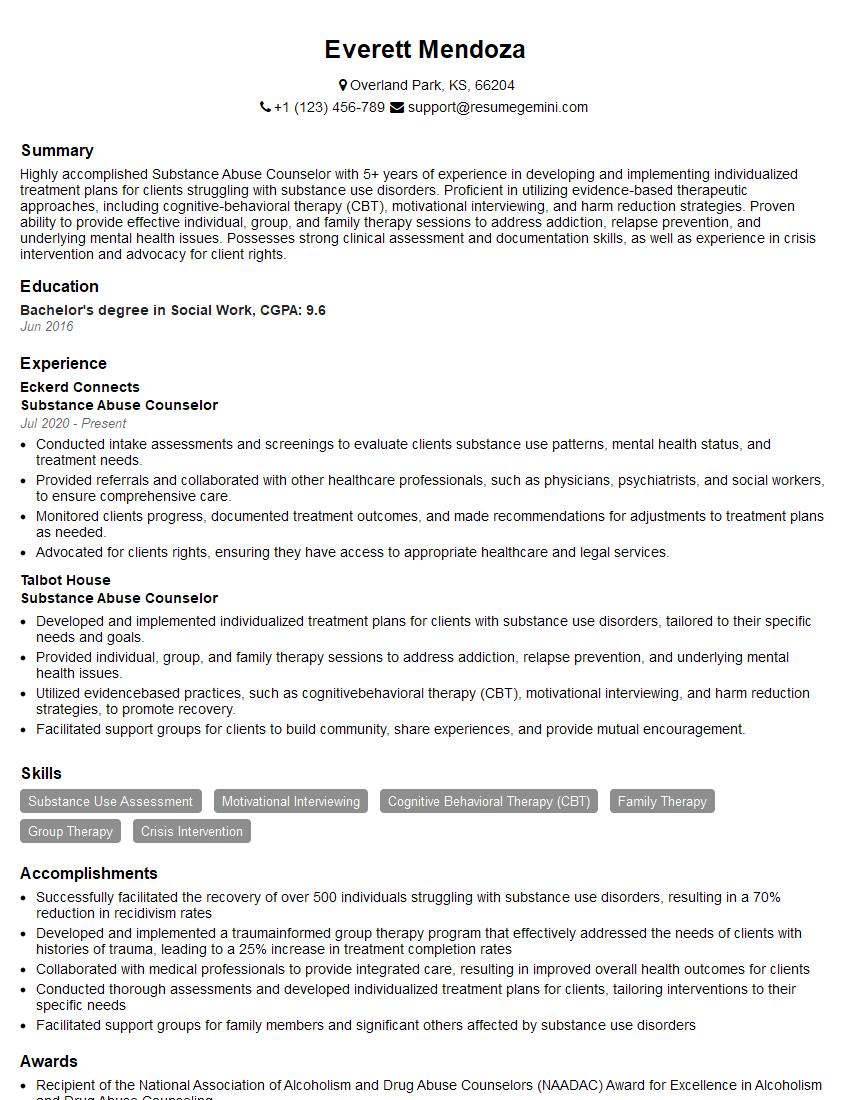
Substance Abuse Counselor Resume Sample
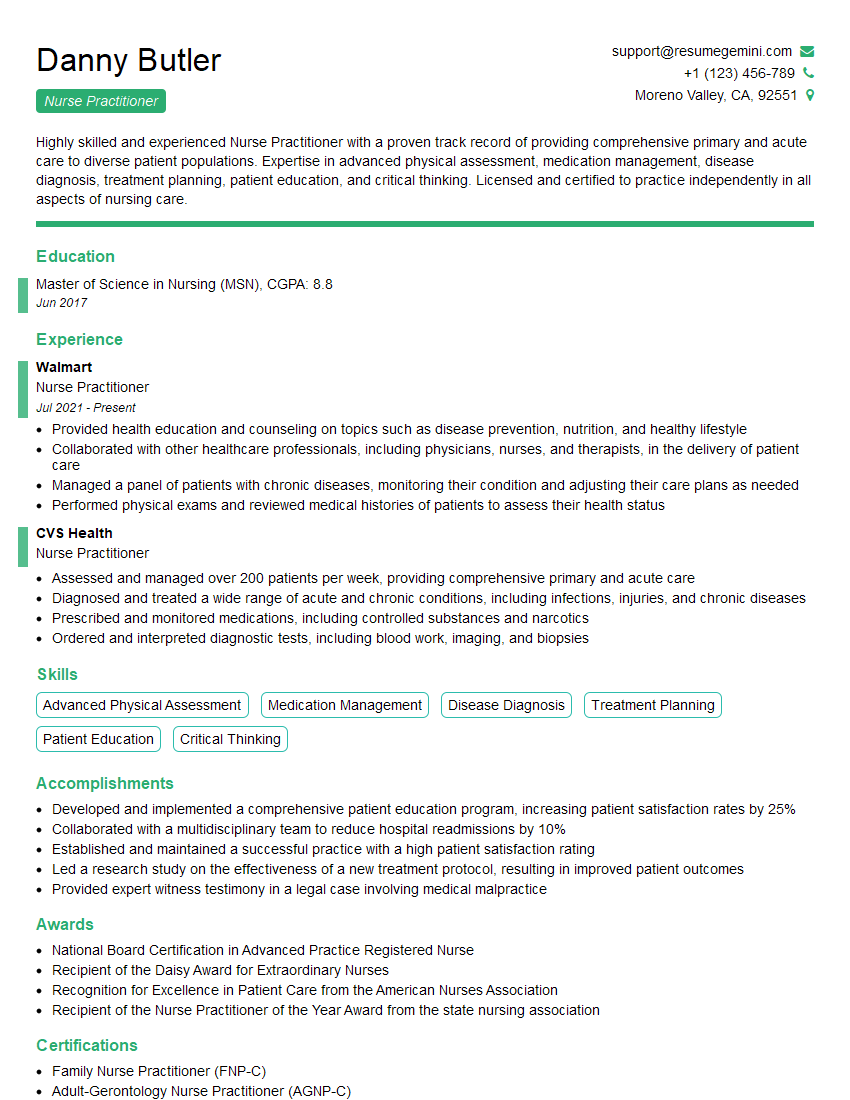
Nurse Practitioner Resume Sample

Physician Assistant Resume Sample
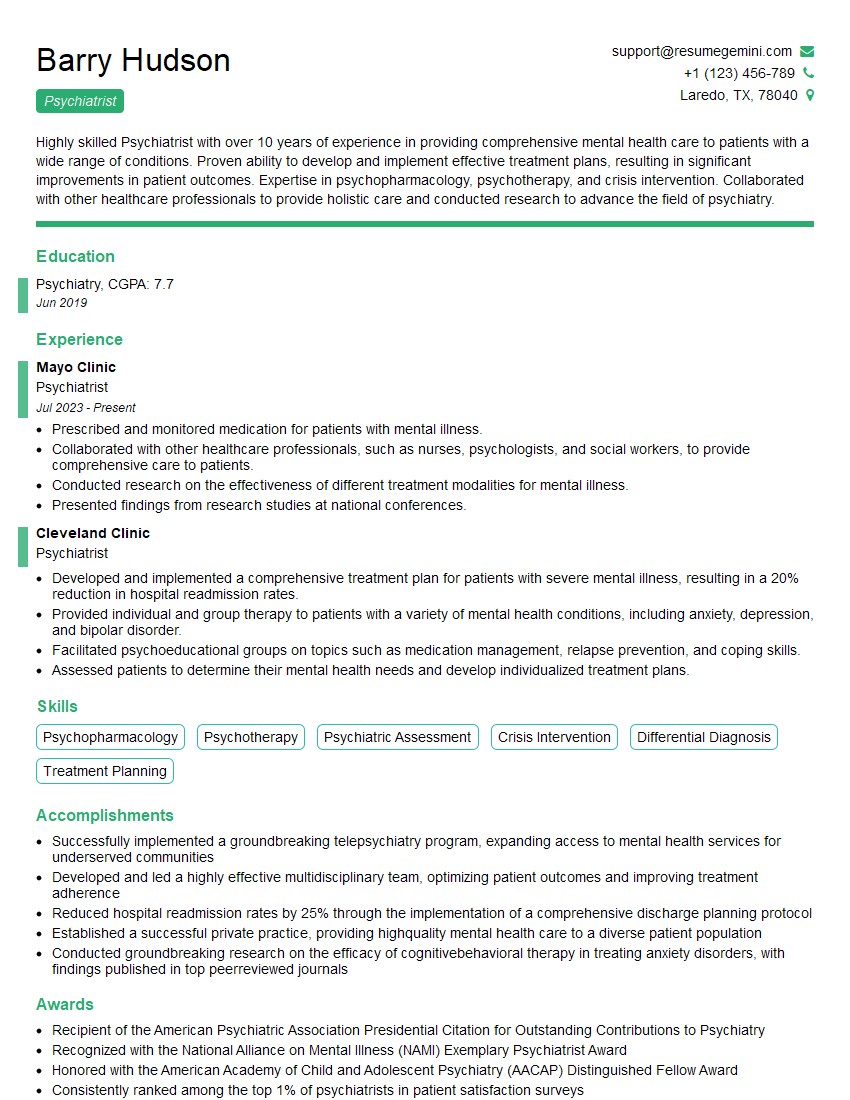
Psychiatrist Resume Sample
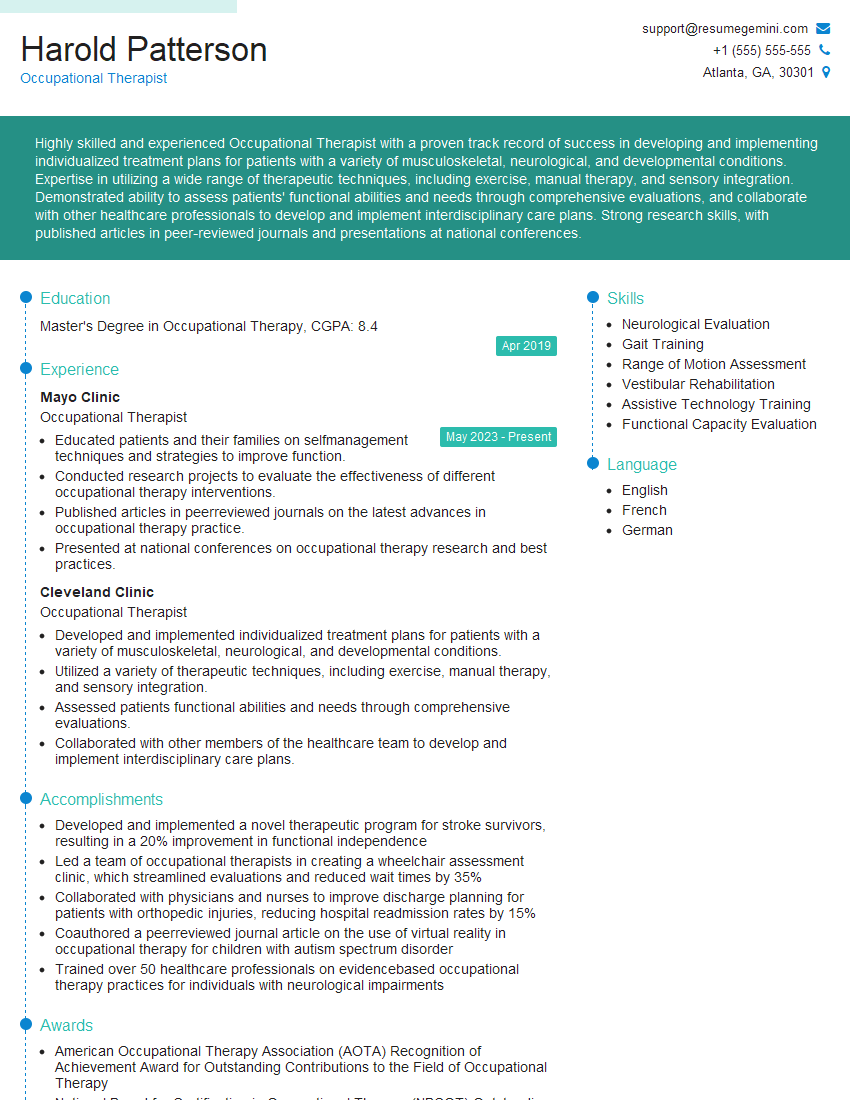
Occupational Therapist Resume Sample
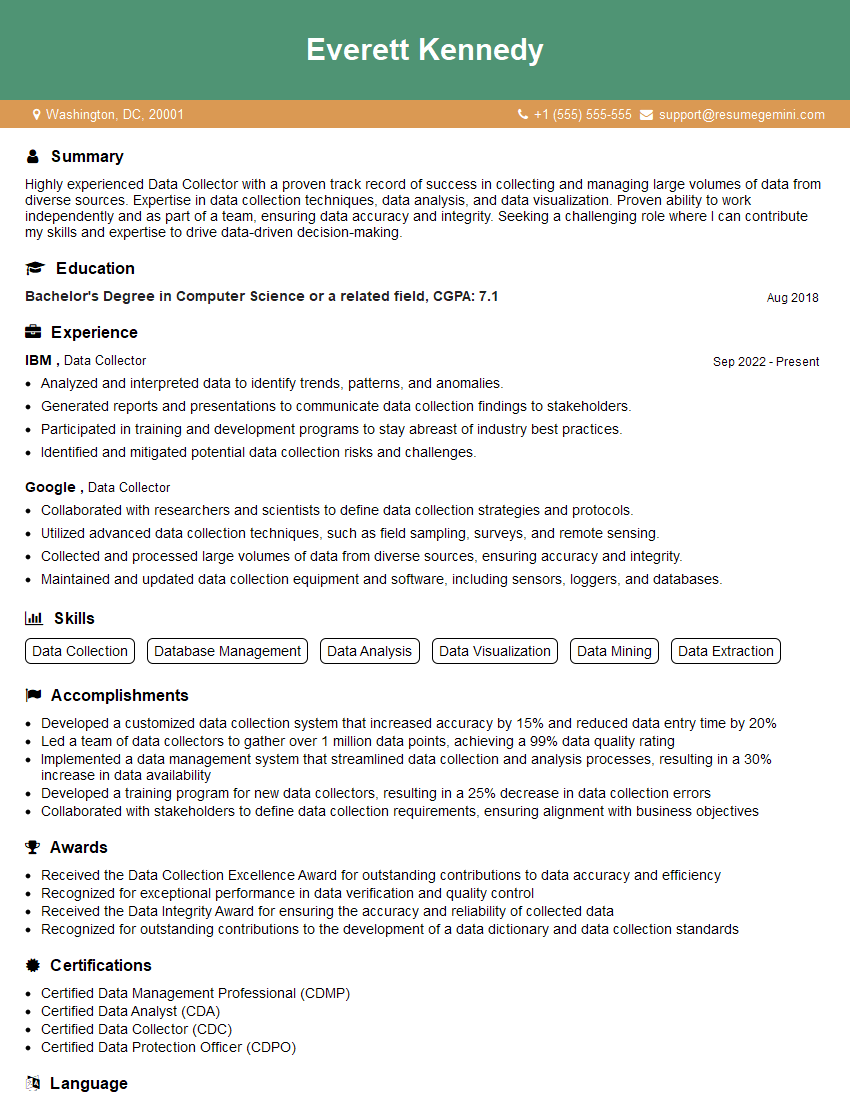
Data Collector Resume Sample
Explore more articles
Users Rating of Our Blogs
Share Your Experience
We value your feedback! Please rate our content and share your thoughts (optional).
What Readers Say About Our Blog
To the interviewgemini.com Webmaster.
Very helpful and content specific questions to help prepare me for my interview!
Thank you
To the interviewgemini.com Webmaster.
This was kind of a unique content I found around the specialized skills. Very helpful questions and good detailed answers.
Very Helpful blog, thank you Interviewgemini team.