Every successful interview starts with knowing what to expect. In this blog, we’ll take you through the top Waste Combustion Processes interview questions, breaking them down with expert tips to help you deliver impactful answers. Step into your next interview fully prepared and ready to succeed.
Questions Asked in Waste Combustion Processes Interview
Q 1. Explain the different types of waste combustion technologies.
Waste combustion technologies vary based on the type of waste processed and the desired outcome. They broadly fall into these categories:
- Mass Burn Incineration: This is the simplest method, involving burning unsorted municipal solid waste (MSW) directly in a large combustion chamber. It’s less efficient but requires less preprocessing.
- Modular Incineration: Smaller, more manageable units that can be deployed in various locations. These are often preferred in areas with limited space or lower waste volumes.
- Fluidized Bed Combustion: This technology uses a bed of inert material (like sand) kept in a fluidized state by an upward flow of air. This improves mixing and combustion efficiency, allowing for better control of the process and handling of diverse waste streams. It’s particularly useful for burning waste with high moisture content or lower calorific value.
- Pyrolysis and Gasification: These are thermal processes that convert waste into gas or liquid fuels in the absence of (pyrolysis) or with limited (gasification) amounts of oxygen. This produces syngas, a fuel that can be used for energy generation or further processing.
- Plasma Gasification: This advanced technology utilizes extremely high temperatures (plasma arc) to gasify waste, resulting in a syngas with a higher energy content and fewer pollutants.
The choice of technology depends on factors such as waste composition, available land, environmental regulations, and economic considerations. For instance, a densely populated city might opt for modular incineration or plasma gasification due to space constraints, while a rural area might favor mass burn if land is abundant.
Q 2. Describe the process of refuse-derived fuel (RDF) production.
Refuse-Derived Fuel (RDF) production involves processing municipal solid waste to create a more homogenous and energy-dense fuel source. The process typically involves several stages:
- Collection and Sorting: MSW is collected and sorted to remove recyclables, hazardous materials, and other non-combustible components. This improves the quality and calorific value of the RDF.
- Shredding and Size Reduction: The remaining waste is shredded into smaller, more uniform pieces, ensuring consistent combustion. The size of the RDF particles is critical for efficient burning.
- Drying: Moisture content needs to be reduced to optimize the energy output. This often involves air drying or mechanical dewatering.
- Homogenization: The shredded and dried material is blended to achieve a consistent composition, improving the predictability of the combustion process.
- Pelletization (Optional): RDF can be further processed into pellets to improve handling and storage. This also enhances the fuel’s transportability and makes it suitable for use in various combustion systems.
The final RDF product has a higher energy density than raw MSW, making it a more efficient fuel for power generation or industrial applications. Imagine it like prepping firewood – you wouldn’t burn a whole tree trunk; you’d chop it into smaller, manageable pieces for a better burn.
Q 3. What are the key parameters monitored during waste combustion?
Monitoring key parameters during waste combustion is crucial for ensuring efficient and environmentally sound operation. These include:
- Temperature: Maintaining optimal combustion temperatures is vital for complete waste destruction and minimizing emissions. This involves monitoring temperatures at various points within the combustion chamber.
- Oxygen Levels: Precise control of oxygen levels is necessary for complete combustion. Insufficient oxygen leads to incomplete burning and increased emissions, while excessive oxygen reduces efficiency.
- Pressure: Maintaining appropriate pressure within the system ensures proper airflow and prevents leaks.
- Exhaust Gas Composition: Continuous monitoring of the exhaust gas composition is critical for controlling emissions of pollutants like carbon monoxide (CO), nitrogen oxides (NOx), particulate matter (PM), and dioxins/furans.
- Residue Characteristics: The properties of the bottom ash (inert residue) and fly ash (fine particulate matter) are monitored to ensure safe disposal or potential recovery of valuable materials.
- Water parameters: Water quality needs to be monitored on the various sites to reduce environmental impact.
Real-time data monitoring and control systems are used to optimize the combustion process and ensure compliance with environmental regulations. Imagine a chef constantly monitoring the temperature and ingredients in a dish – waste combustion requires similar attention to detail.
Q 4. How do you ensure efficient heat transfer in a waste incinerator?
Efficient heat transfer in a waste incinerator is essential for maximizing energy recovery and minimizing emissions. Several strategies are employed:
- Optimized Combustion Chamber Design: The design of the combustion chamber plays a vital role. Features like increased surface area, proper mixing of air and waste, and appropriate residence time contribute to better heat transfer.
- Heat Recovery Systems: Heat exchangers are typically installed to capture the heat generated during combustion. This heat can then be used to generate steam, which is used to drive turbines for electricity generation or for district heating.
- Reflective Materials: The use of refractory materials with high reflectivity helps in minimizing heat loss through the chamber walls.
- Improved Airflow Management: Optimized airflow patterns enhance mixing and heat transfer within the combustion chamber. This helps ensure complete combustion and maximum heat recovery.
Think of it like a well-designed fireplace – the structure, airflow, and materials all work together to maximize the heat transfer to the room. In a waste incinerator, the goal is similar, but on a much larger scale and with a focus on energy recovery.
Q 5. Explain the role of air pollution control devices in waste combustion.
Air pollution control devices (APCDs) are crucial components of waste combustion systems. Their primary role is to reduce the emissions of harmful pollutants from the exhaust gases before they are released into the atmosphere. This ensures compliance with environmental regulations and protects public health.
APCDs work by removing or reducing various pollutants. For example, they capture particulate matter, reducing the amount of soot and ash released into the air. They also help neutralize acidic gases, such as hydrogen chloride and sulfur dioxide. Additionally, they minimize the release of heavy metals, persistent organic pollutants (POPs), and greenhouse gases, protecting the environment.
Without APCDs, waste combustion would be far more polluting, releasing significantly more harmful substances into the environment.
Q 6. Describe different types of air pollution control systems used in waste-to-energy plants.
Various APCD systems are employed in waste-to-energy plants, often in combination to achieve optimal pollutant reduction. These include:
- Fabric Filters (Baghouse Filters): These filters use fabric bags to capture particulate matter from the exhaust gases. They are very effective in removing fine particles.
- Electrostatic Precipitators (ESPs): ESPs use an electric field to charge the particulate matter, causing it to be collected on electrodes. These are effective for removing larger particles.
- Selective Catalytic Reduction (SCR): SCR systems use a catalyst to convert nitrogen oxides (NOx) into less harmful nitrogen and water.
- Selective Non-Catalytic Reduction (SNCR): Similar to SCR but without a catalyst, reducing NOx emissions.
- Activated Carbon Injection: Activated carbon is injected into the exhaust gases to adsorb dioxins and furans.
- Dry Scrubbers: These systems use dry sorbents (like lime or sodium bicarbonate) to neutralize acidic gases.
- Wet Scrubbers: Wet scrubbers use a liquid (usually water) to remove pollutants from the gas stream through absorption or scrubbing.
The selection of specific APCDs depends on factors like the type of waste, the desired level of emission control, and cost considerations. A plant might use a combination of fabric filters and SCR, for instance, to achieve high removal efficiencies for both particulate matter and NOx.
Q 7. What are the environmental regulations governing waste combustion?
Environmental regulations governing waste combustion vary by region and country but generally focus on limiting emissions of pollutants and ensuring safe handling of waste and residues. Key aspects include:
- Emission Limits: Stringent limits are placed on emissions of pollutants such as NOx, SOx, particulate matter, CO, heavy metals, dioxins/furans, and other hazardous air pollutants. These limits are often specified in terms of concentration or mass emission rates.
- Residue Management: Regulations address the safe handling, storage, and disposal of bottom ash and fly ash. This often includes requirements for leaching tests and potential recycling or beneficial reuse of the residues.
- Waste Acceptance Criteria: Regulations may define acceptable types and amounts of waste that can be processed in a combustion facility.
- Monitoring and Reporting: Facilities are required to continuously monitor emissions and other parameters, and submit regular reports to regulatory agencies.
- Permitting: Operating a waste combustion facility requires obtaining various permits and licenses that demonstrate compliance with all applicable regulations.
Non-compliance can lead to significant penalties, including fines, operational shutdowns, and legal action. Adherence to these regulations is paramount for environmental protection and public health.
Q 8. How do you manage ash from waste combustion?
Ash management in waste combustion is crucial for environmental protection and efficient plant operation. The process begins with the separation of bottom ash (the heavier residue at the bottom of the combustion chamber) and fly ash (finer particles carried by flue gases). Bottom ash, often containing heavy metals and other contaminants, requires careful handling. It’s typically quenched with water to reduce temperature and then characterized to determine its composition. Based on this, it can be disposed of in a landfill, used as a construction material (after meeting stringent regulatory standards), or potentially recycled in specific applications.
Fly ash is more challenging. It’s collected using air pollution control devices like electrostatic precipitators or fabric filters. This ash contains smaller particles with potentially higher concentrations of heavy metals and dioxins. It often requires more rigorous treatment before disposal or reuse, potentially involving stabilization, solidification, or specialized landfilling designed for hazardous materials. Strict adherence to regulations is paramount, involving regular monitoring of ash composition and proper documentation throughout the management process. For example, a plant might use a dedicated ash handling system with enclosed conveyors to prevent fugitive dust emissions.
Q 9. Explain the concept of energy recovery from waste.
Energy recovery from waste (ERW), also known as waste-to-energy (WtE), involves harnessing the energy content of non-recyclable waste through combustion or gasification. This process converts waste into usable energy forms, primarily heat and electricity. Imagine it like a large-scale controlled bonfire, but with sophisticated systems to capture and utilize the heat generated. The heat produced is used to generate steam, which then drives turbines to produce electricity. This electricity can be fed into the national grid or used on-site. The heat can also be used for district heating, providing hot water or heating to homes and businesses in the vicinity of the plant. ERW is a sustainable approach to waste management as it reduces landfill dependency and provides a renewable energy source. For instance, a city might divert a significant portion of its municipal solid waste to a WtE plant, generating electricity for its residents while reducing landfill burden.
Q 10. What are the advantages and disadvantages of waste combustion compared to other waste management methods?
Waste combustion offers several advantages over other waste management methods such as landfilling or anaerobic digestion. It significantly reduces waste volume, thus lowering landfill demands. It also generates energy, offering a renewable energy source. However, it also has disadvantages. The process generates air emissions that require rigorous air pollution control measures (like scrubbers and filters) to meet environmental regulations, and ash management poses significant challenges. Compared to landfilling, combustion is more expensive to implement but often has a smaller environmental footprint (depending on the scale and technology used). Anaerobic digestion, while environmentally friendly, is limited in the types of waste it can handle and generates less energy.
- Advantages: Reduced landfill burden, energy recovery, smaller land footprint than landfills.
- Disadvantages: Air emissions (requiring stringent control), ash management challenges, higher initial capital cost.
Q 11. How do you optimize combustion efficiency in a waste-to-energy plant?
Optimizing combustion efficiency in a waste-to-energy plant is crucial for maximizing energy recovery and minimizing emissions. This involves careful control of several key parameters. Firstly, proper waste feeding and mixing are critical to ensure uniform combustion. An uneven fuel bed can lead to incomplete combustion and increased emissions. Secondly, maintaining the optimal temperature and oxygen levels within the combustion chamber is essential. Too little oxygen results in incomplete combustion, while excessive oxygen wastes energy and can lead to higher NOx emissions. Modern plants use advanced control systems with sensors and automated adjustments to maintain ideal conditions. Thirdly, regular maintenance of the combustion chamber and its components (like burners and grates) is crucial for efficient and safe operation. Fourthly, effective air pollution control (APC) systems are vital. These include scrubbers for removing acidic gases and particulate filters to capture fly ash. Regular inspection and optimization of these systems are crucial for preventing failures and high emissions.
Q 12. Describe the process of boiler operation in a waste combustion plant.
Boiler operation in a waste combustion plant is the heart of the energy recovery process. The boiler receives the hot gases produced during combustion. These gases transfer their heat to water circulating within the boiler’s tubes, generating high-pressure steam. This steam is then directed to turbines, driving electricity generation. Careful monitoring and control of various parameters are crucial. These include maintaining the correct water levels, steam pressure, and temperature. Boiler operation involves sophisticated control systems to ensure safe and efficient operation. Regular inspections are performed to identify and address any issues like scaling or corrosion. Safety systems such as pressure relief valves and emergency shutdowns are essential to prevent accidents. The entire process is tightly regulated, adhering to strict safety and environmental standards. For example, continuous monitoring of the boiler’s water chemistry is essential to prevent corrosion and scale build-up.
Q 13. How do you troubleshoot common problems in waste combustion systems?
Troubleshooting waste combustion systems requires a systematic approach. Common problems include incomplete combustion, indicated by high CO levels in the flue gas; reduced steam production; and increased emissions of pollutants such as NOx and dioxins. Troubleshooting starts with data analysis, reviewing operational parameters, and identifying any deviations from normal operating conditions. For example, a sudden drop in steam production might be due to a boiler tube leak, while high CO emissions point towards incomplete combustion, possibly from insufficient air supply or poor mixing of the waste. The diagnostic process involves inspecting equipment for damage or wear and tear, conducting tests to determine the quality of fuel being processed, and checking the functionality of all control systems. Effective troubleshooting relies heavily on the expertise of the operators and maintenance personnel, requiring a deep understanding of the plant’s operational principles and equipment.
Q 14. What are the safety procedures for working in a waste combustion plant?
Safety procedures in a waste combustion plant are paramount due to the inherent risks involved. These include stringent personal protective equipment (PPE) requirements such as heat-resistant clothing, respirators, and safety glasses. Lockout/Tagout procedures are strictly enforced during maintenance to prevent accidental startup of equipment. Regular training programs for employees cover safe operating procedures, emergency response protocols, and hazard identification and risk assessment. Strict regulations exist to manage hazardous materials, including waste handling, ash disposal, and chemical usage. Emergency response plans are developed and regularly tested, covering scenarios like fires, explosions, and chemical spills. Proper ventilation and monitoring of air quality are essential to prevent exposure to hazardous substances. Regular safety audits and inspections ensure compliance with regulations and identify potential hazards before incidents occur. A culture of safety is promoted through regular training, communication, and reporting of near-misses and incidents.
Q 15. Explain the importance of proper waste characterization in waste combustion.
Proper waste characterization is absolutely crucial for efficient and safe waste combustion. Think of it like baking a cake – you wouldn’t just throw random ingredients together and expect a perfect result. Similarly, knowing the exact composition of the waste – its calorific value, moisture content, the presence of hazardous materials like plastics, metals, and chlorine-containing compounds – is vital for optimizing the combustion process.
This characterization informs several key aspects:
- Optimizing Combustion Parameters: Knowing the heating value allows for precise control of air-fuel ratios and combustion temperatures, ensuring complete combustion and minimizing emissions. A high chlorine content, for example, necessitates specific adjustments to prevent corrosion.
- Selecting Appropriate Technology: Different waste compositions require different combustion technologies. A waste stream rich in bulky materials might necessitate a grate-based system, while a homogenous stream could be suitable for fluidized bed combustion.
- Predicting Emissions: Accurate characterization helps predict the potential emissions, allowing for the design and operation of effective pollution control systems. For example, a high concentration of PVC will require robust dioxin/furan control measures.
- Ensuring Safety: Identifying hazardous materials allows for proper handling and disposal, preventing potential accidents and worker exposure. This could include the segregation of explosive materials or the special handling of batteries.
In essence, thorough waste characterization acts as a blueprint for safe and efficient waste-to-energy operations, minimizing environmental impact and maximizing resource recovery.
Career Expert Tips:
- Ace those interviews! Prepare effectively by reviewing the Top 50 Most Common Interview Questions on ResumeGemini.
- Navigate your job search with confidence! Explore a wide range of Career Tips on ResumeGemini. Learn about common challenges and recommendations to overcome them.
- Craft the perfect resume! Master the Art of Resume Writing with ResumeGemini’s guide. Showcase your unique qualifications and achievements effectively.
- Don’t miss out on holiday savings! Build your dream resume with ResumeGemini’s ATS optimized templates.
Q 16. How do you minimize the formation of dioxins and furans during waste combustion?
Minimizing the formation of dioxins and furans (highly toxic compounds) during waste combustion is paramount. These are unintentionally formed during incomplete combustion of organic materials in the presence of chlorine and heavy metals. It’s a complex process, but we can tackle it using several strategies:
- Optimize Combustion Conditions: Maintaining high temperatures (above 850°C) for sufficient residence time in the primary combustion chamber ensures the complete destruction of these precursors. Think of it like fully burning a piece of paper – you need enough heat and time to turn it completely to ash.
- Effective Mixing: Good mixing of air and fuel is crucial for complete combustion. Poor mixing can lead to localized ‘cold spots’ where dioxins and furans can form.
- Reduce Chlorine Content: Reducing the amount of chlorine-containing materials in the waste stream helps significantly. This can involve source separation at the household level (encouraging recycling and proper waste sorting).
- Secondary Combustion Chamber: Employing a secondary combustion chamber at even higher temperatures further destroys any remaining dioxins and furans that might have escaped the primary chamber.
Regular monitoring and maintenance of these systems is vital to ensure continued effectiveness. It is a multi-faceted challenge requiring careful control and a layered approach to emissions reduction.
Q 17. What are the different types of fuels used in waste-to-energy plants?
Waste-to-energy plants utilize a variety of fuels, as the waste itself is a heterogeneous mixture. The ‘fuel’ is essentially the combustible fraction of the waste.
- Municipal Solid Waste (MSW): This is the most common fuel source, encompassing household waste, commercial waste, and some industrial waste. Its composition is highly variable, impacting combustion performance.
- Refuse-Derived Fuel (RDF): This is a pre-processed fuel created from MSW. It involves separating out non-combustible materials, shredding and densifying the remaining waste to create a more homogenous and consistent fuel.
- Solid Recovered Fuel (SRF): Similar to RDF, but usually of higher calorific value and more consistent in quality. It often contains industrial and commercial waste components.
- Other Fuels: Some plants might co-fire with other fuels like biomass (wood chips, agricultural residues), or even natural gas to augment the energy output and stabilize combustion.
The selection of fuel type and its preprocessing significantly influence plant design, operational parameters, and overall efficiency. For example, SRF often requires more sophisticated feeding and combustion control systems than raw MSW.
Q 18. Describe the role of flue gas cleaning systems.
Flue gas cleaning systems are the heart of pollution control in waste combustion plants. They are responsible for removing harmful pollutants from the exhaust gases before they are released into the atmosphere. Think of them as the final cleaning stage, ensuring environmental compliance.
These systems typically include:
- Particulate Matter (PM) Removal: Electrostatic precipitators (ESPs) and bag filters are used to capture ash and other particulate matter. ESPs use an electric field to charge particles and collect them, while bag filters physically trap the particles.
- Acid Gas Removal: Scrubbers (wet or dry) remove acid gases like sulfur dioxide (SO2) and hydrogen chloride (HCl). Wet scrubbers use liquid absorbents, while dry scrubbers use dry sorbents.
- Dioxin/Furan Removal: Activated carbon injection or other advanced oxidation processes are used to remove dioxins and furans, as previously discussed.
The specific configuration and efficiency of these systems are critical for meeting stringent emission standards and protecting the environment. Regular maintenance and performance monitoring are essential for optimal operation.
Q 19. How do you handle emergencies in a waste combustion plant?
Emergency preparedness is paramount in waste combustion plants. A well-defined emergency response plan is crucial, encompassing various potential scenarios like fires, explosions, equipment malfunctions, and hazardous material spills.
Key elements of an emergency plan include:
- Emergency Shutdown Procedures: Clearly defined steps for safely shutting down the plant in case of an emergency.
- Containment Measures: Procedures for containing spills or releases of hazardous materials.
- Evacuation Procedures: Planned evacuation routes and assembly points for personnel.
- Communication Protocols: Established communication channels to coordinate emergency response efforts.
- Training and Drills: Regular training for personnel on emergency procedures and conducting drills to ensure preparedness.
- Collaboration with Emergency Services: Maintaining strong relationships with local fire departments, health authorities, and other emergency services.
Regular audits and inspections ensure the effectiveness of the emergency response plan, helping to mitigate risks and minimize the impact of any unforeseen event. A robust safety culture is fundamental to minimizing risks and ensuring swift, effective responses to emergencies.
Q 20. What are the different types of monitoring systems used in waste combustion plants?
Comprehensive monitoring is essential to ensure safe and efficient operation of a waste combustion plant and to meet regulatory compliance requirements. Various systems are employed, covering different aspects of the process:
- Combustion Process Monitoring: This involves monitoring key parameters like temperature, pressure, air-fuel ratio, and oxygen levels within the combustion chamber. This ensures optimal combustion and minimizes emissions.
- Flue Gas Monitoring: Continuous emissions monitoring systems (CEMS) measure pollutants in the flue gas, such as SO2, NOx, HCl, PM, CO, and dioxins/furans. This data is vital for regulatory reporting and operational adjustments.
- Equipment Monitoring: This involves monitoring the performance and condition of various plant equipment, including pumps, fans, and turbines. This enables predictive maintenance, reducing downtime and avoiding unexpected failures.
- Waste Characterization Monitoring: Regular analysis of incoming waste stream helps in adjusting operational parameters to ensure stable combustion. This could include the monitoring of moisture content and calorific value.
Data from these monitoring systems are often integrated into a central control system, providing operators with a real-time overview of plant performance and allowing for prompt corrective action if necessary. Data logging and reporting are crucial for compliance and process optimization.
Q 21. Explain the concept of mass and energy balances in waste combustion.
Mass and energy balances are fundamental principles in waste combustion. They ensure that we account for all the mass and energy entering and leaving the system, preventing losses and ensuring efficiency. Imagine it like a perfectly balanced chemical equation.
Mass Balance: This tracks the mass of the waste entering the system and the mass of the resulting outputs – ash, flue gas, and any other byproducts. The principle of conservation of mass dictates that the total mass entering must equal the total mass leaving. Discrepancies could indicate potential leaks or incomplete combustion.
Energy Balance: This tracks the energy input (calorific value of the waste) and the energy output (heat recovered for electricity generation, heat loss to the environment). The goal is to maximize energy recovery and minimize energy losses.
Example: If 100 kg of waste (with a calorific value of 10 MJ/kg) is fed into a plant, the energy input would be 1000 MJ. An energy balance calculation would then determine how much of this energy was used to generate electricity, how much was lost as heat, and how much remained in the ash.
These balances are essential for optimizing plant efficiency, ensuring complete combustion, and designing efficient energy recovery systems. Any significant deviations from expected values indicate problems needing investigation – from equipment malfunction to incorrect waste characterization.
Q 22. How do you calculate the thermal efficiency of a waste-to-energy plant?
Calculating the thermal efficiency of a waste-to-energy plant involves determining the ratio of energy produced (usually in the form of electricity and/or heat) to the energy content of the waste combusted. It’s a crucial indicator of the plant’s effectiveness.
The formula is generally:
Thermal Efficiency = (Net Energy Output) / (Energy Content of Waste Incinerated) * 100%Net Energy Output considers the electricity generated by the plant’s turbines, any usable heat recovered (for district heating, for example), and subtracts the energy consumed by auxiliary systems within the plant (like pumps and fans). This is usually expressed in kWh or MJ.
Energy Content of Waste Incinerated is determined through laboratory analysis of the waste’s calorific value (the amount of heat released per unit mass during combustion), typically expressed in MJ/tonne or kcal/kg. The total energy input is then calculated by multiplying the calorific value by the mass of waste incinerated.
Example: A plant incinerates 100 tonnes of waste with a calorific value of 10 MJ/tonne. The plant generates 500 MWh of electricity and recovers 100 MWh of heat. The plant uses 50 MWh of energy for its own operation. Therefore:
Net Energy Output = (500 MWh + 100 MWh) – 50 MWh = 550 MWh = 1.98 x 10⁹ kJ (using 1 MWh ≈ 3.6 x 10⁶ kJ)
Energy Content of Waste = 100 tonnes * 10 MJ/tonne = 1000 MJ = 109 kJ
Thermal Efficiency = (1.98 x 10⁹ kJ) / (109 kJ) * 100% = 198%
Note: An efficiency exceeding 100% is possible due to the inclusion of recovered heat energy. If only electricity generation were considered, the efficiency would be significantly lower.
Q 23. Describe the maintenance procedures for key components of a waste combustion system.
Maintenance of a waste combustion system is critical for safe and efficient operation, minimizing downtime and environmental impact. It focuses on key components like the:
- Incinerator: Regular inspections for wear and tear on refractory linings, burners, and grate systems are vital. This includes checking for erosion, cracking, and proper alignment. Planned replacements of worn components are crucial.
- Air Pollution Control System (APCS): This is arguably the most critical area. Regular cleaning of baghouse filters or electrostatic precipitators prevents blinding and ensures efficient particulate removal. Scrubber maintenance, including checking for corrosion and proper chemical dosing, is equally important for controlling gaseous pollutants.
- Boiler and Steam Turbine: Boiler tubes must be inspected for scaling and corrosion. Regular cleaning and chemical treatment prevent fouling and optimize heat transfer. Turbine blades need periodic inspections and balancing to maintain efficiency and prevent damage.
- Ash Handling System: Regular checks on conveyors, chutes, and storage facilities prevent blockages and ensure safe and efficient ash disposal. This system needs particular attention to avoid spills and potential environmental hazards.
A robust preventative maintenance program using Computerized Maintenance Management Systems (CMMS) is essential. This involves scheduled inspections, predictive maintenance using vibration analysis or thermal imaging, and the timely replacement of parts based on their expected lifespan and operating conditions. Proper documentation of all maintenance activities is also crucial for compliance and safety.
Q 24. What are the economic considerations of waste-to-energy projects?
Economic considerations for waste-to-energy projects are complex and encompass:
- Capital Costs: These include the cost of land acquisition, plant construction, and equipment procurement. These costs can be substantial and vary depending on plant size and technology.
- Operating Costs: These involve waste handling, fuel (often supplemental fuel is required), labor, maintenance, and disposal of ash and other byproducts. Efficient operation and effective maintenance are vital in controlling these costs.
- Revenue Streams: Revenue is typically generated from the sale of electricity to the grid and potentially from the sale of recovered heat. Government incentives and tipping fees (charges for waste disposal) can also significantly impact the project’s economics.
- Financial Modeling & Risk Assessment: A detailed financial model, incorporating projections for waste quantity, energy prices, and operating costs, is essential. Risk assessments should consider factors like fluctuating waste composition, potential regulatory changes, and technological failures.
- Environmental Compliance Costs: Costs associated with environmental monitoring, permit applications, and compliance audits must be factored in. This includes costs for handling hazardous materials and emissions control.
A successful waste-to-energy project necessitates a comprehensive financial analysis that balances capital investment, operating expenses, revenue generation, and potential risks to ensure long-term profitability and sustainability.
Q 25. How do you ensure compliance with environmental permits?
Ensuring compliance with environmental permits requires a multi-faceted approach:
- Thorough Permitting Process: This includes meticulously following the permitting requirements of the relevant environmental agencies. This involves detailed applications, environmental impact assessments, and public consultations.
- Continuous Monitoring: Regular monitoring of emissions (air, water, and solid waste) is essential. This involves employing advanced monitoring equipment, analyzing data, and ensuring that all emissions are within permitted limits.
- Data Management and Reporting: Comprehensive record-keeping is paramount. This involves maintaining detailed logs of operational data, emission measurements, and maintenance records. Accurate and timely reporting to environmental agencies is crucial for demonstrating compliance.
- Regular Audits and Inspections: Facilitating regular audits by environmental agencies and conducting internal audits can identify potential areas of non-compliance and enable proactive corrective actions.
- Emergency Response Plan: A comprehensive plan to address any unexpected incidents or emergencies, including potential spills or emissions excursions, is necessary to ensure prompt response and minimize environmental impact.
Effective environmental compliance is not merely a matter of ticking boxes; it demands a culture of environmental responsibility throughout the organization, empowering staff to prioritize environmental protection alongside operational efficiency.
Q 26. Explain the different types of waste that can be processed by incineration.
Incineration can process a wide range of waste materials, though the suitability depends on the plant’s design and regulatory requirements. Generally, suitable waste includes:
- Municipal Solid Waste (MSW): This is the most common feedstock and includes household waste such as paper, plastics, food scraps, and yard waste.
- Commercial and Industrial Waste: This includes waste generated by businesses and industries, excluding hazardous materials that require special treatment.
- Construction and Demolition Waste (CDW): Wood, concrete, and certain types of plastics can be incinerated, but often require pre-processing to remove incombustible materials.
- Sewage Sludge: After dewatering, sewage sludge can be a suitable fuel source, though careful handling is required due to potential contaminants.
- Certain Hazardous Waste (with limitations): Some hazardous wastes may be co-incinerated with MSW under strict regulatory control and in specialized facilities, ensuring proper handling of hazardous components.
Important Note: Materials like tires, batteries, and medical waste generally require separate treatment due to their hazardous nature and potential for releasing toxic substances during combustion.
Q 27. Describe the process of steam generation in a waste-to-energy plant.
Steam generation in a waste-to-energy plant occurs through the combustion of waste in a specially designed furnace. The heat released from the combustion process is used to boil water in a boiler, creating high-pressure steam.
The process can be summarized as follows:
- Waste Feeding and Combustion: Waste is fed into the incinerator, typically on a moving grate, where it is combusted at high temperatures (850-1200°C). This process generates hot flue gases.
- Heat Recovery: The hot flue gases pass through a heat recovery boiler. The heat contained in these gases is transferred to water within the boiler tubes, converting the water into high-pressure steam.
- Steam Expansion: This high-pressure steam is then directed to a steam turbine, where its energy is used to rotate the turbine blades.
- Electricity Generation: The rotating turbine drives a generator, producing electricity.
- Cooling and Condensation: After passing through the turbine, the steam is cooled and condensed back into water, which is then recycled back to the boiler.
The boiler design is crucial for efficient heat transfer and steam generation. Different boiler types (e.g., fluidized bed, circulating fluidized bed) are used depending on the waste composition and plant specifications. The entire system is tightly controlled using sophisticated monitoring and control systems to maintain optimal operating parameters and ensure safety.
Q 28. How do you calculate the emission factors for different pollutants?
Calculating emission factors for different pollutants from waste incineration involves a combination of measurement and modeling techniques.
Direct Measurement: This is the most reliable method, involving continuous emission monitoring systems (CEMS) to measure pollutants like particulate matter (PM), sulfur oxides (SOx), nitrogen oxides (NOx), hydrogen chloride (HCl), and heavy metals directly at the plant’s stack. These measurements are usually expressed in mg/Nm3 or g/GJ.
Emission Factors from Testing: Detailed testing of the incinerator’s emissions can also be done, often as part of commissioning or compliance testing, using standardized test methods to determine emission factors.
Modeling Approaches: For pollutants not continuously monitored, or to estimate emissions under different operating conditions, mass balance models or more complex dispersion models can be used. These models utilize input data such as waste composition, combustion efficiency, and air pollution control system performance to estimate emission factors.
Formula Example (for a specific pollutant):
Emission Factor (g/tonne of waste) = (Mass of Pollutant Emitted (g)) / (Mass of Waste Incinerated (tonne))Data Sources: Emission factors can be obtained from various sources, including plant-specific monitoring data, government databases (e.g., EPA AP-42), and scientific literature. It’s crucial to use emission factors that are relevant to the specific waste composition, combustion technology, and air pollution control equipment used in the plant.
Uncertainty: It’s important to acknowledge that emission factors always have associated uncertainties. These uncertainties stem from both measurement errors and variability in waste composition and operating conditions. Proper uncertainty analysis is key for accurate assessment.
Key Topics to Learn for Waste Combustion Processes Interview
- Thermodynamics of Waste Combustion: Understand energy balances, heat transfer mechanisms, and combustion efficiency calculations. Practical application: Designing efficient incinerators and optimizing operating parameters.
- Waste Characterization and Fuel Properties: Analyze the composition of different waste streams and their impact on combustion. Practical application: Selecting appropriate combustion technologies and controlling pollutant emissions.
- Combustion Technologies: Familiarize yourself with various incineration technologies (e.g., fluidized bed, rotary kiln, mass burn) and their advantages/disadvantages. Practical application: Evaluating the suitability of different technologies for specific waste streams and site conditions.
- Emission Control Technologies: Understand the principles and applications of air pollution control devices (e.g., scrubbers, filters, selective catalytic reduction). Practical application: Designing and optimizing emission control systems to meet regulatory standards.
- Residue Management: Learn about the handling, treatment, and disposal of ash and other byproducts from waste combustion. Practical application: Assessing environmental impacts and ensuring responsible waste management practices.
- Environmental Regulations and Compliance: Become familiar with relevant environmental regulations and permits related to waste combustion. Practical application: Ensuring compliance and minimizing environmental risks.
- Process Control and Optimization: Understand the role of instrumentation and control systems in maintaining efficient and safe operation. Practical application: Troubleshooting operational issues and improving overall system performance.
- Life Cycle Assessment (LCA): Analyze the environmental impacts of waste combustion throughout its entire lifecycle. Practical application: Evaluating the sustainability of different waste management strategies.
Next Steps
Mastering Waste Combustion Processes opens doors to exciting career opportunities in environmental engineering, waste management, and energy production. A strong understanding of these processes is highly valued by employers. To significantly improve your job prospects, focus on creating an ATS-friendly resume that highlights your skills and experience effectively. ResumeGemini is a trusted resource that can help you build a professional and impactful resume tailored to the specific requirements of the Waste Combustion Processes field. Examples of resumes tailored to this area are available to guide you through the process.
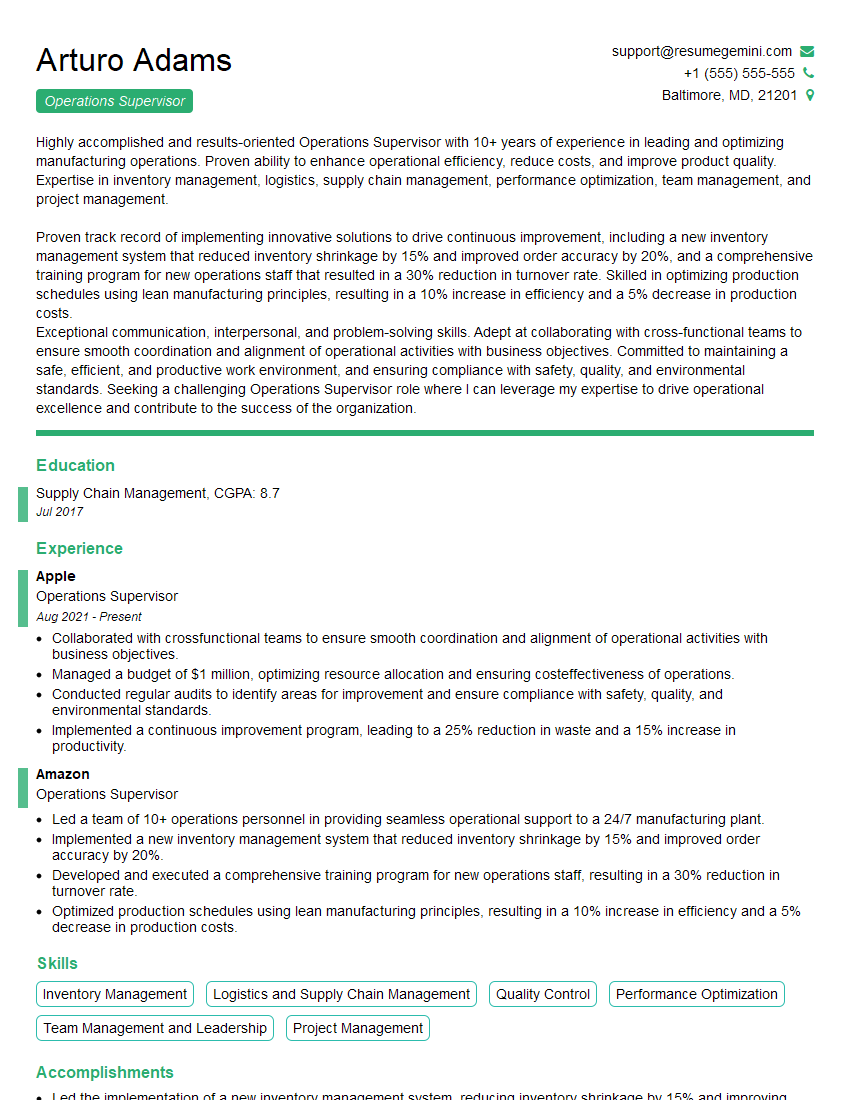
Operations Supervisor Resume Sample
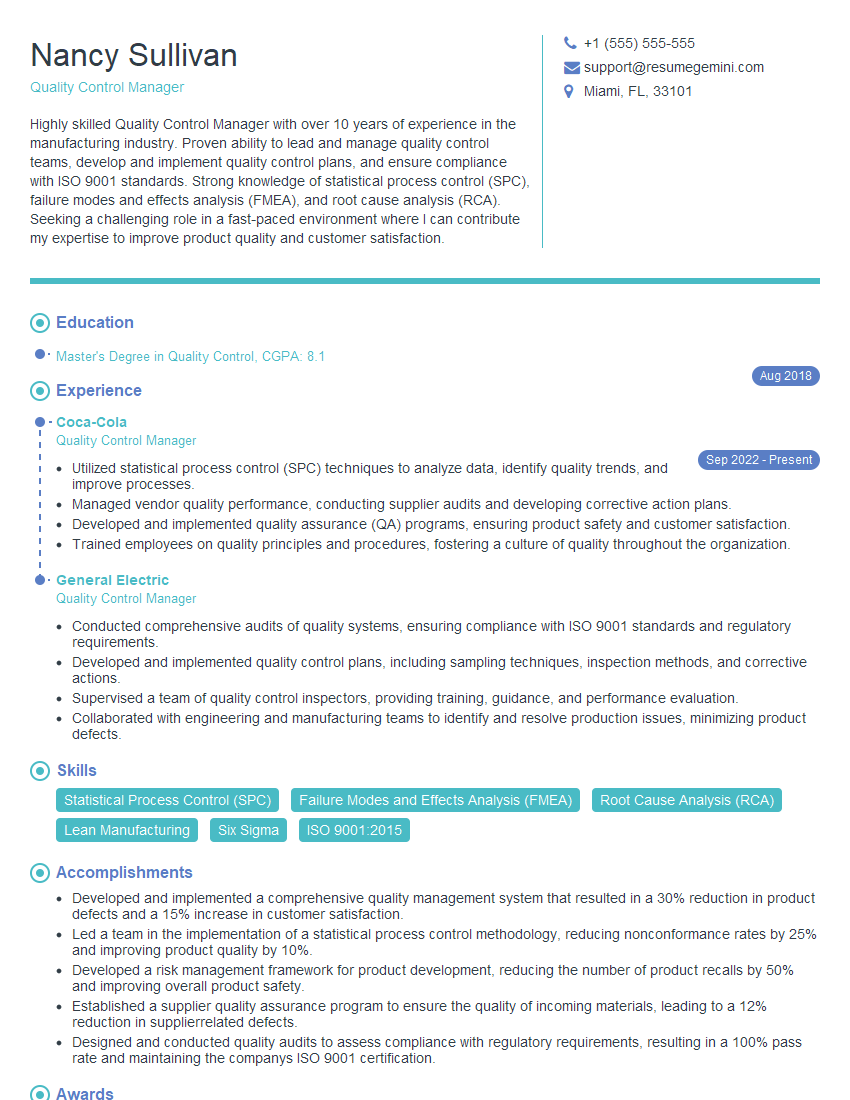
Quality Control Manager Resume Sample
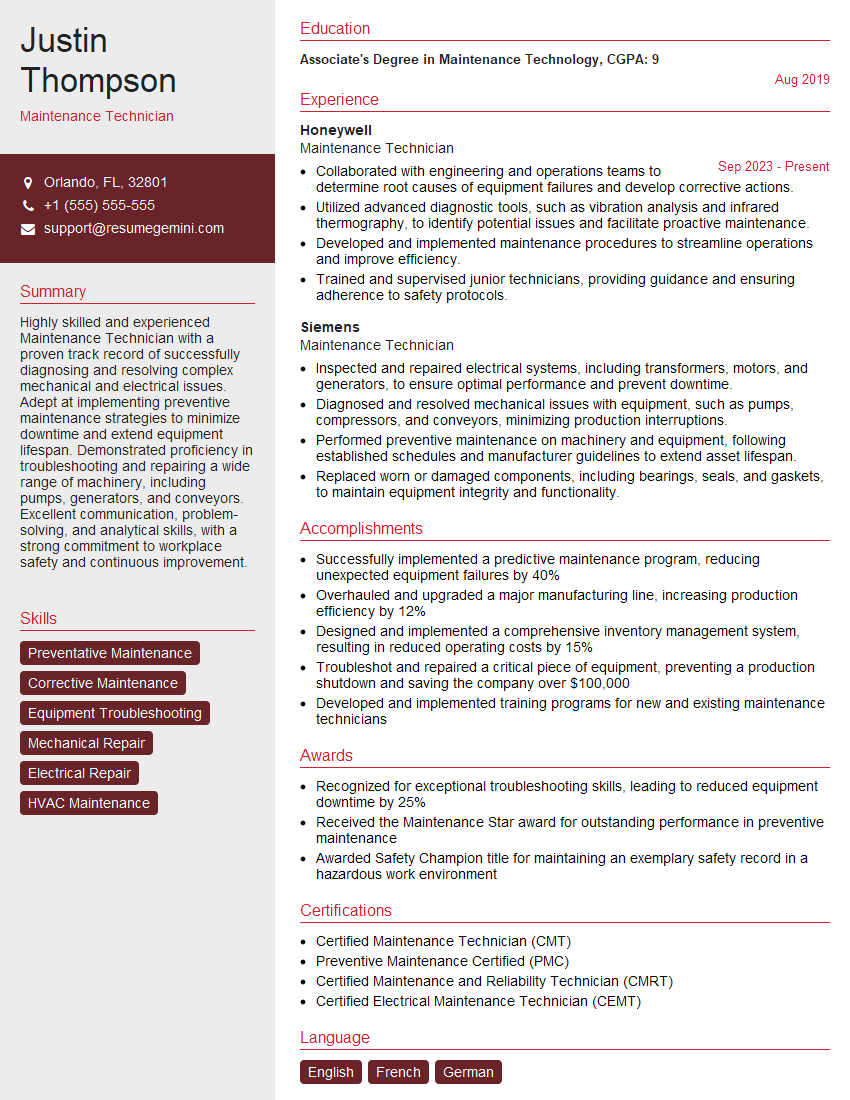
Maintenance Technician Resume Sample
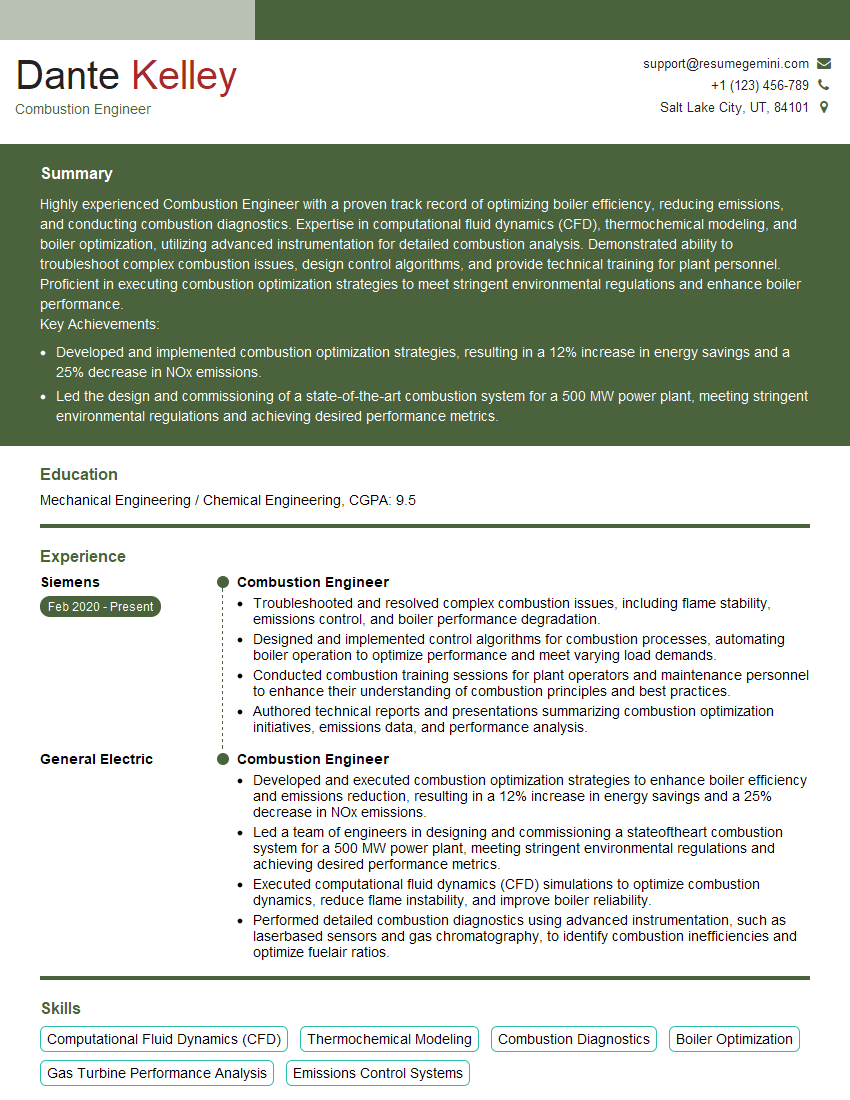
Combustion Engineer Resume Sample
Control Systems Engineer Resume Sample
Instrumentation Technician Resume Sample
Environmental Technician Resume Sample
Laboratory Technician Resume Sample
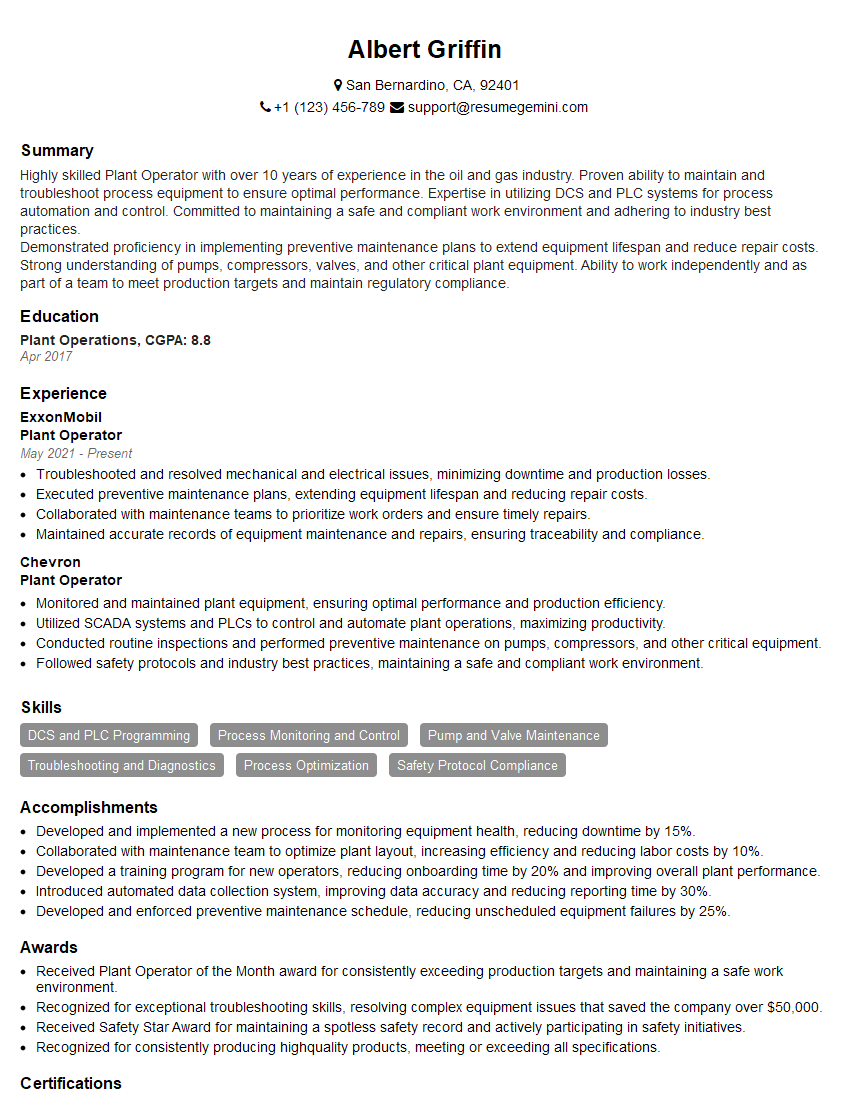
Plant Operator Resume Sample
Shift Supervisor Resume Sample
Technical Sales Engineer Resume Sample
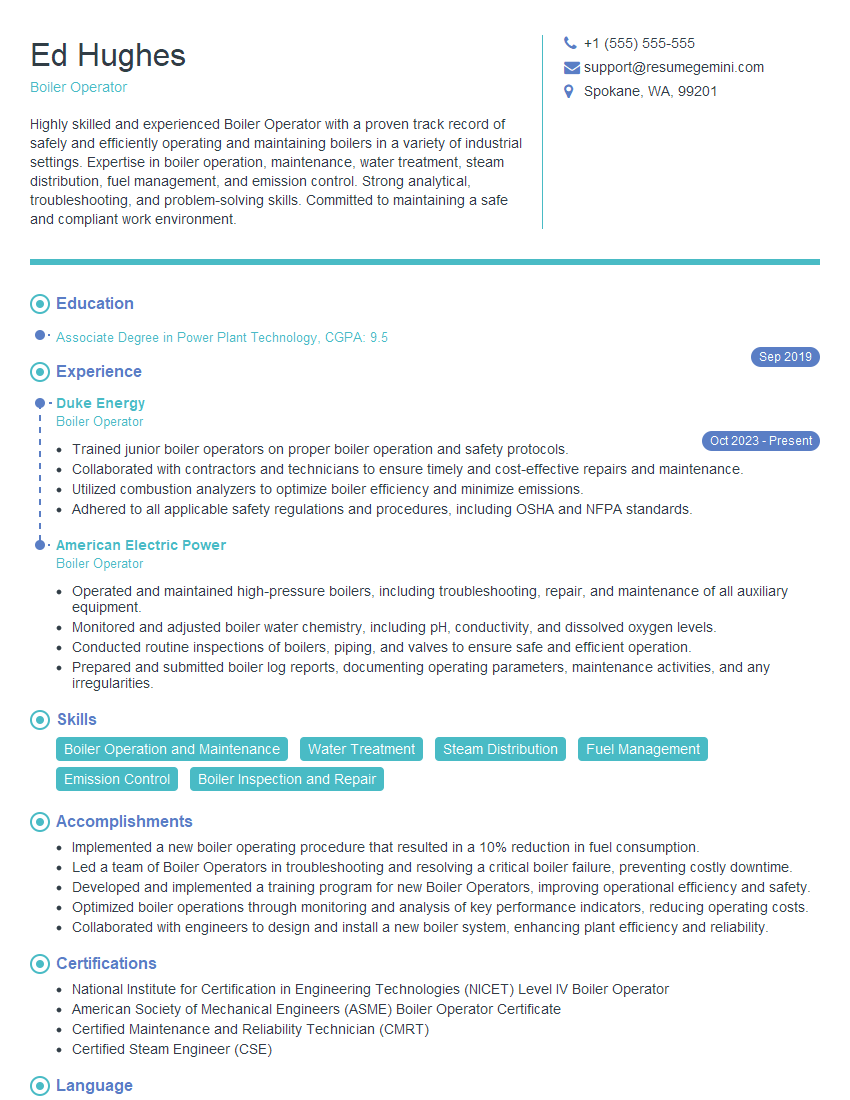
Boiler Operator Resume Sample
Explore more articles
Users Rating of Our Blogs
Share Your Experience
We value your feedback! Please rate our content and share your thoughts (optional).
What Readers Say About Our Blog
To the interviewgemini.com Webmaster.
Very helpful and content specific questions to help prepare me for my interview!
Thank you
To the interviewgemini.com Webmaster.
This was kind of a unique content I found around the specialized skills. Very helpful questions and good detailed answers.
Very Helpful blog, thank you Interviewgemini team.