Interviews are opportunities to demonstrate your expertise, and this guide is here to help you shine. Explore the essential Residential Paperhanging interview questions that employers frequently ask, paired with strategies for crafting responses that set you apart from the competition.
Questions Asked in Residential Paperhanging Interview
Q 1. What types of wallpaper have you worked with (e.g., vinyl, fabric, grasscloth)?
Throughout my career, I’ve had the pleasure of working with a wide variety of wallpapers, each presenting unique challenges and rewards. This includes the most common types like vinyl, known for its durability and washability, making it perfect for high-traffic areas like hallways or kitchens. I’ve also extensively used fabric wallpapers, which add a luxurious texture and warmth to a room, often creating a more sophisticated feel, though they require more careful handling and cleaning. Grasscloth, a natural fiber wallpaper, offers a unique, organic look and feel, but it’s more delicate and needs a more gentle approach during installation and maintenance. Finally, I’ve worked with paste-the-wall and pre-pasted varieties of all these types, each requiring slightly different techniques. For example, pre-pasted papers require less mess but need precise timing to avoid the paste drying out before application.
Q 2. Describe your process for preparing a wall for wallpaper installation.
Preparing the wall is crucial for a successful wallpaper installation. It’s like preparing a canvas for a painting – a smooth, clean surface ensures the wallpaper adheres properly and looks its best. My process begins with a thorough cleaning of the wall, removing any dust, dirt, or cobwebs. Then, I carefully inspect for any imperfections, such as cracks or holes. These are repaired using appropriate fillers and sanded smooth. Next, I’ll prime the wall with a good quality primer designed for wallpaper. This provides a uniform surface for adhesion, preventing the wallpaper from absorbing unevenly and potentially leading to bubbling or peeling. Finally, I let the primer dry completely before proceeding with the wallpaper installation. This entire process ensures a long-lasting and beautiful finish.
Q 3. How do you measure and calculate the amount of wallpaper needed for a room?
Accurately measuring and calculating wallpaper is essential to avoid costly mistakes. I start by measuring the height and width of each wall, taking into account any doors or windows. These measurements are then added together to determine the total wall area. Next, I consider the wallpaper’s pattern repeat – the distance the pattern takes to repeat itself. This is crucial, as it affects the amount of waste generated during matching. For example, a large, complex pattern will generate more waste than a small, simple one. Then, I factor in the width of each roll and the pattern repeat to calculate the number of rolls needed, always adding extra for potential miscalculations, pattern matching, and waste. I typically add at least one extra roll to account for unexpected issues, which is always better than running short mid-project. Finally, I’ll always discuss the exact measurements and calculations with the client to ensure complete transparency and accuracy.
Q 4. What are the different methods for matching wallpaper patterns?
Wallpaper pattern matching is a crucial skill requiring precision and patience. There are several methods, the most common being straight match, where the pattern aligns directly edge to edge, and drop match, where the pattern is offset from one strip to the next. Some patterns require a half-drop match, where the offset is half the pattern repeat. More complex patterns might demand a third-drop match or even more intricate alignments. The difficulty of pattern matching depends on the pattern complexity and repeat size. I always pre-plan the layout before applying the first strip to minimize waste and ensure a seamless finish. Pre-measuring and marking the wall helps tremendously in achieving perfect pattern matching. The specific method is determined by the manufacturer’s instructions provided on the wallpaper roll.
Q 5. Explain your experience with various wallpaper pasting techniques.
My experience encompasses both traditional paste-the-paper and modern paste-the-wall techniques. The traditional method, where the paste is applied directly to the back of the wallpaper, requires more experience and control to avoid wrinkles or paste showing through. However, it’s still useful for certain types of delicate wallpapers. Paste-the-wall is more common now because it’s generally cleaner and less messy. The paste is applied directly to the wall, which allows for easier application, particularly for large rolls and complex patterns. I always use a specialized paste suitable for the specific wallpaper type, following the manufacturer’s recommendations to ensure a secure bond and prevent damage. The timing of application is also crucial – the paste needs to be activated correctly but not allowed to dry out before placing the paper on the wall. Each method requires a slightly different approach, understanding the working times of the paste is key.
Q 6. How do you handle difficult wall surfaces, such as textured walls or corners?
Dealing with challenging wall surfaces requires a thoughtful approach and the right tools. Textured walls, for instance, might need a liner to create a smooth surface for the wallpaper to adhere to, preventing it from following the texture and creating an uneven look. This liner acts as a buffer. For severe textures or imperfections, I may recommend alternatives to wallpaper. Corners are always a challenge; I carefully cut the wallpaper to fit snugly, overlapping it slightly and then trimming the excess for a clean and precise finish. The use of a seam roller helps ensure a secure bond at the edges and corners, especially crucial in preventing peeling or lifting. Preparation is key here – repairing any cracks or holes before starting is vital. If necessary, I discuss alternative solutions with the client, such as perhaps opting for a different wallpaper type better suited to the surface.
Q 7. What tools and materials are essential for efficient paperhanging?
Having the right tools is vital for efficient and professional paperhanging. My essential toolkit includes a measuring tape, plumb bob for perfectly straight lines, a utility knife (with several sharp blades!), a smoothing brush or roller to eliminate air bubbles and creases, a seam roller to secure the edges, a paste brush or roller depending on the method used, a sponge for cleaning excess paste, a bucket for mixing paste, and a drop cloth to protect the floor. In addition, I always carry a level, pencil for marking, and scissors. Choosing high-quality tools makes the job easier, ensuring a professional finish. For example, a sharp utility knife makes clean cuts essential for a neat, seamless result in areas like corners and around outlets. And a good quality smoothing brush is crucial for preventing air bubbles, which can ruin the look of a professionally done job.
Q 8. Describe your experience with removing old wallpaper.
Removing old wallpaper can be challenging, but with the right approach, it’s manageable. The first step is always assessing the type of wallpaper. Some wallpapers are easily peelable, while others require more aggressive methods. For stubborn vinyl wallpapers, I often start by scoring the surface with a scoring tool to weaken the adhesive bond. This creates tiny perforations that allow water to penetrate more effectively. Then, I apply a wallpaper remover solution, letting it soak in according to the manufacturer’s instructions. This softens the adhesive. I use a plastic scraper or a wide metal putty knife to gently loosen and peel off strips of wallpaper. For multiple layers, this process might need repeating. For particularly stubborn areas, a steamer can be invaluable – it generates steam that penetrates and loosens the adhesive. After removing the wallpaper, it’s crucial to thoroughly clean the wall surface to remove any remaining adhesive residue. I might use a scraper, a sponge and warm water, or a commercial adhesive remover, depending on the residue’s tenacity. Remember, patience is key; rushing the process can damage the wall.
For example, I once worked on a Victorian house with layers of wallpaper dating back decades! It took me several days using a combination of scoring, steaming and multiple applications of remover to get the walls completely clean before prepping for the new wallpaper.
Q 9. How do you ensure proper seam alignment and avoid bubbling?
Proper seam alignment and preventing bubbling are crucial for a professional finish. I start by ensuring the wall is properly prepared – clean, smooth, and primed. This provides a perfect surface for the wallpaper to adhere to. When hanging the wallpaper, I meticulously match the patterns, ensuring that the seams are perfectly aligned. A plumb bob is indispensable for maintaining vertical alignment, especially on longer walls. To avoid bubbling, I use a pasting table or a pasting brush to apply adhesive evenly to the wallpaper before hanging it. This allows the adhesive to fully saturate the paper, preventing air pockets. Then, I smoothly apply the wallpaper, working from the center outward, using a smoothing tool to remove any air bubbles or wrinkles. A special wallpaper smoothing brush helps avoid damaging the delicate surface of some papers. If bubbles do appear, I carefully pierce them with a pin and smooth out the air. Starting at the center and working outward minimizes the chance of bubbles in the first place.
Q 10. What are some common problems encountered during wallpaper installation, and how do you solve them?
Common problems include uneven wall surfaces, poor adhesive application, incorrect pattern matching, and wallpaper shrinkage. Uneven surfaces can cause bubbling and wrinkles; I address this by preparing the wall with filler and sanding to create a smooth surface. Poor adhesive application leads to peeling and air bubbles; I remedy this by carefully following the manufacturer’s instructions and applying adhesive evenly. Pattern mismatches require careful planning and measurement; I use a plumb line and a ruler to ensure accurate placement. Finally, wallpaper shrinkage can cause gaps between strips; I pre-hang and adjust the paper to allow for expansion/shrinkage before starting the job.
Q 11. How do you handle trimming excess wallpaper around windows and doors?
Trimming excess wallpaper around windows and doors requires precision and care. I use a sharp utility knife or a specialized wallpaper trimming tool to carefully cut the excess wallpaper along the edges of the window or door frame. It’s essential to use a metal straight edge as a guide to ensure a clean, straight cut. I usually score the wallpaper lightly along the trim line to ensure a clean break. This is less likely to tear the paper. I then carefully peel back the excess wallpaper and clean up any stray pieces with a damp sponge. Often, I make a scoring cut before actually applying the paper to the edges of these areas, to give a clean edge to work from.
Q 12. What safety precautions do you take during wallpaper installation?
Safety is paramount. I always wear appropriate personal protective equipment (PPE), including safety glasses to protect my eyes from flying debris, gloves to protect my hands from adhesive and chemicals, and a dust mask to prevent inhaling dust particles generated during the process of preparation. I ensure adequate ventilation, especially when using solvents or adhesives that emit fumes. When using a steamer, I take precautions against burns by avoiding direct contact with the steam and ensuring the steamer is used correctly. Always read the safety data sheets for any product before starting the job!
Q 13. Describe your experience working with different types of adhesives.
My experience encompasses various adhesives, from traditional pastes to pre-pasted wallpapers and specialized adhesives for different types of wallpaper and surfaces. Traditional pastes require mixing and allow for more control over the application process, which is ideal for tricky situations and experienced installers. Pre-pasted wallpapers are convenient but may require more precise timing and application. Specialized adhesives cater to specific wallpaper types, such as vinyl or textured papers. I always choose the appropriate adhesive based on the wallpaper type and the surface it will be applied to, carefully following manufacturer’s instructions for mixing and application. Different adhesives might have different open times, so accurate application and timing are crucial.
Q 14. How do you clean up after completing a wallpaper installation job?
Cleaning up after a wallpaper installation is as crucial as the installation itself. I carefully remove any excess adhesive or wallpaper scraps from the floor and surfaces. I use a damp sponge or cloth to clean up any spills or residue. I dispose of waste materials responsibly, separating paper from any plastic packaging or adhesive containers. I meticulously clean my tools and equipment, ensuring they are ready for the next job. This ensures a clean and safe working environment for both myself and my client. A thorough cleanup leaves a positive lasting impression.
Q 15. What is your experience with installing borders or murals?
Installing borders and murals is a specialized area within paperhanging that requires precision and attention to detail. My experience encompasses a wide range of styles, from delicate floral borders to large-scale, photorealistic murals. I’ve worked with various materials, including vinyl, fabric, and hand-painted options. For borders, I focus on ensuring perfectly straight lines and consistent spacing, often using a level and plumb bob for accurate placement. With murals, careful matching of panels and smoothing out any air bubbles is crucial to achieve a seamless and professional finish. One particularly memorable project involved a large-scale jungle mural in a child’s bedroom – aligning the individual panels to create a cohesive scene was a challenge, but the final result was incredibly rewarding.
I’m adept at preparing the wall surface to ensure proper adhesion, and I’m skilled in working with different types of adhesives to suit the specific material of the border or mural. I also take into account factors such as lighting conditions and the overall room design to ensure the final product complements the space.
Career Expert Tips:
- Ace those interviews! Prepare effectively by reviewing the Top 50 Most Common Interview Questions on ResumeGemini.
- Navigate your job search with confidence! Explore a wide range of Career Tips on ResumeGemini. Learn about common challenges and recommendations to overcome them.
- Craft the perfect resume! Master the Art of Resume Writing with ResumeGemini’s guide. Showcase your unique qualifications and achievements effectively.
- Don’t miss out on holiday savings! Build your dream resume with ResumeGemini’s ATS optimized templates.
Q 16. How do you manage your time effectively on a paperhanging project?
Effective time management on a paperhanging project is key to staying on schedule and within budget. My approach involves a meticulous planning phase. This includes a thorough site assessment to determine the scope of work, including surface preparation needs, the type and amount of wallpaper required, and potential challenges. I then create a detailed schedule, breaking down the project into manageable tasks with realistic timeframes. This allows for flexibility in case of unforeseen issues. For example, I allocate extra time for unexpected repairs or complexities in matching patterns. I also communicate clearly with the client about the schedule and any potential delays. Think of it like baking a cake – you wouldn’t just start mixing without a recipe and understanding the baking time.
Q 17. How do you handle unexpected issues or changes during a job?
Unexpected issues are a part of any hands-on job. My approach is proactive. First, I thoroughly inspect the walls before starting any work to identify potential problems like cracks, loose plaster, or existing wallpaper. This allows for adjustments to the schedule and material needs. If I encounter unforeseen problems during the job, I immediately assess the situation, determine the best course of action, and communicate it clearly to the client. For example, if I discover a significant area of water damage that needs repair before paperhanging can proceed, I’ll explain the situation and suggest potential solutions. Transparency with the client is crucial. Working collaboratively to solve these issues strengthens the working relationship and ensures a positive outcome.
Q 18. How do you communicate with clients throughout the installation process?
Communication is crucial for a smooth project. I start by establishing clear expectations with the client before work begins, discussing the project timeline, materials to be used, and the overall budget. Throughout the process, I provide regular updates, addressing any client concerns promptly and keeping them informed of progress. If changes are needed during the project, I’ll discuss the implications of those changes openly. I encourage open communication; if a client has questions or concerns, I respond promptly and thoroughly. I believe in building a trusting relationship so that the client feels involved and confident in the process. The goal is for them to feel heard and valued throughout the experience.
Q 19. What is your experience with different types of wall preparation (e.g., priming, patching)?
Proper wall preparation is fundamental to a successful paperhanging job. My experience includes various techniques: Priming: I use primers to seal porous surfaces, ensuring uniform wallpaper adhesion and preventing uneven absorption of the paste. Patching: I expertly repair holes and cracks, using appropriate fillers and sanding to create a smooth, even surface. This prevents the imperfections from showing through the wallpaper. Cleaning: I thoroughly clean the walls to remove dirt, grease, and any loose particles that could interfere with adhesion. The choice of primer and patching materials depends on the wall’s condition and the type of wallpaper being used. For example, a high-quality oil-based primer is essential for glossy surfaces, whereas a PVA primer is ideal for porous plaster.
Q 20. Describe your experience working on large-scale residential projects.
I have extensive experience with large-scale residential projects, including whole-house installations. These projects require meticulous planning, efficient teamwork (if applicable), and optimized material management. The key is breaking the project down into smaller, manageable sections, ensuring a smooth workflow and preventing delays. For example, when working on a large house, I might start with one room at a time, coordinating the workflow to ensure efficient use of resources. Effective communication with the client and other contractors is paramount. One large project involved re-papering a Victorian home – a project that involved coordinating with electricians and plumbers while carefully considering the historical integrity of the building. Successful completion requires careful planning, flexibility, and strong communication skills.
Q 21. How do you maintain a clean and organized work area?
Maintaining a clean and organized workspace is crucial for efficiency and safety. I use drop cloths to protect floors and furniture from paint splatters and adhesive. Tools and materials are kept organized in designated areas. Waste is disposed of properly and regularly, and the work area is cleaned at the end of each workday. This not only creates a safer working environment, but it also demonstrates professionalism and respect for the client’s property. It’s like a surgeon’s operating room – cleanliness and order are paramount for a successful and safe operation.
Q 22. What is your experience with estimating project costs and timelines?
Accurately estimating project costs and timelines is crucial for success in paperhanging. My process begins with a thorough site visit. I carefully measure all surfaces to be covered, noting any complexities like windows, doors, or unusual angles. I then factor in the type of wallpaper—some are easier and quicker to install than others. For example, textured wallpaper requires more time and care than a simple, smooth vinyl. I also consider the condition of the existing walls; significant repairs add to both the time and cost. Finally, I build in a buffer for unforeseen issues, which is essential in this line of work. My estimates always include a detailed breakdown of materials and labor costs, presented clearly to the client.
For example, if a project involves 200 square feet of wall space, simple vinyl wallpaper, and no significant wall repairs, I can provide a tight estimate. However, a project involving intricate patterns, complex wall shapes, and extensive preparation work will have a wider range, accurately reflecting the increased time and effort.
Q 23. Have you ever worked with difficult clients? How did you handle the situation?
Yes, I’ve encountered challenging clients. One instance involved a client with very specific, and sometimes conflicting, demands regarding pattern matching and placement. The key to handling such situations is clear and proactive communication. I started by actively listening to their concerns and asking clarifying questions. Then, I presented them with options and explained the practical implications of their requests. Sometimes, compromise is necessary. For example, perfect pattern matching across a large area might be impractical or prohibitively expensive. In this case, I offered alternative solutions that satisfied the client’s aesthetic needs while staying within budget and a reasonable timeline. Maintaining a professional, calm, and solution-oriented approach is crucial in these situations. Documenting everything, including agreements and changes, helps avoid misunderstandings later.
Q 24. Are you proficient in using a plumb bob and level?
Yes, proficiency with a plumb bob and level is fundamental to my work. A plumb bob ensures perfectly vertical lines, essential for achieving a professional finish, especially with patterned wallpaper. The level is used to ensure that the wallpaper hangs straight and true. These tools allow me to create a flawlessly aligned installation, free from any noticeable skewing or unevenness. I regularly use them to establish reference lines for the initial hanging of the paper, regularly checking alignment throughout the process to ensure precision. Imagine trying to hang wallpaper without these tools—it would be like building a house without a square!
Q 25. Describe your understanding of proper ventilation during wallpaper installation.
Proper ventilation is critical during wallpaper installation, especially when working with paste-based wallpapers. Adequate airflow prevents the paste from drying too slowly, which can cause bubbling or wrinkling. It also helps to dissipate any potentially harmful fumes from the adhesive or the wallpaper itself. I always ensure that windows are opened or fans are used to create sufficient airflow throughout the room. In some cases, especially in smaller rooms, I may use dehumidifiers to help maintain an optimal environment and speed up the drying process safely. Ignoring this step can lead to a compromised installation and may even affect the health of the occupants in the long run.
Q 26. How do you deal with wallpaper that shrinks or stretches after installation?
Shrinkage or stretching after wallpaper installation is a common problem that arises from different factors—humidity, the type of paper and paste, or even the application process. If the problem is minor, sometimes careful re-seating of the paper, using a smoothing tool, will resolve the issue. However, for more significant shrinkage or stretching, especially with patterned papers, the only recourse might be to remove the affected section and replace it with fresh paper. Preventing these issues relies on proper preparation, accurate measurement, and following the manufacturer’s guidelines for paste application and drying time. This includes properly prepping the walls to ensure they’re clean, dry, and the right temperature for application.
Q 27. What is your experience with repairing minor damage to already installed wallpaper?
Repairing minor damage to existing wallpaper requires a delicate touch and matching materials. Small tears can often be repaired using matching scraps of wallpaper and high-quality wallpaper adhesive. I carefully align the patch, gently pressing out any air bubbles to ensure a seamless repair. For larger areas of damage, a section might need to be removed and replaced with a new piece. If a matching section of wallpaper is unavailable, blending the repair can be achieved using suitable paint and techniques. The key is to work methodically, making sure the repair is invisible to the naked eye. Always test any patching material on an inconspicuous area first to check for color matching.
Q 28. What steps do you take to ensure the longevity of the wallpaper installation?
Ensuring the longevity of a wallpaper installation involves several key steps. Starting with the correct wall preparation is vital. This includes repairing any damage, ensuring the walls are clean, dry and primed appropriately for the wallpaper type. Selecting high-quality wallpaper and adhesive designed for the environment is essential. Also, following the manufacturer’s instructions regarding paste application and drying times is crucial to prevent any issues such as bubbling or shrinkage. Finally, educating the client on proper care and cleaning procedures for the specific wallpaper is key to maintaining its aesthetic appeal and extend its life significantly.
Key Topics to Learn for Your Residential Paperhanging Interview
- Surface Preparation: Understanding different wall types (drywall, plaster, etc.), identifying imperfections, and applying appropriate primers and sealers. Practical application: Explaining your process for prepping a textured wall for wallpaper.
- Measuring and Cutting: Accurately measuring walls and calculating the amount of wallpaper needed, efficiently cutting and matching patterns. Practical application: Describing your method for dealing with complex patterns or difficult angles.
- Hanging Techniques: Mastering various hanging methods (pasting the wall, pasting the paper), using appropriate tools (brushes, rollers, smoothing tools), and achieving seamless transitions. Practical application: Explaining how you handle difficult seams or bubbles.
- Wallpaper Types and Applications: Familiarity with different wallpaper types (vinyl, fabric, grasscloth), their characteristics, and appropriate hanging techniques for each. Practical application: Discussing the pros and cons of different wallpaper materials for specific rooms or client needs.
- Troubleshooting and Problem Solving: Identifying and resolving common issues such as air bubbles, wrinkles, seams separating, and mismatched patterns. Practical application: Detailing your approach to fixing a bubbling section of wallpaper without damaging the surrounding area.
- Safety and Cleanliness: Adhering to safety regulations, using appropriate personal protective equipment (PPE), and maintaining a clean and organized workspace. Practical application: Explaining your methods for ensuring a safe and efficient work environment.
- Project Management and Client Communication: Understanding project timelines, managing materials, and effectively communicating with clients throughout the process. Practical application: Describing how you handle changes or unexpected issues during a project.
Next Steps
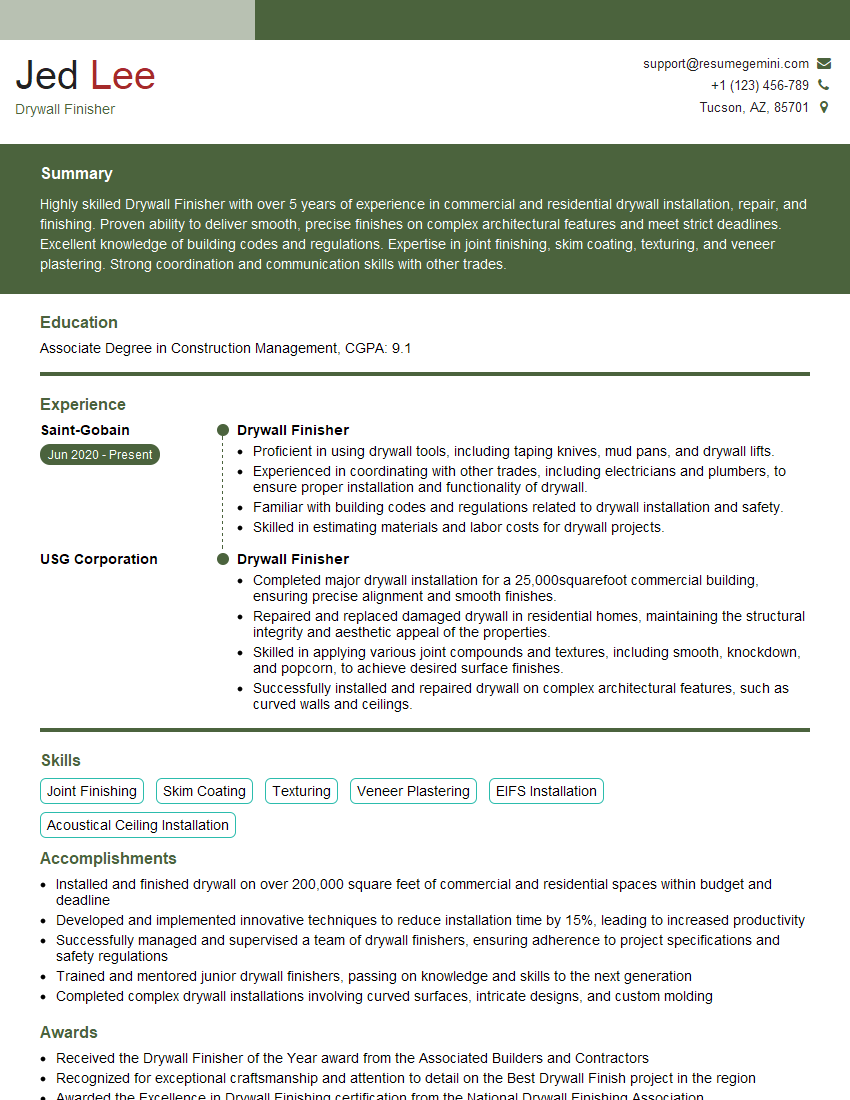
Mastering residential paperhanging opens doors to a rewarding career with opportunities for growth and specialization. A strong skillset in this trade allows for independent contracting or employment with established companies. To maximize your job prospects, create an ATS-friendly resume that highlights your skills and experience. Use ResumeGemini as a trusted resource to build a professional resume that showcases your abilities effectively. ResumeGemini offers examples of resumes tailored to the residential paperhanging field to help you get started.
Explore more articles
Users Rating of Our Blogs
Share Your Experience
We value your feedback! Please rate our content and share your thoughts (optional).
What Readers Say About Our Blog
To the interviewgemini.com Webmaster.
Very helpful and content specific questions to help prepare me for my interview!
Thank you
To the interviewgemini.com Webmaster.
This was kind of a unique content I found around the specialized skills. Very helpful questions and good detailed answers.
Very Helpful blog, thank you Interviewgemini team.