Cracking a skill-specific interview, like one for Familiar with OIE Terrestrial Animal Health Code, requires understanding the nuances of the role. In this blog, we present the questions you’re most likely to encounter, along with insights into how to answer them effectively. Let’s ensure you’re ready to make a strong impression.
Questions Asked in Familiar with OIE Terrestrial Animal Health Code Interview
Q 1. Explain the purpose and structure of the OIE Terrestrial Animal Health Code.
The OIE Terrestrial Animal Health Code is a comprehensive manual of standards for veterinary services. Its purpose is to protect animal health worldwide and to facilitate safe international trade in animals and animal products. Think of it as a global rulebook for animal health, ensuring consistency and safety across borders.
Its structure is organized into chapters covering various aspects of animal health, including:
- Disease Surveillance and Reporting: This outlines how countries should monitor and report animal diseases.
- Disease Control: This covers strategies for preventing and controlling outbreaks, including vaccination and biosecurity.
- Animal Welfare: This section addresses humane treatment of animals during production, transport, and slaughter.
- Import and Export Requirements: This details the conditions under which animals and animal products can move internationally.
- Veterinary Services: This addresses the structure and capabilities of national veterinary services.
Each chapter contains detailed standards, guidelines, and recommendations, providing a framework for countries to implement effective animal health programs.
Q 2. Describe the OIE’s role in international animal health.
The World Organisation for Animal Health (OIE) plays a crucial role in international animal health. It acts as a global reference for animal disease information and best practices. Imagine it as the ‘World Health Organization’ but specifically for animals.
Its key roles include:
- Setting International Standards: The OIE develops and updates the Terrestrial Animal Health Code and other standards, providing a common framework for countries to follow.
- Information Sharing: The OIE facilitates the rapid sharing of information on animal disease outbreaks worldwide, enabling quick responses and preventing the spread of disease.
- Collaboration and Capacity Building: The OIE fosters collaboration between countries and provides technical assistance to help countries improve their animal health systems.
- Disease Surveillance: The OIE collects and analyzes data on animal diseases globally, providing valuable insights into disease trends and risks.
- Promoting International Trade: By harmonizing animal health standards, the OIE facilitates safe and efficient trade in animals and animal products.
Essentially, the OIE works to harmonize global animal health practices, safeguarding both animal welfare and international trade.
Q 3. What are the key principles of the OIE’s approach to disease control?
The OIE’s approach to disease control is founded on several key principles, working together for a comprehensive strategy:
- Prevention: Focusing on proactive measures like vaccination, biosecurity, and early warning systems to prevent disease outbreaks before they occur.
- Early Detection: Implementing effective surveillance systems to detect outbreaks promptly to minimize their impact.
- Rapid Response: Having in place quick and efficient mechanisms for controlling and eradicating outbreaks once they are detected, including control and stamping-out measures.
- Collaboration: Working closely with other countries, organizations, and stakeholders to share information, resources, and expertise.
- Transparency: Openly sharing information about disease outbreaks and control measures to enhance international cooperation and trade confidence. This principle ensures quick sharing of information on disease outbreaks.
- Scientific Evidence-Based Decision Making: Decisions related to disease control are based on scientific evidence and best practices.
These principles are interconnected. For example, a strong prevention program reduces the need for rapid response, while transparent communication strengthens collaboration.
Q 4. Explain the importance of disease reporting under the OIE Code.
Disease reporting under the OIE Code is absolutely critical for preventing and controlling the spread of animal diseases across borders. Timely and accurate information is vital for swift action.
Its importance lies in:
- Early Warning: Prompt reporting allows for early detection of outbreaks, providing valuable time to implement control measures and prevent widespread transmission.
- Risk Assessment: Reported data helps assess the risk posed by different diseases and informs strategies for disease prevention and control.
- International Cooperation: Sharing information enables countries to collaborate and coordinate their responses to disease outbreaks.
- Trade Facilitation: Accurate reporting facilitates international trade by ensuring that animals and animal products meet the required health standards.
- Transparency and Accountability: Transparent reporting fosters trust and accountability among countries and international organizations.
Imagine a wildfire – early reporting is like spotting the smoke early on, giving firefighters a head start to contain the blaze before it spreads uncontrollably. Similarly, prompt disease reporting can greatly minimize the impact of an outbreak.
Q 5. Define ‘notifiable disease’ according to the OIE Code.
According to the OIE Code, a ‘notifiable disease’ is a disease that is considered to pose a significant threat to animal health and/or public health and which must be reported to the OIE. These are serious diseases that need urgent attention.
Several factors determine whether a disease is ‘notifiable’:
- High contagiousness: The ease and speed with which the disease spreads.
- Severity: The potential for significant morbidity (illness) and mortality (death) in animals.
- Economic impact: The potential for significant economic losses due to disease-related deaths, reduced production, trade restrictions, etc.
- Public health implications: The risk of zoonotic transmission—the spread of disease from animals to humans.
Examples of notifiable diseases include Foot-and-Mouth Disease (FMD), highly pathogenic avian influenza (HPAI), and African swine fever (ASF). These diseases can have devastating economic and public health consequences.
Q 6. How does the OIE Code address the issue of animal welfare?
The OIE Code acknowledges animal welfare as a crucial component of responsible animal health management. It’s not just about disease control; it’s about ensuring animals are treated humanely throughout their life cycle.
The Code addresses animal welfare through:
- Standards for Animal Transportation: Guidelines are established for safe and humane transport of animals, minimizing stress and injury during movement.
- Standards for Slaughter and Handling: The Code promotes humane methods of slaughter and handling to reduce animal suffering.
- Welfare Audits and Inspections: It encourages member countries to conduct welfare audits and inspections to ensure compliance with welfare standards.
- Disease Control Methods: The Code emphasizes the use of humane and effective methods for disease control, minimizing stress on animals.
The integration of animal welfare into the Code reflects a growing recognition that animal health and animal welfare are closely intertwined. Improved animal welfare often leads to better animal health outcomes, making it an essential part of the overall strategy.
Q 7. What are the requirements for international movement of animals under the OIE Code?
The OIE Code sets forth rigorous requirements for the international movement of animals to prevent the spread of disease. These requirements vary depending on the animal species and the disease status of the exporting and importing countries.
Key requirements generally include:
- Health Certification: Animals must be accompanied by a veterinary health certificate issued by an official veterinarian, attesting to their health status and compliance with the importing country’s requirements.
- Disease-Free Status: Animals may be required to come from areas free from specific diseases or to have undergone testing and vaccination to prove their freedom from disease. This is commonly determined by zoning regulations within a country.
- Quarantine: Animals may need to undergo a period of quarantine upon arrival in the importing country to ensure they are free from disease.
- Import Permits: Importers usually need to obtain import permits from the relevant authorities in the importing country before animals can be moved.
- Transportation Requirements: Animals must be transported under conditions that minimize stress and the risk of disease transmission.
For example, importing livestock into a country free of Foot-and-Mouth Disease would require a lengthy process, including thorough health checks and possibly quarantine, to prevent the introduction of this highly contagious disease. The specific requirements are negotiated between the importing and exporting countries based on their risk profiles and the OIE guidelines.
Q 8. What are the key elements of an OIE-compliant disease surveillance program?
An OIE-compliant disease surveillance program is the cornerstone of preventing and controlling animal diseases, safeguarding animal health, and protecting international trade. It’s not just about detecting outbreaks; it’s about proactively monitoring the health status of animal populations.
Passive Surveillance: This involves collecting data from routine veterinary activities, such as slaughterhouse inspections and diagnostic laboratory reports. Think of it as listening for clues – reports from veterinarians on the ground.
Active Surveillance: This is a more proactive approach, involving targeted sampling and testing of animals to detect the presence of diseases, even when there are no clinical signs. This is like actively searching for the disease, not just waiting for it to announce itself.
Data Management and Analysis: Efficient systems are needed to collect, store, analyze, and interpret surveillance data. Sophisticated software and skilled epidemiologists are critical in making sense of the information.
Reporting and Communication: Timely reporting of disease events, both nationally and internationally, is paramount. The OIE provides the framework for this, ensuring rapid dissemination of crucial information.
Laboratory Capacity: Accurate and timely diagnostic testing is essential. This requires well-equipped laboratories and trained personnel capable of using advanced diagnostic tools.
For example, imagine a country regularly monitoring its poultry flocks for Avian Influenza through both passive surveillance (vet reports) and active surveillance (random sampling and testing). The data is then analyzed to identify trends and promptly report any outbreaks to the OIE.
Q 9. Explain the role of risk assessment in international animal trade.
Risk assessment is vital in international animal trade because it helps determine the likelihood of introducing diseases into disease-free areas. It’s a systematic process to evaluate the potential risks associated with the movement of animals and animal products across borders.
The process typically involves identifying potential hazards (e.g., specific diseases), analyzing the pathways for disease spread (e.g., import of infected animals), characterizing the consequences of disease introduction (e.g., economic impact), and determining the probability of those consequences occurring. This information is then used to establish appropriate sanitary and phytosanitary (SPS) measures – regulations designed to protect animal and plant health.
For instance, importing cattle from a region with Foot-and-Mouth Disease (FMD) would require a thorough risk assessment. This might involve considering the prevalence of FMD in the source country, the effectiveness of disease control measures in place, and the potential impact of an outbreak in the importing country. Based on the assessment, measures such as quarantine, vaccination, or complete import bans could be implemented.
Q 10. Describe the OIE’s approach to zoonotic disease control.
The OIE takes a multi-faceted approach to zoonotic disease control, recognizing that these diseases can spread from animals to humans, posing significant public health risks. Their approach centers on the ‘One Health’ concept – recognizing the interconnectedness of human, animal, and environmental health.
Surveillance and Early Warning Systems: The OIE promotes the development of robust surveillance systems to detect and monitor zoonotic diseases in animals. Early detection is vital in preventing outbreaks and reducing the risk of human infection.
Collaboration and Information Sharing: The OIE facilitates international collaboration between veterinary and public health authorities, sharing information on zoonotic disease outbreaks and control strategies.
Development of Standards and Guidelines: The OIE develops standards and guidelines for the prevention, control, and eradication of zoonotic diseases, promoting best practices globally.
Capacity Building: The OIE works to strengthen the capacity of member countries to prevent and control zoonotic diseases, providing training and technical assistance.
For example, the OIE’s work on Avian Influenza, a zoonotic disease, includes guidelines for surveillance, biosecurity measures in poultry farms, and safe handling of poultry products to minimize the risk of human infections. They facilitate information sharing between veterinary and public health officials to ensure a coordinated response.
Q 11. What are the different types of OIE terrestrial animal health standards?
OIE terrestrial animal health standards are diverse, aiming to harmonize animal health regulations across the globe. They can be broadly categorized as:
Aquatic Animal Health Code: Deals with aquatic animal diseases
Terrestrial Animal Health Code: Focuses on terrestrial animal diseases (this is the one we are discussing extensively here)
Manual of Diagnostic Tests and Vaccines for Terrestrial Animals: Provides guidance on standardized diagnostic methods and vaccines.
Performance Standards for Veterinary Laboratories: Sets the standards for laboratory diagnostic procedures.
Within the Terrestrial Animal Health Code, you’ll find standards related to specific diseases (e.g., rabies, foot-and-mouth disease), general animal health management practices (e.g., biosecurity, transportation), and reporting procedures. These standards cover everything from disease notification to import/export regulations.
Q 12. How are OIE standards enforced?
OIE standards aren’t legally binding in the same way as national laws. However, they carry significant weight as international norms and are largely enforced through peer pressure and the principle of mutual recognition.
Mutual Recognition Agreements: Countries often enter into bilateral or multilateral agreements recognizing each other’s compliance with OIE standards, simplifying international trade.
OIE Audits and Evaluations: The OIE conducts regular audits and evaluations of member countries’ animal health systems, assessing their compliance with OIE standards. This process encourages countries to strengthen their animal health systems.
Transparency and Reporting: The OIE’s transparency mechanisms, requiring regular reporting of disease outbreaks and animal health activities, help promote accountability and facilitate the identification of areas needing improvement.
Trade Sanctions (indirect): While the OIE itself doesn’t impose trade sanctions, non-compliance with its standards can lead to trade restrictions by individual countries.
Imagine Country A, having consistently failed to meet OIE standards for FMD control, might find it difficult to export livestock to Country B, even if there is no explicit OIE sanction. Country B may choose to restrict imports based on its own risk assessment and confidence in Country A’s animal health system.
Q 13. What is the process for amending the OIE Terrestrial Animal Health Code?
Amending the OIE Terrestrial Animal Health Code is a rigorous process designed to ensure scientific accuracy and consensus among member countries. It’s not a quick process and takes considerable time and collaboration.
Proposal Submission: Changes can be proposed by member countries, the OIE Secretariat, or expert groups.
Scientific Review: The proposed amendments are reviewed by relevant OIE expert groups, who assess the scientific validity and feasibility of the changes.
Consultation and Debate: The proposed amendments are then discussed and debated at OIE meetings, including the World Assembly, where member countries vote to approve or reject the changes. This ensures all voices are heard.
Adoption and Publication: Once approved, the amendments are incorporated into the Code, and a revised version is published.
This careful process emphasizes the importance of scientific evidence and broad international agreement. It’s not just a matter of one country deciding to change something; it requires collaborative agreement from the global animal health community.
Q 14. Explain the concept of ‘disease freedom’ according to the OIE.
According to the OIE, ‘disease freedom’ refers to the absence of a specific disease in a defined geographical area under specific conditions. It’s not simply the absence of reported cases; it requires a robust system of surveillance, diagnosis, and control measures to ensure the disease’s absence.
There are different levels of disease freedom, including:
Compartmentalisation: Disease freedom can apply to a specific region or group of animals within a country, rather than the entire country. This allows for the safe trade of animals from the disease-free compartment.
National Disease Freedom: This signifies the absence of the disease in the entire country, often achieved through stringent control programs.
Regional Disease Freedom: Similar to national disease freedom, but it applies to a larger geographic area encompassing multiple countries.
World Freedom (rare): This is the most stringent level and indicates the absence of the disease worldwide.
Achieving disease freedom requires a long-term commitment to animal health, including comprehensive surveillance, effective control measures, and robust biosecurity practices. For example, a country might achieve national disease freedom from rinderpest after a successful eradication campaign, demonstrated through years of surveillance showing no new cases and fulfillment of the OIE’s requirements.
Q 15. Describe the importance of biosecurity in preventing disease outbreaks.
Biosecurity is the foundation of preventing disease outbreaks in animals. Think of it as a multi-layered shield protecting your livestock from harmful pathogens. It involves implementing a series of practices designed to minimize the risk of introducing, establishing, or spreading infectious diseases. These practices aim to prevent the entry of pathogens onto a farm or into a population, and to prevent their spread within and between farms.
- Physical barriers: This includes fences, proper waste disposal systems, and dedicated footwear/clothing for different areas of a farm. Imagine a castle with strong walls and a moat to keep invaders out.
- Hygiene protocols: Strict handwashing, disinfection of equipment, and regular cleaning and disinfection of facilities are crucial. Think of regularly cleaning your house to prevent illness.
- Quarantine procedures: Newly introduced animals should be isolated and monitored for signs of illness before integrating them into the existing herd. It’s like keeping a new pet in a separate room for a while to observe their health.
- Vector control: Managing rodents, insects, and other disease vectors reduces disease transmission risks. Think of pest control in your home to eliminate potential disease carriers.
- Personnel biosecurity: Staff should follow strict hygiene and movement protocols to prevent pathogen transmission between farms. Imagine doctors using sterile gloves and gowns in a hospital setting.
Effective biosecurity measures significantly reduce the risk and impact of disease outbreaks, saving both animal lives and economic losses. A farm with a strong biosecurity program is less likely to experience a devastating disease outbreak.
Career Expert Tips:
- Ace those interviews! Prepare effectively by reviewing the Top 50 Most Common Interview Questions on ResumeGemini.
- Navigate your job search with confidence! Explore a wide range of Career Tips on ResumeGemini. Learn about common challenges and recommendations to overcome them.
- Craft the perfect resume! Master the Art of Resume Writing with ResumeGemini’s guide. Showcase your unique qualifications and achievements effectively.
- Don’t miss out on holiday savings! Build your dream resume with ResumeGemini’s ATS optimized templates.
Q 16. How does the OIE Code address the issue of antimicrobial resistance?
The OIE Code recognizes the serious threat of antimicrobial resistance (AMR) to animal and human health. It promotes responsible use of antimicrobials in veterinary medicine through several key strategies. The overarching goal is to slow the development and spread of drug-resistant pathogens.
- Surveillance and Monitoring: The Code encourages member countries to monitor antimicrobial use and resistance patterns to identify emerging threats and assess the effectiveness of interventions. This data-driven approach enables targeted action.
- Reducing Antibiotic Use: The Code promotes responsible use of antimicrobials, advocating for their use only when clinically necessary, based on diagnosis and susceptibility testing. This emphasizes the need to avoid unnecessary antibiotic use, thus reducing selection pressure that leads to resistance.
- Alternatives to Antimicrobials: The Code encourages exploring and implementing alternative strategies to antimicrobials, such as vaccination, biosecurity improvements, and improved hygiene practices. A multi-pronged approach is far more effective than relying solely on antibiotics.
- Strengthening Veterinary Regulations: The Code supports national legislation and enforcement to regulate the sale, distribution, and use of antimicrobials in veterinary medicine. This ensures responsible use and prevents misuse.
- International Collaboration: The OIE fosters collaboration between member countries to share information, best practices, and research findings on AMR. Sharing knowledge helps address this global challenge effectively.
In essence, the OIE Code addresses AMR by advocating for a holistic approach that combines responsible antibiotic use, improved diagnostics, surveillance, and exploration of alternatives. This multi-faceted approach is critical for maintaining the effectiveness of antimicrobials for future generations.
Q 17. What is the role of vaccination in preventing and controlling animal diseases?
Vaccination plays a pivotal role in preventing and controlling animal diseases. It’s a cost-effective, highly successful strategy that creates herd immunity by generating protective antibodies in animals, reducing the spread of infections.
- Disease Prevention: Vaccines stimulate the immune system to develop immunity against specific pathogens, preventing disease outbreaks or reducing their severity. Think of it as providing your animals with a protective suit against specific threats.
- Disease Control: Vaccination can control the spread of diseases even if some animals remain unvaccinated. Herd immunity, in which a large proportion of animals are vaccinated and protected, protects the entire population. It’s like a community’s protection against a contagious disease by a majority of individuals being vaccinated.
- Emergency Response: In the event of a disease outbreak, vaccination can be a critical tool in containing its spread and mitigating its impact. It’s a critical response tool, much like deploying firefighters in a forest fire situation.
- Economic benefits: By preventing disease outbreaks, vaccination protects the livelihood of farmers and the economy by reducing losses due to morbidity and mortality. A healthy herd ensures stable production and income.
Successful vaccination programs require careful planning, considering factors such as vaccine efficacy, target populations, and appropriate vaccination schedules. The OIE provides guidance on vaccine selection, use, and safety to facilitate effective vaccination programs.
Q 18. Explain the importance of traceability in animal health management.
Traceability in animal health management is the ability to track animals throughout their lives, from birth to slaughter or death. It’s like having a detailed history of each animal’s journey, similar to a personal identification number (PIN) for each animal. This is crucial for rapid disease tracing and control.
- Disease Outbreak Investigation: In the event of a disease outbreak, traceability allows rapid identification of infected animals and their contacts, enabling swift implementation of control measures. It allows you to quickly identify all animals that came into contact with an infected animal and take appropriate actions.
- Preventing Disease Spread: By tracking the movement of animals, it’s easier to prevent the spread of diseases, whether it’s through quarantining animals or implementing movement restrictions. It helps to limit the scope and the speed of disease spread.
- Food Safety Assurance: Traceability provides consumers with confidence in the safety and origin of animal products, building trust and supporting consumer protection.
- Improving Animal Welfare: Knowing the location and history of animals can help improve animal welfare by facilitating better monitoring and management of animals’ conditions.
Efficient traceability systems rely on electronic identification (EID) technologies and comprehensive record-keeping systems. The OIE encourages member countries to implement robust traceability systems to improve animal health management and enhance food safety.
Q 19. How does the OIE Code address the issue of animal health emergencies?
The OIE Code provides a framework for managing animal health emergencies. It outlines the responsibilities of member countries in reporting, controlling, and preventing the spread of notifiable diseases. Imagine it as a global emergency response plan for animal diseases.
- Early Warning and Reporting: Member countries are obligated to report to the OIE any occurrences of listed notifiable diseases. This early warning system allows for rapid response to outbreaks and prevents their spread to other countries.
- International Collaboration: The OIE facilitates collaboration between countries to share information and coordinate responses to transboundary animal disease outbreaks. It brings together experts and resources from different nations to fight against a common threat.
- Emergency Preparedness: The Code encourages member countries to develop and implement national emergency preparedness plans for animal health. This ensures that countries are ready to respond to outbreaks quickly and effectively.
- Disease Control Measures: The Code provides guidelines on disease control measures, including quarantine, vaccination, culling, and trade restrictions. It outlines the best methods to stop and control the spread of the disease.
- Post-Emergency Evaluation: After an emergency, the Code promotes analysis of the response to identify successes and areas for improvement. Lessons learned can make future responses even better.
The OIE’s role in animal health emergencies is crucial in preventing the spread of diseases across borders, safeguarding international trade, and protecting animal health globally.
Q 20. Describe the OIE’s role in capacity building in developing countries.
The OIE plays a vital role in building capacity in developing countries to improve their animal health systems. This involves providing technical assistance, training, and resources to strengthen their ability to prevent, detect, and control animal diseases. Think of it as providing tools and training to build strong local capabilities.
- Technical Assistance: The OIE provides technical expertise to member countries to improve their animal health infrastructure, diagnostic capabilities, and disease surveillance systems. This helps countries become self-reliant in managing animal health.
- Training and Education: The OIE offers training programs for veterinarians, animal health technicians, and other stakeholders to enhance their skills and knowledge in various areas of animal health management. They create expertise in disease surveillance, diagnostics, and prevention.
- Resource Mobilization: The OIE facilitates access to resources and funding for animal health programs in developing countries. They aid in securing resources necessary for capacity building.
- Collaboration and Partnerships: The OIE works with other international organizations, governments, and civil society to build collaborative partnerships to address animal health challenges in developing countries. They leverage different players and resources.
Capacity building initiatives enhance countries’ self-reliance in protecting their animal populations, promoting food security, and enhancing public health.
Q 21. Explain the difference between compartmentalization and zoning in disease control.
Compartmentalization and zoning are both strategies used in disease control to manage risk and limit the spread of disease but differ in their approach.
- Compartmentalization: This involves identifying and recognizing specific geographical areas or groups of animals (compartments) within a country that are disease-free or have a lower risk of disease than the surrounding areas. These compartments can be granted special status, allowing for less stringent control measures or access to specific markets. Think of it as creating ‘islands’ of safety within a larger, possibly infected area. For example, a specific farm or region could be recognized as a disease-free compartment if it adheres to strict biosecurity measures.
- Zoning: This involves dividing a country or region into different zones based on disease prevalence or risk. Each zone has different animal movement restrictions and disease control measures applied accordingly. A high-risk zone would have stricter measures than a low-risk zone. Imagine this as dividing a country into different color-coded zones, each with its own restrictions. High-risk areas might have complete movement restrictions.
The key difference is that compartmentalization focuses on identifying disease-free or low-risk areas within a larger area, while zoning divides a larger area into different risk levels based on disease presence. Both strategies are used to control disease spread and facilitate trade, but compartmentalization offers a more targeted, localized approach.
Q 22. What are the key considerations for implementing an effective disease eradication program?
Effective disease eradication programs hinge on a multi-pronged approach. It’s not just about eliminating the disease; it’s about preventing its recurrence. Key considerations include:
- Comprehensive Surveillance: A robust system for early detection and rapid response is crucial. This involves active and passive surveillance, using various methods like sentinel animal monitoring, laboratory diagnostics, and farmer reporting.
- Effective Control Measures: This depends on the specific disease. It might involve vaccination campaigns, culling (removal of infected animals), quarantine measures, movement restrictions, and biosecurity improvements (e.g., disinfection, improved hygiene practices on farms).
- Stakeholder Engagement: Success relies on the cooperation of everyone involved – farmers, veterinarians, government officials, and the public. Clear communication and education are vital to gain trust and ensure compliance.
- Resource Allocation: Sufficient funding, personnel, and infrastructure are essential. This includes skilled veterinarians, diagnostic laboratories, and the resources for implementing control measures.
- Traceability: Comprehensive animal identification and traceability systems allow for rapid tracing of infected animals and their contacts, preventing further spread.
- Risk Assessment and Management: Identifying and mitigating potential risks of reintroduction is crucial for long-term success. This often involves assessing trade routes, wildlife reservoirs, and other potential sources of infection.
For example, the eradication of rinderpest involved a global collaborative effort with intensive vaccination campaigns, strict surveillance, and international cooperation. The success of this program underscores the importance of these key elements.
Q 23. Describe the challenges of controlling transboundary animal diseases.
Controlling transboundary animal diseases (TADs) presents significant challenges due to their ability to rapidly cross borders. These challenges include:
- Rapid Spread: Globalization and increased animal trade facilitate rapid disease transmission across vast geographical areas.
- Lack of Resources: Many countries, particularly developing nations, lack the resources (financial, human, and infrastructural) to implement effective control programs.
- Limited Veterinary Capacity: A shortage of skilled veterinarians and diagnostic laboratories hampers early detection and response.
- Political and Socioeconomic Factors: Political instability, poverty, and weak governance can hinder disease control efforts.
- Wildlife Reservoirs: Many TADs can persist in wildlife populations, acting as a continuous source of infection for domestic animals.
- Lack of Coordination: Ineffective international collaboration and information sharing can impede efforts to contain outbreaks.
The spread of foot-and-mouth disease across countries illustrates the challenges. The disease can spread rapidly through infected animals and contaminated materials, requiring swift and coordinated international responses to prevent widespread economic losses.
Q 24. What is the role of laboratory diagnostics in animal disease surveillance?
Laboratory diagnostics play a critical role in animal disease surveillance by providing accurate and timely information about the presence, nature, and extent of diseases. This facilitates:
- Early Detection: Rapid and accurate diagnostics are crucial for early detection of outbreaks, allowing for prompt intervention and minimizing spread.
- Disease Characterization: Laboratory tests identify the specific pathogen, its virulence, and its antibiotic resistance profile, guiding treatment and control strategies.
- Disease Monitoring: Regular diagnostic testing on sentinel animals and samples from the field provides data for tracking disease prevalence and trends.
- Epidemiological Investigations: Diagnostic results help trace the source of outbreaks and identify risk factors, which informs future preventative measures.
- Trade Certification: Accurate diagnostic tests are essential for international trade in animals and animal products, ensuring disease-free status.
Imagine a scenario where a suspected outbreak occurs. Rapid and accurate diagnostic tests confirm the presence of African Swine Fever virus. This allows immediate implementation of control measures like quarantine and culling, preventing widespread devastation to the pig industry.
Q 25. How does the OIE Code address the issue of animal disease diagnostics?
The OIE Terrestrial Animal Health Code addresses animal disease diagnostics by establishing standards and guidelines for diagnostic tests, laboratories, and reporting. Key aspects include:
- Standardization of Diagnostic Tests: The Code specifies performance requirements and validation procedures for various diagnostic tests, ensuring accuracy and reliability.
- Laboratory Accreditation: The Code promotes the accreditation of veterinary diagnostic laboratories to international standards, ensuring quality and competence.
- Reference Laboratories: The OIE designates reference laboratories for specific diseases, providing expertise, training, and diagnostic support to member countries.
- Data Reporting: The Code mandates the reporting of animal disease outbreaks and diagnostic findings to the OIE, enabling rapid information sharing and international collaboration.
This standardization ensures that countries use reliable tests and consistent diagnostic methodologies, making it easier to compare data and coordinate responses to international outbreaks. For example, the standardized tests for avian influenza allow for rapid diagnosis and global collaboration in containing outbreaks.
Q 26. Explain the importance of collaborating with other international organizations in animal health.
Collaboration with other international organizations is crucial for effective animal health management. The OIE works closely with organizations like the FAO (Food and Agriculture Organization of the United Nations), WHO (World Health Organization), and the World Bank to leverage expertise and resources. This collaboration enhances:
- Resource Mobilization: Joint efforts can secure funding and technical support for animal health programs, particularly in resource-limited settings.
- Information Sharing: Sharing epidemiological data, best practices, and research findings across organizations improves disease surveillance and response.
- Capacity Building: Joint training programs and technical assistance initiatives build capacity for animal health professionals worldwide.
- Harmonization of Standards: Collaboration helps align animal health regulations and standards across countries, facilitating international trade and disease control.
- One Health Approach: Collaboration promotes a ‘One Health’ approach, recognizing the interconnectedness of human, animal, and environmental health.
For instance, joint initiatives with the FAO often focus on improving food security by tackling animal diseases that affect livestock production. Collaborations with WHO are vital for zoonotic diseases (diseases that can spread from animals to humans).
Q 27. How does the OIE Code address the issue of wildlife disease?
The OIE Code recognizes the importance of wildlife in the epidemiology of many animal diseases. It addresses wildlife disease by:
- Surveillance and Monitoring: The Code encourages the surveillance of wildlife populations for diseases of veterinary importance.
- Risk Assessment: The Code promotes the assessment of risks posed by wildlife to livestock and human health.
- Disease Control Strategies: The Code suggests strategies for managing wildlife diseases, taking into account ecological considerations and ethical implications.
- Collaboration: The Code emphasizes collaboration between wildlife agencies, veterinary authorities, and other stakeholders to address wildlife-related disease risks.
For example, the Code provides guidance on managing outbreaks of avian influenza in wild birds, which can spread to poultry and potentially humans. It highlights the need for integrated management strategies involving wildlife agencies and veterinary services.
Q 28. Describe the importance of communication and transparency in managing animal health emergencies.
Effective communication and transparency are paramount in managing animal health emergencies. They facilitate:
- Early Warning: Rapid communication of suspected outbreaks allows for timely intervention, minimizing the spread and impact of the disease.
- Coordinated Response: Clear and consistent information sharing among stakeholders ensures a coordinated response, avoiding confusion and duplication of efforts.
- Public Trust: Open and honest communication with the public builds trust and encourages cooperation, crucial for implementing control measures.
- International Collaboration: Transparent information sharing across borders enables international collaboration, facilitating rapid containment of transboundary diseases.
- Risk Communication: Effective risk communication helps to mitigate public fear and anxiety, while promoting appropriate preventative behaviors.
During an outbreak, timely communication to farmers about control measures and the rationale behind them is vital to ensure compliance and minimize the negative impact on livelihoods. Similarly, communicating transparently with the public about the situation helps allay concerns and maintain public trust.
Key Topics to Learn for Familiar with OIE Terrestrial Animal Health Code Interview
- Disease Reporting and Notification: Understand the procedures for reporting and notifying animal diseases as outlined in the Code, including timelines and required information. Consider practical scenarios involving different disease outbreaks and the appropriate responses.
- Disease Control and Eradication Strategies: Familiarize yourself with various strategies employed for controlling and eradicating terrestrial animal diseases, including vaccination programs, quarantine measures, and surveillance systems. Analyze case studies to understand the practical application of these strategies.
- International Trade and Animal Health: Grasp the implications of the OIE Code on international trade of animals and animal products. Understand how compliance with the Code facilitates or restricts trade and the associated regulations.
- Animal Health Standards and Legislation: Learn about the development and implementation of animal health standards and legislation, focusing on their role in maintaining animal health and preventing disease spread. Explore the interplay between national regulations and the international OIE standards.
- Risk Assessment and Management: Understand the principles of risk assessment and management in the context of animal diseases. Be prepared to discuss how risk assessments inform disease control and prevention strategies.
- Surveillance and Monitoring Systems: Explore the different types of surveillance systems used to monitor animal health and detect disease outbreaks. Analyze how data from these systems is used to inform decision-making.
- Emergency Preparedness and Response: Understand the importance of preparedness for animal disease outbreaks and the various response strategies employed to contain and mitigate their impact. Consider the role of international collaboration in emergency response.
Next Steps
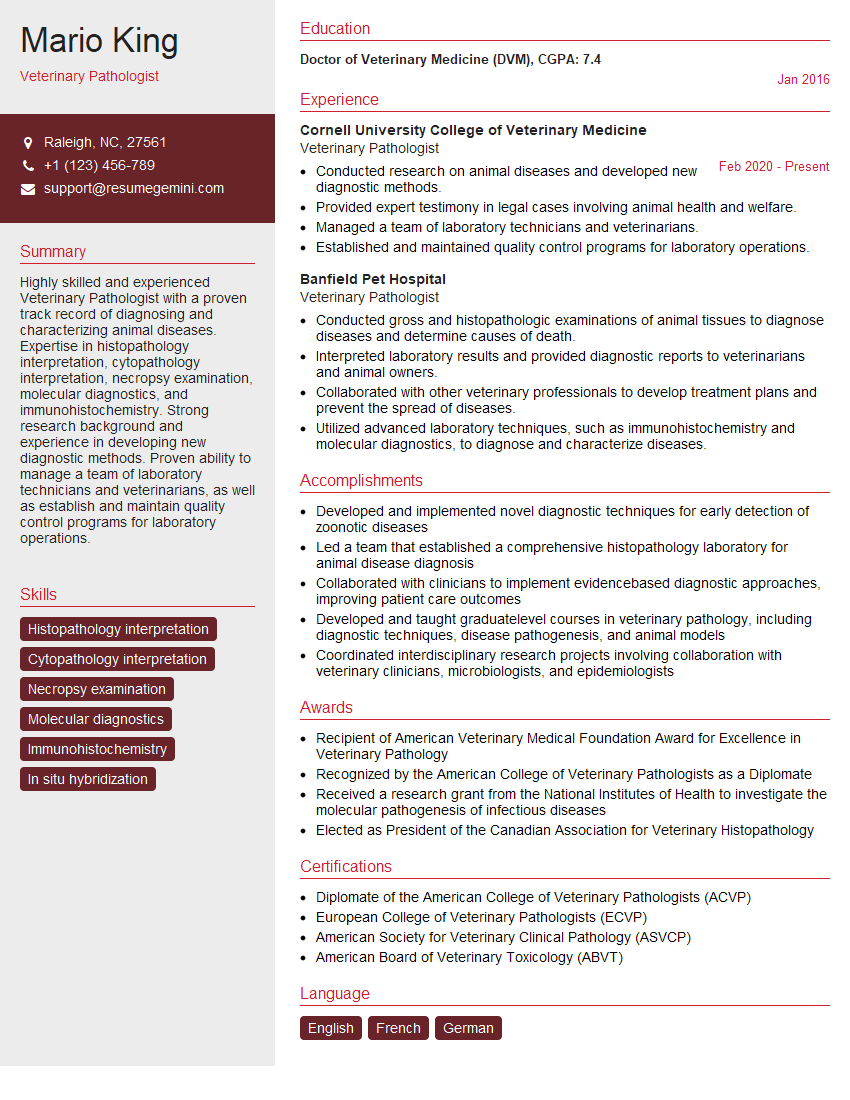
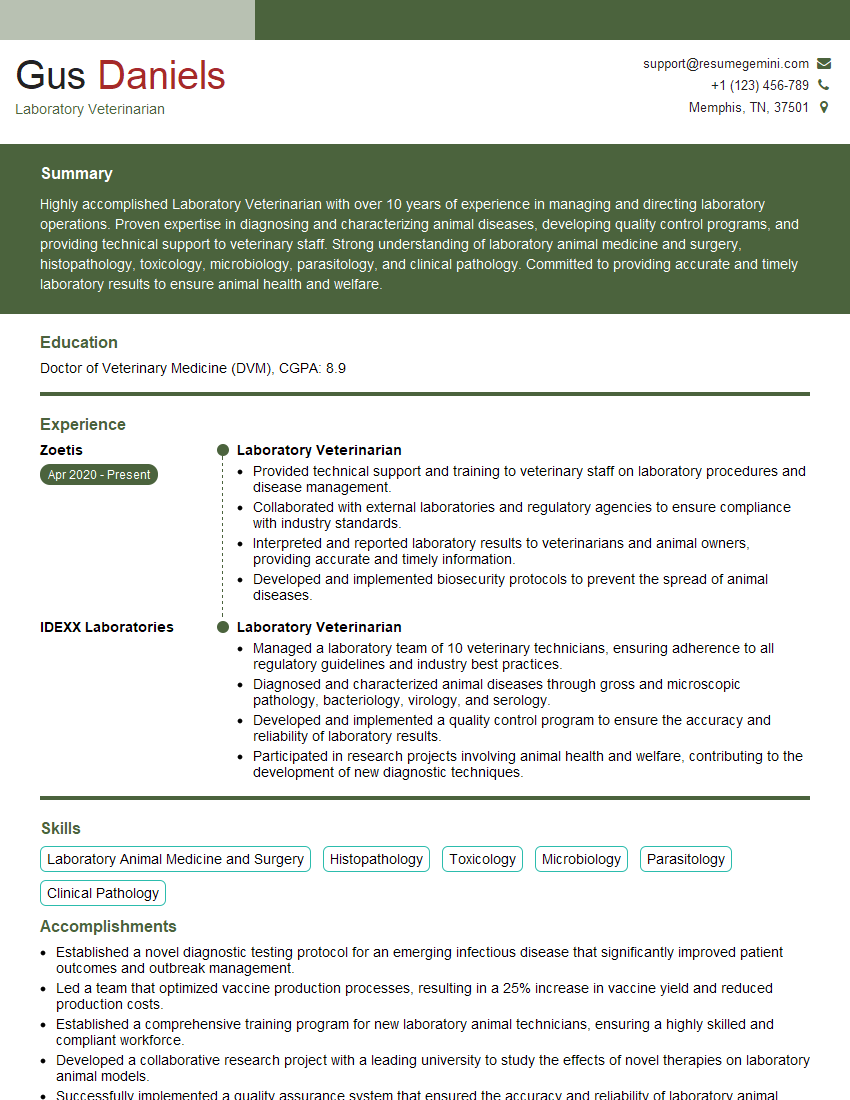
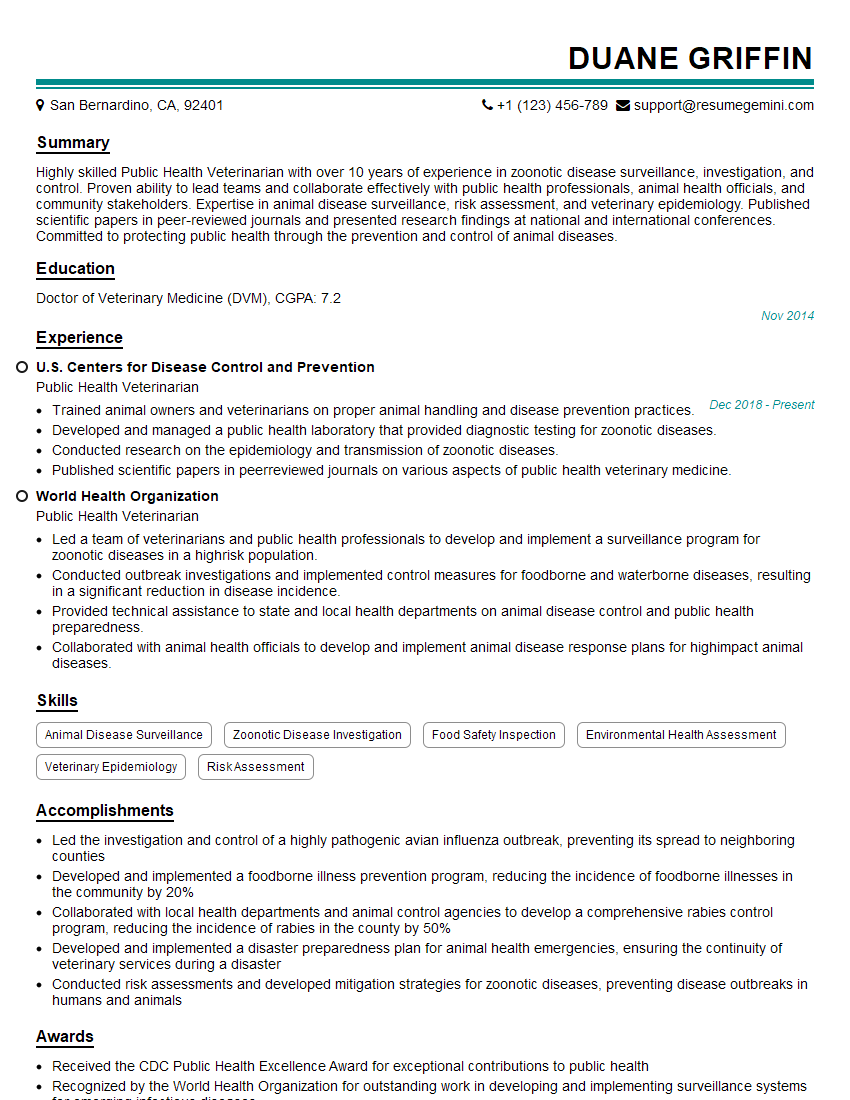
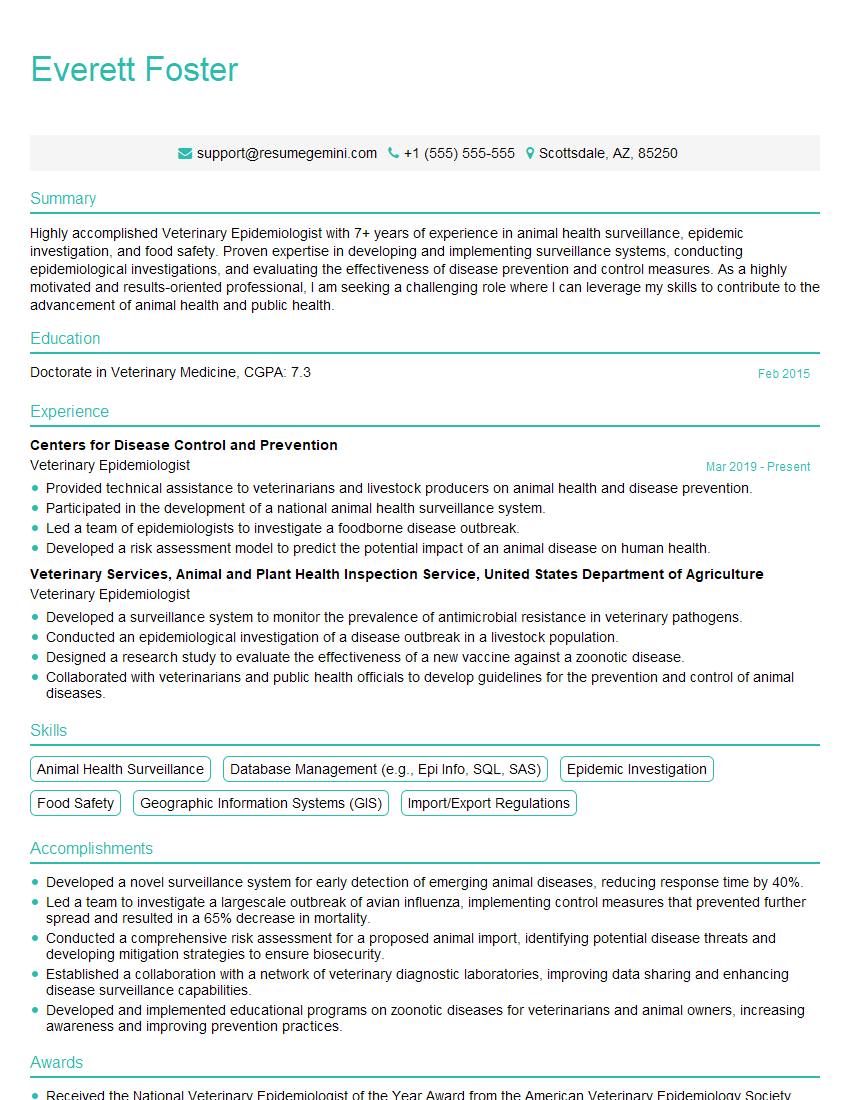
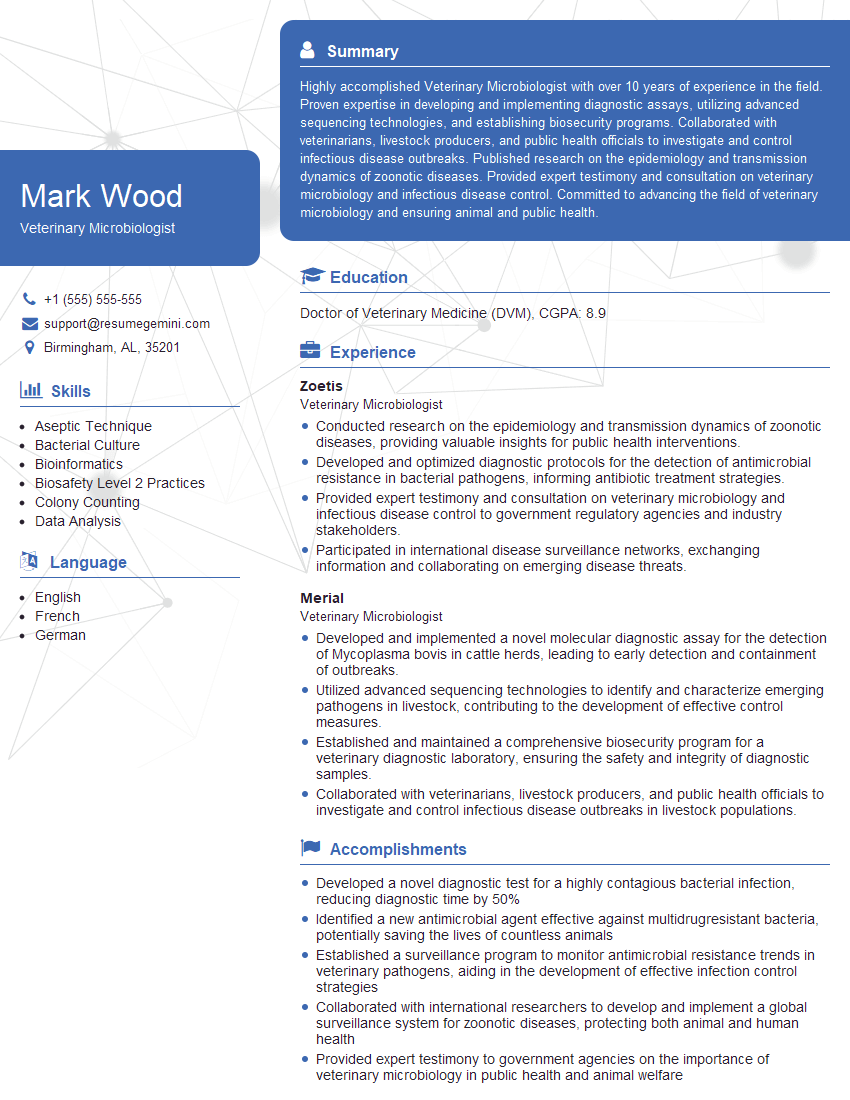
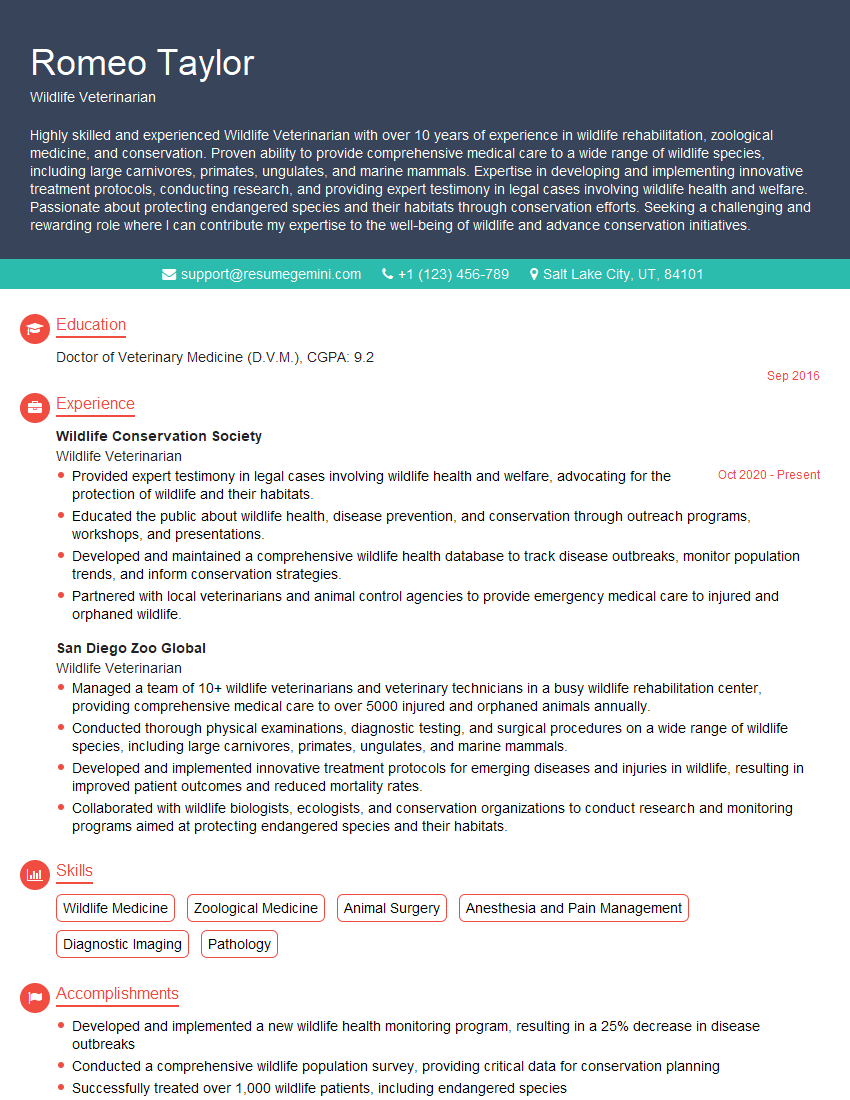
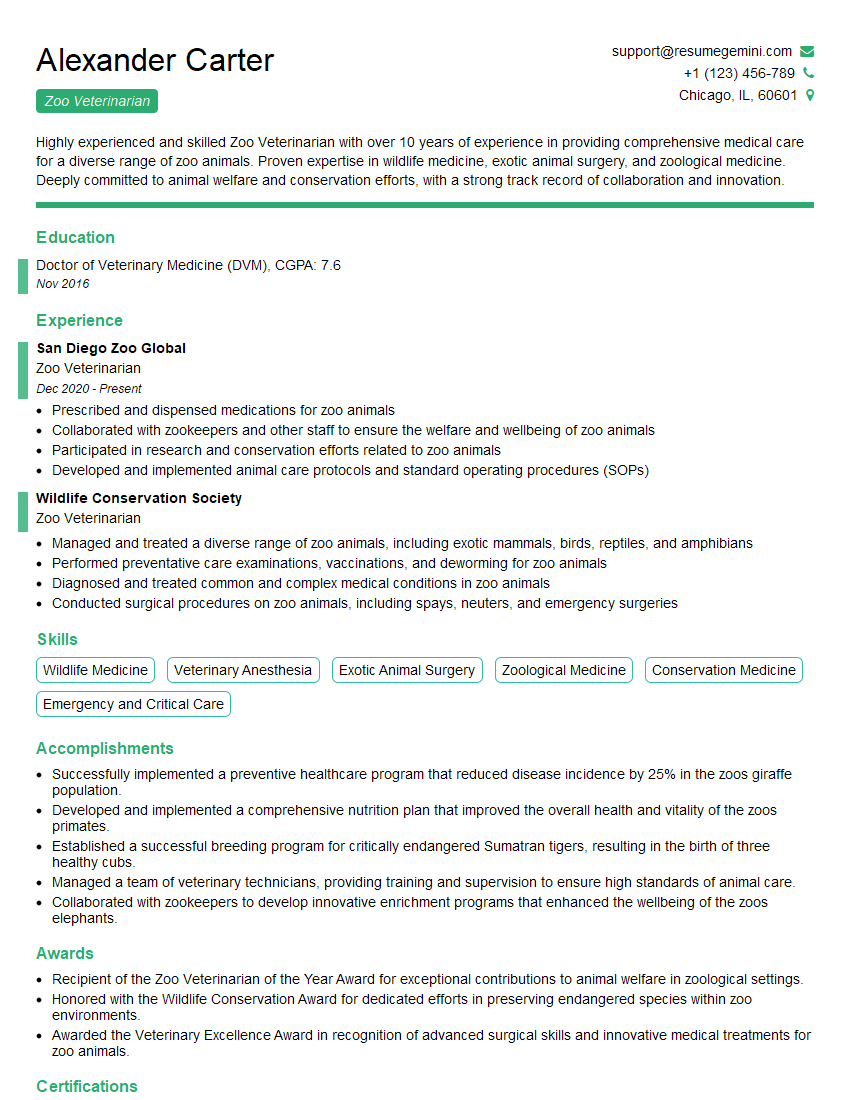
Mastering the OIE Terrestrial Animal Health Code is crucial for career advancement in veterinary medicine, animal health management, and international trade. A strong understanding of these principles demonstrates expertise and commitment to global animal health. To maximize your job prospects, create an ATS-friendly resume that effectively highlights your skills and experience. ResumeGemini is a trusted resource to help you build a professional and impactful resume. Examples of resumes tailored to demonstrating familiarity with the OIE Terrestrial Animal Health Code are available to help guide your resume creation.
Explore more articles
Users Rating of Our Blogs
Share Your Experience
We value your feedback! Please rate our content and share your thoughts (optional).
What Readers Say About Our Blog
To the interviewgemini.com Webmaster.
Very helpful and content specific questions to help prepare me for my interview!
Thank you
To the interviewgemini.com Webmaster.
This was kind of a unique content I found around the specialized skills. Very helpful questions and good detailed answers.
Very Helpful blog, thank you Interviewgemini team.