Feeling uncertain about what to expect in your upcoming interview? We’ve got you covered! This blog highlights the most important Assessing Patient Health Histories interview questions and provides actionable advice to help you stand out as the ideal candidate. Let’s pave the way for your success.
Questions Asked in Assessing Patient Health Histories Interview
Q 1. Describe your process for obtaining a complete and accurate patient health history.
Obtaining a complete and accurate patient health history is crucial for effective healthcare. My process involves a structured approach combining open-ended questions with focused inquiries to cover all relevant aspects of the patient’s past and present health. It’s like building a comprehensive puzzle, where each piece of information contributes to the overall picture.
Initial Information Gathering: I begin by collecting demographic data, such as age, gender, and occupation, which can provide valuable context. Then I proceed with a chronological review of the patient’s medical history, starting from childhood and progressing to the present.
Detailed Medical History: This involves inquiries about past illnesses, surgeries, hospitalizations, allergies, current medications, and family history. I use open-ended questions like, ‘Can you tell me about your health history?’ to encourage a narrative approach. This often reveals crucial information the patient might not otherwise volunteer.
Review of Systems (ROS): I systematically review each body system (e.g., cardiovascular, respiratory, gastrointestinal) to identify potential issues that might not have been spontaneously reported. I ask specific questions related to each system, like ‘Have you experienced any chest pain or shortness of breath?’
Social History: Understanding a patient’s lifestyle is crucial. I inquire about their smoking status, alcohol consumption, drug use, diet, exercise habits, and occupational exposures, all of which can impact their health.
Psychosocial History: Mental health and social factors play a vital role. I ask about stress levels, sleep patterns, relationships, and coping mechanisms. This helps form a complete picture of their overall well-being.
Documentation: Throughout this process, I meticulously document all information obtained, ensuring clarity, accuracy, and completeness. I use standardized templates to maintain consistency and capture all relevant details.
For example, if a patient mentions recurrent headaches, I would further inquire about their location, frequency, severity, associated symptoms, and any previous treatments, building a detailed picture of their condition.
Q 2. How do you handle discrepancies or inconsistencies in a patient’s reported medical history?
Discrepancies in a patient’s medical history are common and require careful handling. The key is to approach the situation with empathy and a focus on clarifying the information rather than accusing the patient of inaccuracy. It’s about understanding the context, not judging it.
Gentle Clarification: I start by gently rephrasing the conflicting information, ensuring I understand their perspective before proceeding. Questions like, ‘I noticed some differences in what you’ve shared about your previous surgeries; could you help me clarify?’ are helpful.
Review of Documentation: If possible, I verify the information by reviewing previous medical records. This can help identify errors or misinterpretations. Sometimes, past records are incomplete or have different terminology that might create confusion.
Collaboration: Involving other healthcare professionals or contacting previous healthcare providers might be necessary to reconcile differences. For instance, verifying medication history with the patient’s pharmacist can provide valuable insight.
Documentation: All discrepancies and their resolution are documented clearly and objectively. This ensures transparency and avoids future misunderstandings. A note saying, ‘Patient initially reported X, but subsequent review of records indicated Y,’ maintains accountability.
For instance, if a patient reports never having had a specific allergy but their chart indicates a previous reaction, I would gently inquire about their past experiences and perhaps investigate the chart’s previous entry for inaccuracies. This approach fosters trust and open communication.
Q 3. Explain your approach to interviewing patients with cognitive impairments or communication barriers.
Interviewing patients with cognitive impairments or communication barriers requires patience, adaptability, and a modified approach. My strategy involves using appropriate communication techniques and resources to ensure that I gather as much accurate information as possible. It’s like learning a new language – the goal is understanding the core message, even if the delivery is different.
Adapt to Communication Style: I adjust my communication style to suit the patient’s cognitive abilities and communication preferences. I use simple language, short sentences, and visual aids where appropriate.
Involve Caregivers/Family: If appropriate and with the patient’s consent, I involve family members or caregivers who are familiar with the patient’s history and communication patterns. They can often provide crucial context and bridge communication gaps. It’s important that I maintain a level of patient confidentiality while gaining clarity.
Utilize Assistive Devices: I utilize appropriate assistive devices, such as interpreters for language barriers, or communication boards or picture cards for patients with aphasia or other speech impairments.
Structured Interviews: Structured interviews with clear and concise questions can be more effective than open-ended ones, avoiding confusion and facilitating accurate responses.
Patience and Understanding: Most importantly, I approach the interaction with patience, empathy, and a genuine effort to understand the patient’s perspective. Building rapport is key in these situations.
For example, with a patient who has dementia, I might use a simple questionnaire focusing on key aspects of their health, rather than engaging in a lengthy narrative conversation.
Q 4. What methods do you use to verify the accuracy of patient-provided information?
Verifying the accuracy of patient-provided information is crucial for reliable healthcare. I use a combination of methods to ensure the information is as accurate and complete as possible. It’s like cross-referencing information from multiple sources to verify the facts.
Reviewing Medical Records: Accessing previous medical records, lab results, imaging reports, and consultation notes helps cross-reference the patient’s report. This provides independent verification and can highlight inconsistencies.
Collateral Information: When appropriate and with the patient’s consent, I obtain information from family members, caregivers, or other healthcare providers. This offers additional perspectives and can provide valuable insights.
Physical Examination: A thorough physical examination can help corroborate or refute the patient’s reported symptoms. Objective findings can be compared against subjective reports.
Laboratory Testing: Ordering appropriate laboratory tests, imaging studies, or other diagnostic procedures helps obtain objective data that can confirm or clarify subjective patient information.
For instance, if a patient reports a history of hypertension, I’d verify this by reviewing their medical records for blood pressure measurements and medication history. If the records are unavailable or incomplete, I might seek clarification through family members or conduct further blood pressure tests.
Q 5. How do you ensure patient confidentiality while documenting health histories?
Maintaining patient confidentiality while documenting health histories is paramount and is governed by legal and ethical guidelines, such as HIPAA in the US. I adhere to these guidelines rigorously to protect patient privacy. It’s a matter of trust, and violating this trust has serious repercussions.
Secure Documentation: I use secure electronic health record (EHR) systems with appropriate access controls to prevent unauthorized access to patient information. Only authorized personnel can view the patient’s health record.
Password Protection: I never share passwords or access codes with anyone. I log out of the system whenever I step away from my workstation.
Privacy Settings: I utilize the EHR system’s privacy settings to control who can access specific parts of the patient’s record.
Paper Records: If using paper records, I ensure they are stored in locked cabinets or secure locations, following the organization’s security protocols.
Confidentiality Training: I regularly participate in confidentiality training to stay updated on best practices and legal requirements.
For example, I would never discuss a patient’s medical information with anyone not directly involved in their care, even with family members unless given express permission by the patient.
Q 6. Describe your experience with using electronic health record (EHR) systems to document patient health histories.
Electronic health record (EHR) systems have revolutionized the way we document patient health histories. My experience with EHR systems is extensive, allowing me to efficiently and accurately record, manage, and access patient information. It’s like having a digital filing cabinet with powerful search and retrieval capabilities.
Data Entry: I’m proficient in entering patient data into the EHR system, using structured templates to ensure consistency and completeness.
Data Retrieval: I can quickly access previous medical records, lab results, and other relevant information to inform my assessment of the patient’s current health status.
Data Integration: I understand how data from various sources integrates within the EHR system, allowing me to build a holistic view of the patient’s health.
Clinical Decision Support: Many EHR systems offer clinical decision support tools that can help guide diagnosis and treatment decisions based on the patient’s data.
Data Security and Privacy: I am well-versed in the security and privacy measures of the EHR system, and I adhere to strict protocols to maintain patient confidentiality.
For instance, using an EHR, I can quickly identify potential drug interactions based on a patient’s current medications and history, something which would be much more time-consuming and error-prone with paper charts. This enhances both patient safety and clinical efficiency.
Q 7. How do you prioritize information obtained during a patient health history interview?
Prioritizing information obtained during a patient health history interview is crucial for efficient and effective clinical decision-making. My approach involves a layered prioritization system, considering both urgency and relevance. It’s about identifying the key factors that will influence the immediate and long-term health of the patient.
Life-Threatening Conditions: Information related to immediate life threats, such as chest pain, severe shortness of breath, or significant bleeding, takes top priority. This guides immediate action to stabilize the patient.
Urgent Medical Issues: Information about urgent medical conditions requiring immediate attention, such as uncontrolled hypertension or severe infections, is prioritized next.
Relevant Past Medical History: Relevant past medical history, surgeries, allergies, and current medications are important to understand the patient’s current state and manage their condition effectively. This provides a base for ongoing care.
Social Determinants of Health: Social determinants of health, such as housing insecurity, lack of access to healthcare, or domestic violence, influence overall well-being and need to be considered. They often provide a crucial context for diagnosis and treatment.
Other Information: Other relevant information is addressed systematically, ensuring a comprehensive understanding of the patient’s health situation. This helps build a complete clinical picture.
For example, if a patient presents with chest pain, that would immediately take precedence over other information. While it’s important to gather all information comprehensively, understanding which issues require immediate attention is vital to effective healthcare.
Q 8. How do you identify and document relevant family history information?
Gathering a thorough family history is crucial for identifying potential genetic predispositions to certain diseases. I begin by asking open-ended questions like, “Can you tell me about your family’s health history?” This encourages the patient to share information spontaneously. I then use a structured approach, systematically inquiring about the health of first-degree relatives (parents, siblings, children) and significant health events in extended family, such as early-onset heart disease, cancer, or mental illness. For each relative, I document their name, relationship to the patient, age (or age at death), and the specific conditions they experienced. I also note the age of onset for any conditions to assess the risk of early development. This information is meticulously recorded in the patient’s chart, utilizing standardized codes when possible for easier data retrieval and analysis. For example, if a patient’s mother had breast cancer at age 45, I document this as ‘Mother: Breast Cancer, age 45’. This allows me to easily identify trends and potential risks for the patient.
Example: A patient discloses that their father died of a heart attack at age 50. I would document this, and further inquire about other family members’ cardiac history. This early onset of heart disease in the father flags a potential increased risk for the patient, prompting further investigation and potentially preventative measures.
Q 9. What are the key elements of a comprehensive medication reconciliation process?
Medication reconciliation is a critical process to ensure patient safety and avoid medication errors. It involves creating the most accurate list possible of all medications a patient is currently taking, including prescription drugs, over-the-counter medications, herbal remedies, and supplements. The process is usually done at transitions of care, such as admission to a hospital, transfer between facilities, or during clinic visits.
Key elements include:
- Collection of medication information: This involves obtaining information from multiple sources, including the patient (through interviews and reviewing their medication bottles), their family members, caregivers, and their previous medical records. It’s essential to understand the reason for taking each medication, the dosage, frequency, and route of administration.
- Verification: Comparing the collected information against the patient’s current prescriptions and medical records to identify discrepancies or missing information. This might involve contacting pharmacies or other healthcare providers.
- Clarification and reconciliation: Investigating discrepancies, addressing unclear information, and ensuring all medication information is accurate and complete. This involves resolving issues like duplicated medications, potential drug interactions, or contraindications.
- Documentation: Creating a comprehensive and accurate medication list within the patient’s chart, including the name of the medication, dosage, frequency, route of administration, start date, and indication for use.
Example: A patient presents to the hospital with a list of medications, but during the reconciliation process, a discrepancy is found. They were taking a medication not listed, this potential interaction is identified, preventing a dangerous situation.
Q 10. Explain the importance of documenting allergies and adverse reactions in a patient’s health history.
Accurately documenting allergies and adverse reactions is paramount to patient safety. Failing to do so can lead to serious, potentially life-threatening consequences. An allergy is an immune system response, resulting in a reaction upon exposure to a specific substance. An adverse drug reaction (ADR) is any undesirable effect of a medication, which may or may not be an allergic reaction. Both require precise documentation to protect the patient from future exposures.
Documentation should include:
- The specific allergen or medication: Avoid vague terms like “penicillin.” Be specific – “amoxicillin” or “penicillin G” is needed.
- The type of reaction: Describe the reaction precisely, e.g., hives, swelling, shortness of breath, anaphylaxis. Don’t rely on just “allergy”.
- Severity of the reaction: Use a standardized scale (e.g., mild, moderate, severe) to quantify the reaction.
- Date of the reaction: Crucial for tracking the history and predicting future responses.
Example: Instead of simply writing “allergic to penicillin,” a proper entry would read: “Allergy to Amoxicillin: anaphylactic reaction (severe shortness of breath, hives, swelling of face and throat) on 10/26/2023.” This detailed description gives the healthcare team crucial information for patient safety.
Q 11. How do you assess a patient’s understanding of their medical condition and treatment plan?
Assessing a patient’s understanding is essential for effective treatment and adherence. I use a combination of techniques, including open-ended questions, teach-back methods, and observing non-verbal cues.
Methods I use include:
- Open-ended questions: Instead of asking, “Do you understand?” I might ask, “In your own words, can you explain how this medication works?” or “How will you manage your condition at home?”
- Teach-back method: After explaining a treatment plan or instructions, I ask the patient to explain it back to me in their own words. This helps to identify any gaps in understanding. I’ll re-explain things differently until the understanding is mutual.
- Observation: I pay attention to body language, facial expressions, and vocal tone to assess the patient’s level of comfort and confidence. Hesitation, confusion, or anxiousness can indicate a lack of understanding.
- Use of visual aids and simple language: I avoid jargon and utilize visual aids such as diagrams or pictures to enhance comprehension.
Example: After explaining a complex medication regimen, I use the teach-back method and ask the patient to repeat the dosage schedule and administration time. If they can do so accurately, I feel confident that they understand. If not, I re-explain, using simpler terms, until they demonstrate complete comprehension.
Q 12. Describe your experience with interpreting medical terminology and abbreviations.
Years of experience in healthcare have provided me with a strong foundation in interpreting medical terminology and abbreviations. I have consistently demonstrated the ability to accurately understand and utilize a wide range of medical terms and abbreviations across multiple specialties. I maintain a readily available medical dictionary and regularly consult reference materials to ensure accurate interpretation, especially when encountering unfamiliar terms. I also leverage online resources, while always prioritizing verified medical sources to interpret complex medical reports.
Example: I’m proficient in interpreting abbreviations such as ‘NPO’ (nothing by mouth), ‘BID’ (twice daily), ‘CBC’ (complete blood count), and understand the implications of diagnostic reports detailing ‘elevated troponin levels’ and ‘CHF’ (congestive heart failure). If uncertain about a term, I always verify meaning, never relying on assumptions. This attention to detail is crucial for patient safety and the quality of patient care.
Q 13. How do you handle sensitive or emotionally charged information during a patient interview?
Handling sensitive information requires empathy, professionalism, and a commitment to maintaining patient confidentiality. I create a safe and non-judgmental environment by establishing rapport early on in the interview, and using active listening skills, assuring them that all shared information remains confidential and strictly within patient privacy laws.
Strategies include:
- Validation of feelings: Acknowledging the patient’s emotional state through statements such as, “That sounds incredibly difficult,” or “I understand this is a challenging situation.”
- Maintaining appropriate boundaries: While empathy is essential, it’s equally important to maintain professional boundaries. I never share personal opinions or stories and always follow confidentiality guidelines.
- Providing resources: If appropriate, I offer referrals to support services such as mental health professionals, support groups, or community resources.
- Documentation: I document sensitive information objectively and using appropriate terminology, avoiding judgmental or subjective language.
Example: If a patient discloses a history of domestic violence, I validate their feelings, assure them of confidentiality, and provide information about local resources that can offer support and protection.
Q 14. How do you ensure that a patient’s health history is updated accurately and regularly?
Maintaining accurate and up-to-date health histories is crucial for optimal patient care. This is achieved through a combination of strategies.
Strategies include:
- Regular updates: I encourage patients to schedule regular check-ups, and during these visits, thoroughly review and update their medical history, including medications, allergies, and any new symptoms or changes in their health status. I also utilize automated reminders for routine follow ups.
- Integration of information from multiple sources: I integrate information obtained from consultations with other specialists, laboratory results, and imaging reports into the patient’s health history.
- Use of electronic health records (EHRs): EHRs provide a centralized location for storing and accessing health information, making updates easier and ensuring information is available to all members of the care team.
- Patient involvement: I empower patients to be active participants in maintaining their health records, encouraging them to bring updated medication lists, or any relevant information to appointments.
- Review and verification: At each visit, I review the patient’s health history, ensuring its accuracy and completeness. I clarify any unclear or conflicting information with the patient and/or other relevant parties.
Example: If a patient is admitted to the hospital, I compare the information in their health record with the information provided by them and their family members. I then reconcile and update the record to reflect the most up-to-date information, ensuring a complete and accurate picture of the patient’s health status.
Q 15. Describe a situation where you had to deal with a challenging patient during a health history interview.
One of the most challenging patients I encountered was a 78-year-old man with severe cognitive impairment and his adult daughter, who was his primary caregiver. The patient himself was unable to provide a coherent history, while his daughter, understandably stressed and overwhelmed, had difficulty recalling specific details in a consistent manner. This presented a significant challenge in accurately documenting his medical history.
To overcome this, I employed a multi-pronged approach. First, I focused on establishing rapport with both the patient and his daughter. A calm and patient demeanor was crucial. I used simple, direct questions and avoided medical jargon. With the daughter, I actively listened, validating her feelings and recognizing the stress she was under. I then employed a strategy of gathering information from multiple sources: the daughter’s account, reviewing available medical records (with her consent, of course), and observing the patient’s behavior and physical presentation. Finally, I documented everything meticulously, clearly noting the source of each piece of information and acknowledging the limitations in obtaining a complete history. It was important to document the daughter’s subjective observations as valuable contextual data, while highlighting the gaps in verifiable information due to the patient’s cognitive state.
Career Expert Tips:
- Ace those interviews! Prepare effectively by reviewing the Top 50 Most Common Interview Questions on ResumeGemini.
- Navigate your job search with confidence! Explore a wide range of Career Tips on ResumeGemini. Learn about common challenges and recommendations to overcome them.
- Craft the perfect resume! Master the Art of Resume Writing with ResumeGemini’s guide. Showcase your unique qualifications and achievements effectively.
- Don’t miss out on holiday savings! Build your dream resume with ResumeGemini’s ATS optimized templates.
Q 16. How do you adapt your interviewing techniques to different age groups and cultural backgrounds?
Adapting interviewing techniques is crucial for effective communication. With children, I use age-appropriate language, incorporate play, and engage their parents or guardians to facilitate understanding. For adolescents, I ensure confidentiality and create a safe space for open communication, acknowledging their developmental stage and potential concerns about privacy. Older adults might need more time and patience, potentially requiring adjustments for hearing or visual impairments. I would also consider their cognitive status and adjust the complexity of the questions accordingly.
Cultural sensitivity is paramount. I always begin by identifying the patient’s preferred language and employing qualified interpreters if needed. I am mindful of cultural norms regarding eye contact, personal space, and communication styles. I take care to avoid any assumptions based on stereotypes and instead adapt my communication to match the individual patient’s preferences and cultural background. For example, with some cultures, family members are heavily involved in health decisions, and I would actively incorporate them into the interview process while respecting patient autonomy. In other cultures, direct questions about sensitive topics may not be appropriate. Understanding these nuances ensures accurate and respectful data collection.
Q 17. What resources do you utilize to access and interpret patient medical records?
Accessing and interpreting patient medical records requires utilizing a variety of resources. The primary source is usually the electronic health record (EHR) system utilized by the healthcare facility. These systems offer a comprehensive overview of a patient’s medical history, including diagnoses, medications, allergies, lab results, and imaging reports. I also frequently refer to other sources such as patient portals (with the patient’s consent), referral letters from other physicians, and relevant databases for drug interactions or disease information.
Interpreting medical records demands careful attention to detail and an understanding of medical terminology. I always verify the information with the patient whenever possible, as records may contain inaccuracies or outdated information. If unclear, I would seek clarification from the patient’s primary care physician or other relevant specialists involved in their care.
Q 18. How do you manage time efficiently during a patient health history interview?
Efficient time management during a patient health history interview is crucial. Before the interview, I review available records to familiarize myself with the patient’s situation and prioritize the questions I need to ask. During the interview, I use a structured approach, focusing on the most pertinent details first, such as the chief complaint and current symptoms. Open-ended questions allow the patient to explain their concerns, followed by focused questions to clarify specific details. Active listening and summarizing key information helps to maintain focus and avoid unnecessary tangents.
Time is also managed by setting clear expectations with the patient regarding the length of the interview. I also use efficient note-taking techniques, ensuring that my documentation is accurate, concise, and easily accessible for later reference. Prioritization of information based on urgency and relevance is crucial to maximize time usage and avoid information overload for both the patient and myself.
Q 19. Explain your understanding of HIPAA regulations regarding patient health information.
HIPAA (Health Insurance Portability and Accountability Act) regulations are fundamental to protecting patient privacy. I understand that I am bound by these regulations to maintain the confidentiality of all patient health information. This includes verbal information, written records, and electronic data. Only authorized individuals involved in the patient’s care have access to this information. I am meticulous in ensuring all information is securely stored and handled according to HIPAA guidelines, and I am always mindful of the consequences of violating these regulations, both professionally and legally.
Practical applications include always asking for patient consent before discussing their information with others, using secure methods of communication, and ensuring that all electronic systems are compliant with HIPAA security rules. I am familiar with the implications of breaching patient confidentiality and strictly adhere to procedures for securing Protected Health Information (PHI).
Q 20. Describe your experience with using standardized assessment tools for patient health histories.
I have extensive experience using standardized assessment tools for patient health histories, such as validated questionnaires and structured interview guides. These tools provide a systematic and consistent method of collecting specific information, reducing bias and increasing the reliability of the data. Examples include the Patient Health Questionnaire-9 (PHQ-9) for depression screening or the Generalized Anxiety Disorder 7-item (GAD-7) scale. These tools help ensure that all relevant aspects of the patient’s history are covered thoroughly and consistently.
The benefit of standardized tools is that they facilitate comparisons across different patients and enable tracking of changes over time. The structured format allows for efficient data collection, and validated tools provide well-defined scoring systems to support clinical decision-making. Although standardized tools are beneficial, I always adapt my approach based on individual patient needs and preferences, ensuring the interview is patient-centered and informative.
Q 21. How do you address potential language barriers during a patient interview?
Addressing language barriers is crucial for providing equitable healthcare. My first step is to identify the patient’s primary language. If it differs from mine, I immediately arrange for a qualified medical interpreter. This is essential for ensuring accurate communication and avoiding misunderstandings that could lead to misdiagnosis or inappropriate treatment. Simply relying on family members or untrained individuals is not suitable as it can compromise accuracy and confidentiality.
When using an interpreter, I communicate directly with the patient, ensuring that the interpreter is facilitating a natural two-way conversation and not summarizing or editing the information. I am also mindful of nonverbal communication cues from both the patient and the interpreter to gain a more comprehensive understanding. The interpreter’s role is crucial in building rapport and creating a safe environment for the patient to openly share their concerns.
Q 22. Explain the importance of active listening in obtaining accurate patient information.
Active listening is paramount in obtaining accurate patient information because it ensures that you’re not just hearing the patient’s words, but truly understanding their experience and perspective. It’s about paying attention not only to what they say, but also how they say it – their tone, body language, and any nonverbal cues. This goes beyond simply hearing; it involves engaging with the patient, showing genuine interest, and creating a safe space for them to share potentially sensitive information.
For example, if a patient says, “I’ve been feeling tired lately,” a passive listener might simply move on. An active listener would delve deeper by asking clarifying questions like, “Can you describe what ‘tired’ feels like to you? Is it constant fatigue, or does it come and go? Does it interfere with your daily activities?” This probing helps to uncover the underlying causes of fatigue, leading to a more comprehensive and accurate health history.
Active listening also includes summarizing and paraphrasing to confirm understanding, demonstrating empathy through nonverbal cues like nodding and maintaining eye contact, and allowing for uninterrupted periods for the patient to fully express themselves. This process fosters trust and encourages the patient to provide the most complete information possible.
Q 23. How do you identify and document psychosocial factors relevant to a patient’s health?
Psychosocial factors are crucial elements of a patient’s overall health and significantly influence their physical well-being. Identifying and documenting these factors involves assessing a patient’s social support system, their living situation, their financial stability, their coping mechanisms, their emotional state, their cultural background, and their belief systems. This often involves open-ended questions and careful observation.
For instance, a patient’s history of trauma or abuse can affect their current health status. Similarly, someone experiencing financial hardship might neglect their health due to lack of access to healthcare or medication. A lack of social support can lead to isolation and depression, impacting their overall well-being. Documenting these factors allows the healthcare team to develop a more holistic treatment plan that addresses not just the physical symptoms, but also the underlying psychosocial issues. I use standardized questionnaires and rating scales (where appropriate) to systematically document these factors while also making detailed free-text notes on relevant information during the interview.
Example documentation: “Patient reports feeling isolated since the death of her husband six months ago. She lives alone and has limited social contacts. She denies suicidal ideation but admits to feelings of sadness and hopelessness. Financial stress is noted due to the loss of her husband’s income. The patient will be referred to social work for support services.”
Q 24. What are the potential legal and ethical implications of inaccurate or incomplete patient health history documentation?
Inaccurate or incomplete patient health history documentation carries significant legal and ethical implications. Legally, such documentation can lead to malpractice claims if a diagnosis or treatment is based on incomplete information, resulting in harm to the patient. Inaccurate information can also lead to inappropriate billing or insurance claims. Ethically, inadequate documentation is a breach of the patient’s trust and demonstrates a lack of professional responsibility. It hinders effective communication among healthcare providers and can potentially lead to errors in diagnosis and treatment.
Consider a scenario where a patient’s allergy to penicillin is omitted from the record. If penicillin is inadvertently prescribed, it could have serious, even life-threatening, consequences. This could expose the healthcare provider to significant legal liability and ethical repercussions. Thorough and accurate documentation is therefore essential to ensure patient safety and to protect both the patient and the healthcare provider.
Moreover, failure to properly document patient consent for procedures or treatments can also lead to legal and ethical violations, including potential accusations of battery or violation of patient autonomy.
Q 25. Describe your experience with patient education related to health history information.
Patient education is an integral part of obtaining a complete and accurate health history. I approach this by ensuring patients understand the importance of providing accurate information and how this information is used to inform their care. I explain the process in clear, concise terms, avoiding medical jargon whenever possible. I use simple analogies and visual aids to enhance understanding. I also actively encourage questions and address any concerns the patient might have.
For example, when discussing medication history, I’ll explain why it’s important to list every medication, including over-the-counter drugs, herbal supplements, and even vitamins. I might use a simple analogy like a recipe: if even one ingredient is left out, the final product might be different or ineffective. I also reinforce the fact that their honesty is crucial for their safety and well-being.
Following the interview, I provide patients with written summaries of key findings and recommendations, along with resources for further information and follow-up care. This ensures they have access to the information they need to participate actively in their healthcare decisions.
Q 26. How do you ensure the accuracy of translations when dealing with non-English speaking patients?
Ensuring accurate translations is crucial when dealing with non-English-speaking patients. Using certified medical interpreters is the gold standard. These interpreters are trained in medical terminology and understand the nuances of both languages, ensuring accurate conveyance of medical information. I avoid using family members or untrained individuals as interpreters, as this can lead to miscommunication and potential misunderstandings.
I always confirm the interpreter’s qualifications and credentials before the interview begins. I also make sure to communicate directly with the patient, not just through the interpreter, maintaining eye contact and engaging the patient in the conversation. After the session, I verify my understanding with the patient, addressing any remaining questions or concerns they might have.
Using translation apps can be a supplement in certain circumstances, but they should never replace a qualified medical interpreter, especially when discussing sensitive medical information. The human element of interaction, nuance, and clarification is irreplaceable in these situations.
Q 27. What strategies do you use to build rapport and trust with patients during an interview?
Building rapport and trust is the foundation of a successful patient interview. I begin by introducing myself and explaining the purpose of the interview in a friendly and approachable manner. I create a welcoming environment by using a respectful and non-judgmental tone, ensuring patient privacy and confidentiality.
I use active listening techniques, showing genuine interest in the patient’s story. I pay attention to their nonverbal cues and respond empathetically to their concerns. I actively involve them in the conversation, encouraging them to ask questions and express their views openly. Small gestures, like offering a comfortable seat and making sure they are comfortable, can also go a long way in creating a relaxed atmosphere.
For example, starting with open-ended questions like “Tell me about your health concerns today,” allows patients to set the agenda and feel in control. I validate their feelings by acknowledging their concerns and experiences, demonstrating that their perspective is valued. This approach helps to establish a strong foundation of trust and collaboration, leading to a more complete and accurate health history.
Q 28. How do you maintain objectivity and avoid bias when assessing a patient’s health history?
Maintaining objectivity and avoiding bias is crucial in accurate health history assessment. This requires conscious effort and self-awareness. I achieve this by employing several strategies. First, I actively reflect on my own biases and preconceptions, recognizing that my personal beliefs and experiences might unconsciously influence my interpretation of the patient’s information.
Second, I strive to create a neutral and unbiased interview environment, using open-ended questions that encourage the patient to express their experiences without feeling judged. I avoid leading questions, focusing on factual data rather than making assumptions or interpretations.
Third, I use standardized assessment tools and frameworks to guide the interview process and ensure a systematic approach to information gathering. This helps to minimize subjective interpretations and reduces the likelihood of bias creeping into the assessment. Finally, I actively seek feedback from colleagues or supervisors if I feel uncertain about my objectivity or have concerns about potential bias influencing my assessment.
For example, if a patient mentions feeling anxious, I would avoid making assumptions about the cause of their anxiety and instead focus on gathering factual information about the duration, frequency, and severity of their symptoms, and what triggers them, without implying my understanding of the root cause. This helps in providing an objective account for the clinical record.
Key Topics to Learn for Assessing Patient Health Histories Interview
- Collecting Comprehensive Data: Mastering techniques for effectively gathering patient information, including using open-ended and closed-ended questions to elicit a complete and accurate history.
- Identifying Key Information: Learning to prioritize and discern critical details from seemingly irrelevant information within a patient’s history, focusing on symptoms, medications, allergies, and relevant past medical experiences.
- Recognizing Patterns and Red Flags: Developing the ability to identify potential inconsistencies, contradictions, or warning signs within patient narratives that might indicate underlying conditions or risk factors.
- Applying Clinical Judgement: Understanding how to interpret patient information in the context of their overall health status and risk profile, making informed assessments and prioritizing next steps.
- Documentation and Confidentiality: Practicing accurate and thorough documentation of patient health histories while maintaining strict adherence to confidentiality protocols and HIPAA regulations.
- Ethical Considerations: Exploring ethical implications and potential biases in patient interactions and data collection, ensuring fairness and respect for patient autonomy.
- Communication and Interviewing Skills: Improving active listening, empathy, and clear communication skills to build rapport with patients and facilitate effective information gathering.
- Utilizing Electronic Health Records (EHR): Becoming proficient in navigating and utilizing EHR systems to access, update, and document patient health histories accurately and efficiently.
Next Steps
Mastering the art of assessing patient health histories is crucial for career advancement in healthcare. A strong understanding of this skill demonstrates your clinical judgment, communication abilities, and attention to detail – qualities highly valued by employers. To significantly boost your job prospects, focus on creating an ATS-friendly resume that effectively showcases your skills and experience. ResumeGemini is a trusted resource that can help you build a professional and impactful resume. Examples of resumes tailored to highlight expertise in Assessing Patient Health Histories are available through ResumeGemini, helping you present your qualifications in the best possible light.
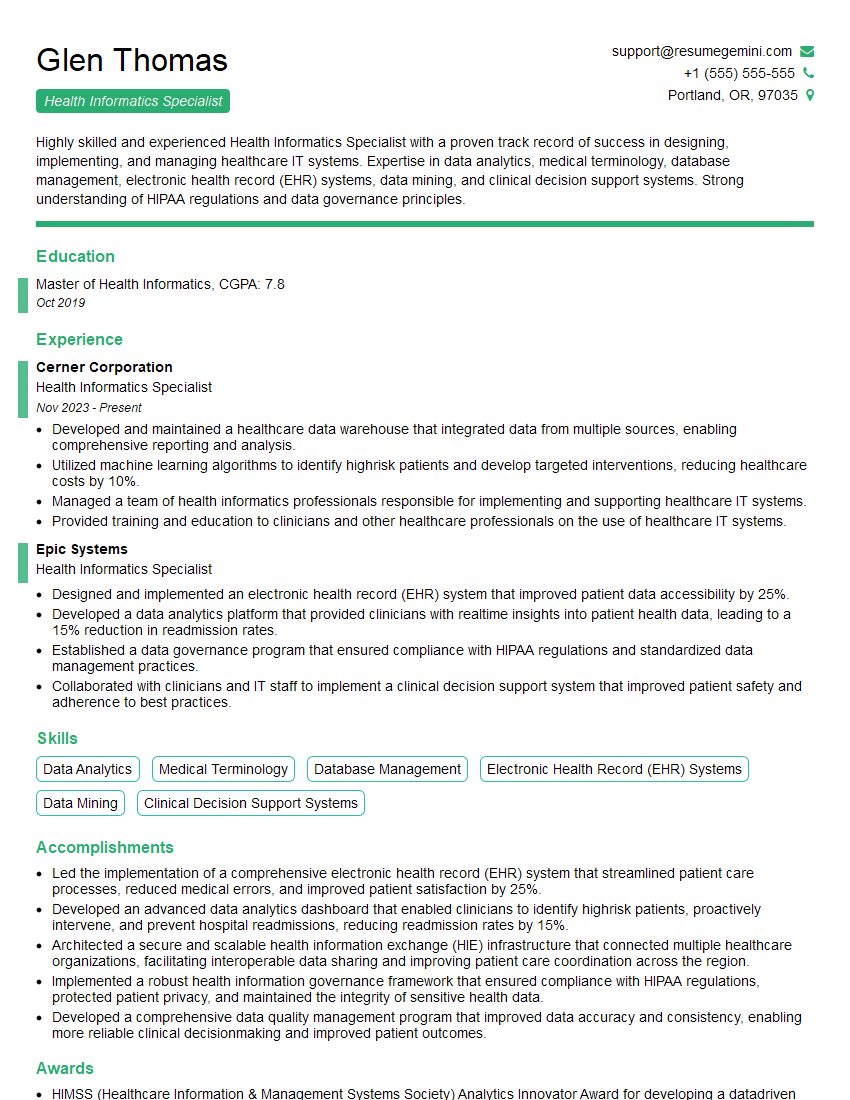
Health Informatics Specialist Resume Sample
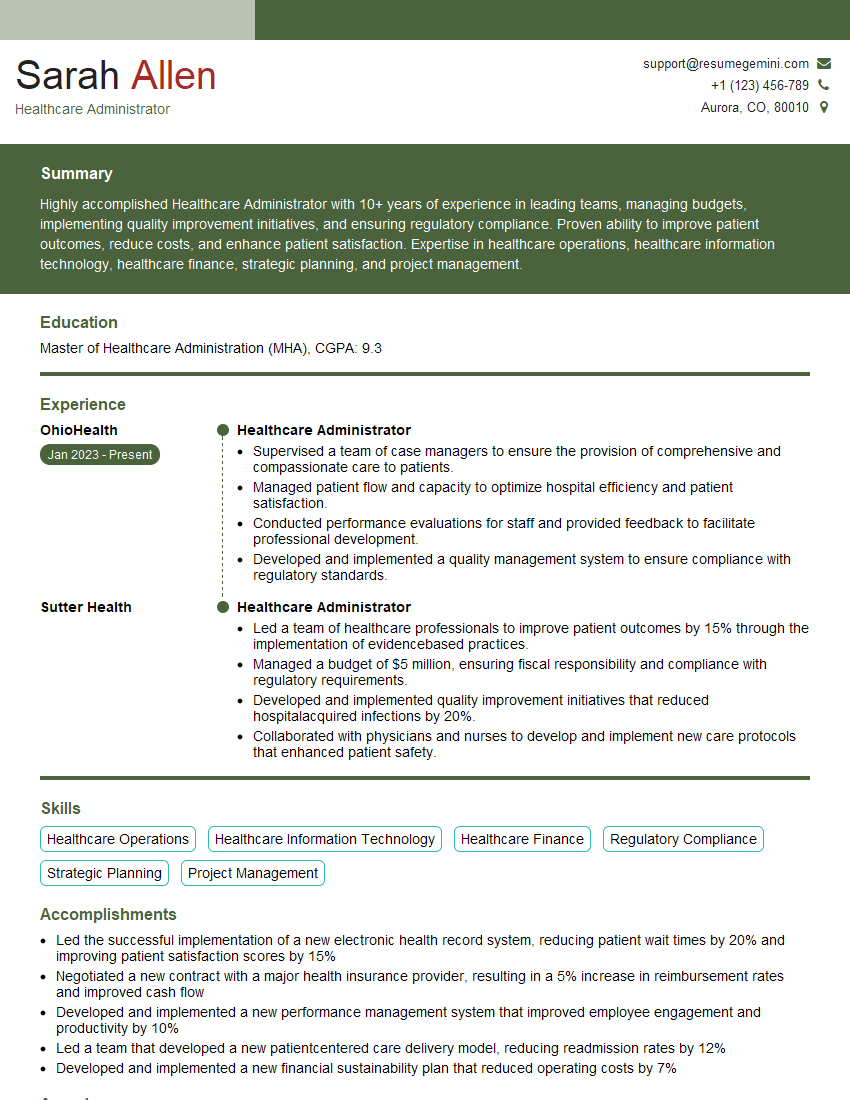
Healthcare Administrator Resume Sample
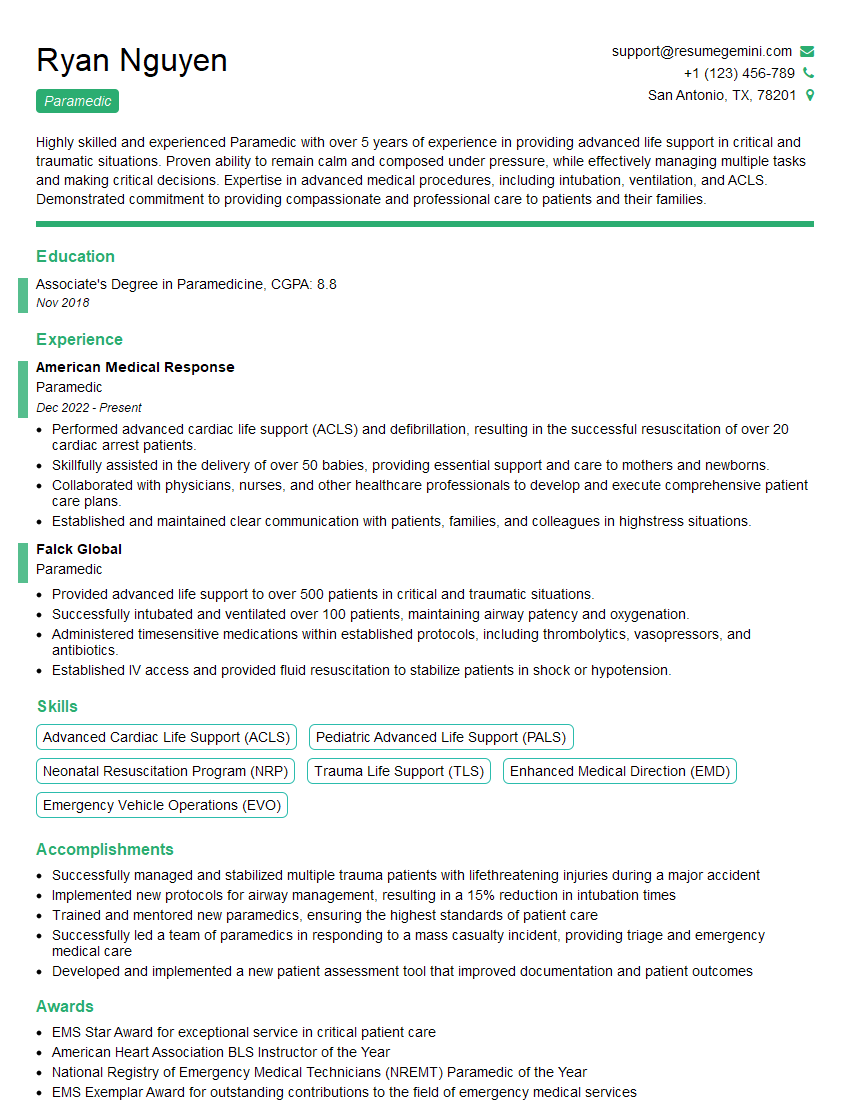
Paramedic Resume Sample
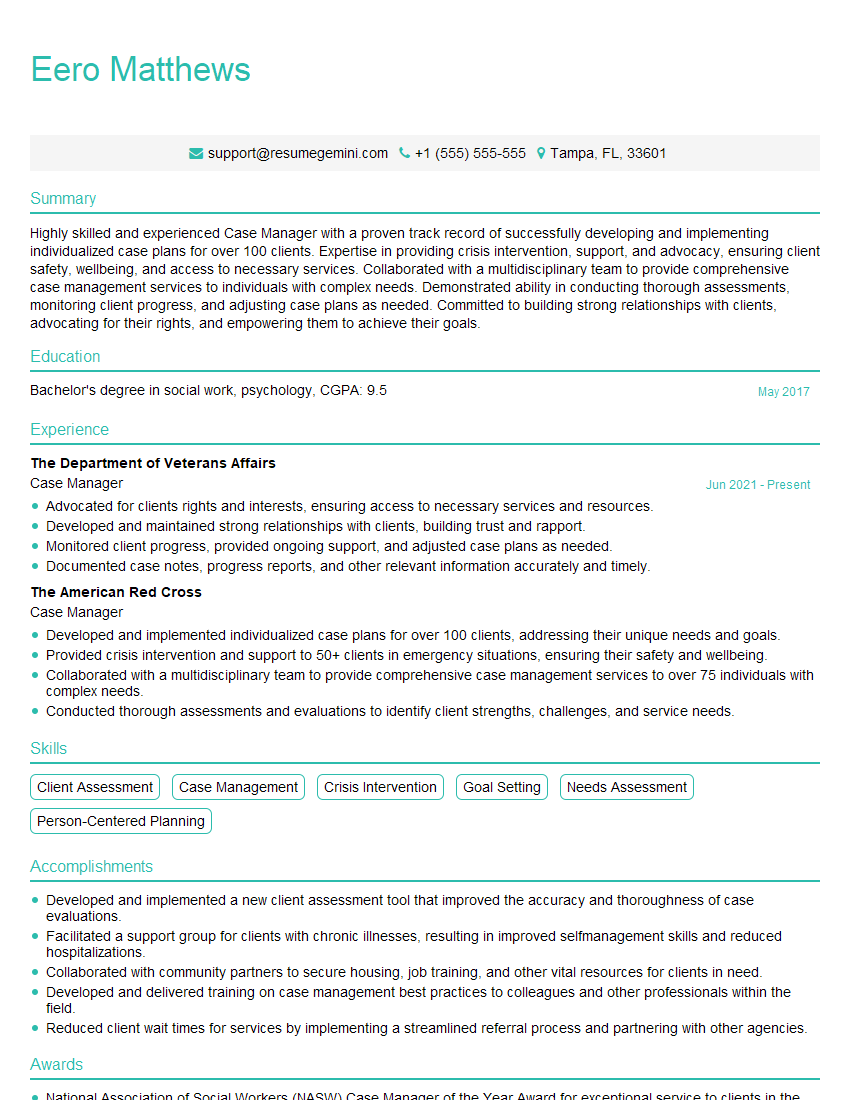
Case Manager Resume Sample
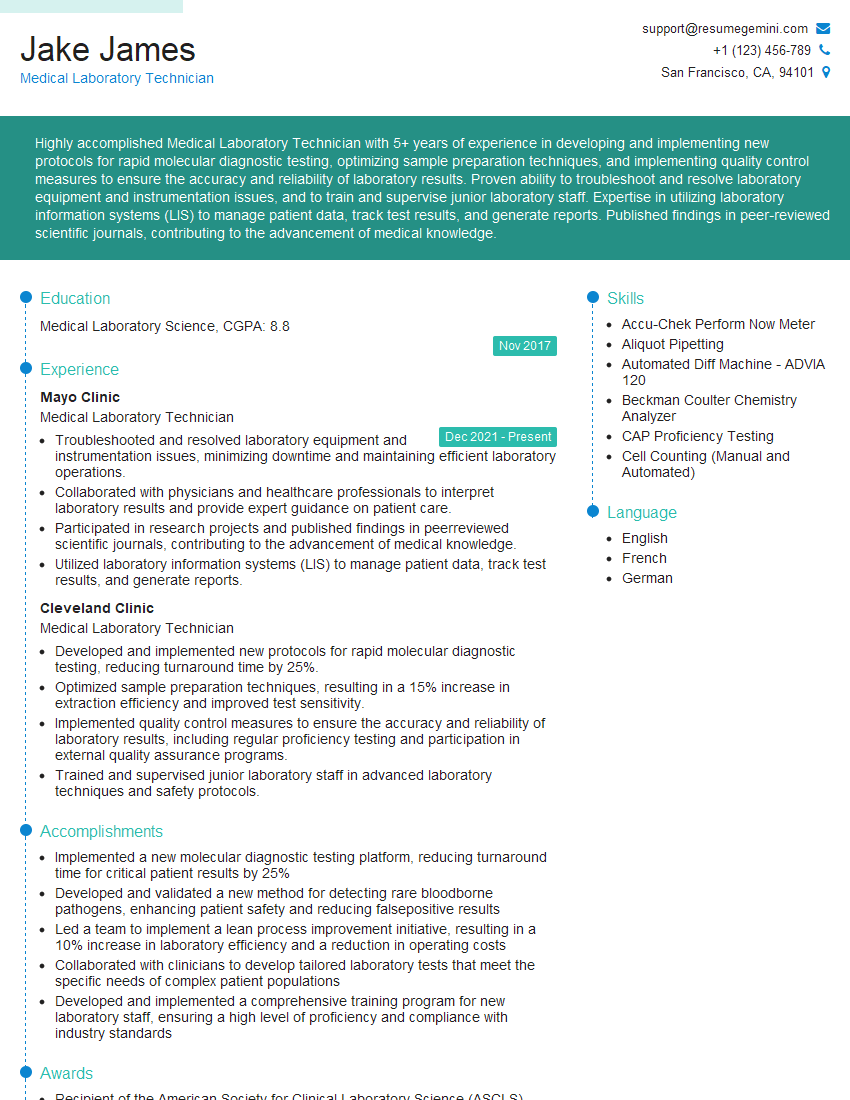
Medical Laboratory Technician Resume Sample
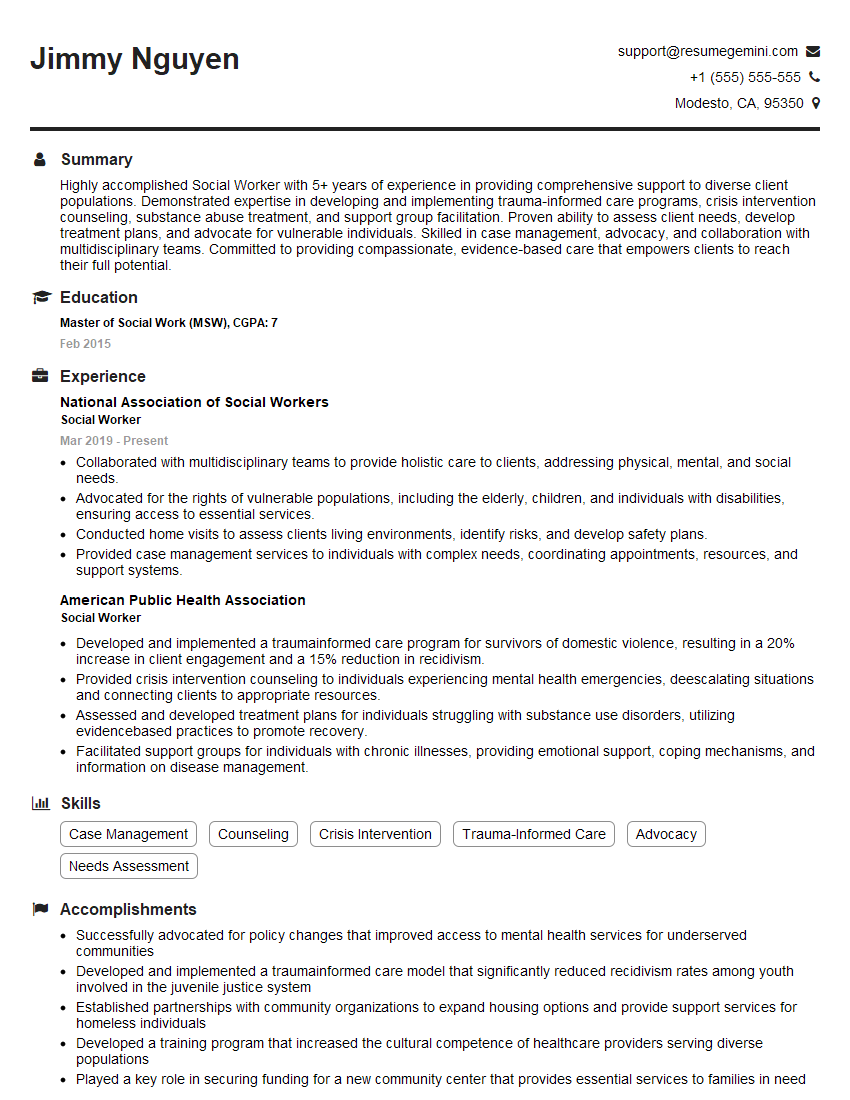
Social Worker Resume Sample
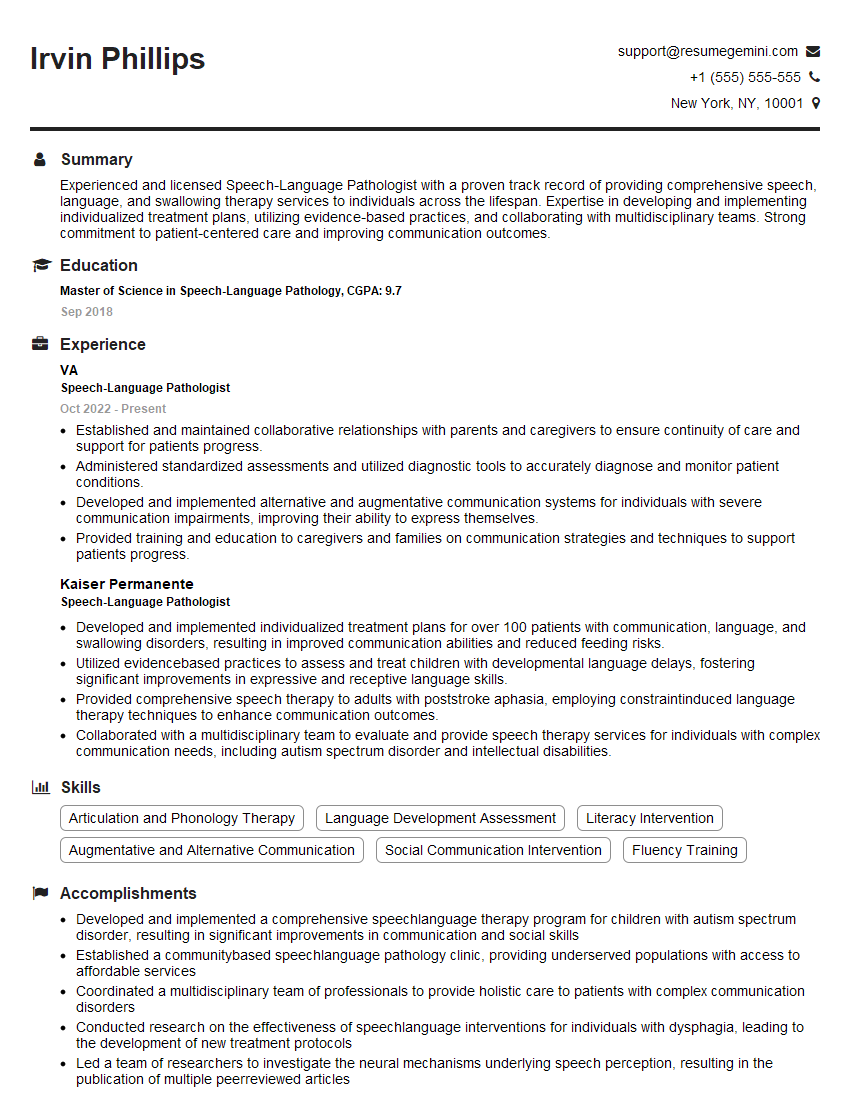
Speech-Language Pathologist Resume Sample
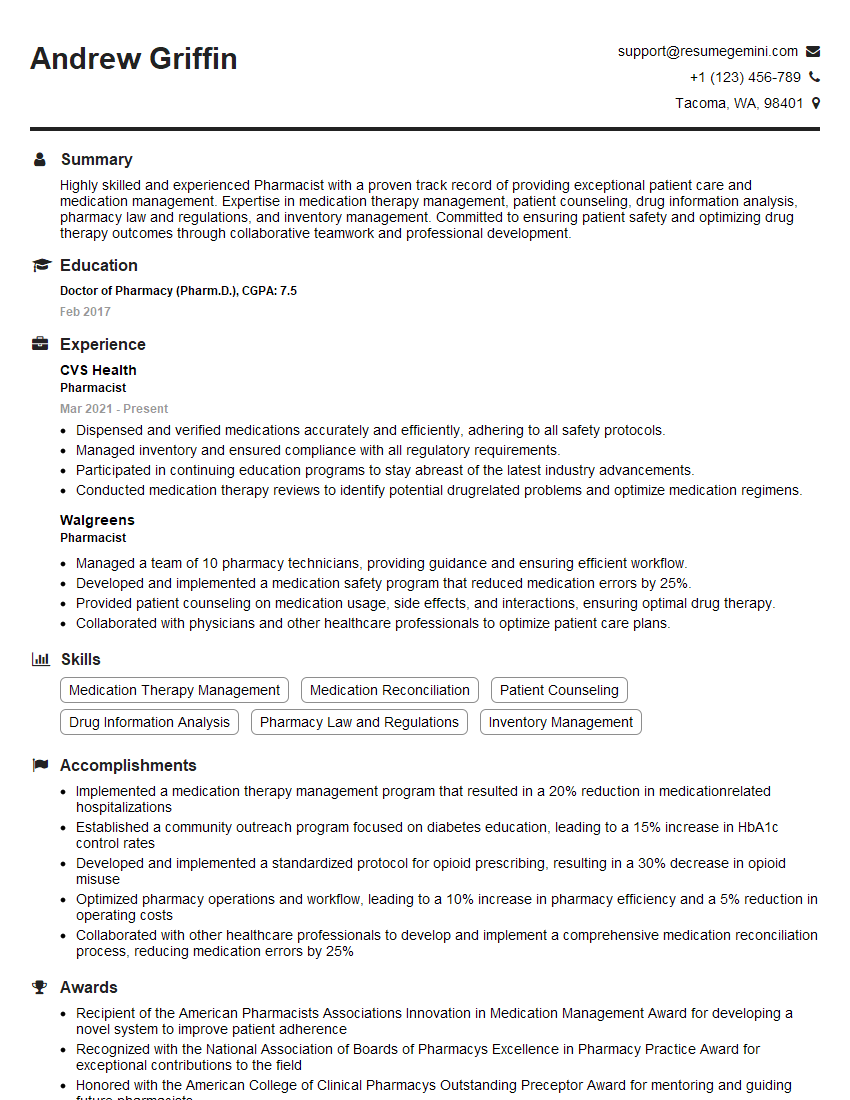
Pharmacist Resume Sample

Physician Assistant Resume Sample
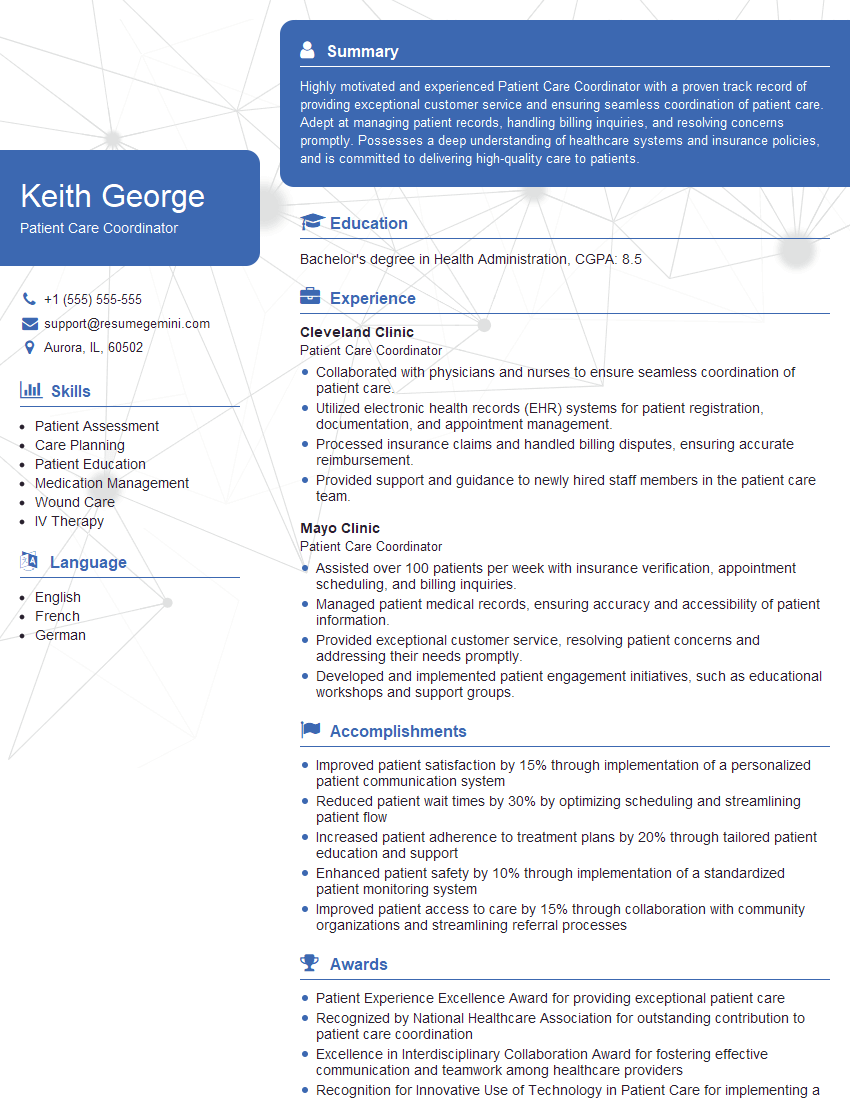
Patient Care Coordinator Resume Sample
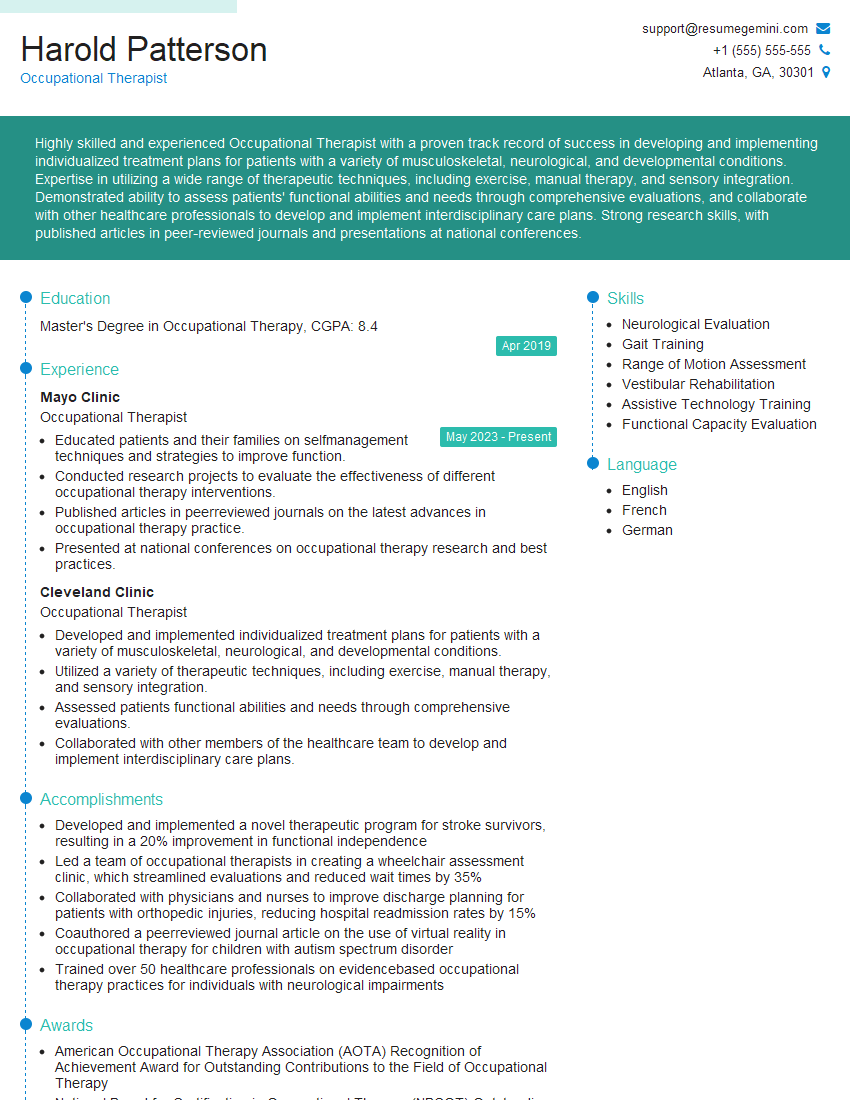
Occupational Therapist Resume Sample
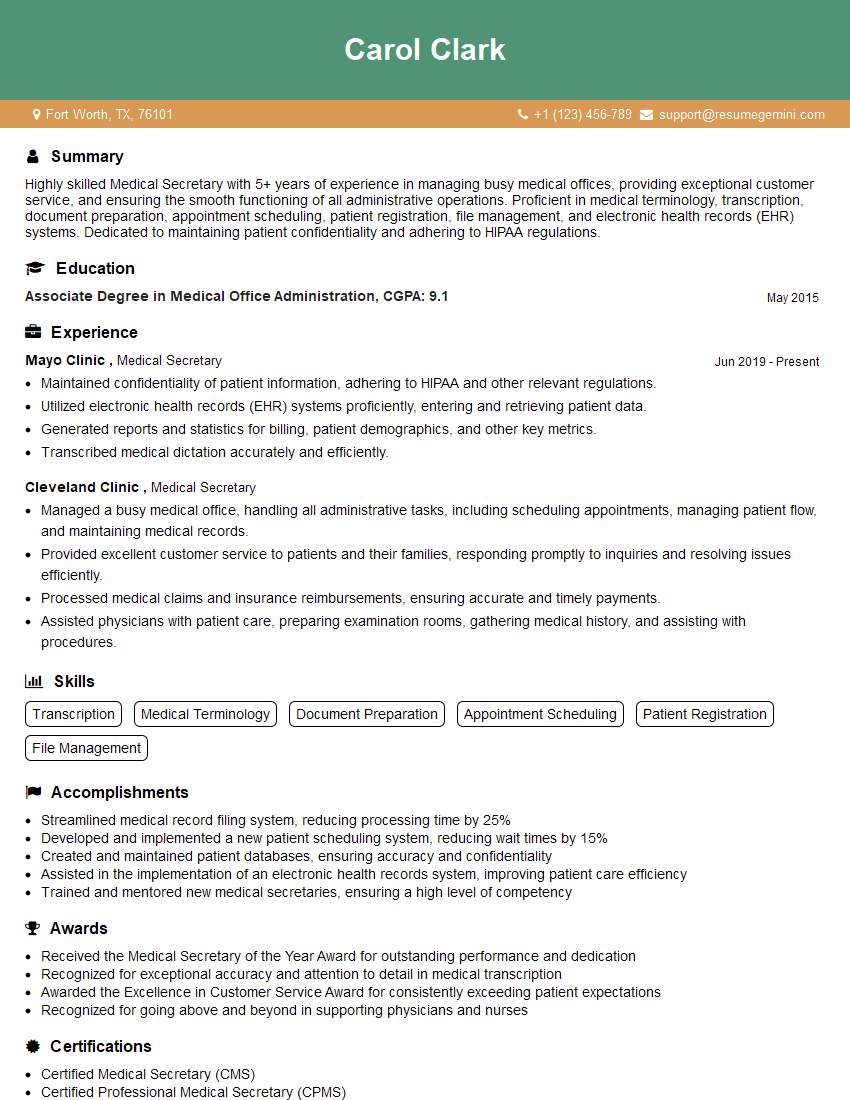
Medical Secretary Resume Sample
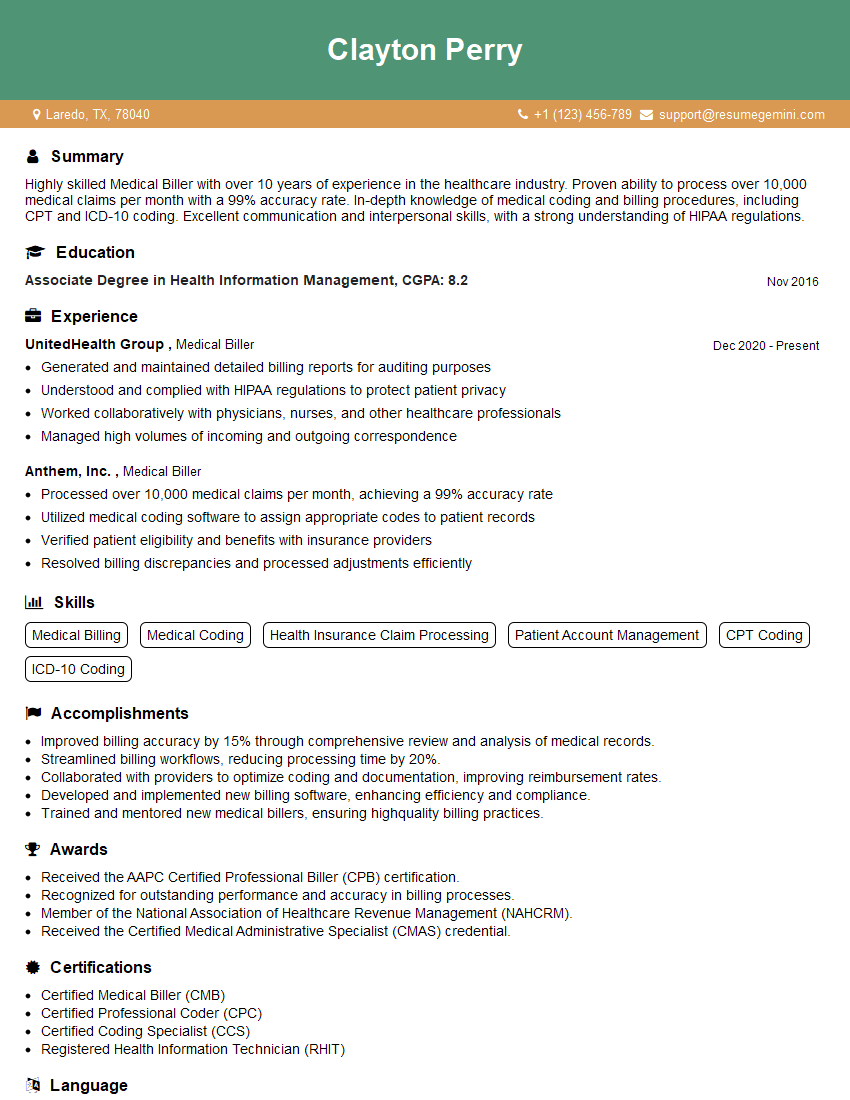
Medical Biller Resume Sample
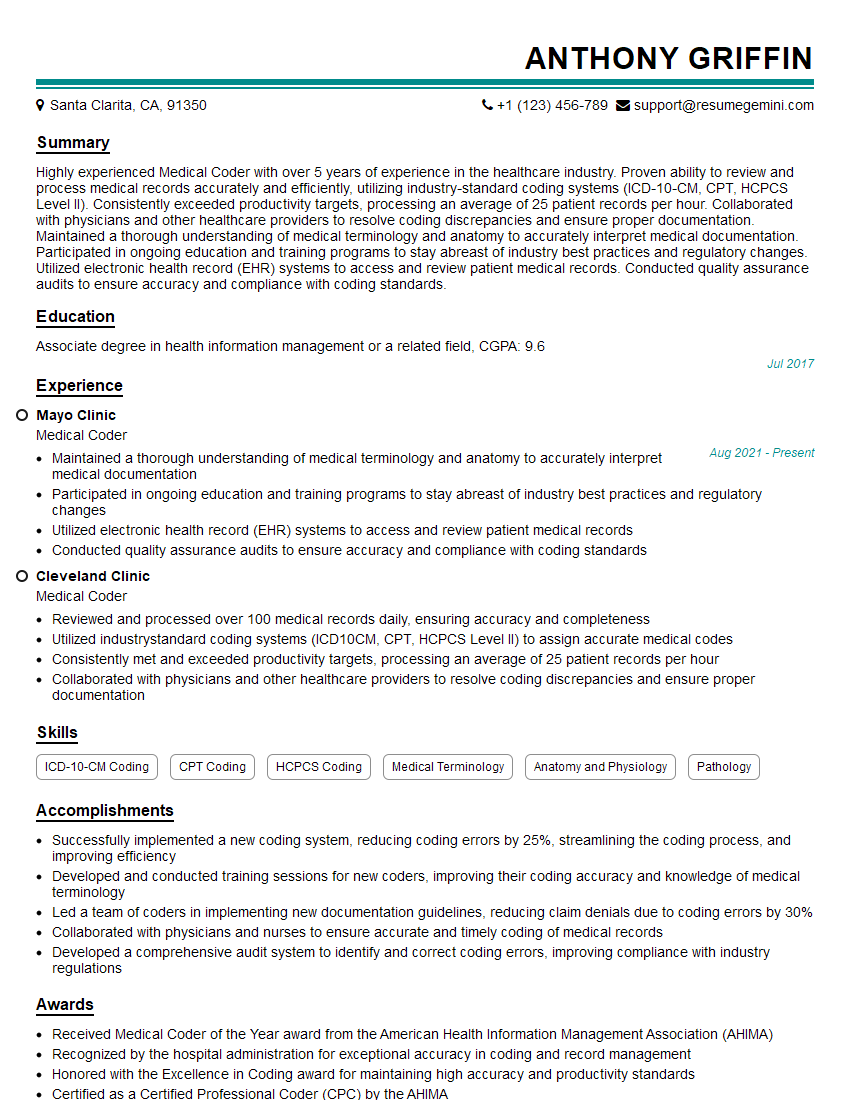
Medical Coder Resume Sample
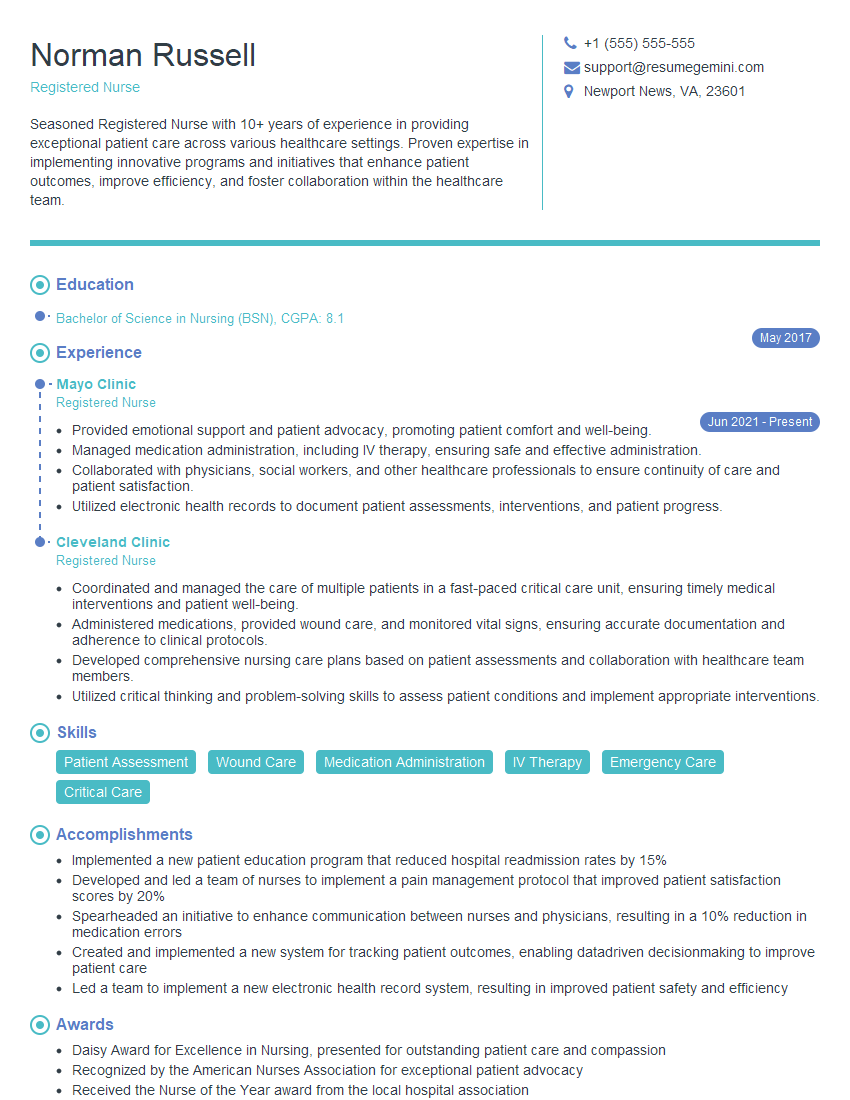
Registered Nurse Resume Sample
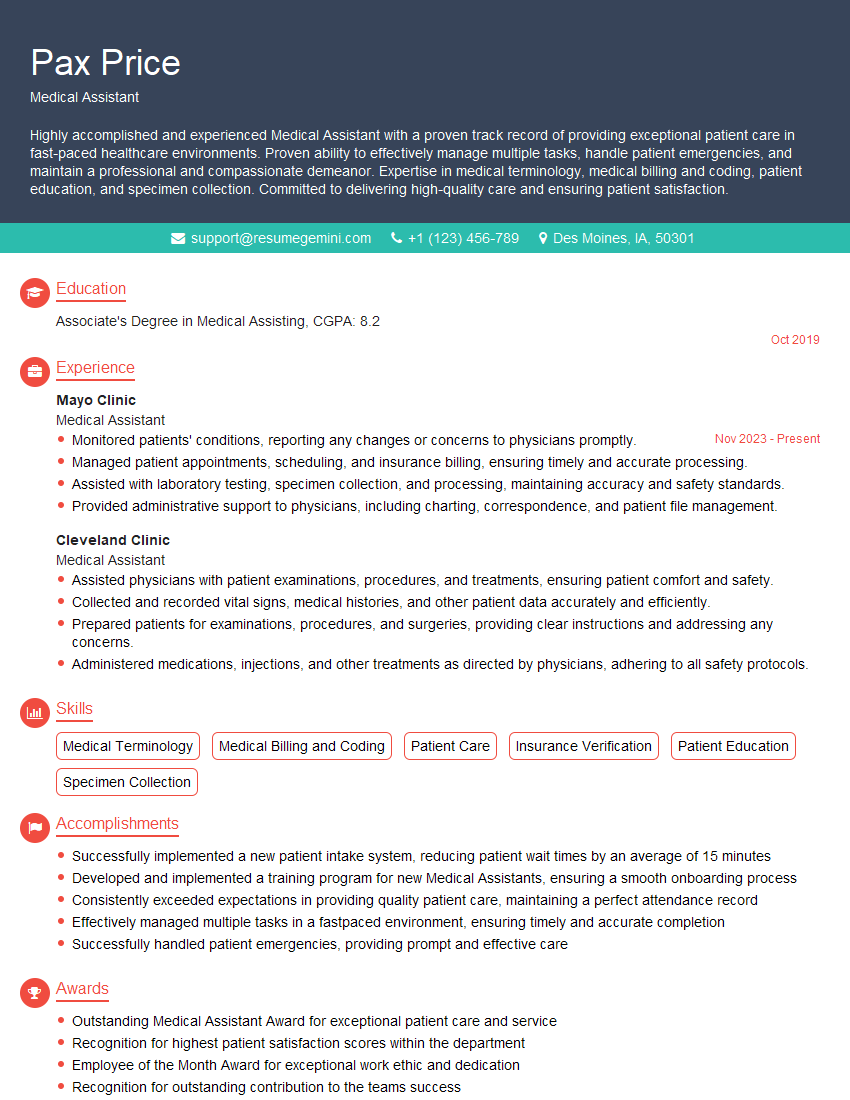
Medical Assistant Resume Sample
- Health Informatics Specialist
- Healthcare Administrator
- Paramedic
- Case Manager
- Medical Laboratory Technician
- Social Worker
- Speech-Language Pathologist
- Pharmacist
- Physician Assistant
- Patient Care Coordinator
- Occupational Therapist
- Medical Secretary
- Medical Biller
- Medical Coder
- Registered Nurse
- Medical Assistant
Explore more articles
Users Rating of Our Blogs
Share Your Experience
We value your feedback! Please rate our content and share your thoughts (optional).
What Readers Say About Our Blog
To the interviewgemini.com Webmaster.
Very helpful and content specific questions to help prepare me for my interview!
Thank you
To the interviewgemini.com Webmaster.
This was kind of a unique content I found around the specialized skills. Very helpful questions and good detailed answers.
Very Helpful blog, thank you Interviewgemini team.