Cracking a skill-specific interview, like one for Health Care Quality Improvement, requires understanding the nuances of the role. In this blog, we present the questions you’re most likely to encounter, along with insights into how to answer them effectively. Let’s ensure you’re ready to make a strong impression.
Questions Asked in Health Care Quality Improvement Interview
Q 1. Describe your experience with implementing a quality improvement project using a specific methodology (e.g., Lean, Six Sigma).
In a previous role at County General Hospital, I spearheaded a Lean methodology project focused on reducing patient wait times in the emergency department. Lean focuses on eliminating waste and maximizing efficiency. We began by mapping the current patient flow, identifying bottlenecks like inefficient triage processes and inadequate staffing during peak hours. This process, called value stream mapping, visually highlighted areas for improvement.
Using Lean principles, we implemented several changes: We redesigned the triage process to prioritize patients based on acuity, implemented a new electronic health record system to streamline data entry, and optimized staff scheduling based on historical patient volume data. The project involved cross-functional collaboration with nurses, doctors, administrators, and support staff. We used A3 reports for visual progress tracking and problem-solving.
The results were significant. We achieved a 25% reduction in average patient wait times, a 15% increase in patient satisfaction scores, and a 10% decrease in emergency department length of stay. This demonstrated the power of applying Lean principles to enhance workflow efficiency and improve patient outcomes.
Q 2. Explain your understanding of the Plan-Do-Study-Act (PDSA) cycle.
The Plan-Do-Study-Act (PDSA) cycle is a cornerstone of quality improvement. It’s an iterative, four-step process used to test changes and learn from the results. Think of it as a scientific experiment for improvement.
- Plan: This stage involves defining the problem, identifying a potential solution, and developing a plan for testing the solution on a small scale. For example, you might want to test a new medication administration protocol on a specific patient population.
- Do: This stage involves implementing the plan, collecting data, and observing the results. In our example, you would implement the new medication protocol on the target group and monitor medication errors and patient outcomes.
- Study: This stage involves analyzing the data collected during the ‘Do’ phase, looking for patterns, and drawing conclusions about the effectiveness of the intervention. Did the new protocol reduce errors? Did it improve patient outcomes?
- Act: Based on the findings from the ‘Study’ phase, you decide to either adopt the change, refine the change, or abandon it. If successful, the new protocol could be implemented across the entire hospital; if not, adjustments are made, and the cycle repeats.
The PDSA cycle is not a one-time event, but a continuous improvement process, allowing healthcare organizations to adapt and learn from each iteration.
Q 3. How would you identify and prioritize areas for quality improvement within a healthcare organization?
Identifying areas for quality improvement starts with a thorough understanding of the organization’s current performance. This involves reviewing data from various sources, including patient satisfaction surveys, clinical outcome data, operational metrics, and regulatory reports. I employ a combination of methods:
- Data Analysis: Analyzing key performance indicators (KPIs) helps to identify areas with significant variation or suboptimal performance. For example, high readmission rates for a specific diagnosis or low patient satisfaction scores in a particular department.
- Root Cause Analysis (RCA): For high-impact problems, using RCA tools such as the ‘5 Whys’ or Fishbone diagrams helps to identify the underlying causes behind poor performance. This helps to address the core issue, rather than just the symptoms.
- Stakeholder Input: Gathering feedback from healthcare professionals, patients, and families provides a valuable perspective on areas needing improvement. This can include surveys, focus groups, and one-on-one interviews.
- Benchmarking: Comparing performance against other high-performing organizations helps to identify opportunities for improvement by seeing what others are doing well.
Prioritization involves considering the impact of the problem, its feasibility of improvement, and the resources available. Problems with high impact and high feasibility should be prioritized.
Q 4. Describe your experience with data analysis and interpretation in a quality improvement context.
Data analysis is crucial in quality improvement. My experience includes using statistical software (like SPSS or R) to analyze large datasets, identify trends, and draw meaningful conclusions. I am proficient in descriptive statistics, inferential statistics, and regression analysis. In one project, I used control charts to monitor the rate of hospital-acquired infections. This allowed us to detect an increase in infections early on and implement corrective measures before the problem escalated.
For data interpretation, I focus on presenting the findings in a clear and concise manner, using graphs, charts, and tables to effectively communicate the results. I emphasize the importance of contextualizing the data and understanding any limitations of the analysis. For example, if there are missing data points or biases in data collection, I would address these factors to ensure accurate interpretations.
Q 5. What performance indicators (KPIs) would you use to track the effectiveness of a quality improvement initiative?
The choice of KPIs depends on the specific quality improvement initiative. However, some common and useful KPIs include:
- Patient Safety Indicators: Rates of hospital-acquired infections, medication errors, falls, and pressure ulcers.
- Patient Experience Measures: Patient satisfaction scores, patient feedback scores, and patient complaints.
- Clinical Outcomes: Readmission rates, mortality rates, length of stay, and compliance with clinical guidelines.
- Efficiency Metrics: Wait times, bed turnover rates, and resource utilization.
- Cost-Effectiveness: Cost per patient, cost per procedure, and return on investment (ROI).
It is important to select KPIs that are relevant, measurable, achievable, relevant, and time-bound (SMART).
Q 6. How do you measure the success of a quality improvement project?
Measuring the success of a quality improvement project involves a multi-faceted approach. It’s not just about achieving targets; it’s about understanding the overall impact on patient care, staff efficiency, and cost-effectiveness. Methods include:
- Comparing pre- and post-intervention data: Did the intervention lead to statistically significant improvements in the chosen KPIs?
- Qualitative data analysis: Gathering feedback from staff and patients provides insights into the project’s impact beyond quantitative metrics.
- Sustainability assessment: Does the improvement appear sustainable after the project is completed? Has it been integrated into regular workflows?
- Cost-benefit analysis: Was the project cost-effective? Were the benefits (e.g., reduced costs, improved patient outcomes) greater than the costs?
- Return on investment (ROI): Calculating the ROI helps to assess the financial return on the investment in the quality improvement project.
A comprehensive evaluation is necessary to determine the overall success of the initiative.
Q 7. How do you handle resistance to change during a quality improvement initiative?
Resistance to change is a common challenge in quality improvement initiatives. Addressing it requires empathy, strong communication, and a collaborative approach. Strategies include:
- Engage stakeholders early: Involve staff in the planning and implementation phases to foster ownership and reduce resistance. Use participatory decision-making processes.
- Address concerns proactively: Identify potential sources of resistance and proactively address them. Offer training, education, and support to address any concerns about new procedures or technologies.
- Celebrate successes: Recognize and reward individuals and teams for their contributions to the improvement project. Positive reinforcement builds morale and encourages continued engagement.
- Provide clear communication: Communicate the rationale for the change and the expected benefits clearly and frequently. This helps to build trust and understanding.
- Foster a culture of learning and improvement: Frame change as an opportunity for learning and growth, emphasizing that improvement is a continuous journey.
By addressing concerns transparently and involving staff in the process, resistance can be minimized, fostering a more collaborative and supportive environment.
Q 8. Describe your experience with root cause analysis techniques.
Root cause analysis (RCA) is a systematic process for identifying the underlying causes of problems, not just the symptoms. It’s crucial in healthcare quality improvement because it helps prevent recurrence. I’m proficient in several RCA techniques, including the '5 Whys', Fishbone diagrams (Ishikawa diagrams), and Fault Tree Analysis (FTA).
The '5 Whys' is a simple yet effective method where you repeatedly ask 'why' to drill down to the root cause. For example, if a patient experienced a medication error, you might ask: Why was the wrong dose administered? (Answer: Incorrect order entry). Why was the order entered incorrectly? (Answer: Lack of double-checking protocol). Why wasn't the double-checking protocol followed? (Answer: Staff shortage and time pressure). Why was there a staff shortage? (Answer: Inadequate staffing levels). Why were inadequate staffing levels allowed? (Answer: Budget constraints). This reveals the underlying issue of inadequate budgeting leading to staff shortages, ultimately increasing error rates.
Fishbone diagrams visually map out potential causes categorized by categories like people, methods, machines, materials, environment, and measurements. FTA, on the other hand, is more complex and uses a hierarchical structure to represent the relationships between events that lead to a particular failure. Choosing the appropriate technique depends on the complexity of the problem and the data available. I always ensure a multidisciplinary team is involved in the RCA process to gain diverse perspectives and avoid bias.
Q 9. Explain your understanding of regulatory requirements related to healthcare quality and safety (e.g., Joint Commission standards).
My understanding of healthcare regulatory requirements is comprehensive, encompassing standards set by organizations like The Joint Commission (TJC), CMS (Centers for Medicare & Medicaid Services), and state licensing boards. These regulations cover a wide range of areas, including patient safety, infection control, medication management, staff competency, and data governance. The Joint Commission, for instance, sets accreditation standards that hospitals and other healthcare organizations must meet to demonstrate compliance and quality of care. These standards often require organizations to implement specific processes, such as using standardized protocols for medication administration or developing robust incident reporting systems.
Compliance with these regulations isn’t just about avoiding penalties; it’s about ensuring patient safety and providing high-quality care. I stay abreast of evolving regulations through continuous professional development, participation in industry conferences, and regular review of updates and guidelines provided by regulatory bodies. I’m adept at translating regulatory requirements into practical, actionable strategies for improvement within healthcare organizations.
Q 10. How do you ensure the sustainability of quality improvement initiatives after project completion?
Sustainability of quality improvement initiatives is paramount. It's not enough to achieve short-term gains; lasting change requires embedding improvements into the organization's culture and daily operations. I achieve this through several key strategies:
- Champion identification and engagement: Identifying and empowering internal champions within the organization to own and sustain the improvements. These individuals become advocates for change, even after the project team disbands.
- Integration into existing workflows: Ensuring the improvements are seamlessly integrated into existing workflows and systems, making them part of the organization's standard operating procedures.
- Training and competency development: Providing comprehensive training to staff on the new processes and monitoring their competency through ongoing assessment.
- Performance monitoring and feedback loops: Establishing a system for continuously monitoring performance against pre-defined metrics and providing regular feedback to staff and leadership.
- Documentation and standardization: Creating clear documentation of the improved processes and making them readily available to all staff.
- Leadership support and commitment: Securing sustained leadership buy-in and allocating resources to support ongoing implementation and monitoring of improvement initiatives.
By focusing on these elements, we not only prevent backsliding but also foster a culture of continuous quality improvement within the organization.
Q 11. Describe your experience with developing and delivering quality improvement training.
I have extensive experience in developing and delivering quality improvement training programs. My approach involves needs assessments to identify the knowledge and skill gaps of the target audience, designing tailored training materials including interactive workshops, simulations, and online modules.
For example, I once developed a training program on medication reconciliation for nurses. This program included interactive case studies, role-playing scenarios to practice effective communication techniques with patients and physicians, and online modules to reinforce learning. Post-training assessments and follow-up sessions ensured knowledge retention and skills development. I focus on making training engaging, practical, and relevant to the participants’ daily work. I utilize a variety of teaching methods, incorporating adult learning principles to maximize engagement and knowledge retention.
Q 12. How do you build consensus among stakeholders during a quality improvement project?
Building consensus among stakeholders is essential for successful quality improvement. I employ several strategies to facilitate this process:
- Early and consistent communication: Regular updates and open communication are key to maintaining transparency and keeping stakeholders informed.
- Collaboration and shared decision-making: Engaging stakeholders from the outset, ensuring everyone has a voice and feels ownership of the project. This might involve using brainstorming sessions, focus groups, or surveys to gather input.
- Conflict resolution and negotiation: Addressing disagreements promptly and fairly, finding solutions that meet the needs of all stakeholders through skillful negotiation and mediation.
- Data-driven discussions: Using data to support arguments and demonstrate the rationale behind improvement recommendations. This helps move discussions beyond opinions and fosters evidence-based decision-making.
- Demonstrating value and benefits: Clearly articulating the benefits of the quality improvement project for all stakeholders. Highlighing the positive impact on patient care, efficiency, and financial outcomes.
My experience shows that building strong relationships and demonstrating respect for diverse perspectives is crucial in achieving consensus and fostering a collaborative environment for lasting improvements.
Q 13. How do you use data to tell a compelling story to leadership regarding quality improvement successes and areas needing further attention?
Data is the cornerstone of compelling storytelling in quality improvement. I translate complex data into clear, concise narratives that resonate with leadership. This involves more than just presenting numbers; it’s about crafting a story that highlights the impact of quality improvements.
For instance, I might use dashboards and visualizations to display key metrics, such as a reduction in hospital-acquired infections or an improvement in patient satisfaction scores. I then contextualize this data by explaining the root causes of the initial problems, the solutions implemented, and the resulting impact. I use clear, non-technical language, focusing on the implications for the organization (e.g., improved patient outcomes, cost savings, increased efficiency). I also highlight areas requiring further attention, presenting them as opportunities for future improvement, and framing these challenges as solvable problems with a clear path forward.
Q 14. Describe a time you identified a process improvement opportunity and implemented a solution.
In a previous role, I identified a significant delay in medication administration times on a specific hospital unit. Initial data revealed this delay was impacting patient care and increasing the risk of medication errors. After conducting a thorough RCA using the '5 Whys' method and a Fishbone diagram, we discovered the root cause was a combination of inadequate staffing levels during peak hours and inefficient medication cart organization.
To address this, I implemented several solutions: First, we adjusted staffing schedules to provide adequate coverage during peak periods. Second, we redesigned the medication carts to improve workflow efficiency, allowing nurses quicker access to medication. Finally, we implemented a new system for prioritizing medication administration based on urgency. After implementing these changes, we saw a significant reduction in medication administration times, a decrease in medication errors, and an increase in patient and nurse satisfaction. This success was meticulously tracked and presented to leadership, demonstrating the value of the implemented improvements and securing continued support for future initiatives.
Q 15. What are some common barriers to successful quality improvement implementations and how do you address them?
Implementing quality improvements in healthcare often faces significant hurdles. Think of it like trying to renovate a house while people are still living in it – disruptive and complex. Common barriers include lack of leadership support, where initiatives lack the necessary backing and resources; insufficient staff training and buy-in, leading to resistance and poor adoption; inadequate data collection and analysis, making it hard to track progress and identify areas for improvement; resistance to change from staff accustomed to existing workflows; and limited resources, such as time, budget, and personnel.
To overcome these, I employ a multi-pronged approach. Firstly, I focus on securing strong leadership commitment by demonstrating the value proposition of the improvement and securing early wins. Secondly, I prioritize comprehensive staff training and engagement, fostering a culture of continuous improvement. This involves open communication, addressing concerns, and highlighting the positive impact on patient care. Thirdly, robust data collection systems are essential – we utilize both quantitative and qualitative data, including patient feedback. Finally, I champion the use of change management strategies to mitigate resistance, emphasizing the benefits of the new system and providing ongoing support.
For example, in a previous role, we tackled low hand hygiene compliance. By involving staff in identifying the root causes (e.g., inconvenient location of hand sanitizer dispensers), designing solutions, and tracking progress, we achieved a significant increase in compliance and ultimately improved infection control.
Career Expert Tips:
- Ace those interviews! Prepare effectively by reviewing the Top 50 Most Common Interview Questions on ResumeGemini.
- Navigate your job search with confidence! Explore a wide range of Career Tips on ResumeGemini. Learn about common challenges and recommendations to overcome them.
- Craft the perfect resume! Master the Art of Resume Writing with ResumeGemini’s guide. Showcase your unique qualifications and achievements effectively.
- Don’t miss out on holiday savings! Build your dream resume with ResumeGemini’s ATS optimized templates.
Q 16. How do you prioritize competing quality improvement projects?
Prioritizing competing quality improvement projects requires a structured approach. Imagine you’re a conductor of an orchestra – each project is an instrument, and you need to harmonize them for the best overall performance. I typically use a framework that considers urgency, impact, feasibility, and resource allocation. We use a matrix scoring system to weigh each factor.
- Urgency: How quickly does this need to be addressed? (e.g., immediate patient safety risk vs. long-term strategic goal)
- Impact: What’s the potential positive effect on patients, staff, and the organization? (e.g., reduced readmission rates, improved patient satisfaction)
- Feasibility: How realistic is it to implement this project given available resources and expertise?
- Resources: What resources (staff time, budget, technology) are required?
This allows for a transparent and data-driven decision-making process. Projects with high urgency and impact, coupled with feasibility and available resources, are prioritized. Regular review and adjustment of the prioritization matrix is crucial to accommodate changing circumstances and new information.
Q 17. How familiar are you with different quality improvement frameworks (e.g., Baldrige, DMAIC)?
I’m proficient in several quality improvement frameworks. The Baldrige Performance Excellence Framework provides a holistic approach, focusing on leadership, strategy, and customer focus. It’s like a comprehensive guide for building a high-performing organization. The DMAIC (Define, Measure, Analyze, Improve, Control) methodology, a key component of Six Sigma, is a data-driven approach ideal for process improvement, focusing on eliminating defects and reducing variation. It’s perfect for tackling specific, well-defined problems. I’ve also utilized the Model for Improvement (developed by the Institute for Healthcare Improvement) with its focus on plan-do-study-act cycles, promoting iterative learning and adaptation. Each framework has its strengths, and the optimal choice depends on the specific context and nature of the improvement project.
Q 18. Describe your experience with using quality improvement software or tools.
My experience with quality improvement software and tools is extensive. I’ve utilized electronic health record (EHR) systems to extract data for analysis, statistical software packages (like R or SPSS) for data analysis and modeling, and project management software (like Jira or Asana) for tracking progress and collaboration. I’m familiar with various dashboards and reporting tools for visualizing data and communicating results to stakeholders. In addition, I’ve worked with specialized quality improvement platforms that offer features such as workflow management, real-time data monitoring, and automated reporting. For instance, in a previous project involving medication reconciliation, we used a specialized software to track discrepancies, analyze contributing factors, and monitor the effectiveness of implemented interventions. This provided real-time insights and helped us make data-driven adjustments to our process.
Q 19. How do you ensure patient safety is integrated into quality improvement efforts?
Patient safety is paramount and must be intrinsically woven into all quality improvement efforts. It’s not an add-on; it’s the foundation. We use a proactive, rather than reactive, approach, embedding patient safety principles throughout the improvement process. This involves utilizing tools such as Failure Mode and Effects Analysis (FMEA) to identify potential hazards and mitigate risks before they occur. We also use root cause analysis (RCA) techniques to thoroughly investigate adverse events or near misses, learning from errors to prevent future occurrences. Regular safety huddles and proactive risk assessments are also essential components of our strategy. Furthermore, we promote a culture of open communication and reporting, encouraging staff to speak up about safety concerns without fear of retribution.
For example, when implementing a new electronic medication administration system, we conducted a thorough FMEA to identify potential errors, such as medication dispensing errors due to system malfunctions or human error. We addressed these potential issues before the new system went live, minimizing the risk of patient harm.
Q 20. Explain your understanding of patient experience and its relationship to quality improvement.
Patient experience is directly related to quality improvement; it’s about delivering high-quality care that is also patient-centered. Think of it like this: high-quality care is the ‘what,’ and patient experience is the ‘how.’ A positive patient experience leads to improved outcomes, increased patient satisfaction, and better adherence to treatment plans. We measure patient experience through various methods, including surveys, focus groups, and direct observation. Analyzing patient feedback helps identify areas where we can enhance communication, empathy, and the overall care journey. This data is crucial in shaping our quality improvement priorities. For example, if patient surveys consistently reveal long wait times as a source of dissatisfaction, we’d prioritize projects aimed at improving appointment scheduling and workflow efficiency.
Q 21. How would you address a significant adverse event or near miss related to patient safety?
Addressing a significant adverse event or near miss requires a swift and structured response. The immediate priority is to ensure the patient’s safety and well-being. Next, we initiate a thorough investigation using a robust root cause analysis (RCA) methodology. This involves assembling a multidisciplinary team, gathering data from various sources (e.g., medical records, witness accounts, equipment logs), and systematically identifying the underlying causes of the event. This is not about assigning blame but about understanding the system failures that contributed to the event. Once the root causes are identified, we develop and implement corrective actions to prevent recurrence. These actions are carefully monitored and evaluated. Finally, we learn from the experience, disseminating the findings and recommendations to relevant stakeholders to enhance system-wide safety and prevent similar incidents from happening in the future.
For example, following a medication error, we conducted an RCA which revealed a weakness in our medication reconciliation process. The corrective action involved implementing a new electronic medication reconciliation system and improving staff training on its use. This resulted in significant reduction in medication errors following the implementation of the new system.
Q 22. How do you ensure equity and inclusion in quality improvement initiatives?
Ensuring equity and inclusion in quality improvement (QI) initiatives is paramount. It’s not just about fair representation; it’s about actively addressing systemic disparities that may lead to unequal access to or outcomes of care. This requires a multi-faceted approach.
Data-driven identification of disparities: We need to meticulously analyze data to identify areas where certain population groups experience worse outcomes. This could involve examining readmission rates, mortality rates, or patient satisfaction scores, disaggregated by race, ethnicity, socioeconomic status, gender, and other relevant factors.
Engaging diverse stakeholders: QI teams must reflect the diversity of the patient population. This means actively recruiting and including individuals from various backgrounds, ensuring their voices are heard and valued. This participation extends to patients themselves through patient and family advisory councils.
Culturally competent interventions: QI interventions must be tailored to the specific cultural needs and preferences of the population they serve. A one-size-fits-all approach won’t work. For example, language barriers need to be addressed, and health literacy levels need to be considered when designing educational materials.
Addressing social determinants of health: We must acknowledge that health outcomes are influenced by factors beyond the healthcare system itself, such as housing, transportation, and food security. QI initiatives should address these social determinants of health to improve overall outcomes. For instance, a program providing transportation assistance for patients with limited mobility can dramatically reduce missed appointments and improve adherence to treatment plans.
Continuous monitoring and evaluation: It’s crucial to continuously monitor the impact of QI initiatives on different population groups and adjust strategies as needed. Regular assessment ensures that interventions remain effective and equitable.
Q 23. Explain your understanding of the relationship between cost and quality in healthcare.
The relationship between cost and quality in healthcare is complex and often portrayed as a trade-off – higher quality is associated with higher costs. However, this isn’t always true. High-quality care can actually lead to *lower* costs in the long run by preventing complications, reducing hospital readmissions, and improving patient outcomes.
For instance, investing in preventive care, like annual checkups and vaccinations, can significantly reduce the need for costly emergency room visits or hospitalizations down the line. Similarly, implementing effective medication reconciliation protocols can minimize medication errors and reduce associated costs.
The goal should be to achieve high value, not just high quality or low cost. Value is defined as the ratio of quality to cost. We need to find ways to improve quality while simultaneously controlling costs. This involves adopting efficient processes, utilizing technology effectively, and focusing on evidence-based interventions.
Examples include implementing telehealth to reduce travel costs for patients and providers, employing lean management principles to streamline workflows and reduce waste, and adopting bundled payments to incentivize high-quality care at a lower overall cost.
Q 24. Describe your experience with developing and implementing a quality improvement plan related to medication safety.
In a previous role, I led a QI project focused on improving medication safety. We identified a high rate of medication errors stemming from medication reconciliation discrepancies at patient admission and discharge. Our plan involved several key steps:
Root Cause Analysis: We used a root cause analysis (RCA) methodology, such as the ‘5 Whys’ technique, to identify the underlying causes of the errors. This revealed challenges with outdated software, inadequate staff training, and a lack of standardized procedures.
Implementation of a new Electronic Health Record (EHR) system: We implemented a new EHR system with advanced medication reconciliation features, reducing manual data entry and minimizing the chance of human error. The system provided alerts for potential drug interactions and allergies.
Staff training: Comprehensive training programs were developed and delivered to all relevant staff, covering the new EHR system, medication reconciliation procedures, and best practices for medication safety. We emphasized the importance of double-checking medication orders and promptly reporting any discrepancies.
Development of standardized protocols: Clear, concise, and easy-to-follow protocols for medication reconciliation were developed and disseminated to all staff. These protocols included check-lists and guidelines to ensure consistency and adherence across all departments.
Data monitoring and evaluation: We continuously monitored medication error rates using data extracted from the EHR system. This data was used to track progress and make further improvements as needed. We used statistical process control charts to visually monitor progress towards goals and identify trends.
The result was a significant reduction in medication errors (approximately 60% decrease within six months of implementation).
Q 25. How would you handle a conflict between clinical staff and administrative staff during a quality improvement project?
Conflicts between clinical and administrative staff during QI projects are common. Addressing them requires a collaborative and respectful approach. My strategy involves:
Facilitating open communication: I would create a safe space for both sides to express their concerns and perspectives openly and honestly. Active listening is critical here.
Identifying the root cause of the conflict: Often, conflicts stem from misunderstandings, different priorities, or a lack of shared goals. Determining the root cause is the first step towards resolution.
Finding common ground: I would focus on highlighting shared goals – such as improving patient outcomes or streamlining processes – to foster collaboration. Emphasizing the shared purpose can often overcome differences in opinion or approach.
Compromise and negotiation: A successful outcome often involves compromise. I would help both sides find mutually acceptable solutions that address their concerns while also advancing the goals of the QI project. This may involve modifying the project plan or finding creative ways to meet the needs of both parties.
Mediation if necessary: If the conflict persists, I may involve a neutral third party mediator to facilitate a more structured negotiation and resolution.
The key is to view the conflict as an opportunity for improvement, rather than a roadblock. By addressing underlying issues and fostering collaboration, the project can move forward successfully.
Q 26. Describe your understanding of benchmarking and its application in quality improvement.
Benchmarking is the process of comparing your organization’s performance to that of high-performing organizations, both within and outside your industry. It’s a crucial tool for identifying best practices and areas for improvement in quality improvement initiatives.
In healthcare, benchmarking can focus on various aspects, such as patient safety, clinical outcomes, operational efficiency, or patient satisfaction. For example, a hospital might benchmark its surgical site infection rates against those of other hospitals with similar patient demographics and surgical volumes.
The process typically involves:
Identifying key performance indicators (KPIs): Choosing the metrics that will be used to measure performance, such as infection rates, readmission rates, or patient wait times.
Selecting benchmark organizations: Identifying organizations with similar characteristics and high performance in the chosen KPIs.
Collecting and analyzing data: Gathering data on both your organization’s performance and the performance of the benchmark organizations.
Identifying performance gaps: Comparing your organization’s performance to the benchmark organizations to pinpoint areas where improvements are needed.
Developing and implementing improvement plans: Creating action plans to address the identified performance gaps.
Benchmarking doesn’t just involve looking at the numbers; it also includes understanding the processes and strategies that lead to high performance. This often involves site visits or interviews with staff at the benchmark organizations.
Q 27. Explain your experience with developing and presenting reports on quality improvement initiatives to leadership.
I have extensive experience developing and presenting reports on QI initiatives to leadership. My approach is guided by the principle of clear, concise, and data-driven communication.
My reports typically include:
Executive summary: A brief overview of the project, its key findings, and recommendations.
Project background and objectives: A description of the problem, the goals of the project, and the methodology used.
Data and results: A clear presentation of the data collected, including graphs, charts, and tables. This section highlights key performance indicators (KPIs) and shows the impact of the interventions.
Analysis and interpretation: An explanation of the data, identifying trends and drawing meaningful conclusions.
Recommendations: Specific, actionable recommendations based on the findings.
Conclusion: A summary of the key findings and their implications for future action.
I tailor the presentation style and content to the audience. For executive leadership, I emphasize high-level results and key takeaways. For more detailed reports, I provide comprehensive data and analysis. I also use visual aids and storytelling techniques to make the information engaging and memorable. I always aim for a two-way conversation, fostering discussion and feedback from the leadership team.
Q 28. How do you stay current on best practices in healthcare quality improvement?
Staying current on best practices in healthcare quality improvement requires a multifaceted approach.
Professional organizations: I’m an active member of professional organizations like the Institute for Healthcare Improvement (IHI) and the National Committee for Quality Assurance (NCQA). These organizations provide access to resources, publications, and conferences that keep me updated on the latest trends and innovations.
Peer-reviewed journals and publications: I regularly read peer-reviewed journals focusing on healthcare quality, such as the Journal of Healthcare Quality and BMJ Quality & Safety. These publications provide in-depth analyses of research and best practices.
Conferences and workshops: I actively participate in conferences and workshops related to healthcare quality improvement. This provides an opportunity to network with colleagues and learn from experts in the field.
Online resources and databases: I utilize online resources and databases, such as the Agency for Healthcare Research and Quality (AHRQ) website, to access information on best practices, guidelines, and research findings.
Networking: I actively network with colleagues and experts in the field to share knowledge and stay informed about emerging trends and innovations. This includes attending webinars, participating in online forums, and attending local or regional quality improvement meetings.
Continuous learning is essential in this rapidly evolving field. By actively engaging in these activities, I ensure my knowledge and skills remain current and relevant.
Key Topics to Learn for Health Care Quality Improvement Interview
- Quality Improvement Methodologies: Understand and be prepared to discuss various frameworks like Lean, Six Sigma, Plan-Do-Study-Act (PDSA), and Model for Improvement. Consider their practical application in healthcare settings.
- Data Analysis & Interpretation: Demonstrate proficiency in analyzing healthcare data to identify trends, patterns, and areas for improvement. Practice interpreting key performance indicators (KPIs) and using statistical methods to support quality initiatives.
- Patient Safety & Risk Management: Discuss your understanding of root cause analysis (RCA), Failure Mode and Effects Analysis (FMEA), and how these tools are used to prevent medical errors and improve patient safety. Be ready to share examples.
- Regulatory Compliance & Accreditation: Familiarize yourself with relevant regulations (e.g., HIPAA, Joint Commission standards) and their impact on quality improvement programs. Understanding accreditation processes is crucial.
- Change Management & Leadership: Healthcare quality improvement often involves leading and implementing change within teams and organizations. Be prepared to discuss your approach to managing change effectively and fostering collaboration.
- Performance Measurement & Improvement: Showcase your understanding of how to define, measure, and track key performance indicators (KPIs) related to quality and patient outcomes. Be ready to discuss strategies for improvement based on data analysis.
- Communication & Collaboration: Effective communication and collaboration are essential in healthcare quality improvement. Be prepared to discuss your skills in working with multidisciplinary teams and communicating complex information clearly and concisely.
Next Steps
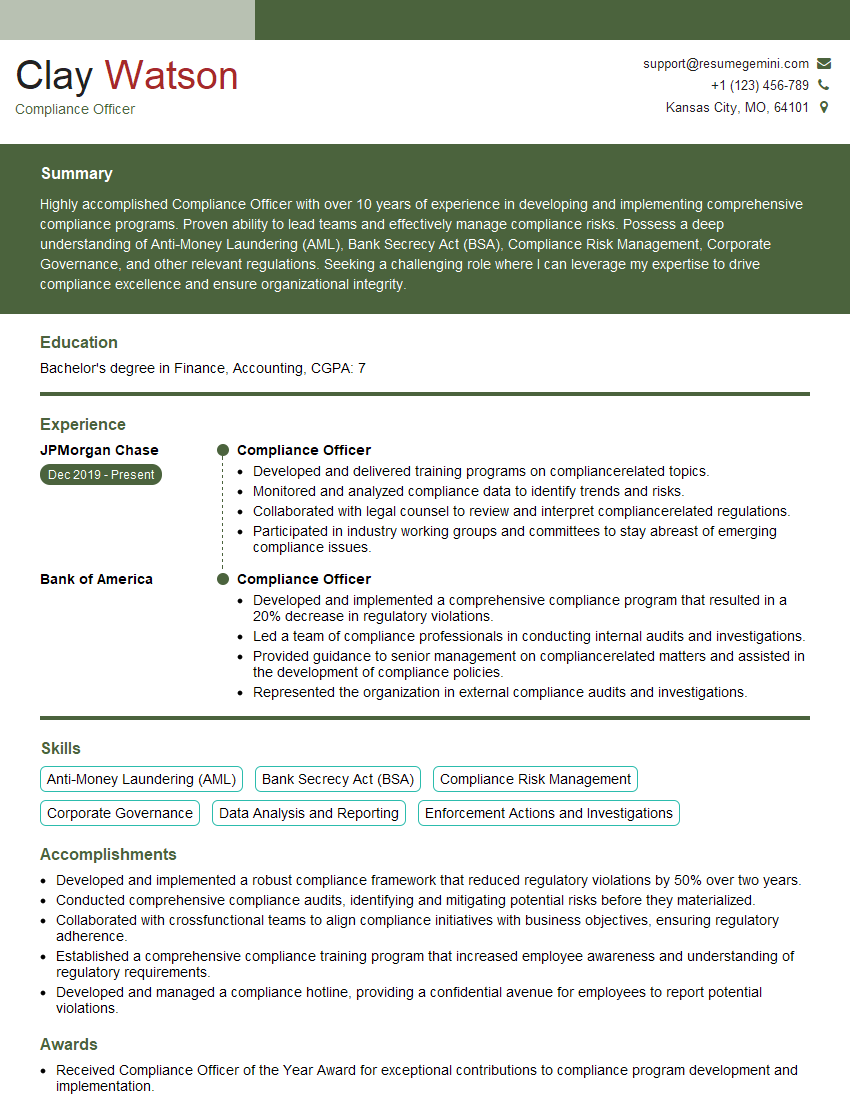
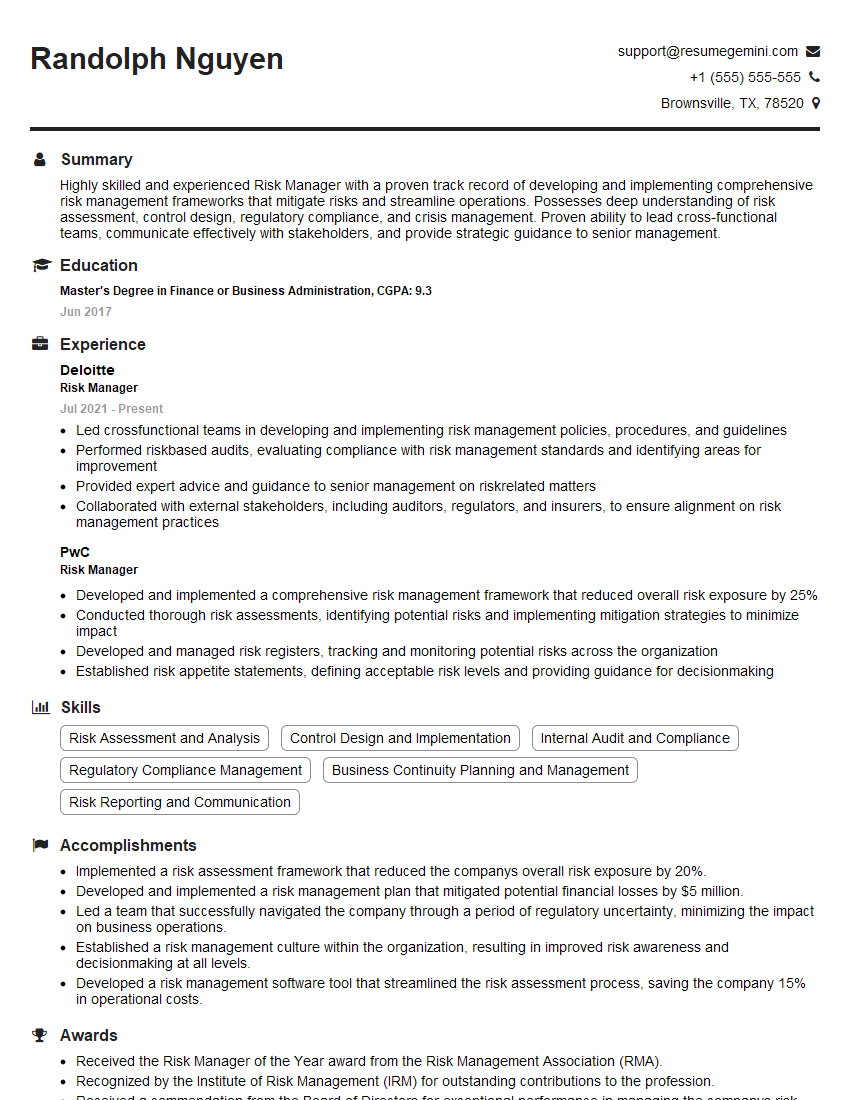
Mastering Health Care Quality Improvement opens doors to rewarding careers with significant impact. To maximize your job prospects, it’s crucial to present your skills and experience effectively. Creating an ATS-friendly resume is paramount in getting your application noticed. ResumeGemini is a trusted resource to help you build a professional and impactful resume that highlights your qualifications. We provide examples of resumes tailored to Health Care Quality Improvement to help you craft a compelling application. Invest time in crafting a strong resume – it’s your first impression on potential employers.
Explore more articles
Users Rating of Our Blogs
Share Your Experience
We value your feedback! Please rate our content and share your thoughts (optional).
What Readers Say About Our Blog
To the interviewgemini.com Webmaster.
Very helpful and content specific questions to help prepare me for my interview!
Thank you
To the interviewgemini.com Webmaster.
This was kind of a unique content I found around the specialized skills. Very helpful questions and good detailed answers.
Very Helpful blog, thank you Interviewgemini team.