The right preparation can turn an interview into an opportunity to showcase your expertise. This guide to Intelligence Community Assessment (ICA) interview questions is your ultimate resource, providing key insights and tips to help you ace your responses and stand out as a top candidate.
Questions Asked in Intelligence Community Assessment (ICA) Interview
Q 1. Explain the process of developing an Intelligence Community Assessment (ICA).
Developing an Intelligence Community Assessment (ICA) is a rigorous, multi-stage process that demands collaboration and careful consideration. It begins with a clearly defined intelligence requirement – a specific question or issue needing analysis. This requirement drives the entire process, shaping the scope and methodology. Next, the collection phase commences, drawing on various intelligence disciplines. Analysts then conduct rigorous analysis, synthesizing the collected data to build a coherent narrative. This phase includes evaluating the credibility of sources, resolving conflicting information, and applying analytical rigor to draw conclusions. The final stage involves drafting and reviewing the ICA, ensuring clarity, accuracy, and objectivity. Multiple levels of review and editing often occur to guarantee the quality and validity of the assessment. Think of it like building a complex puzzle: each piece of intelligence is a puzzle piece, and the ICA is the completed picture, providing a comprehensive understanding of the issue.
Q 2. Describe the key elements of a well-structured ICA.
A well-structured ICA is characterized by several key elements. First, a clear and concise statement of the problem is crucial, outlining the specific intelligence question addressed. The analytical methodology used should be explicitly stated, detailing how the analysts arrived at their conclusions. Key judgments, the central findings of the assessment, are presented clearly and concisely, supported by comprehensive evidence and reasoning. Any assumptions and limitations of the analysis must be acknowledged, emphasizing transparency and highlighting potential weaknesses. Finally, the confidence levels associated with each judgment should be explicitly stated (e.g., high, medium, low), reflecting the analysts’ certainty in their assessments. Imagine a court case: the statement of the problem is the case itself, the methodology is the process of investigation, key judgments are the verdict, evidence is the witness testimonies, assumptions and limitations are potential biases, and confidence levels are the degree of certainty in the verdict.
Q 3. How do you incorporate different intelligence disciplines (HUMINT, SIGINT, etc.) into an ICA?
Integrating different intelligence disciplines is critical for a comprehensive ICA. HUMINT (Human Intelligence) provides firsthand accounts and insights, SIGINT (Signals Intelligence) offers electronic communications data, IMINT (Imagery Intelligence) provides visual information from satellites and drones, MASINT (Measurement and Signature Intelligence) analyzes physical and technical characteristics, OSINT (Open-Source Intelligence) draws from publicly available sources, and GEOINT (Geospatial Intelligence) uses geographical information to contextualize findings. Each discipline offers unique perspectives and strengths. For example, an investigation into a terrorist group might utilize HUMINT from informants, SIGINT to intercept communications, and IMINT to monitor movements. Analysts must carefully correlate these diverse data sets, acknowledging the strengths and limitations of each, to develop a holistic understanding. The process is akin to an orchestra; each instrument (discipline) contributes its unique sound, but the conductor (analyst) harmonizes them to create a cohesive and meaningful piece of music.
Q 4. What are the limitations of open-source intelligence (OSINT) in ICA development?
While OSINT offers readily available information, it has limitations in ICA development. One major limitation is its inherent lack of control over information quality and reliability. Anyone can post anything online, making verification crucial. OSINT also suffers from potential biases and incomplete data; information might be skewed, selective, or missing vital details. Finally, OSINT sources can be easily manipulated through disinformation campaigns or propaganda. For example, while social media can offer insights into public opinion, verifying its authenticity and separating fact from fiction requires considerable effort. Analysts must carefully evaluate the sources, cross-reference information, and employ critical thinking to overcome these limitations. It’s like sifting through sand to find a few precious nuggets; much of the material might be irrelevant or unreliable.
Q 5. How do you assess the credibility and reliability of intelligence sources?
Assessing source credibility and reliability is a crucial step. Analysts consider several factors, including the source’s track record (past accuracy), motivation (potential biases), access to information (how they obtained the data), and methodology (how they gathered information). Triangulation – corroborating information from multiple independent sources – is a key technique. If multiple sources, with diverse motivations and access, provide consistent information, it strengthens its credibility. Conversely, if a single source is the sole basis for a crucial judgment, analysts must express appropriate caution. Think of it like a jury considering witness testimony; a single eyewitness account is less convincing than multiple consistent accounts from unrelated sources.
Q 6. How do you handle conflicting information from different sources when preparing an ICA?
Conflicting information demands careful consideration and analysis. Analysts must first evaluate the credibility of each source, assessing their potential biases and motivations. They might need to delve deeper into the information, seeking additional supporting evidence or clarifying ambiguous statements. Sometimes, the apparent conflict might stem from different perspectives or interpretations of the same event. Analysts should strive to reconcile the differences, possibly creating multiple working hypotheses to explain the conflicting data. In cases where the conflict cannot be resolved, the ICA must explicitly acknowledge the discrepancies and explain the analysts’ reasoning for choosing a particular interpretation. This process requires careful documentation, transparency, and thoughtful judgment. It’s like solving a mystery with contradicting witness accounts, requiring meticulous investigation to discern the truth.
Q 7. Explain the importance of objectivity and neutrality in ICA writing.
Objectivity and neutrality are paramount in ICA writing. Analysts must present information fairly, avoiding subjective interpretations or personal opinions. The assessment should strive to be unbiased, presenting all relevant perspectives without favoring one over another. This involves carefully considering counterarguments, acknowledging limitations, and avoiding language that could be perceived as biased or emotionally charged. The aim is to provide decision-makers with a clear, impartial picture of the situation, empowering them to make informed decisions based on facts, not opinions. A neutral assessment is like a scientific study; it presents findings without drawing premature conclusions, allowing readers to form their own informed judgments.
Q 8. How do you ensure the clarity and conciseness of an ICA?
Clarity and conciseness are paramount in an ICA because decision-makers need actionable intelligence quickly. Think of it like a surgeon needing precise information during an operation – any ambiguity can be catastrophic. We achieve this through several key steps:
- Structured Writing: We use a clear, structured format, typically following a standard template that includes executive summary, key judgments, methodology, supporting evidence, and caveats. This ensures all vital information is presented logically and efficiently.
- Precise Language: We avoid jargon and use precise language, defining any specialized terms. Every word must contribute to the understanding of the analysis. We actively use plain language techniques to ensure readability for all levels.
- Data Visualization: We leverage charts, graphs, and maps to present complex data in a visually appealing and easily digestible manner. A well-crafted chart can convey more information than pages of text.
- Rigorous Editing and Review: The ICA undergoes multiple rounds of review by subject matter experts and editors to ensure clarity, accuracy, and consistency. This collaborative process is crucial for catching any ambiguities or inconsistencies.
For example, instead of saying “The adversary’s capabilities are significantly enhanced,” we would say something like, “The adversary’s acquisition of X system increases their range by Y kilometers and their targeting accuracy by Z percent.”
Q 9. Describe your experience in using analytical tools and techniques for ICA development.
My experience spans a wide array of analytical tools and techniques. I’m proficient in using various software for data analysis, visualization, and mapping, including geospatial intelligence (GEOINT) tools and network analysis platforms.
- Statistical Analysis: I utilize statistical methods to identify trends, patterns, and correlations within large datasets, helping to uncover insights that might otherwise be missed. For example, identifying a statistically significant increase in certain types of cyber activity might point to an emerging threat.
- Network Analysis: I employ network analysis techniques to map relationships between individuals, organizations, and events. This helps us understand the structure and dynamics of complex networks, such as terrorist organizations or illicit trafficking operations.
- Qualitative Analysis: I incorporate qualitative analysis, such as open-source intelligence (OSINT) analysis and human intelligence (HUMINT) reporting, to provide context and nuance to quantitative findings. Qualitative analysis provides critical insights into the motivations and intentions of actors.
- Data Fusion: I am adept at fusing data from diverse sources – intelligence reports, open-source articles, social media posts, etc. – to create a more complete and accurate picture. Combining different data types significantly improves the accuracy and reliability of the assessment.
For instance, in one project, I used network analysis to map the connections between a suspected terrorist group and its financial backers, uncovering hidden links that were not apparent from individual data points alone.
Q 10. How do you synthesize large amounts of data to form concise conclusions in an ICA?
Synthesizing large amounts of data into concise conclusions requires a systematic approach. It’s like building a complex puzzle – you need to carefully examine each piece before determining the complete picture.
- Prioritization and Filtering: I start by prioritizing the most relevant and credible information and filtering out noise and irrelevant data. This prevents being overwhelmed by the sheer volume of information.
- Identifying Key Themes and Patterns: I then identify recurring themes and patterns within the data, using both quantitative and qualitative techniques. This helps to distill the vast amount of data into manageable and meaningful chunks.
- Developing Analytical Frameworks: Applying established analytical frameworks provides structure to the analysis and ensures consistency. Frameworks such as the Structured Analytic Techniques (SATs) are invaluable in this process.
- Cross-referencing and Verification: I meticulously cross-reference information from multiple sources to verify its accuracy and reliability. This is crucial for ensuring the credibility of the conclusions.
- Identifying Gaps and Uncertainties: Recognizing and articulating gaps in information and areas of uncertainty is crucial for maintaining objectivity and transparency.
The goal is not to present every single data point, but rather to present the most compelling and relevant findings in a way that supports the key judgments of the assessment.
Q 11. Explain the importance of considering the intended audience when preparing an ICA.
The intended audience is central to the effectiveness of an ICA. Tailoring the language, level of detail, and presentation style to the audience ensures the information is understood and acted upon effectively. Imagine trying to explain quantum physics to a five-year-old versus a physicist – the approach would be radically different.
- Understanding Audience Needs: Before writing, I meticulously consider the audience’s background knowledge, information needs, and decision-making context. This informs the level of detail, technical language, and overall tone.
- Prioritizing Key Information: I prioritize the information that is most relevant and critical to the audience’s needs and decision-making process. Irrelevant details are omitted to avoid overwhelming the reader.
- Adapting Communication Style: The communication style is adapted to the audience’s preferred style. For example, a technical audience might appreciate detailed methodology sections, while senior decision-makers may need more concise executive summaries.
For example, an ICA for senior policymakers will prioritize concise summaries and actionable intelligence, whereas an ICA for a specific operational unit will contain more detailed analysis and tactical recommendations.
Q 12. How do you incorporate uncertainty and caveats into an ICA?
Uncertainty and caveats are not weaknesses but hallmarks of rigorous analysis. Transparency about limitations strengthens credibility and helps decision-makers make informed judgments. Ignoring uncertainties can lead to flawed decisions.
- Identifying Uncertainty Sources: We systematically identify the sources of uncertainty throughout the analytical process, documenting limitations in data availability, methodology, or analytical assumptions.
- Quantifying Uncertainty: Whenever possible, we attempt to quantify the level of uncertainty associated with our conclusions. This might involve using probability statements or confidence intervals to communicate the degree of certainty.
- Presenting Caveats Clearly: All caveats and limitations are clearly articulated in the ICA, often in a dedicated section. These caveats explain the boundaries of the analysis and warn against over-interpreting the findings.
- Using Appropriate Language: We use language that reflects the level of uncertainty. For example, instead of stating definitive conclusions, we might use phrases like “likely,” “possible,” or “unlikely” to accurately convey the level of confidence.
Imagine a weather forecast that simply says “rain.” A more useful forecast would specify the probability of rain, the likely intensity, and the time frame. Similarly, an ICA needs to be transparent about its uncertainties.
Q 13. Describe your experience in presenting ICA findings to senior decision-makers.
Presenting ICA findings to senior decision-makers requires careful preparation and a clear understanding of their priorities. I have extensive experience in this, always aiming for clear, concise, and impactful presentations.
- Understanding Decision-Maker Needs: I start by understanding their existing knowledge, their key priorities, and the specific questions they are seeking to answer.
- Tailoring the Presentation: I tailor the presentation accordingly, focusing on the most relevant findings and presenting the information in a format that is easily digestible and visually engaging.
- Visual Aids: I incorporate charts, graphs, and maps to simplify complex information. Visual aids are very helpful in conveying large amounts of information concisely.
- Clear and Concise Communication: I use clear and concise language, avoiding jargon and technical details that might confuse the audience. The focus is on providing actionable intelligence.
- Q&A Session: I anticipate and address potential questions and concerns during a Q&A session, further enhancing understanding.
For example, in a briefing on a geopolitical issue, I might focus on high-level conclusions, using maps to illustrate regional dynamics. I would anticipate and answer questions about potential impacts on US interests or alternative scenarios.
Q 14. What are the key ethical considerations in preparing and disseminating an ICA?
Ethical considerations are paramount in ICA development and dissemination. Accuracy, objectivity, and integrity are fundamental principles guiding our work. Think of it like a doctor’s oath – first, do no harm.
- Objectivity and Impartiality: We strive to maintain objectivity and avoid bias in our analysis. All judgments are supported by credible evidence, and dissenting views are considered and documented. This ensures that the assessment is fair and unbiased.
- Data Integrity: We ensure the accuracy and reliability of our data sources. Data must be properly sourced, verified, and appropriately contextualized.
- Transparency and Accountability: We are transparent about our methods, assumptions, and limitations. Our analysis is accountable to rigorous internal and external reviews.
- Protection of Sensitive Information: We protect sensitive information through appropriate classification and handling procedures. This ensures that classified information is handled responsibly and remains secure.
- Avoiding Misrepresentation: We avoid misrepresenting data or findings. Conclusions should accurately reflect the available evidence and should not be exaggerated or distorted.
Any deviation from these principles could undermine credibility, damage trust, and have serious real-world consequences. Adhering to these ethical guidelines is our foremost duty.
Q 15. How do you stay current on relevant geopolitical and technological developments that influence ICA?
Staying current in the rapidly evolving worlds of geopolitics and technology is paramount for producing accurate and insightful ICAs. My approach is multi-faceted and involves a combination of active information seeking and leveraging established networks.
- Active Information Gathering: I subscribe to a range of reputable news sources, academic journals, and think tanks specializing in geopolitical analysis and technological advancements. This includes publications like Foreign Affairs, The Economist, and reports from organizations like the RAND Corporation. I also actively monitor open-source intelligence (OSINT) from social media and other publicly available sources, always critically evaluating the reliability of the information.
- Leveraging Networks: I maintain strong relationships with colleagues from different intelligence agencies and disciplines. Regular informal discussions and formal briefings provide invaluable insights and diverse perspectives. Participating in professional conferences and workshops further enhances my understanding of emerging trends and allows for knowledge sharing.
- Technology Monitoring: I dedicate time to monitoring technological advancements through specialized publications and industry reports. This includes following developments in AI, cybersecurity, and space technology, understanding their potential implications for international relations and national security.
Essentially, it’s a continuous learning process requiring proactive engagement with various information streams and a discerning eye for credible sources.
Career Expert Tips:
- Ace those interviews! Prepare effectively by reviewing the Top 50 Most Common Interview Questions on ResumeGemini.
- Navigate your job search with confidence! Explore a wide range of Career Tips on ResumeGemini. Learn about common challenges and recommendations to overcome them.
- Craft the perfect resume! Master the Art of Resume Writing with ResumeGemini’s guide. Showcase your unique qualifications and achievements effectively.
- Don’t miss out on holiday savings! Build your dream resume with ResumeGemini’s ATS optimized templates.
Q 16. What is your experience with different ICA formats and presentation styles?
My experience encompasses a wide range of ICA formats and presentation styles, tailored to the specific audience and purpose. I’ve worked with everything from concise executive summaries for senior leadership to detailed analytical reports for specialized committees.
- Executive Summaries: These are short, impactful documents emphasizing key judgments and recommendations. Clarity and brevity are paramount.
- Detailed Analytical Reports: These provide comprehensive analyses, including detailed methodologies, supporting evidence, and assessments of uncertainty.
- Presentations: I have extensive experience delivering briefings using various visual aids such as charts, maps, and timelines. The style is adjusted to suit the audience, ranging from formal presentations to more interactive discussions.
- Data Visualizations: For complex data sets, I leverage data visualization techniques to communicate findings effectively, often incorporating interactive dashboards or maps.
For instance, while an executive summary for the National Security Council would prioritize concise conclusions, a report for a specialized technical committee would require a deep dive into the technical aspects of the assessment.
Q 17. How do you ensure the timeliness and relevance of an ICA?
Ensuring timeliness and relevance is critical. This requires a proactive approach combining rigorous planning, efficient workflows, and a commitment to continuous updates.
- Agile Methodology: I often employ agile methodologies, breaking down the ICA into smaller, manageable tasks with regular progress checks. This allows for rapid adaptation to new information.
- Regular Updates and Revisions: ICAs are not static documents. We establish a process for monitoring relevant developments and updating the assessment as needed. This may involve issuing supplements or completely revised versions.
- Clear Deadlines and Resource Allocation: Effective project management is crucial for meeting deadlines. This involves clearly defining tasks, assigning responsibilities, and allocating sufficient resources.
- Prioritization of Key Findings: We focus on delivering the most critical information first, even if the entire assessment is not yet complete. This ensures policymakers have access to timely information.
Think of it like a weather forecast – initial predictions are valuable, but constant monitoring and updates are essential to maintain accuracy as conditions change.
Q 18. Describe a situation where you had to revise an ICA based on new information.
During an assessment on the potential for a specific regime change in a volatile region, we initially projected a low probability of a swift overthrow. However, a few days before the deadline, credible intelligence emerged revealing a significant shift in popular support and military defections.
This necessitated a complete revision of our assessment. We immediately convened a team meeting, incorporating the new intelligence, updating our analytical models, and re-evaluating the probability of regime change. The revised ICA significantly raised the probability of a near-term shift, highlighting the risk and potential implications. This led to a shift in policy recommendations for the government.
The key takeaway was the importance of remaining flexible and adaptable to new information. A rigid adherence to the initial assessment could have led to seriously flawed policy decisions.
Q 19. How do you collaborate with other analysts when developing an ICA?
Collaboration is fundamental to developing sound ICAs. My approach emphasizes open communication, shared responsibility, and respect for diverse perspectives.
- Team Meetings: Regular team meetings are crucial for brainstorming, sharing information, and coordinating efforts. We use these meetings to discuss findings, identify potential biases, and ensure consistency in analysis.
- Collaboration Tools: We utilize collaborative software platforms that allow for real-time document sharing, feedback, and version control. This enables seamless information flow and efficient communication.
- Diverse Expertise: I actively seek input from analysts with diverse backgrounds and expertise, ensuring that the assessment incorporates various perspectives and avoids groupthink.
- Clear Roles and Responsibilities: Each team member has clearly defined roles and responsibilities. This avoids duplication of effort and ensures efficiency.
An ICA is a collaborative product; by leveraging the skills and perspectives of a team, we can produce a more accurate and well-rounded assessment than any individual could achieve alone.
Q 20. Explain the process of peer review and quality control for ICAs.
Peer review and quality control are integral to maintaining the rigor and credibility of ICAs. It’s a multi-stage process designed to identify potential flaws and ensure the assessment is well-supported, unbiased, and meets the highest standards.
- Internal Review: The assessment undergoes a thorough internal review by colleagues within the team, focusing on methodology, data accuracy, and logical consistency. This involves identifying any potential biases or gaps in analysis.
- External Review: Following the internal review, the ICA undergoes an external peer review by analysts from other agencies or disciplines. This ensures an independent and objective assessment of the work.
- Senior-Level Review: Finally, the assessment is reviewed by senior leadership to ensure alignment with overall intelligence priorities and policy goals.
- Quality Control Measures: Throughout the process, we use checklists and standardized procedures to ensure consistent quality across assessments. This includes checking for accuracy of data, clarity of writing, and the proper application of analytical methodologies.
The goal is not just to identify errors, but to improve the quality of the analysis by incorporating diverse perspectives and rigorous scrutiny.
Q 21. What are some of the common challenges in developing ICAs, and how do you overcome them?
Developing ICAs presents several challenges, but with experience and sound methodologies, most of these can be effectively overcome.
- Data Scarcity or Incompleteness: Incomplete or unreliable data is a common problem. We address this through rigorous data validation, triangulation of information from multiple sources, and acknowledgement of uncertainties in the assessment.
- Time Constraints: Meeting tight deadlines is often a challenge. Effective project management, prioritization of tasks, and utilization of agile methodologies help to overcome this.
- Bias and Groupthink: Analytical biases and groupthink are potential pitfalls. We actively seek diverse perspectives, incorporate red teaming exercises, and engage in rigorous self-reflection to mitigate these risks.
- Communicating Uncertainty: Effectively communicating the level of uncertainty associated with an assessment is crucial. We use clear language, probability statements, and alternative scenarios to convey the uncertainty accurately.
- Balancing Detail and Brevity: Striking a balance between providing sufficient detail and maintaining brevity is always a challenge, particularly when dealing with complex issues. We employ various techniques like executive summaries and targeted visual aids to effectively present the information.
Addressing these challenges requires a combination of strong analytical skills, effective project management, and a commitment to transparency and rigorous quality control. Ultimately, the goal is to produce assessments that are both accurate and insightful, even in the face of imperfect information and tight deadlines.
Q 22. How do you prioritize competing intelligence requirements when preparing an ICA?
Prioritizing competing intelligence requirements in an ICA is crucial for resource allocation and ensuring the assessment focuses on the most critical issues. It’s like choosing which fires to put out first in a burning building – you need a systematic approach.
We typically use a multi-faceted approach:
- Urgency and Impact: We assess the urgency of the requirement (how soon is the information needed?) and its potential impact (what are the consequences of not knowing?). High-urgency, high-impact requirements always take precedence.
- Policy Relevance: Requirements directly impacting key policy decisions or national security objectives get prioritized. This means aligning with the current strategic goals of the IC.
- Feasibility: Some requirements might be impossible to address given resource constraints (time, personnel, access to sources). We prioritize those that are realistically achievable.
- Resource Allocation: We develop a weighted scoring system to combine urgency, impact, policy relevance, and feasibility. This allows a transparent and objective prioritization process.
For instance, if we’re assessing a potential conflict, understanding the opponent’s military capabilities (high impact, high urgency) would be prioritized over detailed analysis of their economic indicators (lower urgency, unless directly linked to military capabilities).
Q 23. How do you incorporate predictive analysis into your ICA work?
Predictive analysis plays a vital role in ICA, allowing us to move beyond simply describing current situations to forecasting future possibilities. This is achieved through various statistical and machine learning techniques, applied judiciously.
We use several methods:
- Time Series Analysis: Identifying trends and patterns in historical data (e.g., economic growth, conflict occurrences) to predict future trends.
- Agent-Based Modeling: Simulating the actions and interactions of various actors (governments, organizations, individuals) to understand potential outcomes under different scenarios.
- Machine Learning Algorithms: Using algorithms to identify patterns and relationships in large datasets, and to predict future events based on those patterns. This requires careful data cleaning and validation.
For example, we might use time series analysis of economic indicators to predict the likelihood of a country defaulting on its debt, or agent-based modeling to simulate the potential escalation of a regional conflict based on the actions of different actors.
It is crucial to remember that predictive analysis does not offer definitive answers. It provides probabilities and potential scenarios, which need to be critically evaluated in the context of other intelligence and geopolitical information.
Q 24. Explain your understanding of the intelligence cycle and its relevance to ICA development.
The intelligence cycle is the foundational process for intelligence gathering and analysis. It’s a continuous loop of planning, collecting, processing, analyzing, producing, and disseminating information. This cycle is directly relevant to ICA development, providing a structured framework for the whole assessment process.
The stages:
- Planning & Direction: Defining the intelligence requirements and objectives for the ICA. This often stems from policymaker’s needs and involves clearly identifying the scope and focus.
- Collection: Gathering relevant information from various sources (human intelligence, signals intelligence, open-source intelligence, etc.).
- Processing: Transforming raw data into usable intelligence, which might include translation, transcription, and data cleaning.
- Analysis & Production: Analyzing the processed data and producing the ICA itself, drawing conclusions, making judgements, and writing the report. This is where analytical frameworks and methodologies are applied.
- Dissemination: Sharing the ICA with policymakers and other stakeholders. This ensures that the information reaches those who need it, impacting decisions.
- Feedback: Receiving feedback on the ICA and using that feedback to improve future assessments. This iterative process helps refine and improve the cycle itself.
Each stage of the intelligence cycle directly impacts the ICA. A poorly planned collection effort, for example, could lead to an incomplete or inaccurate assessment.
Q 25. Describe your experience in using analytical frameworks (e.g., Diamond Model) in ICA development.
Analytical frameworks are crucial tools for structuring analysis and ensuring consistency in ICA development. The Diamond Model is a particularly useful example, providing a systematic approach to understanding events and their causal connections.
The Diamond Model focuses on four key elements:
- Capability: The resources and means available to the actor (e.g., military strength, economic power).
- Intent: The actor’s goals, objectives, and motivations.
- Vulnerability: Weaknesses or sensitivities that the actor possesses.
- Opportunity: Factors that could enable or facilitate the actor’s intentions.
By examining these four elements, we can develop a comprehensive understanding of a situation and how these factors may influence future actions.
For example, when assessing a potential terrorist attack, we would analyze the terrorist group’s capabilities (weapons, training), intent (political goals, ideological motivations), vulnerabilities (leadership structure, funding sources), and opportunities (weak security measures, societal divisions).
Other frameworks, such as the ‘five Ws’ and ‘H’, help address fundamental questions (‘who’, ‘what’, ‘when’, ‘where’, ‘why’ and ‘how’), ensure a thorough investigation, and structure the presentation of findings in the ICA. The choice of framework depends on the specific challenge and its complexity.
Q 26. How do you incorporate geopolitical context into your analysis for an ICA?
Geopolitical context is absolutely vital for accurate and meaningful ICA. Ignoring it leads to flawed conclusions. It’s like trying to understand a single tree without understanding the forest it’s part of.
We incorporate geopolitical context through:
- Regional Dynamics: Considering the relationships between countries, alliances, and rivalries in the region relevant to the assessment. This includes understanding historical tensions and current political climates.
- Global Power Dynamics: Understanding the influence of major global powers on the situation, including their economic and military interests.
- International Norms and Laws: Evaluating how international laws and norms affect the actions of actors and their interactions.
- Historical Context: Examining past events and trends that might help explain the current situation and predict future possibilities. History often repeats itself, or at least rhymes.
For example, an assessment of a potential civil war in a specific country wouldn’t be complete without considering the influence of neighboring countries, the involvement of international organizations, or the legacy of past conflicts. This contextualization adds depth and credibility to the ICA.
Q 27. How do you address potential biases in your assessment and analysis for an ICA?
Addressing biases is critical for producing objective and credible ICAs. Bias, whether conscious or unconscious, can significantly distort analysis. We combat this through a range of strategies.
Our methods include:
- Structured Analytical Techniques: Using predefined methods to guide analysis and minimize subjective interpretations. Checklists, matrices, and other frameworks help structure the thinking process.
- Multiple Perspectives: Encouraging diverse viewpoints and perspectives within the analytic team. This helps challenge assumptions and identifies potential biases.
- Devil’s Advocacy: Having someone specifically assigned to challenge the prevailing analysis, identifying weaknesses and potential alternative interpretations.
- Red Teaming: A more rigorous adversarial approach, where a separate team tries to find flaws in the primary assessment. This helps ensure robustness of conclusions.
- Peer Review: Subjecting the ICA to review by colleagues, who can provide feedback and identify potential biases or inconsistencies.
For instance, if analyzing a potential adversary’s actions, it is vital to challenge assumptions about their motivations and capabilities to avoid falling into confirmation bias or mirroring our own perspectives.
Q 28. What are some best practices for ensuring the security and classification of ICAs?
Security and classification of ICAs are paramount. A leak could compromise national security and sources and methods. We follow strict protocols to prevent this.
Our practices include:
- Need-to-Know Basis: Access to classified information is limited to only those individuals who require it for their work, strictly adhering to the principle of least privilege.
- Secure Data Handling: Using secure computer systems and networks, employing encryption, and following strict procedures for handling classified materials, both physical and digital.
- Classification Levels: Accurately classifying the ICA according to its sensitivity level, following established government classification guidelines.
- Compartmentalization: Breaking down complex assessments into compartments, limiting access to specific parts of the analysis based on classification levels and need-to-know.
- Regular Security Audits: Conducting regular audits of security protocols and systems to identify and address vulnerabilities.
- Background Checks: Thorough background checks of all personnel involved in handling classified information.
These measures ensure that the integrity of the ICA and national security are protected.
Key Topics to Learn for Intelligence Community Assessment (ICA) Interview
- The Intelligence Cycle: Understand the complete process, from requirements to dissemination, and how ICA fits within it. Consider practical scenarios where the cycle might be disrupted or require adaptation.
- Analytical Tradecraft: Master techniques like hypothesis generation, source evaluation, and argumentation. Think about how to present complex information clearly and concisely to diverse audiences.
- Data Analysis & Visualization: Explore methods for effectively processing and presenting large datasets. Consider how various visualization techniques can enhance understanding and persuade decision-makers.
- Bias & Critical Thinking: Learn to identify and mitigate cognitive biases in your analysis. Practice evaluating information from multiple perspectives and considering alternative interpretations.
- Report Writing & Communication: Focus on structuring clear, concise, and persuasive assessments. Practice tailoring your communication style to the specific audience and purpose.
- Specific Methodologies: Familiarize yourself with various analytical frameworks and methodologies used within the IC, adapting your approach to the specific problem at hand.
- Ethical Considerations: Understand the ethical implications of intelligence analysis and the importance of adhering to legal and regulatory frameworks.
- Technology & Tools: Develop familiarity with commonly used intelligence analysis tools and software. Consider how technology facilitates both the collection and analysis phases of the intelligence cycle.
Next Steps
Mastering Intelligence Community Assessment (ICA) is crucial for career advancement in the intelligence field, opening doors to challenging and impactful roles. A strong, ATS-friendly resume is your key to unlocking these opportunities. ResumeGemini can help you craft a compelling resume that showcases your ICA expertise and highlights your qualifications effectively. We provide examples of resumes tailored to Intelligence Community Assessment (ICA) roles to guide you in this process, ensuring you present your skills and experience in the best possible light. Take the next step towards your dream career today!
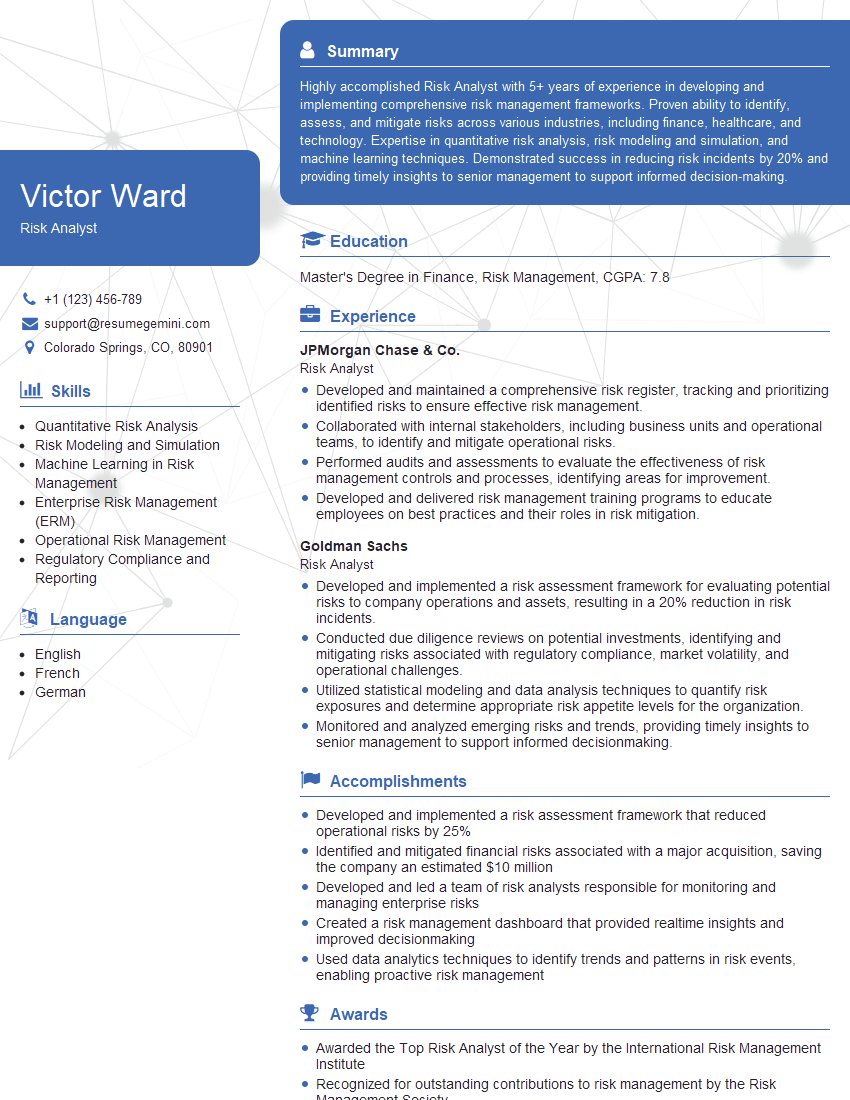
Risk Analyst Resume Sample
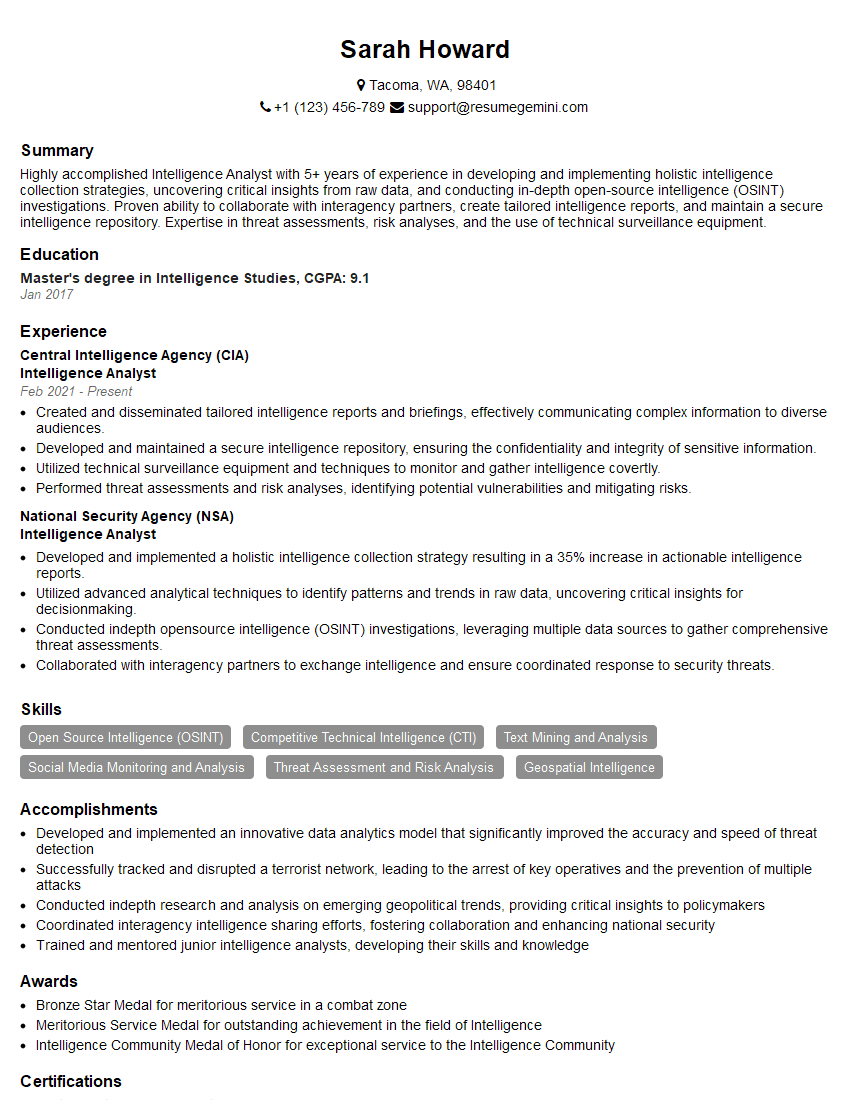
Intelligence Analyst Resume Sample
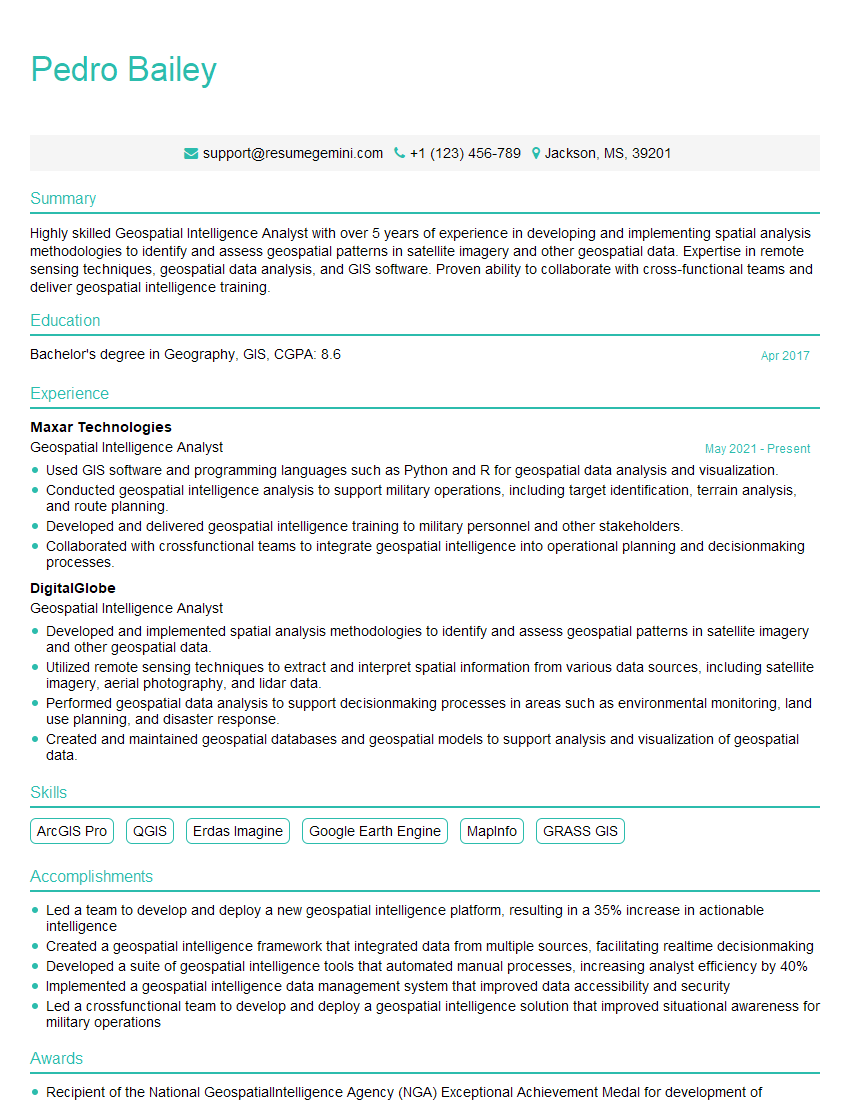
Geospatial Intelligence Analyst Resume Sample
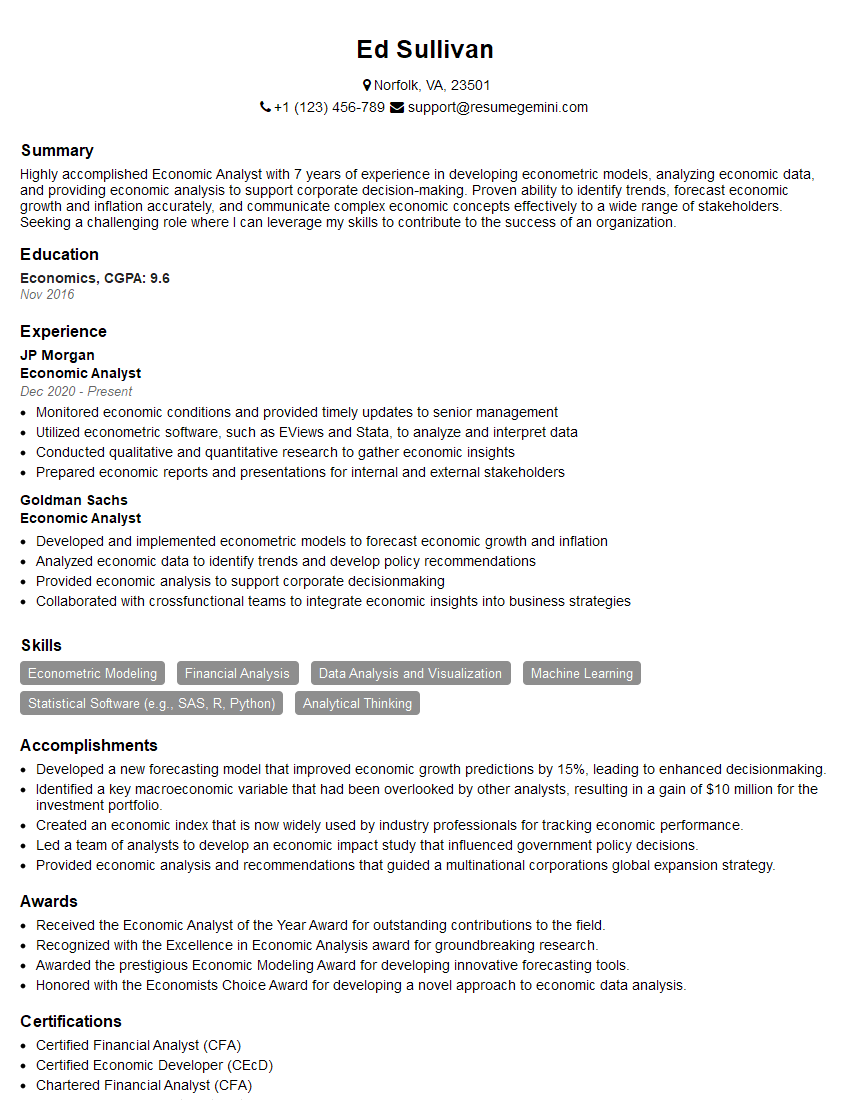
Economic Analyst Resume Sample
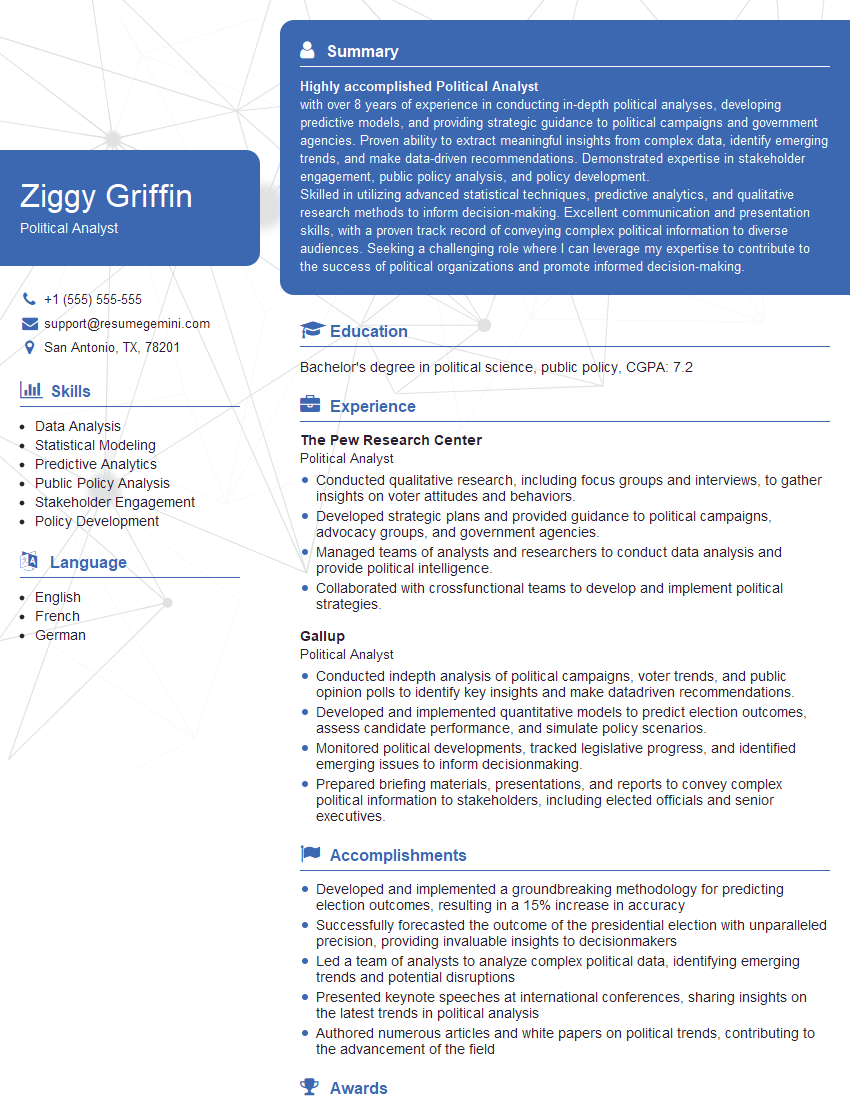
Political Analyst Resume Sample
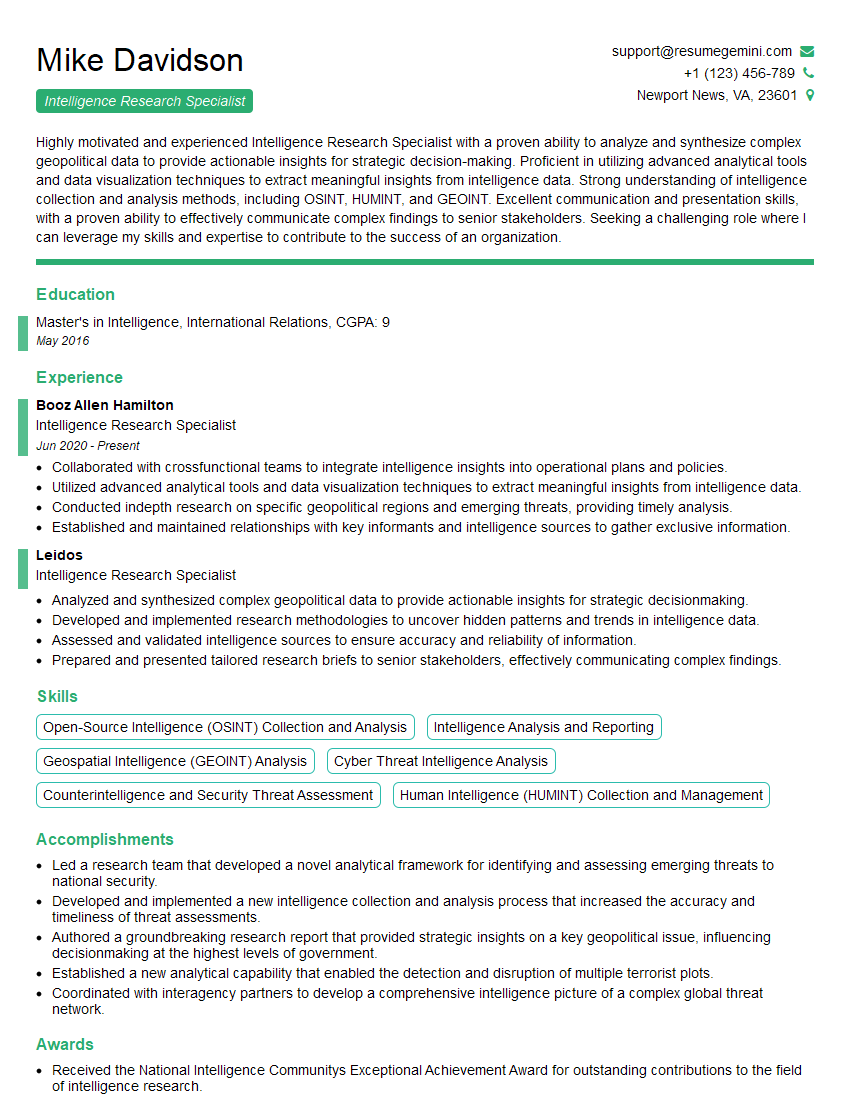
Intelligence Research Specialist Resume Sample
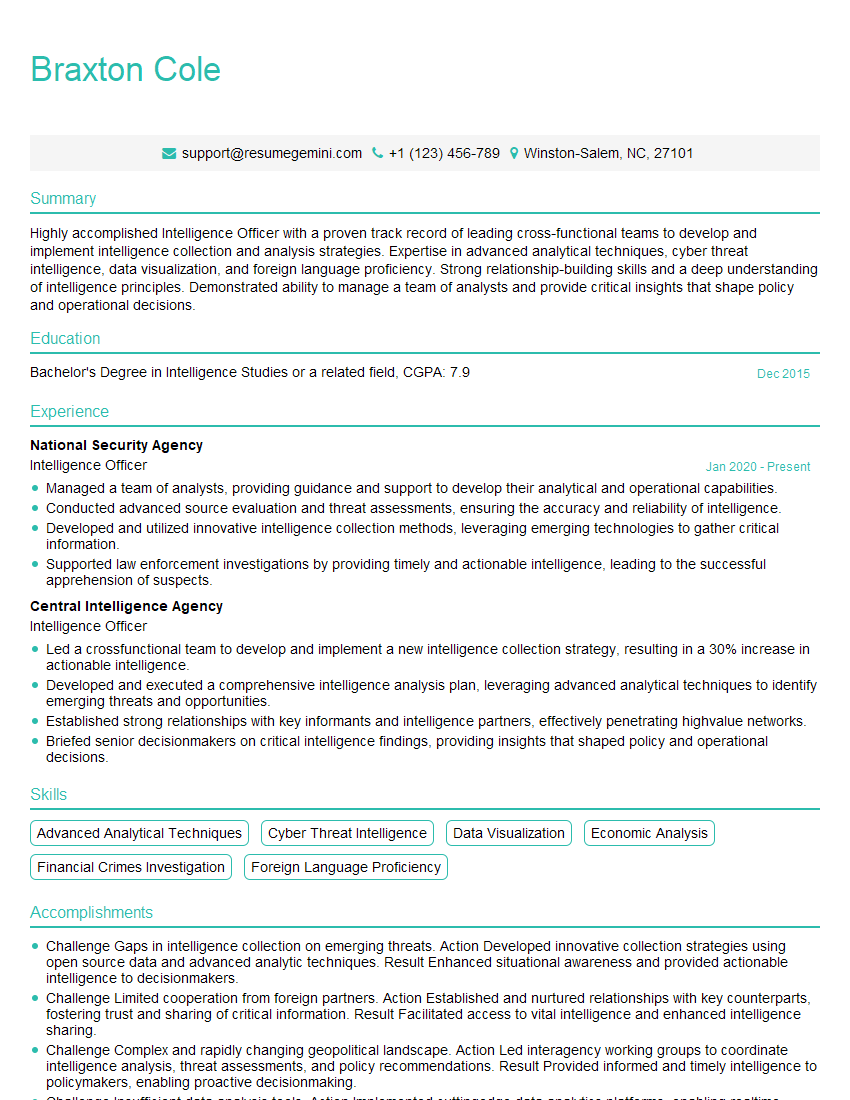
Intelligence Officer Resume Sample
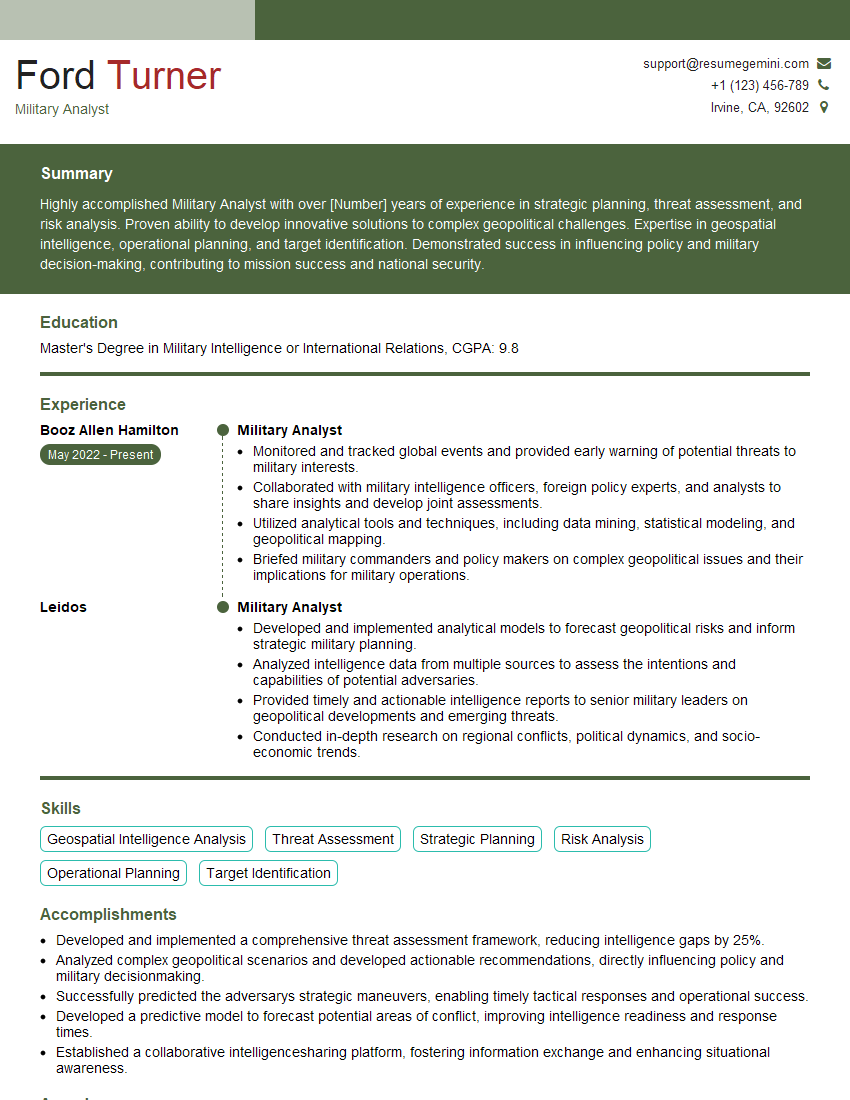
Military Analyst Resume Sample
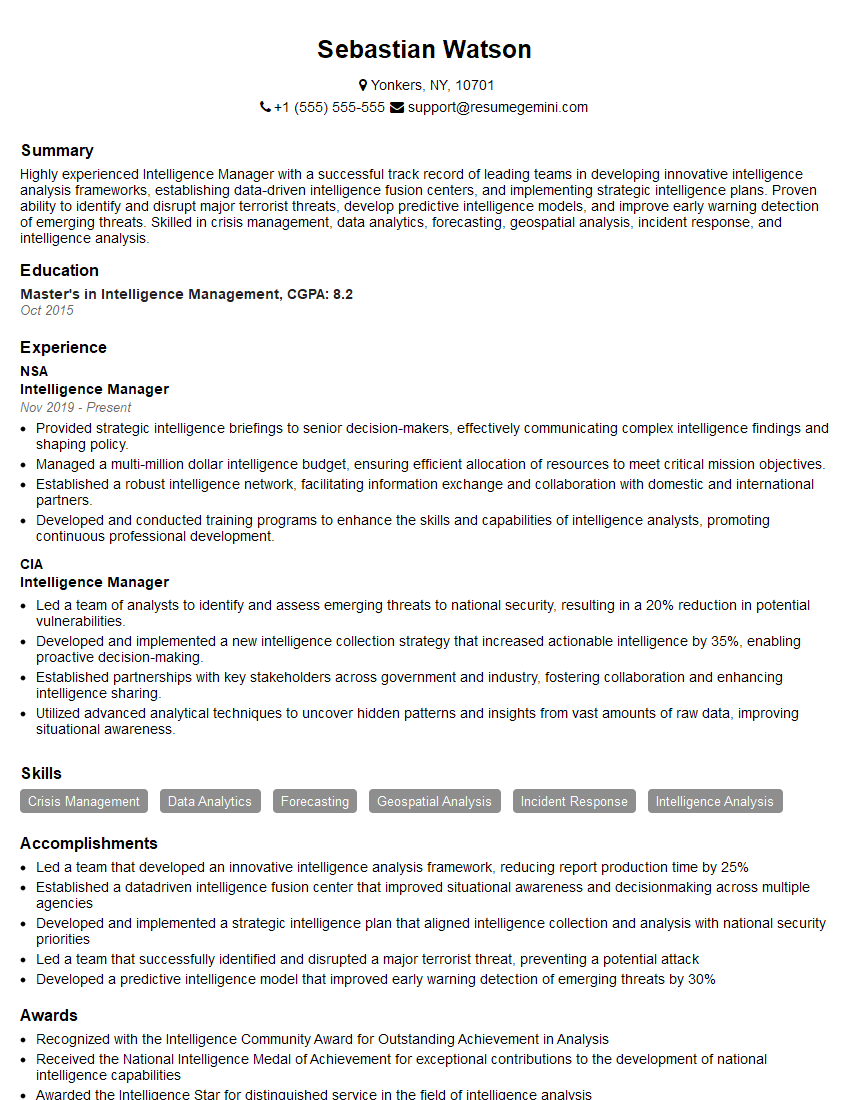
Intelligence Manager Resume Sample
Explore more articles
Users Rating of Our Blogs
Share Your Experience
We value your feedback! Please rate our content and share your thoughts (optional).
What Readers Say About Our Blog
To the interviewgemini.com Webmaster.
Very helpful and content specific questions to help prepare me for my interview!
Thank you
To the interviewgemini.com Webmaster.
This was kind of a unique content I found around the specialized skills. Very helpful questions and good detailed answers.
Very Helpful blog, thank you Interviewgemini team.