Cracking a skill-specific interview, like one for Amputation Rehabilitation, requires understanding the nuances of the role. In this blog, we present the questions you’re most likely to encounter, along with insights into how to answer them effectively. Let’s ensure you’re ready to make a strong impression.
Questions Asked in Amputation Rehabilitation Interview
Q 1. Describe your experience with different prosthetic fitting techniques.
My experience encompasses a wide range of prosthetic fitting techniques, tailored to individual patient needs and amputation levels. This includes traditional socket fabrication methods, such as plaster-of-paris casting and CAD/CAM (Computer-Aided Design/Computer-Aided Manufacturing) techniques. I’m proficient in both the fabrication and fitting of various socket designs: conventional, supracondylar, and total-contact sockets. The selection depends on factors like the residual limb shape, skin condition, and activity level. For example, an active patient might benefit from a total-contact socket for superior pressure distribution and improved comfort, whereas a patient with sensitive skin might need a more flexible liner system within a conventional socket. I also have extensive experience with the application and fitting of different liner materials, including silicone, gel, and polyurethane, each offering distinct properties in terms of comfort, durability, and suspension.
Beyond the socket, I’m experienced in fitting various prosthetic components, like different types of feet (e.g., energy-storing feet for active users, single-axis feet for simpler gait patterns) and knee joints (e.g., micro-processor-controlled knees for advanced gait control, simpler mechanical knees for lower activity levels). The key is a holistic approach, ensuring the entire system works synergistically to restore function and improve the patient’s quality of life.
Q 2. Explain the process of assessing a patient’s functional needs after amputation.
Assessing a patient’s functional needs post-amputation is a crucial first step in developing a personalized rehabilitation plan. It’s a multi-faceted process involving a comprehensive evaluation of their physical, psychological, and social needs. This includes a detailed medical history review, examination of the residual limb, and a thorough assessment of their functional abilities before the amputation and their current capabilities. We use standardized scales like the Functional Independence Measure (FIM) to quantify these abilities. We also evaluate their motor skills, balance, strength, and range of motion. Furthermore, we conduct detailed interviews to understand their pre-amputation lifestyle, their goals, and expectations for prosthetic use and potential challenges they anticipate.
For instance, a patient who was an avid runner pre-amputation will have different needs compared to someone who was primarily sedentary. This informs the choice of prosthetic components, the intensity of rehabilitation, and the overall trajectory of their recovery. The assessment also considers the patient’s emotional and psychological well-being, as the adjustment to amputation can be significant and often requires psychological support. A holistic approach ensures that the rehabilitation process addresses both physical limitations and emotional well-being.
Q 3. How do you address phantom limb pain in your patients?
Phantom limb pain (PLP), the sensation of pain in a limb that is no longer there, is a common and distressing complication after amputation. Managing PLP requires a multimodal approach combining various therapeutic interventions. These might include:
- Pharmacological interventions: Medications such as analgesics (pain relievers), antidepressants, and anticonvulsants can help manage pain levels. The selection depends on the nature and severity of the pain.
- Physical therapies: Techniques like transcutaneous electrical nerve stimulation (TENS), massage, and desensitization exercises can help reduce pain and improve limb sensation.
- Mirror therapy: This involves placing a mirror between the intact and amputated limb to create a visual illusion of the missing limb, helping to reduce pain and improve motor control.
- Cognitive-behavioral therapy (CBT): CBT helps patients understand and manage their pain through techniques such as relaxation, distraction, and coping strategies. It addresses the psychological aspects of PLP that might exacerbate the condition.
- Prosthetic fitting: A properly fitted prosthetic can significantly reduce PLP by reducing the sensation of ‘disuse’ and improving overall limb function.
The choice of treatment is highly individualized and depends on the severity of the pain, the patient’s preferences, and their overall medical condition. Often, a combination of these therapies is the most effective approach.
Q 4. What are the common complications associated with prosthetic use, and how do you manage them?
Common complications associated with prosthetic use include:
- Socket-related issues: These include skin irritation, pressure sores, and pain due to poor socket fit. Regular monitoring, adjustments, and the use of appropriate liners are crucial for prevention.
- Residual limb pain: This could be due to poor socket fit, neuroma formation, or other issues. Careful assessment and management, as described for PLP above, is essential.
- Gait deviations: Problems with prosthetic alignment or component selection can lead to abnormal gait patterns, potentially causing further pain and complications. Gait analysis and adjustments are crucial in these cases.
- Infection: Infection of the residual limb or the prosthetic socket is a serious complication, requiring prompt medical attention and appropriate antibiotic treatment.
- Contractures: The development of joint contractures in the residual limb is a common issue and can be prevented through regular stretching and range-of-motion exercises.
Management of these complications involves meticulous monitoring, regular follow-up appointments, prompt adjustments to the prosthetic, and the use of appropriate therapeutic interventions, such as physical therapy, medication, and occasionally surgical procedures. Open communication with the patient is crucial for early identification and management of any issues.
Q 5. Describe your experience with different types of prosthetic components (sockets, liners, etc.).
My experience with prosthetic components is extensive, encompassing a broad range of options to tailor the prosthesis to each patient’s individual needs. Sockets are a critical component, and my expertise includes various designs, materials, and fabrication techniques as mentioned earlier. I have experience with both traditional plaster-cast-based methods and advanced CAD/CAM systems for socket creation. Liners are also important, providing a comfortable interface between the residual limb and the socket, and I work with silicone, gel, and polyurethane liners, each having its advantages and disadvantages in terms of comfort, durability, and suspension. The selection is determined by factors such as skin condition, activity level, and residual limb characteristics.
Beyond sockets and liners, I’ve worked extensively with various prosthetic feet and knee joints. Feet range from simple single-axis feet for lower-activity individuals to advanced energy-storing feet that provide more natural gait patterns and improved energy return for active patients. Similarly, knee joints vary from simple mechanical knees to sophisticated microprocessor-controlled knees, which offer a greater degree of gait control and adaptability to varying terrain. This comprehensive understanding allows me to select the optimal components to meet each patient’s specific functional goals.
Q 6. How do you incorporate patient goals and expectations into the rehabilitation plan?
Incorporating patient goals and expectations is paramount in amputation rehabilitation. It’s not just about restoring function; it’s about empowering the individual to regain their independence and live a fulfilling life. The process starts with open and empathetic communication, actively listening to the patient’s aspirations and understanding their life priorities before the amputation. This might involve discussions about their desired level of mobility, return to work or hobbies, and overall quality of life. We then collaboratively develop realistic and achievable goals, ensuring they align with the patient’s physical capabilities and limitations. These goals are documented and reviewed regularly to track progress and adjust the plan as needed.
For example, a patient might aim to walk independently without assistance, drive again, or participate in their favorite sport. The rehabilitation plan would be tailored to help them achieve these specific objectives. Regular feedback and open communication are crucial to ensure the plan remains relevant and motivating. This collaborative approach fosters patient engagement and enhances the overall success of the rehabilitation process. It’s about partnership, not just prescription.
Q 7. Explain your experience with gait training and mobility assessment post-amputation.
Gait training and mobility assessment post-amputation are essential components of rehabilitation. The process starts with an initial assessment of the patient’s gait using standardized observational tools and gait analysis technologies. This helps identify any deviations or impairments. We then develop a customized gait training program addressing identified weaknesses, incorporating activities like weight-bearing exercises, balance training, and functional mobility tasks. The program progresses gradually, starting with simple exercises and progressing to more complex movements as the patient improves.
I utilize various assistive devices, such as parallel bars, walkers, and crutches, as needed to support the patient during gait training. The program focuses on building strength, improving balance, and achieving a safe and efficient gait pattern. Regular monitoring and adjustments ensure the plan remains effective. We also incorporate functional mobility training, including activities such as stair climbing, transfers, and maneuvering through different environments to enhance their independence in daily life. The ultimate goal is to enable the patient to walk comfortably, confidently, and safely in their daily environment, fulfilling their personal goals and improving their quality of life.
Q 8. How do you educate patients and their families about prosthetic care and maintenance?
Educating patients and their families about prosthetic care is crucial for successful rehabilitation and long-term prosthetic use. We begin by providing comprehensive, individualized instruction tailored to the specific prosthetic device. This includes a detailed explanation of the components, their function, and potential issues. We use a combination of methods:
- Hands-on demonstration: We show patients how to properly don and doff (put on and take off) the prosthesis, clean it, and perform basic maintenance.
- Visual aids: Diagrams, photos, and videos are used to illustrate key points, making the process easier to understand, especially for those with limited literacy.
- Written materials: We provide detailed pamphlets and care instructions that patients can refer to at home. These instructions often include troubleshooting tips for common problems.
- Follow-up appointments: Regular check-ups allow us to address any questions or concerns, monitor the prosthetic’s fit, and provide ongoing support and guidance.
- Family involvement: We actively involve family members in the education process, as their support is vital in ensuring proper care and adherence to the prescribed routine. We teach them basic maintenance and how to identify potential problems.
For example, I recently worked with a patient who struggled with socket care. Through visual demonstrations and repeated practice sessions, we successfully addressed his concerns, and he now confidently manages his prosthetic independently.
Q 9. Describe your experience with upper limb prosthetics.
My experience with upper limb prosthetics encompasses a wide range of devices and techniques. I have worked extensively with body-powered prostheses, myoelectric prostheses, and hybrid systems. Body-powered prostheses, controlled by harness and cable systems, require significant strength and coordination from the patient. Myoelectric prostheses, however, utilize electromyography (EMG) signals from the remaining muscles to control the prosthetic movements, which offers more intuitive control. Hybrid systems combine elements of both types.
A significant aspect of my work focuses on the proper fitting and alignment of the prosthetic socket to prevent skin breakdown and ensure optimal functionality. I’ve found that careful consideration of the patient’s residual limb morphology, activity level, and functional goals is paramount in selecting the most appropriate prosthesis.
Furthermore, I’m experienced in helping patients adapt to the challenges of using upper limb prosthetics. This includes training in various grasping techniques, prosthetic maintenance, and developing compensatory strategies for everyday tasks. One case involved a patient who struggled with intricate tasks after a traumatic amputation. Through intensive training using various assistive devices and adaptive strategies, he regained a high level of independence.
Q 10. How do you address skin issues related to prosthetic use?
Skin issues are a common concern for amputees using prosthetics. Pressure sores, irritation, and infections can significantly impact the patient’s comfort and the functionality of the prosthesis. We address these issues through a multi-pronged approach:
- Proper socket fitting: A well-fitted socket distributes pressure evenly across the residual limb, minimizing the risk of skin breakdown. Regular socket adjustments are often needed as the residual limb volume changes.
- Skin care education: Patients are taught about proper hygiene practices, including regular cleansing, moisturizing, and the use of appropriate skin protectants. This includes identifying early signs of skin irritation and taking immediate action.
- Careful prosthetic hygiene: Maintaining the cleanliness of the prosthetic socket and liner is vital to prevent infection. We provide instruction on proper cleaning methods and recommend suitable cleaning agents.
- Regular monitoring: During each follow-up appointment, we meticulously inspect the patient’s skin for any signs of irritation, redness, or infection. Early detection is crucial for effective management.
- Referral to specialists: In cases of severe skin breakdown or infection, we collaborate with dermatologists or wound care specialists to provide specialized treatment.
For instance, a patient experienced significant skin irritation due to improper sock usage. By carefully reviewing their prosthetic care routines and providing alternative sock materials and wearing schedules, we were able to resolve the issue quickly.
Q 11. What are the psychological considerations for patients undergoing amputation rehabilitation?
Amputation rehabilitation involves significant psychological considerations. The loss of a limb can be a traumatic experience, leading to a range of emotional and psychological challenges including:
- Grief and mourning: Patients may experience grief over the loss of their limb and the associated changes to their body image and lifestyle.
- Body image issues: Adjusting to the altered body image can be difficult, potentially leading to feelings of self-consciousness and anxiety.
- Depression and anxiety: The challenges of adaptation and rehabilitation can trigger depression and anxiety.
- Phantom limb pain: Many amputees experience phantom limb pain – pain perceived in the missing limb. This can be debilitating and requires specialized management.
- Post-traumatic stress disorder (PTSD): Patients with traumatic amputations may experience PTSD, requiring psychological support.
Addressing these psychological needs is a crucial aspect of amputation rehabilitation. This involves a collaborative approach with psychologists, psychiatrists, and occupational therapists who use various techniques such as cognitive behavioral therapy (CBT), pain management strategies and support groups. Open communication and empathy are essential to build a trusting relationship with the patient and provide effective support.
Q 12. How do you assess and address the patient’s psychosocial needs?
Assessing and addressing psychosocial needs requires a holistic approach. We use a combination of methods:
- Patient interviews: Open-ended questions allow patients to express their concerns and anxieties related to the amputation and rehabilitation process.
- Psychological assessments: Formal assessments may be used to evaluate the severity of depression, anxiety, or PTSD.
- Observation: Observing the patient’s behavior and interactions during therapy sessions can provide valuable insights into their emotional state.
- Collaboration with mental health professionals: Referring patients to psychologists or psychiatrists is vital for providing specialized psychological support.
- Support groups: Connecting patients with support groups allows them to share experiences and learn coping strategies from others facing similar challenges.
For example, I had a patient who was experiencing significant anxiety about returning to work. We collaborated with a psychologist to develop strategies to manage his anxiety, and we also worked with an occupational therapist to modify his work tasks.
Q 13. Describe your experience with different types of assistive devices for amputees.
My experience encompasses a broad range of assistive devices, including:
- Prosthetic limbs: Different types of prosthetics, from basic to advanced myoelectric options, catering to varied needs and activity levels.
- Wheelchairs: Manual and powered wheelchairs, customized to meet individual mobility requirements.
- Adaptive equipment: This includes specialized utensils, dressing aids, and other devices that facilitate daily living activities.
- Orthotics: Braces and splints that provide support and stability to the residual limb or other affected areas.
- Assistive technology: This may involve computer adaptations, voice-activated controls, and other technological tools that enhance independence.
The selection of assistive devices is based on a thorough assessment of the patient’s functional abilities, physical limitations, and lifestyle needs. For example, a patient with a lower limb amputation might require a wheelchair for initial mobility, followed by gait training with crutches and eventually a prosthetic limb. We always strive to promote maximum independence and participation in daily life.
Q 14. How do you ensure patient safety during rehabilitation sessions?
Patient safety is our top priority. We implement several strategies to ensure a safe environment during rehabilitation sessions:
- Risk assessment: We conduct a thorough assessment of each patient’s physical capabilities and potential risks before starting therapy.
- Appropriate equipment: We use equipment that is properly maintained and suitable for the patient’s needs and abilities. Regular safety checks are performed.
- Supervised sessions: All rehabilitation sessions are closely supervised by qualified therapists.
- Fall prevention: We utilize safety measures such as gait belts, assistive devices, and appropriate flooring to minimize the risk of falls.
- Emergency preparedness: We have emergency protocols in place and ensure that staff is trained to handle various emergency situations.
- Clear communication: Open and honest communication between the therapist and the patient is maintained, addressing any concerns and addressing potential safety hazards.
For example, a patient with a recent amputation might require close supervision during gait training to prevent falls. We employ gait belts and other safety measures throughout the therapy session.
Q 15. What are your strategies for improving patient adherence to the rehabilitation program?
Improving patient adherence to amputation rehabilitation is crucial for successful outcomes. My strategy is multifaceted, focusing on building a strong therapeutic alliance and tailoring the program to individual needs and preferences. This involves:
Shared Decision-Making: I actively involve patients in setting goals and choosing activities, fostering a sense of ownership and control. For example, if a patient expresses a strong desire to return to gardening, we incorporate exercises that strengthen the necessary muscles.
Education and Empowerment: Providing clear, concise information about the rehabilitation process, its benefits, and potential challenges is paramount. I use visual aids, handouts, and regular check-ins to ensure understanding. I also emphasize self-management techniques, such as pain management strategies.
Addressing Barriers: We proactively identify and address potential barriers to adherence, such as transportation issues, financial constraints, or lack of social support. We work collaboratively with social workers and other support services to find solutions.
Goal Setting and Progress Monitoring: We set realistic, achievable goals, regularly track progress, and celebrate successes – both big and small. This positive reinforcement strengthens motivation and adherence.
Frequent Communication and Support: I maintain regular contact with patients, providing encouragement and addressing any concerns or setbacks. This could involve phone calls, email updates or text messages depending on the patient’s preference.
Ultimately, successful adherence requires a collaborative, individualized approach that recognizes the unique circumstances and needs of each patient.
Career Expert Tips:
- Ace those interviews! Prepare effectively by reviewing the Top 50 Most Common Interview Questions on ResumeGemini.
- Navigate your job search with confidence! Explore a wide range of Career Tips on ResumeGemini. Learn about common challenges and recommendations to overcome them.
- Craft the perfect resume! Master the Art of Resume Writing with ResumeGemini’s guide. Showcase your unique qualifications and achievements effectively.
- Don’t miss out on holiday savings! Build your dream resume with ResumeGemini’s ATS optimized templates.
Q 16. Explain your experience with using outcome measures to evaluate treatment effectiveness.
Outcome measures are essential for evaluating the effectiveness of amputation rehabilitation. I regularly utilize a range of validated instruments to assess functional improvements, pain levels, and quality of life. These measures include:
Functional Measures: Examples include the Timed Up and Go (TUG) test, the 6-Minute Walk Test, and the Functional Independence Measure (FIM), which quantify mobility and self-care abilities. For example, tracking improvements in TUG scores over time can show the progression of a patient’s gait and balance.
Pain Assessment: I use standardized pain scales, such as the Visual Analog Scale (VAS) or the Numeric Rating Scale (NRS), to monitor pain intensity and its impact on function. A decrease in VAS scores correlates with effective pain management and improved rehabilitation outcomes.
Quality of Life Measures: Instruments like the Amputee Quality of Life (AmputeeQoL) questionnaire provide insights into patients’ overall well-being and satisfaction with their prostheses and functional abilities. Tracking quality of life measures across the rehabilitation journey provides a comprehensive picture of patient progress.
By systematically collecting and analyzing these data, I can track individual progress, identify areas needing adjustment, and demonstrate the overall effectiveness of the rehabilitation program. This data-driven approach allows for continuous improvement of our treatment strategies.
Q 17. How do you collaborate with other healthcare professionals involved in amputation care?
Collaboration is key in amputation care. I work closely with a multidisciplinary team, including:
Surgeons: We discuss surgical techniques, wound healing, and any potential complications that may impact rehabilitation. For instance, the type of surgical technique used can influence the type of prosthetic fitting, and early discussions regarding this are vital.
Prosthetists: We collaborate closely to ensure proper prosthetic fitting, alignment, and training. This includes coordinating appointments and addressing any issues arising during prosthetic use.
Physical Therapists: We work together to develop a comprehensive exercise program to improve strength, mobility, and balance. Regular communication ensures the exercise program aligns with prosthetic use and overall rehabilitation goals.
Occupational Therapists: They focus on activities of daily living (ADLs), helping patients adapt to their new lifestyle and utilize assistive devices. This collaborative effort allows for an holistic rehabilitation experience.
Social Workers: They address psychosocial aspects of amputation, including coping mechanisms and support systems. Social workers play a vital role in facilitating a supportive environment for the patient.
Pain Management Specialists: They assist in developing strategies to manage phantom limb pain and other pain issues.
Regular team meetings and case conferences allow for seamless communication and coordinated care, ultimately improving patient outcomes.
Q 18. Describe your approach to developing a comprehensive rehabilitation plan.
Developing a comprehensive rehabilitation plan requires a holistic approach, considering the patient’s physical, psychological, and social needs. My approach involves:
Thorough Assessment: This includes a detailed medical history, physical examination, functional assessments, and psychological evaluation. This assessment provides the foundation for personalized treatment.
Goal Setting: Working collaboratively with the patient, we establish realistic, achievable, and patient-centered goals. This might include regaining specific functional abilities, reducing pain, or improving quality of life.
Individualized Treatment Plan: Based on the assessment and goals, a tailored plan is created, outlining specific interventions, including physical therapy, occupational therapy, prosthetic training, and psychological support. The plan is dynamic and adjusted based on the patient’s progress.
Prosthetic Training: This is a vital component, focusing on proper prosthetic use, gait training, and management of potential challenges. Regular monitoring and adjustments ensure effective prosthetic function.
Pain Management: Addressing pain is crucial. We implement a multi-modal approach, combining medication, physical therapy, and psychological strategies, depending on individual needs.
Psychological Support: Amputation can have a significant psychological impact. We offer counseling and support groups to help patients cope with emotional challenges and adjust to their new lifestyle.
Ongoing Monitoring and Evaluation: Regular follow-up appointments, outcome measures, and feedback from the patient are utilized to ensure the effectiveness of the plan and make necessary adjustments.
This iterative process ensures the plan remains relevant and adaptable throughout the rehabilitation journey.
Q 19. How do you adapt your treatment approach to patients with comorbidities?
Patients with comorbidities, such as diabetes, cardiovascular disease, or neurological conditions, require a modified approach to rehabilitation. I adapt my treatment strategies by:
Modifying Exercise Intensity: For patients with cardiovascular disease, exercise intensity needs to be carefully adjusted to avoid overexertion. This might involve utilizing low impact exercises and close cardiac monitoring.
Addressing Specific Needs: Patients with diabetes may require special attention to wound care and blood glucose monitoring to prevent complications. Careful monitoring and close collaboration with other medical professionals are necessary.
Collaborating with Specialists: Working closely with other healthcare professionals, such as cardiologists, endocrinologists, or neurologists, is vital to ensure a safe and effective rehabilitation program. The input of these specialists helps us create a safe and effective plan.
Utilizing Assistive Devices: Adaptive equipment and assistive devices may be necessary to enhance safety and independence. These devices help the patient to overcome limitations stemming from their comorbidities.
Adjusting Goals: Realistic goals that are tailored to the patient’s physical limitations and comorbidities are essential. Focusing on achievable milestones helps maintain motivation.
A holistic approach that considers all aspects of the patient’s health ensures a safe and effective rehabilitation experience, even in the presence of multiple medical conditions.
Q 20. What is your experience with different types of surgical techniques for amputation?
I’m familiar with various surgical techniques for amputation, each with its advantages and disadvantages. These include:
Guillotine Amputation: A temporary procedure often used in emergency situations where immediate control of bleeding is paramount. It’s not the ideal approach, as it requires a secondary procedure for definitive closure.
Closed Amputation: The surgical wound is closed immediately, minimizing the risk of infection. This approach generally leads to a quicker healing process.
Open Amputation: The wound is left open to allow for drainage, which is useful in cases of infection or severe tissue damage. This approach requires more extensive wound care.
Myoplasty Amputation: Muscle flaps are used to cover the bone end, promoting healing and preventing the formation of a painful neuroma. This technique enhances comfort and minimizes the chances of post-surgical complications.
Osteomyoplasty Amputation: Similar to myoplasty, but bone is also sculpted for optimal prosthetic fitting. This allows for better prosthetic alignment and improves prosthetic control.
The choice of surgical technique depends on several factors, including the cause of amputation, the patient’s overall health, and the level of amputation required. Understanding these different techniques is vital in order to anticipate any potential challenges during the rehabilitation process.
Q 21. How do you determine the appropriate level of amputation for a patient?
Determining the appropriate level of amputation is a complex decision involving several factors and requires a multidisciplinary approach. It’s not a decision I would make alone, but rather in close consultation with the surgical team.
Extent of Injury or Disease: The primary factor is the extent of the damage caused by trauma, infection, or vascular disease. We aim to preserve as much limb length as possible while ensuring adequate tissue viability and function.
Tissue Viability: Careful assessment of the blood supply to the limb is critical. We need to ensure sufficient healthy tissue remains to allow for proper wound healing and prosthetic fitting.
Functional Considerations: The goal is to achieve the optimal level of amputation that provides sufficient residual limb length for prosthetic fitting and functional mobility. We consider the potential for future prosthetic use in the decision-making process.
Patient Preferences: While medical considerations are paramount, we also involve the patient in the decision-making process. We discuss the implications of different amputation levels, and the patient’s input is vital.
This decision-making process often involves detailed imaging studies, vascular assessments, and discussions with surgeons and prosthetists to arrive at the best possible outcome for each individual patient. It’s a collaborative and patient-centered process, with the ultimate goal of maximizing the patient’s function and quality of life.
Q 22. Describe your experience with the use of activity-based therapies in amputation rehabilitation.
Activity-based therapies are the cornerstone of modern amputation rehabilitation. Instead of focusing solely on isolated exercises, we immerse patients in functional activities that mimic real-world tasks. This approach promotes neuroplasticity and improves motor learning significantly faster than traditional methods.
For example, instead of simply practicing knee flexion and extension, a transfemoral amputee might practice sit-to-stand transfers using a parallel bar, incorporating balance challenges and weight shifting. This immediately translates to improved functional mobility and enhances the patient’s confidence. Another example is using gait training with various terrains and obstacles to improve balance and coordination in a real-world context.
- We tailor the activities to the individual’s goals and capabilities, gradually increasing the complexity of the tasks as they progress.
- We incorporate feedback mechanisms, such as video analysis, to identify areas for improvement and refine technique.
- We emphasize the importance of patient engagement and motivation, creating a supportive and encouraging environment.
Q 23. How do you address the challenges of fitting a prosthetic to a patient with significant edema?
Significant edema (swelling) is a major challenge in prosthetic fitting. Ignoring it can lead to poor fit, skin breakdown, and ultimately, prosthetic rejection. We address this through a multi-pronged approach:
- Edema Management: We initiate aggressive edema control strategies before socket fabrication, including elevation, compression therapy (bandaging or specialized sleeves), and possibly manual lymphatic drainage. This phase often requires close collaboration with a physical therapist.
- Volume Assessment: We use sophisticated volume measurement techniques, such as water displacement or 3D scanning, to obtain accurate measurements, ensuring the socket accommodates for fluctuations in volume.
- Socket Design: The socket itself is designed to accommodate the edema. We might use flexible liner systems or incorporate volume-accommodating features into the socket design. These systems allow for some degree of swelling without compromising the fit significantly.
- Serial Casting (If Necessary): In some cases, serial casting is employed. This involves making a series of casts as the edema reduces, ensuring the final socket fits optimally while accounting for residual swelling.
Regular monitoring and adjustments are crucial. We closely follow the patient’s progress and make adjustments to the socket or liner as needed to ensure a comfortable and functional fit throughout the rehabilitation process.
Q 24. Explain your understanding of the biomechanics of gait following amputation.
The biomechanics of gait post-amputation are significantly altered. The loss of a limb disrupts the normal kinematic chain, impacting gait cycle timing, joint loading, and energy expenditure. Understanding these changes is crucial for effective rehabilitation.
For example, in a transfemoral amputee, the absence of the knee and ankle joints forces compensatory movements in the remaining joints (hip and trunk). This can lead to increased hip flexion, reduced step length, and an altered cadence. Transtibial amputees often exhibit decreased plantarflexion strength, potentially leading to increased knee flexion during stance phase.
We analyze gait using motion capture systems and force plates to identify these compensatory movements and develop personalized interventions to improve efficiency and reduce the risk of secondary complications like back pain or joint degeneration. Rehabilitation programs often focus on improving strength, balance, and proprioception to mitigate these biomechanical challenges.
Q 25. What is your experience with the use of technology in amputation rehabilitation (e.g., virtual reality, sensors)?
Technology plays a transformative role in amputation rehabilitation. I have extensive experience using various technologies to enhance patient outcomes.
- Virtual Reality (VR): VR provides immersive environments for gait training and functional task practice. This offers a safe and engaging platform for repetitive practice, pushing patients beyond their comfort zones in a controlled environment. For example, a patient can virtually navigate a busy street or climb stairs, improving their confidence and adaptability.
- Sensors and Biofeedback: Incorporating sensors into prosthetic limbs and using biofeedback systems allows us to monitor gait parameters in real-time. This provides valuable data for both the patient and the clinician, enabling us to make informed adjustments to the prosthetic or rehabilitation plan. For example, we can measure joint angles, pressures, and ground reaction forces to identify areas of deficiency.
- Robotics: Robotic exoskeletons can provide assistance during gait training, promoting improved motor function and muscle activation. They provide structured support that’s adaptable based on the patient’s needs.
Technology helps us personalize treatment, enhance patient motivation, and achieve better functional outcomes.
Q 26. Describe your understanding of the latest advances in prosthetic technology.
The field of prosthetic technology is constantly evolving. Recent advances focus on improved functionality, comfort, and control.
- Myoelectric Control: Advancements in myoelectric control allow for more intuitive and precise control of prosthetic limbs using muscle signals. This results in more natural movements and improved functionality.
- Targeted Muscle Reinnervation (TMR): TMR is a surgical technique that redirects nerves to remaining muscles, providing better myoelectric signals and enhancing prosthetic control.
- Advanced Socket Designs: New materials and socket designs offer better comfort, fit, and suspension, reducing the risk of skin breakdown and improving overall prosthetic acceptance.
- Proprioceptive Feedback: Research is underway to incorporate sensors and actuators into prosthetic limbs to provide feedback to the user, restoring a sense of limb position and movement.
- Bionic Limbs: The development of more sophisticated bionic limbs with integrated sensors and actuators is revolutionizing the field, enabling increasingly natural and complex movements.
These advancements are translating into improved quality of life for amputees, enabling them to participate more fully in daily activities.
Q 27. How do you identify and address potential barriers to prosthetic use?
Identifying and addressing barriers to prosthetic use is crucial for successful rehabilitation. These barriers can be physical, psychological, or socioeconomic.
- Physical Barriers: These include residual limb pain, skin issues, contractures, and inadequate strength or endurance. We address these through targeted interventions such as pain management, wound care, physical therapy, and occupational therapy.
- Psychological Barriers: Body image concerns, phantom limb pain, depression, and anxiety are common. We address these by providing psychological support, connecting patients with support groups, and utilizing cognitive behavioral therapy techniques.
- Socioeconomic Barriers: These include cost of prosthetics, lack of access to rehabilitation services, and transportation issues. We work with patients to navigate the healthcare system, access financial assistance, and address logistical challenges.
Open communication with the patient and their family is critical in identifying and addressing these barriers. A collaborative and empathetic approach is essential for ensuring successful prosthetic use.
Q 28. What are your strategies for helping patients adapt to life with a prosthesis?
Adapting to life with a prosthesis is a significant transition, requiring both physical and psychological adjustments. My strategies focus on fostering independence, confidence, and a positive body image.
- Gradual Progression: We initiate prosthetic training with simple tasks and gradually increase the complexity as the patient gains proficiency. This helps build confidence and prevents overwhelming the patient.
- Functional Training: Emphasis is placed on functional activities that are relevant to the patient’s lifestyle and goals, such as dressing, cooking, and working.
- Community Reintegration: We encourage participation in community activities and support groups to facilitate social reintegration and reduce feelings of isolation.
- Adaptive Strategies: We help patients identify and implement adaptive strategies to overcome challenges in daily living. This might involve using assistive devices or modifying the home environment.
- Long-Term Support: Ongoing support and follow-up are critical to address any emerging challenges or adjustments needed for the prosthesis. Regular check-ups and adjustments are vital to ensuring continued success.
Ultimately, our goal is to empower patients to regain their independence and participate fully in life, despite their amputation.
Key Topics to Learn for Amputation Rehabilitation Interview
- Phantom Limb Pain Management: Understanding the physiological mechanisms behind phantom limb pain and exploring various therapeutic interventions, including pharmacological, psychological, and physical modalities.
- Prosthetic Training and Fitting: Practical knowledge of prosthetic types, fitting procedures, and the rehabilitation process involved in adapting to prosthetic limbs. This includes gait training, functional exercises, and addressing challenges specific to different amputation levels.
- Neurological Rehabilitation: Addressing sensory and motor deficits resulting from amputation, including strategies for improving balance, coordination, and strength. Understanding the role of neuroplasticity in recovery.
- Psychological and Emotional Support: Recognizing and addressing the psychological impact of amputation on patients and their families. Knowledge of coping mechanisms and referral resources for mental health support.
- Patient Education and Communication: Developing effective communication strategies to educate patients and their families about the rehabilitation process, self-management techniques, and realistic expectations for recovery.
- Assessment and Goal Setting: Understanding various assessment tools and methods used to evaluate functional abilities and limitations. Developing individualized rehabilitation plans with measurable goals.
- Advanced Techniques: Explore specialized areas like myoelectric prosthetics, targeted muscle reinnervation (TMR), and the use of virtual reality in rehabilitation.
Next Steps
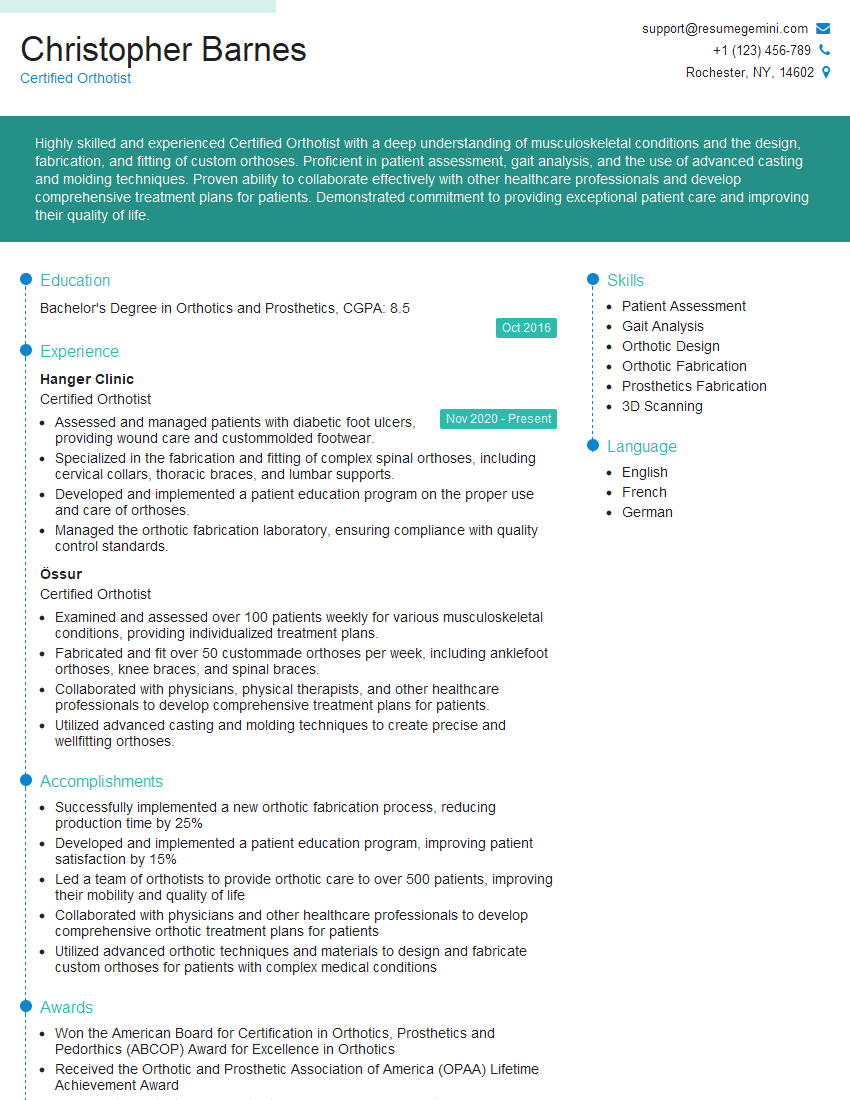
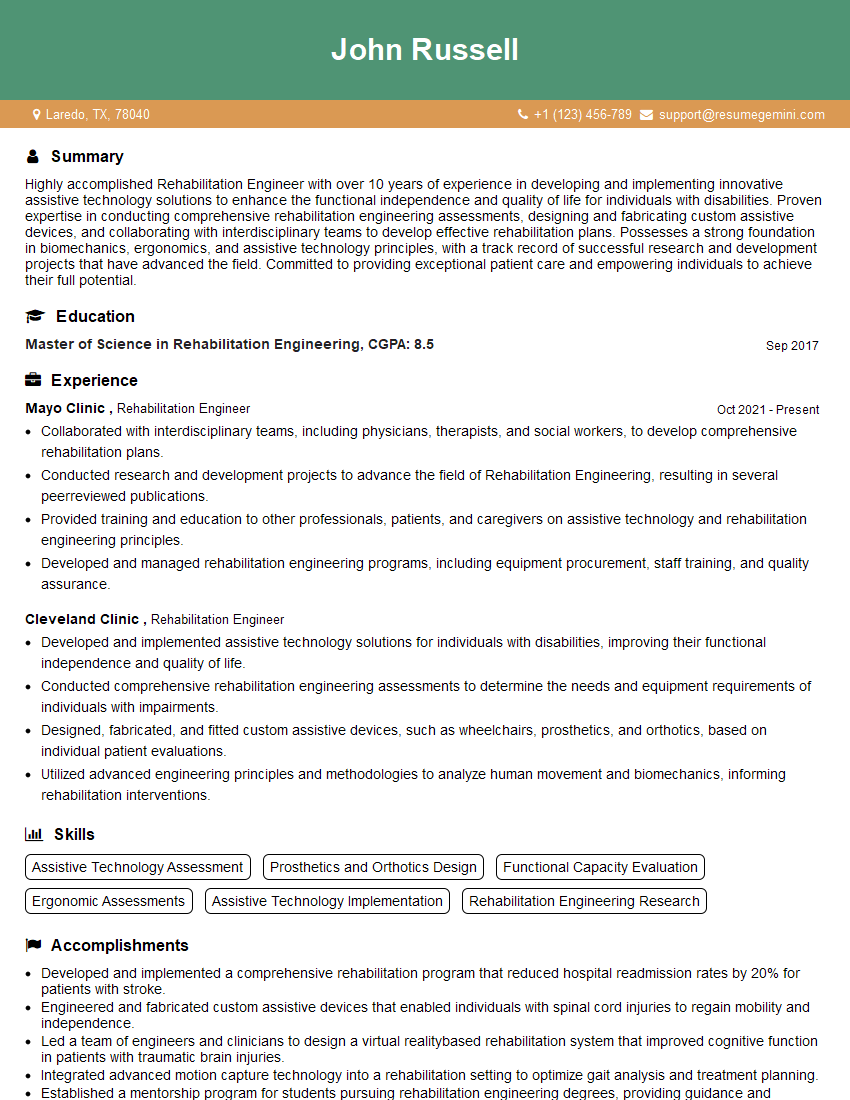
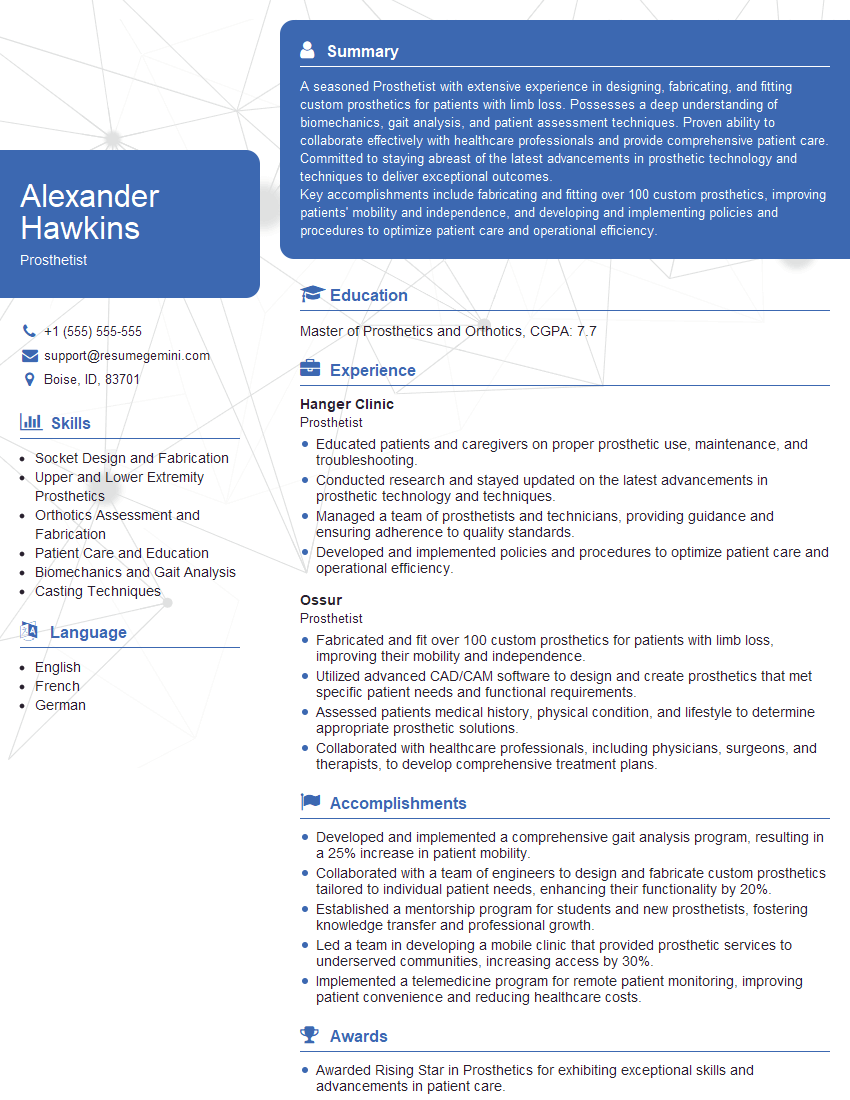
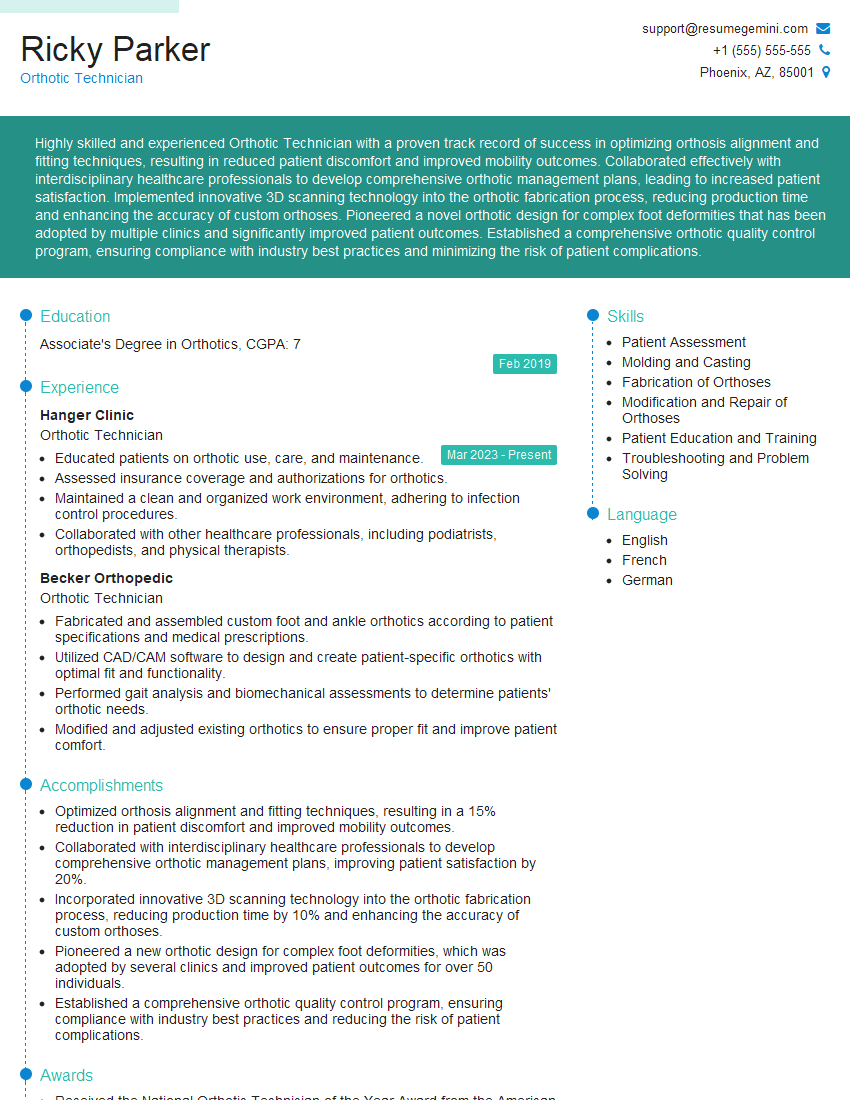
Mastering Amputation Rehabilitation opens doors to a rewarding career in a field with significant demand. Your expertise in helping individuals regain independence and quality of life is highly valued. To maximize your job prospects, creating an ATS-friendly resume is crucial. ResumeGemini can help you build a professional, impactful resume that highlights your skills and experience effectively. We provide examples of resumes tailored specifically to Amputation Rehabilitation to give you a head start. Invest in your future; invest in a strong resume with ResumeGemini.
Explore more articles
Users Rating of Our Blogs
Share Your Experience
We value your feedback! Please rate our content and share your thoughts (optional).
What Readers Say About Our Blog
To the interviewgemini.com Webmaster.
Very helpful and content specific questions to help prepare me for my interview!
Thank you
To the interviewgemini.com Webmaster.
This was kind of a unique content I found around the specialized skills. Very helpful questions and good detailed answers.
Very Helpful blog, thank you Interviewgemini team.