Every successful interview starts with knowing what to expect. In this blog, we’ll take you through the top Employee Health Management interview questions, breaking them down with expert tips to help you deliver impactful answers. Step into your next interview fully prepared and ready to succeed.
Questions Asked in Employee Health Management Interview
Q 1. Describe your experience developing and implementing employee wellness programs.
Developing and implementing employee wellness programs requires a multi-faceted approach, starting with a thorough needs assessment. This involves surveying employees to understand their health concerns and preferences, analyzing health data to identify prevalent issues, and consulting with stakeholders across the organization. For example, in a previous role, we conducted a survey revealing high stress levels and low physical activity among employees. This informed the design of a program encompassing stress management workshops (mindfulness techniques, time management strategies), subsidized gym memberships, and on-site fitness classes.
Implementation involves choosing appropriate programs (e.g., smoking cessation, weight management, mental health resources) and delivering them effectively. This could include using online platforms for accessibility, offering incentives to encourage participation, and tracking progress to measure success. We utilized a points-based reward system in that previous program, awarding points for participation in activities, which could be redeemed for various rewards. Regular communication and evaluation are vital to program effectiveness, allowing for modifications based on feedback and results. Ultimately, a successful program isn’t just about implementing initiatives but fostering a culture of health and well-being.
Q 2. How do you assess and mitigate workplace hazards?
Assessing and mitigating workplace hazards is a crucial aspect of employee health management. It begins with a comprehensive hazard identification process, often involving workplace inspections, employee feedback, and reviewing incident reports. Think of it like a detective investigating a crime scene – we systematically look for clues indicating potential dangers. These could range from obvious physical hazards like exposed wiring or slippery floors, to less apparent ergonomic issues like improper workstation setup contributing to musculoskeletal problems, or even psychosocial hazards such as bullying or excessive workload.
Mitigation involves implementing control measures to eliminate or reduce these hazards. This follows a hierarchy of controls: Elimination (removing the hazard entirely), Substitution (replacing the hazard with a safer alternative), Engineering Controls (modifying the workplace to reduce exposure), Administrative Controls (changing work practices), and finally, Personal Protective Equipment (PPE) as a last resort. For instance, if a repetitive task is causing wrist injuries (ergonomic hazard), we might first try to redesign the workflow (engineering control), then provide ergonomic keyboard and mouse (engineering/PPE), and finally, schedule frequent breaks (administrative control).
Q 3. Explain your understanding of OSHA regulations and compliance.
OSHA (Occupational Safety and Health Administration) regulations are designed to protect employee safety and health in the workplace. My understanding encompasses a wide range of standards, including hazard communication (SDS sheets), emergency action plans, personal protective equipment (PPE) usage, machine guarding, and lockout/tagout procedures to prevent accidental start-ups of equipment during maintenance. Compliance means adhering to these standards meticulously, conducting regular safety inspections, training employees on safe work practices, and maintaining accurate records of all safety-related activities.
Non-compliance can lead to significant penalties, including fines and legal action. It’s not just about avoiding penalties though; it’s about creating a safe and healthy work environment where employees can thrive. We regularly conduct mock OSHA inspections to identify areas needing improvement and proactively address potential compliance issues. For example, regular training on the proper use of PPE is essential and documented to demonstrate our commitment to OSHA compliance.
Q 4. What strategies do you employ to promote a healthy work environment?
Promoting a healthy work environment involves a holistic strategy that goes beyond simply complying with regulations. It starts with fostering a culture of safety and well-being where employees feel empowered to report hazards and concerns without fear of reprisal. Open communication channels are vital here – regular safety meetings, suggestion boxes, and anonymous reporting mechanisms create a psychologically safe environment.
Beyond this, promoting physical health includes ergonomic assessments for workstations, promoting physical activity through initiatives like walking meetings or on-site fitness facilities, and providing access to healthy food options. Mental well-being is addressed through stress management programs, employee assistance programs (EAPs), and mental health awareness campaigns. A healthy work environment isn’t just physically safe, it’s also psychologically supportive and promotes work-life balance.
Q 5. How do you manage employee health data and ensure confidentiality?
Employee health data is highly sensitive and requires stringent confidentiality measures. We use secure electronic health record (EHR) systems that comply with HIPAA (Health Insurance Portability and Accountability Act) and other relevant data privacy regulations. Access to this data is strictly controlled, with only authorized personnel having access on a need-to-know basis. Data encryption, both in transit and at rest, is crucial to prevent unauthorized access.
We also employ strict protocols regarding data handling and disposal. For instance, paper records are securely stored in locked cabinets and properly shredded upon disposal. Regular audits and security training for employees help to maintain data integrity and confidentiality. Transparency is key, ensuring employees understand how their data is collected, used, and protected. By following these measures, we build trust and safeguard the privacy of employee health information.
Q 6. Describe your experience with return-to-work programs.
Return-to-work (RTW) programs aim to safely and effectively reintegrate employees after an injury or illness. These programs are highly individualized, starting with an assessment of the employee’s physical and mental capabilities, as well as the demands of their job. The goal isn’t just to get them back to work, but to get them back to work safely and sustainably. This often involves collaboration with healthcare providers, occupational therapists, and the employee’s manager.
A phased return might be appropriate, starting with modified duties and gradually increasing responsibilities as the employee’s recovery progresses. Regular check-ins are essential to monitor progress and make any necessary adjustments. Successful RTW programs reduce lost work time, improve employee morale, and reduce the risk of re-injury. Documentation of the RTW process is crucial, ensuring compliance with regulations and facilitating effective communication among all stakeholders. For instance, we might use a standardized form to track the employee’s progress and any modifications to their job duties.
Q 7. How do you address employee concerns related to workplace safety?
Addressing employee concerns related to workplace safety is paramount. We create a culture where employees feel comfortable raising concerns without fear of retribution. This starts with providing multiple avenues for reporting – formal reporting systems, suggestion boxes, and informal conversations with supervisors. It is crucial to respond promptly and empathetically to every concern.
Each concern needs a thorough investigation. This might involve conducting a workplace inspection, interviewing witnesses, and reviewing relevant documentation. The findings are then communicated transparently to the employee, along with the corrective actions being taken. Following up on the resolution is also key; ensuring that appropriate measures have been taken and that the employee feels heard and their concerns addressed. By fostering a culture of open communication and proactive problem-solving, we build trust and create a safer work environment for everyone.
Q 8. Explain your approach to conducting workplace health assessments.
Conducting a comprehensive workplace health assessment involves a multi-faceted approach focusing on identifying and mitigating potential health risks within the work environment. It’s not just about ticking boxes; it’s about understanding the unique needs of the workforce and the specific hazards present.
- Step 1: Needs Assessment & Stakeholder Engagement: This initial phase involves gathering data through surveys, interviews with employees at all levels, and reviewing existing safety data. It’s crucial to understand the company culture and identify key stakeholders (management, unions, safety committees) for collaboration. For instance, I once worked with a manufacturing plant where initial employee surveys revealed high back pain rates. This informed the focus of the subsequent assessments.
- Step 2: Workplace Walkthrough & Hazard Identification: A physical walkthrough of the workplace is vital. This involves observing work processes, identifying potential ergonomic hazards (poor posture, repetitive movements), chemical exposures, noise levels, and psychosocial stressors (workload, bullying). I use checklists and standardized observation tools to ensure consistency and thoroughness. For example, I’d check for proper lighting, workstation setup, and availability of personal protective equipment (PPE).
- Step 3: Data Analysis & Reporting: Once data is collected, it’s analyzed to identify trends and prioritize areas of concern. This often involves statistical analysis and comparison with industry benchmarks. A clear and concise report is then created, outlining findings, recommendations, and prioritized actions. This report might include visuals like charts demonstrating the prevalence of musculoskeletal disorders or heat maps showing areas of high risk.
- Step 4: Intervention Planning & Implementation: Based on the assessment, a tailored intervention plan is developed. This might include ergonomic improvements, safety training, health promotion programs, or changes to work processes. Implementation involves close monitoring and collaboration with management to ensure the effectiveness of interventions.
The ultimate goal is to create a healthier and safer work environment that reduces workplace illnesses, injuries, and lost productivity. A successful assessment isn’t just a report; it’s a roadmap for creating positive change.
Q 9. What are your strategies for managing employee stress and burnout?
Managing employee stress and burnout requires a multi-pronged strategy focusing on prevention, early intervention, and support. It’s crucial to remember that stress is subjective; what stresses one person might not affect another. Understanding individual needs is key.
- Promoting Work-Life Balance: Encourage employees to utilize their vacation time, set boundaries between work and personal life, and utilize flexible work arrangements where possible. Offering wellness days or mental health days can also be beneficial.
- Stress Management Training: Providing employees with tools and techniques to manage stress, such as mindfulness, meditation, or stress reduction workshops, empowers them to take control of their well-being. I’ve found that even short, guided breathing exercises during the workday can significantly reduce stress levels.
- Creating a Supportive Work Environment: A culture of open communication, respect, and recognition fosters a sense of belonging and reduces stress. Implementing clear expectations, providing regular feedback, and addressing conflict promptly are crucial. This includes implementing robust anti-bullying and harassment policies.
- Employee Assistance Programs (EAPs): Offering confidential access to counseling, mental health services, and other support resources through an EAP is vital for early intervention and providing a safe space for employees to seek help.
- Regular Check-ins & Performance Reviews: Integrating wellness into performance reviews and regular check-ins allows for early identification of potential burnout and the opportunity to provide support and adjustments to workload or responsibilities.
A holistic approach that addresses both individual needs and organizational factors is critical to effectively manage stress and burnout and prevent long-term health issues.
Q 10. Describe your experience with ergonomic assessments and interventions.
Ergonomic assessments involve evaluating the workplace to identify physical factors that can contribute to musculoskeletal disorders (MSDs) and other injuries. Interventions aim to modify the work environment and work practices to reduce these risks. My experience includes conducting both office and industrial ergonomic assessments.
- Assessment Methods: I use various techniques, including observation of work tasks, interviews with employees, and physical measurements of workstations and equipment. I also use tools such as Rapid Upper Limb Assessment (RULA) or Rapid Entire Body Assessment (REBA) to quantify the risk of MSDs. For example, I might measure the height of a workstation relative to an employee’s seated height.
- Intervention Strategies: Interventions can range from simple adjustments, like repositioning computer monitors or providing adjustable chairs, to more extensive changes, such as redesigning workstations or introducing assistive devices. In one project, we reduced repetitive strain injuries by implementing a new automated assembly line.
- Training and Education: Ergonomic assessments are not just about physical changes; they also involve training employees on proper posture, lifting techniques, and other work practices to reduce strain and injury risk. Regular refresher training is also important to reinforce good habits.
- Follow-up and Evaluation: It’s crucial to follow up after interventions to assess their effectiveness and make adjustments as needed. This may involve re-assessing employees using RULA or REBA scores and tracking injury rates. In one case, after implementing ergonomic changes, we saw a 40% reduction in reported back pain among employees.
Ergonomics is an iterative process. Regular assessments and adjustments are necessary to maintain a safe and healthy work environment, preventing costly injuries and lost productivity.
Q 11. How do you handle workplace injuries and illnesses?
Handling workplace injuries and illnesses requires a swift, compassionate, and legally compliant response. My approach focuses on immediate care, investigation, and prevention.
- Immediate Response: The first priority is to provide first aid or emergency medical care as needed. This might involve calling emergency services, administering first aid, and ensuring the injured employee’s safety and comfort.
- Investigation: A thorough investigation of the incident is crucial to identify the root cause and prevent similar incidents in the future. This involves gathering information from witnesses, reviewing safety records, and analyzing the work environment. We might use incident report forms, photographs, and witness statements to document the scene.
- Reporting and Record-Keeping: Accurate and complete reporting of injuries and illnesses is essential for compliance with legal requirements. This includes documenting the incident, the employee’s injuries, the medical treatment received, and any lost time from work. I adhere strictly to OSHA guidelines and maintain confidential medical records.
- Return-to-Work Program: Developing a tailored return-to-work plan is crucial to support the employee’s recovery and safe reintegration into the workplace. This might involve modifying job duties, providing assistive devices, or gradually increasing work hours.
- Prevention: After investigating an incident, I work with management to identify and implement measures to prevent similar incidents from occurring again. This may involve improving safety procedures, providing additional training, or modifying equipment or work processes.
A proactive and comprehensive approach to workplace injuries and illnesses ensures a safe and healthy work environment, minimizing risks and supporting employees throughout their recovery.
Q 12. How do you measure the effectiveness of employee wellness programs?
Measuring the effectiveness of employee wellness programs requires a multifaceted approach, combining quantitative and qualitative data to assess the program’s impact on employee health and well-being. It’s not enough to just run a program; you need to demonstrate its value.
- Quantitative Data: This includes tracking key metrics like participation rates, changes in health risk factors (blood pressure, cholesterol, BMI), absenteeism rates, healthcare utilization, and workers’ compensation claims. For example, we might measure the percentage of employees participating in a smoking cessation program or the reduction in lost workdays due to illness.
- Qualitative Data: Gathering feedback through employee surveys, focus groups, and interviews provides valuable insights into employee satisfaction, perceived impact of the program, and areas for improvement. For instance, open-ended survey questions can reveal employees’ perspectives on the program’s usefulness and identify areas needing attention.
- Return on Investment (ROI): Evaluating the program’s financial impact is crucial. This might involve calculating cost savings related to reduced healthcare utilization, decreased absenteeism, and improved productivity. A well-designed program should ultimately reduce the organization’s overall healthcare costs.
- Benchmarking: Comparing the program’s outcomes to similar organizations or industry benchmarks helps determine its effectiveness relative to other programs. This provides context for interpreting the data and identifying best practices.
By using a mix of quantitative and qualitative methods and tracking relevant metrics, you can develop a comprehensive understanding of the program’s effectiveness and continuously improve its impact.
Q 13. What are your strategies for promoting employee health literacy?
Promoting employee health literacy involves empowering employees with the knowledge and skills to make informed decisions about their health. It’s about moving beyond simply providing information to fostering understanding and engagement.
- Accessible Communication: Use clear, concise language, avoiding medical jargon. Provide information in various formats (printed materials, videos, online resources) to cater to different learning styles and preferences.
- Interactive Workshops and Training: Offer interactive sessions that actively engage employees, using case studies, group discussions, and hands-on activities. For example, I might conduct a workshop on healthy eating habits, incorporating interactive cooking demonstrations.
- Personalized Health Coaching: One-on-one health coaching can provide tailored support and guidance, helping employees set realistic health goals and overcome barriers. This provides personalized feedback and builds confidence.
- Health Literacy Assessments: Assessing employees’ current health literacy levels can help tailor educational materials and interventions to meet their specific needs. This ensures the information is relevant and accessible.
- Partnering with Community Resources: Connect employees with local health resources, such as health clinics, support groups, and community organizations. This expands the reach of the program and provides additional support options.
By investing in health literacy initiatives, organizations can create a healthier, more engaged, and productive workforce.
Q 14. How do you communicate health and safety information to employees?
Effective communication of health and safety information requires a multi-channel approach ensuring that information reaches all employees, regardless of their roles, language skills, or learning preferences.
- Regular Newsletters and Emails: Use company newsletters, emails, and intranet sites to share regular updates on health and safety initiatives, important reminders, and upcoming events. I often include visually appealing infographics or short videos.
- Posters and Signage: Use visually appealing posters and signage to communicate key safety messages throughout the workplace, strategically placed in high-traffic areas. This makes information easily accessible.
- Team Meetings and Safety Talks: Conduct regular team meetings and safety talks to discuss specific hazards, review safety procedures, and address employee concerns. This creates a platform for interaction and clarifies expectations.
- Training Programs and Workshops: Provide comprehensive training programs and workshops on relevant health and safety topics, using interactive methods and hands-on activities. This approach ensures knowledge retention and practical skills.
- Multi-Language Materials: Ensure that all health and safety information is available in multiple languages to accommodate a diverse workforce. This ensures accessibility for all employees.
- Feedback Mechanisms: Establish clear channels for employees to provide feedback on health and safety matters, ensuring their concerns are heard and addressed. This may include suggestion boxes, surveys, or regular feedback sessions.
A comprehensive communication strategy is essential to foster a culture of safety and ensure that all employees are aware of their responsibilities and have access to the information they need to stay healthy and safe.
Q 15. How do you manage workplace violence prevention programs?
Workplace violence prevention is crucial for a safe and productive work environment. My approach is multifaceted, focusing on proactive measures, robust reporting systems, and comprehensive training.
- Proactive Measures: This includes conducting thorough risk assessments to identify potential hazards, implementing clear policies prohibiting violence and harassment, and ensuring security measures such as adequate lighting, security personnel, and emergency response protocols are in place. For example, in a previous role, we implemented a buddy system for employees working late nights, significantly reducing reported incidents.
- Reporting Systems: A confidential and easily accessible reporting system is essential. Employees need to feel comfortable reporting incidents without fear of retaliation. This involves clearly outlining the process, ensuring prompt investigations, and taking appropriate disciplinary action against perpetrators. We’ve successfully used anonymous online reporting platforms to encourage reporting.
- Comprehensive Training: Training is key to educating employees about recognizing and responding to potentially violent situations. This includes de-escalation techniques, awareness of warning signs, and understanding company policies. We have found that interactive training sessions, role-playing, and real-life case studies are highly effective in engaging employees.
By combining these strategies, we create a culture of safety and respect, fostering a healthier and more productive workplace.
Career Expert Tips:
- Ace those interviews! Prepare effectively by reviewing the Top 50 Most Common Interview Questions on ResumeGemini.
- Navigate your job search with confidence! Explore a wide range of Career Tips on ResumeGemini. Learn about common challenges and recommendations to overcome them.
- Craft the perfect resume! Master the Art of Resume Writing with ResumeGemini’s guide. Showcase your unique qualifications and achievements effectively.
- Don’t miss out on holiday savings! Build your dream resume with ResumeGemini’s ATS optimized templates.
Q 16. Describe your experience with disability management.
Disability management involves supporting employees with disabilities to maintain their employment and productivity. My experience encompasses the entire process, from early intervention and accommodation to return-to-work planning.
- Early Intervention: Identifying potential issues early on is key. This involves proactive communication with employees, regular check-ins, and access to resources such as Employee Assistance Programs (EAPs). Early intervention helps prevent minor issues from escalating into long-term absences.
- Reasonable Accommodation: Providing reasonable accommodations is a legal and ethical obligation. This could include modifications to workspaces, adjusted schedules, assistive technology, or modified job duties. We work closely with employees, healthcare providers, and legal counsel to determine appropriate accommodations.
- Return-to-Work Planning: Facilitating a smooth return to work is crucial after an absence due to illness or injury. This involves collaborative planning with the employee, their doctor, and management to develop a gradual return plan that accommodates the employee’s needs and capabilities.
In one instance, I worked with an employee who developed carpal tunnel syndrome. We implemented ergonomic assessments, provided adaptive equipment, and adjusted their work schedule. This allowed them to continue working productively without further exacerbating their condition.
Q 17. How do you collaborate with other departments to promote employee health?
Collaboration is paramount in employee health management. I work closely with various departments including HR, IT, safety, and management to create a holistic approach.
- HR: Close collaboration with HR is crucial for policy development, communication, and addressing employee concerns.
- IT: IT support is vital for implementing and maintaining health and wellness technology, such as online portals and health tracking apps.
- Safety: Working with the safety department ensures workplace safety is addressed comprehensively, minimizing workplace injuries and promoting overall well-being.
- Management: Engaging management is critical for supporting employee health initiatives and demonstrating leadership commitment to a healthy workplace culture. We often involve management in the design and implementation of programs.
For example, we collaborated with IT to create a secure online portal for employees to access health resources, schedule appointments, and track their wellness goals. This initiative increased employee engagement and improved health outcomes.
Q 18. What are your strategies for managing employee absenteeism?
Managing employee absenteeism requires a balanced approach focusing on understanding the root causes and implementing targeted interventions.
- Data Analysis: We analyze absenteeism data to identify patterns, such as high absence rates on specific days or among certain departments. This helps pinpoint potential issues.
- Root Cause Investigation: We investigate the reasons behind absences, whether it’s illness, stress, family issues, or burnout. This often involves confidential interviews and utilizing resources like EAPs.
- Targeted Interventions: Based on the analysis, we develop strategies to address the root causes. This could include implementing stress management programs, improving work-life balance initiatives, or offering flexible work arrangements. We also address any underlying health concerns in collaboration with the employee and their physician.
- Early Intervention: We proactively reach out to employees who exhibit patterns of increased absenteeism to offer support and identify potential issues before they escalate.
In one case, we noticed a significant increase in absenteeism among a particular team. Our investigation revealed high levels of stress due to a recent project deadline. We implemented stress management workshops, provided access to EAP services, and adjusted project timelines, resulting in a considerable decrease in absenteeism.
Q 19. Describe your experience with health insurance and benefits administration.
My experience with health insurance and benefits administration includes managing the selection, enrollment, and communication processes for employee benefits packages.
- Vendor Management: Selecting appropriate vendors and managing contracts to ensure the best possible coverage and cost-effectiveness for employees.
- Enrollment and Communication: Clear and timely communication about benefits packages is crucial for employee understanding and participation. We use a variety of methods, including online portals, brochures, and presentations.
- Compliance: Ensuring compliance with all relevant laws and regulations regarding benefits administration, including HIPAA and ERISA.
- Cost Control: Monitoring and managing benefit costs to ensure affordability and sustainability for the organization.
We have successfully implemented online enrollment systems, simplifying the process for employees and reducing administrative burden. We also regularly review benefit packages to ensure they remain competitive and meet the needs of our workforce.
Q 20. How do you stay current with best practices in employee health management?
Staying current with best practices is essential in the dynamic field of employee health management.
- Professional Organizations: Active participation in professional organizations, such as the American College of Occupational and Environmental Medicine (ACOEM) and the Society for Human Resource Management (SHRM), provides access to the latest research, trends, and best practices.
- Conferences and Webinars: Attending industry conferences and webinars allows for networking and learning from experts in the field.
- Publications and Journals: Regularly reading peer-reviewed journals and industry publications keeps me informed about new developments and research findings.
- Online Resources: Utilizing reputable online resources, such as government websites and professional association websites, provides access to valuable information and guidance.
I actively participate in these activities to ensure my knowledge and skills remain up-to-date and relevant, enabling me to implement the most effective strategies in the workplace.
Q 21. What is your experience with health promotion and disease prevention?
Health promotion and disease prevention are integral parts of a comprehensive employee health management strategy. My approach is multifaceted, focusing on education, incentives, and creating a supportive environment.
- Health Education: Providing employees with information about healthy lifestyles, including nutrition, physical activity, stress management, and preventive health screenings. This can be done through workshops, online resources, and health fairs.
- Incentive Programs: Implementing incentive programs to encourage healthy behaviors, such as participation in wellness programs, completing health screenings, and achieving health goals.
- Supportive Environment: Creating a workplace culture that supports healthy behaviors, including providing access to healthy food options, encouraging physical activity during breaks, and promoting work-life balance.
- Disease-Specific Programs: Developing programs to address specific health concerns prevalent among the workforce, such as smoking cessation, diabetes management, or heart health programs.
In one successful initiative, we implemented a company-wide weight-loss challenge, offering coaching, group fitness classes, and nutrition workshops. The program significantly improved employee participation in physical activity and increased awareness of healthy lifestyle choices.
Q 22. How do you handle confidential employee health information?
Handling confidential employee health information is paramount. It’s governed by strict regulations like HIPAA in the US and similar legislation elsewhere. My approach is multi-layered and begins with adhering to all applicable laws and company policies. This includes understanding the specific information that requires protection (medical records, diagnoses, treatment plans, etc.).
- Access Control: I would implement strict access controls, ensuring that only authorized personnel – those with a legitimate need to know for the purpose of providing care or managing workplace safety – can access this data. This includes using secure electronic systems with password protection and encryption.
- Data Security: Physical security measures, such as locked filing cabinets and secure computer systems, are crucial to protect paper and electronic records. Regular security audits and employee training on data security best practices are essential.
- Data Minimization: Only the minimum necessary information should be collected and stored, reducing the potential risk of a breach.
- Disposal: Secure disposal of confidential information, whether paper or electronic, is critical. This often involves shredding documents and secure electronic deletion processes.
- Incident Response Plan: A robust plan should be in place to address any potential breaches, including steps for notification, investigation, and remediation.
For instance, during a recent workplace injury, I ensured all medical information was stored securely, accessed only by myself and the employee’s designated physician, and all communication adhered to strict confidentiality guidelines.
Q 23. What are the key metrics you use to evaluate employee health programs?
Evaluating the effectiveness of employee health programs requires a comprehensive approach using key performance indicators (KPIs). These metrics should focus on both the program’s impact on employee well-being and the organization’s bottom line.
- Participation Rates: How many employees are actively participating in health initiatives (e.g., wellness programs, screenings)? Low participation rates might signal issues with program design or communication.
- Health Risk Reduction: Are the programs effectively reducing key health risks like smoking, obesity, or high blood pressure? Measuring changes in biometric data (e.g., BMI, blood pressure) provides valuable insights.
- Healthcare Cost Savings: Are the programs leading to reduced healthcare costs through decreased absenteeism, lower insurance claims, and improved employee health? This is often a key metric for demonstrating ROI.
- Employee Engagement and Satisfaction: Are employees satisfied with the programs? Regular surveys and feedback mechanisms can help assess engagement and identify areas for improvement.
- Absenteeism and Presenteeism: Tracking sick days and measuring presenteeism (being at work but underperforming due to illness) allows for assessment of the program’s impact on productivity.
- Improved Productivity and Performance: Are there quantifiable improvements in employee performance, such as increased output or improved quality of work, linked to participation in the health programs?
For example, in a previous role, we tracked participation in our wellness program and found that a redesign of the program, focusing on employee preferences, increased participation by 25%, leading to a measurable decrease in healthcare costs within the following year.
Q 24. Explain your understanding of the impact of employee health on productivity.
Employee health has a profound impact on productivity. Unhealthy employees are more likely to experience absenteeism (missing work due to illness) and presenteeism (being at work but less productive due to illness or stress). This translates directly to decreased output, higher costs associated with replacement workers, and potential loss of revenue.
Conversely, healthy employees are more engaged, productive, and less prone to accidents or injuries. They are more likely to experience higher levels of job satisfaction and reduced turnover. The relationship can be visualized like this:
- Better Health → Increased Energy & Focus → Improved Performance & Productivity → Higher Quality Work → Reduced Costs & Increased Profitability
Investing in employee health programs is an investment in the organization’s overall success. For example, a company with a robust wellness program may see increased employee morale, better teamwork, and a significant reduction in healthcare expenditure, all leading to enhanced productivity.
Q 25. Describe your experience with crisis management in the workplace.
My experience with crisis management in the workplace centers around swift and compassionate responses while upholding safety and legal compliance. I’ve dealt with situations including workplace accidents, employee illnesses requiring immediate attention, and even instances of workplace violence.
My approach involves a structured, multi-step process:
- Immediate Response: The first step is always to ensure the safety and well-being of all individuals involved. This includes administering first aid if needed, contacting emergency services, and securing the area.
- Assessment & Investigation: Once the immediate crisis is addressed, a thorough assessment of the situation is conducted, including documenting the events and interviewing witnesses. This information is crucial for understanding the root causes and preventing future incidents.
- Communication & Support: Open and honest communication is key. Employees need to be informed, and support services such as counseling or employee assistance programs should be readily available.
- Remediation & Prevention: This involves implementing corrective actions to address any identified safety hazards or systemic issues that contributed to the crisis. This could include new safety protocols, improved training, or changes to workplace policies.
- Documentation: Meticulous documentation of the entire process is crucial for legal compliance and future reference.
In one instance, I coordinated a response to a workplace accident involving a serious injury. I immediately called emergency services, ensured the safety of others, and then worked with the injured employee, their family, and the insurance company to navigate the recovery and compensation process. Thorough documentation of the incident proved essential in mitigating liability and ensuring workplace safety improvements.
Q 26. How do you build relationships and trust with employees?
Building trust and rapport with employees is fundamental to effective employee health management. It requires empathy, active listening, and demonstrating a genuine commitment to their well-being.
- Open Communication: Creating a safe space for employees to share concerns without fear of judgment is essential. Regular communication, including town halls, team meetings, and one-on-one conversations, fosters transparency and trust.
- Active Listening: Truly hearing employees’ perspectives and concerns is vital. Showing empathy and understanding, even when disagreeing, builds respect and trust.
- Confidentiality and Respect: Maintaining confidentiality and treating employees with respect at all times is non-negotiable. Employees need to know their privacy will be protected.
- Demonstrating Competence: Demonstrating a thorough understanding of employee health issues and providing reliable and evidence-based information builds credibility.
- Accessibility and Responsiveness: Being available and responsive to employees’ needs shows commitment to their well-being. Providing prompt feedback and timely assistance is crucial.
For example, I initiated informal ‘coffee chats’ with employees to engage them in open dialogue about their health concerns. This approachable approach enabled me to understand their needs and build a strong foundation of trust that facilitated participation in our health and wellness initiatives.
Q 27. What are your salary expectations for this role?
My salary expectations for this role are in the range of $[Lower Bound] to $[Upper Bound] annually. This is based on my experience, skills, and the responsibilities outlined in the job description. I am open to discussing this further and am confident that my contributions will justify this compensation.
Q 28. Do you have any questions for me?
Yes, I do have a few questions. First, could you elaborate on the specific challenges the company is facing in its employee health management? Second, what opportunities are there for professional development within this role? Finally, what are the key performance indicators the company uses to measure success in this area, and how are they aligned with organizational goals?
Key Topics to Learn for Employee Health Management Interview
- Wellness Programs: Design, implementation, and evaluation of employee wellness initiatives, including their impact on productivity and employee engagement. Consider the practical application of creating a tailored program for a specific company demographic (e.g., addressing high stress levels in a tech firm).
- Health Risk Assessments (HRAs) and Biometric Screenings: Understanding the purpose, administration, and interpretation of HRAs and biometric screenings, including data analysis and identifying trends to inform program improvements. Explore the ethical considerations and data privacy implications.
- Injury Prevention and Return-to-Work Programs: Developing and implementing strategies to minimize workplace injuries and facilitate the safe and effective return of employees to their jobs after injury or illness. Think about practical case studies of successful return-to-work programs.
- Occupational Health and Safety Regulations: Familiarity with relevant legislation and regulations (e.g., OSHA) and their practical application in maintaining a safe work environment. Explore the process of conducting workplace safety audits and addressing identified hazards.
- Employee Assistance Programs (EAPs): Understanding the role of EAPs in providing confidential support and resources to employees facing personal or work-related challenges. Consider the impact of effective EAP utilization on employee morale and retention.
- Data Analysis and Reporting: Collecting, analyzing, and interpreting data related to employee health and wellness to track program effectiveness, identify areas for improvement, and make data-driven decisions. Focus on presenting key findings clearly and concisely to stakeholders.
- Health Communication and Education: Designing and delivering effective health communication strategies to promote employee engagement in wellness programs and improve health literacy. Explore diverse communication channels and techniques to reach different employee groups.
- Budget Management and Resource Allocation: Developing and managing budgets for employee health and wellness programs. Consider how to justify program costs based on return on investment (ROI).
Next Steps
Mastering Employee Health Management is crucial for a successful and rewarding career, opening doors to leadership roles and opportunities to significantly impact employee well-being and organizational success. An ATS-friendly resume is key to getting your foot in the door. ResumeGemini can help you build a powerful and effective resume that highlights your skills and experience in Employee Health Management. Take advantage of their resources and examples of resumes tailored to this field to elevate your job search and increase your chances of landing your dream role. Examples of resumes tailored to Employee Health Management are available.
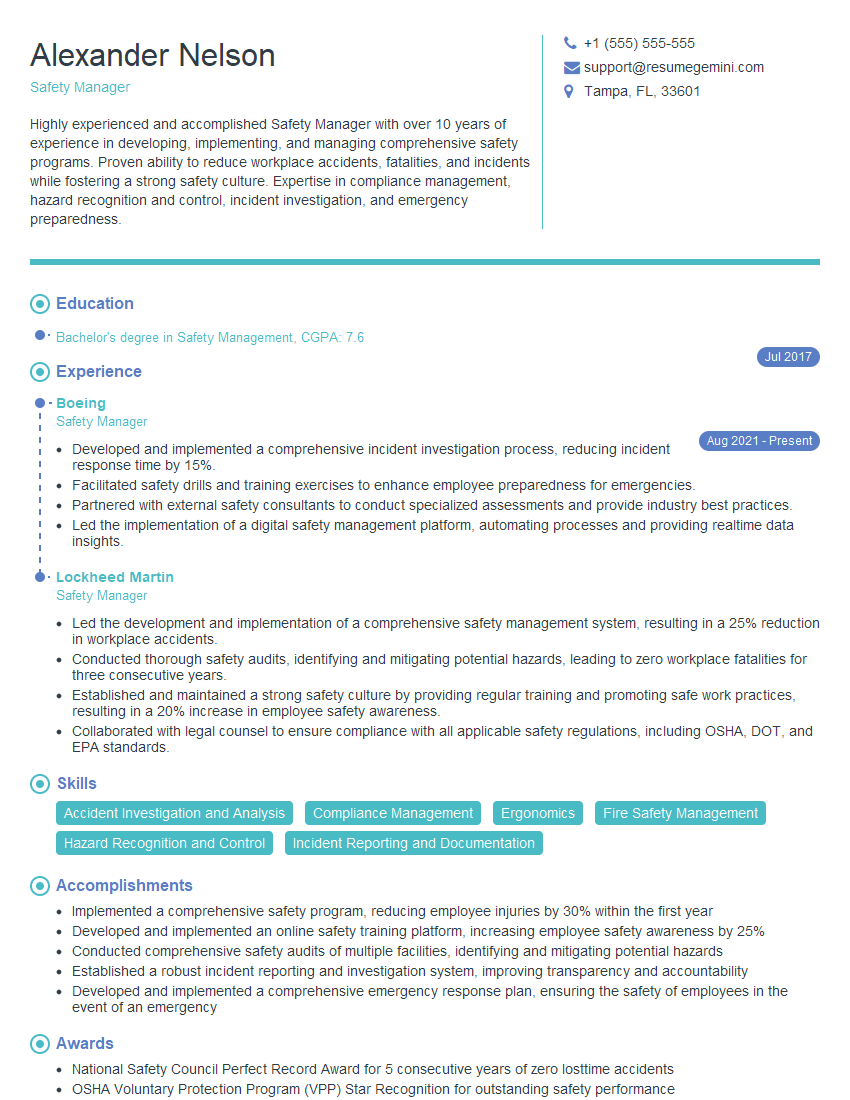
Safety Manager Resume Sample
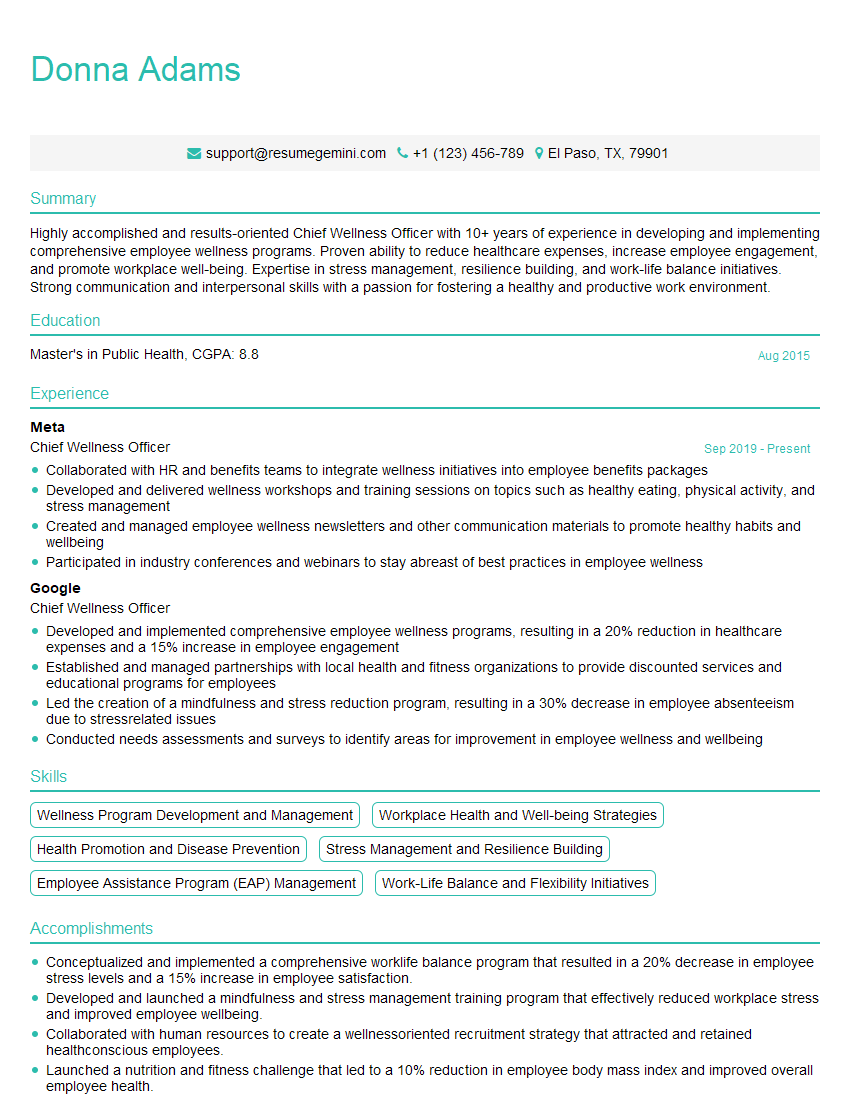
Chief Wellness Officer Resume Sample
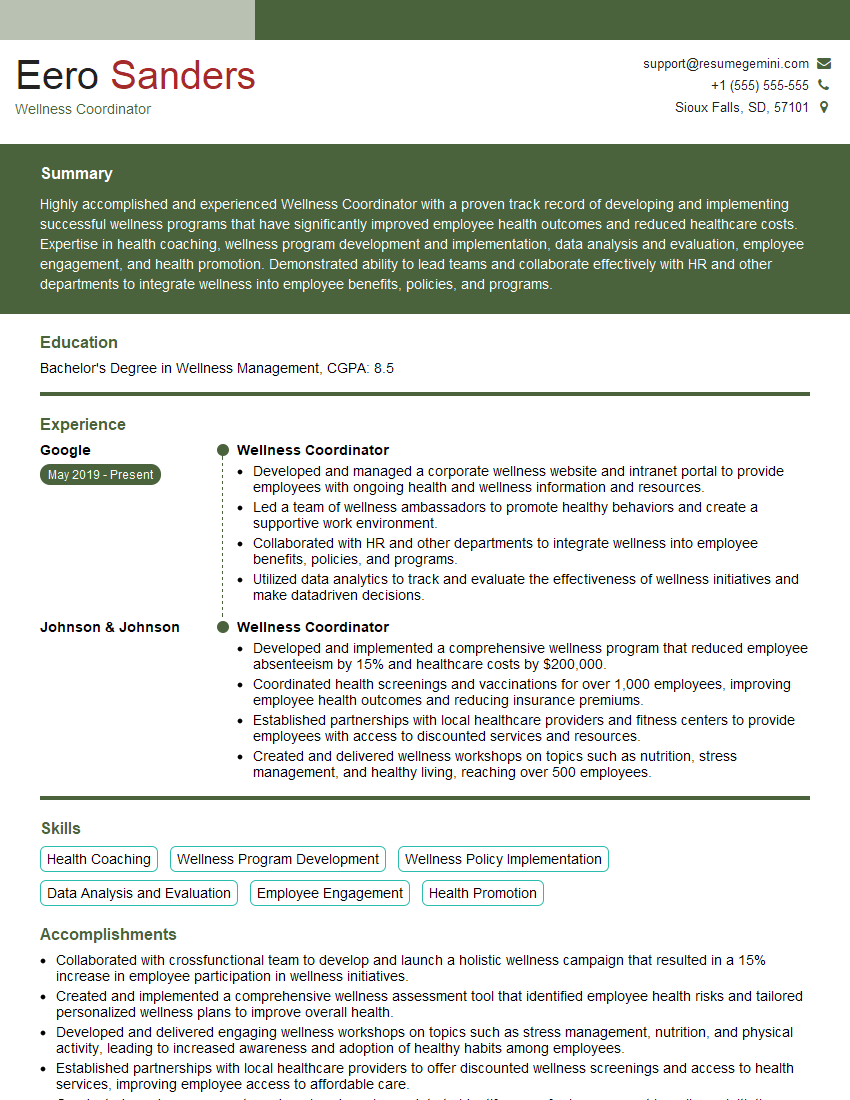
Wellness Coordinator Resume Sample

Compliance Officer Resume Sample
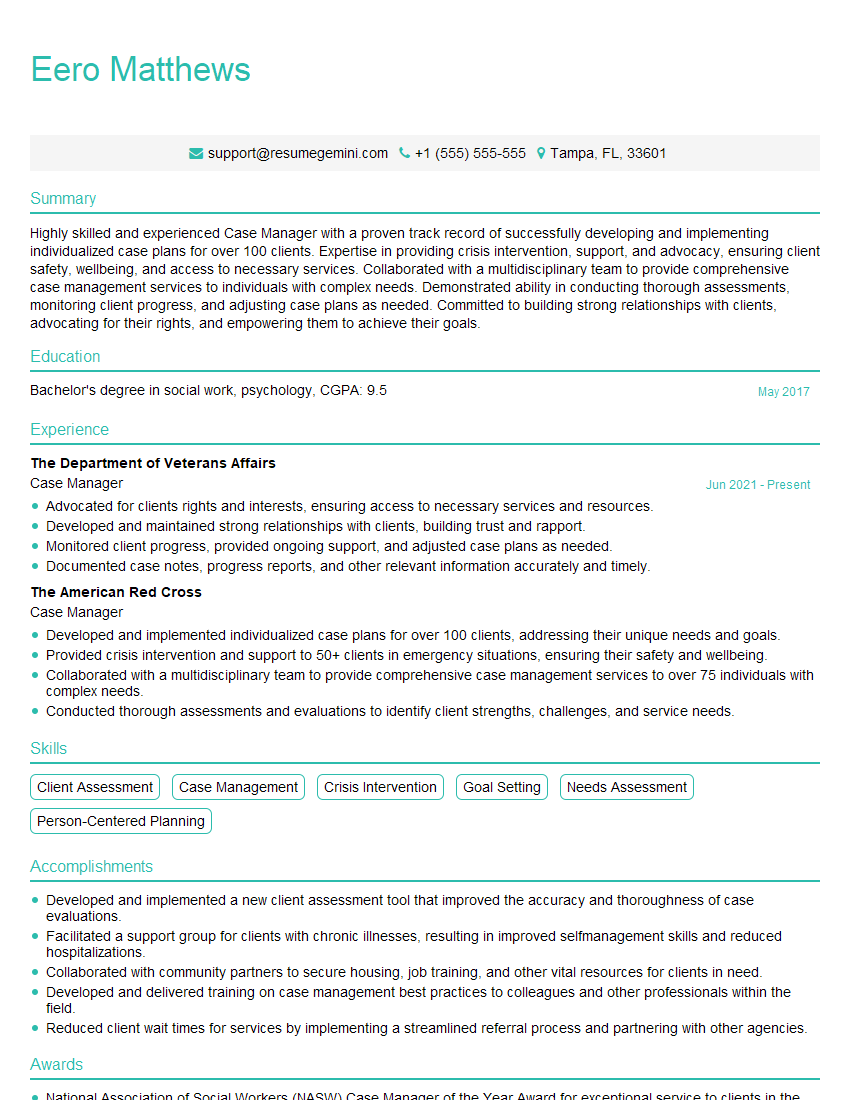
Case Manager Resume Sample
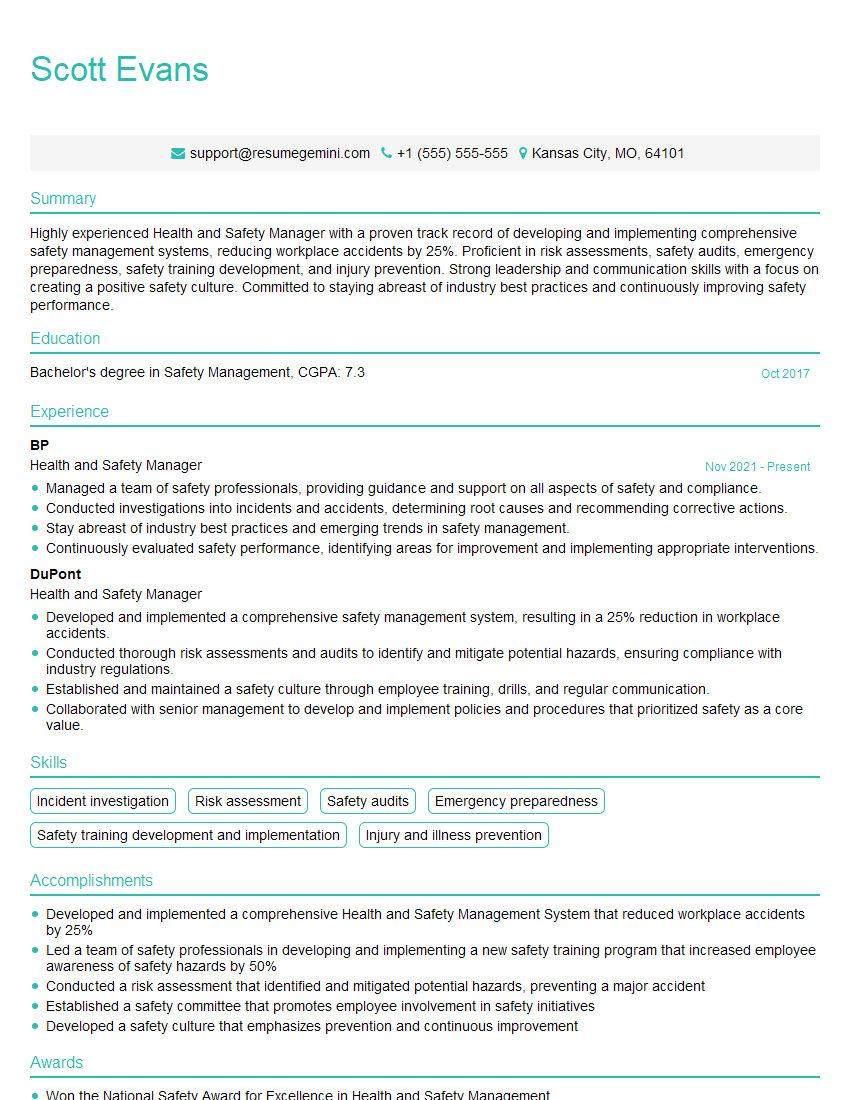
Health and Safety Manager Resume Sample
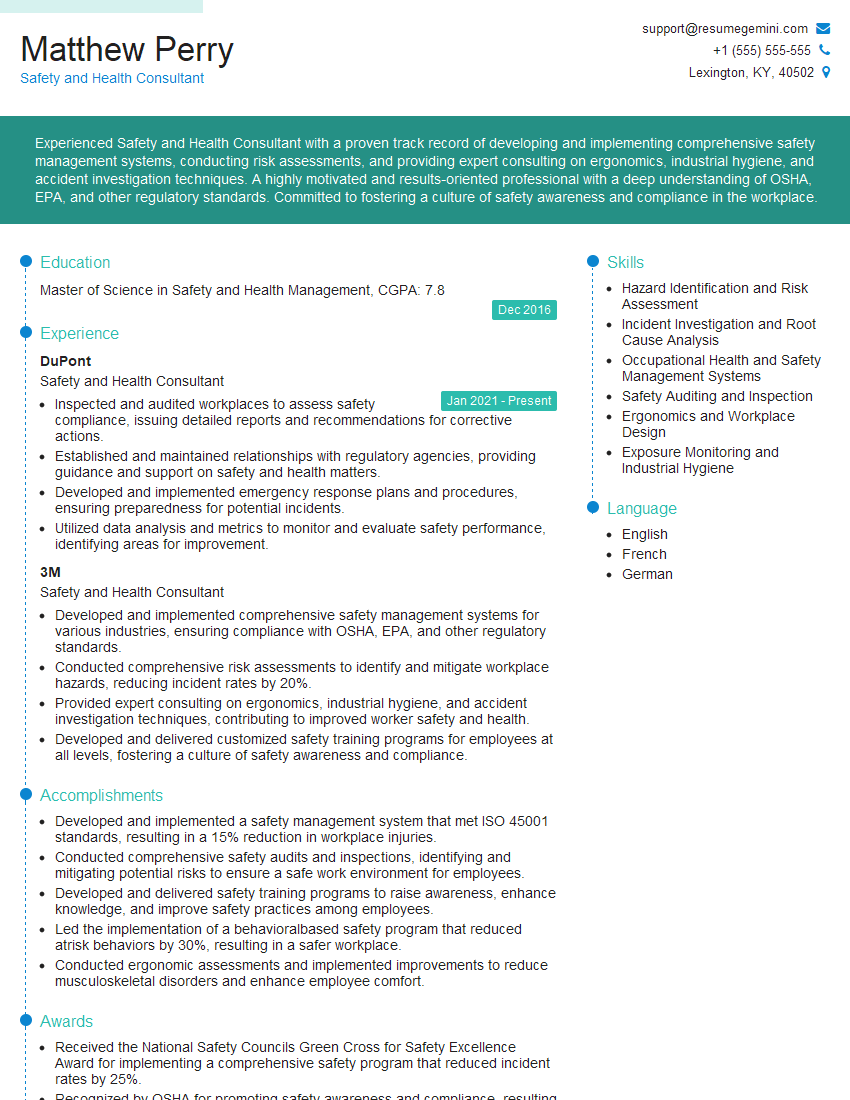
Safety and Health Consultant Resume Sample
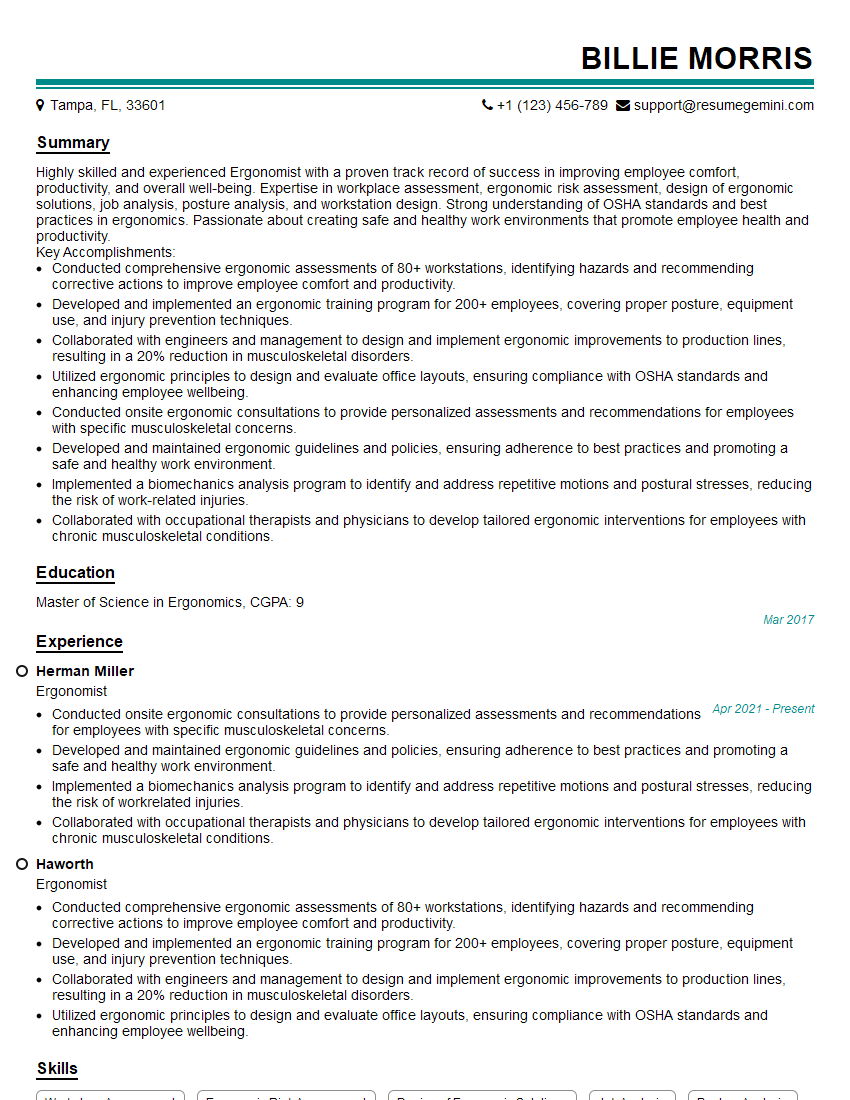
Ergonomist Resume Sample
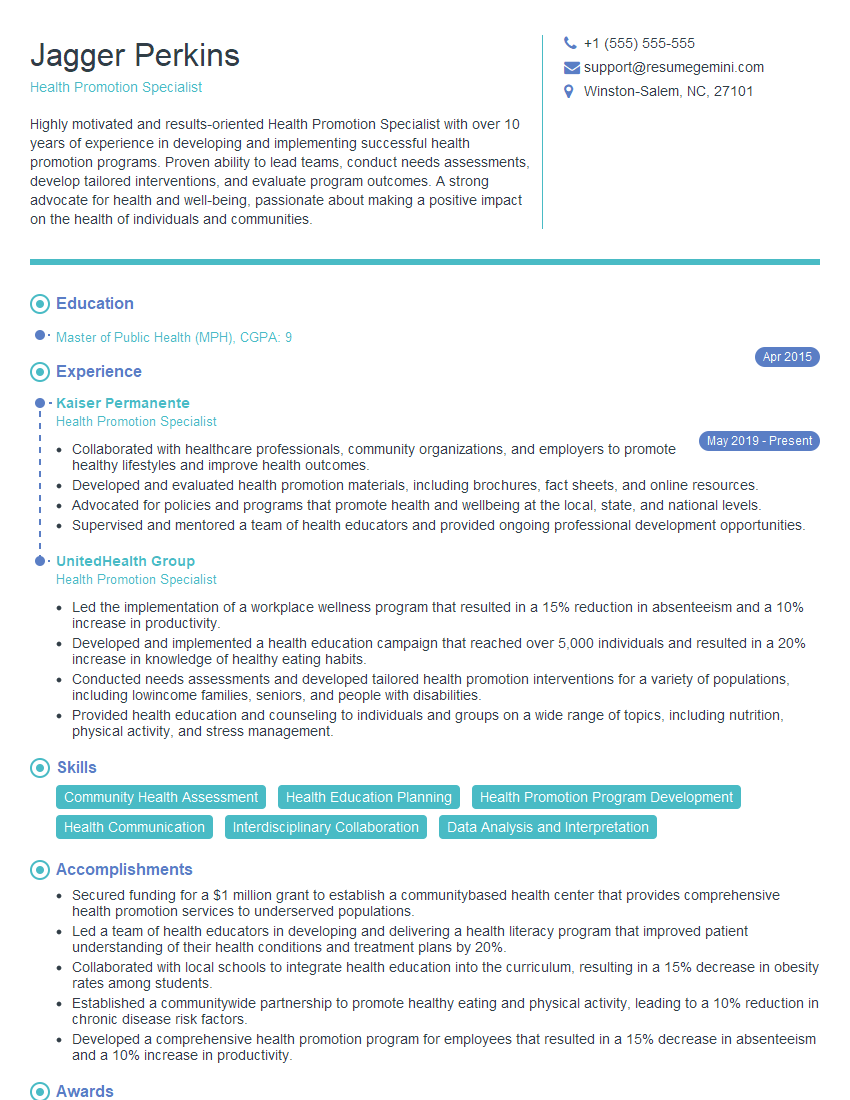
Health Promotion Specialist Resume Sample
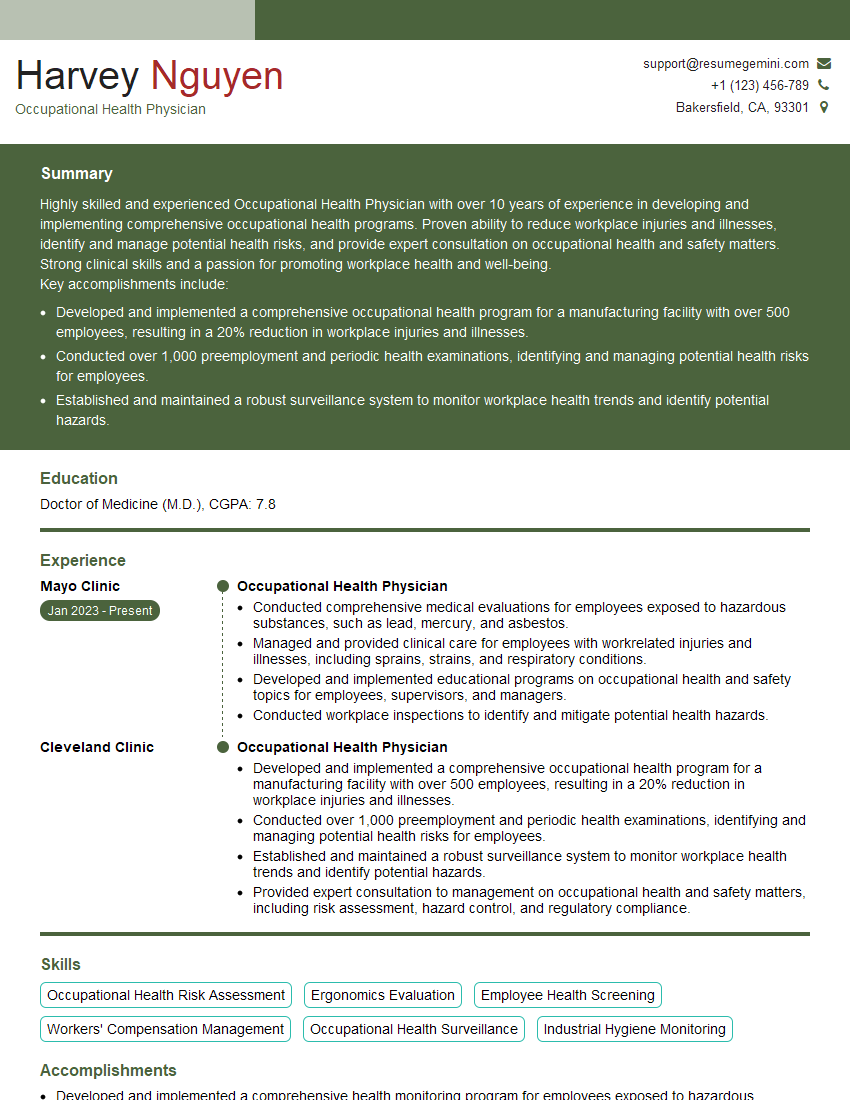
Occupational Health Physician Resume Sample
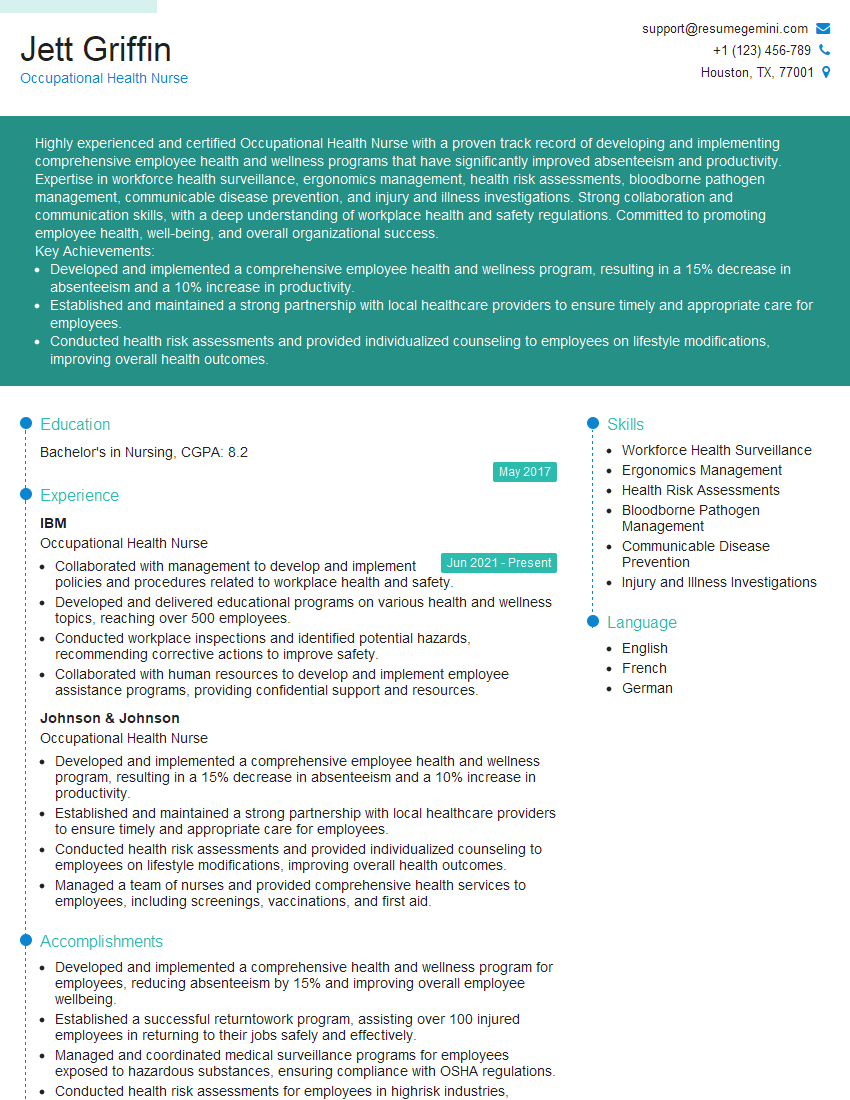
Occupational Health Nurse Resume Sample
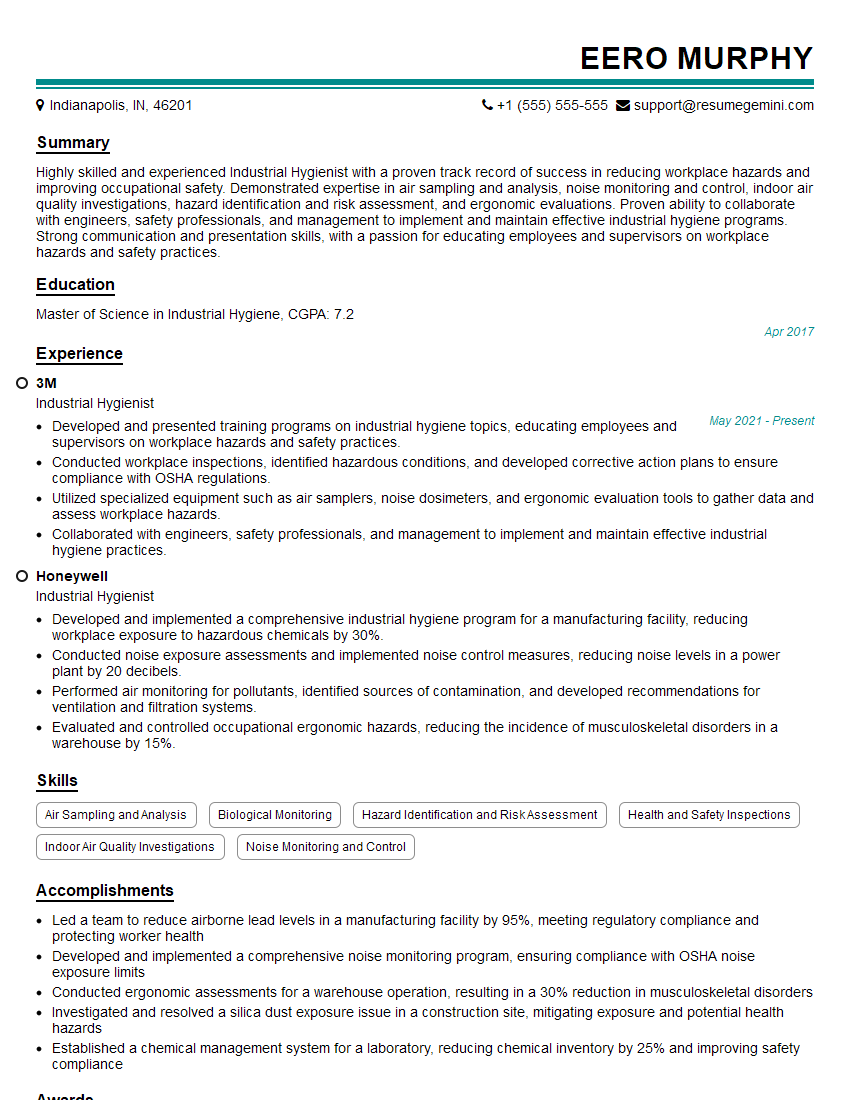
Industrial Hygienist Resume Sample
Explore more articles
Users Rating of Our Blogs
Share Your Experience
We value your feedback! Please rate our content and share your thoughts (optional).
What Readers Say About Our Blog
To the interviewgemini.com Webmaster.
Very helpful and content specific questions to help prepare me for my interview!
Thank you
To the interviewgemini.com Webmaster.
This was kind of a unique content I found around the specialized skills. Very helpful questions and good detailed answers.
Very Helpful blog, thank you Interviewgemini team.