Interviews are more than just a Q&A session—they’re a chance to prove your worth. This blog dives into essential Landfill Gas Odor Control interview questions and expert tips to help you align your answers with what hiring managers are looking for. Start preparing to shine!
Questions Asked in Landfill Gas Odor Control Interview
Q 1. Explain the different methods for controlling landfill gas odor.
Landfill gas odor control employs a multi-pronged approach, combining preventative measures with active treatment technologies. The goal is to minimize the release of odorous compounds into the surrounding environment. Methods can be broadly categorized as:
- Source Control: This focuses on minimizing odor at its origin. Examples include proper waste management practices (like covering waste regularly), efficient gas collection systems with minimal leaks, and using odor-absorbing materials in the landfill.
- Treatment Technologies: These methods actively process landfill gas to remove or neutralize odorous compounds. Common technologies include:
- Biofiltration: Uses microorganisms to break down odorous compounds.
- Thermal Oxidation: Burns the gas at high temperatures, destroying odorous compounds.
- Activated Carbon Adsorption: Adsorbs odorous compounds onto activated carbon.
- Scrubbing: Uses a liquid solution to absorb odorous compounds.
- Odor Masking: Although not a preferred method, odor masking agents can temporarily cover up unpleasant smells. This is often used as a short-term solution while implementing more permanent solutions.
The best approach often involves a combination of these methods, tailored to the specific landfill’s characteristics and regulatory requirements. For instance, a large landfill might use a combination of robust gas collection, biofiltration, and thermal oxidation for complete odor control, while a smaller site might rely primarily on source control and biofiltration.
Q 2. Describe the process of landfill gas collection and treatment.
Landfill gas (LFG) collection and treatment is a crucial process for environmental protection and resource recovery. It involves several steps:
- Extraction: A network of wells, pipes, and blowers is installed within the landfill to extract LFG from the waste mass. The well placement and design are critical for efficient gas extraction.
- Collection and Transportation: The collected LFG is transported through pipelines to a central treatment facility. This often involves monitoring pressure and flow rates to ensure efficient collection.
- Treatment: At the treatment facility, the LFG undergoes various processes to remove contaminants and odorous compounds. This might involve biofiltration, thermal oxidation, or a combination of methods.
- Beneficial Use or Disposal: Treated LFG can be used as a renewable energy source (e.g., generating electricity), or if treatment isn’t feasible, it can be safely flared or disposed of.
Imagine it like cleaning your house: extraction is like vacuuming up the mess (LFG), transportation is like carrying the trash bag to the bin, treatment is like sorting the recyclables and disposing of the trash, and beneficial use is like selling the recyclables or using them yourself.
Q 3. What are the common odor-causing compounds in landfill gas?
Landfill gas contains a complex mixture of compounds, many of which contribute to its characteristic odor. The most significant odor-causing compounds include:
- Volatile Organic Compounds (VOCs): These include methane (CH4), which isn’t inherently odorous but indicates the presence of other odorants, and various other volatile organic compounds like methyl mercaptan (CH3SH), dimethyl sulfide (CH3SCH3), and hydrogen sulfide (H2S). These compounds often have strong, pungent, and foul odors.
- Short-Chain Organic Acids: These contribute to sour or acidic odors.
- Amines: These compounds can produce fishy or ammonia-like smells.
The relative concentrations of these compounds vary depending on the composition of the waste, the age of the landfill, and environmental conditions. The intensity and nature of the odor are directly related to the concentrations of these compounds.
Q 4. How do you monitor the effectiveness of odor control systems?
Monitoring the effectiveness of odor control systems is crucial for ensuring compliance and protecting the surrounding community. This involves a multi-faceted approach:
- Odor Surveys: Trained personnel conduct regular odor assessments using sensory evaluation methods, often using standardized odor concentration scales. These surveys are subjective but provide crucial information about real-world odor perception.
- Gas Chromatography-Mass Spectrometry (GC-MS): This sophisticated laboratory technique analyzes the composition of LFG, precisely quantifying the concentration of specific odor-causing compounds. This gives objective data on the effectiveness of the treatment process.
- Continuous Monitoring Systems: Sensors placed at strategic locations continuously monitor parameters such as gas flow rate, pressure, and the concentration of key odorants. These systems provide real-time data, facilitating early detection of issues.
- Modeling and Simulation: Advanced computer models can predict odor plume dispersion, helping to optimize the location and design of odor control systems.
A combination of these methods provides a complete picture of the system’s performance. The data obtained is essential for troubleshooting, optimizing system operation, and ensuring regulatory compliance.
Q 5. What are the regulatory requirements for landfill gas odor control in your area?
Regulatory requirements for landfill gas odor control vary significantly depending on location. In many jurisdictions, regulations are based on odor thresholds, often expressed as odor concentration units (e.g., odor units per cubic meter or OU/m³). These regulations typically specify acceptable odor levels at the landfill’s perimeter and nearby sensitive receptors (like residences or schools). Permitting agencies often specify monitoring frequencies, reporting requirements, and corrective actions if odor thresholds are exceeded. It’s important to consult local and state environmental protection agencies for specific requirements in your area. Examples might include specific odor limits, requirements for regular odor surveys, and stipulations about what types of treatment technologies can be used. Non-compliance can lead to significant penalties.
Q 6. Explain the principles of biofiltration for landfill gas odor control.
Biofiltration utilizes the metabolic processes of microorganisms to break down odorous compounds in landfill gas. A biofilter typically consists of a bed of media (like compost, peat, or wood chips) that supports the growth of a diverse microbial community. The LFG is passed through this bed, and the microorganisms consume the odorous compounds as a source of energy and nutrients. The process essentially converts these odorous compounds into less harmful substances, such as carbon dioxide and water.
Think of it as a natural filter: the microorganisms in the biofilter are like tiny workers breaking down the harmful substances, making the air cleaner as it passes through. The success of biofiltration depends on factors such as the type of media, moisture content, temperature, and the concentration of pollutants in the LFG. The media provides the surface area for microbial growth, while the moisture content and temperature are essential for microbial activity.
Q 7. Describe the function of a thermal oxidizer in landfill gas treatment.
A thermal oxidizer is a high-temperature combustion system used to destroy odorous compounds in landfill gas. The LFG is heated to a temperature typically above 700°C (1300°F) in the presence of sufficient oxygen. At this temperature, the odorous compounds are oxidized, primarily into carbon dioxide and water. This process effectively eliminates virtually all odorous compounds and other pollutants, creating a clean exhaust stream.
Imagine it as a controlled burn: the high temperature incinerates the odorous compounds, breaking them down into harmless substances. While effective, thermal oxidizers are energy-intensive and require careful management to ensure efficient combustion and prevent the formation of other pollutants. The heat generated can often be used for other purposes, such as creating steam or heating buildings, thus reducing the energy costs associated with this treatment method.
Q 8. What are the advantages and disadvantages of different odor control technologies?
Landfill gas odor control employs various technologies, each with its strengths and weaknesses. Let’s compare a few common methods:
- Biofiltration: This involves passing the gas through a bed of microorganisms that break down odorous compounds. Advantages: Relatively low operating costs, environmentally friendly. Disadvantages: Can be sensitive to temperature and humidity fluctuations, requires significant land area, and may not be effective for all odorants.
- Thermal Oxidation: This involves burning the gas at high temperatures to destroy odorous compounds. Advantages: Highly effective, destroys a wide range of pollutants. Disadvantages: High capital and operating costs, requires a substantial energy input, and produces carbon dioxide.
- Activated Carbon Adsorption: This uses activated carbon to adsorb odorous compounds. Advantages: Effective for a range of odorants, relatively compact. Disadvantages: Requires periodic replacement of the carbon, can be expensive, and doesn’t destroy pollutants; they must be disposed of or regenerated.
- Scrubbing (Chemical): This uses a chemical solution to absorb or react with odorous compounds. Advantages: Highly effective for specific odorants. Disadvantages: Can generate hazardous waste, requires careful handling of chemicals, and can be expensive depending on the chosen scrubbing agent.
The best technology depends on factors like the gas composition, available budget, environmental regulations, and site-specific conditions. For example, a smaller landfill might opt for biofiltration due to its lower capital cost, while a larger facility with stringent emission limits might choose thermal oxidation for its high efficiency.
Q 9. How do you troubleshoot malfunctions in landfill gas odor control systems?
Troubleshooting a malfunctioning odor control system requires a systematic approach. I typically follow these steps:
- Identify the problem: Is the odor escaping? Are there operational alarms? Has there been a change in odor intensity or type? Data logging from sensors (e.g., VOC concentration, pressure, temperature) is crucial here.
- Inspect the system components: This includes checking the blower, filters, media bed (for biofilters), carbon beds (for activated carbon), and the scrubbing solution (if applicable). Look for blockages, leaks, or signs of degradation.
- Analyze the gas composition: Changes in the landfill gas composition can significantly impact odor control system performance. Analyze the gas for key odorants and other constituents to understand if the system is adequately designed for the current waste composition.
- Check operational parameters: Verify that parameters such as airflow, temperature, pressure, and chemical concentration (if applicable) are within the design specifications. Deviations might indicate a problem with a control valve, pump, or sensor.
- Consult system documentation: Review the design documents, operation and maintenance manuals, and any historical data to identify potential causes or past issues.
- Consider external factors: Environmental conditions like extreme temperature or rainfall can affect system performance.
For example, if a biofilter isn’t working effectively, it might be due to clogging, insufficient moisture, or microbial die-off, all requiring different remediation strategies.
Q 10. What safety precautions are necessary when working with landfill gas?
Working with landfill gas requires strict adherence to safety protocols. Landfill gas is a complex mixture that includes methane (highly flammable), carbon dioxide, hydrogen sulfide (toxic and flammable), and various other volatile organic compounds (VOCs). Key precautions include:
- Respiratory Protection: Always wear a self-contained breathing apparatus (SCBA) when entering confined spaces or areas with high gas concentrations.
- Flammability Precautions: Never use equipment that could create sparks or open flames near landfill gas sources. Implement strict fire prevention measures.
- Toxicity Awareness: Hydrogen sulfide is particularly hazardous. Monitor air quality regularly with appropriate gas detectors to avoid exposure to dangerous concentrations.
- Confined Space Entry Procedures: Follow established confined space entry procedures, including atmospheric testing, lockout/tagout, and having a standby team present.
- Personal Protective Equipment (PPE): Appropriate PPE such as gloves, safety glasses, and protective clothing should always be worn.
- Emergency Response Plan: Ensure that a well-defined emergency response plan is in place and that personnel are trained in emergency procedures.
Safety training and regular refresher courses are paramount to minimize risk.
Q 11. Explain the role of VOCs (Volatile Organic Compounds) in landfill gas odor.
Volatile Organic Compounds (VOCs) are significant contributors to the characteristic foul odor of landfill gas. These are organic chemicals that readily evaporate at room temperature. Many VOCs present in landfill gas are produced by the anaerobic decomposition of organic waste. Examples include mercaptans (sulfur-containing compounds with a strong, unpleasant odor), amines (nitrogen-containing compounds often associated with rotting fish smell), and various other hydrocarbons.
The specific composition and concentration of VOCs vary depending on the type of waste, the age of the landfill, and environmental factors. Accurate identification and quantification of VOCs are crucial for designing and optimizing odor control systems. Gas chromatography-mass spectrometry (GC-MS) is commonly used for detailed VOC analysis. Understanding the VOC profile enables targeting specific odorants with appropriate control technologies.
Q 12. How do you determine the optimal design parameters for an odor control system?
Determining optimal design parameters for an odor control system involves a multifaceted process. Key factors include:
- Gas flow rate and composition: Accurate measurement of the landfill gas flow rate and its composition, including odorant concentrations, is fundamental. This data informs the size and type of odor control equipment needed.
- Odorant removal efficiency: The desired level of odor reduction needs to be determined, considering regulatory requirements and community concerns. This influences the selection of the most appropriate technology and its design parameters.
- Site-specific conditions: Factors like climate (temperature, humidity), available space, and accessibility impact the design. For instance, a cold climate might necessitate supplemental heating for a biofilter.
- Operational costs: A cost-benefit analysis is essential to weigh initial investment costs against long-term operational expenses (energy consumption, maintenance, chemical replenishment).
- Maintenance requirements: The ease of maintenance and the required downtime for maintenance procedures must be factored into the design.
Sophisticated modeling and simulations are often used to predict system performance under various scenarios and optimize the design for efficiency and cost-effectiveness. Pilot testing can be valuable to validate model predictions and fine-tune the design parameters before full-scale implementation.
Q 13. What are the environmental impacts of uncontrolled landfill gas emissions?
Uncontrolled landfill gas emissions have significant environmental impacts:
- Greenhouse gas effect: Methane, a potent greenhouse gas, is a major component of landfill gas. Its release contributes to global warming and climate change.
- Air pollution: VOCs and other pollutants in landfill gas contribute to poor air quality, affecting human health and the environment. This can result in respiratory problems, headaches, and other health issues in nearby communities.
- Water contamination: Landfill leachate, which often contains dissolved gases, can contaminate groundwater sources. This can lead to water pollution, harming aquatic life and potentially affecting human drinking water supplies.
- Odor nuisance: The characteristic unpleasant odors associated with landfill gas can cause significant nuisance and negatively impact the quality of life for nearby residents.
The environmental consequences highlight the importance of implementing effective landfill gas management strategies, including collection and odor control, to minimize emissions and protect the environment.
Q 14. Describe your experience with different types of odor control equipment.
Throughout my career, I’ve worked extensively with a variety of odor control equipment. My experience includes:
- Biofiltration systems: I’ve designed, installed, and managed several biofilter systems using different media types (compost, bark, peat) and configurations. I’ve encountered challenges related to media degradation and achieving optimal moisture content, but troubleshooting these issues has enhanced my expertise.
- Thermal oxidizers: I’ve participated in projects involving the design and commissioning of thermal oxidizers for large landfills. This includes addressing issues related to energy efficiency, catalyst maintenance, and ensuring complete combustion of the gas stream.
- Activated carbon adsorption systems: I’ve worked with various activated carbon systems, ranging from small, modular units to large-scale installations. This includes evaluating the effectiveness of different carbon types, optimizing regeneration cycles, and managing carbon waste disposal.
- Chemical scrubbing systems: I’ve worked on projects using different scrubbing solutions, requiring careful consideration of chemical handling, waste management, and regulatory compliance.
This broad experience has provided me with a deep understanding of the strengths, weaknesses, and practical applications of different odor control technologies. I’m proficient in evaluating the suitability of each technology for specific landfill conditions and am adept at troubleshooting operational challenges.
Q 15. How do you conduct a comprehensive odor impact assessment?
A comprehensive odor impact assessment involves a multi-faceted approach to determine the extent and severity of landfill gas odors affecting the surrounding community. It’s like conducting a thorough investigation to find the source of a bad smell in your house, but on a much larger scale.
- Odor Monitoring: This crucial step involves deploying odor monitoring equipment at various locations around the landfill, both on-site and off-site, to measure odor concentrations using techniques like dynamic olfactometry (a highly sensitive method that measures the intensity of odors). This data provides a baseline and allows us to pinpoint odor sources and ‘hotspots’.
- Meteorological Data Analysis: Wind speed, direction, and atmospheric stability greatly influence odor dispersion. We meticulously analyze this data to understand how odors are transported and to predict potential impact areas. Think of it like tracking the path of a plume of smoke from a chimney – the wind direction dictates where the smoke will go.
- Community Surveys and Complaints: Direct feedback from residents is critical. We use questionnaires, telephone surveys, and even public meetings to gather information about when, where, and how frequently they experience odors. This qualitative data complements the quantitative measurements from odor monitoring equipment.
- Modeling and Prediction: Based on all the collected data, dispersion modeling software is used to predict potential odor impacts under various scenarios. This allows for proactive mitigation planning.
- Regulatory Compliance Assessment: The final step is verifying the assessment findings against relevant air quality regulations and odor thresholds. This ensures that the landfill is meeting legal requirements.
For example, in one project, we used a combination of real-time odor monitoring, meteorological data analysis, and community surveys to identify a specific area of the landfill where a malfunctioning gas extraction well was causing the highest odor complaints. This led to the repair of the well, resulting in a significant decrease in odor complaints within weeks.
Career Expert Tips:
- Ace those interviews! Prepare effectively by reviewing the Top 50 Most Common Interview Questions on ResumeGemini.
- Navigate your job search with confidence! Explore a wide range of Career Tips on ResumeGemini. Learn about common challenges and recommendations to overcome them.
- Craft the perfect resume! Master the Art of Resume Writing with ResumeGemini’s guide. Showcase your unique qualifications and achievements effectively.
- Don’t miss out on holiday savings! Build your dream resume with ResumeGemini’s ATS optimized templates.
Q 16. Explain the importance of regular maintenance for odor control systems.
Regular maintenance is paramount for odor control systems. Neglecting this can lead to system failures, escalating odor problems, and environmental violations. It’s like regularly servicing your car – ignoring maintenance can result in a major breakdown.
- Gas Collection System Checks: Regularly inspecting the integrity of the landfill gas collection system (pipes, wells, blowers) is essential to prevent leaks and ensure efficient gas capture. We would check for cracks, corrosion, blockages, and proper functioning of all components.
- Flare/Treatment System Inspections: Flares (which burn off the gas) and other treatment systems (like biofilters or thermal oxidizers) require routine inspection and maintenance to guarantee optimal performance. This includes cleaning, filter replacement, and verifying proper combustion or biological activity.
- Odor Control Equipment Checks: Components like scrubbers, biofilters, or carbon filters need regular checks and cleaning to maintain their odor-removal efficiency. A clogged biofilter, for example, will lose its effectiveness quickly.
- Data Monitoring and Analysis: Regular data review of gas flow rates, pressure readings, and odor concentrations allows for early detection of potential problems. This helps to address issues before they escalate into major odor events.
A proactive maintenance plan, including preventative checks and timely repairs, significantly reduces the likelihood of odor events, minimizes environmental impact, and saves money in the long run by avoiding costly emergency repairs.
Q 17. How do you manage unexpected spikes in landfill gas odor levels?
Unexpected spikes in landfill gas odor levels are a serious concern and require an immediate and coordinated response. Think of it as a fire alarm – you need to act quickly and decisively.
- Immediate Investigation: We would immediately deploy additional odor monitoring equipment to pinpoint the source and magnitude of the spike. This might involve using mobile monitoring units or increasing the sampling frequency.
- System Checks: We would conduct thorough inspections of the gas collection and treatment systems to identify potential causes, such as equipment malfunctions, leaks, or increased gas generation within the landfill.
- Emergency Response Plan Activation: Our emergency response plan would include steps such as increasing gas extraction rates, temporarily deploying additional treatment capacity, and potentially activating backup systems. This might involve bringing in emergency equipment or engaging additional personnel.
- Community Communication: Keeping the community informed about the situation and steps being taken to address it is crucial to maintain transparency and alleviate concerns. This can involve issuing public notifications or conducting meetings with community members.
- Root Cause Analysis: Following resolution, a detailed root cause analysis would be conducted to determine the underlying reasons for the spike and implement measures to prevent future occurrences. This would involve reviewing historical data, maintenance logs, and site conditions.
In one instance, a sudden increase in rainfall caused a surge in biogas generation, leading to an odor event. Our quick response, which involved adjusting the extraction rate and deploying temporary treatment units, effectively mitigated the odor problem within a few hours. The root cause analysis revealed the need for an upgrade to the gas collection system to handle future high-rainfall events.
Q 18. Describe your experience with data analysis related to odor control performance.
Data analysis is fundamental to understanding and improving odor control performance. We use various techniques to extract actionable insights from collected data. Think of it as deciphering clues from a crime scene to solve a case.
- Statistical Analysis: We use statistical software to analyze odor concentration data, identifying trends, patterns, and correlations with meteorological factors. This helps to reveal the influence of wind direction, temperature, and other variables on odor dispersion.
- Time-Series Analysis: Analyzing data over time (e.g., daily, weekly, monthly) helps us to track odor trends, identify seasonal variations, and assess the effectiveness of different odor control measures. This could reveal, for example, a consistent spike in odor levels during periods of heavy rainfall.
- Correlation Analysis: We explore the relationship between odor levels and other factors, like landfill gas production rates, system pressures, and maintenance activities. This helps us pinpoint potential root causes of odor issues.
- Data Visualization: Creating charts, graphs, and maps helps to visualize the data and make it easier to understand and communicate findings to stakeholders. This can include maps showing odor plumes or graphs demonstrating the effectiveness of various treatment methods.
For instance, through time-series analysis of odor data collected over several years, we were able to identify a clear correlation between periods of high rainfall and elevated odor levels, which led to the design of improved drainage systems and enhanced gas collection capabilities.
Q 19. What are the key performance indicators (KPIs) for a successful odor control program?
Key Performance Indicators (KPIs) for a successful odor control program are essential for evaluating effectiveness and guiding improvements. These act as benchmarks for success, similar to using a ruler to measure progress on a woodworking project.
- Odor Concentration Levels: Tracking average and peak odor concentrations measured through dynamic olfactometry. Lower concentrations indicate better performance.
- Number of Odor Complaints: Monitoring the frequency and number of odor complaints from the community. A decrease in complaints signifies a reduction in odor impact.
- Gas Collection Efficiency: Measuring the percentage of landfill gas successfully collected and treated. Higher efficiency reduces the amount of gas escaping into the atmosphere.
- Treatment System Efficiency: Assessing the percentage reduction in odor concentrations achieved by the treatment system. A higher reduction indicates better treatment performance.
- System Uptime: Measuring the percentage of time the odor control system is operational and functioning correctly. Greater uptime indicates fewer interruptions and more consistent odor control.
- Maintenance Costs: Tracking the cost of routine maintenance and repairs. Effective maintenance can lead to cost savings in the long run.
By regularly monitoring these KPIs and analyzing trends, we can identify areas for improvement, optimize system performance, and ensure the long-term success of the odor control program.
Q 20. How do you comply with relevant environmental regulations and permits?
Compliance with environmental regulations and permits is critical in landfill gas odor control. It’s like following a recipe precisely to get the desired result, only here, the result is clean air.
- Permitting and Licensing: We ensure all necessary permits and licenses are obtained and maintained for the odor control system and related activities. This includes air quality permits, waste management permits, and any other relevant documentation.
- Regulatory Monitoring: We conduct regular monitoring to ensure compliance with emission limits and odor thresholds established by regulatory agencies. This involves regular testing and reporting of odor concentrations and other relevant parameters.
- Record Keeping: Meticulous record keeping is vital, including maintenance logs, monitoring data, and regulatory correspondence. This allows for easy traceability and demonstration of compliance.
- Reporting and Audits: We prepare and submit regular reports to regulatory agencies, including summary reports on odor levels, maintenance activities, and system performance. We also fully cooperate with audits conducted by regulatory bodies.
- Emergency Response Planning: Our plans detail procedures for addressing unexpected odor events, ensuring compliance with emergency response regulations.
Staying updated on changes in environmental regulations and proactively addressing compliance issues prevents costly fines and legal challenges, and more importantly, protects the environment and community health.
Q 21. Describe your experience with designing or implementing landfill gas collection systems.
I have extensive experience designing and implementing landfill gas collection systems. Designing a proper system is akin to designing a sophisticated plumbing system for a large building – it requires careful planning and expertise.
- Site Assessment and Characterization: This initial stage involves a thorough assessment of the landfill’s geology, waste composition, and gas generation rates to determine the optimal design for a gas collection system. Soil conditions, waste depth, and gas migration pathways are all considered.
- System Design: Based on the site assessment, we design the layout of the gas collection network, including the placement of extraction wells, the piping network, and the blower system. We use specialized software to model gas flow and ensure efficient gas extraction.
- Well Installation: This is a crucial step, often involving drilling or driving wells into the landfill to capture the gas. Proper well spacing and depth are vital for efficient gas extraction.
- Piping Network Installation: Laying and connecting the network of pipes that transport the collected gas to the treatment or flaring system is a complex process requiring expertise in material selection and installation techniques.
- Blower System Installation and Commissioning: The blower system provides the necessary pressure to efficiently draw gas from the wells. Commissioning involves testing and adjusting the system to optimize performance.
In a recent project, we designed and implemented a novel gas collection system using a hybrid approach combining traditional vertical wells with horizontal laterals. This improved gas extraction efficiency by over 20% compared to the traditional approach, reducing odor emissions and increasing methane capture for energy generation.
Q 22. How do you assess the cost-effectiveness of different odor control options?
Assessing the cost-effectiveness of landfill gas odor control options requires a holistic approach, considering both upfront capital costs and long-term operational expenses. We don’t just look at the price tag; we analyze the total cost of ownership. This includes the initial investment in equipment or technology, installation costs, ongoing maintenance, replacement parts, energy consumption, and the cost of the odor control media itself (e.g., activated carbon). We also factor in potential penalties for non-compliance with environmental regulations. For example, a seemingly cheaper system might require more frequent media replacements, driving up the long-term costs significantly. We use lifecycle cost analysis (LCCA) to compare different options, projecting costs over a 10-20 year period to determine the most economically viable solution. We also consider factors like system efficiency (how effectively it reduces odor), lifespan of components, and ease of maintenance when weighing cost against performance.
Example: Comparing a biofilter (a passive system) to a thermal oxidizer (an active system). While the thermal oxidizer has higher upfront costs, its potentially longer lifespan and lower operational costs (assuming efficient energy management) might make it more cost-effective in the long run. A detailed LCCA, factoring in energy prices, maintenance schedules, and media replacement costs, would be crucial to make an informed decision.
Q 23. Explain the difference between active and passive odor control methods.
Landfill gas odor control methods are broadly classified into active and passive systems. Active systems require energy input to treat the gas. They actively engage with the odorous compounds, altering or eliminating them. Think of it like a forced process. Examples include thermal oxidizers (burning the gas at high temperatures), biofilters (using microorganisms to break down odor-causing compounds), and scrubbers (using chemical reactions to neutralize odors). These systems require continuous monitoring and maintenance.
Passive systems, on the other hand, rely on natural processes and don’t require energy input to function. They ‘passively’ interact with the odorous gases, allowing natural processes to occur. A good example is a properly designed flare system (which burns the gas using natural combustion from the gas flow) or soil cover on the landfill to prevent gas release. These systems typically have lower operational costs but might require larger land areas and more careful design.
The choice between active and passive methods depends on factors like the concentration of odorants, available budget, gas flow rates, environmental regulations, and site-specific conditions.
Q 24. How do you address community concerns about landfill gas odor?
Addressing community concerns regarding landfill gas odor requires a multi-pronged approach, combining proactive communication, transparent data sharing, and effective odor control strategies. It’s crucial to build trust and open lines of communication with the community. This often includes:
- Regular community meetings: Providing updates on odor control efforts, addressing concerns directly, and soliciting feedback.
- Odor monitoring and reporting: Implementing a robust odor monitoring program with transparent data sharing, demonstrating the effectiveness of implemented measures and alerting the community to periods of elevated odor levels. This transparency builds confidence.
- Complaint response system: Establishing a system for promptly investigating and addressing odor complaints, providing timely updates to complainants.
- Public education: Educating the community about landfill gas, its sources, and the measures being taken to mitigate odors. Simple, relatable information is key.
- Odor control improvements: Investing in effective odor control technologies and implementing comprehensive maintenance programs. Actions speak louder than words.
Example: In one project, we established a dedicated hotline and online portal for odor complaints, providing real-time updates on investigation and remediation efforts. This transparency significantly improved community relations.
Q 25. Describe your experience with different types of odor control media.
My experience encompasses a wide range of odor control media, each with its strengths and weaknesses. Activated carbon is a very common adsorbent media. It excels at adsorbing a broad range of volatile organic compounds (VOCs) responsible for landfill gas odors. However, it requires periodic replacement as its adsorption capacity is finite. The regeneration of activated carbon is also a considerable factor.
Biofilters utilize a bed of organic material (e.g., compost, wood chips) where microorganisms break down odor molecules. This is an environmentally friendly option, but the performance is sensitive to factors like temperature, moisture content, and the types of VOCs present. The efficiency depends greatly on the design and media choice.
Other media include chemical scrubbers using solutions like sodium hydroxide to neutralize acidic gases and specialized media for specific odor compounds. The selection of the optimal media depends on a detailed gas composition analysis and cost-benefit considerations.
Example: In one project, we employed a hybrid system combining activated carbon for initial odor reduction, followed by a biofilter to further degrade the remaining odorants. This layered approach proved highly effective.
Q 26. What are the potential health effects of exposure to landfill gas odor?
Exposure to landfill gas odor, primarily composed of VOCs like methane, hydrogen sulfide, and various other organic compounds, can have several potential health effects, ranging from mild to severe. Short-term effects may include headaches, nausea, eye irritation, respiratory irritation, and dizziness. Long-term exposure, however, is a serious concern and can potentially lead to more significant health issues, especially for vulnerable populations like children, the elderly, and people with pre-existing respiratory conditions.
The specific health impacts depend on the concentration and type of compounds present, the duration of exposure, and individual susceptibility. Some VOCs in landfill gas are known or suspected carcinogens or mutagens. While direct causal links can be difficult to definitively establish, a strong correlation exists between landfill gas exposure and various health problems. Proper risk assessment and robust odor control strategies are therefore crucial for protecting public health.
Q 27. Explain your understanding of the role of air dispersion modeling in odor control.
Air dispersion modeling plays a vital role in landfill gas odor control by predicting how odor plumes will behave under different meteorological conditions. These models use sophisticated algorithms to simulate the transport and dispersion of pollutants (including odorants) released from the landfill. They take into account factors like wind speed and direction, atmospheric stability, and terrain features. The results provide valuable insights for optimizing odor control strategies and siting monitoring equipment.
By understanding the predicted dispersion patterns, we can identify areas most likely to be affected by odors and tailor the odor control systems’ design and placement accordingly. We can also determine the efficacy of different control measures and optimize their placement for maximum impact. The models also help in compliance with regulations by providing quantitative data for environmental impact assessments and permit applications.
Example: Before installing a new biofilter, we used air dispersion modeling to predict the extent of odor reduction achieved under various scenarios, informing decisions about filter size and location to ensure optimal coverage of the surrounding area.
Q 28. How do you ensure the long-term sustainability of a landfill gas odor control program?
Ensuring the long-term sustainability of a landfill gas odor control program requires a comprehensive strategy that addresses operational, financial, and environmental aspects. This includes:
- Regular maintenance and monitoring: Establishing a preventative maintenance schedule for all equipment and implementing a rigorous monitoring program to detect and address issues promptly.
- Financial planning: Budgeting for long-term operational costs, including media replacements, energy consumption, and maintenance, ensuring sufficient funding for continued effectiveness.
- Technological advancements: Staying abreast of technological advancements in odor control and exploring opportunities for upgrading the system to improve efficiency and reduce costs.
- Adaptive management: Continuously evaluating the system’s performance and adjusting strategies based on changing conditions, such as changes in landfill gas composition or meteorological patterns. This includes adapting to potentially increasing gas flow.
- Community engagement: Maintaining open communication with the community, providing regular updates, and addressing concerns to ensure ongoing support for the program.
- Data management and record keeping: Keeping comprehensive data records of system performance, maintenance activities, and environmental monitoring results. These records will help make necessary future changes and adaptations.
A sustainable program is more than just installing equipment; it’s a commitment to ongoing management and optimization to ensure long-term effectiveness and community acceptance.
Key Topics to Learn for Landfill Gas Odor Control Interview
- Gas Composition and Characterization: Understanding the chemical makeup of landfill gas (LFG), including key odor-causing compounds like volatile organic compounds (VOCs) and hydrogen sulfide (H2S).
- Odor Control Technologies: Familiarize yourself with various odor control methods, including biofiltration, activated carbon adsorption, thermal oxidation, and scrubbing. Understand their principles, applications, and limitations.
- Design and Engineering Principles: Grasp the engineering aspects of designing and implementing effective odor control systems, considering factors like gas flow rates, treatment efficiency, and cost-effectiveness.
- Monitoring and Measurement Techniques: Learn about methods for monitoring LFG odor levels, including olfactory assessments, gas chromatography, and other analytical techniques. Understand how to interpret data and troubleshoot issues.
- Regulatory Compliance and Permitting: Understand relevant environmental regulations and permitting requirements related to LFG odor control. Be prepared to discuss compliance strategies and best practices.
- Operational and Maintenance Procedures: Explore the practical aspects of operating and maintaining odor control systems, including preventative maintenance, troubleshooting, and emergency response procedures.
- Economic and Sustainability Considerations: Understand the economic aspects of different odor control technologies and their environmental impact. Discuss the importance of sustainable practices in LFG management.
- Problem-Solving and Troubleshooting: Prepare to discuss real-world scenarios and challenges encountered in LFG odor control. Demonstrate your ability to identify problems, analyze causes, and develop effective solutions.
Next Steps
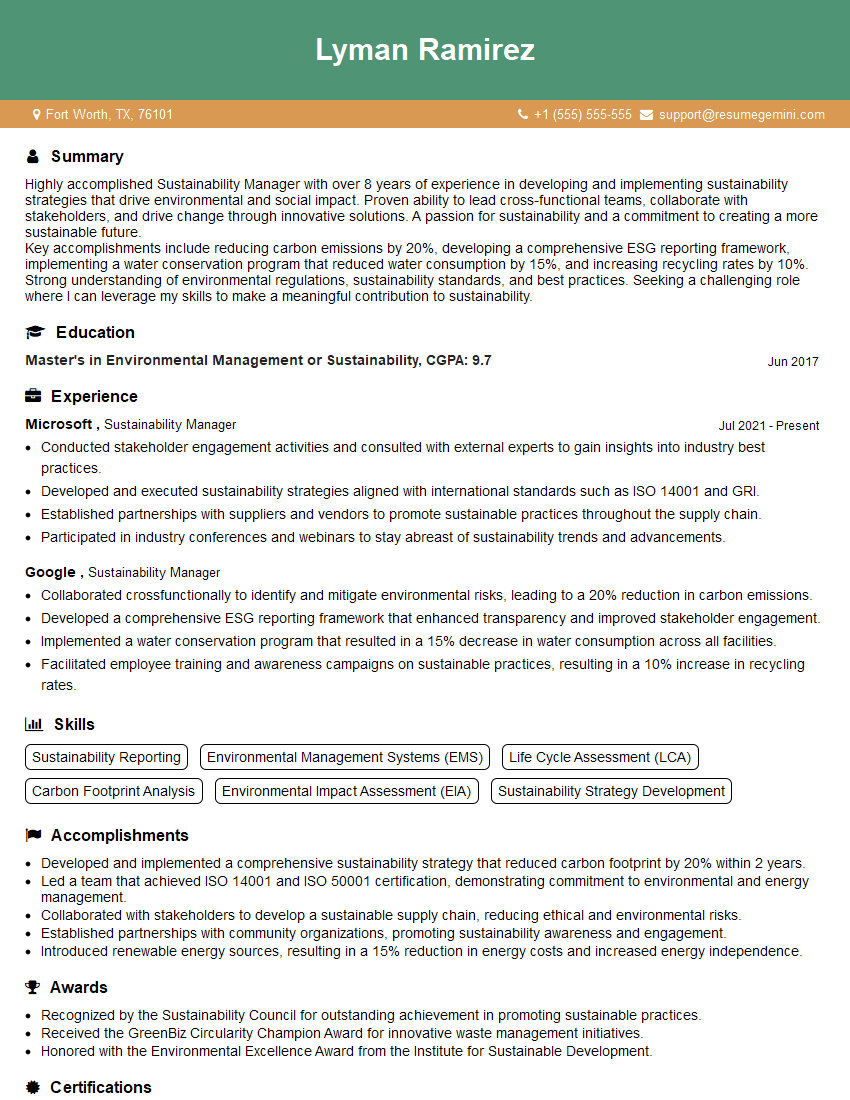
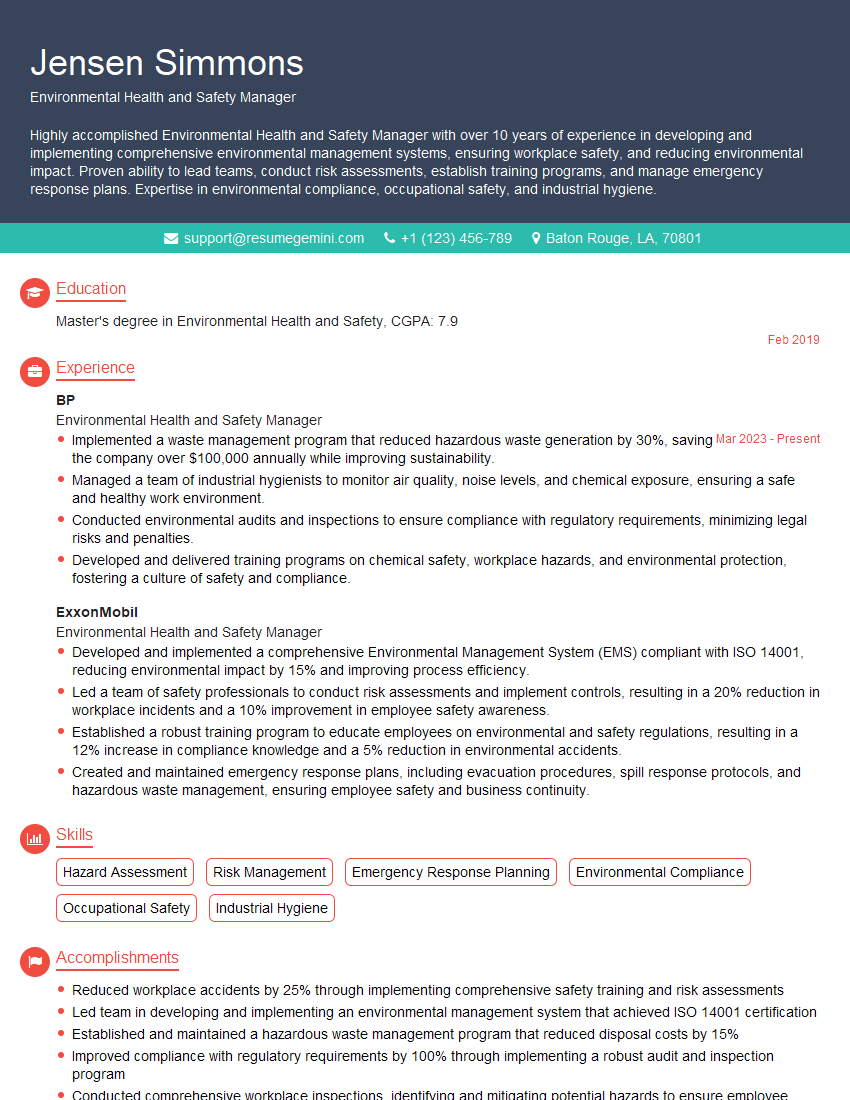
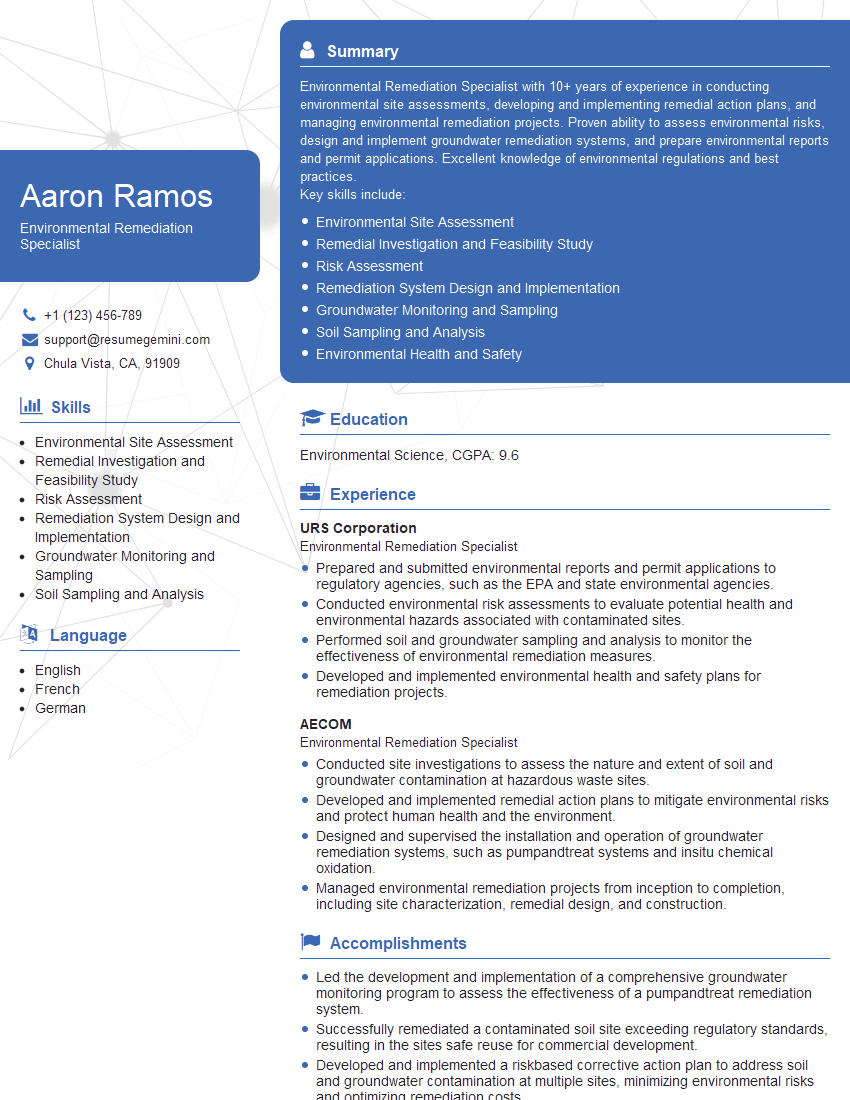
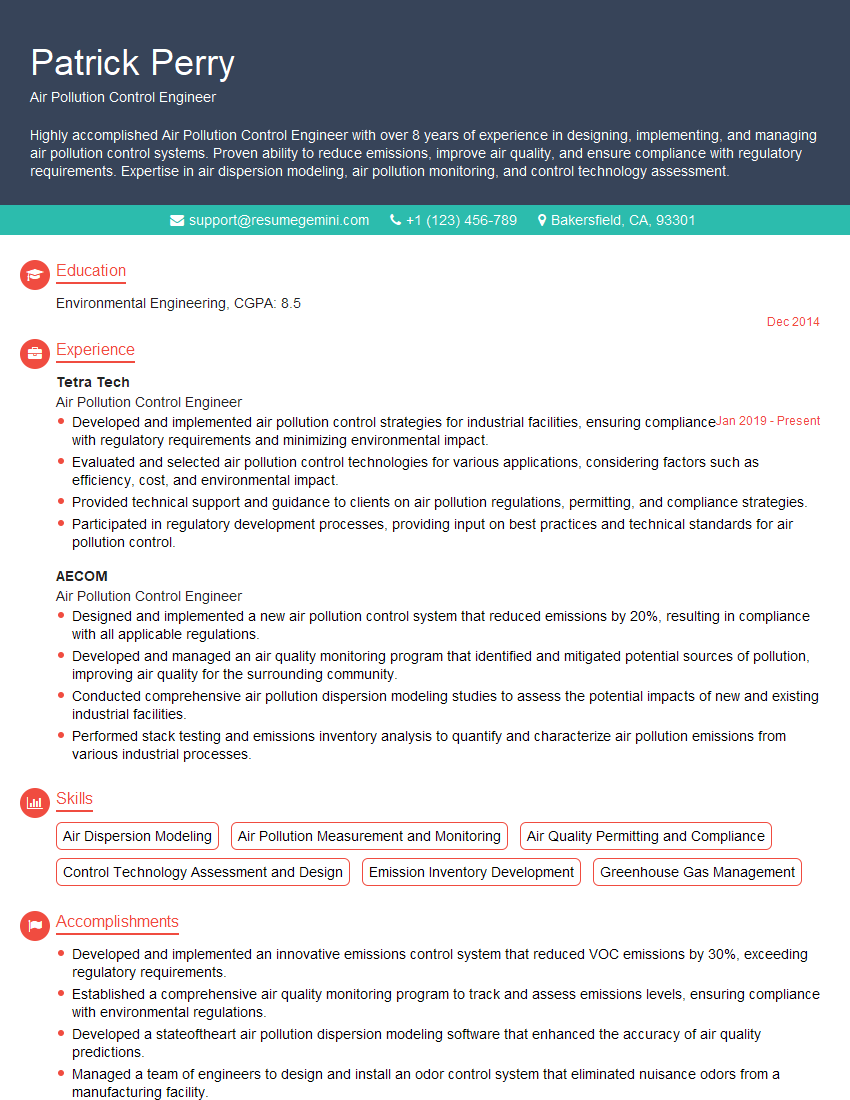
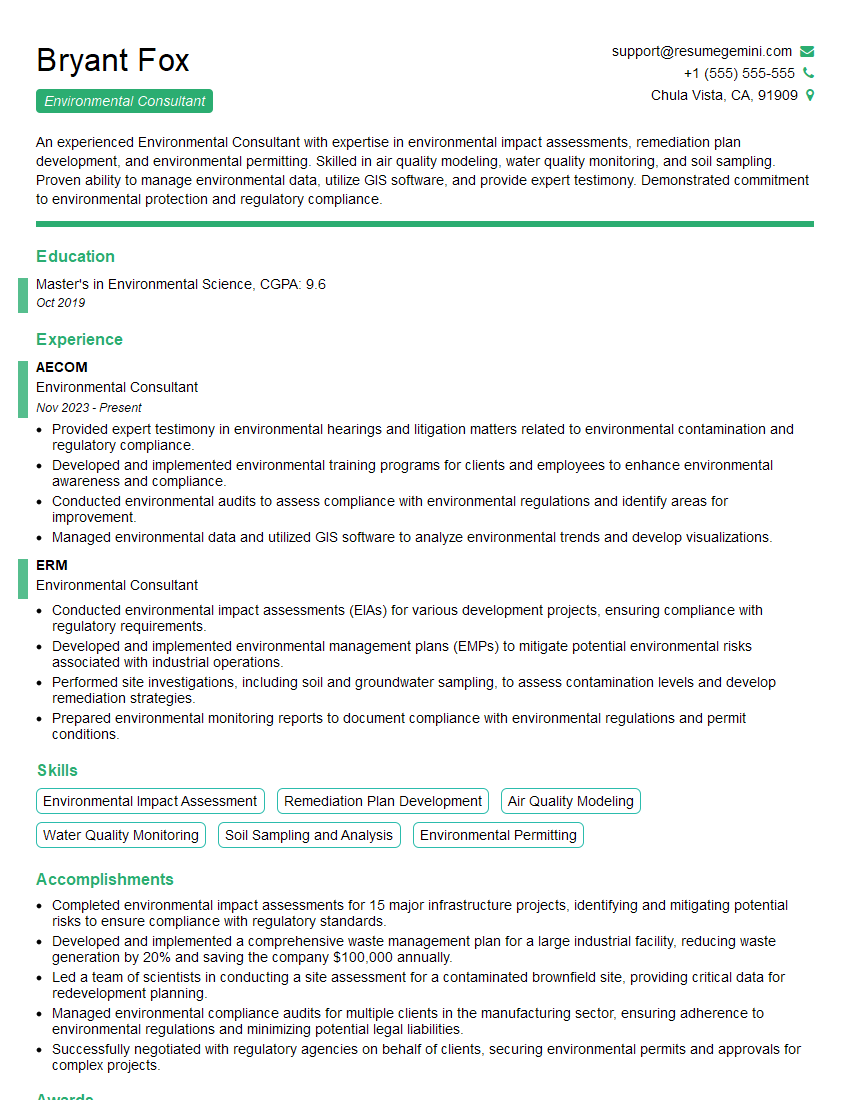
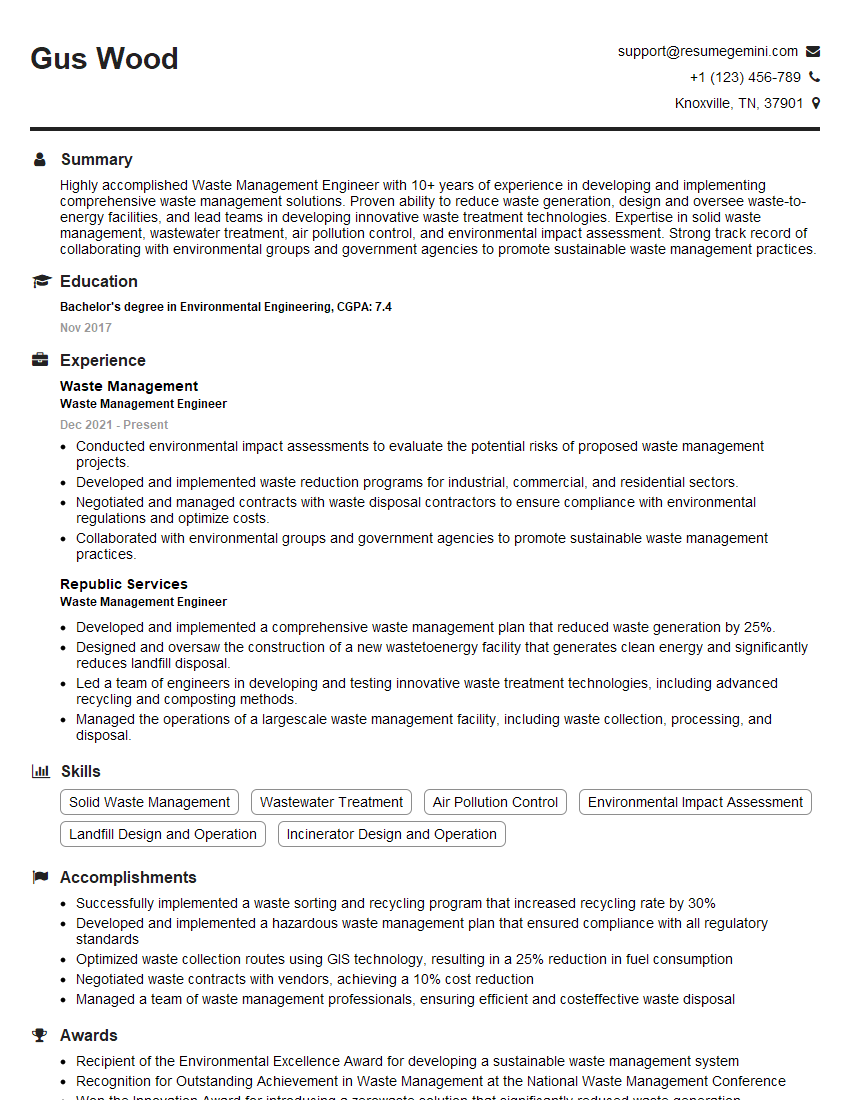
Mastering Landfill Gas Odor Control opens doors to exciting career opportunities in environmental engineering and waste management. A strong understanding of these concepts will significantly enhance your interview performance and career prospects. To maximize your chances, creating an ATS-friendly resume is crucial. ResumeGemini is a trusted resource to help you build a professional and impactful resume that showcases your skills and experience effectively. Examples of resumes tailored to Landfill Gas Odor Control are available to help guide you. Take advantage of these resources to present yourself as the ideal candidate.
Explore more articles
Users Rating of Our Blogs
Share Your Experience
We value your feedback! Please rate our content and share your thoughts (optional).
What Readers Say About Our Blog
To the interviewgemini.com Webmaster.
Very helpful and content specific questions to help prepare me for my interview!
Thank you
To the interviewgemini.com Webmaster.
This was kind of a unique content I found around the specialized skills. Very helpful questions and good detailed answers.
Very Helpful blog, thank you Interviewgemini team.