Every successful interview starts with knowing what to expect. In this blog, we’ll take you through the top Proficient in data interpretation, reporting, and quality control interview questions, breaking them down with expert tips to help you deliver impactful answers. Step into your next interview fully prepared and ready to succeed.
Questions Asked in Proficient in data interpretation, reporting, and quality control Interview
Q 1. Explain the difference between descriptive, predictive, and prescriptive analytics.
The three types of analytics – descriptive, predictive, and prescriptive – represent a progression in data analysis sophistication. Think of it like a journey from understanding the past to influencing the future.
- Descriptive Analytics: This is all about summarizing what *has* happened. It uses past data to identify trends and patterns. Imagine looking at sales figures for the last year – descriptive analytics would tell you the total sales, average sales per month, and perhaps identify peak sales periods. Tools like dashboards and basic summary statistics are used here. Example: A simple bar chart showing monthly website traffic.
- Predictive Analytics: This goes beyond simply describing the past; it uses historical data to *predict* what *might* happen in the future. This often involves statistical modeling and machine learning techniques. For instance, based on past sales data and external factors like seasonality, we can predict next quarter’s sales. Examples include forecasting demand, identifying potential customer churn, and fraud detection.
- Prescriptive Analytics: This is the most advanced type, aiming to *recommend* actions to optimize outcomes. It combines predictive insights with optimization techniques to suggest the best course of action. For example, based on predicted sales and inventory levels, a prescriptive model might recommend adjusting production schedules or inventory levels to maximize profit and minimize waste. This often involves algorithms and simulations.
In short: Descriptive analytics answers ‘What happened?’, predictive analytics answers ‘What might happen?’, and prescriptive analytics answers ‘What should we do?’.
Q 2. Describe your experience with data visualization tools.
I’m proficient in a range of data visualization tools, adapting my choice to the specific needs of the project and audience. My experience includes:
- Tableau: I frequently use Tableau for creating interactive dashboards and visualizations, particularly for presenting complex data to both technical and non-technical stakeholders. Its drag-and-drop interface and powerful visualization options make it ideal for creating compelling reports.
- Power BI: Similar to Tableau, Power BI offers strong capabilities for data visualization and report creation. I’ve used it extensively for integrating data from various sources and creating dynamic, interactive reports for business intelligence.
- Python libraries (Matplotlib, Seaborn): For more custom visualizations and deeper statistical analysis, I leverage Python libraries like Matplotlib and Seaborn. This allows me to create publication-quality figures and tailor visualizations precisely to specific analytical needs. For example, I recently used Seaborn to create a heatmap visualizing the correlation between different variables in a large dataset.
My approach always emphasizes clarity and effective communication. The right visualization significantly enhances understanding and enables better decision-making. I select the tool best suited to the context, prioritizing accessibility and usability for the intended audience.
Q 3. How do you identify and handle outliers in a dataset?
Outliers are data points significantly different from other observations. Identifying and handling them is crucial for accurate analysis. My approach is multi-faceted:
- Identification: I use a combination of visual methods (scatter plots, box plots) and statistical methods (z-scores, Interquartile Range (IQR)). Z-scores measure how many standard deviations a data point is from the mean. The IQR method identifies outliers as points falling outside 1.5 times the IQR below the first quartile or above the third quartile.
#Example using IQR in Python: Q1 = df['column'].quantile(0.25) Q3 = df['column'].quantile(0.75) IQR = Q3 - Q1 lower_bound = Q1 - 1.5 * IQR upper_bound = Q3 + 1.5 * IQR outliers = df[(df['column'] < lower_bound) | (df['column'] > upper_bound)] - Handling: The best approach depends on the context and the nature of the outliers. Options include:
- Removal: If outliers are due to errors or are clearly irrelevant, removal might be appropriate, but only after careful consideration.
- Transformation: Transforming the data (e.g., logarithmic transformation) can sometimes reduce the impact of outliers.
- Winsorizing/Trimming: Replacing outliers with less extreme values (Winsorizing) or removing a certain percentage of extreme values (Trimming).
- Modeling: Some algorithms (e.g., robust regression) are less sensitive to outliers.
It’s important to document the methods used and justify the chosen approach. Simply removing outliers without explanation is not good practice.
Q 4. What methods do you use to ensure data quality and accuracy?
Data quality is paramount. My approach involves a multi-stage process:
- Data Profiling: I begin by thoroughly profiling the data to understand its structure, identify missing values, and detect potential inconsistencies. This involves examining data types, distributions, and ranges.
- Data Validation: I validate data against known constraints or expectations. This might involve checking for data type violations, range constraints, or inconsistencies across related fields. For example, checking that dates are valid or that age values are plausible.
- Source Verification: I trace data back to its source to identify and correct potential errors at the origin. Understanding the data collection process helps in identifying systematic biases or errors.
- Documentation: Meticulous documentation is key. I maintain detailed records of data sources, cleaning steps, and any assumptions made. This is essential for reproducibility and transparency.
- Regular Audits: To ensure ongoing quality, I recommend implementing regular audits and checks for data drift and anomalies. This proactive approach helps to catch and resolve problems early.
The goal is to establish a robust data governance framework that ensures the accuracy, completeness, and consistency of the data throughout its lifecycle.
Q 5. Explain your approach to data cleaning and preprocessing.
Data cleaning and preprocessing is a crucial step. My approach is iterative and involves several steps:
- Handling Missing Values: I address missing data by either removing rows/columns with excessive missing values, imputing values using methods like mean/median imputation, k-Nearest Neighbors (KNN) imputation, or more sophisticated techniques like multiple imputation if the missingness is not random.
- Outlier Detection and Treatment: (As described in the previous answer)
- Data Transformation: I may transform data to improve its suitability for analysis. This might include scaling (standardization, normalization), encoding categorical variables (one-hot encoding, label encoding), or applying transformations (log, square root) to address skewness.
- Data Consistency: I check for and correct inconsistencies in data formats, units, and naming conventions. For example, I might standardize date formats or ensure consistent spelling of values.
- Feature Engineering: I might create new variables from existing ones to improve model performance or add insights. For example, creating a ‘total spending’ variable from individual purchase amounts.
The specific steps depend on the dataset and the analytical goals. I use a combination of scripting languages like Python (with libraries like Pandas) and SQL to efficiently manage these tasks.
Q 6. How do you interpret correlation coefficients?
Correlation coefficients measure the linear association between two variables. The most common is Pearson’s correlation, ranging from -1 to +1:
- +1: Perfect positive correlation. As one variable increases, the other increases proportionally.
- 0: No linear correlation. There’s no linear relationship between the variables.
- -1: Perfect negative correlation. As one variable increases, the other decreases proportionally.
Important considerations:
- Correlation does not imply causation: Just because two variables are correlated doesn’t mean one causes the other. There might be a third, unobserved variable influencing both.
- Linearity assumption: Pearson’s correlation only measures *linear* relationships. Non-linear relationships might exist even if the correlation is close to zero.
- Outliers influence: Outliers can significantly affect the correlation coefficient. It’s important to identify and address outliers before interpreting correlation.
I always consider these factors when interpreting correlation coefficients and avoid drawing causal conclusions based on correlation alone.
Q 7. Describe a time you had to explain complex data to a non-technical audience.
In a previous role, I had to present a complex analysis of customer churn to senior management, many of whom lacked a strong statistical background. Instead of overwhelming them with technical details, I focused on a clear narrative and compelling visuals.
I started by explaining the business problem: high customer churn was impacting revenue. Then, I presented key findings using simple, easy-to-understand charts. For example, a bar chart showing the churn rate across different customer segments, and a line graph illustrating the trend of churn over time. I used clear, concise language, avoiding jargon, and I focused on the practical implications of the findings, offering actionable recommendations based on my analysis. For instance, I suggested targeted marketing campaigns to specific at-risk customer segments.
The key was to translate complex data into a compelling story that resonated with the audience’s business goals. By focusing on the ‘so what?’ and providing clear, actionable recommendations, I was able to effectively communicate the insights from the analysis and drive informed decision-making.
Q 8. How do you determine the appropriate statistical test for a given dataset?
Choosing the right statistical test depends entirely on the type of data you have, the research question you’re asking, and the assumptions you can make about your data. It’s like choosing the right tool for a job – you wouldn’t use a hammer to screw in a screw!
First, consider the type of variables: are they categorical (e.g., colors, types of fruit) or numerical (e.g., height, weight)? Then determine if your variables are independent (e.g., comparing test scores between two different classrooms) or dependent (e.g., comparing test scores for the same students before and after a tutoring program). Finally, think about the distribution of your data. Is it normally distributed (bell-shaped curve)?
- Comparing means of two independent groups with normally distributed data: Independent samples t-test.
- Comparing means of two dependent groups with normally distributed data: Paired samples t-test.
- Comparing means of three or more independent groups: ANOVA (Analysis of Variance).
- Comparing proportions between two groups: Chi-square test of independence.
- Analyzing relationships between two numerical variables: Pearson correlation (if data is normally distributed) or Spearman correlation (if data isn’t).
For example, if I wanted to see if there’s a significant difference in average customer satisfaction scores between two different product lines, and my data is normally distributed, I’d use an independent samples t-test. If the data wasn’t normally distributed, I might consider a non-parametric alternative, like the Mann-Whitney U test.
Q 9. What are some common data quality issues and how do you address them?
Data quality issues are a major concern; they can lead to flawed analyses and poor decision-making. Think of it as building a house – if the foundation is weak (bad data), the whole structure (analysis) will crumble.
Common issues include:
- Inconsistent data formats: Dates recorded in multiple formats (MM/DD/YYYY, DD/MM/YYYY), numbers with varying decimal places.
- Missing values: Gaps in the dataset, often represented by NULL or blanks.
- Duplicate entries: Identical rows of data, leading to inflated counts and skewed results.
- Outliers: Extreme values significantly different from the rest of the data, possibly due to errors or genuine anomalies.
- Inaccurate data: Wrong information entered, such as incorrect spellings or numerical errors.
Addressing these involves a multi-step process:Detection (identifying the problem using data profiling and validation), Correction (fixing errors manually or using automated tools), and Prevention (implementing data entry validation and standardization procedures).
For example, I once encountered inconsistent date formats in a customer database. I used SQL queries to identify the different formats and then applied string manipulation functions to standardize them to a single format (YYYY-MM-DD).
Q 10. How familiar are you with SQL and its use in data extraction and analysis?
I’m highly proficient in SQL. It’s the backbone of data extraction and manipulation for me. Think of it as the language I use to communicate with databases, allowing me to precisely retrieve and analyze the information I need.
I regularly use SQL to perform tasks such as:
- Data extraction: Retrieving specific datasets based on complex criteria using
SELECT,FROM,WHERE, andJOINclauses. - Data cleaning: Removing duplicates, handling missing values, and transforming data using functions like
CASE,COALESCE, and string manipulation functions. - Data aggregation: Summarizing data using functions like
COUNT,SUM,AVG, andGROUP BYclauses. - Data loading: Importing data into databases from various sources using
INSERT INTOstatements.
For instance, I recently used a complex SQL query with multiple JOINs to extract customer purchase history data from three different tables to analyze customer lifetime value. A snippet might look like: SELECT c.CustomerID, c.Name, SUM(o.OrderTotal) AS TotalSpent FROM Customers c JOIN Orders o ON c.CustomerID = o.CustomerID GROUP BY c.CustomerID, c.Name;
Q 11. Explain your experience with different reporting tools (e.g., Tableau, Power BI).
I have extensive experience with both Tableau and Power BI, two leading business intelligence tools. They are my go-to platforms for creating insightful and visually appealing reports and dashboards. The choice between them often depends on the specific needs of the project and the existing infrastructure.
Tableau excels in its ease of use and intuitive drag-and-drop interface, making it ideal for quickly creating interactive visualizations. I’ve used it to create dashboards showing sales trends, customer segmentation, and geographic heatmaps.
Power BI, on the other hand, is tightly integrated with the Microsoft ecosystem and offers strong data modeling capabilities, especially beneficial for larger and more complex datasets. I’ve used Power BI to build comprehensive reports with detailed drill-down functionalities for financial performance analysis and operational efficiency monitoring.
In essence, I can leverage the strengths of both platforms to effectively communicate data-driven insights to various stakeholders.
Q 12. How do you define and measure key performance indicators (KPIs)?
Key Performance Indicators (KPIs) are quantifiable measures used to evaluate progress toward specific goals. They are crucial for tracking performance and making data-driven decisions. Defining them requires careful consideration of the business objectives and the data available.
The process usually involves:
- Identifying strategic goals: What are we trying to achieve? (e.g., increase sales, improve customer satisfaction).
- Selecting relevant metrics: What data points reflect progress towards these goals? (e.g., sales revenue, customer churn rate).
- Defining targets: Setting realistic and measurable targets for these metrics (e.g., increase sales by 15%, reduce churn rate by 5%).
- Establishing a measurement framework: How and when will we track these metrics? (e.g., monthly reports, real-time dashboards).
For example, for an e-commerce business, relevant KPIs might include conversion rate (percentage of website visitors who make a purchase), average order value (average amount spent per order), and customer lifetime value (total revenue generated by a customer over their relationship with the business). These KPIs are then tracked and analyzed to identify areas for improvement and measure the success of various marketing and operational initiatives.
Q 13. Describe your experience with data warehousing and data lake concepts.
Data warehousing and data lakes are two distinct approaches to storing and managing large volumes of data. Think of them as two different types of storage solutions – one optimized for structured data, the other for a broader range of formats.
A data warehouse is a centralized repository of structured data, typically extracted from various operational systems. It’s designed for analytical processing, often using a relational database model. Data is typically pre-processed and standardized before being loaded into the warehouse. Think of it as a well-organized library with books neatly categorized and indexed.
A data lake, on the other hand, is a centralized repository that stores data in its raw, unprocessed format, regardless of structure or type. It’s designed for flexibility and scalability, accommodating various data sources and formats (structured, semi-structured, and unstructured). Think of it as a large warehouse where data is stored in its original packaging, ready to be processed later.
My experience includes designing and implementing both data warehouses and data lakes depending on the needs of the project. For example, a data warehouse is ideal for creating standardized reports on key business metrics, while a data lake is more suitable for exploring large, diverse datasets for machine learning or advanced analytics.
Q 14. How do you handle missing data in a dataset?
Handling missing data is crucial because it can significantly impact the accuracy and reliability of analysis. Ignoring it can lead to biased results. The best approach depends on the amount of missing data, the pattern of missingness, and the nature of the data itself.
Common strategies include:
- Deletion: Removing rows or columns with missing values (Listwise deletion or Pairwise deletion). This is simple but can lead to substantial data loss if many values are missing.
- Imputation: Replacing missing values with estimated values. Methods include mean/median imputation, regression imputation, k-nearest neighbors imputation, and multiple imputation. Imputation is generally preferred over deletion if the amount of missing data is not excessive.
- Model-based methods: Incorporating missing data directly into the statistical model. This is more complex but can be very effective.
The choice depends heavily on the context. For instance, if only a small percentage of values are missing randomly, mean imputation might suffice. However, if the missing data is non-random or represents a significant portion of the dataset, more sophisticated techniques, like multiple imputation, would be necessary. I always carefully document my decisions regarding handling missing data, justifying my choice based on the specific characteristics of the dataset and the analysis objectives.
Q 15. Explain your understanding of different data types and their implications for analysis.
Understanding data types is fundamental to effective data analysis. Different types dictate how data can be manipulated and interpreted. The primary types include:
- Numerical (Quantitative): Represents quantities. Subdivided into:
- Continuous: Can take on any value within a range (e.g., height, weight, temperature). Analysis often involves measures of central tendency and dispersion.
- Discrete: Can only take on specific values (e.g., number of cars, number of children). Often analyzed using counts and frequencies.
- Categorical (Qualitative): Represents categories or groups. Subdivided into:
- Nominal: Categories have no inherent order (e.g., colors, gender). Analysis focuses on frequencies and proportions.
- Ordinal: Categories have a meaningful order (e.g., education levels, customer satisfaction ratings). Analysis can incorporate ranking and percentiles.
- Textual: Unstructured data that requires processing before analysis (e.g., customer reviews, survey responses). Techniques like Natural Language Processing (NLP) are crucial here.
- Date/Time: Represents points in time or durations. Often used for time series analysis and trend identification.
- Boolean: Represents true/false values, often used in logical operations and filtering.
Implications for Analysis: Choosing the right analytical methods depends heavily on data type. For example, you wouldn’t calculate the average of nominal data like colors, but you would for continuous data like temperature. Incorrect data type handling can lead to inaccurate results and flawed conclusions. For instance, treating ordinal data as nominal loses valuable information about the order.
For example, analyzing customer satisfaction scores (ordinal data) using only frequency counts (as for nominal data) ignores the fact that a score of ‘5’ represents greater satisfaction than a score of ‘3’. Properly accounting for the ordinal nature allows for more nuanced insights.
Career Expert Tips:
- Ace those interviews! Prepare effectively by reviewing the Top 50 Most Common Interview Questions on ResumeGemini.
- Navigate your job search with confidence! Explore a wide range of Career Tips on ResumeGemini. Learn about common challenges and recommendations to overcome them.
- Craft the perfect resume! Master the Art of Resume Writing with ResumeGemini’s guide. Showcase your unique qualifications and achievements effectively.
- Don’t miss out on holiday savings! Build your dream resume with ResumeGemini’s ATS optimized templates.
Q 16. How do you validate the accuracy of your data analysis and reporting?
Validating data analysis and reporting is paramount to ensuring accuracy and reliability. My approach involves a multi-step process:
- Data Validation: Before analysis, I meticulously check for data quality issues like missing values, outliers, and inconsistencies. I use techniques like descriptive statistics, data visualization (histograms, box plots), and anomaly detection algorithms.
- Reproducibility: I meticulously document my analysis steps, including data cleaning, transformation, and modeling techniques. This allows for easy replication and verification of results by others.
- Cross-Validation: Where appropriate, I use techniques like cross-validation to assess the generalizability of my models, ensuring they are not overfitting the data. This is especially critical in predictive modeling.
- Peer Review: I actively seek feedback from colleagues, encouraging them to scrutinize my methods, results, and interpretations. This provides an independent assessment and helps identify potential errors or biases.
- Sensitivity Analysis: I test the robustness of my findings by modifying assumptions and inputs to assess how sensitive the results are to these changes. This helps understand the uncertainty in my conclusions.
- Comparison with External Data: When possible, I compare my analysis results with external data sources to validate the findings. This provides a sanity check and can reveal discrepancies that might require further investigation.
For example, if I’m analyzing sales data, I might compare my sales projections with industry reports or economic indicators to see if my findings align with broader trends. Inconsistent findings would trigger further investigation into potential data errors or modeling issues.
Q 17. What are some common data biases and how do you mitigate them?
Data biases can significantly distort analysis and lead to flawed conclusions. Some common biases include:
- Selection Bias: Occurs when the sample used for analysis doesn’t accurately represent the population. For example, surveying only online users to understand the general population’s opinion on a product would introduce selection bias.
- Confirmation Bias: The tendency to favor information confirming pre-existing beliefs and ignore contradictory evidence. To mitigate this, I focus on objective analysis and challenge my own assumptions.
- Survivorship Bias: Focusing only on successful cases and ignoring failures. For example, analyzing only successful startups without considering those that failed can skew the understanding of what leads to success.
- Outlier Bias: Extreme values can disproportionately influence results. Robust statistical methods and careful outlier handling are crucial.
- Measurement Bias: Errors or inconsistencies in data collection methods. Well-defined data collection protocols and quality control measures minimize this.
Mitigation Strategies:
- Random Sampling: To reduce selection bias, I use random sampling techniques to ensure representative samples.
- Blind Analysis: Removing any prior knowledge that might influence interpretations during the analysis process.
- Data Visualization: Helps identify outliers and potential biases visually.
- Robust Statistical Methods: Employing techniques less sensitive to outliers (e.g., median instead of mean).
- Triangulation: Using multiple data sources and analysis methods to validate findings and reduce the impact of individual biases.
For instance, in a study of customer churn, I would avoid only focusing on customers who cancelled their services and include a comparison group of active customers to understand the contributing factors more comprehensively.
Q 18. How do you prioritize tasks when dealing with multiple data analysis projects?
Prioritizing data analysis projects requires a structured approach. I use a combination of methods:
- Business Value: I prioritize projects based on their potential impact on business goals. Projects with higher potential returns are tackled first.
- Urgency: Time-sensitive projects take precedence. Deadlines and stakeholder expectations are key considerations.
- Data Availability: Projects with readily available data are often prioritized to expedite the analysis process.
- Resource Constraints: I consider the resources required (time, personnel, tools) for each project. Feasible projects are tackled first.
- Dependencies: Projects with dependencies on other projects are sequenced accordingly.
- Risk Assessment: Projects with higher uncertainty or risk are carefully evaluated and may be prioritized based on their potential impact.
I often use a project management tool to track tasks, dependencies, and progress, helping me visualize the workflow and allocate resources effectively. Techniques like MoSCoW (Must have, Should have, Could have, Won’t have) are helpful in defining project scope and prioritizing features.
For example, if I have projects involving customer segmentation, marketing campaign analysis, and fraud detection, I might prioritize fraud detection due to its high business impact and urgency in mitigating potential losses. Customer segmentation might be next, given its contribution to improved marketing campaigns.
Q 19. Describe your experience with ETL processes.
ETL (Extract, Transform, Load) processes are crucial for preparing data for analysis. My experience encompasses the entire ETL lifecycle:
- Extraction: I’ve worked with various data sources, including databases (SQL, NoSQL), flat files (CSV, TXT), APIs, and cloud storage (AWS S3, Azure Blob Storage). I’m proficient in using tools like SQL, Python (with libraries like Pandas), and specialized ETL tools (Informatica, Talend) to extract data efficiently and reliably.
- Transformation: This stage involves cleaning, transforming, and enriching the data. Common tasks include handling missing values (imputation, removal), data type conversions, data standardization, and feature engineering. I leverage scripting languages (Python, R) and SQL for data manipulation and transformation.
- Loading: Finally, I load the transformed data into a target system, usually a data warehouse or data lake, ready for analysis. I’m experienced in loading data into various database systems and cloud-based data platforms.
A recent project involved extracting sales data from multiple disparate systems, transforming the data to ensure consistency (e.g., standardizing date formats, handling different currency units), and loading it into a central data warehouse for reporting and analysis. This process improved data quality and enabled efficient reporting across different business units.
Q 20. How familiar are you with different data mining techniques?
I’m familiar with a range of data mining techniques, categorized broadly into:
- Association Rule Mining: Discovering relationships between items (e.g., market basket analysis – identifying products frequently purchased together). Algorithms like Apriori and FP-Growth are commonly used.
- Classification: Predicting the class or category of data points (e.g., customer churn prediction, spam detection). Techniques include decision trees, support vector machines (SVMs), and logistic regression.
- Clustering: Grouping similar data points together (e.g., customer segmentation, anomaly detection). Algorithms like k-means, hierarchical clustering, and DBSCAN are employed.
- Regression: Predicting a continuous value (e.g., sales forecasting, price prediction). Linear regression, polynomial regression, and support vector regression are examples.
- Sequential Pattern Mining: Discovering frequent patterns in sequential data (e.g., web usage patterns, customer behavior analysis). Algorithms like GSP and PrefixSpan are used.
My experience includes applying these techniques in various projects, selecting the appropriate method based on the specific problem and data characteristics. For example, I used k-means clustering to segment customers based on their purchase behavior, which enabled targeted marketing campaigns.
Q 21. Explain your experience with A/B testing and data-driven decision making.
A/B testing is a powerful method for data-driven decision-making. It involves comparing two versions (A and B) of a webpage, advertisement, or other element to determine which performs better based on a specific metric (e.g., click-through rate, conversion rate). My experience encompasses:
- Hypothesis Formulation: Clearly defining the hypothesis to be tested. For example, ‘Version B of the landing page will result in a higher conversion rate than Version A’.
- Experimental Design: Designing the experiment to ensure statistical validity, including sample size calculation and random assignment of users to groups (A and B).
- Data Collection and Analysis: Collecting data on the key metrics and performing statistical analysis (e.g., t-tests, chi-squared tests) to compare the performance of the two versions.
- Interpretation and Actionable Insights: Interpreting the results, drawing conclusions, and making data-driven decisions based on the findings. For example, if Version B outperforms Version A statistically significantly, it would be adopted.
In a previous role, I conducted A/B tests on email subject lines to optimize open rates. By analyzing the results, we identified subject lines that generated significantly higher open rates, leading to improved email campaign effectiveness. This exemplifies how A/B testing, coupled with rigorous data analysis, leads to data-driven decisions that improve business outcomes.
Q 22. How do you ensure data security and confidentiality?
Data security and confidentiality are paramount. My approach is multi-layered and incorporates technical and procedural safeguards. Technically, I ensure data is encrypted both in transit and at rest, utilizing methods like TLS/SSL for communication and AES encryption for storage. Access control is strictly enforced through role-based permissions, limiting access to sensitive data only to authorized personnel. Regular security audits and penetration testing help identify and mitigate vulnerabilities. Procedurally, I adhere to strict data handling protocols, including secure data disposal methods and robust change management processes to minimize risk. For instance, I’ve worked with organizations using HIPAA and GDPR compliant systems where rigorous logging and audit trails were essential. We also conducted regular employee training to reinforce data security best practices.
Q 23. Describe your experience with data governance frameworks.
I have extensive experience with various data governance frameworks, including COBIT, DAMA-DMBOK, and NIST Cybersecurity Framework. These frameworks provide a structured approach to managing data assets throughout their lifecycle. My experience covers the entire gamut, from defining data policies and standards, implementing data quality processes, to conducting data risk assessments. For example, in a previous role, we used the DAMA-DMBOK framework to build a comprehensive data governance program. This involved establishing data stewardship roles, defining clear data quality metrics, and implementing a robust data lineage tracking system. The result was improved data quality and reduced regulatory risk.
Q 24. How do you communicate data insights effectively to stakeholders?
Effective communication of data insights requires tailoring the message to the audience. I believe in visual communication, employing charts, graphs, and dashboards to present complex data in a clear and concise manner. I avoid technical jargon and focus on telling a compelling story with the data, highlighting key findings and their implications. For example, when presenting to a non-technical audience, I focus on the key takeaways and the impact of the findings on the business objectives. Conversely, when presenting to technical audiences, I can delve into greater detail, explaining the methodologies and technical aspects. Interactive dashboards also allow stakeholders to explore the data independently, empowering them to ask their own questions and gain a deeper understanding.
Q 25. What is your experience with regression analysis?
Regression analysis is a cornerstone of my data analysis toolkit. I’m proficient in various regression techniques, including linear, multiple linear, and logistic regression. I understand the assumptions underlying each method and can interpret the results accurately, considering factors such as R-squared, p-values, and confidence intervals. For instance, I recently used multiple linear regression to model the impact of marketing spend, pricing, and seasonality on sales revenue. By identifying significant predictors and their coefficients, we were able to optimize marketing budgets and pricing strategies, resulting in a significant increase in sales. I also use diagnostic plots to check for violations of assumptions and employ techniques like variable transformation to address issues such as heteroscedasticity.
Q 26. How do you identify and resolve discrepancies between data sources?
Identifying and resolving data discrepancies requires a systematic approach. I start by clearly defining the discrepancies and their potential root causes. I use data profiling techniques to understand the characteristics of each data source, including data types, data quality, and completeness. Then, I systematically compare the data sources, using various techniques such as joins, aggregations, and data visualizations to identify the areas of disagreement. I use data lineage to trace the source of the discrepancies. Finally, I develop a resolution strategy based on data quality rules, business context, and data provenance. For example, I once identified a discrepancy in customer data between two databases due to inconsistent data entry practices. By analyzing the data lineage and implementing data quality rules, I was able to identify and correct the inconsistencies, ensuring data accuracy and consistency.
Q 27. How do you stay up-to-date with the latest advancements in data analysis and reporting?
Staying current in the rapidly evolving field of data analysis requires continuous learning. I actively participate in online courses offered by platforms like Coursera and edX, attending webinars and conferences, and engaging with the data science community through online forums and professional organizations. I regularly read industry publications and research papers, focusing on advancements in areas like machine learning, data visualization, and big data technologies. Following influential data scientists on social media and participating in relevant communities keeps me informed about the latest trends and best practices. This continuous learning enables me to adapt my skills and knowledge to tackle new challenges and leverage the latest advancements in my work.
Q 28. Describe a time you identified and corrected a significant data error.
In a previous role, I discovered a significant data error in our sales data that resulted in inaccurate revenue projections. During routine data quality checks, I noticed an anomaly in the daily sales figures. Investigating further, I discovered that a data transformation script had introduced an error, causing sales figures for a particular product category to be systematically overstated. Using SQL queries, I carefully analyzed the data transformation process, pinpointed the location of the error in the script, and developed a corrected script that rectified the problem. I then implemented a comprehensive testing procedure to verify the accuracy of the corrected data. This involved re-running the script on a subset of data and comparing the results with the original data. The corrected data enabled accurate revenue forecasting, avoiding significant miscalculations in our strategic planning.
Key Topics to Learn for Proficient in Data Interpretation, Reporting, and Quality Control Interviews
- Data Interpretation: Understanding various data types (quantitative, qualitative), identifying trends and patterns, utilizing statistical methods (mean, median, mode, standard deviation), and effectively visualizing data using charts and graphs.
- Data Visualization Techniques: Mastering the creation of clear and concise visualizations (bar charts, line graphs, pie charts, scatter plots, dashboards) to effectively communicate insights from complex datasets. Consider the best chart type for different data stories.
- Report Writing & Communication: Structuring reports logically, writing clearly and concisely, tailoring reports to different audiences, and presenting findings effectively, both verbally and in writing.
- Quality Control Methodologies: Understanding and applying quality control processes, identifying and addressing data errors and inconsistencies, using techniques like data validation and error detection.
- Data Cleaning and Preprocessing: Handling missing data, outliers, and inconsistencies. Understanding data transformation techniques to prepare data for analysis and reporting.
- Statistical Significance and Hypothesis Testing: Understanding the basics of statistical hypothesis testing and its application in interpreting data and drawing valid conclusions.
- Database Management Systems (DBMS): Familiarity with SQL and database querying techniques for data extraction and manipulation is crucial for many roles.
- Practical Application: Develop case studies showcasing your ability to interpret data, generate reports, and implement quality control measures. Think about past projects and how you can highlight these skills.
- Problem-solving approaches: Practice breaking down complex data problems into smaller, manageable steps. Demonstrate your analytical thinking skills and ability to arrive at logical conclusions.
Next Steps
Mastering data interpretation, reporting, and quality control is essential for career advancement in today’s data-driven world. These skills are highly sought after across various industries, opening doors to exciting opportunities and higher earning potential. To maximize your job prospects, it’s crucial to present your skills effectively. Creating an ATS-friendly resume is key to getting your application noticed by recruiters. ResumeGemini is a trusted resource to help you build a professional and impactful resume that highlights your expertise. We provide examples of resumes tailored to roles requiring proficiency in data interpretation, reporting, and quality control – use these as inspiration to build your own winning resume.
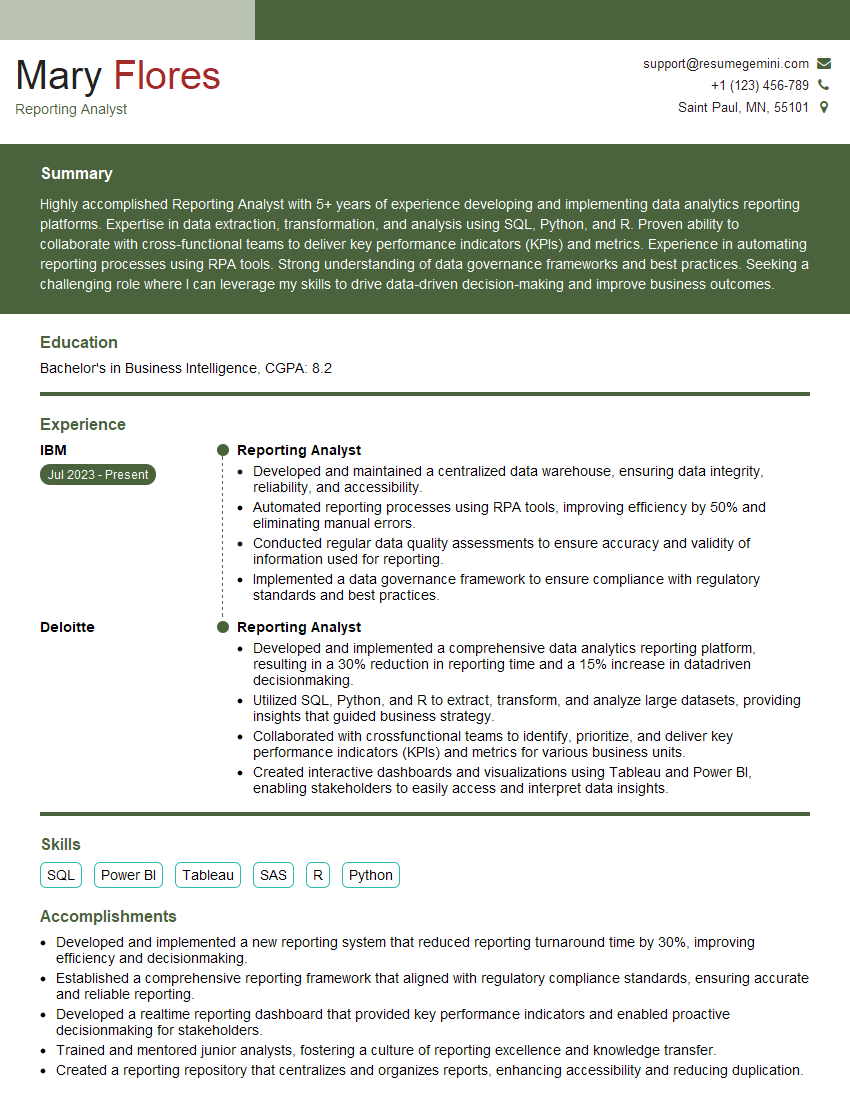
Reporting Analyst Resume Sample
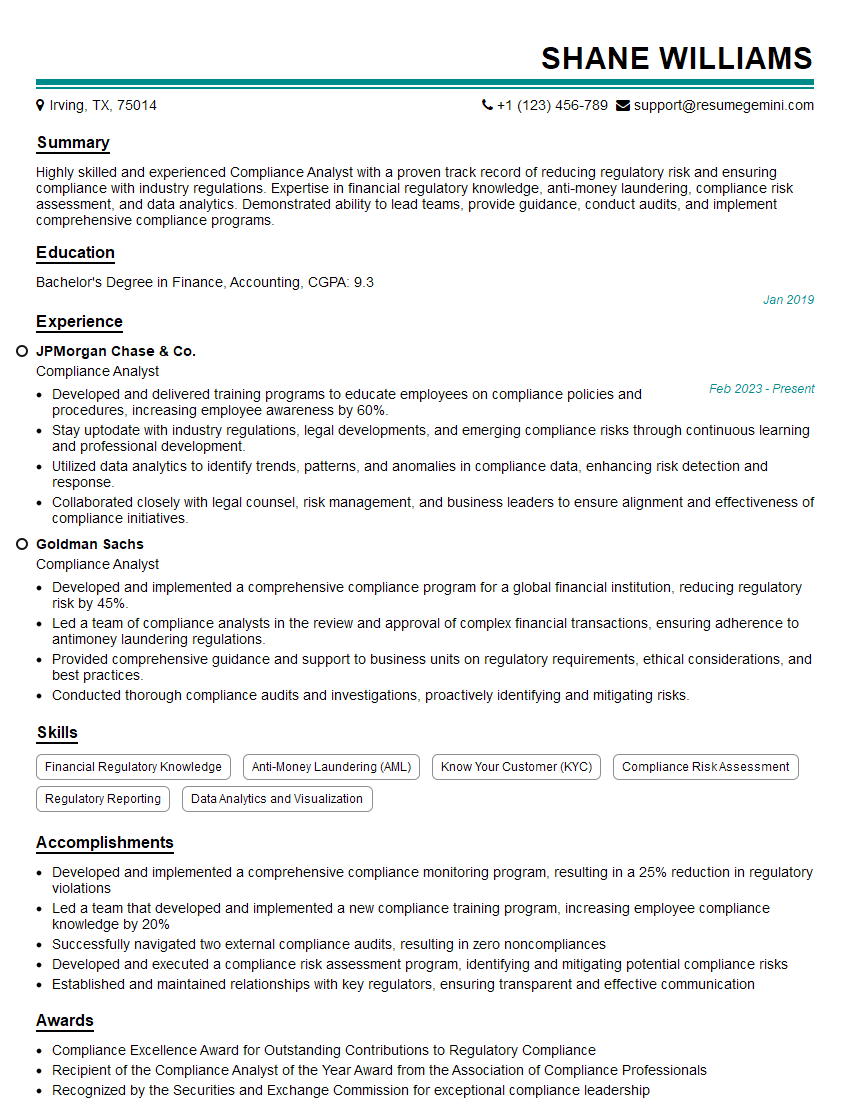
Compliance Analyst Resume Sample
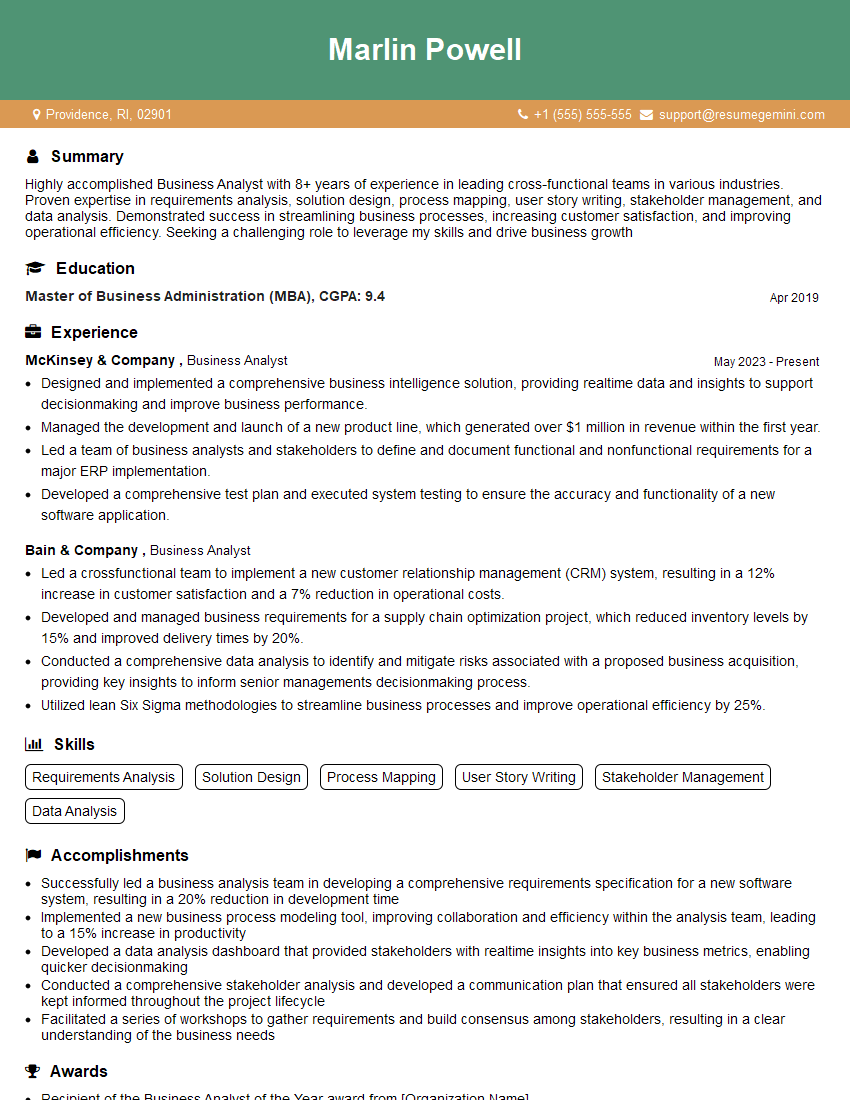
Business Analyst Resume Sample
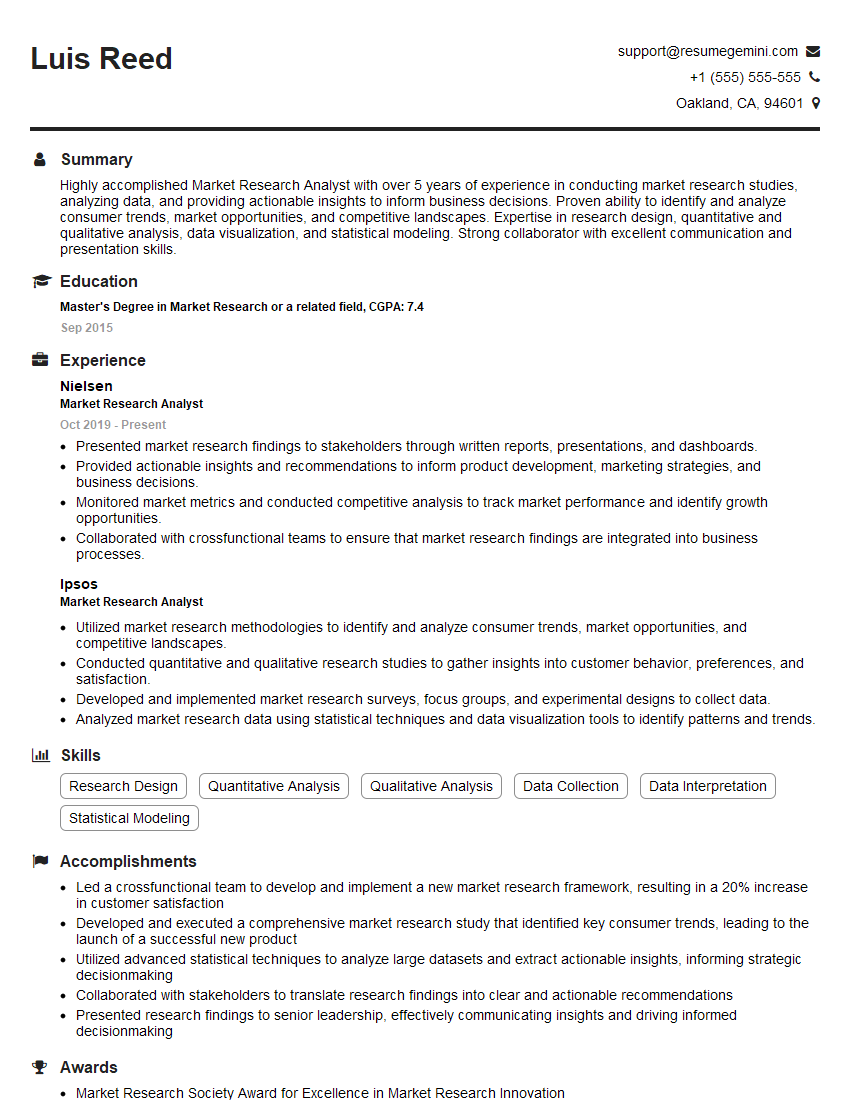
Market Research Analyst Resume Sample
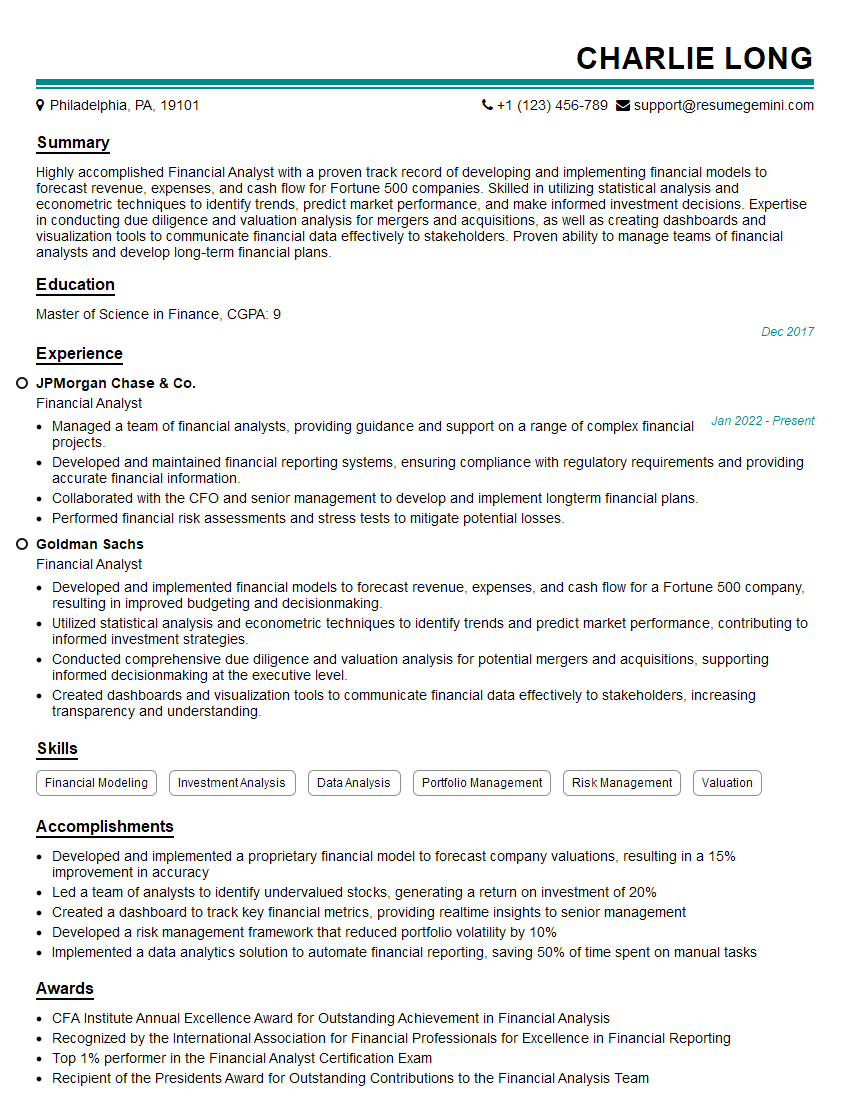
Financial Analyst Resume Sample
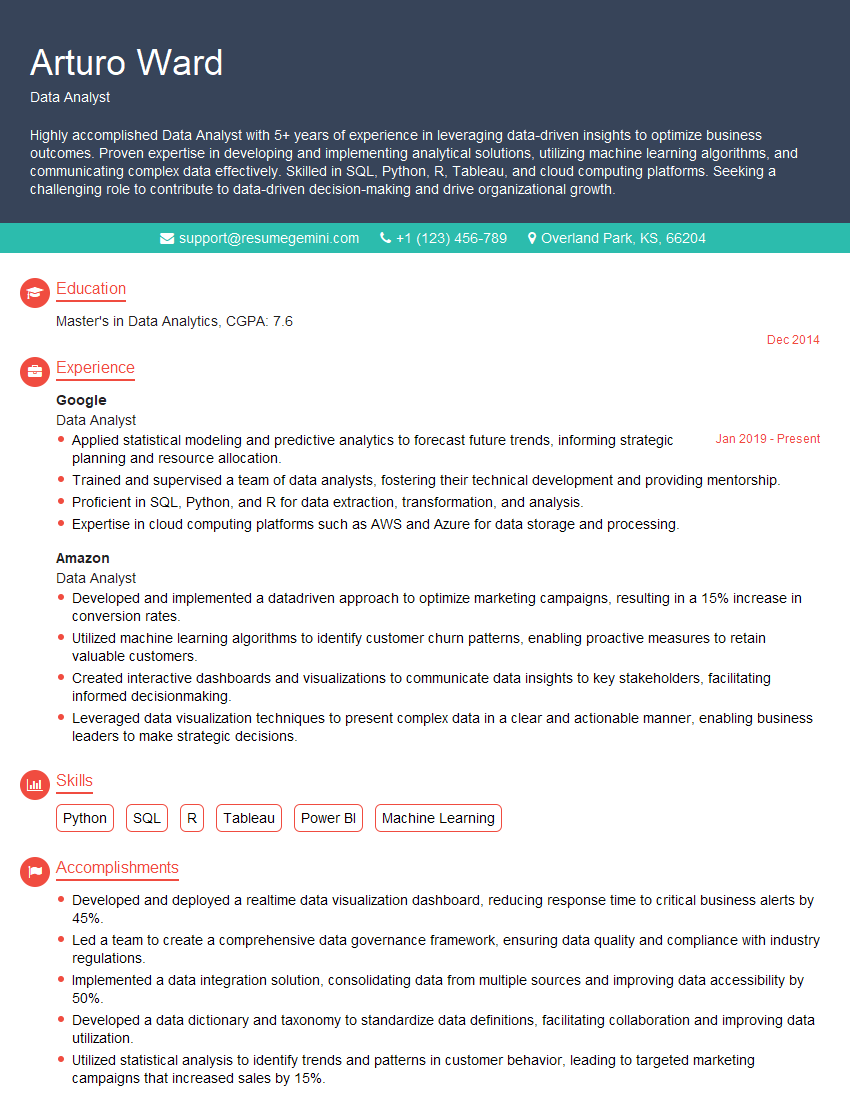
Data Analyst Resume Sample
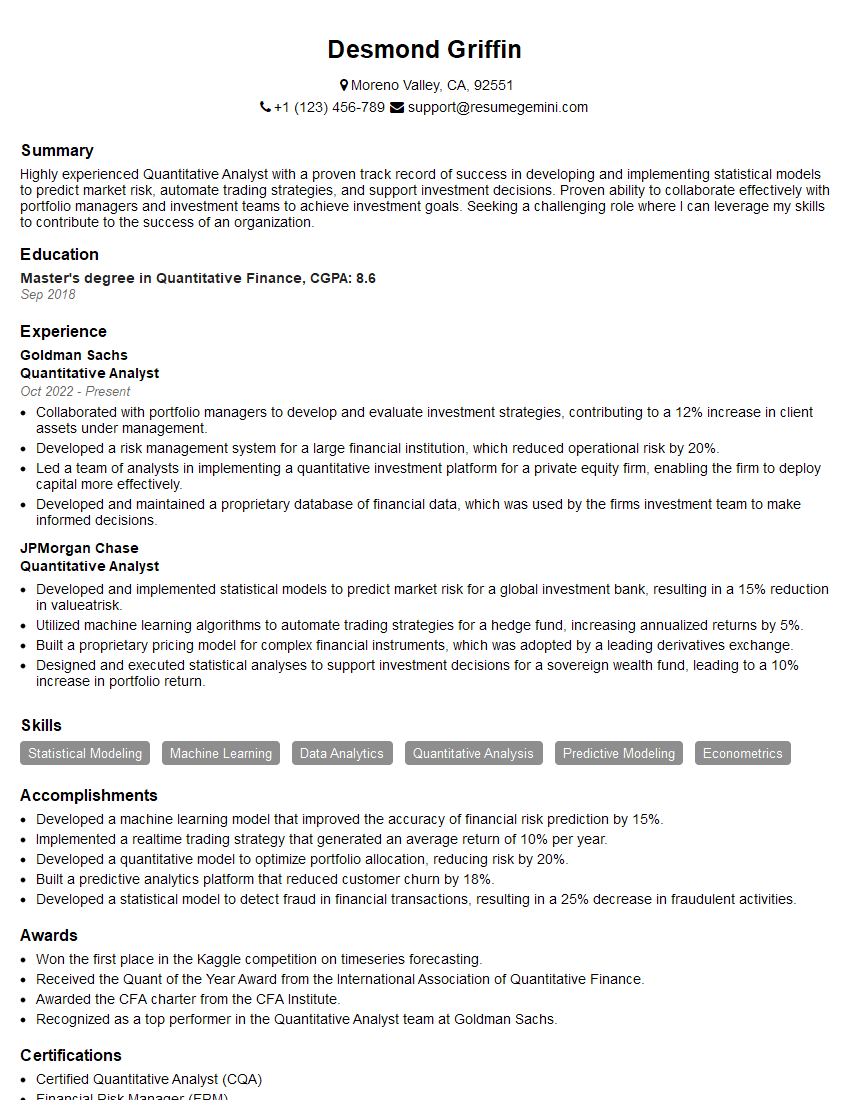
Quantitative Analyst Resume Sample
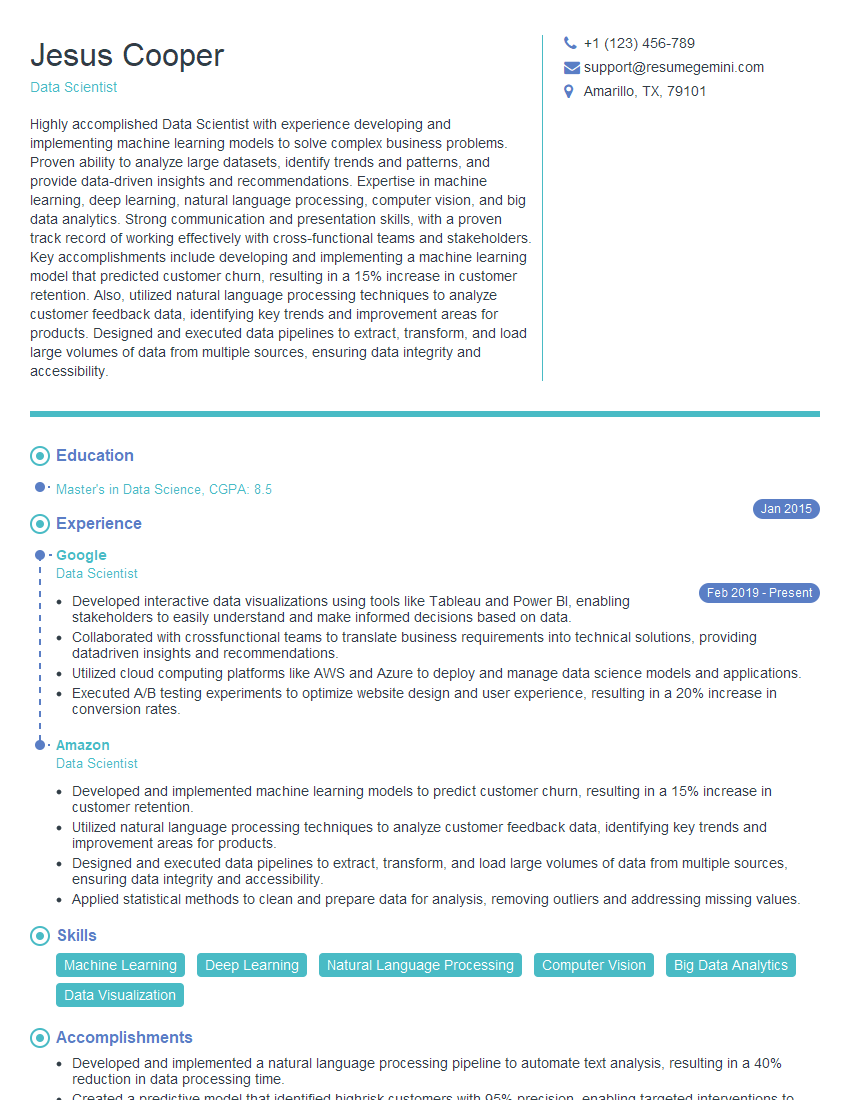
Data Scientist Resume Sample
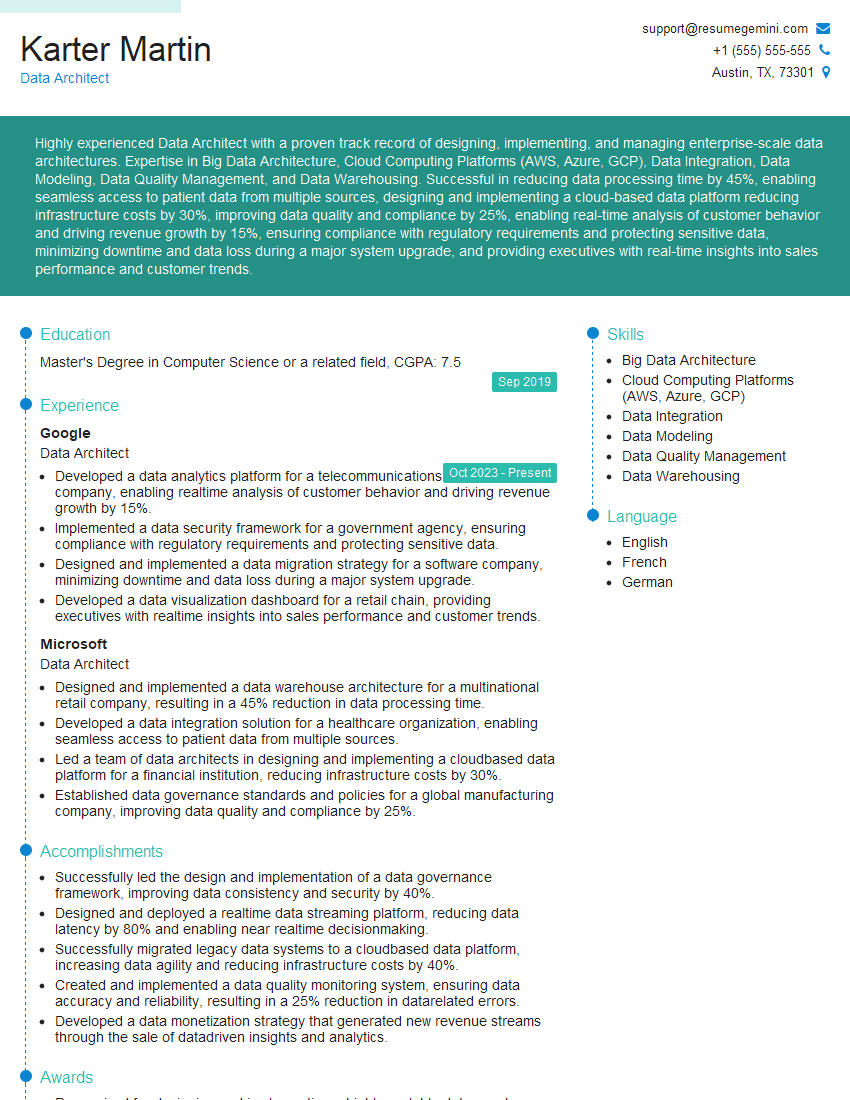
Data Architect Resume Sample
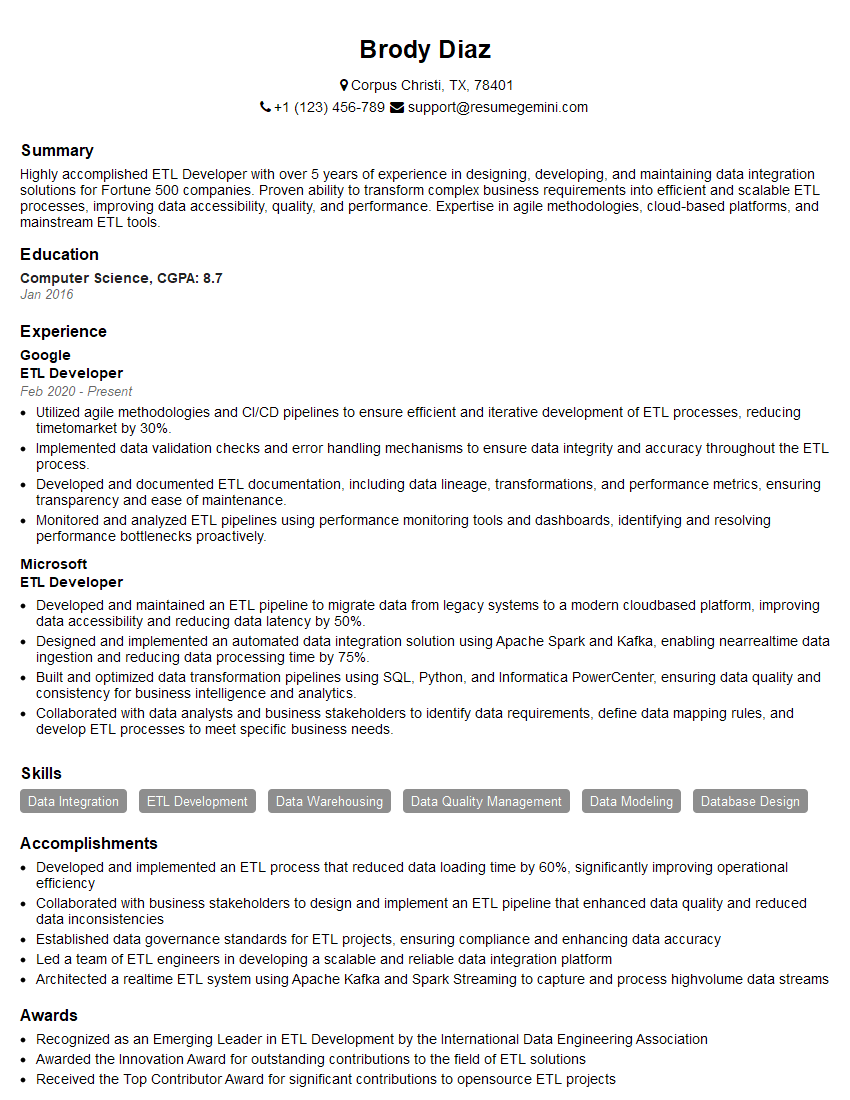
ETL Developer Resume Sample
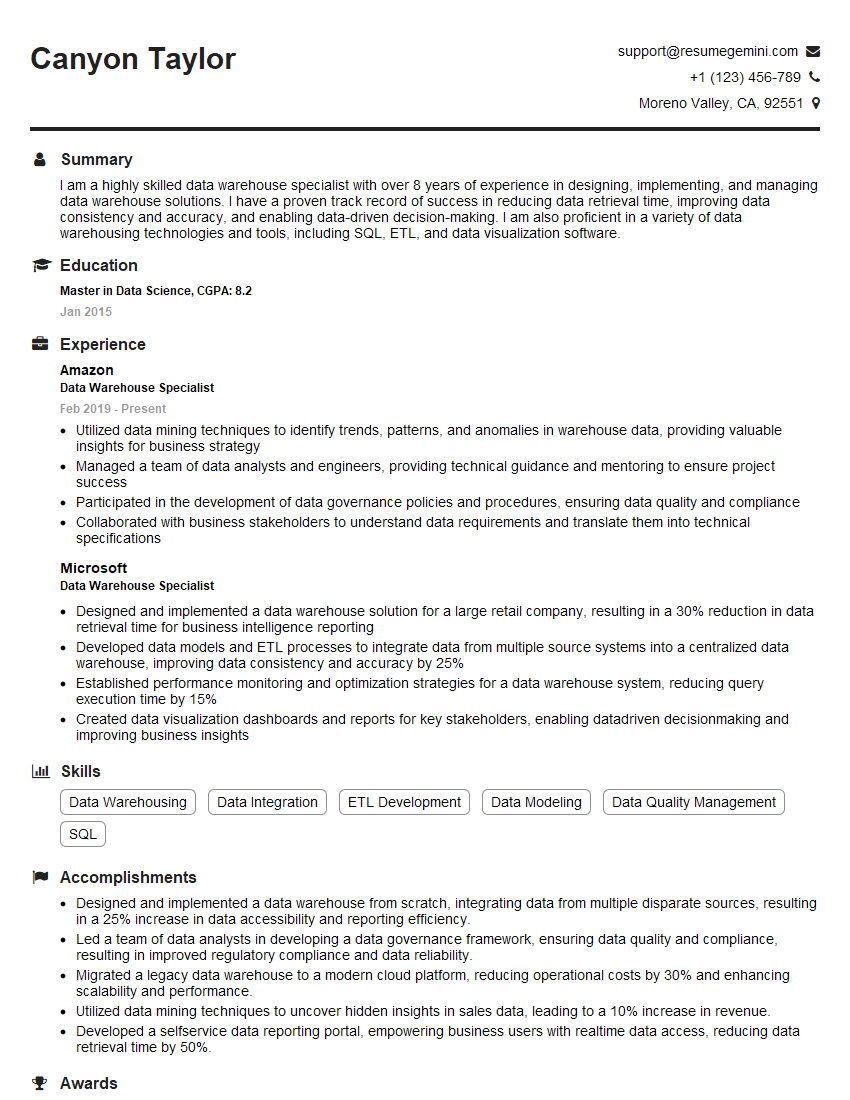
Data Warehouse Specialist Resume Sample
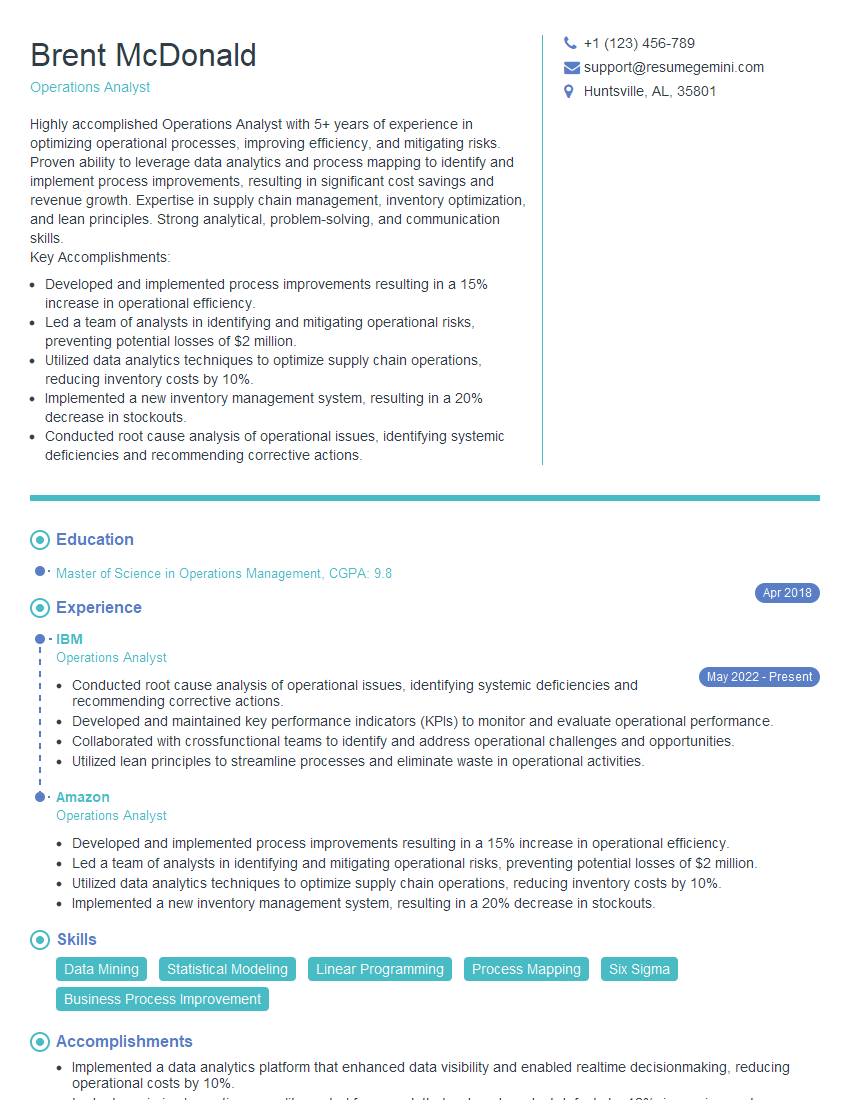
Operations Analyst Resume Sample

Statistical Analyst Resume Sample
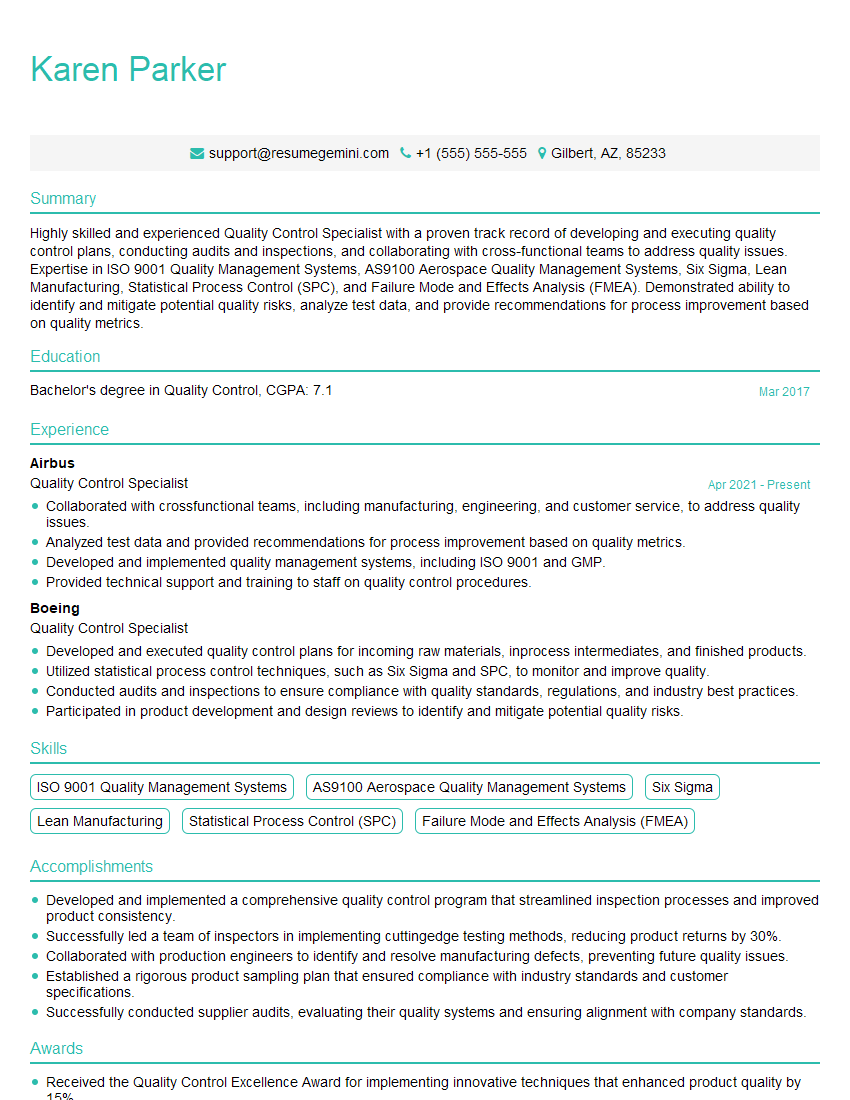
Quality Control Specialist Resume Sample
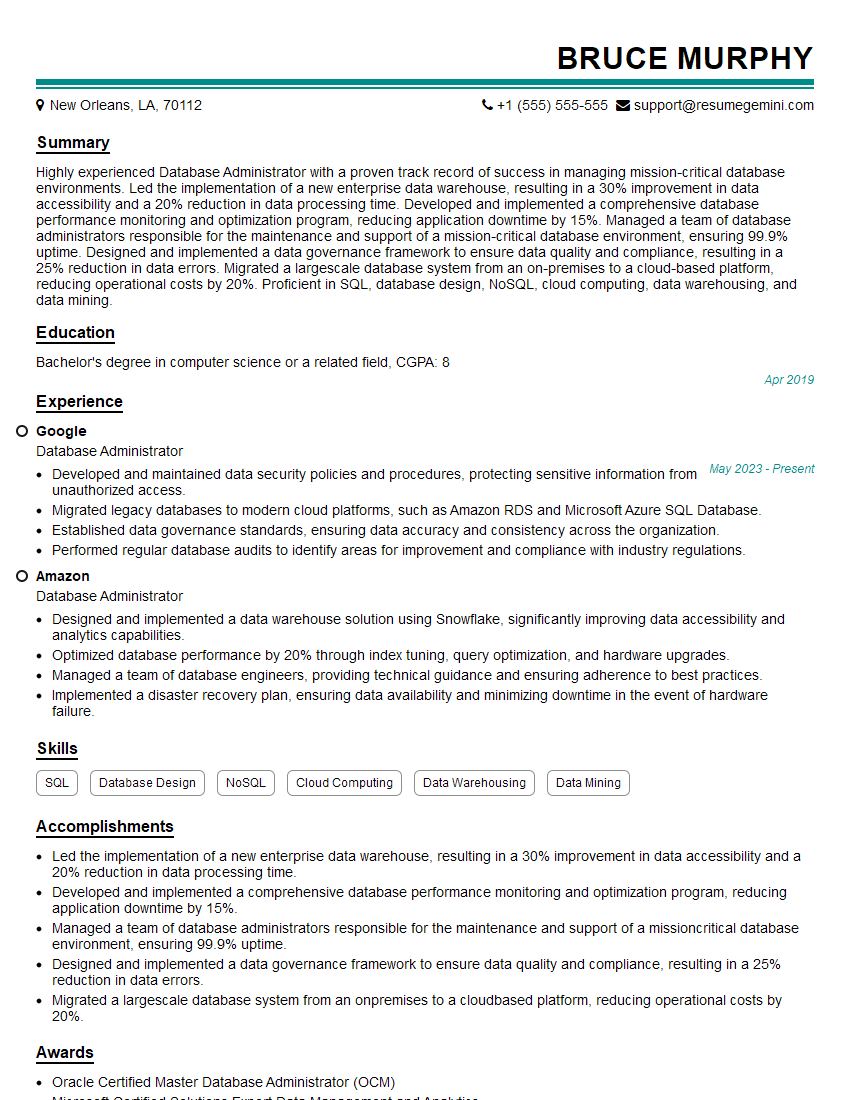
Database Administrator Resume Sample
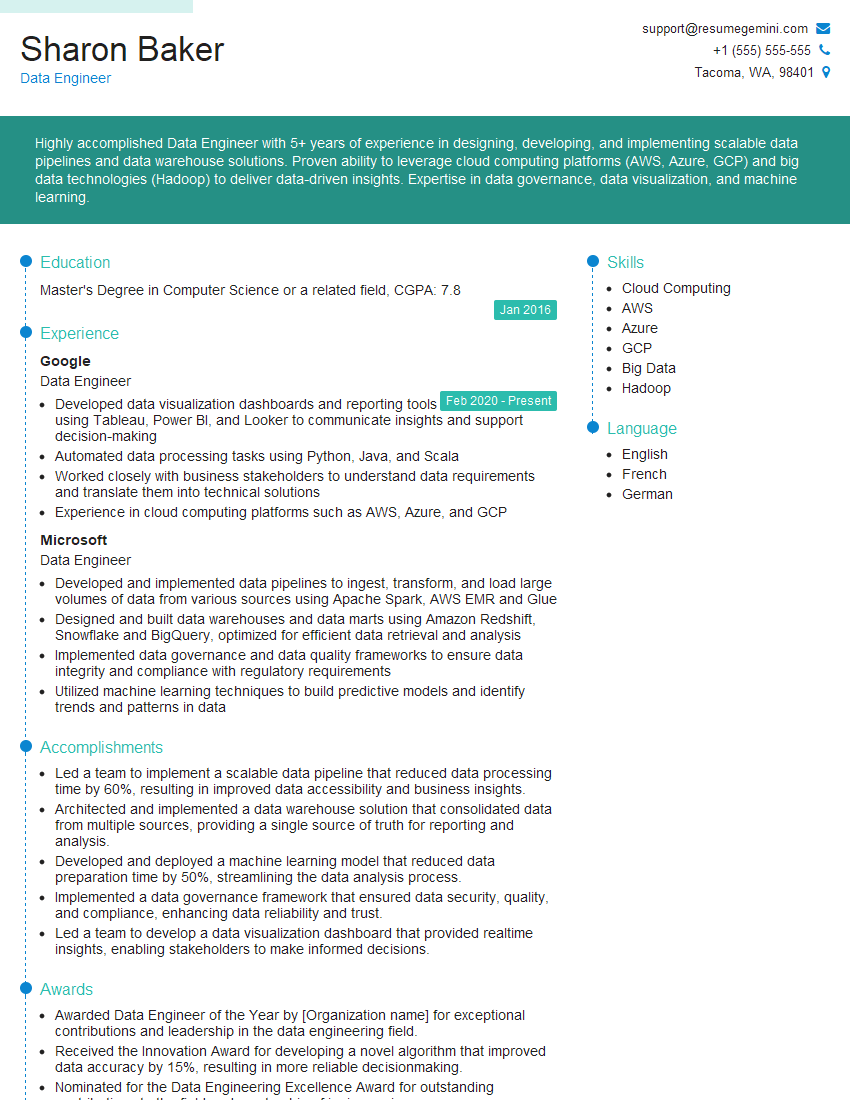
Data Engineer Resume Sample
- Reporting Analyst
- Compliance Analyst
- Business Analyst
- Market Research Analyst
- Financial Analyst
- Data Analyst
- Quantitative Analyst
- Data Scientist
- Data Architect
- ETL Developer
- Data Warehouse Specialist
- Operations Analyst
- Statistical Analyst
- Quality Control Specialist
- Database Administrator
- Data Engineer
Explore more articles
Users Rating of Our Blogs
Share Your Experience
We value your feedback! Please rate our content and share your thoughts (optional).
What Readers Say About Our Blog
To the interviewgemini.com Webmaster.
Very helpful and content specific questions to help prepare me for my interview!
Thank you
To the interviewgemini.com Webmaster.
This was kind of a unique content I found around the specialized skills. Very helpful questions and good detailed answers.
Very Helpful blog, thank you Interviewgemini team.