Unlock your full potential by mastering the most common Emergency medical care and resuscitation interview questions. This blog offers a deep dive into the critical topics, ensuring you’re not only prepared to answer but to excel. With these insights, you’ll approach your interview with clarity and confidence.
Questions Asked in Emergency medical care and resuscitation Interview
Q 1. Describe the steps involved in managing a patient with cardiac arrest.
Managing a cardiac arrest is a time-critical, coordinated effort. The core principle is to restore circulation and oxygenation to the brain as quickly as possible. This is achieved through a structured approach known as the Cardiac Chain of Survival.
- Early recognition and activation of the emergency response system (911 or local equivalent): This is the first and most crucial link. Immediate recognition of cardiac arrest signs (unresponsiveness, absence of breathing or only gasping breaths, no pulse) prompts immediate calling for help.
- Early CPR (Cardiopulmonary Resuscitation): High-quality CPR, including chest compressions at the correct rate and depth, helps maintain circulation until more advanced interventions can be implemented. This involves pushing hard and fast on the chest, aiming for at least 2 inches of compression depth.
- Early defibrillation: Using an Automated External Defibrillator (AED) as soon as possible to deliver an electric shock to the heart can reset the heart’s rhythm if it’s in a shockable rhythm (ventricular fibrillation or pulseless ventricular tachycardia). AEDs are designed for layman use with clear audio and visual instructions.
- Early advanced life support (ALS): Paramedics and emergency medical technicians provide ALS, including advanced airway management (e.g., endotracheal intubation), administering medications (e.g., epinephrine, amiodarone), and monitoring vital signs.
- Post-cardiac arrest care: This involves cooling the patient, managing cerebral edema, and providing supportive care in the hospital’s intensive care unit. It is crucial to ensure ongoing monitoring and treatment of any complications.
Imagine a scenario where someone collapses suddenly at a gym. Immediate recognition by a witness who calls emergency services, begins CPR, and quickly retrieves an AED significantly increases the chances of survival. The seamless transition to advanced care by paramedics further enhances the patient’s outcome.
Q 2. Explain the difference between stable and unstable angina.
Angina is chest pain caused by reduced blood flow to the heart muscle, usually due to coronary artery disease. The key difference between stable and unstable angina lies in the predictability and severity of the pain.
- Stable angina: This is predictable chest pain that typically occurs during exertion or stress and is relieved by rest or nitroglycerin. The pain is usually consistent in its character and intensity over time. Think of it like a predictable ‘warning sign’ – your heart is saying, ‘I’m working hard, I need more blood flow!’.
- Unstable angina: This is unpredictable chest pain, meaning it can occur at rest or with minimal exertion. It is often more severe, prolonged, or worsening than stable angina. It is a medical emergency as it significantly increases the risk of an imminent heart attack (myocardial infarction). This is a more serious ‘alarm bell’ – your heart is struggling to get enough blood, and immediate medical attention is necessary.
A patient with stable angina might experience chest tightness during a brisk walk, relieved by resting for a few minutes. Conversely, a patient with unstable angina may wake up in the middle of the night with crushing chest pain, even without any physical exertion, signifying a critical situation needing immediate medical intervention.
Q 3. How do you assess airway patency and manage airway obstruction?
Airway assessment and management are fundamental in emergency care. A compromised airway can quickly lead to hypoxia (lack of oxygen) and death. Assessment involves looking, listening, and feeling.
- Look: Observe the patient’s breathing pattern, chest rise and fall, and presence of any obvious obstructions.
- Listen: Listen for the sounds of breathing – are they present, noisy, or absent? Abnormal sounds like stridor (high-pitched noise during inhalation) can indicate upper airway obstruction.
- Feel: Feel for air movement at the nose and mouth. Absence of airflow is a critical finding.
Managing airway obstruction:
- Conscious patient: Encourage the patient to cough forcefully to dislodge the obstruction. If ineffective, abdominal thrusts (Heimlich maneuver) may be necessary.
- Unconscious patient: The focus is on opening the airway and ensuring there is no obstruction. This may involve the use of head tilt-chin lift or jaw thrust maneuver. If needed, suctioning any visible obstructions such as vomit or blood can be crucial.
- Advanced airway techniques: In cases of severe or prolonged airway obstruction, advanced airway management techniques like insertion of an oropharyngeal airway, nasopharyngeal airway, or endotracheal intubation may be required. These should be performed by trained personnel.
For example, a choking patient might require abdominal thrusts to clear an airway obstruction. An unconscious patient who has suffered trauma, and may have a reduced level of consciousness with respiratory depression might require intubation to ensure adequate oxygenation.
Q 4. What are the signs and symptoms of a stroke and how would you manage a suspected stroke?
Stroke is a medical emergency characterized by a sudden interruption of blood flow to part of the brain. The consequences depend on the location and extent of the blockage or bleed.
Signs and symptoms (FAST):
- Facial drooping: Ask the person to smile. Does one side of the face droop?
- Arm weakness: Ask the person to raise both arms. Does one arm drift downward?
- Speech difficulty: Ask the person to repeat a simple sentence. Is their speech slurred or strange?
- Time: Time is crucial. If you observe any of these signs, call emergency services immediately.
Management of suspected stroke:
- Immediate activation of emergency medical services (EMS): This is paramount. The sooner treatment begins, the better the chance of a positive outcome. The time from symptom onset to treatment initiation is critical in determining the effectiveness of treatment
- Assessment: Conduct a rapid neurological examination, focusing on the FAST signs and assessing the patient’s level of consciousness.
- Treatment: Treatment depends on the type of stroke (ischemic or hemorrhagic). For ischemic stroke (caused by a blood clot), thrombolytic therapy (clot-busting medication) may be administered if appropriate criteria are met. For hemorrhagic stroke (caused by bleeding in the brain), supportive care is essential to manage blood pressure and prevent further bleeding.
Imagine you encounter someone who suddenly cannot speak clearly and has weakness on one side of their body. Immediate recognition of these FAST signs, and swift contact with emergency services for timely intervention are life-saving actions.
Q 5. Describe the management of a patient with severe allergic reaction (anaphylaxis).
Anaphylaxis is a severe, life-threatening allergic reaction that can rapidly lead to airway compromise, circulatory collapse, and death. It requires immediate intervention.
Management:
- Immediate recognition: Recognize the signs and symptoms such as difficulty breathing, swelling of the face, lips, or tongue, hives, and hypotension (low blood pressure).
- Call for emergency medical assistance immediately: Anaphylaxis requires prompt medical care. Time is of the essence.
- Administer epinephrine (adrenaline): This is the cornerstone of anaphylaxis treatment. It should be administered via intramuscular injection (typically in the thigh) as soon as possible. Auto-injectors (EpiPens or similar devices) are designed for self-administration or administration by bystanders.
- Airway management: Ensure a patent airway. This may involve removing any obvious obstructions or initiating advanced airway management techniques if necessary.
- Oxygen administration: Supplemental oxygen should be provided to improve oxygenation.
- Fluid resuscitation: Intravenous fluids may be necessary to treat hypotension.
- Monitoring: Continuous monitoring of vital signs and respiratory status is essential.
For example, a person who experiences a severe allergic reaction to a bee sting might develop hives, swelling of the throat, and difficulty breathing. Immediate administration of epinephrine, calling for emergency services, and ensuring airway patency are crucial steps in preventing a fatal outcome.
Q 6. Explain the principles of fluid resuscitation in hypovolemic shock.
Hypovolemic shock is a life-threatening condition caused by a significant loss of blood volume. Fluid resuscitation aims to restore the circulating blood volume and improve tissue perfusion (blood flow to organs).
Principles of fluid resuscitation:
- Rapid fluid replacement: The goal is to quickly restore blood volume. This is typically done with intravenous fluids such as crystalloids (e.g., normal saline, lactated Ringer’s solution) or colloids (e.g., albumin).
- Fluid choice: Crystalloids are generally the first-line choice for fluid resuscitation due to their ready availability and low cost. Colloids are considered if there’s a persistent need for volume expansion.
- Monitoring response: Closely monitor the patient’s response to fluid resuscitation, focusing on vital signs (heart rate, blood pressure, urine output), and level of consciousness.
- Blood transfusion: If blood loss is significant, blood transfusion is essential to restore oxygen-carrying capacity and clotting factors.
- Address underlying cause: Fluid resuscitation is just one aspect of managing hypovolemic shock. It’s crucial to address the underlying cause of blood loss (e.g., hemorrhage, severe dehydration).
Imagine a patient with severe bleeding from a traumatic injury. Rapid intravenous administration of crystalloid solutions helps restore blood volume, improving blood pressure and tissue perfusion. Blood transfusion might be required to replenish red blood cells and restore oxygen delivery to the tissues. However, simultaneously, surgical intervention to stop the bleeding is also required to effectively treat the hypovolemic shock.
Q 7. What are the indications for endotracheal intubation?
Endotracheal intubation is a procedure where a tube is inserted into the trachea (windpipe) to secure an airway and facilitate mechanical ventilation. It is a skilled procedure performed by trained professionals.
Indications for endotracheal intubation:
- Airway compromise: This includes situations where the patient is unable to maintain a patent airway, such as severe upper airway obstruction, respiratory failure, or significant trauma.
- Respiratory failure: Inability to maintain adequate oxygenation or ventilation despite less invasive interventions.
- Need for mechanical ventilation: Patients requiring controlled or assisted ventilation often benefit from endotracheal intubation to ensure safe and effective delivery of mechanical breaths.
- Protection of the airway: This is crucial in situations where there’s a high risk of aspiration (e.g., unconscious patients, those with impaired gag reflex).
- Facilitation of suctioning: Allows for more effective and deeper suctioning of secretions from the airways.
- Administration of certain medications: Some medications are better delivered through an endotracheal tube.
For instance, a patient with severe pneumonia and respiratory failure may require endotracheal intubation to receive mechanical ventilation and adequate oxygen. A patient with a decreased level of consciousness after a traumatic brain injury might require intubation to protect their airway from aspiration of secretions or vomit.
Q 8. How do you interpret an ECG and what are the common arrhythmias you would expect to see in an emergency setting?
Interpreting an ECG involves systematically analyzing the waveforms representing the heart’s electrical activity. We look at the rate, rhythm, and morphology (shape) of the waves. A normal sinus rhythm shows a regular heartbeat originating from the sinoatrial (SA) node, with consistent P waves (atrial depolarization), QRS complexes (ventricular depolarization), and T waves (ventricular repolarization).
In emergencies, common arrhythmias include:
- Sinus tachycardia: A rapid heart rate (>100 bpm) originating from the SA node. This can be caused by stress, fever, dehydration, or underlying heart conditions. We’d look for a regular rhythm but with a fast rate.
- Atrial fibrillation (A-fib): A chaotic atrial rhythm, resulting in an irregular ventricular response. The ECG shows absent P waves and irregularly spaced QRS complexes. This can lead to stroke, heart failure, or other complications.
- Ventricular tachycardia (V-tach): A rapid heart rate originating from the ventricles. The ECG shows wide, bizarre QRS complexes with no discernible P waves. This is a life-threatening arrhythmia that can quickly deteriorate into ventricular fibrillation (V-fib).
- Ventricular fibrillation (V-fib): A chaotic ventricular rhythm resulting in no effective heartbeat. The ECG shows irregular, fibrillatory waves without recognizable QRS complexes. Immediate defibrillation is required.
- Asystole: The complete absence of electrical activity in the heart. The ECG shows a flat line. CPR and medications are crucial.
Identifying these arrhythmias is critical for rapid intervention and improves patient outcomes. For example, recognizing V-fib necessitates immediate defibrillation, while A-fib might require medication to control the rate and prevent stroke.
Q 9. Describe the management of a patient with a traumatic brain injury.
Managing a traumatic brain injury (TBI) hinges on a rapid assessment and intervention, following the ABCDEs of trauma care:
- Airway: Establish and maintain a patent airway, potentially using advanced airway techniques like endotracheal intubation if necessary.
- Breathing: Assess respiratory effort and provide ventilation support as needed, addressing any hypoxia (low oxygen) or hypercapnia (high carbon dioxide).
- Circulation: Control bleeding, administer intravenous fluids to maintain blood pressure, and monitor for shock.
- Disability: Assess neurological status using the Glasgow Coma Scale (GCS) and pupillary response. This helps determine the severity of the TBI.
- Exposure: Completely expose the patient to perform a thorough physical exam, while maintaining their warmth.
Further management includes:
- Imaging: CT scan of the head to identify intracranial bleeding or other structural damage.
- Monitoring: Closely monitor intracranial pressure (ICP), vital signs, and neurological status.
- Surgical intervention: Craniotomy or other surgical procedures may be necessary to evacuate hematomas or address other structural lesions.
- Medications: Medications like mannitol (to reduce cerebral edema) or corticosteroids (controversial and used selectively) may be considered.
Remember, early intervention is crucial in improving the prognosis of TBI patients. Prompt identification and management of complications such as increased ICP or herniation are key to saving lives and minimizing long-term disability.
Q 10. Explain the different types of shock and their management.
Shock represents inadequate tissue perfusion, leading to cellular hypoxia. Several types exist:
- Hypovolemic shock: Caused by loss of blood or fluids (e.g., hemorrhage, severe dehydration). Management focuses on fluid resuscitation with crystalloids or colloids, blood transfusion if necessary, and addressing the underlying cause of fluid loss.
- Cardiogenic shock: Results from the heart’s inability to pump enough blood to meet the body’s demands (e.g., heart attack, heart failure). Management involves optimizing cardiac output through medications (inotropes, vasopressors), oxygen support, and possibly mechanical circulatory support.
- Obstructive shock: Occurs when something obstructs blood flow (e.g., pulmonary embolism, cardiac tamponade). Management involves addressing the underlying obstruction, often requiring surgery or other urgent interventions.
- Distributive shock: Characterized by widespread vasodilation and decreased vascular resistance (e.g., septic shock, anaphylactic shock, neurogenic shock). Management includes treating the underlying cause (e.g., antibiotics for sepsis, epinephrine for anaphylaxis), fluid resuscitation, and vasopressors to improve blood pressure.
Recognizing the type of shock is paramount because treatments differ significantly. For example, giving fluids in cardiogenic shock might worsen the situation, while delaying antibiotics in septic shock can be fatal.
Q 11. How do you assess a patient’s neurological status?
Assessing neurological status involves a systematic approach, often using the Glasgow Coma Scale (GCS) and evaluating pupillary responses.
Glasgow Coma Scale (GCS): This scale assesses eye opening, verbal response, and motor response, assigning a score from 3 to 15. A lower score indicates more severe neurological impairment.
Pupillary Response: Examining pupil size and reactivity to light provides information about brainstem function. Unequal or nonreactive pupils suggest neurological compromise.
Beyond the GCS and pupillary assessment, we look at:
- Level of consciousness: Alertness, orientation to person, place, and time.
- Motor strength and function: Assessing limb strength and coordination.
- Sensory function: Testing sensation in different body parts.
- Reflexes: Checking deep tendon reflexes.
For example, a patient with a GCS of 8, unresponsive to verbal stimuli, and with sluggish pupillary response suggests a severe TBI requiring immediate advanced care.
Q 12. What are the contraindications for administering certain medications?
Many medications have contraindications – situations where they shouldn’t be administered. These vary greatly depending on the drug and the patient’s condition. Some examples include:
- Beta-blockers: Contraindicated in patients with severe bradycardia (slow heart rate) or asthma.
- Nitroglycerin: Contraindicated in patients with hypotension (low blood pressure) or right ventricular infarction.
- Calcium channel blockers: Contraindicated in patients with hypotension or sick sinus syndrome.
- Morphine: Contraindicated in patients with severe head injury (due to potential respiratory depression) or those with severe hypotension.
- Antibiotics: Contraindicated in patients with known allergies to that specific class of antibiotic.
Always check a patient’s medication history, allergies, and current vital signs before administering any drug. Thorough knowledge of contraindications is crucial to prevent adverse effects and improve patient safety. For instance, giving a beta-blocker to a patient with bradycardia could lead to cardiac arrest.
Q 13. What are the different types of chest pain and how do you differentiate between them?
Chest pain is a common symptom with various causes. Differentiation requires careful history taking, physical examination, and often, diagnostic testing (ECG, cardiac enzymes, imaging).
- Cardiac chest pain (angina/myocardial infarction): Usually described as pressure, tightness, or squeezing in the chest, often radiating to the left arm, jaw, or back. Associated symptoms might include shortness of breath, nausea, and diaphoresis. ECG changes and elevated cardiac enzymes confirm diagnosis.
- Pericarditis: Characterized by sharp, stabbing chest pain that worsens with deep breaths or lying down. Often relieved by sitting up and leaning forward. ECG may show characteristic changes.
- Pleurisy/Pneumonia: Typically a sharp, localized pain worsened by breathing or coughing. Associated with fever, cough, and shortness of breath. Chest x-ray and auscultation are essential for diagnosis.
- Musculoskeletal chest pain: Often described as a dull, aching pain that is localized and not associated with other symptoms. Physical examination usually identifies the source.
- Esophageal chest pain (GERD): Usually a burning sensation (heartburn) that often occurs after eating. Can be relieved with antacids.
- Aortic dissection: Characterized by sudden, tearing pain that radiates to the back. A life-threatening condition requiring urgent medical intervention.
Proper differentiation is critical. Mistaking musculoskeletal pain for a heart attack could have devastating consequences. A detailed history, thorough physical exam, and appropriate investigations are key to accurate diagnosis and management.
Q 14. Explain the different types of burns and their management.
Burns are classified by depth and extent (percentage of total body surface area affected):
- Superficial (first-degree): Involve only the epidermis (outer skin layer). Characterized by redness, pain, and mild swelling. Healing occurs within a few days.
- Partial-thickness (second-degree): Involve the epidermis and dermis (second skin layer). Subdivided into superficial and deep partial-thickness. Superficial partial-thickness burns present with blisters, intense pain, and moist weeping surfaces. Deep partial-thickness burns are less painful and have a pale, waxy appearance.
- Full-thickness (third-degree): Extend through all layers of the skin, often involving underlying tissues. Characterized by leathery, dry skin, lack of pain (due to nerve damage), and a charred or pearly-white appearance.
Management involves:
- Assessment: Determining the depth, extent, and location of the burn.
- Fluid resuscitation: For large burns, intravenous fluids are crucial to replace lost fluids.
- Wound care: Cleaning and dressing the burn wound. Prevention of infection is key.
- Pain management: Analgesics are vital.
- Surgery: Skin grafting may be necessary for deep burns.
- Infection prevention: Burn wounds are prone to infection, so meticulous wound care and prophylactic antibiotics are often used.
Burn management is complex and requires specialized knowledge and facilities. Early assessment and resuscitation are crucial for survival and minimizing long-term morbidity. For example, a patient with a large burn might need admission to a burn unit for intensive care.
Q 15. How do you manage a patient with a severe hemorrhage?
Managing severe hemorrhage is a life-threatening emergency requiring immediate action. It hinges on the principle of controlling the bleeding source while simultaneously restoring circulating blood volume. Think of it like fixing a leaking pipe while refilling the reservoir.
- Direct Pressure: The first and often most effective step. Apply firm, direct pressure to the bleeding site using a clean dressing. Imagine plugging a hole with a fingertip or a cloth.
- Elevation: Raising the injured limb above the heart reduces blood pressure in the area, slowing bleeding. This is like tilting a leaky container to minimize spillage.
- Tourniquet: In cases of uncontrolled extremity bleeding where direct pressure fails, a tourniquet is a life-saver. It’s a last resort, but it can stop catastrophic bleeding. Proper placement and documentation are crucial. Incorrect application can cause tissue damage.
- Fluid Resuscitation: Simultaneously, intravenous fluids (like Lactated Ringer’s or Normal Saline) are administered to replace lost blood volume and maintain blood pressure. This is like refilling the reservoir.
- Blood Transfusion: If significant blood loss occurs, blood transfusions may be necessary to replace red blood cells and clotting factors. This is replenishing the critical components of the blood.
- Surgical Intervention: Ultimately, surgical intervention might be required to repair damaged blood vessels or control internal bleeding.
Example: Imagine a patient involved in a motorcycle accident with a severely lacerated femoral artery. Immediate direct pressure, elevation, and tourniquet application will be critical before the patient can be transported to the hospital for surgical repair and blood transfusion.
Career Expert Tips:
- Ace those interviews! Prepare effectively by reviewing the Top 50 Most Common Interview Questions on ResumeGemini.
- Navigate your job search with confidence! Explore a wide range of Career Tips on ResumeGemini. Learn about common challenges and recommendations to overcome them.
- Craft the perfect resume! Master the Art of Resume Writing with ResumeGemini’s guide. Showcase your unique qualifications and achievements effectively.
- Don’t miss out on holiday savings! Build your dream resume with ResumeGemini’s ATS optimized templates.
Q 16. Describe the steps involved in managing a patient with a penetrating chest wound.
Managing a penetrating chest wound involves a systematic approach focusing on airway, breathing, and circulation (ABCs) – the cornerstone of trauma management.
- Airway Management: Assess the airway for patency and ensure adequate ventilation. A compromised airway is the highest priority.
- Breathing: Check breath sounds for diminished breath sounds indicating pneumothorax (collapsed lung) or hemothorax (blood in the chest cavity). Oxygen administration is vital.
- Circulation: Assess vital signs, including heart rate, blood pressure, and capillary refill. Look for signs of shock (tachycardia, hypotension).
- Occlusive Dressing: Cover the wound with an occlusive dressing (e.g., plastic wrap, a sterile dressing taped on three sides) to prevent air from entering the chest cavity and causing a tension pneumothorax. Think of it as creating an airtight seal to prevent further collapse.
- Needle Decompression: If tension pneumothorax is suspected (severe respiratory distress, tracheal deviation), needle decompression may be necessary to relieve pressure from the lung. This involves inserting a large-bore needle into the pleural space to allow air to escape.
- Fluid Resuscitation: Administer intravenous fluids to maintain blood pressure and address shock.
- Monitoring: Continuous monitoring of vital signs and respiratory status is essential.
- Transport: Rapid transport to a trauma center is paramount.
Example: A stabbing victim presents with a penetrating wound to the right chest. While maintaining the airway, we apply an occlusive dressing to the wound. We monitor for signs of tension pneumothorax and prepare for potential needle decompression if needed.
Q 17. How do you assess and manage a patient with multiple injuries?
Managing a patient with multiple injuries requires a systematic approach, prioritizing life-threatening injuries. This is akin to triage on a battlefield; address the most critical injuries first. We use a systematized approach to this process.
- Primary Survey: Rapid assessment of ABCDEs (Airway, Breathing, Circulation, Disability, Exposure). This initial survey aims to identify and address immediately life-threatening problems. Think of it as a rapid damage assessment.
- Secondary Survey: More detailed head-to-toe examination once the immediate threats are addressed. It’s like a more thorough inspection once the initial damage control is in place.
- Resuscitation: Addressing identified injuries and providing appropriate interventions like fluid resuscitation, pain management, and splinting.
- Monitoring: Closely monitoring vital signs and looking for changes that could indicate deteriorating condition. Think of this as ongoing surveillance.
- Definitive Care: Transfer to a trauma center for more specialized care and potentially surgical intervention.
Example: A patient involved in a car accident presents with multiple injuries: head injury, chest trauma, and leg fracture. The primary survey focuses on ensuring a patent airway and adequate breathing and circulation, before addressing the other injuries.
Q 18. Explain the use of advanced airway management techniques.
Advanced airway management techniques are crucial in patients requiring prolonged ventilation or who have compromised airways. These techniques aim to secure a patent airway and ensure adequate oxygenation and ventilation.
- Endotracheal Intubation: Insertion of a tube into the trachea to bypass an obstructed upper airway. It allows for controlled mechanical ventilation and reduces the risk of aspiration.
- Laryngeal Mask Airway (LMA): A supraglottic airway device that provides a seal around the laryngeal inlet. It’s easier to insert than an endotracheal tube but may not provide the same level of airway protection.
- Surgical Airway: A surgical procedure (cricothyroidotomy or tracheostomy) used in situations where intubation is impossible. It is considered as a life-saving technique for failed intubation.
- Fiberoptic Intubation: A technique using a fiberoptic scope to visualize the airway, allowing for intubation in difficult airways. This improves intubation success in the most difficult circumstances.
Example: A patient experiencing respiratory failure secondary to pneumonia might require endotracheal intubation to allow for mechanical ventilation and improve oxygenation.
Q 19. What are the common complications associated with intubation?
Intubation, while a life-saving procedure, carries several potential complications:
- Esophageal Intubation: Accidental placement of the tube into the esophagus instead of the trachea. This can lead to hypoxia.
- Hypoxia: Inadequate oxygenation due to improper tube placement, kinking, or airway obstruction.
- Trauma to the airway: Dental injury, vocal cord trauma, or esophageal perforation.
- Infection: Risk of pneumonia or other respiratory infections related to intubation.
- Hemorrhage: Bleeding during intubation, potentially leading to airway compromise.
- Pneumothorax: Collapsed lung due to barotrauma (pressure injury) during intubation.
Example: Incorrect placement of an endotracheal tube could lead to esophageal intubation, where the patient doesn’t receive adequate oxygen and may suffer hypoxia.
Q 20. Describe the different types of IV fluids and their indications.
Various IV fluids are used in emergency settings, each with specific indications:
- Normal Saline (0.9% NaCl): Isotonic solution used for fluid resuscitation in hypovolemic shock and fluid replacement. It’s considered the workhorse of intravenous fluids.
- Lactated Ringer’s (LR): Isotonic solution similar to normal saline but contains electrolytes, making it more closely mimic extracellular fluid. It is used in hypovolemic shock, burns, and other situations where electrolyte balance is important.
- Dextrose solutions (e.g., D5W): Used to provide glucose as energy source, often added to other fluids. It is hypotonic and should be used with caution.
- Colloids (e.g., albumin, dextran): Fluids with large molecules that help expand blood volume. They are used in cases of severe hypovolemic shock where rapid volume expansion is needed.
Example: In a patient with significant blood loss, Lactated Ringer’s solution would be administered to replace lost blood volume and correct electrolyte imbalances, helping to stabilize the patient.
Q 21. Explain the principles of pain management in emergency settings.
Pain management in emergency settings is crucial for patient comfort, reducing anxiety, and improving overall outcomes. The approach should be tailored to the situation.
- Analgesics: Opioids (morphine, fentanyl) are commonly used for severe pain, but careful monitoring for respiratory depression is required. Non-opioid analgesics (NSAIDs) can be used for mild to moderate pain.
- Sedatives: Benzodiazepines (midazolam, diazepam) may be used in conjunction with analgesics to reduce anxiety and provide sedation, particularly in patients with severe trauma.
- Regional anesthesia: Techniques like nerve blocks can effectively manage pain in specific areas without the systemic effects of systemic analgesics. This is often used in post-surgical pain management.
- Adjunctive therapies: Other measures like splinting fractures, applying ice, and providing psychological support can help manage pain.
Example: A patient with a fractured femur might receive morphine for pain control, and a sedative for anxiety reduction during transport to the hospital.
Q 22. How do you handle a patient who is agitated or combative?
Managing an agitated or combative patient requires a calm, systematic approach prioritizing safety for everyone involved. The first step is always to ensure my own safety and the safety of my team. This may involve creating distance, seeking assistance from law enforcement or security if necessary, and assessing the immediate environment for potential hazards.
Next, I attempt to de-escalate the situation by communicating calmly and clearly, using a non-threatening tone and body language. I’ll try to understand the underlying cause of the agitation, which could be pain, fear, intoxication, or a mental health issue. Active listening is crucial – showing empathy and acknowledging their feelings can sometimes help. Simple questions like, ‘What’s bothering you?’ or ‘Can you tell me what’s going on?’ can open the door for communication.
If verbal de-escalation fails, physical restraints may be necessary, but only as a last resort and following established protocols. This needs to be done safely and correctly to avoid injury to both the patient and the medical personnel. After securing the patient, ongoing assessment for potential injuries and the need for medication is vital. Documentation of the entire event, including the reasons for restraint and any injuries sustained, is crucial for legal and ethical reasons.
For example, I once encountered a patient experiencing alcohol withdrawal delirium. He was initially combative, but by speaking softly, offering him reassurance, and addressing his immediate needs (pain management and hydration), we were able to de-escalate the situation without resorting to physical restraints.
Q 23. Describe your experience with trauma patient assessment and management.
Trauma patient assessment and management follows a structured approach, often using the ABCDE method. ‘A’ stands for airway management – ensuring a patent airway, addressing any obstructions, and potentially intubating if necessary. ‘B’ is for breathing, assessing respiratory rate, depth, and the presence of any injuries to the chest or lungs. ‘C’ represents circulation; this involves controlling bleeding, assessing blood pressure and heart rate, and administering fluids if needed.
‘D’ is for disability, which includes a neurological assessment – checking level of consciousness, pupillary response, and motor function. Finally, ‘E’ stands for exposure, systematically examining the patient for all injuries, while maintaining their warmth and dignity. This entire process requires rapid assessment and prioritization, as some injuries pose an immediate life threat while others can be addressed later.
My experience includes managing patients with various traumatic injuries, from blunt force trauma to penetrating injuries. I’m proficient in performing rapid trauma assessments, interpreting diagnostic imaging, and managing complications such as hemorrhagic shock and tension pneumothorax. I am also skilled in the use of advanced life support techniques like placing chest tubes and administering blood products.
One particular case involved a motor vehicle accident victim with multiple injuries including a fractured femur and a possible splenic rupture. Rapid assessment and prioritization were key. We stabilized the airway and secured the circulation before transporting the patient to the trauma center for definitive care.
Q 24. How do you prioritize patients in a mass casualty incident (MCI)?
In a mass casualty incident (MCI), efficient patient prioritization is paramount. This is typically done using a triage system, most commonly the START (Simple Triage And Rapid Treatment) method. START uses a simple assessment based on respiration, perfusion (capillary refill), and mental status to categorize patients into four levels: immediate, delayed, minimal, and expectant.
Patients with immediate threats to life (e.g., compromised airway, absent breathing, severe bleeding) are tagged red and receive immediate treatment and rapid transport. Those with injuries requiring treatment but not immediately life-threatening (e.g., fractures, burns) are tagged yellow (delayed). Green (minimal) patients have minor injuries, and black (expectant) patients have injuries that are unsurvivable. The focus is on maximizing the number of lives saved by prioritizing those with the highest chance of survival.
Ethical considerations are crucial in an MCI. Resources are limited, so difficult decisions may need to be made about who receives treatment first. These decisions must be made based on objective criteria and the principles of justice and fairness. Open communication with colleagues and the chain of command during the triage process is vital.
Q 25. What are the legal and ethical considerations in emergency medical care?
Legal and ethical considerations are fundamental to emergency medical care. Legally, we are bound by principles of negligence, informed consent, and patient confidentiality. Negligence refers to the failure to provide the standard of care expected of a reasonably competent professional. Informed consent means ensuring the patient understands the risks and benefits of any procedure before it’s performed. Confidentiality means protecting the patient’s personal and medical information.
Ethically, we are guided by principles of beneficence (acting in the patient’s best interest), non-maleficence (avoiding harm), justice (fair and equitable treatment), and respect for autonomy (respecting the patient’s decisions). These principles often intersect and may present conflicts. For example, in cases where a patient lacks decision-making capacity, we must act in their best interest while respecting their advanced directives if they exist.
Maintaining accurate documentation is crucial in both legal and ethical contexts. Detailed records of assessments, interventions, and patient responses help protect against claims of negligence and ensure proper continuity of care. Regular review and updates of our knowledge and compliance with regulations are essential.
Q 26. Explain your understanding of the different stages of grief and how you approach patients and their families.
The stages of grief, as described by Kübler-Ross, are denial, anger, bargaining, depression, and acceptance. It’s important to remember that these stages aren’t linear; individuals may experience them in different orders, or not at all. Understanding this is crucial when approaching patients and their families facing loss or serious illness.
My approach involves active listening and empathy. I avoid clichés and judgmental statements. I try to validate their feelings and provide a safe space for them to express their grief. Providing information clearly and honestly, while being sensitive to their emotional state, is also important. Offering practical support, such as connecting them with grief counseling or support groups, can be invaluable.
For example, I remember supporting a family who lost a loved one suddenly. They were initially in denial, then expressed intense anger. Over time, through consistent support and open communication, I witnessed their gradual transition towards acceptance. The key was being present, listening to their needs, and providing emotional and practical support.
Q 27. Describe a time you had to make a critical decision under pressure.
During a severe thunderstorm, we received multiple calls for cardiac arrests simultaneously. Our resources were stretched thin, and we had to make critical decisions about patient prioritization and resource allocation. We had to quickly assess which calls represented the highest probability of successful resuscitation, given the limited number of ambulances and personnel.
Using our established MCI protocols, we prioritized based on the information available: age, estimated time since collapse, and the presence of bystander CPR. We dispatched ambulances strategically, ensuring we provided the most effective care to those with the greatest chance of survival. This involved difficult decisions, balancing the needs of multiple patients with the limitations of our resources. The situation required quick thinking, clear communication, and teamwork to manage effectively. We successfully resuscitated two patients that day, demonstrating the effectiveness of our decision-making under immense pressure.
Q 28. How do you stay up-to-date with the latest advancements in emergency medical care?
Staying current with advancements in emergency medical care is essential. I utilize several methods to achieve this. Firstly, I actively participate in continuing medical education (CME) courses, attending conferences and workshops, and completing online modules covering topics ranging from new treatment guidelines to advancements in technology. Secondly, I maintain memberships in relevant professional organizations which offer access to journals, newsletters, and online resources.
I also actively participate in journal clubs, where colleagues and I critically discuss and review current research articles. This peer-to-peer learning is an excellent way to stay abreast of new evidence-based practices and techniques. Furthermore, I regularly review updated guidelines from organizations such as the American Heart Association and the American College of Emergency Physicians. Lastly, I actively participate in in-service training and simulation exercises to improve clinical skills and practice emergency scenarios in a safe learning environment.
Key Topics to Learn for Emergency Medical Care and Resuscitation Interviews
- Initial Assessment and Triage: Understanding the primary survey (ABCDE approach), rapid assessment techniques, and prioritization of patients based on severity.
- Airway Management: Mastering techniques like oropharyngeal and nasopharyngeal airway insertion, endotracheal intubation, and the use of advanced airway devices. Practical application includes demonstrating understanding of indications, contraindications, and potential complications.
- Breathing and Ventilation: Knowledge of various ventilation techniques, including bag-valve mask ventilation, positive pressure ventilation, and the management of respiratory distress and failure. Be prepared to discuss different ventilation strategies based on patient presentation.
- Circulation and Hemorrhage Control: Understanding the assessment and management of shock, including hypovolemic shock, cardiogenic shock, and septic shock. Practical application includes demonstrating knowledge of fluid resuscitation techniques and hemorrhage control methods.
- Disability (Neurological Assessment): Performing a neurological assessment, recognizing signs of traumatic brain injury, stroke, and other neurological emergencies. Be ready to discuss Glasgow Coma Scale (GCS) and its implications.
- Exposure and Environmental Control: Understanding the importance of maintaining patient warmth and protecting patient privacy while performing a thorough examination. This includes appropriate undressing techniques and environmental management.
- Cardiac Arrest Management: Detailed knowledge of advanced cardiac life support (ACLS) algorithms, including basic life support (BLS) skills, defibrillation, and advanced medications. Focus on understanding the rationale behind each step.
- Trauma Management: Understanding the assessment and management of various traumatic injuries, including head injuries, chest injuries, abdominal injuries, and musculoskeletal injuries. Prepare to discuss the principles of trauma resuscitation.
- Pediatric and Geriatric Considerations: Understanding the unique challenges and considerations in managing emergencies in pediatric and geriatric patients. This includes age-specific assessment and treatment approaches.
- Medication Administration and Calculations: Demonstrate a thorough understanding of common emergency medications, their dosages, routes of administration, and potential side effects. Practice medication calculations accurately.
Next Steps
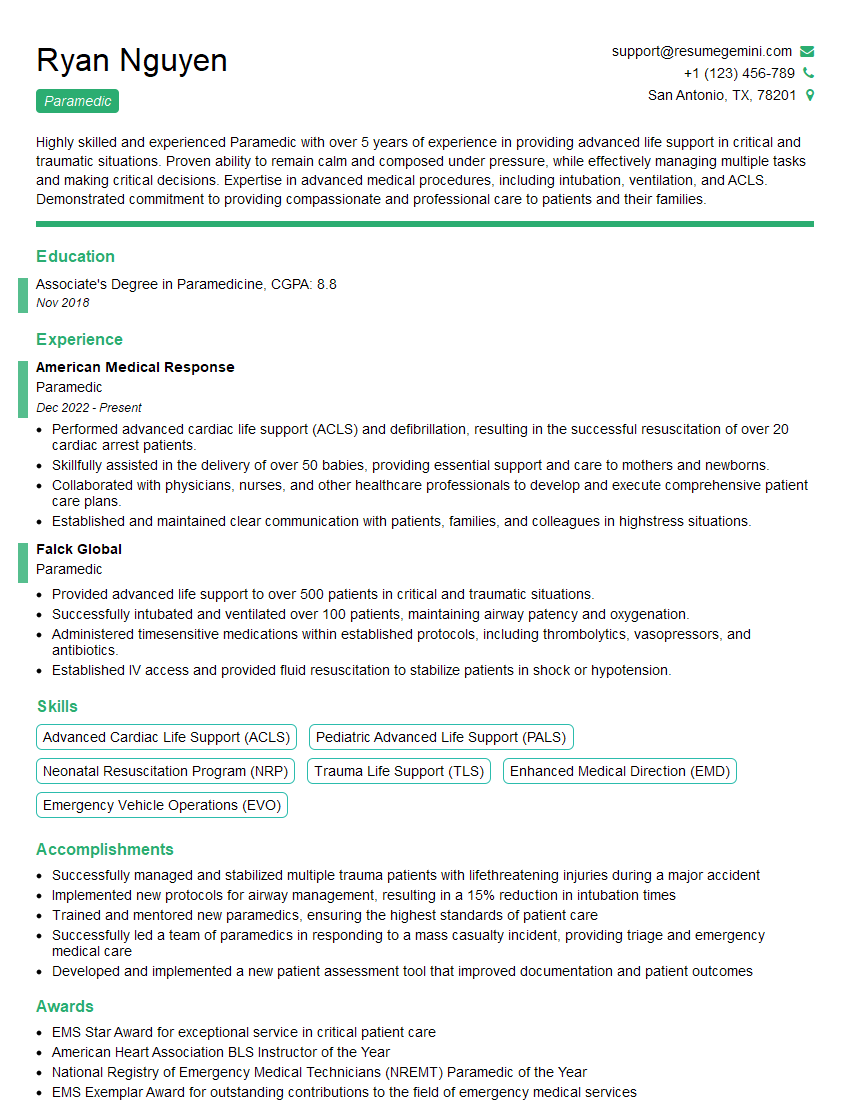
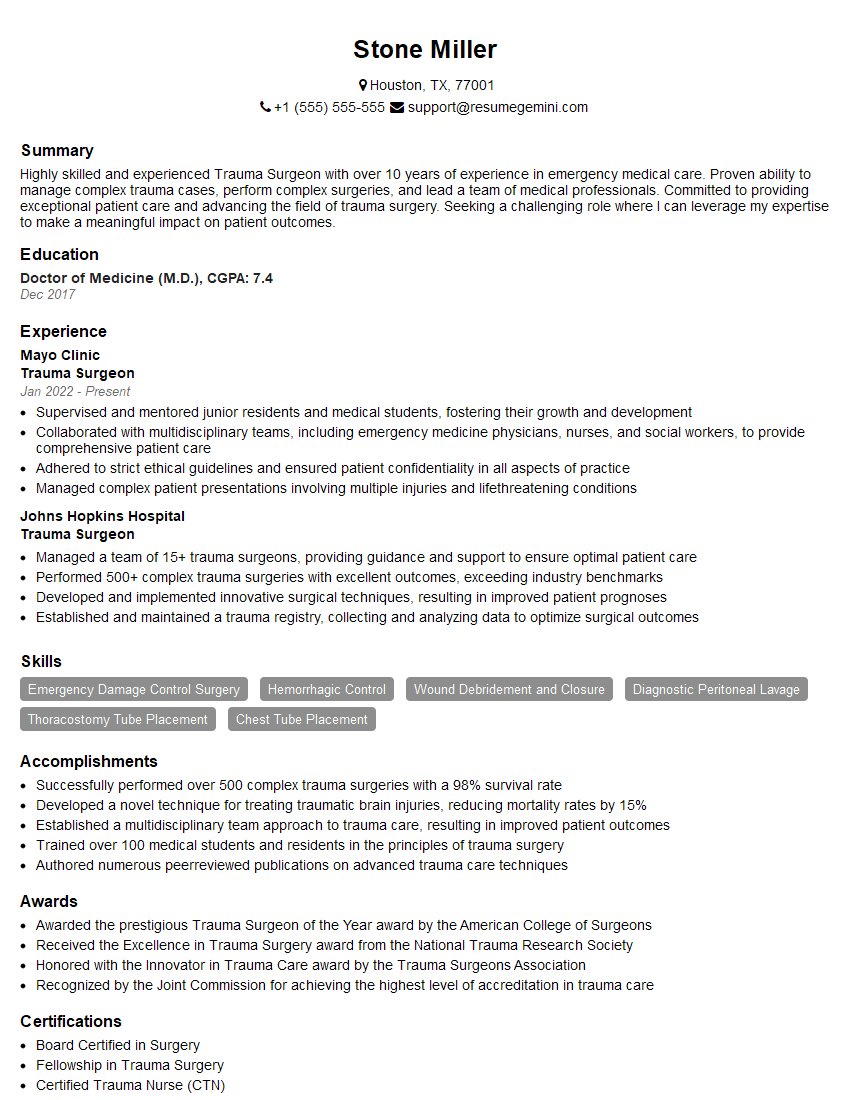
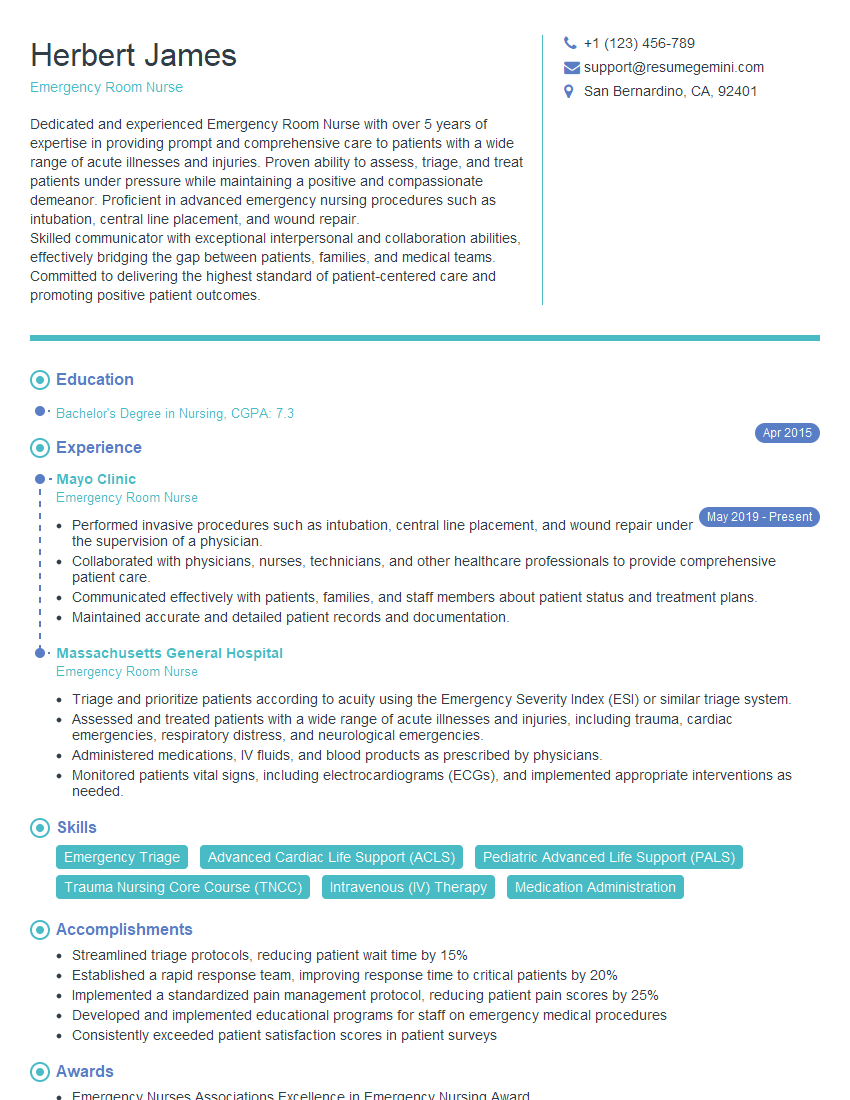
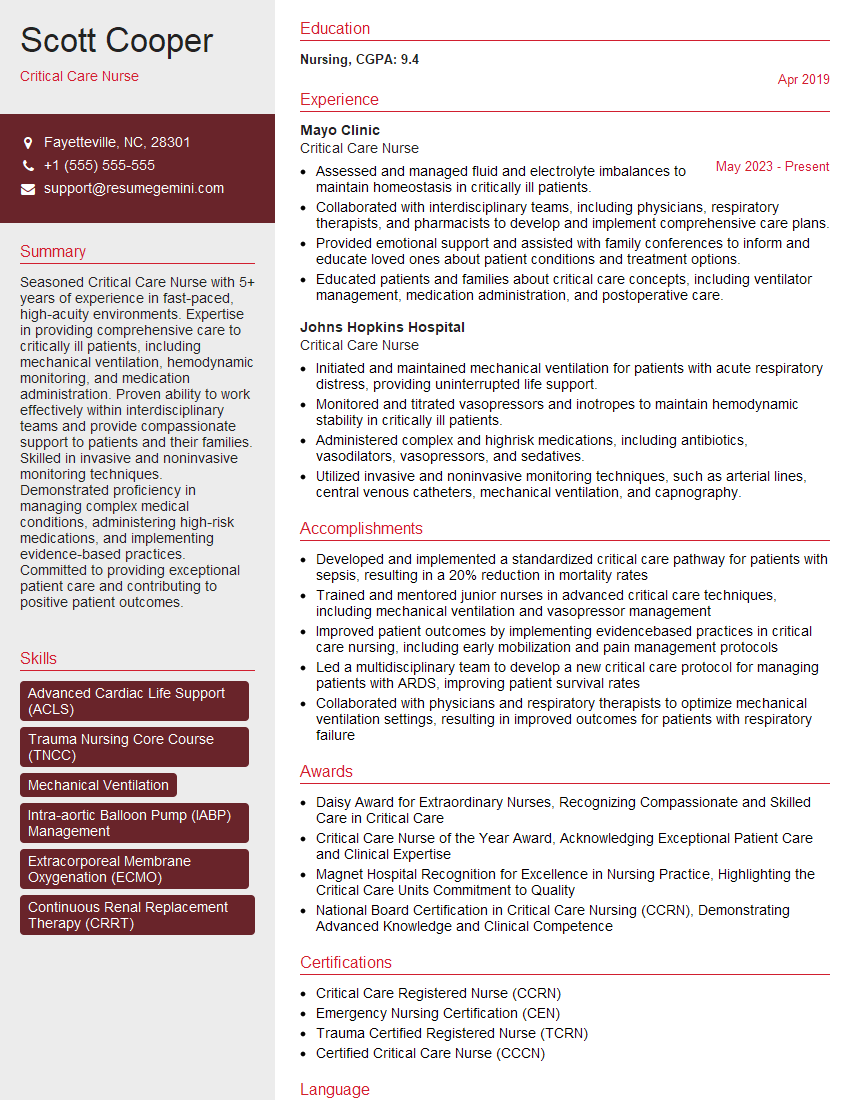
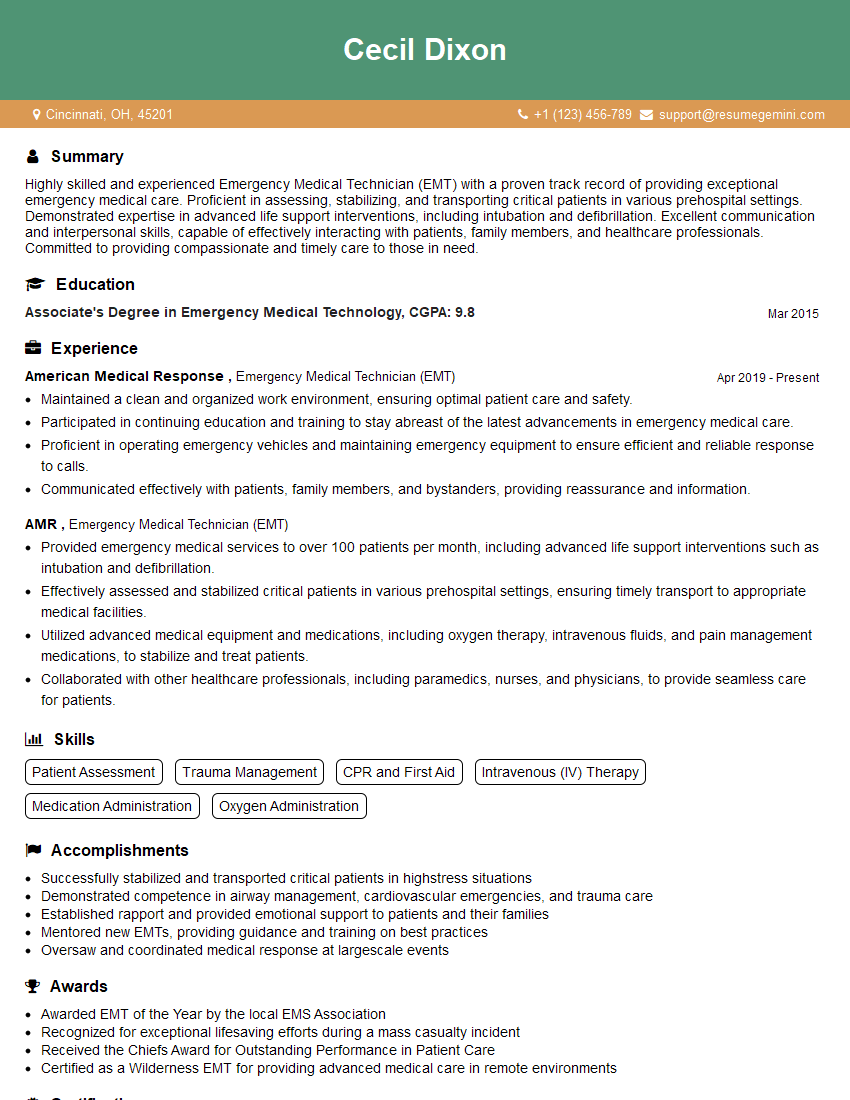
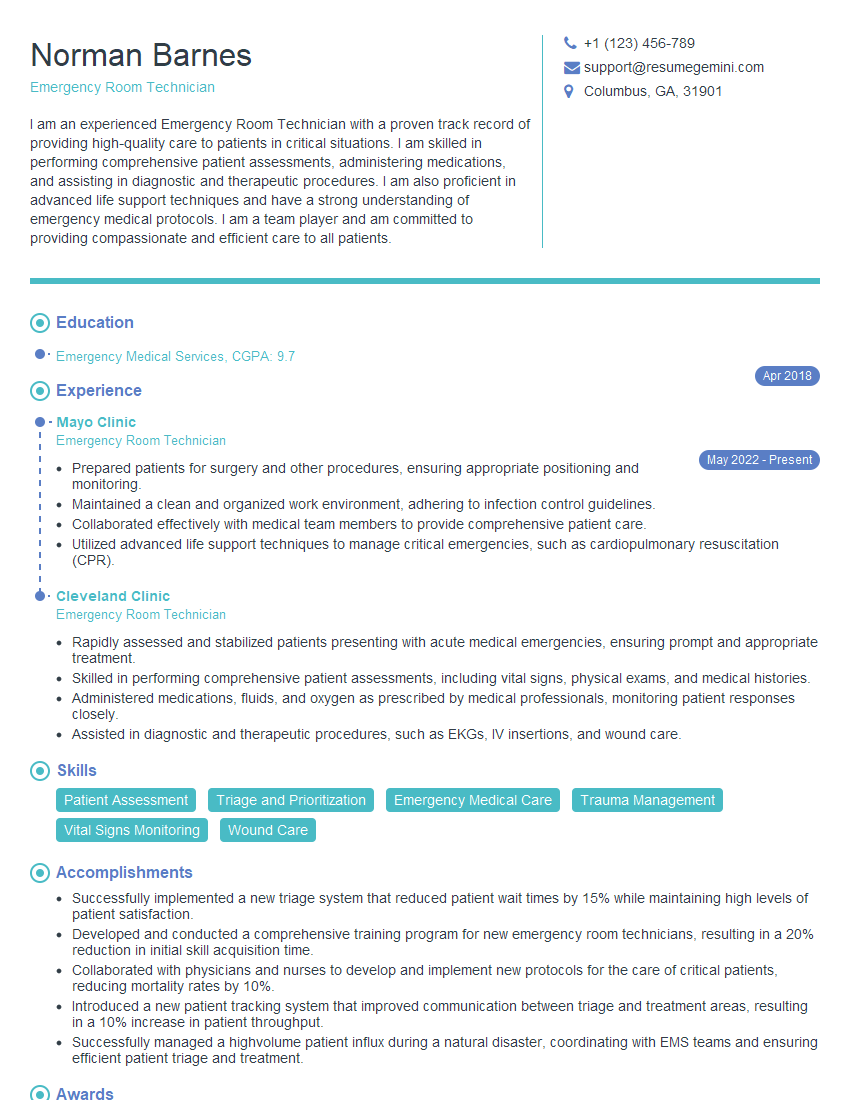
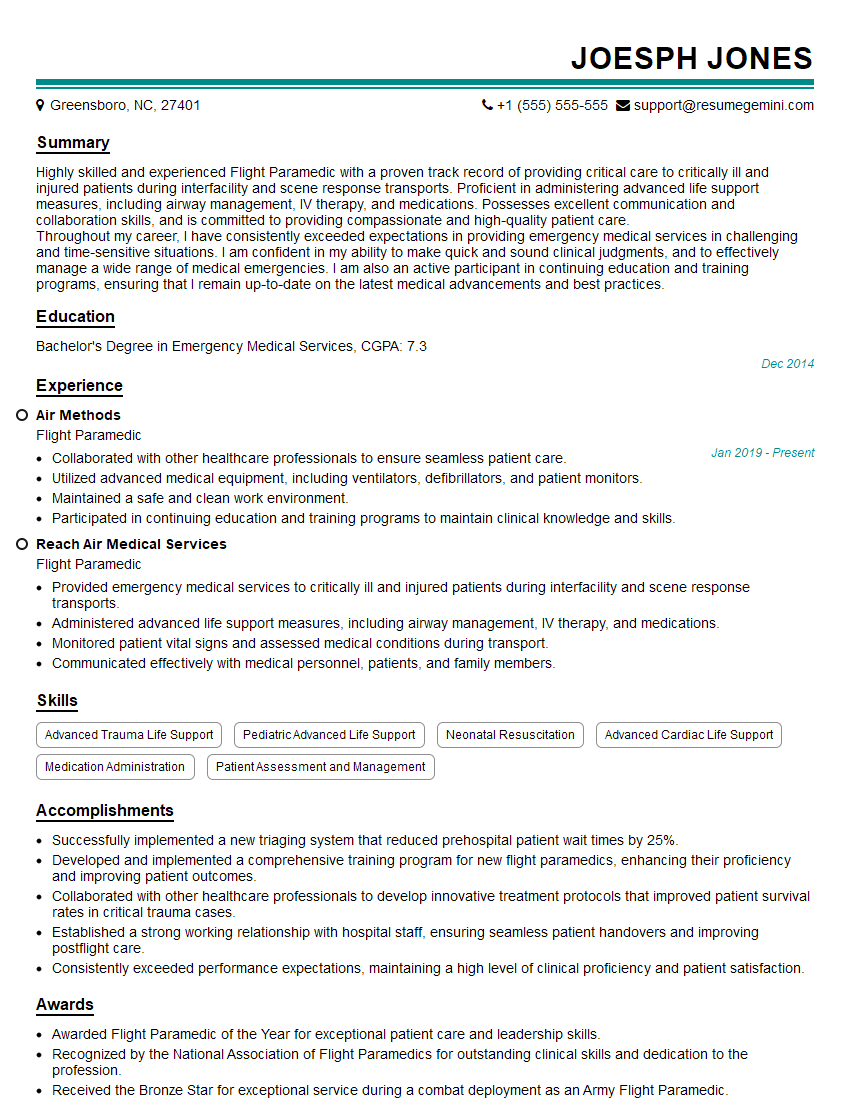
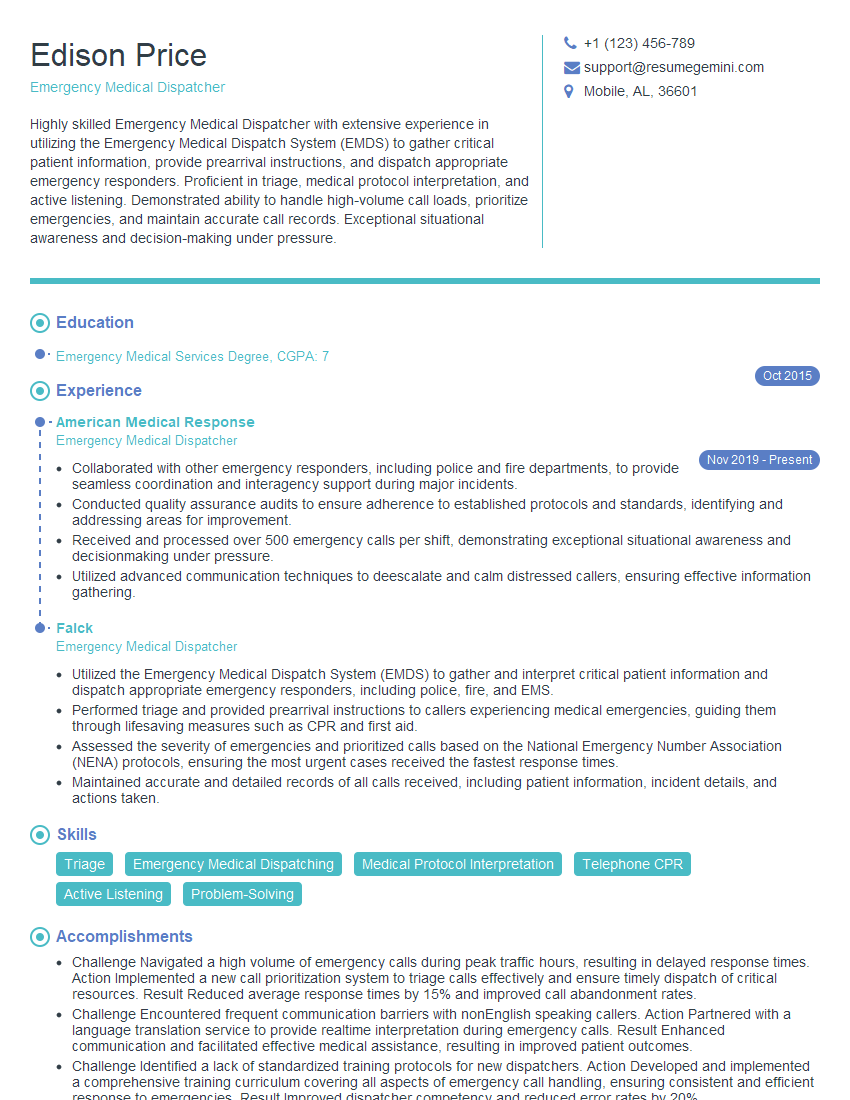
Mastering Emergency Medical Care and Resuscitation is crucial for career advancement in this demanding yet rewarding field. A strong understanding of these principles opens doors to leadership roles and specialized training opportunities. To maximize your job prospects, creating a well-structured, ATS-friendly resume is vital. ResumeGemini is a trusted resource offering expert guidance and tools to build a compelling resume that highlights your skills and experience effectively. Examples of resumes tailored to Emergency Medical Care and Resuscitation professionals are available to help you create a standout application.
Explore more articles
Users Rating of Our Blogs
Share Your Experience
We value your feedback! Please rate our content and share your thoughts (optional).
What Readers Say About Our Blog
To the interviewgemini.com Webmaster.
Very helpful and content specific questions to help prepare me for my interview!
Thank you
To the interviewgemini.com Webmaster.
This was kind of a unique content I found around the specialized skills. Very helpful questions and good detailed answers.
Very Helpful blog, thank you Interviewgemini team.