Interviews are more than just a Q&A session—they’re a chance to prove your worth. This blog dives into essential Knowledge of laboratory safety protocols and regulations interview questions and expert tips to help you align your answers with what hiring managers are looking for. Start preparing to shine!
Questions Asked in Knowledge of laboratory safety protocols and regulations Interview
Q 1. Describe your experience with handling hazardous materials in a laboratory setting.
Throughout my career, I’ve extensively handled various hazardous materials, including carcinogens, mutagens, and teratogens, adhering strictly to safety protocols. My experience spans working with volatile organic compounds (VOCs), corrosive acids and bases, and infectious agents. For instance, in my previous role at the National Institute of Health, I routinely handled radioactive isotopes, requiring meticulous attention to safety procedures, including the use of specialized fume hoods, radiation monitoring equipment, and appropriate waste disposal methods. Another example involved working with highly reactive chemicals during synthesis experiments, where careful planning, procedural adherence, and protective measures were paramount to preventing accidents. In each scenario, accurate record-keeping, proper labeling, and rigorous safety checks were essential components of my workflow.
Q 2. Explain the different types of personal protective equipment (PPE) and when they should be used.
Personal Protective Equipment (PPE) is crucial for laboratory safety. The type of PPE used depends entirely on the hazards present.
- Eye protection: Safety glasses are the minimum requirement; goggles or face shields offer superior protection against splashes or impacts. I always wear appropriate eye protection when handling chemicals or performing procedures that could generate airborne particles.
- Respiratory protection: Respirators, ranging from simple dust masks to more advanced respirators with filters, are used when handling airborne hazards, such as VOCs or infectious agents. The selection depends on the specific hazard identified in a risk assessment.
- Gloves: Different glove materials offer varying degrees of protection against chemicals, biological agents, or physical hazards (cuts, punctures). For example, nitrile gloves are commonly used for chemical handling, while neoprene gloves provide better resistance to certain solvents. Choosing the right glove is crucial, and hand hygiene is always maintained before and after glove use.
- Protective clothing: Lab coats, aprons, or coveralls provide protection against chemical spills or splashes. In specific situations, specialized protective clothing, such as Tyvek suits, may be necessary for working with highly hazardous materials.
- Footwear: Closed-toe shoes are always required to protect against spills and falling objects; steel-toe boots may be necessary in environments with potential for heavy objects falling.
The selection and use of PPE are not arbitrary; they should always align with a completed risk assessment to mitigate potential hazards effectively.
Q 3. What are the key components of a comprehensive laboratory safety program?
A comprehensive laboratory safety program is multifaceted and involves several key components.
- Risk assessment: Regularly identifying and evaluating potential hazards and establishing control measures is paramount. This is often performed using a structured risk assessment methodology, prioritizing hazards based on likelihood and severity.
- Standard Operating Procedures (SOPs): Detailed, written procedures for all laboratory activities, ensuring consistency and minimizing risks, are essential. These should be easily accessible to all lab personnel.
- Training and education: All laboratory personnel must receive appropriate training on safety protocols, hazard communication, and emergency procedures. This includes refresher courses and updated training as needed.
- Emergency preparedness: Developing and regularly practicing emergency plans, including procedures for chemical spills, fires, and medical emergencies, is critical for effective response. This includes identifying and clearly marking emergency exits and equipment locations.
- Waste management: Proper disposal of hazardous waste according to regulations is mandatory. This includes segregation, labeling, and using approved disposal containers.
- Safety equipment and facilities: Adequate safety equipment (e.g., eyewash stations, safety showers, fire extinguishers, fume hoods) and proper laboratory design are essential for mitigating hazards.
- Record keeping: Maintaining detailed records of safety training, incidents, inspections, and chemical inventories is vital for auditing, accountability, and continuous improvement.
A successful safety program requires management commitment, staff participation, and ongoing evaluation to ensure effectiveness.
Q 4. How would you handle a chemical spill in the laboratory?
Handling a chemical spill requires a calm, systematic approach. First, assess the situation: identify the spilled substance, determine the extent of the spill, and evaluate any immediate hazards (flammability, toxicity, corrosiveness).
Next, ensure your own safety. Wear appropriate PPE, including gloves, eye protection, and potentially a respirator, depending on the spilled substance. Evacuate the immediate area if necessary to prevent others from exposure.
Then, contain the spill using appropriate absorbent materials (e.g., spill kits, vermiculite, sand) to prevent its spread. For smaller spills, carefully transfer the absorbed material into appropriate waste containers.
Larger spills require more extensive measures, potentially involving specialized spill response teams. Report the incident immediately to your supervisor and relevant authorities.
Finally, clean the affected area thoroughly using appropriate cleaning agents and dispose of contaminated materials following established protocols. Document the entire incident, including the type and quantity of spilled material, steps taken to clean it up, and any injuries or damages. This documentation is crucial for safety audits and incident reporting.
Q 5. Describe your experience with conducting risk assessments in a laboratory environment.
I have extensive experience conducting risk assessments in various laboratory settings. This typically involves a systematic process using established methodologies, such as a qualitative risk matrix. I start by identifying all potential hazards present in the lab, including chemical hazards, biological hazards, physical hazards (e.g., sharp objects, electrical hazards), and ergonomic hazards.
For each hazard, I evaluate the likelihood of an incident occurring and the severity of its potential consequences. This information is often presented in a matrix format, allowing for prioritization of hazards based on their risk level (likelihood x severity). Based on this assessment, I develop control measures to mitigate the identified risks. These might include implementing engineering controls (e.g., using fume hoods, installing safety showers), administrative controls (e.g., developing SOPs, providing training), and personal protective equipment (PPE).
For example, during a risk assessment for a microbiology lab, I identified the risk of biological exposure as a high-priority hazard. The control measures included implementing strict sterilization protocols, providing training on proper handling techniques, ensuring access to appropriate PPE, and establishing a robust waste disposal system. The completed risk assessment is documented and reviewed regularly, ensuring that it remains relevant and effective as laboratory procedures and conditions change.
Q 6. What are the standard operating procedures (SOPs) for your specific field?
The specific SOPs in my field (let’s assume molecular biology for this example) are numerous and detailed, but some common examples include:
- DNA extraction and purification: These procedures outline specific steps for safely handling hazardous reagents, equipment, and samples, including waste disposal and decontamination.
- PCR (Polymerase Chain Reaction): SOPs detail the handling of reagents, the use of thermocyclers, and the decontamination of equipment and workspaces to prevent contamination.
- Gel electrophoresis: Procedures ensure safe handling of electrical equipment, handling of ethidium bromide (a mutagen), and proper waste disposal of hazardous materials.
- Cell culture techniques: Strict SOPs are followed to maintain sterility, handle potentially infectious materials, and safely dispose of biological waste.
All SOPs emphasize safety precautions and adherence to best practices to minimize risk and ensure reliable results. These documents are regularly reviewed and updated to reflect advancements in techniques and changes in regulations. Strict adherence to these SOPs is mandatory for all personnel in the laboratory.
Q 7. How familiar are you with OSHA regulations related to laboratory safety?
I am very familiar with OSHA regulations pertaining to laboratory safety, particularly 29 CFR 1910.1450 (Occupational Exposure to Hazardous Chemicals in Laboratories). I understand the requirements for hazard communication, including the proper use of Safety Data Sheets (SDSs), labeling of hazardous materials, and employee training. I’m also well-versed in the requirements for personal protective equipment (PPE), engineering controls, and the development of comprehensive safety programs. My knowledge extends to the requirements for handling hazardous waste, emergency response planning, and record-keeping. I’m comfortable interpreting and applying these regulations to ensure compliance in any laboratory setting. I understand the implications of non-compliance and the potential consequences for both the employees and the institution.
Q 8. Explain the importance of proper waste disposal in a laboratory.
Proper waste disposal is paramount in a laboratory setting for both environmental protection and personnel safety. Improper disposal can lead to contamination of water sources, soil pollution, and hazardous exposure to lab personnel and the wider community. Different types of waste require different disposal methods.
- Chemical Waste: This includes solvents, acids, bases, and heavy metals. It’s crucial to segregate these wastes according to compatibility and to follow institutional protocols, often involving neutralization or specialized waste contractors for disposal.
- Biological Waste: This category encompasses infectious materials, cultures, and sharps. Autoclaving (high-pressure steam sterilization) is often the first step, followed by proper disposal in designated biohazard containers and incineration. This prevents the spread of infectious diseases.
- Radioactive Waste: This requires strict adherence to regulatory guidelines and involves specialized handling, storage, and disposal methods, often under the supervision of radiation safety officers.
- Sharps Waste: Needles, syringes, and broken glass are collected in puncture-resistant containers to prevent accidental injuries. These containers are typically disposed of by incineration.
For example, in my previous role, we had a color-coded waste disposal system to clearly identify different waste streams. This system, combined with regular training and audits, ensured effective waste management and compliance with all regulations.
Q 9. Describe your experience with emergency response procedures in a laboratory.
My experience with emergency response procedures encompasses various scenarios, from minor chemical spills to more serious incidents involving fire or biological exposure. I’ve participated in regular safety training and drills, covering various emergency situations, including evacuation procedures, chemical spill response, and first aid.
During a simulated chemical spill drill, I was responsible for establishing a perimeter around the spill to prevent further contamination. We practiced using the appropriate absorbent materials and neutralizing agents according to the chemical’s Safety Data Sheet (SDS). My role in a fire drill involved assisting in the evacuation of the lab and ensuring all personnel were accounted for. I’m also familiar with the use of fire extinguishers and know the location of emergency exits and safety showers.
Handling a real-world emergency would involve quick, decisive action based on my training and knowledge. It’s vital to prioritize personal safety and the safety of others while accurately assessing the situation and contacting the appropriate emergency services.
Q 10. How do you ensure proper ventilation in a laboratory setting?
Proper ventilation is essential in a laboratory to remove hazardous fumes, gases, and airborne particles, preventing exposure to harmful substances and maintaining a safe working environment. Effective ventilation systems usually involve a combination of approaches:
- Local Exhaust Ventilation (LEV): This includes fume hoods, which capture and remove airborne contaminants at their source. They are crucial for working with volatile chemicals.
- General Exhaust Ventilation: This provides overall air circulation to remove less concentrated contaminants and maintain a comfortable temperature.
- Supply Air: Clean, filtered air is introduced into the laboratory space to replace the exhausted air.
The effectiveness of ventilation depends on factors like the type and quantity of contaminants, the layout of the laboratory, and the design of the ventilation system. Regular maintenance and monitoring of air quality, often involving air sampling, are necessary to ensure the system’s efficacy. For instance, in my past lab, we had annual inspections and certifications of our fume hoods to confirm their proper operation and filter efficiency.
Q 11. What are the key safety considerations when working with biological agents?
Working with biological agents requires rigorous adherence to safety protocols to prevent infection and contamination. Key safety considerations include:
- Risk Assessment: Thoroughly assessing the potential hazards associated with the specific biological agents being handled is the first step. This involves considering factors like the agent’s pathogenicity, infectivity, and the potential for aerosol generation.
- Biosafety Levels (BSL): Laboratories are classified into BSL levels (1-4) depending on the risk associated with the agents used. Higher BSL levels mandate more stringent containment measures.
- Personal Protective Equipment (PPE): Appropriate PPE, such as gloves, lab coats, eye protection, and respirators, is mandatory. The selection of PPE depends on the BSL and the specific agents used.
- Aseptic Techniques: Maintaining sterile conditions to prevent contamination is critical. This involves practices like proper sterilization of equipment and work surfaces.
- Waste Disposal: Biological waste must be autoclaved and disposed of according to biohazard protocols.
For example, when working with BSL-2 agents in my previous role, we always used a biological safety cabinet (BSC) to perform all procedures involving potential aerosol generation. This provided primary containment, protecting personnel and the environment.
Q 12. What are the procedures for handling and storing compressed gases?
Compressed gases pose significant risks if not handled and stored correctly. These risks include explosions, fires, and asphyxiation. Safe handling and storage involves:
- Secure Storage: Cylinders should be stored in a well-ventilated area away from ignition sources and heat. They should be chained or secured to prevent tipping.
- Proper Labeling: Cylinders must be clearly labeled with the gas’s name, hazards, and any specific handling precautions.
- Safety Equipment: Appropriate regulators, valves, and other safety devices must be used.
- Regular Inspection: Regular inspections of cylinders, valves, and associated equipment are necessary to identify any damage or leaks.
- Training: Personnel should receive proper training on the safe handling and use of compressed gases.
In one instance, I noticed a slightly damaged valve on a compressed gas cylinder. Following protocol, I immediately reported it to my supervisor, and the cylinder was removed from service and replaced to prevent potential leaks and subsequent accidents.
Q 13. Explain the importance of proper labeling of chemicals and samples.
Proper labeling of chemicals and samples is crucial for laboratory safety and data integrity. Accurate and legible labels prevent errors, accidental exposure, and contamination. A label should include:
- Chemical Name: The full chemical name (not just abbreviations).
- Concentration: The exact concentration of the chemical.
- Date Prepared: The date the chemical or sample was prepared.
- Hazards: Any associated hazards, such as flammability, toxicity, or reactivity.
- Prepared By: The initials or name of the person who prepared it.
Imagine the consequences if a vial containing a highly toxic substance wasn’t properly labeled. This could lead to accidental exposure and serious health consequences. In my experience, maintaining a strict labeling system significantly contributes to a safe and efficient workflow, minimizing the risk of errors and improving accuracy.
Q 14. Describe your understanding of fire safety protocols in a laboratory.
Fire safety protocols in a laboratory are essential due to the presence of flammable materials, and the potential for ignition from electrical equipment, chemical reactions, or other sources. Key protocols include:
- Fire Prevention: Minimizing flammable materials, using appropriate electrical equipment, and implementing good housekeeping practices to prevent the accumulation of combustible materials are important preventative measures.
- Fire Detection Systems: Installing and maintaining smoke detectors, heat detectors, and other fire detection systems is crucial for early fire detection.
- Fire Suppression Systems: Having appropriate fire suppression systems, such as fire extinguishers or sprinkler systems, is vital for controlling and extinguishing fires.
- Emergency Evacuation Procedures: Regular fire drills and training on evacuation procedures are essential to ensure everyone can safely evacuate the building in case of fire.
- Fire Extinguisher Training: All laboratory personnel should receive training on the proper use of fire extinguishers.
Knowing the location of fire extinguishers, emergency exits, and assembly points is fundamental. I’ve personally participated in numerous fire drills and safety training sessions, ensuring proficiency in evacuation procedures and the proper use of fire extinguishers, including understanding the different classes of fires and which type of extinguisher is suited to each.
Q 15. How would you respond to a fire alarm in the laboratory?
Responding to a fire alarm in a laboratory requires a calm and methodical approach, prioritizing safety above all else. My first action would be to immediately evacuate the lab, following established escape routes and ensuring everyone else in the immediate vicinity is aware of the alarm and is also evacuating. I would not attempt to fight the fire unless I’ve received specialized fire safety training and it’s deemed safe to do so.
Once outside, I would assemble with my colleagues at the designated assembly point. This allows for a headcount to ensure everyone has safely evacuated and to report any injuries or missing persons. I would then inform the appropriate personnel, usually the lab manager or safety officer, and the emergency services (such as the fire department). It’s crucial to stay at the assembly point until the all-clear is given by emergency personnel. After the evacuation, a post-incident review would be conducted to determine the cause of the fire and identify any areas for improvement in our safety protocols.
For example, during my time at [Previous Lab Name], we conducted regular fire drills to ensure everyone understood the escape routes and assembly point. These drills proved invaluable in fostering a culture of safety and ensuring a swift and orderly evacuation during a real emergency.
Career Expert Tips:
- Ace those interviews! Prepare effectively by reviewing the Top 50 Most Common Interview Questions on ResumeGemini.
- Navigate your job search with confidence! Explore a wide range of Career Tips on ResumeGemini. Learn about common challenges and recommendations to overcome them.
- Craft the perfect resume! Master the Art of Resume Writing with ResumeGemini’s guide. Showcase your unique qualifications and achievements effectively.
- Don’t miss out on holiday savings! Build your dream resume with ResumeGemini’s ATS optimized templates.
Q 16. What is your experience with using safety data sheets (SDS)?
Safety Data Sheets (SDS) are crucial for understanding the hazards associated with any chemical used in a laboratory. My experience involves regularly consulting SDS before handling any new chemical or when dealing with unfamiliar substances. I’m proficient in interpreting the various sections of an SDS, including identification information, hazards identification, composition/information on ingredients, first-aid measures, fire-fighting measures, accidental release measures, handling and storage, exposure controls/personal protection, physical and chemical properties, stability and reactivity, toxicological information, ecological information, disposal considerations, and transport information.
I use this information to determine appropriate personal protective equipment (PPE), safe handling procedures, storage requirements, and emergency response protocols. For instance, if an SDS indicates a chemical is highly flammable, I would ensure proper ventilation, use appropriate fire-resistant containers, and store it away from ignition sources. My approach is always proactive; I don’t wait for an incident to consult the SDS; I review it before each use.
Q 17. Explain the importance of regular safety training for laboratory personnel.
Regular safety training is paramount for maintaining a safe laboratory environment. It equips personnel with the knowledge and skills needed to identify, assess, and mitigate risks. The training should cover various aspects of laboratory safety, including the handling of hazardous materials, proper use of equipment, emergency procedures, waste disposal, and the importance of following established protocols.
For example, training on the proper use of a fume hood is crucial to prevent exposure to hazardous vapors. Similarly, training on the safe handling of biological agents ensures the prevention of contamination and infection. Regular refresher training is essential to reinforce safe practices and stay abreast of new regulations and best practices. A culture of safety is not only about compliance but also about fostering a sense of shared responsibility among all lab personnel. In my previous roles, I’ve been actively involved in developing and delivering safety training programs, ensuring they are engaging, relevant, and tailored to the specific needs of the laboratory.
Q 18. How do you maintain a clean and organized laboratory workspace?
Maintaining a clean and organized laboratory workspace is fundamental to safety and efficiency. A cluttered workspace increases the risk of accidents, hindering efficient workflow and making it difficult to locate equipment or materials. My approach involves a proactive and systematic approach, involving several key steps.
- Regular Cleaning: I regularly wipe down surfaces, clean up spills immediately, and dispose of waste appropriately.
- Organized Storage: Chemicals, equipment, and materials are stored in a designated, organized manner, following established protocols. Flammable materials are stored separately from oxidizers, and chemicals are properly labeled and dated.
- Proper Waste Disposal: Hazardous waste is segregated and disposed of according to regulations. This prevents accidental contamination and ensures environmental protection.
- Regular Decluttering: I regularly remove unnecessary items from the workspace to avoid clutter. Unused materials are properly disposed of or returned to storage.
This methodical approach prevents accidents caused by tripping hazards, chemical spills, and the misuse of equipment. A clean and organized workspace also contributes to a safer and more productive environment for everyone in the lab.
Q 19. How do you identify and report safety hazards in the laboratory?
Identifying and reporting safety hazards is a crucial responsibility in a laboratory setting. My process involves a proactive approach, where I regularly inspect my workspace for potential hazards. This includes looking for spills, damaged equipment, faulty wiring, inadequate ventilation, and any unsafe practices by colleagues.
Once a hazard is identified, I document the details, including the location, nature of the hazard, potential risks, and any immediate actions taken (like containing a spill). I then report the hazard through the appropriate channels, which may involve informing my supervisor, the lab safety officer, or filling out an incident report form. The severity of the hazard will dictate the urgency of the reporting. For example, a small chemical spill would be reported to my supervisor, while a major electrical fault would require immediate notification of the building maintenance and safety personnel.
Using a formal reporting system ensures that hazards are addressed promptly and prevents potential accidents. In past experiences, I’ve been instrumental in identifying and rectifying several potential hazards, preventing what could have been serious incidents.
Q 20. Describe your experience with incident reporting and investigation.
My experience with incident reporting and investigation involves following a structured approach. After any incident (no matter how minor), I thoroughly document the event, including the date, time, location, individuals involved, a detailed description of the incident, and any injuries or damage sustained.
The investigation then involves analyzing the root cause of the incident, identifying contributing factors, and recommending corrective actions to prevent similar incidents in the future. This often includes interviewing witnesses, reviewing safety procedures, and examining relevant documentation like SDSs or maintenance logs. A formal report summarizing the investigation findings, root cause analysis, and recommended actions is compiled and shared with relevant personnel to improve safety protocols and prevent future incidents. I’ve been involved in investigations ranging from minor equipment malfunctions to more serious incidents involving chemical spills. Thorough documentation and a systematic investigative approach ensure effective learning and prevent recurrences.
Q 21. What is your experience with conducting safety audits?
Conducting safety audits involves a systematic evaluation of laboratory practices, equipment, and facilities to identify potential hazards and ensure compliance with safety regulations. My experience involves developing and executing audit checklists covering various aspects of lab safety, including chemical hygiene, electrical safety, fire safety, personal protective equipment (PPE) usage, waste disposal, and emergency procedures.
During an audit, I inspect the physical laboratory space, review safety documentation, and interview personnel to assess their understanding and adherence to safety protocols. Any deficiencies or non-compliance issues identified are documented, along with recommendations for corrective actions. The findings are then summarized in a comprehensive report, shared with lab management to help prioritize improvements. My experience demonstrates that proactive safety audits are crucial to identifying and mitigating risks before they lead to accidents, ultimately creating a safer and more efficient work environment. In my previous role, I led several successful safety audits resulting in significant improvements in our safety culture and practices.
Q 22. How do you ensure compliance with laboratory safety regulations?
Ensuring compliance with laboratory safety regulations is paramount. It’s not just about following rules; it’s about fostering a culture of safety where everyone understands and actively contributes to a safe work environment. My approach is multifaceted:
- Thorough Knowledge of Regulations: I begin by thoroughly familiarizing myself with all applicable regulations, including OSHA guidelines (in the US) or equivalent standards in other regions. This includes understanding specific requirements related to the types of chemicals, biological agents, and equipment used in our lab.
- Documentation and Record Keeping: Meticulous record-keeping is crucial. This includes maintaining detailed logs of all hazardous materials, safety training records for all personnel, incident reports, and equipment maintenance logs. This provides auditable evidence of compliance.
- Regular Inspections and Audits: I actively participate in and often lead regular safety inspections of the lab to identify potential hazards and ensure adherence to established protocols. This includes checking for proper storage of chemicals, functioning safety equipment, and the correct use of personal protective equipment (PPE).
- Training and Education: I believe that ongoing safety training is indispensable. This involves conducting regular safety talks, workshops, and refresher courses to ensure staff members remain up-to-date on current best practices and regulations. Practical demonstrations are included, making the training engaging and memorable.
- Continuous Improvement: I’m always looking for ways to enhance our safety protocols. This means regularly reviewing our safety manual, attending safety conferences and professional development workshops, and proactively addressing any identified deficiencies. For example, if an incident occurs, we conduct a thorough root cause analysis to prevent similar incidents in the future.
Q 23. What are your strategies for promoting a strong safety culture in a laboratory?
Promoting a strong safety culture is not just about rules, it’s about cultivating a mindset where safety is everyone’s responsibility. My strategy employs several key elements:
- Leadership Commitment: Visible and consistent support from leadership is essential. Leaders must model safe behavior, actively participate in safety initiatives, and consistently reinforce the importance of safety in all lab activities.
- Open Communication: Creating a culture of open communication encourages reporting of near misses and hazards without fear of reprisal. This allows for proactive hazard mitigation before incidents occur. Regular safety meetings and team discussions foster this communication.
- Empowerment and Accountability: Staff members should be empowered to stop work if they identify unsafe conditions. Clear lines of responsibility and accountability regarding safety procedures should be established and understood by all personnel.
- Recognition and Rewards: Recognizing and rewarding safe behaviors is a powerful motivator. This could involve highlighting safe practices in team meetings, offering incentives, or nominating individuals for safety awards.
- Regular Feedback and Improvement: Collecting regular feedback from staff through surveys or informal discussions helps identify areas for improvement in our safety program. This ensures that the safety culture is continuously evolving and adapting to the needs of the lab.
Q 24. Describe your experience with using a fume hood.
I have extensive experience using fume hoods, a critical piece of safety equipment in many labs. My experience encompasses various aspects:
- Proper Setup and Maintenance: Before each use, I verify that the fume hood’s airflow is operating correctly. I’m familiar with the sash height requirements and understand the importance of maintaining the proper airflow pattern to ensure effective containment of hazardous fumes and vapors. Regular maintenance checks and documentation are also part of my routine.
- Safe Operation Procedures: I strictly adhere to established protocols for working inside the fume hood. This includes keeping materials away from the back and sides of the hood to maintain proper airflow, minimizing movements within the hood, and using appropriate PPE, such as safety glasses and gloves.
- Risk Assessment: Before starting any work involving the fume hood, I always conduct a thorough risk assessment to determine the appropriate precautions needed based on the specific chemicals and procedures involved. This includes selecting the proper PPE and determining any additional safety measures, such as using secondary containment.
- Emergency Procedures: I’m familiar with emergency procedures in case of spills or malfunctions of the fume hood. This includes knowing the location of emergency shut-off switches and emergency eyewash stations.
- Training Others: I’ve often trained new lab personnel on the proper and safe use of the fume hood, emphasizing the importance of adhering to established procedures and understanding potential hazards.
Q 25. What measures do you take to prevent injuries in the laboratory?
Preventing injuries in the laboratory is a top priority. My approach is based on a multi-layered strategy focused on proactive measures:
- Risk Assessment and Control: Before starting any experiment or procedure, a thorough risk assessment is conducted to identify potential hazards. This leads to the development and implementation of appropriate control measures, such as substitution of hazardous materials with less hazardous alternatives, engineering controls (like fume hoods), administrative controls (like work permits), and PPE.
- Personal Protective Equipment (PPE): Appropriate PPE is always used, including safety glasses, lab coats, gloves, and other protective gear as needed. Proper training on the use and limitations of PPE is essential. I also ensure that PPE is readily available and in good condition.
- Safe Handling of Chemicals and Biological Agents: I strictly adhere to the procedures for handling hazardous materials, including proper labeling, storage, and disposal. This also includes following specific guidelines for working with biological agents, including proper sterilization techniques.
- Emergency Preparedness: I ensure that emergency equipment, such as eyewash stations, safety showers, and fire extinguishers, is readily accessible and in proper working order. Regular training and drills are conducted to ensure staff members are prepared to respond appropriately in case of emergencies.
- Good Housekeeping: Maintaining a clean and organized lab is critical to preventing accidents. This includes regular cleaning and proper disposal of waste materials. Clutter can create tripping hazards and make it difficult to react quickly in an emergency.
Q 26. Explain the differences between a Class I, II, and III biosafety cabinet.
Biosafety cabinets are critical for protecting personnel, the environment, and the product being worked with. The key differences between Classes I, II, and III are based on their level of protection:
- Class I: Offers protection to the personnel and the environment but not the product. Air is drawn into the cabinet, HEPA-filtered, and exhausted. It’s suitable for working with low-to-moderate risk agents where the product itself doesn’t need protection.
- Class II: Provides protection to the personnel, the product, and the environment. These are further subdivided into several types (A1, A2, B1, B2), differing primarily in airflow patterns and exhaust filtration. They use HEPA filtration for both inflow and outflow of air, creating a contained environment. This is the most common type found in microbiology labs working with moderate-risk agents.
- Class III: Offers the highest level of protection for all three: personnel, product, and environment. These are completely enclosed, gas-tight cabinets with HEPA-filtered air supply and exhaust. They are used for working with high-risk biological agents, such as highly infectious viruses, typically found in high-containment labs.
Think of it like this: Class I is like a basic protective shield; Class II is a more comprehensive suit of armor; and Class III is a fully sealed biohazard suit.
Q 27. How do you handle sharps safely in the laboratory?
Safe handling of sharps is non-negotiable in a laboratory setting. My approach focuses on prevention and proper disposal:
- Never Recap Needles: The most important rule is to never recap needles. This single action is responsible for a significant number of needle-stick injuries. If recapping is absolutely necessary (rare), a one-handed scoop method should be employed using a specialized device.
- Appropriate Containers: All sharps, including needles, syringes, and broken glass, should be disposed of immediately in puncture-resistant containers specifically designed for sharps. These containers should be clearly labeled and readily accessible.
- Proper Technique: Always handle sharps with care and caution. Avoid unnecessary movements, and ensure that your hands are protected by appropriate gloves.
- Immediate Disposal: Never leave sharps lying around. Dispose of them immediately after use into the designated sharps container.
- Training and Awareness: Regular training emphasizes the importance of safe sharps handling and the consequences of improper disposal. The training reinforces proper techniques and the use of safety devices.
Q 28. Describe your understanding of the Globally Harmonized System of Classification and Labelling of Chemicals (GHS).
The Globally Harmonized System of Classification and Labelling of Chemicals (GHS) is an internationally agreed-upon system for classifying and communicating the hazards of chemicals. Understanding GHS is fundamental to laboratory safety.
- Classification: GHS provides a standardized approach to classifying chemicals based on their inherent hazards, such as flammability, toxicity, and corrosiveness. This ensures consistent hazard communication across different countries and regions.
- Labelling: GHS mandates specific labelling requirements, including standardized pictograms (symbols), signal words (danger or warning), hazard statements, and precautionary statements. These labels clearly communicate the risks associated with a specific chemical to users.
- Safety Data Sheets (SDS): GHS also mandates the creation of Safety Data Sheets (SDS), providing comprehensive information about the hazards of a chemical, its safe handling, and emergency procedures. SDS are crucial resources for lab personnel.
- Practical Application: In the lab, I use GHS to understand the hazards associated with chemicals before using them. I rely on the labels and SDS to determine appropriate PPE, handling procedures, and storage requirements. This ensures the safety of myself and my colleagues.
- Training and Compliance: I ensure that all laboratory personnel receive thorough training on GHS, covering the interpretation of labels and SDS, and understanding the implications of the hazard classifications. Regular updates keep everyone aware of changes and new regulations.
Key Topics to Learn for Knowledge of Laboratory Safety Protocols and Regulations Interview
- Hazard Identification and Risk Assessment: Understanding different types of laboratory hazards (chemical, biological, physical, ergonomic) and applying risk assessment methodologies to mitigate potential risks. This includes knowing how to interpret Safety Data Sheets (SDS) and understanding hazard symbols.
- Personal Protective Equipment (PPE): Knowing the appropriate PPE for various laboratory procedures and situations (e.g., gloves, eye protection, lab coats, respirators) and how to properly use and maintain them. Practical application includes knowing when specific PPE is required and why.
- Emergency Procedures: Familiarity with emergency procedures such as spill response, fire safety, and first aid. This includes understanding the location of safety equipment (eyewash stations, safety showers, fire extinguishers) and knowing how to use them effectively. Problem-solving would involve thinking through scenarios and deciding on the best course of action.
- Waste Disposal and Management: Understanding regulations and procedures for the safe disposal of different types of laboratory waste (chemical, biological, sharps). Practical application includes knowing which containers to use for different waste types and how to properly label them.
- Standard Operating Procedures (SOPs): Understanding the importance of following established SOPs for all laboratory procedures and the consequences of deviating from them. Problem-solving could involve adapting to unexpected situations while still adhering to safety regulations.
- Chemical Hygiene Plan (CHP): Familiarity with the components of a CHP and how it ensures a safe working environment. This includes understanding exposure limits and appropriate handling procedures for hazardous chemicals.
- Biosafety Levels and Practices: For those working with biological materials, understanding the different biosafety levels and associated containment practices is crucial. Practical application involves selecting the appropriate techniques and equipment for handling various biological agents.
Next Steps
Mastering laboratory safety protocols and regulations is paramount for career advancement in scientific fields. It demonstrates your commitment to safety, a critical attribute in any laboratory setting. To increase your job prospects, create a compelling and ATS-friendly resume that highlights your skills and experience. ResumeGemini is a trusted resource that can help you build a professional resume tailored to showcase your expertise. Examples of resumes specifically designed for candidates with expertise in laboratory safety protocols and regulations are available to guide your process.
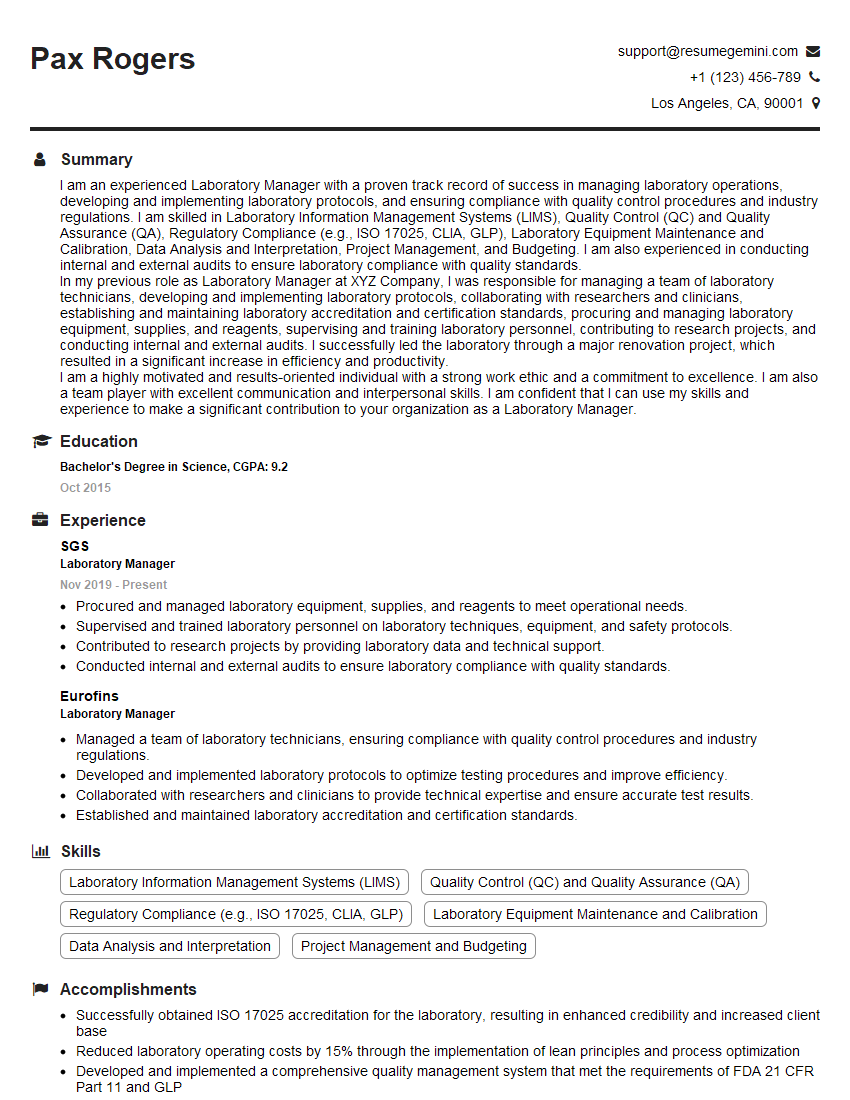
Laboratory Manager Resume Sample
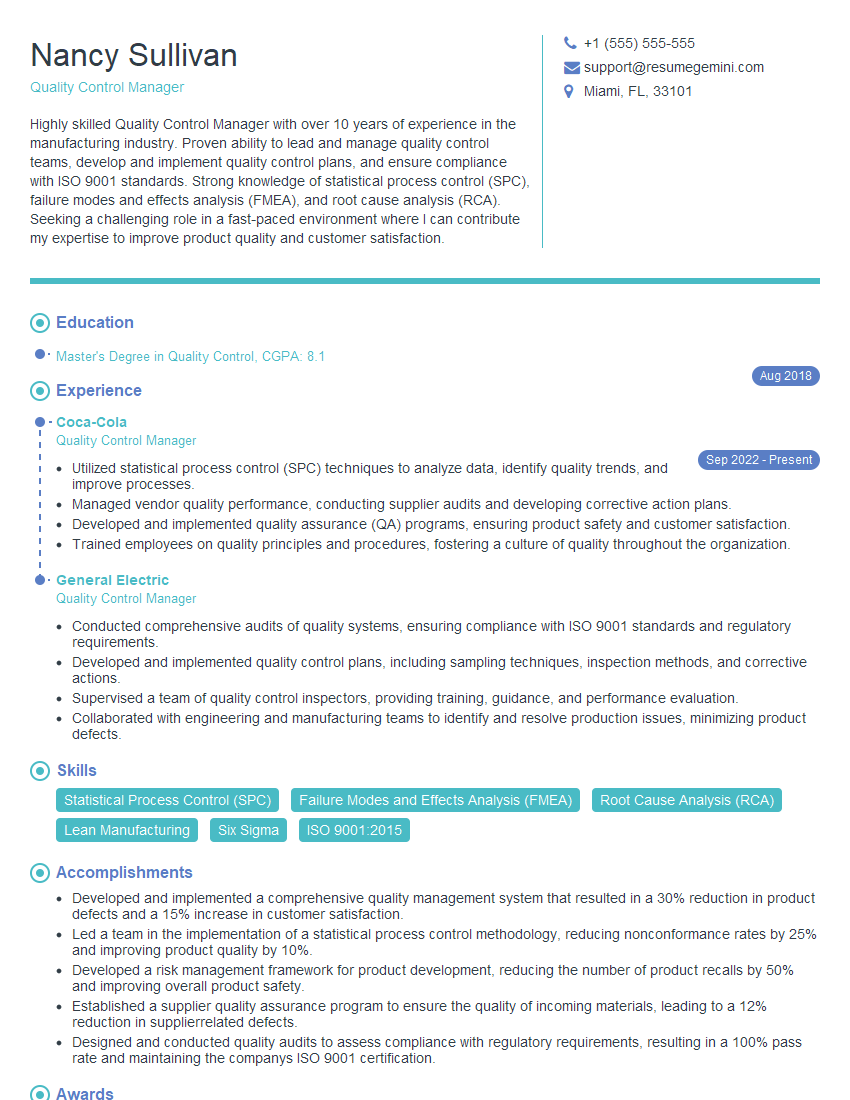
Quality Control Manager Resume Sample

Compliance Officer Resume Sample
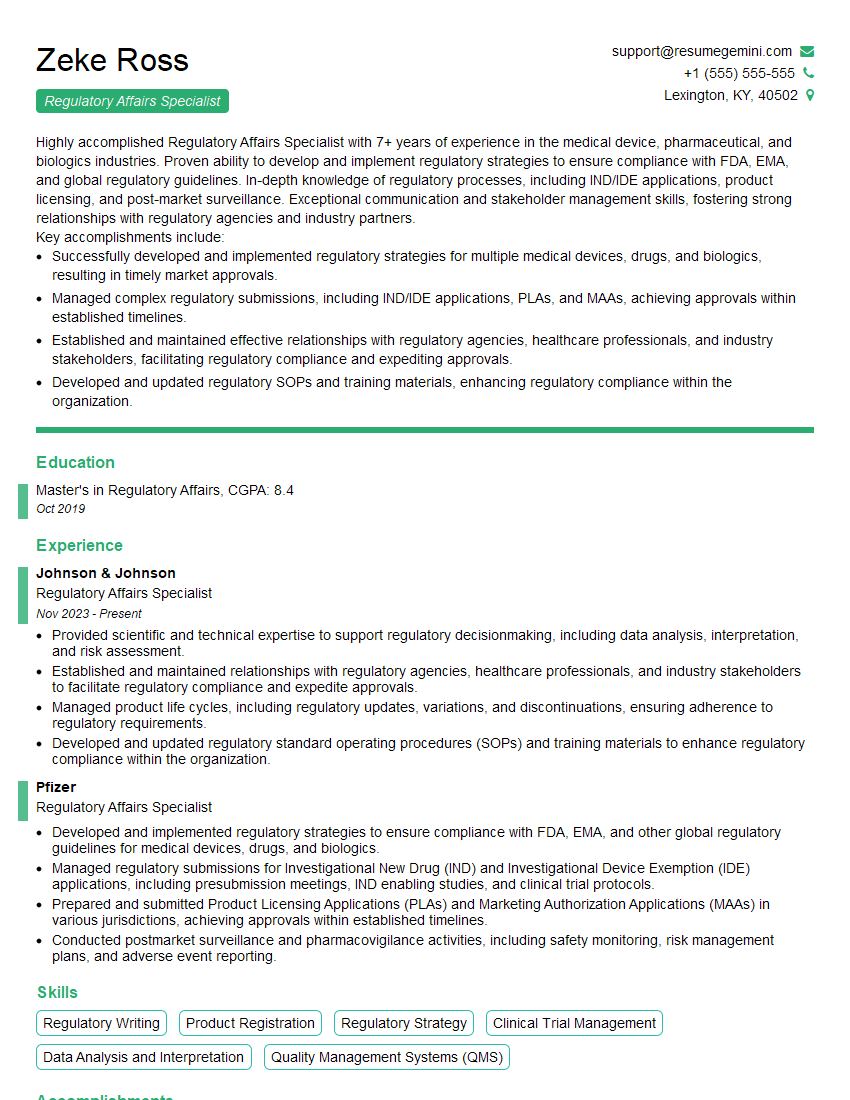
Regulatory Affairs Specialist Resume Sample
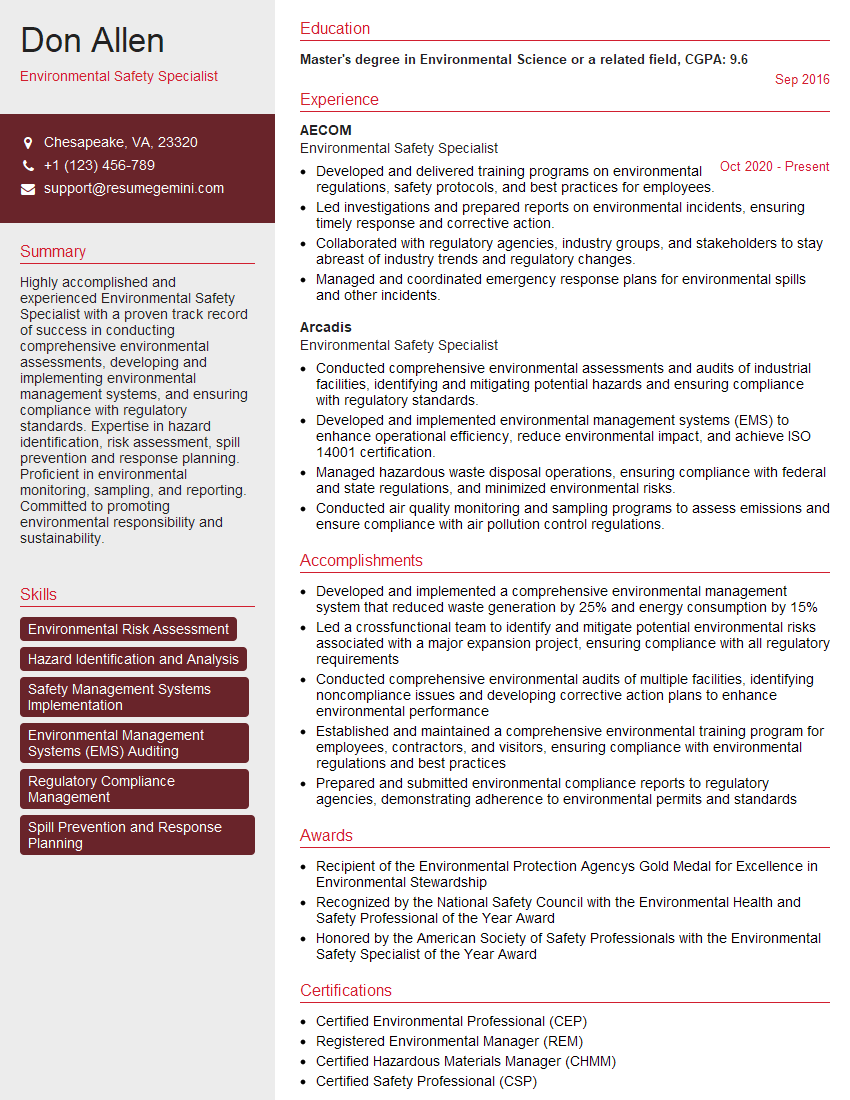
Environmental Safety Specialist Resume Sample
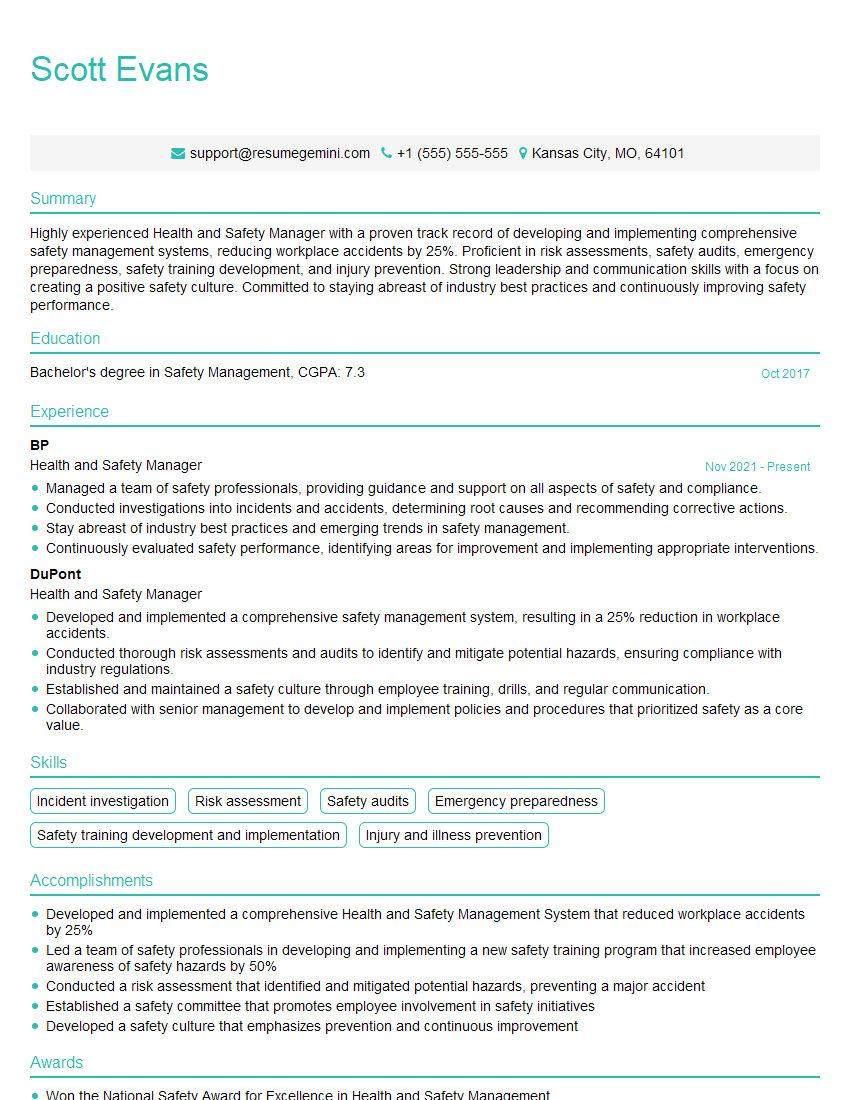
Health and Safety Manager Resume Sample
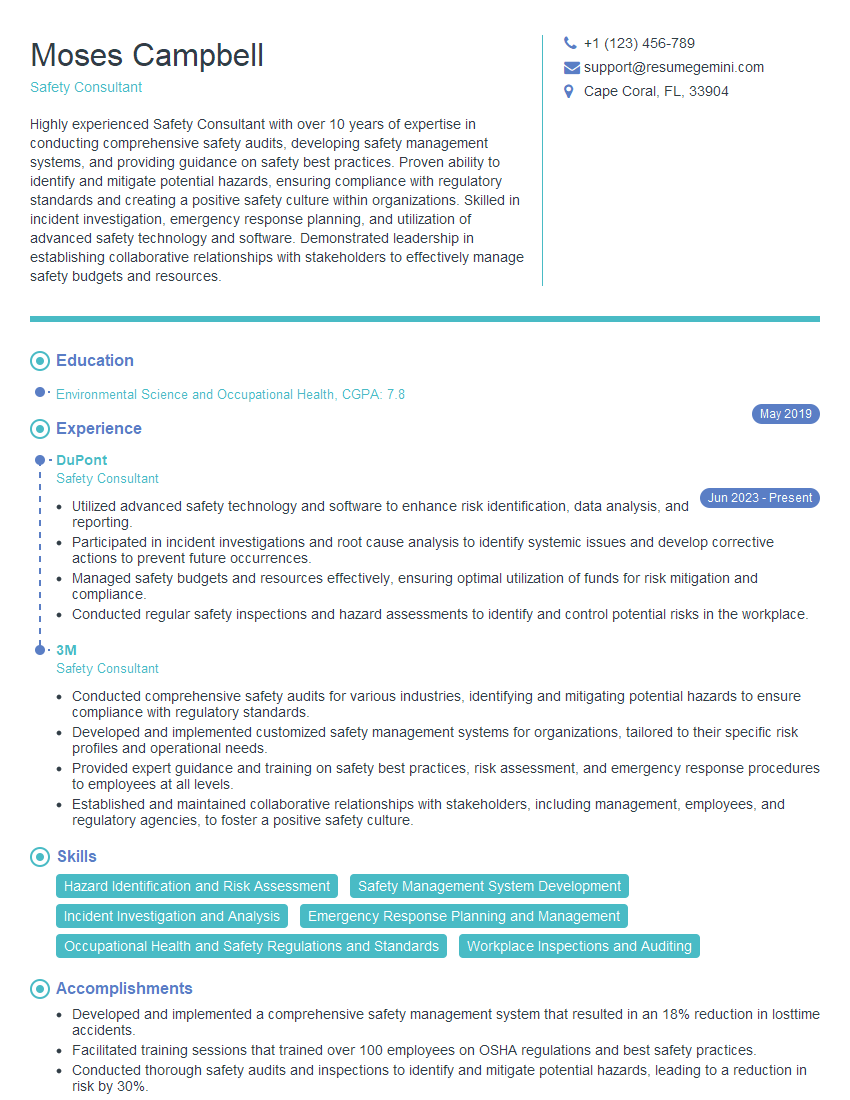
Safety Consultant Resume Sample

Laboratory Supervisor Resume Sample
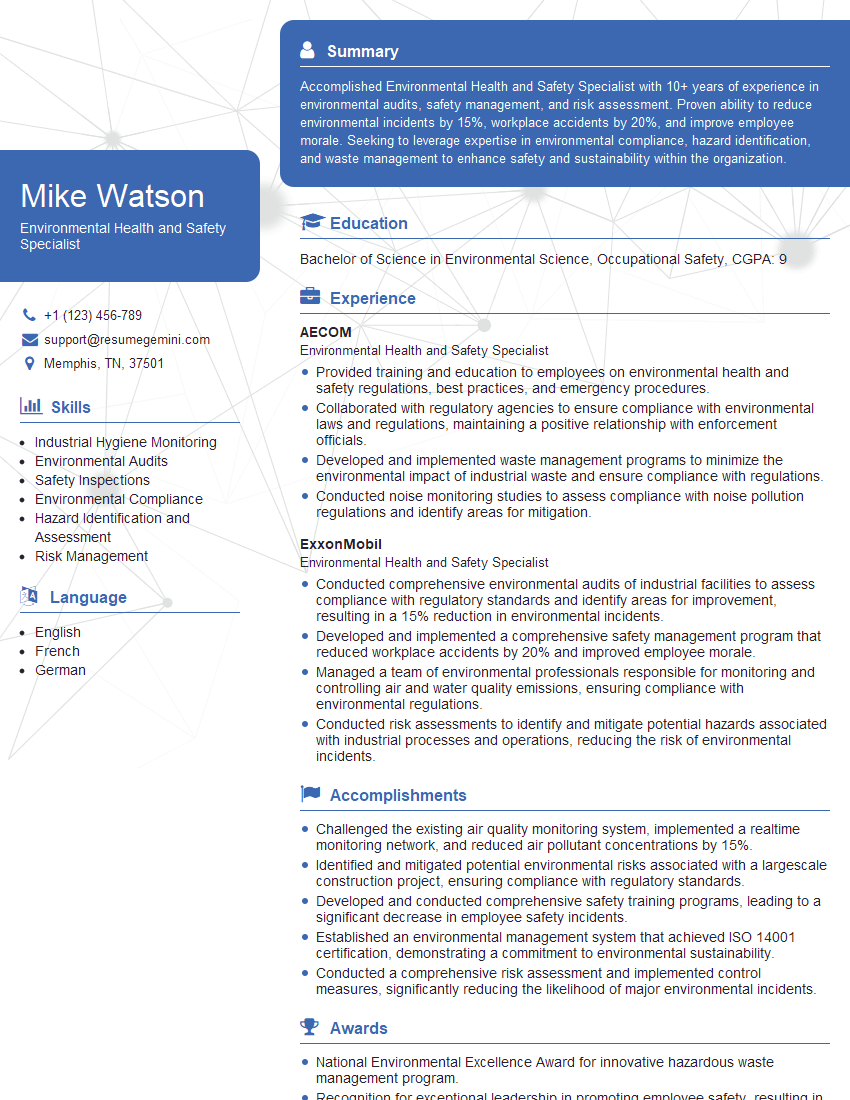
Environmental Health and Safety Specialist Resume Sample
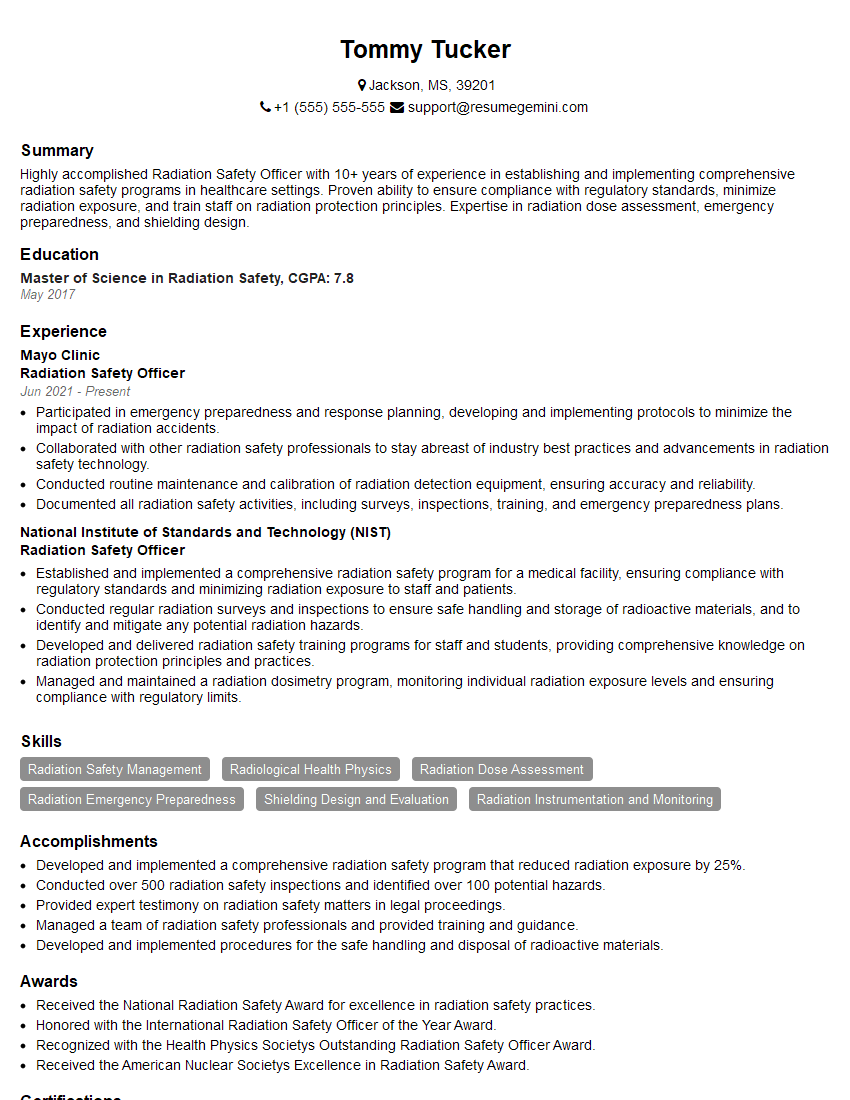
Radiation Safety Officer Resume Sample
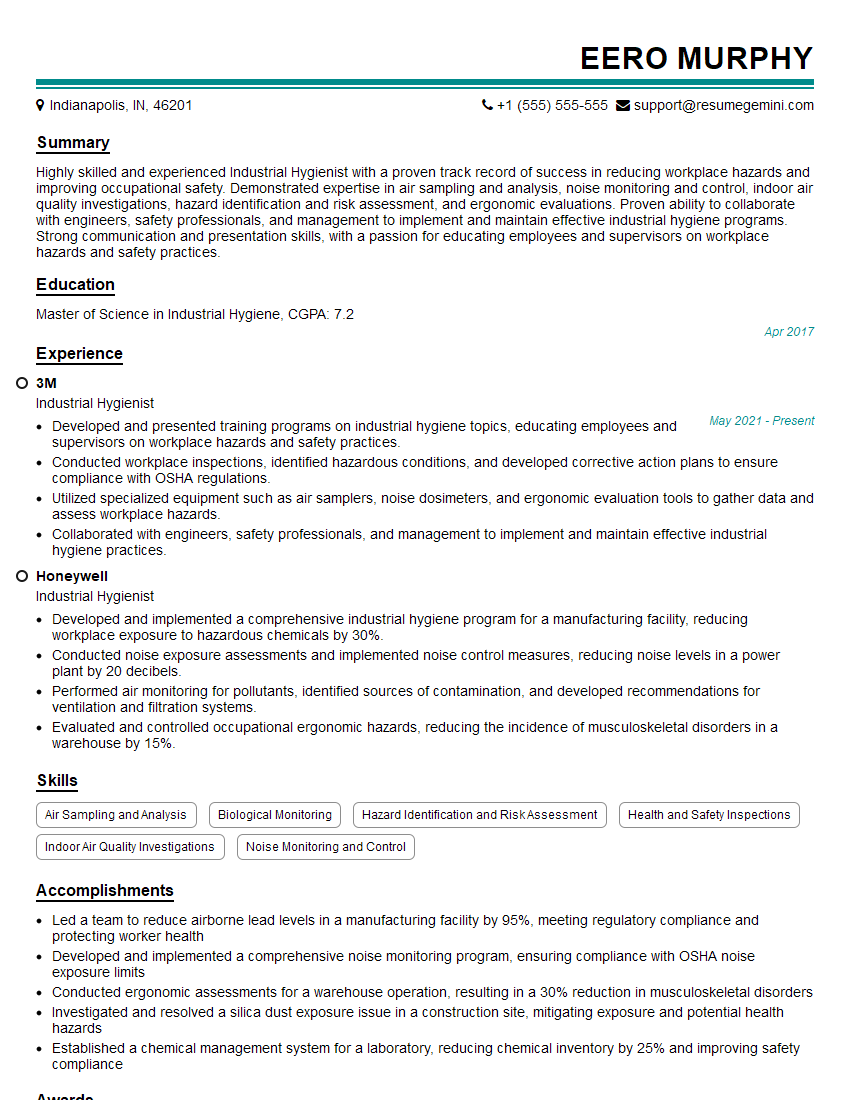
Industrial Hygienist Resume Sample
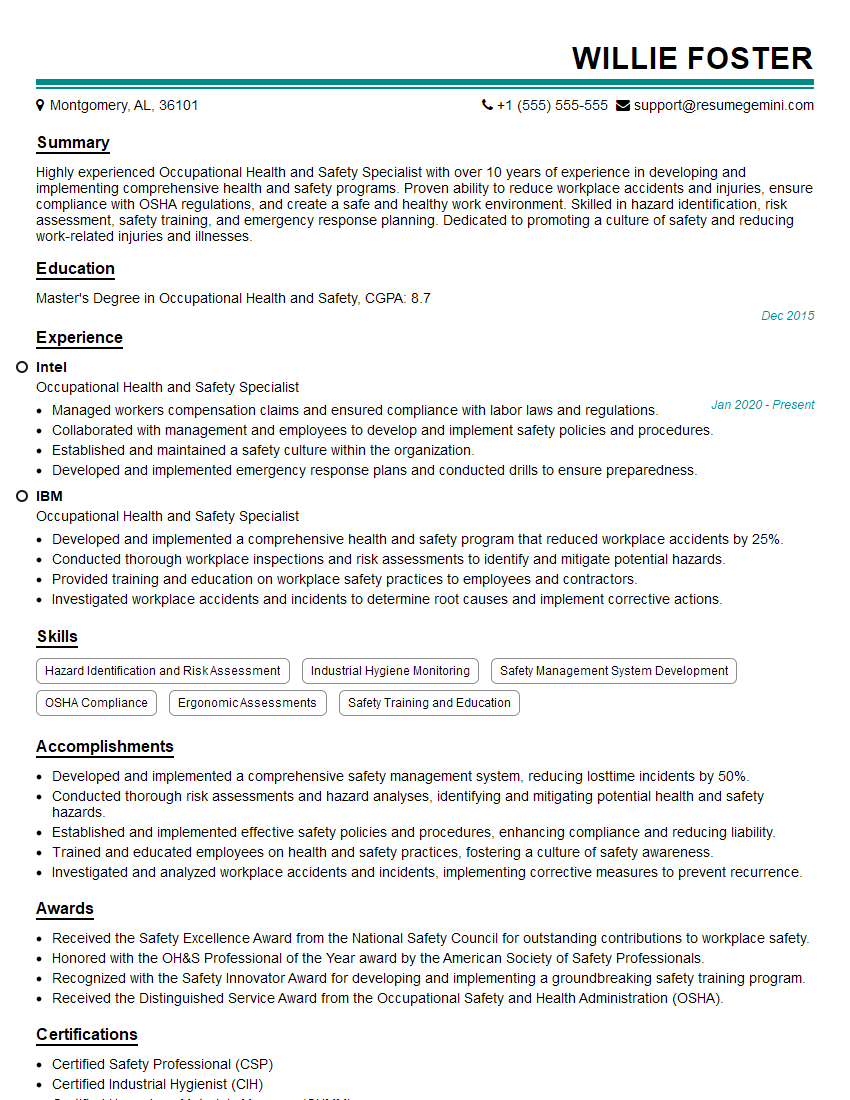
Occupational Health and Safety Specialist Resume Sample
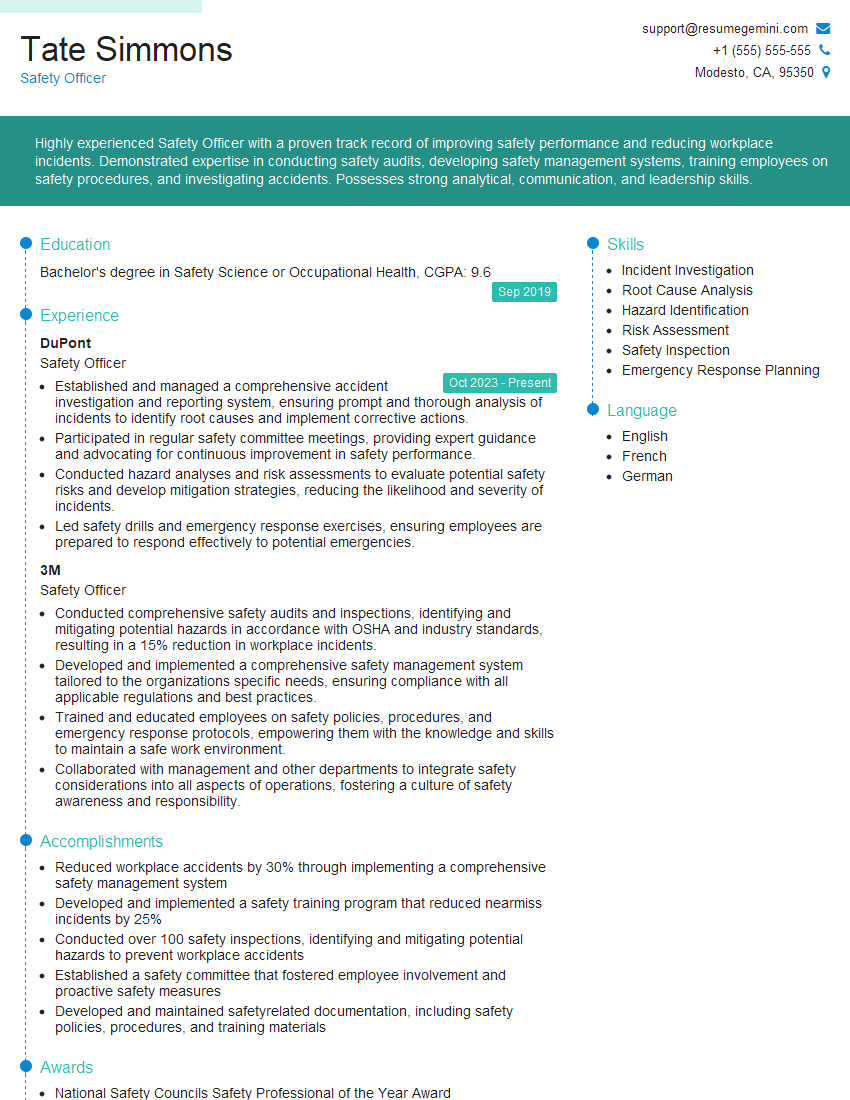
Safety Officer Resume Sample
- Laboratory Manager
- Quality Control Manager
- Compliance Officer
- Regulatory Affairs Specialist
- Environmental Safety Specialist
- Health and Safety Manager
- Safety Consultant
- Laboratory Supervisor
- Environmental Health and Safety Specialist
- Radiation Safety Officer
- Industrial Hygienist
- Occupational Health and Safety Specialist
- Safety Officer
Explore more articles
Users Rating of Our Blogs
Share Your Experience
We value your feedback! Please rate our content and share your thoughts (optional).
What Readers Say About Our Blog
To the interviewgemini.com Webmaster.
Very helpful and content specific questions to help prepare me for my interview!
Thank you
To the interviewgemini.com Webmaster.
This was kind of a unique content I found around the specialized skills. Very helpful questions and good detailed answers.
Very Helpful blog, thank you Interviewgemini team.