Unlock your full potential by mastering the most common Developing Individualized Treatment Plans interview questions. This blog offers a deep dive into the critical topics, ensuring you’re not only prepared to answer but to excel. With these insights, you’ll approach your interview with clarity and confidence.
Questions Asked in Developing Individualized Treatment Plans Interview
Q 1. Describe your process for assessing a client’s needs to inform the development of an individualized treatment plan.
Developing an individualized treatment plan begins with a thorough assessment of the client’s needs. This is a multi-faceted process involving several key steps.
- Comprehensive Intake: This involves gathering detailed information about the client’s history, current situation, presenting problems, strengths, and support systems. This might include interviews, questionnaires (like the Beck Depression Inventory or the GAD-7), and review of relevant records.
- Clinical Interview: A structured clinical interview allows me to delve deeper into the client’s experiences, understanding their perspective on their challenges and their goals for treatment. I use open-ended questions to encourage them to share freely and build rapport.
- Collateral Information: When appropriate and with client consent, I gather information from family members, significant others, teachers, or other professionals who have relevant insights into the client’s functioning. This provides a broader perspective.
- Assessment Tools: Depending on the client’s needs, I might utilize standardized assessment tools to measure specific symptoms, cognitive abilities, or personality traits. These tools provide objective data to complement the subjective information gathered during interviews.
- Diagnosis: Based on the gathered information, a diagnostic formulation is developed, informing the choice of appropriate interventions. This might involve using the DSM-5 or ICD-11 criteria.
For example, with a client struggling with anxiety, I wouldn’t just rely on their self-report; I’d use a standardized anxiety scale, explore their history of anxiety, and assess the impact on their daily life to form a complete picture.
Q 2. How do you incorporate evidence-based practices into individualized treatment plans?
Evidence-based practices (EBPs) are crucial for effective treatment. I incorporate them by staying current with research and selecting interventions supported by empirical evidence. This means I look for treatments that have been shown to be effective through rigorous scientific studies.
- Literature Reviews: I regularly review relevant research literature to stay informed about the latest advancements in treatment approaches for various conditions.
- Treatment Manuals: Many evidence-based therapies have accompanying manuals that provide detailed guidelines for implementation, ensuring consistency and fidelity to the research. For example, Cognitive Behavioral Therapy (CBT) has well-established manuals for different conditions.
- Professional Development: I attend workshops, conferences, and continuing education courses to enhance my knowledge of EBPs and refine my clinical skills.
- Tailoring to Individual Needs: While evidence supports the efficacy of certain interventions, I adapt them to meet each client’s unique needs, preferences, and cultural background. A one-size-fits-all approach doesn’t work in therapy.
For instance, if a client presents with depression, I might incorporate elements of CBT, such as cognitive restructuring and behavioral activation, because research strongly supports their effectiveness in treating depression. However, the specific techniques and strategies used would be tailored to the client’s individual circumstances and preferences.
Q 3. Explain how you would modify an individualized treatment plan based on a client’s progress or lack thereof.
Regular monitoring of client progress is essential for effective treatment. Modifications to the individualized treatment plan are made based on this ongoing evaluation.
- Progress Monitoring: I utilize various methods to track progress, including regular sessions, self-monitoring tools (like daily mood logs), and outcome measures (standardized questionnaires). This data provides objective feedback on the effectiveness of the current plan.
- Client Feedback: Client input is invaluable. I actively solicit their feedback on the treatment process and their perception of their progress. Their insights help me understand their experience and identify any areas needing adjustment.
- Goal Attainment Scaling (GAS): This method helps quantify progress toward goals by assigning numerical ratings to different levels of achievement. It allows for objective measurement and easier identification of needed changes.
- Plan Adjustments: Based on monitoring data and feedback, I may adjust the frequency of sessions, modify interventions, introduce new strategies, or alter the goals of treatment. Flexibility is key.
For example, if a client is making slow progress towards reducing anxiety symptoms using relaxation techniques, I might add exposure therapy to the treatment plan, as it often complements relaxation techniques effectively. Conversely, if a goal is being easily attained, I might raise the bar slightly or introduce a new, more challenging goal to ensure continued progress.
Q 4. How do you ensure the client’s goals are realistic and measurable within the treatment plan?
Establishing realistic and measurable goals is fundamental to a successful treatment plan. This involves a collaborative process.
- Client Collaboration: Goals should be collaboratively established, ensuring they align with the client’s values, priorities, and aspirations. This makes them more meaningful and motivating for the client.
- Specificity: Goals should be clearly defined and specific, avoiding vague or overly broad statements. Instead of “improve mood,” a measurable goal might be “increase participation in enjoyable activities to at least three times per week.”
- Measurability: Goals need to be measurable, so progress can be objectively tracked. This involves identifying specific indicators of success, such as reduced symptom severity, improved functional capacity, or increased participation in activities.
- Attainability: Goals should be challenging yet achievable. Unrealistic goals can be discouraging; overly easy goals may lack motivation. We work together to find a balance.
- Time-bound: Goals need a timeframe for completion, whether short-term (e.g., weekly goals) or long-term (e.g., goals for the duration of treatment).
For example, instead of a vague goal like “reduce stress,” a more effective goal might be: “Reduce stress levels, as measured by the Perceived Stress Scale, from a score of 25 to 15 within eight weeks, by practicing mindfulness meditation for 15 minutes daily and engaging in regular physical activity.”
Q 5. What strategies do you use to involve the client and their family in the development of the treatment plan?
Involving clients and their families in treatment planning promotes a collaborative and empowering approach. This increases engagement and improves outcomes.
- Shared Decision-Making: I treat clients as active partners in their treatment. This means involving them in every step of the process, including identifying goals, choosing interventions, and evaluating progress.
- Family Meetings: When appropriate and with the client’s consent, I involve family members in meetings to discuss treatment goals and strategies. This can be particularly helpful for clients with support systems who want family input.
- Educational Materials: I provide clients with educational materials and resources that explain the treatment plan and its rationale, empowering them to take an active role in their recovery.
- Cultural Sensitivity: I ensure that my approach is sensitive to the client’s cultural background and values, respecting their preferences and beliefs.
For instance, in working with a teenager struggling with substance abuse, I might involve their parents in sessions to discuss family dynamics and collaboratively develop strategies to support the teen’s recovery. The teenager would always be at the center, however, and their perspectives and comfort level would be prioritized.
Q 6. How do you prioritize treatment goals within a comprehensive individualized treatment plan?
Prioritizing treatment goals is crucial in a comprehensive plan, especially when dealing with multiple issues. This process involves careful consideration of several factors.
- Urgency and Severity: Goals addressing the most urgent and severe issues are prioritized first. For example, if a client is experiencing suicidal ideation, addressing this would take precedence over other goals.
- Client Preferences: The client’s preferences and values influence the prioritization process. Goals that are more meaningful to the client are likely to receive higher priority.
- Feasibility and Resources: The feasibility of achieving goals and available resources (time, financial, etc.) are important considerations. Ambitious goals may need to be broken down into smaller, manageable steps.
- Interdependence of Goals: The relationship between different goals is considered. Some goals might be prerequisites for others. For example, improving coping skills might be necessary before addressing more complex challenges.
For example, a client with both depression and anxiety might initially prioritize addressing their anxiety since it is currently causing the greatest distress and interfering with their daily life. Once anxiety is managed, the focus could shift to addressing the depression.
Q 7. Describe your experience with documenting progress and modifications to an individualized treatment plan.
Thorough documentation is essential for ethical practice, accountability, and continuity of care. My documentation practices follow established guidelines and standards.
- Progress Notes: I maintain detailed progress notes for each session, documenting the client’s presentation, interventions used, and progress toward goals. These notes also capture any changes in treatment plans and the rationale behind them.
- Treatment Plan Documentation: The individualized treatment plan itself is a formal document that clearly outlines the client’s diagnosis, goals, interventions, and the rationale for choosing those specific interventions. This serves as a roadmap for treatment.
- Electronic Health Records (EHRs): I use EHR systems to maintain secure and organized records. This ensures confidentiality and facilitates efficient access to information when needed.
- Regular Reviews: The treatment plan is regularly reviewed and updated to reflect changes in the client’s status, progress, or the need for modification.
For instance, if a client shows significant improvement in a particular area, I would note this in my progress notes, perhaps quantifying the improvement using a standardized measure. If changes are needed, the rationale for those changes is clearly documented and explained to the client, thus maintaining transparency and strong collaboration.
Q 8. How do you handle situations where a client is resistant to following the treatment plan?
Client resistance to treatment plans is a common challenge. It’s crucial to understand the why behind the resistance before addressing it. This often involves active listening, empathy, and a collaborative approach rather than a confrontational one.
My approach involves:
- Exploring the reasons for resistance: I’d engage the client in a non-judgmental conversation to understand their concerns. Are they feeling overwhelmed? Do they lack understanding of the plan? Are there logistical barriers? Are there cultural or personal beliefs that conflict with the plan?
- Collaboratively modifying the plan: Once the reasons are identified, I work with the client to adjust the plan. This might involve setting smaller, more achievable goals, altering the timeline, finding alternative strategies, or incorporating their preferences and beliefs. For example, if a client finds a particular exercise regime too strenuous, we can explore alternative forms of exercise that are equally effective but more enjoyable.
- Building rapport and trust: A strong therapeutic relationship is essential. I focus on building trust and demonstrating empathy throughout the process. This involves regular check-ins, validating their feelings, and celebrating even small successes.
- Providing education and support: Clear and concise explanations of the treatment rationale are essential. If a client understands why a particular intervention is beneficial, they’re more likely to comply. Ongoing support and encouragement are also crucial.
For instance, I once worked with a client who was resistant to attending group therapy. After exploring their concerns (fear of judgment and vulnerability), we agreed to start with individual sessions to build their confidence before gradually introducing group settings. This collaborative approach led to improved engagement and better outcomes.
Q 9. Explain your understanding of ethical considerations in the development and implementation of individualized treatment plans.
Ethical considerations are paramount in developing and implementing individualized treatment plans. These include:
- Confidentiality: Protecting client information is fundamental. I adhere strictly to HIPAA regulations and maintain confidentiality unless legally mandated to disclose information.
- Informed Consent: Clients must fully understand the treatment plan, its potential benefits and risks, and their right to refuse or withdraw at any time. This requires clear, concise communication, tailored to the client’s understanding.
- Beneficence and Non-maleficence: I strive to do what is in the best interests of the client and avoid causing harm. This involves careful consideration of the client’s unique needs and circumstances, and ongoing evaluation of the plan’s effectiveness.
- Justice: Providing equitable access to high-quality care, regardless of background or social status, is vital. This means acknowledging and addressing potential biases in my own practice and ensuring the plan is culturally appropriate.
- Autonomy: Respecting the client’s self-determination and right to make their own choices is crucial. While providing guidance and recommendations, I empower clients to actively participate in decision-making regarding their treatment.
For example, if a client’s religious beliefs conflict with a recommended treatment strategy, I would explore alternative approaches that align with their values while still achieving therapeutic goals. Ethical decision-making is an ongoing process that requires critical reflection and potentially consultation with colleagues or ethics boards.
Q 10. How do you collaborate with other professionals to ensure a coordinated approach to care?
Collaboration is essential for providing comprehensive and coordinated care. I actively engage with other professionals such as:
- Physicians: To coordinate medication management and address any physical health concerns that might impact the client’s mental health.
- Social Workers: To address social determinants of health, such as housing, employment, and access to resources.
- Family Members (with client’s permission): To gain additional insights and support the client’s treatment outside of therapy sessions.
- Other Therapists/Specialists: If specialized interventions are needed (e.g., occupational therapy, speech therapy).
Effective collaboration involves:
- Regular communication: Consistent updates and shared information through case conferences, emails, or phone calls.
- Shared goals: Establishing common goals and a unified treatment plan.
- Mutual respect: Acknowledging and valuing each professional’s expertise.
- Documentation: Maintaining clear and comprehensive records of all communications and interventions.
For example, in a case involving a client struggling with both depression and substance abuse, I would coordinate closely with their psychiatrist for medication management and a substance abuse counselor for addiction treatment, ensuring a cohesive and effective approach.
Q 11. How do you measure the effectiveness of an individualized treatment plan?
Measuring the effectiveness of an individualized treatment plan is crucial. This involves a multi-faceted approach combining quantitative and qualitative data.
- Quantitative Measures: These include standardized assessments (e.g., depression scales, anxiety inventories) administered at regular intervals to track changes in symptoms over time. The frequency depends on the client’s needs and the nature of the intervention.
- Qualitative Measures: This involves collecting subjective data through client feedback, observations during sessions, and clinical judgment. These help understand the client’s experience and the impact of treatment on their overall functioning.
- Goal Attainment Scaling (GAS): This method involves collaboratively establishing specific, measurable, achievable, relevant, and time-bound (SMART) goals with the client at the beginning of treatment and then rating progress towards these goals at regular intervals.
It is important to remember that treatment effectiveness is not solely determined by numerical scores. A comprehensive evaluation considers multiple factors, including the client’s self-reported improvement, functional changes in their daily life, and their overall satisfaction with the treatment.
For example, a client might show a significant reduction in their depression score on a standardized measure, and also report improved sleep, increased energy, and improved relationships, all of which would contribute to a holistic evaluation of treatment effectiveness.
Q 12. Describe your experience working with diverse populations and adapting treatment plans accordingly.
I have extensive experience working with diverse populations, including individuals from different cultural backgrounds, socioeconomic statuses, sexual orientations, and genders. Adapting treatment plans requires cultural humility, sensitivity, and a willingness to learn.
My approach involves:
- Self-reflection: Identifying and addressing my own biases and assumptions.
- Cultural assessment: Understanding the client’s cultural background, beliefs, values, and practices.
- Emic perspective: Seeing the world from the client’s perspective and understanding their experiences within their own cultural context.
- Adaptation: Modifying the treatment plan to be culturally appropriate and congruent with the client’s values. This might involve adjusting communication styles, therapeutic techniques, or the overall structure of treatment.
- Collaboration: Working with community leaders, cultural consultants, or other professionals with expertise in specific cultural groups.
For example, I adapted my approach with a client from a collectivistic culture by incorporating family members into the therapy sessions (with the client’s consent), which aligns with their cultural values of family support and shared decision-making.
Q 13. What are some common challenges in developing individualized treatment plans, and how do you address them?
Developing individualized treatment plans presents several challenges:
- Limited resources: Access to limited resources such as time, funding, or specialized services can hinder the development and implementation of comprehensive plans.
- Client factors: Clients’ motivation, willingness to engage, and ability to adhere to the plan can impact treatment outcomes. Comorbid conditions and complex life circumstances also add layers of complexity.
- Ethical dilemmas: Navigating ethical considerations like confidentiality, informed consent, and cultural sensitivity requires careful thought and potentially consultation with other professionals.
- Assessment challenges: Accurately assessing clients’ needs and strengths, and formulating goals based on available data, requires clinical expertise and thorough assessment tools.
Addressing these challenges involves:
- Prioritization: Focusing on the most pressing issues and establishing achievable goals.
- Collaboration: Working with other professionals and community resources to overcome resource limitations.
- Flexibility and adaptation: Regularly monitoring the plan’s effectiveness and making adjustments as needed based on client response.
- Strong therapeutic relationship: Building rapport and trust with clients to enhance motivation and engagement.
For instance, if a client lacks access to transportation, we may need to explore telehealth options or adjust the frequency of appointments to accommodate their limitations.
Q 14. How do you ensure the treatment plan is culturally sensitive and appropriate?
Cultural sensitivity is essential. A culturally insensitive treatment plan is ineffective and may even be harmful. To ensure cultural appropriateness, I use a multi-pronged approach:
- Cultural humility: Recognizing the limits of my own cultural understanding and acknowledging the client’s expertise in their own culture.
- Cultural assessment: Gathering information about the client’s cultural background, beliefs, values, and experiences to inform treatment.
- Adaptation: Tailoring the treatment approach, language, and techniques to fit the client’s cultural context. For example, adapting communication styles to be more direct or indirect based on the client’s cultural norms.
- Collaboration: Seeking consultation from cultural experts or community leaders to ensure the plan aligns with the client’s cultural values.
- Avoidance of stereotypes: Resisting the temptation to generalize or make assumptions about a client based on their cultural background.
For instance, understanding the importance of family involvement in certain cultures would influence how I approach treatment, potentially involving family members in the process with the client’s informed consent. Ignoring these cultural nuances can seriously hinder treatment success and damage the therapeutic relationship.
Q 15. What technology or tools do you use to support the development and management of individualized treatment plans?
Developing and managing individualized treatment plans requires a robust technological infrastructure. I utilize a combination of tools to ensure efficiency and effectiveness. This includes Electronic Health Records (EHR) systems, which allow for secure storage and access to client data, progress notes, and treatment plans. These systems often integrate with other tools, streamlining the process. For example, I use a specific EHR that integrates with a telehealth platform, enabling remote sessions and easy access to client information regardless of location. Furthermore, I leverage project management software to track progress toward treatment goals, schedule appointments, and monitor client engagement. This helps ensure that treatment stays on track and allows for proactive adjustments as needed. Finally, data analysis tools help me objectively assess treatment efficacy and inform modifications. These could include basic spreadsheet programs to more sophisticated statistical software depending on the complexity of the data being analyzed.
Career Expert Tips:
- Ace those interviews! Prepare effectively by reviewing the Top 50 Most Common Interview Questions on ResumeGemini.
- Navigate your job search with confidence! Explore a wide range of Career Tips on ResumeGemini. Learn about common challenges and recommendations to overcome them.
- Craft the perfect resume! Master the Art of Resume Writing with ResumeGemini’s guide. Showcase your unique qualifications and achievements effectively.
- Don’t miss out on holiday savings! Build your dream resume with ResumeGemini’s ATS optimized templates.
Q 16. How do you address potential barriers to treatment adherence?
Addressing barriers to treatment adherence requires a multifaceted approach that starts with understanding the root causes. This often involves open communication and collaboration with the client. I use motivational interviewing techniques to explore their perspectives and identify any obstacles, whether they are logistical (transportation, childcare), psychological (fear of failure, stigma), or social (lack of support). Once barriers are identified, we collaboratively develop strategies to overcome them. For example, if transportation is an issue, we explore public transport options, ride-sharing services, or even telehealth as an alternative. If it’s a matter of motivation, we establish clear, achievable goals and celebrate successes along the way. If social support is lacking, we may involve family members or connect the client with support groups. Regular check-ins and open communication remain crucial throughout the process, fostering a strong therapeutic alliance that strengthens adherence.
Q 17. Describe a situation where you had to adjust a treatment plan due to unforeseen circumstances.
I once had a client whose treatment plan centered around gradually reducing their reliance on prescribed medication. We had developed a careful tapering schedule. However, unexpected medical complications arose, necessitating an immediate adjustment. The client experienced a severe adverse reaction, requiring hospitalization and a complete reassessment of the medication plan. In this situation, I immediately consulted with their physician, adjusting the treatment plan to prioritize stabilizing their condition. This involved temporarily halting the tapering process and focusing on managing the acute medical issue. Once the client was medically stable, we resumed the medication reduction, but at a slower, more cautious pace, adjusting based on their physiological response and input. This experience highlighted the importance of flexibility and adaptability in treatment planning and underscored the need for open communication with the client’s medical team.
Q 18. Explain how you maintain confidentiality and adhere to HIPAA regulations when developing and managing treatment plans.
Maintaining confidentiality and adhering to HIPAA regulations is paramount. I use secure, password-protected electronic health records (EHR) systems that comply with HIPAA standards. All client information is stored securely, and access is limited to authorized personnel only. I consistently use de-identified data whenever possible when discussing cases or conducting research. I always obtain informed consent from clients before sharing any information with other healthcare providers, ensuring they understand how their information will be used and protected. My practice follows strict protocols regarding data breaches and notifications as mandated by HIPAA. I provide clients with clear information about their rights to access and control their health information, emphasizing my commitment to safeguarding their privacy.
Q 19. How do you balance short-term and long-term goals within an individualized treatment plan?
Balancing short-term and long-term goals requires a strategic approach. Short-term goals provide immediate motivation and a sense of accomplishment, building momentum for achieving longer-term objectives. For example, a short-term goal for a client struggling with substance abuse might be to attend three support group meetings per week, while the long-term goal is sustained sobriety. I ensure that short-term goals are realistic, achievable, and directly contribute to the long-term vision. I regularly review and adjust both short-term and long-term goals with clients, ensuring the treatment plan remains relevant and motivating. This collaborative approach keeps the client engaged and focused on overall well-being.
Q 20. How do you use data to inform decisions about modifications to the treatment plan?
Data plays a crucial role in informing decisions about treatment plan modifications. I track client progress using various metrics, including self-reported measures, clinical observations, and standardized assessments. This data allows me to objectively assess treatment effectiveness and identify areas needing adjustment. For example, if a client’s anxiety scores consistently remain high despite implementing specific interventions, I would re-evaluate those interventions and potentially incorporate different strategies. I use statistical methods when appropriate to analyze data trends, helping me make informed decisions about modifying interventions or even shifting the overall treatment approach to optimize outcomes. This data-driven approach ensures treatment remains aligned with the client’s evolving needs.
Q 21. Describe your experience with creating and managing treatment plans for clients with co-occurring disorders.
I have extensive experience with clients presenting with co-occurring disorders (CODs), which involves integrating treatment for mental health and substance use disorders simultaneously. This requires a holistic approach, understanding that these disorders often influence one another. I utilize an integrated treatment model, coordinating with psychiatrists, substance abuse specialists, and other relevant professionals to develop a comprehensive treatment plan addressing all aspects of the client’s needs. For example, a client with depression and alcohol dependence would need a tailored approach involving medication management, psychotherapy, and substance abuse counseling. Effective communication and collaboration within the treatment team are crucial for successful outcomes in COD cases. Regular meetings and shared decision-making regarding the client’s progress are critical aspects of the treatment process. I meticulously document all interactions and progress within their EHR to facilitate effective communication and coordinate care among various providers.
Q 22. How do you incorporate family therapy techniques into an individualized treatment plan?
Incorporating family therapy techniques into an individualized treatment plan is crucial, especially when dealing with issues impacting the family system. It’s not about simply including family members; it’s about understanding how their dynamics influence the individual’s well-being and integrating that understanding into the treatment.
For example, if a teenager is struggling with anxiety, family therapy might reveal that parental conflict is a significant contributing factor. The treatment plan would then incorporate strategies to address both the teenager’s anxiety and the parental conflict, perhaps through communication skills training and conflict-resolution techniques within family sessions. This systemic approach recognizes that change in one part of the system (the teenager) can’t be fully achieved without addressing the interconnectedness with other parts (the family). We might utilize techniques like structural family therapy to redefine family roles or strategic family therapy to address specific problematic interactions.
- Assessment: A thorough assessment includes understanding the family’s structure, communication patterns, and relational dynamics.
- Goal Setting: Goals are collaboratively set, involving both the individual and family members. This ensures everyone feels heard and invested in the process.
- Intervention Strategies: Interventions might involve family meetings, role-playing exercises, or improving communication skills.
- Collaboration: Ongoing collaboration with the family is essential throughout the treatment process for support and feedback.
Q 23. Explain the importance of regular reviews and updates to individualized treatment plans.
Regular reviews and updates to individualized treatment plans are paramount because individuals, their circumstances, and their responses to treatment evolve over time. What works initially might become less effective, or new challenges might arise. Think of it like navigating with a map – you need to check your progress and adjust your route as needed.
Imagine a client starting therapy for depression. Initially, we might focus on cognitive restructuring and behavioral activation. However, after a few weeks, we might discover that underlying trauma is significantly contributing to their depression. The treatment plan would then be updated to incorporate trauma-informed therapy. Regular reviews ensure the plan remains relevant, effective, and tailored to the client’s changing needs. Without these reviews, the treatment becomes stagnant, and progress is hampered.
- Frequency: Reviews can be scheduled weekly, bi-weekly, or monthly, depending on the client’s needs and the treatment’s complexity.
- Methods: Reviews can involve client feedback, progress tracking, reassessment of goals, and adjustments to treatment strategies.
- Documentation: Thorough documentation of these reviews is essential for maintaining a comprehensive treatment record.
Q 24. How do you communicate effectively with clients and their families regarding the treatment plan?
Effective communication with clients and their families is built on a foundation of respect, empathy, and clear, accessible language. It’s crucial to explain the treatment plan in a way that everyone understands, avoiding overly technical jargon. The key is to engage them as partners in the treatment process.
For example, I begin by explaining the diagnosis and its impact in simple terms. I then collaboratively develop the treatment goals, ensuring the client and their family feel heard and understood. I use visual aids, such as flowcharts or diagrams, to illustrate the treatment process. I also provide regular updates on progress, and encourage open communication and feedback throughout the process. Regular check-ins and active listening are crucial for maintaining open communication and building trust.
- Active Listening: Truly listening to their concerns and perspectives.
- Plain Language: Avoiding technical terms unless explained clearly.
- Visual Aids: Using diagrams or charts to improve understanding.
- Open Dialogue: Creating a safe space for questions and concerns.
- Regular Updates: Providing consistent feedback on progress.
Q 25. What are your strategies for setting realistic expectations regarding treatment outcomes?
Setting realistic expectations is crucial for maintaining client motivation and preventing disillusionment. It’s about finding a balance between optimism and honesty. It’s vital to avoid promising unrealistic outcomes, while simultaneously fostering hope and a belief in their capacity for change.
I begin by clearly explaining the nature of the problem and the likely timeframe for improvement. I often use analogies to explain the therapeutic process, such as comparing therapy to a journey where there will be ups and downs. I collaboratively set achievable goals, breaking down larger goals into smaller, more manageable steps. This incremental approach helps build confidence and a sense of accomplishment along the way. Regular monitoring of progress and adjustments to the treatment plan also contribute to maintaining realistic expectations.
- Collaborative Goal Setting: Working with the client to establish achievable goals.
- Progress Monitoring: Regularly tracking progress to adjust expectations as needed.
- Open Communication: Honestly discussing potential challenges and setbacks.
- Focus on Process: Emphasizing the importance of the therapeutic process, not just the outcome.
Q 26. How do you demonstrate empathy and build rapport with clients during the treatment planning process?
Empathy and rapport-building are foundational to successful treatment planning. It’s about creating a safe and trusting environment where the client feels understood, validated, and empowered. I strive to understand their experiences from their perspective, acknowledging their feelings without judgment.
I begin by actively listening, reflecting their emotions, and validating their experiences. I use open-ended questions to encourage them to share their thoughts and feelings. I also pay attention to nonverbal cues such as body language and tone of voice, which can reveal hidden emotions. I create a collaborative partnership where they feel actively involved in the decision-making process regarding their treatment. Showing genuine interest in their life and struggles builds a foundation of trust that allows for open communication and progress.
- Active Listening: Paying close attention to both verbal and nonverbal cues.
- Empathetic Responses: Reflecting and validating the client’s feelings.
- Collaboration: Involving the client in all stages of the treatment planning process.
- Genuine Interest: Showing a sincere interest in the client’s life and experiences.
Q 27. Describe your experience with specific models or frameworks used in developing individualized treatment plans (e.g., CBT, DBT, Motivational Interviewing).
I have extensive experience utilizing various models and frameworks in developing individualized treatment plans. My approach is often integrative, drawing upon the strengths of different modalities depending on the client’s needs and presenting issues.
- Cognitive Behavioral Therapy (CBT): I frequently use CBT techniques to identify and modify maladaptive thought patterns and behaviors. For example, with a client experiencing anxiety, I might use cognitive restructuring to challenge negative automatic thoughts and behavioral experiments to gradually expose them to feared situations.
- Dialectical Behavior Therapy (DBT): DBT is particularly effective in treating individuals with borderline personality disorder or those struggling with emotional regulation. I utilize DBT skills training modules focusing on mindfulness, distress tolerance, emotion regulation, and interpersonal effectiveness.
- Motivational Interviewing (MI): MI is a valuable tool for enhancing client motivation and commitment to change. I use MI principles to explore the client’s ambivalence towards change and help them identify their own reasons for seeking treatment and their personal goals for change.
The selection of a specific model or framework is not arbitrary. It is carefully considered based on a comprehensive assessment of the client’s unique needs, strengths, and challenges. I often integrate elements from multiple approaches to create a truly individualized and effective treatment plan.
Key Topics to Learn for Developing Individualized Treatment Plans Interview
- Assessment and Diagnosis: Understanding the process of comprehensively assessing client needs and formulating accurate diagnoses to inform treatment planning.
- Goal Setting and SMART Objectives: Mastering the creation of measurable, achievable, relevant, and time-bound goals in collaboration with clients. Practical application includes examples of SMART goals for various clinical presentations.
- Treatment Modalities and Interventions: Familiarizing yourself with a range of evidence-based therapeutic approaches and their appropriate application based on client needs and diagnosis. This includes understanding the rationale behind selecting specific interventions.
- Ethical Considerations and Legal Frameworks: Demonstrating awareness of ethical guidelines, legal regulations, and professional boundaries related to developing and implementing treatment plans. This includes understanding informed consent and client confidentiality.
- Collaboration and Communication: Understanding the importance of effective communication with clients, their families, and other professionals involved in their care. This includes practicing active listening and providing clear and concise explanations of treatment plans.
- Progress Monitoring and Evaluation: Knowing how to effectively track client progress, modify treatment plans as needed, and evaluate the overall effectiveness of interventions. This involves understanding various assessment tools and outcome measures.
- Cultural Competence and Sensitivity: Demonstrating an understanding of the impact of cultural factors on treatment planning and the ability to adapt strategies accordingly. This includes acknowledging and addressing potential biases.
- Documentation and Record Keeping: Understanding the importance of accurate and comprehensive documentation of the treatment planning process, including progress notes and other relevant records.
Next Steps
Mastering the art of developing individualized treatment plans is crucial for career advancement in this field. It demonstrates your clinical competence, problem-solving skills, and commitment to client well-being. To significantly boost your job prospects, crafting an ATS-friendly resume is essential. ResumeGemini is a trusted resource to help you build a compelling and effective resume that highlights your expertise in this area. ResumeGemini provides examples of resumes tailored to Developing Individualized Treatment Plans, ensuring your application stands out from the competition. Take the next step in your career journey – invest in your resume and your future!
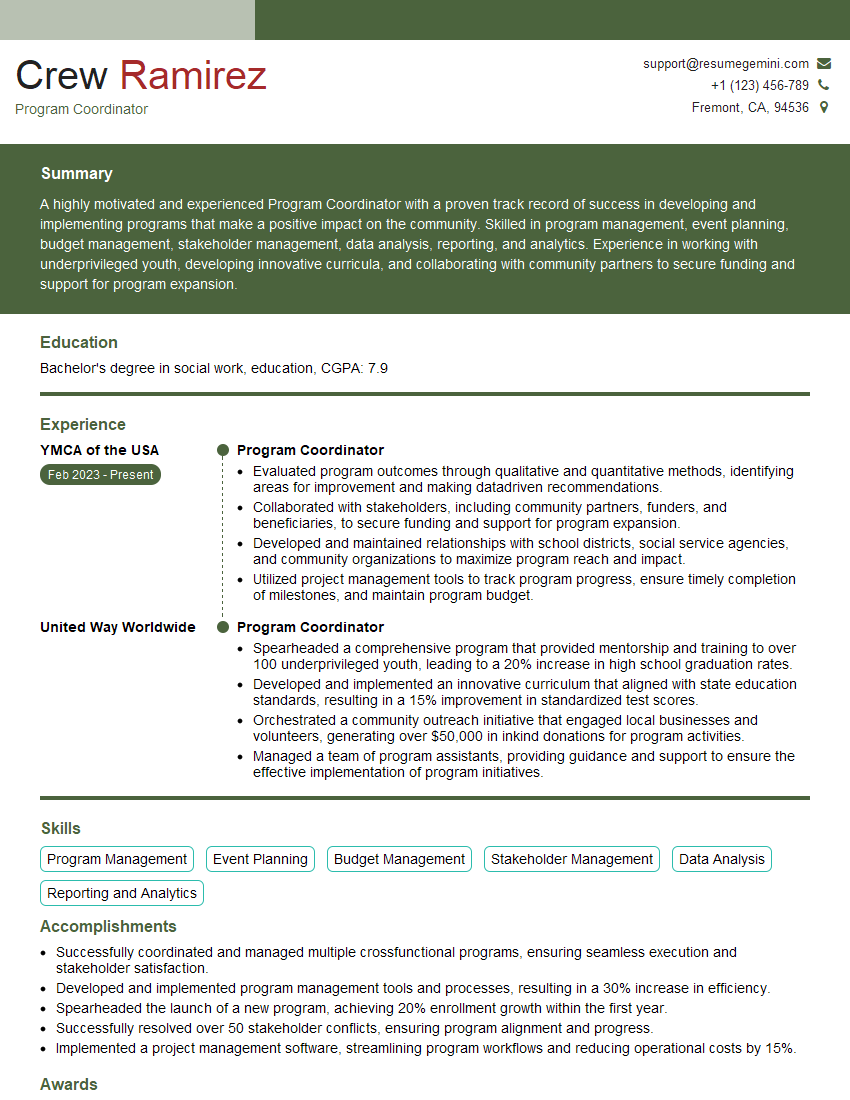
Program Coordinator Resume Sample
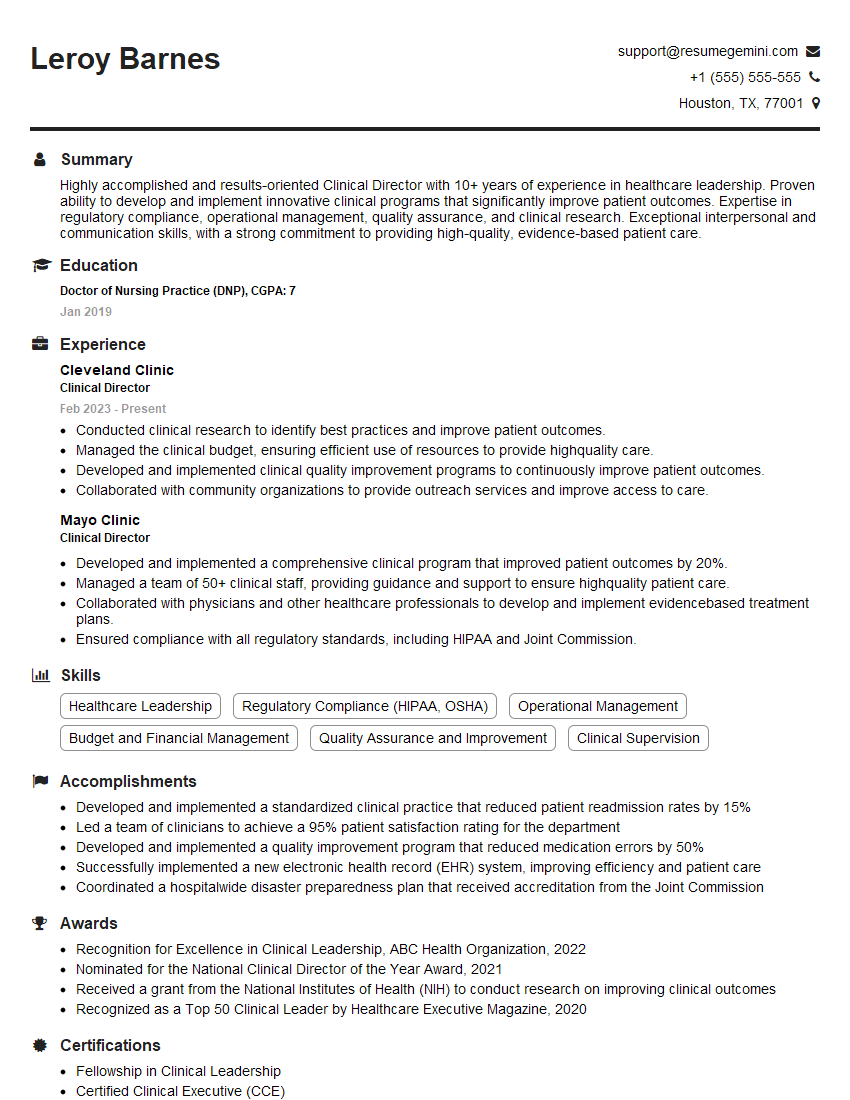
Clinical Director Resume Sample
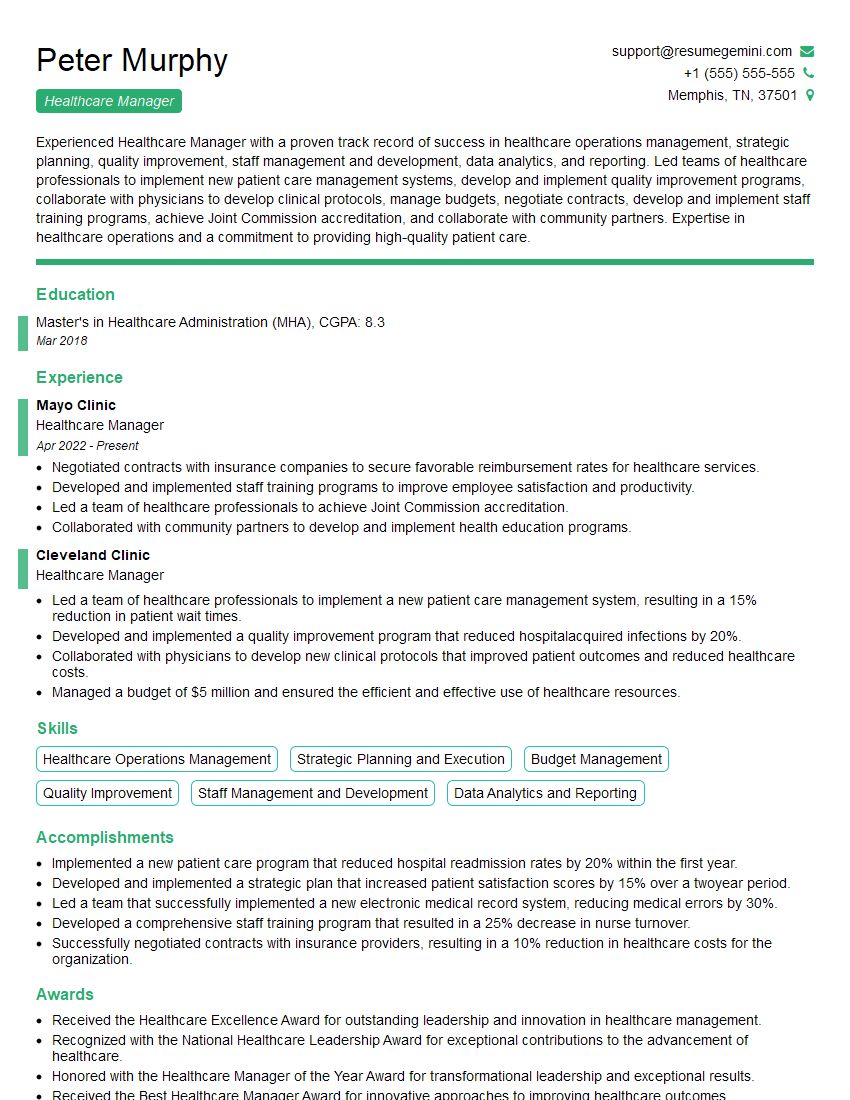
Healthcare Manager Resume Sample
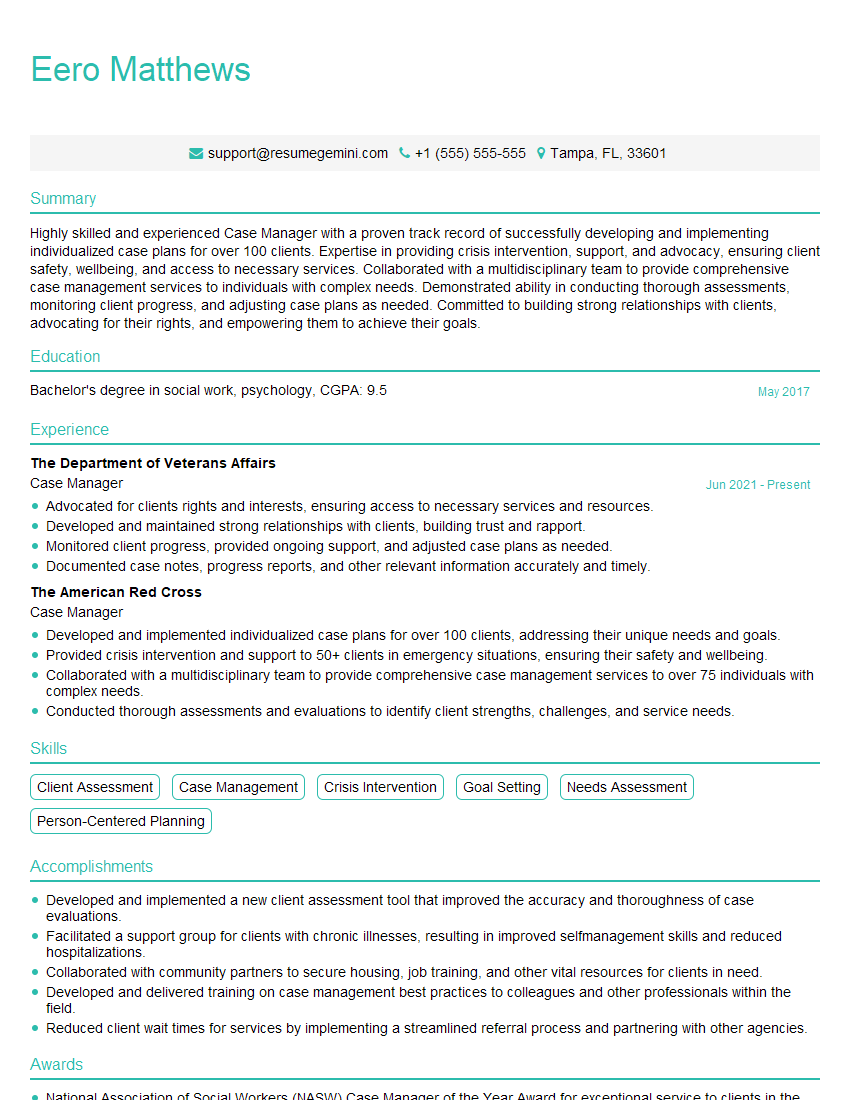
Case Manager Resume Sample
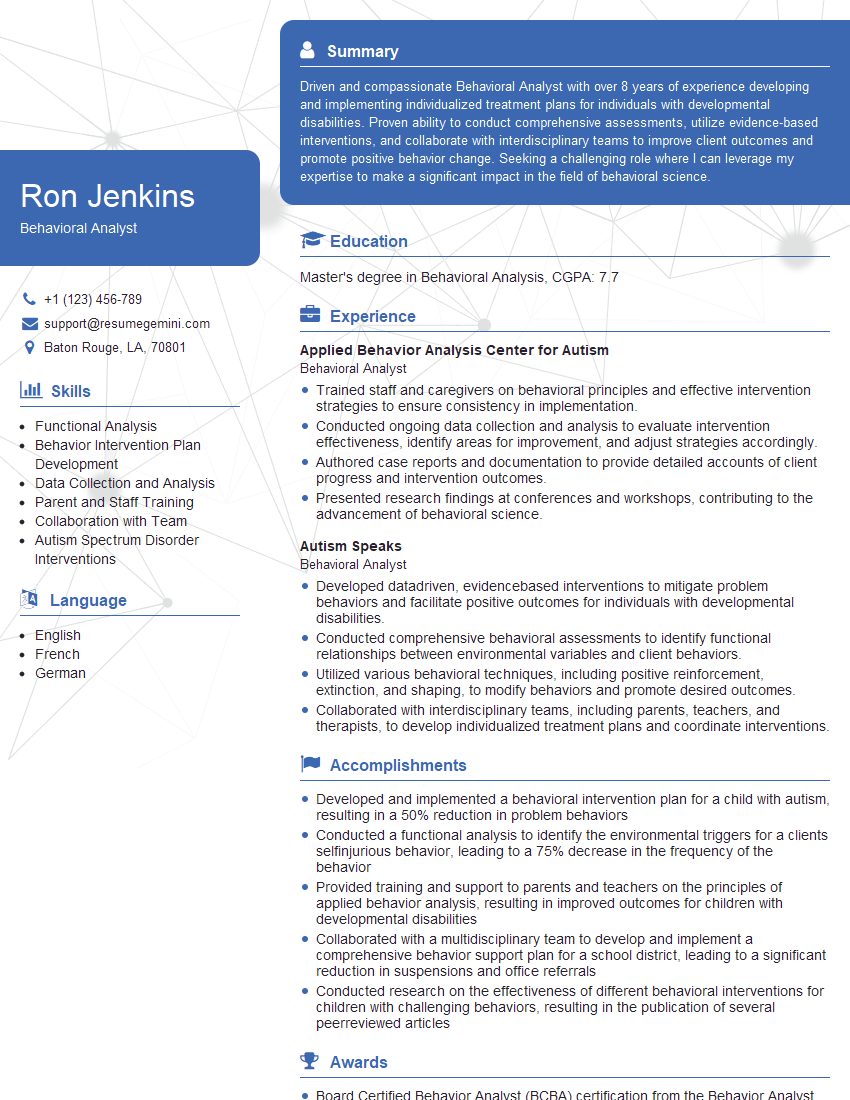
Behavioral Analyst Resume Sample
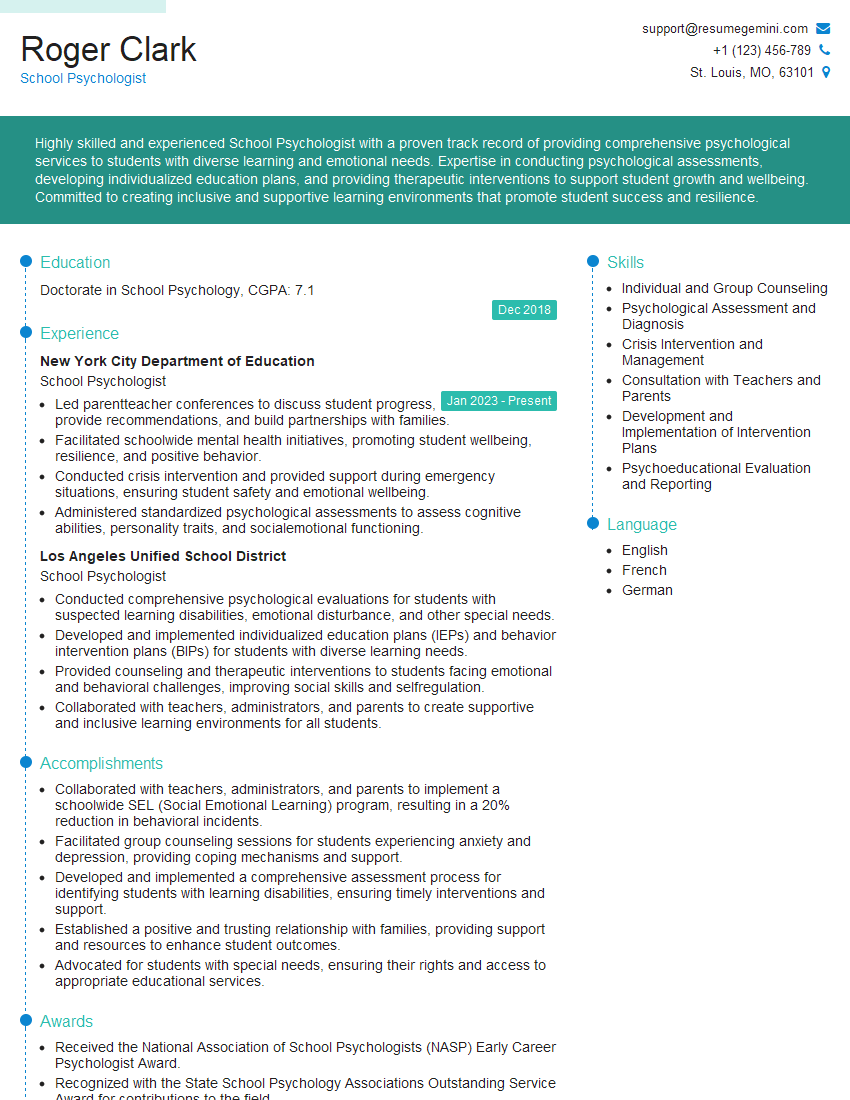
School Psychologist Resume Sample
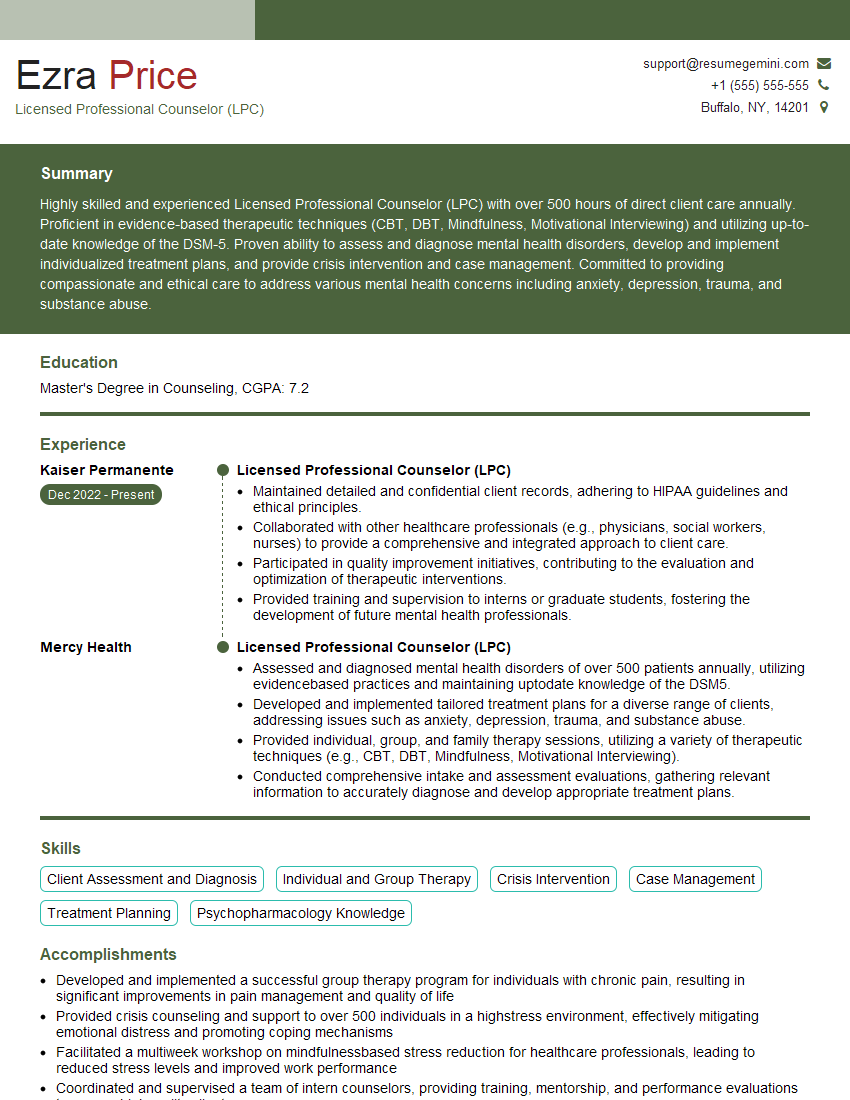
Licensed Professional Counselor (LPC) Resume Sample

Mental Health Counselor Resume Sample
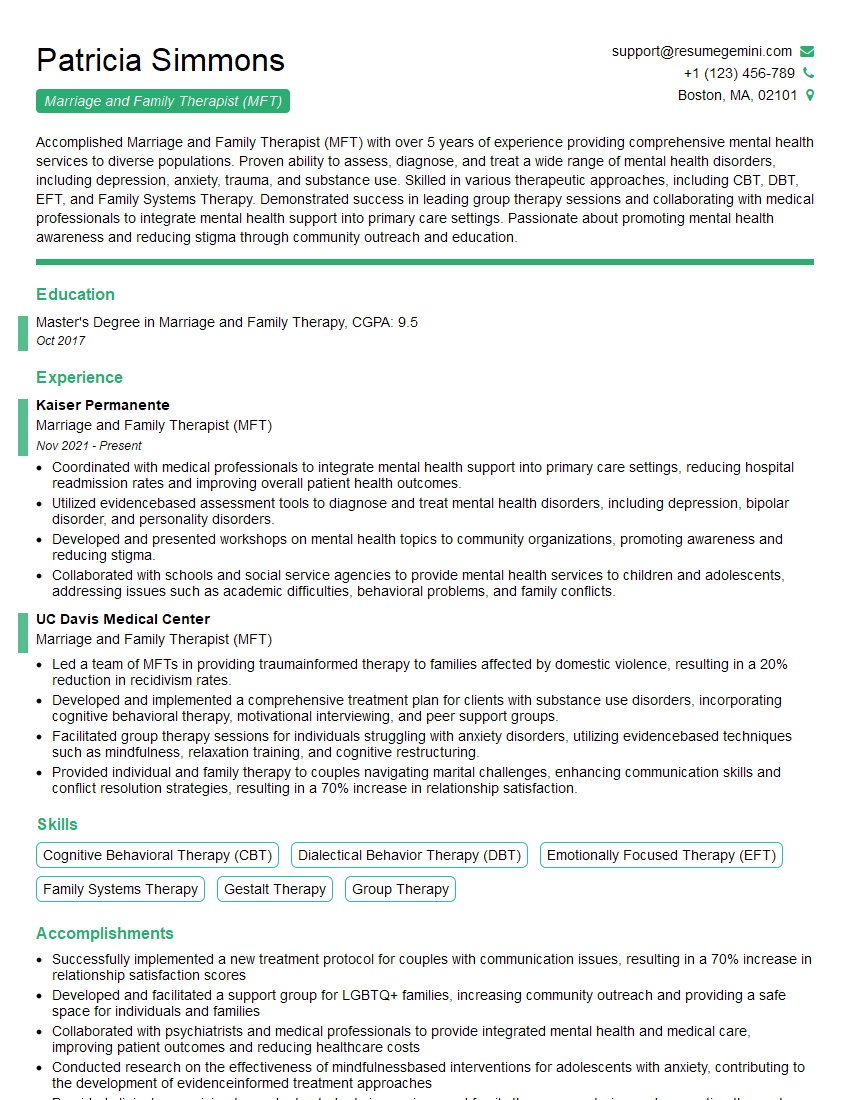
Marriage and Family Therapist (MFT) Resume Sample
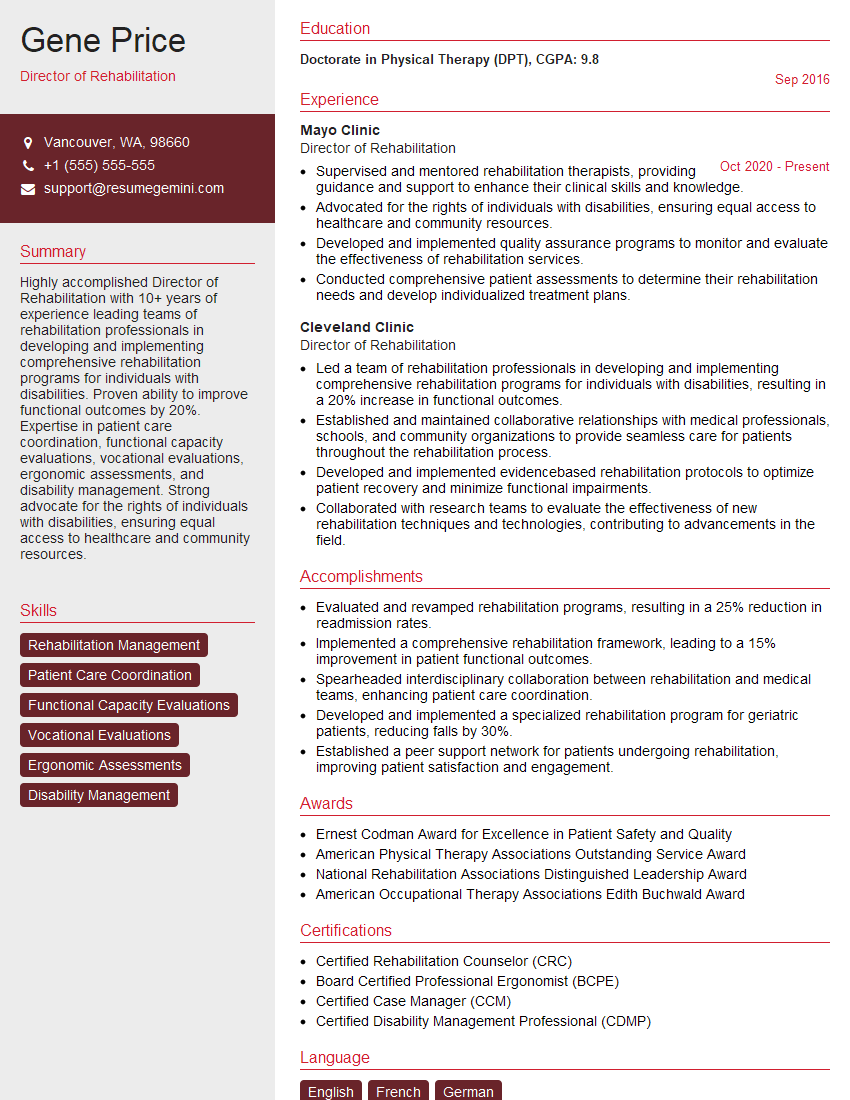
Director of Rehabilitation Resume Sample

Rehabilitation Counselor Resume Sample
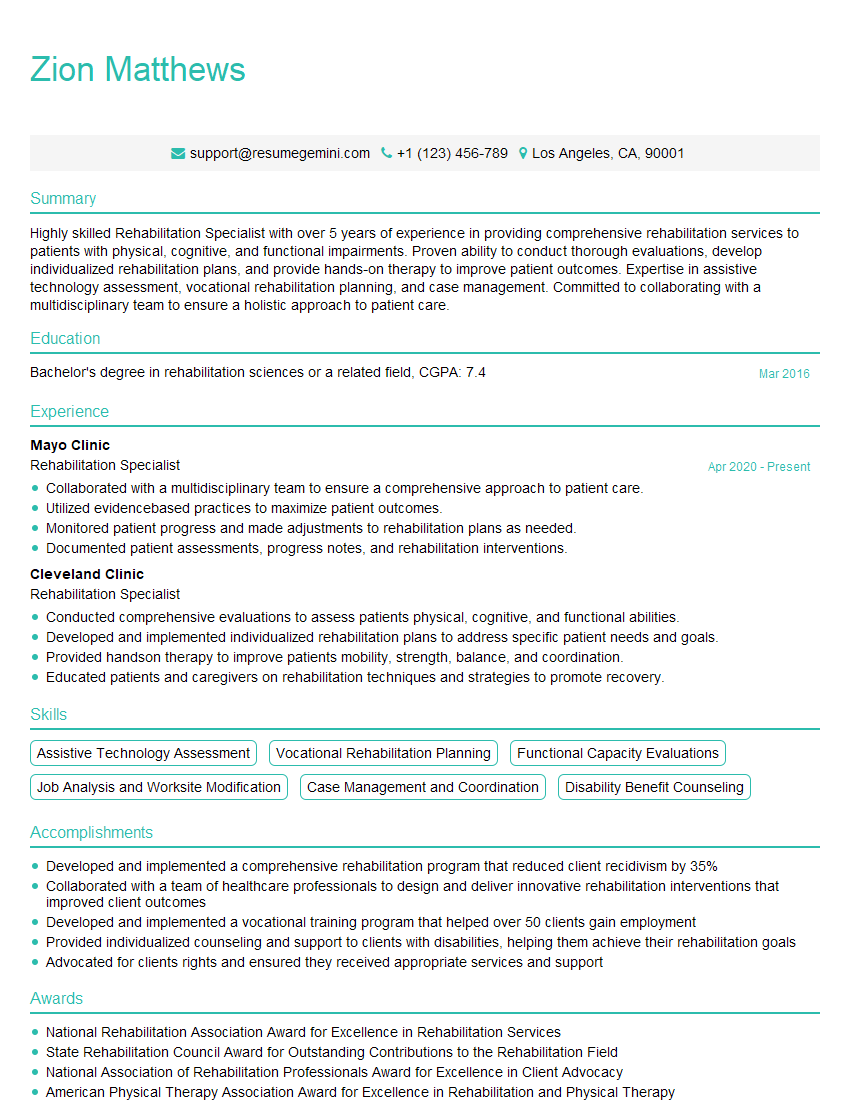
Rehabilitation Specialist Resume Sample
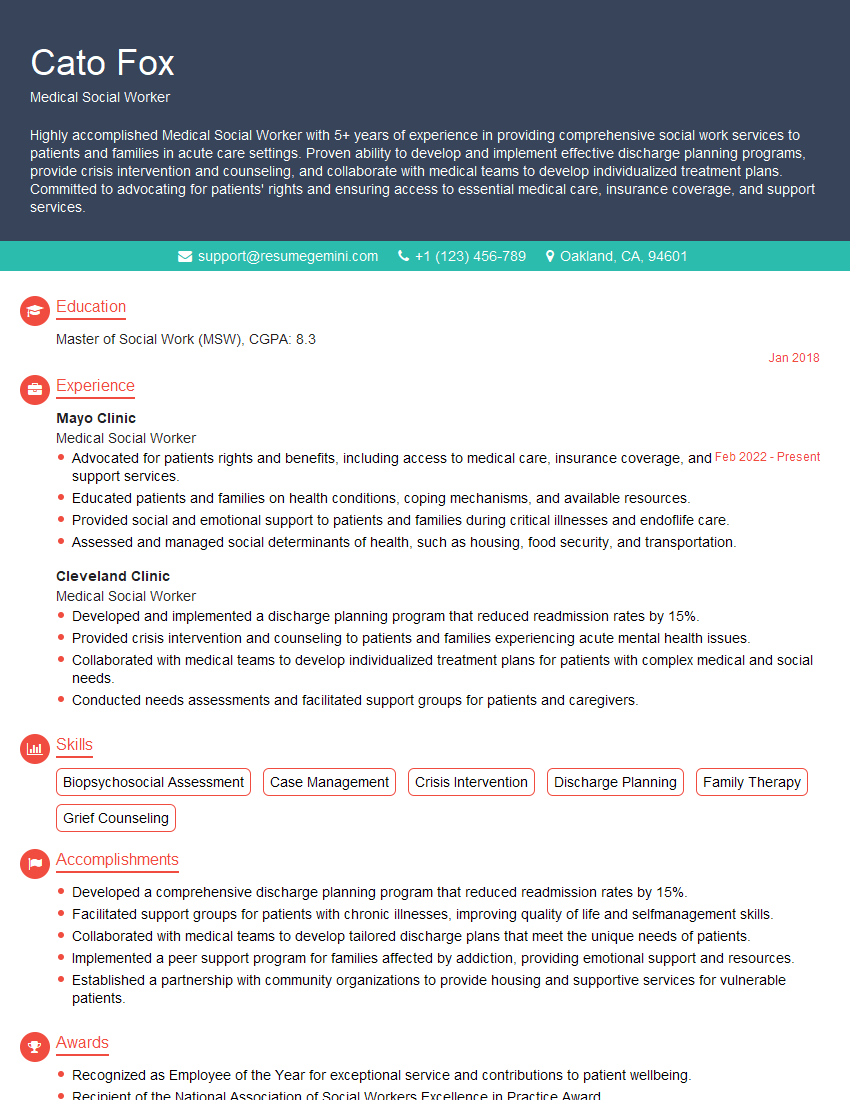
Medical Social Worker Resume Sample
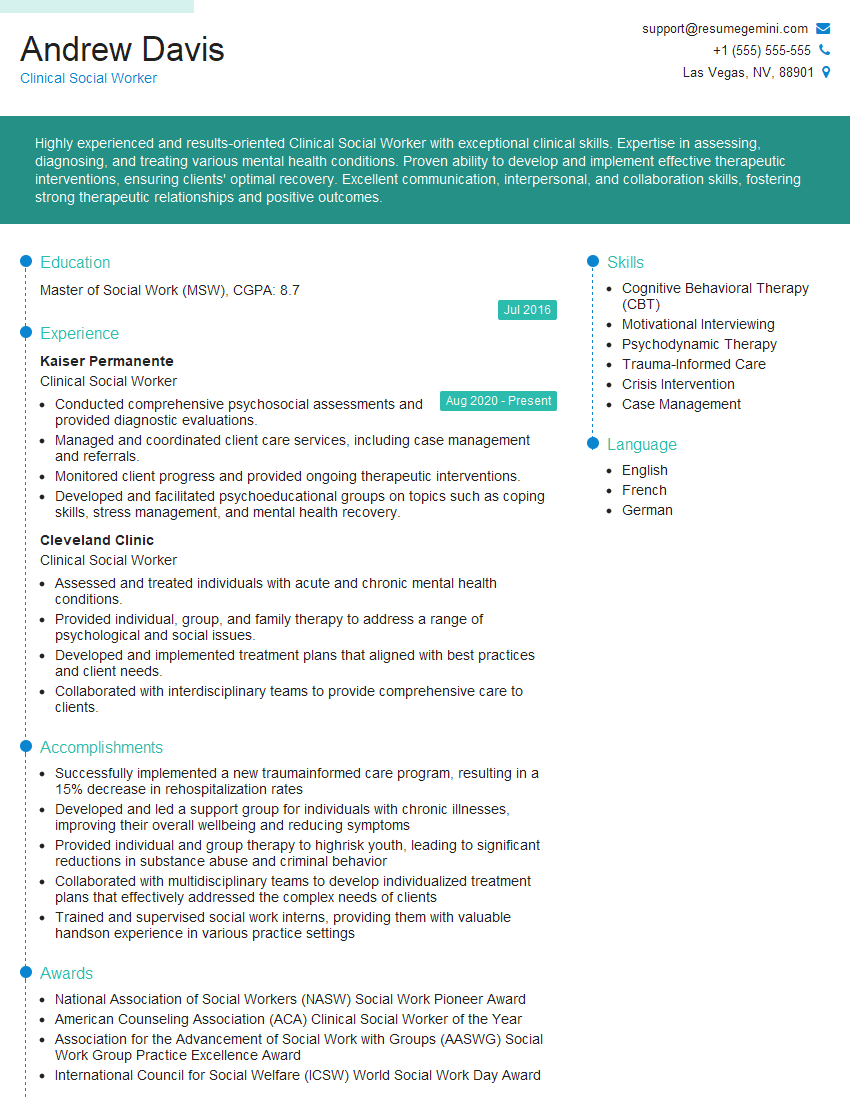
Clinical Social Worker Resume Sample
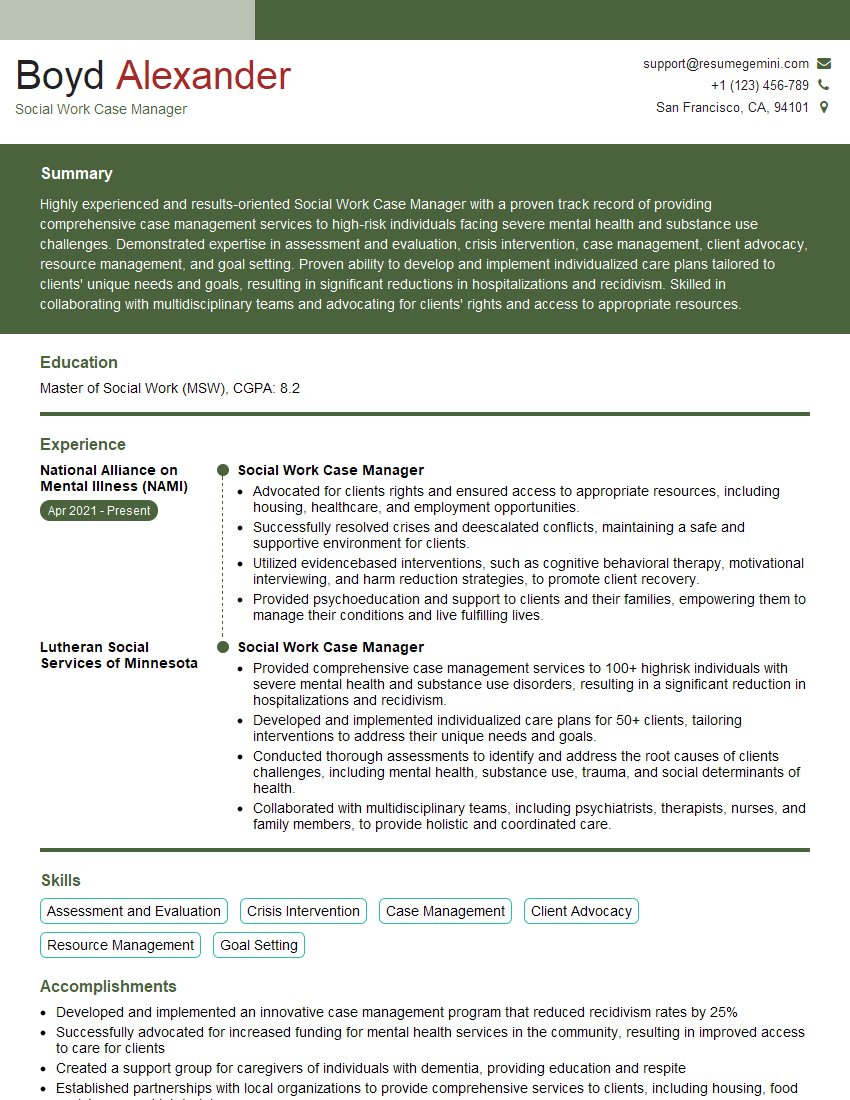
Social Work Case Manager Resume Sample
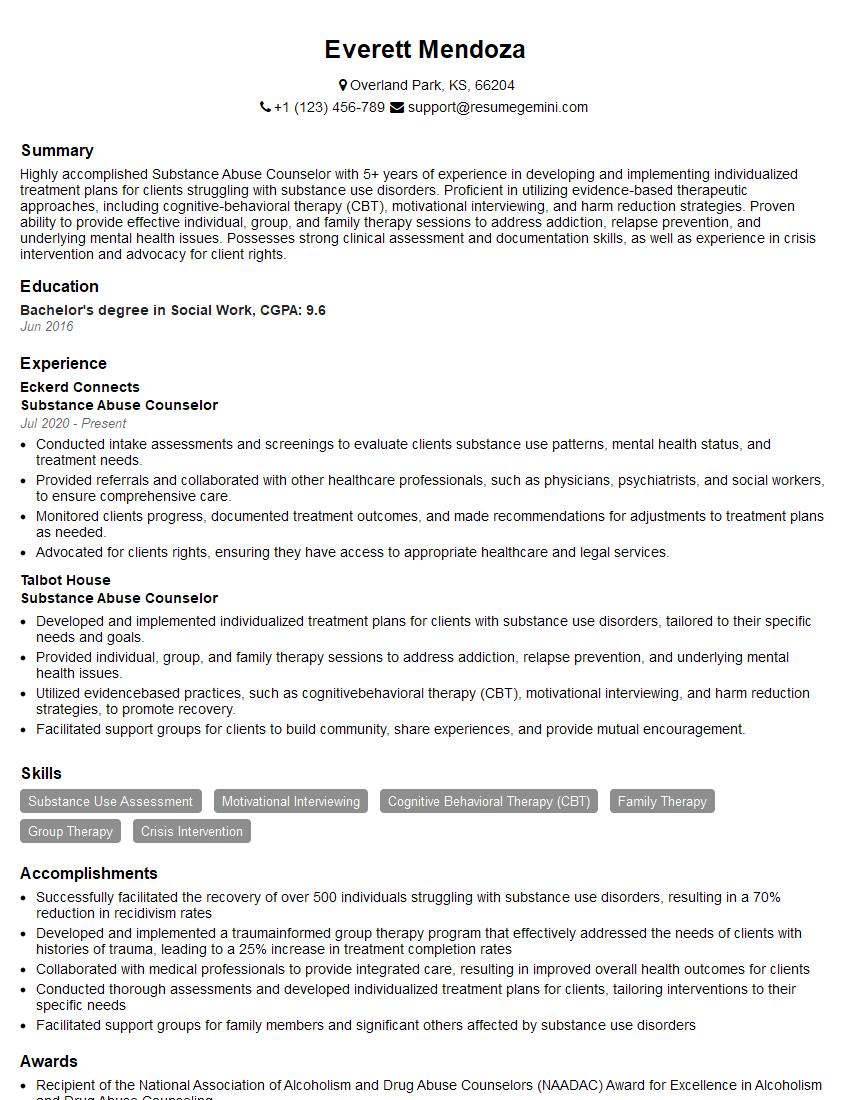
Substance Abuse Counselor Resume Sample
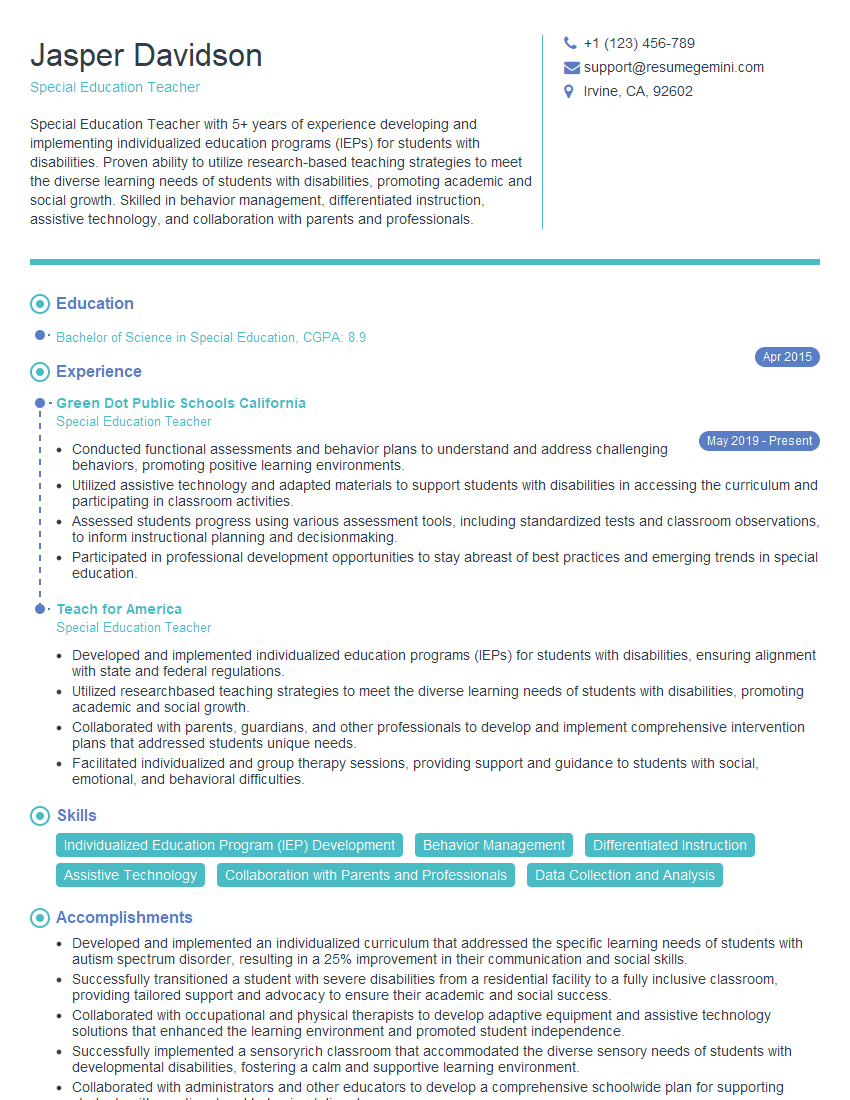
Special Education Teacher Resume Sample
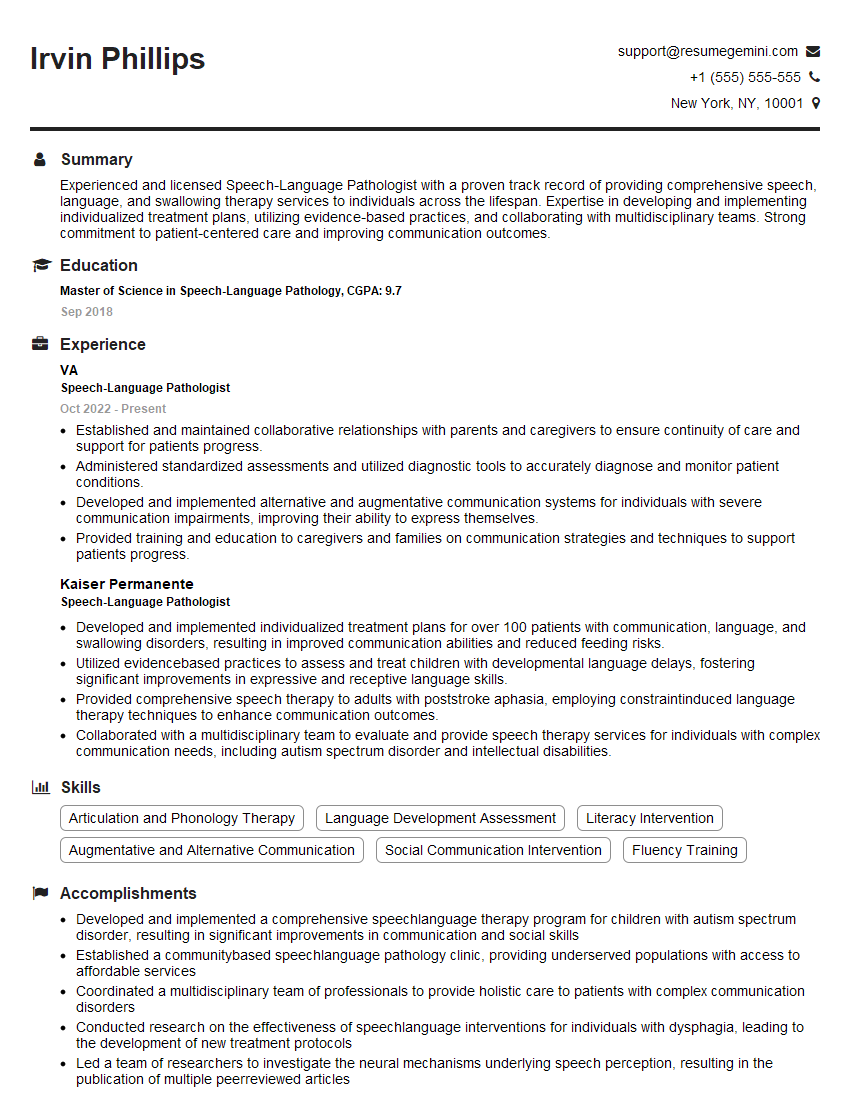
Speech-Language Pathologist Resume Sample
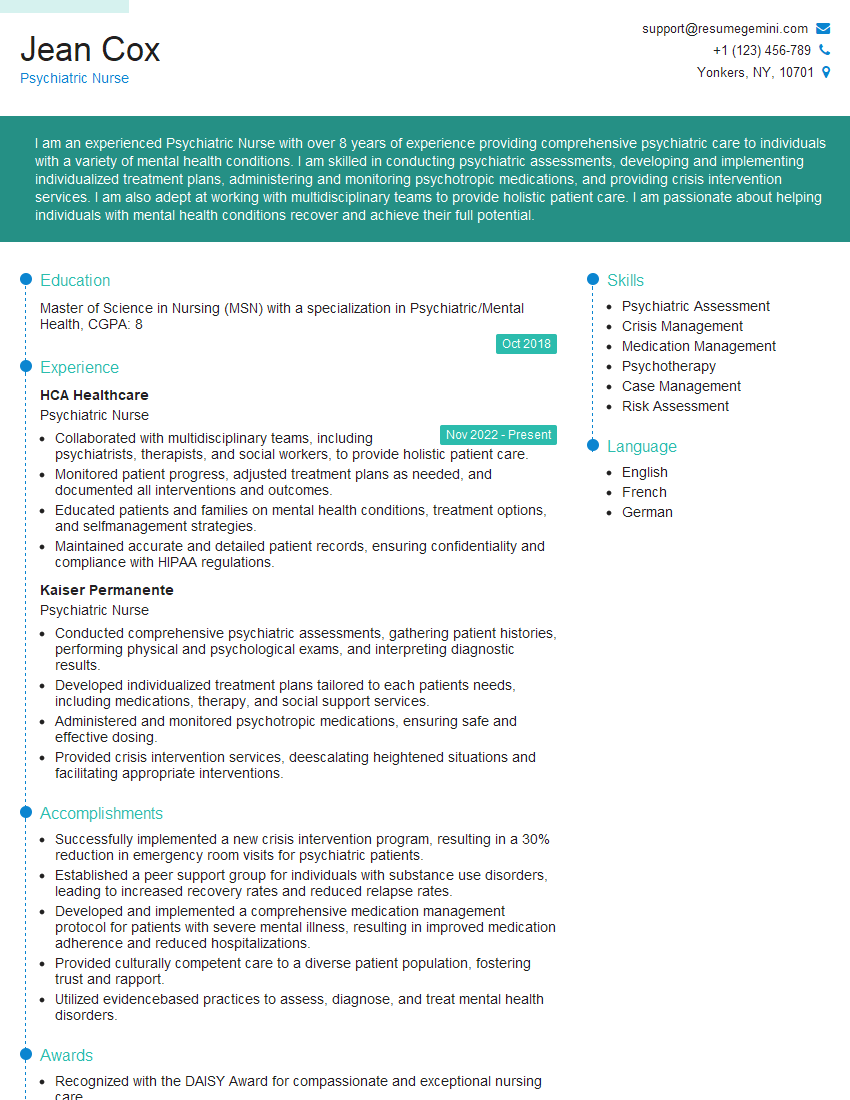
Psychiatric Nurse Resume Sample
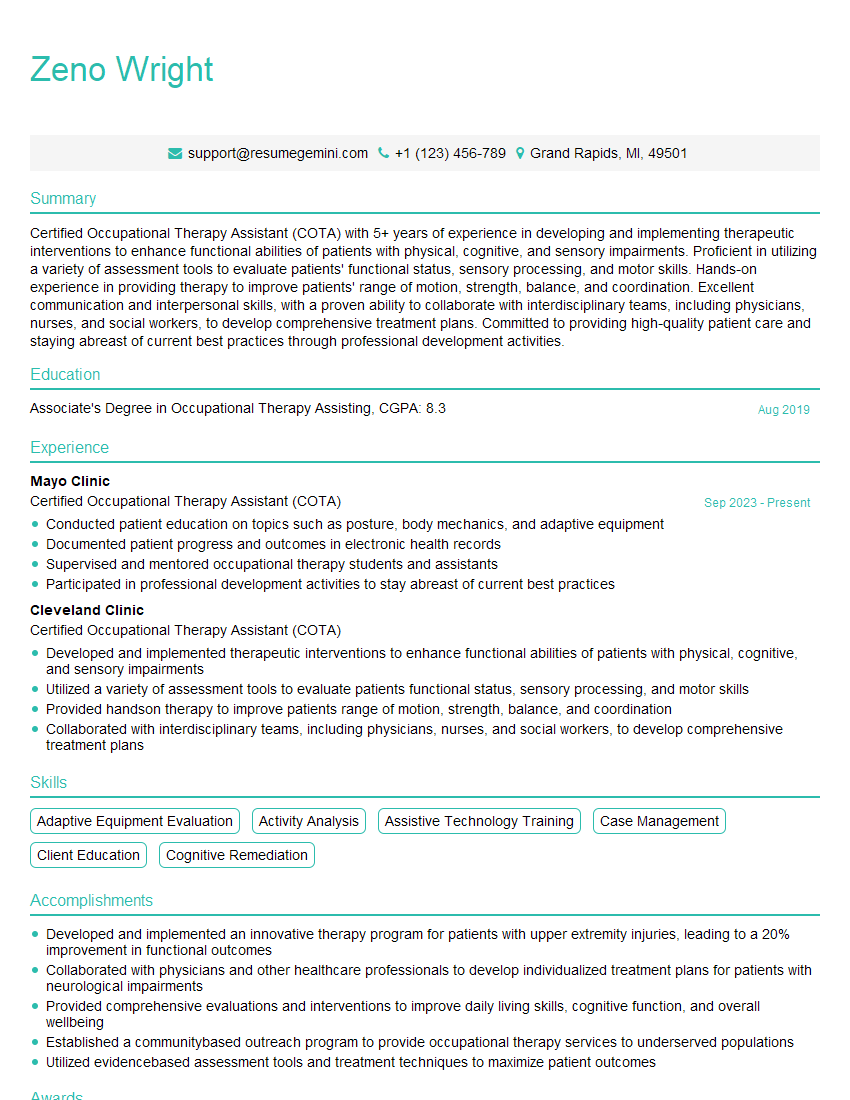
Certified Occupational Therapy Assistant (COTA) Resume Sample
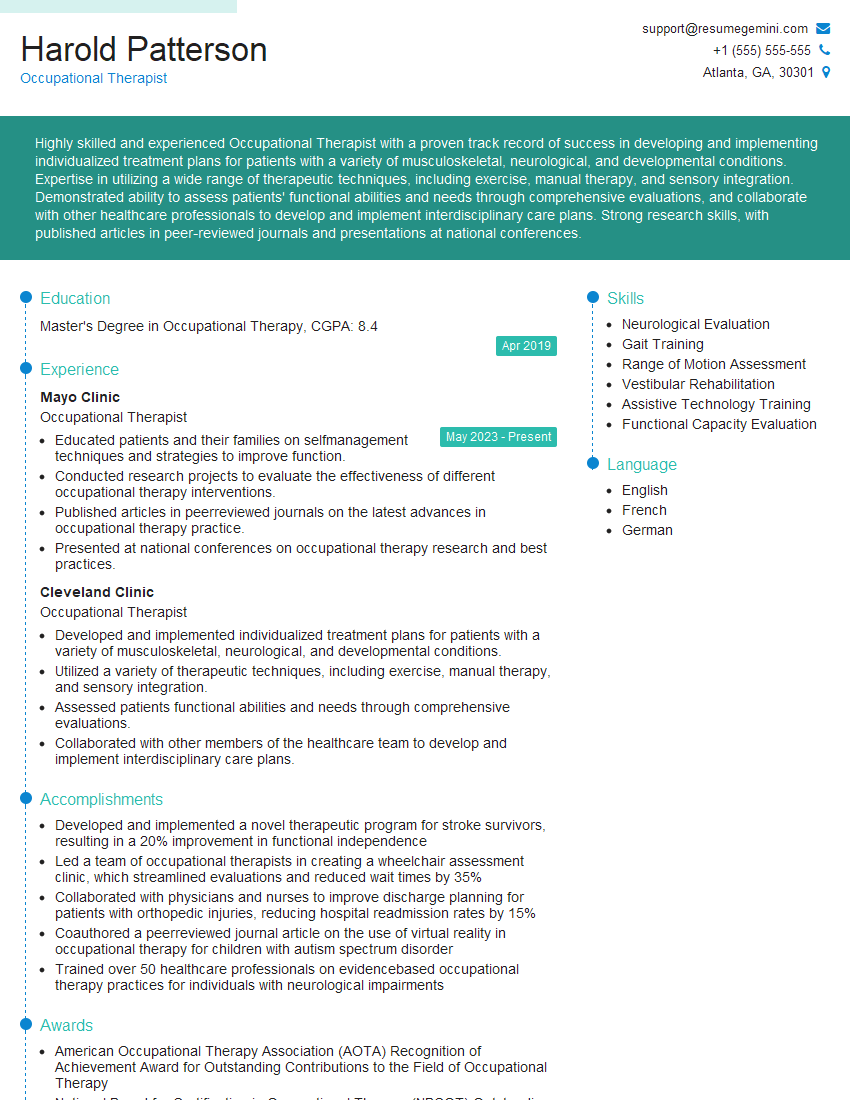
Occupational Therapist Resume Sample
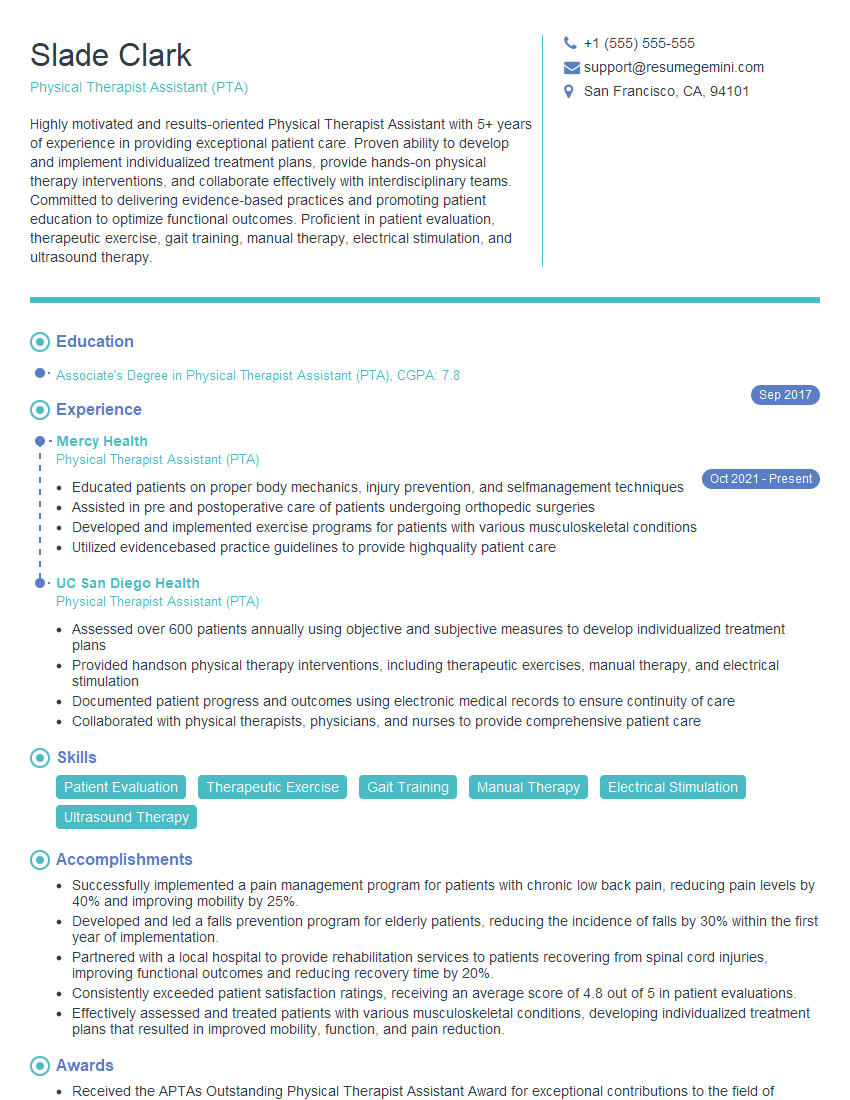
Physical Therapist Assistant (PTA) Resume Sample
- Program Coordinator
- Clinical Director
- Healthcare Manager
- Case Manager
- Behavioral Analyst
- School Psychologist
- Licensed Professional Counselor (LPC)
- Mental Health Counselor
- Marriage and Family Therapist (MFT)
- Director of Rehabilitation
- Rehabilitation Counselor
- Rehabilitation Specialist
- Medical Social Worker
- Clinical Social Worker
- Social Work Case Manager
- Substance Abuse Counselor
- Special Education Teacher
- Speech-Language Pathologist
- Psychiatric Nurse
- Certified Occupational Therapy Assistant (COTA)
- Occupational Therapist
- Physical Therapist Assistant (PTA)
Explore more articles
Users Rating of Our Blogs
Share Your Experience
We value your feedback! Please rate our content and share your thoughts (optional).
What Readers Say About Our Blog
To the interviewgemini.com Webmaster.
Very helpful and content specific questions to help prepare me for my interview!
Thank you
To the interviewgemini.com Webmaster.
This was kind of a unique content I found around the specialized skills. Very helpful questions and good detailed answers.
Very Helpful blog, thank you Interviewgemini team.