The right preparation can turn an interview into an opportunity to showcase your expertise. This guide to Active participation in professional organizations interview questions is your ultimate resource, providing key insights and tips to help you ace your responses and stand out as a top candidate.
Questions Asked in Active participation in professional organizations Interview
Q 1. Describe your most significant contribution to a professional organization.
My most significant contribution to the Institute of Electrical and Electronics Engineers (IEEE) was spearheading the development and implementation of a new mentorship program for early-career professionals. I recognized a gap in providing structured guidance and networking opportunities for new members. My team and I designed a comprehensive program, including a robust online platform for matching mentors and mentees, workshops on professional development skills, and regular social events to foster collaboration. The program’s success is measured by the overwhelmingly positive feedback received from participants, a significant increase in member retention rates amongst junior members, and the program’s expansion to other IEEE chapters.
The initial phase involved extensive research into best practices for mentorship programs, soliciting input from experienced professionals and new graduates. We then used this data to develop the program structure, selecting appropriate software, creating engaging workshop materials, and establishing a clear communication strategy. Throughout, I focused on ensuring inclusivity and accessibility for all members, adapting the program as needed based on feedback.
Q 2. How have you leveraged professional organization memberships to advance your career?
My memberships in professional organizations like the Association for Computing Machinery (ACM) and IEEE have significantly advanced my career. These memberships provided multiple avenues for growth. Firstly, the networking opportunities were invaluable. I’ve met leaders in my field, secured informational interviews, and even found my current role through connections made at ACM conferences.
Secondly, access to professional development resources has been a game-changer. Through webinars, workshops, and publications offered by both organizations, I’ve been able to upskill in areas like cloud computing and project management, strengthening my resume and my competence in the workplace. Finally, active participation in organizational activities, including presenting at conferences and serving on committees, has enhanced my professional profile and strengthened my communication and leadership capabilities, making me a more attractive candidate for promotions and new opportunities.
Q 3. What leadership roles have you held within professional organizations?
I’ve held several leadership roles within professional organizations. In the ACM, I served as the Chapter Treasurer for two years, managing the chapter’s budget and ensuring financial accountability. This involved developing and implementing a budget, tracking expenses, and providing regular financial reports to the executive board. I also volunteered as the Program Committee Chair for a regional conference, overseeing the selection and scheduling of speakers, organizing the event logistics, and managing the marketing efforts. In IEEE, I currently serve as the Chair of the Membership Development Committee, leading a team focused on attracting and retaining new members.
Each of these roles required different skill sets; from financial literacy for the treasurer role to project management and organizational skills for the conference committee chair, to team leadership and member engagement for the Membership Development Committee. These experiences have provided invaluable leadership training and significantly contributed to my professional development.
Q 4. Explain a time you successfully collaborated with others in a professional organization.
During my time on the ACM’s student chapter’s organizing committee for a hackathon, we faced a significant challenge: a key sponsor pulled out just a week before the event. This jeopardized the event’s budget and threatened its viability. My team and I immediately sprang into action. We divided tasks efficiently. Some team members worked on securing alternative sponsorships, leveraging their networking skills and reaching out to companies they had prior relationships with. Others focused on cutting costs where possible, negotiating with vendors and exploring alternative solutions.
Through collaborative brainstorming, we successfully secured partial funding from a smaller organization and implemented cost-cutting measures. We also rallied the team to take on additional tasks to compensate for the shortfall. This experience highlighted the importance of clear communication, quick decision-making, and teamwork under pressure. The hackathon went ahead successfully and was still well-received by participants.
Q 5. How have you used professional organization resources to improve your skills?
I’ve leveraged professional organization resources extensively to improve my skills. The ACM offers a wide array of online courses and tutorials on emerging technologies, which I’ve used to upgrade my skills in areas such as artificial intelligence and machine learning. The IEEE provides access to a vast library of technical papers and journals, which has been invaluable for staying updated on the latest research in my field. Both organizations regularly hold webinars and workshops on topics such as leadership and communication, enhancing my soft skills.
For instance, a workshop on effective presentation skills from IEEE significantly enhanced my presentation delivery at a recent conference. Similarly, online courses on AI from ACM helped me integrate cutting-edge AI techniques into my current project, leading to a significant improvement in efficiency and accuracy.
Q 6. Describe a situation where you resolved a conflict within a professional organization.
Within the IEEE chapter, a disagreement arose regarding the allocation of funds for a proposed community outreach project. Some members felt the project was not aligned with the chapter’s strategic goals, while others strongly supported it. As the chapter’s treasurer, I played a key role in resolving the conflict. I initiated a series of facilitated discussions, ensuring that all parties had an opportunity to express their views and concerns in a respectful manner. I actively listened to each side, focusing on understanding their perspectives and identifying common ground.
Through these discussions, we reached a compromise that involved a revised project scope and a more transparent budget allocation process. Crucially, this process strengthened our team dynamics, and it illustrated that disagreements can be constructive if managed effectively with open communication and a collaborative spirit.
Q 7. How did you manage your time commitments between work and professional organization activities?
Balancing work and professional organization activities requires careful planning and prioritization. I utilize several strategies to ensure effective time management. I first create a detailed calendar outlining work tasks and organization commitments, blocking specific time slots for each activity. I prioritize tasks based on deadlines and importance, focusing on high-impact activities first.
Secondly, I set realistic goals, avoiding overcommitment to prevent burnout. I also leverage technology, using tools like project management software to track progress and manage deadlines. Finally, communication is key. I proactively communicate my commitments and availability to my employer and my team within the professional organization, building strong collaborative relationships to maximize time efficiency and overall effectiveness.
Q 8. What professional development opportunities have you pursued through professional organizations?
Professional organizations offer a wealth of development opportunities, far beyond simply networking. I’ve actively sought out and benefited from several key avenues. For example, the Institute of Electrical and Electronics Engineers (IEEE) provided numerous workshops and webinars on cutting-edge technologies like AI and machine learning, directly relevant to my work in software development. I also completed several online courses offered through my professional accounting organization, enhancing my understanding of financial regulations and best practices. These courses culminated in professional certifications, demonstrably improving my skillset and market value. Further, attending conferences, particularly those with specialized tracks, allowed me to deeply immerse myself in niche areas and learn from leading experts in the field.
- Workshops and Webinars: Hands-on training and expert insights.
- Online Courses & Certifications: Structured learning leading to recognized qualifications.
- Conferences and Presentations: Exposure to cutting-edge research and networking opportunities.
Q 9. How have you utilized networking within professional organizations to benefit your career?
Networking within professional organizations has been instrumental in my career progression. It’s not just about collecting business cards; it’s about building genuine relationships. For instance, through the Project Management Institute (PMI), I connected with a senior project manager who mentored me, offering invaluable guidance on navigating complex projects and leadership challenges. This mentorship led directly to my promotion to project lead. Similarly, participating in PMI chapter events allowed me to connect with individuals from diverse backgrounds and companies, opening up opportunities for collaborations and job referrals. One such collaboration resulted in a highly successful cross-functional project that significantly boosted my visibility within my organization.
- Mentorship: Guidance and support from experienced professionals.
- Collaborations: Joint projects leading to skill development and recognition.
- Job Referrals: Networking leads to valuable career opportunities.
Q 10. Describe a project you led within a professional organization.
As a member of the American Marketing Association (AMA), I led a project to revamp the organization’s social media presence. The existing strategy was outdated and lacked engagement. My team and I conducted a thorough analysis of our target audience, competitor strategies, and best practices. We then developed a comprehensive content calendar, incorporating diverse media formats like videos, infographics, and interactive polls. We also implemented a robust social listening strategy to track audience feedback and adjust our approach accordingly. The project involved coordinating with various teams, managing deadlines, and staying within budget. The results were impressive: we saw a significant increase in followers, engagement rates, and website traffic, ultimately boosting the AMA’s brand awareness and attracting new members.
Q 11. What metrics did you use to measure the success of your involvement in a professional organization?
Measuring the success of my involvement in professional organizations relied on a multi-faceted approach. For the AMA social media project, we tracked key performance indicators (KPIs) such as:
- Follower Growth: Measured the increase in followers across different platforms.
- Engagement Rate: Analyzed likes, comments, shares, and other interactions.
- Website Traffic: Monitored the number of website visits driven by social media.
- Brand Mentions: Tracked the number of times the AMA was mentioned in online conversations.
- Lead Generation: Measured the number of leads generated through social media campaigns (if applicable).
Beyond specific projects, I also assessed my overall contribution by evaluating the extent to which I mentored others, helped shape organizational strategy, or improved processes. Qualitative feedback from colleagues and peers was also valuable.
Q 12. Explain a time you had to adapt to changing circumstances within a professional organization.
During my time with the Institute of Internal Auditors (IIA), we faced a significant challenge when a planned major conference was unexpectedly cancelled due to unforeseen circumstances. Instead of panicking, we quickly pivoted. We transformed the in-person event into a series of engaging online webinars and workshops, leveraging our existing speaker lineup. We also developed a virtual networking platform to facilitate interaction among attendees. This required a rapid shift in our communication strategies and technology deployment. The adaptability and collaborative spirit of the team were essential in mitigating the impact of the cancellation and, ultimately, delivering significant value to our members in a new format. This demonstrated resilience and problem-solving skills, crucial in any dynamic environment.
Q 13. How did you contribute to the strategic goals of a professional organization?
My contribution to the strategic goals of professional organizations has focused on enhancing member engagement and expanding reach. For example, in the Association of Certified Fraud Examiners (ACFE), I participated in a strategic planning committee that focused on attracting a more diverse membership base. I spearheaded initiatives to create more inclusive programming and outreach campaigns targeting underrepresented groups within the fraud examination field. This aligned directly with the ACFE’s overarching goal of promoting ethical practices and professional development within a diverse community. My work involved researching best practices, developing marketing materials, and presenting proposals to the organization’s leadership.
Q 14. What challenges did you encounter while participating in a professional organization and how did you overcome them?
One challenge I encountered was balancing my professional commitments with the time demands of active participation in several organizations. This required careful time management and prioritization. I utilized project management techniques like creating detailed schedules and delegating tasks where appropriate. I also prioritized attending events and activities that aligned most closely with my career goals and areas of expertise. This focused approach ensured that my efforts yielded maximum benefit, without negatively impacting other aspects of my professional life. Open communication with my employer about my organizational commitments was also crucial in managing expectations and maintaining a healthy work-life balance.
Q 15. Describe a time you mentored or guided someone within a professional organization.
Mentoring within a professional organization is a rewarding experience that fosters growth and collaboration. I’ve had the opportunity to mentor several junior colleagues in the American Society of Civil Engineers (ASCE). One instance involved guiding a recent graduate who was struggling to apply theoretical knowledge to practical projects. We met regularly, reviewing his work, discussing challenges, and brainstorming solutions. I helped him develop his technical skills, but also focused on professional development, such as effective communication and project management.
My approach involved a combination of direct feedback on his designs, connecting him with relevant resources within ASCE (like webinars and online forums), and facilitating opportunities for him to present his work to more senior engineers within the organization. This process not only improved his technical competence but also boosted his confidence and networking skills. The result was a significant improvement in his project performance and a tangible increase in his professional contributions to the organization.
Career Expert Tips:
- Ace those interviews! Prepare effectively by reviewing the Top 50 Most Common Interview Questions on ResumeGemini.
- Navigate your job search with confidence! Explore a wide range of Career Tips on ResumeGemini. Learn about common challenges and recommendations to overcome them.
- Craft the perfect resume! Master the Art of Resume Writing with ResumeGemini’s guide. Showcase your unique qualifications and achievements effectively.
- Don’t miss out on holiday savings! Build your dream resume with ResumeGemini’s ATS optimized templates.
Q 16. How have you stayed informed about industry trends through your professional organization memberships?
Staying informed about industry trends is crucial for professional success. My memberships in organizations like the Institute of Electrical and Electronics Engineers (IEEE) and the Project Management Institute (PMI) provide several avenues for this. Firstly, these organizations host regular webinars, conferences, and workshops featuring industry leaders discussing cutting-edge technologies and best practices. Attending these events keeps me abreast of the latest innovations.
Secondly, many professional organizations publish journals, newsletters, and online resources that provide in-depth analysis of emerging trends. I regularly read these publications, focusing on areas relevant to my professional specialization. Finally, participating in online forums and networking events hosted by these organizations allows me to engage in discussions with peers and experts, gaining valuable insights and different perspectives on industry developments.
Q 17. What specific skills have you gained from your active participation in professional organizations?
Active participation in professional organizations has honed a diverse range of valuable skills. Through volunteering on committees, I’ve developed strong project management and leadership skills, learning to manage timelines, budgets, and teams effectively. Presenting at conferences and workshops has significantly improved my communication and public speaking abilities.
Furthermore, engaging in collaborative projects with colleagues from diverse backgrounds has enhanced my teamwork and conflict resolution skills. Networking extensively within these organizations has greatly improved my ability to build and maintain professional relationships, leading to valuable connections and career opportunities. Finally, the constant learning and knowledge sharing within these communities has kept me adaptable and up-to-date with industry best practices.
Q 18. How have you helped your professional organization attract new members or increase engagement?
Increasing membership and engagement is vital for the health of any professional organization. In my experience with the Association for Computing Machinery (ACM), I’ve actively contributed to membership growth by organizing targeted outreach events for university students. We held workshops showcasing the benefits of ACM membership, including access to professional development resources, networking opportunities, and career services.
To increase engagement, I helped establish a vibrant online community within ACM, using platforms like Slack and Discord to facilitate communication and collaboration among members. This created a sense of community and encouraged active participation in discussions, events, and volunteer opportunities. These initiatives resulted in a measurable increase in student membership and a rise in online forum participation.
Q 19. Describe your experience with organizing events or conferences for a professional organization.
Organizing events for professional organizations involves meticulous planning and execution. I was heavily involved in organizing the annual regional conference for the American Marketing Association (AMA). My responsibilities included budget management, venue selection, speaker coordination, and logistical arrangements. This experience required effective communication with numerous stakeholders, including sponsors, speakers, vendors, and attendees.
We used project management tools to track progress and ensure timely completion of various tasks. We also employed feedback mechanisms to gather input from attendees and make improvements for future conferences. The success of the conference, measured by high attendance rates and positive feedback, demonstrated the effectiveness of our collaborative approach and attention to detail.
Q 20. How have you used professional organizations to build relationships with key industry professionals?
Professional organizations are invaluable for building relationships with key industry professionals. Through participation in conferences, workshops, and committee meetings, I’ve had the opportunity to connect with leaders and experts in my field. These interactions often lead to valuable insights, collaborations, and mentorship opportunities.
For example, my involvement in the Institute of Operations Research and the Management Sciences (INFORMS) allowed me to build relationships with professors, researchers, and industry practitioners, leading to collaborations on research projects and participation in industry-focused initiatives. These relationships have been incredibly beneficial for my career progression and professional development.
Q 21. What are your long-term goals related to your involvement in professional organizations?
My long-term goals regarding professional organization involvement center around leadership and mentorship. I aspire to take on leadership roles within key organizations, leveraging my experience to contribute strategically to their growth and impact. I also plan to dedicate more time to mentoring junior professionals, sharing my knowledge and experience to help them succeed in their careers.
Furthermore, I aim to expand my involvement in initiatives promoting diversity and inclusion within the professional landscape. I believe in the power of these organizations to foster a more equitable and inclusive work environment, and I’m committed to contributing to this important cause.
Q 22. How do you prioritize your commitments to different professional organizations?
Prioritizing commitments to multiple professional organizations requires a strategic approach. I use a system that combines time management techniques with a clear understanding of my career goals and the value each organization offers. First, I identify my top three to five priority organizations based on alignment with my short-term and long-term career objectives. Then, I allocate time based on the level of involvement required for each. For instance, organizations where I hold leadership positions naturally receive more time than those where I’m a passive member. I utilize a digital calendar to schedule meetings, events, and deadlines, ensuring I don’t overcommit. Regularly reviewing my schedule and adjusting priorities as needed is crucial for maintaining a healthy balance and preventing burnout.
For example, if I’m aiming for a leadership role in data science, I’d prioritize organizations like the Institute of Electrical and Electronics Engineers (IEEE) Computer Society and the Association for Computing Machinery (ACM) over others less directly relevant to my goal. I might dedicate more time to actively participating in ACM SIGKDD (Special Interest Group on Knowledge Discovery and Data Mining) than a less relevant professional group.
Q 23. Describe your experience with fundraising or resource acquisition for a professional organization.
My experience with fundraising involved a local chapter of the American Marketing Association (AMA). We were aiming to secure funding for a student scholarship program. Our approach was multi-faceted. First, we created a compelling proposal highlighting the program’s impact on aspiring marketers. This proposal included detailed budget breakdowns and projected student participation rates. Then, we identified potential funding sources, including local businesses, corporate sponsors, and individual donors. We utilized a combination of direct outreach (emails, phone calls, personalized letters) and networking events to present our case and build relationships. We also leveraged social media to create awareness and broaden our reach. We were successful in securing over $10,000 in funding, exceeding our initial goal. This experience taught me the importance of clear communication, meticulous planning, and building strong relationships with potential sponsors.
Q 24. What types of professional organizations are most relevant to your career goals?
The professional organizations most relevant to my career goals are those that provide opportunities for networking, skill development, and access to industry knowledge. This often includes organizations focused on specific technologies or industries within my field. For example, if my career goal is to become a leading software architect, I would focus on organizations like the Association for Computing Machinery (ACM), the Institute of Electrical and Electronics Engineers (IEEE), and specialized groups within those organizations that concentrate on software architecture and design patterns. Membership in these groups provides access to conferences, workshops, and publications which are crucial for continuous learning and professional growth.
Q 25. How do you measure the return on investment of your time spent in professional organizations?
Measuring the ROI of time invested in professional organizations isn’t about quantifying monetary returns but about assessing the value gained. I measure this through several key indicators: Networking opportunities – how many valuable connections have I made? Skill development – what new skills or knowledge have I acquired? Career advancement – have I secured new opportunities or promotions? Visibility – has my involvement increased my professional reputation and brand? I track these qualitatively through reflection, logging key contacts and learning points, and quantitatively by noting promotions, job offers, or significant project opportunities that stemmed from organizational involvement. For instance, a successful networking event leading to a new consulting project or a presentation at a conference boosting my profile are clear indicators of positive ROI.
Q 26. How have you adapted your participation in professional organizations in response to the COVID-19 pandemic?
The COVID-19 pandemic dramatically altered the way professional organizations operated, shifting from largely in-person events to virtual platforms. I adapted by embracing online participation. This included attending webinars and online conferences, actively engaging in online forums and discussion groups, and participating in virtual networking events. I also leveraged online learning platforms offered by some organizations to enhance my skills. I found that while virtual participation lacks the spontaneous networking of in-person events, it provides broader access and greater flexibility, allowing me to participate in events and organizations geographically distant.
Q 27. Describe a time you had to negotiate or compromise within a professional organization.
During a strategic planning meeting for a professional organization, there was a significant disagreement on the allocation of budget resources. One faction advocated for investing heavily in a new technology platform, while another favored expanding our community outreach programs. I facilitated a negotiation process that involved active listening to understand each side’s concerns and priorities. We compromised by allocating a portion of the budget to both initiatives. This required careful explanation of the potential benefits and risks associated with each option, demonstrating the value of both to the overall organization. The result was a balanced approach that satisfied most stakeholders, showcasing my ability to navigate conflict effectively.
Q 28. How do you anticipate your participation in professional organizations evolving in the future?
I anticipate my participation in professional organizations to evolve in several ways. Firstly, I foresee a continued integration of technology, with greater reliance on online platforms for communication, networking, and learning. I also expect increased focus on diversity, equity, and inclusion initiatives within these organizations. My involvement will reflect these changes by actively seeking opportunities to mentor underrepresented groups and advocate for inclusivity. Furthermore, I aim to take on more leadership roles, contributing to the strategic direction and growth of these organizations. This will require a continued commitment to enhancing my leadership skills and knowledge base, so I expect to actively pursue professional development opportunities in this area.
Key Topics to Learn for Active Participation in Professional Organizations Interview
- Understanding Professional Organizations: Explore the various types of professional organizations (industry-specific, generalist, etc.), their missions, and how they benefit members.
- Levels of Involvement: Discuss the spectrum of participation – from membership to committee involvement, leadership roles, and volunteer contributions. Consider the impact and visibility of different levels.
- Networking and Collaboration: Explain how active participation facilitates networking, collaboration, and the development of professional relationships. Describe scenarios where you leveraged these connections.
- Skill Development and Professional Growth: Highlight how involvement enhances specific skills (e.g., leadership, communication, teamwork) and contributes to professional development. Provide concrete examples.
- Contribution and Impact: Articulate your contributions to the organization and the positive impact you’ve made. Quantify your achievements whenever possible.
- Addressing Challenges: Discuss any challenges encountered during your involvement and how you overcame them, showcasing problem-solving abilities and resilience.
- Ethical Considerations: Briefly touch upon ethical considerations related to professional conduct within an organization.
Next Steps
Mastering the art of showcasing your active participation in professional organizations is crucial for career advancement. It demonstrates initiative, commitment, and a desire for continuous growth, making you a more attractive candidate. To significantly boost your job prospects, create an ATS-friendly resume that effectively highlights these achievements. ResumeGemini is a trusted resource that can help you build a powerful resume tailored to your specific experience. We provide examples of resumes specifically designed to showcase active participation in professional organizations, ensuring your qualifications shine.
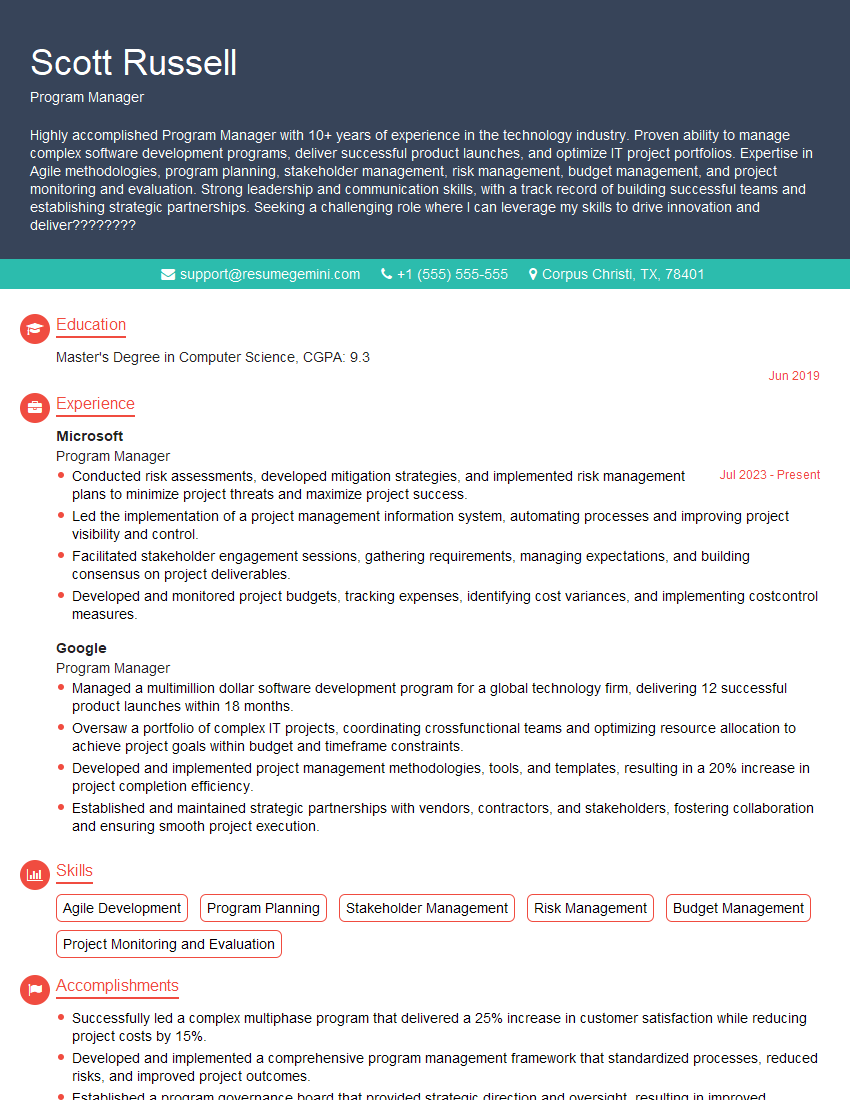
Program Manager Resume Sample

Operations Manager Resume Sample
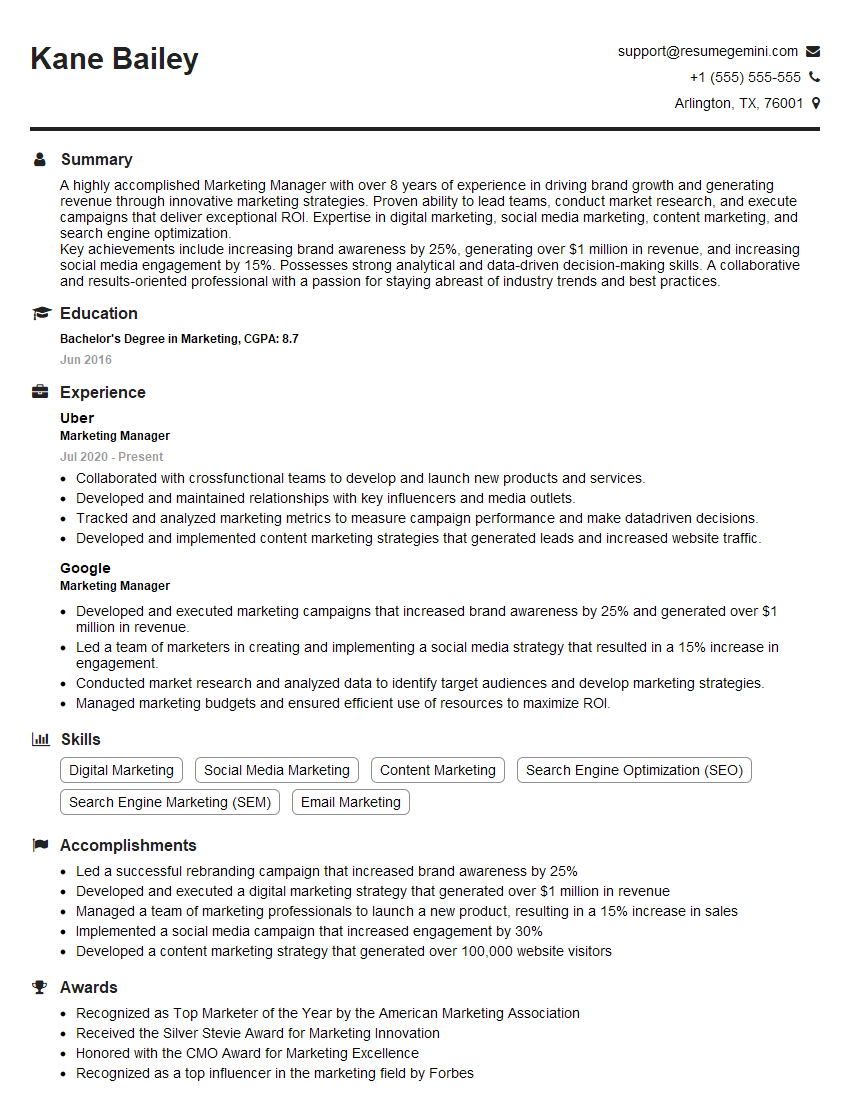
Marketing Manager Resume Sample
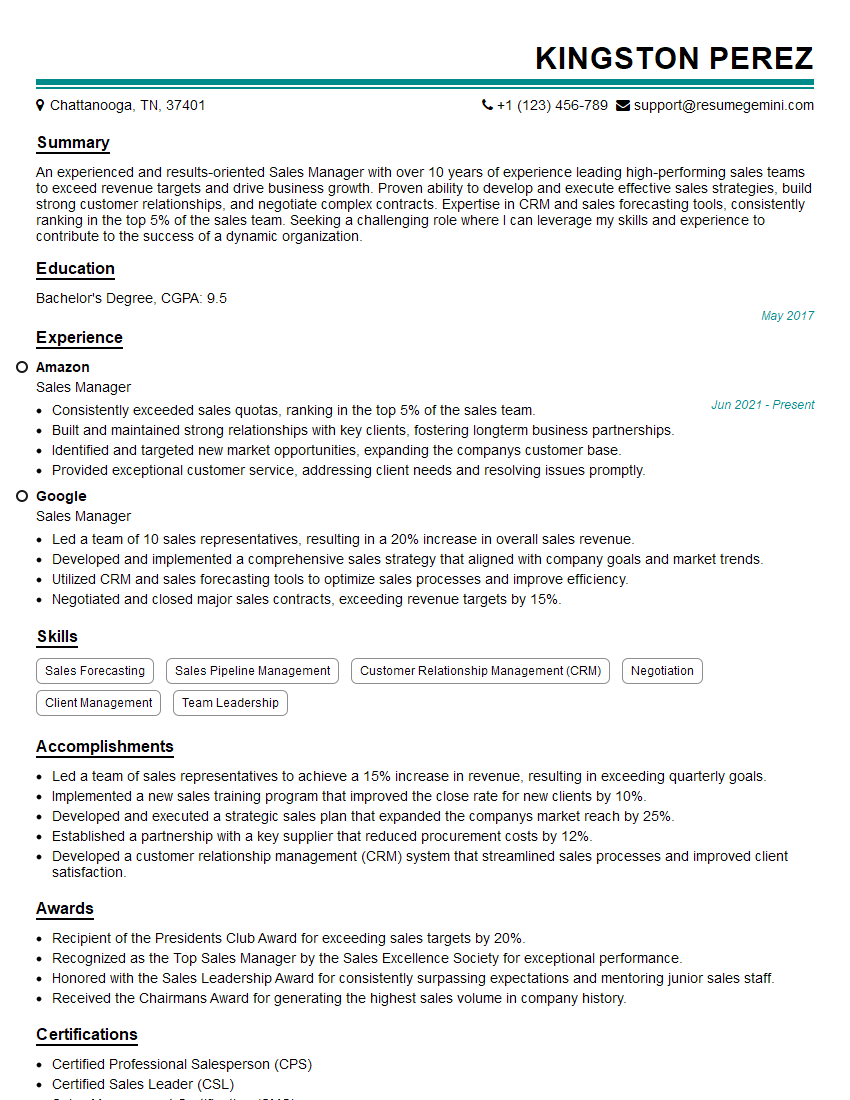
Sales Manager Resume Sample
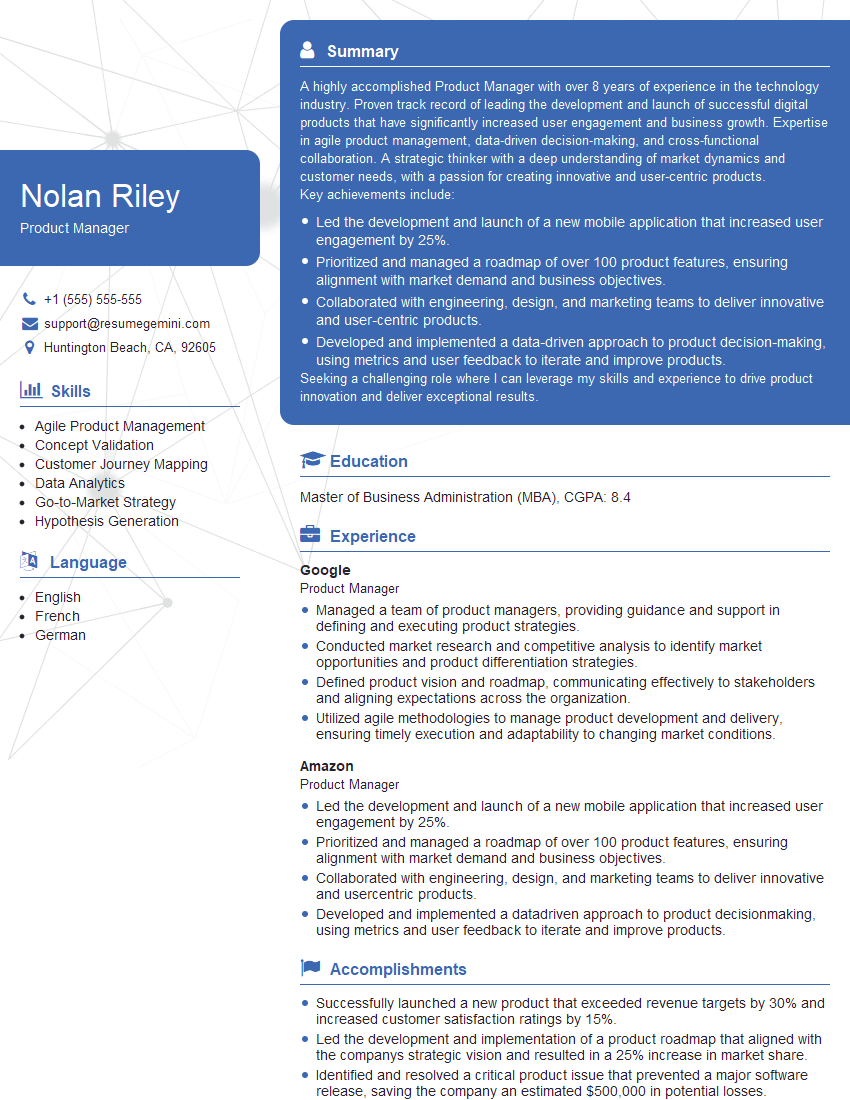
Product Manager Resume Sample

Communications Manager Resume Sample
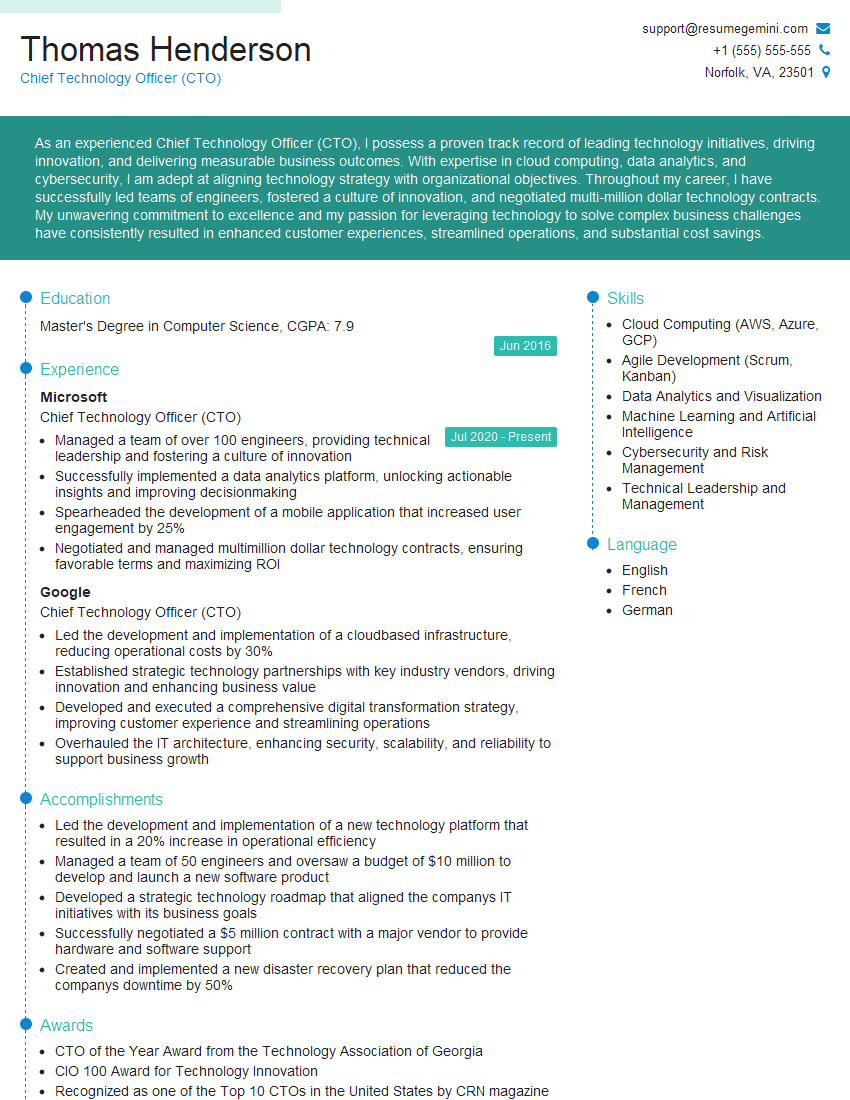
Chief Technology Officer (CTO) Resume Sample
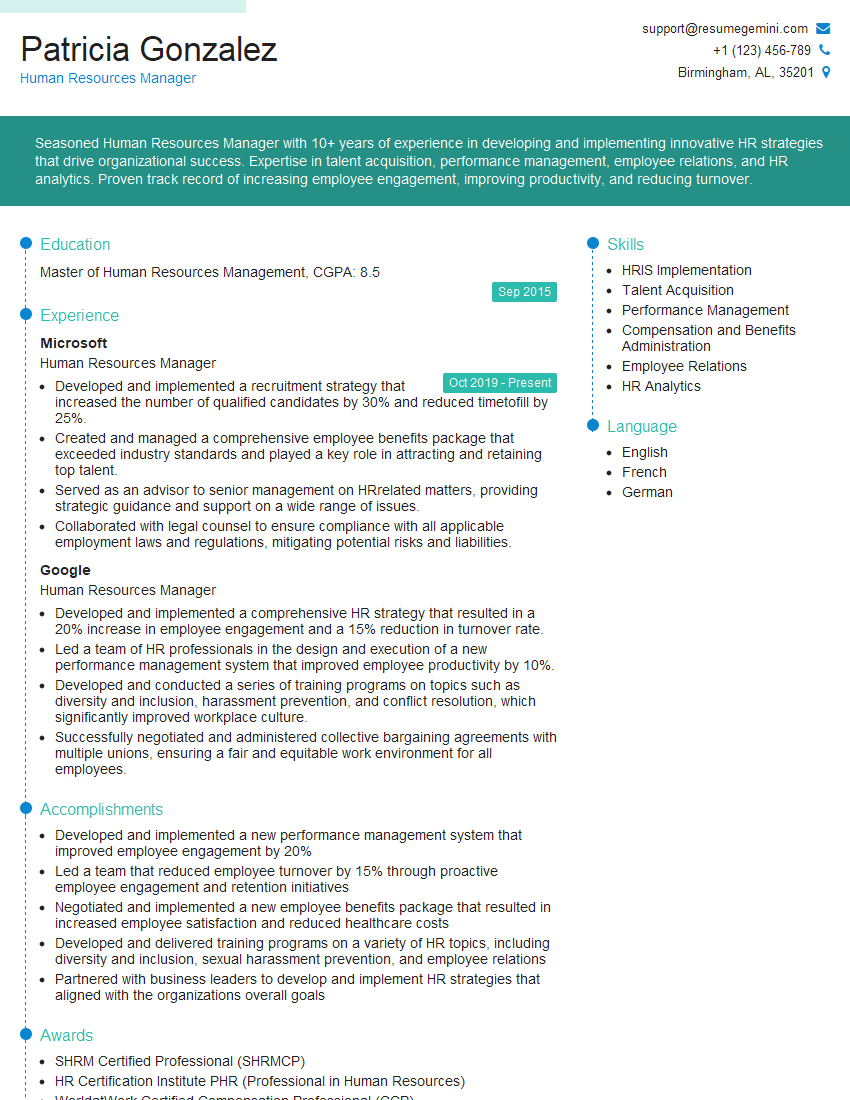
Human Resources Manager Resume Sample
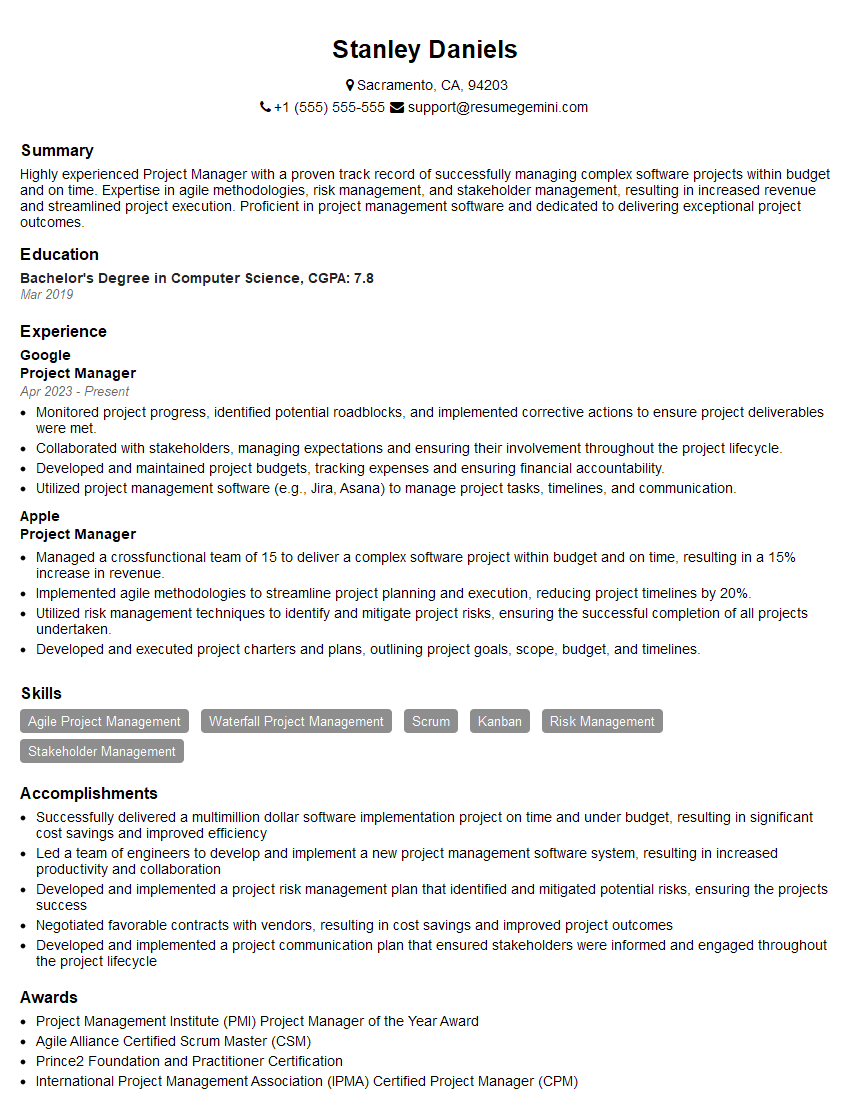
Project Manager Resume Sample
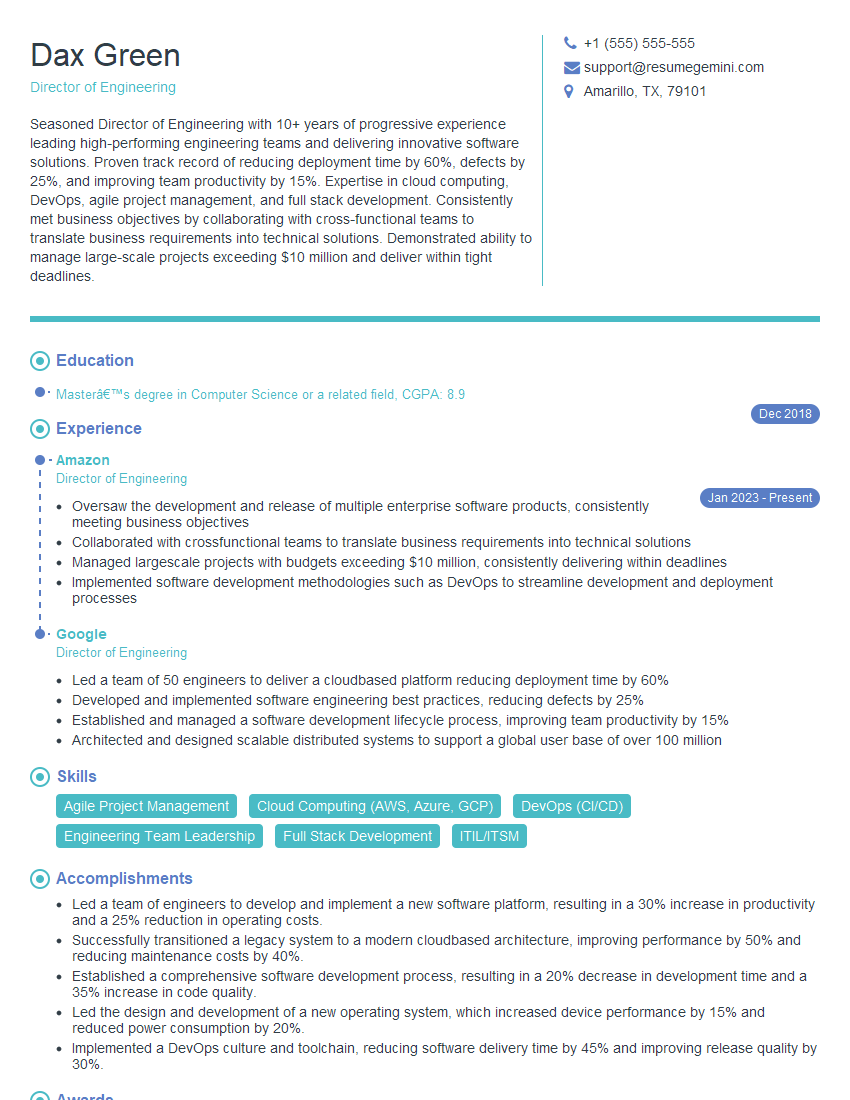
Director of Engineering Resume Sample
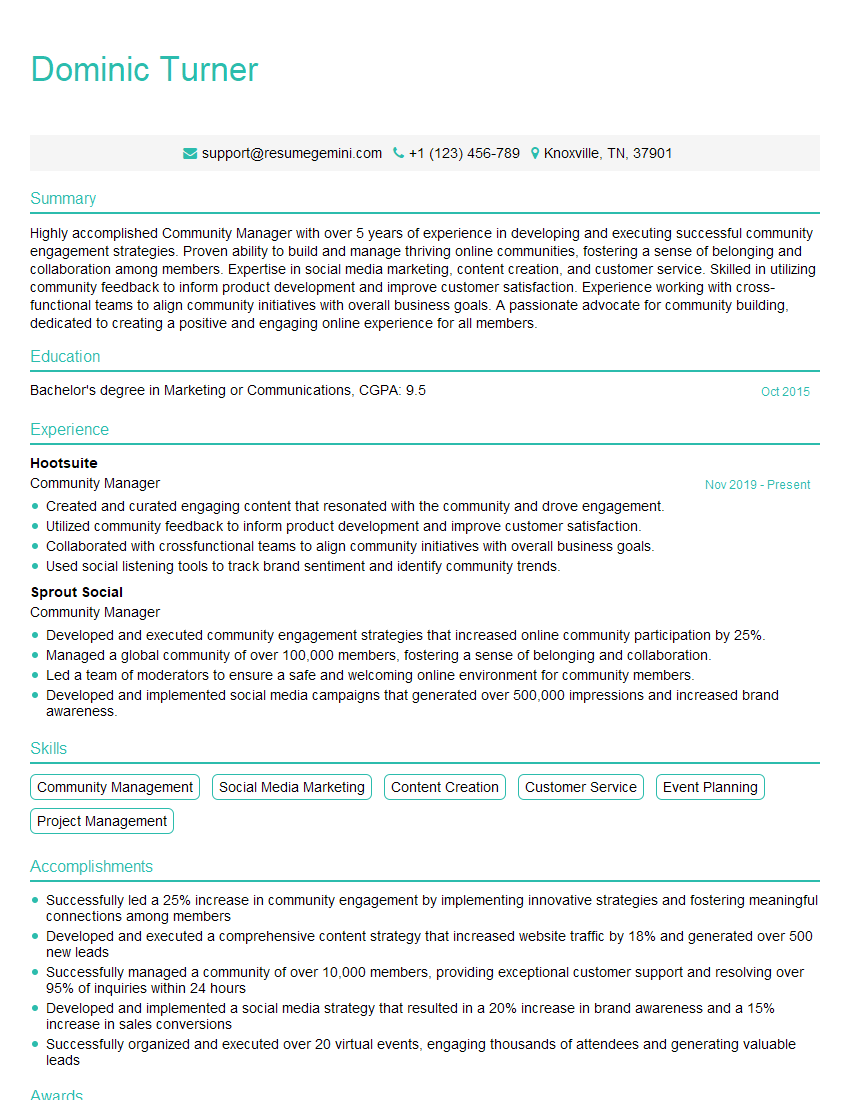
Community Manager Resume Sample

Compliance Officer Resume Sample
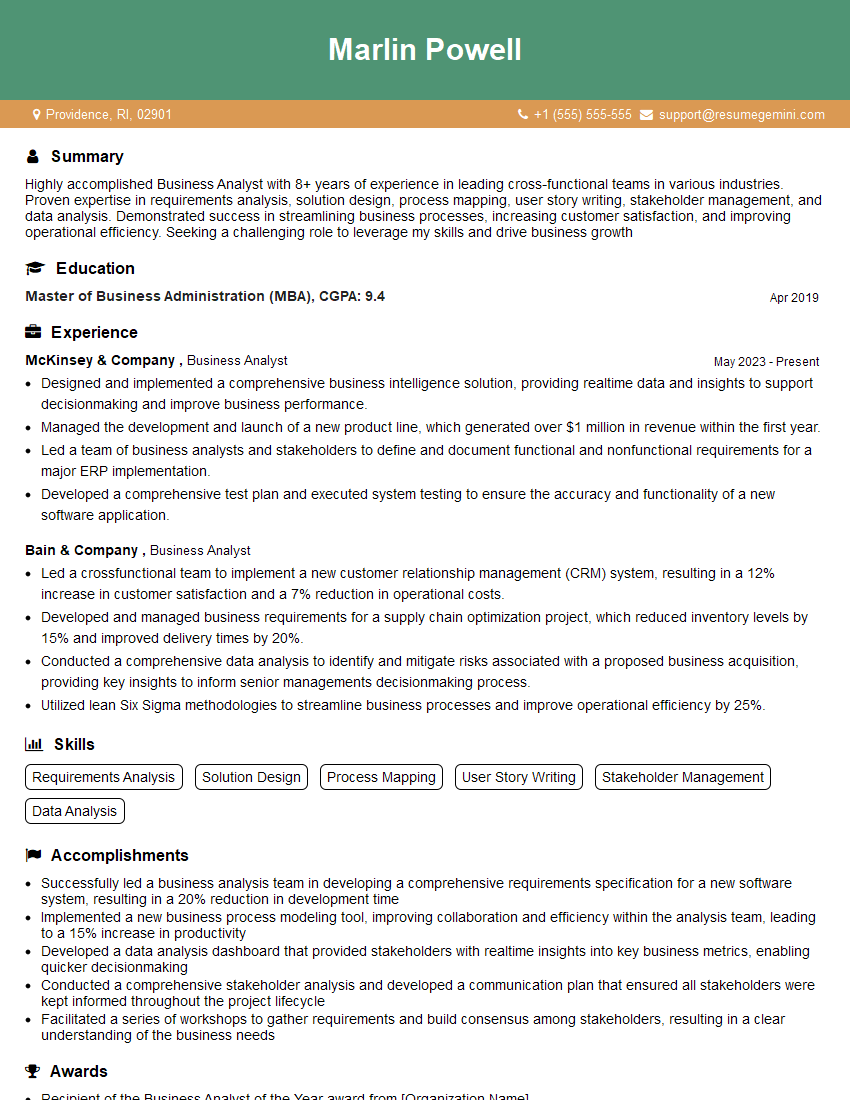
Business Analyst Resume Sample
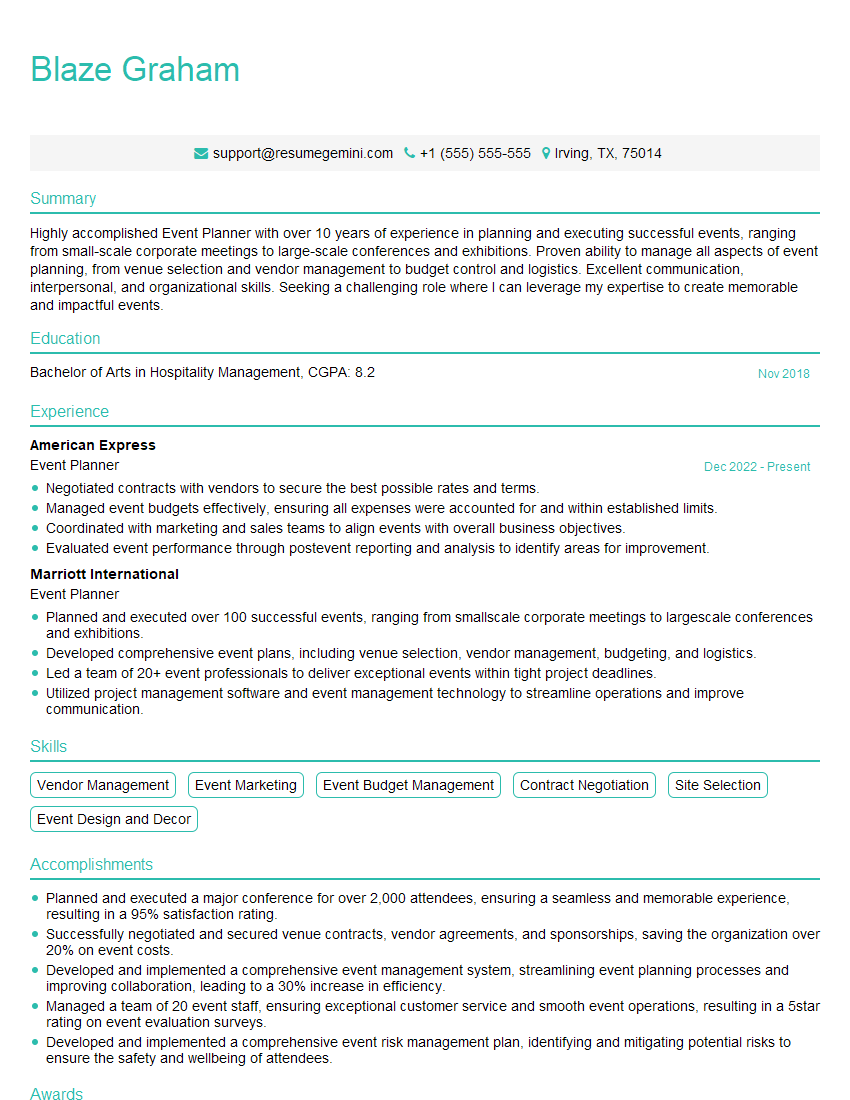
Event Planner Resume Sample

Training Specialist Resume Sample
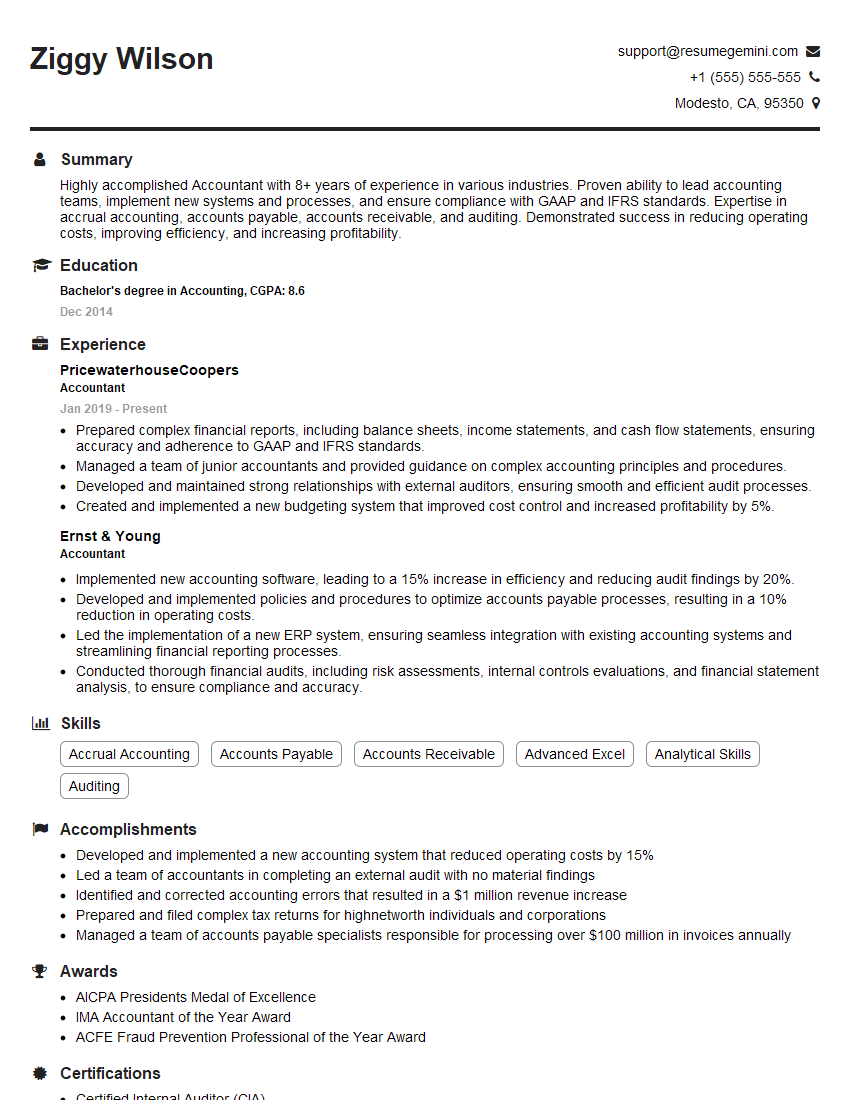
Accountant Resume Sample
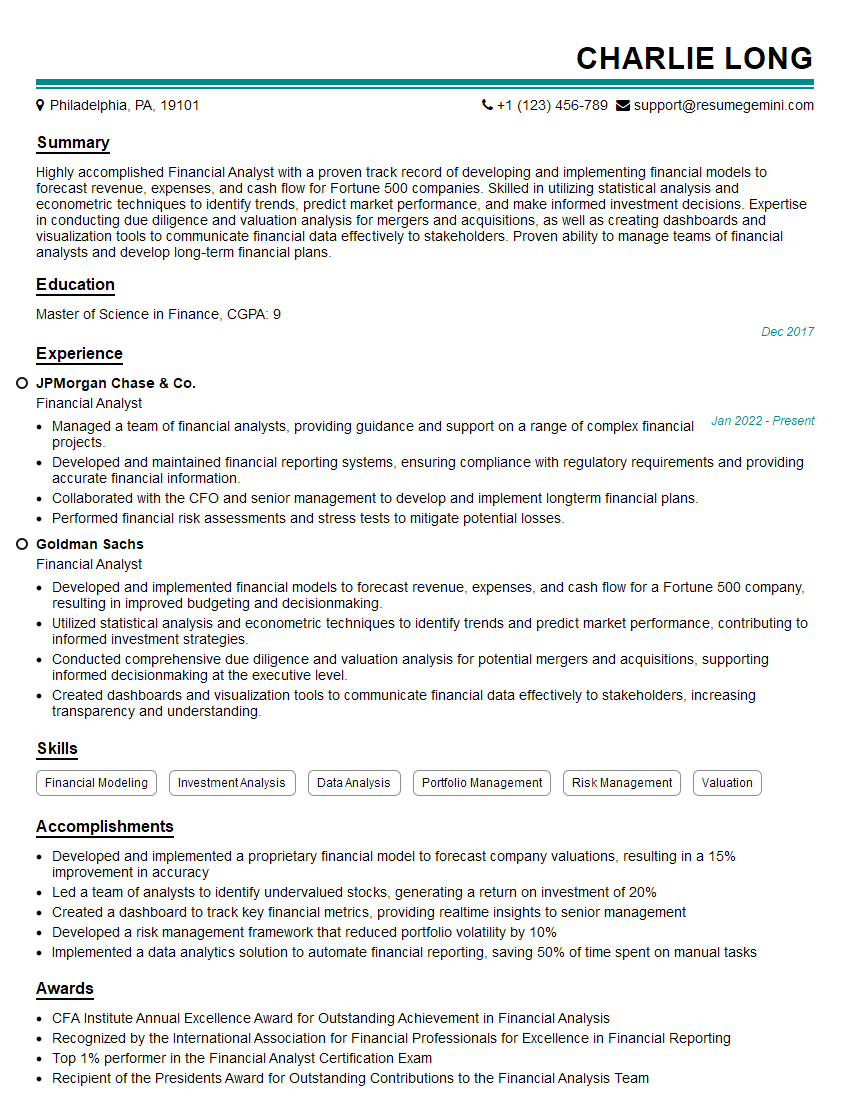
Financial Analyst Resume Sample
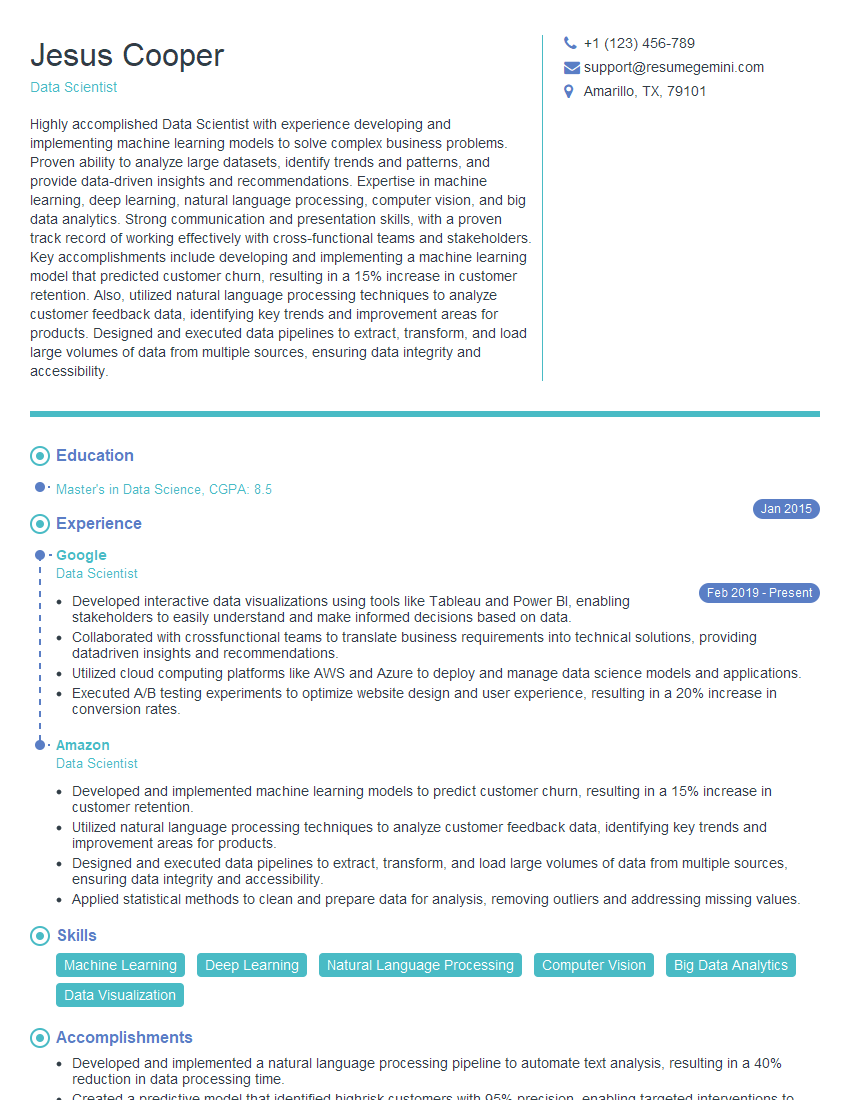
Data Scientist Resume Sample
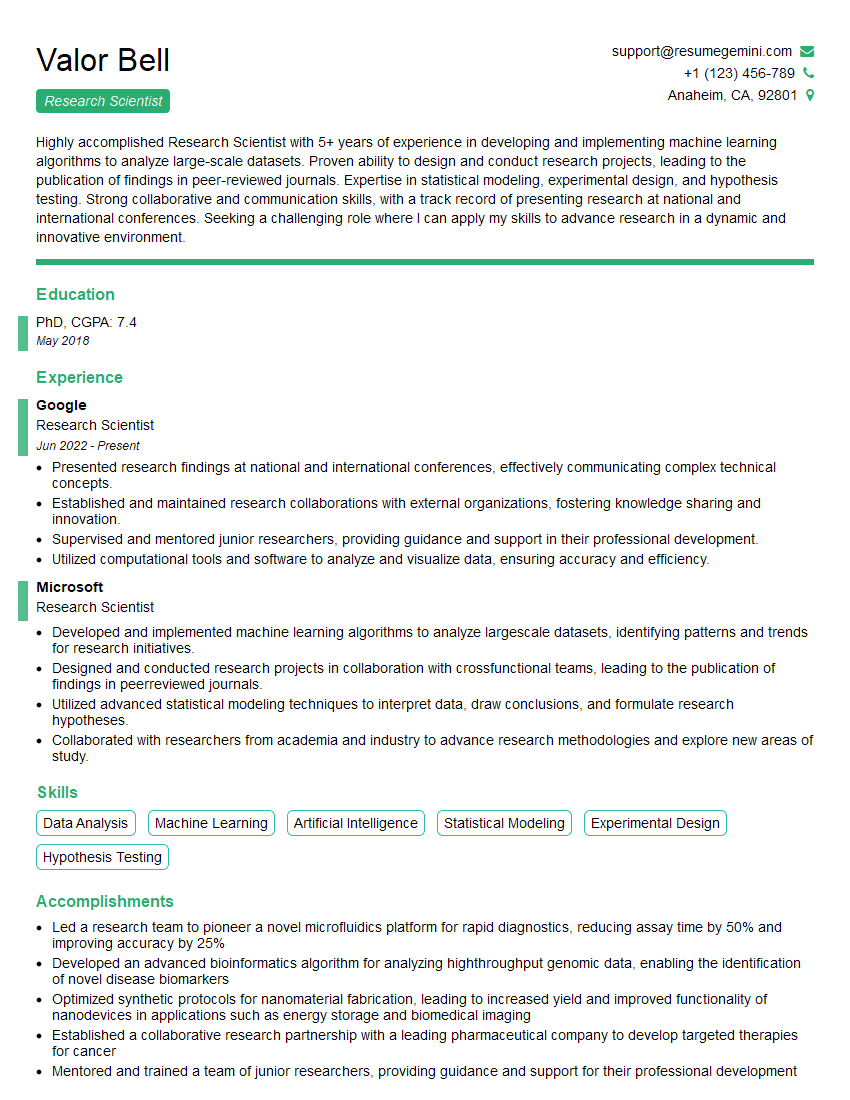
Research Scientist Resume Sample
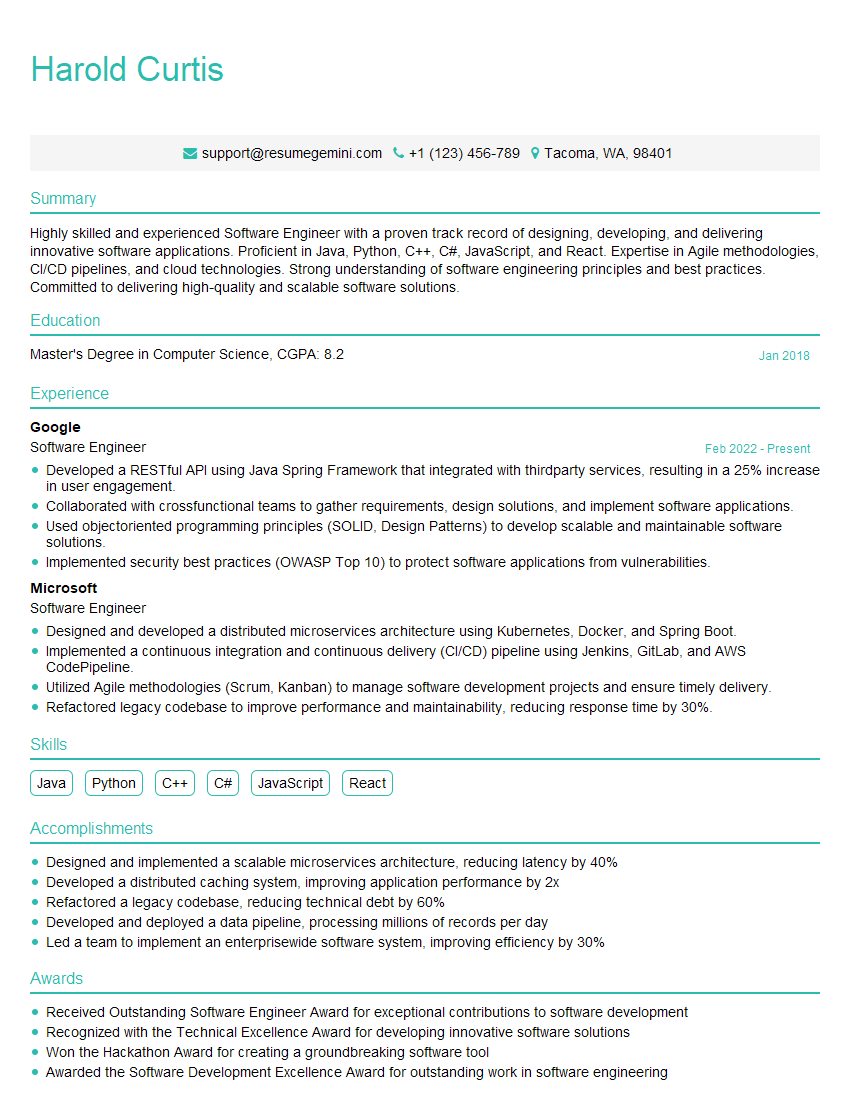
Software Engineer Resume Sample
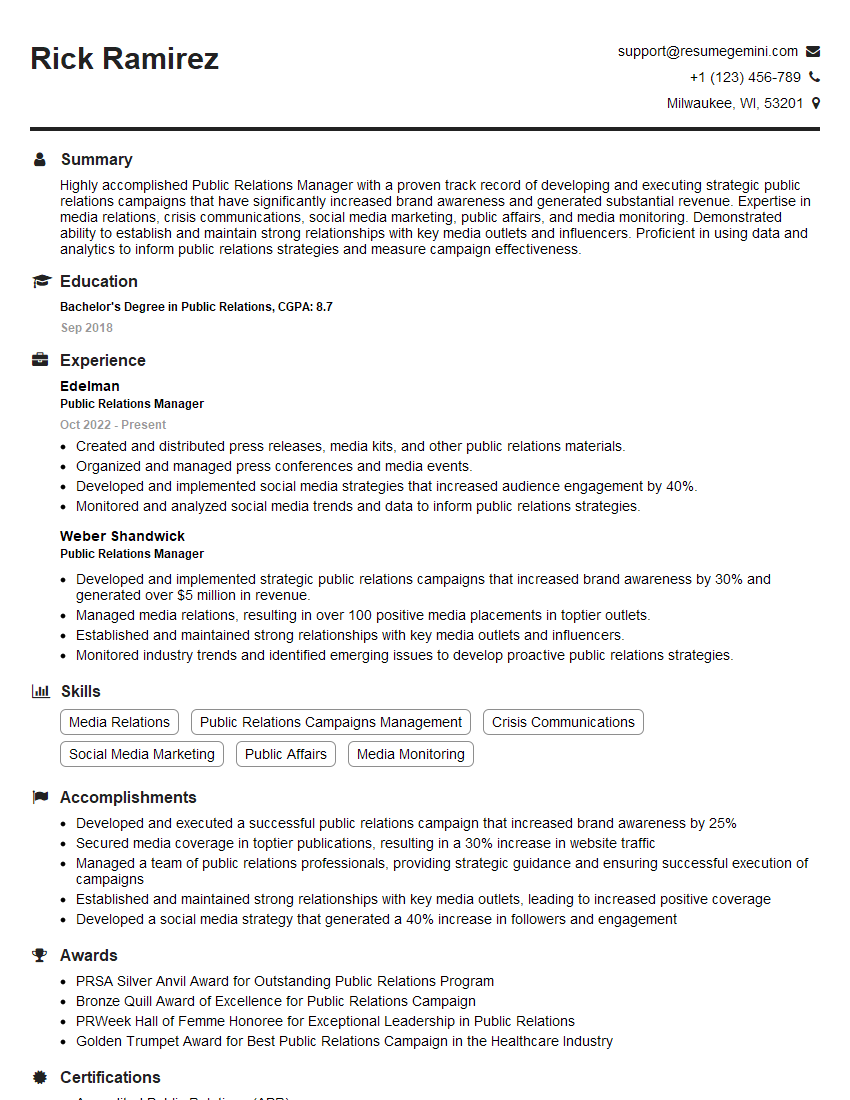
Public Relations Manager Resume Sample

Technical Writer Resume Sample
- Program Manager
- Operations Manager
- Marketing Manager
- Sales Manager
- Product Manager
- Communications Manager
- Chief Technology Officer (CTO)
- Human Resources Manager
- Project Manager
- Director of Engineering
- Community Manager
- Compliance Officer
- Business Analyst
- Event Planner
- Training Specialist
- Accountant
- Financial Analyst
- Data Scientist
- Research Scientist
- Software Engineer
- Public Relations Manager
- Technical Writer
Explore more articles
Users Rating of Our Blogs
Share Your Experience
We value your feedback! Please rate our content and share your thoughts (optional).
What Readers Say About Our Blog
To the interviewgemini.com Webmaster.
Very helpful and content specific questions to help prepare me for my interview!
Thank you
To the interviewgemini.com Webmaster.
This was kind of a unique content I found around the specialized skills. Very helpful questions and good detailed answers.
Very Helpful blog, thank you Interviewgemini team.