Are you ready to stand out in your next interview? Understanding and preparing for Process Documentation and Validation interview questions is a game-changer. In this blog, we’ve compiled key questions and expert advice to help you showcase your skills with confidence and precision. Let’s get started on your journey to acing the interview.
Questions Asked in Process Documentation and Validation Interview
Q 1. Explain the difference between validation and verification.
Verification and validation are often confused, but they represent distinct yet complementary aspects of ensuring a process meets its intended purpose. Think of it like building a house: verification is making sure you’re building it correctly according to the blueprints (design specifications), while validation is ensuring the house is actually fit for purpose – that it meets the homeowner’s needs (intended use).
Verification focuses on the process itself. It confirms that the process is designed and developed correctly, adhering to pre-defined specifications. This involves reviews, inspections, and testing of individual components and steps. For example, verifying that a software program’s code accurately implements the algorithm it’s supposed to use.
Validation, on the other hand, focuses on the outcome of the process. It confirms that the process consistently produces the desired results. This typically involves performing the entire process repeatedly under various conditions and assessing the output against predefined acceptance criteria. For example, validating that a manufacturing process consistently produces products meeting quality standards and regulatory requirements.
Q 2. Describe the stages of process validation.
Process validation typically involves three stages:
- Stage 1: Process Design and Development: This initial stage focuses on defining the process, identifying critical process parameters (CPPs), and developing a detailed process description. It involves establishing the intended use of the product and defining acceptance criteria. This stage heavily relies on risk assessments to proactively address potential failure points.
- Stage 2: Process Qualification: This stage confirms that the equipment and systems used in the process are properly installed, operating correctly, and capable of consistently producing the desired results. It often involves installation qualification (IQ), operational qualification (OQ), and performance qualification (PQ) – collectively known as IQOQPQ. For example, verifying a sterilizer’s ability to achieve the required temperature and dwell time.
- Stage 3: Continued Process Verification (CPV): This is an ongoing process of monitoring and evaluating the validated process to ensure its continued effectiveness. This stage involves routine sampling and testing to ensure the process remains in control, and making adjustments as necessary. Regular review and updates of the validation documentation are also key.
Q 3. What are the key elements of a process validation plan?
A robust process validation plan is crucial for success. Key elements include:
- Objectives: Clearly defined goals for the validation, such as demonstrating the process consistently meets predefined quality attributes.
- Scope: Precisely defining the process, product, and equipment covered by the validation.
- Methodology: Outlining the specific tests, sampling plans, and statistical methods to be used.
- Critical Process Parameters (CPPs): Identifying variables that significantly impact the final product quality; these are closely monitored during validation.
- Acceptance Criteria: Establishing clear, measurable, and achievable criteria for determining whether the validation is successful.
- Responsibilities: Assigning clear roles and responsibilities to team members involved in the validation process.
- Timeline: Setting a realistic timeline for each stage of the validation, including milestones and deadlines.
- Documentation: Detailing the approach and findings in well-organized documentation according to regulatory guidelines. This includes raw data, test results, and conclusions.
Q 4. How do you handle deviations during process validation?
Deviations during process validation are inevitable. The key is to have a clear, documented procedure for handling them. This typically involves:
- Immediate investigation: Identify the root cause of the deviation. Was it a equipment malfunction, human error, or a change in raw materials?
- Documentation: Thoroughly document the deviation, including the date, time, nature of the deviation, corrective actions taken, and impact assessment.
- Corrective and Preventive Actions (CAPA): Implement measures to prevent recurrence. This might involve equipment repairs, improved training, or process adjustments.
- Impact assessment: Evaluate the effect of the deviation on the validity of the entire process. Depending on the severity and impact, a partial or full revalidation might be necessary.
- Reporting: Documenting the investigation, CAPA, and impact assessment according to established procedures.
For example, if a temperature deviation occurs during a sterilization cycle, a thorough investigation is needed to determine if the product sterility is compromised and what steps are required to prevent similar incidents.
Q 5. What are the regulatory requirements for process validation in your industry?
Regulatory requirements for process validation vary significantly depending on the industry (e.g., pharmaceutical, medical device, food) and the specific product. However, some common principles apply. Regulations like 21 CFR Part 11 (for electronic records and signatures in the US), EU Annex 1 (for pharmaceutical manufacturing), and ISO 13485 (for medical devices) provide detailed guidance. These regulations emphasize the need for:
- Documented processes: Clearly defined, controlled, and documented manufacturing processes.
- Data integrity: Maintaining accurate, complete, and reliable data throughout the validation process.
- Traceability: Ensuring the ability to track all aspects of the process and materials.
- Compliance with GMP principles: Following Good Manufacturing Practices (GMP) to maintain product quality and safety.
- Change control: Having a well-defined system for managing and approving any changes to the validated process.
Failure to meet these requirements can result in regulatory actions, including warning letters, recalls, and fines.
Q 6. Explain the importance of documentation in process validation.
Documentation is the cornerstone of successful process validation. It provides a comprehensive record of the entire validation process, from planning and execution to review and approval. Without thorough documentation, the validation is essentially meaningless. Proper documentation demonstrates compliance with regulatory requirements, provides traceability, and allows for future analysis and improvement of the process. Key documentation includes:
- Validation plan: A detailed plan outlining the validation methodology.
- Validation protocols: Detailed procedures for conducting the validation tests.
- Validation reports: Summarizing the results of the validation activities and conclusions.
- Raw data: Original data from the validation tests, such as temperature readings, weight measurements, and analytical results. This raw data is crucial for auditing and verification.
- Deviations and CAPA reports: Documenting any deviations from the plan and corrective actions taken.
Imagine trying to rebuild a piece of equipment based only on verbal instructions. Documentation serves as the instructions – complete, accurate, and verifiable.
Q 7. What are some common challenges in process validation?
Process validation can present several challenges:
- Complexity: Validating complex processes with many interacting parameters can be time-consuming and resource-intensive.
- Cost: The resources and time needed for comprehensive validation can be considerable.
- Data analysis: Analyzing large datasets and interpreting statistical results can be complex and require specialized expertise.
- Regulatory changes: Keeping up with evolving regulatory requirements can be a challenge.
- Maintaining validation state: Ensuring the validated process remains consistent over time requires ongoing monitoring and adjustments.
- Technology limitations: Validation can be challenging if the necessary technology or instrumentation is not available or reliable.
Overcoming these challenges requires careful planning, collaboration, and a commitment to continuous improvement. Proactive risk assessment, the use of validated analytical methods, and adherence to good documentation practices can significantly mitigate these challenges.
Q 8. How do you ensure data integrity in process validation?
Data integrity in process validation is paramount. It ensures the accuracy, completeness, consistency, and reliability of all data generated throughout the validation process. Think of it as the foundation upon which we build confidence in our process. Compromised data integrity can lead to flawed conclusions and ultimately, unsafe or ineffective products.
- ALCOA+ Principles: We adhere strictly to the ALCOA+ principles – Attributable, Legible, Contemporaneous, Original, Accurate, and complete, plus Enduring and Available. Every data point must be traceable back to its source, easily readable, recorded at the time of generation, an original record, accurate, and complete. The data should also be readily available and remain reliable over time.
- Robust Documentation System: A well-defined documentation system is crucial. This involves using validated systems, standardized templates, and clearly defined procedures for data entry, review, and approval. Version control is essential to prevent confusion and ensure we’re always working with the latest approved versions.
- Data Governance: A strong data governance structure with clearly defined roles and responsibilities is essential. This ensures accountability and traceability throughout the process. Regular audits and reviews further reinforce data integrity.
- Electronic Data Management Systems (EDMS): In many cases, we leverage validated EDMS to manage our data efficiently and securely. These systems often offer features such as audit trails and electronic signatures, which significantly enhance data integrity.
For example, in a pharmaceutical setting, a deviation from the expected temperature during a stability study needs to be meticulously documented, explained, and investigated. The raw data, along with the investigation report, becomes part of the validation dossier, forming an integral part of demonstrating the product’s quality and safety.
Q 9. What is the role of risk assessment in process validation?
Risk assessment is the cornerstone of effective process validation. It helps us focus our efforts on the most critical aspects of the process, optimizing resource allocation and ensuring a robust outcome. Instead of a blanket approach, we identify and prioritize potential risks, allowing us to tailor the validation strategy accordingly.
- Identifying Hazards: We systematically identify all potential hazards that could impact the process, product quality, and safety. This may involve reviewing process flow diagrams, Failure Mode and Effects Analysis (FMEA), or other risk assessment tools.
- Risk Analysis: Each identified hazard is analyzed based on its likelihood and potential impact. A risk matrix, for instance, can visually represent these factors, allowing for prioritization.
- Risk Mitigation: Based on the risk analysis, we develop and implement appropriate mitigation strategies. This could involve changing parameters, introducing controls, or increasing monitoring frequency.
- Validation Strategy: The risk assessment informs the validation strategy. For instance, high-risk aspects might require more rigorous testing and a higher level of documentation.
Imagine validating a sterile manufacturing process. A risk assessment would identify potential contamination sources (personnel, equipment, environment) as high-risk hazards. Our validation strategy would then focus extensively on testing and demonstrating the effectiveness of sterilization procedures, environmental monitoring, and aseptic techniques.
Q 10. Describe your experience with different validation methodologies (e.g., IQ, OQ, PQ).
I have extensive experience with the three phases of process validation: Installation Qualification (IQ), Operational Qualification (OQ), and Performance Qualification (PQ). Each stage plays a vital role in ensuring that the process consistently produces the desired outcome.
- IQ: This focuses on verifying that the equipment and systems are installed correctly and meet pre-defined specifications. This includes checking for correct installation, calibration of instruments, and review of documentation. For example, ensuring the correct power supply and environmental conditions for a high-performance liquid chromatography (HPLC) system.
- OQ: OQ demonstrates that the equipment and systems function as intended under various operating conditions. We perform tests to verify parameters like temperature, pressure, flow rates, and other critical process parameters. For a manufacturing process, this would involve checking the uniformity of the mixing process at various speeds and batch sizes.
- PQ: PQ establishes that the entire process consistently produces a product that meets pre-defined quality attributes. This involves running multiple batches under normal operating conditions, and analyzing the results to show that the process is capable of consistently meeting specifications. For example, in pharmaceutical manufacturing, PQ would confirm that the final product meets specifications for potency, purity, and other critical quality attributes.
In my previous role, I led the validation of a new automated filling line. This involved meticulous IQ, OQ, and PQ activities, ensuring we had the documentation and data to support its successful implementation and continuous compliance.
Q 11. How do you determine the appropriate sampling plan for process validation?
Choosing the appropriate sampling plan for process validation requires careful consideration of several factors. The goal is to collect enough data to confidently assess process capability while minimizing unnecessary testing.
- Process Understanding: A thorough understanding of the process, its variability, and potential sources of variation is crucial. Statistical process control (SPC) data can help determine the inherent variability of the process.
- Risk Assessment: The results of the risk assessment guide the sampling plan. High-risk processes might require more frequent sampling and larger sample sizes compared to low-risk processes.
- Acceptance Criteria: The pre-defined acceptance criteria for the validation parameters influence the sample size and the statistical methods employed.
- Statistical Methods: Appropriate statistical methods, such as attribute sampling (pass/fail) or variable sampling (measuring continuous parameters), need to be selected.
- Regulatory Guidelines: Relevant regulatory guidelines and industry best practices must be considered and followed.
For example, validating a highly critical process like sterile filtration might involve a larger number of samples than a less critical step. Using a combination of attribute and variable sampling allows us to assess both the presence/absence of microbial contamination and the filter integrity.
Q 12. Explain the concept of Design of Experiments (DOE) in process validation.
Design of Experiments (DOE) is a powerful statistical technique used in process validation to efficiently investigate the effects of multiple process parameters on the product’s quality attributes. It allows us to determine optimal process settings while minimizing the number of experimental runs. Think of it as a smart and efficient way to explore the process landscape.
- Factorial Designs: These designs allow us to systematically vary multiple factors (parameters) at different levels, and assess their individual and interactive effects. A full factorial design tests all possible combinations of factors.
- Response Surface Methodology (RSM): RSM is used to optimize the process by finding the combination of factor levels that maximizes or minimizes a desired response (quality attribute). It uses mathematical models to fit the experimental data.
- Software Tools: Specialized software packages are used to design experiments, analyze the results, and construct statistical models.
For instance, in a tablet manufacturing process, we might use DOE to investigate the effect of compression force, granulation time, and binder concentration on the tablet’s hardness, weight uniformity, and disintegration time. This helps us determine the optimal settings for achieving the desired product quality.
Q 13. How do you manage changes to a validated process?
Managing changes to a validated process requires a structured and documented approach. The goal is to ensure that any modifications don’t compromise the process’s validated state.
- Change Control System: A formal change control system is essential. Any proposed changes must be documented, reviewed, and approved by relevant stakeholders before implementation.
- Risk Assessment: A risk assessment of the proposed change is critical. This helps identify potential impacts on the process and product quality.
- Revalidation: Depending on the nature and scope of the change, partial or complete revalidation might be necessary. Minor changes may require only supplemental documentation, while significant changes may necessitate a full revalidation.
- Impact Assessment: A thorough impact assessment is conducted to determine the extent of revalidation needed. This involves examining the effect on critical process parameters, product quality attributes, and compliance requirements.
For example, a change in a raw material supplier requires a thorough assessment. We would need to re-qualify the new supplier, evaluate the impact on the process, and potentially conduct additional testing or even partial revalidation to ensure the continued compliance with quality standards.
Q 14. How do you handle out-of-specification (OOS) results during validation?
Handling out-of-specification (OOS) results during validation is a critical aspect of the process. OOS results indicate a deviation from pre-defined acceptance criteria and require a thorough investigation to determine the root cause.
- Immediate Actions: Immediate actions are taken to prevent further production of non-conforming materials. The affected batch is isolated and investigated.
- Investigation: A comprehensive investigation is conducted to identify the root cause of the OOS result. This involves reviewing the process data, examining equipment and materials, and conducting interviews.
- Corrective Actions: Once the root cause is identified, appropriate corrective actions are implemented to prevent recurrence. This could involve equipment repairs, changes in operating procedures, or improved operator training.
- Deviation Report: A detailed deviation report documenting the OOS result, investigation, root cause analysis, corrective actions, and preventative actions is prepared and reviewed.
- Regulatory Reporting: Depending on the severity of the OOS, regulatory authorities may need to be notified.
Imagine an OOS result during a potency assay in pharmaceutical manufacturing. A thorough investigation might uncover a problem with the analytical method, a calibration issue with the instrument, or a contamination issue in the manufacturing process. Corrective actions would address the root cause, prevent future OOS results, and ensure the data integrity of the validation.
Q 15. What are your experiences with different validation software and systems?
My experience spans a range of validation software and systems, from simple spreadsheet-based solutions for smaller projects to sophisticated, enterprise-level validation systems like TrackWise and Veeva Validation. I’ve worked with systems that manage the entire validation lifecycle, from initial risk assessment through execution, documentation, and archival. For example, in a previous role, we migrated from a manual, paper-based system to a fully electronic validation system (TrackWise). This involved a comprehensive strategy to map existing procedures and documents into the new system, ensuring data integrity and minimizing disruptions. This transition not only improved efficiency but also enhanced traceability and audit readiness significantly. In another project, I worked with a custom-built system for equipment calibration and maintenance validation, demonstrating my adaptability to various technologies.
My familiarity extends beyond simply using these systems; I understand their underlying principles and can effectively tailor them to the specific needs of a project. This includes configuring workflows, customizing reports, and training end-users.
Career Expert Tips:
- Ace those interviews! Prepare effectively by reviewing the Top 50 Most Common Interview Questions on ResumeGemini.
- Navigate your job search with confidence! Explore a wide range of Career Tips on ResumeGemini. Learn about common challenges and recommendations to overcome them.
- Craft the perfect resume! Master the Art of Resume Writing with ResumeGemini’s guide. Showcase your unique qualifications and achievements effectively.
- Don’t miss out on holiday savings! Build your dream resume with ResumeGemini’s ATS optimized templates.
Q 16. How do you ensure the accuracy and completeness of validation documentation?
Ensuring accuracy and completeness in validation documentation is paramount. It’s not just about compiling data; it’s about establishing a verifiable, auditable record. My approach is multi-faceted:
- Structured Templates and Checklists: I utilize standardized templates and checklists to ensure consistent data collection and reporting. This minimizes omissions and discrepancies.
- Cross-Verification and Peer Reviews: Critical review and cross-verification are crucial steps. I often involve multiple team members in the review process to identify potential errors or inconsistencies. This ‘four-eyes’ principle strengthens accuracy.
- Version Control: Implementing robust version control (e.g., using document management systems) is critical. This prevents confusion by tracking changes, maintaining historical records and facilitating review of document revisions.
- Data Integrity Checks: I meticulously check data for consistency and logical accuracy before finalizing any documents. This includes verifying calculations, reviewing raw data, and ensuring data aligns with the expected results.
- Deviation Management: A well-defined deviation management process is essential for addressing any anomalies or unexpected findings during validation. This involves documenting the deviation, investigating the root cause, and implementing corrective actions.
Think of it like building a house: you wouldn’t skip inspections or ignore structural flaws. Similarly, validation documentation requires rigorous attention to detail to build a robust and defensible record.
Q 17. Describe your experience with audit preparation and responses related to validation.
Audit preparation and response are crucial for demonstrating compliance and maintaining regulatory integrity. My experience includes:
- Proactive Audit Readiness: I advocate for a proactive approach, ensuring that validation documentation is always up-to-date and readily accessible. This simplifies audit preparation considerably.
- Gap Analysis and Remediation: I conduct thorough gap analyses, comparing our validation practices against regulatory requirements and industry best practices to proactively identify and address any potential deficiencies.
- Document Organization and Retrieval: I organize validation documentation using a logical and searchable system to facilitate efficient retrieval of information during audits. This demonstrates readiness and transparency.
- Effective Communication: Clear, concise communication during the audit process is critical. I work closely with auditors to provide timely and accurate responses to any questions or requests for clarification.
- CAPA Implementation: Following an audit, any identified CAPAs (Corrective and Preventive Actions) are addressed promptly and thoroughly, ensuring ongoing compliance.
In one instance, a previous audit highlighted an inconsistency in our change management process for validated systems. By implementing a revised procedure and retraining personnel, we effectively addressed the finding and demonstrated a commitment to continuous improvement.
Q 18. How do you prioritize tasks during a validation project?
Prioritizing tasks in a validation project requires a structured approach. I typically use a combination of methods:
- Risk-Based Prioritization: I assess the risks associated with each task, prioritizing those with the highest potential impact on the project’s success and compliance. Critical systems and processes receive higher priority.
- Dependency Analysis: I identify dependencies between tasks to determine the optimal execution sequence. Tasks that are prerequisites for others are prioritized.
- Timeline and Resource Constraints: I consider available resources (time, personnel, budget) and establish realistic timelines for each task. This allows for efficient allocation of resources.
- Project Management Software: I leverage project management tools (e.g., MS Project, Jira) to track progress, manage dependencies and communicate priorities effectively to the team.
Think of it like a complex recipe: you wouldn’t start baking the cake before you’ve prepared the ingredients. Similarly, prioritizing validation tasks ensures a smooth and efficient workflow.
Q 19. Explain the concept of lifecycle validation.
Lifecycle validation is a comprehensive approach that acknowledges the entire lifespan of a system or process, from initial design and development to decommissioning. It’s not a one-time event but an ongoing process of ensuring continued compliance and performance. The lifecycle typically includes these stages:
- Design Qualification (DQ): Establishing that the design of a system meets its intended purpose and regulatory requirements.
- Installation Qualification (IQ): Verifying that the system has been installed correctly and according to specifications.
- Operational Qualification (OQ): Demonstrating that the system operates consistently within its defined parameters.
- Performance Qualification (PQ): Confirming that the system performs consistently to meet its intended function.
- Ongoing Monitoring and Maintenance: Continuous monitoring and periodic requalification to maintain compliance and performance.
- Decommissioning: Establishing a controlled and documented process for removing a system from service.
For example, consider a pharmaceutical manufacturing line. Lifecycle validation ensures each stage, from equipment installation to cleaning validation, meets standards throughout its operational lifespan.
Q 20. How do you ensure the traceability of validation documents?
Traceability in validation documents is crucial for audit readiness and demonstrating compliance. I employ several strategies:
- Unique Identification Numbers: Assigning unique identifiers to all documents and linking them to related documents creates a clear audit trail.
- Cross-Referencing: Clearly referencing related documents (e.g., procedures, specifications, test results) creates a web of interconnected information.
- Document Management Systems: Utilizing electronic document management systems provides version control, linking documents, and ensures that only approved versions are accessible.
- Version Control: Maintaining version history for all documents to track changes and understand the evolution of the validation process.
- Electronic Signatures and Audit Trails: Employing electronic signatures and audit trails ensures the integrity and accountability of all document revisions.
Think of it like a detective following a trail of clues. Traceability in validation documents provides a clear and unambiguous path to understanding the entire validation process.
Q 21. What are the key performance indicators (KPIs) you use to monitor validation projects?
The key performance indicators (KPIs) I use to monitor validation projects vary depending on the specific project but generally include:
- On-time Completion Rate: The percentage of validation tasks completed within the scheduled timeframe.
- Budget Adherence: The alignment of actual project costs with the allocated budget.
- Defect Rate: The number of identified errors or discrepancies in validation documents.
- Number of Deviations: The number of deviations identified during validation activities and the effectiveness of CAPAs.
- Audit Readiness: The completeness and readiness of validation documentation for regulatory audits.
- Team Morale: Maintaining a positive and productive team environment is a critical indirect KPI, impacting efficiency and project quality.
Regular monitoring of these KPIs allows for proactive identification of potential problems, enabling timely corrective actions and ultimately ensures a successful validation project.
Q 22. How do you identify and mitigate risks during validation?
Risk identification and mitigation in validation is a crucial process to ensure the reliability and safety of products and processes. It’s essentially about proactively identifying what could go wrong and putting measures in place to prevent or minimize the impact.
My approach involves a systematic risk assessment using methods like Failure Mode and Effects Analysis (FMEA). This involves:
- Identifying potential failure modes: This could involve equipment malfunction, operator error, variations in raw materials, or even environmental factors.
- Assessing the severity of each failure mode: How significant would the impact be on product quality, patient safety, or regulatory compliance?
- Determining the probability of occurrence: How likely is each failure mode to happen?
- Evaluating the detectability of the failure: How easily can we detect the failure before it leads to a significant impact?
Based on this assessment, we prioritize risks and develop mitigation strategies. These might include improved training for operators, implementing redundant systems, adding process controls, or increasing monitoring frequency. For example, if a critical piece of equipment has a high probability of failure and a severe impact, we might implement preventive maintenance protocols and install a backup system. Regular review and updates of the risk assessment are critical, as processes change and new risks emerge.
Q 23. Describe your experience with computer system validation (CSV).
I have extensive experience with Computer System Validation (CSV), focusing on the GAMP (Good Automated Manufacturing Practices) guidelines. My work has involved validating a wide range of systems, from Laboratory Information Management Systems (LIMS) to manufacturing execution systems (MES) and electronic data capture (EDC) systems.
My experience encompasses all phases of the CSV lifecycle:
- Requirement Specification: Collaborating with stakeholders to define the system’s functionalities and its impact on data integrity.
- Design Qualification (DQ): Reviewing the system design to ensure it meets regulatory requirements and user needs.
- Installation Qualification (IQ): Verifying that the system has been installed correctly and according to specifications.
- Operational Qualification (OQ): Demonstrating that the system functions as intended under defined operating conditions.
- Performance Qualification (PQ): Confirming the system consistently produces accurate and reliable results within defined tolerances.
For example, during a recent LIMS validation, we developed a comprehensive validation plan that included detailed test scripts to verify system functionalities like sample tracking, data entry, audit trails, and reporting capabilities. We carefully documented all the activities and generated comprehensive validation reports compliant with 21 CFR Part 11.
Q 24. How do you ensure compliance with 21 CFR Part 11?
Compliance with 21 CFR Part 11, which covers electronic records and electronic signatures, is paramount in regulated industries. Ensuring compliance requires a multi-faceted approach focusing on:
- Access Control: Implementing robust user authentication and authorization mechanisms, with unique login credentials and granular access permissions to prevent unauthorized access and modification of data.
- Audit Trails: Maintaining complete and accurate audit trails, including every action performed on the system, by whom, and when. This allows for the tracking and investigation of any changes or errors.
- Data Integrity: Implementing procedures to ensure the accuracy, completeness, and reliability of electronic data. This involves validation of systems, data backup strategies and data recovery plans.
- Electronic Signatures: Using electronic signatures that meet the requirements of 21 CFR Part 11, ensuring secure and verifiable signatures to maintain data integrity.
- System Validation: Implementing thorough validation activities covering DQ, IQ, OQ and PQ as discussed earlier.
A common mistake is to assume that merely purchasing a validated system solves the problem. It’s important to understand that maintaining compliance requires ongoing vigilance and adherence to established procedures and regular system updates.
Q 25. What is your experience with cleaning validation?
Cleaning validation is a critical process to ensure that equipment and facilities are thoroughly cleaned to prevent cross-contamination and ensure the quality and safety of subsequent products. My experience encompasses developing and executing cleaning validation protocols for various equipment types including reactors, mixers, and filling lines.
The process typically involves:
- Defining cleaning procedures: This includes specifying cleaning agents, contact time, and rinse procedures.
- Identifying appropriate cleaning validation methods: These might include swab sampling, rinse sampling, or visual inspection to determine the levels of residual material.
- Establishing acceptance criteria: Defining the maximum acceptable levels of residual material based on regulatory guidelines and product-specific requirements.
- Executing cleaning validation studies: Conducting studies under various conditions to verify the effectiveness of cleaning procedures.
- Data analysis and reporting: Analyzing the results to determine compliance with acceptance criteria and generating comprehensive reports.
For example, in validating a cleaning procedure for a pharmaceutical manufacturing line, we used swab sampling to detect residual drug product. The analysis confirmed that the chosen cleaning method effectively reduced the carryover to below acceptable limits, which we determined based on a thorough risk assessment.
Q 26. Describe your experience with analytical method validation.
Analytical method validation is essential to ensure the accuracy, precision, and reliability of analytical methods used in quality control and testing. My experience includes validating a wide range of analytical techniques, including HPLC, GC, and UV-Vis spectroscopy.
The validation process typically includes:
- Specificity: Demonstrating that the method can measure the analyte of interest in the presence of potential interfering substances.
- Linearity: Demonstrating a linear relationship between the concentration of the analyte and the instrument response over a specified range.
- Accuracy: Demonstrating the closeness of the measured values to the true values.
- Precision: Demonstrating the reproducibility of the method under various conditions.
- Range: Defining the concentration range over which the method is accurate and precise.
- Limit of Detection (LOD) and Limit of Quantification (LOQ): Defining the lowest concentration of the analyte that can be reliably detected and quantified.
In a recent project, we validated an HPLC method for the quantification of an active pharmaceutical ingredient. We rigorously assessed the method’s performance parameters and generated a comprehensive validation report that met regulatory expectations. This ensured that the method would provide accurate and reliable results for quality control purposes.
Q 27. How do you handle discrepancies between expected and actual results during validation?
Discrepancies between expected and actual results during validation require a thorough investigation. Ignoring them can lead to inaccurate conclusions and compromised data integrity. My approach involves a systematic investigation:
- Reviewing the validation plan and protocol: Identifying any potential deviations from the established procedures or errors in the experimental design.
- Analyzing the data: Identifying trends and patterns in the discrepancies. Were the discrepancies random or systematic?
- Investigating potential sources of error: This might involve evaluating equipment calibration, reagent quality, operator technique, or environmental factors.
- Implementing corrective actions: Once the root cause is identified, appropriate corrective actions are implemented. These might include recalibrating equipment, retraining personnel, or revising the validation plan.
- Documenting the investigation and corrective actions: Maintaining a detailed record of the investigation, including the identified root cause, implemented corrective actions, and their effectiveness.
For example, if we encountered significant deviations during a cleaning validation study, we’d investigate potential sources like equipment malfunction, cleaning agent concentration, or variations in cleaning time. After pinpointing the root cause, we would implement appropriate changes to our cleaning procedure and repeat the study to confirm effectiveness.
Q 28. What is your approach to troubleshooting validation issues?
Troubleshooting validation issues requires a systematic and analytical approach. My approach involves:
- Clearly defining the problem: What exactly is the issue? What are the specific deviations or failures?
- Gathering data: Collecting all relevant data, including test results, instrument logs, and operator logs.
- Analyzing the data: Identifying patterns and trends that can help pinpoint the root cause of the problem. This often involves using statistical analysis.
- Formulating hypotheses: Based on the data analysis, generating possible explanations for the problem.
- Testing the hypotheses: Conducting additional experiments or tests to confirm or refute the proposed explanations.
- Implementing corrective actions: Once the root cause is identified, implementing appropriate corrective actions to resolve the issue and prevent recurrence.
- Documenting the troubleshooting process: Maintaining a detailed record of the troubleshooting process, including the problem description, data analysis, hypotheses, tests, corrective actions, and outcome. This is critical for continuous improvement and regulatory compliance.
Using a structured approach like a ‘5 Whys’ analysis can be very helpful in identifying the root cause. This is where you repeatedly ask “Why?” to drill down to the fundamental reason behind the problem.
Key Topics to Learn for Process Documentation and Validation Interview
- Documentation Standards and Formats: Understanding different documentation styles (e.g., SOPs, WI, etc.), their purpose, and best practices for clarity and accuracy. This includes mastering technical writing skills for a diverse audience.
- Validation Methodologies: Familiarize yourself with various validation techniques like IQ/OQ/PQ, process capability analysis, and data integrity considerations. Be prepared to discuss the practical application of these methodologies in different settings.
- Risk Assessment and Mitigation: Learn to identify potential risks and deviations in processes and develop effective mitigation strategies. Understanding the regulatory landscape and its impact on validation is crucial.
- Data Integrity and Traceability: Master concepts around data integrity principles (ALCOA+), audit trails, and maintaining a comprehensive record of process changes and validation activities. This is a critical area in many regulated industries.
- Change Control and Deviation Management: Understand the procedures for managing changes to documented processes and handling deviations effectively. Be ready to discuss how to investigate, document, and prevent future occurrences.
- Process Improvement Methodologies: Familiarity with Lean, Six Sigma, or other process improvement methodologies will demonstrate your commitment to continuous improvement and efficiency. Be ready to discuss real-world examples of process optimization.
- Software and Tools: Depending on the role, you may need familiarity with specific software used for documentation, validation, or data management. Highlight your proficiency in relevant tools in your resume and be prepared to discuss them.
- Regulatory Compliance: Understanding relevant regulations (e.g., GMP, ISO, etc.) and how they impact process documentation and validation will significantly strengthen your candidacy. Focus on demonstrating practical understanding, not just theoretical knowledge.
Next Steps
Mastering Process Documentation and Validation opens doors to exciting career opportunities in regulated industries, offering strong growth potential and high demand. To maximize your chances of securing your dream role, focus on crafting an ATS-friendly resume that effectively showcases your skills and experience. ResumeGemini is a trusted resource to help you build a professional and impactful resume. They provide examples of resumes tailored to Process Documentation and Validation to guide you through the process. Take advantage of these resources to present yourself as the ideal candidate.
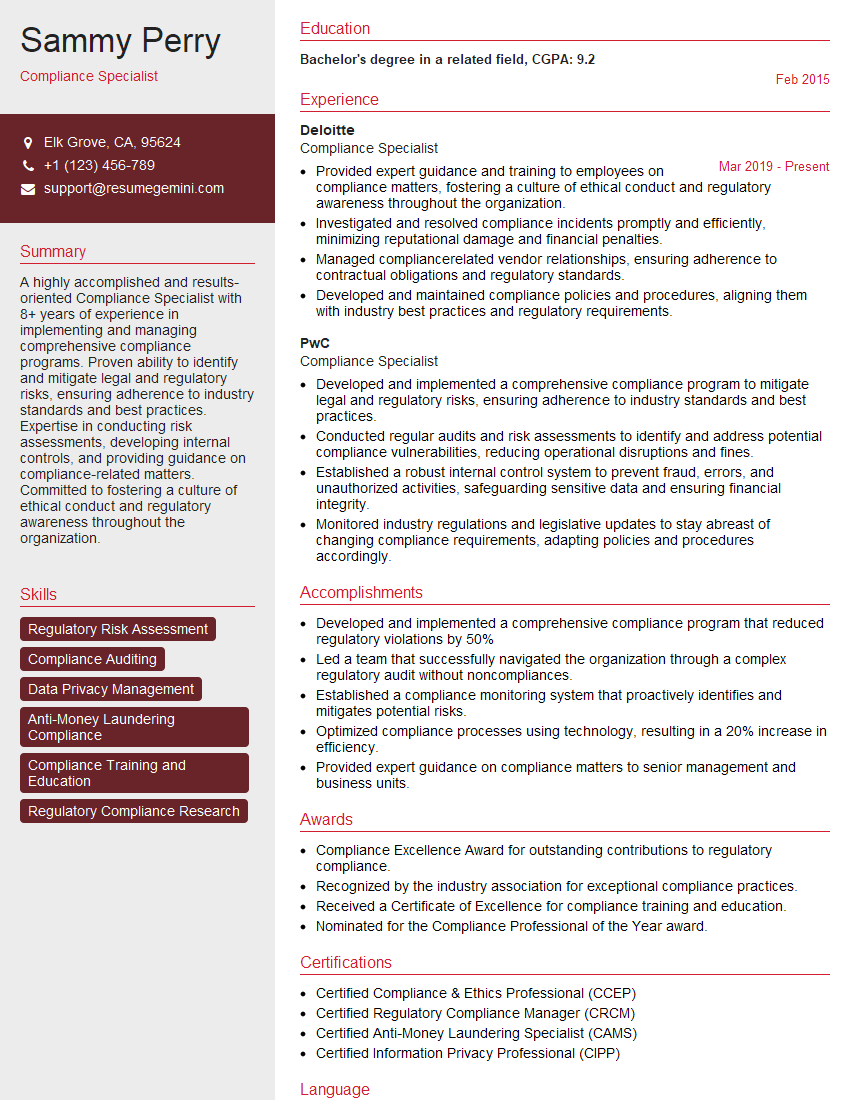
Compliance Specialist Resume Sample
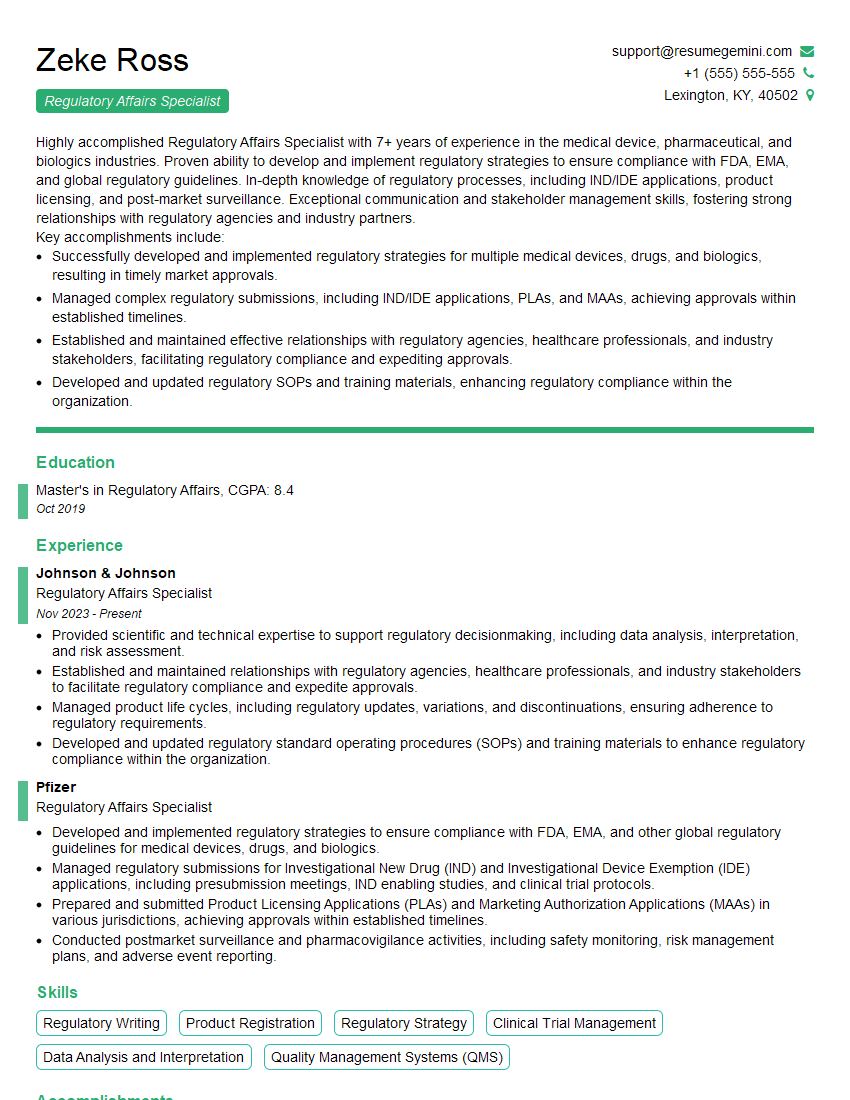
Regulatory Affairs Specialist Resume Sample
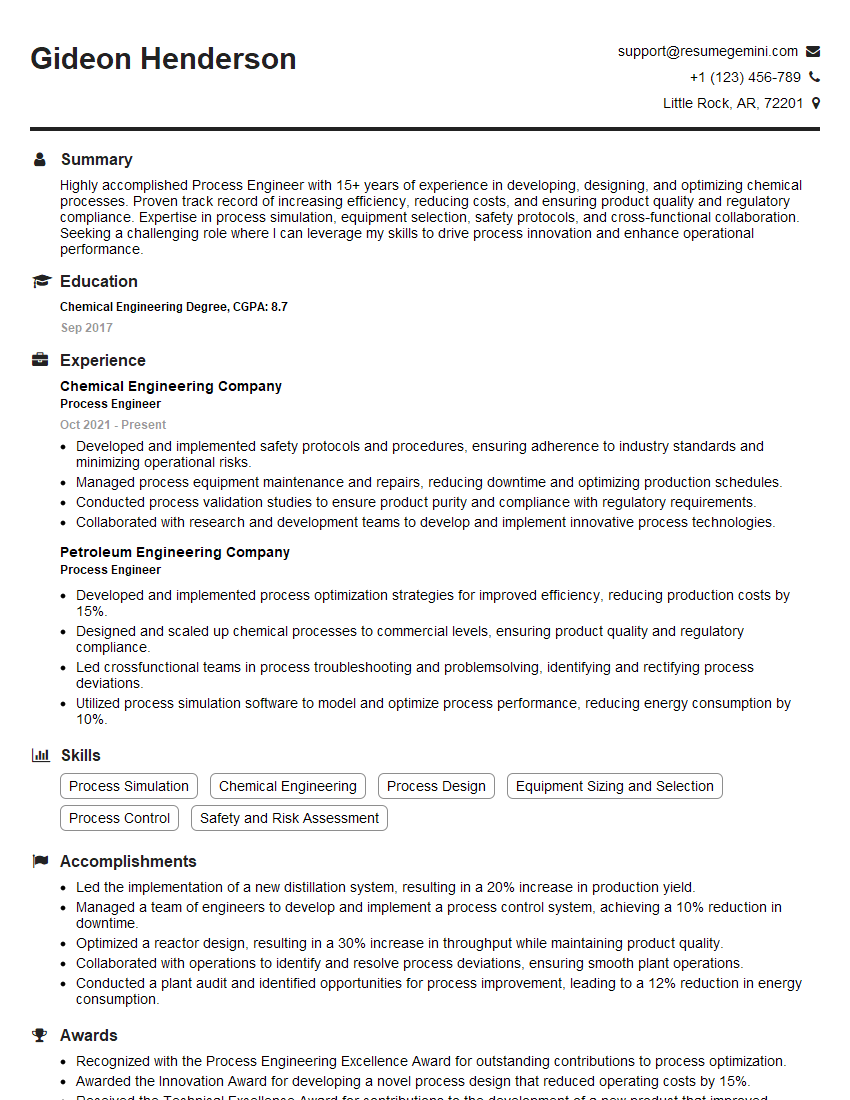
Process Engineer Resume Sample
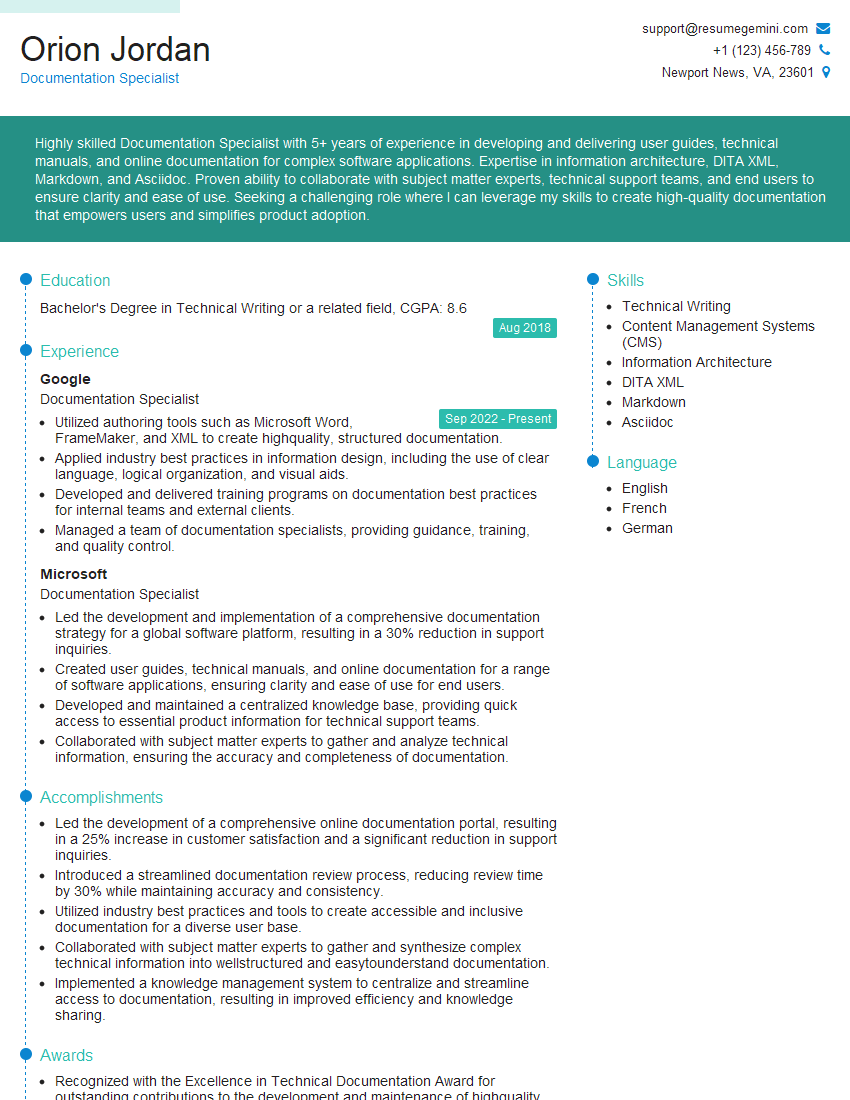
Documentation Specialist Resume Sample
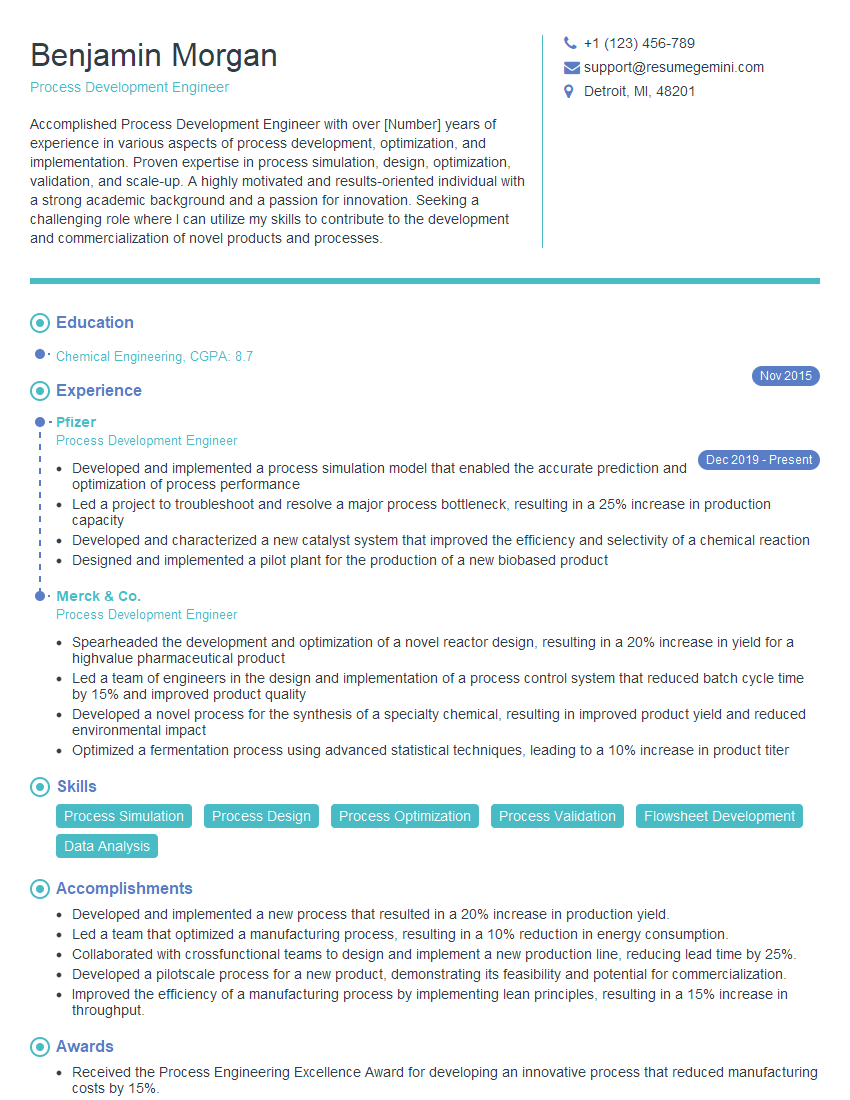
Process Development Engineer Resume Sample
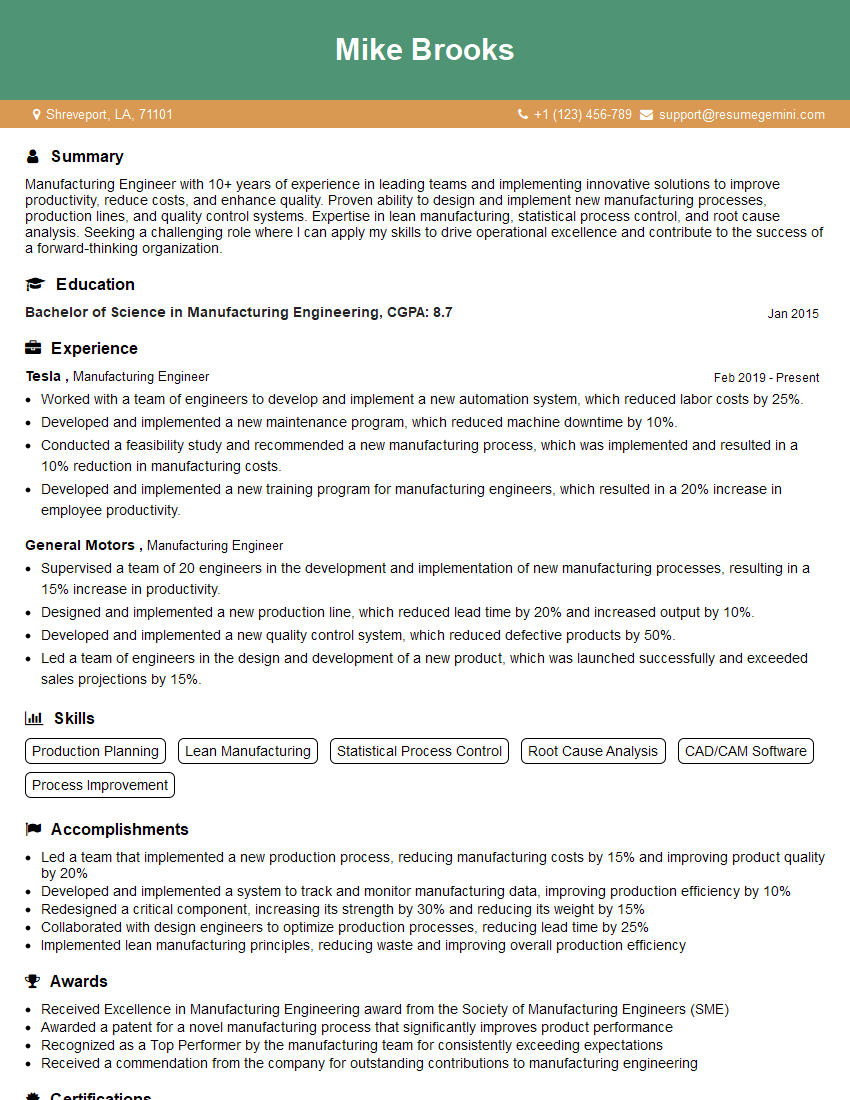
Manufacturing Engineer Resume Sample
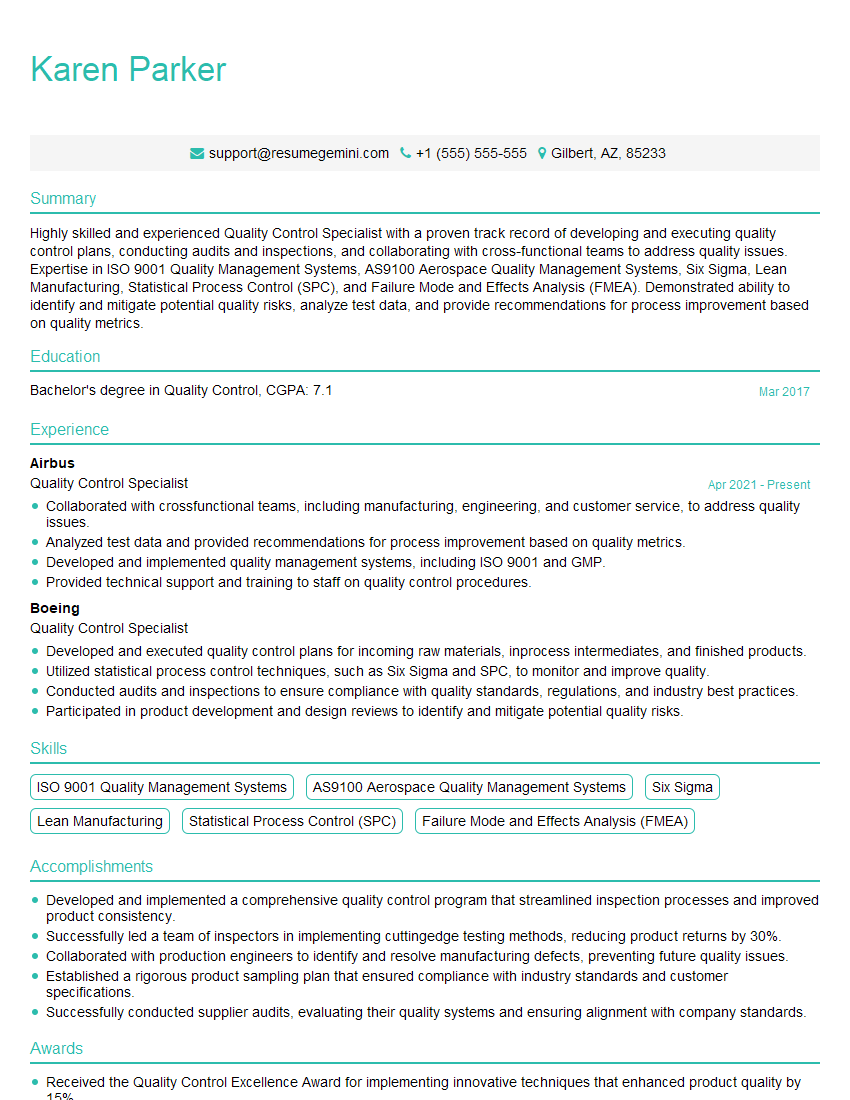
Quality Control Specialist Resume Sample
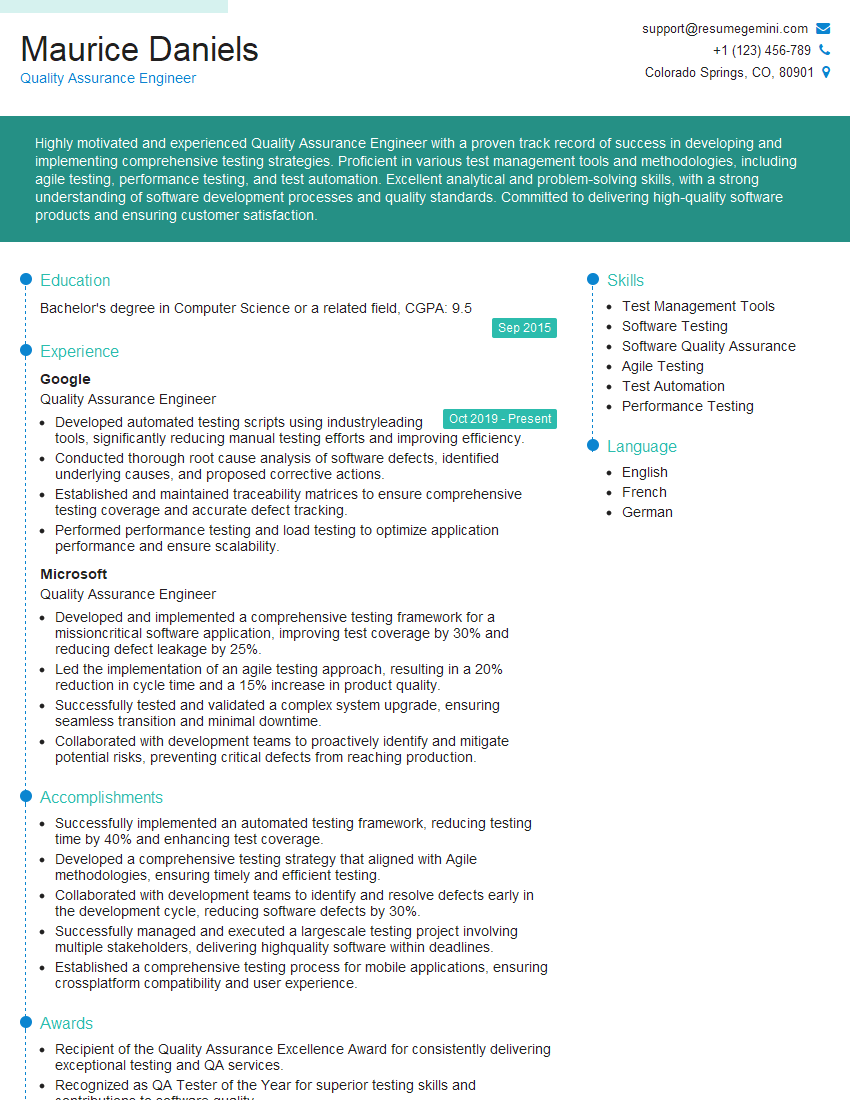
Quality Assurance Engineer Resume Sample
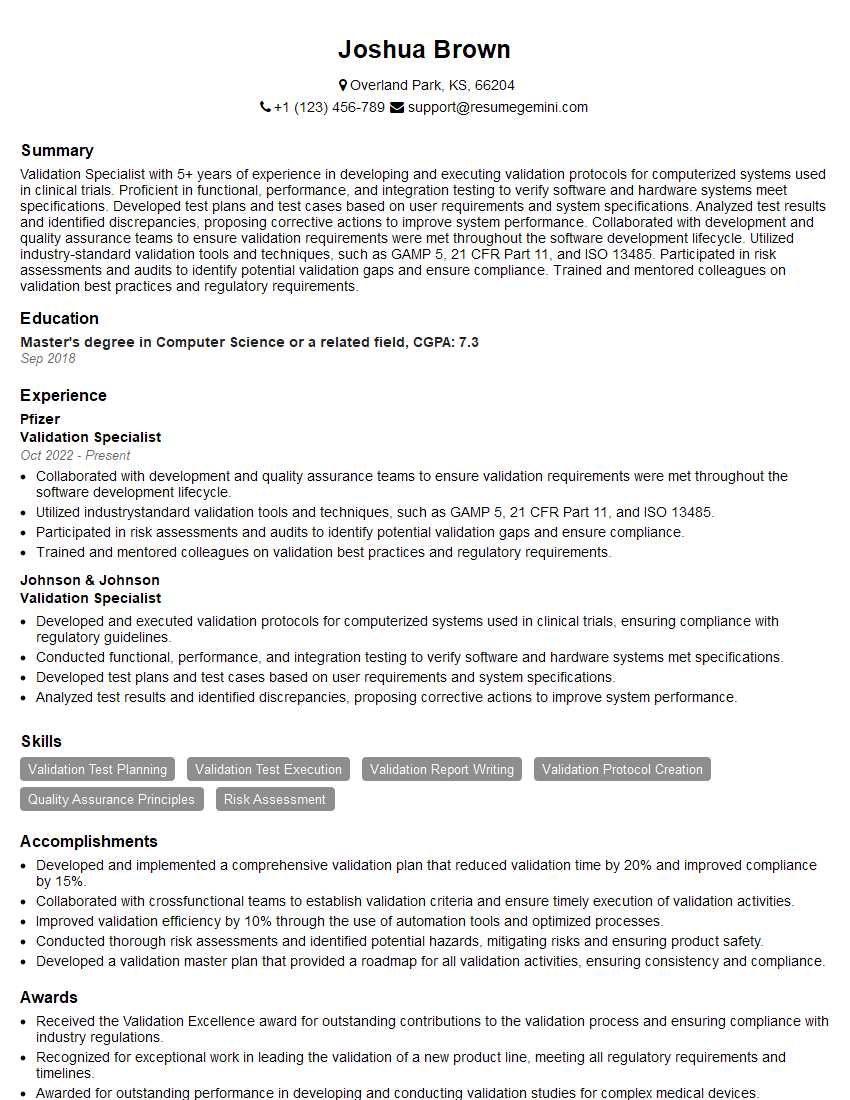
Validation Specialist Resume Sample

Technical Writer Resume Sample
Explore more articles
Users Rating of Our Blogs
Share Your Experience
We value your feedback! Please rate our content and share your thoughts (optional).
What Readers Say About Our Blog
To the interviewgemini.com Webmaster.
Very helpful and content specific questions to help prepare me for my interview!
Thank you
To the interviewgemini.com Webmaster.
This was kind of a unique content I found around the specialized skills. Very helpful questions and good detailed answers.
Very Helpful blog, thank you Interviewgemini team.