Cracking a skill-specific interview, like one for Residential and Commercial PV System Design, requires understanding the nuances of the role. In this blog, we present the questions you’re most likely to encounter, along with insights into how to answer them effectively. Let’s ensure you’re ready to make a strong impression.
Questions Asked in Residential and Commercial PV System Design Interview
Q 1. Explain the difference between grid-tied and off-grid PV systems.
The core difference between grid-tied and off-grid PV systems lies in their connection to the electrical grid. A grid-tied system is connected to the utility grid, allowing excess energy generated to be fed back into the grid and drawing power from the grid when solar production is insufficient. Think of it like having a two-way street for electricity. This is the most common type for residential and many commercial applications due to its cost-effectiveness and reliability. Conversely, an off-grid system operates independently of the grid. It utilizes batteries to store excess solar energy for use during periods of low sunlight or at night. This is ideal for remote locations or situations where grid access is unavailable or unreliable. Imagine a standalone house in the mountains – it needs an off-grid system.
In simpler terms: Grid-tied = connected to the grid, Off-grid = independent of the grid.
Q 2. What are the key factors to consider when sizing a residential PV system?
Sizing a residential PV system involves a careful assessment of several key factors. First, we need to determine the household’s energy consumption. This is typically obtained from utility bills, showing kilowatt-hours (kWh) used over a year. This gives us the energy demand we need to meet. Next, we consider the roof’s orientation and shading. South-facing roofs (in the Northern Hemisphere) receive the most sunlight, maximizing energy production. Shading from trees or buildings significantly reduces output. We also analyze the available roof space to determine the maximum number of panels that can be installed while maintaining safety and aesthetics. The local solar irradiance – the amount of sunlight a location receives – plays a crucial role. Higher irradiance means more energy generation. Finally, the budget and available incentives influence the system size. We aim for a balance between optimal energy production and cost-effectiveness. We might use specialized software to model different scenarios and optimize the system design.
Q 3. Describe the process of designing a commercial PV system, including load calculations and system sizing.
Designing a commercial PV system is a more complex undertaking than residential design, requiring detailed load calculations and system sizing. It begins with a thorough load analysis. This involves identifying all electrical loads within the building, including lighting, HVAC, equipment, and appliances. This data is often obtained from building plans and energy audits. We then calculate the peak demand and average daily energy consumption. Next, we perform site assessment, analyzing factors like roof area, orientation, shading, and structural capacity. We also consider the availability of grid connection and any local regulations. Then comes system sizing; this involves selecting the appropriate number and type of PV modules, inverters, and other system components to meet the calculated energy demand, considering factors like system efficiency and potential future expansion. This is often iterated using specialized software to optimize the balance of capital expenditure and energy production. Safety considerations and compliance with relevant codes and standards are paramount throughout the process. Finally, we create a detailed system design document, which includes specifications, drawings, and bill of materials. A real-world example might involve designing a system for a large office building, requiring detailed analysis of each floor’s energy use.
Q 4. How do you account for shading losses in PV system design?
Shading significantly impacts PV system performance. We account for shading losses through several methods. Detailed shading analysis is crucial; this often involves using specialized software or online tools to model the shading patterns throughout the year. This software typically uses the building’s coordinates, roof geometry, and surrounding obstructions to create a precise simulation. Optimized panel placement is key. We might arrange panels to minimize mutual shading, or we might utilize techniques like bypass diodes to mitigate the effects of shaded cells within a panel. Bypass diodes allow current to flow around shaded cells, preventing them from significantly affecting the overall panel output. For complex shading patterns, we may consider using microinverters which allow for independent optimization of individual panels, reducing the impact of shading on the overall system performance. Ignoring shading leads to significant underperformance; accurate modeling is crucial for efficient and profitable system design.
Q 5. What are the different types of inverters used in PV systems, and what are their advantages and disadvantages?
Several inverter types exist, each with advantages and disadvantages:
- String Inverters: These are the most common and cost-effective, connecting multiple panels in series. Advantage: Relatively inexpensive. Disadvantage: If one panel is shaded, the entire string’s performance is affected.
- Microinverters: Each panel has its own microinverter, optimizing individual panel performance. Advantage: Enhanced performance in partially shaded conditions. Disadvantage: Higher initial cost.
- Power Optimizers: These sit between each panel and the string inverter, optimizing individual panel performance. Advantage: A balance between cost and performance improvement compared to microinverters. Disadvantage: Added cost and complexity compared to string inverters.
The choice depends on factors like budget, shading conditions, and desired performance level.
Q 6. Explain the concept of maximum power point tracking (MPPT).
Maximum Power Point Tracking (MPPT) is a technique used by inverters to maximize the energy harvested from PV panels. PV panels don’t generate power at a constant rate; their output depends on various factors like solar irradiance and temperature. The MPPT algorithm constantly monitors the panel’s voltage and current, identifying the point of maximum power output and adjusting the inverter’s operating point accordingly. Think of it as a smart regulator constantly fine-tuning the system to extract the most power possible under ever-changing conditions. Without MPPT, the system would operate at a lower efficiency, reducing overall energy yield.
Q 7. What are the common safety regulations and codes related to PV system installation?
PV system installation is governed by stringent safety regulations and codes, varying by location. These codes address aspects like:
- Electrical safety: Proper grounding, overcurrent protection, and insulation are critical to prevent electrical shocks and fires. Codes such as the National Electrical Code (NEC) in the US provide detailed guidelines.
- Structural integrity: Mounting systems must be designed to withstand high winds and snow loads, ensuring the system’s long-term structural stability and preventing damage or detachment.
- Fire safety: Regulations often mandate specific fire-resistant materials and installation practices to prevent fire hazards, especially in close proximity to flammable materials.
- Working at heights: Strict safety protocols must be followed when working on rooftops, including the use of appropriate safety equipment and fall protection measures.
Non-compliance can lead to system failure, injury, or even legal repercussions. Always adhere to local codes and best practices for a safe and efficient PV installation.
Q 8. How do you perform a site assessment for a PV system installation?
A thorough site assessment is crucial for a successful PV system installation. It involves evaluating the location’s suitability for solar energy generation, considering factors that will impact energy production and system design. This is done through a series of steps:
- Roof or Land Assessment: We check the roof’s structural integrity, orientation (south-facing is ideal in the Northern Hemisphere), shading from trees, buildings, or other obstructions, and the available surface area. For ground-mounted systems, we assess land availability, soil conditions, and potential shading.
- Shading Analysis: Using software or physical measurements, we determine the extent and duration of shading throughout the day and year. Shading significantly reduces energy production.
- Sunlight Availability: We use solar irradiance data, often obtained from online resources or weather databases, to estimate the amount of sunlight the site receives. This informs us about the expected energy generation.
- Electrical System Evaluation: We examine the existing electrical system’s capacity, including the service panel’s amperage, wiring, and grounding. This helps determine the system’s size and connection requirements.
- Grid Connection Assessment: We determine the proximity to the electrical grid and the feasibility of grid connection. This often involves communication with the utility company.
- Building Codes and Regulations: We review local building codes, zoning ordinances, and HOA regulations to ensure compliance. This helps avoid delays and potential issues during the permitting process.
- Environmental Considerations: We assess potential environmental impacts, such as bird habitat disruption, and mitigate them as necessary.
For example, I once assessed a site with significant tree shading in the afternoon. By using detailed shading analysis software, we adjusted the panel placement and array design to minimize the impact of the shading, maximizing energy yield.
Q 9. What software or tools do you use for PV system design and simulation?
Several software and tools are used for PV system design and simulation. The choice depends on the project’s complexity and the designer’s preference. Some popular options include:
- PVsyst: A powerful and widely used software for detailed system simulations, considering various factors like shading, temperature, and module performance.
- Helioscope: A user-friendly software with strong shading analysis capabilities and 3D modeling for visualizing the system’s placement.
- Aurora: Another popular option known for its accuracy and ease of use, providing detailed performance analysis and financial modeling.
- Autodesk AutoCAD: Useful for creating detailed drawings and schematics of the system’s layout and electrical connections.
- SketchUp: Helpful for creating 3D models for visualization and client presentations.
Beyond software, we also utilize tools like inclinometers for precise angle measurements, multimeters for electrical testing, and thermal imaging cameras to identify potential hotspots or defects.
Q 10. Explain the different types of mounting systems used for PV panels.
Mounting systems secure PV panels to rooftops or the ground, ensuring optimal orientation and stability. Several types exist:
- Roof-Mounted Systems:
- Racking Systems: These use pre-engineered metal racks that attach to the roof structure. They are versatile and suitable for various roof types.
- Integrated Systems: These mount directly to the roof, often integrated into the roofing material itself, offering a more aesthetically pleasing and streamlined design.
- Ballasted Systems: These rest on the roof without penetrating it, making them suitable for leased buildings or those with restrictive regulations. They use weights to provide stability.
- Ground-Mounted Systems:
- Ground-Mounted Racks: These are similar to roof-mounted racking but are installed on the ground using posts or piles. The design depends on the terrain and soil conditions.
- Pole-Mounted Systems: Panels are mounted on single or multiple poles, suitable for open areas or locations with limited ground space.
- Other systems:
- Carport or Canopy Systems: These combine shading structures with PV panel mounting.
- Floating Systems: Utilized in water bodies, offering unique opportunities for energy generation.
The choice depends on the site conditions, budget, and aesthetic preferences. For instance, a flat, sturdy roof might be ideal for a racking system, while a ground-mounted system might be preferred for a large open area.
Q 11. How do you calculate the energy yield of a PV system?
Calculating a PV system’s energy yield requires considering several factors. It’s not a simple calculation but rather a process involving several steps:
- Determine Panel Rating: Start with the rated power (Wp) of each solar panel. This is typically found on the panel’s label.
- Estimate Solar Irradiance: Use local solar irradiance data (kWh/m²/year) to determine the available sunlight. This data is often obtained from publicly available resources or weather databases. The National Renewable Energy Laboratory (NREL) provides this data for many locations.
- Account for System Losses: Consider various losses affecting the system’s overall efficiency. These losses include:
- Shading Losses: Losses caused by trees, buildings, or other obstructions.
- Angle Losses: Losses due to the angle of the panels not being perfectly aligned with the sun throughout the day.
- Temperature Losses: Panel efficiency decreases at higher temperatures.
- Soiling Losses: Losses due to dirt and dust accumulating on the panels.
- Wiring and Inverter Losses: Losses within the system’s wiring and inverters.
- Apply Derating Factor: A derating factor accounts for the combined effect of all these losses. This factor is typically between 0.7 and 0.8, reducing the theoretical output to a more realistic estimate.
- Calculate Total Energy Yield: Multiply the rated power of the system (number of panels x panel wattage) by the solar irradiance, accounting for the derating factor. This provides an annual energy yield in kWh.
Example: 10 panels * 300 Wp/panel * 1500 kWh/kWp/year * 0.75 (derating factor) = 337,500 kWh/year
This calculation provides a reasonable estimate. More sophisticated calculations utilizing specialized software provide greater precision.
Q 12. What are the different types of PV modules available in the market?
Several PV module types are available, each with different characteristics and advantages:
- Monocrystalline Silicon Modules: These are made from a single silicon crystal, resulting in high efficiency (typically 18-22%), a black appearance, and a higher cost compared to other types. They are generally preferred for space-constrained projects.
- Polycrystalline Silicon Modules: Made from multiple silicon crystals, they offer lower efficiency (typically 15-17%), a blueish appearance, and lower cost. They are a good balance between efficiency and price.
- Thin-Film Modules: These are made using thin layers of photovoltaic material, offering flexibility and lighter weight. Their efficiency is generally lower than crystalline silicon modules (typically 10-15%) but they can be more cost-effective for large-scale projects.
- Perovskite Modules: A newer technology, perovskite modules are showing great potential with high efficiency, flexibility, and low manufacturing costs. However, they are still under development and not as widely available as other types.
Choosing the right module type depends on factors such as budget, space constraints, aesthetic preferences, and the expected energy yield. Monocrystalline modules are often preferred for residential projects due to their higher efficiency, while polycrystalline or thin-film modules might be more suitable for large-scale projects due to lower cost.
Q 13. Describe the process of obtaining necessary permits and approvals for a PV system installation.
Obtaining permits and approvals for PV system installation varies depending on location but generally involves these steps:
- Submit an Application: The application process usually involves filling out forms and providing detailed information about the system’s specifications, location, and design. This often involves detailed drawings and calculations.
- Site Inspection: A building inspector will usually visit the site to verify the system’s compliance with local building codes and regulations. They’ll check for structural integrity, safety, and adherence to regulations.
- Utility Company Approval: Grid-tied systems require approval from the local utility company. This ensures the system’s compatibility with the grid and to coordinate grid connection.
- Obtain Necessary Permits: Once the application is reviewed and approved, you’ll receive the necessary permits for the construction and operation of the PV system. This might include building permits, electrical permits, and interconnection agreements.
- Compliance with HOA regulations: If your property is part of a homeowner’s association, approval from the HOA for the installation might be necessary.
It’s crucial to begin the permitting process early, as it can take several weeks or even months. Failure to obtain the required permits can lead to significant delays and fines.
For instance, in one project, we encountered unexpected delays due to a change in local building codes mid-project. Promptly addressing the update and revising our plans prevented significant delays in the project completion.
Q 14. How do you address issues related to grid interconnection?
Grid interconnection is crucial for grid-tied PV systems. Addressing interconnection issues effectively involves these steps:
- Contact the Utility Company: Start by contacting the local utility company and obtaining their interconnection requirements. This includes submitting the necessary paperwork and obtaining approval for the system’s design and size.
- Review Interconnection Agreement: Carefully review the interconnection agreement provided by the utility company. This agreement details the technical requirements, responsibilities, and procedures for connecting your system to the grid. It might include specifications for inverters, metering, safety requirements and safety shut-offs.
- System Design Compliance: Ensure the PV system’s design complies with the utility company’s technical requirements. This often involves using specific inverters or other components that meet the utility’s standards. It may also involve installing specialized metering equipment.
- Electrical Testing and Inspection: Before connecting the system to the grid, ensure rigorous electrical testing and inspections are performed by a qualified electrician. This testing verifies the safety and proper function of the PV system and compliance with safety codes.
- Metering and Monitoring: The utility company may require the installation of specific metering equipment to monitor the system’s energy production and its interaction with the grid. This data ensures accurate billing and grid stability.
- Final Inspection: Following the installation and testing, a final inspection by the utility company is performed to ensure that all requirements are met before the system is officially connected to the grid.
Failure to address grid interconnection issues properly can result in delays, increased costs, or even rejection of the interconnection request. A thorough understanding of the utility’s requirements from the beginning of the design phase is crucial.
Q 15. What are the key considerations for designing a PV system for a specific climate?
Designing a PV system for a specific climate requires careful consideration of several factors that directly impact system performance and lifespan. Think of it like choosing the right clothes for the weather – you wouldn’t wear a parka in the desert!
- Solar Irradiance: This is the amount of sunlight reaching the panels. Higher irradiance means more power generation. We use solar resource maps and weather data to determine the average daily and annual solar irradiance for a location. A system designed for sunny Arizona will be vastly different from one designed for cloudy Seattle.
- Temperature: High temperatures reduce the efficiency of solar panels. We need to account for this using temperature derating factors in our calculations. This might involve choosing panels specifically designed for high temperatures or incorporating cooling systems in extreme climates.
- Wind Load: Strong winds can damage the system. We must engineer the mounting structure to withstand the local wind speeds, potentially using stronger materials or more robust anchoring.
- Snow Load: In snowy regions, the mounting structure needs to support the weight of accumulated snow. This often involves heavier-duty racking systems and potentially angled panels to allow snow to slide off.
- Humidity and Rainfall: High humidity and frequent rainfall can affect the system’s lifespan, potentially leading to corrosion or other issues. We choose weather-resistant components and ensure proper grounding and sealing to mitigate these effects.
- Hail: Areas prone to hail require panels with impact-resistant glass to prevent damage.
For example, a system in a coastal area might need corrosion-resistant components, while a system in a desert climate might prioritize temperature resistance.
Career Expert Tips:
- Ace those interviews! Prepare effectively by reviewing the Top 50 Most Common Interview Questions on ResumeGemini.
- Navigate your job search with confidence! Explore a wide range of Career Tips on ResumeGemini. Learn about common challenges and recommendations to overcome them.
- Craft the perfect resume! Master the Art of Resume Writing with ResumeGemini’s guide. Showcase your unique qualifications and achievements effectively.
- Don’t miss out on holiday savings! Build your dream resume with ResumeGemini’s ATS optimized templates.
Q 16. Explain the different types of batteries used in off-grid PV systems.
Off-grid PV systems rely on batteries to store energy generated during the day for use at night or during periods of low sunlight. Several battery types are available, each with advantages and disadvantages:
- Lead-Acid Batteries (Flooded, Gel, AGM): These are the most common and cost-effective, but they have a shorter lifespan and require more maintenance than other options. Flooded lead-acid batteries need regular watering, while gel and AGM (Absorbent Glass Mat) are sealed and require less maintenance.
- Lithium-ion Batteries (LiFePO4, NMC, LCO): These are more expensive upfront but offer significantly longer lifespans, higher energy density, and faster charging times. Different chemistries (LiFePO4, NMC, LCO) offer varying performance characteristics regarding safety, lifespan, and cost. LiFePO4 batteries are generally preferred for their safety and longevity.
- Flow Batteries: These are less common in residential settings but suitable for larger off-grid systems. They separate energy storage from power conversion, offering long lifespans and high discharge rates. However, they are typically more expensive.
Choosing the right battery depends on factors like budget, energy storage needs, desired lifespan, and maintenance preferences. For instance, a remote cabin with limited access might favor the longer lifespan of lithium-ion batteries, despite their higher initial cost, to reduce replacement needs.
Q 17. How do you perform a financial analysis of a PV system project?
A financial analysis of a PV system is crucial to determine its economic viability. We consider several key factors:
- Initial Investment Costs: This includes the cost of panels, inverters, racking, installation labor, permits, and other associated expenses.
- Operational Costs: These are relatively low for PV systems, primarily including occasional maintenance and cleaning.
- Energy Production: We estimate the amount of energy the system will generate annually based on solar resource data and system design.
- Electricity Savings: This is the reduction in electricity bills achieved by using the PV system. This is calculated based on the system’s energy production and the local electricity price.
- Incentives and Rebates: Many governments offer financial incentives like tax credits or rebates to encourage PV adoption. These significantly impact the system’s overall cost-effectiveness.
- System Lifespan and Degradation: PV systems typically have a lifespan of 25-30 years, but their output gradually decreases over time. We account for this degradation in the financial analysis.
- Financing Options: We explore financing methods such as loans or leases to determine the most economically advantageous approach.
- Return on Investment (ROI): This metric measures the profitability of the investment over its lifespan.
- Payback Period: This indicates the time it takes for the system to recoup its initial cost through energy savings.
We often use software tools and spreadsheet models to perform detailed financial calculations and create scenarios to compare different system sizes and financing options. A robust analysis helps determine if the PV system is a financially sound investment for a particular project.
Q 18. What are the common causes of PV system failures, and how can they be prevented?
PV system failures can stem from various issues, but many are preventable through proper design, installation, and maintenance:
- Shading: Even minor shading can significantly reduce the output of the entire string of panels. Careful site analysis and proper panel placement are essential to minimize shading effects.
- Wiring Issues: Loose connections, corrosion, or damaged wiring can lead to reduced performance or complete system failure. Proper wiring techniques, high-quality materials, and regular inspections are crucial.
- Inverter Problems: Inverters are critical components that convert DC power from panels to AC power for household use. Malfunctions can cause power outages or reduced output. Regular maintenance and timely replacement when necessary are vital.
- Panel Degradation: Panels gradually degrade over time, leading to reduced power output. This is a natural process but can be accelerated by factors like extreme temperatures, shading, or physical damage.
- Environmental Factors: Extreme weather events like hail, wind, or snow can damage panels, racking, or wiring. Choosing appropriate materials and designing the system to withstand local conditions is crucial.
- Grounding Issues: Improper grounding can lead to electrical shocks or fire hazards. Proper grounding is a paramount safety concern.
Preventive maintenance, including regular inspections, cleaning, and testing, can greatly extend the lifespan and reliability of a PV system. Proper installation by qualified personnel is also key to preventing many common problems. Imagine a car – regular maintenance prevents major breakdowns down the road.
Q 19. Explain the concept of net metering.
Net metering is a billing mechanism that allows PV system owners to sell excess electricity generated by their system back to the utility grid. Think of it as a two-way meter, measuring both electricity consumed from the grid and electricity fed into it.
During the day, a PV system may generate more electricity than the household consumes. The excess energy is fed into the grid, and the meter runs backward. At night or during periods of low sunlight, the household draws power from the grid. At the end of the billing cycle, the utility company nets the energy consumed and generated, resulting in a smaller overall bill or even a credit.
Net metering policies vary by location and are crucial for the economic viability of PV systems, as they provide a mechanism to monetize excess energy production.
Q 20. How do you design a PV system to meet specific energy consumption requirements?
Designing a PV system to meet specific energy consumption requirements involves a systematic approach:
- Determine Energy Consumption: Analyze the household’s or building’s energy consumption patterns using past electricity bills or energy audits. This will provide a baseline for sizing the PV system.
- Estimate Solar Energy Production: Use solar resource data and PVWatts or similar software to estimate the amount of energy a PV system of various sizes can generate at the location.
- Size the PV System: Based on energy consumption and estimated production, determine the appropriate size of the PV system (in kilowatts). Account for factors such as system losses, battery storage needs (if applicable), and future energy demands.
- Select Components: Choose PV panels, inverters, and other components appropriate for the system size and site conditions.
- Design System Layout: Plan the physical layout of the system, considering factors such as roof orientation, shading, and local building codes.
- Perform Simulations: Use simulation software to verify that the designed system meets the required energy demands under various weather conditions.
For example, a home with high energy consumption may require a larger PV system with potentially additional battery storage, whereas a small cabin may only need a modest system. The design process requires careful consideration of multiple variables to achieve the desired outcome effectively.
Q 21. What are the environmental impacts of PV systems, both positive and negative?
PV systems have significant environmental impacts, both positive and negative:
- Positive Impacts:
- Reduced Greenhouse Gas Emissions: PV systems generate clean energy, reducing reliance on fossil fuels and decreasing greenhouse gas emissions, combating climate change.
- Improved Air Quality: Reduced reliance on fossil fuels leads to improved air quality, reducing respiratory illnesses and other health problems.
- Reduced Water Consumption: Unlike many traditional power plants, PV systems require minimal water for operation.
- Negative Impacts:
- Manufacturing Impacts: The manufacturing of PV panels requires energy and materials, leading to some greenhouse gas emissions and waste generation. However, the environmental impact is significantly lower than that of fossil fuel energy production.
- Land Use: Large-scale PV projects can require significant land areas. This can impact ecosystems and wildlife habitats.
- End-of-Life Disposal: Proper disposal of end-of-life PV panels is important to prevent environmental contamination. Recycling programs are developing but need further expansion.
- Material Sourcing: Some PV panel materials require mining, potentially impacting natural habitats and creating waste.
Overall, the positive environmental impacts of PV systems significantly outweigh the negative ones, making them a crucial component of sustainable energy solutions. The continuous development of more efficient manufacturing processes and recycling technologies aims to minimize the negative impacts further.
Q 22. Describe your experience with different PV system design software.
Throughout my career, I’ve gained extensive experience using various PV system design software packages. My proficiency spans from widely used industry-standard software like PVsyst and Helioscope to more specialized tools catering to specific needs. PVsyst, for instance, excels in detailed simulations considering various shading effects and module performance characteristics. It allows me to model complex systems with numerous strings and arrays, accurately predicting energy production. Helioscope, on the other hand, is known for its user-friendly interface and robust 3D modeling capabilities, making it ideal for quickly visualizing the system layout and potential shading issues on different roof types. I’ve also worked with Aurora, which is particularly useful for quick design and system sizing, especially for residential applications. Each software has its strengths; selecting the right one depends on project scope, client needs, and desired level of detail in the design. For example, for a large-scale commercial project requiring precise energy yield prediction, PVsyst would be my preferred choice. Whereas for a smaller residential project with a tighter deadline, Helioscope’s speed and ease of use may be more advantageous.
Q 23. How do you handle system upgrades and maintenance?
System upgrades and maintenance are crucial for maximizing PV system lifespan and efficiency. My approach begins with proactive monitoring using sophisticated monitoring systems (discussed in the next question). This allows early detection of performance degradation. For example, if I notice a consistent drop in energy production from a specific string, I can investigate potential causes like shading, module failure, or inverter malfunction. System upgrades often involve replacing aging components. This might include upgrading inverters to newer models with higher efficiency and smart capabilities, or replacing underperforming modules. Maintenance includes regular visual inspections to check for physical damage to modules, wiring, and racking systems, as well as cleaning panels to optimize energy production. I also meticulously document all maintenance activities and upgrades, ensuring a complete history of the system’s performance and evolution. Think of it like regular car maintenance – preventative actions are far more cost-effective than emergency repairs.
Q 24. What are the different types of PV system monitoring and control systems?
PV system monitoring and control systems are essential for optimizing performance and ensuring efficient operation. There are several types, ranging from basic to highly sophisticated systems. Basic monitoring systems typically involve a single inverter with built-in monitoring capabilities, providing data on energy production, voltage, current, and temperature. This information can be accessed locally or through a web interface. More advanced systems use multiple data loggers and communication protocols like Modbus or Ethernet to collect data from various points within the system, enabling granular monitoring and control. These systems can also integrate with energy management systems, allowing for intelligent load management and optimization of energy consumption. Advanced monitoring platforms provide data visualization tools, often generating detailed performance reports, helping to pinpoint potential issues and maximize system efficiency. For example, some advanced systems can remotely detect shading issues and automatically adjust the system’s operation to mitigate the impact.
Q 25. Describe a challenging PV system design project you’ve worked on and how you overcame the challenges.
One particularly challenging project involved designing a PV system for a historic building with complex roof geometry and significant shading from surrounding structures. The initial challenge was accurately modeling the shading effects throughout the day and year. Traditional methods proved insufficient due to the complex angles and obstructions. To overcome this, I leveraged high-resolution 3D modeling software (Helioscope in this case) along with detailed sun path analysis. This allowed for a precise calculation of shading losses at various times, enabling the optimized placement of modules to maximize energy production. Furthermore, the building’s historic nature imposed strict aesthetic limitations, requiring careful consideration of module and racking selection. We collaborated closely with architects and preservationists to ensure the system’s design harmonized with the building’s historical context. The final design not only met the client’s energy requirements but also preserved the building’s architectural integrity, demonstrating a successful balance between functionality and aesthetics.
Q 26. Explain the process of troubleshooting and resolving PV system faults.
Troubleshooting PV system faults requires a systematic approach. My process starts with a thorough review of the monitoring data to identify the affected area(s). For example, a sudden drop in DC voltage might indicate a problem with the string, while reduced AC output points to an inverter issue. Next, I conduct visual inspections, checking for loose connections, damaged modules, or physical obstructions. Using specialized testing equipment, like multimeters and clamp meters, I measure voltage, current, and resistance at different points within the system to pinpoint the fault’s location. The troubleshooting process often involves a combination of data analysis, physical inspection, and targeted testing. For instance, if a module is suspected to be faulty, I would conduct an individual module I-V curve test to confirm its functionality. Finally, I meticulously document all findings and the steps taken for resolution, ensuring repeatability and efficient problem resolution. This approach not only solves immediate issues but also contributes to preventative maintenance strategies in the future.
Q 27. What are your thoughts on the future of the solar PV industry?
I see a bright future for the solar PV industry, driven by several factors. Firstly, the increasing urgency of climate change and the global push for renewable energy sources will continue to fuel demand for solar energy. Technological advancements, such as higher-efficiency solar cells and improved energy storage solutions (batteries), will play a pivotal role in reducing costs and increasing the overall efficiency of solar power systems. Furthermore, policy changes such as supportive government incentives and carbon pricing mechanisms will further drive growth. Finally, the integration of solar PV with smart grids and advanced energy management systems will create new opportunities for innovative solutions, opening up further possibilities for the industry. I envision a future where solar energy is widely integrated into our energy infrastructure, becoming a primary source of clean and sustainable electricity.
Q 28. What are the key performance indicators (KPIs) you use to evaluate the performance of a PV system?
Evaluating a PV system’s performance requires tracking several key performance indicators (KPIs). These include: Energy Yield: Total energy produced over a specific period (kWh), compared to the projected yield based on the system design. This reflects overall system efficiency. Performance Ratio (PR): A key indicator representing the efficiency of the overall system, taking into account various losses (e.g., shading, soiling, temperature). A higher PR indicates better performance. Specific Yield: Energy production per kWp (kilowatt-peak) of installed capacity (kWh/kWp). This normalizes energy production for systems of different sizes, allowing for effective comparisons. Capacity Factor: The actual power output of the system as a percentage of its maximum capacity. This indicator measures system utilization. System Availability: The percentage of time the system is operational and producing energy, reflecting the reliability of the system. Tracking these KPIs is essential for ensuring efficient system operation and identifying potential problems early.
Key Topics to Learn for Residential and Commercial PV System Design Interview
- Site Assessment and Load Calculation: Understanding site characteristics (sun exposure, shading, roof orientation), energy consumption patterns, and performing accurate load calculations to determine system size.
- System Design and Component Selection: Choosing appropriate PV modules, inverters, racking systems, and other components based on site conditions, budget, and performance requirements. Practical application includes software simulations and cost optimization.
- Electrical Design and Safety: Designing the electrical wiring, grounding, and protection systems to meet safety codes and regulations. This includes understanding NEC codes and best practices for safe installation.
- Energy Production and Performance Modeling: Utilizing software to model system performance, predict energy production, and assess the financial viability of different design options. Understanding the impact of shading, soiling, and temperature on system output.
- Permitting and Regulatory Compliance: Navigating the permitting process, understanding relevant building codes and regulations, and ensuring compliance throughout the design and installation phases.
- Economic Analysis and Financial Modeling: Calculating the cost of energy (COE), return on investment (ROI), and payback period for PV systems. Understanding different financing options and incentives.
- Commercial vs. Residential Differences: Recognizing the key distinctions in design considerations, scale, complexity, and regulatory requirements between residential and commercial projects.
- Troubleshooting and Problem-Solving: Developing the ability to identify and resolve common design challenges and potential system issues proactively. This includes understanding the causes of performance degradation.
Next Steps
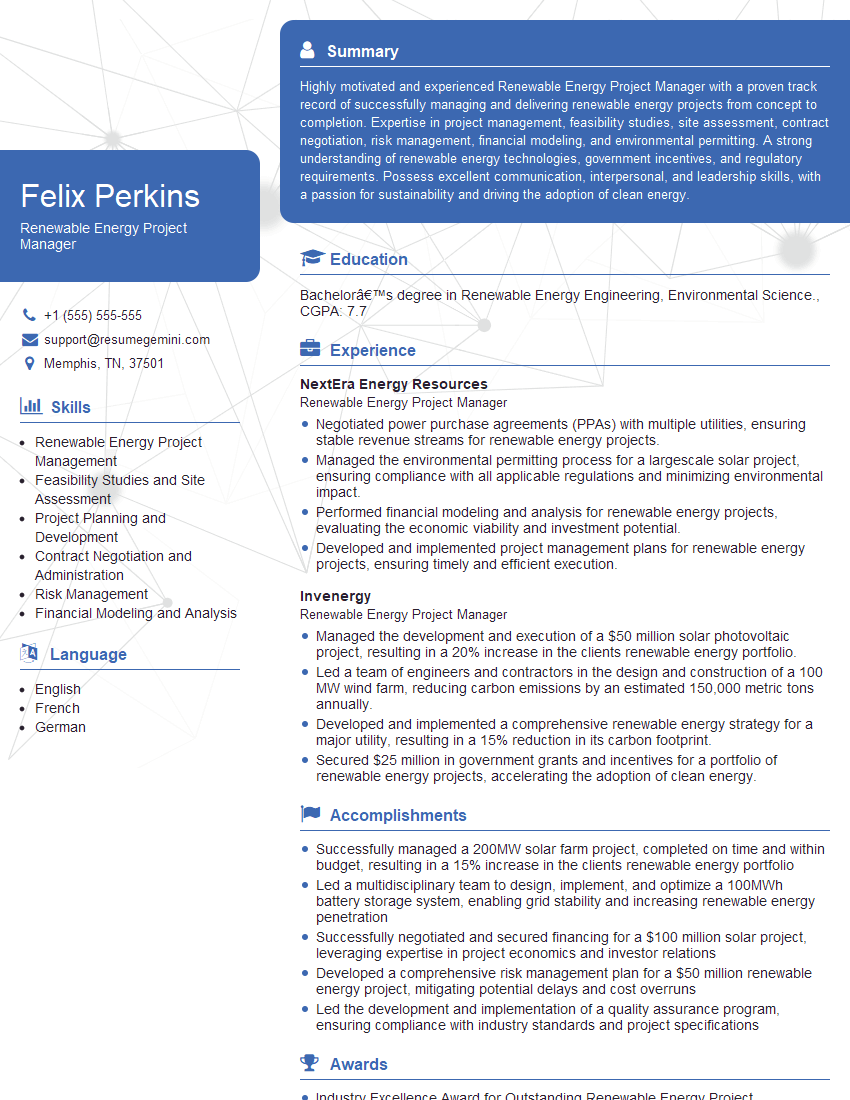
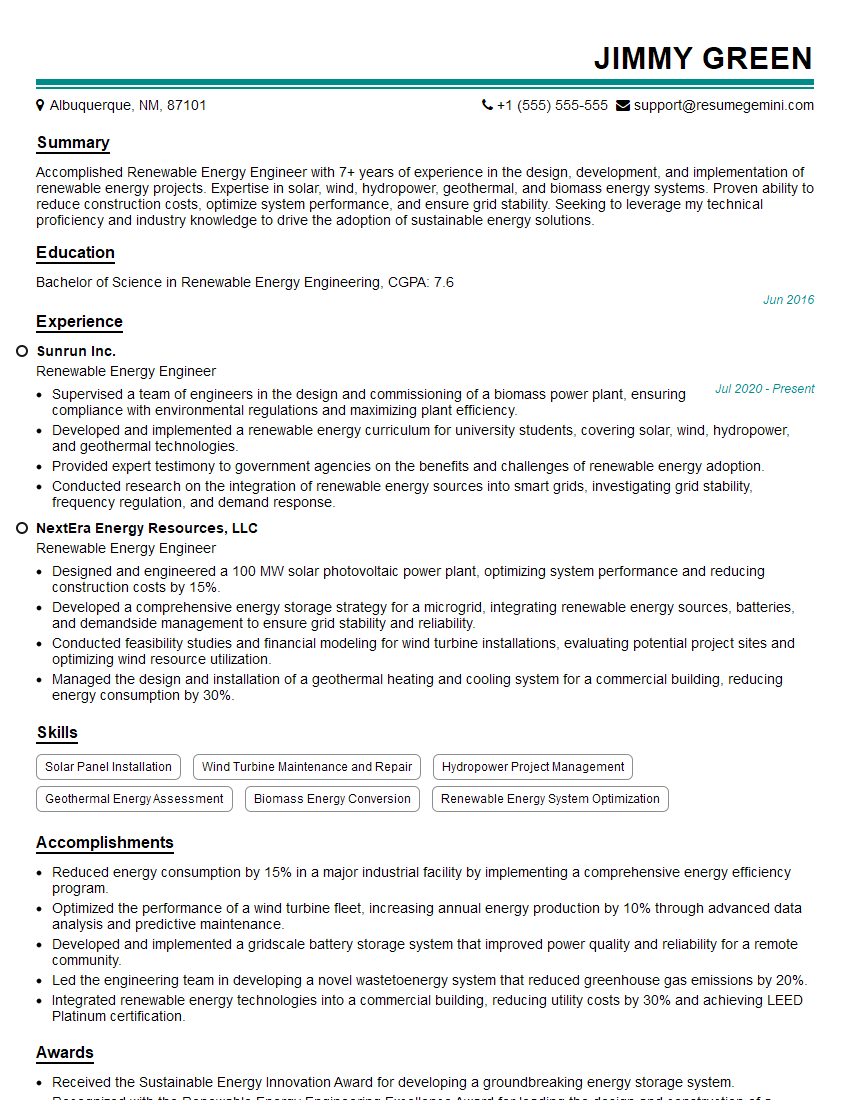
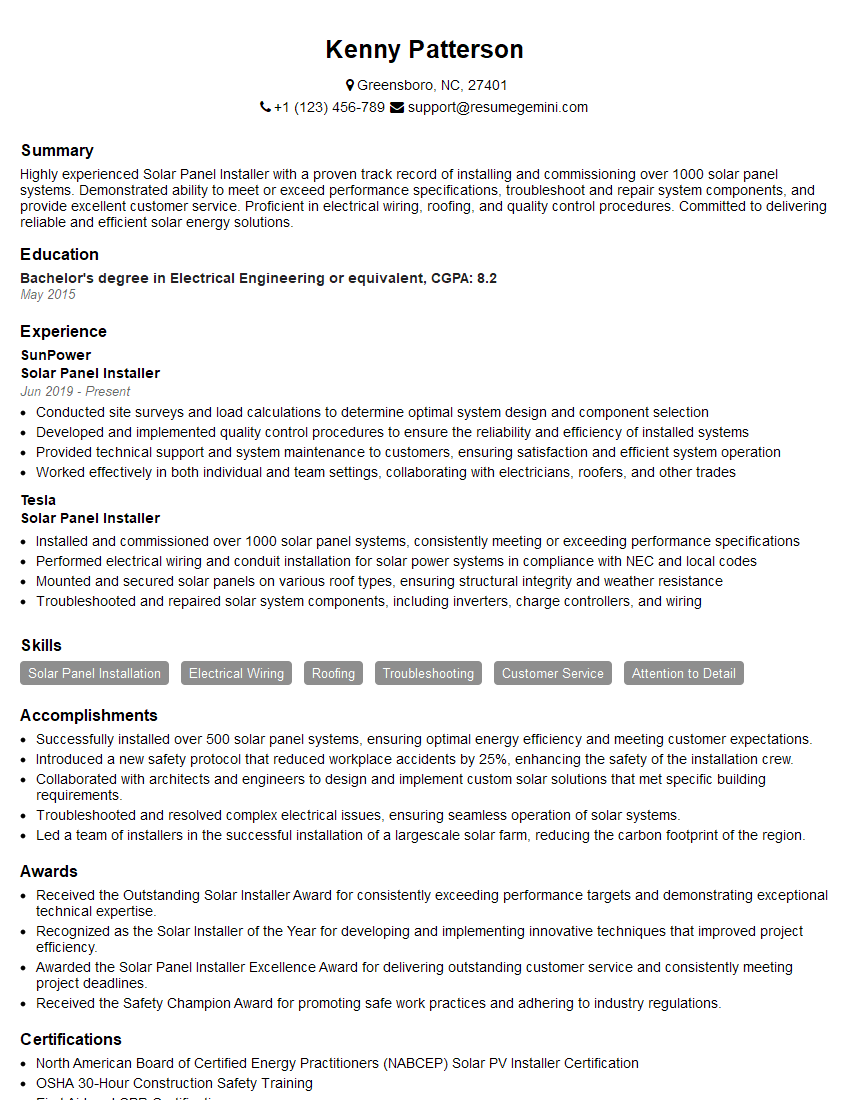
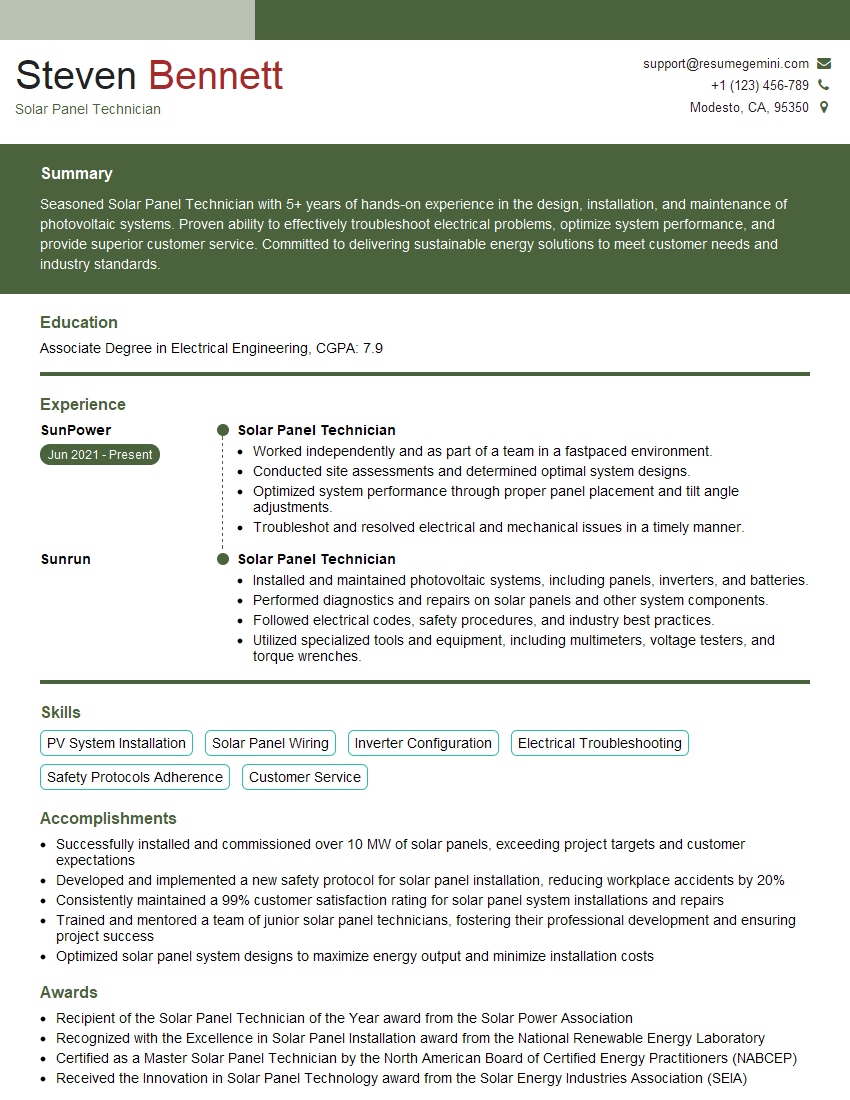
Mastering Residential and Commercial PV System Design is crucial for accelerating your career in the renewable energy sector. It demonstrates a strong understanding of technical concepts and a practical ability to design efficient and cost-effective solar energy solutions. To significantly boost your job prospects, creating a compelling and ATS-friendly resume is essential. ResumeGemini is a trusted resource that can help you build a professional resume that highlights your skills and experience effectively. Examples of resumes tailored specifically to Residential and Commercial PV System Design are available to help guide you.
Explore more articles
Users Rating of Our Blogs
Share Your Experience
We value your feedback! Please rate our content and share your thoughts (optional).
What Readers Say About Our Blog
To the interviewgemini.com Webmaster.
Very helpful and content specific questions to help prepare me for my interview!
Thank you
To the interviewgemini.com Webmaster.
This was kind of a unique content I found around the specialized skills. Very helpful questions and good detailed answers.
Very Helpful blog, thank you Interviewgemini team.