Feeling uncertain about what to expect in your upcoming interview? We’ve got you covered! This blog highlights the most important Nuclear Engineering Principles interview questions and provides actionable advice to help you stand out as the ideal candidate. Let’s pave the way for your success.
Questions Asked in Nuclear Engineering Principles Interview
Q 1. Explain the principle of nuclear fission.
Nuclear fission is the process where a heavy atomic nucleus, such as Uranium-235 or Plutonium-239, splits into two or more lighter nuclei. This splitting releases a tremendous amount of energy, primarily in the form of kinetic energy of the fission fragments and neutrons. Think of it like breaking a very large, unstable ball into smaller, more stable ones, with the released energy being analogous to the explosive force.
The process begins when a neutron strikes the heavy nucleus. This collision causes the nucleus to become unstable and elongate, eventually splitting into two smaller nuclei (fission fragments) and releasing several more neutrons. These newly released neutrons can then go on to strike other heavy nuclei, causing a chain reaction. This chain reaction is crucial for sustaining a nuclear reactor.
For example, the fission of Uranium-235 can produce various fission fragments like Barium-141 and Krypton-92, along with 2-3 neutrons and a large amount of energy. This energy is harnessed in nuclear power plants to generate electricity.
Q 2. Describe the different types of nuclear reactors.
Nuclear reactors are broadly categorized based on their coolant and moderator. There are several types, each with its own design and operating characteristics:
- Pressurized Water Reactor (PWR): Uses water as both coolant and moderator, kept under high pressure to prevent boiling. This is the most common reactor type globally.
- Boiling Water Reactor (BWR): Similar to PWR, but the water is allowed to boil, generating steam directly to drive turbines.
- CANDU Reactor (CANada Deuterium Uranium): Uses heavy water (D2O) as both coolant and moderator, allowing the use of natural uranium fuel without enrichment.
- Gas-cooled reactors (GCR): Employ gases like carbon dioxide as coolants.
- Fast breeder reactors (FBR): These reactors use fast neutrons (not moderated) and can breed more fissile material than they consume. They are less common due to inherent safety complexities.
Each type offers different advantages and disadvantages concerning safety, efficiency, cost, and fuel utilization. The choice of reactor depends on various factors, including the specific application, available resources, and regulatory requirements.
Q 3. What are the safety features of a pressurized water reactor (PWR)?
PWRs incorporate numerous safety features to prevent accidents and mitigate the consequences of malfunctions. These include:
- High-pressure containment vessel: A thick, steel vessel surrounding the reactor core, designed to withstand high pressures and prevent the release of radioactive materials in case of an accident.
- Emergency Core Cooling System (ECCS): A system of pumps and tanks that provides cooling water to the reactor core in case of a loss-of-coolant accident (LOCA).
- Reactor Protection System (RPS): A sophisticated system of sensors and control rods that automatically shuts down the reactor if certain parameters exceed preset limits.
- Containment Spray System: A system that sprays water into the containment vessel to absorb heat and reduce pressure in case of an accident.
- Multiple safety barriers: The design utilizes multiple layers of protection, from the fuel cladding to the containment building, to prevent the release of radioactivity.
Regular inspections, maintenance, and operator training are also crucial components of PWR safety.
Q 4. Explain the concept of criticality in a nuclear reactor.
Criticality in a nuclear reactor refers to the state where the rate of neutron production equals the rate of neutron loss. Imagine it like a bonfire: criticality is the point where the fire is self-sustaining, neither dying out nor escalating uncontrollably.
For a chain reaction to be self-sustaining, a certain number of neutrons from each fission event must go on to cause further fissions. This number is known as the multiplication factor (k).
- k < 1: Subcritical – the chain reaction dies out.
- k = 1: Critical – the chain reaction is self-sustaining.
- k > 1: Supercritical – the chain reaction accelerates, leading to a rapid increase in power.
Control rods are used to adjust the reactor’s criticality. Inserting control rods absorbs neutrons, reducing k and lowering the power level. Withdrawing control rods increases k and raises the power level. Maintaining criticality is essential for safe and stable reactor operation.
Q 5. How does a boiling water reactor (BWR) differ from a PWR?
Both PWRs and BWRs are light-water reactors (LWRs), using water as both coolant and moderator. The key difference lies in how the water is used:
- PWR: The water in the primary loop is kept under high pressure to prevent boiling. This high-pressure, hot water transfers heat to a secondary loop, where steam is generated to drive the turbines.
- BWR: The water in the reactor core is allowed to boil, generating steam directly within the reactor vessel. This steam is then used to drive the turbines.
This difference in design leads to variations in safety systems, operational procedures, and overall plant layout. BWRs generally have a simpler design, but PWRs are considered more forgiving in terms of operational margins and safety due to the additional secondary loop. Each reactor type has its own set of advantages and disadvantages.
Q 6. What is the role of control rods in a nuclear reactor?
Control rods are crucial components in a nuclear reactor, acting as neutron absorbers. They are made of neutron-absorbing materials, such as cadmium or boron. By inserting or withdrawing control rods, the reactor operator can precisely control the rate of fission and the power output.
Imagine them as a dimmer switch for a nuclear reaction. Inserting the rods absorbs more neutrons, slowing down the chain reaction and reducing power. Withdrawing the rods allows more neutrons to cause further fissions, increasing power. Control rods are vital for maintaining reactor criticality, preventing power surges, and safely shutting down the reactor in emergencies.
Q 7. Describe the process of nuclear fuel enrichment.
Nuclear fuel enrichment is the process of increasing the concentration of the fissile isotope Uranium-235 (235U) in natural uranium. Natural uranium contains only about 0.7% 235U, while most reactors require a higher concentration (typically 3-5%) for efficient operation. This is because 235U is much more readily fissionable than the more abundant isotope, Uranium-238 (238U).
The most common enrichment method is gas centrifugation. This technique uses high-speed centrifuges to separate the lighter 235U hexafluoride (UF6) molecules from the heavier 238UF6 molecules. The process is repeated multiple times to achieve the desired enrichment level.
Other methods include gaseous diffusion and laser isotope separation, but gas centrifugation is the most prevalent due to its efficiency and relatively lower energy consumption compared to older methods. The enrichment level is carefully controlled to ensure safe and efficient reactor operation. Highly enriched uranium (HEU) presents significant proliferation concerns, hence its use is strictly regulated internationally.
Q 8. Explain the concept of neutron moderation.
Neutron moderation is the process of slowing down fast neutrons. Fast neutrons, produced during fission, are less likely to cause further fission events compared to slow (thermal) neutrons. Moderation is crucial in nuclear reactors because it increases the probability of sustaining a chain reaction. This is because slower neutrons have a higher probability of interacting with uranium-235, the fissile isotope that readily undergoes fission.
This process is achieved using a moderator, a material with low mass number atoms (like water, heavy water, or graphite) that effectively scatter neutrons without absorbing them significantly. Imagine a billiard ball (neutron) colliding with a bowling ball (heavy atom). The bowling ball barely moves, but the billiard ball loses a lot of speed. Now imagine the collision with a similar-sized ball; significant speed is exchanged. This analogy illustrates how the neutron loses energy through elastic collisions with the moderator atoms.
Different reactor designs utilize different moderators. Pressurized Water Reactors (PWRs) and Boiling Water Reactors (BWRs) use water as a moderator and coolant, while CANDU reactors use heavy water (D2O), which is a more effective moderator. Graphite-moderated reactors, like some early designs, use graphite blocks to slow down neutrons.
Q 9. What are the different types of nuclear radiation?
Nuclear radiation encompasses several types of energetic emissions. The primary categories are:
- Alpha particles (α): These are helium nuclei (2 protons and 2 neutrons), relatively massive and positively charged. They have a short range and are easily stopped by a sheet of paper or the outer layer of skin. However, they are highly ionizing, meaning they cause significant damage if ingested or inhaled.
- Beta particles (β): These are high-energy electrons or positrons (antielectrons). They are much lighter than alpha particles and penetrate further, requiring thicker shielding like aluminum or plastic. They are also ionizing, but less so than alpha particles.
- Gamma rays (γ): These are high-energy photons, part of the electromagnetic spectrum. They are highly penetrating, requiring thick shielding like lead or concrete. They are ionizing and are a significant concern in radiation protection.
- Neutrons (n): These are uncharged particles, making them highly penetrating. Shielding against neutrons requires materials like water, concrete, or boron-containing materials that absorb or scatter neutrons.
- X-rays: Similar to gamma rays, they are high-energy photons, but are typically produced by electronic transitions in atoms rather than nuclear processes.
The type of radiation emitted depends on the specific radioactive isotope and the decay process involved. Understanding the different types and their properties is crucial for designing appropriate safety measures.
Q 10. Describe the methods used for shielding against nuclear radiation.
Shielding against nuclear radiation depends on the type and energy of the radiation. The goal is to reduce the radiation intensity to a safe level. Different materials are effective against different types of radiation:
- Alpha particles: A thin layer of material, such as paper or skin, is sufficient.
- Beta particles: Aluminum or plastic offer effective shielding.
- Gamma rays and X-rays: Dense materials like lead, concrete, or depleted uranium are necessary. The thickness of shielding depends on the energy of the gamma rays and the desired level of attenuation.
- Neutrons: Materials containing hydrogen (water, polyethylene) or boron are effective at slowing down and absorbing neutrons. Concrete is often used as a neutron shield.
The design of shielding often involves layers of different materials to maximize effectiveness and minimize weight or cost. For example, a typical shield might include a layer of concrete to reduce the intensity of gamma and neutron radiation, followed by a layer of lead to further reduce gamma radiation.
Q 11. What are the health effects of exposure to ionizing radiation?
The health effects of ionizing radiation depend on several factors, including the type and amount of radiation, the duration of exposure, and the part of the body exposed. Exposure can lead to both short-term and long-term effects:
- Short-term effects (acute radiation syndrome): High doses of radiation can cause nausea, vomiting, diarrhea, hair loss, and potentially death. The severity depends on the dose.
- Long-term effects (stochastic effects): Lower doses of radiation over time can increase the risk of cancer, genetic mutations, and other health problems. These effects are probabilistic, meaning the likelihood of occurrence increases with dose, but there is no threshold below which the risk is zero.
The body’s response to radiation is complex, and the effects are not always immediately apparent. Careful monitoring and medical intervention are critical in cases of significant exposure.
Q 12. Explain the principles of radiation protection.
Radiation protection principles aim to minimize human exposure to ionizing radiation. The fundamental principles are based on the ALARA principle (As Low As Reasonably Achievable) and include:
- Time: Minimizing the time spent near radiation sources.
- Distance: Increasing the distance from radiation sources, as radiation intensity decreases with the square of the distance (inverse square law).
- Shielding: Using appropriate shielding materials to absorb or attenuate radiation.
These principles are applied through various methods, such as using remote handling equipment, designing facilities with radiation shielding, implementing strict safety procedures, and monitoring radiation levels regularly. The specific application depends on the context, whether it’s a nuclear power plant, a research laboratory, or a medical setting.
Q 13. What is ALARA and how is it applied in nuclear engineering?
ALARA (As Low As Reasonably Achievable) is a fundamental principle in radiation protection. It emphasizes that radiation exposure should be kept as low as possible, taking into account economic and social factors. It’s not about eliminating all exposure but about optimizing the balance between risk reduction and the resources required to achieve it.
In nuclear engineering, ALARA is applied in various ways. For instance, during reactor operation, procedures are designed to minimize worker exposure to radiation. This includes using robotic systems for maintenance tasks in high-radiation areas, implementing strict radiation control protocols, and conducting regular radiation monitoring.
When designing nuclear facilities, ALARA principles guide the selection of materials and the design of shielding systems to minimize radiation leakage. ALARA is also crucial in the handling and disposal of radioactive waste, where the aim is to reduce environmental and human exposure to the lowest practical levels.
Q 14. Describe the process of nuclear waste management.
Nuclear waste management is a complex and crucial aspect of the nuclear fuel cycle. It involves the safe handling, storage, and disposal of radioactive waste generated from nuclear power plants, research reactors, and other nuclear activities. The process involves several stages:
- Waste characterization: Determining the type and radioactivity levels of the waste.
- Treatment and conditioning: Processing the waste to reduce its volume and improve its stability for long-term storage. This can involve processes like vitrification (converting waste into glass) or cementation.
- Interim storage: Storing the conditioned waste in temporary facilities until a permanent disposal solution is available. This often involves robust containers and monitored storage facilities.
- Permanent disposal: This is the long-term solution for high-level radioactive waste, generally involving deep geological repositories, where the waste is isolated from the biosphere for thousands of years. The geological characteristics of the repository site are carefully evaluated to ensure long-term safety.
Low-level waste, with relatively low radioactivity, might be disposed of in near-surface repositories. However, high-level waste, which remains radioactive for thousands of years, requires different, more sophisticated disposal strategies.
Q 15. What are the challenges associated with nuclear waste disposal?
Nuclear waste disposal presents a significant challenge due to the long half-lives of radioactive isotopes. This means the waste remains hazardous for thousands, even millions of years. The primary challenge lies in finding a solution that ensures the waste is isolated from the biosphere for this extended period, preventing human exposure and environmental contamination. Several factors complicate this:
- High radioactivity: The intense radiation emitted necessitates robust containment to prevent leakage and protect workers and the environment.
- Long-term stability: The chosen disposal method must withstand geological changes (earthquakes, erosion) and remain effective over millennia.
- Public perception: Significant public concern and opposition exist regarding the siting of waste repositories, due to safety and environmental considerations.
- Cost: Developing and implementing safe, long-term disposal solutions is incredibly expensive.
Current solutions include deep geological repositories, where waste is encased in durable materials and buried deep underground, and vitrification, a process that solidifies liquid waste into a glass-like form for easier handling and storage. Finding suitable geological formations and addressing public concerns are crucial steps in the successful implementation of these strategies.
Career Expert Tips:
- Ace those interviews! Prepare effectively by reviewing the Top 50 Most Common Interview Questions on ResumeGemini.
- Navigate your job search with confidence! Explore a wide range of Career Tips on ResumeGemini. Learn about common challenges and recommendations to overcome them.
- Craft the perfect resume! Master the Art of Resume Writing with ResumeGemini’s guide. Showcase your unique qualifications and achievements effectively.
- Don’t miss out on holiday savings! Build your dream resume with ResumeGemini’s ATS optimized templates.
Q 16. Explain the concept of nuclear reactor thermal hydraulics.
Nuclear reactor thermal hydraulics is the study of heat transfer and fluid flow within a nuclear reactor. It’s critical for reactor safety and efficient operation, as it directly impacts the core’s temperature and the ability to remove the vast amounts of heat generated by nuclear fission. Think of it as the reactor’s circulatory system. Understanding thermal hydraulics ensures the reactor remains within safe operating parameters and prevents overheating, which could lead to fuel damage or a meltdown.
Key aspects include:
- Coolant flow: Analyzing how the coolant (usually water) circulates through the reactor core, transferring heat away from the fuel rods.
- Heat transfer: Understanding how heat is transferred from the fuel to the coolant, and the coolant to the steam generators (in Pressurized Water Reactors, for example).
- Boiling and two-phase flow: Analyzing the behavior of coolant as it changes phase (liquid to steam) within the reactor, which is crucial for understanding pressure fluctuations and potential instability.
- Natural circulation: Understanding the flow of coolant if pumps fail, relying on natural convection for heat removal.
Computational Fluid Dynamics (CFD) simulations are extensively used to model and predict thermal-hydraulic behavior, ensuring the design and operation of the reactor are safe and efficient. For instance, simulations help determine the optimal coolant flow rate to maintain the fuel within its operational temperature range.
Q 17. Describe the different types of nuclear reactor accidents.
Nuclear reactor accidents can be broadly classified into several categories, each with different causes and consequences:
- Loss-of-Coolant Accident (LOCA): This involves a significant break in the primary coolant system, leading to a rapid decrease in coolant level and the potential for fuel overheating. Three Mile Island is a well-known example, although it did not lead to a core meltdown.
- Steam Generator Tube Rupture (SGTR): In Pressurized Water Reactors, a rupture in a steam generator tube can lead to loss of coolant and potential reactor trip.
- Transient events: These are short-term deviations from normal operation, caused by malfunctions or external events (e.g., power grid instability, unexpected turbine trip). These can, if not properly handled, escalate into more serious events.
- Core damage accidents: These involve significant damage to the reactor core, including fuel melting (meltdown) and release of fission products. Chernobyl and Fukushima are devastating examples, both with distinct underlying causes.
- Reactivity accidents: These are caused by an uncontrolled increase in the rate of nuclear fission, often leading to a power surge and potential core damage. These are less common due to robust safety systems.
The severity of these accidents depends on various factors including the type of reactor, the design features, the effectiveness of safety systems, and the response of operators.
Q 18. What are the safety systems in place to prevent nuclear reactor accidents?
Nuclear reactors incorporate multiple layers of safety systems to mitigate accidents and prevent release of radioactivity:
- Reactor Protection System (RPS): This system automatically shuts down the reactor (scram) if certain parameters exceed pre-defined limits, such as high pressure, temperature, or neutron flux. This is the primary safety system.
- Emergency Core Cooling System (ECCS): This system provides cooling to the reactor core in case of a LOCA. It injects coolant to prevent fuel overheating and meltdown.
- Containment system: This strong, leak-tight structure houses the reactor and is designed to prevent the release of radioactive material to the environment in case of an accident.
- Redundancy and diversity: Safety systems are designed with redundancy (multiple independent systems for the same function) and diversity (different types of systems to perform the same function), ensuring robust protection even if one system fails.
- Operator training and procedures: Highly trained operators and well-defined emergency procedures are crucial for effective response to abnormal events.
The layered approach ensures that even if one safety system fails, others are available to prevent a catastrophic accident. Regular testing and maintenance are crucial for maintaining the effectiveness of these systems.
Q 19. Explain the role of instrumentation and control systems in a nuclear power plant.
Instrumentation and control systems are the nervous system of a nuclear power plant. They monitor numerous parameters (pressure, temperature, neutron flux, coolant flow rate, etc.), control the reactor’s operation, and provide information to operators. This intricate system is critical for safe and efficient operation.
Their roles include:
- Data acquisition: Sensors throughout the plant gather data on critical parameters, transmitting it to the control room.
- Process control: Control systems automatically adjust various parameters (control rod position, coolant flow) to maintain the reactor at a desired power level and prevent unsafe conditions.
- Safety system control: The instrumentation and control systems trigger safety systems (e.g., the RPS and ECCS) when necessary.
- Operator interface: Displays and alarm systems in the control room provide operators with real-time information and alerts about the plant’s status.
- Data logging and analysis: The system logs all data, allowing for post-event analysis and improvements in operation and safety.
Failures in these systems can have serious consequences, highlighting the importance of their design, testing, and maintenance. Regular calibration and testing, coupled with rigorous safety protocols, are critical to ensuring reliable performance.
Q 20. Describe the process of nuclear reactor decommissioning.
Nuclear reactor decommissioning is the process of safely dismantling a nuclear power plant at the end of its operational life. It’s a complex, time-consuming, and costly undertaking, involving several stages:
- Pre-decommissioning planning: This involves detailed planning and assessment of the plant’s condition, including radiation levels and waste characterization.
- Defueling: Removing the spent nuclear fuel from the reactor core, a critical step to reduce radioactivity levels.
- Decontamination and dismantling: This involves carefully removing radioactive materials and dismantling the plant’s components. Special techniques and equipment are required to handle radioactive materials safely.
- Waste management: The radioactive materials generated during decommissioning must be properly packaged, stored, and eventually disposed of according to regulations.
- Site restoration: After decommissioning, the site is restored to a condition suitable for future use.
Decommissioning strategies can vary, including immediate dismantlement, safe storage (deferring dismantlement), and entombment (permanently sealing the plant). The chosen strategy depends on various factors, including cost, safety concerns, and regulatory requirements.
Q 21. What are the environmental impacts of nuclear power generation?
Nuclear power generation has both advantages and disadvantages concerning environmental impact. While it doesn’t directly emit greenhouse gases during operation, several environmental concerns exist:
- Nuclear waste disposal: The safe and permanent disposal of radioactive waste remains a challenge, posing a potential long-term risk to the environment.
- Uranium mining and milling: The extraction of uranium from the earth can lead to environmental damage, including habitat destruction, water pollution, and release of radioactive materials.
- Thermal pollution: Nuclear power plants discharge heated water into nearby water bodies, potentially harming aquatic life. Cooling towers are used to mitigate this impact.
- Accident risk: Although rare, accidents at nuclear power plants can have severe environmental consequences, as demonstrated by Chernobyl and Fukushima.
- Nuclear proliferation: The use of nuclear technology for energy production raises concerns about the potential for the diversion of materials for weapons development.
Compared to fossil fuel-based power generation, nuclear power produces significantly lower greenhouse gas emissions, but the long-term environmental impacts of waste disposal and potential accidents must be carefully considered.
Q 22. Explain the concept of nuclear fusion.
Nuclear fusion is the process where two light atomic nuclei combine to form a heavier nucleus, releasing a tremendous amount of energy in the process. Think of it like smashing two tiny marbles together so hard they fuse into one bigger marble, with the extra energy released as heat and light. This is the same process that powers the sun and other stars.
The most promising fusion reaction for power generation involves isotopes of hydrogen, deuterium (2H) and tritium (3H), fusing to form helium (4He) and a neutron (1n):
2H + 3H → 4He + 1n + 17.6 MeV
This reaction releases a significant amount of energy (17.6 MeV), far exceeding that of nuclear fission. Achieving controlled fusion for sustained energy production, however, presents significant technological challenges due to the extremely high temperatures and pressures required to overcome the electrostatic repulsion between the positively charged nuclei.
Q 23. What are the advantages and disadvantages of nuclear power?
Nuclear power offers several significant advantages, primarily its high power density and low greenhouse gas emissions compared to fossil fuels. A small amount of nuclear fuel can generate a vast amount of electricity, reducing reliance on carbon-intensive energy sources and mitigating climate change. Furthermore, nuclear power plants operate reliably and provide a consistent baseload power supply, unlike intermittent renewable sources like solar and wind.
- Advantages: High power density, low greenhouse gas emissions, reliable baseload power, reduced reliance on fossil fuels.
However, nuclear power also presents drawbacks. The most significant concern is the potential for accidents, like Chernobyl and Fukushima, which can have devastating environmental and health consequences. The long-term storage of radioactive waste also poses a significant challenge, requiring safe and secure disposal solutions for thousands of years. The high initial capital costs for building nuclear power plants can be prohibitive, and the risks of nuclear proliferation and potential weaponization of nuclear materials remain significant concerns.
- Disadvantages: Risk of accidents, radioactive waste disposal, high capital costs, nuclear proliferation concerns.
Q 24. Describe the role of regulatory bodies in the nuclear industry.
Regulatory bodies play a crucial role in ensuring the safety and security of the nuclear industry. These organizations establish and enforce strict regulations, standards, and guidelines governing all aspects of the nuclear fuel cycle, from mining and enrichment to reactor operation and waste management. They conduct rigorous inspections, audits, and licensing procedures to verify compliance and prevent accidents. Examples include the Nuclear Regulatory Commission (NRC) in the United States, the Office for Nuclear Regulation (ONR) in the United Kingdom, and the International Atomic Energy Agency (IAEA), which sets international safety standards.
The role of these bodies extends to emergency preparedness and response planning, ensuring that appropriate measures are in place to mitigate the impact of potential accidents. They also oversee the decommissioning of nuclear facilities, ensuring the safe and environmentally responsible dismantling of reactors and other infrastructure at the end of their operational life. Their oversight is vital to maintaining public confidence and protecting the environment.
Q 25. What are the different types of nuclear fuel?
Various types of nuclear fuel are used in different reactor designs. The most common is uranium dioxide (UO2), typically enriched to increase the proportion of the fissile isotope uranium-235 (235U). The enrichment process increases the percentage of 235U, making the fuel more effective in sustaining a chain reaction. Slightly enriched uranium (typically around 3-5% 235U) is used in light water reactors (LWRs), while highly enriched uranium (HEU, above 20% 235U) was used in some research reactors but is being phased out due to proliferation concerns. Mixed oxide fuel (MOX) is another type, containing a mixture of uranium and plutonium oxides, often used to recycle plutonium from spent nuclear fuel.
Thorium dioxide (ThO2) is also considered a potential nuclear fuel, offering advantages in terms of its abundance and reduced proliferation risk. However, thorium requires a different reactor design and has not yet been widely adopted.
Q 26. Explain the concept of burnup in nuclear fuel.
Burnup in nuclear fuel refers to the extent to which the fissile material has undergone nuclear fission. It’s typically measured in megawatt-days per metric tonne of heavy metal (MWd/MTU). A higher burnup indicates that a larger fraction of the fuel has undergone fission, maximizing the energy extracted from a given amount of fuel. Imagine it like squeezing every last drop of energy out of a fuel tank. High burnup is desirable because it improves the fuel’s economic efficiency, reducing the number of fuel assemblies that need to be replaced and minimizing waste generation.
However, high burnup also leads to increased levels of radioactive fission products and transuranic elements in the spent fuel, making it more challenging to handle and requiring more robust storage and disposal strategies. Therefore, an optimal burnup level needs to be determined, balancing the economic benefits with the challenges of managing increasingly radioactive spent fuel.
Q 27. Describe the methods used for monitoring radiation levels.
Radiation levels are monitored using a variety of instruments, depending on the type and energy of the radiation and the required accuracy. Geiger-Müller counters are widely used for detecting beta and gamma radiation; they provide a simple and relatively inexpensive method for measuring radiation levels. Scintillation detectors are more sensitive and can be used for various types of radiation, including alpha particles. These detectors convert radiation into light pulses, which are then measured electronically.
Dosimeters, such as thermoluminescent dosimeters (TLDs) and personal electronic dosimeters (PEDs), are worn by individuals working in radiation environments to measure their cumulative radiation exposure. These devices record the total radiation dose received over a specific period, providing important data for radiation safety management. More sophisticated techniques, such as spectrometry, are employed to identify specific radionuclides and their concentrations in environmental samples or nuclear waste.
Q 28. What are the career opportunities in nuclear engineering?
Nuclear engineering offers a diverse range of career opportunities, extending beyond the operation of nuclear power plants. Graduates can work in reactor design and development, ensuring the safe and efficient operation of nuclear power facilities. Others may focus on nuclear fuel cycle management, encompassing uranium enrichment, fuel fabrication, spent fuel reprocessing, and radioactive waste management. The field also offers roles in radiation protection and safety, ensuring compliance with regulations and minimizing radiation exposure for workers and the public.
Furthermore, nuclear engineering principles are applicable in other fields, including medical physics (using radiation in cancer treatment and diagnostics), materials science (developing radiation-resistant materials), and environmental science (monitoring and remediating radioactive contamination). The field is evolving to incorporate advanced reactor designs and sustainable nuclear energy solutions, creating even more opportunities in research and development. The demand for skilled nuclear engineers remains high, given the importance of nuclear power as a reliable and low-carbon energy source.
Key Topics to Learn for Nuclear Engineering Principles Interview
- Nuclear Reactor Physics: Understanding reactor core physics, neutron transport, criticality, and reactor kinetics. Consider practical applications like reactor design and safety analysis.
- Nuclear Fuel Cycles: Explore the entire fuel cycle, from uranium mining and enrichment to spent fuel management and reprocessing. Focus on the environmental impact and economic considerations of each stage.
- Radiation Shielding and Protection: Master the principles of radiation shielding design and the methods used to protect personnel and the environment from ionizing radiation. Think about practical applications in reactor design and nuclear waste management.
- Thermodynamics and Heat Transfer in Nuclear Systems: Understand the principles of heat transfer and thermodynamics as applied to nuclear power plants. Consider practical applications like reactor cooling systems and steam generation.
- Nuclear Reactor Safety and Accident Analysis: Learn about different reactor safety systems and accident scenarios, including probabilistic risk assessment methods. Focus on the importance of safety in nuclear engineering.
- Nuclear Instrumentation and Control: Familiarize yourself with the instrumentation and control systems used in nuclear power plants, including their design, operation, and safety implications.
- Nuclear Waste Management: Understand the challenges and various approaches involved in managing radioactive waste, including disposal methods and long-term storage strategies.
- Radiation Detection and Measurement: Learn about different types of radiation detectors and their applications in monitoring radiation levels and assessing radiation exposure.
- Nuclear Reactor Design and Operation: Gain a comprehensive understanding of the design, operation, and maintenance of various types of nuclear reactors.
Next Steps
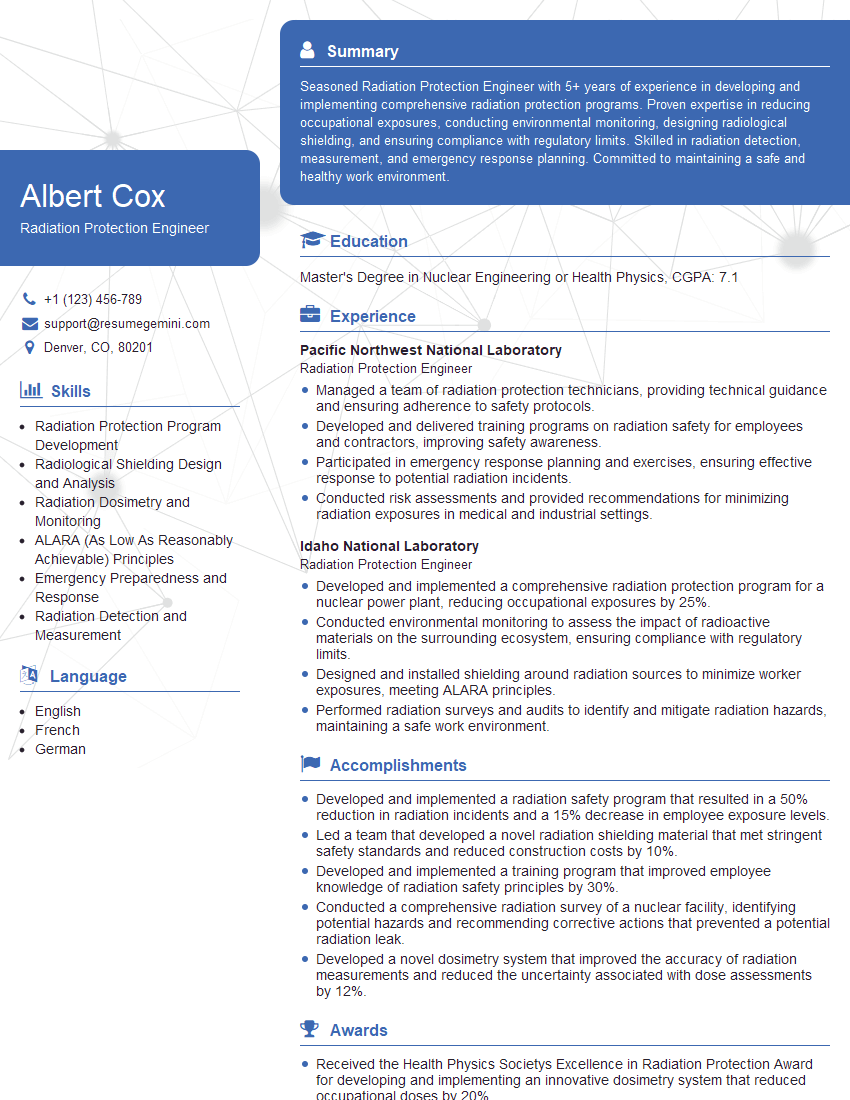
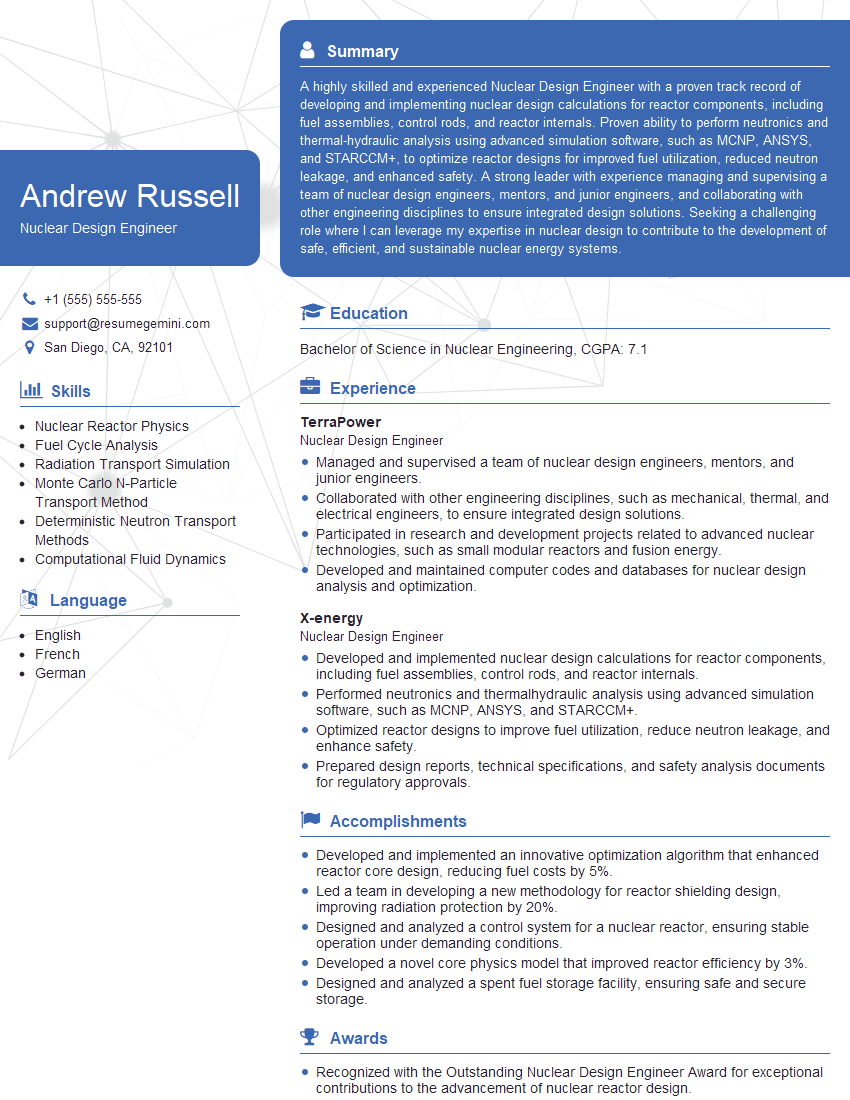
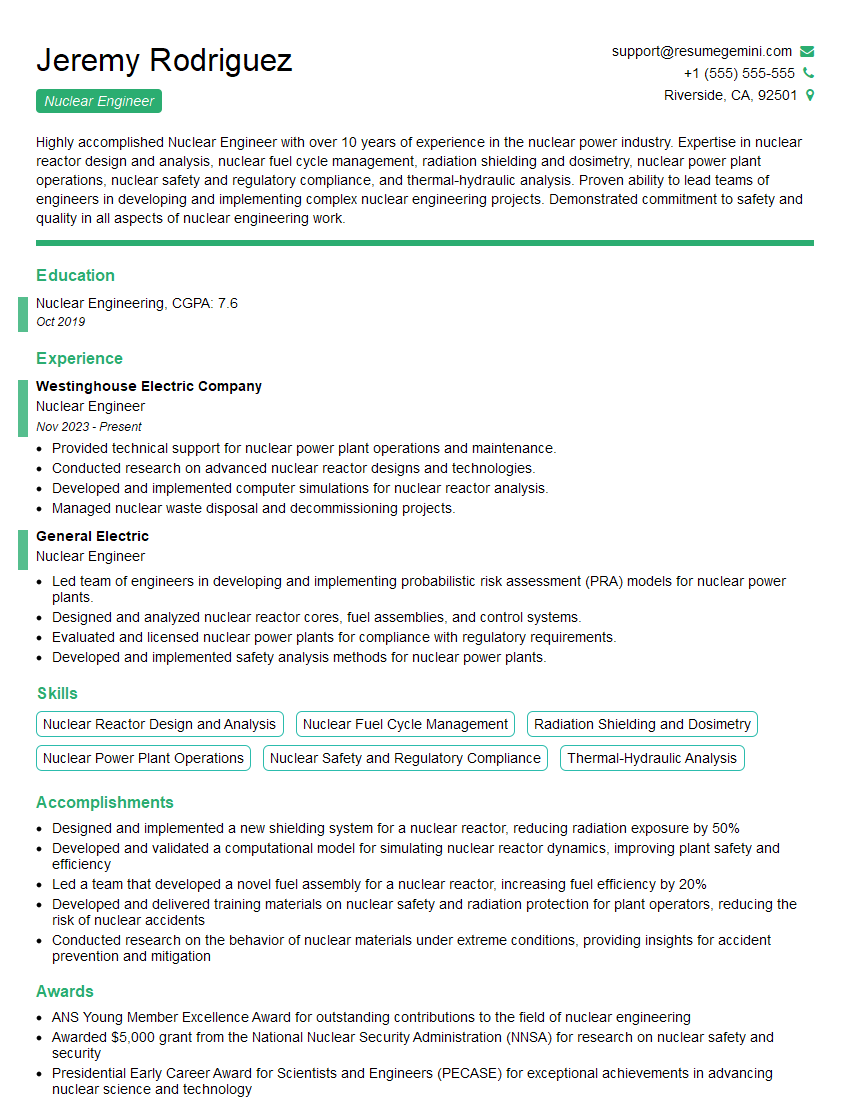
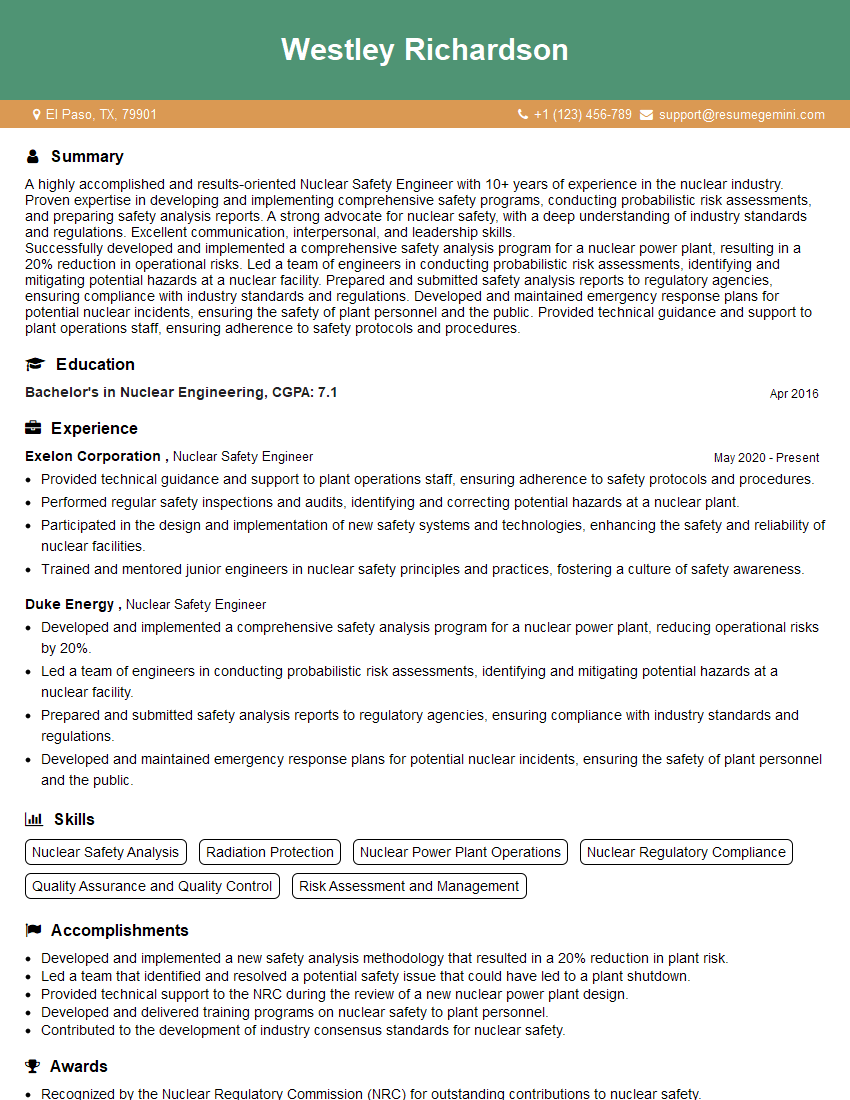
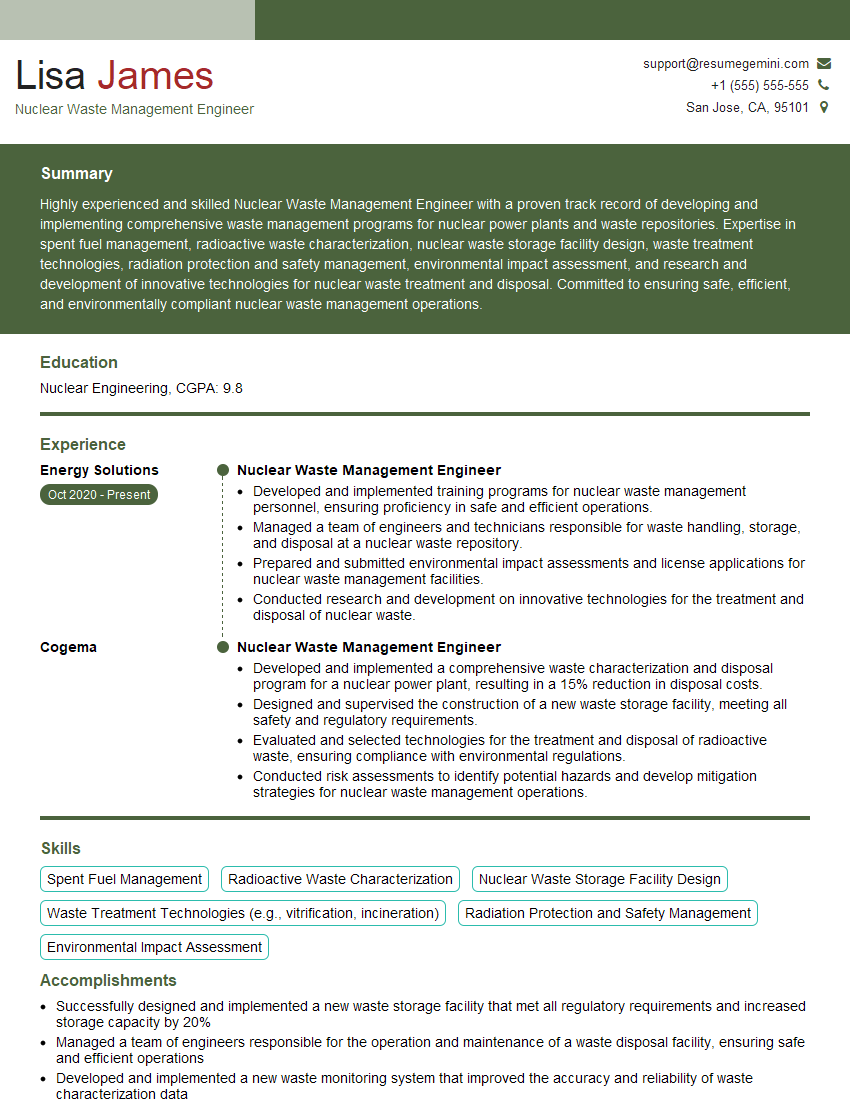
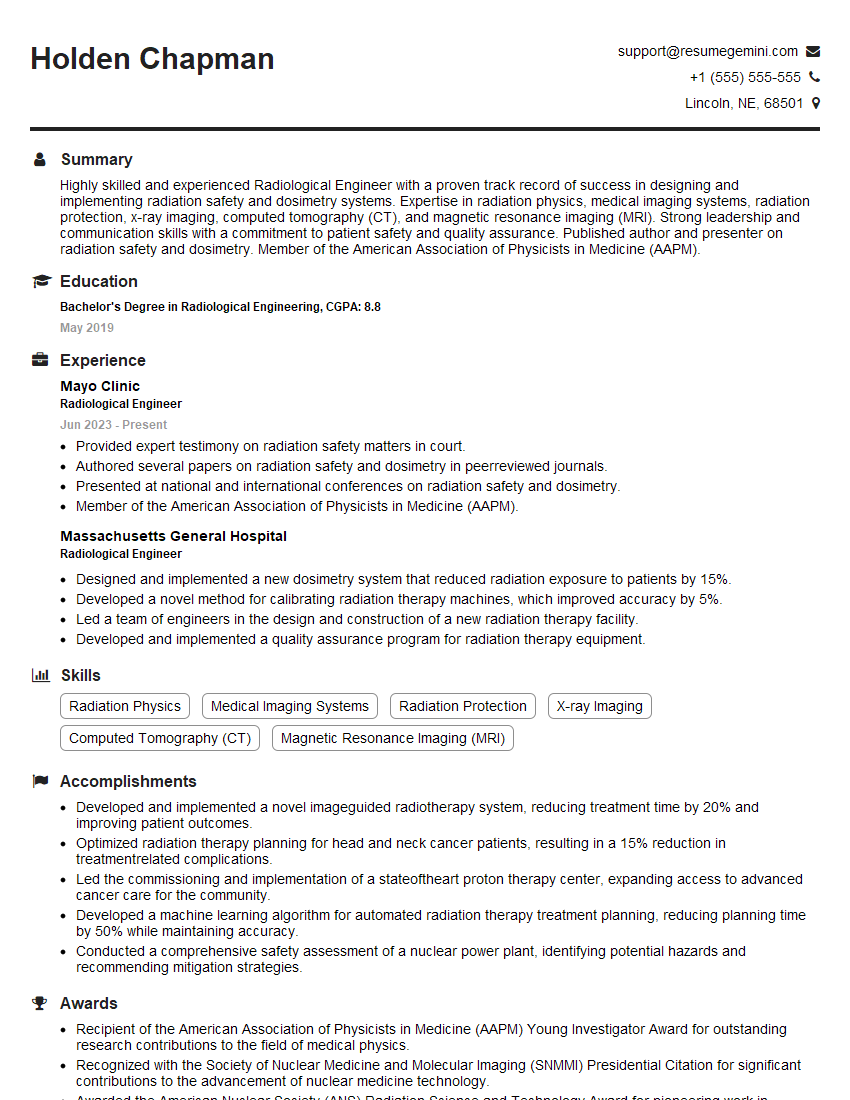
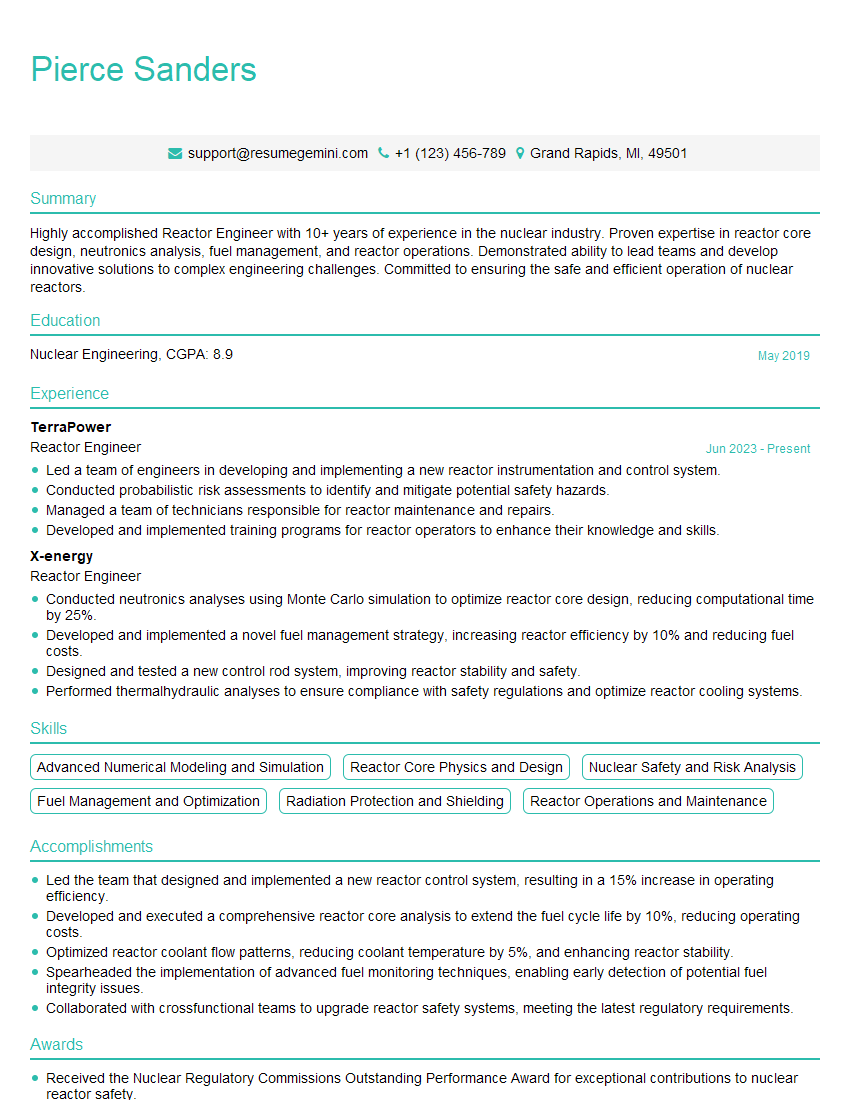
Mastering Nuclear Engineering Principles is crucial for a successful and rewarding career in this vital field. A strong understanding of these core concepts will significantly enhance your job prospects and open doors to exciting opportunities in research, design, operation, and safety analysis within the nuclear industry. To maximize your chances, crafting an ATS-friendly resume is essential. This ensures your qualifications are effectively highlighted to recruiters and applicant tracking systems. We highly recommend using ResumeGemini to build a professional and impactful resume. ResumeGemini provides a user-friendly platform and offers examples of resumes tailored to Nuclear Engineering Principles, giving you a significant advantage in your job search.
Explore more articles
Users Rating of Our Blogs
Share Your Experience
We value your feedback! Please rate our content and share your thoughts (optional).
What Readers Say About Our Blog
To the interviewgemini.com Webmaster.
Very helpful and content specific questions to help prepare me for my interview!
Thank you
To the interviewgemini.com Webmaster.
This was kind of a unique content I found around the specialized skills. Very helpful questions and good detailed answers.
Very Helpful blog, thank you Interviewgemini team.