Unlock your full potential by mastering the most common Hunting Safety interview questions. This blog offers a deep dive into the critical topics, ensuring you’re not only prepared to answer but to excel. With these insights, you’ll approach your interview with clarity and confidence.
Questions Asked in Hunting Safety Interview
Q 1. Describe the different types of hunting licenses and permits.
Hunting licenses and permits vary significantly by state and even sometimes by county. Generally, you’ll find a basic hunting license, which allows you to hunt certain species during designated seasons. Then there are more specialized permits. For example, you might need a separate permit to hunt big game like deer or elk, or a waterfowl stamp for migratory birds. Some states require an additional license or tag for each animal harvested. Think of it like this: a basic hunting license is your entry ticket to the game, but specialized permits are like tickets for specific rides at an amusement park – you need the right one for each activity.
- Resident License: For those who live in the state.
- Non-Resident License: For those hunting in a state where they don’t reside; often more expensive.
- Big Game License: Required to hunt deer, elk, bear, etc.
- Small Game License: For rabbits, squirrels, and other smaller animals.
- Waterfowl Stamp: Required for hunting ducks, geese, and other migratory waterfowl; often supports conservation efforts.
- Trapping License: For trapping fur-bearing animals.
Always check your state’s wildlife agency website for the most up-to-date and specific information on required licenses and permits. Failing to obtain the proper permits can lead to hefty fines.
Q 2. Explain the importance of hunter education and its components.
Hunter education is crucial for safe and responsible hunting. It instills ethical hunting practices, teaches firearm safety, and promotes wildlife conservation. A good hunter education course covers:
- Firearm Safety: The four primary rules, safe handling, storage, and cleaning.
- Hunter Ethics: Fair chase principles, respect for landowners, and responsible game harvesting.
- Wildlife Identification: Learning to correctly identify game animals and avoid accidentally shooting non-target species. This is extremely important to prevent accidental shootings.
- First Aid and Emergency Procedures: Knowing how to respond to hunting accidents, including treating gunshot wounds and calling for help.
- Conservation: Understanding the importance of wildlife management and sustainable hunting practices.
- Landowner Relations: Respecting private property rights and obtaining permission before hunting on private land.
Think of hunter education as getting your hunting driver’s license. It teaches you the rules of the road (hunting regulations) and the safe operation of your vehicle (firearm).
Q 3. What are the four primary rules of firearm safety?
The four primary rules of firearm safety are fundamental to preventing accidents and should be ingrained in every hunter’s mind. They are:
- Treat every firearm as if it were loaded: Always assume a gun is loaded, even if you’ve just checked it. This prevents accidental discharges stemming from complacency.
- Never point the muzzle at anything you are not willing to destroy: This rule emphasizes the importance of muzzle awareness and responsible gun handling. Never point your firearm at yourself, another person, pets, or anything you don’t intend to shoot.
- Keep your finger off the trigger until your sights are on the target and you have made the decision to shoot: This prevents accidental discharges due to trigger jerking or premature trigger pull.
- Be sure of your target and what is beyond it: Identify your target clearly and ensure there are no other people, animals, or objects in the line of fire. This also includes making sure you know the trajectory and potential range of your shot.
These rules are not suggestions; they’re life-saving commandments. Failing to adhere to them can have devastating consequences.
Q 4. How would you respond to a hunting accident involving a gunshot wound?
Responding to a hunting accident involving a gunshot wound requires immediate action and a calm, decisive approach. Follow these steps:
- Call for help immediately: Dial emergency services (911 or your local equivalent) and provide your location, the nature of the injury, and the victim’s condition.
- Control bleeding: Apply direct pressure to the wound using a clean cloth to help stop the bleeding. If the bleeding is severe and arterial (spurting), elevate the injured limb above the heart if possible.
- Keep the victim warm: Hypothermia can set in quickly, especially in cold weather. Wrap the victim in blankets or warm clothing.
- Do not remove clothing or attempt to clean the wound: This can cause further damage. Leave any embedded objects in place.
- Monitor the victim’s vital signs: Check their breathing, pulse, and level of consciousness.
- Follow instructions from emergency responders: Cooperate fully and provide any information requested.
Remember, remaining calm and acting swiftly can be the difference between life and death. Proper first aid training is invaluable in such situations.
Q 5. What are the legal requirements for transporting harvested game?
Legal requirements for transporting harvested game vary by state but generally involve tagging and labeling. Each state has specific regulations on how and when you can transport an animal you’ve harvested. You will typically need to:
- Tag the animal appropriately: Attach the license tag or permit tag issued at the time of license purchase to the animal immediately after it’s harvested. This tag proves you legally harvested the animal.
- Transport the game according to state regulations: This might involve specific requirements for how the animal is packaged or transported (e.g., it needs to remain in the original container, or must be properly field dressed).
- Ensure any required documentation is readily available for inspection: This will often include your hunting license and any permits.
- Know the legal hunting hours: Transportation of game is generally permitted only during specified hours, typically the legal hunting times.
Ignoring these regulations can result in significant fines or legal consequences. Always consult your state’s wildlife agency for the precise rules.
Q 6. Describe safe handling and storage practices for firearms.
Safe handling and storage of firearms are paramount. A well-maintained firearm is a safe firearm. The key aspects are:
- Unloaded Storage: Always store firearms unloaded and separately from ammunition. Consider using a gun safe or locking cabinet to secure them.
- Proper Cleaning: Regular cleaning and maintenance prevent malfunctions and ensure the firearm operates correctly. Consult your firearm’s manual for specific cleaning instructions.
- Safe Handling: Never handle a firearm while under the influence of alcohol or drugs. Always treat every firearm as if it is loaded, even when cleaning or inspecting it.
- Secure Transportation: When transporting firearms, unload them and store them separately from ammunition in a locked case or container, as required by state law.
- Trigger Discipline: Keep your finger off the trigger until you’re ready to fire.
Think of storing firearms like storing valuable and potentially dangerous items – with proper care and security.
Q 7. How do you identify and avoid unsafe hunting conditions?
Identifying and avoiding unsafe hunting conditions is essential for preventing accidents. Here’s how:
- Weather Conditions: Avoid hunting in severe weather, such as heavy rain, snow, fog, or thunderstorms. Poor visibility significantly increases the risk of accidental shootings.
- Terrain: Be aware of the terrain’s challenges – steep slopes, uneven ground, and dense vegetation can impair visibility and movement, hindering safe shooting.
- Other Hunters: Always be aware of the presence and positions of other hunters in the area. Communicate with hunting partners, use brightly colored clothing, and avoid shooting in the direction of other hunters or potential bystanders.
- Shooting Distances: Know your firearm’s effective range and only shoot at targets within that range. Avoid making long shots, particularly in dense cover, where the risk of hitting an unintended target is higher.
- Target Identification: Positive target identification is paramount. Take your time and positively identify your target before you pull the trigger. Never shoot at sounds or shadows.
Hunting is a risk-based activity; however, by understanding and mitigating these conditions, you can dramatically reduce the risks involved.
Q 8. What are the ethical considerations in hunting?
Ethical hunting hinges on respect for wildlife, the environment, and fellow hunters. It’s about fairness, sustainability, and responsible stewardship. This means following all applicable laws and regulations, ensuring a clean kill to minimize animal suffering, and never wasting game. For example, ethical hunters only take what they need, avoid hunting endangered species, and properly handle and dispose of game animals. They also show consideration for other users of the land, like hikers or photographers. Think of it like this: ethical hunting is about being a responsible part of the ecosystem, not just a predator.
- Fair Chase: Pursuing game animals in a way that gives the animal a reasonable chance to escape. This excludes using technology or tactics that unfairly advantage the hunter.
- Respect for Wildlife: Treating all animals, even those not hunted, with respect and consideration.
- Conservation: Understanding that hunting is part of wildlife management and supporting initiatives to ensure healthy populations.
- Landowner Respect: Obtaining necessary permission and leaving the land in the same condition, or better, than you found it.
Q 9. Explain different types of hunting equipment and their safe usage.
Hunting equipment encompasses firearms, ammunition, archery gear, and various accessories. Safe usage requires thorough knowledge of each item and meticulous handling.
- Firearms: Rifles, shotguns, and handguns demand rigorous safety training. Always treat every firearm as if it were loaded, keep your finger off the trigger until ready to shoot, and point the firearm in a safe direction. Regular cleaning and maintenance are critical.
- Ammunition: Use only the correct ammunition for your firearm. Improper ammunition can lead to catastrophic malfunctions. Store ammunition separately from firearms and in a secure location.
- Archery Equipment: Bows and arrows require proper maintenance and regular inspection. Ensure the bowstring is in good condition and arrows are free of damage. Always aim downrange and use a target backstop.
- Accessories: Items like scopes, slings, and binoculars are important tools, but their usage needs attention. Make sure scopes are properly sighted in, slings are secure, and binoculars are cleaned regularly to ensure proper visibility.
Example: Imagine you’re sighting in your rifle. You would never point it at anything you don’t intend to shoot. You would only load a single round at a time. You would check your zero frequently to ensure accuracy.
Q 10. What is the role of tree stands in hunting, and what safety measures should be followed?
Tree stands are elevated platforms used to gain a better vantage point for hunting. They offer advantages like improved visibility and concealment, but they also present significant safety risks.
- Safety Harness: Always use a full-body safety harness attached to the tree with a lifeline. This prevents falls should you stumble or the stand become unstable. Never use a tree stand without a harness.
- Stand Inspection: Before each use, meticulously inspect the stand for any signs of damage or wear. Replace worn or damaged components immediately.
- Tree Selection: Choose a healthy, sturdy tree with branches strong enough to support your weight and the stand. Avoid dead or decaying trees.
- Safe Ascent and Descent: Use a climbing aid and take your time. Never ascend or descend in a rush or while fatigued.
- Weather Conditions: Avoid using tree stands during inclement weather, especially high winds or icy conditions.
Real-World Application: A hunter who fails to use a safety harness risks a potentially fatal fall. Even a short fall can result in serious injury.
Q 11. Describe safe practices for hunting with dogs.
Hunting with dogs demands careful planning and adherence to safety protocols for both the hunter and the canine companion.
- Dog Training: Dogs used for hunting must be well-trained and obedient, with a strong recall command. This prevents them from running into danger or interfering with the hunt.
- Appropriate Gear: Ensure your dog wears a properly fitted collar or harness with visible identification tags. Consider using GPS tracking collars for hunting in remote areas.
- Wildlife Awareness: Be aware of potentially dangerous wildlife encountered during the hunt. Train your dog to avoid confrontations.
- First Aid Kit: Carry a well-stocked first aid kit specifically for canine injuries, including supplies for treating cuts, punctures, and insect bites.
- Communication: If hunting with other individuals, establish clear communication strategies to ensure the safety of both hunters and dogs.
Example: Imagine your hunting dog gets caught in a thicket. A strong recall command and GPS tracking are crucial for locating and retrieving the dog safely.
Q 12. How would you prevent accidental discharges of firearms?
Accidental firearm discharges are often the result of negligence. Preventing them requires strict adherence to the fundamental rules of firearm safety.
- Treat Every Firearm as Loaded: Never assume a firearm is unloaded. Always check it yourself before handling it.
- Keep Your Finger Off the Trigger Until Ready to Shoot: This prevents accidental discharges during handling or movement.
- Point the Firearm in a Safe Direction: Always be certain of your target and what is behind it. Never point a firearm at anything you do not intend to shoot.
- Be Sure of Your Target and What is Beyond It: Misidentification of targets is a leading cause of hunting accidents.
- Unload Firearm When Not in Use: When you’re not actively hunting, unload the firearm and store it in a safe place.
- Proper Storage: Store firearms and ammunition securely, separate from each other and inaccessible to unauthorized individuals, especially children.
Real-world example: A hunter forgetting to unload their firearm after a successful shot could easily cause an accidental discharge while crossing a fence or putting the gun into their vehicle.
Q 13. What are the signs of hypothermia and heatstroke in hunting scenarios?
Hunting often exposes individuals to extreme temperatures. Recognizing the symptoms of hypothermia and heatstroke is crucial for survival.
- Hypothermia (low body temperature): Symptoms include shivering, confusion, drowsiness, slurred speech, and loss of coordination. In severe cases, consciousness may be lost.
- Heatstroke (dangerously high body temperature): Symptoms include throbbing headache, dizziness, lack of sweating despite the heat, nausea, confusion, and loss of consciousness. Heatstroke is a medical emergency.
Prevention: Dress in layers to regulate body temperature, stay hydrated, and be aware of the weather forecast. In hot weather, take breaks in the shade, and drink plenty of fluids. In cold weather, take precautions against wind chill.
Important note: If you suspect someone is suffering from hypothermia or heatstroke, seek immediate medical attention.
Q 14. What first aid procedures would you implement for common hunting injuries?
Common hunting injuries can include cuts, sprains, fractures, and bleeding. Knowing basic first aid procedures can be lifesaving.
- Bleeding: Apply direct pressure to the wound, elevate the injured limb if possible, and seek medical attention if the bleeding is profuse or uncontrolled.
- Cuts: Clean the wound with soap and water, apply antibiotic ointment, and cover with a clean bandage. Seek medical attention for deep wounds or those that show signs of infection.
- Sprains and Fractures: Immobilize the injured limb using a splint or sling. Apply ice packs to reduce swelling and pain. Seek immediate medical attention.
- Hypothermia/Heatstroke: See previous answer regarding recognition and treatment.
Essential Supplies: A comprehensive first-aid kit should be carried at all times, including bandages, antiseptic wipes, pain relievers, and a means of calling for emergency help. Remember that effective first aid buys time until professional medical help can arrive.
Q 15. Explain the importance of proper camouflage and concealment.
Proper camouflage and concealment are paramount for a successful and ethical hunt. They increase your chances of observing and harvesting game animals while minimizing the chances of alarming them. Think of it like this: you’re trying to become part of the environment, not a disruptive element.
Camouflage involves wearing clothing that blends with your surroundings. This might include earth tones like browns, greens, and grays, patterned to break up your human silhouette. Consider the specific environment – a leafy forest requires different camouflage than an open prairie. A good rule of thumb is to match your clothing to the dominant colors and textures of the area you’ll be hunting in.
Concealment goes beyond just blending in; it’s about using the natural terrain to hide your presence. This could involve utilizing natural cover like trees, bushes, rocks, and even shadows. Positioning yourself downwind of the game is crucial, as animals have an excellent sense of smell and can detect you from a considerable distance.
Example: Imagine hunting deer in a wooded area. Effective camouflage would involve wearing brown and green clothing with leaf patterns. Concealment would involve finding a position behind a large tree or in a thicket, downwind of where you expect the deer to travel.
Career Expert Tips:
- Ace those interviews! Prepare effectively by reviewing the Top 50 Most Common Interview Questions on ResumeGemini.
- Navigate your job search with confidence! Explore a wide range of Career Tips on ResumeGemini. Learn about common challenges and recommendations to overcome them.
- Craft the perfect resume! Master the Art of Resume Writing with ResumeGemini’s guide. Showcase your unique qualifications and achievements effectively.
- Don’t miss out on holiday savings! Build your dream resume with ResumeGemini’s ATS optimized templates.
Q 16. What are the different types of ammunition and their appropriate use?
Choosing the right ammunition is critical for safety and ethical hunting. The wrong ammunition can lead to wounding an animal, causing unnecessary suffering, or even create a dangerous ricochet situation.
- Rifle Ammunition: The choice depends on the game being hunted. Smaller calibers are suitable for smaller animals like squirrels or rabbits, while larger calibers are necessary for larger game like deer or elk. Full metal jacket (FMJ) ammunition is generally not recommended for hunting as it may pass through the animal without causing a clean kill. Expanding bullets, like soft points or hollow points, are designed to expand on impact, increasing stopping power and reducing the chance of a pass-through.
- Shotgun Ammunition: Shotguns utilize various shot sizes and loads. Smaller shot sizes (e.g., No. 6, No. 8) are best for birds, while larger shot sizes (e.g., No. 4, No. 00) are used for larger game. Buckshot is used for deer-sized game and slugs are designed for larger animals at longer ranges. The type of shot also affects the pattern and range.
- Bow and Arrow Ammunition: Arrow selection is crucial and dependent on the game and the draw weight of the bow. Broadhead design is especially significant as it determines the penetration and lethality of the shot. Different broadhead types (fixed blade, mechanical, etc.) have different advantages and disadvantages. Always select broadheads appropriate for the game you are pursuing.
Note: Always check your state’s regulations on allowed ammunition types for specific game. It is illegal to use certain types of ammunition on certain game animals.
Q 17. Describe the safe use and maintenance of archery equipment.
Archery hunting requires meticulous attention to safety and equipment maintenance. A malfunctioning bow or arrow can result in serious injury. The focus is on safety, precision, and equipment care.
- Safe Handling: Always keep the bow pointed in a safe direction, never aiming at anything you don’t intend to shoot. Keep your finger off the trigger until you are ready to shoot. Use an arrow rest and quiver to protect your arrows.
- Equipment Maintenance: Regularly inspect your bowstring and cables for wear and tear. Lubricate moving parts according to the manufacturer’s instructions. Ensure your arrows are properly fletched and in good condition. Keep your bow and arrows clean and stored appropriately to prevent rust and damage.
- Proper Shooting Technique: Develop and maintain proper shooting technique through consistent practice. This ensures accuracy and reduces the risk of injury. The draw weight of the bow must be appropriate for your strength and experience level. Improper draw weight could lead to injury.
- Practice: Regular practice is essential for accuracy and for developing muscle memory.
Example: Before every hunting trip, inspect your bowstring for fraying and lubricate the cams. Always ensure your broadheads are sharp and securely attached to the arrow shaft. Practice regularly to maintain proficiency with the bow and arrow.
Q 18. How do you identify and react to wildlife encounters during a hunt?
Wildlife encounters during a hunt can be unpredictable. Knowing how to identify and react appropriately is crucial for safety.
- Identification: Correctly identify the animal; know the difference between the animal you are hunting and other animals. This prevents accidental shooting of non-target animals. Knowing the animal’s behavior will assist in predicting its movements.
- Reaction: If you encounter a dangerous animal such as a bear or mountain lion, the best approach is typically to make yourself appear large and create noise to scare it away. Gradually retreat, never running. Avoid eye contact and do not turn your back. Carrying bear spray is a recommended safety precaution. For less dangerous animals such as deer, remaining calm, motionless, and using camouflage allows you to continue the hunt undetected.
Example: If you encounter a bear, stand your ground, make yourself appear larger by raising your arms, and slowly back away. If attacked, fight back with whatever you have available.
Q 19. What are the potential dangers of hunting in different terrains?
Different terrains present unique dangers to hunters. It’s essential to understand these risks and take appropriate precautions.
- Mountainous Terrain: Steep slopes, cliffs, and uneven ground increase the risk of falls and injuries. Weather changes can also be rapid and dangerous. Always be aware of your surroundings and use caution on uneven terrain.
- Water Areas: Hunting near water bodies poses risks of drowning or hypothermia. Use appropriate safety gear and be aware of changing water conditions.
- Wooded Areas: Dense vegetation can limit visibility and increase the risk of getting lost. Always carry a map and compass or GPS, and let someone know your hunting plans. Be mindful of hazards such as fallen trees and sharp branches.
- Desert Terrain: Extreme heat, dehydration, and limited cover are significant risks. Carry plenty of water and dress appropriately. Be aware of the signs of heatstroke and dehydration.
Example: When hunting in mountainous areas, always inform someone of your hunting route and estimated return time. Carry appropriate gear like sturdy hiking boots and a first-aid kit. In desert areas, always carry ample water and wear light-colored, loose-fitting clothing.
Q 20. How do you plan a safe and successful hunting trip?
Planning a safe and successful hunting trip involves careful preparation and attention to detail.
- Pre-hunt Preparation: Obtain the necessary hunting licenses and permits. Thoroughly research your hunting area, including terrain, game population, and potential hazards. Plan your route and establish checkpoints.
- Equipment Check: Ensure all your hunting equipment is in good working order, including firearms, ammunition, clothing, and first-aid kit. Test fire your weapons and practice shooting beforehand.
- Safety Briefing: If hunting with others, conduct a thorough safety briefing before heading out. Discuss emergency procedures and communication protocols.
- Hunting Strategy: Develop a hunting strategy based on your chosen game and hunting area. Consider wind direction, animal behavior patterns, and natural cover.
- Post-hunt Procedures: Establish a check-in/check-out system with someone not hunting. Let them know the details of your hunting trip and when you expect to return.
Example: Before a deer hunting trip, I would map out my hunting area, checking for potential hazards and identifying suitable hunting stands. I would ensure my rifle is zeroed and practice shooting at various ranges. I’d pack extra layers of clothing, waterproof gear, a first-aid kit, and plenty of food and water.
Q 21. Explain the importance of communication and teamwork in hunting.
Effective communication and teamwork are vital for a safe and successful hunting experience, particularly when hunting in a group.
- Clear Communication: Maintain clear and concise communication throughout the hunt. Use hand signals or verbal cues to avoid confusion, especially in situations where you can’t easily see each other.
- Designated Roles: Assign roles and responsibilities to each member of the hunting party. This might include designating a leader, someone responsible for first aid, and so on.
- Safety Procedures: Agree upon and follow established safety procedures such as safe handling of firearms, communication protocols, and emergency response plans.
- Situational Awareness: Maintain constant situational awareness of your surroundings and the location of other hunters. Communicate any potential hazards or changes in the hunting area.
Example: Before embarking on a hunt, we’d discuss designated hunting zones to prevent accidental shooting. We’d have established hand signals for communication, and agree on a meeting point at regular intervals. Everyone would be aware of potential hazards and emergency procedures.
Q 22. How would you handle a situation where someone violates hunting regulations?
Witnessing a hunting regulation violation requires a calm and measured response. My first priority is ensuring everyone’s safety. Then, I’d carefully document the specifics: location, time, individuals involved, the violation itself (e.g., exceeding bag limits, hunting out of season, illegal methods), and any evidence (photos, video). I would then report the incident to the relevant wildlife agency—this could be a state game warden or a local conservation officer—providing them with all the compiled information. I’d avoid confrontation, as this could escalate the situation and potentially compromise safety. It’s important to remember that I am a witness, and it is the agency’s responsibility to investigate and enforce regulations.
For example, if I saw someone shooting from a roadway, a clear violation of most hunting regulations, I would first note the vehicle’s description (make, model, license plate) if possible, along with other identifying information. I wouldn’t approach the hunter directly; I would instead discreetly record the information and subsequently report it to the authorities. Providing accurate and detailed information is crucial for a successful investigation.
Q 23. What are the legal implications of hunting without a license or permit?
Hunting without a license or permit carries significant legal consequences, varying by state and specific violation. These penalties often include substantial fines, potential jail time (especially for repeat offenders or severe violations), and the confiscation of hunting equipment. Furthermore, a conviction can result in the suspension or revocation of hunting privileges, making future legal hunting impossible. It’s also important to note that the legal ramifications extend beyond the individual hunter; it’s critical for ethical reasons as well as to protect wildlife populations from overhunting.
Imagine a scenario where a hunter is caught without a license while hunting deer. Depending on the location and severity of the offense, that hunter might face fines ranging from hundreds to thousands of dollars, potential jail time of a few days to months, the loss of their hunting equipment (rifle, bow, etc.), and permanent revocation of their hunting license. This highlights the importance of always possessing the appropriate licenses and permits before engaging in any hunting activity.
Q 24. Describe the different types of hunting calls and their appropriate use.
Hunting calls mimic the sounds of animals to lure them closer, aiding in hunting. There are various types, each designed for specific game:
- Predator Calls: These imitate the distress calls of prey animals (like rabbits or rodents) to attract predators such as coyotes, foxes, or bobcats. They are crucial for predator control and hunting.
- Big Game Calls: These replicate the vocalizations of deer, elk, or other large mammals, attracting them during breeding season or when they feel threatened. For example, a bugle call for elk is often used in the rut (mating season).
- Waterfowl Calls: These simulate the calls of ducks, geese, and other waterfowl, attracting them to decoys. Effective waterfowl calling requires considerable practice and understanding of different species’ sounds.
- Turkey Calls: These mimic the various sounds of wild turkeys – yelps, clucks, purrs, and gobbles – depending on the situation and to attract the birds to a hunter’s location.
Appropriate use of hunting calls demands ethical considerations. They should only be used legally, following all local regulations. Overuse can habituate animals to the calls, making them less effective and potentially leading to unethical hunting practices.
Q 25. What are the best practices for tracking and field dressing game?
Tracking and field dressing game are crucial for ethical and efficient hunting. Tracking involves following signs left by an animal – tracks, scat, broken branches, or bedding areas – to locate it. It requires patience, observation skills, and knowledge of animal behavior. Field dressing refers to the initial cleaning of the animal, removing its internal organs to prevent spoilage. It’s vital for maintaining meat quality and preventing bacterial contamination.
Best practices include using appropriate tools (sharp knives, game bags, etc.) and maintaining a clean workspace. Field dressing should be done quickly and efficiently, adhering to safety standards. Improper field dressing can spoil the meat and make it unsafe for consumption. Understanding animal anatomy is necessary to minimize damage and ensure efficient processing.
For example, when tracking a deer, I would pay close attention to the terrain, looking for subtle signs like broken twigs or disturbed leaves. After the harvest, I would promptly begin field dressing using sanitary techniques to maintain meat quality and hygiene.
Q 26. Explain the process of safely removing a game animal from the field.
Safely removing a game animal from the field involves several steps. First, ensure the animal is properly tagged according to regulations. Then, use appropriate equipment—a game cart, pack straps, or a four-wheeler depending on the size and terrain—to transport the animal carefully. Maintain awareness of your surroundings to avoid injury. Avoid dragging the animal as this can damage the meat and spread bacteria. If possible, transport the animal to a designated processing location or cooler to maintain freshness and hygiene.
For larger game, a winch or ATV might be necessary, while smaller game may be easily transported using a game bag. It is vital to handle the animal with respect and to minimize any unnecessary damage to the carcass. Proper transportation prevents meat spoilage and maintains the quality of the harvest.
Q 27. How do you ensure the ethical and sustainable management of wildlife populations?
Ethical and sustainable wildlife management hinges on maintaining a balance between hunting and conservation. This involves several key strategies:
- Responsible Hunting Practices: Adhering to bag limits, hunting seasons, and ethical hunting methods ensures that populations are not over-harvested.
- Habitat Conservation: Protecting and restoring wildlife habitats is crucial for supporting healthy populations. This might involve supporting land conservation organizations or practicing responsible land management.
- Scientific Management: Utilizing data on population trends, hunting success rates, and other factors helps determine sustainable harvest levels. Government agencies conduct population studies to guide hunting regulations.
- Community Involvement: Engaging local communities in conservation efforts fosters a sense of stewardship and promotes responsible resource management.
For instance, supporting programs that monitor deer populations and adjust hunting regulations based on these findings exemplifies sustainable wildlife management. It’s not just about hunting; it’s about actively contributing to the long-term health of wildlife populations and ecosystems.
Q 28. Describe your experience in providing hunting safety education.
I have extensive experience providing hunting safety education, having conducted numerous workshops and courses for both novice and experienced hunters. My training focuses on safe gun handling, hunter ethics, wildlife identification, first aid, and survival skills. I employ interactive methods, including hands-on demonstrations and simulated scenarios, to ensure effective learning. My goal is to instill a strong sense of responsibility and respect for the environment in all participants, transforming them into safe and ethical hunters. I also regularly update my training materials to reflect changes in hunting regulations and best practices. I’ve worked with various groups, from youth organizations to seasoned hunting clubs, customizing the content to suit their specific needs and experience levels.
In one instance, I created a tailored program for a group of teenagers interested in hunting. We focused on firearm safety and respect for wildlife, supplementing this with lessons in tracking and field dressing small game. By using interactive exercises and a supportive environment, I successfully equipped these young hunters with the skills and knowledge to pursue their hobby safely and responsibly.
Key Topics to Learn for Hunting Safety Interview
- Firearm Safety: Understanding safe handling, storage, and transportation of firearms; practical application includes demonstrating proper cleaning and maintenance procedures, and explaining the four rules of firearm safety.
- Hunter Education and Regulations: Knowledge of local, state, and federal hunting regulations; practical application includes interpreting hunting licenses and tags, and explaining ethical hunting practices.
- Wildlife Identification and Management: Accurate identification of game animals and understanding of wildlife conservation efforts; practical application involves explaining the importance of responsible hunting practices and understanding the impact of hunting on wildlife populations.
- First Aid and Emergency Procedures: Knowledge of basic first aid and emergency response in wilderness settings; practical application includes describing procedures for treating common hunting injuries and communicating effectively during an emergency.
- Navigation and Outdoor Survival Skills: Ability to navigate using maps and compasses, and knowledge of basic survival techniques; practical application includes outlining safe hunting practices in challenging terrain and explaining procedures for staying safe in adverse weather conditions.
- Ethical Hunting Practices and Conservation: Understanding fair chase principles, responsible hunting techniques, and the importance of conservation; practical application includes explaining the role of hunters in wildlife management and conservation efforts.
- Tree Stand Safety: Proper setup, use, and fall prevention techniques for tree stands; practical application includes explaining safety harnesses and fall arrest systems and demonstrating proper inspection procedures.
Next Steps
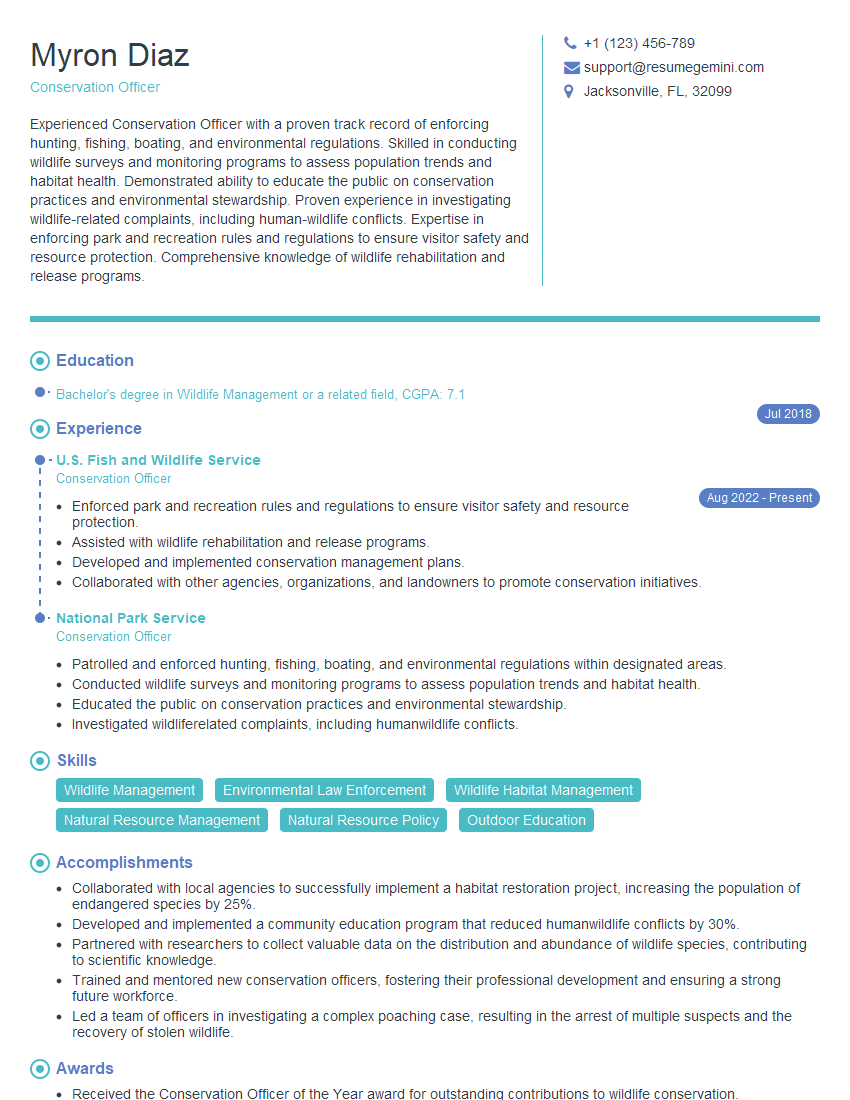
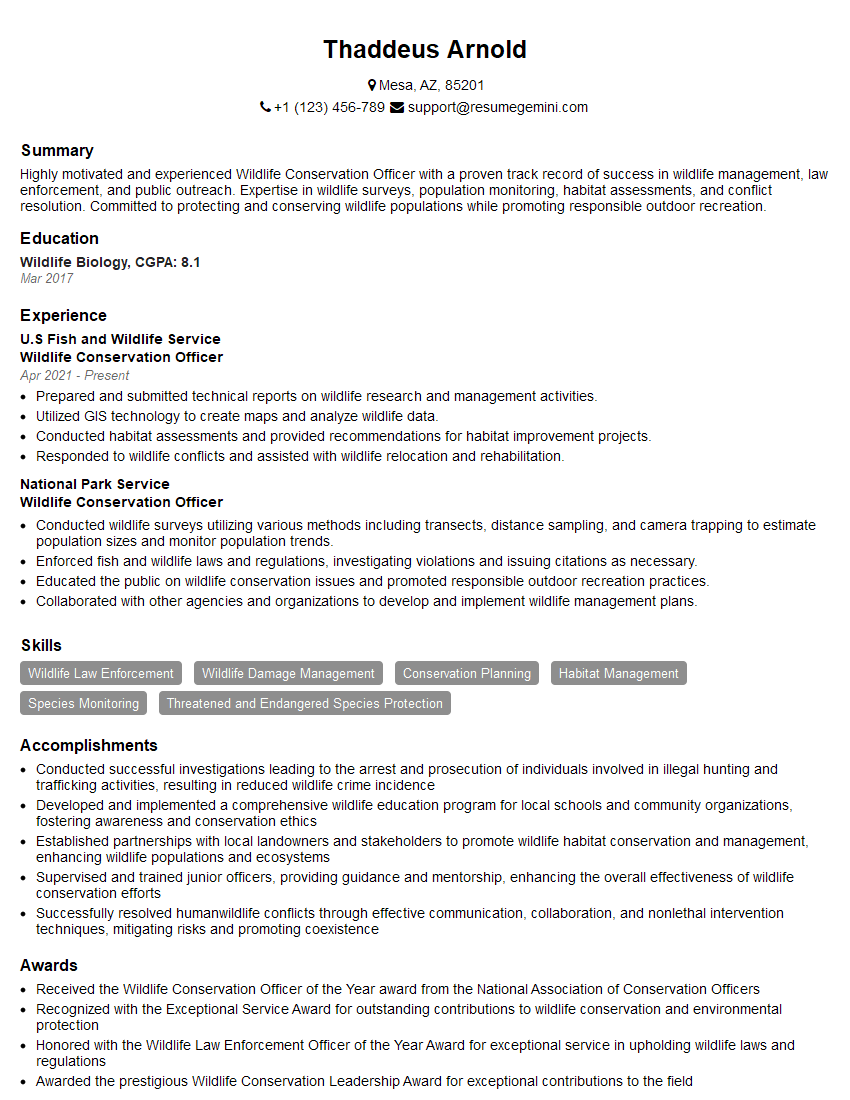
Mastering hunting safety is crucial for a successful and rewarding career in the field. Demonstrating a strong understanding of these principles will significantly enhance your interview performance and showcase your commitment to responsible hunting. To maximize your job prospects, it’s vital to create an ATS-friendly resume that highlights your skills and experience effectively. ResumeGemini is a trusted resource that can help you build a professional resume tailored to the hunting safety industry. Examples of resumes specifically designed for hunting safety positions are available through ResumeGemini to help guide you.


Explore more articles
Users Rating of Our Blogs
Share Your Experience
We value your feedback! Please rate our content and share your thoughts (optional).
What Readers Say About Our Blog
To the interviewgemini.com Webmaster.
Very helpful and content specific questions to help prepare me for my interview!
Thank you
To the interviewgemini.com Webmaster.
This was kind of a unique content I found around the specialized skills. Very helpful questions and good detailed answers.
Very Helpful blog, thank you Interviewgemini team.