Cracking a skill-specific interview, like one for Radiation Protection Auditing, requires understanding the nuances of the role. In this blog, we present the questions you’re most likely to encounter, along with insights into how to answer them effectively. Let’s ensure you’re ready to make a strong impression.
Questions Asked in Radiation Protection Auditing Interview
Q 1. Explain the ALARA principle and its practical application in radiation protection.
The ALARA principle, short for “As Low As Reasonably Achievable,” is a fundamental tenet of radiation protection. It emphasizes that all radiation exposure should be kept as far below regulatory limits as is reasonably achievable, taking into account economic and social factors. It’s not about eliminating all radiation, which is impossible, but about minimizing unnecessary exposure.
Practical Application: Imagine a hospital using X-ray machines. ALARA might dictate using the lowest possible X-ray dose to achieve a diagnostic image. This could involve optimizing the machine settings, using appropriate shielding, and employing techniques like collimation (restricting the X-ray beam to the area of interest) to reduce scatter radiation. Regular equipment calibration and staff training also play a crucial role in ALARA implementation. Another example would be in a nuclear power plant, where ALARA is rigorously applied in all aspects of operation and maintenance to minimize worker exposure to ionizing radiation during routine tasks and planned outages.
Q 2. Describe the different types of radiation and their potential health effects.
Radiation is broadly classified into ionizing and non-ionizing radiation. Ionizing radiation, like X-rays, gamma rays, alpha particles, and beta particles, has enough energy to remove electrons from atoms, creating ions that can damage biological molecules, potentially leading to health problems including cancer, radiation sickness, and genetic mutations. The severity depends on the type of radiation, the dose received, and the duration of exposure.
- Alpha particles: Relatively heavy and low penetrating power, but very harmful if ingested or inhaled.
- Beta particles: More penetrating than alpha particles, requiring shielding like plastic or aluminum.
- Gamma rays and X-rays: Highly penetrating, requiring dense materials like lead or concrete for shielding.
Non-ionizing radiation, such as ultraviolet (UV) radiation, visible light, infrared (IR) radiation, radio waves, and microwaves, lacks the energy to ionize atoms. While generally less harmful than ionizing radiation, excessive exposure can still have adverse effects. For instance, UV radiation can cause sunburn, premature aging, and skin cancer.
Q 3. What are the key regulatory requirements for radiation protection in your region/country?
Regulatory requirements for radiation protection vary by country/region but generally involve establishing dose limits, licensing requirements for radiation sources, and stringent safety protocols. For example, in many jurisdictions, regulations are based on the recommendations of the International Commission on Radiological Protection (ICRP). These regulations often include:
- Dose Limits: Setting maximum permissible doses for radiation workers and the public.
- Licensing and Registration: Requiring licenses to operate radiation-producing devices and registering sources of radiation.
- Safety Standards: Mandating specific safety practices, including shielding, distance, and time limitations for radiation exposure.
- Emergency Preparedness: Developing plans to manage radiation accidents and emergencies.
- Training and Qualifications: Requiring specialized training for personnel working with radiation.
Specific regulations are usually enforced by national or regional regulatory bodies, such as the Nuclear Regulatory Commission (NRC) in the United States or equivalent agencies in other countries. These bodies conduct inspections and audits to ensure compliance.
Q 4. How do you conduct a radiation survey and interpret the results?
A radiation survey involves measuring radiation levels in a specific area using radiation detection instruments. The process typically includes:
- Instrument Selection: Choosing the appropriate instrument based on the type of radiation being measured (e.g., Geiger-Müller counter for beta and gamma, scintillation detectors for alpha and gamma).
- Survey Methodology: Establishing a systematic approach to covering the area, ensuring consistent measurement techniques.
- Measurement and Recording: Taking readings at multiple points and recording the data, noting time, location, and instrument settings.
- Data Analysis: Evaluating the data to identify areas of higher radiation levels and compare them to regulatory limits. Creating maps of radiation levels can be useful.
Interpretation: The results are compared against regulatory limits. If levels exceed limits, corrective actions are needed. These could include shielding modifications, changes in work practices, or additional training. For instance, if a radiation survey reveals elevated levels in a particular work area, modifications might involve adding lead shielding to walls or implementing stricter time limits for workers in that area.
Q 5. Explain the different methods for personnel radiation monitoring.
Personnel radiation monitoring is essential for tracking radiation exposure of individuals working with radioactive materials. Common methods include:
- Film Badges: A photographic film that darkens proportionally to the radiation dose received. They are relatively inexpensive but require processing and provide a dose estimate only after processing.
- Thermoluminescent Dosimeters (TLDs): Crystals that store energy when exposed to radiation. Heating the crystals releases light, whose intensity is proportional to the dose. They offer higher accuracy than film badges.
- Electronic Personal Dosimeters (EPDs): These devices provide real-time radiation dose readings. They can provide immediate feedback, allowing workers to adjust their procedures accordingly to minimize exposure.
The choice of method depends on factors such as the type and energy of radiation, the expected dose range, and the need for real-time monitoring. Many facilities use a combination of methods for redundancy and comprehensive dose assessment.
Q 6. What are the common radiation shielding materials and their properties?
The effectiveness of shielding materials depends on the type and energy of radiation. Common shielding materials include:
- Lead: Highly effective against gamma rays and X-rays due to its high density and atomic number. Often used in X-ray rooms and nuclear facilities.
- Concrete: Cost-effective shielding material, particularly for gamma rays and neutrons. Its effectiveness increases with thickness.
- Water: Good at attenuating neutrons and gamma rays. Used in nuclear reactors and storage facilities.
- Steel: Effective for shielding beta particles and low-energy gamma rays.
- Plastic: Used to shield against beta particles and alpha particles.
The thickness of the shielding material is crucial; thicker materials provide greater attenuation. Shielding design often involves calculations and simulations to ensure sufficient protection.
Q 7. Describe the process of developing and implementing a radiation protection program.
Developing and implementing a radiation protection program requires a systematic approach. This involves:
- Radiation Inventory: Identifying all sources of radiation within the facility and their potential hazards.
- Risk Assessment: Evaluating potential radiation exposure pathways for workers and the public.
- Safety Procedures: Establishing written procedures for handling radioactive materials, operating radiation-producing equipment, and responding to emergencies.
- Training Program: Providing comprehensive training for all personnel involved in handling radiation, covering safety protocols, emergency procedures, and the use of radiation monitoring equipment.
- Monitoring Program: Implementing a comprehensive radiation monitoring program, including area monitoring, personnel monitoring, and environmental monitoring.
- Emergency Response Plan: Developing a detailed plan to address potential radiation accidents or emergencies.
- Regulatory Compliance: Ensuring compliance with all applicable national and regional regulations.
- Regular Audits: Conducting regular audits to review the program’s effectiveness, identify areas for improvement, and ensure continued compliance.
A well-designed and implemented radiation protection program minimizes risks, protects workers and the public, and ensures compliance with relevant regulations. Regular review and updates are essential to maintain effectiveness.
Q 8. How do you assess the risks associated with radiation exposure?
Assessing radiation risks involves a multi-faceted approach that considers the type of radiation, the exposure pathway, the duration of exposure, and the sensitivity of the exposed individual or population. We use a combination of quantitative and qualitative methods.
Quantitative methods involve calculating the dose received using established dosimetry techniques. This includes measuring the radiation levels in the environment (e.g., using radiation detectors), estimating the time spent in the radiation field, and considering the shielding provided. We then use this information to calculate the effective dose, which takes into account the different sensitivities of various organs and tissues to radiation.
Qualitative methods include reviewing safety procedures, analyzing radiation-related work practices, and conducting interviews with personnel to understand their knowledge of radiation safety and their adherence to established protocols. For instance, we might examine the effectiveness of a lead shield in a medical imaging facility, or evaluate the accuracy of a radiation worker’s personal dosimeter readings against calculated doses.
Ultimately, the goal is to identify potential hazards, quantify the associated risks, and implement appropriate control measures to keep exposures ALARA (As Low As Reasonably Achievable). This includes engineering controls, administrative controls and PPE.
Q 9. What are the different types of radiation detectors and their applications?
Radiation detectors come in many forms, each suited to specific applications. They can be broadly categorized by their detection method:
- Gas-filled detectors (e.g., Geiger-Müller counters, ionization chambers): These detectors measure the ionization produced by radiation passing through a gas. Geiger counters are excellent for detecting the presence of radiation, while ionization chambers provide more accurate dose measurements. We use Geiger counters for quick surveys and ionization chambers for precise calibration checks.
- Scintillation detectors (e.g., NaI(Tl) detectors): These detectors use a scintillating material that emits light when radiation interacts with it. The light is then converted into an electrical signal, allowing for precise energy measurements. This is crucial in identifying specific radionuclides.
- Semiconductor detectors (e.g., HPGe detectors): These detectors offer high energy resolution and efficiency, making them ideal for identifying and quantifying multiple radionuclides in complex mixtures. They are invaluable for environmental monitoring and nuclear materials accountability.
- Passive detectors (e.g., thermoluminescent dosimeters (TLDs), optically stimulated luminescence (OSL) dosimeters, film badges): These detectors accumulate radiation exposure over time and require processing to determine the dose received. TLDs and OSL dosimeters are frequently used for personnel monitoring, as they provide a permanent record of exposure. Film badges are gradually being replaced by TLDs and OSLs due to their enhanced sensitivity and ease of readout.
The choice of detector depends heavily on the type and energy of the radiation being measured, the required accuracy, and the cost.
Q 10. Explain the concept of effective dose and its significance in radiation protection.
Effective dose is a measure of the overall health risk from exposure to ionizing radiation, considering the type and energy of the radiation and the sensitivity of different organs and tissues. It’s expressed in sieverts (Sv). Unlike absorbed dose (measured in Gray, Gy), which simply quantifies the energy deposited in tissue, effective dose accounts for the varying biological effects of radiation on different parts of the body. For example, the lens of the eye is more sensitive to radiation damage than the skin.
Significance: Effective dose is crucial in radiation protection because it allows for a standardized assessment of risk. It helps regulate exposure limits for workers, the public, and patients undergoing medical procedures, ensuring that radiation exposure is kept ALARA. Regulatory bodies worldwide use effective dose limits to manage radiation risks effectively. A higher effective dose indicates a greater potential for biological damage and increased risk of health effects, such as cancer or genetic mutations.
The effective dose calculation involves weighting factors that reflect the relative radiosensitivity of different organs and tissues. These factors are established by international radiation protection committees and are incorporated into regulatory guidelines.
Q 11. How do you investigate and report radiation incidents or accidents?
Investigating and reporting radiation incidents or accidents requires a methodical approach to ensure that all relevant information is collected and analyzed. My process typically involves:
- Immediate Response: Secure the area to prevent further exposure, provide any necessary medical attention to those potentially affected, and notify relevant authorities.
- Data Collection: Gather information on the incident, including the type and quantity of radiation source involved, the duration and extent of exposure, the number and identity of individuals affected, and the circumstances leading to the accident. This includes reviewing monitoring data, conducting interviews, and examining any damaged equipment.
- Dose Assessment: Estimate the dose received by those exposed using various dosimetry techniques.
- Root Cause Analysis: Determine the underlying causes of the incident and identify any contributing factors through a thorough investigation. This could involve procedural failures, equipment malfunctions or inadequate training.
- Corrective Actions: Implement corrective actions to prevent similar incidents in the future. This might involve changes to safety protocols, improved training programs, or equipment upgrades.
- Reporting: Prepare a comprehensive report that details the findings of the investigation, the estimated doses received, the corrective actions implemented, and any recommendations for preventing future incidents. This report would be submitted to the relevant regulatory authorities.
The reporting process adheres strictly to legal and regulatory requirements, maintaining confidentiality while ensuring transparency and accountability.
Q 12. What are the legal and ethical responsibilities of a radiation protection auditor?
A radiation protection auditor has significant legal and ethical responsibilities. Legally, we are obliged to comply with all relevant national and international regulations pertaining to radiation safety. This includes adhering to licensing requirements, reporting obligations, and ensuring compliance with dose limits. Failure to comply can lead to severe penalties, including fines and legal action.
Ethically, we must maintain objectivity and impartiality in our assessments. This means acting in the best interests of radiation workers, the public, and the environment, even if it means identifying deficiencies within the organization being audited. Confidentiality is paramount, protecting sensitive information obtained during the audit process. Furthermore, we have a professional responsibility to maintain our competence and stay up-to-date with the latest advancements in radiation protection practices and regulations. This involves continuing professional development, participation in relevant training programs, and adherence to professional codes of conduct.
Q 13. Describe your experience with radiation safety audits in different industries.
My experience encompasses a wide range of industries, including medical, nuclear, research, and industrial applications. I have conducted radiation safety audits in hospitals, nuclear power plants, research laboratories, and manufacturing facilities. Each industry presents unique challenges and requires a tailored approach.
In hospitals, audits focus on the safe use of diagnostic and therapeutic radiation equipment, ensuring that radiation doses to patients and staff are minimized. In nuclear power plants, audits are more complex, encompassing aspects such as radiation monitoring, waste management, and emergency preparedness. Research laboratories require careful evaluation of experimental protocols to ensure worker safety and proper handling of radioactive materials. In industrial settings, we focus on the safe use of industrial radiation sources such as gamma irradiators for sterilization and X-ray systems for non-destructive testing.
Throughout my career, I’ve gained expertise in interpreting complex radiation protection procedures, identifying potential hazards, and evaluating the effectiveness of safety measures in diverse environments. This experience allows me to tailor audit methodologies to specific industry needs, ensuring thorough and relevant assessments.
Q 14. How do you ensure the accuracy and reliability of radiation monitoring data?
Ensuring the accuracy and reliability of radiation monitoring data is paramount. This involves a multi-pronged approach:
- Calibration and Traceability: All radiation detectors must be regularly calibrated against national or international standards to ensure accuracy. Calibration certificates must be reviewed and maintained to demonstrate traceability to these standards.
- Quality Control (QC): Rigorous QC programs are vital. This includes regular checks of detector performance, verification of data acquisition systems, and periodic blind tests to assess the accuracy and reliability of the monitoring system.
- Data Validation: Raw data should be carefully validated before analysis. This involves checking for outliers, inconsistencies, and any other anomalies that might indicate errors or equipment malfunctions.
- Personnel Training: Properly trained personnel are essential to ensure the proper use and maintenance of radiation monitoring equipment and accurate data acquisition. Regular training and competency assessments are vital.
- Record Keeping: Maintaining comprehensive records of all calibration, QC, and data validation activities is crucial for demonstrating compliance and allowing for retrospective review of data.
Ultimately, a robust quality assurance program is fundamental to ensuring the trustworthiness of radiation monitoring data, providing a sound basis for radiation protection decisions and demonstrating compliance with regulatory requirements.
Q 15. What are the challenges in auditing radiation protection programs in complex facilities?
Auditing radiation protection in complex facilities like nuclear power plants or large research hospitals presents unique challenges due to their multifaceted operations and extensive regulatory frameworks. The sheer scale of operations, involving numerous personnel, diverse equipment, and various radioactive materials, makes comprehensive assessment demanding.
- Diverse Radiation Sources: Managing the audit process requires expertise in various radiation sources, including X-rays, gamma rays, beta particles, and neutrons, each requiring different safety protocols.
- Interconnected Systems: A breakdown in one system can impact others. Auditing requires understanding these interdependencies to identify potential vulnerabilities. For example, a malfunctioning ventilation system might compromise containment of airborne radioactive materials.
- Regulatory Complexity: Navigating the intricate web of national and international regulations, along with site-specific procedures, adds significant complexity. A single oversight in documentation can lead to non-compliance.
- Technological Advancements: The field is constantly evolving with new technologies and techniques. Auditors must stay abreast of these advancements to effectively assess their safety implications. For instance, the increased use of robotics in handling radioactive materials requires specific safety protocols.
- Human Factors: Human error is a significant contributor to radiation safety incidents. The audit needs to evaluate training effectiveness, procedures clarity, and the overall safety culture.
To overcome these challenges, a systematic approach using checklists, standardized procedures, and experienced personnel is crucial. Employing risk-based auditing, focusing on high-risk areas first, is highly effective.
Career Expert Tips:
- Ace those interviews! Prepare effectively by reviewing the Top 50 Most Common Interview Questions on ResumeGemini.
- Navigate your job search with confidence! Explore a wide range of Career Tips on ResumeGemini. Learn about common challenges and recommendations to overcome them.
- Craft the perfect resume! Master the Art of Resume Writing with ResumeGemini’s guide. Showcase your unique qualifications and achievements effectively.
- Don’t miss out on holiday savings! Build your dream resume with ResumeGemini’s ATS optimized templates.
Q 16. Explain the importance of record-keeping in radiation protection.
Meticulous record-keeping is the cornerstone of a robust radiation protection program. It provides irrefutable evidence of compliance, facilitates continuous improvement, and helps in investigating incidents. Imagine a scenario where a worker receives a higher-than-expected radiation dose. Without proper records, pinpointing the source and implementing corrective measures would be nearly impossible.
- Compliance Demonstration: Regulatory bodies require comprehensive documentation to verify compliance with safety standards. Records like radiation monitoring results, training certificates, and equipment calibration logs serve as crucial evidence.
- Incident Investigation: Detailed records are essential to trace the sequence of events leading to an incident, identify root causes, and prevent future occurrences. For example, records from dosimetry readings can help pinpoint a radiation leak’s source and duration.
- Performance Evaluation: Tracking key performance indicators (KPIs) over time helps assess the program’s efficacy. Records of radiation exposure levels, leak tests, and equipment maintenance are vital for evaluating the overall program’s effectiveness.
- Continuous Improvement: By regularly analyzing records, trends can be identified which might indicate potential weaknesses or areas for improvement in the program. For instance, a consistent pattern of high exposures in a particular work area might highlight the need for revised procedures or additional shielding.
Effective record-keeping involves using standardized forms, employing a robust data management system, and ensuring records are easily retrievable and protected from loss or damage.
Q 17. How do you communicate complex radiation safety information to non-technical audiences?
Communicating complex radiation safety information to non-technical audiences requires simplifying technical jargon and using clear, concise language. Analogies and visual aids are invaluable. Instead of saying “the dose rate exceeded the regulatory limit,” one might say “the radiation levels were too high, exceeding the safety threshold.”
- Analogies and Metaphors: Using everyday comparisons can make abstract concepts easier to grasp. For example, radiation exposure can be compared to the sun’s ultraviolet rays, explaining the importance of limiting exposure.
- Visual Aids: Charts, graphs, and diagrams are powerful tools for illustrating data and trends. A simple bar graph comparing radiation levels in different areas can be more effective than a lengthy written report.
- Interactive Sessions: Interactive sessions with question-and-answer periods allow for clarification and address audience concerns. Using interactive elements such as quizzes to test understanding is a good way to ensure knowledge retention.
- Tailored Messaging: Adjust the language and level of detail according to the audience’s knowledge and background. A presentation for senior management will differ significantly from one given to entry-level workers.
Employing storytelling and real-life examples can build trust and credibility, making the information more memorable and impactful.
Q 18. Describe your experience with radiation protection software and tools.
Throughout my career, I’ve worked extensively with various radiation protection software and tools, encompassing dosimetry systems, radiation monitoring software, and regulatory compliance databases. My experience includes using software for dose assessment, such as calculating effective doses and comparing them against regulatory limits.
- Dosimetry Systems: I’m proficient in using various dosimetry systems, both passive (e.g., thermoluminescent dosimeters) and active (e.g., electronic personal dosimeters), for assessing individual radiation exposures. This includes understanding the calibration procedures, data interpretation, and report generation.
- Radiation Monitoring Software: I have hands-on experience with software used for real-time radiation monitoring, which includes interpreting data from area monitors and fixed detectors, generating alarms in case of abnormal readings, and creating reports.
- Regulatory Compliance Databases: I’m familiar with using databases to ensure compliance with relevant regulations. This involves referencing standards and guidelines, tracking regulatory updates, and ensuring that the organization’s practices align with these regulations.
- Simulation Software: For complex scenarios, I’ve utilized simulation software to model radiation transport and assess the effectiveness of shielding designs. This allows for predictive analysis and improved safety planning.
My experience extends beyond basic data entry and includes troubleshooting, data analysis, and using the software’s advanced features for detailed assessments and report generation.
Q 19. What are the key performance indicators (KPIs) for a successful radiation protection program?
Key Performance Indicators (KPIs) for a successful radiation protection program are crucial for monitoring effectiveness and identifying areas for improvement. They must be measurable, relevant, and aligned with the program’s objectives.
- Radiation Exposure Levels: Tracking the collective and individual radiation doses received by workers. A consistent decrease in these levels demonstrates program success. An increase may indicate a potential problem that requires investigation.
- Number of Incidents/Violations: Monitoring the frequency of radiation safety incidents and violations provides insights into the effectiveness of preventive measures. A decreasing trend signifies improved safety culture and practices.
- Compliance Rate: Measuring the percentage of regulatory requirements met provides a clear picture of overall compliance. Tracking this metric over time allows for identification of recurring issues and implementation of targeted corrective actions.
- Training and Competency Levels: Assessing worker proficiency through exams, practical assessments, and feedback mechanisms ensures staff competence in handling radioactive materials. A high level of competence indicates a well-trained workforce.
- Effectiveness of Emergency Response: Regular drills and simulated scenarios test the efficiency of emergency response plans. Successful drills are indicators of well-preparedness and effective response.
These KPIs, when tracked consistently and analyzed regularly, provide a comprehensive evaluation of the radiation protection program’s success and areas needing improvement.
Q 20. How do you identify and assess the root causes of radiation safety violations?
Identifying and assessing root causes of radiation safety violations requires a systematic approach, going beyond simply identifying the immediate cause. A thorough investigation helps prevent recurrence.
Root Cause Analysis (RCA) Techniques: I employ various RCA techniques, including the ‘5 Whys’ method, fault tree analysis, and fishbone diagrams. The ‘5 Whys’ method involves repeatedly asking ‘why’ until the root cause is identified. For example, if a worker received an excessive dose, we ask: Why was the dose high? (The worker wasn’t wearing appropriate shielding.) Why wasn’t the shielding worn? (The worker was not properly trained.) Why was the worker not properly trained? (Insufficient training program.) etc.
- Data Collection and Analysis: Gathering data from multiple sources, such as radiation monitoring reports, incident reports, witness statements, and training records, is vital for comprehensive analysis.
- Interviewing Personnel: Conducting thorough interviews with involved personnel helps uncover overlooked details and perspectives, leading to a more accurate understanding of the events.
- Review of Procedures and Equipment: Assessing procedures and equipment for deficiencies or flaws can reveal design or operational weaknesses contributing to the violation.
- Corrective Action Plan: Once the root cause is identified, implementing a corrective action plan is vital to eliminate the hazard and prevent recurrence. This includes updating procedures, retraining personnel, or replacing faulty equipment.
By rigorously investigating the root causes, we not only address the immediate problem but also prevent future occurrences, enhancing the overall safety of the facility.
Q 21. How do you ensure compliance with radiation protection regulations during audits?
Ensuring compliance during audits involves a multi-pronged approach that includes thorough documentation review, observation of practices, and verification of equipment functionality.
- Regulatory Knowledge: A deep understanding of all applicable radiation protection regulations is paramount. This includes familiarity with national and international standards, agency guidelines, and site-specific requirements.
- Documentation Review: Scrutinizing all relevant documents, including radiation safety plans, training records, calibration certificates, and radiation monitoring data, ensures compliance with established protocols.
- On-site Observation: Direct observation of work practices, radiation safety procedures, and equipment operation is essential to verify compliance with written procedures. This can involve observing workers in their daily tasks and verifying proper use of protective equipment.
- Equipment Verification: Inspecting and testing radiation monitoring equipment, including area monitors, personal dosimeters, and survey meters, ensures proper functionality and calibration. This might include spot checks, comparing readings against known sources, and verifying calibration records.
- Interviewing Personnel: Interviewing workers to assess their understanding of safety procedures and their comfort levels in reporting safety concerns is essential in establishing the overall safety culture.
A comprehensive audit involves a combination of these steps, ensuring a thorough assessment of compliance and identifying areas needing improvement. Any non-compliance findings are documented with recommendations for corrective actions.
Q 22. Explain your understanding of radiation dose limits and exemptions.
Radiation dose limits are legally mandated values representing the maximum permissible radiation exposure for individuals, categorized by occupation (radiation workers) and the public. These limits are designed to minimize the risk of deterministic (tissue damage directly proportional to dose) and stochastic (cancer risk, probability increases with dose) effects. Exemptions, on the other hand, are allowances for exposure that fall below a specified threshold, typically where the risk is deemed negligible. For example, natural background radiation is generally exempt from regulatory limits.
For radiation workers, limits are often expressed in millisieverts (mSv) per year, with different limits for various organs and tissues. The International Commission on Radiological Protection (ICRP) provides recommendations which are often adopted by national regulatory bodies. These recommendations consider both occupational exposure and public exposure, carefully balancing the benefits of radiation applications (e.g., medical imaging) against the risks. Exemptions are frequently applied to situations involving very low levels of radiation, like the use of certain consumer products containing small amounts of radioactive material.
For example, a typical regulatory body might set an annual dose limit of 50 mSv for occupational exposure and 1 mSv for the public. Exemptions might apply to situations involving exposures below 1 mSv annually, or to specific practices after a thorough risk assessment demonstrating negligible additional risk.
Q 23. Describe your experience with different types of radiation detection equipment.
My experience encompasses a wide range of radiation detection equipment, including:
- Geiger-Müller (GM) counters: These are simple, robust instruments ideal for detecting beta and gamma radiation. I’ve used them extensively for quick surveys of areas for potential contamination.
- Scintillation detectors: These offer higher sensitivity and energy resolution than GM counters, providing more detailed information on the type and energy of the radiation. I’ve employed them in situations requiring more precise measurements, like assessing the activity of specific radioactive sources.
- Proportional counters: These provide greater sensitivity than GM counters and allow for better energy discrimination, making them useful in various applications, including environmental monitoring.
- Ionization chambers: These are useful for measuring high radiation levels and are often used in radiation therapy installations.
- Survey meters: These combine various detection methods in a single device, providing versatility for different measurement scenarios.
- Personal dosimeters (e.g., thermoluminescent dosimeters (TLDs), optically stimulated luminescence (OSL) dosimeters): Essential for monitoring individual radiation exposure, these provide a cumulative dose record over a specific period. I frequently utilize these to ensure compliance with regulations.
The choice of equipment depends critically on the specific application, the type of radiation being measured, the expected radiation levels, and the desired accuracy. Proper calibration and regular maintenance of all equipment are vital for reliable and accurate measurements.
Q 24. How do you manage and mitigate the risks associated with radioactive waste?
Managing and mitigating the risks associated with radioactive waste involves a multi-faceted approach, centered around the principles of ALARA (As Low As Reasonably Achievable). This necessitates adherence to stringent regulations and best practices throughout the entire waste lifecycle – from generation to disposal.
Risk management strategies include:
- Segregation and Characterization: Radioactive waste needs to be categorized based on its radioactivity level, physical form, and chemical properties. This allows for appropriate handling, storage, and disposal methods.
- Storage: Properly designed and maintained storage facilities are crucial for interim storage before final disposal. These need to be secure, monitor radiation levels, and prevent environmental release.
- Treatment and Conditioning: This step often involves processes like volume reduction, solidification, and encapsulation to reduce the risk and improve the long-term stability of the waste.
- Disposal: The ultimate disposal method depends on the type and activity of the waste. Options include shallow land burial for low-level waste, deep geological repositories for high-level waste, and specialized facilities for specific waste types.
- Monitoring and Surveillance: Ongoing monitoring of storage and disposal sites is necessary to detect any potential leaks or environmental contamination.
Real-world examples include the meticulous management of spent nuclear fuel in highly secure, cooled storage pools before eventual geological disposal, and the controlled handling and disposal of low-level waste from medical facilities, ensuring all aspects meet stringent radiation protection requirements.
Q 25. How do you ensure the adequacy of radiation safety training programs?
Ensuring adequate radiation safety training programs requires a systematic approach that goes beyond simply ticking off boxes in a checklist. It must focus on competency-based training and involve a robust evaluation process.
Key aspects include:
- Needs Assessment: A thorough analysis of the specific needs and roles of the trainees is vital. This should identify the knowledge and skills gaps to be addressed.
- Curriculum Development: The training curriculum must be relevant, comprehensive, and tailored to the specific tasks and risks involved. It should incorporate theory, practical exercises, and realistic simulations.
- Qualified Instructors: Trainers must possess the necessary expertise and experience in radiation protection. Regular updates on current regulations and best practices are essential for instructors.
- Training Methods: A mix of methods, such as lectures, demonstrations, hands-on training, and case studies, enhances engagement and knowledge retention.
- Evaluation and Certification: Thorough evaluations, including written exams and practical assessments, ensure trainees understand and can apply the concepts learned. Certification proves competence and compliance with regulatory requirements.
- Regular Refresher Training: Keeping up with advances and changes in regulations requires periodic refresher courses. This also allows for reinforcement and review of essential safety procedures.
For instance, a hospital’s radiation safety program should include specific training for personnel handling radioactive sources in nuclear medicine and radiology, tailored to their unique roles and responsibilities. Regular assessments and drills help ensure the effective implementation of the procedures learned during training.
Q 26. What are the limitations of current radiation protection technologies?
Despite significant advancements, current radiation protection technologies have several limitations:
- Incomplete understanding of biological effects: While we know a lot about radiation’s effects, there’s still much to learn about the long-term consequences of low-dose exposures, making risk assessment challenging.
- Difficulties in monitoring internal contamination: Detecting and quantifying internal radiation contamination is complex and requires specialized techniques, which may not always be readily available.
- Limitations of dosimetry: Personal dosimeters might not accurately capture the entire radiation exposure received, particularly for highly variable or directional radiation fields.
- Challenges in managing long-lived radioactive waste: Safe and permanent disposal of high-level radioactive waste remains a significant challenge, requiring advanced storage and disposal technologies, and rigorous long-term monitoring.
- Cost and Accessibility: Advanced radiation protection technologies can be expensive, making them inaccessible in resource-limited settings.
- Emerging radiation sources: Rapid technological advancements introduce new radiation sources (e.g., increased use of medical isotopes and industrial applications of ionizing radiation) which may require adapting existing or developing new protection measures.
Addressing these limitations requires continued research, development of novel technologies, and international collaboration to share best practices and enhance global radiation protection capabilities.
Q 27. Describe your approach to conducting a gap analysis of a radiation protection program.
A gap analysis of a radiation protection program systematically compares current practices against best practices and regulatory requirements, identifying areas needing improvement. My approach involves a multi-stage process:
- Documentation Review: I begin by thoroughly reviewing all relevant documentation, including safety procedures, training materials, emergency plans, and records of radiation measurements and incidents.
- On-site Assessment: This involves physical inspections of facilities, equipment, and work areas to evaluate the effectiveness of safety measures, the condition of equipment, and the implementation of safety protocols.
- Interviews and Surveys: Discussions with personnel at different levels (from management to workers) help to understand their perspectives, identify challenges, and uncover any hidden safety concerns. Surveys are useful for gathering quantitative data on worker knowledge and attitudes towards radiation safety.
- Regulatory Compliance Check: I ensure compliance with all relevant national and international regulations, standards, and guidelines.
- Benchmarking: Comparing performance against best practices and similar facilities helps highlight potential areas for improvement.
- Gap Identification: Based on the collected information, I identify any discrepancies between current practices and the required standards, highlighting areas of deficiency or risk.
- Reporting and Recommendations: A comprehensive report summarizes the findings, identifies the gaps, and provides specific, practical recommendations for improving the radiation protection program.
For example, a gap analysis of a nuclear power plant might reveal deficiencies in emergency response protocols, inadequate training for specific personnel roles, or a lack of appropriate monitoring equipment. The analysis then leads to actionable recommendations, helping to prioritize improvements for enhanced radiation safety.
Q 28. How do you stay updated on the latest advancements in radiation protection?
Staying updated on the latest advancements in radiation protection requires a proactive and multi-pronged approach:
- Professional Organizations: Active membership in organizations like the Health Physics Society (HPS) and the International Radiation Protection Association (IRPA) provides access to publications, conferences, and networking opportunities.
- Scientific Journals and Publications: Regularly reviewing peer-reviewed journals like *Health Physics*, *Radiation Protection Dosimetry*, and *Applied Radiation and Isotopes* keeps me abreast of the latest research findings and technological advancements.
- Regulatory Updates: I closely monitor regulatory changes from bodies like the Nuclear Regulatory Commission (NRC) in the US, or equivalent organizations in other countries. These updates ensure compliance and adaptation to evolving best practices.
- Conferences and Workshops: Attending international and national conferences and workshops facilitates knowledge exchange and interaction with other experts in the field.
- Continuing Education: Participating in professional development courses and workshops enhances my expertise and allows me to apply new knowledge to my work.
- Online Resources: Utilizing reputable online resources, including government websites and professional organization websites, provides access to a wealth of information, updates, and guidance.
This ongoing commitment to professional development ensures that I remain proficient and informed on the latest developments in radiation protection, enabling me to provide effective and up-to-date services to clients.
Key Topics to Learn for Radiation Protection Auditing Interview
- Regulatory Compliance: Understanding national and international regulations (e.g., IAEA, NRC) governing radiation protection and their practical application in auditing processes.
- Radiation Safety Principles: Demonstrate a thorough grasp of ALARA principles, radiation protection instrumentation, and dosimetry methods. Be prepared to discuss practical scenarios involving dose assessment and mitigation.
- Auditing Methodologies: Familiarize yourself with various auditing techniques, including risk assessment, sampling methods, and data analysis. Practice applying these techniques to hypothetical scenarios.
- Radiation Sources and Applications: Understand the characteristics and risks associated with different radiation sources (e.g., X-rays, gamma rays, radioactive materials) used in various industries and research settings. This includes knowledge of their safety protocols.
- Reporting and Documentation: Master the skills of compiling comprehensive audit reports, documenting findings clearly and concisely, and presenting your findings effectively to diverse audiences.
- Emergency Preparedness and Response: Discuss your knowledge of radiation emergency response protocols and your ability to evaluate the effectiveness of existing emergency plans within audited facilities.
- Quality Assurance and Improvement: Understand the role of auditing in maintaining and improving radiation protection programs, including identifying areas for improvement and recommending corrective actions.
- Ethical Considerations: Demonstrate awareness of ethical considerations in radiation protection auditing, including maintaining confidentiality and objectivity.
Next Steps
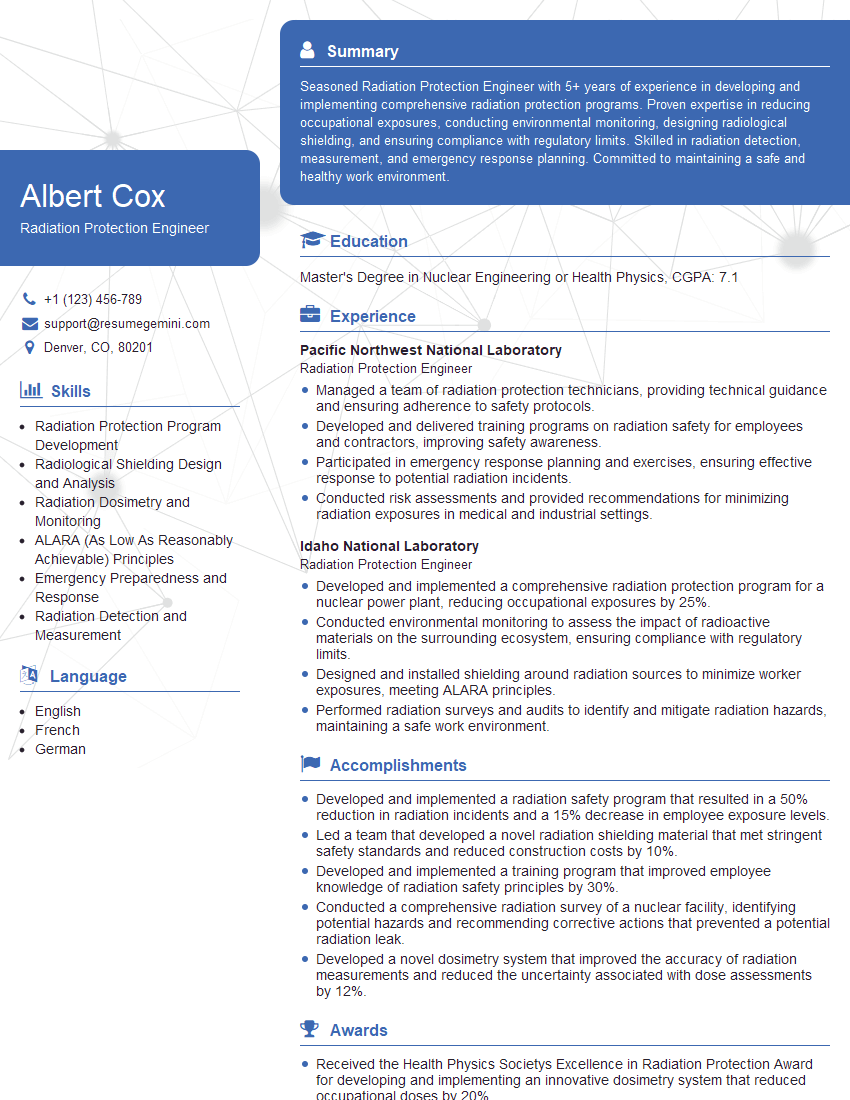
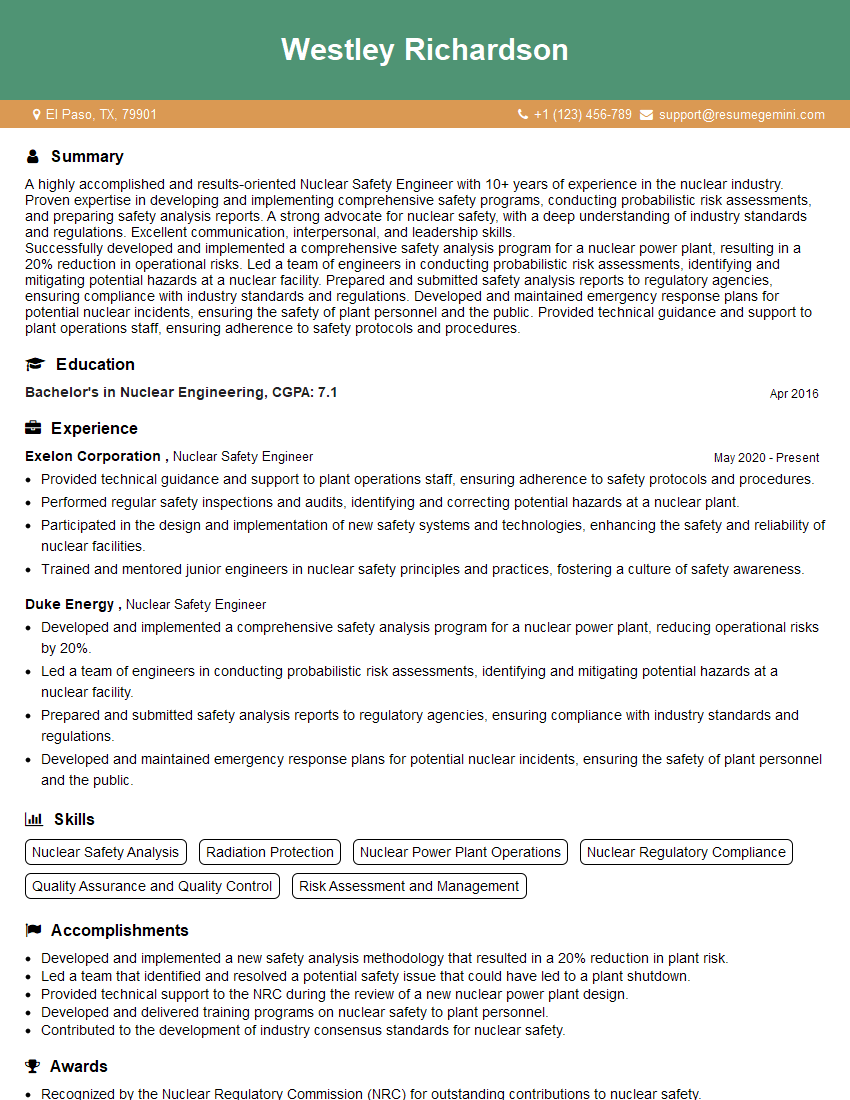
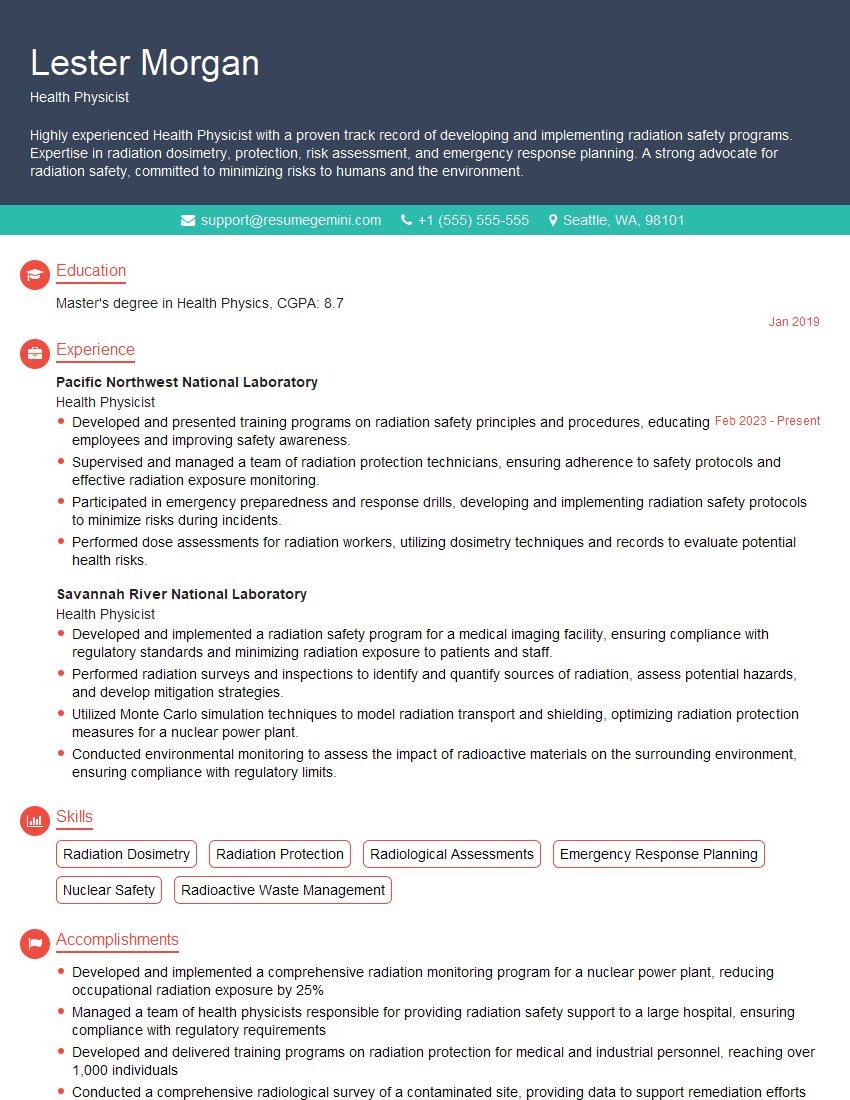
Mastering Radiation Protection Auditing opens doors to exciting career opportunities in a highly specialized and impactful field. This expertise is highly sought after, offering excellent prospects for growth and advancement within regulatory bodies, healthcare facilities, research institutions, and industrial settings. To maximize your chances of landing your dream job, create a compelling and ATS-friendly resume that showcases your skills and experience effectively. ResumeGemini is a trusted resource that can help you build a professional resume that stands out from the competition. Examples of resumes tailored to Radiation Protection Auditing are available to guide you.

Explore more articles
Users Rating of Our Blogs
Share Your Experience
We value your feedback! Please rate our content and share your thoughts (optional).
What Readers Say About Our Blog
To the interviewgemini.com Webmaster.
Very helpful and content specific questions to help prepare me for my interview!
Thank you
To the interviewgemini.com Webmaster.
This was kind of a unique content I found around the specialized skills. Very helpful questions and good detailed answers.
Very Helpful blog, thank you Interviewgemini team.