The thought of an interview can be nerve-wracking, but the right preparation can make all the difference. Explore this comprehensive guide to Public Programs interview questions and gain the confidence you need to showcase your abilities and secure the role.
Questions Asked in Public Programs Interview
Q 1. Describe your experience managing a public program budget.
Managing a public program budget requires meticulous planning, execution, and monitoring. It’s not just about spending money; it’s about strategically allocating resources to achieve program goals effectively and responsibly. My experience includes developing and managing budgets ranging from $500,000 to $2 million annually. This involved forecasting revenue streams, allocating funds across various program activities (personnel, materials, travel, etc.), tracking expenditures against the budget, and preparing regular financial reports. For instance, in my role at the City’s Parks and Recreation Department, I implemented a zero-based budgeting approach, requiring each program to justify its funding needs annually. This ensured that resources were allocated efficiently and aligned with the department’s strategic priorities.
I utilized budget management software to track expenses, generate reports, and forecast future needs. This allowed for proactive adjustments to the budget based on actual performance and unforeseen circumstances. Furthermore, I developed a strong working relationship with the finance department, ensuring accurate accounting practices and timely payments to vendors. Regular budget reviews with program staff helped maintain transparency and foster accountability.
Q 2. How do you measure the success of a public program?
Measuring the success of a public program requires a multifaceted approach that goes beyond simply tracking the number of participants. A robust evaluation strategy should incorporate quantitative and qualitative data to assess the program’s impact on its intended beneficiaries and the community at large. Key performance indicators (KPIs) are crucial. These might include:
- Output indicators: The number of people served, services delivered, workshops conducted, etc.
- Outcome indicators: Changes in knowledge, skills, attitudes, behaviors, or community conditions as a result of the program. For example, an increase in literacy rates following a literacy program, or a decrease in crime rates in an area served by a community policing initiative.
- Impact indicators: Long-term, broader effects on individuals and the community. This could involve improved health outcomes, increased economic activity, or a strengthened social fabric.
Qualitative data, such as feedback from participants and stakeholders through surveys, focus groups, and interviews, adds crucial context and helps interpret the quantitative results. For example, in a youth mentorship program, we used pre- and post-program surveys to measure changes in self-esteem and academic performance, complemented by qualitative feedback from mentors and mentees about the program’s overall effectiveness and areas for improvement.
Q 3. Explain your approach to stakeholder engagement in public programs.
Stakeholder engagement is paramount to the success of any public program. My approach prioritizes open communication, collaboration, and active listening. It’s about building trust and ensuring that all voices are heard throughout the program lifecycle. This involves identifying key stakeholders, including beneficiaries, community leaders, government officials, funders, and program staff.
I employ a variety of strategies to engage stakeholders, including:
- Regular meetings and forums: Providing opportunities for stakeholders to share their perspectives and concerns.
- Surveys and feedback mechanisms: Gathering input through online surveys, feedback forms, and suggestion boxes.
- Community events and workshops: Creating interactive spaces for dialogue and collaboration.
- Transparency and communication: Regularly sharing program updates, progress reports, and financial information with stakeholders.
For instance, when launching a new community center, I organized a series of public forums to gather input on program offerings, facility design, and community needs. This participatory approach ensured that the center would truly reflect and serve the community’s aspirations.
Q 4. Describe a time you had to overcome a challenge in a public program.
During the implementation of a job training program for low-income adults, we faced a significant challenge: low enrollment numbers. Initial marketing efforts had failed to reach the target audience effectively. To overcome this, we employed a multi-pronged strategy:
- Targeted outreach: Partnered with local community organizations and churches to reach out to potential participants through their existing networks.
- Flexible program design: Adjusted the program schedule and format to accommodate the needs of working individuals and parents.
- Improved marketing materials: Developed more compelling marketing materials in multiple languages, incorporating testimonials from successful program graduates.
- Transportation assistance: Offered transportation assistance to reduce a major barrier to participation.
As a result of these changes, enrollment numbers significantly increased, leading to a greater impact on the community. This experience highlighted the importance of adaptability, community partnerships, and responsive program design in addressing unexpected challenges.
Q 5. How do you adapt public programs to meet diverse community needs?
Adapting public programs to meet diverse community needs is essential for equitable and effective service delivery. This requires a deep understanding of the community’s demographics, cultural contexts, and specific challenges. A needs assessment is a crucial first step, involving data collection through surveys, interviews, and focus groups to identify the diverse needs and preferences within the community.
Program adaptation strategies may include:
- Culturally sensitive program design: Ensuring that program materials, activities, and communication strategies are culturally appropriate and accessible to all community members.
- Language accessibility: Offering services in multiple languages to cater to diverse linguistic backgrounds.
- Accessibility for people with disabilities: Providing reasonable accommodations and accessible materials to ensure equal participation for individuals with disabilities.
- Targeted outreach: Employing targeted outreach strategies to reach specific subgroups within the community, such as senior citizens, youth, or immigrant populations.
- Personalized services: Providing individualized support and services tailored to the unique needs of each participant.
For instance, in a public health program, we adapted our materials and outreach strategies to reach different ethnic groups, using culturally appropriate communication channels and partnering with trusted community leaders to build trust and increase engagement.
Q 6. What is your experience with grant writing and proposal development?
I possess extensive experience in grant writing and proposal development, having successfully secured over $5 million in funding for various public programs. My approach emphasizes a strong understanding of the funder’s priorities and a clear articulation of the program’s goals, methods, and expected outcomes. I follow a structured approach, starting with thorough research to identify suitable funding opportunities that align with the program’s objectives.
My grant writing process involves:
- Needs assessment and program design: Clearly defining the problem, target population, program activities, and expected outcomes.
- Funder research: Identifying funding sources that align with the program’s objectives and reviewing their guidelines and priorities.
- Compelling narrative: Crafting a persuasive narrative that highlights the program’s significance, impact, and feasibility.
- Strong budget justification: Developing a detailed and realistic budget that demonstrates the efficient allocation of resources.
- Evaluation plan: Including a plan to measure the program’s success and report on its outcomes.
I’ve successfully secured grants from various sources, including federal agencies, private foundations, and corporate sponsors. I’m proficient in adapting my writing style to suit different funders’ requirements and preferences.
Q 7. How do you ensure the ethical and transparent implementation of public programs?
Ensuring ethical and transparent implementation of public programs is critical to maintaining public trust and achieving program goals. My approach integrates ethical considerations and transparency at every stage of the program lifecycle. This includes:
- Clear ethical guidelines: Developing and adhering to a clear set of ethical guidelines that govern all aspects of the program, including conflict of interest policies, data privacy protocols, and procurement procedures.
- Transparency in decision-making: Ensuring that all decisions are made in a transparent and accountable manner, with clear documentation and justification.
- Data security and privacy: Protecting the confidentiality and security of participant data, adhering to all relevant data protection regulations and best practices.
- Accountability mechanisms: Establishing mechanisms for monitoring and evaluating program performance, including regular audits and performance reviews.
- Conflict of interest management: Implementing procedures for identifying and managing potential conflicts of interest among program staff and stakeholders.
- Public reporting: Regularly reporting program progress, financial information, and evaluation results to the public and relevant stakeholders.
For example, in a community development program, we implemented a rigorous procurement process, ensuring fairness, transparency, and accountability in the selection of vendors. We also established a clear data privacy policy to safeguard the confidentiality of participant information.
Q 8. Describe your experience with data analysis and reporting in public programs.
Data analysis and reporting are crucial for understanding the effectiveness and impact of public programs. My experience involves using various techniques to collect, clean, analyze, and visualize data to inform program improvements and demonstrate accountability to stakeholders.
For example, in a recent project focusing on a youth employment program, I used statistical software like R and SPSS to analyze participant outcomes such as job placement rates, salary levels, and retention. I created dashboards and reports using tools like Tableau to visually present key findings to funders, program managers, and community partners. This allowed us to identify areas of success and areas needing improvement, ultimately leading to a revised program curriculum that increased job placement rates by 15%.
Another example involved using qualitative data analysis methods, like thematic analysis, to analyze feedback from program participants through surveys and focus groups. This provided valuable insights into participant experiences and helped us refine program delivery and support services.
Q 9. How do you build and maintain strong relationships with community partners?
Building and maintaining strong relationships with community partners is essential for the success of any public program. It requires proactive communication, mutual respect, and a shared understanding of goals and objectives.
I begin by actively listening to community partners, understanding their needs and concerns, and finding common ground. I prioritize transparency and regular communication, keeping partners informed about program progress, challenges, and upcoming changes. I utilize various methods such as regular meetings, email updates, and joint events to foster collaboration and build trust.
For example, during a community health initiative, I built strong relationships with local clinics, schools, and community organizations by actively participating in their events, attending their meetings, and offering collaborative opportunities. This collaboration resulted in a more effective and comprehensive reach to the target population.
Q 10. How do you handle conflict resolution within a public program team?
Conflict resolution is an inevitable part of teamwork, especially in public programs where diverse perspectives and competing priorities are common. My approach is based on fostering open communication, active listening, and finding mutually acceptable solutions.
I start by creating a safe and respectful environment where team members feel comfortable expressing their concerns. I encourage active listening, ensuring all perspectives are heard and understood. I then facilitate a collaborative process to identify the root causes of the conflict and explore potential solutions together. When necessary, I mediate discussions, helping team members find common ground and reach a compromise.
For instance, in a disagreement between two team members regarding program implementation strategies, I facilitated a meeting where both members could explain their perspectives. Through active listening and collaborative brainstorming, we identified a solution that incorporated elements from both strategies, ultimately resulting in a more effective and efficient approach.
Q 11. Explain your understanding of program evaluation methods.
Program evaluation is a systematic process to assess the effectiveness, efficiency, and impact of public programs. It involves employing various methods to collect and analyze data to determine whether a program achieves its intended goals and objectives.
My understanding encompasses both quantitative and qualitative methods. Quantitative methods include using statistical analysis to measure program outcomes and impact. For example, I might use pre- and post-tests to assess changes in knowledge or skills among participants. Qualitative methods, such as interviews, focus groups, and case studies, provide rich insights into participant experiences and program effectiveness.
I also understand the importance of using mixed-methods approaches, combining both quantitative and qualitative methods to gain a comprehensive understanding of program effectiveness. The choice of evaluation method depends on the program’s goals, available resources, and the type of data needed to answer the evaluation questions.
Q 12. How do you incorporate feedback to improve public program effectiveness?
Incorporating feedback is crucial for continuous improvement in public program effectiveness. I actively seek feedback from various sources, including program participants, staff, community partners, and stakeholders.
I use various methods to gather feedback, such as surveys, focus groups, interviews, and feedback forms. Once feedback is collected, I analyze it to identify recurring themes and areas for improvement. This analysis informs decisions regarding program modifications, resource allocation, and staff training. I ensure that the feedback process is transparent and that stakeholders are informed of the actions taken based on their input.
For instance, feedback from a recent community outreach program highlighted the need for more culturally relevant materials. Based on this feedback, we translated program materials into multiple languages and incorporated culturally sensitive content, resulting in a significant increase in program participation and engagement from diverse communities.
Q 13. Describe your experience with public relations and media outreach.
Effective public relations and media outreach are essential for disseminating program information, building public awareness, and garnering support for public programs. My experience includes developing and implementing communication strategies to engage various stakeholders.
This involves crafting compelling narratives to showcase program successes and impact, utilizing various communication channels such as press releases, social media, website updates, and community events. I’m skilled in building relationships with journalists and media outlets to ensure positive media coverage. I’m also experienced in creating engaging multimedia content to maximize the reach and impact of our communication efforts.
For example, in a campaign to raise awareness about a new public health initiative, I developed a media strategy that included press releases to local news outlets, social media campaigns, and the creation of informative videos. This resulted in significant increases in public awareness and program participation.
Q 14. How do you manage competing priorities and deadlines in a public program setting?
Managing competing priorities and deadlines is a constant challenge in public program settings. My approach involves prioritizing tasks based on urgency and importance, utilizing effective time management techniques, and leveraging teamwork to accomplish goals.
I use tools like project management software (e.g., Asana, Trello) to track tasks, deadlines, and progress. I break down large projects into smaller, manageable tasks, assigning responsibilities and deadlines to team members. Regular team meetings are crucial for monitoring progress, identifying potential roadblocks, and making necessary adjustments.
For example, when facing overlapping deadlines for a grant proposal and a program evaluation report, I prioritized tasks based on the urgency and importance of each, delegating tasks to team members and working collaboratively to ensure both deliverables were completed on time and to a high standard. Effective communication and proactive problem-solving were critical to the success of this multi-faceted undertaking.
Q 15. Explain your understanding of relevant legislation and regulations impacting public programs.
Understanding the legal landscape is crucial for successfully managing public programs. This involves a deep familiarity with federal, state, and sometimes local laws and regulations that govern funding, eligibility criteria, program implementation, and reporting requirements. For example, the American Rescue Plan Act (ARPA) significantly impacted many public programs, dictating how funds were allocated and spent, including stringent reporting protocols. Similarly, the Affordable Care Act (ACA) profoundly altered the landscape of healthcare programs, creating new eligibility standards and administrative processes. I stay abreast of these changes through continuous professional development, including subscribing to relevant legal journals, attending conferences, and networking with legal professionals specializing in public sector law. My experience encompasses interpreting complex regulations, ensuring program compliance, and proactively addressing potential legal risks.
Beyond specific legislation, understanding principles like due process, equal opportunity, and transparency is paramount. For instance, ensuring equitable access to services for all eligible populations, regardless of race, gender, or socioeconomic status, is not only ethically imperative but legally mandated. I ensure this by actively monitoring program delivery, conducting regular audits, and implementing robust grievance mechanisms.
Career Expert Tips:
- Ace those interviews! Prepare effectively by reviewing the Top 50 Most Common Interview Questions on ResumeGemini.
- Navigate your job search with confidence! Explore a wide range of Career Tips on ResumeGemini. Learn about common challenges and recommendations to overcome them.
- Craft the perfect resume! Master the Art of Resume Writing with ResumeGemini’s guide. Showcase your unique qualifications and achievements effectively.
- Don’t miss out on holiday savings! Build your dream resume with ResumeGemini’s ATS optimized templates.
Q 16. How do you ensure program sustainability and long-term impact?
Program sustainability requires a multifaceted approach that considers financial stability, community engagement, and adaptive management. Building strong partnerships with stakeholders is fundamental. This includes forging collaborative relationships with other organizations, securing diverse funding sources, and fostering community ownership. Imagine a community garden program – its long-term viability depends not just on securing grants, but also on engaging local residents in the garden’s management and fostering a sense of shared responsibility.
Data-driven evaluation is crucial. Regular monitoring and evaluation help us identify what’s working, what’s not, and adjust course accordingly. For example, if participation rates are declining, we’d investigate why—perhaps through surveys or focus groups—and modify the program’s design or outreach strategy. Sustainability also hinges on building a strong, dedicated team with the skills and capacity to manage the program effectively. Investing in staff training and development is therefore paramount.
Q 17. What is your experience with needs assessments and community analysis?
Needs assessments and community analysis are foundational to effective program design and implementation. They help us understand the target population’s needs, challenges, and resources. This involves gathering data through various methods: surveys, focus groups, interviews, and secondary data analysis (e.g., census data, health statistics). For example, when designing a job training program, we wouldn’t just assume what skills are in demand; we’d conduct thorough market research and speak directly with employers and potential trainees to ascertain their actual needs.
I’ve extensive experience in qualitative and quantitative data analysis, enabling me to identify key trends, pinpoint unmet needs, and design programs that are responsive to the specific circumstances of the communities we serve. One project involved conducting a community health needs assessment for a rural area, using the findings to design a mobile health clinic that addressed the region’s unique challenges, such as limited access to healthcare facilities and transportation.
Q 18. How do you develop and implement program marketing strategies?
Marketing public programs requires a strategic approach that considers the target audience, the program’s value proposition, and the available communication channels. It’s about more than just advertising; it’s about building awareness, generating interest, and encouraging participation. This means tailoring messaging to resonate with the specific needs and interests of different groups within the community.
My approach typically involves a multi-channel strategy, leveraging various tools such as social media, local media partnerships, community events, and targeted print materials. For instance, promoting a youth mentoring program might involve collaborating with local schools and community centers, utilizing social media campaigns targeting parents and young people, and potentially partnering with local news outlets to spread awareness. Measuring the effectiveness of our marketing efforts is crucial through data tracking and feedback mechanisms to refine our strategy over time.
Q 19. Describe your proficiency in project management methodologies.
I am proficient in various project management methodologies, including Agile, Waterfall, and hybrid approaches. My choice depends on the specific project’s requirements and complexity. For example, Agile methodologies are ideal for projects that require flexibility and iterative development, allowing for adjustments based on feedback and changing priorities. Waterfall is more suitable for projects with well-defined scopes and sequential phases. I often adapt a hybrid approach, leveraging the strengths of both methodologies.
My skills encompass all aspects of project management, including scope definition, work breakdown structure development, resource allocation, risk management, scheduling, monitoring, and evaluation. I use tools like Gantt charts, project management software, and regular progress reports to ensure projects stay on track and within budget. I also have experience leading and motivating teams, fostering collaboration, and resolving conflicts effectively.
Q 20. Explain your experience with risk management in public programs.
Risk management in public programs is crucial to ensure program success and protect public funds. This involves identifying potential risks, assessing their likelihood and impact, and developing mitigation strategies. Risks can range from operational challenges (e.g., staffing shortages, equipment failure) to financial risks (e.g., funding shortfalls, budget overruns) and reputational risks (e.g., program irregularities, negative media coverage).
My approach involves a systematic risk assessment process, often using a risk matrix to prioritize risks based on their likelihood and potential impact. For each identified risk, I develop a mitigation plan that includes preventative measures and contingency plans. For example, to mitigate the risk of funding shortfalls, I’d explore diverse funding sources and develop a robust budget monitoring system. Regular risk reviews are also essential to adapt to changing circumstances and emerging threats.
Q 21. How do you leverage technology to improve public program efficiency?
Technology plays a transformative role in improving the efficiency and effectiveness of public programs. I’ve leveraged various technologies to streamline operations, enhance data management, and improve communication with stakeholders. Examples include using cloud-based platforms for data storage and analysis, implementing online application portals, and utilizing Geographic Information Systems (GIS) for spatial data analysis and program planning.
Specifically, I’ve used data analytics to identify trends and patterns in program participation, allowing for targeted interventions and improved resource allocation. Online portals have simplified the application process for beneficiaries, reducing administrative burdens and improving accessibility. Furthermore, project management software helps streamline workflow, enhance collaboration, and improve accountability. The use of technology is not simply about adopting new tools; it’s about carefully selecting and integrating technologies to best serve the needs of the program and its stakeholders.
Q 22. Describe your experience with developing and managing program volunteers.
Developing and managing program volunteers requires a multifaceted approach encompassing recruitment, training, support, and recognition. It’s not just about finding people to fill roles; it’s about cultivating a committed and engaged volunteer base.
In my previous role at the City Parks Department, we implemented a tiered volunteer system. We started with a robust online recruitment platform highlighting various roles, from park maintenance to event assistance, with clear descriptions of time commitments and required skills. Once recruited, volunteers participated in comprehensive training programs, tailored to their chosen roles. We also provided ongoing support through regular check-ins, mentorship opportunities, and access to resources. Finally, we established a strong recognition program – celebrating milestones, sharing volunteer stories, and providing opportunities for feedback. This comprehensive approach resulted in a 30% increase in volunteer retention within a year. This success was attributed to a combination of well-defined roles, adequate training, continuous support, and a culture that valued their contributions.
- Recruitment: Targeted outreach through community partnerships, social media, and local organizations.
- Training: Comprehensive training programs with clear expectations and competency assessments.
- Support: Regular check-ins, mentorship programs, and access to resources.
- Recognition: Awards, public acknowledgment, and volunteer appreciation events.
Q 23. How do you ensure program accessibility for diverse populations?
Ensuring program accessibility for diverse populations requires a proactive and inclusive approach that considers the unique needs of various communities. It’s about removing barriers to participation, not just offering a program and hoping people can access it.
For example, during a community health initiative, we recognized the need to overcome language barriers and transportation challenges. We provided multilingual materials, translated program information into multiple languages, and partnered with local transportation services to offer subsidized rides to program sessions. We also scheduled events at various locations to accommodate different geographical needs and ensured all venues were ADA compliant. Moreover, we actively engaged community leaders and organizations to help spread the word within diverse communities and tailor our messaging to resonate with their specific cultures. This multi-pronged strategy led to a significant increase in participation from historically underserved populations.
- Language Access: Multilingual materials and interpreters.
- Transportation: Subsidized transportation or accessible locations.
- Accessibility: ADA compliance and accommodations for disabilities.
- Cultural Sensitivity: Culturally appropriate messaging and engagement strategies.
Q 24. How do you build consensus among stakeholders with conflicting interests?
Building consensus among stakeholders with conflicting interests requires strong facilitation skills, active listening, and a collaborative approach. It’s about finding common ground and focusing on shared goals, rather than simply imposing solutions.
In one instance, we had to navigate conflicting viewpoints between environmental conservationists and developers during the planning of a new park. I facilitated a series of meetings, employing collaborative problem-solving techniques. We started by clearly defining shared objectives – a beautiful, functional park that protects the environment. Then, we facilitated open dialogue, encouraging each stakeholder to articulate their concerns and priorities. We explored multiple options, weighing the benefits and trade-offs of each approach. This involved creating a shared understanding and acknowledging the validity of differing perspectives. Finally, we negotiated compromises that addressed the key concerns of all stakeholders, leading to a mutually acceptable plan that satisfied both environmental protection and development goals. The key was focusing on the shared vision and creating a space for everyone to feel heard and respected.
- Shared Vision: Define common objectives and goals.
- Active Listening: Understand perspectives and concerns of all stakeholders.
- Collaborative Problem-Solving: Explore multiple options and negotiate compromises.
- Transparent Communication: Keep stakeholders informed throughout the process.
Q 25. Describe your experience with monitoring and evaluating program outcomes.
Monitoring and evaluating program outcomes is crucial for assessing effectiveness, improving efficiency, and demonstrating impact. It’s about gathering data, analyzing results, and using the insights to make informed decisions.
In a youth mentorship program, we implemented a robust evaluation framework. We collected quantitative data through pre- and post-program surveys measuring participants’ academic performance, self-esteem, and social skills. We also gathered qualitative data through interviews and focus groups, capturing participants’ experiences and perspectives. We analyzed the data using statistical methods, identifying program strengths and areas for improvement. For example, we found that peer mentoring had a significant positive impact on participants’ self-esteem. Based on our findings, we adjusted the program to enhance peer mentoring components and further refine its impact.
- Data Collection: Surveys, interviews, focus groups, and administrative data.
- Data Analysis: Statistical methods and qualitative analysis.
- Reporting: Clear and concise reports communicating findings and recommendations.
- Program Improvement: Using findings to improve program design and implementation.
Q 26. What is your experience with capacity building in public programs?
Capacity building in public programs focuses on strengthening the skills, resources, and organizational structures necessary for long-term success. It’s about empowering individuals and organizations to achieve sustainable impact.
During a community development project, we worked with local organizations to build their capacity in project management and fundraising. We provided training on project planning, budgeting, monitoring, and evaluation. We also helped them develop fundraising strategies, connecting them with potential funders and providing guidance on grant writing. This approach not only enhanced their ability to deliver the current project but also equipped them with skills to undertake future initiatives independently. This sustainable approach ensured the program’s long-term success beyond the initial funding period.
- Skills Training: Workshops, mentoring, and on-the-job training.
- Resource Development: Access to funding, technology, and expertise.
- Organizational Development: Strengthen governance structures and internal processes.
- Sustainability Planning: Ensuring long-term viability of programs and initiatives.
Q 27. How do you adapt program strategies based on performance data?
Adapting program strategies based on performance data is crucial for maximizing effectiveness. It’s about using data to inform decision-making and ensure the program remains relevant and impactful.
In a job training program, we found that participants struggled with the technical aspects of the curriculum, leading to lower completion rates. Analyzing our performance data, we pinpointed specific modules that were proving challenging. Based on this, we adjusted the training materials, incorporating additional interactive exercises and individualized support. We also introduced more hands-on learning opportunities to enhance comprehension and practical skills. These changes significantly improved completion rates and participant outcomes.
- Data Monitoring: Regularly track program performance indicators.
- Performance Analysis: Identify strengths, weaknesses, and areas for improvement.
- Strategy Adjustment: Adapt program design, delivery, or resources based on data insights.
- Evaluation: Assess the impact of changes and make further adjustments as needed.
Q 28. Describe your experience with collaborating with different levels of government.
Collaborating with different levels of government requires strong communication, coordination, and a shared understanding of goals. It’s about building effective partnerships to achieve common objectives.
In a regional transportation initiative, we successfully collaborated with local, state, and federal government agencies. We established clear communication channels, including regular meetings and shared work plans. We also ensured that all partners had a clear understanding of their respective roles and responsibilities. This involved establishing clear lines of authority and decision-making processes. Further, we ensured transparency and open communication to build trust and maintain momentum. This collaborative approach enabled us to leverage resources and expertise from multiple levels of government, leading to a successful and impactful project. We utilized a collaborative project management platform that allowed for document sharing, task assignment, and progress tracking, fostering transparency and efficient communication.
- Communication: Regular meetings, shared work plans, and clear communication channels.
- Coordination: Defining roles and responsibilities.
- Resource Sharing: Leveraging resources and expertise across different levels of government.
- Partnership Building: Fostering trust and collaboration among different agencies.
Key Topics to Learn for Public Programs Interview
- Community Engagement Strategies: Understanding diverse community needs and developing inclusive outreach programs. Practical application: Designing and implementing a community event to address a specific social issue.
- Program Development & Evaluation: Creating, implementing, and assessing the effectiveness of public programs. Practical application: Developing a measurable framework for evaluating the success of a public health initiative.
- Grant Writing & Fundraising: Securing funding for public programs through grant proposals and fundraising initiatives. Practical application: Crafting a compelling narrative for a grant proposal to secure funding for an arts program.
- Public Policy & Advocacy: Understanding the role of public policy in shaping public programs and advocating for effective policies. Practical application: Analyzing the impact of a specific policy on a target community.
- Stakeholder Management & Collaboration: Building and maintaining relationships with diverse stakeholders (government agencies, community organizations, private sector). Practical application: Negotiating partnerships to leverage resources and expertise for a collaborative project.
- Project Management & Budgeting: Managing resources effectively to ensure program success within budget constraints. Practical application: Creating and adhering to a detailed project budget and timeline.
- Communication & Public Relations: Communicating program information effectively to diverse audiences using various media. Practical application: Developing a comprehensive communication plan to promote a public awareness campaign.
Next Steps
Mastering Public Programs opens doors to impactful careers focused on community development, social justice, and positive societal change. To significantly enhance your job prospects, creating an ATS-friendly resume is crucial. This ensures your qualifications are effectively highlighted for hiring managers and Applicant Tracking Systems (ATS).
We highly recommend using ResumeGemini to build a professional and impactful resume. ResumeGemini provides the tools and resources you need to create a compelling document that showcases your skills and experience. Examples of resumes tailored to Public Programs are available to help you get started.

Communications Manager Resume Sample
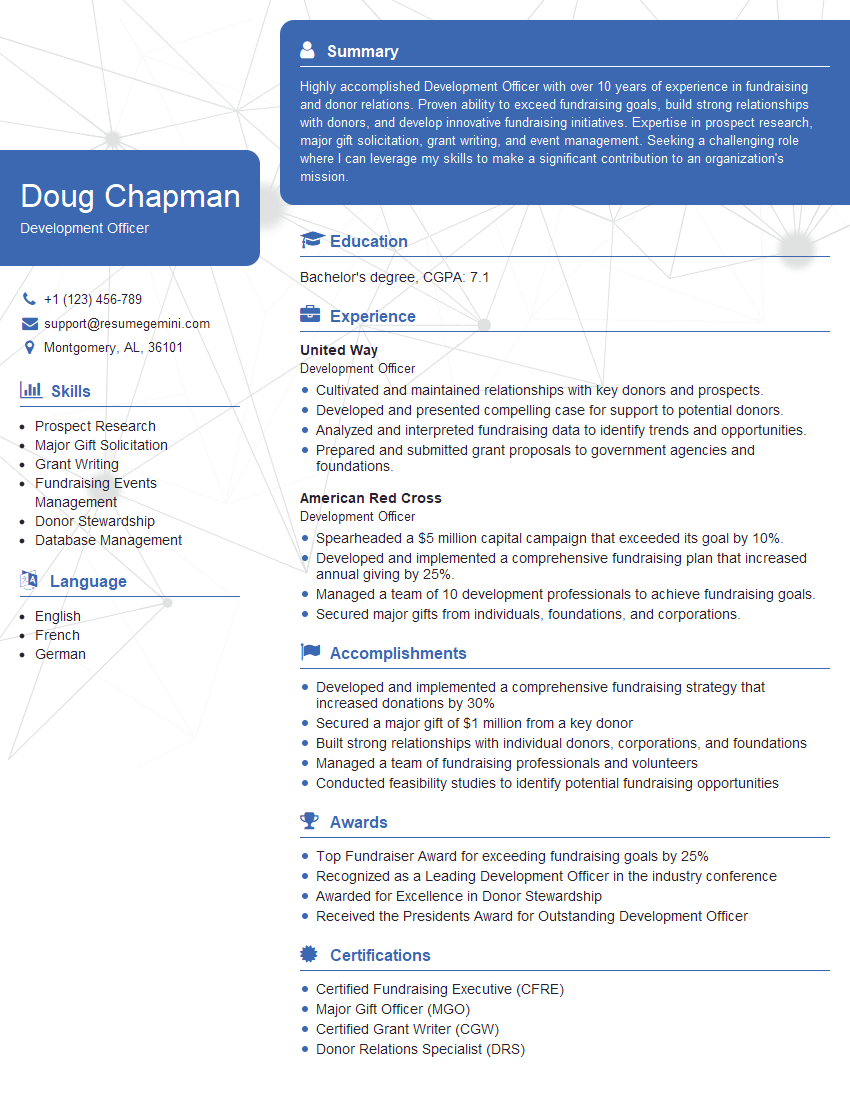
Development Officer Resume Sample
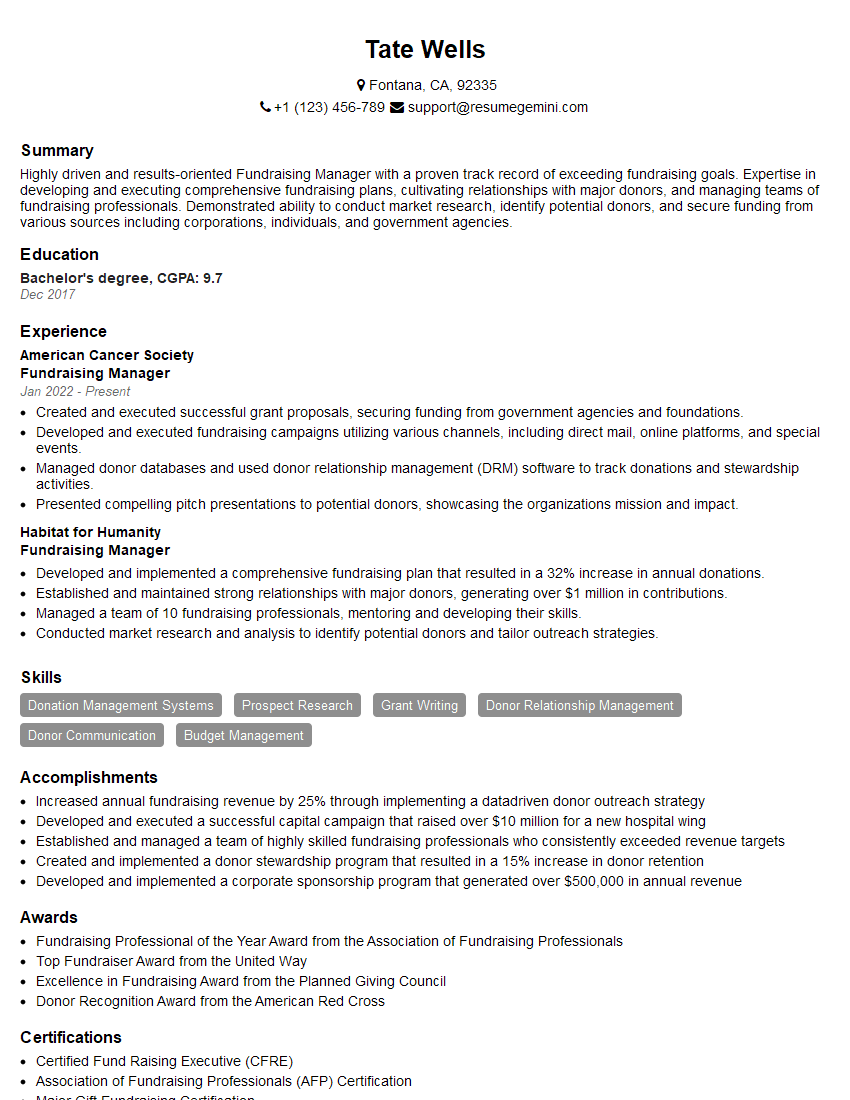
Fundraising Manager Resume Sample
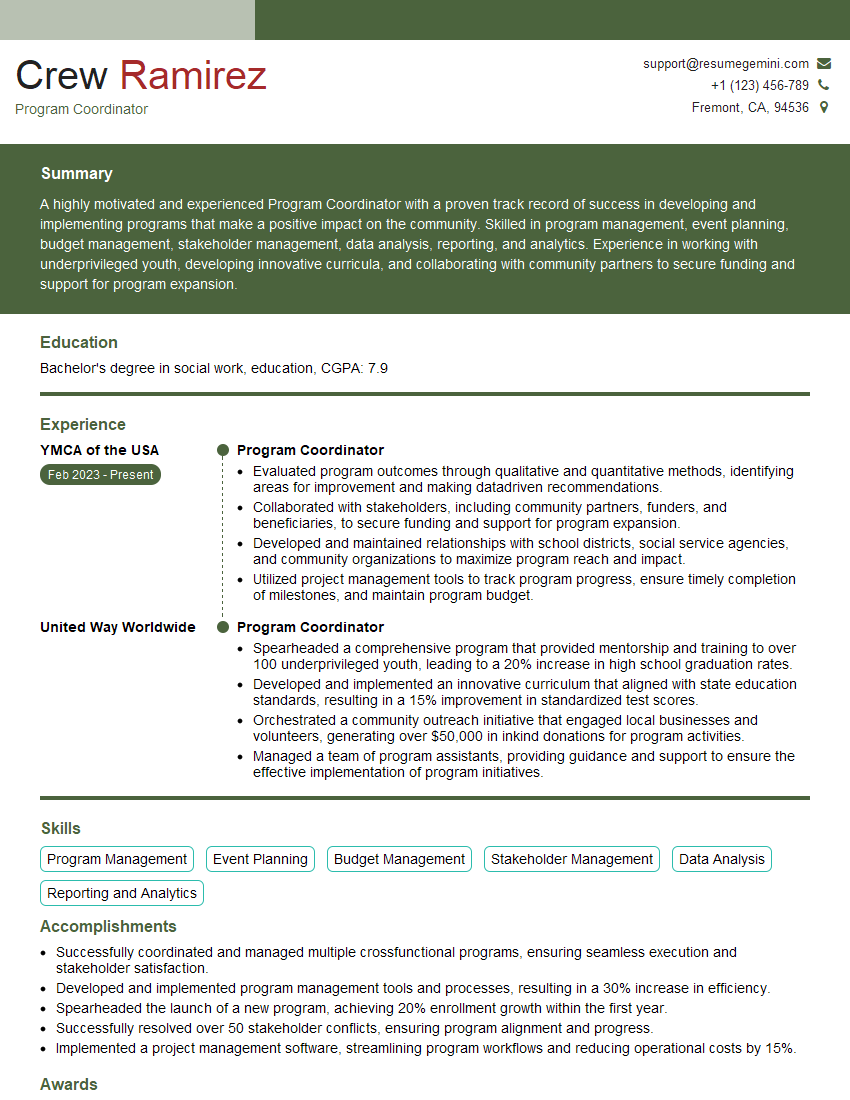
Program Coordinator Resume Sample
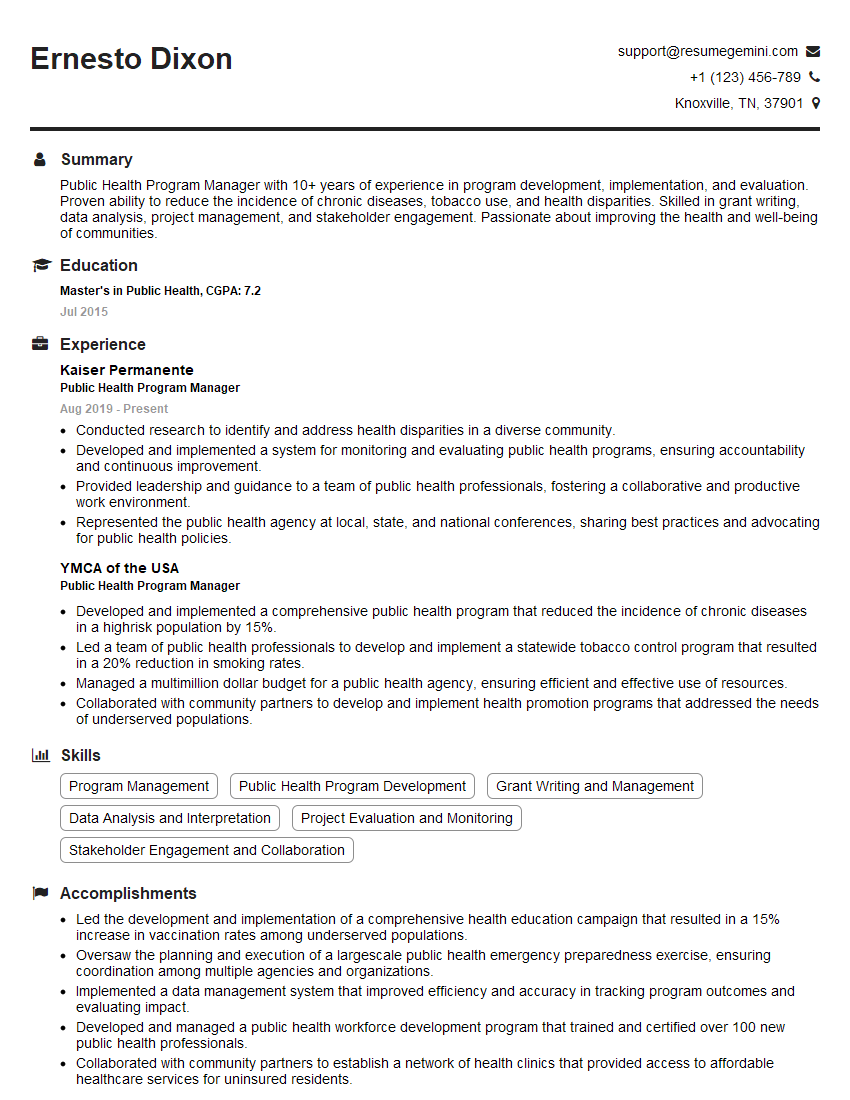
Public Health Program Manager Resume Sample
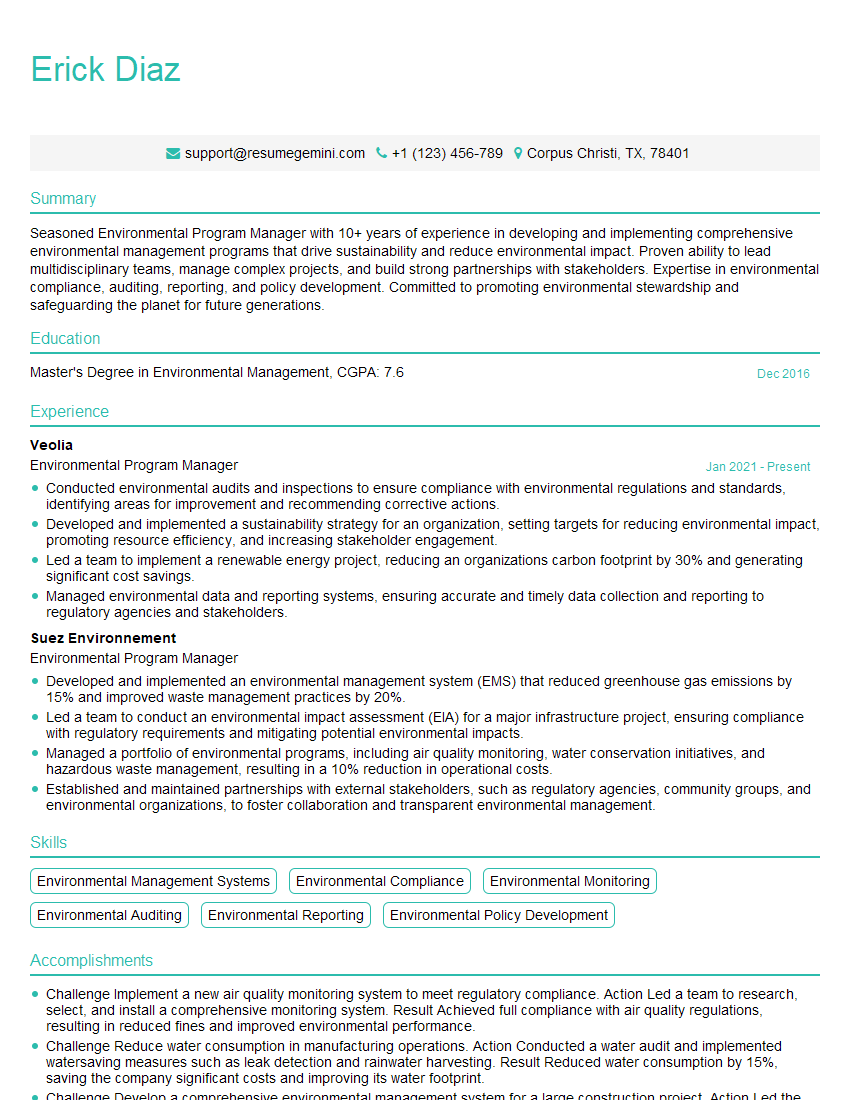
Environmental Program Manager Resume Sample
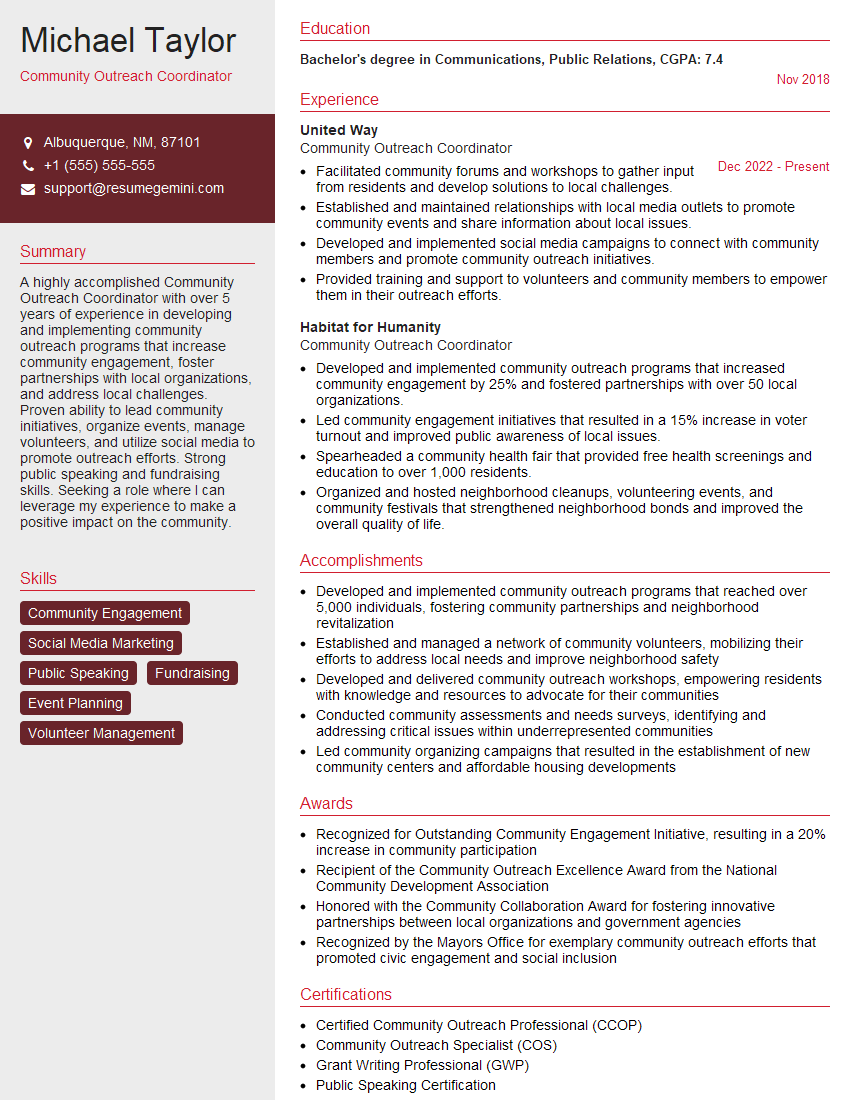
Community Outreach Coordinator Resume Sample
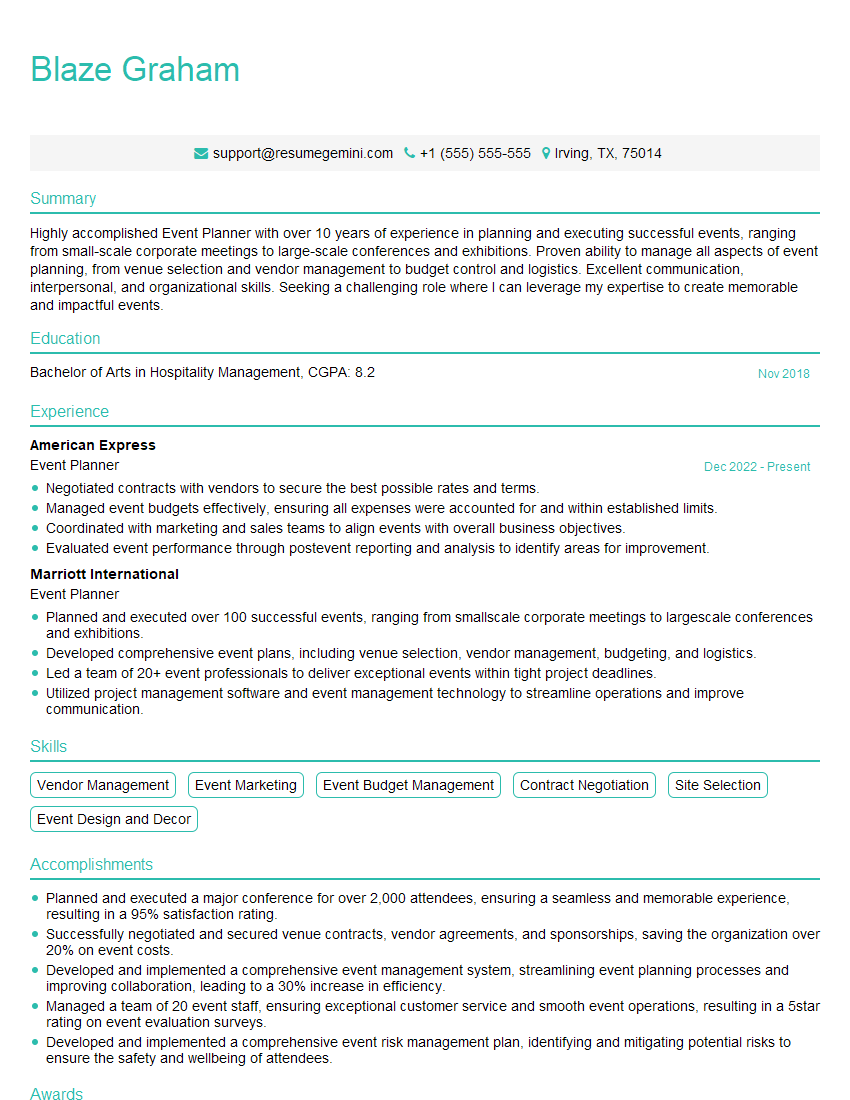
Event Planner Resume Sample
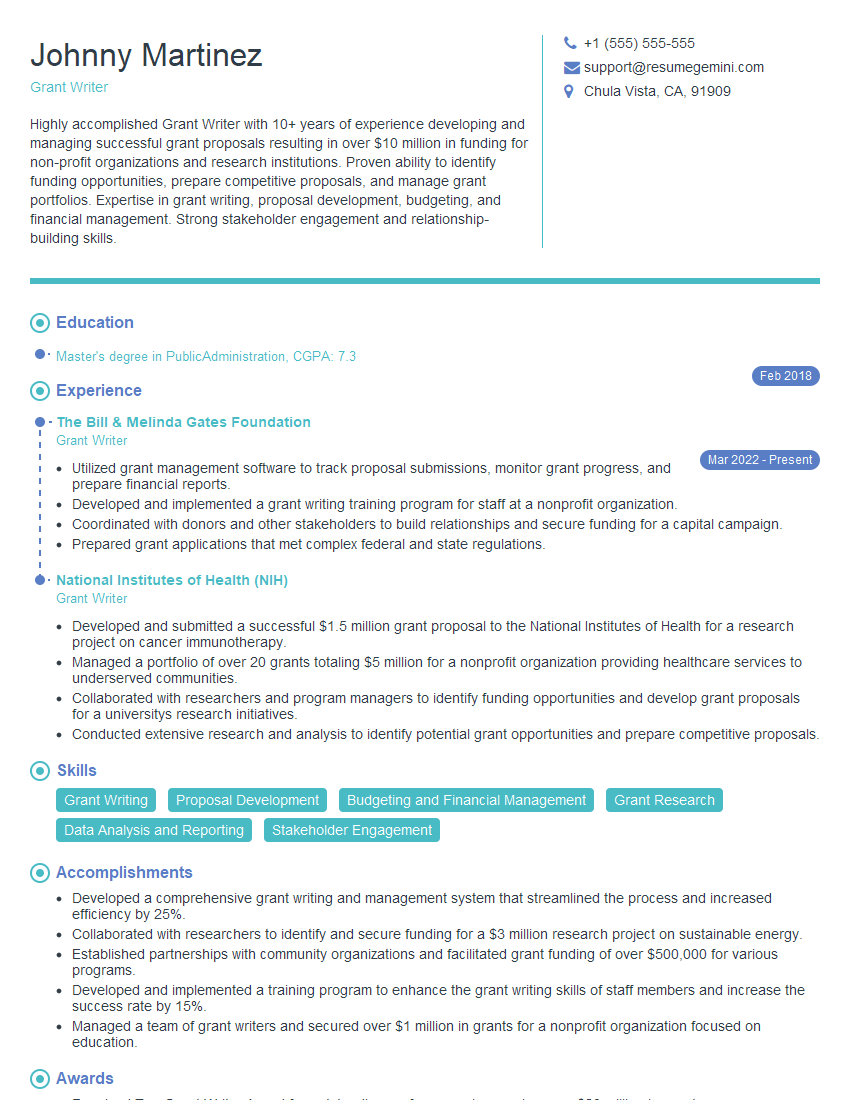
Grant Writer Resume Sample
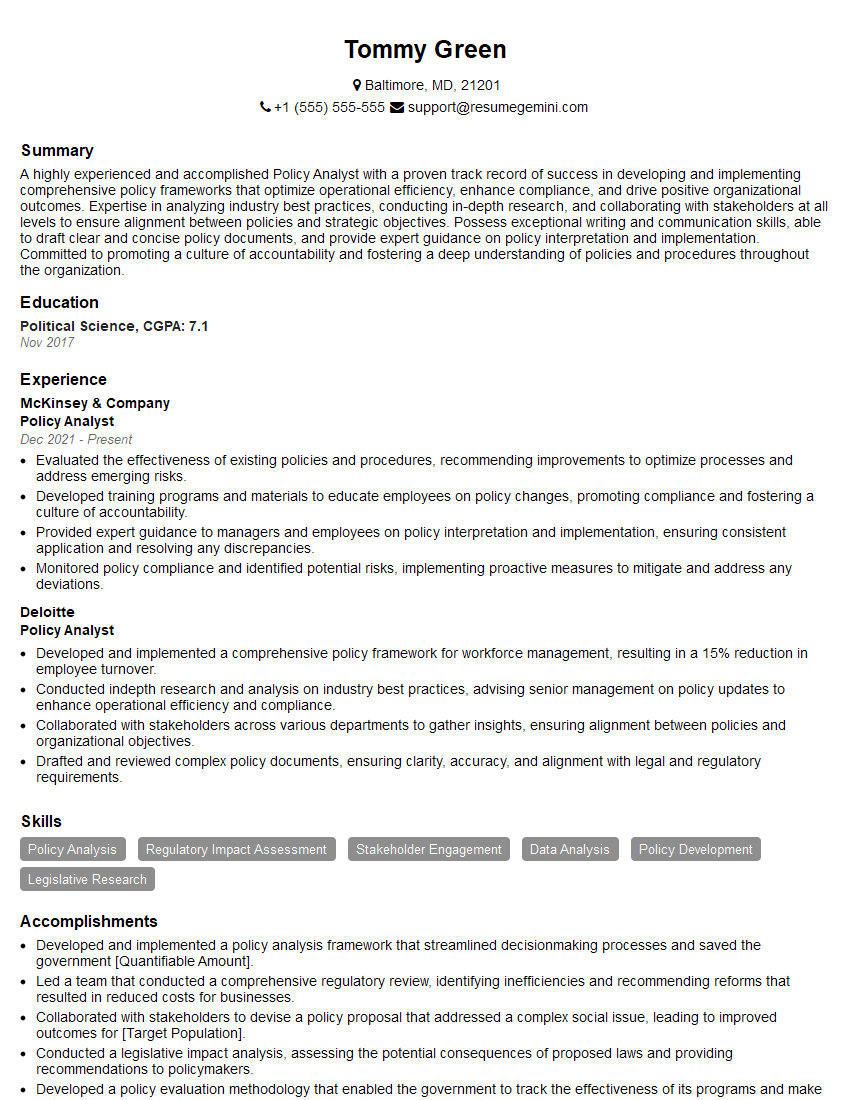
Policy Analyst Resume Sample

Outreach Specialist Resume Sample
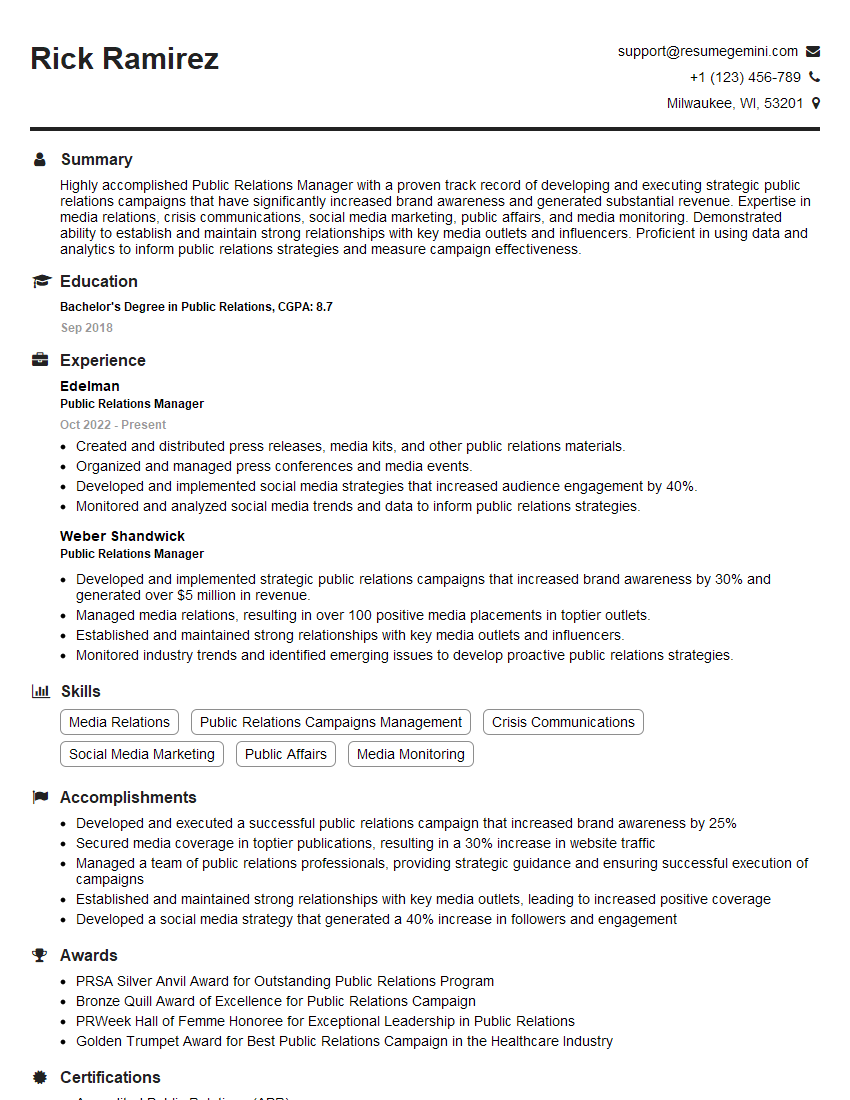
Public Relations Manager Resume Sample
Explore more articles
Users Rating of Our Blogs
Share Your Experience
We value your feedback! Please rate our content and share your thoughts (optional).
What Readers Say About Our Blog
To the interviewgemini.com Webmaster.
Very helpful and content specific questions to help prepare me for my interview!
Thank you
To the interviewgemini.com Webmaster.
This was kind of a unique content I found around the specialized skills. Very helpful questions and good detailed answers.
Very Helpful blog, thank you Interviewgemini team.