Preparation is the key to success in any interview. In this post, we’ll explore crucial Environmental Health and Safety (EH&S) interview questions and equip you with strategies to craft impactful answers. Whether you’re a beginner or a pro, these tips will elevate your preparation.
Questions Asked in Environmental Health and Safety (EH&S) Interview
Q 1. Describe your experience with OSHA regulations.
My experience with OSHA regulations is extensive, encompassing both general industry standards and those specific to various sectors. I’ve been directly involved in ensuring compliance with regulations like OSHA’s Hazard Communication Standard (HazCom), Process Safety Management (PSM) standard for highly hazardous chemicals, and the Personal Protective Equipment (PPE) standard. I’ve conducted numerous OSHA inspections, both self-audits and those involving external compliance officers. This includes identifying potential hazards, developing corrective action plans, and implementing improvements to mitigate risks. For example, in a previous role, we identified a deficiency in our lockout/tagout procedures. Through a thorough review of OSHA 1910.147, we revised our program, adding training modules and implementing a more robust inspection protocol, leading to a demonstrable reduction in near-miss incidents.
I’m also familiar with OSHA’s recordkeeping requirements, including the completion of OSHA 300 logs and incident reports. This experience extends to staying current on OSHA updates and revisions, ensuring our safety procedures remain legally compliant and aligned with best practices.
Q 2. Explain your understanding of risk assessment methodologies.
Risk assessment methodologies are crucial for proactively identifying and controlling workplace hazards. My understanding encompasses several approaches, including qualitative and quantitative methods. Qualitative methods, such as HAZOP (Hazard and Operability Study) and What-If analysis, focus on identifying potential hazards through brainstorming and expert judgment. These methods are excellent for identifying potential problems early in a project’s lifecycle. Quantitative methods, like Fault Tree Analysis (FTA) and Event Tree Analysis (ETA), utilize statistical data and probabilities to quantify the likelihood and severity of risks. This provides a more numerical understanding of risk.
I’m proficient in using a combination of these methods to create comprehensive risk assessments. For instance, in a recent project involving the installation of new machinery, we utilized a HAZOP study to identify potential hazards during the design phase. Then, we employed FTA to analyze the likelihood of equipment failure and its potential impact. This dual approach allowed us to implement appropriate safeguards and develop detailed risk mitigation strategies before the equipment was even installed.
Q 3. How do you conduct a workplace hazard analysis?
A workplace hazard analysis is a systematic process for identifying and evaluating hazards associated with specific jobs or tasks. My approach usually involves a multi-step process: First, I identify the task or job under review. Next, I gather data through observation, interviews with workers, and review of existing documentation like Standard Operating Procedures (SOPs). This information is then used to identify potential hazards using techniques like Job Safety Analysis (JSA), which focuses on each step of a process and its associated risks.
Then, the hazards are assessed based on their likelihood and potential severity. This assessment might involve using a risk matrix or scoring system to prioritize the hazards. Finally, I develop control measures to mitigate the risks identified. This could include engineering controls (e.g., guarding machinery), administrative controls (e.g., implementing safe work procedures), or personal protective equipment (PPE). It’s crucial to document the entire process, including findings, risk levels, and the implemented control measures, and the process should include regular review and updates.
For example, in a manufacturing setting, I conducted a JSA for a machine operation that revealed a risk of crushing injury. Through the implementation of new machine guarding, updated training on the machinery, and the implementation of specific lock-out tag-out procedures, we effectively mitigated the risk and reduced the probability of such an accident occurring.
Q 4. What are your experience with incident investigation and reporting procedures?
My experience with incident investigation and reporting procedures is extensive. I’m trained in conducting thorough root cause analyses using methods such as the ‘5 Whys’ and Fishbone diagrams to understand the underlying causes of incidents, rather than just addressing the symptoms. This avoids repeating the same mistakes. Each investigation involves gathering evidence (witness statements, photos, documentation), interviewing witnesses, and analyzing data to identify contributing factors. This leads to accurate and unbiased reporting.
The reports are then used to improve safety practices and prevent future occurrences. Compliance with regulatory reporting requirements (e.g., OSHA 300 logs) is a critical part of this process. For instance, in one incident involving a chemical spill, our thorough investigation revealed a lack of adequate training on the handling procedures. The report led to an immediate refresher training program and improved labeling systems, thereby reducing the probability of future spills and preventing potential harm.
Q 5. How familiar are you with emergency response planning and execution?
I’m highly familiar with emergency response planning and execution. My experience includes developing comprehensive emergency response plans (ERPs) that encompass various scenarios, including fire, chemical spills, natural disasters, and medical emergencies. These plans include details on evacuation procedures, emergency contact lists, designated assembly points, and roles and responsibilities for personnel. Regular drills and exercises are critical to ensure effectiveness, and I’ve designed and executed numerous drills to test the efficacy of our plans and the preparedness of employees.
For example, I developed an ERP for a chemical plant that included detailed procedures for handling chemical leaks and fires. The plan also involved specific communication protocols with emergency services and neighboring communities. The periodic drills associated with that plan helped us make improvements and ensure the seamless execution of those plans in actual emergencies.
Q 6. Describe your experience with developing and implementing safety training programs.
Developing and implementing effective safety training programs is a cornerstone of a strong EH&S system. My experience in this area includes designing and delivering training tailored to various job roles and hazard types. I use a variety of methods, including classroom instruction, hands-on training, and online modules, to reach a broad audience. The training incorporates interactive elements, practical exercises, and regular assessments to ensure employee understanding and retention.
For instance, I recently designed a comprehensive safety training program for a construction site focusing on fall protection, hazard communication, and lockout/tagout procedures. The program was modular, allowing for tailored training based on individual job roles. Post-training assessments and on-site observations ensured the efficacy of the program and identified areas for further improvement.
Q 7. Explain your knowledge of environmental regulations (e.g., Clean Air Act, Clean Water Act).
My knowledge of environmental regulations, including the Clean Air Act (CAA) and the Clean Water Act (CWA), is substantial. I understand the requirements for air emission permits, wastewater discharge permits, and the management of hazardous waste in accordance with the Resource Conservation and Recovery Act (RCRA). This includes understanding the various reporting requirements and compliance protocols associated with these regulations.
For example, in a previous role, I managed the company’s compliance with the CAA by ensuring accurate monitoring and reporting of air emissions. I coordinated with regulatory agencies to obtain and maintain necessary permits and ensured the implementation of pollution control measures. My work also includes understanding and implementing procedures for the responsible management of hazardous waste, ensuring safe disposal and minimizing environmental impact.
Q 8. How do you ensure compliance with environmental regulations?
Ensuring compliance with environmental regulations requires a proactive and multi-faceted approach. It’s not just about ticking boxes; it’s about integrating environmental responsibility into every aspect of operations. This begins with a thorough understanding of all applicable laws and permits, which vary significantly depending on location, industry, and specific activities.
My strategy involves:
- Regularly reviewing and updating our understanding of applicable regulations: This includes subscribing to relevant updates, attending industry conferences, and actively engaging with regulatory agencies.
- Developing and implementing robust environmental management systems (EMS): These systems provide a structured framework for identifying, assessing, and managing environmental risks, ensuring consistent adherence to regulations. Examples include ISO 14001 compliant systems.
- Conducting regular environmental audits and inspections: This helps identify potential compliance gaps before they escalate into serious problems. These audits should cover everything from waste management to emissions monitoring.
- Maintaining detailed records and documentation: Meticulous record-keeping is essential for demonstrating compliance during audits or inspections by regulatory bodies. This includes permits, inspection reports, training records, and waste manifests.
- Providing comprehensive environmental training for employees: Training ensures that everyone understands their roles and responsibilities in maintaining environmental compliance, fostering a culture of responsibility.
For example, in a previous role, we identified a potential non-compliance issue related to wastewater discharge limits through a routine audit. By proactively addressing the issue – including upgrading our treatment system and implementing stricter monitoring protocols – we avoided a costly fine and maintained a strong reputation for environmental responsibility.
Q 9. Describe your experience with environmental monitoring and sampling techniques.
Environmental monitoring and sampling are crucial for assessing environmental impacts and ensuring compliance. My experience encompasses a wide range of techniques, tailored to the specific medium (air, water, soil) and contaminants of concern.
For air quality monitoring, I’ve utilized techniques such as:
- Continuous monitoring: Using automated sensors for real-time data on pollutants like particulate matter and volatile organic compounds (VOCs).
- Grab sampling: Collecting discrete samples for laboratory analysis to identify specific pollutants and their concentrations.
Water quality monitoring often involves:
- In-situ measurements: Using portable meters to measure parameters such as pH, dissolved oxygen, and turbidity directly in the water body.
- Sample collection and laboratory analysis: Collecting water samples for analysis of various parameters, including heavy metals, nutrients, and bacteria.
Soil sampling techniques include:
- Grab sampling: Collecting samples from various depths to assess contamination levels.
- Composite sampling: Combining samples from multiple locations to obtain a representative sample of the area.
I am proficient in using various sampling equipment, ensuring proper chain of custody and adhering to strict quality control measures to ensure data reliability and accuracy. In a past project, we used sophisticated GIS mapping combined with soil sampling to delineate a plume of contaminated groundwater, allowing for targeted remediation efforts.
Q 10. How do you manage environmental permits and reporting requirements?
Managing environmental permits and reporting requirements necessitates a highly organized and detail-oriented approach. This involves much more than simply submitting paperwork; it demands a deep understanding of the regulatory context and proactive planning.
My process includes:
- Proactive permit application: This involves meticulously gathering all necessary data, including site plans, engineering specifications, and environmental impact assessments, to ensure a smooth and timely application process.
- Permit tracking and renewal management: Maintaining a detailed tracking system for permit expiry dates and renewal requirements to prevent any compliance gaps.
- Accurate and timely reporting: Preparing and submitting all required reports, including emissions reports, waste manifests, and compliance reports, following the specific guidelines and deadlines set by the regulatory agencies. This often involves using specialized software for data management and reporting.
- Maintaining a comprehensive permit register: A central repository for all permits, ensuring easy access to crucial information and simplifying compliance management.
- Responding effectively to regulatory requests and audits: Providing prompt and complete responses to any requests or queries from regulatory agencies during inspections or audits.
For example, I successfully managed the renewal of a complex air emissions permit for a manufacturing facility, navigating intricate regulatory changes and ensuring seamless operational continuity.
Q 11. Explain your understanding of industrial hygiene principles.
Industrial hygiene focuses on identifying, evaluating, and controlling workplace hazards that may affect the health of employees. It’s about creating a safe and healthy work environment by anticipating and preventing potential health problems.
My understanding encompasses:
- Hazard identification and assessment: This includes recognizing potential hazards such as chemical exposures, noise, vibration, ergonomic stressors, and biological agents.
- Exposure assessment: This involves measuring worker exposure levels to these hazards using various methods such as personal air sampling, noise dosimetry, and biological monitoring.
- Hazard control strategies: Employing strategies to minimize or eliminate worker exposure, including engineering controls (e.g., ventilation systems), administrative controls (e.g., work practices), and personal protective equipment (PPE).
- Health surveillance and medical monitoring: Implementing programs to monitor worker health and detect early signs of occupational illnesses.
- Compliance with relevant regulations: Ensuring compliance with OSHA, NIOSH, and other relevant industrial hygiene standards and regulations.
In a past project, we identified high noise levels in a manufacturing plant through noise mapping. By implementing engineering controls like noise barriers and administrative controls like rotating workers, we significantly reduced employee noise exposure and prevented potential hearing loss.
Q 12. How do you identify and control workplace hazards?
Identifying and controlling workplace hazards requires a systematic and proactive approach. It’s a continuous process of hazard identification, risk assessment, and implementation of control measures.
My process typically involves:
- Hazard identification: Using methods like job hazard analyses (JHAs), safety inspections, incident investigations, and employee feedback to identify potential hazards.
- Risk assessment: Evaluating the likelihood and severity of each identified hazard using a risk matrix, to prioritize control measures.
- Hierarchy of controls: Implementing control measures based on the hierarchy of controls, starting with elimination, substitution, engineering controls, administrative controls, and finally, personal protective equipment (PPE).
- Implementation and monitoring: Implementing the chosen control measures and regularly monitoring their effectiveness to ensure they remain adequate. This includes keeping detailed records of all control measures implemented, their effectiveness, and any modifications needed.
- Training and communication: Providing training to employees on hazard recognition, safe work practices, and emergency procedures. Regular communication about safety matters keeps everyone informed and engaged.
For instance, in a previous role, we identified a potential trip hazard due to uneven flooring in a warehouse. We prioritized engineering controls by repairing the flooring, thereby eliminating the hazard at its source.
Q 13. Describe your experience with personal protective equipment (PPE) selection and use.
Selecting and using personal protective equipment (PPE) is crucial for protecting workers from workplace hazards. It’s the last line of defense, and its effectiveness relies on proper selection, fit, training, and maintenance.
My experience includes:
- Hazard assessment-driven selection: Choosing appropriate PPE based on a thorough assessment of the specific hazards present, ensuring that the PPE provides adequate protection.
- Proper fit and training: Ensuring that PPE fits correctly and that employees receive proper training on its use, limitations, and maintenance.
- Regular inspection and maintenance: Implementing a program to regularly inspect and maintain PPE to ensure it’s in good working order and provides the intended protection.
- Compliance with standards: Selecting PPE that meets or exceeds relevant safety standards and regulations.
- Documentation and record-keeping: Maintaining accurate records of PPE usage, inspections, and training.
For example, in a chemical handling facility, we carefully selected respirators based on the specific chemicals used, ensured proper fit testing for each employee, and provided extensive training on respirator use and maintenance, preventing potential respiratory illnesses.
Q 14. How do you conduct safety inspections and audits?
Safety inspections and audits are vital for identifying potential hazards and ensuring that safety programs are effective. They’re not just about finding problems; they’re about proactively preventing accidents and ensuring a safe working environment.
My approach to conducting safety inspections and audits involves:
- Planning and preparation: Developing a comprehensive checklist based on relevant regulations, industry best practices, and specific site-related hazards.
- On-site inspection: Conducting a thorough visual inspection of the work areas, observing work practices, and examining equipment and safety devices.
- Documentation and reporting: Recording all findings and observations with clear descriptions, photographs, and supporting documentation. Creating a detailed report with findings, recommendations for corrective actions, and a timeline for implementation.
- Follow-up and verification: Following up on corrective actions to ensure that they are implemented effectively and verifying their effectiveness through subsequent inspections.
- Use of specialized software: Using software to schedule inspections, track findings, manage corrective actions, and generate reports. This helps in efficient data analysis and ensures transparency.
For instance, a recent safety audit of a construction site uncovered several deficiencies in fall protection protocols. This led to the implementation of improved training programs, stricter enforcement of safety rules, and the provision of additional safety equipment, significantly enhancing worker safety.
Q 15. Explain your experience with safety data sheets (SDS) and chemical management.
Safety Data Sheets (SDSs) are crucial documents providing comprehensive information about the hazards of chemical products. My experience encompasses not only the interpretation of SDSs but also the development and implementation of robust chemical management programs. This includes:
- SDS Review and Interpretation: I’m proficient in analyzing SDSs to identify potential hazards, including physical, health, and environmental risks. I can determine appropriate handling, storage, and disposal procedures based on the information provided.
- Chemical Inventory Management: I have experience establishing and maintaining comprehensive chemical inventories, ensuring proper labeling, storage, and segregation to prevent accidents and contamination. This includes using inventory management software to track usage, expiration dates, and quantities.
- Training and Communication: I’ve developed and delivered training programs for employees on safe chemical handling practices, emergency procedures, and proper SDS interpretation. Clear communication about potential hazards is key to preventing incidents.
- Waste Management: I’m familiar with regulations surrounding chemical waste disposal and have experience implementing programs to minimize waste generation and ensure compliant disposal practices. This involves selecting appropriate waste disposal contractors and ensuring proper documentation.
- Compliance Auditing: I’ve conducted regular audits to ensure that chemical handling practices comply with relevant regulations (e.g., OSHA, EPA).
For example, in my previous role, I successfully implemented a new chemical inventory management system that reduced chemical waste by 15% and improved response time during spills by 20%.
Career Expert Tips:
- Ace those interviews! Prepare effectively by reviewing the Top 50 Most Common Interview Questions on ResumeGemini.
- Navigate your job search with confidence! Explore a wide range of Career Tips on ResumeGemini. Learn about common challenges and recommendations to overcome them.
- Craft the perfect resume! Master the Art of Resume Writing with ResumeGemini’s guide. Showcase your unique qualifications and achievements effectively.
- Don’t miss out on holiday savings! Build your dream resume with ResumeGemini’s ATS optimized templates.
Q 16. How do you develop and implement safety improvement plans?
Developing and implementing safety improvement plans involves a systematic approach. It begins with identifying hazards, assessing risks, and then developing and implementing control measures. My approach usually follows these steps:
- Hazard Identification: Conducting thorough workplace inspections, reviewing incident reports, and engaging employees through safety observations and feedback to identify existing and potential hazards.
- Risk Assessment: Evaluating the likelihood and severity of identified hazards to determine the level of risk. This often involves using a risk matrix to prioritize hazards.
- Control Measures: Developing and implementing appropriate control measures to mitigate the identified risks. These can range from administrative controls (e.g., training, procedures) to engineering controls (e.g., guarding machinery, ventilation systems) and personal protective equipment (PPE).
- Implementation: Ensuring that the control measures are effectively implemented, including providing necessary training and resources to employees.
- Monitoring and Evaluation: Regularly monitoring the effectiveness of the implemented controls and making adjustments as needed. This may involve tracking key performance indicators (KPIs) such as incident rates and near misses.
- Documentation: Maintaining thorough documentation of the entire process, including hazard identification, risk assessment, control measures, and monitoring results.
For instance, in a previous project, we implemented a new lockout/tagout procedure following a near-miss incident. This significantly reduced the risk of equipment-related injuries.
Q 17. Describe your experience with ergonomic risk assessments and controls.
Ergonomic risk assessments aim to identify and control hazards that can cause musculoskeletal disorders (MSDs). My experience includes conducting ergonomic assessments using various methods, including:
- Job Task Analysis: Observing employees performing their tasks to identify awkward postures, repetitive movements, and other ergonomic stressors.
- Risk Factor Checklist: Using standardized checklists to systematically assess various ergonomic risk factors.
- Rapid Upper Limb Assessment (RULA): Employing standardized assessment tools such as RULA to quantify postural risk.
- Interviews and Surveys: Gathering information from employees about their work experiences and any discomfort or pain they may be experiencing.
Control measures then follow the hierarchy of controls: eliminate the hazard, substitute the hazard with a less hazardous alternative, engineer controls, implement administrative controls, lastly using personal protective equipment. Examples of controls include adjusting workstation heights, providing ergonomic chairs, implementing job rotation, and providing training on proper lifting techniques.
In one project, I conducted ergonomic assessments in a warehouse, leading to the implementation of new lifting equipment, improved workstation design, and employee training, resulting in a significant decrease in reported MSDs.
Q 18. How do you measure the effectiveness of safety programs?
Measuring the effectiveness of safety programs requires a multi-faceted approach that goes beyond simply tracking incident rates. Key indicators include:
- Incident Rates: Tracking the frequency and severity of incidents (lost-time injuries, near misses, property damage) to identify trends and areas for improvement. These should be compared against industry benchmarks.
- Near Miss Reporting: Analyzing near misses to understand potential hazards and prevent future incidents before they occur. A high number of near misses could signal a larger underlying safety problem.
- Employee Safety Training Completion Rates: Monitoring the participation and completion rates of safety training programs to ensure effective knowledge transfer.
- Safety Observation Data: Regularly conducting safety observations and audits to assess compliance with safety procedures and identify areas needing improvement. This often involves using checklists or observation forms.
- Employee Satisfaction Surveys: Gauging employee perception of safety culture and identify areas for improvement.
- Leading Indicators vs. Lagging Indicators: Analyzing both lagging indicators (e.g., incident rates) and leading indicators (e.g., near misses, safety observation data) provides a more holistic view of the program’s effectiveness.
It is important to use a combination of quantitative and qualitative data to get a comprehensive understanding of the effectiveness. For example, a decrease in incident rates coupled with increased employee satisfaction would be a strong indicator of a successful safety program.
Q 19. Explain your understanding of incident prevention strategies.
Incident prevention strategies focus on proactively identifying and controlling hazards before they lead to incidents. My approach is based on a layered safety system, incorporating several key strategies:
- Hazard Identification and Risk Assessment: Regularly identifying and assessing hazards through various methods, including safety inspections, audits, and employee feedback.
- Engineering Controls: Implementing engineering controls to eliminate or reduce hazards at their source. Examples include machine guarding, ventilation systems, and improved lighting.
- Administrative Controls: Establishing safe work procedures, providing adequate training, and implementing effective communication channels.
- Personal Protective Equipment (PPE): Providing and ensuring the proper use of PPE as a last line of defense.
- Behavior-Based Safety (BBS): Implementing programs that focus on changing unsafe behaviors through observation, feedback, and reinforcement.
- Root Cause Analysis: Conducting thorough investigations of incidents and near misses to identify underlying causes and implement corrective actions.
- Emergency Preparedness and Response: Developing and regularly testing emergency response plans to ensure preparedness for various scenarios.
A strong safety culture is paramount. Encouraging employees to report hazards and near misses without fear of reprisal fosters a proactive environment where safety is a shared responsibility.
Q 20. How familiar are you with different types of safety management systems (e.g., ISO 45001)?
I am familiar with various safety management systems (SMS), including ISO 45001. ISO 45001 is an internationally recognized standard for occupational health and safety management systems. My understanding encompasses:
- ISO 45001 Requirements: I’m proficient in the requirements of ISO 45001, including hazard identification, risk assessment, control measures, internal audits, management review, and continual improvement.
- Implementation and Certification: I have experience in assisting organizations with implementing ISO 45001 and achieving certification. This involves developing and documenting procedures, training employees, and conducting internal audits.
- Integration with Other Management Systems: I understand how ISO 45001 can be integrated with other management systems, such as environmental management systems (ISO 14001) and quality management systems (ISO 9001).
- Auditing and Compliance: I have experience in conducting internal and external audits to assess compliance with ISO 45001 requirements.
Beyond ISO 45001, I’m also familiar with other SMS frameworks and best practices adapted to different industries and organizational contexts.
Q 21. Describe your experience with root cause analysis techniques.
Root cause analysis (RCA) is a systematic process for identifying the underlying causes of incidents and near misses. I am proficient in several RCA techniques, including:
- 5 Whys: A simple but effective technique that involves repeatedly asking “why” to uncover the root cause. This is useful for identifying causal chains.
- Fishbone Diagram (Ishikawa Diagram): A visual tool that helps to identify various contributing factors to an incident, categorizing them into categories such as people, methods, materials, equipment, environment and management.
- Fault Tree Analysis (FTA): A deductive technique that starts with an undesirable event (top event) and works backward to identify the causes that could lead to that event. This is particularly useful for complex systems.
- Failure Mode and Effects Analysis (FMEA): A proactive technique used to identify potential failure modes in a system and assess their potential effects. This helps to prioritize risk mitigation efforts.
The choice of technique depends on the complexity of the incident and the available information. Regardless of the method, a thorough investigation involving interviews, data analysis, and on-site observations is crucial for an accurate and effective root cause analysis. The goal is not just to identify the immediate cause but to understand the underlying systemic issues that contributed to the incident and to prevent recurrence.
Q 22. How do you communicate safety information effectively to employees?
Effective communication is paramount in EH&S. It’s not just about delivering information; it’s about ensuring understanding and buy-in. My approach is multi-faceted and tailored to the audience.
- Tailored Messaging: I adapt my communication style to different employee groups. For example, a highly technical safety bulletin for engineers will differ significantly from a concise, visually appealing poster for factory floor workers.
- Multiple Channels: I utilize a variety of communication methods – safety meetings, email newsletters, intranet postings, toolbox talks (short, informal safety discussions at the worksite), posters, and even short videos to ensure information reaches everyone, catering to diverse learning styles.
- Interactive Training: Passive learning is ineffective. I incorporate interactive elements into safety training, like quizzes, simulations, and group discussions, to enhance engagement and knowledge retention. For example, we use virtual reality scenarios to simulate emergency response procedures.
- Feedback Mechanisms: Open communication is crucial. I actively encourage feedback from employees, using suggestion boxes, surveys, and informal check-ins to identify areas needing clarification or improvement. This fosters a culture of open communication and continuous improvement.
- Language & Accessibility: Safety information must be clear, concise, and easy to understand. I ensure materials are translated into multiple languages as needed and use visuals where appropriate to enhance comprehension for diverse employee populations.
For instance, during a recent project involving hazardous materials, we used a combination of detailed written instructions, a short explainer video, and hands-on training to ensure everyone understood the proper handling procedures. This resulted in zero incidents related to hazardous materials during the project.
Q 23. Explain your understanding of safety metrics and key performance indicators (KPIs).
Safety metrics and KPIs are crucial for measuring the effectiveness of our EH&S program and identifying areas for improvement. They provide quantifiable data to track progress, demonstrate the impact of safety initiatives, and inform decision-making.
- Leading Indicators: These predict future performance. Examples include the number of safety training hours completed, the frequency of safety audits conducted, and the number of near-miss reports submitted. A high number of near-miss reports, for instance, might indicate a need for more rigorous training or improved hazard identification procedures, even though accidents haven’t occurred yet.
- Lagging Indicators: These reflect past performance. Examples include the number of accidents, lost-time injuries (LTIs), and the severity rate (a measure of the impact of injuries). While important, lagging indicators only reflect past events and may not be early enough to prevent future incidents.
- Key Performance Indicators (KPIs): These are specific, measurable, achievable, relevant, and time-bound (SMART) goals. We might set a KPI to reduce LTIs by 15% within the next year or to achieve a 100% safety training completion rate for all employees.
We use a dashboard to visually represent these metrics, allowing us to easily track progress and identify trends. For instance, a sudden increase in near-miss reports might signal a need to investigate a potential hazard before it leads to an accident.
Q 24. How do you handle safety conflicts or disagreements among employees?
Safety conflicts or disagreements must be addressed promptly and fairly to maintain a safe and productive work environment. My approach focuses on collaboration and finding mutually agreeable solutions.
- Open Dialogue: I facilitate open and respectful discussions between the conflicting parties, encouraging them to express their concerns and perspectives without interruption. I act as a neutral mediator.
- Identify Root Causes: I help the individuals identify the underlying causes of the disagreement, focusing on facts and data rather than emotions. Often, disagreements stem from misunderstandings or differing interpretations of safety procedures.
- Collaborative Problem-Solving: I guide the parties to collaboratively develop a solution that addresses their concerns while adhering to safety regulations. This involves brainstorming potential solutions and choosing the most practical and effective one.
- Documentation: I meticulously document the conflict, the resolution process, and the agreed-upon solution. This documentation serves as a record of the incident and can be helpful in preventing similar conflicts in the future.
- Follow-up: I follow up with the involved parties to ensure the agreed-upon solution is implemented effectively and to assess its impact. This helps to gauge the success of the resolution and ensure that all parties are satisfied.
For example, a disagreement between two workers regarding the use of a piece of equipment was resolved through a joint review of the safety manual, clarifying the proper operating procedures, and providing further training.
Q 25. Describe your experience with contractor safety management.
Contractor safety management is critical. We ensure contractors understand and adhere to our safety standards as rigorously as our own employees. My experience includes:
- Pre-qualification: Before engaging any contractor, we rigorously assess their safety record, insurance coverage, and safety management systems using a structured pre-qualification process. This includes reviewing their safety manuals and conducting site visits.
- Clear Contracts: Our contracts explicitly outline safety responsibilities, expectations, and consequences for non-compliance. This includes specific requirements for safety training, PPE, and incident reporting.
- Orientation & Training: Before commencing work, all contractors receive a comprehensive safety orientation that covers our site-specific hazards, emergency procedures, and our expectations for safe work practices.
- Site Inspections & Audits: We conduct regular inspections and audits to monitor contractor compliance with safety regulations and our standards. This includes observing work practices, checking equipment, and reviewing safety documentation.
- Incident Reporting & Investigation: We have a robust incident reporting system for contractors, mirroring that of our own employees. Any incidents are thoroughly investigated to identify root causes and prevent recurrence.
In one instance, a contractor’s safety protocols were found to be deficient during a pre-qualification audit. We collaborated with them to address these deficiencies before allowing them to begin work, preventing potential hazards on our site.
Q 26. How do you stay current with changes in environmental and safety regulations?
Staying current with evolving EH&S regulations is an ongoing process. My strategies include:
- Subscription to Regulatory Updates: I subscribe to relevant newsletters, journals, and online resources from organizations like OSHA (Occupational Safety and Health Administration), EPA (Environmental Protection Agency), and relevant industry associations. This provides up-to-date information on new regulations, updates, and interpretations.
- Professional Development: I actively participate in professional development courses, seminars, and conferences to enhance my knowledge and stay abreast of emerging trends and best practices in the field. This often includes attending webinars and workshops hosted by industry experts and regulatory agencies.
- Networking: I engage with other EH&S professionals through networking events and online forums to share knowledge, discuss challenges, and learn from others’ experiences. This allows for a continuous exchange of information and insights.
- Internal Training Programs: I develop and deliver internal training programs to update employees on new regulations and safety procedures. This ensures everyone is aware of their responsibilities and compliance requirements.
- Legal Counsel: I collaborate with our legal team to ensure our safety practices are compliant with all applicable regulations and to interpret ambiguous regulatory language.
For instance, recent changes to hazardous waste disposal regulations prompted immediate updates to our internal procedures and staff training to ensure compliance.
Q 27. Explain your experience in using safety software or databases.
My experience with safety software and databases encompasses various applications, including incident tracking and reporting systems, environmental monitoring software, and training management systems.
- Incident Reporting & Tracking: We utilize software to record, analyze, and report workplace incidents, allowing for identification of trends and areas for improvement. This software generates reports on key safety metrics and helps identify root causes of incidents. For example,
SafetyNetallows us to track near misses, accidents, and injuries, categorize them by cause and location, and generate comprehensive reports for analysis. - Environmental Monitoring: We use environmental monitoring software to manage data from air, water, and soil sampling, helping us to track compliance with environmental regulations. For instance,
EnviroTrackhelps us manage our waste streams, ensuring accurate record-keeping and compliance with waste disposal laws. - Training Management: Our training management system ensures that all employees complete the required safety training, tracking completion dates and providing reminders.
TrainSafe, our current system, allows us to assign training modules to employees, track their completion progress, and generate reports confirming compliance. - Data Analysis & Reporting: All these systems provide data which we analyze to improve safety performance, identify trends, and inform decision-making. This data informs the development of our safety programs and ensures we allocate resources effectively.
The ability to generate reports and analyze data from these systems allows for data-driven decision-making, providing us with insights to improve safety outcomes and avoid future incidents. The shift from manual record-keeping to these software systems has been highly beneficial to our efficiency and data accuracy.
Q 28. How do you ensure the integration of safety with other business goals?
Safety should not be treated as a separate entity but integrated into all business goals. This involves demonstrating that a robust safety program enhances productivity, reduces costs, and strengthens the company’s reputation.
- Cost Savings: A strong safety culture minimizes accidents, reducing associated costs like medical expenses, lost productivity, and insurance premiums. Investing in safety is an investment in profitability.
- Enhanced Productivity: A safe workplace is a more productive workplace. Employees who feel safe are more focused, engaged, and less likely to experience delays or interruptions caused by accidents or injuries.
- Improved Reputation: Companies with strong safety records attract and retain top talent. It also enhances their reputation with clients, investors, and the wider community.
- Leadership Commitment: Safety must be championed by leadership at all levels. Demonstrating commitment through visible involvement in safety initiatives, allocating resources, and holding employees accountable fosters a positive safety culture.
- Employee Engagement: Employees should be empowered to participate in safety improvements and actively encouraged to report hazards and near misses. Their involvement is vital to the success of any safety initiative.
For example, by implementing a new safety training program, we saw a significant reduction in workplace accidents, leading to a decrease in lost workdays and improved overall productivity. This was presented to upper management as a demonstrable return on investment in the safety program.
Key Topics to Learn for Environmental Health and Safety (EH&S) Interview
- Regulatory Compliance: Understand key environmental regulations (e.g., OSHA, EPA) and their practical application in various industries. Be prepared to discuss how to ensure compliance and manage potential violations.
- Hazard Identification & Risk Assessment: Learn methodologies for identifying workplace hazards (chemical, biological, physical, ergonomic) and conducting thorough risk assessments. Practice applying different risk matrices and control measures.
- Emergency Response & Preparedness: Discuss your experience with developing and implementing emergency response plans, including spill response, evacuation procedures, and first aid/CPR protocols. Be ready to describe your role in a simulated emergency scenario.
- Industrial Hygiene: Familiarize yourself with air quality monitoring, noise control, and personal protective equipment (PPE) selection and use. Be able to explain how to mitigate exposure to hazardous substances.
- Environmental Management Systems (EMS): Understand the principles of ISO 14001 or other EMS frameworks. Discuss experience with implementing and auditing environmental management systems.
- Waste Management: Demonstrate knowledge of different waste streams (hazardous, non-hazardous), proper disposal methods, and waste minimization strategies. Be ready to discuss waste audits and compliance reporting.
- Safety Training & Communication: Explain your experience in developing and delivering safety training programs. Highlight your communication skills in conveying complex safety information to diverse audiences.
- Incident Investigation & Reporting: Discuss your experience investigating workplace accidents or incidents, identifying root causes, and implementing corrective actions to prevent recurrence. Be prepared to explain your approach to accident investigation.
- Sustainability & Green Initiatives: Demonstrate awareness of current sustainability trends and how EH&S professionals contribute to environmental stewardship and corporate social responsibility.
Next Steps
Mastering Environmental Health and Safety (EH&S) principles is crucial for a rewarding and impactful career. It demonstrates your commitment to protecting people and the environment, opening doors to diverse opportunities and career advancement. To significantly enhance your job prospects, create a compelling and ATS-friendly resume that showcases your skills and experience effectively. ResumeGemini is a trusted resource to help you build a professional resume that stands out. We provide examples of resumes tailored to Environmental Health and Safety (EH&S) roles to guide you in creating a winning application.
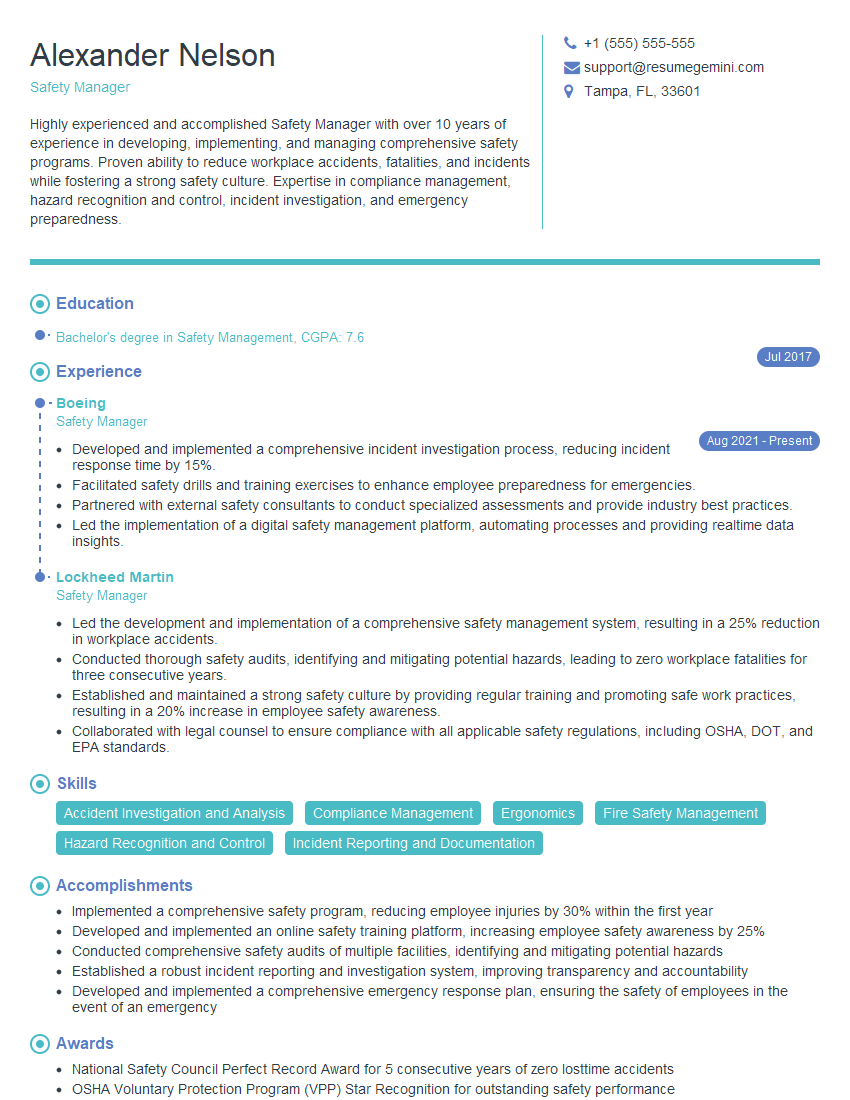
Safety Manager Resume Sample
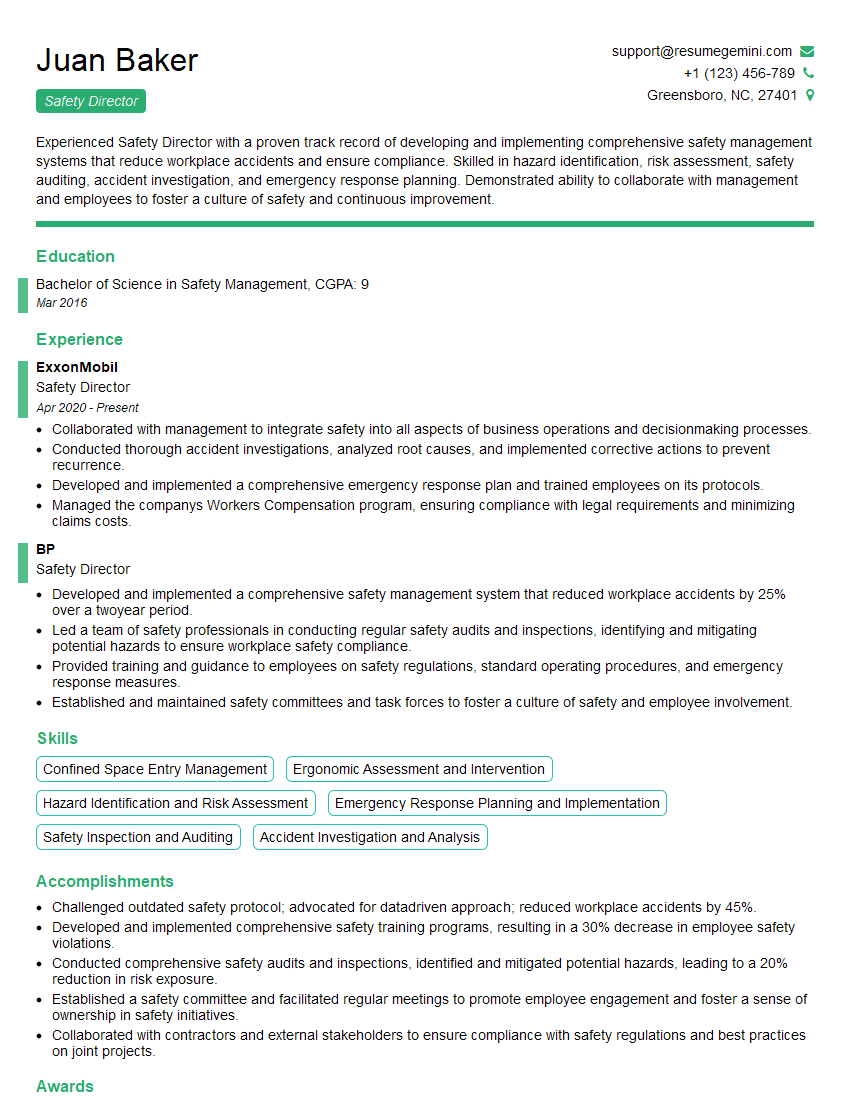
Safety Director Resume Sample
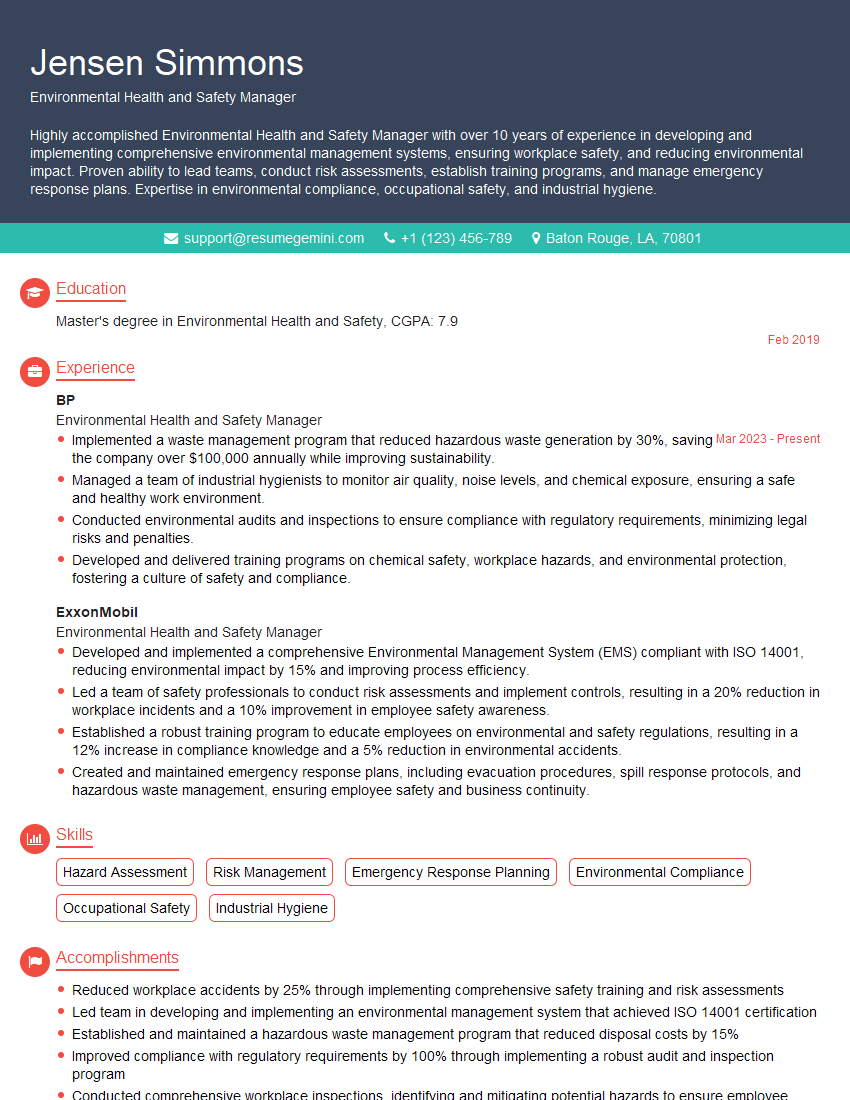
Environmental Health and Safety Manager Resume Sample
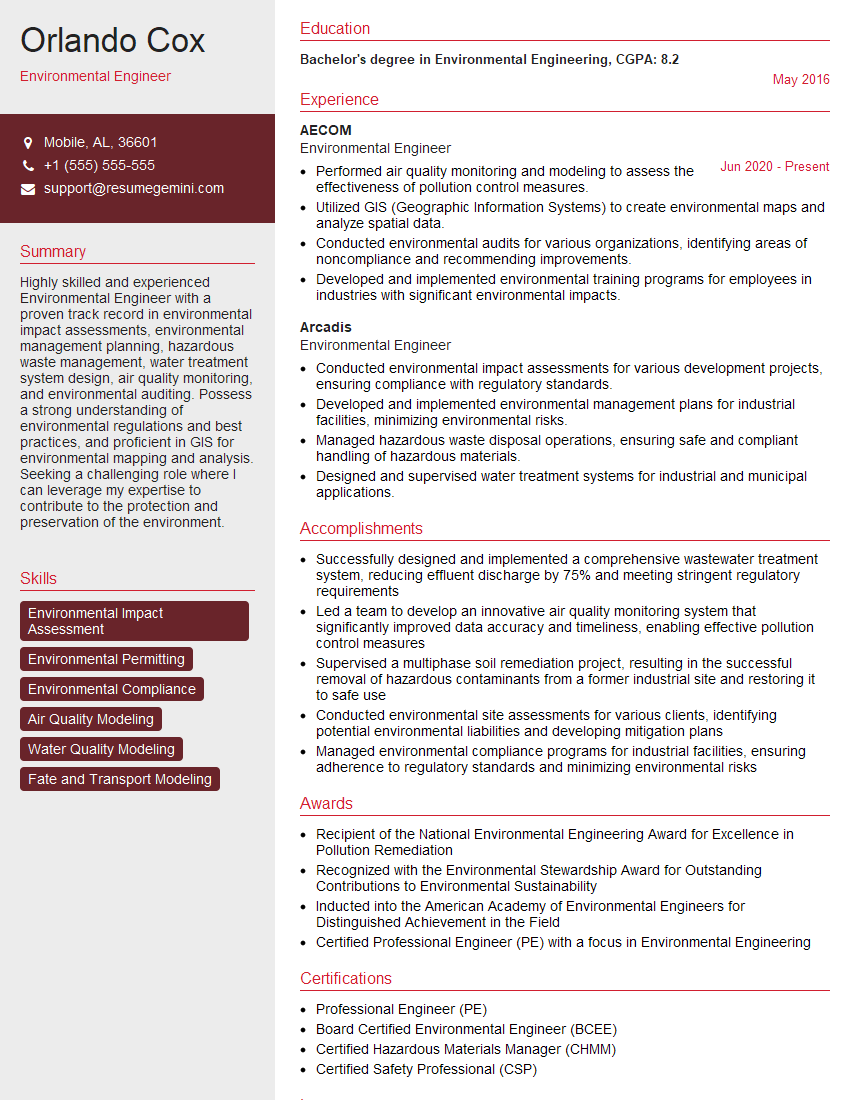
Environmental Engineer Resume Sample
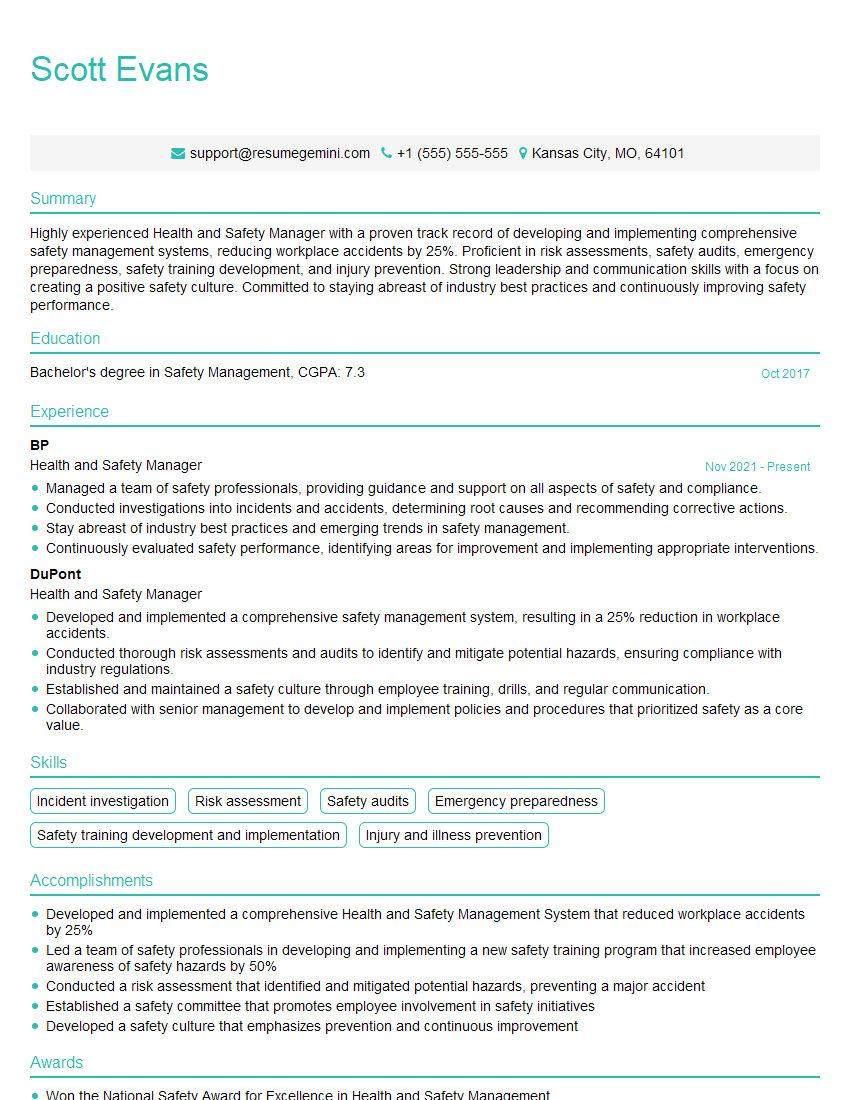
Health and Safety Manager Resume Sample
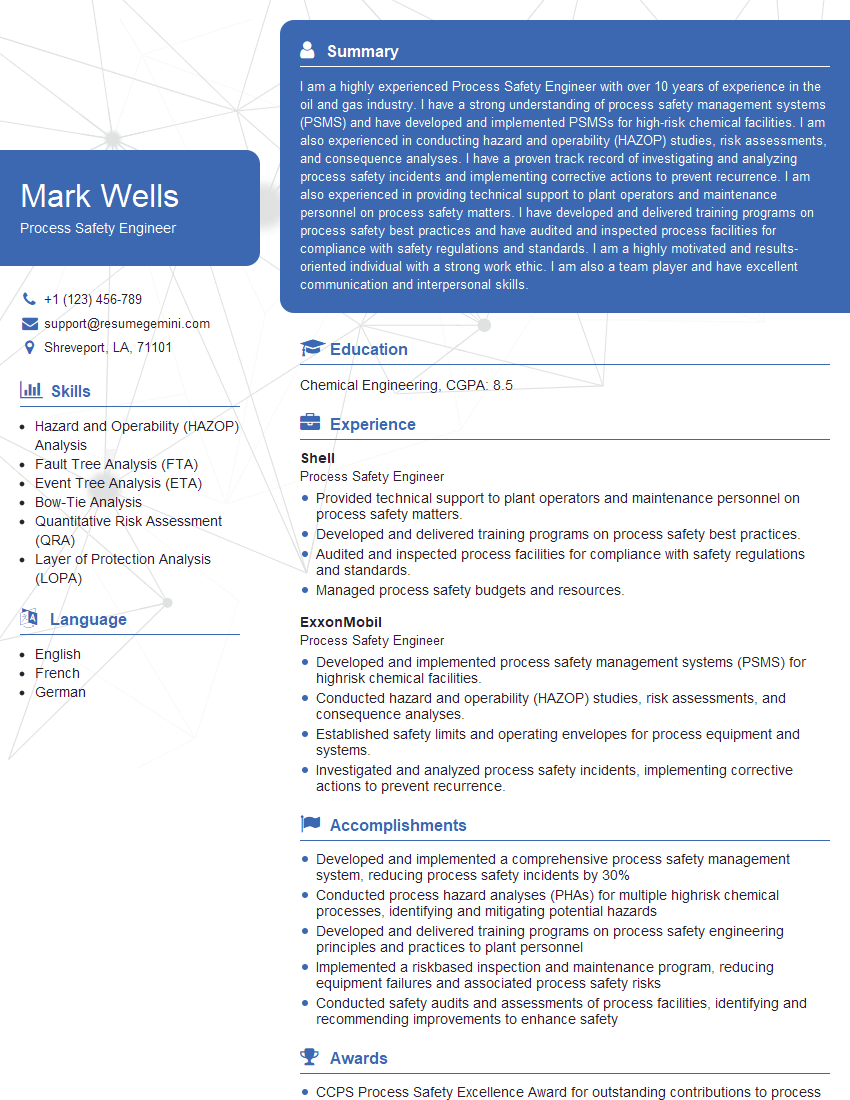
Process Safety Engineer Resume Sample
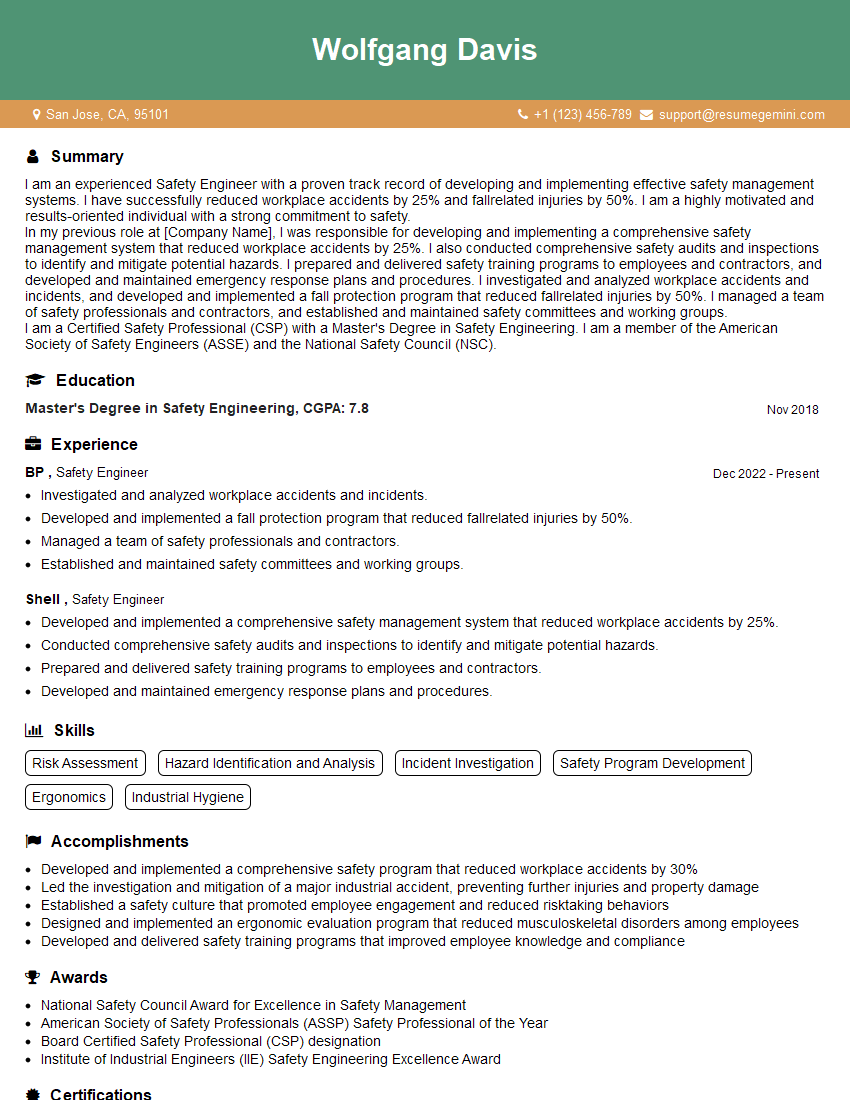
Safety Engineer Resume Sample
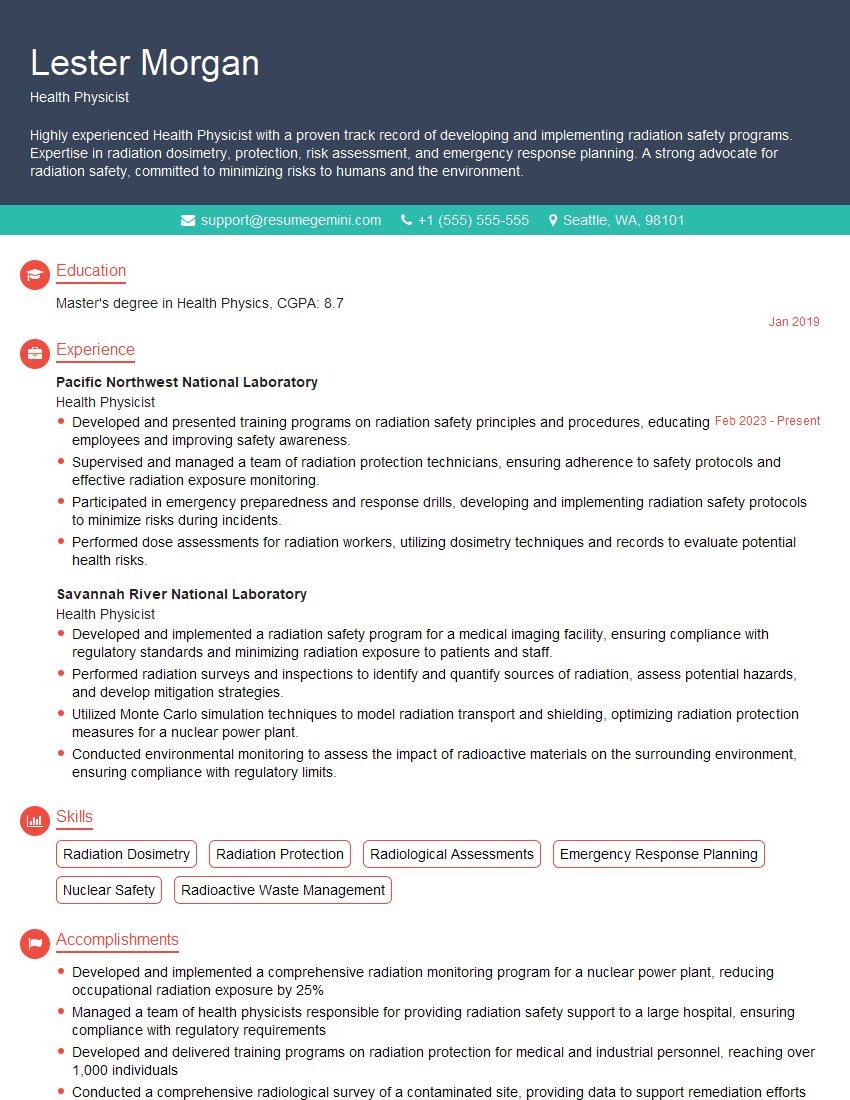
Health Physicist Resume Sample
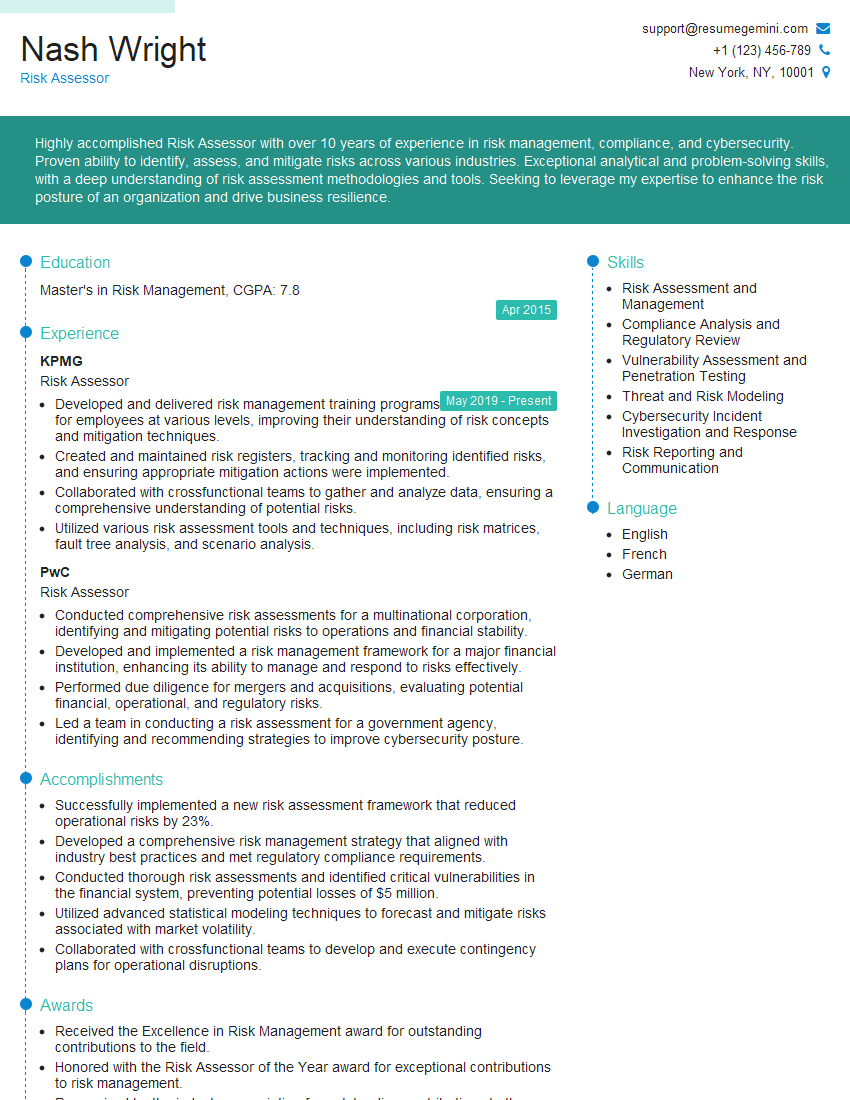
Risk Assessor Resume Sample
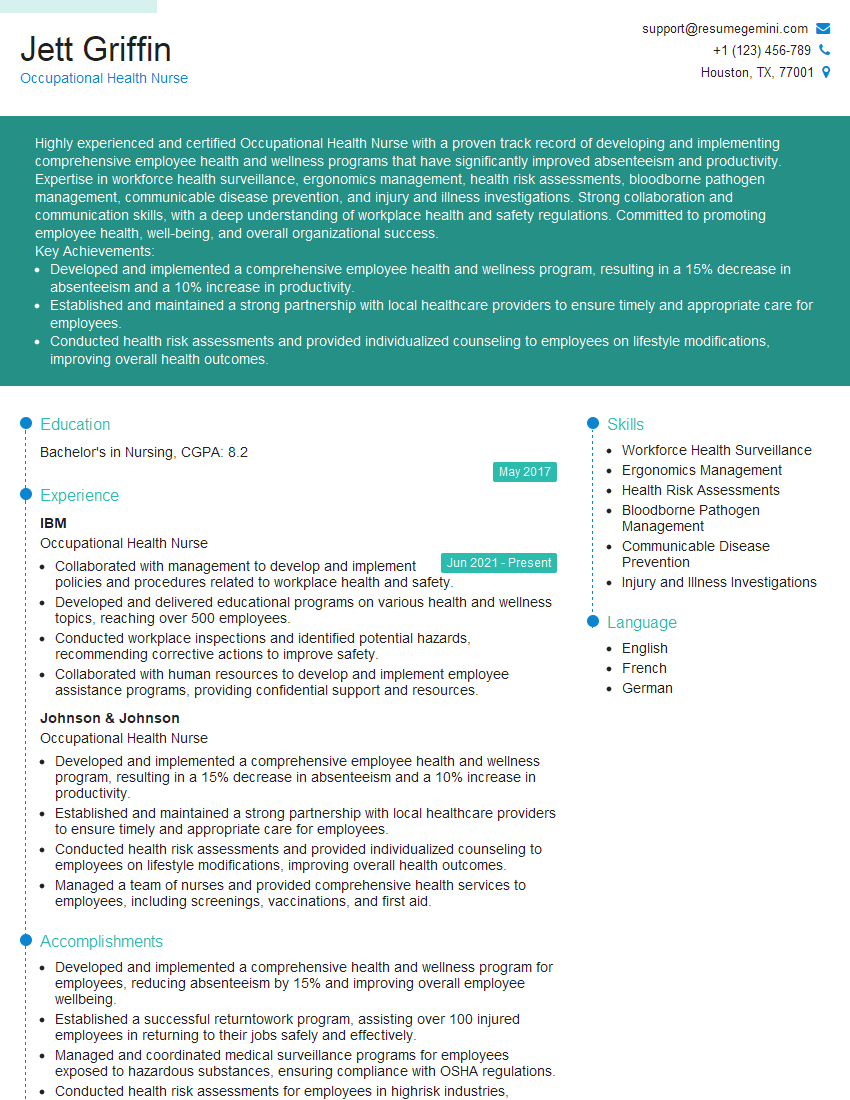
Occupational Health Nurse Resume Sample
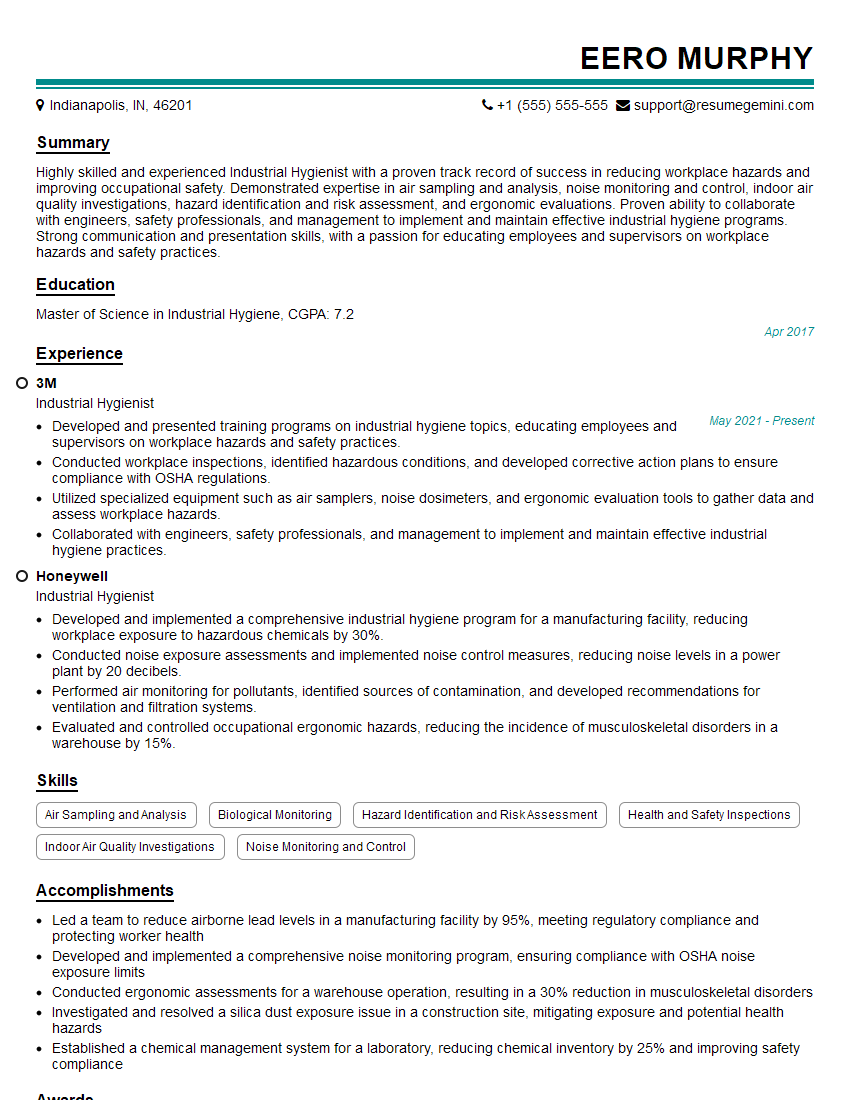
Industrial Hygienist Resume Sample
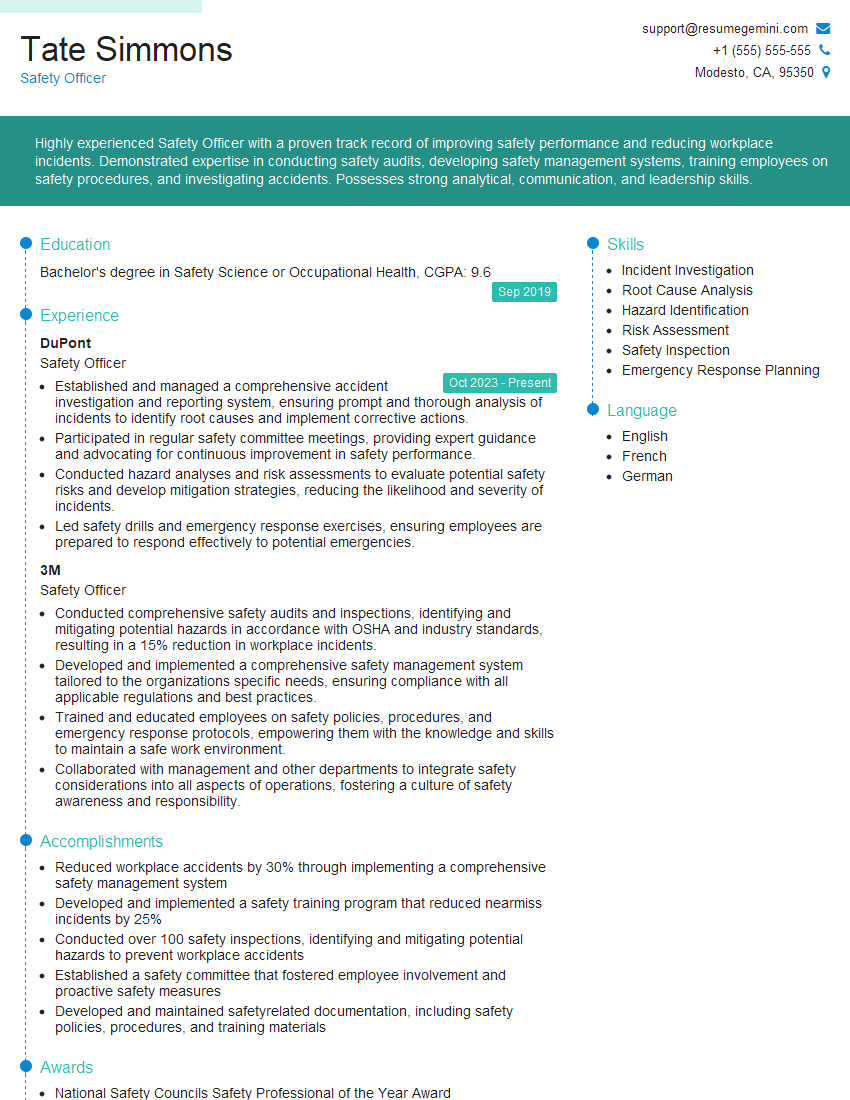
Safety Officer Resume Sample
Explore more articles
Users Rating of Our Blogs
Share Your Experience
We value your feedback! Please rate our content and share your thoughts (optional).
What Readers Say About Our Blog
To the interviewgemini.com Webmaster.
Very helpful and content specific questions to help prepare me for my interview!
Thank you
To the interviewgemini.com Webmaster.
This was kind of a unique content I found around the specialized skills. Very helpful questions and good detailed answers.
Very Helpful blog, thank you Interviewgemini team.