Interviews are more than just a Q&A session—they’re a chance to prove your worth. This blog dives into essential Drafting and Reviewing Development Plans interview questions and expert tips to help you align your answers with what hiring managers are looking for. Start preparing to shine!
Questions Asked in Drafting and Reviewing Development Plans Interview
Q 1. Describe your experience in drafting development plans, including the key stages and considerations.
Drafting a development plan is a multi-stage process requiring meticulous attention to detail and a comprehensive understanding of various factors. It’s like building a house – you wouldn’t start constructing without blueprints! The key stages typically include:
- Feasibility Study: This initial phase involves analyzing the project’s viability, considering factors like land availability, zoning regulations, market demand, and financial projections. For example, a feasibility study might reveal that building a high-rise apartment complex in a low-density residential area is not feasible due to zoning restrictions.
- Conceptual Design: This stage involves creating preliminary sketches and designs, outlining the project’s scope, and determining its key features. This might include deciding on the building’s size, layout, and the types of amenities to be included.
- Detailed Design: This is where the plans become more precise, including architectural drawings, engineering specifications, and detailed cost estimates. Think of this as creating the detailed blueprints for the construction phase.
- Permitting and Approvals: This critical step involves submitting the plans to relevant authorities for review and approval, ensuring compliance with all regulations. This may include securing building permits, environmental permits, and other necessary approvals.
- Implementation and Monitoring: This final stage involves overseeing the construction or development process, ensuring it adheres to the approved plans and addressing any unforeseen issues along the way.
Key considerations throughout the process include budget constraints, environmental impact, community concerns, and potential risks associated with the project.
Q 2. How do you ensure compliance with zoning regulations and building codes when drafting a development plan?
Ensuring compliance is paramount. It’s like following a recipe precisely to ensure a successful outcome. My process involves:
- Thorough Research: I meticulously research all applicable zoning regulations and building codes relevant to the project’s location. This often involves consulting local government websites, reviewing relevant ordinances, and potentially seeking clarification from planning authorities.
- Plan Integration: I integrate these regulations directly into the development plan. For instance, if setbacks are required, these are clearly shown on the site plans and architectural drawings. Building height restrictions are carefully considered, and structural design adheres to relevant building codes.
- Regular Checks and Balances: Throughout the drafting process, I regularly review the plans to ensure ongoing compliance. This is not a one-time check; it’s an iterative process of refining the plans to ensure they satisfy all applicable requirements.
- Professional Consultation: When needed, I consult with specialists such as surveyors, engineers, and legal professionals to address complex compliance issues.
This proactive approach minimizes the risk of delays or rejections during the permitting process, saving both time and resources.
Q 3. Explain your process for reviewing a development plan for potential risks and mitigation strategies.
Reviewing a development plan for potential risks is like conducting a thorough medical check-up. My process includes:
- Risk Identification: I systematically identify potential risks across different areas, including financial, environmental, legal, and social impacts. For example, potential risks might include soil instability, flooding, or negative impacts on local wildlife.
- Risk Assessment: I assess the likelihood and potential consequences of each identified risk. This involves determining the severity of the potential impact and the probability of the risk occurring.
- Mitigation Strategies: For each significant risk, I develop and document specific mitigation strategies. For example, a risk of flooding might be mitigated by incorporating improved drainage systems or building elevated foundations.
- Contingency Planning: I develop contingency plans to address unforeseen circumstances or setbacks. This ensures the project can adapt to unexpected challenges.
- Documentation: All identified risks, assessments, and mitigation strategies are clearly documented in a risk register, which is an integral part of the development plan review.
This proactive risk management approach improves the project’s chances of success by anticipating and addressing potential challenges early on.
Q 4. What software or tools are you proficient in for drafting and reviewing development plans?
Proficiency in relevant software is crucial for efficient and accurate plan drafting and review. I am proficient in:
- AutoCAD: For creating detailed 2D and 3D drawings of buildings, infrastructure, and site plans.
- Revit: For Building Information Modeling (BIM), allowing for better collaboration and coordination among different disciplines.
- GIS Software (e.g., ArcGIS): For analyzing spatial data, integrating geographic information into the development plan, and assessing environmental impacts.
- Microsoft Project: For managing project timelines and resources effectively.
These tools significantly improve the accuracy, efficiency, and overall quality of the development planning process.
Q 5. How do you handle conflicting stakeholder interests during the development planning process?
Handling conflicting stakeholder interests requires diplomacy and effective communication skills. It’s like being a referee in a game – ensuring fair play for everyone involved. My approach includes:
- Open Communication: Establishing open and transparent communication channels with all stakeholders, including residents, businesses, government agencies, and community groups.
- Stakeholder Analysis: Identifying the key stakeholders and their interests, concerns, and potential points of conflict.
- Negotiation and Compromise: Facilitating discussions and negotiations to find mutually acceptable solutions. This often involves compromise and creative problem-solving.
- Documentation: Documenting all agreements and decisions reached during the negotiation process.
- Mediation (if necessary): Involving a neutral third-party mediator to help resolve intractable conflicts.
The goal is to find a balance that addresses the concerns of all stakeholders while maintaining the overall project’s objectives. Sometimes, this requires modifying the development plan to accommodate competing interests.
Q 6. Describe a situation where you had to revise a development plan due to unforeseen challenges.
In one project, we encountered unexpected subsurface conditions during the excavation phase. We had initially planned for standard soil conditions, but discovered a layer of unstable clay. This was like discovering a hidden landmine! The original plan had to be revised to incorporate ground stabilization techniques, delaying the project slightly and increasing the budget. We had to:
- Assess the Impact: A geotechnical engineer was consulted to determine the extent of the issue and the best remediation strategies.
- Redesign the Foundations: The foundation design was modified to account for the unstable clay, incorporating deeper piles and specialized ground improvement techniques.
- Revised Timeline and Budget: The project timeline was revised to accommodate the additional work, and the budget was adjusted to reflect the increased costs.
- Communication with Stakeholders: We kept all stakeholders informed about the changes and the reasons for the revisions, maintaining transparency and building trust.
Despite the unforeseen challenge, the revised plan successfully addressed the issue, and the project was ultimately completed to a high standard. This experience highlighted the importance of flexibility and adaptability in development planning.
Q 7. How do you incorporate environmental impact assessments into your development plan review?
Incorporating environmental impact assessments (EIAs) is crucial for sustainable development. It’s like a health check for the environment. My process involves:
- Early Integration: EIAs are integrated into the development planning process from the outset. This ensures environmental considerations are factored into the design and location of the project.
- Baseline Study: Conducting a baseline study to assess the existing environmental conditions of the site and surrounding area.
- Impact Prediction: Using appropriate tools and methodologies (e.g., software models) to predict the potential environmental impacts of the proposed development.
- Mitigation Measures: Developing specific mitigation measures to minimize or offset any significant negative impacts. This might include implementing strategies to reduce greenhouse gas emissions, conserve water, protect biodiversity, or manage waste.
- Monitoring and Reporting: Establishing a plan for monitoring the environmental performance of the development during and after construction to ensure the mitigation measures are effective. This involves regular reporting to regulatory agencies.
- Compliance with Regulations: Ensuring full compliance with all applicable environmental regulations and permits.
By thoroughly integrating EIAs into the planning process, we can minimize the environmental footprint of the project and contribute to sustainable development practices.
Q 8. Explain your approach to analyzing site feasibility for a proposed development.
Analyzing site feasibility is crucial before any development begins. It’s like conducting a thorough health check before buying a house – you wouldn’t want to discover major problems after you’ve committed! My approach involves a multi-faceted investigation encompassing several key areas:
- Environmental Assessment: This includes reviewing soil conditions, topography, potential flooding risks, presence of endangered species, and proximity to environmentally sensitive areas. For example, discovering a protected wetland on the site would significantly impact the development’s design and feasibility.
- Infrastructure Analysis: I examine the availability and capacity of existing infrastructure, such as water supply, sewer lines, electricity grids, and road access. A lack of adequate infrastructure can lead to significant cost overruns and delays.
- Regulatory Compliance: A thorough review of zoning regulations, building codes, and environmental permits is essential. Non-compliance can result in project delays and legal challenges. For instance, if the zoning allows only residential buildings and the plan is for commercial development, the project is unfeasible in its current form.
- Geotechnical Investigation: This involves soil testing to determine its bearing capacity and stability. This prevents costly structural issues later on. Imagine building on unstable soil – the foundation could literally crumble!
- Cost Estimation: Preliminary cost estimations, including land acquisition, construction, and permitting fees, are necessary to determine project viability.
By systematically evaluating these factors, I can provide a comprehensive assessment of the site’s feasibility, guiding informed decision-making and avoiding costly mistakes.
Q 9. How do you ensure a development plan aligns with broader community goals and objectives?
Aligning development plans with community goals is paramount for successful projects and fosters a positive relationship between developers and residents. This involves active participation and communication throughout the planning process:
- Community Needs Assessment: I start by identifying the community’s priorities through surveys, public forums, and consultations with local leaders. This helps understand what the community values—for example, a need for affordable housing, improved green spaces, or better public transportation.
- Stakeholder Engagement: I proactively involve stakeholders such as residents, businesses, environmental groups, and government agencies in the planning process. This ensures their voices are heard and their concerns are addressed. This might involve holding open houses or creating online platforms for feedback.
- Incorporating Feedback: The feedback gathered from the community is meticulously reviewed, and where feasible, adjustments to the development plan are made. For instance, if community feedback strongly opposes a specific feature, it might be reconsidered or redesigned.
- Transparency and Communication: Throughout the entire process, clear and consistent communication is maintained to keep stakeholders informed of the plan’s progress, any changes, and opportunities for continued involvement.
By actively engaging with the community, I ensure that development projects contribute positively to the overall well-being and vision of the community, rather than causing conflict or disruption.
Q 10. What are your strategies for effective communication and collaboration during the development planning process?
Effective communication and collaboration are essential for successful development planning. It’s like orchestrating a symphony – each instrument (stakeholder) needs to play its part harmoniously. My strategies include:
- Regular Meetings: Scheduling regular meetings with stakeholders, including architects, engineers, contractors, community representatives, and government officials, ensures everyone is on the same page and can address emerging issues promptly. This might involve weekly progress meetings or monthly review sessions.
- Collaborative Platforms: Using collaborative software platforms, such as project management tools, facilitates document sharing, task assignment, and real-time communication. This streamlines communication and enhances efficiency.
- Clear Communication Protocols: Establishing clear communication protocols, such as regular reporting, minutes of meetings, and defined communication channels (email, phone, video conferencing), ensures everyone is aware of updates and decisions. This avoids confusion and misinformation.
- Active Listening and Conflict Resolution: Actively listening to stakeholders’ concerns and employing constructive conflict resolution techniques ensures that disagreements are addressed professionally and efficiently. This might involve mediating discussions or finding creative compromises.
These strategies foster a collaborative environment, leading to more efficient project execution and positive outcomes.
Q 11. How do you prioritize tasks and manage deadlines when working on multiple development projects simultaneously?
Managing multiple development projects simultaneously requires robust organizational skills and effective prioritization strategies. I approach this using a combination of techniques:
- Project Prioritization Matrix: I use a prioritization matrix to rank projects based on factors such as urgency, importance, and potential impact. This involves considering deadlines, resource allocation, and potential risks.
- Detailed Project Schedules: Each project has a detailed schedule with clearly defined milestones and deliverables. This allows for tracking progress and identifying potential delays early on.
- Resource Allocation: Resources, including personnel, budget, and materials, are allocated strategically to each project according to its priority and requirements. This ensures efficient resource utilization.
- Regular Progress Monitoring: I conduct regular progress monitoring and reporting to track performance against schedules and budgets, allowing for prompt identification and mitigation of potential problems. This might involve weekly or bi-weekly progress reports.
- Agile Methodology: I often employ elements of the Agile methodology, allowing for flexibility and adaptation to changing circumstances or priorities.
By employing these strategies, I can effectively manage competing demands and deliver successful outcomes across all projects.
Q 12. Describe your experience with public consultations and stakeholder engagement related to development plans.
Public consultations and stakeholder engagement are integral parts of the development planning process. My experience includes:
- Public Forums and Open Houses: I have organized and facilitated numerous public forums and open houses to present development proposals to the community, gather feedback, and address concerns. For example, I successfully held an open house for a large-scale housing development, addressing residents’ concerns about traffic congestion and preserving green spaces.
- Surveys and Online Feedback Mechanisms: I have used surveys and online feedback mechanisms to gather input from a wide range of stakeholders who may not be able to attend in-person meetings. Online surveys can reach larger audiences and allow for anonymous feedback.
- Community Workshops: I have led community workshops to encourage collaborative discussions and problem-solving related to development plans. Interactive workshops allow for more meaningful engagement and understanding of the project’s impacts.
- Addressing Concerns: I have experience in addressing and resolving concerns raised by stakeholders during consultations. This often involves creative compromise and finding solutions that satisfy various interests.
Through these methods, I’ve built trust with the community and successfully incorporated valuable feedback into project plans, resulting in more acceptable and successful developments.
Q 13. How do you assess the economic viability of a proposed development project?
Assessing the economic viability of a development project is critical for its success. It’s not just about making a profit; it’s about ensuring the project is financially sustainable and delivers a return on investment. My approach involves:
- Detailed Cost Analysis: This includes a comprehensive breakdown of all anticipated costs, including land acquisition, construction, permits, marketing, and operating expenses. I use detailed spreadsheets and budgeting software to track expenses.
- Revenue Projections: Realistic revenue projections are crucial. This considers factors such as market demand, rental rates (if applicable), sales prices, and occupancy rates. Market research and comparable sales data are essential for accurate projections.
- Financial Modeling: I use sophisticated financial modeling techniques (e.g., discounted cash flow analysis, net present value calculations) to evaluate the project’s profitability over its lifespan. This helps determine if the project meets the financial goals set by the stakeholders.
- Risk Assessment: Identifying and assessing potential financial risks, such as changes in interest rates, market fluctuations, and construction delays, is critical. I build contingency plans to mitigate potential financial losses.
- Sensitivity Analysis: Performing a sensitivity analysis helps to understand how changes in key variables (like interest rates or construction costs) might affect the project’s overall profitability.
By thoroughly evaluating these financial aspects, I can provide a robust assessment of the project’s economic viability, enabling informed investment decisions.
Q 14. Explain your understanding of different development plan types (e.g., master plan, site plan, subdivision plan).
Different development plan types serve distinct purposes and have varying levels of detail. Understanding their nuances is crucial for effective planning.
- Master Plan: A master plan is a large-scale, long-term strategy for developing a significant area, such as a new town, a large-scale subdivision, or a campus. It provides a broad vision and framework for future development, outlining land uses, transportation systems, infrastructure requirements, and environmental considerations. Think of it as the overarching blueprint for future development within a specific area.
- Site Plan: A site plan focuses on a specific parcel of land, detailing the location and arrangement of buildings, parking areas, landscaping, utilities, and other features. It provides a detailed layout for the development on a particular site. Imagine a detailed plan showing the placement of buildings, roads, and parking for a new shopping mall.
- Subdivision Plan: A subdivision plan outlines the division of a larger parcel of land into smaller lots for residential, commercial, or industrial purposes. It includes details on lot sizes, road networks, utility easements, and other infrastructure requirements for creating individual buildable lots. It’s like creating a map showing how a large piece of land is split into smaller individual plots for houses or businesses.
Each plan type plays a vital role in the overall development process, from the broad vision of a master plan to the detailed site-specific layout of a site plan and the parcel-level division in a subdivision plan. Understanding the differences and interrelationships of these plans is essential for comprehensive and successful development projects.
Q 15. How do you handle disagreements or disputes related to development plan approvals?
Disagreements in development plan approvals are inevitable. My approach centers on proactive communication and collaborative problem-solving. First, I ensure all stakeholders – residents, businesses, government agencies – have a clear understanding of the plan and its implications. This often involves holding public forums, providing detailed documentation, and actively soliciting feedback.
If disagreements arise, I facilitate structured discussions, focusing on identifying the root causes of the conflict. This might involve clarifying misunderstandings about zoning regulations, environmental impact assessments, or economic projections. I strive to find mutually beneficial compromises, leveraging my knowledge of regulations and best practices to suggest alternative solutions that address everyone’s concerns. For instance, if a proposed building height is causing conflict, I might propose alternative designs that reduce the impact while still meeting the project’s goals. In cases where compromises cannot be reached, I am adept at navigating the formal dispute resolution processes, ensuring adherence to legal procedures and advocating for the best possible outcome for my client.
Career Expert Tips:
- Ace those interviews! Prepare effectively by reviewing the Top 50 Most Common Interview Questions on ResumeGemini.
- Navigate your job search with confidence! Explore a wide range of Career Tips on ResumeGemini. Learn about common challenges and recommendations to overcome them.
- Craft the perfect resume! Master the Art of Resume Writing with ResumeGemini’s guide. Showcase your unique qualifications and achievements effectively.
- Don’t miss out on holiday savings! Build your dream resume with ResumeGemini’s ATS optimized templates.
Q 16. Describe your experience with using GIS technology in development planning.
GIS technology is an indispensable tool in my workflow. I use it extensively for visualizing and analyzing spatial data related to development projects. For example, I use GIS to overlay proposed development sites on existing infrastructure maps, assessing proximity to roads, utilities, and environmentally sensitive areas. This allows for early identification of potential conflicts and optimization of site layouts. I’ve used GIS to perform buffer analyses to determine distances from proposed developments to things like schools, hospitals, and wetlands. I also use GIS to create interactive maps for public presentations, making complex data easily accessible and understandable to a non-technical audience. Furthermore, I leverage GIS capabilities for analyzing demographic data, identifying areas with high population density or specific needs, which informs inclusive development strategies. For instance, on a recent project, GIS helped us demonstrate that a proposed community center was strategically located to serve a largely underserved population.
Q 17. How do you evaluate the traffic impact of a proposed development?
Evaluating traffic impact requires a multifaceted approach. It starts with collecting baseline traffic data through traffic counts and analysis of existing traffic patterns. Then, using traffic modeling software, I simulate the impact of the proposed development on the surrounding road network, considering peak hour traffic, trip generation rates, and potential changes to traffic flow. Factors such as the type of development (residential, commercial, industrial), the number of anticipated vehicle trips, and the road network’s capacity are all factored in. For example, if a large shopping mall is proposed, the model will predict increased congestion at intersections and potentially on nearby highways. The results are usually presented in terms of changes in delay times, levels of service (LOS), and queue lengths. This analysis helps identify potential bottlenecks and inform mitigation strategies such as improved intersection designs, additional lanes, or traffic calming measures. Finally, I work with transportation engineers to incorporate these findings into the development plan and ensure that proposed mitigation strategies are incorporated into the final design.
Q 18. What are your methods for ensuring the sustainability and resilience of development plans?
Sustainability and resilience are paramount in my approach to development planning. I incorporate principles of sustainable design and construction, prioritizing energy efficiency, water conservation, and the use of recycled materials. For example, I advocate for green building certifications (LEED) to guide the design and construction process. To ensure resilience, I assess the vulnerability of the proposed development to various hazards, including natural disasters (floods, earthquakes), climate change impacts (sea-level rise, extreme weather), and infrastructure failures. I then work with engineers and other specialists to develop strategies that mitigate these risks. This might involve incorporating flood-resistant construction techniques, designing for energy independence, or building in redundancy in infrastructure systems. For example, a recent project incorporated rainwater harvesting systems and drought-resistant landscaping to ensure water sustainability in an arid climate. By embedding these considerations from the outset, the development becomes environmentally friendly and better able to withstand future shocks.
Q 19. Explain your approach to identifying and addressing potential environmental hazards in development plans.
Identifying and addressing environmental hazards is a crucial aspect of responsible development planning. My approach begins with a thorough environmental site assessment, which involves reviewing historical records, conducting field surveys, and potentially undertaking specialized testing for contaminants. This helps identify potential issues like soil contamination, presence of hazardous materials, or proximity to environmentally sensitive areas. I collaborate closely with environmental consultants and regulatory agencies to ensure that all necessary assessments are completed and regulatory requirements are met. If hazards are identified, I develop mitigation strategies, which might involve soil remediation, the implementation of stricter environmental controls during construction, or the modification of the development plan to avoid sensitive areas. This often requires careful consideration of cost and time implications. For instance, if contaminated soil is discovered, the plan may need to incorporate a phased remediation strategy, adding to the project’s overall timeline and budget. Detailed documentation of all these steps is essential for transparency and regulatory compliance.
Q 20. How do you ensure accessibility and inclusivity are considered throughout the development process?
Accessibility and inclusivity are woven into every stage of my development planning process. This starts with understanding the needs of the diverse community that will be impacted by the project. I analyze demographic data to identify potential barriers for people with disabilities, seniors, and other vulnerable groups. This informs design choices that ensure universal accessibility. For example, buildings are designed to meet accessibility standards (ADA compliance), including ramps, elevators, accessible restrooms, and clear signage. I also consider transportation access, ensuring that public transit is readily available or that sufficient parking is provided, keeping accessibility needs in mind. Moreover, community engagement strategies ensure diverse voices are heard, creating a truly inclusive development that meets the needs of everyone. For example, during a community center project, we involved local disability advocacy groups in the design phase to ensure that the center would be fully accessible and inclusive for all users.
Q 21. Describe your familiarity with relevant legislation and regulations pertaining to development planning.
Staying current on relevant legislation and regulations is critical. I maintain a thorough understanding of zoning ordinances, building codes, environmental regulations (like the Clean Water Act and the Endangered Species Act), and other applicable laws at both the local and national level. This knowledge allows me to proactively address potential compliance issues during the planning process. For example, I am familiar with the intricacies of obtaining necessary permits and approvals, and I navigate the complexities of environmental impact assessments (EIAs). I regularly consult legal resources, attend industry conferences, and maintain professional networks to stay abreast of changes in regulations. Failure to comply with regulations can lead to significant delays, legal challenges, and financial penalties, so proactive compliance is a top priority. This expertise is crucial not only for successfully navigating the approval process but also for protecting my client from potential liabilities and ensuring the project proceeds smoothly.
Q 22. How do you utilize data analysis to inform decision-making in development plan review?
Data analysis is crucial for informed decision-making in development plan review. I use various techniques to analyze data related to demographics, market trends, environmental impact assessments, and financial projections. For instance, I might analyze population density data to justify the need for additional infrastructure like schools or public transportation in a proposed development. Analyzing market trends helps predict the success of commercial developments, while environmental impact assessments inform sustainable design choices and mitigation strategies. Financial projections, including cost-benefit analyses, are used to assess the economic viability of a project.
Specifically, I utilize tools like spreadsheets, statistical software (like R or SPSS), and geographic information systems (GIS) to process and interpret this data. I then translate these findings into clear, concise reports that inform stakeholders about potential risks, opportunities, and ultimately, whether the development plan aligns with its stated goals and feasibility.
For example, in reviewing a proposed shopping mall, I might analyze demographic data to determine the potential customer base and the projected income generated. If the data shows insufficient demand or high competition, it would directly impact my recommendations to the developers regarding project size and tenant mix. This data-driven approach ensures that decisions are objective and well-supported, minimizing risk and maximizing success.
Q 23. How do you incorporate community feedback into the development plan revision process?
Incorporating community feedback is essential for creating development plans that are both effective and socially acceptable. I actively seek feedback through various channels, including public forums, online surveys, and direct engagement with community representatives. This involves clearly communicating the development proposal, actively listening to concerns, and addressing them transparently.
My approach involves establishing a structured feedback mechanism, using clear and accessible language in all communication materials. I also ensure that feedback collection is inclusive, making it easy for diverse community members to participate. This can include providing translated materials or offering feedback sessions at various times and locations. Once feedback is collected, I carefully analyze the comments, categorizing them by theme to identify recurring concerns or areas of strong support. This analysis informs revisions to the development plan, addressing community concerns wherever possible while also clearly articulating any necessary trade-offs.
For instance, in a housing development project, community feedback might reveal concerns about traffic congestion or the impact on local green spaces. In response, I might propose solutions like enhanced traffic management measures, the creation of additional green spaces, or adjustments to building density. This iterative process ensures that the final development plan is better aligned with the community’s needs and aspirations, fostering a sense of ownership and support.
Q 24. What are your methods for tracking progress and monitoring the implementation of a development plan?
Progress tracking and monitoring are vital for successful development plan implementation. My methods involve establishing clear milestones and metrics, creating a comprehensive project schedule, and utilizing project management software to track progress against this schedule. Regular progress reports are generated, highlighting both accomplishments and challenges. These reports are shared with stakeholders to ensure transparency and facilitate timely interventions.
I use various tools such as Gantt charts to visualize the project schedule, and project management software such as Asana or Trello to track tasks, deadlines, and resource allocation. Key performance indicators (KPIs) are defined upfront, such as completion percentage, budget adherence, and adherence to environmental regulations. Regular monitoring allows for identification of potential issues, enabling proactive mitigation strategies. For example, if a milestone is missed, the reasons for the delay are investigated, and corrective actions are put in place.
A crucial aspect of this process is the regular review and updates of the development plan itself. As the project progresses, unforeseen circumstances may necessitate changes to the plan. This might involve adjusting the schedule, revising budgets, or altering design specifications. These adjustments are documented and communicated effectively to all stakeholders, maintaining transparency and accountability throughout the project life cycle.
Q 25. Describe your experience with cost estimation and budget management in development projects.
Cost estimation and budget management are fundamental aspects of my role. I have extensive experience developing detailed cost estimates based on various factors, including material costs, labor costs, permits, and contingency allowances. I use different estimation techniques, such as bottom-up estimating (detailed cost breakdowns) and top-down estimating (using historical data), depending on the project stage and available data. This data is then used to create a comprehensive budget, which is closely monitored throughout the project lifecycle.
Budget management involves regular tracking of expenditures, comparing actual costs against the budget, and identifying potential cost overruns early. This often involves using specialized software for budget tracking and analysis. When discrepancies arise, I investigate the reasons, implement corrective actions, and secure approval for any necessary budget adjustments. Contingency planning is a crucial element of my approach, ensuring that unforeseen expenses can be accommodated without jeopardizing project completion.
For example, in a large-scale infrastructure project, I might use a combination of bottom-up and top-down estimating to develop a detailed budget. This would involve breaking down the project into smaller components, estimating the cost of each component, and then aggregating these costs to get a total project estimate. Regular budget reviews allow for proactive management of potential cost overruns, ensuring that the project remains financially viable.
Q 26. How do you manage risks associated with delays or cost overruns in development projects?
Risk management is paramount in development projects. My approach involves proactively identifying potential risks associated with delays or cost overruns, evaluating their likelihood and potential impact, and developing mitigation strategies. This typically involves using risk assessment matrices, which allow for a systematic evaluation of various risk factors.
Common risks include unforeseen site conditions, material shortages, regulatory changes, and contractor performance issues. For each identified risk, I develop a mitigation plan, outlining steps to prevent or minimize the impact of the risk. This might involve securing alternative material suppliers, building in buffer time into the schedule, or negotiating comprehensive contracts with contractors, including clear performance metrics and penalties for non-compliance.
For instance, if a project is susceptible to delays due to weather conditions, a mitigation strategy could be incorporating buffer time into the schedule, or selecting construction materials less susceptible to weather delays. Regular monitoring of the project helps identify early warning signs of potential issues and allows for prompt intervention. This proactive approach is essential for successfully managing risks and keeping projects on track.
Q 27. How do you ensure the quality control of development plans before submission?
Ensuring the quality control of development plans before submission is a critical step in the process. My approach involves a multi-stage review process, including internal reviews, peer reviews, and external reviews (where applicable). Each stage focuses on different aspects of the plan, ensuring comprehensiveness and accuracy.
Internal reviews focus on completeness, clarity, and consistency of the plan, ensuring that all necessary information is included and presented logically. Peer reviews provide an external perspective, identifying potential weaknesses or areas for improvement. External reviews, often mandated by regulatory bodies, ensure compliance with applicable regulations and standards. Throughout this review process, I use checklists and standardized templates to ensure consistent application of quality control measures. This also allows for easy identification of any non-compliance issues.
For instance, in reviewing a development plan for environmental impact, I would ensure that the plan includes a detailed environmental impact assessment (EIA), complying with relevant regulations. This would involve checking for accuracy of data, completeness of analysis, and adequacy of mitigation strategies. The use of checklists and standardized templates simplifies this process, ensuring that no critical aspects are overlooked.
Q 28. Describe your understanding of different project delivery methods (e.g., design-bid-build, design-build).
I understand various project delivery methods, each with its own strengths and weaknesses. Design-bid-build is a traditional method where the design and construction phases are handled separately. The owner hires a designer to create plans and specifications, and then these plans are put out to bid by multiple contractors. This approach offers clear separation of responsibilities but can lead to potential conflicts between the designer and contractor and potential delays due to the bidding process.
Design-build, on the other hand, integrates design and construction under a single contract. A single entity is responsible for both designing and building the project. This approach can streamline the process, leading to faster completion and improved coordination between design and construction. However, it requires more upfront planning and careful selection of a design-build firm.
Other methods include Construction Management at Risk (CMAR), where a construction manager acts as an intermediary between the owner and various contractors, and Integrated Project Delivery (IPD), a collaborative approach involving all stakeholders from the beginning. The choice of delivery method depends on factors such as project complexity, budget, and the owner’s risk tolerance. My experience spans across these different methods, allowing me to select the most appropriate approach for each specific project.
Key Topics to Learn for Drafting and Reviewing Development Plans Interview
- Understanding Development Lifecycle Models: Explore Agile, Waterfall, and hybrid methodologies. Consider their strengths, weaknesses, and applicability to different project types.
- Project Scope Definition & Management: Practice defining clear, measurable, achievable, relevant, and time-bound (SMART) goals. Understand techniques for scope creep prevention and management.
- Resource Allocation & Budgeting: Learn how to estimate resource needs (personnel, materials, time) and develop realistic budgets. Practice justifying resource requests.
- Risk Assessment & Mitigation: Master techniques for identifying potential project risks, assessing their likelihood and impact, and developing mitigation strategies.
- Schedule Development & Tracking: Understand different scheduling methods (Gantt charts, critical path analysis) and how to monitor progress against the plan. Practice troubleshooting schedule delays.
- Communication & Collaboration: Learn effective communication strategies for stakeholders at all levels. Understand the importance of clear and concise documentation.
- Review & Revision Processes: Practice identifying areas for improvement in existing development plans. Understand how to incorporate feedback effectively.
- Quality Assurance & Control: Learn about quality management principles and how to incorporate quality checks throughout the development lifecycle.
- Legal and Regulatory Compliance: Understand relevant regulations and guidelines that impact development projects and ensure compliance in plan development.
- Presentation & Justification of Plans: Practice presenting development plans clearly and concisely, justifying decisions and addressing potential concerns.
Next Steps
Mastering the art of drafting and reviewing development plans is crucial for career advancement in project management and related fields. It showcases your ability to strategize, plan, and execute effectively. To maximize your job prospects, focus on building an ATS-friendly resume that highlights your relevant skills and experience. ResumeGemini is a trusted resource that can help you create a professional and impactful resume. Examples of resumes tailored to Drafting and Reviewing Development Plans are available to guide you.
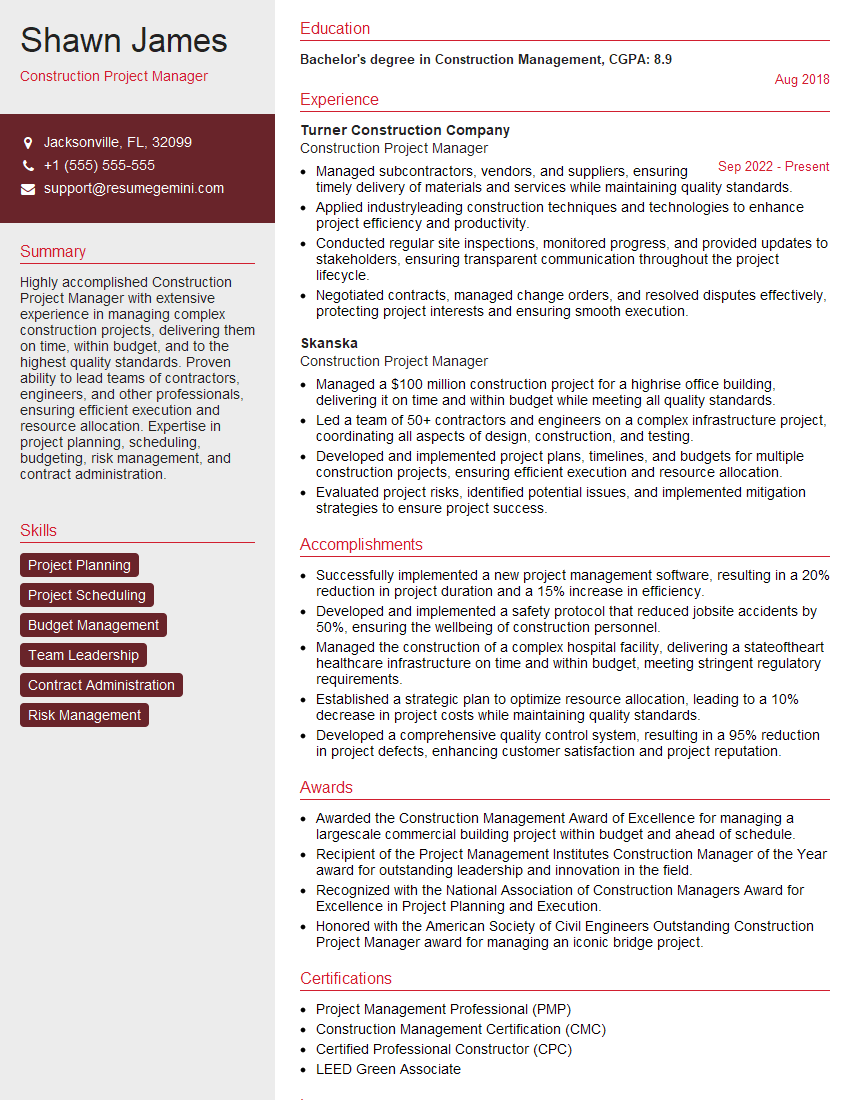
Construction Project Manager Resume Sample

Project Manager Resume Sample
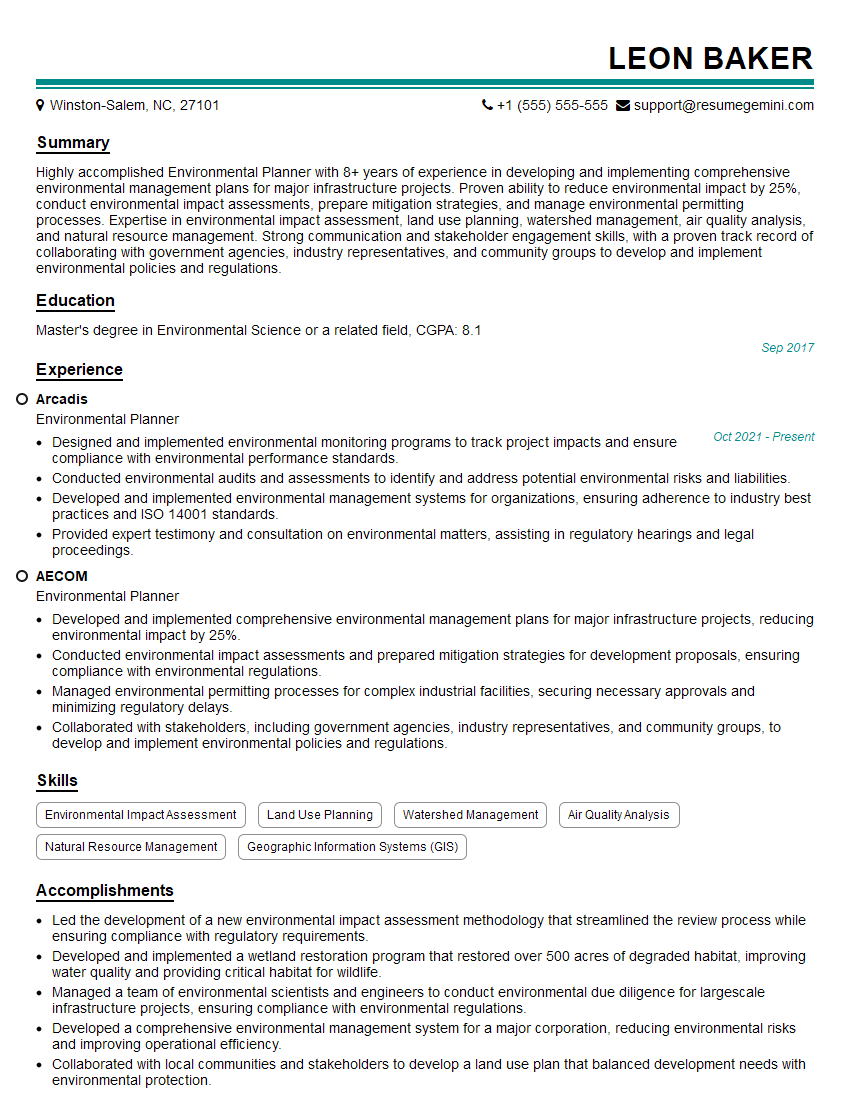
Environmental Planner Resume Sample
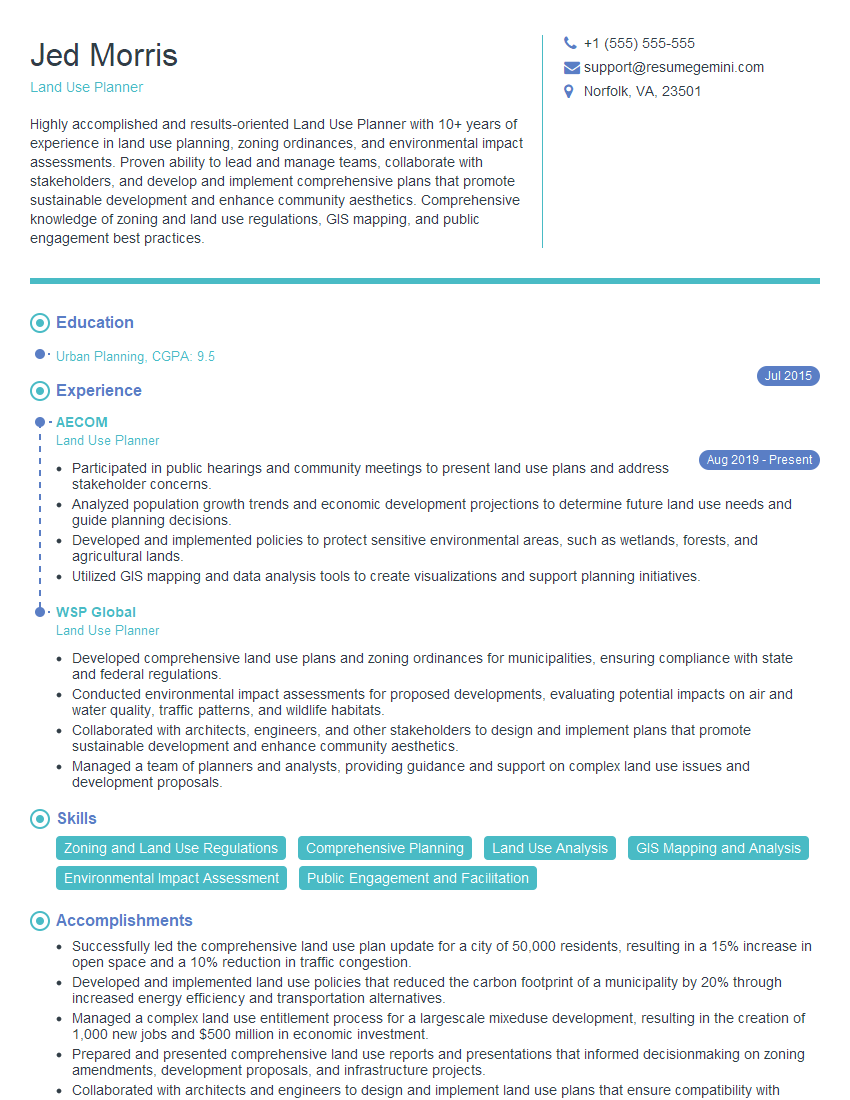
Land Use Planner Resume Sample
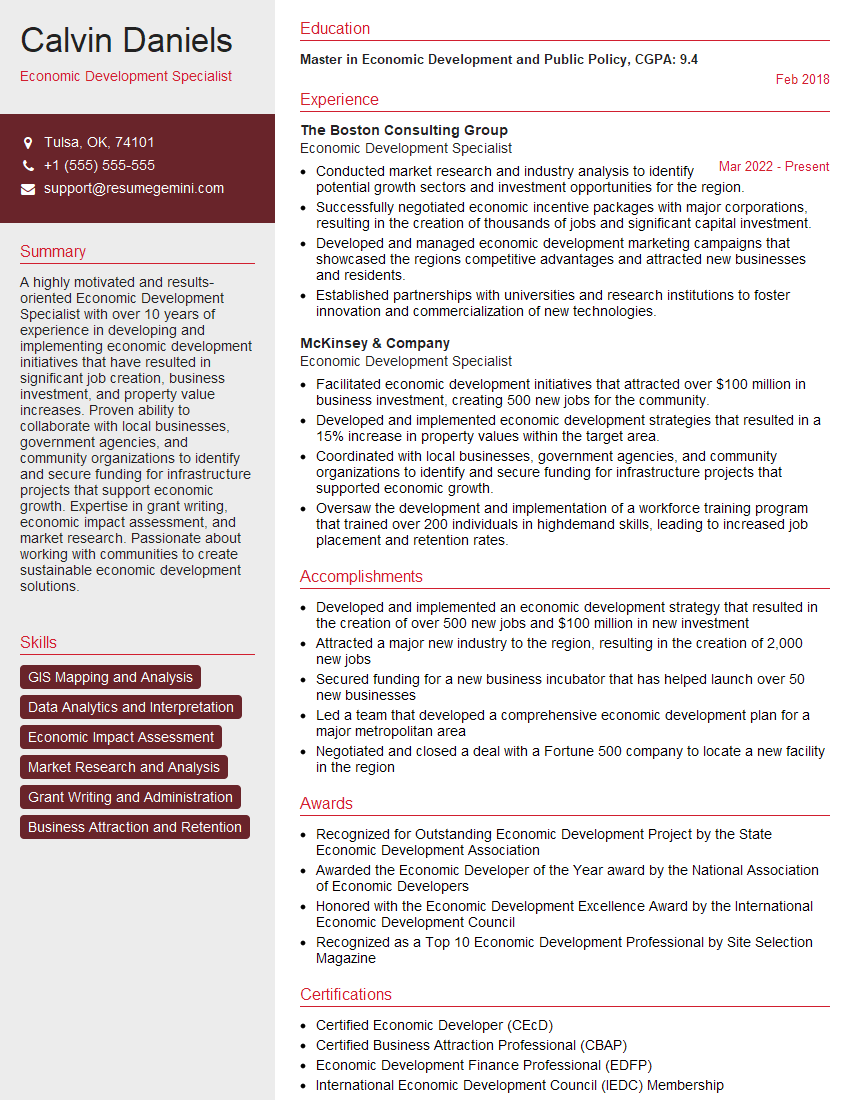
Economic Development Specialist Resume Sample
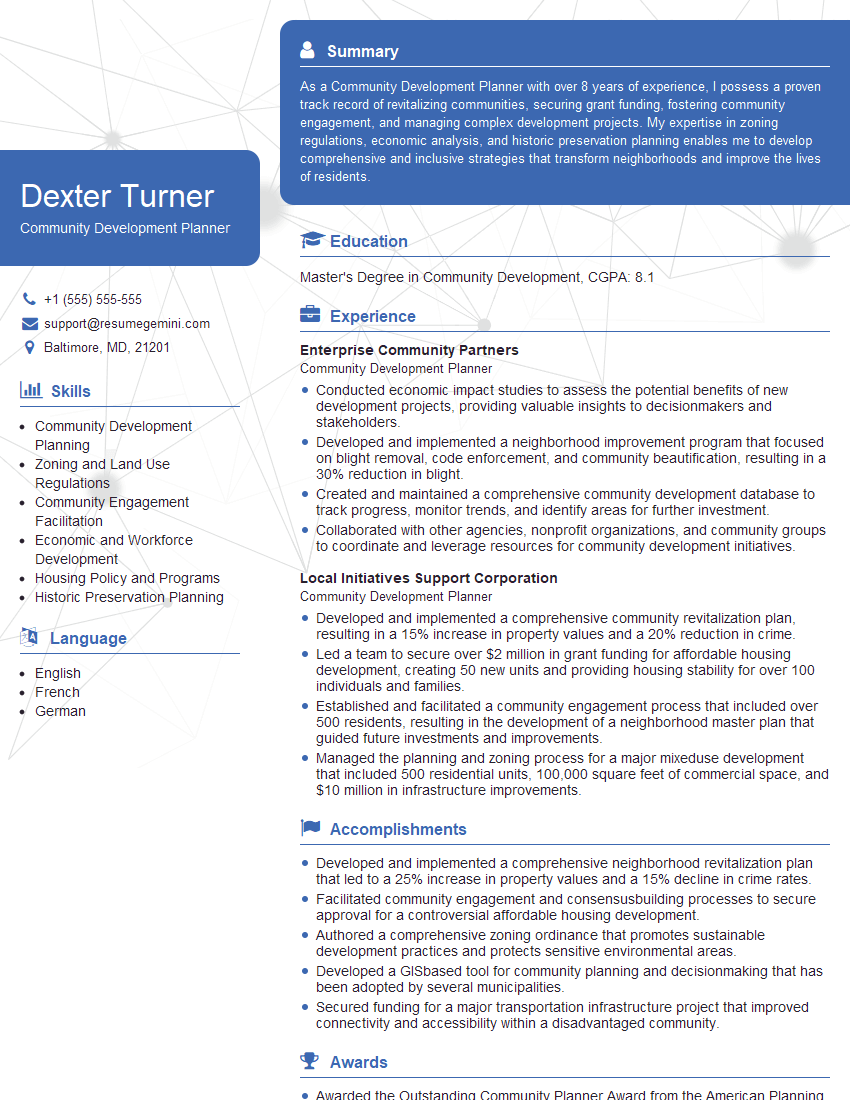
Community Development Planner Resume Sample
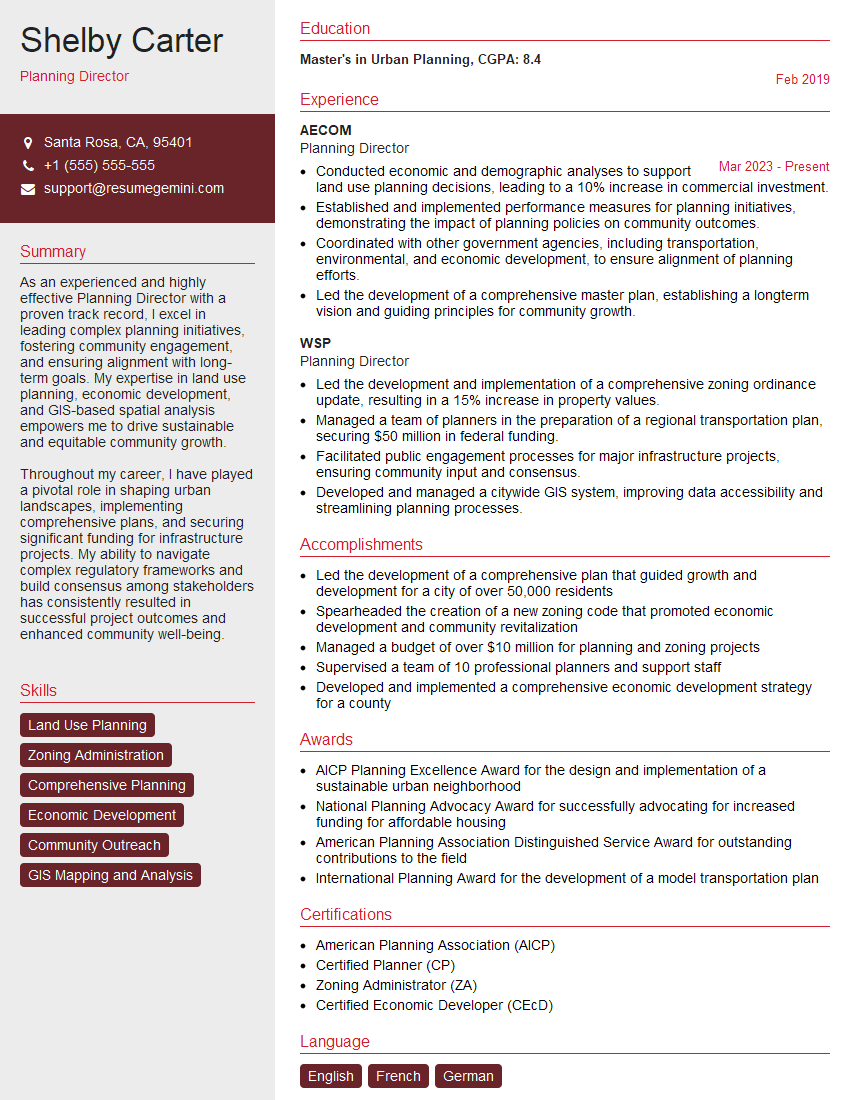
Planning Director Resume Sample
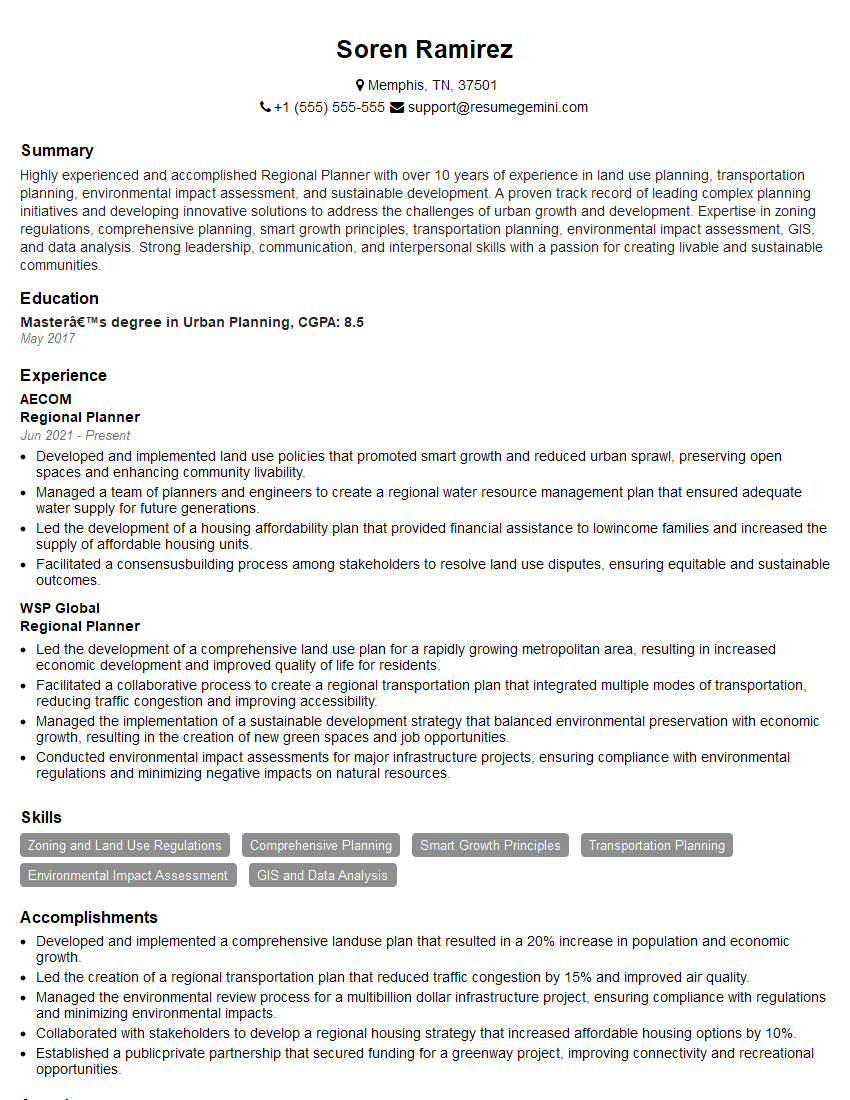
Regional Planner Resume Sample
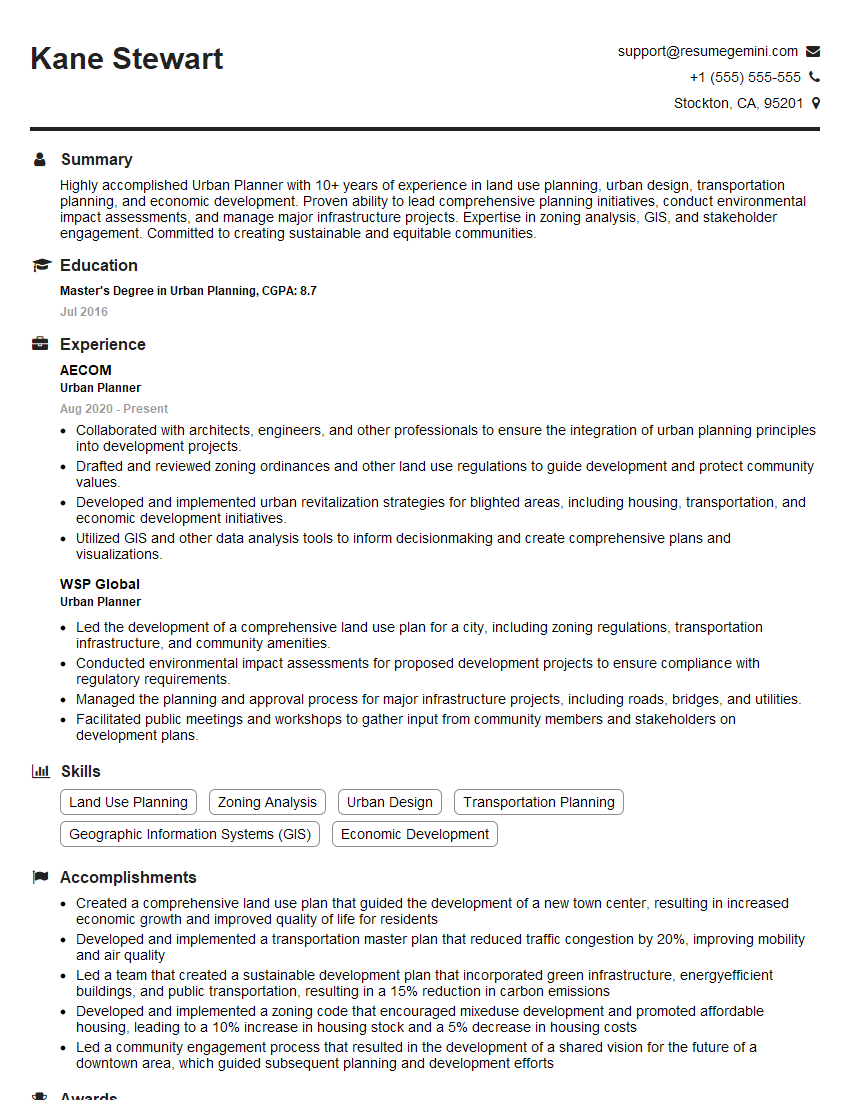
Urban Planner Resume Sample
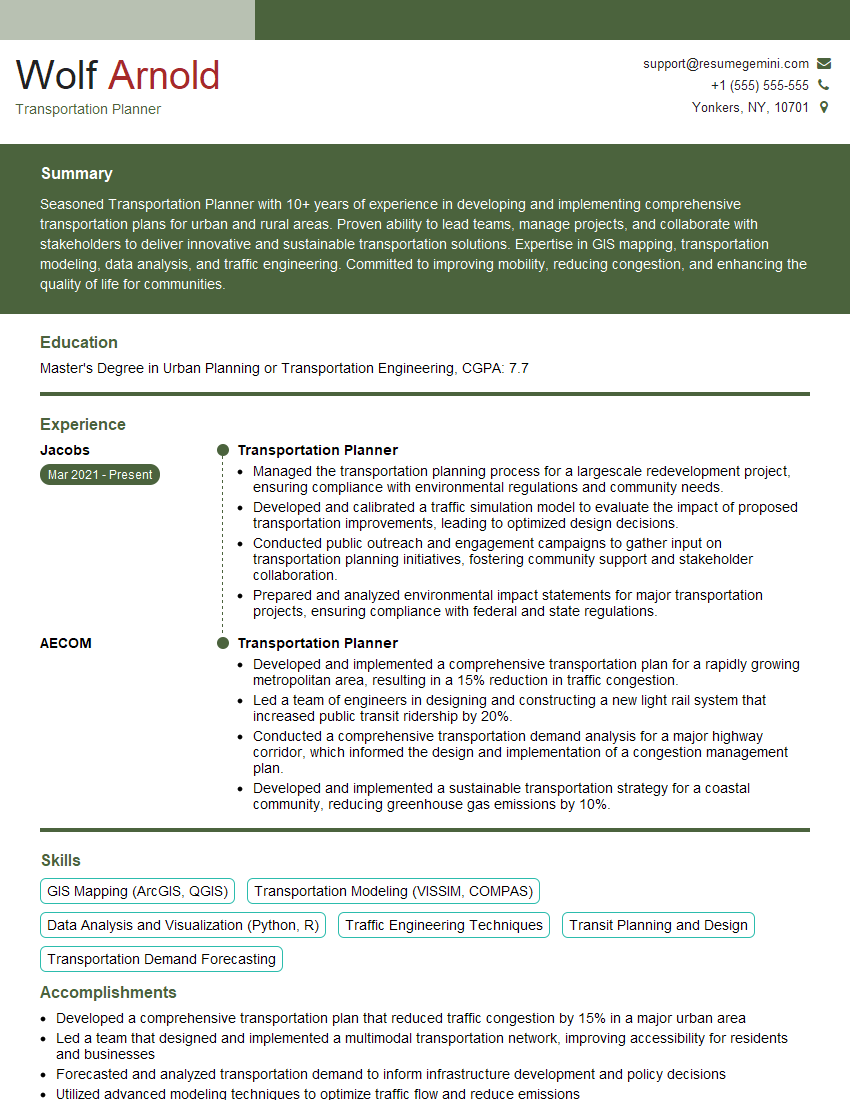
Transportation Planner Resume Sample
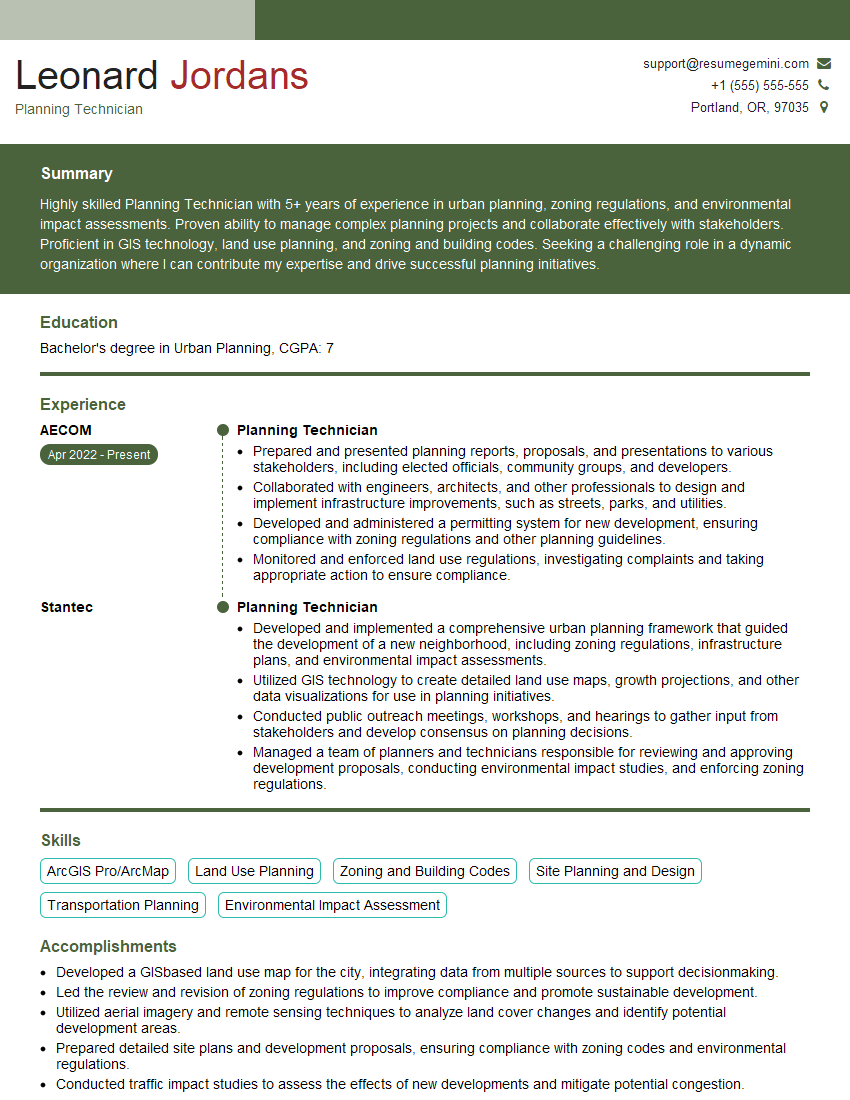
Planning Technician Resume Sample
Explore more articles
Users Rating of Our Blogs
Share Your Experience
We value your feedback! Please rate our content and share your thoughts (optional).
What Readers Say About Our Blog
To the interviewgemini.com Webmaster.
Very helpful and content specific questions to help prepare me for my interview!
Thank you
To the interviewgemini.com Webmaster.
This was kind of a unique content I found around the specialized skills. Very helpful questions and good detailed answers.
Very Helpful blog, thank you Interviewgemini team.