The right preparation can turn an interview into an opportunity to showcase your expertise. This guide to Exercise Testing and Interpretation interview questions is your ultimate resource, providing key insights and tips to help you ace your responses and stand out as a top candidate.
Questions Asked in Exercise Testing and Interpretation Interview
Q 1. Explain the purpose of a graded exercise test (GXT).
A graded exercise test (GXT), also known as a stress test, is a non-invasive procedure used to evaluate the cardiovascular system’s response to increasing workloads. It helps assess the heart’s ability to function during physical exertion and identifies any potential limitations or abnormalities. Think of it like a ‘stress test’ for your heart, revealing how well it handles pressure.
The primary purpose is to diagnose coronary artery disease (CAD), but it can also help assess other conditions like valvular heart disease, cardiomyopathy, and other cardiac issues. It’s a crucial tool for risk stratification in patients with suspected or known heart disease.
Q 2. Describe the indications and contraindications for performing a GXT.
Indications for a GXT are numerous, including but not limited to: evaluating chest pain (angina), assessing functional capacity after a myocardial infarction (heart attack), evaluating dyspnea (shortness of breath) on exertion, pre-surgical cardiac risk stratification, and diagnosing arrhythmias. Essentially, if there’s suspicion of cardiac compromise or the need to assess functional capacity, a GXT might be indicated.
Contraindications, or reasons *not* to perform a GXT, include acute myocardial infarction, unstable angina, uncontrolled arrhythmias, severe aortic stenosis, and severe pulmonary hypertension. These conditions present significant risks during exertion. The decision to perform a GXT requires careful consideration of the individual patient’s health status and potential risks. A thorough medical history and physical examination are paramount before proceeding.
Q 3. What are the different stages of a GXT, and how are they monitored?
A typical GXT involves several stages of increasing exercise intensity. The most common protocol uses a treadmill or stationary bicycle. The intensity increases incrementally, usually in 1-3 minute stages.
- Initial Resting Phase: Baseline measurements are taken including heart rate, blood pressure, and ECG.
- Exercise Stages: Speed and/or incline (treadmill) or resistance (bicycle) are gradually increased in each stage. Continuous ECG monitoring is essential.
- Recovery Phase: Exercise is terminated, and the patient continues to be monitored for any post-exercise abnormalities in heart rate, rhythm, or blood pressure. This is often just as crucial as the exercise phase itself.
Monitoring throughout the test includes continuous ECG monitoring, regular blood pressure measurements, and assessment of the patient’s symptoms (e.g., chest pain, shortness of breath, dizziness). Oxygen saturation (SpO2) may also be monitored, particularly in patients with known pulmonary disease. The supervising physician or qualified exercise physiologist closely monitors the patient’s response to exercise and terminates the test if any abnormalities or worrisome symptoms develop.
Q 4. Interpret a given ECG tracing, identifying normal and abnormal rhythms.
I cannot interpret a specific ECG tracing without visual access. ECG interpretation requires specialized training and expertise. However, I can explain how to identify some common normal and abnormal rhythms. A normal sinus rhythm (NSR) shows a regular rhythm with a heart rate between 60 and 100 beats per minute (bpm). The P waves are upright, and there is a consistent P-R interval.
Abnormal rhythms can be numerous. Examples include atrial fibrillation (irregularly irregular rhythm, absence of P waves), ventricular tachycardia (rapid, regular rhythm originating from the ventricles), and premature ventricular contractions (PVCs, early beats originating from the ventricles). Accurate interpretation requires careful analysis of the waveforms, intervals, and overall rhythm. Misinterpretation can have significant consequences; therefore, it is crucial to have the appropriate level of training before attempting interpretation.
Q 5. Explain the significance of ST-segment depression during a GXT.
ST-segment depression during a GXT is a significant finding, often indicative of myocardial ischemia (reduced blood flow to the heart muscle). It suggests that the heart muscle isn’t receiving enough oxygen to meet the increased demand during exercise. The amount of depression, location on the ECG, and the patient’s symptoms all play a role in interpretation. A horizontal or downsloping ST-segment depression of >1mm is particularly concerning. This finding warrants further investigation, often with coronary angiography, to assess the extent of coronary artery disease.
It’s important to note that ST-segment depression isn’t always indicative of significant disease. Factors such as left ventricular hypertrophy (enlarged heart) and digitalis medication can also cause ST-segment depression. Therefore, the entire clinical picture, including the patient’s history, symptoms, and other ECG findings, must be considered.
Q 6. How do you interpret the results of a stress test, and what are the implications for patient management?
Interpretation of GXT results requires a holistic approach, combining the physiological responses observed during the test (heart rate, blood pressure, ECG changes) with the patient’s symptoms and medical history. A positive test, typically characterized by significant ST-segment depression, angina, or other significant arrhythmias, suggests a high likelihood of coronary artery disease. A negative test, with no significant changes, suggests a lower likelihood of significant CAD.
Patient management depends heavily on the interpretation of the test. A positive test may lead to further investigations like coronary angiography, and potential interventions such as coronary artery bypass grafting (CABG) or percutaneous coronary intervention (PCI). A negative test may provide reassurance, but it doesn’t rule out the presence of CAD completely. The patient’s risk factors and symptoms will guide subsequent management decisions. Regular follow-up is crucial, even after a negative stress test.
Q 7. What are the key differences between a treadmill and bicycle GXT?
The primary difference between treadmill and bicycle GXTs lies in the mode of exercise and the muscle groups involved. Treadmill tests use larger muscle groups and involve both upper and lower body, making it a more demanding test and mimicking daily activities more closely. Bicycle tests predominantly involve lower body muscles.
Treadmill GXTs are more readily available and may be preferred for patients with good mobility. However, patients with orthopedic limitations may find them difficult. Bicycle GXTs are advantageous for patients with joint problems, as they can be adjusted for various levels of comfort and resistance. The choice of modality depends on patient factors, including mobility, preferences and the reasons for testing. The interpretation of results is generally similar between the two methods, but some slight variations in physiological responses can be expected.
Q 8. Describe the appropriate patient preparation before an exercise test.
Proper patient preparation for an exercise test is crucial for accurate results and patient safety. It involves several key steps, beginning with a thorough health history review and physical examination to identify any contraindications to testing.
- Informed Consent: Patients must understand the procedure, potential risks, and benefits, and provide their informed consent.
- Dietary Restrictions: Patients should avoid heavy meals, caffeine, and alcohol for at least 2-3 hours before the test to minimize their impact on heart rate and blood pressure.
- Medication Considerations: Certain medications might affect test results; the physician will determine whether adjustments are needed. Some medications might need to be withheld prior to the test, others may not. This is an area of important clinical judgment
- Clothing and Footwear: Comfortable clothing and supportive athletic shoes are essential for free movement during the test.
- Hydration: Patients should be adequately hydrated, but avoid excessive fluid intake shortly before the test.
- Rest: Adequate rest is recommended before the test to avoid fatigue that might skew the results.
For example, a patient with a history of hypertension might need to avoid their usual morning dose of blood pressure medication, but this is based on clinical judgment and requires consideration of the patient’s overall health and treatment plan. This decision should never be left to the patient.
Q 9. How do you handle emergencies during a GXT (e.g., chest pain, arrhythmias)?
Managing emergencies during a Graded Exercise Test (GXT) requires quick thinking and coordinated action. Our protocol always involves a trained medical professional and emergency equipment readily available.
- Chest Pain: If a patient experiences chest pain, the test is immediately stopped. Oxygen is administered, an ECG is obtained, and emergency medical services (EMS) are contacted if needed. This scenario necessitates immediate action, as chest pain can indicate a serious cardiac event.
- Arrhythmias: Abnormal heart rhythms (arrhythmias) detected during the ECG monitoring will trigger a prompt cessation of the test. The type of arrhythmia determines further management, ranging from observation and medication to cardioversion or defibrillation, if required.
- Hypotension or Hypertension: Significant drops or spikes in blood pressure trigger test termination. Depending on the severity, treatment might include adjusting patient positioning, administering fluids, or medication.
- Other Emergencies: Other emergencies, such as severe shortness of breath, dizziness, or fainting, are handled with prompt attention to the patient’s immediate needs, including oxygen administration, stabilization, and EMS notification if necessary.
Think of it like this: The GXT is a controlled environment, but it’s crucial to be prepared for anything. We always simulate different scenarios during our regular training sessions to be prepared for any and every possibility.
Q 10. Explain the concept of exercise prescription, including the FITT principle.
Exercise prescription is the process of designing a safe and effective exercise program tailored to an individual’s needs and goals. It involves considering various factors such as age, health status, fitness level, and preferences.
The FITT principle provides a practical framework for exercise prescription:
- Frequency: How often the exercise is performed (e.g., 3-5 days per week for cardiovascular exercise).
- Intensity: The level of effort during exercise (e.g., moderate to vigorous intensity, often expressed as a percentage of maximum heart rate or oxygen uptake).
- Time: The duration of each exercise session (e.g., 30-60 minutes of moderate-intensity cardio).
- Type: The mode of exercise (e.g., walking, running, swimming, cycling).
For example, a sedentary individual might start with 3 days per week of 30-minute brisk walking, gradually increasing the intensity and duration over time. Always adjusting exercise prescription based on patient tolerance and response is important.
Q 11. How do you modify exercise prescription based on a patient’s individual needs and limitations?
Individual needs and limitations play a significant role in modifying exercise prescriptions. This necessitates a personalized approach beyond the standard FITT principle.
- Age: Older adults may require lower intensity and shorter durations to minimize the risk of injury.
- Chronic Conditions: Patients with heart disease, arthritis, or other conditions might need modifications to accommodate their limitations. For example, a patient with osteoarthritis might benefit from low-impact exercises like swimming.
- Functional Capacity: Exercise should be adjusted based on an individual’s functional capacity as assessed through tests like the 6-minute walk test. This guides the intensity and duration.
- Patient Preferences: Incorporating the patient’s exercise preferences, such as preferred activities, enhances adherence and motivation. If someone hates running, forcing them to run is a recipe for failure.
- Response to Exercise: Regular monitoring of the patient’s response to the exercise, including symptoms and vital signs, is essential to make adjustments. If symptoms such as shortness of breath or chest pain are present, the intensity and/or duration needs to be modified.
Imagine a patient recovering from a heart attack. Their initial exercise prescription might be very light, progressing gradually based on their tolerance and cardiac rehabilitation progress. Flexibility and close monitoring are key.
Q 12. What are the common physiological responses to exercise, and how are they measured?
Exercise elicits several physiological responses that can be measured to assess cardiovascular fitness and overall health. These responses can be monitored throughout and after exercise to provide valuable insight.
- Heart Rate (HR): Increases with exercise intensity, measured using ECG or heart rate monitors. This reflects the body’s increased need for oxygen.
- Blood Pressure (BP): Systolic blood pressure typically increases with exercise intensity, while diastolic pressure may remain stable or slightly decrease. This provides insight into the cardiovascular response to exercise. Measurement is done using a blood pressure cuff.
- Oxygen Uptake (VO2): Indicates the body’s ability to utilize oxygen during exercise. It reflects the efficiency of the cardiovascular and respiratory systems and is usually measured using specialized equipment like a metabolic cart.
- ECG Changes: Exercise can cause changes in the heart’s electrical activity, providing insight into cardiac function. These are recorded via the electrocardiogram.
- Respiratory Rate: The number of breaths per minute. This increases with exercise to meet the increased oxygen demand.
- Lactate Threshold: The point at which lactate production exceeds removal, leading to muscle fatigue. This is measured using blood sampling from a finger stick.
For instance, a higher VO2 max indicates better cardiovascular fitness, while significant changes in ECG during exercise could suggest underlying heart problems.
Q 13. Explain the role of exercise testing in diagnosing cardiovascular disease.
Exercise testing plays a crucial role in diagnosing cardiovascular disease by assessing the heart’s response to stress. This is particularly useful when other diagnostic tests are inconclusive.
- Ischemia Detection: Exercise can induce myocardial ischemia (reduced blood flow to the heart muscle) in patients with coronary artery disease, often manifested as ST-segment depression on the ECG. This is the hallmark of this application of exercise testing.
- Risk Stratification: Exercise tests help determine the risk of future cardiac events based on the patient’s response to exercise, including heart rate, blood pressure, and ECG changes.
- Functional Capacity Assessment: The test determines the patient’s capacity for exercise, providing insights into their overall functional status and ability to tolerate physical activity. This helps to guide rehabilitation.
- Diagnosing Arrhythmias: Exercise can unmask underlying cardiac arrhythmias, which may not be apparent at rest.
For example, a patient with unexplained chest pain might undergo an exercise test. If the test reveals ST-segment depression during exercise, it suggests potential coronary artery disease, prompting further investigations such as coronary angiography.
Q 14. What are the limitations of exercise testing?
While exercise testing is a valuable diagnostic tool, it has limitations:
- False Positives and Negatives: The test might show abnormal results in patients without significant disease (false positive) or normal results in patients with disease (false negative).
- Limited Specificity: Abnormal results don’t always pinpoint the exact cause; further testing is usually necessary.
- Patient Limitations: The test may not be suitable for all patients, particularly those with severe health issues that prevent them from exercising safely.
- Technique Dependent: The results are influenced by the accuracy and consistency of test administration and interpretation.
- Exercise Capacity: The test reflects cardiac function only at the level of exercise achieved, failing to provide insight into how the heart will respond at higher intensity.
It’s essential to interpret exercise test results in the context of the patient’s overall clinical picture, using other diagnostic tests to arrive at a comprehensive diagnosis.
Q 15. How do you assess a patient’s risk stratification before an exercise test?
Risk stratification before an exercise test is crucial for ensuring patient safety and tailoring the test appropriately. We use a combination of methods, including reviewing the patient’s medical history, performing a physical examination, and considering risk factors. This process helps us determine the likelihood of a cardiovascular event during the test.
- Medical History: This includes a thorough review of past illnesses, surgeries, current medications, and family history of cardiac disease. For example, a history of myocardial infarction significantly increases risk.
- Physical Examination: We assess vital signs (blood pressure, heart rate, respiratory rate), auscultate the heart and lungs, and look for signs of peripheral vascular disease. Unusual heart sounds or elevated resting blood pressure can raise concerns.
- Risk Factor Assessment: We consider factors such as age, gender, smoking status, diabetes, hypertension, hyperlipidemia, and obesity. The more risk factors present, the higher the risk during exercise testing.
- Symptom Assessment: We carefully assess the patient’s symptoms, such as chest pain, shortness of breath, or dizziness, which might indicate underlying cardiac issues.
Based on this comprehensive assessment, we categorize patients into low, moderate, or high risk, guiding our choice of exercise protocol, monitoring intensity, and the need for additional precautions during the test.
Career Expert Tips:
- Ace those interviews! Prepare effectively by reviewing the Top 50 Most Common Interview Questions on ResumeGemini.
- Navigate your job search with confidence! Explore a wide range of Career Tips on ResumeGemini. Learn about common challenges and recommendations to overcome them.
- Craft the perfect resume! Master the Art of Resume Writing with ResumeGemini’s guide. Showcase your unique qualifications and achievements effectively.
- Don’t miss out on holiday savings! Build your dream resume with ResumeGemini’s ATS optimized templates.
Q 16. Describe the different types of exercise tests (e.g., GXT, VO2 max test).
Several types of exercise tests exist, each designed to assess different aspects of cardiovascular fitness and function.
- Graded Exercise Test (GXT): This is a common test where the intensity of exercise gradually increases over time, typically on a treadmill or cycle ergometer. We monitor physiological responses like heart rate, blood pressure, and ECG to assess the cardiovascular system’s response to stress. The GXT can detect abnormalities like ischemia (reduced blood flow to the heart muscle).
- VO2 Max Test (also called a Cardiopulmonary Exercise Test or CPET): This test measures the maximum amount of oxygen your body can utilize during intense exercise. It provides a more comprehensive assessment of cardiovascular fitness and respiratory function. A metabolic cart is used to measure oxygen consumption (VO2), carbon dioxide production (VCO2), and respiratory exchange ratio (RER). This test is more complex and more informative than a GXT.
- Stress Echocardiogram: This combines exercise with echocardiography (ultrasound of the heart). It allows visualization of the heart’s structure and function during exercise, helping to detect abnormalities not apparent at rest.
- Nuclear Stress Test: Similar to a stress echocardiogram, but uses radioactive tracers to image blood flow to the heart muscle. This is particularly useful for detecting coronary artery disease.
The choice of exercise test depends on the patient’s symptoms, risk factors, and the specific clinical question being addressed.
Q 17. What is the significance of blood pressure and heart rate responses during exercise?
Blood pressure and heart rate responses during exercise provide crucial insights into cardiovascular function. Monitoring these parameters is essential for ensuring patient safety and interpreting the test results.
- Heart Rate Response: Heart rate should increase proportionally with exercise intensity. An inadequate increase may suggest poor cardiac function or chronotropic incompetence (the heart’s inability to increase its rate adequately). A dangerously high heart rate is also concerning.
- Blood Pressure Response: Blood pressure typically increases during exercise. However, a significant drop in systolic blood pressure despite increasing workload could indicate myocardial ischemia. A disproportionately high increase in blood pressure may also suggest hypertension or other cardiovascular issues.
Abnormal responses in either heart rate or blood pressure can indicate underlying cardiac problems and necessitate further investigation. For example, a patient experiencing chest pain alongside a disproportionate drop in blood pressure warrants immediate attention.
Q 18. How do you interpret the results of a metabolic cart assessment?
Interpreting metabolic cart data involves analyzing several key parameters to assess aerobic capacity and metabolic efficiency. The data provides a comprehensive picture of the body’s energy expenditure during exercise.
- VO2 Max: This represents the maximum rate of oxygen consumption, a key indicator of cardiorespiratory fitness. A lower than expected VO2 max may signify underlying health conditions or reduced fitness levels.
- Ventilatory Threshold (VT): This is the point where ventilation increases disproportionately to oxygen consumption. It reflects the onset of anaerobic metabolism and is a useful indicator of endurance performance.
- Respiratory Exchange Ratio (RER): This ratio indicates the proportion of energy derived from carbohydrates versus fats. An RER above 1.0 suggests maximal exertion and potential anaerobic metabolism.
- Lactate Threshold: This point, although not directly measured by a metabolic cart, can be inferred from the data and represents the highest workload that can be sustained without a significant increase in blood lactate.
We use these parameters to create a comprehensive profile of the patient’s respiratory and metabolic function, informing exercise prescriptions, diagnosis of various medical conditions and tracking progress over time.
Q 19. Explain the concept of oxygen uptake (VO2) and its significance in exercise testing.
Oxygen uptake (VO2) is a measure of the body’s ability to utilize oxygen during exercise. It’s expressed as milliliters of oxygen consumed per kilogram of body weight per minute (ml/kg/min). VO2 is a fundamental indicator of aerobic capacity and fitness.
Significance in Exercise Testing:
- Assessment of Aerobic Fitness: VO2 max serves as the gold standard for assessing cardiorespiratory fitness. A higher VO2 max generally indicates better endurance and overall health.
- Diagnosis of Diseases: A reduced VO2 max can be indicative of various diseases, including heart failure, chronic obstructive pulmonary disease (COPD), and anemia. Comparing a patient’s VO2 max to predicted values helps identify significant deviations.
- Exercise Prescription: VO2 max data is crucial for creating individualized exercise programs tailored to a person’s capabilities and goals. Training programs can be designed to target specific VO2 ranges.
- Monitoring Disease Progression and Treatment Effectiveness: Monitoring changes in VO2 max over time can help track the progress of patients with cardiovascular or pulmonary diseases and the effectiveness of treatment interventions.
For example, a patient with heart failure might have a significantly lower VO2 max than a healthy individual of the same age and gender. Tracking changes in their VO2 max during rehabilitation can help assess their improvement.
Q 20. What are the ethical considerations in administering exercise testing?
Ethical considerations are paramount in exercise testing. Patient safety, informed consent, and maintaining confidentiality are crucial.
- Informed Consent: Patients must be fully informed about the purpose, procedures, risks, and benefits of the test before providing their consent. This includes discussing potential complications, such as cardiac arrhythmias or musculoskeletal injuries.
- Patient Safety: Continuous monitoring of vital signs, ECG, and the patient’s overall well-being is mandatory throughout the test. Appropriate emergency equipment and personnel must be readily available.
- Confidentiality: All patient information must be kept strictly confidential and protected in accordance with relevant regulations and guidelines (e.g., HIPAA).
- Competence: Only qualified and trained professionals should administer and interpret exercise tests. Continuing education is vital to maintain up-to-date knowledge and skills.
- Avoiding Bias: Test interpretation should be objective and unbiased, avoiding personal beliefs or assumptions that may influence the results or conclusions.
Ethical conduct ensures patient safety and fosters trust between healthcare professionals and patients.
Q 21. Discuss the role of technology and software in exercise testing and interpretation.
Technology and software have revolutionized exercise testing, improving accuracy, efficiency, and data analysis.
- Metabolic Carts: Modern metabolic carts automatically measure and record VO2, VCO2, and other respiratory parameters, providing precise data for analysis. Software integrates with the carts to automate calculations and produce detailed reports.
- ECG Monitoring: Digital ECG systems provide continuous and accurate monitoring of heart rhythm, detecting arrhythmias and other abnormalities during exercise.
- Treadmills and Ergometers: Computerized exercise equipment allows for precise control of exercise intensity and workload, facilitating standardized testing procedures.
- Data Analysis Software: Specialized software packages are used to analyze test data, generate reports, and compare results to normative values. This software streamlines the interpretation of complex data and helps in clinical decision-making.
- Telemedicine: Remote monitoring technologies allow for the delivery of exercise testing and rehabilitation in remote or underserved areas, improving access to care.
The integration of technology enhances the accuracy, efficiency, and interpretability of exercise testing, leading to improved patient care and clinical outcomes.
Q 22. Explain the process of interpreting exercise test data and writing a report.
Interpreting exercise test data involves a systematic approach to analyzing the physiological responses during exercise, comparing them to established norms, and integrating this information with the patient’s medical history. It’s like piecing together a puzzle to understand the cardiovascular system’s response to stress.
The process begins with a thorough review of the patient’s resting electrocardiogram (ECG), medical history, and the exercise protocol used. Next, we meticulously analyze the ECG tracings throughout the exercise test, noting any changes in heart rate, rhythm, ST segments, and blood pressure. We also examine the patient’s subjective responses, including their perceived exertion and the presence of symptoms like chest pain or shortness of breath.
The data is then compared against established norms to determine whether the patient’s response is normal or abnormal. For example, a significant ST-segment depression during exercise may indicate myocardial ischemia (lack of blood flow to the heart muscle). Finally, we integrate all this information to write a comprehensive report that summarizes the findings, interpretation, and recommendations. This report is typically structured to include patient demographics, indications for testing, exercise protocol, recorded data (HR, BP, ECG changes, symptoms), interpretation of the findings, and recommendations for further evaluation or management.
- Example: A patient with a history of angina presents with ST-segment depression of >2mm during exercise. This is interpreted as suggestive of myocardial ischemia and warrants further investigation with coronary angiography.
Q 23. How do you communicate test results to patients and referring physicians?
Communicating test results requires sensitivity, clarity, and accuracy. For patients, the explanation should be tailored to their understanding, avoiding medical jargon and focusing on the implications of the findings for their health and lifestyle. I use simple analogies and visual aids when necessary to clarify complex concepts. For example, if a patient has a significant decrease in blood pressure during exercise, we might explain it as their body having trouble regulating blood flow under stress.
When communicating with referring physicians, I provide a detailed written report, which includes the raw data, interpretations, and recommendations for further management. I also aim to have a conversation highlighting key findings and answering any questions the physician may have. This collaborative approach ensures a shared understanding of the results and facilitates optimal patient care. We may discuss further investigations like cardiac catheterization or stress echocardiography, if the results suggest the need for them.
Q 24. Describe the difference between relative and absolute contraindications to exercise testing.
Relative and absolute contraindications differentiate the levels of risk associated with performing an exercise test. An absolute contraindication is a condition that makes performing the test extremely dangerous and should be avoided altogether. Think of it as a red light – you must stop. An example is an acute myocardial infarction (heart attack) or unstable angina.
A relative contraindication indicates a situation where the benefits of the test might be outweighed by the potential risks. It’s like a yellow light – you should proceed with caution and only after carefully weighing the pros and cons. Examples of relative contraindications include severe hypertension, uncontrolled arrhythmias, and severe aortic stenosis. We might consider proceeding with a modified exercise test or alternative methods if the benefits outweigh risks, but only after a comprehensive risk-benefit assessment with appropriate medical oversight.
Q 25. How do you manage patient anxiety during an exercise test?
Managing patient anxiety is crucial for obtaining accurate and reliable results. Anxiety can affect heart rate, blood pressure, and ECG tracings, leading to misinterpretations. I establish rapport with the patient before the test, explaining the procedure in detail and answering any questions they may have. I encourage them to express their concerns openly. I create a calm and supportive environment, often using techniques such as deep breathing exercises or progressive muscle relaxation. During the test, I provide verbal encouragement and reassurance, monitoring their emotional state closely and adjusting the intensity of the exercise as needed. A supportive family member or friend may also help ease anxiety. In some cases, we may prescribe medication to manage anxiety if necessary and under the guidance of the patient’s physician.
Q 26. What are the common artifacts seen on ECG tracings during exercise, and how do you interpret them?
Several artifacts can appear on ECG tracings during exercise. These can be caused by muscle activity, electrode placement, or other factors. It’s crucial to differentiate these from true cardiac abnormalities.
- Muscle Artifact: Appears as high-amplitude, irregular waveforms, often caused by muscle movement. It’s usually easy to recognize because it’s inconsistent and doesn’t correlate with the exercise intensity.
- Wandering Baseline: A shifting baseline can be due to poor electrode contact or movement, potentially obscuring ST-segment changes.
- Electrode Pop-off: An abrupt loss of signal indicates electrode detachment.
- Baseline Noise: Low-amplitude, high-frequency noise can be due to electrical interference.
Accurate interpretation requires careful examination of the tracings. For example, if a ‘ST-segment depression’ appears to be consistently present, correlated with the exercise intensity, and similar across multiple leads, it’s suggestive of an actual abnormality rather than an artifact. Conversely, an intermittent, erratic change should raise suspicion of an artifact. The overall context, coupled with clinical information, is crucial for accurate interpretation.
Q 27. How do you ensure the accuracy and reliability of exercise testing procedures?
Ensuring accuracy and reliability involves meticulous attention to detail in every step of the process. This begins with proper patient preparation, including obtaining a thorough medical history and performing a physical examination. We use calibrated and regularly maintained equipment, including the treadmill and ECG machine. We adhere strictly to standardized exercise protocols and ensure accurate electrode placement. This reduces artifacts and improves data quality. Regular quality control checks of the equipment are paramount. We also regularly participate in proficiency testing to evaluate our interpretation skills and maintain consistency. Finally, we maintain detailed documentation of the entire testing process, ensuring traceability and accountability.
Q 28. Describe the ongoing professional development needed for an Exercise Testing professional.
Continuing education is essential for exercise testing professionals to stay abreast of advancements in technology, interpretation techniques, and guidelines. This includes attending conferences, workshops, and continuing medical education (CME) courses focusing on cardiovascular physiology, ECG interpretation, and new exercise testing modalities. Staying updated on the latest clinical practice guidelines and research is crucial for providing the most accurate and appropriate interpretations and recommendations. Maintaining certifications from recognized organizations like the American College of Sports Medicine (ACSM) is also important for demonstrating professional competency and adhering to industry best practices.
Key Topics to Learn for Exercise Testing and Interpretation Interview
- ECG Interpretation: Mastering the recognition of normal and abnormal rhythms, including arrhythmias and ischemia. Understand the implications of various ECG findings during exercise.
- Exercise Prescription and Protocol Design: Learn the principles of designing safe and effective exercise protocols for various populations and fitness levels, considering contraindications and risk stratification.
- Graded Exercise Testing (GXT) Techniques: Become proficient in administering and monitoring different GXT modalities (e.g., treadmill, cycle ergometry), including proper equipment use and safety procedures.
- Hemodynamic Response to Exercise: Understand the physiological changes in blood pressure, heart rate, and oxygen consumption during exercise and how to interpret these responses in relation to cardiovascular health.
- Metabolic Calculations and Interpretation: Practice calculating and interpreting metabolic parameters such as VO2 max, metabolic equivalents (METs), and respiratory exchange ratio (RER).
- Risk Stratification and Exercise Safety: Develop a strong understanding of identifying and managing risk factors and contraindications for exercise testing, ensuring patient safety.
- Data Analysis and Report Writing: Practice interpreting exercise test data, drawing appropriate conclusions, and communicating findings effectively through professional reports.
- Common Exercise-Induced Conditions: Familiarize yourself with common conditions and their presentations during exercise testing, such as myocardial ischemia, arrhythmias, and hypertension.
- Ethical Considerations and Professional Standards: Understand the ethical considerations and professional standards related to exercise testing and interpretation, adhering to best practices.
Next Steps
Mastering Exercise Testing and Interpretation is crucial for career advancement in the healthcare field, opening doors to exciting opportunities and higher earning potential. A strong resume is your key to unlocking these opportunities. Creating an ATS-friendly resume is essential for maximizing your chances of getting noticed by recruiters. To help you craft a compelling and effective resume, we recommend using ResumeGemini, a trusted resource for building professional resumes. ResumeGemini provides examples of resumes tailored to Exercise Testing and Interpretation, giving you a head start in showcasing your skills and experience effectively. Take the next step towards your dream career today!

Wellness Coordinator Resume Sample
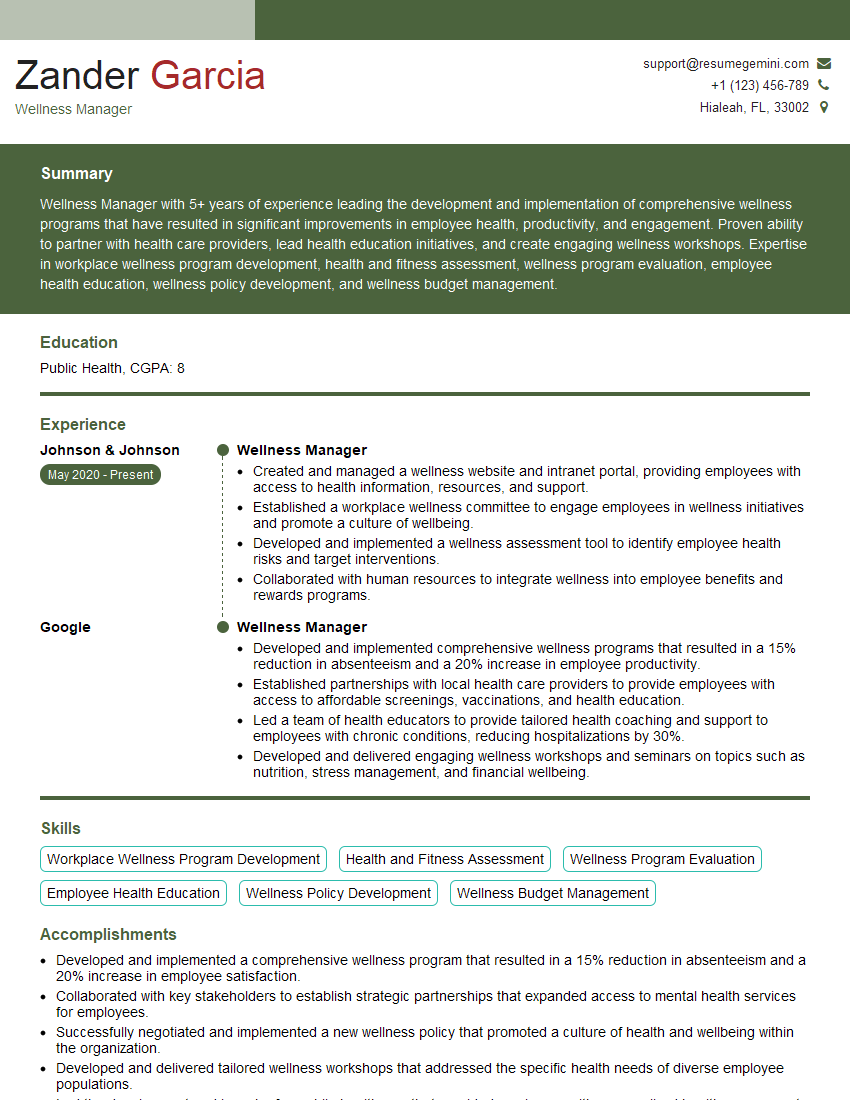
Wellness Manager Resume Sample
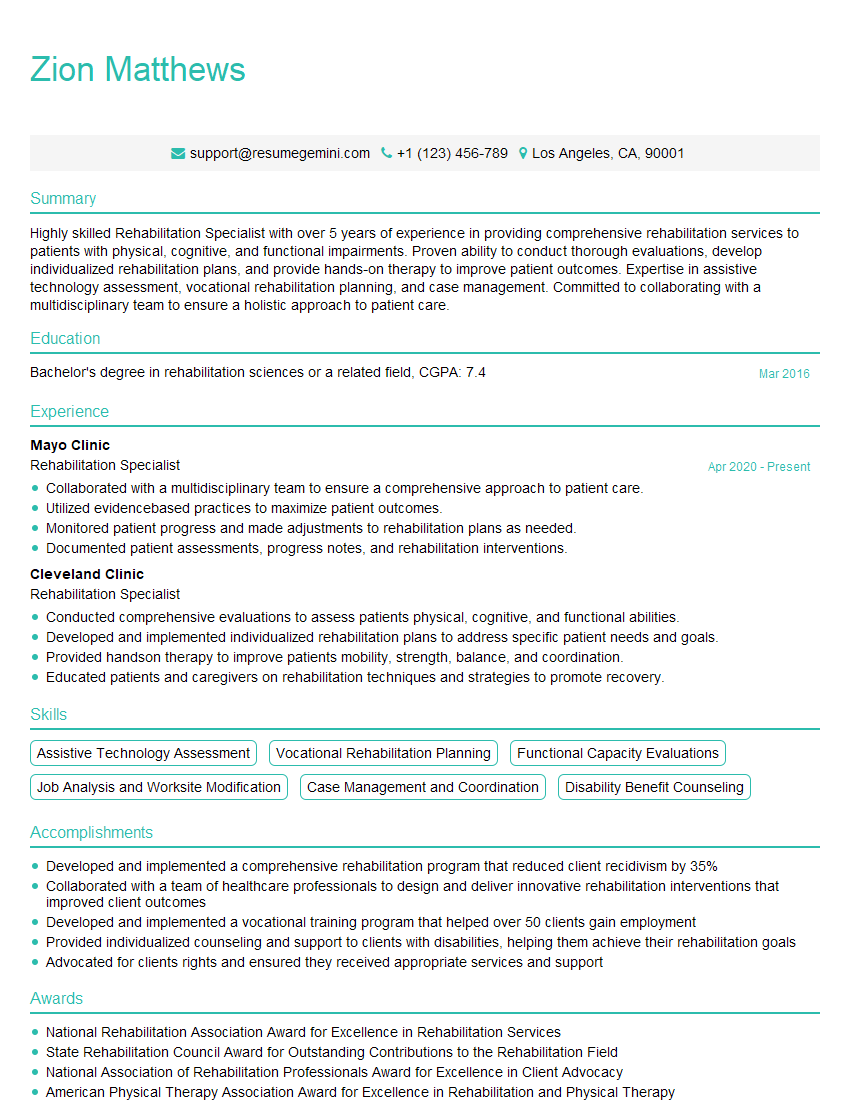
Rehabilitation Specialist Resume Sample

Athletic Trainer Resume Sample
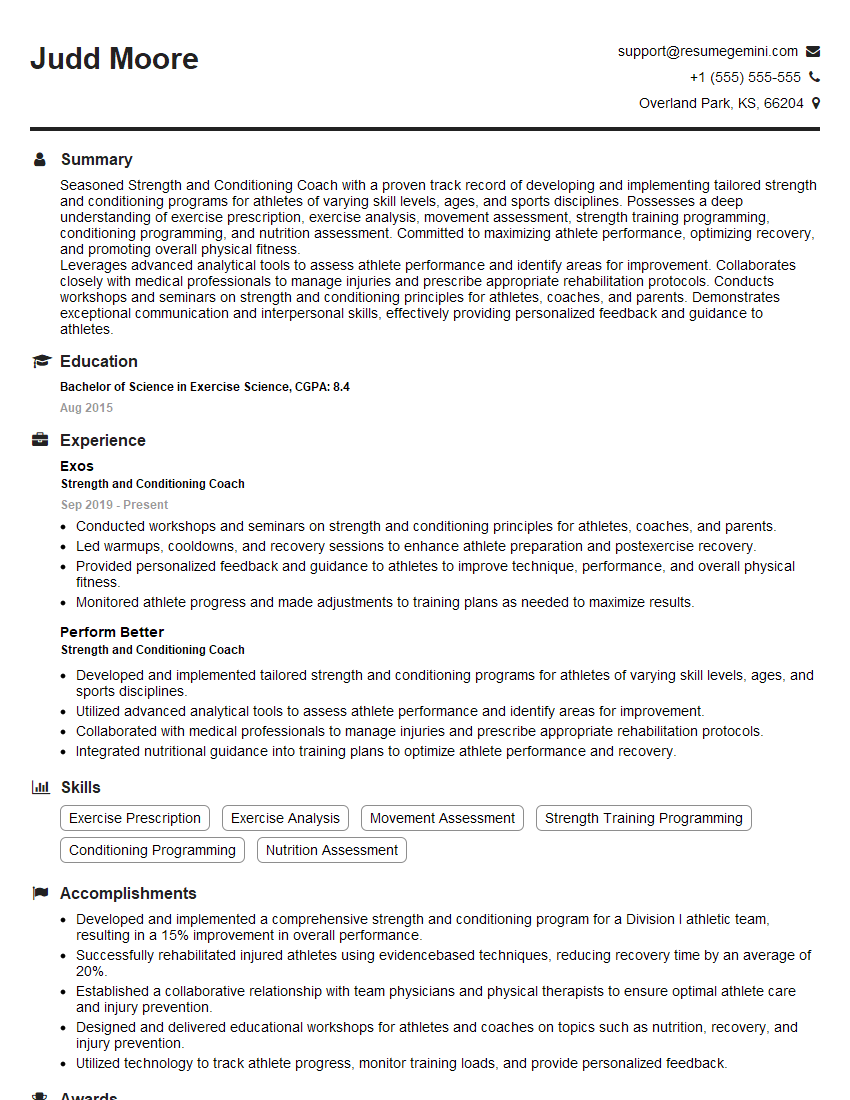
Strength and Conditioning Coach Resume Sample
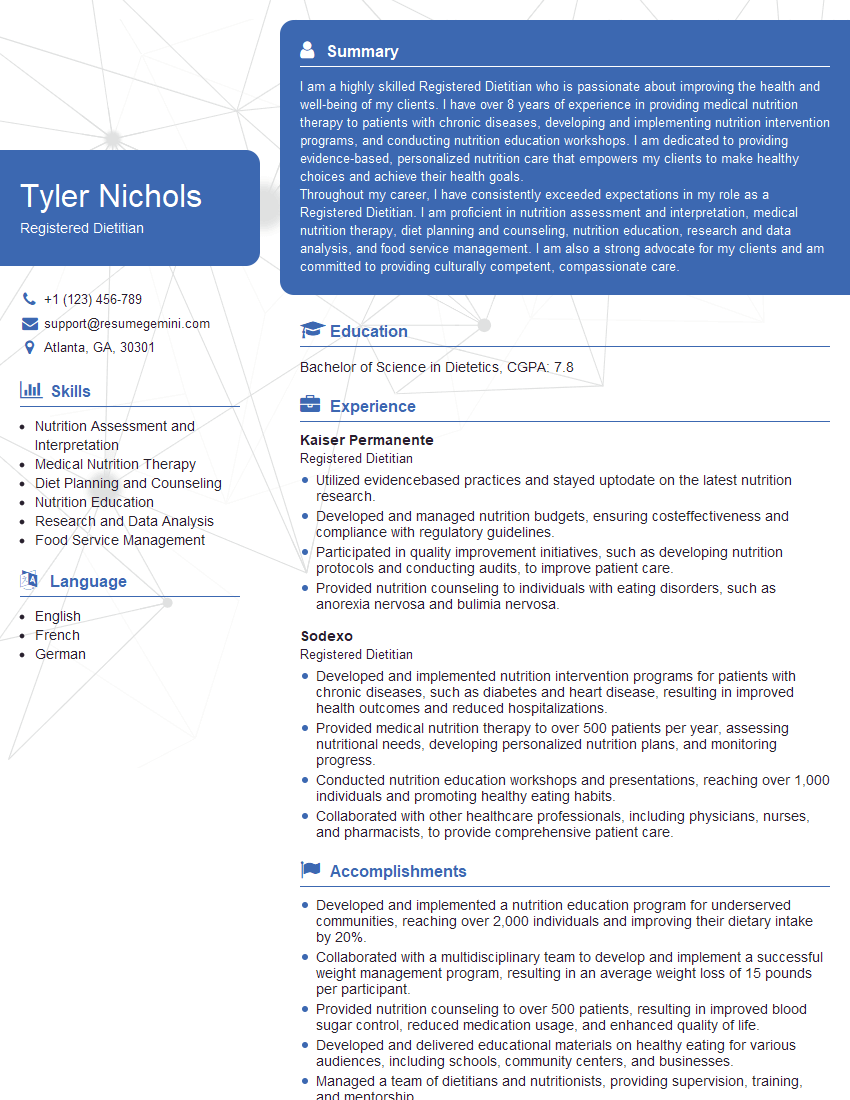
Registered Dietitian Resume Sample

Physician Assistant Resume Sample
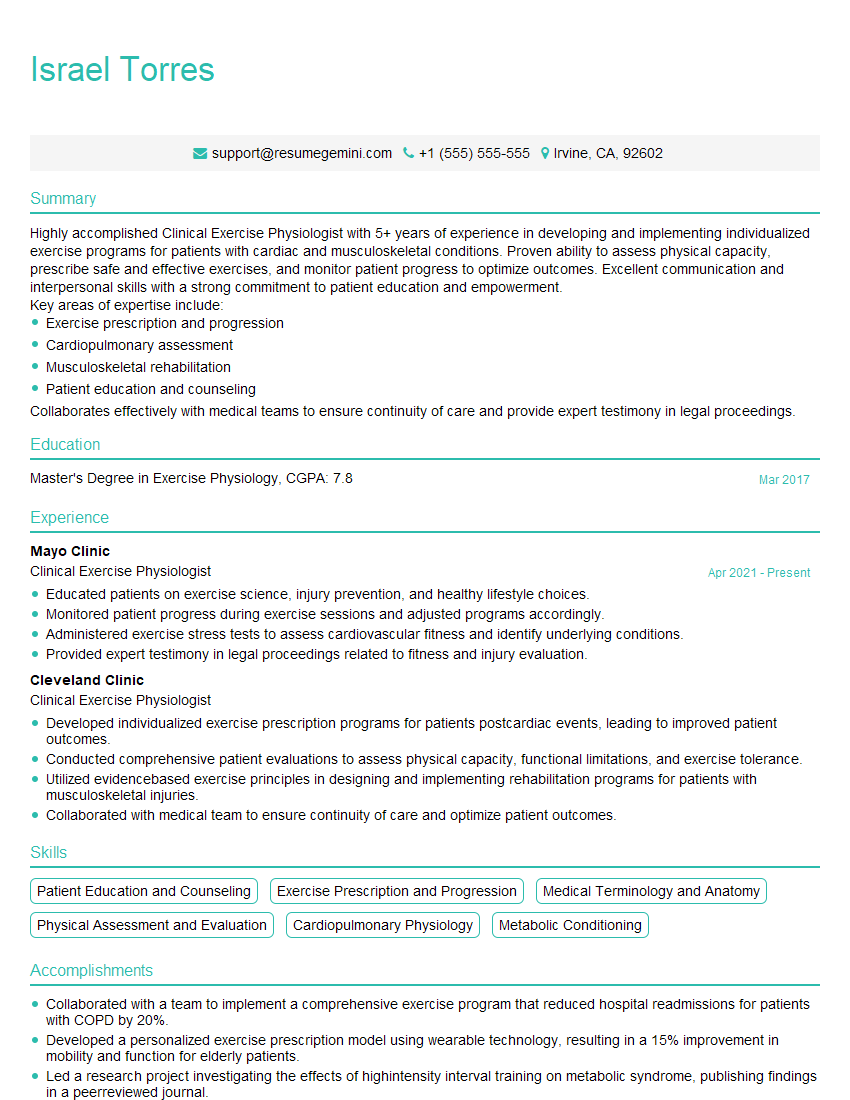
Clinical Exercise Physiologist Resume Sample

Exercise Physiologist Resume Sample
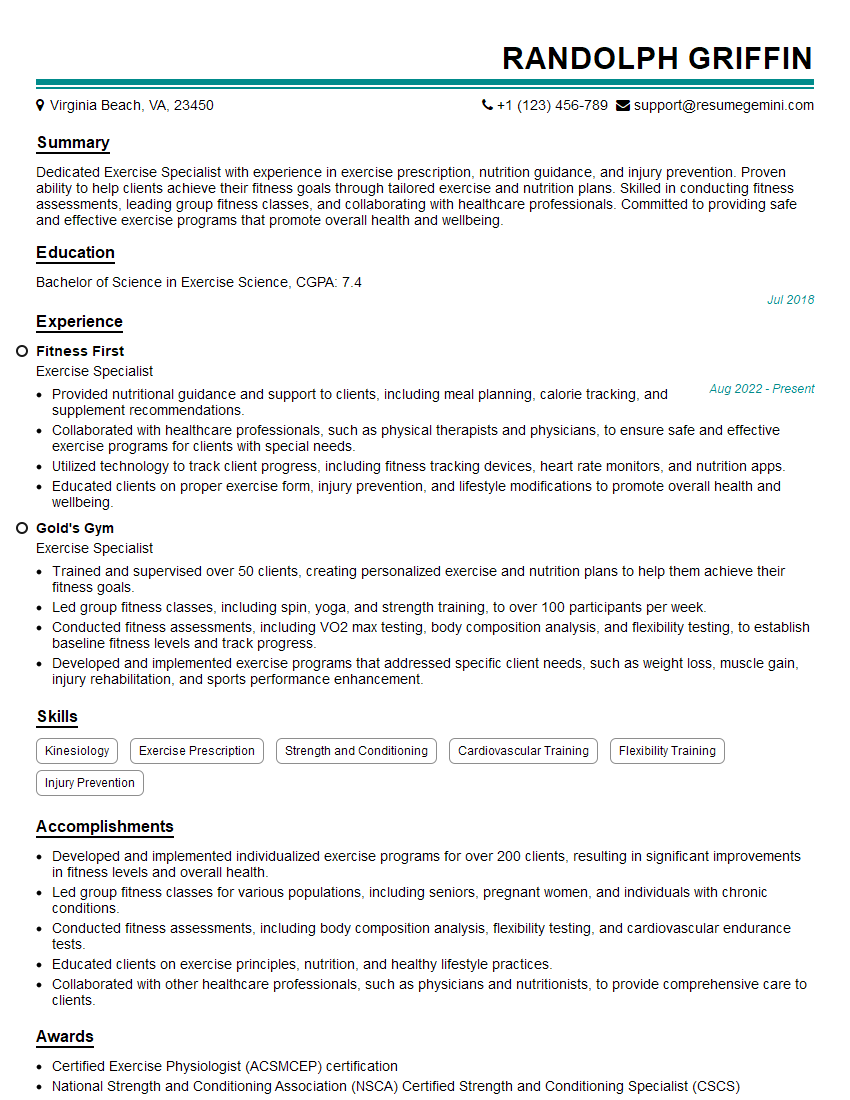
Exercise Specialist Resume Sample

Occupational Therapist Resume Sample
Explore more articles
Users Rating of Our Blogs
Share Your Experience
We value your feedback! Please rate our content and share your thoughts (optional).
What Readers Say About Our Blog
To the interviewgemini.com Webmaster.
Very helpful and content specific questions to help prepare me for my interview!
Thank you
To the interviewgemini.com Webmaster.
This was kind of a unique content I found around the specialized skills. Very helpful questions and good detailed answers.
Very Helpful blog, thank you Interviewgemini team.