The right preparation can turn an interview into an opportunity to showcase your expertise. This guide to Expertise in strategic planning and audience analysis interview questions is your ultimate resource, providing key insights and tips to help you ace your responses and stand out as a top candidate.
Questions Asked in Expertise in strategic planning and audience analysis Interview
Q 1. Describe your process for conducting a SWOT analysis.
A SWOT analysis is a fundamental strategic planning tool that helps organizations assess their internal capabilities and external environment. My process involves four key stages:
- Identifying Strengths: I start by meticulously identifying the organization’s internal advantages, such as strong brand reputation, innovative technology, skilled workforce, or efficient processes. This often involves reviewing internal data, conducting employee surveys, and holding brainstorming sessions.
- Identifying Weaknesses: Next, I focus on pinpointing internal limitations, such as outdated technology, lack of skilled personnel, inefficient processes, or a weak financial position. Again, data analysis, surveys, and internal discussions are key.
- Identifying Opportunities: Here, I analyze the external environment to identify potential opportunities for growth and development. This might involve market research, competitor analysis, and an examination of emerging trends and technologies. For example, recognizing a growing demand for a specific product or service in an untapped market.
- Identifying Threats: Finally, I identify potential external challenges that could hinder the organization’s success. This might include increasing competition, economic downturns, regulatory changes, or shifts in consumer preferences. For example, the rise of a disruptive competitor or a change in government regulations.
Once all four elements are identified, I prioritize them based on their impact and likelihood, creating a matrix that visually represents the organization’s strategic position. This matrix informs the development of actionable strategies, leveraging strengths and opportunities while mitigating weaknesses and threats.
Q 2. How do you define target audiences, and what methods do you use to segment them?
Defining target audiences is crucial for effective strategic planning. I begin by creating detailed buyer personas—semi-fictional representations of ideal customers based on research and data. These personas encompass demographics (age, gender, location), psychographics (values, lifestyle, interests), behavioral characteristics (purchasing habits, online activity), and needs and pain points.
I employ several segmentation methods to further refine these personas:
- Demographic Segmentation: Dividing audiences based on age, gender, income, education, and location.
- Psychographic Segmentation: Segmenting based on values, attitudes, lifestyles, and interests. For example, segmenting based on eco-consciousness or tech-savviness.
- Behavioral Segmentation: Grouping based on purchasing habits, brand loyalty, usage rates, and responsiveness to marketing efforts.
- Geographic Segmentation: Targeting specific geographic areas based on population density, culture, or market characteristics.
By combining these methods, I create a comprehensive understanding of different audience segments and tailor my strategies accordingly. For instance, a marketing campaign for a sustainable clothing brand might focus on psychographic segmentation (targeting environmentally conscious consumers) and geographic segmentation (focusing on urban areas with a high concentration of such consumers).
Q 3. Explain your experience with different audience research methodologies (e.g., surveys, focus groups, interviews).
My experience encompasses a wide range of audience research methodologies. I’ve successfully implemented:
- Surveys: Quantitative surveys (e.g., online questionnaires) provide broad data on audience preferences, attitudes, and behaviors. I use statistical analysis to identify patterns and insights. For example, a survey might assess brand awareness and customer satisfaction.
- Focus Groups: Qualitative focus groups allow for in-depth exploration of audience opinions and motivations through moderated discussions. This helps me understand the ‘why’ behind consumer behaviors and uncover unmet needs.
- In-depth Interviews: One-on-one interviews provide rich qualitative data, allowing for more detailed exploration of individual perspectives and experiences. This is particularly useful for understanding complex issues or exploring niche segments.
- Social Media Listening: Monitoring social media conversations to understand public perception of the brand, product, or service, identifying emerging trends and addressing customer concerns.
- A/B Testing: Experimenting with different marketing materials to assess effectiveness based on audience response. This is a data-driven approach to optimizing communication strategies.
The choice of methodology depends on the research question and available resources. Often, I combine quantitative and qualitative approaches for a more comprehensive understanding.
Q 4. How do you translate audience insights into actionable strategic recommendations?
Translating audience insights into actionable strategic recommendations requires a systematic approach. I use a framework that involves:
- Data Analysis & Synthesis: I thoroughly analyze the collected data from various research methods, identifying key themes, patterns, and insights. This often involves creating data visualizations and summaries to communicate findings clearly.
- Identifying Key Gaps and Opportunities: Based on the analysis, I identify any gaps in the organization’s understanding of its audience and potential opportunities to improve engagement or service delivery. For example, identifying a segment that is underserved or a product feature that is highly desired.
- Developing Strategic Recommendations: I then formulate specific, measurable, achievable, relevant, and time-bound (SMART) recommendations to address the identified gaps and capitalize on the opportunities. These recommendations might include new product development, targeted marketing campaigns, or improvements to customer service processes.
- Prioritization and Resource Allocation: Finally, I prioritize the recommendations based on their potential impact and feasibility, considering available resources and organizational constraints.
For example, if audience research reveals a strong demand for a new product feature, I’d recommend developing that feature, outlining a timeline, budget, and responsible team members. This ensures that insights translate into concrete actions that move the organization forward.
Q 5. Describe a time you had to adapt a strategic plan due to unexpected circumstances.
During a recent project for a new mobile app launch, we faced an unexpected competitor launch just one week before our planned release. Our initial strategic plan focused on a phased rollout, beginning with a targeted marketing campaign. The competitor’s aggressive launch threatened to steal market share before we even began.
We swiftly adapted by:
- Accelerating our launch timeline: We mobilized the team to expedite development and testing, prioritizing core features over less critical ones.
- Adjusting our marketing message: We shifted our campaign to highlight the unique value proposition of our app, directly addressing the competitor’s weaknesses and our strengths.
- Expanding our outreach strategy: We utilized a wider range of marketing channels to reach our target audience quickly and effectively, including paid social media campaigns and influencer collaborations.
This rapid adaptation allowed us to successfully launch the app, mitigating the impact of the unexpected competition and achieving better-than-expected early adoption rates. This experience underscored the importance of flexibility and responsiveness in strategic planning.
Q 6. What metrics do you use to measure the success of a strategic plan?
Measuring the success of a strategic plan requires a combination of quantitative and qualitative metrics. The specific metrics will vary depending on the strategic goals but generally include:
- Financial Metrics: Revenue growth, profit margins, return on investment (ROI) of marketing campaigns, customer lifetime value (CLTV).
- Market Share Metrics: Changes in market share, brand awareness, customer acquisition cost (CAC), and customer churn rate.
- Operational Metrics: Efficiency improvements, process optimization, reduction in operational costs, employee satisfaction.
- Customer Satisfaction Metrics: Customer satisfaction scores (CSAT), Net Promoter Score (NPS), customer feedback, and social media sentiment.
It is crucial to track these metrics regularly and use them to inform adjustments to the strategic plan. Regular review meetings and reporting are essential to monitor progress and identify areas for improvement. A dashboard visualizing key performance indicators (KPIs) facilitates effective monitoring and decision-making.
Q 7. How do you prioritize competing strategic goals?
Prioritizing competing strategic goals requires a structured approach. I employ a method that combines quantitative and qualitative assessments:
- Define Clear Objectives: Clearly define each strategic goal with specific, measurable targets. This ensures clarity and understanding among stakeholders.
- Assess Impact and Feasibility: Evaluate the potential impact of each goal on overall organizational objectives, considering factors like revenue growth, market share, and brand image. Simultaneously, assess the feasibility of achieving each goal considering resource constraints, timeframes, and internal capabilities.
- Apply a Prioritization Matrix: Utilize a prioritization matrix (e.g., a weighted scoring system) to rank goals based on their impact and feasibility. High-impact, high-feasibility goals receive top priority.
- Resource Allocation: Allocate resources (budget, personnel, time) strategically, focusing on the highest-priority goals. This may require making difficult choices about which goals to pursue and which to defer.
- Regular Review and Adjustment: Monitor progress regularly and adjust the prioritization as needed, based on emerging opportunities or challenges. Flexibility and adaptation are crucial.
This structured approach ensures that resources are focused on the most impactful goals, maximizing the organization’s chances of achieving its strategic objectives. It’s vital to involve key stakeholders in this prioritization process to ensure buy-in and alignment.
Q 8. Explain your experience with using data visualization tools to communicate strategic insights.
Data visualization is crucial for transforming complex strategic insights into easily digestible formats. My experience spans using various tools, from simple spreadsheet software like Excel to create charts and graphs, to more sophisticated platforms like Tableau and Power BI for interactive dashboards and complex data analysis. For instance, in a previous role, we used Tableau to visualize sales data across different regions. By creating interactive maps highlighting sales performance, we were able to quickly identify underperforming areas and allocate resources more effectively. We also used Power BI to track key performance indicators (KPIs) across multiple marketing campaigns, allowing us to monitor progress in real-time and make data-driven adjustments. The ability to visually represent complex information allows for quicker comprehension by stakeholders, facilitating collaborative decision-making and ensuring strategic alignment.
Choosing the right tool depends on the complexity of the data and the audience. For instance, a simple bar chart in Excel might suffice for a quick overview for a small team, whereas a dynamic dashboard in Tableau is necessary for presenting intricate data sets to senior management. The key is to select the visualization method that best supports clear communication of the strategic insights.
Q 9. How do you identify and mitigate potential risks to a strategic plan?
Identifying and mitigating risks is an integral part of strategic planning. My approach involves a systematic process. Firstly, I conduct a thorough risk assessment, identifying potential internal and external factors that could derail the plan. This includes analyzing market trends, competitive landscapes, technological disruptions, and internal capacity. For example, during the launch of a new product, I’d consider risks like supply chain disruptions, competitor responses, and customer adoption rate.
Secondly, I prioritize these risks based on their likelihood and potential impact. A risk matrix, visually representing this, helps in this prioritisation. Then, I develop mitigation strategies for each high-priority risk. This may involve contingency planning, resource allocation, or collaboration with other departments. For instance, to mitigate a potential supply chain disruption, I’d work with the procurement team to secure alternative suppliers. Finally, regular monitoring and evaluation of these risks are essential to ensure effectiveness and enable adjustments to the mitigation strategies as needed. This iterative approach is crucial in a dynamic business environment.
Q 10. Describe your process for developing a marketing strategy based on audience analysis.
Developing a marketing strategy rooted in audience analysis is a multi-step process. It begins with deep audience research using both quantitative and qualitative methods. Quantitative methods involve analyzing demographic data, purchase history, and website analytics. Qualitative research uses techniques such as surveys, focus groups, and interviews to understand customer needs, preferences, and pain points. For example, we might analyze website traffic to identify popular content and use surveys to understand customer satisfaction levels.
Next, I segment the audience into distinct groups based on shared characteristics and needs. Once segmented, I develop tailored messaging and channel strategies for each segment. A young, tech-savvy audience would respond differently to marketing campaigns than an older, more traditional group. So, the messaging, tone, and chosen channels—social media vs. print, for example—would differ. This targeted approach maximizes campaign effectiveness. Finally, a thorough testing phase is critical, allowing for the refinement of messaging and channel selections based on real-time results.
Q 11. How do you ensure alignment between strategic goals and marketing initiatives?
Ensuring alignment between strategic goals and marketing initiatives requires continuous communication and collaboration. The marketing strategy must explicitly support the overall business objectives. I achieve this by actively involving key stakeholders from different departments in the strategic planning process. This allows for a shared understanding of goals and ensures the marketing plan directly contributes to their achievement.
Furthermore, I utilize key performance indicators (KPIs) that directly correlate to the overall strategic goals. For example, if the strategic goal is to increase brand awareness, a relevant KPI would be website traffic or social media engagement. Regular reporting and review meetings with stakeholders enable a proactive approach to address any misalignment and adjust the strategy as needed. This collaborative, data-driven approach is essential in ensuring the marketing team’s efforts drive tangible progress towards broader business objectives.
Q 12. How do you measure the ROI of marketing campaigns based on audience response?
Measuring the ROI of marketing campaigns based on audience response requires a clear understanding of the campaign objectives and the use of appropriate metrics. It’s not enough to simply track impressions or clicks; we need to connect these activities to tangible business outcomes. For example, if the campaign goal is to drive sales, we’d track conversion rates, revenue generated, and customer lifetime value. If the goal is brand awareness, metrics like website traffic, social media engagement, and brand mentions would be crucial.
Attribution modelling is essential for determining which marketing channels and activities are most effective in driving conversions. This allows for optimization of future campaigns by focusing on high-performing channels and strategies. I use a combination of quantitative data (e.g., sales figures, website analytics) and qualitative feedback (e.g., customer surveys, social media comments) to develop a comprehensive picture of campaign effectiveness and ROI. This combined approach ensures a more holistic understanding of impact and informs future marketing efforts.
Q 13. How do you incorporate customer feedback into strategic planning?
Incorporating customer feedback is vital for continuous improvement in strategic planning. I actively seek feedback through various channels, including customer surveys, online reviews, social media monitoring, and focus groups. This feedback provides valuable insights into customer satisfaction, pain points, and unmet needs. This qualitative data enriches the quantitative data already available, providing a fuller picture of customer experience.
The feedback collected is then analyzed to identify trends and patterns. This analysis informs adjustments to the strategic plan, product development, and marketing strategies. For example, negative feedback regarding a particular product feature might lead to product improvement or a marketing campaign highlighting the product’s other advantages. By consistently incorporating customer voices, the organization can proactively adapt to changing customer expectations and maintain a competitive edge.
Q 14. Describe your experience working with cross-functional teams on strategic projects.
I have extensive experience collaborating with cross-functional teams on strategic projects. My approach emphasizes clear communication, active listening, and a shared understanding of goals and responsibilities. I typically begin by establishing a clear project charter that outlines the project’s objectives, scope, timelines, and deliverables. This shared document ensures that everyone is on the same page.
Regular meetings, utilizing different communication channels as needed, facilitate progress tracking and address any potential roadblocks or disagreements. I facilitate these meetings to ensure all voices are heard and collaborative problem-solving occurs. Effective conflict resolution strategies are essential, often involving finding common ground and prioritizing the shared project goals. Open communication and transparency, combined with mutual respect for each team member’s expertise, are critical for successful collaboration and achieving project objectives. Successful cross-functional collaboration leads to more comprehensive and well-rounded strategies.
Q 15. How do you handle conflicting priorities between different stakeholders?
Conflicting priorities among stakeholders are inevitable in strategic planning. My approach involves a structured process to prioritize initiatives based on a clear understanding of the overall organizational goals and available resources. This starts with a thorough needs assessment, carefully weighing the urgency and importance of each stakeholder’s request. I utilize a prioritization matrix, often a weighted scoring system, to objectively compare different projects against pre-defined criteria such as strategic alignment, ROI, risk, and feasibility. This matrix provides a transparent framework for decision-making, allowing stakeholders to understand the rationale behind the prioritization. For example, in a previous role, we had competing demands for developing a new product line versus enhancing an existing one. Using a prioritization matrix that factored in market analysis, resource allocation, and risk assessment, we chose to enhance the existing product, as this offered higher ROI and lower risk in the shorter term. Open and honest communication throughout the process is critical. I ensure all stakeholders are involved in the prioritization process, so everyone understands the trade-offs and the reasons behind the final decision. This fosters buy-in and mitigates resentment.
Career Expert Tips:
- Ace those interviews! Prepare effectively by reviewing the Top 50 Most Common Interview Questions on ResumeGemini.
- Navigate your job search with confidence! Explore a wide range of Career Tips on ResumeGemini. Learn about common challenges and recommendations to overcome them.
- Craft the perfect resume! Master the Art of Resume Writing with ResumeGemini’s guide. Showcase your unique qualifications and achievements effectively.
- Don’t miss out on holiday savings! Build your dream resume with ResumeGemini’s ATS optimized templates.
Q 16. Explain your experience with using project management methodologies for strategic initiatives.
I have extensive experience leveraging various project management methodologies, including Agile, Waterfall, and hybrid approaches, for strategic initiatives. The choice of methodology depends heavily on the nature of the project and the organization’s culture. For example, Agile methodologies, with their iterative development cycles and emphasis on flexibility, are well-suited for projects with evolving requirements or uncertain outcomes, such as market research and pilot programs. On the other hand, Waterfall, with its sequential approach, can be more appropriate for large-scale, complex projects where clear milestones and deliverables are crucial, such as implementing a new CRM system. In practice, I often employ a hybrid approach, combining elements of both Agile and Waterfall to maximize efficiency and effectiveness. For instance, I might start a project with a Waterfall-like planning phase to establish a strong foundation and then transition to an Agile methodology for the execution phase, allowing for greater flexibility in responding to evolving market conditions or unforeseen challenges. Regardless of the chosen methodology, I ensure rigorous project tracking and regular progress reporting to maintain transparency and accountability among stakeholders. This includes utilizing project management software (e.g., Asana, Jira) to manage tasks, track progress, and facilitate communication.
Q 17. How do you stay up-to-date with industry trends and best practices in strategic planning and audience analysis?
Staying current in strategic planning and audience analysis is crucial. I actively engage in several strategies to ensure my knowledge remains up-to-date. This involves regular reading of industry publications (both print and online), attending relevant conferences and workshops, participating in professional development programs, and actively networking with other professionals in the field. I also follow thought leaders and influential organizations on social media platforms like LinkedIn and Twitter to stay abreast of the latest trends and debates. Furthermore, I actively seek out opportunities to learn from my own experiences and those of others. I frequently review past projects, analyzing successes and areas for improvement, which allows for continuous learning and refinement of my skills. Subscribing to industry newsletters and participating in online communities are additional means I use for continuous learning. Finally, staying informed about technological advancements impacting data analytics and audience engagement is essential.
Q 18. Describe your experience with using market research data to inform strategic decisions.
Market research data is the cornerstone of effective strategic decision-making. My experience includes designing and implementing market research studies, including surveys, focus groups, and competitive analyses. I utilize both quantitative and qualitative data to gain a holistic understanding of the market landscape, customer preferences, and competitive dynamics. For example, in a recent project, we conducted a comprehensive customer survey to understand the needs and preferences of our target audience. This data, coupled with competitive analysis, informed our product development strategy and allowed us to successfully launch a new product that resonated strongly with the market. Analyzing the data involves employing various statistical techniques and data visualization tools to identify key trends, patterns, and insights. This is not simply about collecting data; it’s about interpreting it effectively and translating those insights into actionable strategic recommendations. I ensure that the data analysis is rigorous and transparent, and that the resulting recommendations are supported by robust evidence. This builds confidence among stakeholders and increases the likelihood of successful implementation.
Q 19. How do you build consensus among stakeholders with differing viewpoints?
Building consensus among stakeholders with diverse perspectives is a crucial skill. I approach this by fostering a collaborative environment where all voices are heard and respected. This involves active listening, open communication, and a commitment to finding common ground. I facilitate workshops and meetings where stakeholders can openly share their views and concerns. I use techniques such as brainstorming and collaborative problem-solving to explore different options and identify solutions that address the needs and concerns of all parties. Compromise is often essential, and I work to find solutions that balance the interests of different stakeholders. When differences remain, I ensure that the rationale behind the final decision is clearly communicated and understood by all involved. Transparency and fairness are paramount in building trust and achieving consensus. Documenting decisions and the rationale behind them ensures accountability and minimizes future misunderstandings. If necessary, I will utilize mediation or facilitation techniques to help stakeholders reach an agreement.
Q 20. How do you present complex strategic information to non-technical audiences?
Presenting complex strategic information to non-technical audiences requires clear, concise, and engaging communication. I avoid jargon and technical language, instead using simple, everyday language and visual aids to make the information accessible and understandable. I use storytelling to make the information more relatable and memorable, often drawing parallels to everyday experiences. For example, rather than using complex financial models, I might use analogies to explain key concepts. Data visualization is essential; charts, graphs, and infographics can effectively communicate complex data in a visually appealing and easy-to-understand manner. I tailor the presentation to the specific audience, considering their knowledge level and interests. I also prioritize interactive elements, such as Q&A sessions and discussions, to ensure engagement and encourage participation. Before the presentation, I often conduct a thorough needs assessment to ensure the information is relevant and addresses the audience’s concerns.
Q 21. Describe your experience with competitive analysis.
Competitive analysis is a critical component of strategic planning. My experience encompasses a range of approaches, including analyzing competitors’ strengths and weaknesses, identifying market opportunities and threats, and evaluating their strategies and tactics. This involves a combination of primary and secondary research, utilizing tools like SWOT analysis and Porter’s Five Forces to gain a comprehensive understanding of the competitive landscape. For example, I might analyze competitors’ websites, marketing materials, and financial reports to understand their strategies and performance. I might also conduct customer surveys to compare our offerings with those of our competitors. The data gathered through this process informs our strategic decision-making, enabling us to identify areas where we can differentiate ourselves and gain a competitive advantage. This includes identifying opportunities to innovate, improve our products or services, or optimize our marketing efforts. Regularly updating this analysis is crucial to remain aware of shifts in the market and maintain a competitive edge.
Q 22. How do you identify key performance indicators (KPIs) for strategic initiatives?
Identifying Key Performance Indicators (KPIs) for strategic initiatives is crucial for measuring success and making data-driven adjustments. It starts with clearly defining your strategic goals. Once you know what you’re aiming for, you can identify the specific, measurable, achievable, relevant, and time-bound (SMART) metrics that will demonstrate progress towards those goals.
For example, if a strategic goal is to increase brand awareness, relevant KPIs might include website traffic, social media engagement (likes, shares, comments), brand mentions in online media, and changes in brand perception surveys. If the goal is to improve customer satisfaction, KPIs could include customer satisfaction scores (CSAT), Net Promoter Score (NPS), customer churn rate, and the number of customer support tickets resolved within a specific timeframe.
The process involves a collaborative effort between stakeholders, ensuring alignment on what constitutes success. This ensures that everyone is working towards the same measurable objectives. Regularly reviewing and refining your KPIs is also important, as your strategic priorities may evolve over time.
Q 23. How do you track progress toward strategic goals and make adjustments as needed?
Tracking progress and making adjustments is an iterative process. It requires a robust system for data collection and analysis, coupled with regular monitoring and review. This often involves using project management software, dashboards, and reporting tools to visualize progress against KPIs.
Let’s say we’re tracking website traffic as a KPI. If the traffic is significantly below projections, we need to investigate the root cause. Is it a problem with SEO, social media marketing, paid advertising, or something else? We’d analyze the data, explore potential solutions (e.g., refining our SEO strategy, launching a new social media campaign, optimizing paid advertising campaigns), and implement changes. We’d then track the impact of these changes and make further adjustments as needed.
This iterative approach—monitor, analyze, adjust, and repeat—is vital. It allows for course correction, preventing minor issues from escalating into significant setbacks. It’s crucial to document all changes and their impact to learn from successes and failures and to inform future strategic decisions.
Q 24. Describe a time you had to make a difficult decision related to strategic planning.
In a previous role, we faced a critical decision regarding resource allocation. We had two promising strategic initiatives: developing a new product line and significantly improving our customer service infrastructure. Both were vital for long-term growth, but we lacked the resources to fully pursue both simultaneously.
The decision was difficult because both initiatives had strong potential benefits, and choosing one meant potentially delaying the other. We carefully weighed the risks and rewards of each option, analyzing market research data, sales projections, and customer feedback. We also considered the potential impact on employee morale and overall company culture. After extensive deliberation and data analysis, we prioritized the customer service infrastructure improvements. We reasoned that a strong foundation in customer service would be crucial for sustaining growth even as the new product line was developed.
The decision proved successful. Investing in our customer service infrastructure resulted in increased customer loyalty and positive word-of-mouth marketing, which ultimately benefited the launch of the new product line. This experience taught me the importance of data-driven decision-making and carefully considering the interconnectedness of different strategic initiatives.
Q 25. How do you balance short-term goals with long-term strategic objectives?
Balancing short-term goals with long-term strategic objectives requires a carefully constructed strategy that integrates both. Think of it like building a house: you need immediate tasks (laying the foundation, short-term goals) that directly support the overall vision (building a house, long-term objectives). You can’t build a house without first laying the foundation.
For example, a company aiming for long-term market leadership (long-term goal) might prioritize increasing market share (short-term goal) through targeted marketing campaigns. Another short-term goal could be improving operational efficiency to reduce costs, thus supporting long-term profitability and sustainability.
A balanced approach involves identifying key short-term actions that demonstrably contribute to the long-term vision. Regularly reviewing both short-term progress and long-term progress is crucial, and ensuring that short-term actions remain aligned with the overall strategic direction. Using tools like a balanced scorecard helps to visualize and manage this balance.
Q 26. How do you use technology and tools to improve strategic planning efficiency?
Technology plays a vital role in enhancing strategic planning efficiency. Project management software like Asana, Trello, or Monday.com facilitates task management, collaboration, and progress tracking. Data analytics tools (e.g., Tableau, Power BI) allow for data-driven insights to inform strategic decision-making. Collaboration platforms like Slack or Microsoft Teams streamline communication and information sharing.
Using these tools, we can create centralized repositories for strategic documents, track progress on KPIs in real-time, and facilitate efficient communication among stakeholders. For instance, a dashboard can show progress on various KPIs in a clear, concise way, enabling quick identification of areas needing attention. This reduces reliance on manual reporting, saving time and resources. The use of scenario planning software can also aid in exploring different strategic options and assessing their potential outcomes.
Q 27. Describe your experience with developing and implementing content strategies.
My experience with developing and implementing content strategies involves a deep understanding of audience analysis, content creation, and distribution. It starts with a thorough understanding of the target audience—their needs, interests, and preferred communication channels. This informs the creation of relevant and engaging content that resonates with the audience and achieves the desired strategic objectives.
For example, in developing a content strategy for a technology company targeting developers, I would focus on creating technical documentation, tutorials, blog posts, and webinars on specific coding languages or development tools. This would be in addition to engaging content on social media platforms frequented by developers. The distribution channels would be carefully chosen based on the audience’s media consumption habits, aiming for maximum reach and engagement. Analyzing website analytics and social media engagement is crucial in tracking the success of the strategy, allowing for refinement and optimization.
Ultimately, a successful content strategy is iterative and data-driven, constantly adapting to changes in audience behavior and technological advancements.
Q 28. How do you ensure your strategic plans are ethical and socially responsible?
Ensuring ethical and socially responsible strategic plans is paramount. It requires incorporating ethical considerations into every stage of the planning process, from defining objectives to implementing strategies. This includes considering the environmental impact of our actions, ensuring fair treatment of employees and customers, and upholding high standards of corporate governance.
For instance, we might incorporate sustainable practices into our operations to reduce our carbon footprint, ensuring compliance with all relevant environmental regulations. We would also prioritize ethical sourcing of materials and fair labor practices throughout our supply chains. Transparency and accountability are key; regularly reviewing our processes and practices to ensure they align with our ethical standards.
By proactively addressing ethical considerations, we build trust with stakeholders, enhance our brand reputation, and minimize potential risks associated with unethical or unsustainable business practices.
Key Topics to Learn for Expertise in Strategic Planning and Audience Analysis Interviews
- Strategic Planning Frameworks: Understanding and applying frameworks like SWOT analysis, PESTLE analysis, and Porter’s Five Forces. Consider how you’ve used these in past roles to inform decision-making.
- Audience Segmentation & Persona Development: Mastering techniques to identify, segment, and create detailed audience personas. Be prepared to discuss how you’ve used this to tailor messaging and strategies.
- Data Analysis for Insight: Demonstrating proficiency in using data (market research, customer analytics, etc.) to inform strategic planning and understand audience needs and behaviors. Showcase specific examples where data drove strategic choices.
- Goal Setting & KPI Development: Articulating how you define measurable goals and key performance indicators (KPIs) aligned with strategic objectives and audience needs. Be ready to discuss how you track progress and adjust strategies.
- Communication & Presentation Skills: Effectively communicating strategic plans and audience insights to various stakeholders. Prepare examples showcasing your ability to tailor communication to different audiences.
- Risk Assessment & Mitigation: Identifying potential risks and developing mitigation strategies within a strategic plan. Illustrate your experience in proactively addressing potential challenges.
- Adaptability & Iteration: Showcasing your ability to adapt strategic plans based on changing market conditions, audience feedback, and performance data. Explain how you’ve iterated on plans to improve outcomes.
Next Steps
Mastering strategic planning and audience analysis is crucial for career advancement, opening doors to leadership roles and impactful contributions. A strong resume is your first step towards showcasing these skills. Creating an ATS-friendly resume significantly increases your chances of getting noticed by recruiters. ResumeGemini is a trusted resource to help you build a professional and effective resume that highlights your expertise. We provide examples of resumes tailored to highlight expertise in strategic planning and audience analysis to help you get started. Invest the time to craft a compelling narrative that showcases your skills and accomplishments – your future self will thank you!
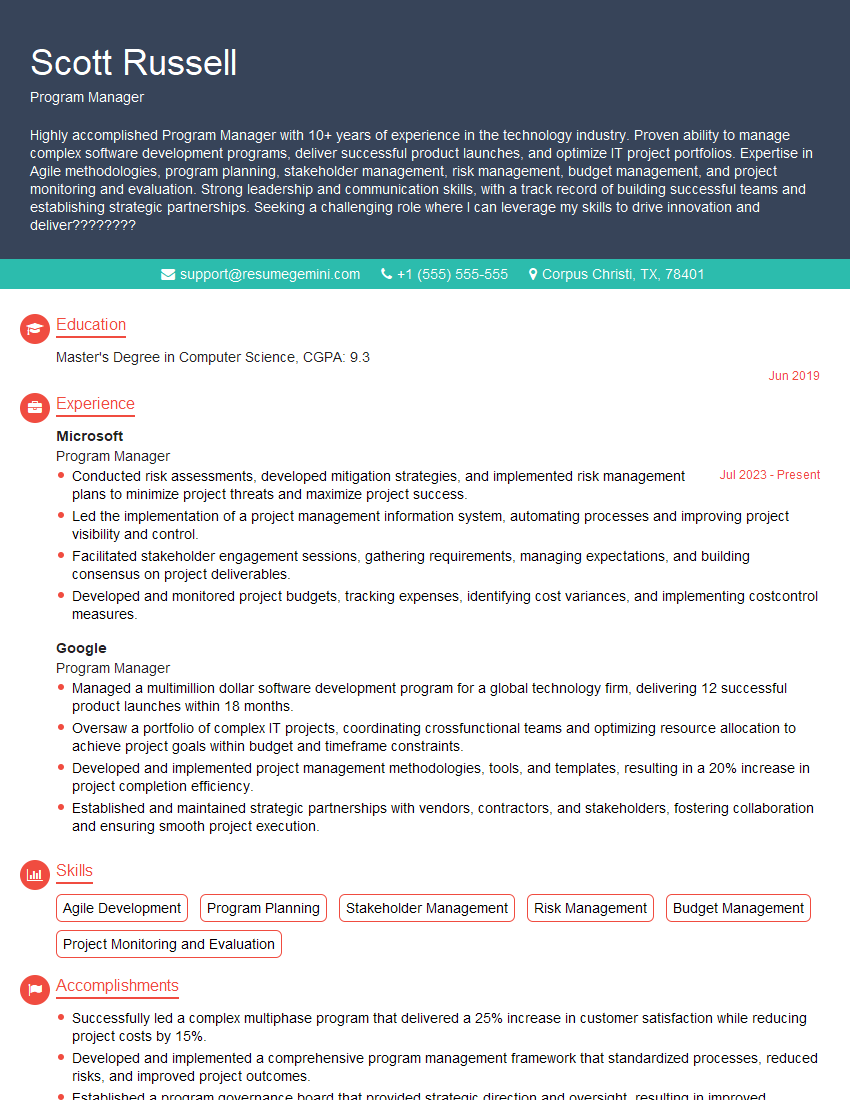
Program Manager Resume Sample
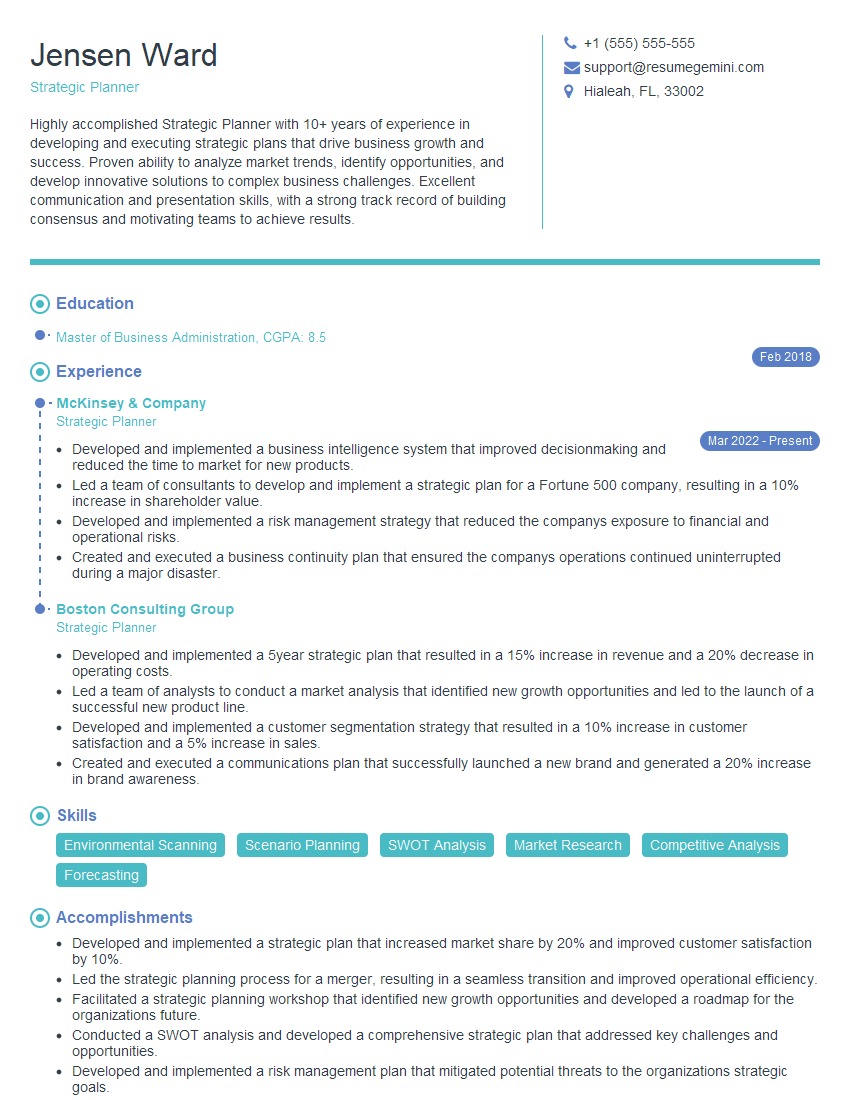
Strategic Planner Resume Sample
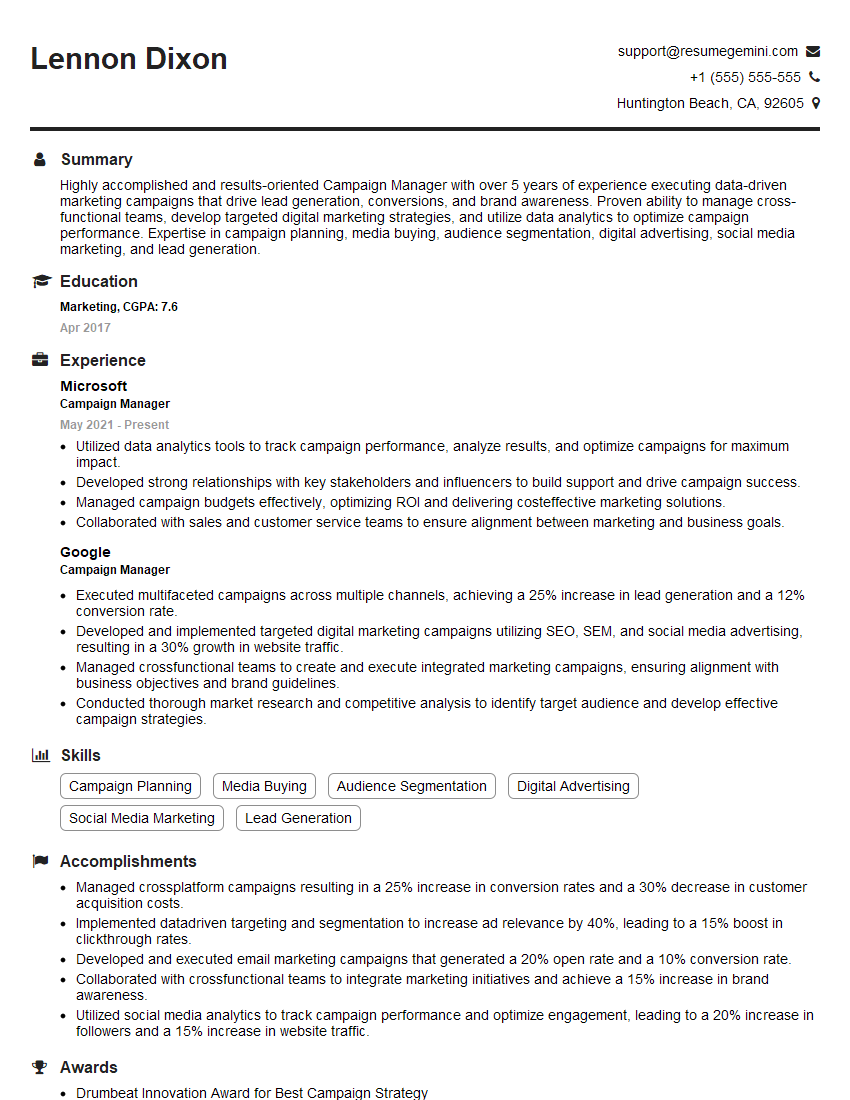
Campaign Manager Resume Sample
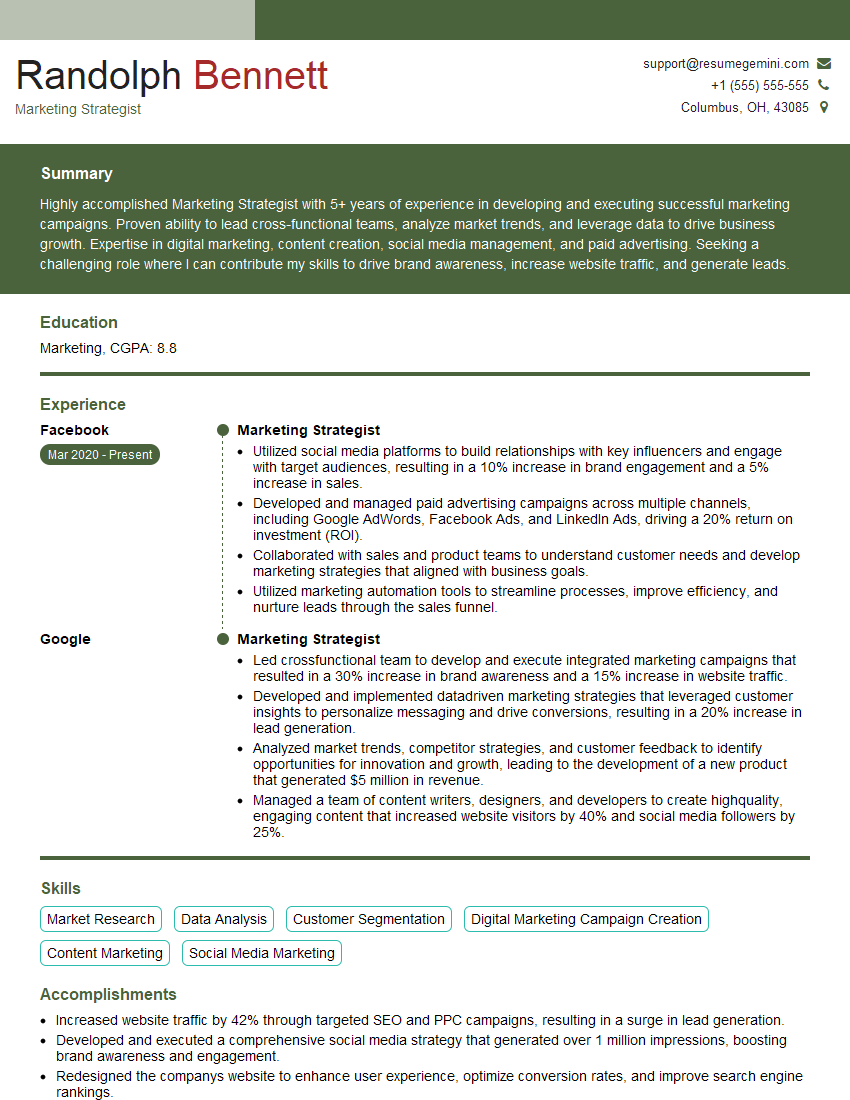
Marketing Strategist Resume Sample
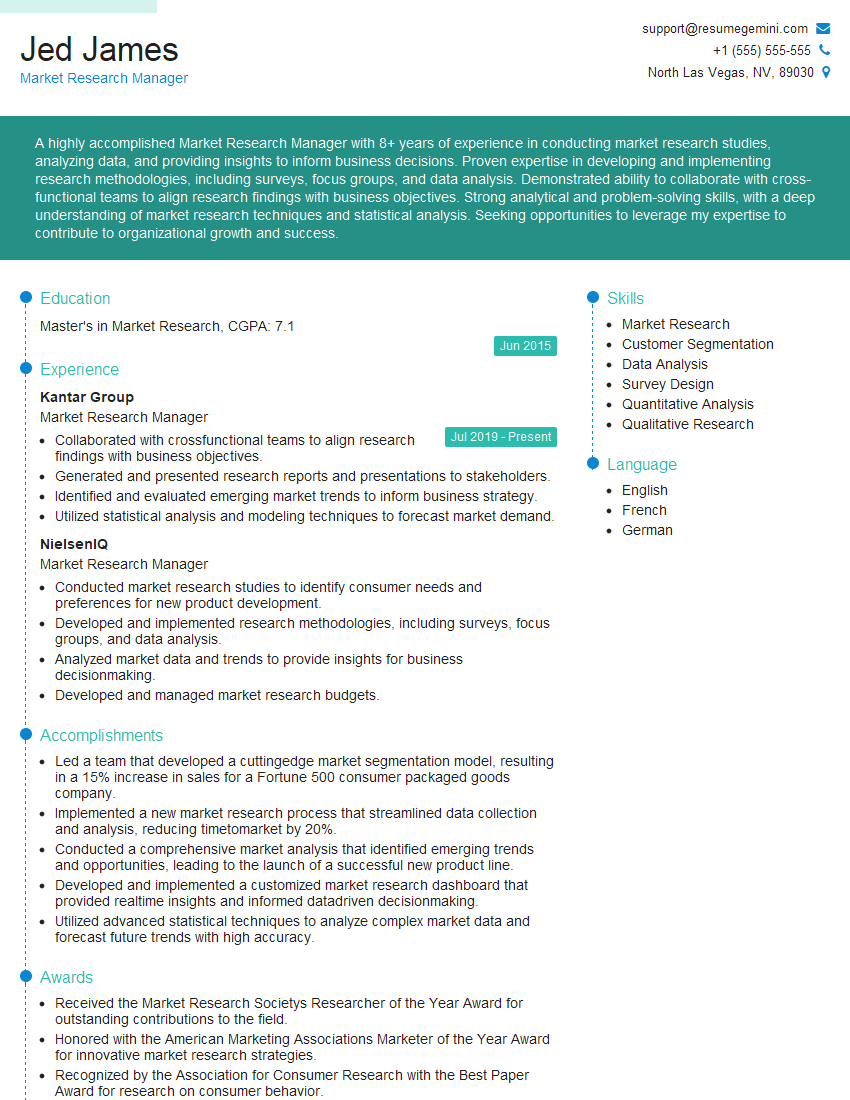
Market Research Manager Resume Sample
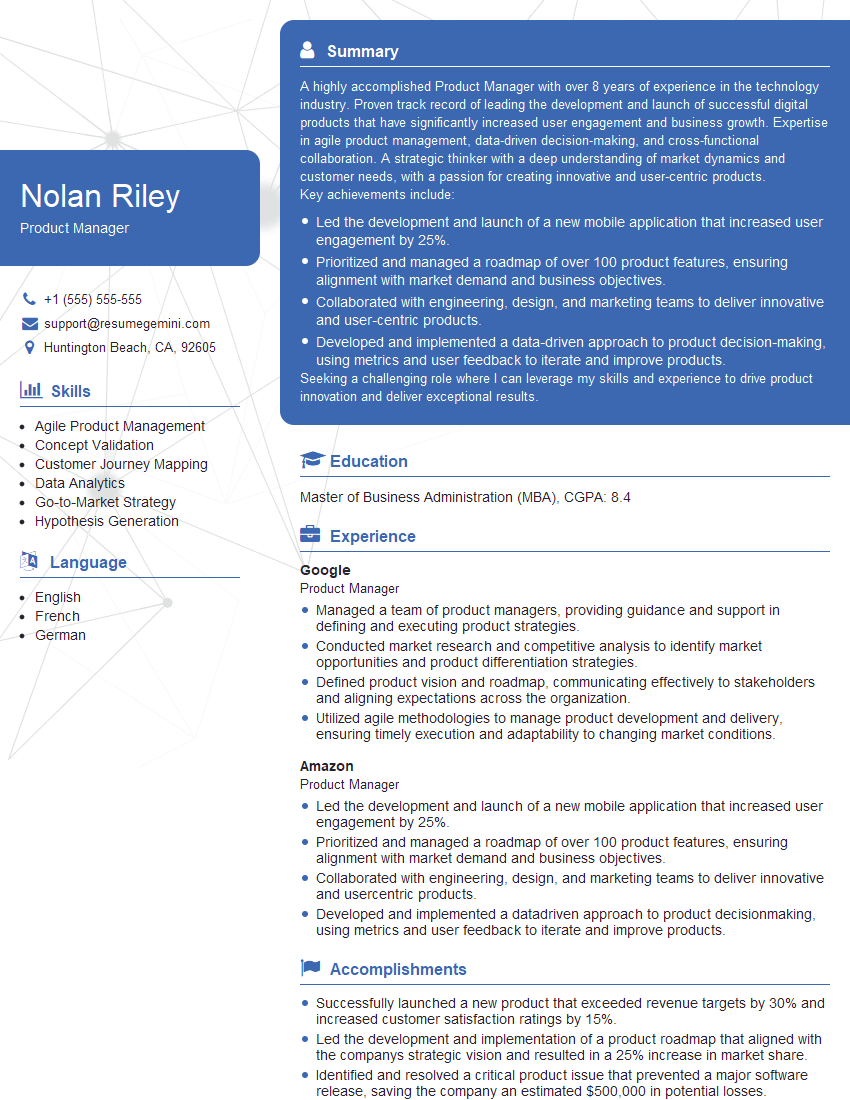
Product Manager Resume Sample
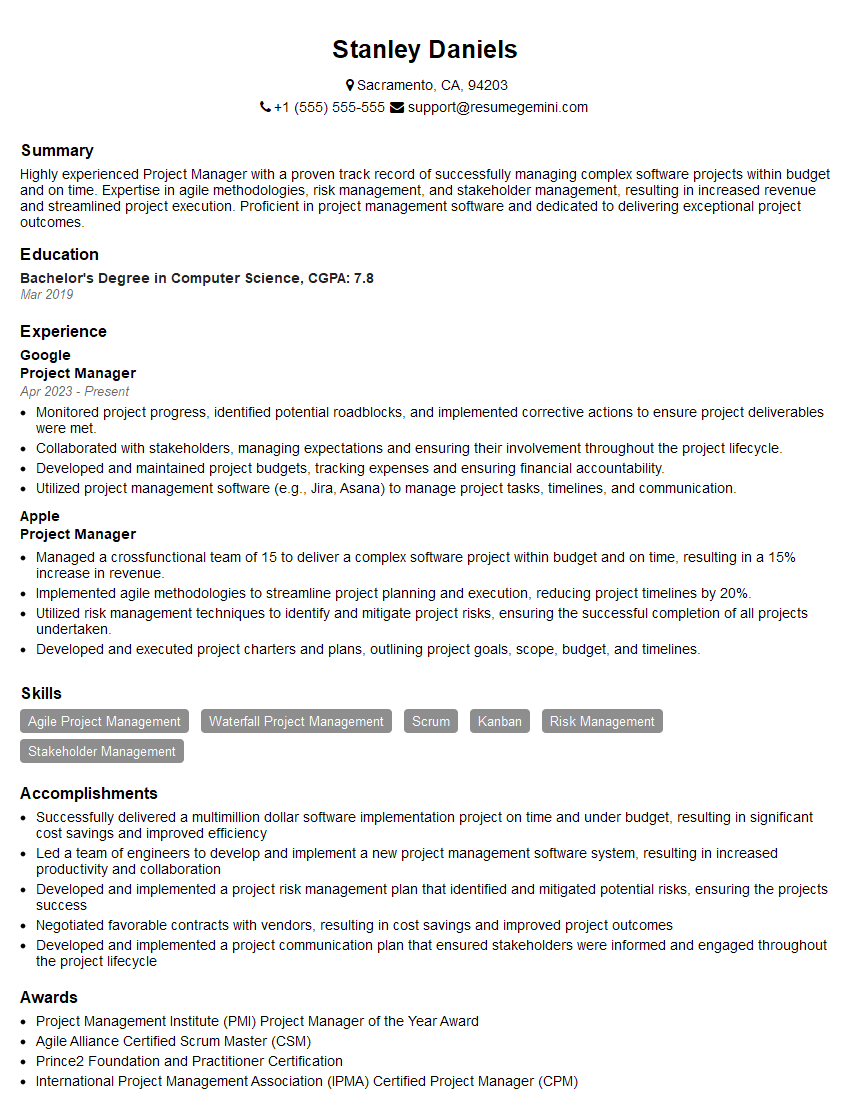
Project Manager Resume Sample
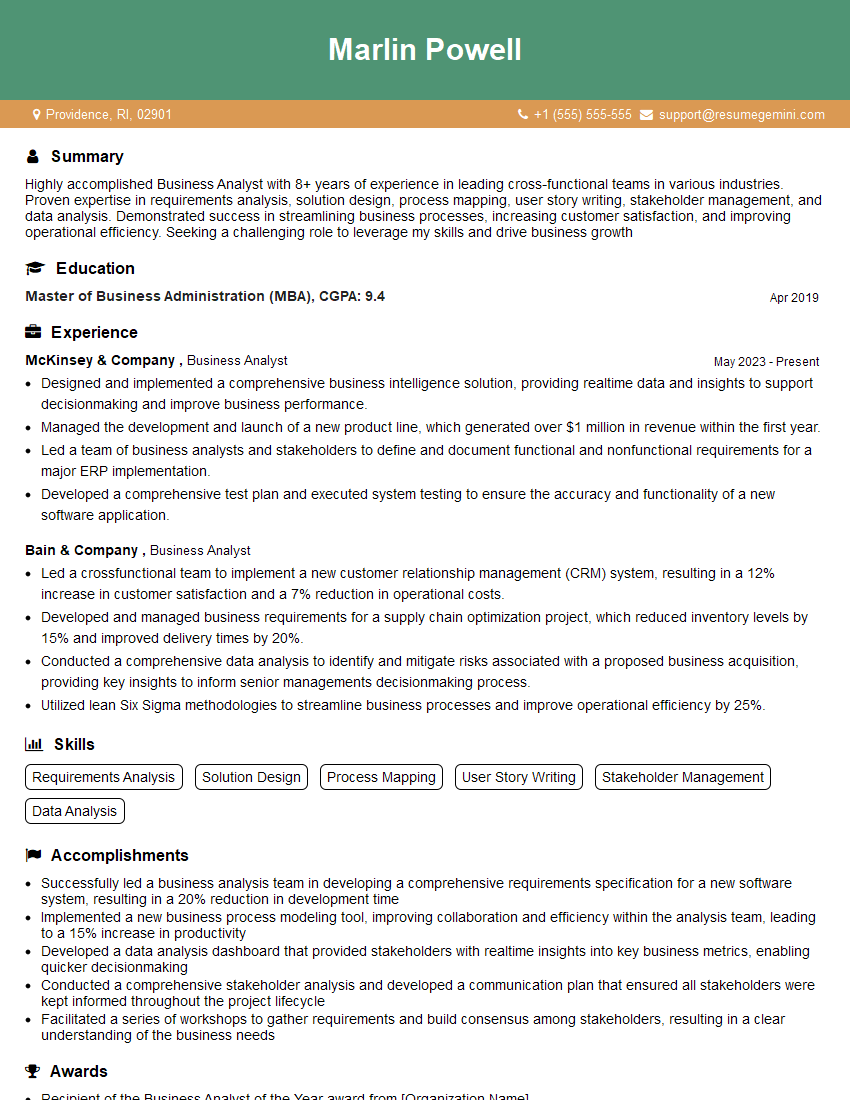
Business Analyst Resume Sample
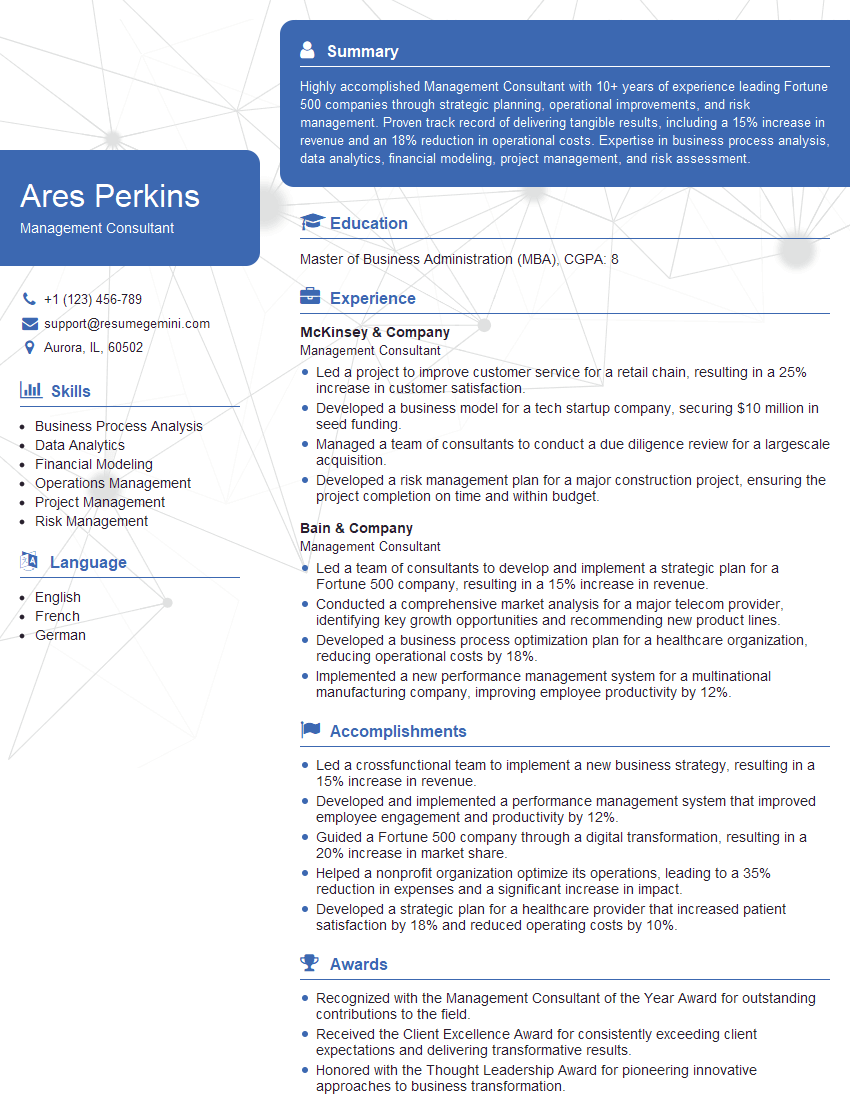
Management Consultant Resume Sample
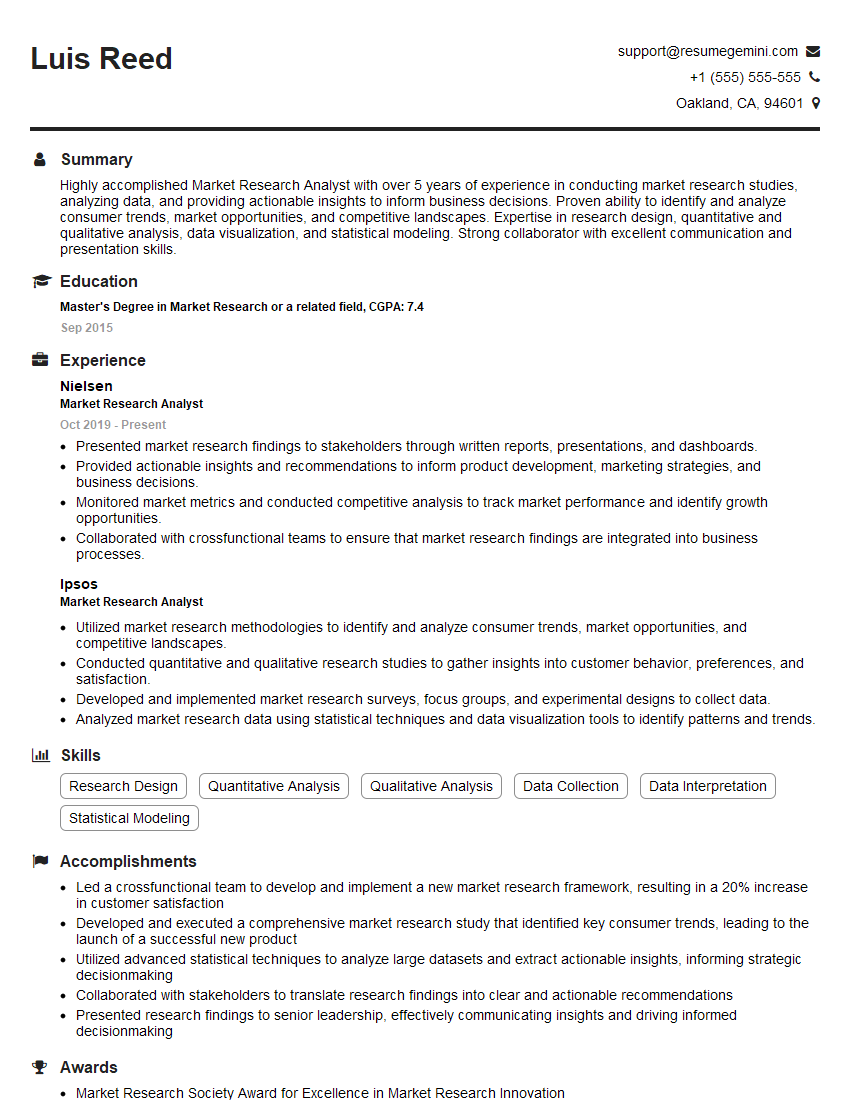
Market Research Analyst Resume Sample
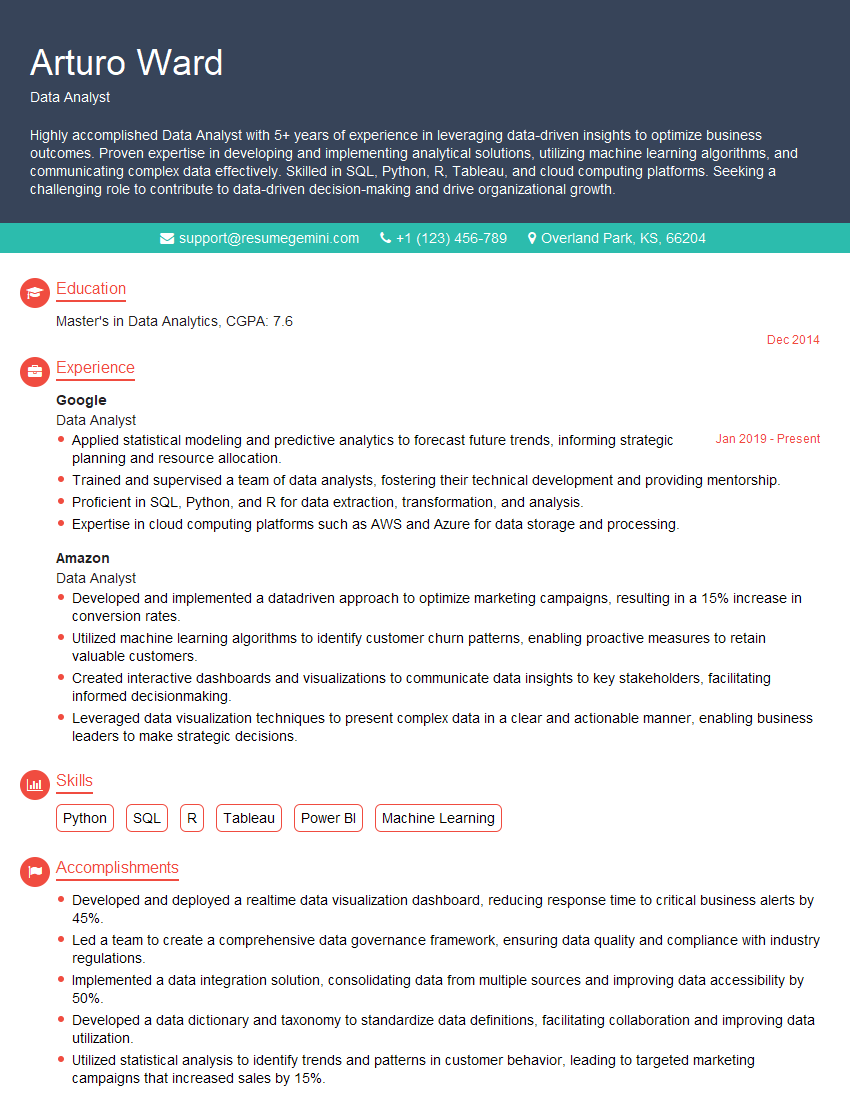
Data Analyst Resume Sample
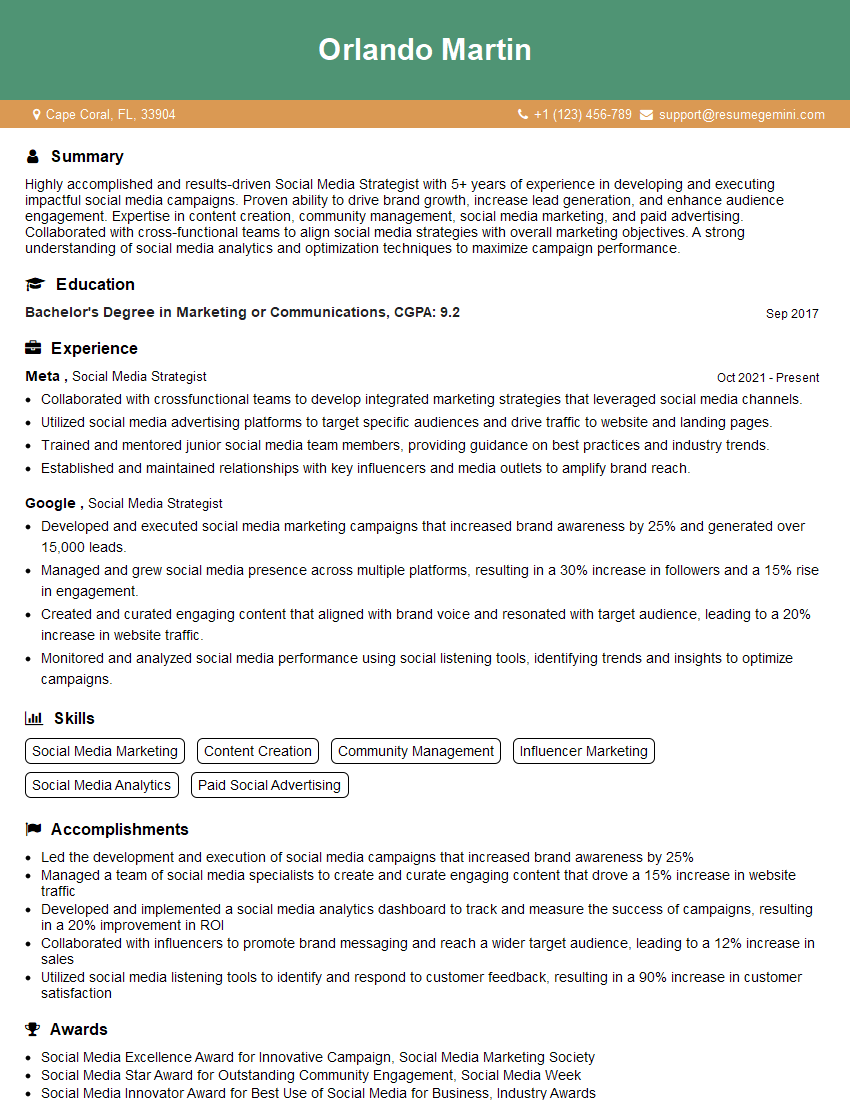
Social Media Strategist Resume Sample

Content Strategist Resume Sample
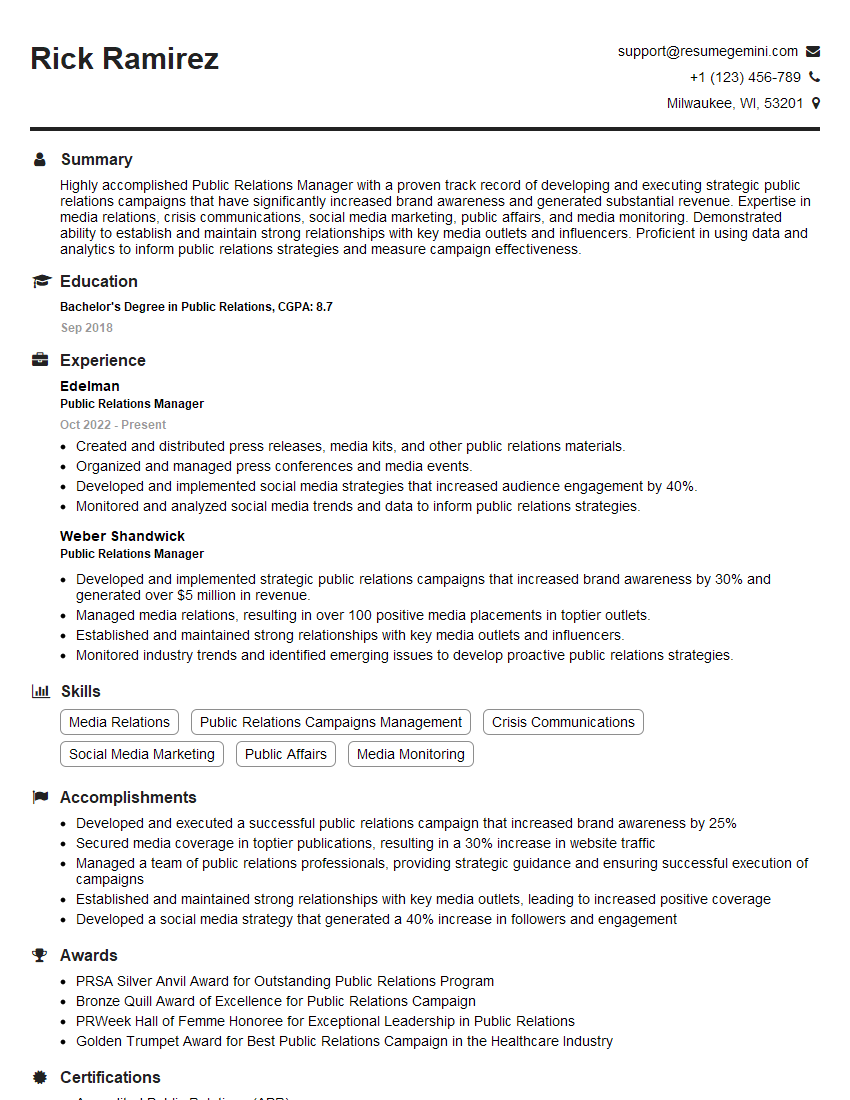
Public Relations Manager Resume Sample
Explore more articles
Users Rating of Our Blogs
Share Your Experience
We value your feedback! Please rate our content and share your thoughts (optional).
What Readers Say About Our Blog
To the interviewgemini.com Webmaster.
Very helpful and content specific questions to help prepare me for my interview!
Thank you
To the interviewgemini.com Webmaster.
This was kind of a unique content I found around the specialized skills. Very helpful questions and good detailed answers.
Very Helpful blog, thank you Interviewgemini team.