Cracking a skill-specific interview, like one for Transcatheter Valve Implantation (TAVI), requires understanding the nuances of the role. In this blog, we present the questions you’re most likely to encounter, along with insights into how to answer them effectively. Let’s ensure you’re ready to make a strong impression.
Questions Asked in Transcatheter Valve Implantation (TAVI) Interview
Q 1. Describe the TAVI procedure step-by-step.
Transcatheter aortic valve implantation (TAVI) is a minimally invasive procedure to replace a diseased aortic valve. Imagine your heart as a pump; the aortic valve is a crucial one-way door controlling blood flow out of the heart. When this door is stiff and doesn’t open properly (aortic stenosis), TAVI provides a solution. The procedure unfolds in several key steps:
- Femoral Artery Access: A small incision is made in the leg, usually the groin, to access the femoral artery. A sheath (a long, thin tube) is then inserted into the artery.
- Valve Delivery: The new heart valve, compressed within a catheter (a long, flexible tube), is carefully advanced through the artery, across the heart, and into the correct position above the native, diseased aortic valve.
- Valve Deployment: Once positioned, the compressed valve is released, expanding to replace the old valve. This usually involves a balloon inflation to help the valve fully expand and secure itself in place. Real-time imaging (fluoroscopy and echocardiography) is crucial at this stage to ensure proper placement and expansion.
- Valve Assessment: After deployment, the new valve’s function is assessed through imaging to ensure its proper opening and closing. Leakage (paravalvular leak) is also evaluated.
- Sheath Removal and Closure: Once the valve is confirmed to be functioning correctly, the sheath is removed from the femoral artery, and the puncture site is closed with a compression device to prevent bleeding.
The entire procedure typically takes a few hours but can vary depending on several factors.
Q 2. What are the pre-procedural assessments crucial for a successful TAVI?
Pre-procedural assessments are vital to ensure patient safety and procedural success. Think of it as building a solid foundation before constructing a house. These assessments include:
- Cardiac Assessment: Detailed echocardiogram (ultrasound of the heart) to evaluate the severity of aortic stenosis, heart function, and the suitability of the patient for TAVI.
- Vascular Assessment: Imaging of the arteries (usually computed tomography (CT) angiography) to determine the suitability of the arteries (e.g., femoral artery) for catheter access. The diameter and length of the arteries are crucial considerations here.
- Renal Function Assessment: Kidney function tests are essential because the contrast dye used in imaging can be harmful to the kidneys.
- Bleeding Risk Assessment: A thorough evaluation of the patient’s bleeding risk is necessary due to the nature of the procedure (vascular access). Laboratory tests like complete blood count (CBC) and coagulation studies are crucial.
- Anesthesia Assessment: The patient’s overall health, including any other medical conditions, is evaluated to determine anesthesia suitability.
These assessments help the team identify any potential risks and optimize the procedure to achieve the best possible outcome for the patient.
Q 3. Explain the different types of TAVI valves available.
Several types of TAVI valves are available, each with its unique design and features. The choice depends on several factors, including the patient’s anatomy and the physician’s preference. These broadly include:
- Self-expanding Valves: These valves expand independently after deployment without requiring a balloon. They are often preferred for patients with challenging anatomy.
- Balloon-expandable Valves: These valves require a balloon to expand to their final size. They tend to be more predictable in deployment.
- Bioprosthetic Valves: Made from animal tissues (usually bovine or porcine). They generally do not require long-term anticoagulation therapy after the procedure but have a limited lifespan.
- Surgical Valves (SAVR comparison): While not strictly a TAVI valve, it’s essential to remember that surgical aortic valve replacement (SAVR) remains an option for some patients.
The specific characteristics of each valve (size, design, material) are tailored to individual patient needs to ensure optimal hemodynamic performance and durability.
Q 4. What are the contraindications for TAVI?
TAVI, while minimally invasive, is not suitable for all patients. Contraindications include:
- Severe Peripheral Vascular Disease: Significant blockage or narrowing of the arteries in the legs can make access difficult or impossible.
- Severe Aortic Calcification: Extensive calcification can make valve deployment challenging and risky.
- Severe Co-morbidities: Patients with extremely poor overall health or multiple severe medical conditions might not be suitable candidates.
- Significant Left Ventricular Dysfunction: Severely impaired left ventricular function may increase the risk of complications.
- Active Infection: The presence of an active infection increases the risk of complications and should be treated before TAVI.
Careful consideration of these factors is crucial in determining patient eligibility for TAVI.
Q 5. How do you manage potential complications during a TAVI procedure?
Managing potential complications during TAVI requires a well-coordinated team and a proactive approach. Common complications include vascular injury (at the access site), stroke, heart block, and valve dysfunction. The management strategy includes:
- Vascular Injury: Immediate pressure is applied to the puncture site. If bleeding is uncontrolled, surgical repair or embolization may be necessary.
- Stroke: Prompt recognition and treatment (using medications to break up blood clots) are crucial. Neurological assessment and monitoring are vital.
- Heart Block: Pacemaker insertion may be necessary to maintain a regular heartbeat.
- Valve Dysfunction: This can range from paravalvular leak (leakage around the valve) to valve malposition or structural failure. Management strategies might involve another procedure to address the problem. This is why careful placement and deployment is so crucial.
The interventional cardiology team must be prepared to address these complications promptly and effectively to minimize their impact on patient outcomes.
Q 6. Discuss the role of imaging (e.g., fluoroscopy, transesophageal echocardiography) during TAVI.
Imaging plays a critical role throughout the TAVI procedure, guiding the entire process and allowing for real-time assessment of valve placement and function. Two main imaging modalities are used:
- Fluoroscopy: This uses X-rays to provide a dynamic image of the catheter and valve as it is advanced and deployed. It helps ensure accurate placement within the aortic annulus (the valve ring).
- Transesophageal Echocardiography (TEE): This uses ultrasound probes placed in the esophagus to provide high-resolution images of the heart, allowing for visualization of the valve, the blood flow across the valve, and the assessment of any paravalvular leak.
Think of fluoroscopy as a GPS for the catheter and valve, while TEE provides detailed anatomical and functional information of the heart itself. The combination of these modalities provides comprehensive imaging guidance and allows for real-time assessment of the procedure’s success.
Q 7. Explain the post-procedural care and monitoring of TAVI patients.
Post-procedural care is essential to ensure patient recovery and minimize the risk of complications. This includes:
- Close Monitoring: Patients are usually monitored in the intensive care unit (ICU) for several hours after the procedure to observe for any complications (e.g., bleeding, heart rhythm problems).
- Medication Management: Patients typically receive medications to prevent blood clots, pain management, and manage any other medical conditions.
- Rehabilitation: Cardiac rehabilitation is typically recommended to help patients recover their strength and improve their overall fitness.
- Follow-up Assessments: Regular follow-up appointments with the cardiologist are crucial to monitor valve function, check for any complications, and manage any long-term effects.
Post-procedural care is as critical as the procedure itself, ensuring the success and long-term well-being of the patient. Regular follow-ups allow for timely intervention if any issues arise.
Q 8. What are the common complications associated with TAVI, and how are they managed?
TAVI, while a minimally invasive procedure, carries potential complications. These can be broadly categorized into vascular, cardiac, and neurological events.
- Vascular Complications: These are the most common and include bleeding at the access site (usually femoral artery), vascular dissection (tear in the artery wall), and formation of blood clots (thrombosis) leading to limb ischemia. Management involves meticulous hemostasis (stopping bleeding) techniques during the procedure, close monitoring of access site hematoma formation, and potentially using vascular closure devices to seal the artery. In case of thrombosis, anticoagulation therapy and sometimes surgical intervention might be necessary.
- Cardiac Complications: These include paravalvular leak (leakage of blood around the new valve), valve thrombosis (blood clot forming on the new valve), and heart block (disruption of the electrical conduction system of the heart). Paravalvular leaks may be managed conservatively with close monitoring, but severe leaks might require further intervention. Valve thrombosis is treated with anticoagulation therapy. Heart block often requires pacemaker implantation.
- Neurological Complications: Stroke is a serious potential complication, though its incidence has decreased significantly with improvements in techniques and devices. This can occur due to embolization (dislodgement of plaque or thrombus) during the procedure. Management involves prompt diagnosis using neuroimaging and supportive care, potentially including thrombolytic therapy (clot-busting drugs) depending on the severity and timing.
- Other Complications: These include infection, kidney injury, and new-onset atrial fibrillation (irregular heartbeat).
Managing complications involves a multidisciplinary team approach, including cardiologists, cardiac surgeons, interventional radiologists, and intensivists. Proactive monitoring, prompt diagnosis, and tailored interventions are crucial for optimal outcomes.
Q 9. How do you assess the success of a TAVI procedure?
Assessing TAVI success involves a multifaceted approach considering immediate and long-term outcomes.
- Procedural Success: This is assessed intraprocedurally, focusing on successful valve deployment, absence of significant paravalvular leak (leakage around the new valve), and achieving adequate haemodynamic improvement (improved blood flow through the valve).
- Short-Term Outcomes (30 days): Key indicators include mortality (death), stroke, major bleeding, and the need for pacemaker implantation. Improved echocardiographic parameters (valve function, left ventricular function) also contribute to the assessment.
- Long-Term Outcomes: This involves follow-up echocardiograms, to assess valve durability and function, and clinical assessment for symptoms (e.g., shortness of breath, chest pain). Survival rates and quality-of-life assessments are also crucial aspects of long-term TAVI success.
A successful TAVI procedure results in significant improvement in patient symptoms, improved quality of life, and increased life expectancy with minimal complications. Regular follow-up is essential to monitor for potential late complications and optimize patient management.
Q 10. What are the advantages and disadvantages of TAVI compared to surgical aortic valve replacement (SAVR)?
TAVI and SAVR both aim to replace a diseased aortic valve, but differ significantly in their approach.
- Advantages of TAVI: Minimally invasive, smaller incision or no incision (transfemoral approach), shorter hospital stay, reduced risk of bleeding, lower mortality in high-risk patients. It’s a suitable alternative for patients who are not fit to undergo open-heart surgery.
- Disadvantages of TAVI: Higher risk of paravalvular leak compared to SAVR, potential for vascular complications, need for specialized equipment and expertise, not suitable for all patients (e.g., those with severe calcification of the annulus or small aortic annulus).
- Advantages of SAVR: Lower risk of paravalvular leak, more durable valve, allows for concomitant procedures (e.g., coronary artery bypass grafting), better long-term outcomes in certain patient subgroups.
- Disadvantages of SAVR: Major surgical procedure with longer recovery time, higher risk of bleeding and other surgical complications, increased hospital stay, higher mortality in high-risk patients.
The choice between TAVI and SAVR is highly individualized and depends on patient-specific factors, including age, overall health, severity of valve disease, and other comorbidities.
Q 11. Describe the selection criteria for patients suitable for TAVI.
Patient selection for TAVI is crucial for maximizing benefits and minimizing risks. Several factors are considered:
- Severity of Aortic Stenosis: Patients must have symptomatic severe aortic stenosis.
- Surgical Risk: TAVI is primarily indicated for patients deemed high-risk or inoperable for traditional SAVR. This is often assessed using risk stratification scores (e.g., STS score, EuroSCORE).
- Anatomic Considerations: The size and shape of the aortic annulus (valve opening), the presence of significant calcification, and the accessibility of the femoral artery (common access site) are crucial factors.
- Comorbidities: The presence of other medical conditions (e.g., COPD, renal insufficiency) can influence the decision.
- Life Expectancy: Patients with a reasonable life expectancy benefit most from the procedure.
A multidisciplinary heart team, including cardiologists, cardiac surgeons, and anesthesiologists, typically makes the decision on patient suitability for TAVI, balancing the benefits and risks in individual patients.
Q 12. How do you manage bleeding complications after TAVI?
Bleeding complications after TAVI, primarily at the vascular access site, are managed with a layered approach:
- Hemostasis Techniques: Meticulous haemostatic techniques during the procedure, including the use of vascular closure devices, are paramount in minimizing bleeding.
- Monitoring: Close monitoring of the access site for hematoma formation is crucial. Regular assessments of vital signs, hemoglobin levels, and coagulation parameters are essential.
- Conservative Management: In most cases, bed rest and local pressure are sufficient to control minor bleeding.
- Interventional Radiology: For persistent bleeding, interventional radiology techniques such as embolization (blocking the bleeding vessel) might be necessary.
- Surgical Intervention: In rare cases of uncontrollable bleeding, surgical intervention might be required to repair the vessel or control the bleeding.
Prompt identification and management of bleeding are vital to prevent complications like hypovolemic shock (low blood volume). The choice of management strategy depends on the severity and location of the bleeding.
Q 13. Explain the role of anticoagulation in TAVI patients.
Anticoagulation plays a crucial role in preventing thromboembolic events (blood clots) in TAVI patients. The strategy is tailored to individual risk factors.
- Pre-Procedure: Antiplatelet agents (e.g., aspirin, clopidogrel) are typically prescribed before the procedure to reduce the risk of clot formation.
- Post-Procedure: The anticoagulation regimen post-TAVI is adjusted based on the presence of risk factors like atrial fibrillation, paravalvular leak, or other comorbidities. Commonly used medications include direct oral anticoagulants (DOACs) or vitamin K antagonists (VKAs like warfarin).
- Duration of Anticoagulation: The duration of anticoagulation varies depending on individual patient characteristics and the presence of complications. It is generally longer in patients with higher risk of thromboembolic events.
Careful monitoring of anticoagulation therapy is crucial to ensure optimal efficacy while minimizing bleeding risk. Regular INR (international normalized ratio) or other coagulation tests are conducted to adjust medication dosage as needed.
Q 14. How do you address vascular complications after TAVI?
Vascular complications following TAVI, most commonly occurring at the femoral access site, require prompt diagnosis and management. They include bleeding, hematoma, pseudoaneurysm (false aneurysm), and arteriovenous fistula (abnormal connection between artery and vein).
- Conservative Management: Small hematomas are often managed conservatively with close monitoring and supportive measures.
- Interventional Radiology: For pseudoaneurysms or arteriovenous fistulas, interventional radiology techniques, such as ultrasound-guided compression or embolization, are commonly used.
- Surgical Repair: In cases of significant vascular injury or failure of less invasive interventions, surgical repair might be necessary.
The choice of management approach depends on the severity of the vascular complication and the overall clinical status of the patient. Prompt intervention is often crucial to prevent life-threatening complications.
Q 15. What are the long-term outcomes associated with TAVI?
Long-term outcomes after Transcatheter Aortic Valve Implantation (TAVI) are multifaceted and depend on various factors, including patient characteristics, pre-procedural health, the type of valve used, and procedural success. Generally, patients experience significant improvements in symptoms like dyspnea (shortness of breath) and angina (chest pain) immediately post-procedure.
However, long-term outcomes are monitored for several key aspects:
- Survival: TAVI has demonstrably improved survival rates compared to medical management alone in high-risk patients. Long-term survival data is continually collected and analyzed to refine risk stratification and treatment strategies.
- Valve Durability: The longevity of the implanted valve is crucial. We monitor for structural valve deterioration (SVD), which involves valve dysfunction over time. This can manifest as valve failure, requiring re-intervention.
- Paravalvular Leak (PVL): This refers to leakage of blood around the implanted valve. While often minor and asymptomatic, significant PVL can negatively impact patient outcomes and require management.
- Stroke and Bleeding Complications: These remain significant risks associated with TAVI, even long-term. Regular monitoring and management are vital.
- Quality of Life: TAVI’s impact on patients’ quality of life is significant, with improvements in functional capacity and reduced symptom burden. This is assessed using validated questionnaires.
For example, in a recent study we saw a 5-year survival rate of approximately 75% in a high-risk cohort, with the majority experiencing substantial improvements in their quality of life, and a lower than expected incidence of SVD.
Career Expert Tips:
- Ace those interviews! Prepare effectively by reviewing the Top 50 Most Common Interview Questions on ResumeGemini.
- Navigate your job search with confidence! Explore a wide range of Career Tips on ResumeGemini. Learn about common challenges and recommendations to overcome them.
- Craft the perfect resume! Master the Art of Resume Writing with ResumeGemini’s guide. Showcase your unique qualifications and achievements effectively.
- Don’t miss out on holiday savings! Build your dream resume with ResumeGemini’s ATS optimized templates.
Q 16. Discuss the importance of patient education before and after TAVI.
Patient education is paramount for successful TAVI outcomes. It’s a continuous process, starting well before the procedure and extending long after discharge.
Pre-procedure education: We thoroughly explain the procedure, including its benefits, risks (e.g., stroke, bleeding, death), and the recovery process. This involves visual aids, diagrams, and question-and-answer sessions tailored to each patient’s understanding. We discuss realistic expectations, emphasizing that TAVI isn’t a cure-all but a means to improve their quality of life. We also detail the pre-procedure preparations, such as medication adjustments and lifestyle modifications.
Post-procedure education: This focuses on managing medications, recognizing potential complications (e.g., bleeding, infection), and understanding the importance of follow-up appointments and lifestyle adjustments. We provide clear instructions on wound care, activity levels, and dietary recommendations. We often involve family members in these discussions. For instance, we’ll explain the importance of medication adherence with the help of pill organizers and calendars, ensuring that the patients and their families understand the reason behind each medication and the potential consequences of non-compliance.
Effective patient education minimizes anxiety, improves adherence to treatment plans, and ultimately contributes to better long-term outcomes.
Q 17. How do you manage patient anxiety and expectations regarding TAVI?
Managing patient anxiety and expectations before and after TAVI is critical. This involves a multi-pronged approach:
- Open Communication: We foster open dialogue, addressing all patient concerns honestly and empathetically. We actively listen and tailor our explanations to their level of understanding.
- Realistic Expectations: We emphasize the procedure’s potential benefits but also highlight realistic limitations and potential risks. We avoid overpromising while maintaining a positive and reassuring demeanor.
- Pre-operative Counseling: We provide pre-operative psychological support, such as referring patients to a psychologist or social worker if needed. This helps them cope with the stress and anxiety associated with the procedure.
- Post-operative Support: We provide regular follow-up appointments, monitor their recovery progress, and promptly address any concerns they may have. This helps build trust and reduces post-operative anxiety.
- Involving Family: We actively involve family members in the process, providing them with the information they need to support the patient.
For example, I often share stories of other patients who have successfully undergone TAVI and experienced positive outcomes. This helps reassure anxious patients and manage expectations.
Q 18. Describe your experience with different TAVI delivery systems.
My experience encompasses several TAVI delivery systems, including transfemoral, transapical, trans-subclavian, and transcarotid approaches. Each system presents unique advantages and challenges:
- Transfemoral: This is the most common approach, utilizing the femoral artery in the groin. It’s minimally invasive and associated with relatively shorter hospital stays. However, it requires adequate femoral artery access, which may be challenging in patients with vascular disease.
- Transapical: This involves accessing the aorta through a small incision in the chest. It’s an alternative when transfemoral access is impossible, but it’s more invasive and carries a higher risk of complications.
- Trans-subclavian: This approach utilizes the subclavian artery in the shoulder. It’s becoming increasingly utilized as a less invasive alternative when transfemoral access is not feasible, however it carries similar risks as transapical approach.
- Transcarotid: This is a newer approach that utilizes the carotid artery. This approach is still under investigation and not as widely adopted as the others.
The choice of delivery system depends on several factors, including patient anatomy, vascular access suitability, and operator experience. I’ve had success with all these approaches but carefully assess each patient to select the optimal and safest method.
Q 19. Explain the concept of valve sizing and its importance in TAVI.
Valve sizing is crucial in TAVI. It involves precisely determining the appropriate size of the prosthetic valve to ensure optimal fit within the native aortic valve annulus (the opening of the aortic valve).
Importance: Accurate sizing minimizes the risk of paravalvular leak (leakage around the valve), which can lead to significant complications. Undersizing may result in insufficient sealing, leading to PVL. Oversizing may cause damage to the native aortic valve annulus and increase the risk of conduction abnormalities.
Methods: We use various imaging modalities, including computed tomography (CT) and echocardiography, to assess the aortic annulus size and morphology. Specialized software programs help us calculate the ideal valve size. We always consider patient-specific factors, such as the calcification and the anatomy of the aortic annulus. Each case is meticulously reviewed to personalize the selection of the prosthesis.
For example, we might opt for a slightly smaller valve in a patient with significant calcification to minimize the risk of annular rupture. The process of valve sizing is a critical step that requires careful attention to detail and expertise.
Q 20. How do you handle unexpected challenges during a TAVI procedure?
Unexpected challenges during TAVI are not uncommon. Our approach involves a structured and adaptable strategy:
- Immediate Assessment: We rapidly assess the nature of the challenge, involving the entire team to discuss the solution.
- Image Guidance: We rely heavily on real-time imaging (fluoroscopy and echocardiography) to guide our interventions. This allows for a continuous monitoring of the process and immediate detection and response to any issues.
- Strategic Adjustments: We adapt our technique based on the specific challenge. This may involve switching to alternative delivery methods or utilizing specialized tools.
- Teamwork and Communication: Effective communication and collaboration among the entire procedural team is essential for efficient problem-solving.
- Contingency Planning: We anticipate potential problems and create a contingency plan which we review prior to the procedure.
For example, encountering unexpected severe calcification requires careful maneuvering to avoid annular rupture. This might involve using specialized balloon dilation techniques or selecting a smaller valve. Every unexpected event is a learning experience, refining our ability to anticipate and manage future challenges.
Q 21. What is your approach to managing paravalvular leak after TAVI?
Managing paravalvular leak (PVL) after TAVI requires a thorough assessment and tailored approach. The severity of PVL dictates the management strategy.
Assessment: We utilize echocardiography to quantify the severity of the PVL. Minor PVL is often asymptomatic and may not require intervention. However, significant PVL can lead to heart failure and other complications.
Management Strategies:
- Conservative Management: For mild PVL, we may opt for close monitoring and medical management, optimizing heart failure medications.
- Percutaneous Intervention: In cases of moderate or severe PVL, we may consider percutaneous intervention techniques, such as using a covered stent or other specialized devices to seal the leak. This is a less invasive approach.
- Surgical Intervention: In cases where percutaneous intervention is unsuccessful, surgical intervention may be necessary to address the PVL.
The decision to intervene depends on several factors, including the severity of PVL, the patient’s overall health, and the risk-benefit profile of different management options. We carefully weigh these factors to provide the optimal care for each patient.
Q 22. Discuss the role of hemodynamics in TAVI procedure.
Hemodynamics plays a crucial role in TAVI, essentially determining the success and safety of the procedure. It refers to the movement and flow of blood within the cardiovascular system. Before, during, and after TAVI, we meticulously monitor hemodynamic parameters to assess the function of the new valve and the overall health of the patient.
Before TAVI: Pre-procedural hemodynamic assessment, often involving echocardiography and cardiac catheterization, helps us identify the severity of aortic stenosis (narrowing of the aortic valve), assess left ventricular function, and predict potential complications. This allows us to tailor the procedure and select the appropriate valve size. For instance, a patient with severely reduced left ventricular function might require a smaller valve to minimize the risk of post-procedural heart failure.
During TAVI: Real-time hemodynamic monitoring, using intraoperative hemodynamic monitoring systems, is critical. We track parameters like blood pressure, heart rate, and oxygen saturation. We also continuously assess the pressure gradients across the aortic valve to ensure the new valve is functioning optimally and reducing the obstruction to blood flow. Significant pressure gradients after valve placement indicate potential issues requiring immediate attention, such as paravalvular leak (leakage of blood around the valve).
After TAVI: Post-procedural hemodynamic evaluation helps us assess the immediate and long-term effects of the procedure. We closely monitor for signs of valve dysfunction, such as persistent pressure gradients or paravalvular leak, and also assess the patient’s overall cardiac function and hemodynamic stability. We might use echocardiography and other imaging techniques to confirm the valve’s proper placement and functionality.
Q 23. Describe your experience with different types of anesthesia used during TAVI.
My experience encompasses a range of anesthetic techniques used in TAVI, tailored to the individual patient’s needs and risk profile. The primary goal is to provide hemodynamic stability, maintain adequate oxygenation, and minimize the risk of complications throughout the procedure. We commonly use general anesthesia, regional anesthesia (such as spinal or epidural anesthesia), and sometimes a combination of both – this approach is sometimes termed monitored anesthesia care (MAC).
General Anesthesia: This involves the administration of medications to induce a state of unconsciousness and analgesia (pain relief). It’s often preferred for patients who are anxious, require complex imaging guidance, or have comorbidities that make regional anesthesia challenging. It provides greater control over the patient’s hemodynamics and allows for deeper sedation if needed.
Regional Anesthesia: This technique involves blocking nerve pathways in specific regions of the body to achieve pain relief. Spinal or epidural anesthesia can provide excellent pain relief during the procedure and allow for faster recovery. It can be a beneficial option for certain patients, lowering the risk of post-operative respiratory depression often seen with general anesthesia. However, it’s not suitable for all patients.
Monitored Anesthesia Care (MAC): This approach combines elements of both general and regional anesthesia, providing a balance between sedation and pain management. It’s often used when we need lighter sedation and faster post-procedural recovery. The choice of anesthetic technique is made after careful consideration of the patient’s overall health, the complexity of the procedure, and the expertise of the anesthesiology team.
Q 24. Explain your understanding of the latest advancements in TAVI technology.
TAVI technology has advanced dramatically in recent years, resulting in safer and more effective procedures. Some of the most significant advancements include:
- Smaller and more adaptable valves: The development of smaller, self-expanding and balloon-expandable valves has broadened the range of patients who can benefit from TAVI. This allows for less invasive approaches and improved outcomes for patients with challenging anatomy.
- Improved imaging techniques: Advances in transesophageal echocardiography (TEE) and fluoroscopy have improved visualization of the heart and aortic valve during the procedure, allowing for greater precision in valve placement and reducing the risk of complications.
- Minimally invasive access techniques: Transfemoral access (through the femoral artery in the leg) remains the most common approach, but transapical (through the apex of the heart) and trans-subclavian (through the subclavian artery) access techniques offer alternatives for patients with unsuitable femoral arteries.
- Enhanced valve designs: Newer valve designs incorporate features such as improved leaflet durability, better hemodynamics, and reduced risk of paravalvular leak. These innovations help to improve long-term outcomes.
- Development of biocompatible materials: The use of advanced biocompatible materials reduces the risk of thrombosis (blood clot formation) and other adverse events.
These advancements have expanded the use of TAVI to a wider range of patients and improved both short-term and long-term outcomes.
Q 25. How do you ensure patient safety throughout the TAVI procedure?
Patient safety is paramount in TAVI. We employ a multi-faceted approach to minimize risk throughout the procedure. This involves:
- Pre-procedural risk assessment: A thorough evaluation of the patient’s overall health, including cardiac function, renal function, and bleeding risk, is performed to identify potential complications and tailor the procedure accordingly. This may include conducting coronary angiography to assess the coronary arteries.
- Experienced multidisciplinary team: A coordinated team of cardiologists, cardiac surgeons, anesthesiologists, nurses, and other specialists works together to ensure optimal care. Each team member plays a vital role in ensuring a safe and effective procedure.
- Careful valve selection and sizing: Precise selection of the appropriate valve size based on pre-procedural imaging and assessment of the patient’s anatomy minimizes the risk of valve malposition and paravalvular leak.
- Real-time hemodynamic monitoring: Close monitoring of blood pressure, heart rate, and other hemodynamic parameters allows for prompt intervention in the event of complications. This continuous monitoring is vital to prevent and manage potential adverse effects.
- Post-procedural monitoring: Careful monitoring for complications such as bleeding, stroke, and heart failure is crucial in the immediate post-procedural period. Patients are observed closely in the intensive care unit until they are deemed stable enough for transfer to the ward.
- Post-discharge follow-up: Regular follow-up appointments to assess the patient’s recovery, monitor valve function, and address any concerns are essential components of patient safety.
Q 26. What are the key performance indicators (KPIs) you use to monitor TAVI program success?
We use several key performance indicators (KPIs) to monitor the success of our TAVI program. These include:
- 30-day mortality: This indicates the percentage of patients who die within 30 days of the procedure. A lower rate is indicative of a successful and safe program.
- 30-day stroke rate: This measures the percentage of patients who experience a stroke within 30 days of the procedure. This KPI is crucial for evaluating the safety of the procedure, as stroke is a significant risk.
- 30-day major bleeding rate: This KPI measures the percentage of patients experiencing major bleeding complications. Managing bleeding is critical because of its potential severity.
- Procedural success rate: This measures the percentage of procedures completed without major complications. This KPI is valuable for assessing the technical success of the TAVI team.
- Mean aortic valve gradient post-procedure: This is a measure of the pressure difference across the newly implanted aortic valve. A lower gradient indicates better valve function.
- Patient satisfaction scores: Assessing patient satisfaction through surveys helps to understand the overall patient experience and identify areas for improvement.
Regularly reviewing these KPIs enables continuous improvement, identifying areas of strength and weakness within the program. They inform our quality improvement initiatives and help us strive for better patient outcomes.
Q 27. Describe your experience with TAVI in high-risk patients.
TAVI has revolutionized the treatment of aortic stenosis in high-risk patients for whom open-heart surgery is considered too risky. These patients often have significant comorbidities, such as severe lung disease, severe kidney disease, or frailty. Managing these patients requires a careful, individualized approach.
Enhanced Pre-operative Assessment: A much more comprehensive assessment is required. This includes not only cardiac assessment but also detailed evaluation of other organ systems to identify potential risks and plan for perioperative management. Careful consideration is given to the patient’s frailty and overall physiological reserve.
Multidisciplinary Team Approach: A robust, experienced multidisciplinary team is vital. This team collaborates to optimize the patient’s overall condition before the procedure and to manage any complications that may arise. This typically includes geriatricians, intensivists and specialists in other relevant medical areas.
Adjusted Procedure Technique: In some instances, alternative access sites, such as the transapical approach, might be considered if transfemoral access is not feasible due to vascular limitations. The valve selection and deployment strategy are also tailored to the patient’s specific anatomy and physiological characteristics.
Enhanced Post-operative Care: High-risk patients often require more intensive and prolonged post-operative monitoring and support. Early rehabilitation strategies are implemented to promote recovery and prevent complications.
Careful selection criteria, tailored techniques, and comprehensive management strategies improve outcomes for these vulnerable patients, making TAVI a life-saving option for many who would not have been candidates for traditional surgery.
Q 28. How do you participate in quality improvement initiatives related to TAVI?
I actively participate in quality improvement initiatives for our TAVI program through several avenues.
- Data analysis and review: I regularly participate in the analysis of our TAVI program’s KPIs, identifying trends and areas for improvement. This involves examining our outcomes data and comparing them to national benchmarks.
- Protocol development and refinement: I contribute to the development and ongoing refinement of our TAVI protocols. This includes reviewing our processes, identifying potential areas of risk, and developing strategies to mitigate those risks.
- Case review meetings: I participate in regular case review meetings with the multidisciplinary team. We analyze challenging cases to identify lessons learned and implement changes to improve our overall approach.
- Participation in quality improvement projects: I participate in various quality improvement initiatives focused on streamlining workflows, enhancing patient education, and improving efficiency. This may include implementing new technologies to support patient care.
- Collaboration with national registries: We actively participate in national TAVI registries, contributing our data and collaborating with other centers. This enables benchmarking against national standards and sharing best practices.
Through active participation in these initiatives, we aim for continual improvement in our patient outcomes and the overall safety and effectiveness of our TAVI program.
Key Topics to Learn for Transcatheter Valve Implantation (TAVI) Interview
- Patient Selection Criteria: Understand the factors influencing patient suitability for TAVI, including risk assessment and contraindications.
- Valve Types and Technologies: Familiarize yourself with different TAVI valve designs (e.g., balloon-expandable, self-expanding), their biocompatibility, and deployment techniques.
- Procedural Steps and Techniques: Gain a comprehensive understanding of the TAVI procedure, from pre-procedural planning to post-procedural management, including vascular access, valve deployment, and hemodynamic monitoring.
- Complications and Management: Know the potential complications associated with TAVI (e.g., vascular complications, valve thrombosis, paravalvular leak) and their management strategies.
- Imaging Interpretation: Develop the ability to interpret fluoroscopy and echocardiography images during and after TAVI procedures to assess valve positioning and function.
- Hemodynamics and Physiology: Understand the physiological effects of aortic stenosis and how TAVI improves hemodynamics and improves patient outcomes.
- Post-Procedural Care and Follow-up: Be familiar with the post-procedural care pathway, including medication management, anticoagulation strategies, and follow-up imaging.
- Advanced Imaging Techniques: Explore the use of advanced imaging modalities like CT and MRI in pre-procedural planning and post-procedural assessment.
- Current Research and Innovations: Stay updated on the latest advancements in TAVI technology, including novel valve designs and minimally invasive approaches.
- Ethical Considerations and Decision-Making: Understand the ethical implications of TAVI, including shared decision-making with patients and their families.
Next Steps
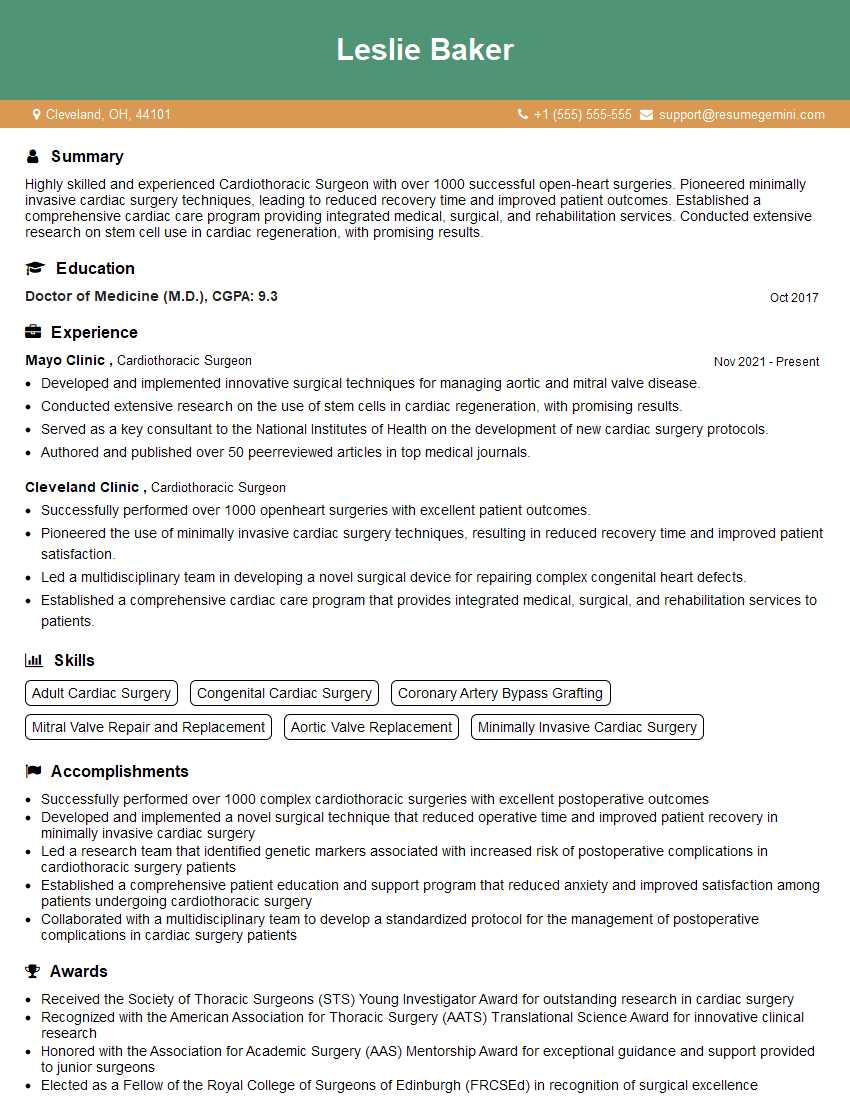
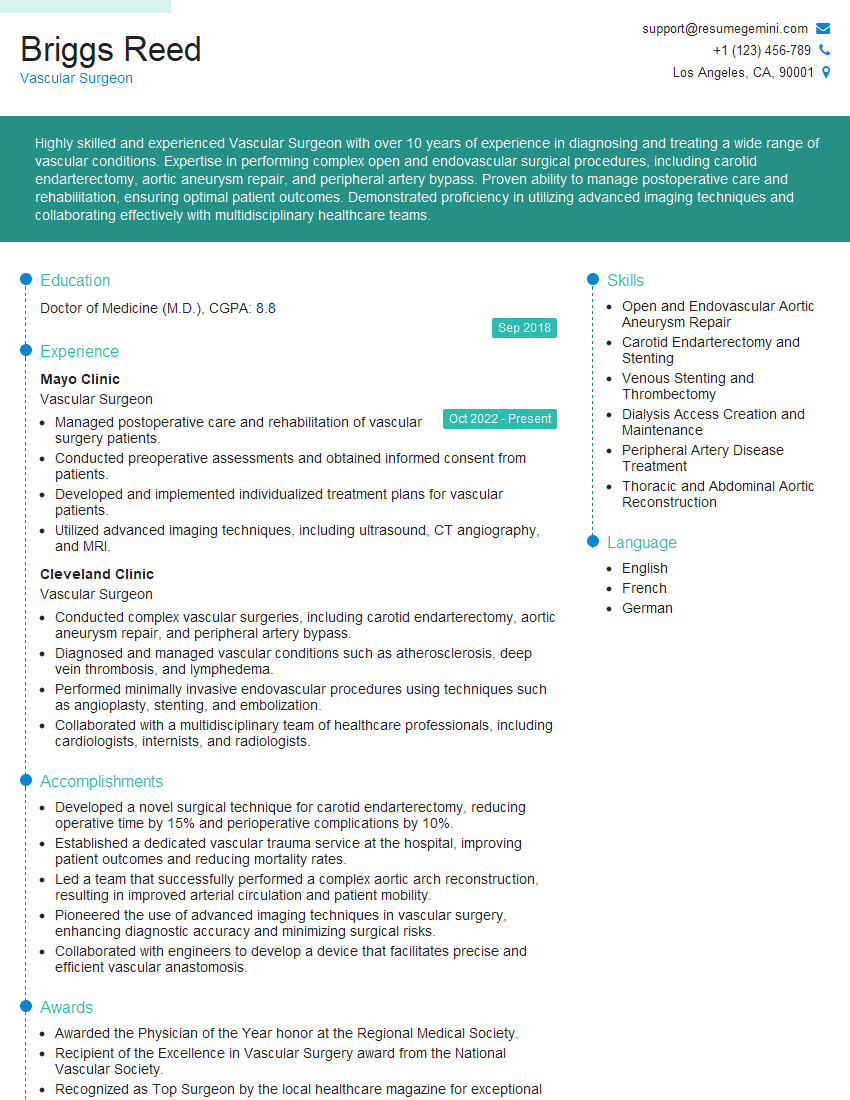
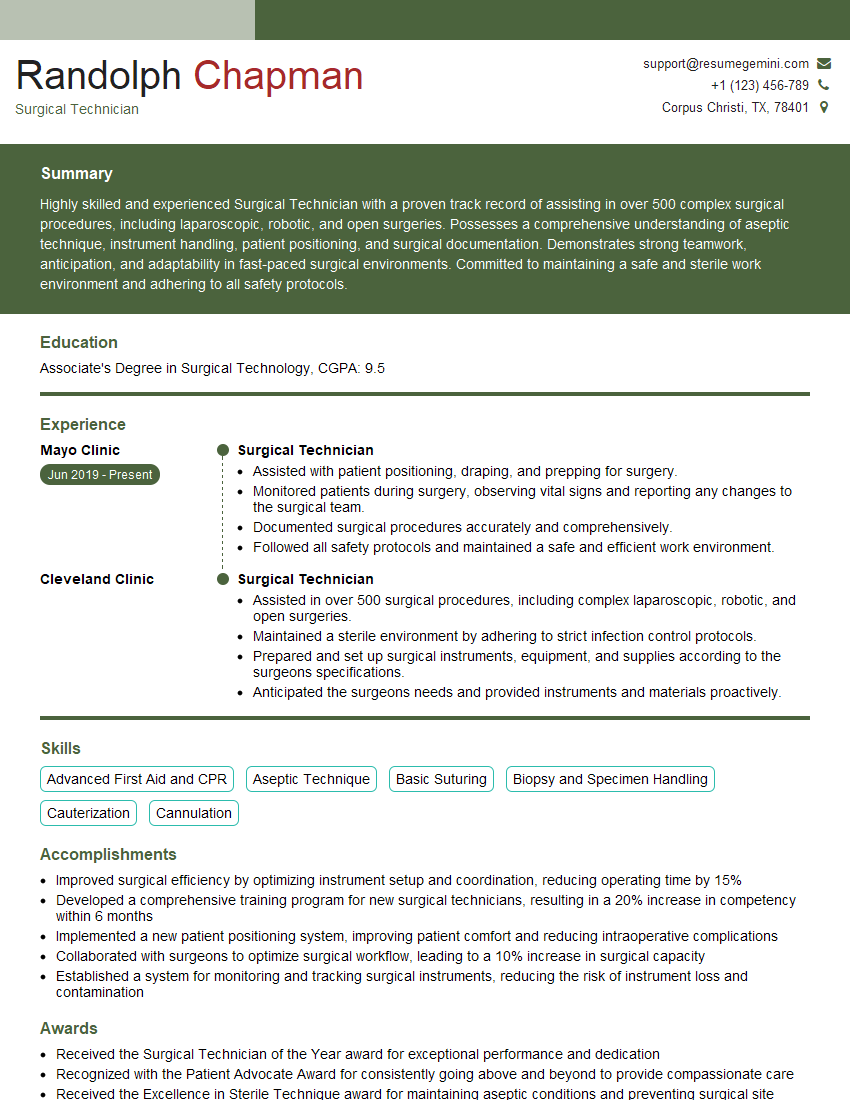
Mastering Transcatheter Valve Implantation (TAVI) significantly enhances your career prospects in the rapidly growing field of interventional cardiology. A strong understanding of TAVI procedures and related technologies is highly sought after by employers. To maximize your job search success, create an ATS-friendly resume that showcases your skills and experience effectively. ResumeGemini is a trusted resource to help you build a professional resume that highlights your qualifications. ResumeGemini provides examples of resumes tailored specifically to Transcatheter Valve Implantation (TAVI) roles to guide you in creating a compelling application.
Explore more articles
Users Rating of Our Blogs
Share Your Experience
We value your feedback! Please rate our content and share your thoughts (optional).
What Readers Say About Our Blog
To the interviewgemini.com Webmaster.
Very helpful and content specific questions to help prepare me for my interview!
Thank you
To the interviewgemini.com Webmaster.
This was kind of a unique content I found around the specialized skills. Very helpful questions and good detailed answers.
Very Helpful blog, thank you Interviewgemini team.