The thought of an interview can be nerve-wracking, but the right preparation can make all the difference. Explore this comprehensive guide to Zoning Map Amendments interview questions and gain the confidence you need to showcase your abilities and secure the role.
Questions Asked in Zoning Map Amendments Interview
Q 1. Explain the process of initiating a zoning map amendment.
Initiating a zoning map amendment begins with a formal application submitted to the relevant local authority, typically the planning or zoning department. This application requires detailed information, including the property’s location, the proposed zoning change (e.g., from residential to commercial), a justification for the amendment, and supporting documentation. Think of it like submitting a detailed business proposal – you need to clearly demonstrate why the change is necessary and beneficial. For instance, an application might be filed to change a parcel zoned for single-family homes to allow for a multi-family development to address a housing shortage. The process often involves surveying the property, conducting environmental impact assessments, and potentially securing the support of neighboring property owners.
- Step 1: Application Submission – This includes all necessary documents and fees.
- Step 2: Preliminary Review – The planning department checks for completeness and compliance.
- Step 3: Notice to Adjacent Property Owners – Public notification is crucial for transparency and feedback.
Q 2. Describe the different types of zoning map amendments.
Zoning map amendments come in various forms, each serving a distinct purpose. A common one is a spot zoning amendment, which alters the zoning of a specific, small parcel, often to accommodate a unique development. Imagine a small plot in a residential area being rezoned for a small park. Then there are text amendments, which modify the zoning regulations themselves, rather than the map. For example, a text amendment might adjust building height limits or parking requirements. Comprehensive rezoning involves significant changes across a larger area, perhaps changing zoning for an entire neighborhood to allow for higher-density housing. Finally, rezoning by boundary adjustment simply modifies property lines within existing zones. Each type requires a unique approach and justification during the review process.
Q 3. What are the key steps involved in reviewing a zoning map amendment application?
Reviewing a zoning map amendment application is a multi-step process demanding rigorous scrutiny. It begins with a thorough examination of the application’s completeness and compliance with existing regulations. Then comes a detailed analysis of the proposed change’s impact, including traffic, environmental, and economic considerations. This often involves reviewing site plans, engineering studies, and environmental assessments. A crucial step is assessing consistency with the broader zoning plan and community goals. Public hearings are held to gather input from affected residents and businesses. Finally, the planning commission or relevant body makes a recommendation, which then goes to the legislative body (e.g., city council) for final approval or denial.
- Completeness Check – Ensuring all required documents are submitted.
- Impact Assessment – Analyzing potential effects on surrounding areas.
- Public Hearing – Providing an opportunity for community input.
- Commission/Council Review – Making the final decision.
Q 4. How do you assess the impact of a zoning map amendment on surrounding properties?
Assessing the impact on surrounding properties is crucial and requires a comprehensive approach. This involves considering factors such as property values, traffic patterns, environmental concerns, and compatibility with existing land uses. For instance, rezoning a residential area for commercial use might lead to increased traffic congestion, noise pollution, and potentially decreased property values for nearby homes. Conversely, a well-planned rezoning, such as creating a park, can improve the quality of life and increase property values. We use various methods, including comparative market analysis, traffic studies, environmental impact statements, and community surveys, to gauge this impact. We aim to find a balance between facilitating development and protecting the interests of existing residents.
Q 5. Explain the role of public participation in the zoning map amendment process.
Public participation is integral to a fair and transparent zoning map amendment process. This involves providing ample opportunities for the public to review the application, attend public hearings, and submit written or verbal comments. These hearings are vital platforms for dialogue between the applicant, community members, and decision-makers. It’s about fostering a sense of ownership in the community’s development path. Effective engagement ensures that decisions reflect the needs and concerns of all stakeholders. Without this input, the process risks alienating residents and creating resentment. The degree of public participation might vary depending on the scale and potential impact of the amendment.
Q 6. How do you ensure compliance with relevant regulations and ordinances during a zoning map amendment?
Ensuring compliance with relevant regulations and ordinances is paramount. This involves meticulously checking the application against all applicable zoning codes, building codes, environmental regulations, and other pertinent laws. Throughout the review process, we maintain detailed records and documentation to ensure transparency and accountability. This might include reviewing site plans for compliance with setbacks, height restrictions, and parking requirements, as well as assessing the environmental impact and ensuring it meets all relevant standards. Non-compliance can lead to delays, rejection of the application, and potential legal challenges. Regular internal audits and external reviews help maintain this high standard of compliance.
Q 7. What are the potential legal challenges associated with zoning map amendments?
Zoning map amendments can face legal challenges if the process wasn’t followed correctly or if the amendment is deemed arbitrary, capricious, or discriminatory. Challenges may arise from adjacent property owners who believe their interests weren’t adequately considered. Legal issues might involve procedural errors, such as inadequate public notice or lack of a fair hearing process. Claims of violations of environmental regulations or inconsistencies with the comprehensive plan are other potential grounds for legal action. Successful challenges can lead to the amendment being overturned, resulting in significant time and financial losses for the applicant and the local authority. Therefore, a thorough, transparent, and legally sound process is crucial to minimizing the risk of legal challenges.
Q 8. How do you handle conflicts of interest during a zoning map amendment review?
Conflicts of interest are a critical concern in zoning map amendment reviews, as they can undermine the fairness and impartiality of the process. My approach begins with transparent disclosure. Anyone involved, including myself, with a financial interest or personal stake in a proposed amendment, must declare this upfront. This includes any relationships that could create a perception of bias. Next, strict adherence to established ethics guidelines is paramount. This usually involves recusal – stepping aside completely – from any decision-making process where a conflict exists. If a conflict isn’t easily avoidable, I would advocate for mechanisms to mitigate bias such as using independent review panels or employing external expertise to ensure objectivity. For example, if I had previously worked for a developer proposing a rezoning, I would recuse myself from that specific project entirely, ensuring the process remains credible and fair to all parties.
I meticulously document all disclosures and recusals, ensuring complete transparency within the review process. This documentation serves as a vital record of ethical conduct and contributes to the integrity of the amendment approval process.
Q 9. Describe your experience with GIS software in relation to zoning map amendments.
GIS software is indispensable for zoning map amendments. My experience involves using ArcGIS and QGIS extensively to visualize, analyze, and manipulate zoning data. I’m proficient in creating and updating base maps, overlaying different data layers (like property boundaries, land use designations, and environmental features), conducting spatial analysis to assess the impact of proposed amendments, and generating maps and reports for public review and decision-making. For instance, I used ArcGIS to model the impact of a proposed rezoning on traffic flow in a dense urban area, which helped decision-makers assess the need for infrastructure improvements. This ensured the amendment didn’t inadvertently cause traffic congestion. Furthermore, my skills extend to creating interactive maps for public engagement and utilizing the software to simplify complex spatial information into easily understood visualizations for presentations and reports.
Q 10. How do you interpret zoning regulations and apply them to specific cases?
Interpreting zoning regulations requires a systematic approach. First, I meticulously review the relevant zoning ordinances, codes, and maps for the specific jurisdiction. This includes understanding the definitions of different zoning districts, permitted uses, height restrictions, lot size requirements, and other relevant regulations. I then apply these regulations to the specific case by carefully analyzing the site’s characteristics – its location, size, surrounding land uses, and its compatibility with the existing zoning plan.
For example, if a property owner wants to build a multi-family dwelling in an area zoned for single-family homes, I’d check whether any exceptions or variances are possible under the existing code. If not, it’s important to clearly explain to the applicant the constraints of the current zoning and the avenues to pursue change if they wished to modify the zoning. I also consider legal precedents and case law to anticipate potential challenges to an interpretation. The goal is to provide a fair, legally sound, and technically accurate assessment of the proposed use in relation to existing regulations.
Q 11. Explain the difference between a variance and a zoning map amendment.
A variance and a zoning map amendment are both ways to address inconsistencies between a property’s proposed use and existing zoning regulations, but they differ significantly in scope and process. A variance is a minor adjustment granted to an individual property owner allowing them to deviate from specific zoning regulations due to unique hardship or circumstances that aren’t self-imposed. For example, a property owner might be granted a variance for a setback requirement if their lot’s unique shape makes it impossible to comply. This is usually handled through an administrative process.
A zoning map amendment, on the other hand, is a more significant change that alters the zoning classification of a larger area. It requires a formal public process involving community input, notice, hearings, and approval from the relevant legislative body (often a city council or planning commission). A zoning map amendment might change a residential area to commercial or adjust density regulations across a neighborhood. Think of it as changing the rules of the game versus making an exception for a single player.
Q 12. How do you determine the appropriate zoning classification for a given property?
Determining the appropriate zoning classification for a given property requires a holistic analysis. I begin by carefully examining the existing zoning map and regulations. Then, I consider the property’s physical characteristics (size, topography, access to infrastructure), its surrounding land uses, and the overall goals and objectives of the community’s comprehensive plan. This plan outlines the vision for future land use, aiming for compatible development patterns. I also analyze the suitability of different zoning classifications based on factors like the property’s potential for residential, commercial, or industrial development. This might include analyzing market demand, environmental constraints, and the potential impact on the surrounding neighborhood.
For example, a large parcel of land near a highway might be appropriately zoned for industrial use, while a smaller lot in a residential neighborhood might be better suited for residential development. The decision-making process always involves balancing the interests of the property owner with the needs and concerns of the broader community.
Q 13. What are the key considerations when assessing the environmental impact of a zoning map amendment?
Assessing the environmental impact of a zoning map amendment is crucial for responsible land-use planning. My approach starts with an in-depth review of existing environmental studies, including environmental impact assessments, habitat maps, and any relevant reports. I identify potential environmental consequences, including impacts on air and water quality, wildlife habitats, and sensitive ecosystems. For example, a proposed rezoning that might lead to increased impervious surfaces could increase stormwater runoff. In this case, I’d analyze how it could impact local water bodies.
I collaborate with environmental specialists and other relevant experts to conduct further analysis as needed. This might involve conducting site assessments or using environmental modeling software to predict potential impacts. The goal is to identify mitigation measures and ensure the amendment aligns with environmental protection laws and regulations. A key element is incorporating environmental considerations early in the process, not as an afterthought, to achieve environmentally sustainable development.
Q 14. How do you prioritize competing interests during the zoning map amendment process?
Prioritizing competing interests during a zoning map amendment process requires a fair and transparent approach. I start by identifying all stakeholders involved – property owners, residents, businesses, and governmental agencies – and carefully documenting their concerns and perspectives. This often requires public meetings, stakeholder workshops, and careful review of public comments. I then analyze each interest’s validity and relevance to the zoning decision. I look for common ground and explore options that accommodate multiple interests where possible. It’s important to understand the legal frameworks governing this process and apply them equitably.
For instance, a zoning amendment could benefit economic development while potentially increasing traffic. Finding a balance might involve traffic mitigation strategies included as a condition of the amendment’s approval. Ultimately, the goal is to find a solution that’s legally sound, environmentally responsible, and respects the rights and interests of all stakeholders, while serving the overall public good.
Q 15. Describe your experience with zoning appeals and hearings.
My experience with zoning appeals and hearings encompasses a wide range of scenarios, from straightforward requests to highly complex cases involving multiple stakeholders and legal challenges. I’ve been involved in all stages of the process, from initial application review and pre-hearing negotiations to presenting evidence before boards and commissions and managing post-hearing appeals. For example, I successfully navigated a contentious appeal involving a proposed mixed-use development in a historic neighborhood. This required careful analysis of the zoning code, thorough documentation of the project’s compliance, and effective communication with residents concerned about potential impacts on traffic and property values. We ultimately reached a compromise that satisfied most stakeholders and resulted in approval of a modified project.
I’m proficient in preparing comprehensive appeal briefs, presenting evidence effectively, and working collaboratively with attorneys and other professionals to build strong cases. My approach emphasizes thorough preparation, clear communication, and a commitment to fair and transparent decision-making.
Career Expert Tips:
- Ace those interviews! Prepare effectively by reviewing the Top 50 Most Common Interview Questions on ResumeGemini.
- Navigate your job search with confidence! Explore a wide range of Career Tips on ResumeGemini. Learn about common challenges and recommendations to overcome them.
- Craft the perfect resume! Master the Art of Resume Writing with ResumeGemini’s guide. Showcase your unique qualifications and achievements effectively.
- Don’t miss out on holiday savings! Build your dream resume with ResumeGemini’s ATS optimized templates.
Q 16. How do you communicate complex zoning information to stakeholders?
Communicating complex zoning information effectively requires a multi-faceted approach. I start by identifying the audience’s level of understanding, tailoring my explanations accordingly. For technical audiences, I utilize precise terminology and detailed data. For the general public, I simplify jargon, use visual aids like maps and charts, and employ clear, concise language. Think of explaining the difference between a ‘variance’ and a ‘special exception’ – for experts, that’s straightforward; for residents, it necessitates a clear, contextual explanation.
I leverage various communication channels to maximize outreach. This can include public meetings, online webinars, informative brochures, and even interactive online maps to showcase proposed changes. Active listening and a willingness to answer questions patiently are critical for building trust and fostering a collaborative environment.
Q 17. What are the common reasons for zoning map amendment requests?
Requests for zoning map amendments are driven by a variety of factors. Common reasons include:
- Land Use Changes: A property owner might want to change the zoning from residential to commercial to allow for the construction of a new business, such as a small retail shop or restaurant.
- Development Projects: Large-scale developments, like apartment complexes or shopping centers, often require zoning amendments to accommodate their size and density.
- Economic Development Initiatives: Municipalities may seek amendments to attract new businesses or promote economic growth within specific areas.
- Infrastructure Improvements: Zoning changes may be needed to accommodate the construction of new roads, utilities, or other infrastructure projects.
- Community Needs: Amendments could reflect the need for affordable housing, recreational facilities, or other community services.
- Errors or Inconsistencies: Sometimes, amendments are needed to correct errors or inconsistencies in the existing zoning map.
Each request requires a careful review to assess its alignment with the comprehensive plan and its potential impact on the surrounding community.
Q 18. How do you ensure the accuracy and completeness of zoning map amendment documentation?
Ensuring accuracy and completeness in zoning map amendment documentation is paramount. My approach involves a multi-step process:
- Thorough Data Collection: I meticulously gather all necessary data, including survey plats, property records, environmental impact assessments, and community input.
- Cross-Referencing Information: I cross-reference information from multiple sources to verify its accuracy and ensure consistency.
- Detailed Mapping: Using GIS software, I create detailed maps illustrating the proposed changes, highlighting boundaries and potential impacts.
- Compliance Review: I ensure that the proposed amendment fully complies with all applicable regulations and local ordinances.
- Documentation Review: All supporting documentation is reviewed for accuracy and completeness by multiple team members before submission.
- Public Comment Consideration: Addressing and documenting public comments helps ensure transparency and community engagement.
This systematic approach minimizes errors and strengthens the case for amendment approval.
Q 19. Describe your experience with zoning map amendment software and databases.
My experience with zoning map amendment software and databases is extensive. I am proficient in using GIS (Geographic Information Systems) software such as ArcGIS and QGIS for creating and manipulating zoning maps. This allows for precise delineation of boundaries, analysis of spatial relationships, and generation of various map products for presentations and public review. I’m also adept at using database management systems to track amendment requests, manage public comments, and generate reports. For example, I’ve used a custom-built database to track the entire lifecycle of a zoning amendment from initial application through final approval, ensuring transparency and efficient workflow management. My experience also encompasses utilizing online mapping portals to make zoning information readily accessible to the public.
Q 20. How do you stay current with changes in zoning regulations and best practices?
Staying current in the dynamic field of zoning regulations is crucial. I achieve this through continuous professional development activities, including:
- Regular review of legal updates: I subscribe to legal updates and newsletters to stay informed about changes in state and federal laws.
- Attendance at conferences and workshops: Participating in industry events offers valuable insights into emerging trends and best practices.
- Networking with peers: Engaging with other professionals allows for the exchange of information and experience sharing.
- Monitoring relevant publications: I actively read industry publications and journals to keep abreast of new research and developments.
- Continuing education courses: Pursuing relevant continuing education courses helps maintain a high level of professional competence.
This multi-pronged approach ensures that my knowledge base remains current and applicable.
Q 21. How do you address concerns from residents regarding proposed zoning map amendments?
Addressing resident concerns is a vital part of the zoning amendment process. My strategy involves:
- Open Communication: I make myself readily available to answer questions and address concerns through public forums, town halls, and individual meetings.
- Active Listening: I actively listen to resident perspectives, understanding their concerns without interrupting.
- Transparency and Education: I provide clear, concise, and factual information about the proposed amendment, addressing potential impacts on the community.
- Collaboration and Compromise: I strive to find common ground and seek solutions that address resident concerns while achieving the project goals. Sometimes, this involves incorporating modifications into the amendment based on valid resident input.
- Documentation and Follow-up: I meticulously document all interactions and follow up to address any outstanding concerns.
By fostering open dialogue and demonstrating a commitment to community well-being, I aim to build consensus and alleviate anxieties surrounding proposed zoning changes. For instance, in one case, resident concerns about increased traffic were effectively addressed by incorporating traffic-calming measures into the revised development plan.
Q 22. Describe a situation where you had to make a difficult decision regarding a zoning map amendment.
One particularly challenging zoning map amendment involved a proposal to rezone a significant area of undeveloped land near a residential neighborhood for commercial development. The developer proposed a large shopping center, promising economic benefits like job creation and increased tax revenue. However, residents vehemently opposed the plan, citing concerns about increased traffic congestion, noise pollution, and the loss of green space. The decision required carefully weighing the potential economic benefits against the legitimate environmental and quality-of-life concerns of the community.
To navigate this, we held several public forums, conducted thorough traffic and environmental impact studies, and explored alternative development plans. Ultimately, we negotiated a compromise: a smaller-scale development with enhanced green spaces, noise mitigation measures, and improved traffic flow solutions. This wasn’t a perfect solution for everyone, but it represented a balanced outcome that addressed the key concerns of both the developer and the residents.
Q 23. How do you balance economic development with environmental protection during zoning map amendments?
Balancing economic development and environmental protection during zoning map amendments is a delicate act of navigating competing interests. It’s not about choosing one over the other, but finding ways to integrate them. Think of it like a scale: you need to find the point of equilibrium.
For example, we might approve a development in a previously underutilized area but mandate green building standards, preserving existing trees, and creating dedicated green spaces as part of the project. This allows economic growth while minimizing environmental impact. We also use tools like environmental impact assessments to identify potential negative consequences and mitigate them proactively. This could involve requiring developers to implement specific measures to reduce carbon emissions, protect water resources, or prevent habitat loss.
Furthermore, we often explore sustainable development strategies that incorporate renewable energy sources, efficient water usage, and reduced waste generation into the development plans, showcasing the viability of economic progress that is environmentally conscious.
Q 24. What are the ethical considerations involved in zoning map amendment decisions?
Ethical considerations in zoning map amendment decisions are paramount. Transparency and fairness are key. We must avoid conflicts of interest, ensure equitable access to the decision-making process for all stakeholders, and make decisions based on objective criteria rather than personal biases or undue influence. This involves:
- Impartiality: Treating all applicants equally, regardless of their background or connections.
- Transparency: Making all relevant information readily available to the public and ensuring a clear, accessible process.
- Accountability: Being responsible for our decisions and their consequences, and being open to scrutiny.
- Due Process: Following established procedures and providing ample opportunity for public comment and input.
Ignoring these ethical principles can lead to unfair zoning outcomes, eroding public trust and potentially resulting in legal challenges.
Q 25. Describe your experience working with different stakeholders (developers, residents, government agencies).
My experience working with diverse stakeholders is extensive. I’ve collaborated with developers, ranging from small-scale builders to large corporations, each with their own financial objectives and development plans. I’ve also worked closely with residents’ associations, community groups, and individual homeowners, understanding their concerns about neighborhood character, property values, and potential impacts on their daily lives. Furthermore, I’ve forged strong relationships with various government agencies, including environmental protection agencies, transportation departments, and planning commissions, coordinating to ensure compliance with relevant regulations and achieving holistic project success.
Successful collaboration requires active listening, clear communication, and a willingness to find common ground. I often facilitate workshops and meetings to foster dialogue and reach consensus among stakeholders with often-conflicting interests.
Q 26. How do you manage multiple zoning map amendment projects simultaneously?
Managing multiple zoning map amendment projects simultaneously requires a structured approach. I utilize project management software to track deadlines, tasks, and communication effectively. This helps me prioritize tasks based on urgency and importance, ensuring that all projects receive the necessary attention. Clear communication with all stakeholders is vital, keeping them informed about progress and potential changes in timelines.
Regular project reviews and meetings help identify potential roadblocks early on, enabling proactive solutions. Delegation of tasks and responsibilities to a capable team is also key to efficiently handling multiple projects concurrently.
Q 27. How do you use data analysis to support zoning map amendment decisions?
Data analysis plays a crucial role in supporting zoning map amendment decisions. We use Geographic Information Systems (GIS) to analyze land use patterns, population density, traffic flow, environmental factors, and other relevant data. This helps identify potential impacts of proposed changes and inform decision-making.
For example, we might use traffic modeling software to predict the impact of a new commercial development on existing road networks. Or, we might analyze demographic data to assess the housing needs of a community and guide decisions on residential zoning. Statistical analysis helps determine correlations between various factors and forecast future trends, guiding us towards informed decisions that are both equitable and effective.
Q 28. What are some common mistakes to avoid during the zoning map amendment process?
Several common mistakes should be avoided during the zoning map amendment process:
- Insufficient public input: Failing to engage adequately with residents and other stakeholders can lead to contentious outcomes and legal challenges.
- Lack of thorough analysis: Insufficient data analysis and impact assessments can result in unforeseen negative consequences.
- Ignoring environmental considerations: Neglecting environmental impact assessments can damage natural resources and lead to community backlash.
- Poor communication: Ineffective communication with stakeholders can result in misunderstandings and mistrust.
- Inconsistency with existing plans: Amendments should align with comprehensive plans to ensure a coherent approach to land use.
By avoiding these pitfalls and incorporating the principles discussed, we can work towards building effective and sustainable land use planning solutions.
Key Topics to Learn for Zoning Map Amendments Interview
- Zoning Regulations & Ordinances: Understanding the legal framework governing zoning changes, including relevant statutes and case law.
- Map Interpretation & Analysis: Deciphering existing zoning maps, identifying boundaries, and understanding zoning designations.
- Amendment Process & Procedures: Familiarity with the steps involved in proposing, reviewing, and approving zoning map amendments, including public hearings and appeals.
- Land Use Planning Principles: Applying principles of urban planning, sustainable development, and community impact assessment to zoning amendment proposals.
- Environmental Considerations: Understanding the environmental impact assessment process and relevant regulations concerning zoning changes.
- Stakeholder Engagement & Communication: Effectively communicating zoning amendment proposals to diverse stakeholders, including residents, businesses, and government agencies.
- Impact Assessment & Analysis: Conducting thorough assessments of the potential economic, social, and environmental impacts of proposed zoning changes.
- GIS & Mapping Software: Practical experience with Geographic Information Systems (GIS) software for map analysis and visualization.
- Problem-Solving & Decision-Making: Applying critical thinking and problem-solving skills to address complex issues related to zoning map amendments.
- Ethical Considerations: Understanding the ethical implications of zoning decisions and maintaining impartiality throughout the amendment process.
Next Steps
Mastering Zoning Map Amendments is crucial for career advancement in urban planning, land development, and related fields. A strong understanding of these concepts demonstrates expertise and opens doors to exciting opportunities. To maximize your job prospects, create an ATS-friendly resume that highlights your skills and experience effectively. ResumeGemini is a trusted resource that can help you build a professional and impactful resume tailored to the specific requirements of zoning map amendment roles. Examples of resumes tailored to this field are available to guide you through the process.
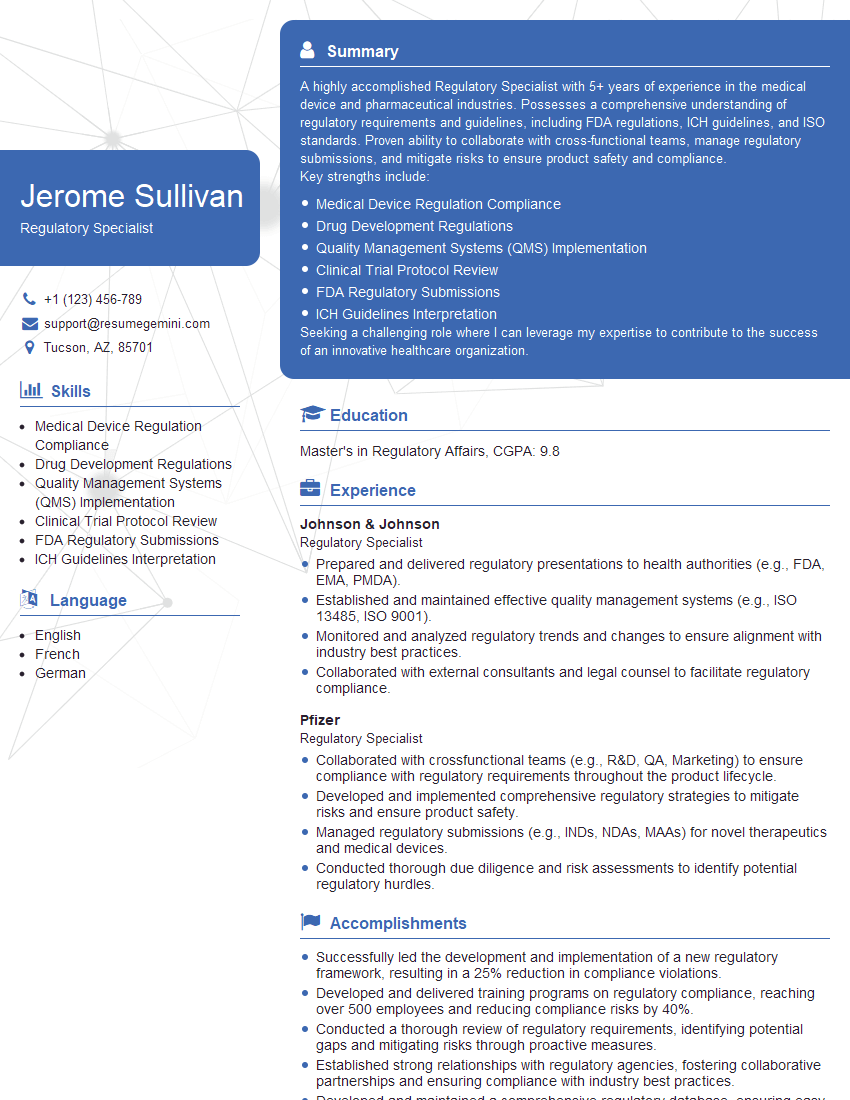
Regulatory Specialist Resume Sample
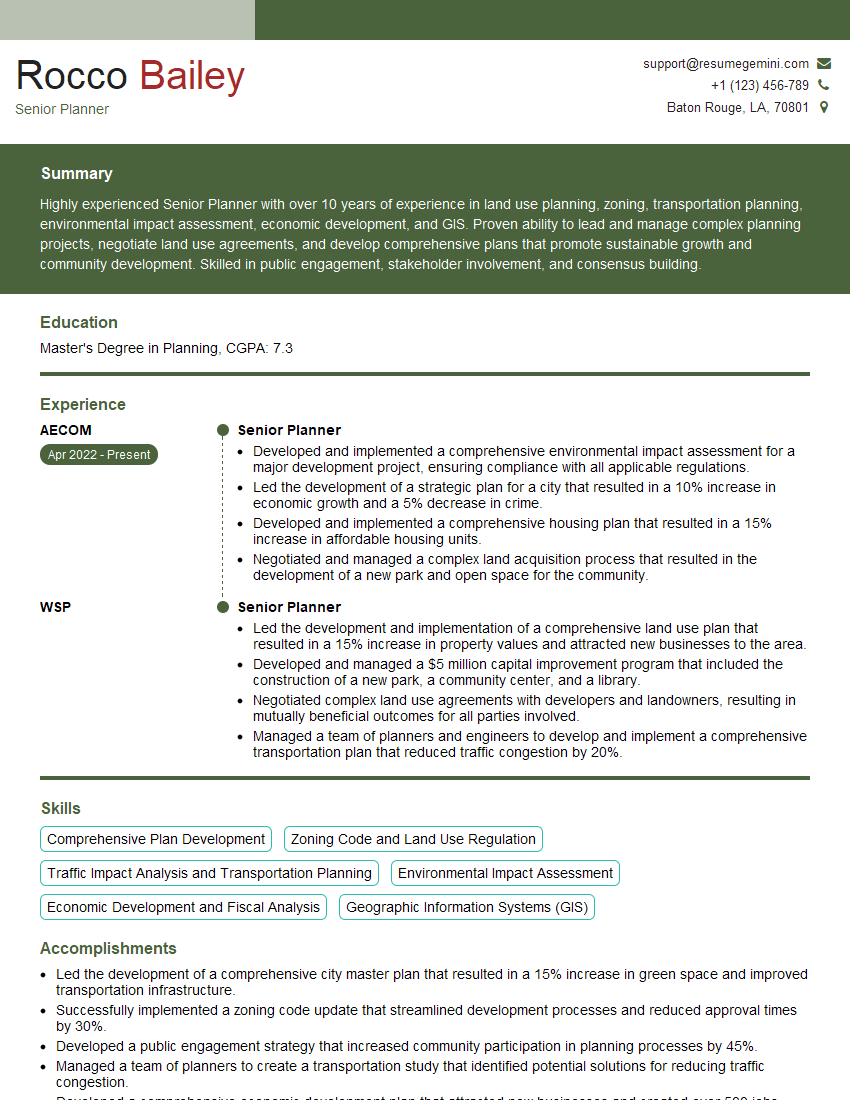
Senior Planner Resume Sample
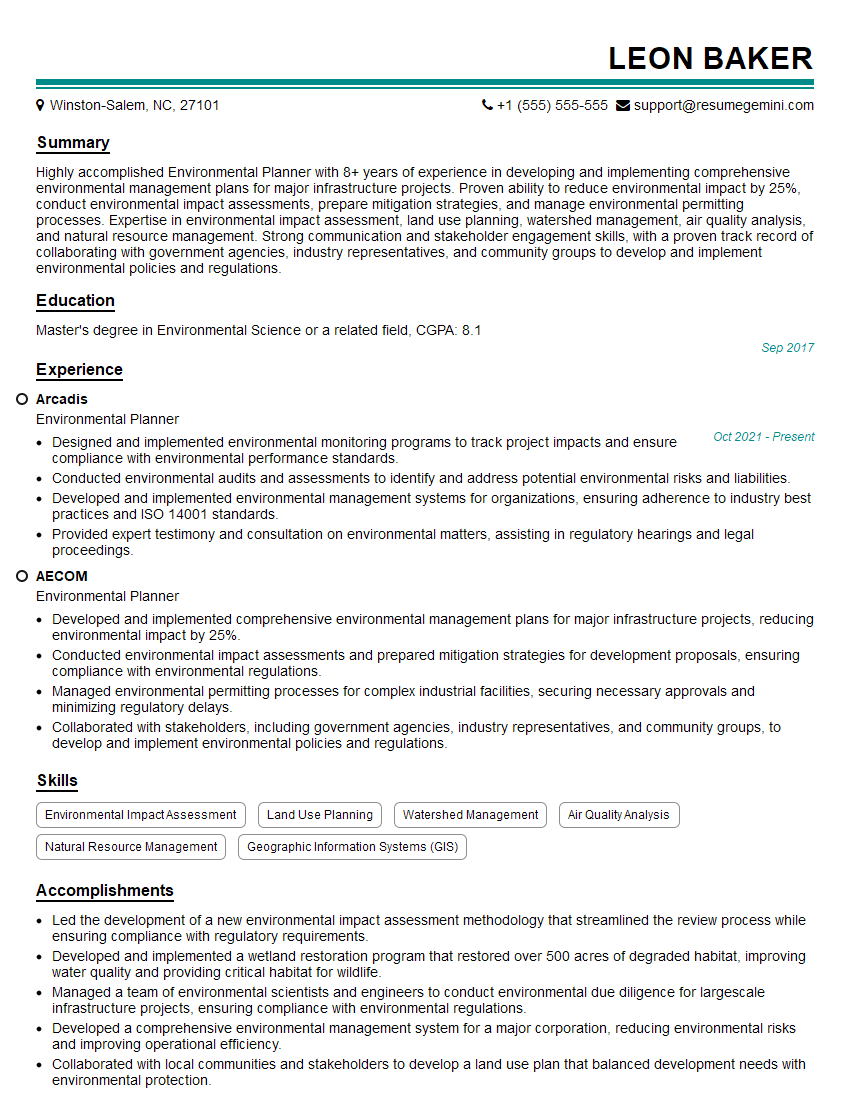
Environmental Planner Resume Sample
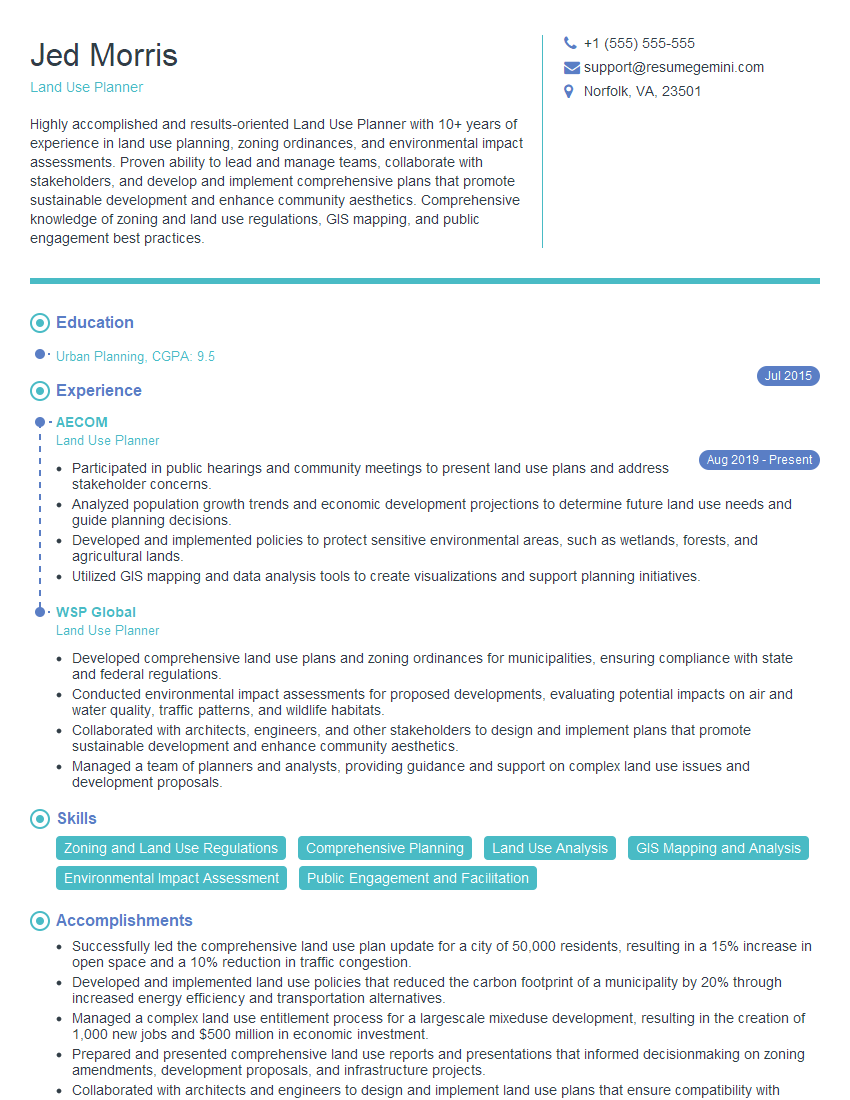
Land Use Planner Resume Sample

Planning Manager Resume Sample
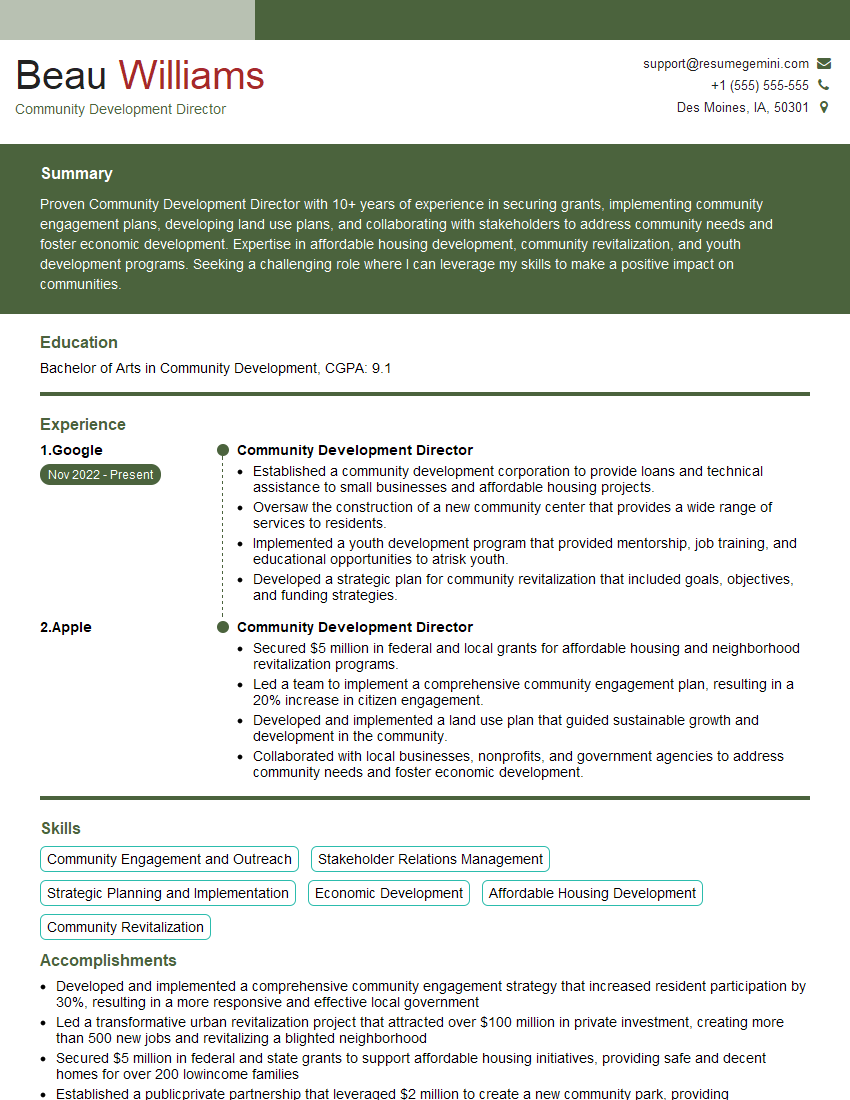
Community Development Director Resume Sample
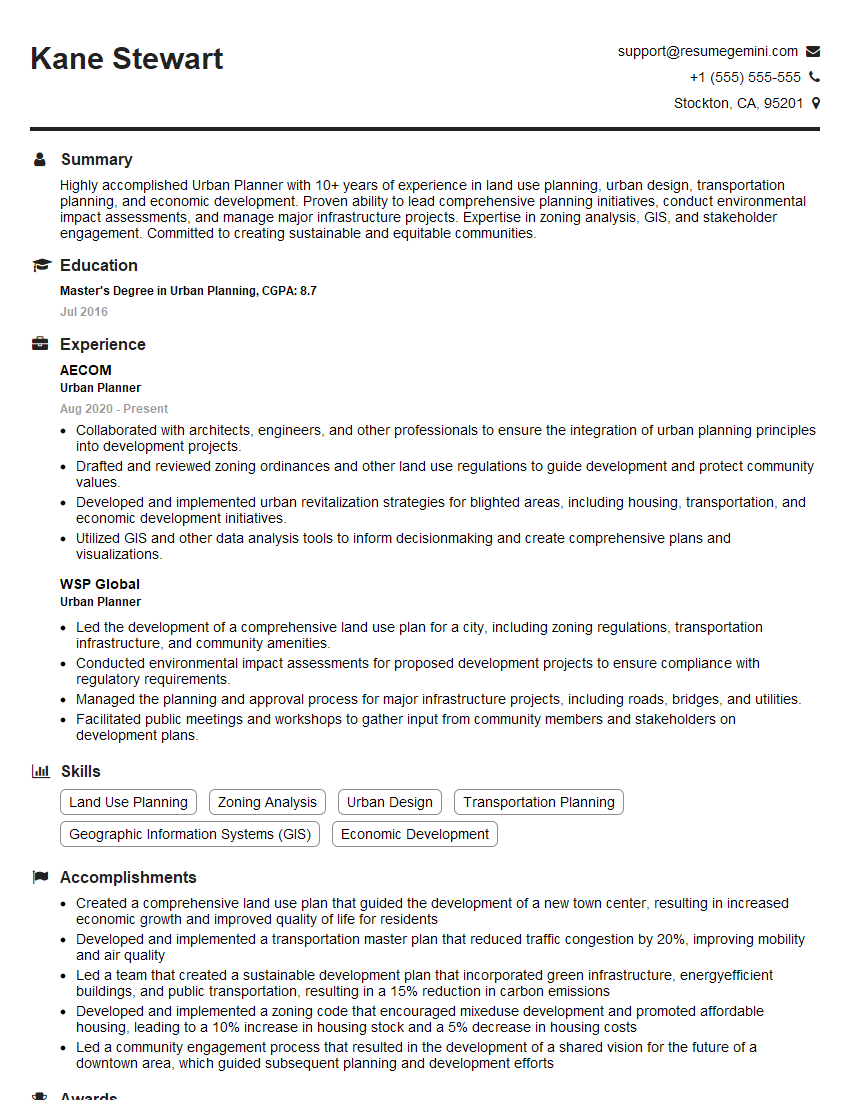
Urban Planner Resume Sample
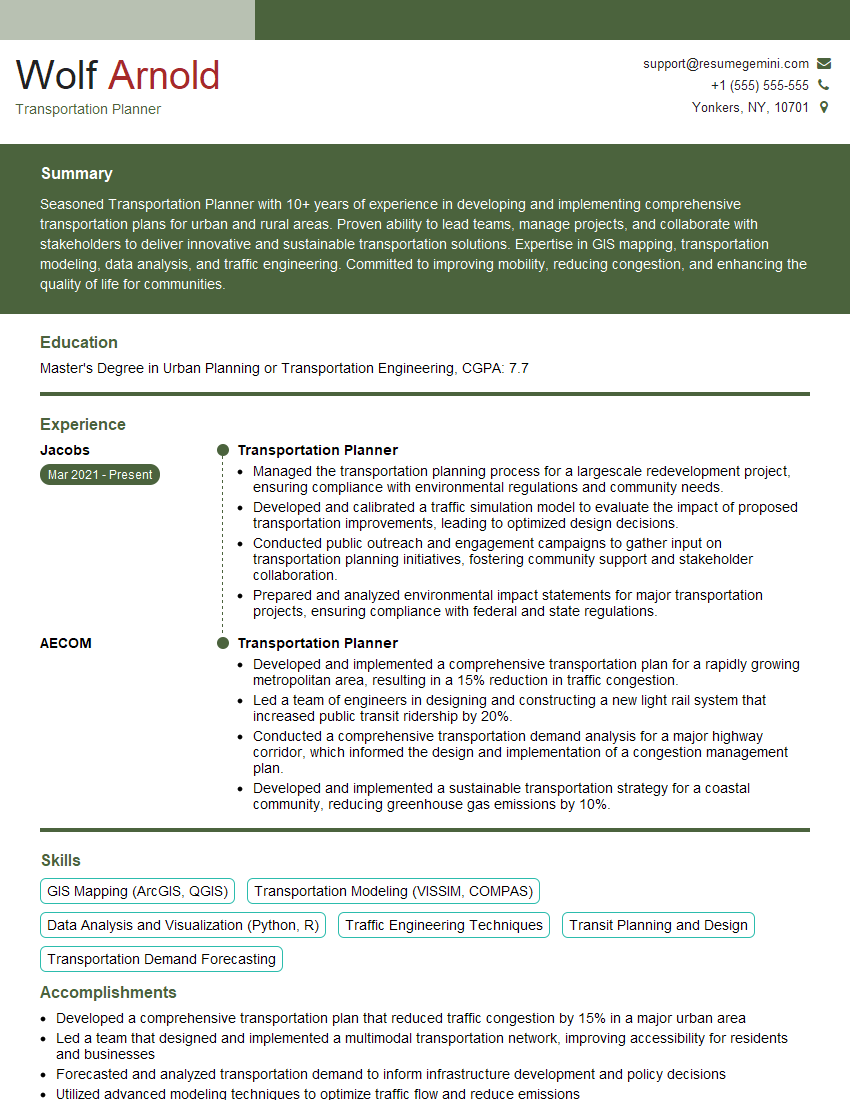
Transportation Planner Resume Sample
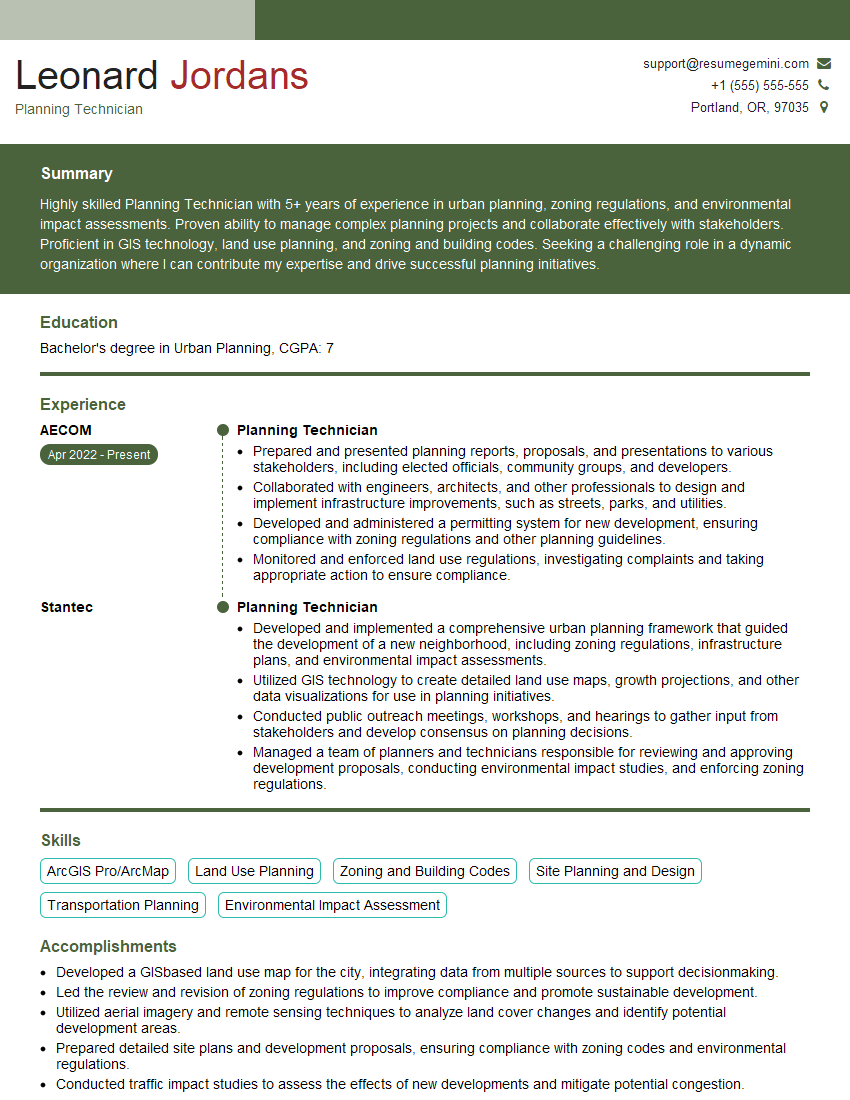
Planning Technician Resume Sample
Explore more articles
Users Rating of Our Blogs
Share Your Experience
We value your feedback! Please rate our content and share your thoughts (optional).
What Readers Say About Our Blog
To the interviewgemini.com Webmaster.
Very helpful and content specific questions to help prepare me for my interview!
Thank you
To the interviewgemini.com Webmaster.
This was kind of a unique content I found around the specialized skills. Very helpful questions and good detailed answers.
Very Helpful blog, thank you Interviewgemini team.