Interviews are opportunities to demonstrate your expertise, and this guide is here to help you shine. Explore the essential Stereotactic Ablation interview questions that employers frequently ask, paired with strategies for crafting responses that set you apart from the competition.
Questions Asked in Stereotactic Ablation Interview
Q 1. Describe the principles of stereotactic ablation.
Stereotactic ablation is a minimally invasive procedure used to destroy abnormal tissue, such as tumors, with pinpoint accuracy. The “stereotactic” aspect refers to the use of advanced imaging and sophisticated computer software to precisely locate the target area within the body. The procedure then uses various energy sources to ablate, or destroy, the targeted tissue. Imagine it like using a GPS system to guide a very precise laser to a specific spot deep within the body. This precision minimizes damage to surrounding healthy tissue.
The principle relies on three key components: precise imaging (CT, MRI, or PET scans), sophisticated software for 3D planning, and the application of an energy source (e.g., radiofrequency, microwave, cryoablation) to the targeted tissue.
Q 2. What are the different types of stereotactic ablation techniques?
Several types of stereotactic ablation techniques exist, each utilizing different energy sources to achieve tissue destruction. The most common include:
- Radiofrequency Ablation (RFA): Uses heat generated by radiofrequency currents to destroy tissue.
- Microwave Ablation (MWA): Employs microwave energy to heat and destroy tissue.
- Cryoablation: Uses extreme cold (freezing) to destroy tissue.
- Laser Ablation: Uses highly focused laser beams to ablate tissue.
The choice of technique depends on factors such as the size and location of the target lesion, the patient’s overall health, and the expertise of the treating physician.
Q 3. Compare and contrast radiofrequency ablation (RFA) and microwave ablation (MWA).
Both RFA and MWA are effective thermal ablation techniques, but they differ in their mechanisms and characteristics:
- Radiofrequency Ablation (RFA): Uses alternating electrical currents to generate heat. It’s generally effective for smaller lesions and requires multiple needle insertions to treat larger lesions. The heat spread is more predictable and less likely to cause collateral damage.
- Microwave Ablation (MWA): Uses microwave energy to heat and coagulate tissue. It’s often preferred for larger lesions due to its ability to heat tissue more rapidly and over a larger area with a single antenna. The heat distribution might be less predictable compared to RFA.
In essence, RFA is like using a smaller, more controlled flame, while MWA is like using a larger, more intense source of heat. The best choice depends on the specific clinical scenario.
Q 4. Explain the role of imaging in stereotactic ablation.
Imaging plays a crucial role in stereotactic ablation, acting as the cornerstone of the entire process. It guides the accurate localization of the target lesion and monitors the ablation process in real-time.
- Pre-procedural imaging: CT, MRI, or PET scans precisely define the lesion’s size, location, and relationship to surrounding critical structures. This data is used for treatment planning.
- Intra-procedural imaging: Fluoroscopy (real-time X-ray) and ultrasound are commonly used during the procedure to guide needle placement and monitor the ablation zone. This provides immediate feedback and allows adjustments as needed.
- Post-procedural imaging: CT or MRI scans are often performed after the procedure to confirm the extent of ablation and evaluate for any complications.
Without accurate imaging, precise targeting is impossible, potentially leading to incomplete ablation or damage to vital structures.
Q 5. What are the potential complications of stereotactic ablation?
While generally safe, stereotactic ablation carries potential complications. These include:
- Bleeding: Although rare, bleeding can occur at the puncture site or within the ablation zone.
- Infection: Infection at the puncture site is possible, requiring antibiotic treatment.
- Pneumothorax: Air leakage into the pleural space (lung collapse) may occur if the procedure is performed near the lung.
- Nerve damage: Damage to nerves in the vicinity of the lesion can lead to pain, numbness, or weakness.
- Incomplete ablation: The lesion may not be completely destroyed, requiring further treatment.
These complications are carefully weighed against the benefits of the procedure during patient selection. Minimising these risks requires expertise, careful planning, and the use of appropriate monitoring techniques during the procedure.
Q 6. How is patient selection for stereotactic ablation determined?
Patient selection for stereotactic ablation is crucial. Several factors are considered:
- Type and size of lesion: The procedure is suitable for lesions of specific sizes and types (e.g., small to medium-sized tumors).
- Lesion location: Accessibility and proximity to critical structures influence suitability.
- Patient’s overall health: Patients with significant comorbidities may be at increased risk of complications.
- Alternative treatment options: Stereotactic ablation is often considered when surgery is not feasible or carries unacceptable risks.
A multidisciplinary team, including radiologists, surgeons, and oncologists, typically assesses each case to determine the appropriateness of stereotactic ablation.
Q 7. Describe the pre-procedural preparation for stereotactic ablation.
Pre-procedural preparation for stereotactic ablation involves several steps to ensure patient safety and procedural success:
- Medical history and physical examination: A thorough evaluation to identify any contraindications or potential risks.
- Imaging studies: CT, MRI, or PET scans to plan the procedure accurately.
- Blood tests: To assess the patient’s overall health and clotting ability.
- Informed consent: The patient must fully understand the procedure, potential benefits, risks, and alternatives.
- NPO status: Patients are typically required to fast before the procedure to minimize the risk of aspiration.
- Medication review: Certain medications (e.g., anticoagulants) may need to be adjusted or temporarily discontinued.
Careful pre-procedural planning is essential for a successful and safe outcome.
Q 8. What are the post-procedural care instructions for patients undergoing stereotactic ablation?
Post-procedural care following stereotactic ablation focuses on monitoring for complications and ensuring patient comfort. Patients typically remain in the hospital for observation for a few hours, sometimes overnight, depending on the procedure and the patient’s overall health.
- Pain Management: Mild pain at the puncture site is common and usually managed with over-the-counter pain relievers. In some cases, stronger medication may be prescribed.
- Activity Restrictions: Patients are advised to avoid strenuous activity for a few days to a week, allowing the body to heal. This prevents potential bleeding or displacement of the ablation site.
- Wound Care: The puncture site will be covered with a bandage, which should be kept clean and dry. Patients should monitor for any signs of infection like redness, swelling, or increased pain.
- Follow-up Appointments: Regular follow-up appointments with the physician are crucial to monitor healing and assess the effectiveness of the procedure. Imaging studies, such as CT or MRI scans, may be performed to evaluate the lesion.
- Dietary Recommendations: A balanced diet is essential for recovery. Specific dietary restrictions are rarely needed, unless other underlying health conditions exist.
For example, a patient with a lung ablation might be advised to avoid coughing excessively for a few days to minimize stress on the treated area. Each patient’s recovery plan is tailored based on their individual condition and the specifics of their procedure.
Q 9. How do you monitor patients during and after a stereotactic ablation procedure?
Monitoring during and after stereotactic ablation is critical for patient safety and procedural success. During the procedure, continuous monitoring of vital signs (heart rate, blood pressure, oxygen saturation) is essential to detect any adverse reactions. The patient’s neurological status is closely observed, especially if the ablation is near critical brain structures. Real-time imaging, such as fluoroscopy or ultrasound, helps to guide needle placement and confirm lesion coverage.
Post-procedure monitoring continues in the recovery area and during the hospital stay. This includes regular checks of vital signs, pain levels, and neurological function. The puncture site is also closely monitored for bleeding or infection. In some cases, continuous electrocardiogram (ECG) monitoring might be implemented. Imaging studies after the procedure help assess the completeness of the ablation and identify any potential complications. For instance, if there is a concern about bleeding near a major vessel, a CT scan might be employed to evaluate the area immediately.
Q 10. What are the advantages and disadvantages of stereotactic ablation compared to other treatment modalities?
Stereotactic ablation offers several advantages over other treatment modalities, but it also has limitations. Let’s compare it to surgery, for instance.
- Advantages:
- Minimally Invasive: Compared to open surgery, it involves smaller incisions, less tissue trauma, and shorter recovery times. This translates to fewer complications and improved patient comfort.
- Targeted Treatment: Stereotactic guidance allows for precise targeting of lesions, minimizing damage to surrounding healthy tissue.
- Outpatient Procedure (often): Many stereotactic ablations can be performed as outpatient procedures, reducing hospital stay and costs.
- Disadvantages:
- Not suitable for all lesions: Size, location, and type of lesion may limit its applicability. Large or complex lesions might not be effectively treated with ablation.
- Potential Complications: While rare, complications such as bleeding, infection, or nerve damage are possible.
- Requires specialized equipment and expertise: The procedure demands sophisticated technology and highly skilled professionals.
Compared to other minimally invasive treatments like radiofrequency ablation (RFA), stereotactic ablation offers superior image guidance and the ability to reach deeply seated lesions with greater precision. However, the choice of treatment always depends on the individual patient’s condition and the characteristics of the lesion.
Q 11. Explain the concept of thermal dose in stereotactic ablation.
Thermal dose in stereotactic ablation refers to the cumulative effect of heat delivered to the target tissue during the procedure. It’s not simply the temperature reached, but also the duration of exposure to that temperature. It’s expressed as a cumulative equivalent minutes (CEM) at a reference temperature, typically 43°C (109.4°F). A higher thermal dose indicates more extensive heating, leading to greater tissue damage and necrosis (cell death).
The concept of thermal dose is crucial because it helps to ensure complete ablation while minimizing damage to surrounding tissues. Treatment planning software uses sophisticated algorithms to calculate the required thermal dose to achieve the desired therapeutic effect. For example, a larger lesion might require a higher thermal dose compared to a small lesion to ensure complete ablation. Accurate determination of the thermal dose relies on factors such as the tissue type, the energy source used (e.g., radiofrequency, microwave, laser), and the ablation parameters (power, time).
Q 12. Describe the different types of needles used in stereotactic ablation.
The type of needle used in stereotactic ablation depends on the energy source and the target tissue. Several types exist:
- Radiofrequency (RF) needles: These needles deliver radiofrequency energy to heat and destroy tissue. They typically have one or more electrodes to deliver the energy, and their design can vary depending on the size and shape of the lesion.
- Microwave ablation needles: These use microwave energy to generate heat. They are often preferred for larger lesions or areas with high vascularity due to their ability to penetrate deeper tissues.
- Laser ablation needles: Laser ablation uses light energy to cause thermal damage. They are sometimes used for smaller lesions or specific applications.
- Cryoablation needles: These needles deliver extremely cold temperatures to freeze and destroy tissue. They are usually used for larger lesions in locations where heat might damage surrounding sensitive structures.
Needle selection is a crucial part of treatment planning. The choice depends on the target lesion’s characteristics, such as its size, location, and proximity to vital structures. The surgeon’s experience and preference also play a role in the selection process.
Q 13. What are the safety measures implemented during stereotactic ablation?
Safety measures during stereotactic ablation are paramount. They involve several levels of precaution, including:
- Pre-procedural imaging and planning: Detailed imaging studies (CT, MRI) are used to accurately locate and map the lesion and surrounding structures to minimize the risk of damaging healthy tissues.
- Real-time imaging guidance: Fluoroscopy, ultrasound, or CT imaging during the procedure ensures precise needle placement and real-time monitoring of the ablation process.
- Experienced Interventional Radiologist: The procedure is always performed by highly trained interventional radiologists or other specialists with extensive experience in image-guided interventions.
- Continuous monitoring of vital signs: This helps to detect any adverse reactions promptly and enables prompt intervention if necessary.
- Appropriate sterilization and asepsis: Strict adherence to sterile techniques reduces the risk of infection.
- Emergency preparedness: The team has appropriate equipment and protocols in place to manage potential complications like bleeding or other emergencies.
Imagine a scenario where a lesion is near a major blood vessel. Real-time imaging and careful needle placement are crucial to prevent accidental injury to the vessel.
Q 14. How do you manage potential complications during a stereotactic ablation procedure?
Managing potential complications during stereotactic ablation involves a multi-faceted approach. The most common complications are bleeding, infection, and nerve damage. The management strategy differs depending on the type and severity of the complication.
- Bleeding: Minor bleeding is usually self-limiting, but significant bleeding might require interventional radiology procedures to control the bleeding, such as embolization.
- Infection: Prophylactic antibiotics are often given before the procedure, but if infection occurs, appropriate antibiotics are administered, and the wound may need to be drained.
- Nerve damage: The impact depends on the location and extent of damage. In some cases, conservative management is sufficient, while others may require surgical intervention or rehabilitation.
- Other complications: Less frequent complications include pneumothorax (collapsed lung), pleural effusion (fluid in the pleural space), and pain. Each requires specific management strategies.
Imagine a situation where a patient develops a pneumothorax after a lung ablation. This requires immediate intervention—likely insertion of a chest tube to allow the lung to re-expand. Prompt recognition and management of complications are crucial for favorable patient outcomes.
Q 15. What are the criteria for successful stereotactic ablation?
Successful stereotactic ablation hinges on achieving complete destruction of the target lesion while minimizing damage to surrounding healthy tissue. This success is judged based on several key criteria:
- Complete Lesion Ablation: Imaging studies (such as CT or MRI) post-procedure should demonstrate complete necrosis (death) of the targeted tissue. This means no viable tumor cells remain.
- Absence of Complications: There should be no significant bleeding, infection, or neurological deficits resulting from the procedure. Minor, transient side effects are common and expected, but severe complications indicate a less than successful outcome.
- Achieving Treatment Goals: The ultimate success depends on whether the ablation effectively addresses the patient’s clinical presentation. For example, in a patient with a symptomatic brain tumor, success would be measured by symptom relief and improved quality of life. In a case of lung cancer, it might be the reduction in tumor size and improved lung function.
- Long-Term Outcome: While immediate success is crucial, the long-term absence of recurrence is also vital for determining the overall success of the treatment. Regular follow-up imaging is essential to monitor for any signs of regrowth.
For instance, a patient with a small lung nodule undergoing radiofrequency ablation might be considered to have a successful procedure if post-ablation CT scans reveal complete disappearance of the nodule and no recurrence over several years.
Career Expert Tips:
- Ace those interviews! Prepare effectively by reviewing the Top 50 Most Common Interview Questions on ResumeGemini.
- Navigate your job search with confidence! Explore a wide range of Career Tips on ResumeGemini. Learn about common challenges and recommendations to overcome them.
- Craft the perfect resume! Master the Art of Resume Writing with ResumeGemini’s guide. Showcase your unique qualifications and achievements effectively.
- Don’t miss out on holiday savings! Build your dream resume with ResumeGemini’s ATS optimized templates.
Q 16. How is the treatment plan created for stereotactic ablation?
Treatment planning for stereotactic ablation is a meticulous process involving a multidisciplinary team, typically including a neurosurgeon or interventional radiologist, a radiation oncologist, and a medical physicist. The process can be broken down into these steps:
- Imaging Acquisition: High-resolution imaging, typically CT and MRI, are obtained to precisely locate and characterize the lesion. Advanced imaging techniques like PET-CT can also be used to further refine targeting.
- Lesion Delineation: The lesion’s boundaries are meticulously marked on the images by the clinicians, usually with the aid of specialized software. This step is crucial for accuracy.
- Treatment Planning Software: Sophisticated software is used to create a 3D model of the anatomy and to plan the optimal trajectory and number of ablation needles. This software accounts for the location of critical structures like blood vessels and nerves to avoid damage.
- Trajectory Planning: The software helps determine the ideal entry points and angles for the ablation needles. The goal is to completely encompass the target while minimizing risk to surrounding tissues. Sometimes multiple trajectories are planned for better coverage.
- Needle Placement Verification: Before ablation begins, the planned needle placement is often verified using fluoroscopy or intraoperative imaging. This ensures the needles are accurately positioned according to the plan.
Imagine planning a surgery: you need detailed blueprints (imaging), precise measurements (lesion delineation), and a surgical plan (trajectory planning) to ensure a successful outcome. This analogy applies to stereotactic ablation planning as well.
Q 17. Explain the role of image guidance in stereotactic ablation.
Image guidance is absolutely critical in stereotactic ablation. It allows for real-time visualization of the needle and the target lesion throughout the procedure. This ensures accurate needle placement and minimizes the risk of damaging surrounding healthy tissue. Different imaging modalities are used:
- Fluoroscopy: Real-time X-ray imaging provides a 2D view of the needle’s position.
- CT or MRI: These provide higher-resolution anatomical information, often used for pre-operative planning and intraoperative guidance. Intraoperative CT allows for real-time verification of needle placement within the lesion.
- Ultrasound: Can be used for some procedures, particularly in the liver, providing real-time imaging of the needle and lesion during ablation.
Without image guidance, the risk of misplacing the ablation needle and causing unintended damage increases significantly. It’s like navigating a ship without a GPS – you might reach your destination, but with significantly increased chances of collisions along the way.
Q 18. What are the limitations of stereotactic ablation?
Despite its advantages, stereotactic ablation has limitations:
- Lesion Size and Location: It is not suitable for very large lesions or lesions in locations that are difficult to access or close to critical structures. For example, a tumor wrapped around a major blood vessel might be too risky to ablate.
- Tumor Type: Certain tumor types may be less responsive to ablation than others. The success rate can vary greatly depending on the type and characteristics of the lesion.
- Potential Complications: While rare, complications such as bleeding, infection, or nerve damage can occur. The risk varies based on the lesion’s location and the patient’s overall health.
- Recurrence: Although ablation usually results in significant lesion reduction, tumor recurrence is still possible. Regular follow-up imaging is essential.
- Technical Challenges: The procedure requires specialized equipment and highly trained personnel. The complexity can also impact feasibility in some settings.
For example, if a patient presents with multiple lung nodules, only a select number might be suitable candidates for ablation based on size, location, and proximity to critical structures.
Q 19. Describe the process of lesion ablation verification.
Lesion ablation verification is crucial to confirm the effectiveness of the treatment and identify any areas that may require further intervention. This is typically done through post-procedural imaging:
- Immediate Post-Procedure Imaging: CT or MRI scans are usually obtained immediately after the ablation to assess the extent of tissue destruction. This helps determine if the planned ablation volume was achieved.
- Delayed Post-Procedure Imaging: Follow-up imaging is performed at regular intervals (e.g., weeks, months, or years) to monitor for any recurrence or residual disease. This typically involves similar imaging techniques used during the planning process.
- Image Analysis: Specialized software is often used to analyze the images and quantitatively assess the extent of ablation. This may involve measurement of lesion size reduction or assessment of the extent of necrosis (tissue death).
Imagine baking a cake – after it’s finished, you need to check if it’s baked completely. Similarly, post-procedural imaging allows us to ‘check’ if the ablation has been successful.
Q 20. How do you assess the effectiveness of stereotactic ablation?
Assessing the effectiveness of stereotactic ablation is a multifaceted process that involves several evaluation methods:
- Imaging Studies: Post-ablation imaging (CT, MRI, PET-CT) is the primary method for evaluating treatment success. This involves assessing lesion size reduction, the presence of residual disease, and signs of necrosis (tissue death).
- Clinical Response: In cases where the lesion causes symptoms (e.g., pain, neurological deficits), the clinician will assess the reduction or resolution of these symptoms post-ablation. This is a crucial measure of clinical effectiveness.
- Biomarkers: In some cases, blood tests or other biomarkers may be used to monitor the response to treatment and detect recurrence.
- Survival Rates: For certain types of cancers, the long-term survival rate following stereotactic ablation is used as a measure of treatment success.
- Quality of Life: Assessing a patient’s quality of life after the procedure is important, particularly if the ablation involved a lesion causing significant symptoms.
Effectiveness isn’t just about the imaging results; it’s about the overall impact on the patient’s health and well-being. For example, a successful ablation in a patient with a brain tumor would result in not only a decrease in tumor size but also an improvement in neurological function and overall quality of life.
Q 21. What is the role of the medical physicist in stereotactic ablation?
The medical physicist plays a crucial role in ensuring the safety and efficacy of stereotactic ablation. Their responsibilities include:
- Treatment Planning: They use specialized software to develop detailed treatment plans that accurately target the lesion while minimizing the radiation dose to surrounding healthy tissues.
- Image Quality Assurance: They ensure that the imaging data used for treatment planning is of high quality and accurately reflects the patient’s anatomy. They may also perform quality checks on the imaging equipment.
- Dose Calculation and Optimization: They perform sophisticated calculations to determine the optimal energy and duration of the ablation process to ensure effectiveness while minimizing risk of complications.
- Quality Assurance of Equipment: They are responsible for the routine quality assurance and calibration of the equipment used for stereotactic ablation to guarantee accurate and reliable operation.
- Safety Monitoring: They help monitor patient safety during the ablation process, ensuring that parameters are within acceptable limits and that the procedure is conducted safely and effectively.
The medical physicist acts as a critical quality control and safety monitor, ensuring that the procedure is performed as accurately and safely as possible. They are essential for the success and safety of stereotactic ablation procedures.
Q 22. What are the recent advancements in stereotactic ablation technology?
Recent advancements in stereotactic ablation technology are revolutionizing minimally invasive cancer treatment. Key improvements include:
- Improved Imaging: Higher-resolution MRI and CT scans, coupled with advanced image fusion techniques, allow for more precise targeting of lesions, minimizing damage to surrounding healthy tissue. For example, real-time image guidance during the procedure using intraoperative ultrasound or fluoroscopy has become increasingly common.
- Minimally Invasive Approaches: Techniques are evolving to allow for smaller incisions and less trauma to the patient. This includes advancements in needle design and insertion techniques.
- Advanced Energy Sources: Radiofrequency ablation (RFA), microwave ablation (MWA), and cryoablation are constantly being refined. MWA, for instance, offers faster ablation times and potentially greater depth of tissue destruction compared to older RFA systems. New technologies are exploring focused ultrasound surgery (FUS) which doesn’t require needle insertion, increasing safety and reducing risk of complications.
- Sophisticated Software and Planning: Treatment planning software is becoming more intuitive and user-friendly, allowing for more accurate pre-operative planning and better prediction of ablation zone outcomes. This reduces the need for adjustments during the procedure, increasing efficiency and safety.
- Personalized Treatment Approaches: With the growing integration of artificial intelligence (AI) and machine learning, the potential to personalize ablation parameters based on tumor characteristics and patient-specific factors is now a reality.
Q 23. Describe your experience with different stereotactic ablation platforms.
My experience encompasses a wide range of stereotactic ablation platforms, including those utilizing radiofrequency (RFA), microwave (MWA), and cryoablation technologies. I’ve worked extensively with systems from leading manufacturers, mastering their unique features and capabilities. For instance, I am proficient with the image-guided navigation systems used in conjunction with these platforms. This allows for precise needle placement and monitoring of the ablation zone in real time. I’ve found that the choice of platform is highly dependent on the tumor type, location, and size. For example, MWA is often preferred for larger lesions due to its faster ablation speed, while cryoablation is particularly useful for lesions near critical structures.
Beyond the specific device, my expertise also lies in understanding the advantages and disadvantages of each technique and how to adapt the approach to optimize treatment for each patient. This involves not only the technical aspects but also meticulous pre-operative planning, patient assessment, and post-operative monitoring.
Q 24. How do you handle unexpected complications during a procedure?
Handling unexpected complications requires a combination of preparedness, quick thinking, and a multidisciplinary approach. Our protocols emphasize meticulous pre-operative planning to minimize potential risks, but unforeseen circumstances can still arise. For example, bleeding during the procedure is a possibility. My response would involve:
- Immediate Assessment: Quickly evaluating the nature and severity of the complication using real-time imaging.
- Appropriate Intervention: Taking swift action to address the complication. This may involve stopping the ablation, applying pressure to control bleeding, or adjusting the ablation parameters. In more serious cases, this might involve switching to a different technique.
- Teamwork: Close collaboration with the anesthesiologist, radiology team, and potentially surgical colleagues. If needed, we have well-established protocols for immediate conversion to open surgery.
- Post-procedural Management: Implementing appropriate post-procedural care, including monitoring vital signs, and administering necessary medications. This also includes comprehensive follow-up imaging and consultations to monitor healing.
Thorough documentation of the complication, the response, and the outcome is crucial for learning and improving future procedures.
Q 25. What is your experience with different tumor types treated with stereotactic ablation?
My experience spans a broad range of tumor types amenable to stereotactic ablation, including:
- Lung Cancer: Both primary and metastatic lung lesions, including those in challenging locations.
- Liver Cancer: Hepatocellular carcinoma (HCC) and liver metastases from other cancers.
- Kidney Cancer: Renal cell carcinoma (RCC) and renal metastases.
- Bone Metastases: Treatment of painful bone metastases to improve patient quality of life.
- Adrenal Tumors: Benign and malignant adrenal lesions.
The specific technique and approach vary depending on the tumor’s characteristics, such as size, location, and proximity to critical structures. For example, a small, well-defined liver metastasis might be successfully treated with RFA, while a large, complex lesion might require MWA or a combination of techniques. Each case necessitates careful assessment and individualized treatment planning.
Q 26. Describe your knowledge of relevant safety regulations and guidelines.
Adherence to safety regulations and guidelines is paramount in my practice. I am thoroughly familiar with all relevant national and international guidelines, including those from professional organizations such as the American College of Radiology (ACR) and the Society of Interventional Radiology (SIR). We maintain meticulous documentation for each procedure, ensuring compliance with all relevant safety protocols.
Our institution employs rigorous quality assurance and quality control measures, including regular equipment maintenance, staff training, and peer review of procedures. We are committed to continuous improvement and patient safety, ensuring that our processes meet or exceed all established standards.
Q 27. How do you stay updated on the latest advances in stereotactic ablation?
Staying updated on the latest advancements in stereotactic ablation is an ongoing commitment. My strategies include:
- Professional Organizations: Active membership in professional organizations like the SIR and participation in their conferences and workshops.
- Peer-Reviewed Journals: Regular review of leading medical journals in radiology and interventional oncology.
- Continuing Medical Education (CME): Participation in relevant CME courses and workshops.
- Collaboration with Colleagues: Engaging in discussions and knowledge-sharing with colleagues and experts in the field.
- Industry Updates: Staying informed about new technology and equipment through industry publications and conferences.
This multi-faceted approach ensures that my knowledge and skills remain current, allowing me to provide the best possible care for my patients.
Q 28. Discuss a challenging case you encountered during stereotactic ablation and how you overcame the challenges.
One particularly challenging case involved a patient with a large, centrally located lung tumor abutting major vessels. The proximity of the tumor to critical structures made traditional ablation techniques risky. Initial planning suggested RFA might be insufficient, and MWA carried a significant risk of vascular injury.
Our team employed a multi-pronged strategy: We used advanced 3D image fusion, combining CT and MRI data, to meticulously plan the ablation trajectory, minimizing the risk of vessel damage. We opted for a staged approach using MWA, with careful monitoring of the ablation zone in real-time using fluoroscopy and intraoperative ultrasound. We adjusted the ablation parameters dynamically based on the intraoperative findings, ensuring the lesion was adequately treated while avoiding complications.
The patient recovered well with no significant complications. This case underscored the importance of advanced imaging, meticulous planning, a flexible approach, and real-time intraoperative adjustments in managing complex cases. The successful outcome emphasized the team’s expertise and the crucial role of adaptable strategies in overcoming challenging scenarios in stereotactic ablation.
Key Topics to Learn for Stereotactic Ablation Interview
- Imaging Techniques: Understanding and comparing different imaging modalities used in Stereotactic Ablation planning (CT, MRI, PET) and their limitations.
- Treatment Planning: Mastering the process of target delineation, trajectory planning, and the selection of appropriate ablation techniques.
- Ablation Modalities: In-depth knowledge of various ablation techniques (radiofrequency ablation, microwave ablation, cryoablation) including their mechanisms, advantages, and disadvantages.
- Patient Selection and Assessment: Criteria for selecting appropriate candidates for Stereotactic Ablation and pre-procedural patient evaluation.
- Procedural Aspects: Understanding the step-by-step process of Stereotactic Ablation, including needle placement, energy delivery, and monitoring techniques.
- Complications and Management: Identifying potential complications, their prevention, and management strategies.
- Post-procedural Care: Understanding the importance of post-procedural monitoring and patient follow-up.
- Technical Troubleshooting: Developing problem-solving skills to address challenges encountered during the procedure, such as target localization difficulties or equipment malfunctions.
- Data Analysis and Interpretation: Analyzing imaging data before, during, and after the procedure to assess treatment efficacy.
- Ethical Considerations: Understanding the ethical implications of Stereotactic Ablation and patient consent processes.
Next Steps
Mastering Stereotactic Ablation opens doors to exciting career opportunities in a rapidly advancing field. A strong understanding of these techniques will significantly enhance your interview performance and future career prospects. To maximize your chances of landing your dream job, invest time in creating a compelling, ATS-friendly resume that highlights your skills and experience. ResumeGemini is a trusted resource that can help you build a professional resume tailored to the specific requirements of Stereotactic Ablation roles. Examples of resumes optimized for this field are available, providing a strong template for your own application.

Project Manager Resume Sample

Clinical Research Coordinator Resume Sample

Clinical Trials Manager Resume Sample

Quality Assurance Specialist Resume Sample

Regulatory Affairs Specialist Resume Sample

Data Analyst Resume Sample

Research Scientist Resume Sample
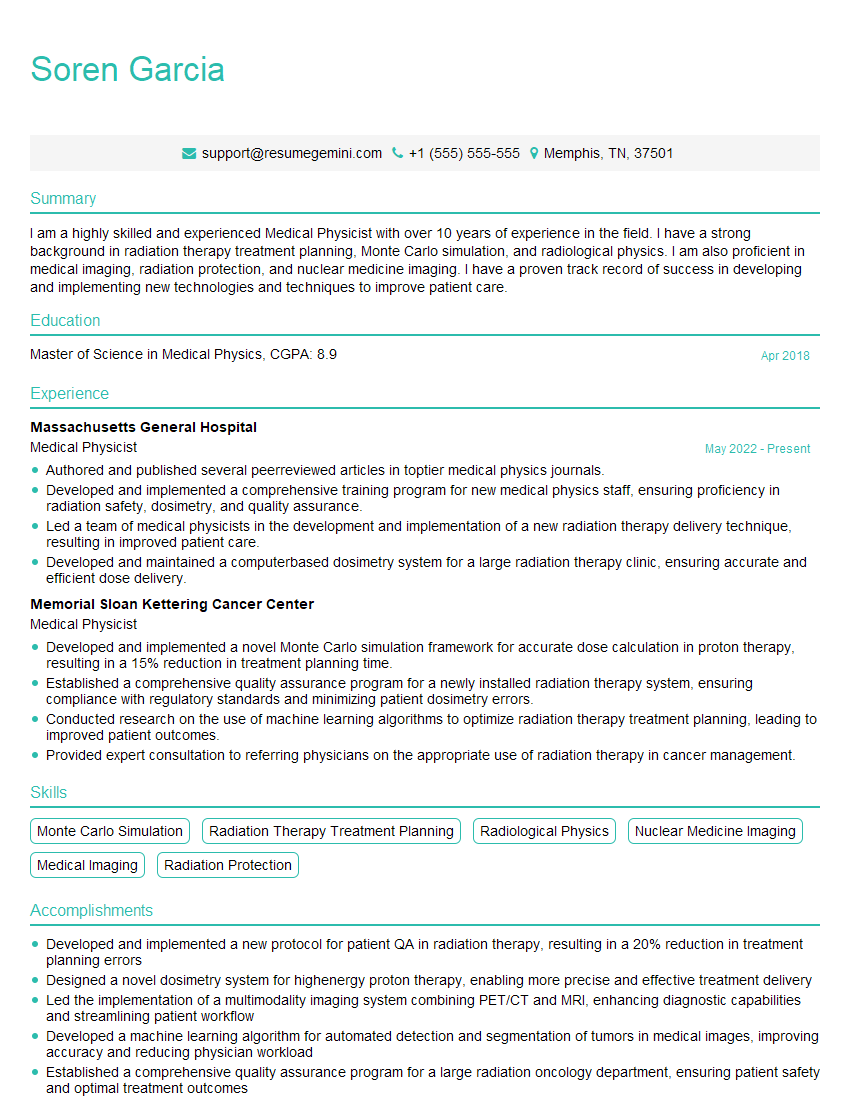
Medical Physicist Resume Sample
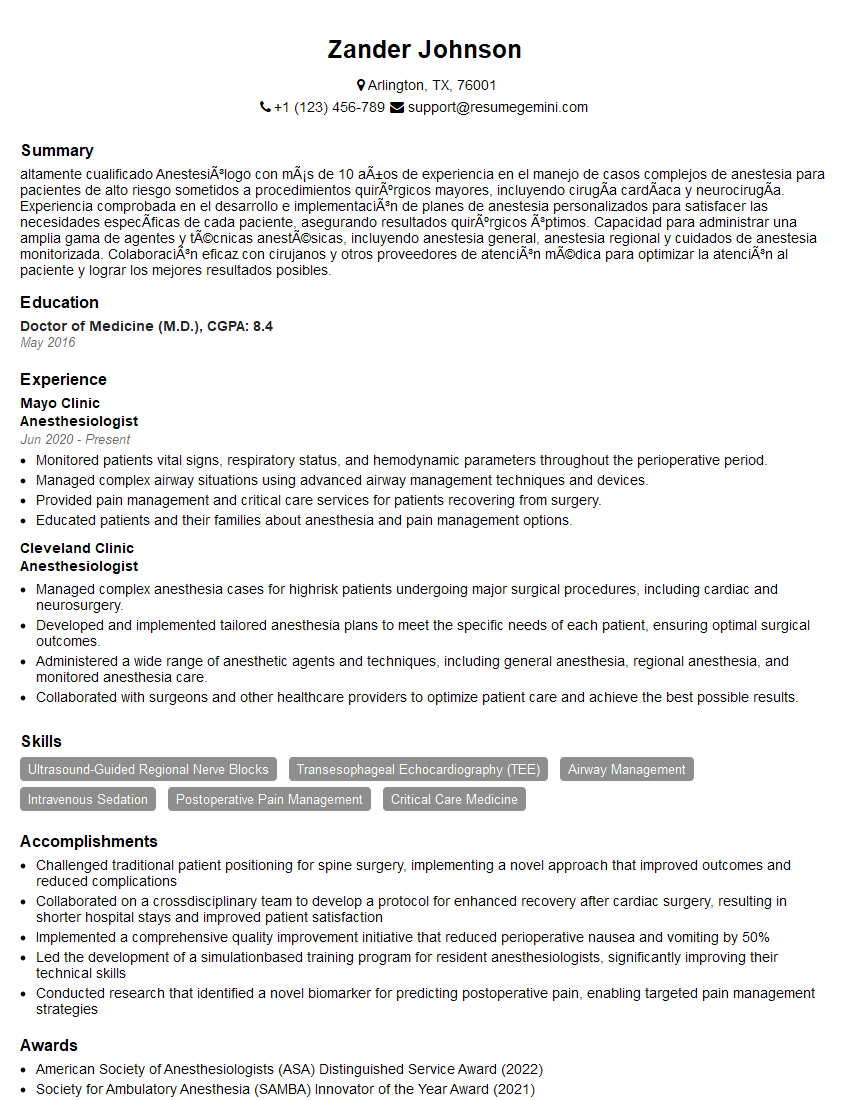
Anesthesiologist Resume Sample

Physician Assistant Resume Sample
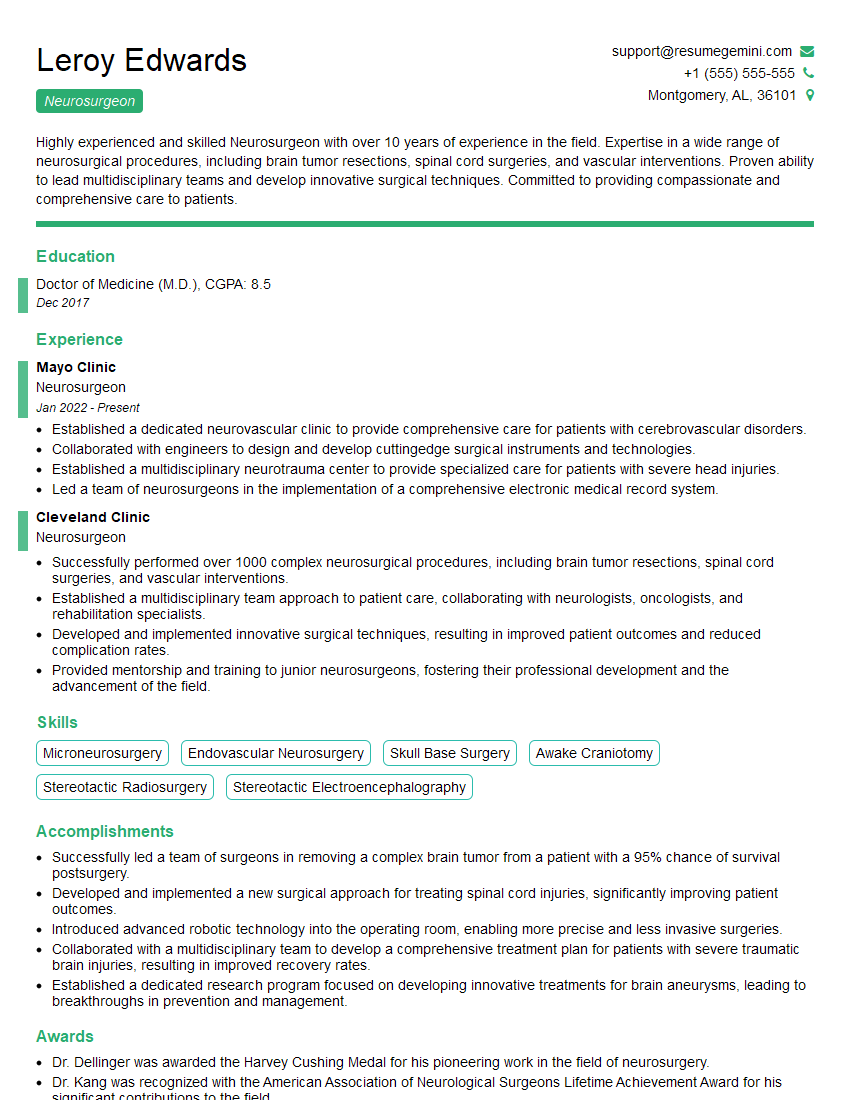
Neurosurgeon Resume Sample
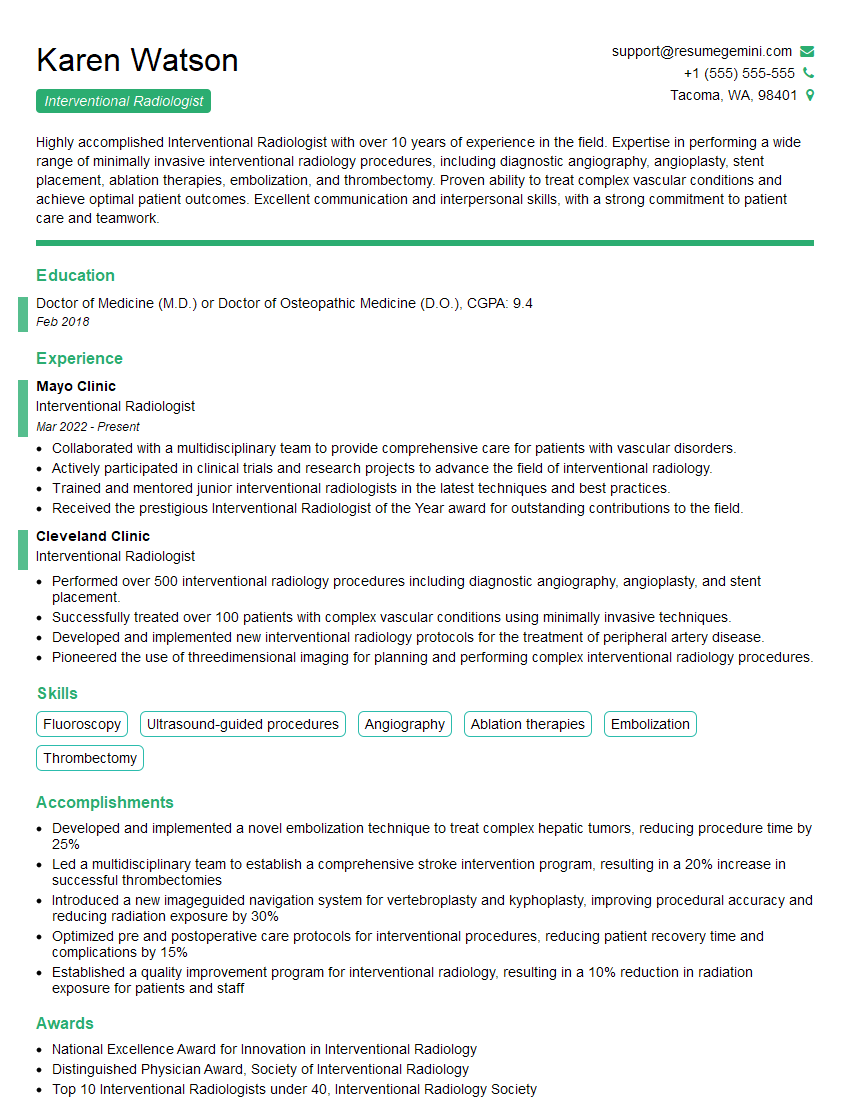
Interventional Radiologist Resume Sample

Medical Dosimetrist Resume Sample
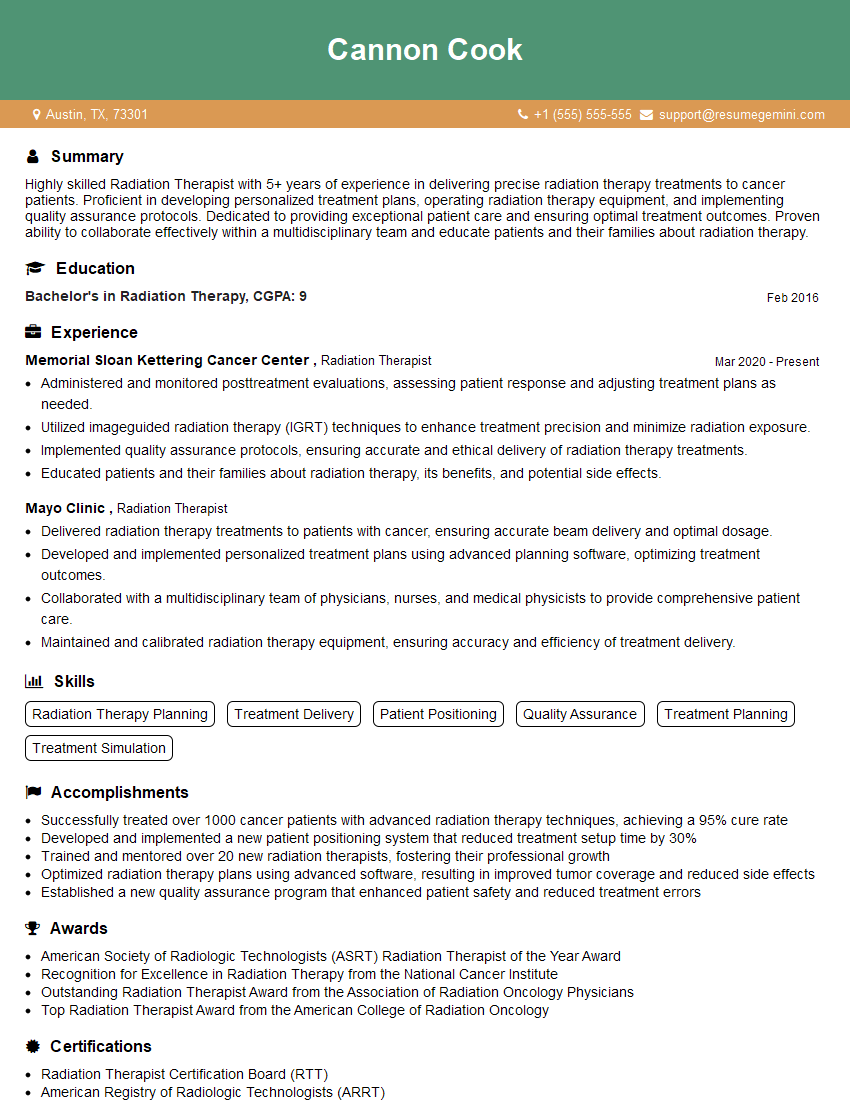
Radiation Therapist Resume Sample

Oncology Nurse Resume Sample
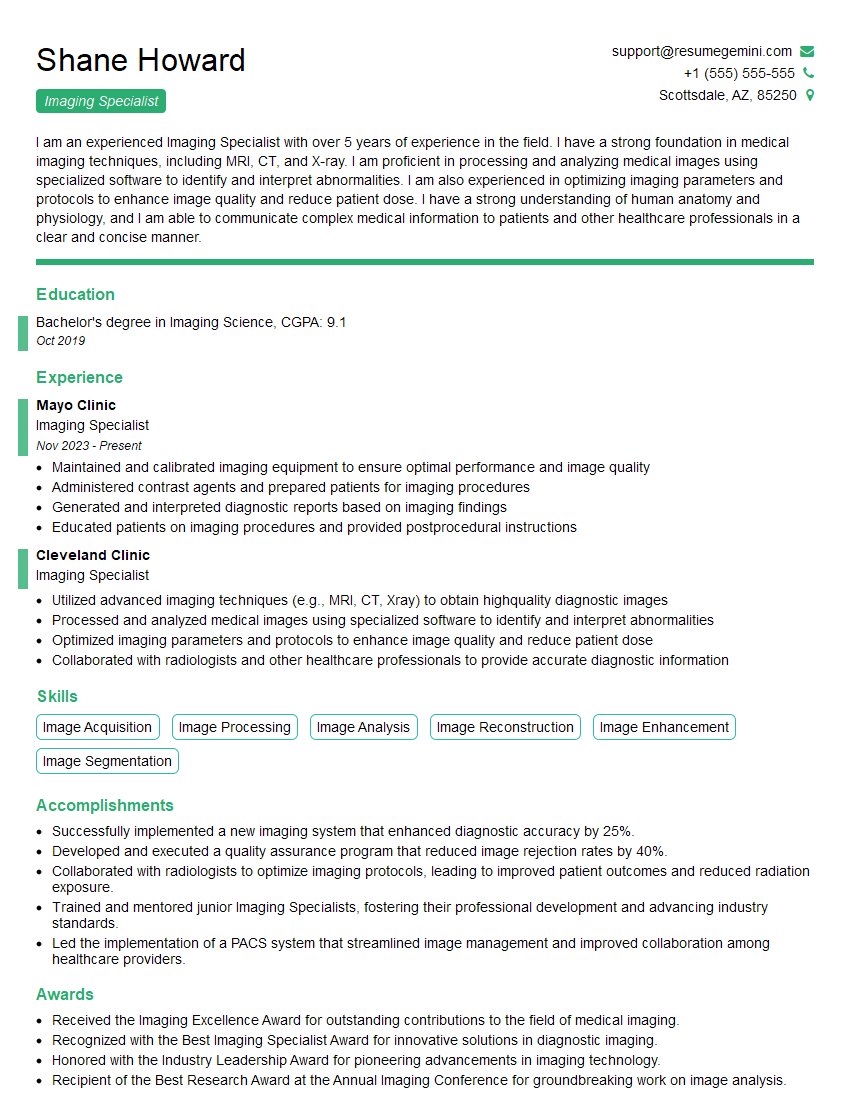
Imaging Specialist Resume Sample

Medical Coder Resume Sample
- Project Manager
- Clinical Research Coordinator
- Clinical Trials Manager
- Quality Assurance Specialist
- Regulatory Affairs Specialist
- Data Analyst
- Research Scientist
- Medical Physicist
- Anesthesiologist
- Physician Assistant
- Neurosurgeon
- Interventional Radiologist
- Medical Dosimetrist
- Radiation Therapist
- Oncology Nurse
- Imaging Specialist
- Medical Coder
Explore more articles
Users Rating of Our Blogs
Share Your Experience
We value your feedback! Please rate our content and share your thoughts (optional).
What Readers Say About Our Blog
To the interviewgemini.com Webmaster.
Very helpful and content specific questions to help prepare me for my interview!
Thank you
To the interviewgemini.com Webmaster.
This was kind of a unique content I found around the specialized skills. Very helpful questions and good detailed answers.
Very Helpful blog, thank you Interviewgemini team.