Preparation is the key to success in any interview. In this post, we’ll explore crucial Health Behavior Counseling interview questions and equip you with strategies to craft impactful answers. Whether you’re a beginner or a pro, these tips will elevate your preparation.
Questions Asked in Health Behavior Counseling Interview
Q 1. Explain the Health Belief Model and its application in behavior change.
The Health Belief Model (HBM) is a psychological model that attempts to explain and predict health behaviors. It suggests that a person’s health-related behavior depends on the interplay of their perceptions about the severity and susceptibility of a health threat, the benefits and barriers to adopting preventive behaviors, and cues to action.
In simpler terms: Imagine you’re trying to convince someone to get a flu shot. The HBM suggests that they’ll be more likely to get the shot if they believe the flu is severe (high severity), they are likely to get it (high susceptibility), the shot is effective (high benefit), getting the shot is easy and convenient (low barriers), and something like a doctor’s recommendation (cue to action) motivates them.
Application in behavior change: HBM informs interventions by targeting the model’s components. For example, if someone perceives a low benefit to exercise, an intervention could focus on showcasing evidence of improved mood, sleep, and energy levels through exercise. If barriers like lack of time are significant, the intervention might explore strategies for incorporating brief exercise into their daily routine.
Q 2. Describe the Transtheoretical Model (Stages of Change) and how you would tailor interventions to each stage.
The Transtheoretical Model (TTM), also known as the Stages of Change, describes the process of behavior change as a series of stages. These stages are not linear; individuals may move back and forth between stages.
- Precontemplation: The individual is not even thinking about changing their behavior.
- Contemplation: The individual is aware of the need for change and is considering it but hasn’t yet committed.
- Preparation: The individual is actively planning for change, perhaps setting small goals.
- Action: The individual is actively making changes to their behavior.
- Maintenance: The individual has sustained the behavior change for at least six months and is working to prevent relapse.
Tailoring Interventions: Interventions need to be tailored to the individual’s stage. For example, for someone in precontemplation, the focus would be on increasing awareness of the problem and its potential consequences. In contemplation, the focus would shift to helping the individual weigh the pros and cons of change. During the action stage, strategies for overcoming barriers and building self-efficacy are crucial, while maintenance focuses on relapse prevention planning.
Example: Imagine working with someone who wants to quit smoking. If they are in the contemplation stage, I would help them identify their reasons for wanting to quit and their concerns about quitting. If they’re in the action stage, I would provide strategies for managing cravings and avoiding triggers.
Q 3. What are the key principles of motivational interviewing?
Motivational Interviewing (MI) is a collaborative, person-centered form of guiding to elicit and strengthen motivation for change. It’s not about telling people what to do, but about helping them explore their own ambivalence and discover their reasons for change.
- Collaboration: The counselor and client work together as partners.
- Evocation: The counselor helps the client draw out their own reasons for change, rather than imposing them.
- Autonomy: The client is in charge of their choices and decisions.
- Compassion: The counselor expresses genuine empathy and understanding.
Key Principles in Action: Instead of saying, “You need to quit smoking,” an MI counselor might ask, “What are some of the things you like and dislike about smoking? What would be some of the advantages and disadvantages of quitting?” This approach respects the client’s autonomy and helps them explore their own motivations.
Q 4. How do you assess a client’s readiness for change?
Assessing a client’s readiness for change involves utilizing several methods. The TTM provides a good framework, asking questions to gauge their stage of change. Other tools include:
- Readiness to Change Questionnaires: These standardized questionnaires assess various dimensions of readiness.
- Motivational interviewing techniques: Open-ended questions, such as “How important is it for you to make this change?” and “How confident are you that you can make this change?” can reveal a client’s level of motivation.
- Observation of behavior: Nonverbal cues and client’s responses provide valuable insights into their commitment to change.
- Discussion of past attempts at change: Understanding previous successes and setbacks provides crucial information.
Example: During an initial session, I would ask questions like, “On a scale of 1 to 10, with 10 being highly motivated to change, where would you rate yourself regarding your eating habits?” This provides a quantitative and qualitative measure of readiness, enabling me to tailor the subsequent intervention.
Q 5. Explain the difference between intrinsic and extrinsic motivation.
Intrinsic motivation refers to engaging in an activity because it’s inherently enjoyable or satisfying. The reward comes from the activity itself. Extrinsic motivation, on the other hand, is driven by external rewards or punishments. The behavior is performed to obtain a reward or avoid a penalty.
Example: A person who enjoys playing basketball and plays regularly because it’s fun is intrinsically motivated. Someone who exercises solely to lose weight to impress a friend is extrinsically motivated.
In health behavior change: While extrinsic motivators can be useful initially, intrinsic motivation is more sustainable for long-term behavior change. Interventions often aim to foster intrinsic motivation by emphasizing the personal benefits of the change, increasing self-efficacy, and providing opportunities for autonomy and mastery.
Q 6. Describe your experience developing and implementing health behavior interventions.
In my previous role at [Previous Organization Name], I developed and implemented a weight management program for adults with type 2 diabetes. The intervention integrated elements of the HBM, TTM, and MI. We used group sessions, individual counseling, and technology-based support (mobile app) to track progress and provide personalized feedback.
The program focused on behavior change techniques like goal setting, self-monitoring, problem-solving, and relapse prevention. We carefully monitored client outcomes, measuring changes in weight, blood glucose levels, and quality of life. We also used feedback to refine the intervention, modifying aspects based on client needs and preferences. The results demonstrated significant improvements in weight management and glycemic control among participants. This program’s success was particularly rewarding because it illustrated the power of integrating evidence-based models and tailoring interventions to individual needs.
Q 7. How would you address client resistance during a counseling session?
Client resistance is a common occurrence in health behavior counseling. It’s not necessarily a sign of defiance, but often reflects ambivalence, fear, or a lack of confidence. Instead of directly confronting resistance, I use MI principles to address it.
- Emphasize Collaboration: I would acknowledge the client’s perspective, emphasizing that we’re working together.
- Reflect and Summarize: I would paraphrase the client’s concerns to show I understand their perspective (e.g., “So it sounds like you’re concerned about the time commitment involved in exercising regularly.”).
- Explore Ambivalence: I would gently explore the client’s reasons for and against change using open-ended questions.
- Roll with Resistance: I would avoid arguing with the client and instead try to find common ground.
- Develop Discrepancy: I would highlight discrepancies between the client’s values and their current behaviors. For example, if the client values good health but is not exercising, I would explore this discrepancy.
Example: If a client resists making lifestyle changes, stating they lack the time, I might say, “I understand that it’s challenging to fit everything into your day. Let’s explore what small changes you could make that wouldn’t feel overwhelming.” This allows the client to identify solutions, increasing their self-efficacy and reducing resistance.
Q 8. What strategies do you use to build rapport with clients?
Building rapport is crucial for successful health behavior counseling. It’s about creating a trusting and collaborative relationship where the client feels comfortable sharing their experiences and working towards change. I achieve this through several strategies. First, I prioritize active listening, truly hearing what the client is saying, both verbally and nonverbally. This includes paying attention to their body language and reflecting back their feelings to ensure understanding. Second, I utilize empathy, demonstrating understanding and validation of their struggles. I try to see things from their perspective, even if I don’t fully agree with their choices. Third, I establish clear boundaries while maintaining a warm and supportive demeanor. This ensures professionalism while building a safe space for open communication. Finally, I strive to create a collaborative partnership, framing the process as a journey we navigate together. We set goals jointly, acknowledging their expertise in their own lives. For instance, I might start a session by saying, “Tell me about what brings you in today, and what you hope to achieve.”
Q 9. How do you measure the effectiveness of your interventions?
Measuring intervention effectiveness is critical to assess the impact of my work and inform future practice. I use a multifaceted approach. Quantitative measures include pre- and post-intervention assessments of relevant behaviors using validated questionnaires or tools (e.g., measuring physical activity using accelerometers or assessing smoking cessation with CO breath tests). I also track client-reported outcomes like self-efficacy or goal attainment. Qualitative measures involve analyzing client feedback through interviews or journals, offering insights into their experiences and perceptions of the intervention’s impact. I might ask questions like, “How has participating in these sessions affected your daily life?” Analyzing both quantitative and qualitative data provides a comprehensive understanding of whether the intervention was successful and areas for improvement. Changes in biomarkers (e.g., blood pressure, cholesterol levels) can also serve as objective indicators, where applicable.
Q 10. What ethical considerations are involved in health behavior counseling?
Ethical considerations are paramount in health behavior counseling. Confidentiality is a cornerstone; I ensure client information remains protected and only shared with appropriate parties with their explicit consent. Informed consent is vital – clients must fully understand the process, risks, and benefits before participation. Competence is another critical aspect; I only work within my area of expertise, and I seek supervision or referral when necessary. Avoiding conflicts of interest is crucial, ensuring my personal beliefs or biases don’t influence the counseling process. For example, I would never impose my own dietary preferences on a client. I also address cultural sensitivity and diversity, tailoring my approach to be inclusive and respectful of diverse backgrounds and beliefs. Finally, I am transparent about fees and any potential limitations of the services provided.
Q 11. How would you handle a situation where a client is not following your recommendations?
If a client isn’t following recommendations, it’s not necessarily a failure. I’d approach this collaboratively, exploring the reasons behind the lack of adherence. I might ask open-ended questions like, “What challenges have you encountered in trying to implement these changes?” or “What aspects of your life are making it difficult to stick to the plan?” Understanding the barriers is key. We’d then collaboratively adjust the plan. Maybe the goals were too ambitious, or the strategies weren’t well-suited to their lifestyle. It’s about re-evaluating the approach, providing additional support (e.g., connecting them with community resources), or revisiting the motivation behind their initial goals. Ultimately, the client’s autonomy remains paramount. The focus shifts to empowering them to make their own informed choices, even if those choices deviate from the original plan.
Q 12. Describe your experience with different behavioral change techniques (e.g., goal setting, self-monitoring, reinforcement).
I’ve extensively used various behavioral change techniques. Goal setting involves collaboratively establishing specific, measurable, achievable, relevant, and time-bound (SMART) goals, such as “walk for 30 minutes three times a week for the next month.” Self-monitoring helps clients track their behaviors, providing valuable feedback and increasing awareness. For example, using a food diary or a fitness tracker. Reinforcement involves using positive reinforcement (rewards, praise) to strengthen desired behaviors. This could include celebrating milestones achieved together. I also utilize motivational interviewing to enhance intrinsic motivation and support self-efficacy, focusing on exploring and resolving ambivalence toward behavior change. I often use techniques like reflective listening and eliciting self-motivational statements. My experience has shown the power of tailoring these techniques to individual needs and preferences, combining different strategies to maximize their effectiveness.
Q 13. What are some common barriers to behavior change, and how do you address them?
Many barriers can hinder behavior change. Lack of motivation can stem from low self-efficacy, limited perceived benefits, or strong environmental triggers. Time constraints and competing demands are very common; individuals may struggle to find time for healthy activities. Environmental factors, such as lack of access to healthy food or safe exercise areas, also play a role. Lack of social support can be debilitating, as can negative social pressures. I address these barriers by:
- Building self-efficacy through gradual goal setting and celebrating successes.
- Collaboratively identifying and overcoming time constraints.
- Connecting clients with community resources.
- Encouraging social support networks.
- Utilizing techniques like environmental restructuring to facilitate behavior change.
Q 14. How do you tailor interventions to diverse populations?
Tailoring interventions to diverse populations is essential for effectiveness and equity. This necessitates cultural competence and humility. I avoid making assumptions, instead actively seeking to understand individual needs and preferences, considering factors such as cultural beliefs, language barriers, socioeconomic status, and religious practices. For example, exercise recommendations might differ based on cultural norms or physical limitations. Communication styles also need adaptation; clear and concise language, avoiding jargon, is crucial. I leverage culturally appropriate methods and resources, involving community members and leaders where appropriate to enhance relevance and trust. Furthermore, I’m mindful of potential health disparities and systemic barriers faced by various communities, aiming to address these in my interventions and advocacy efforts.
Q 15. Describe your experience working with different health conditions (e.g., diabetes, heart disease, obesity).
My experience spans a wide range of chronic conditions. I’ve worked extensively with individuals managing diabetes, guiding them in blood glucose monitoring, medication adherence, and dietary modifications. With heart disease patients, I focus on lifestyle changes like promoting physical activity, managing stress, and adhering to prescribed medications. In obesity management, I employ a holistic approach, combining behavioral strategies like mindful eating and stress management with nutritional counseling and exercise prescription. For each condition, I tailor my approach to the individual’s unique circumstances, needs, and preferences, understanding that one-size-fits-all solutions rarely work.
For example, I recently worked with a patient with type 2 diabetes who struggled with consistent medication adherence. We collaborated to identify the barriers he faced – primarily a busy work schedule and a lack of support at home. By implementing strategies like setting medication reminders on his phone and involving his spouse in his treatment plan, we significantly improved his adherence and blood glucose control.
Similarly, I helped a patient recovering from a heart attack by developing a gradual exercise plan integrated into her daily routine. We started with short walks and progressively increased the intensity and duration, celebrating her milestones along the way. This personalized approach, emphasizing gradual progress and building self-efficacy, proved highly successful.
Career Expert Tips:
- Ace those interviews! Prepare effectively by reviewing the Top 50 Most Common Interview Questions on ResumeGemini.
- Navigate your job search with confidence! Explore a wide range of Career Tips on ResumeGemini. Learn about common challenges and recommendations to overcome them.
- Craft the perfect resume! Master the Art of Resume Writing with ResumeGemini’s guide. Showcase your unique qualifications and achievements effectively.
- Don’t miss out on holiday savings! Build your dream resume with ResumeGemini’s ATS optimized templates.
Q 16. How do you utilize technology in health behavior counseling?
Technology plays a vital role in enhancing the effectiveness and accessibility of health behavior counseling. I utilize several technological tools to support my clients’ journeys. These include telehealth platforms for virtual sessions, allowing convenient access for clients regardless of their location or mobility limitations. I also utilize health tracking apps that help clients monitor their progress on various health behaviors such as physical activity, diet, and sleep. These apps often provide valuable data visualizations which help to identify patterns and create a sense of accountability.
Furthermore, I leverage evidence-based digital interventions like interactive educational modules and personalized feedback systems. These tools can provide supplementary support between sessions, reinforcing key concepts and promoting self-management. For instance, I often use a diabetes management app that provides personalized feedback based on the patient’s blood glucose readings and offers educational resources tailored to their specific needs.
Data security and privacy are paramount. I always ensure compliance with HIPAA regulations when utilizing technology for client care, choosing platforms that meet stringent security standards.
Q 17. How do you maintain client confidentiality?
Maintaining client confidentiality is an absolute ethical and legal imperative. I adhere strictly to HIPAA regulations and all applicable privacy laws. This includes securing all client records – both electronic and paper – with appropriate passwords and physical safeguards. I only share client information with other healthcare professionals directly involved in their care with the client’s explicit consent, and only to the extent necessary for their treatment.
All client interactions, including telehealth sessions, are conducted in secure environments, utilizing HIPAA-compliant platforms. I regularly update my knowledge of data security best practices and participate in continuing education to stay abreast of relevant legal and ethical standards. Client confidentiality is not simply a policy, but a foundational principle guiding my practice.
Q 18. What is your approach to relapse prevention?
Relapse prevention is a crucial aspect of health behavior change. My approach is proactive rather than reactive. It’s not a matter of *if* a setback occurs, but *when*. We anticipate potential challenges and develop strategies to manage them effectively. This involves collaborative goal setting, focusing on achievable and sustainable changes rather than overly ambitious targets that can lead to discouragement.
I work with clients to identify their high-risk situations and develop coping mechanisms. This might involve role-playing challenging scenarios, developing problem-solving skills, or establishing a strong support network. We also practice self-monitoring techniques, which help clients identify early warning signs of relapse and intervene promptly. Building self-efficacy – a client’s belief in their ability to succeed – is crucial. We celebrate successes, no matter how small, to build momentum and reinforce positive behaviors. Finally, we develop a relapse prevention plan together, outlining concrete steps to take if a setback occurs, emphasizing that setbacks are learning opportunities rather than failures.
Q 19. Describe your understanding of social determinants of health and how they influence behavior change.
Social determinants of health (SDOH) significantly influence behavior change. These are the social and economic factors that impact an individual’s health, including things like socioeconomic status, access to healthcare, education, neighborhood conditions, and social support. Ignoring SDOH is like trying to fix a car with a flat tire while ignoring the fact that the engine is also broken. You can patch the tire temporarily, but the car won’t run properly until you address the underlying issue.
For example, a low-income individual may struggle to afford healthy food options, making it difficult to adhere to a prescribed diet. A lack of safe places to exercise in their neighborhood may limit their ability to increase physical activity. Similarly, inadequate transportation can make it challenging to attend appointments or access support services. Therefore, my approach involves assessing SDOH to better understand the context in which my client is operating and tailoring interventions accordingly. I might connect clients with community resources, assist with applying for food assistance programs, or advocate for changes in their environment that may support better health outcomes.
Q 20. How do you document client progress and outcomes?
Documentation of client progress and outcomes is crucial for effective care and accountability. I utilize electronic health records (EHR) to systematically record all client interactions, including session notes, treatment plans, progress updates, and outcomes data. These records detail the client’s initial assessment, goals, interventions implemented, challenges encountered, and responses to treatment. I use standardized measures to assess client progress on key behavioral and clinical outcomes. This allows for objective monitoring and provides valuable information for evaluating the effectiveness of the interventions.
For instance, for a client with obesity, I would track their weight, body mass index (BMI), and dietary habits using standardized questionnaires and measurements. These data points provide a quantifiable measure of their progress. Additionally, I record qualitative data such as the client’s self-reported confidence levels and their perceived barriers to healthy behaviors. This combined quantitative and qualitative approach allows me to provide a comprehensive picture of the client’s journey and the effectiveness of the intervention.
Q 21. Explain your experience with evidence-based health behavior interventions.
My practice is firmly grounded in evidence-based health behavior interventions. I utilize a variety of approaches, including motivational interviewing (MI), cognitive behavioral therapy (CBT), and social cognitive theory (SCT), tailoring the approach to each client’s specific needs.
Motivational interviewing focuses on eliciting intrinsic motivation for change by exploring the client’s ambivalence and building self-efficacy. CBT targets maladaptive thoughts and behaviors that hinder change by helping the client identify and modify these patterns. Social cognitive theory emphasizes the reciprocal interaction between individual factors, environmental influences, and behavior.
For example, when working with a client struggling with smoking cessation, I might use MI to help them explore their reasons for wanting to quit and their confidence in doing so. I would then apply CBT techniques to help them identify and challenge negative thoughts and beliefs that support their smoking behavior and develop coping mechanisms for triggers. This approach relies on the principle that understanding the interaction between individual factors and environmental influences contributes to successful behavioral change.
Q 22. How do you collaborate with other healthcare professionals?
Collaboration is paramount in healthcare. As a health behavior counselor, I foster strong relationships with physicians, nurses, dieticians, social workers, and other relevant professionals. This collaborative approach ensures holistic client care. For instance, I might work closely with a physician to understand a patient’s medical history and limitations before developing a tailored intervention. With a dietician, I might coordinate to ensure dietary recommendations align with the behavioral goals. Regular communication, shared case reviews, and joint care planning meetings are crucial tools in this process. Ultimately, this interdisciplinary approach maximizes the effectiveness of interventions and improves patient outcomes.
- Shared Case Reviews: Regularly discussing patient progress, challenges, and potential adjustments to treatment plans.
- Joint Care Planning: Developing integrated care plans that incorporate input from all relevant healthcare professionals.
- Communication Protocols: Establishing clear and consistent communication channels to facilitate seamless information exchange.
Q 23. Describe a time you had to adapt an intervention to meet a client’s specific needs.
I once worked with a client struggling with weight loss who expressed deep anxiety about exercising publicly. While my standard intervention included group fitness classes, I recognized this wasn’t suitable for her. I adapted by incorporating individual, home-based exercises tailored to her fitness level and comfort zone. We started with simple activities like short walks around her neighborhood and gradually progressed to more challenging routines, focusing on her personal goals and celebrating her milestones. This personalized approach built her confidence, addressed her specific anxieties, and ultimately led to significant weight loss and an improved sense of well-being. This experience highlighted the importance of flexibility and client-centered care in health behavior counseling.
Q 24. How do you handle difficult or challenging clients?
Handling difficult clients requires patience, empathy, and a strong understanding of motivational interviewing techniques. I approach challenges by first understanding the underlying reasons for their resistance. This might involve active listening, exploring their concerns, and validating their feelings. For example, if a client is consistently missing appointments, I might inquire about potential barriers, such as transportation issues or conflicting schedules. If anger or frustration is present, I use strategies like reflective listening to de-escalate the situation and build rapport. Maintaining a non-judgmental stance, setting clear boundaries, and referring clients to additional support services, if necessary, are also essential elements of my approach. The goal is always to build a trusting relationship and collaboratively work towards achieving the client’s goals, even when faced with resistance.
Q 25. What are your strengths and weaknesses as a health behavior counselor?
My strengths lie in my ability to build strong therapeutic alliances with clients, my excellent communication and active listening skills, and my proficiency in utilizing various evidence-based behavioral change techniques. I’m adept at tailoring interventions to meet diverse needs and am skilled in motivational interviewing and cognitive behavioral therapy (CBT). A weakness I’m actively working on is time management—managing the balance between individual client needs and administrative tasks. I’m implementing strategies like prioritizing tasks, utilizing scheduling apps, and delegating when possible to improve this aspect of my practice.
Q 26. What are your salary expectations?
My salary expectations align with the average compensation range for experienced health behavior counselors in this region, considering my education, experience, and skills. I am open to discussing specific compensation details further once I have a better understanding of the full scope of the position and benefits package.
Q 27. Why are you interested in this position?
I’m interested in this position because I’m deeply passionate about helping individuals achieve optimal health and well-being. Your organization’s commitment to [mention organization’s mission or values, if known] resonates deeply with my professional values. The opportunity to work within a collaborative and supportive team, combined with the chance to contribute to a mission-driven organization, makes this position particularly appealing.
Q 28. Where do you see yourself in five years?
In five years, I see myself as a highly skilled and respected health behavior counselor within your organization. I hope to have taken on increasing responsibility, perhaps mentoring junior counselors or contributing to the development of new programs. I also envision continuing my professional development by pursuing additional certifications or advanced training in specialized areas such as chronic disease management or behavioral health integration. Ultimately, my goal is to contribute meaningfully to the organization’s success while continuing to refine my skills and deepen my impact on the lives of my clients.
Key Topics to Learn for Health Behavior Counseling Interview
- Theories of Health Behavior Change: Understand the core principles of prominent models like the Health Belief Model, Transtheoretical Model (Stages of Change), Social Cognitive Theory, and the Theory of Planned Behavior. Be prepared to discuss their strengths, weaknesses, and practical applications.
- Assessment and Goal Setting: Master techniques for conducting thorough client assessments, identifying health behavior challenges, and collaboratively setting realistic and achievable goals. Practice articulating your approach to motivational interviewing.
- Intervention Strategies: Familiarize yourself with a range of evidence-based intervention strategies, including cognitive-behavioral therapy (CBT) techniques, skills training, and relapse prevention planning. Be ready to discuss how you would tailor interventions to specific client needs and situations.
- Cultural Competence and Ethical Considerations: Demonstrate an understanding of the importance of cultural sensitivity and ethical decision-making in health behavior counseling. Be prepared to discuss relevant ethical dilemmas and how to navigate them effectively.
- Communication and Collaboration: Highlight your skills in building rapport with clients, active listening, empathetic communication, and effective collaboration with healthcare teams.
- Program Evaluation and Data Analysis: Showcase your understanding of program evaluation methods and the ability to interpret data to assess the effectiveness of interventions. This includes understanding basic statistical concepts relevant to health outcomes.
- Specific Health Behaviors: While the focus is on the process, be prepared to discuss your experience or knowledge with specific health behaviors (e.g., smoking cessation, weight management, physical activity promotion) and how you’d approach counseling in those areas.
Next Steps
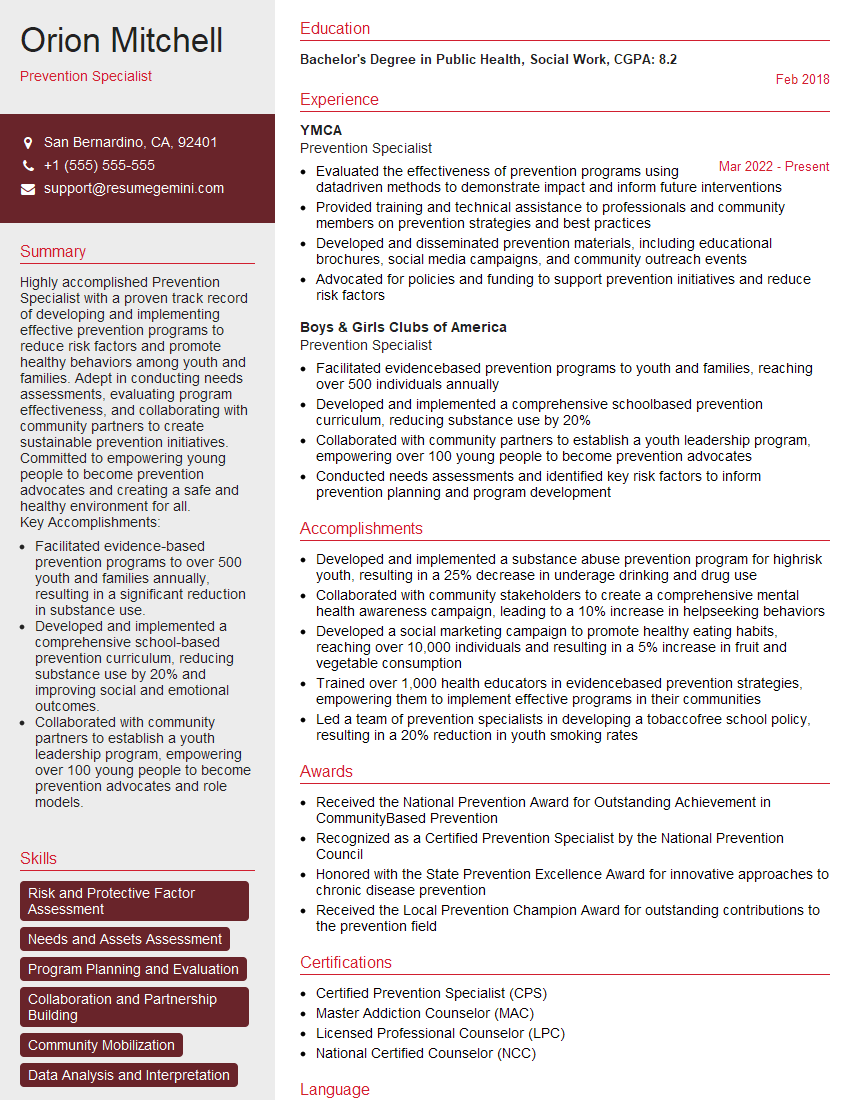
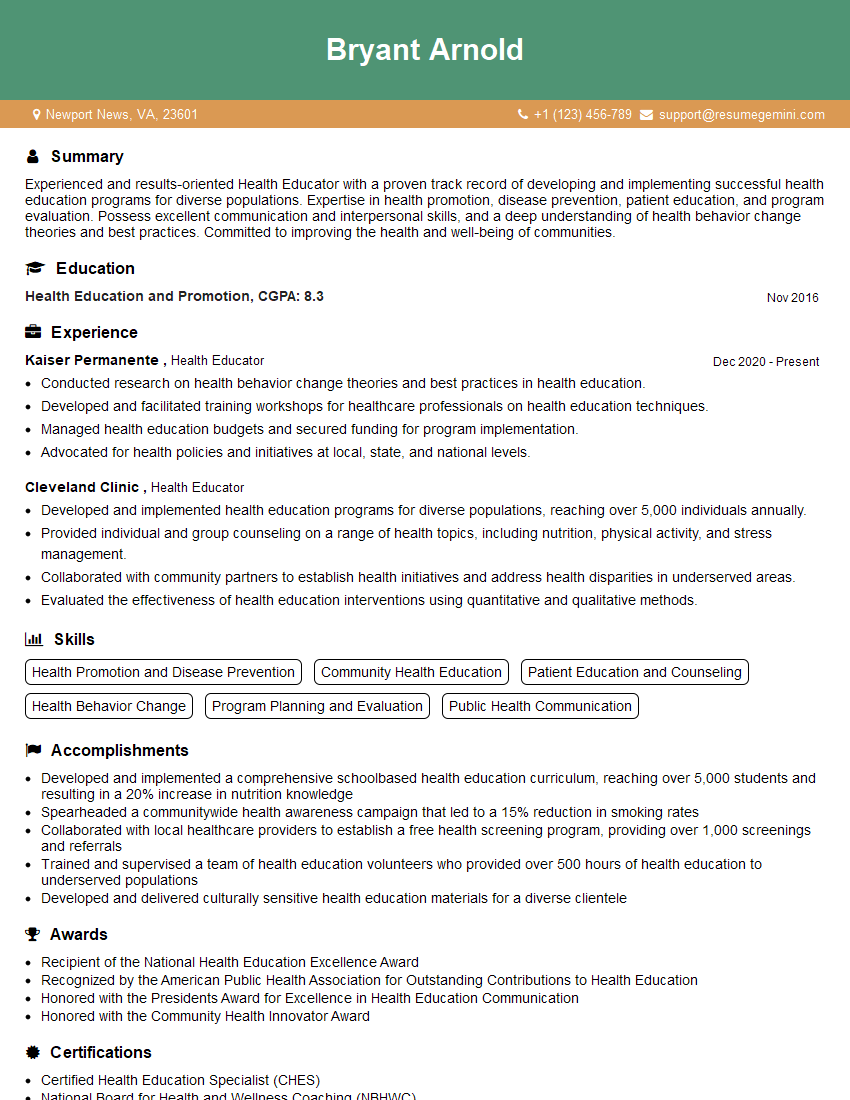
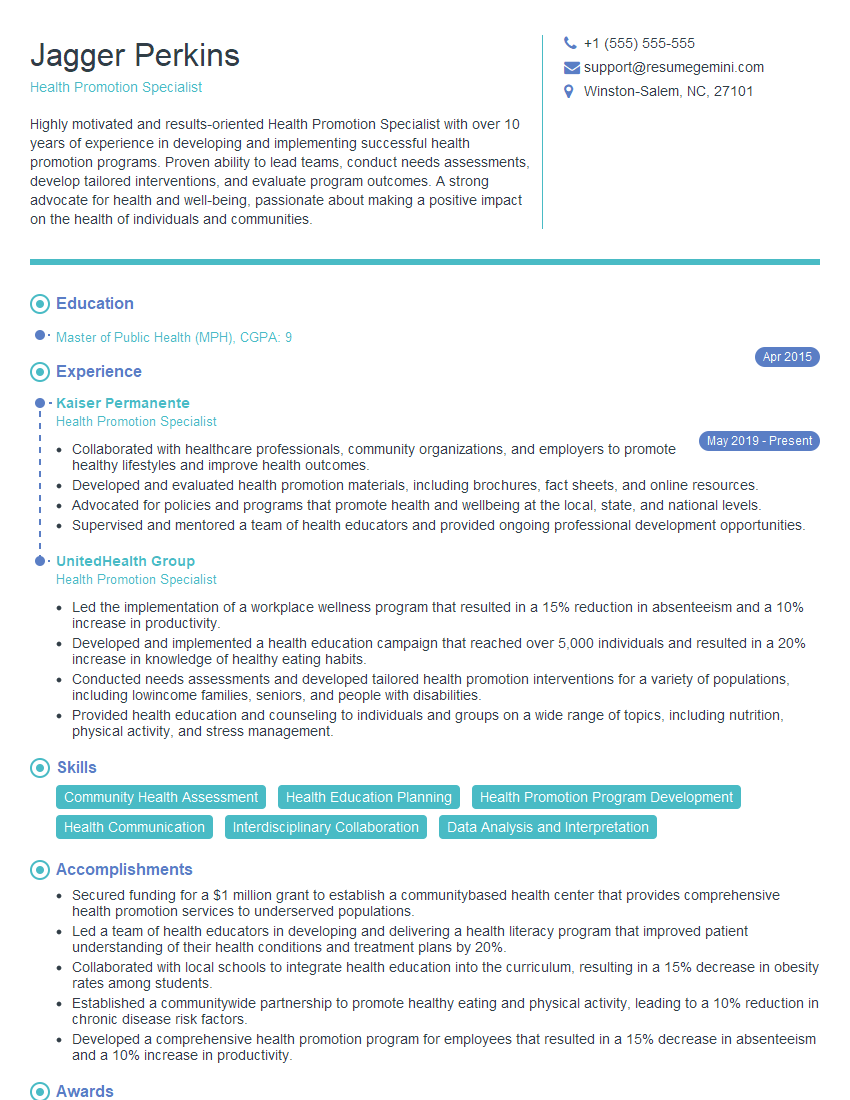
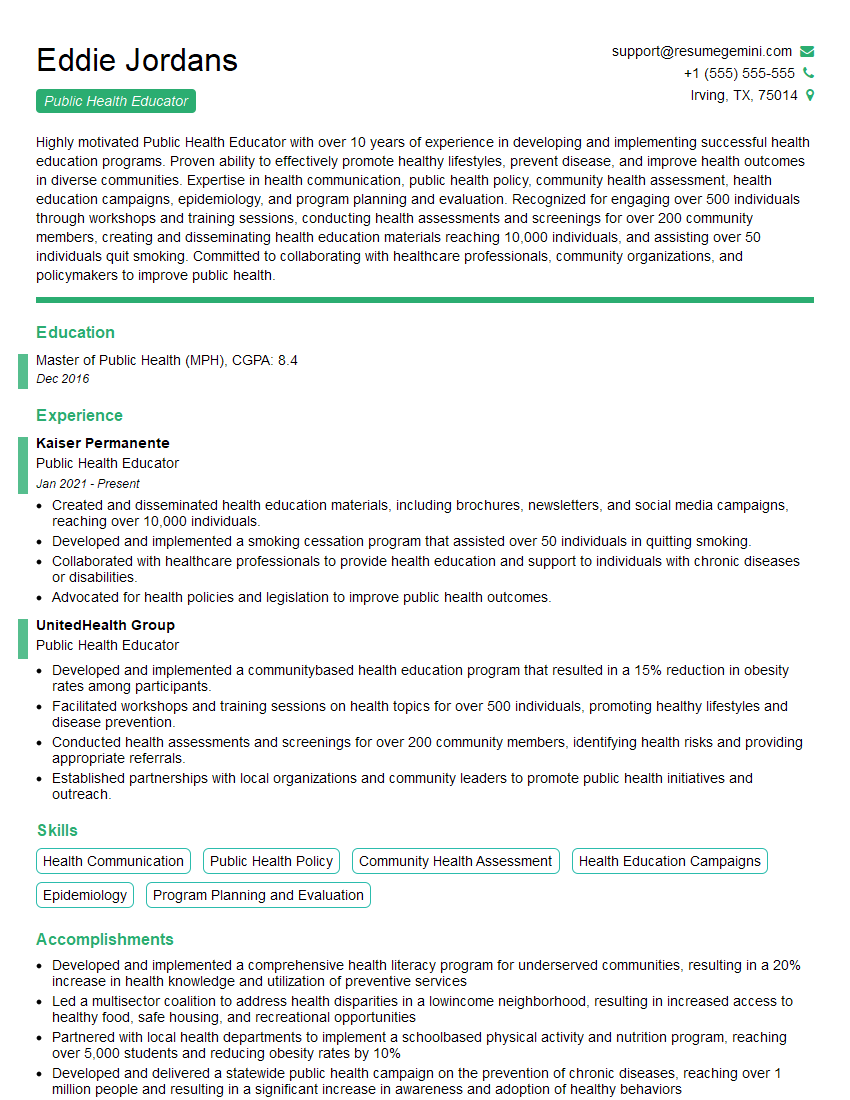
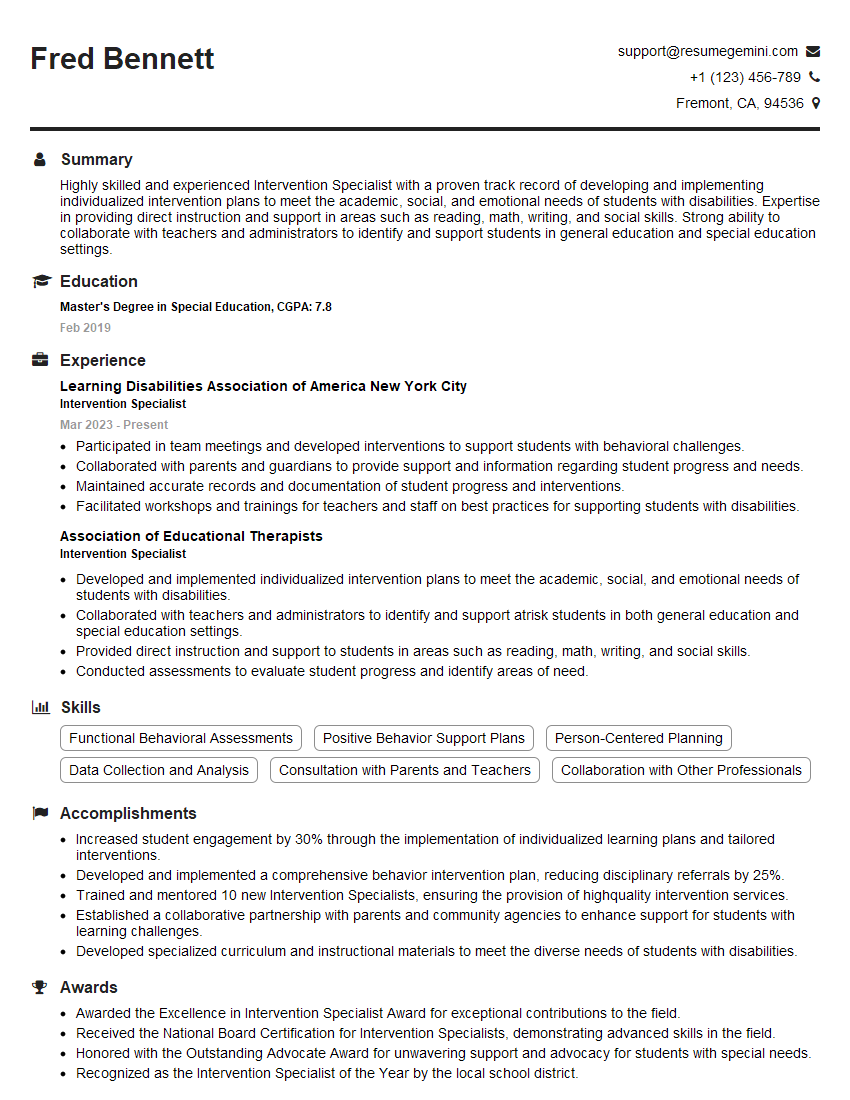
Mastering Health Behavior Counseling opens doors to rewarding careers with significant positive impact. To maximize your job prospects, creating a compelling and ATS-friendly resume is crucial. A well-crafted resume effectively showcases your skills and experience, significantly increasing your chances of landing an interview. We highly recommend using ResumeGemini, a trusted resource for building professional resumes, to create a document that highlights your expertise and achievements. ResumeGemini provides examples of resumes tailored to Health Behavior Counseling to guide your process. Invest the time in crafting a strong resume – it’s your first impression and a vital step in your career journey.

Explore more articles
Users Rating of Our Blogs
Share Your Experience
We value your feedback! Please rate our content and share your thoughts (optional).
What Readers Say About Our Blog
To the interviewgemini.com Webmaster.
Very helpful and content specific questions to help prepare me for my interview!
Thank you
To the interviewgemini.com Webmaster.
This was kind of a unique content I found around the specialized skills. Very helpful questions and good detailed answers.
Very Helpful blog, thank you Interviewgemini team.