Interviews are more than just a Q&A session—they’re a chance to prove your worth. This blog dives into essential Ability to collaborate with scientists, educators, and community partners interview questions and expert tips to help you align your answers with what hiring managers are looking for. Start preparing to shine!
Questions Asked in Ability to collaborate with scientists, educators, and community partners Interview
Q 1. Describe your experience fostering collaboration between scientists and educators in a project.
Fostering collaboration between scientists and educators requires a multifaceted approach focused on shared goals, clear communication, and mutual respect. In a project investigating the impact of climate change on local ecosystems, I facilitated a partnership between university researchers and high school science teachers. I began by organizing a series of workshops where scientists presented their research in an accessible way, focusing on the practical applications and relevance to the high school curriculum. Teachers, in turn, shared their classroom experiences and pedagogical approaches, helping scientists tailor their research to be more engaging for students. This resulted in the creation of hands-on, inquiry-based learning modules for high school classrooms, directly linking scientific research to student learning. We also established a mentorship program where scientists provided guidance to teachers on experimental design and data analysis. The success of this collaborative effort was evident in the increased student engagement with science and the development of new, curriculum-relevant research materials.
Q 2. Explain a time you had to negotiate conflicting priorities among scientists, educators, and community members.
Negotiating conflicting priorities among stakeholders requires skillful diplomacy and a focus on finding mutually beneficial solutions. In a community-based project aimed at improving water quality, scientists prioritized rigorous data collection, educators focused on student learning outcomes, and community members emphasized immediate, tangible improvements. I addressed these conflicting priorities by facilitating a series of structured discussions that helped each group understand the perspectives and needs of the others. We used a collaborative problem-solving approach, employing techniques like brainstorming and prioritization matrices to identify shared goals and trade-offs. For example, we agreed to prioritize data collection in areas of greatest community concern, ensuring the research addressed immediate needs while maintaining scientific rigor. We also developed a communication plan to ensure transparency and keep all stakeholders informed of progress, addressing concerns proactively. This approach allowed us to balance the needs of all parties, resulting in a project that met both scientific and community needs.
Q 3. How do you ensure effective communication across diverse teams with varying levels of scientific expertise?
Effective communication across diverse teams requires employing a variety of strategies tailored to the audience. I use a layered communication approach. First, I establish a common language – avoiding jargon whenever possible and ensuring everyone understands key terms. Secondly, I use multiple communication channels, including regular meetings, email updates, and online collaborative platforms to share information efficiently. For those with less scientific expertise, I prioritize visual aids like graphs, charts, and infographics to convey complex information. For more technical audiences, I leverage detailed reports and scientific publications. Finally, I establish clear communication protocols, defining roles and responsibilities for information dissemination and feedback. This ensures everyone feels heard and informed. Regular check-ins and feedback sessions help address misunderstandings and ensure the message is consistently communicated across all levels.
Q 4. How have you used different communication strategies to engage diverse community groups?
Engaging diverse community groups requires tailoring communication strategies to their preferred methods and cultural contexts. For example, in a project addressing food insecurity, I used community forums and town hall meetings to engage the broader community, offering a space for open dialogue and feedback. For specific target groups, such as senior citizens or low-literacy populations, I utilized simpler language, visual aids, and one-on-one conversations. I also worked closely with community leaders and trusted voices to build trust and encourage participation. In some instances, we used storytelling and community-based participatory research approaches, which centered community knowledge and perspectives. Utilizing diverse communication channels and actively listening to the community’s needs was crucial for building strong relationships and fostering meaningful engagement.
Q 5. Describe a successful community engagement project and your role in its success.
A particularly successful community engagement project involved the restoration of a local park. My role was to facilitate collaboration between scientists (assessing soil health and biodiversity), educators (developing environmental education programs for local schools), and community members (participating in planting and cleanup efforts). I facilitated regular meetings, ensuring open communication and shared decision-making. We involved community members in all aspects of the project, from initial planning to final implementation. This participatory approach fostered a sense of ownership and pride, leading to high levels of community involvement. We used visual tools, such as before-and-after photos of the park, to show tangible progress. The project’s success was measured through increased park usage, improved soil health, enhanced biodiversity, and the development of a vibrant environmental education program in local schools. The project became a model for future community engagement initiatives.
Q 6. How do you identify and manage potential conflicts during collaborative projects?
Identifying and managing potential conflicts during collaborative projects requires proactive measures and clear communication. I establish clear expectations and ground rules at the outset of the project, ensuring that all stakeholders understand their roles and responsibilities. Regular check-in meetings provide a platform for addressing concerns before they escalate. I encourage open dialogue and active listening, facilitating constructive conflict resolution. If conflicts arise, I use a structured approach, focusing on identifying the root cause of the disagreement and collaboratively finding solutions that satisfy all parties. Mediation techniques may be necessary in some cases to help bridge the gap between conflicting perspectives. By creating a safe and inclusive environment, I strive to prevent conflicts from hindering the project’s progress.
Q 7. How do you measure the success of a collaborative project involving scientists, educators, and community partners?
Measuring the success of a collaborative project requires a multi-faceted approach involving both qualitative and quantitative data. Quantitative measures could include changes in community participation, environmental indicators (e.g., improved water quality, increased biodiversity), student learning outcomes, and the number of publications or presentations resulting from the research. Qualitative measures include feedback from community members, educators, and scientists through surveys, interviews, and focus groups. I also analyze the project’s impact on community well-being and social cohesion. By combining these different measures, we obtain a comprehensive picture of the project’s success, ensuring the assessment is both robust and meaningful. The success criteria are defined collaboratively at the beginning of the project, ensuring that all stakeholders agree on the metrics used for evaluation.
Q 8. Explain your approach to conflict resolution in a multi-stakeholder project.
My approach to conflict resolution in multi-stakeholder projects prioritizes open communication and collaborative problem-solving. I believe that conflicts often arise from differing perspectives and unmet needs, not necessarily from malice. Therefore, my first step is to create a safe space where everyone feels comfortable expressing their concerns. I facilitate this through active listening, ensuring everyone has an opportunity to speak without interruption.
Next, I work to identify the root cause of the conflict. This involves asking clarifying questions, seeking to understand the underlying interests and values driving each perspective. Once the core issues are identified, we collaboratively brainstorm potential solutions, focusing on options that meet the needs of all stakeholders as much as possible. Compromise is key, but it’s always within the context of the project’s overall goals and ethical considerations. Finally, we establish clear next steps and timelines for implementation, ensuring ongoing communication and monitoring to prevent recurrence.
For instance, in a community-based environmental project, a conflict arose between residents wanting increased green space and a local business concerned about potential impacts on parking. By facilitating a dialogue, we identified the core need: accessible green space that doesn’t negatively impact the business. The solution involved creating a smaller, strategically placed park and improving existing public transport accessibility, addressing both concerns.
Q 9. How do you facilitate consensus-building among individuals with differing opinions and expertise?
Facilitating consensus among diverse individuals requires a structured approach focusing on empathy, understanding, and clear communication. I begin by establishing shared goals and objectives. This helps frame the discussion and provides a common reference point. I then employ techniques like brainstorming and nominal group techniques to elicit diverse perspectives. Brainstorming helps generate a wide range of ideas, while nominal group techniques allow for individual reflection before group discussion, minimizing the influence of dominant personalities.
I actively manage the group dynamic, ensuring equal participation and respectful communication. This includes addressing power imbalances and challenging assumptions. When disagreements persist, I use techniques like ‘interest-based negotiation,’ focusing on underlying needs rather than positional stances. This allows for creative solutions that satisfy multiple interests. Finally, I document the agreed-upon decisions transparently, ensuring everyone understands and accepts the outcome. This ensures accountability and prevents misunderstandings later on.
In a recent project involving educators, scientists, and community members, differing opinions arose regarding the best way to educate children about climate change. Using a nominal group technique followed by facilitated discussion, we identified a shared goal: engaging children effectively. This led to a collaborative curriculum that integrated scientific facts with community-relevant stories and hands-on activities.
Q 10. How do you incorporate feedback from diverse stakeholders into project design and implementation?
Incorporating feedback from diverse stakeholders is crucial for successful project design and implementation. I use a multi-faceted approach that includes both formal and informal feedback mechanisms. Formal methods include surveys, focus groups, and structured interviews. These allow for systematic data collection and analysis, providing quantitative and qualitative insights. Informal methods, such as casual conversations and observation, offer valuable contextual information and allow for a deeper understanding of stakeholder perspectives.
I prioritize transparency throughout the process. Stakeholders are kept informed about the project’s progress, and feedback is actively solicited at various stages – from initial planning to implementation and evaluation. Feedback is then systematically analyzed, and adjustments are made to the project design and implementation accordingly. This iterative process ensures that the project remains responsive to stakeholder needs and expectations. Importantly, I ensure that all feedback is acknowledged and addressed, even if it cannot be fully implemented, explaining the reasons transparently.
For example, in a health education program, initial surveys revealed a lack of trust in the program among a specific community subgroup. This feedback led to the development of community-led workshops, allowing for a culturally appropriate delivery of information and building trust.
Q 11. Give an example of adapting communication style to reach diverse audiences.
Adapting communication style to reach diverse audiences is vital for effective collaboration. My approach involves considering the audience’s background, literacy level, cultural norms, and preferred communication channels. I avoid jargon and technical terms whenever possible, using plain language and visual aids to enhance understanding. For audiences with limited literacy, I may use more visual materials, like infographics or videos. For audiences with different cultural backgrounds, I ensure culturally sensitive language and communication styles are adopted.
For example, when presenting research findings to scientists, I use precise technical language and statistical data. However, when communicating the same information to a community audience, I simplify the language, focus on practical applications, and use storytelling to enhance engagement. I also consider the preferred channels: scientists may prefer peer-reviewed publications, while community members might engage more with social media or community events.
In one project, we developed a website with multiple language options and accessible design features to meet the needs of different linguistic and accessibility requirements within the community.
Q 12. Describe your experience using technology to facilitate collaboration.
Technology plays a critical role in facilitating collaboration, particularly in projects involving geographically dispersed stakeholders. I utilize a variety of tools and platforms to enhance communication, collaboration, and data sharing. This includes video conferencing software (like Zoom or Microsoft Teams) for virtual meetings, project management tools (like Asana or Trello) for task organization and tracking, cloud-based storage services (like Google Drive or Dropbox) for document sharing, and collaborative writing platforms (like Google Docs) for joint authorship.
The choice of technology depends on the specific project and the needs of the stakeholders. For example, in a project with limited internet access, I might opt for simpler technologies like email or phone calls. I also ensure that the chosen technology is user-friendly and accessible to all stakeholders, providing training or support as needed. Data security and privacy are always prioritized when selecting and using technology platforms.
In a recent project, we used a dedicated online platform to facilitate communication and data sharing among researchers, educators, and community members involved in a citizen science initiative. This platform allowed for the seamless collection and analysis of data, ensuring transparency and collaboration.
Q 13. How do you navigate ethical considerations in community-based research projects?
Navigating ethical considerations in community-based research is paramount. My approach adheres strictly to ethical guidelines, including obtaining informed consent from all participants, ensuring confidentiality and anonymity of data, and protecting vulnerable populations. This involves detailed ethical review processes, ensuring that the research design and methodology are ethically sound and aligned with relevant regulations and best practices.
I prioritize building trust and rapport with the community. This involves engaging community members in all stages of the research process, from the design phase to the dissemination of results. I ensure that the research benefits the community and addresses its needs, avoiding exploitative practices. Moreover, I strive for equitable partnerships, ensuring that the community has a voice in shaping the research agenda and sharing in the benefits of the research outcomes.
In one project, we developed a community advisory board to guide the ethical conduct of the research and ensure community ownership of the project. This board played a crucial role in shaping the research questions, data collection methods, and dissemination strategies, leading to a more meaningful and ethically sound research process.
Q 14. Explain a time you had to adapt a project plan due to unexpected challenges related to collaboration.
During a project involving the development of a community garden, we encountered unexpected challenges related to collaboration. Initial plans relied heavily on the participation of a specific community organization that withdrew unexpectedly due to internal restructuring. This left a significant gap in the project’s implementation. Instead of abandoning parts of the plan, I adapted by engaging other community groups and individuals who possessed similar skills and resources.
This involved re-negotiating timelines, adjusting the project scope slightly, and finding alternative solutions. For instance, instead of relying solely on one organization for fundraising, we broadened our outreach to include local businesses and individual donations. We also redesigned some tasks to be more manageable with the revised workforce. Open communication with all stakeholders was crucial to ensure that everyone understood the changes and supported the adapted plan. Through flexible planning and collaboration, we successfully completed the project, although with some modifications to the initial timeline and scope.
Q 15. Describe your experience in building relationships and trust with community partners.
Building trust with community partners is foundational to successful collaborations. It’s about demonstrating genuine respect, understanding their needs and priorities, and acting with integrity. I approach this by actively listening, attending community events, and engaging in open dialogue. For instance, in a project focused on improving access to healthcare in underserved communities, I initiated regular meetings with community leaders and residents, actively soliciting feedback on the project’s design and implementation. This participatory approach fostered a sense of ownership and resulted in a project that better addressed the community’s specific needs. Building relationships isn’t a one-time event; it requires consistent effort, responsiveness to concerns, and a commitment to transparency.
- Active Listening: Truly hearing and understanding the perspectives of community members.
- Building Rapport: Creating personal connections through regular interactions and genuine interest.
- Transparency & Accountability: Keeping partners informed of progress, challenges, and decisions.
Career Expert Tips:
- Ace those interviews! Prepare effectively by reviewing the Top 50 Most Common Interview Questions on ResumeGemini.
- Navigate your job search with confidence! Explore a wide range of Career Tips on ResumeGemini. Learn about common challenges and recommendations to overcome them.
- Craft the perfect resume! Master the Art of Resume Writing with ResumeGemini’s guide. Showcase your unique qualifications and achievements effectively.
- Don’t miss out on holiday savings! Build your dream resume with ResumeGemini’s ATS optimized templates.
Q 16. How do you ensure inclusivity and equity in collaborative projects?
Inclusivity and equity are paramount in collaborative projects. It’s not just about inviting diverse groups; it’s about ensuring their voices are heard and their needs are met equitably. This requires proactive measures, such as targeted outreach to underrepresented communities, culturally sensitive communication strategies, and equitable distribution of resources and responsibilities. In one project focused on environmental education, we ensured diverse representation on our steering committee, which included representatives from different ethnic backgrounds, socioeconomic levels, and age groups. We also employed bilingual materials and provided translation services to ensure everyone could fully participate. We actively sought feedback and adapted our approach to address any barriers to participation.
- Targeted Outreach: Reaching out to diverse communities through appropriate channels.
- Culturally Sensitive Communication: Using language and methods that resonate with different groups.
- Equitable Resource Allocation: Ensuring fair distribution of funding, expertise, and opportunities.
Q 17. How do you manage the expectations of diverse stakeholders in a collaborative project?
Managing expectations is crucial in collaborative projects with diverse stakeholders. Clear communication is key. This involves establishing a shared understanding of project goals, timelines, roles, and responsibilities from the outset. Regular updates, transparent communication of challenges and successes, and mechanisms for feedback and conflict resolution are also essential. In a recent project involving multiple agencies, I facilitated a series of workshops to define expectations and develop a communication plan that included regular meetings, progress reports, and a dedicated online platform for communication. This proactive approach minimized misunderstandings and fostered a collaborative environment.
- Clear Communication Plan: Defining communication channels, frequency, and responsibilities.
- Regular Updates: Providing stakeholders with timely information on progress and challenges.
- Feedback Mechanisms: Establishing channels for stakeholders to provide input and address concerns.
- Conflict Resolution Strategies: Developing procedures for addressing disagreements and conflicts.
Q 18. Describe your experience with grant writing or fundraising for collaborative projects.
My experience with grant writing and fundraising for collaborative projects is extensive. I’ve successfully secured funding from various sources, including government agencies, foundations, and corporations. This involves a thorough understanding of funding opportunities, developing compelling proposals that highlight the project’s impact, and building strong relationships with potential funders. A successful proposal clearly articulates the project’s goals, methodology, budget, and anticipated outcomes, emphasizing the collaboration aspects and the community benefits. For example, in securing funding for a community health initiative, we developed a detailed budget that included personnel costs, materials, and community outreach activities. We also highlighted the collaborative partnerships, demonstrating the collective capacity to implement the project effectively.
- Identifying Funding Opportunities: Researching relevant grants and funding programs.
- Developing Compelling Proposals: Clearly articulating the project’s goals, methods, and impact.
- Building Relationships with Funders: Cultivating relationships with potential funders through networking and communication.
Q 19. How do you evaluate the impact of collaborative projects on the community?
Evaluating the impact of collaborative projects requires a multi-faceted approach. We use both quantitative and qualitative methods to assess changes in the community. Quantitative methods might include surveys, statistical analyses of data, and tracking of measurable outcomes (e.g., reduction in crime rates, improved health indicators). Qualitative methods involve gathering in-depth information through focus groups, interviews, and case studies to capture the lived experiences and perspectives of community members. For example, in evaluating an after-school program, we used pre- and post-intervention surveys to assess changes in students’ academic performance and social-emotional well-being. We also conducted focus groups with parents and teachers to gather their perspectives on the program’s impact.
- Quantitative Methods: Using numerical data to measure changes and outcomes.
- Qualitative Methods: Gathering in-depth information through interviews and focus groups.
- Mixed Methods Approach: Combining quantitative and qualitative methods for a comprehensive evaluation.
Q 20. How do you ensure data sharing and transparency in collaborative research projects?
Data sharing and transparency are critical for maintaining trust and ensuring the integrity of collaborative research projects. We establish clear data governance plans from the outset, outlining data ownership, access rights, and security protocols. This often involves creating data management plans that specify how data will be collected, stored, analyzed, and shared. We also employ secure data platforms and anonymization techniques to protect participant privacy. Open communication and regular updates on data management procedures are essential to maintain transparency and build trust among collaborators. We often utilize collaborative data platforms that allow all team members to access and contribute to a central dataset, while maintaining version control and audit trails.
- Data Governance Plan: Defining data ownership, access, and security protocols.
- Secure Data Platforms: Using secure platforms for data storage and sharing.
- Data Anonymization Techniques: Protecting participant privacy by removing identifying information.
- Open Communication: Regularly communicating data management procedures and any changes.
Q 21. Explain your understanding of intellectual property rights in collaborative projects.
Understanding intellectual property rights (IPR) is crucial in collaborative projects. This involves clarifying ownership of any intellectual property created during the project, including patents, copyrights, and trademarks. We typically establish clear agreements outlining ownership and usage rights upfront, using material transfer agreements (MTAs) or collaborative research agreements (CRAs). These agreements specify how intellectual property will be managed, licensed, and commercialized. Open communication and collaboration with legal counsel are vital in navigating these complexities and ensuring all parties understand and agree upon the terms. Transparency and clear expectations prevent future conflicts.
- Intellectual Property Agreements: Defining ownership and usage rights of intellectual property.
- Material Transfer Agreements (MTAs): Governing the transfer of materials between collaborators.
- Collaborative Research Agreements (CRAs): Outlining the terms of collaboration and intellectual property ownership.
- Legal Counsel: Seeking legal advice to ensure compliance and protect all parties’ interests.
Q 22. How do you manage the time constraints and resource allocation in multi-stakeholder projects?
Managing time and resources in multi-stakeholder projects requires a proactive and structured approach. It’s akin to conducting an orchestra – each instrument (stakeholder) needs its part, played at the right time. I begin by establishing a clear project timeline with defined milestones and deliverables, using tools like Gantt charts to visualize dependencies. This timeline isn’t static; it’s regularly reviewed and adjusted based on progress and feedback.
Resource allocation is critical. I use a combination of methods including:
- Prioritization Matrix: Ranking tasks based on urgency and importance to allocate resources effectively.
- RACI Matrix: Defining roles and responsibilities (Responsible, Accountable, Consulted, Informed) to avoid duplication and clarify expectations.
- Regular Budget Reviews: Monitoring expenditure against the budget and making adjustments as needed.
Open communication is vital. Regular meetings, both with the entire team and smaller working groups, ensure everyone is aware of progress, challenges, and resource availability. This transparency fosters trust and helps prevent bottlenecks.
Q 23. Describe a time you had to deal with a challenging team member in a collaborative setting.
In a project focused on developing a community science program, one team member, a seasoned scientist, initially resisted incorporating community feedback into the research design. He believed his expertise should dictate the research direction. Instead of confrontation, I scheduled a one-on-one meeting to understand his perspective. He expressed concern about compromising scientific rigor. I acknowledged his expertise but highlighted the project’s goal: to empower the community through participatory science.
I presented examples of successful community science projects that maintained scientific integrity while valuing community input. We collaboratively redesigned the research plan, incorporating community feedback in a structured way, incorporating methods for data validation and ensuring scientific accuracy. This process not only addressed his concerns but also enhanced his appreciation for collaborative research.
Q 24. How do you maintain momentum and motivation in a long-term collaborative project?
Maintaining momentum and motivation in long-term projects is like keeping a fire burning. It requires consistent effort and mindful strategies. Firstly, we establish clear, achievable goals and regularly celebrate milestones. This provides tangible evidence of progress and prevents feelings of stagnation. We also build opportunities for team members to share their achievements and challenges, fostering a sense of shared accomplishment. Regular team-building activities help build camaraderie and strengthen interpersonal bonds.
Secondly, I encourage open and honest communication. Regular check-ins allow team members to voice concerns and identify potential obstacles early on. Adaptability is crucial. Adjusting plans based on feedback and unexpected events keeps the project dynamic and engaging. Finally, I ensure that each team member understands the broader impact of their work, connecting their individual contributions to the project’s overall goals and societal benefits.
Q 25. Describe a time you had to translate complex scientific information for a non-scientific audience.
In a project involving the analysis of complex ecological data to assess the impact of climate change on local bird populations, I needed to explain the findings to a group of local community members with limited scientific background. I avoided jargon and technical terms, focusing on using plain language and visuals. I created infographics and used simple analogies. For instance, instead of explaining statistical significance, I used a relatable scenario: if you flip a coin ten times and it lands on heads nine times, it’s unlikely to be random—it suggests something else is at play. Similarly, the significant changes in bird populations suggest an environmental factor is at work.
I also encouraged questions and actively listened to their concerns, ensuring they understood the implications of the research for their community. This two-way communication fostered trust and empowered the community to understand and act upon the scientific findings.
Q 26. How do you ensure that all collaborators feel valued and respected?
Ensuring all collaborators feel valued and respected is paramount. I prioritize creating a culture of inclusivity and mutual respect. This starts with active listening during project meetings and fostering a safe space for sharing ideas and concerns without fear of judgment. I actively solicit feedback from each team member on their experiences and look for ways to optimize the collaborative process to address any unmet needs.
I also recognize and acknowledge individual contributions publicly. Celebrating successes, both big and small, reinforces the value of each team member’s role and creates a positive work environment. Equitable distribution of tasks and responsibilities, based on individual expertise and capacity, ensures fairness and prevents burnout. Finally, providing opportunities for professional development and skill enhancement demonstrates investment in the team’s growth and well-being.
Q 27. How do you use feedback to improve collaborative processes?
Feedback is a powerful tool for improvement. I utilize a multi-pronged approach. First, regular feedback sessions are integrated into the project timeline. These are structured, allowing for both individual and group reflection on progress, challenges, and suggestions for improvement. I use anonymous feedback mechanisms, such as online surveys, to encourage open and honest responses, especially on sensitive topics.
Secondly, I use this feedback to make data-driven adjustments to project processes. For instance, if feedback consistently points to a communication breakdown, I might implement new communication protocols, such as daily updates or a centralized communication platform. Finally, I actively track and document changes made based on feedback to demonstrate responsiveness and track the impact of the improvements.
Q 28. Explain your approach to fostering a culture of collaboration and trust within a team.
Fostering a culture of collaboration and trust requires consistent effort and a proactive approach. I begin by establishing clear communication channels and expectations from the outset. This involves creating a team charter that outlines shared values, goals, and working principles. Transparency is key; I ensure that information is freely shared among team members, fostering a sense of shared ownership and accountability.
I also prioritize building interpersonal relationships. Team-building activities and informal social interactions help create a supportive and inclusive environment. I encourage open dialogue and active listening, creating a psychologically safe space where team members feel comfortable expressing their opinions and concerns. Addressing conflicts promptly and fairly, focusing on finding solutions rather than assigning blame, is crucial for maintaining trust and cooperation. Celebrating successes and recognizing individual contributions further strengthens team cohesion and fosters mutual respect.
Key Topics to Learn for Ability to Collaborate with Scientists, Educators, and Community Partners Interview
- Understanding Diverse Perspectives: Learn to appreciate the unique communication styles and priorities of scientists, educators, and community members. Consider how their different backgrounds influence their approaches to problem-solving and collaboration.
- Effective Communication Strategies: Practice clear, concise, and adaptable communication. This includes active listening, non-verbal communication, and tailoring your message to your audience’s level of understanding and technical expertise.
- Conflict Resolution and Negotiation: Develop strategies for navigating disagreements and finding common ground. Prepare examples demonstrating your ability to mediate conflicting viewpoints and build consensus.
- Building Trust and Rapport: Explore techniques for establishing strong working relationships based on mutual respect, transparency, and shared goals. Consider how you build trust with individuals from diverse backgrounds and with varying levels of authority.
- Project Management and Teamwork: Showcase your ability to contribute effectively within a team, manage tasks, meet deadlines, and coordinate efforts with diverse stakeholders. Highlight your experience in collaborative projects.
- Community Engagement Best Practices: Understand ethical considerations and best practices for engaging with community members, incorporating their input effectively, and ensuring inclusivity.
- Data Sharing and Interpretation: Practice communicating complex scientific data and research findings in an accessible way for various audiences, adapting your language and approach to match the level of understanding.
- Identifying and Leveraging Shared Goals: Develop your ability to identify common objectives among diverse groups and leverage those shared goals to drive collaborative action.
Next Steps
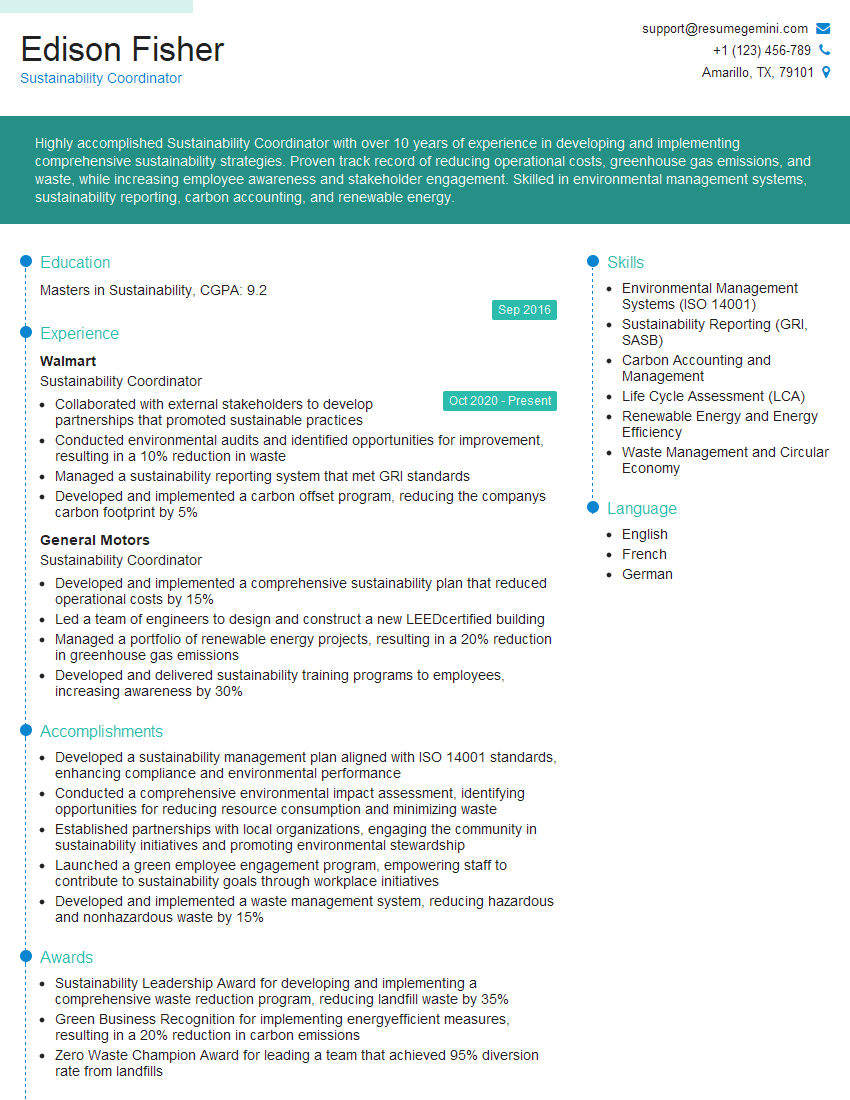
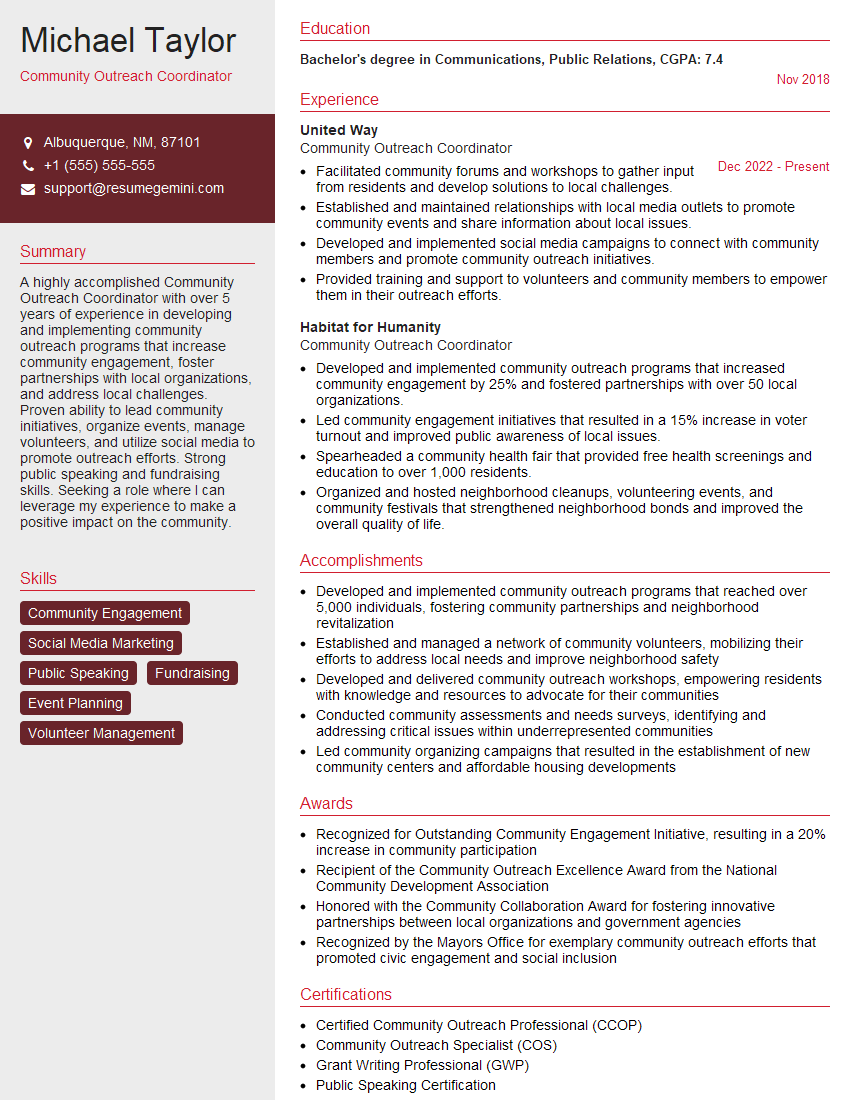
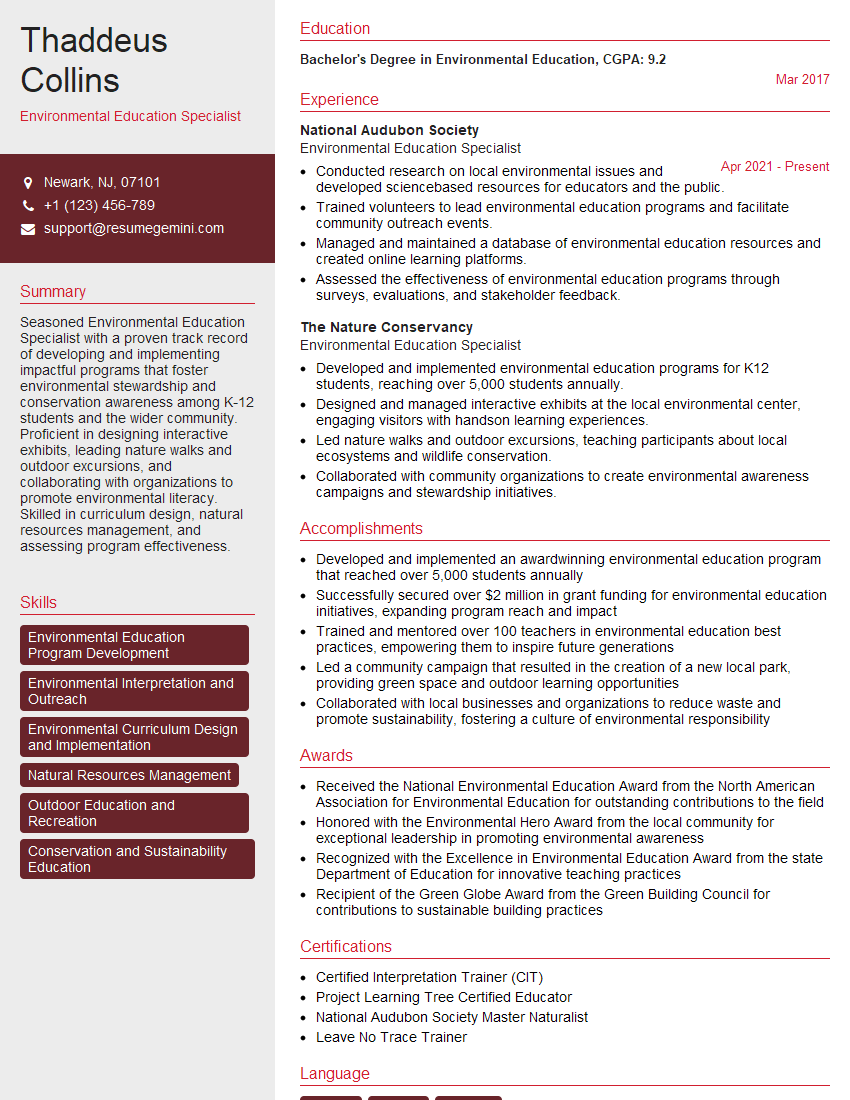
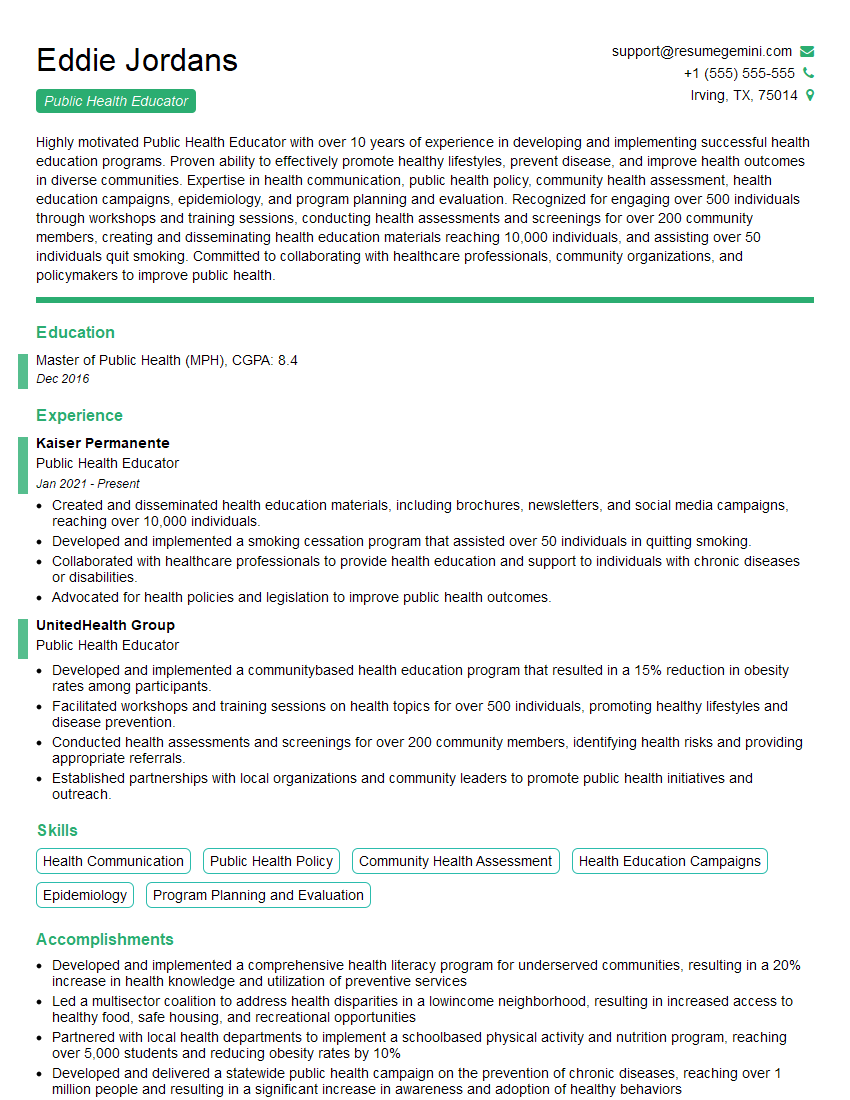
Mastering the ability to collaborate effectively with scientists, educators, and community partners is crucial for career advancement in many fields. It demonstrates valuable interpersonal skills and the ability to translate complex information across disciplines, leading to increased opportunities and impact. Building an ATS-friendly resume is essential for highlighting these skills to potential employers. ResumeGemini is a trusted resource to help you create a compelling and effective resume that showcases your collaborative abilities. Examples of resumes tailored to highlight experience in collaborating with scientists, educators, and community partners are available to guide you.
Explore more articles
Users Rating of Our Blogs
Share Your Experience
We value your feedback! Please rate our content and share your thoughts (optional).
What Readers Say About Our Blog
To the interviewgemini.com Webmaster.
Very helpful and content specific questions to help prepare me for my interview!
Thank you
To the interviewgemini.com Webmaster.
This was kind of a unique content I found around the specialized skills. Very helpful questions and good detailed answers.
Very Helpful blog, thank you Interviewgemini team.