Cracking a skill-specific interview, like one for Ability to Handle Sensitive and Challenging Situations, requires understanding the nuances of the role. In this blog, we present the questions you’re most likely to encounter, along with insights into how to answer them effectively. Let’s ensure you’re ready to make a strong impression.
Questions Asked in Ability to Handle Sensitive and Challenging Situations Interview
Q 1. Describe a time you had to deal with a highly emotional client or colleague. What was your approach?
Dealing with highly emotional individuals requires empathy, active listening, and a calm, professional demeanor. My approach focuses on validating their feelings while guiding the conversation towards a productive resolution.
For example, I once worked with a client who was extremely upset about a delay in a project. Instead of immediately trying to justify the delay, I started by acknowledging their frustration: “I understand this delay is incredibly frustrating, and I apologize for the inconvenience.” I then actively listened to their concerns, allowing them to fully express their emotions without interruption. Once they had vented, I explained the reasons for the delay transparently and offered a revised timeline and potential solutions. This approach helped de-escalate the situation and ultimately fostered trust and collaboration.
Another example involved a colleague who was overwhelmed and stressed due to a heavy workload. I offered support by helping them prioritize tasks, delegating where possible, and offering to assist with specific tasks. By showing genuine concern and offering practical help, I helped them regain control and reduce their stress levels.
Q 2. How do you prioritize competing demands during a crisis?
Prioritizing competing demands during a crisis requires a structured approach. I use a combination of methods, including the Eisenhower Matrix (urgent/important), to quickly assess and categorize tasks. This helps to identify those that require immediate attention and those that can be delegated or postponed.
In a crisis, clear communication is crucial. I ensure that all stakeholders are informed of the situation and the prioritization strategy. Transparency builds trust and helps manage expectations. Regular updates keep everyone informed about progress and any changes to the plan.
Finally, flexibility is key. During a crisis, unforeseen events can change the priorities. I remain adaptable and ready to adjust my approach as needed based on the evolving situation.
Q 3. Explain your process for de-escalating a tense situation.
De-escalating tense situations involves a multi-step process centered around empathy, communication, and active listening. My approach begins with actively listening to understand the other person’s perspective and concerns. I use validating statements to acknowledge their feelings, even if I don’t agree with their perspective. For example, saying “I understand your frustration” or “I can see why you’re upset.”
Next, I try to establish rapport by maintaining a calm and respectful tone. Avoiding accusatory language or interrupting is crucial. I focus on finding common ground and creating a space for open and honest dialogue.
Finally, I collaboratively work toward a solution. I involve the other party in finding a resolution that addresses their concerns while also considering the overall context. This approach often diffuses the tension and fosters a sense of collaboration.
Q 4. Have you ever had to deliver bad news? How did you handle it?
Delivering bad news is never easy, but it’s crucial to do it with sensitivity and professionalism. My approach involves preparing thoroughly, choosing the right time and setting, and delivering the news directly and honestly. I avoid jargon and ensure the message is clear and concise.
For instance, when I had to inform a team about budget cuts, I scheduled a meeting in a private setting. I started by acknowledging the difficult nature of the news before explaining the reasons behind the cuts transparently. I then outlined the next steps and answered any questions with honesty and empathy. Providing support and resources to help the team navigate the change was crucial.
In every instance of delivering difficult news, I aim to show empathy, answer questions openly, and offer whatever support I can provide to alleviate concerns.
Q 5. Describe a situation where confidentiality was crucial. How did you maintain it?
Maintaining confidentiality is paramount in many professional settings. My commitment to confidentiality stems from a strong ethical code and a recognition of the trust placed in me. I consistently adhere to organizational policies regarding data protection and privacy.
In a recent situation, I was involved in a project requiring handling sensitive client data. I strictly adhered to the company’s data protection protocols, including accessing information only on a need-to-know basis, using secure systems, and never discussing confidential details outside of authorized channels.
This included password-protecting documents, using secure communication methods, and ensuring that all hard copies were stored securely. I actively educated my team members about the importance of data protection and ensured that everyone followed the same strict protocols.
Q 6. How do you handle conflicting priorities and tight deadlines under pressure?
Handling conflicting priorities and tight deadlines under pressure requires effective time management and prioritization skills. I utilize techniques such as time blocking, prioritizing tasks based on urgency and importance, and delegating where possible.
For example, I might use a Kanban board to visualize my workflow and track progress. I also communicate proactively with stakeholders to manage expectations and ensure everyone is aligned on priorities and deadlines. This open communication helps to avoid conflicts and ensures that everyone is working towards the same goals.
When overwhelmed, I take short breaks to refocus and avoid burnout. These breaks might involve a short walk, meditation, or simply stepping away from my desk to clear my head. Maintaining a clear head and a systematic approach is key to navigating such situations effectively.
Q 7. What strategies do you use to remain calm and professional in stressful situations?
Remaining calm and professional under stress is a crucial skill. I employ several strategies, including mindfulness techniques like deep breathing exercises to regulate my physiological responses to stress. This helps to reduce anxiety and improve focus.
I also prioritize self-care practices like sufficient sleep, regular exercise, and a balanced diet. These contribute to overall well-being and resilience. I also regularly review my workload to ensure tasks are manageable and identify potential bottlenecks early on. Proactive planning and anticipation of potential problems reduce unexpected stress.
Finally, I maintain a positive and solution-oriented attitude. Focusing on what I can control and celebrating small wins helps me maintain perspective and motivation even when faced with difficult situations.
Q 8. How do you identify potential risks or problems before they escalate?
Proactive risk identification is crucial for preventing escalation. My approach involves a combination of predictive and reactive strategies. Predictive strategies include regularly reviewing processes for potential weaknesses, conducting thorough risk assessments (identifying potential hazards and their likelihood and impact), and proactively soliciting feedback from team members who are closest to the day-to-day operations. This allows for the identification of subtle issues before they become major problems. Reactive strategies involve establishing robust incident reporting systems, actively monitoring key performance indicators (KPIs), and analyzing trends in data to identify emerging patterns indicative of potential problems. For example, a sudden increase in customer complaints about a specific product might indicate a quality control issue needing immediate attention. By combining these proactive and reactive measures, I can effectively identify and address potential risks before they escalate into significant crises.
Q 9. Explain your approach to mediating disagreements between individuals or teams.
Mediating disagreements requires a neutral and empathetic approach. My process begins with active listening to understand each party’s perspective, ensuring both feel heard and valued. I focus on identifying the root cause of the conflict rather than just addressing surface-level symptoms. This often involves asking clarifying questions and gently guiding the discussion towards a solution-oriented dialogue. I employ techniques like reframing negative statements and encouraging collaborative problem-solving. For instance, if two team members are arguing about project deadlines, I would facilitate a discussion about resource allocation and prioritizing tasks, helping them create a mutually agreeable plan. Where necessary, I might suggest compromises or facilitate brainstorming sessions to generate creative solutions. The goal is always to foster a collaborative environment where individuals feel respected and empowered to find common ground.
Q 10. Describe a time you had to make a difficult decision with limited information.
During my time as a project manager, we faced a critical server failure with minimal information on the root cause. Initial diagnostics pointed to multiple possibilities, and we had only a limited window to restore functionality before impacting key clients. The decision to prioritize a specific repair strategy, with a high chance of failure, was a difficult one, considering the potential loss to the company. I structured the decision-making process by gathering the team to weigh the pros and cons of each option, using data available to make an informed judgement. Ultimately, we chose the path with the highest probability of success while minimizing long-term risk, even though it involved the possibility of downtime. The strategy was successful; after implementing the decision, we restored full functionality within hours with minimal disruption to the clients. The situation underscored the importance of calculated risk-taking and the value of a decisive approach within reasonable constraints.
Q 11. How do you adapt your communication style to different audiences during a crisis?
Adapting communication is crucial during a crisis. My approach involves tailoring the message to the audience’s needs and understanding. For technical audiences, I use precise terminology and focus on facts. For non-technical audiences, I use plain language, focusing on the impact and steps they should take. I also adjust the level of detail based on audience familiarity with the situation. For senior management, I provide concise updates and strategic analysis. For employees, I focus on calming reassurance and clear action plans. Consistent communication, frequently using different channels, is key: emails for official records, phone calls for urgent updates, and town hall meetings for broader communication are all tools I may use. Clarity, empathy, and transparency are paramount throughout. This multifaceted communication strategy ensures that everyone receives information relevant to their needs and roles, minimizing confusion and anxiety.
Q 12. Have you ever had to deal with a breach of security or confidentiality? How did you respond?
In a previous role, we discovered a potential breach of client data confidentiality. My immediate response was to activate our incident response plan. This involved immediately securing the affected systems, initiating a thorough investigation to identify the extent of the breach, and notifying the relevant authorities and affected clients. We implemented corrective measures to prevent future occurrences, including strengthening security protocols and conducting employee retraining. Transparency with clients was paramount; we provided clear, concise information about the breach, its potential impact, and the steps we were taking to address it. The experience reinforced the importance of proactive security measures, robust incident response plans, and the critical need for open and honest communication during security incidents.
Q 13. How do you ensure fairness and impartiality when handling sensitive situations?
Maintaining fairness and impartiality is crucial when handling sensitive matters. I achieve this by meticulously documenting all interactions, decisions, and rationale, ensuring transparency and accountability. I also actively seek diverse perspectives, avoiding confirmation bias by soliciting input from multiple stakeholders and perspectives. When making decisions, I apply objective criteria consistently, avoiding personal biases and emotions. For instance, in performance reviews, I use predefined metrics and avoid subjective opinions whenever possible. I ensure that all affected parties have equal access to information and the opportunity to express their viewpoints. The application of established policies and procedures is key to upholding fairness and impartiality in decision-making.
Q 14. Describe a time you had to deal with an angry or aggressive individual. What was your response?
I once encountered an extremely angry customer who felt unfairly treated by our service. My response involved first creating a safe and controlled environment where they felt they could express their anger without fear of judgment. I actively listened, validating their feelings and acknowledging their frustration. I showed empathy, demonstrating a genuine understanding of their perspective. Then, I calmly and professionally addressed their concerns, using clear and concise language to explain the situation and explore options for resolution. In this case, the appropriate resolution was providing a suitable compensation for the inconvenience. This de-escalated the situation, showing the customer that their concerns were being taken seriously and resolving the problem effectively. Remaining calm, empathetic, and professional, while providing a viable resolution, is vital when addressing angry or aggressive individuals.
Q 15. How do you balance empathy with professionalism when dealing with vulnerable individuals?
Balancing empathy and professionalism with vulnerable individuals is a delicate act requiring both strong emotional intelligence and adherence to professional boundaries. Empathy allows you to connect with the individual on a human level, understanding their feelings and perspective without judgment. However, maintaining professionalism ensures objectivity, prevents emotional burnout, and protects both the individual and yourself from inappropriate interactions.
For example, if I’m working with a client experiencing grief, I would acknowledge their sadness and validate their feelings (empathy). However, I would avoid overly personal disclosures or offering unsolicited advice outside my professional scope (professionalism). I’d focus on providing resources and support within my defined role, ensuring the client feels heard and understood while maintaining clear professional boundaries.
- Active Listening: Pay close attention to what they’re saying, both verbally and nonverbally. Reflect their emotions to show you understand.
- Validation: Acknowledge their feelings without necessarily agreeing with their perspective. Phrases like, “That sounds incredibly difficult,” can be highly effective.
- Setting Boundaries: Clearly define your role and the limits of your support, while still offering genuine care and compassion.
Career Expert Tips:
- Ace those interviews! Prepare effectively by reviewing the Top 50 Most Common Interview Questions on ResumeGemini.
- Navigate your job search with confidence! Explore a wide range of Career Tips on ResumeGemini. Learn about common challenges and recommendations to overcome them.
- Craft the perfect resume! Master the Art of Resume Writing with ResumeGemini’s guide. Showcase your unique qualifications and achievements effectively.
- Don’t miss out on holiday savings! Build your dream resume with ResumeGemini’s ATS optimized templates.
Q 16. How do you document and record sensitive information while maintaining confidentiality?
Documenting sensitive information requires meticulous attention to confidentiality and adherence to all relevant regulations, such as HIPAA (in healthcare) or GDPR (in Europe). The key is to use standardized procedures, secure storage, and access controls. Information should be recorded objectively, avoiding subjective interpretations or opinions.
My process involves using secure electronic systems with password protection and access controls limited to authorized personnel. Paper documents, if necessary, are stored in locked cabinets. All records use de-identified identifiers where possible, replacing names or other personally identifying information with codes or unique identifiers to ensure anonymity. I always document the date, time, and individuals involved in any sensitive matter. For particularly sensitive information, I may consult with my supervisor to confirm appropriate documentation methods.
Example: Instead of 'John Doe, age 45, reported experiencing suicidal thoughts,' I would use something like 'Client ID 1234, 45-year-old male, presented with suicidal ideation.'Q 17. Describe your process for analyzing a challenging situation and developing a solution.
My process for analyzing challenging situations and developing solutions follows a structured approach:
- Define the Problem: Clearly identify the core issue and gather all relevant facts, avoiding assumptions.
- Identify Stakeholders: Determine who is involved and impacted by the situation.
- Brainstorm Solutions: Generate a range of potential solutions, considering both short-term and long-term implications.
- Evaluate Solutions: Assess each solution’s feasibility, effectiveness, and potential risks and benefits.
- Choose a Solution: Select the most appropriate solution based on the evaluation.
- Implement and Monitor: Put the chosen solution into action and closely monitor its effectiveness, making adjustments as needed.
- Document: Record the entire process, including the problem, proposed solutions, chosen approach, and outcomes.
For example, if a conflict arises between two team members, I would first understand the individual perspectives, then explore potential causes, brainstorm solutions (mediation, revised workflow, etc.), evaluate them based on fairness and effectiveness, implement a solution, and monitor its impact on team dynamics.
Q 18. How do you determine the appropriate level of intervention in a sensitive situation?
Determining the appropriate level of intervention in a sensitive situation depends on several factors including the severity of the situation, the potential harm, the individual’s wishes, and relevant legal and ethical guidelines. A risk assessment is crucial.
My approach involves:
- Assessing the Risk: Evaluate the immediate and potential risks to the individual and others.
- Considering Legal and Ethical Obligations: Am I legally mandated to report something (e.g., child abuse or elder abuse)? What are my ethical responsibilities?
- Respecting Autonomy: When possible, I involve the individual in decision-making, empowering them to choose the course of action that aligns with their wishes and capabilities.
- Seeking Consultation: If unsure, I seek guidance from supervisors or other experienced professionals.
- Documentation: Thoroughly document all actions taken, decisions made, and rationale behind them.
For example, if someone expresses thoughts of self-harm, immediate intervention (such as contacting emergency services) might be necessary, whereas a less urgent issue might warrant a referral to appropriate resources or support services.
Q 19. How do you manage your own stress and emotions when dealing with challenging situations?
Managing stress and emotions when dealing with challenging situations is crucial for maintaining both personal well-being and professional effectiveness. Burnout is a serious risk in fields involving sensitive situations. My strategies include:
- Self-Care: Prioritizing sleep, healthy diet, regular exercise, and relaxation techniques such as mindfulness or meditation.
- Emotional Boundaries: Recognizing and respecting my own emotional limits and setting boundaries to avoid taking on others’ emotional burdens excessively.
- Debriefing: Regularly debriefing with supervisors or colleagues to process difficult experiences and gain support.
- Seeking Supervision: Utilizing professional supervision to discuss challenging cases and receive guidance on managing emotional responses.
- Time Management: Efficient time management strategies to avoid feeling overwhelmed.
It’s important to recognize that seeking support is a sign of strength, not weakness. Regular self-reflection and maintaining a healthy work-life balance are essential for sustaining resilience.
Q 20. How do you use active listening to understand perspectives in a conflict?
Active listening is paramount in understanding perspectives during conflicts. It goes beyond simply hearing words; it involves fully comprehending the speaker’s emotions, motivations, and underlying needs.
My approach includes:
- Paying Attention: Focusing completely on the speaker, both verbally and nonverbally, avoiding distractions.
- Showing Empathy: Reflecting the speaker’s feelings and validating their perspective, even if I don’t agree.
- Asking Clarifying Questions: Seeking further information to ensure I fully understand their viewpoint, using open-ended questions to encourage elaboration.
- Summarizing: Paraphrasing their statements to demonstrate understanding and ensure accuracy.
- Maintaining Nonverbal Cues: Using appropriate body language—maintaining eye contact, nodding, and avoiding interrupting.
For example, in a workplace conflict, I would actively listen to both sides, summarizing each person’s concerns to ensure they feel heard before exploring solutions. This demonstrates respect and fosters a collaborative environment.
Q 21. Describe a time you had to navigate ethical dilemmas in the workplace.
In a previous role, I encountered an ethical dilemma involving a colleague who was consistently falsifying data in their reports. I wrestled with whether to report this to management, knowing it could impact our colleague’s career, but also knowing the implications of allowing false data to persist.
I decided to first speak to my colleague privately, expressing my concerns and attempting to understand their motivations. When this proved unsuccessful and the data falsification continued, I felt ethically obligated to escalate the matter to my supervisor, documenting my concerns and interactions with my colleague. I followed company protocol for reporting ethical violations. While difficult, I believed it was the responsible and ethical course of action to protect the integrity of our work and our organization.
This experience reinforced the importance of clear ethical guidelines, robust reporting mechanisms, and a willingness to address ethical concerns even when uncomfortable.
Q 22. How do you collaborate with others to effectively address a crisis?
Effective crisis collaboration hinges on clear communication, shared responsibility, and a structured approach. I begin by establishing a clear chain of command and communication channels to avoid confusion and duplicated efforts. This often involves designating roles and responsibilities immediately. For instance, one person might be responsible for gathering information, another for coordinating with external resources, and a third for communicating updates to stakeholders.
Secondly, I foster open and honest communication. This means creating a safe space for team members to share information and express concerns without fear of judgment. Active listening is crucial here, ensuring everyone feels heard and understood. During a crisis, emotions run high, and effective communication prevents misunderstandings that could worsen the situation.
Finally, I prioritize a collaborative decision-making process. Rather than dictating solutions, I encourage team members to contribute their expertise and perspectives. Brainstorming sessions, where all ideas are welcomed, can be incredibly effective in generating creative and comprehensive solutions. For example, during a product recall crisis, collaborating with marketing, customer service, and legal teams ensured a coordinated and effective response.
Q 23. What resources do you utilize to support your ability to handle challenging situations?
My toolkit for handling challenging situations draws upon several resources. Firstly, I rely on established protocols and procedures – checklists, emergency response plans, and best-practice guidelines. These provide a framework for action, reducing uncertainty and ensuring a consistent approach. Secondly, I utilize training and development resources, including workshops and online courses, to hone my skills in areas like conflict resolution, negotiation, and stress management. Regular self-assessment helps identify areas for improvement.
Mentorship plays a significant role; seeking guidance from experienced colleagues provides valuable insights and perspectives I might have overlooked. Finally, I actively build a strong professional network, leveraging connections to access diverse perspectives and expertise when facing unique challenges. During a particularly difficult client negotiation, drawing upon my mentor’s experience in similar situations significantly influenced the outcome.
Q 24. How do you measure the success of your interventions in sensitive situations?
Measuring success in sensitive situations requires a multi-faceted approach. It’s not solely about achieving a specific outcome; the process and impact on all involved are equally crucial. I assess success by considering several key factors:
- Resolution of the immediate issue: Was the crisis successfully mitigated? Were the immediate safety and well-being concerns addressed?
- Long-term impact: What is the lasting impact on those involved? Are there signs of improved relationships or reduced future risks?
- Process effectiveness: Was the response efficient, ethical, and transparent? Did it align with relevant policies and regulations?
- Stakeholder satisfaction: Did all parties involved feel heard, respected, and fairly treated? This often includes gathering feedback through surveys or informal conversations.
For instance, in mediating a workplace conflict, success wasn’t simply about resolving the immediate disagreement but also ensuring a healthy working environment moving forward, measured through reduced complaints and improved team dynamics.
Q 25. Explain your understanding of different conflict resolution styles.
Conflict resolution styles can be categorized in various ways, but a common framework includes:
- Avoiding: Postponing addressing the conflict; suitable for minor issues or when emotions are high, but can be detrimental if ignored for too long.
- Accommodating: Prioritizing the other party’s needs over your own; useful for maintaining harmony but can be damaging if repeatedly employed.
- Competing: Pursuing your own interests aggressively, often resulting in a win-lose scenario; acceptable in limited situations but can damage relationships.
- Compromising: Seeking a mutually acceptable solution, involving concessions from both parties; a practical approach but may not result in optimal outcomes for everyone.
- Collaborating: Working together to find a win-win solution; ideal but requires time and effort, and may not be feasible in all situations.
The most effective approach often depends on the specific context and relationship dynamics. My approach is flexible; I assess the situation and choose the style most likely to achieve a positive outcome while preserving relationships.
Q 26. Describe your process for learning from mistakes and improving your skills in this area.
Learning from mistakes is essential for growth. My process involves several steps:
- Reflection: I take time to analyze what happened, objectively assessing my actions and their consequences. This involves considering what I did well, what I could have done differently, and the impact on all involved.
- Feedback: I actively seek feedback from colleagues, supervisors, or even those directly involved in the situation. Constructive criticism is invaluable for identifying blind spots.
- Documentation: I maintain a record of challenging situations and my responses, documenting lessons learned and areas for improvement. This creates a repository of experience that informs future actions.
- Skill development: I use insights from reflection and feedback to identify specific skills needing improvement and actively seek opportunities for development through training or mentorship.
For example, after a negotiation where I felt I could have communicated more effectively, I sought training in active listening and conflict resolution skills, significantly improving my approach in subsequent situations.
Q 27. How do you maintain objectivity when handling situations involving personal biases?
Maintaining objectivity when personal biases might influence a situation is crucial. I employ several strategies:
- Self-awareness: I begin by acknowledging my own biases, understanding how they might affect my perceptions and judgments. Regular reflection helps identify potential blind spots.
- Data-driven decision making: I rely on facts and evidence rather than assumptions or gut feelings. This involves actively seeking objective information from multiple sources.
- Seeking diverse perspectives: I actively solicit input from others with different backgrounds and experiences. This helps challenge my own perspectives and identify potential biases I might have overlooked.
- Ethical frameworks: I adhere to established ethical guidelines and principles to ensure fairness and impartiality in my actions.
For example, when reviewing a performance evaluation, I carefully examine the objective metrics before considering subjective observations, acknowledging that personal biases can unintentionally skew perceptions.
Q 28. How do you ensure the safety and well-being of those involved in a challenging situation?
Prioritizing safety and well-being is paramount. My approach involves several key steps:
- Risk assessment: I begin by identifying potential risks to the safety and well-being of those involved, considering both physical and emotional safety.
- Safety protocols: I implement and enforce appropriate safety protocols, ensuring compliance with relevant regulations and best practices. This might involve crisis intervention plans or emergency procedures.
- Resource allocation: I ensure that adequate resources are available to support those in need, including access to medical care, counseling, or other support services.
- De-escalation techniques: I employ appropriate de-escalation techniques to manage potentially volatile situations, ensuring a calm and controlled environment.
- Post-incident support: I offer ongoing support and resources, particularly crucial for those who may have experienced trauma or distress.
For instance, during a workplace accident, my immediate priority was ensuring the injured party’s safety by providing first aid, contacting emergency services, and then initiating an investigation to prevent future incidents, including providing support to witnesses.
Key Topics to Learn for Ability to Handle Sensitive and Challenging Situations Interview
- Emotional Intelligence: Understanding and managing your own emotions, and recognizing and responding appropriately to the emotions of others. Practical application: Reflecting on how your emotional responses impact interactions in difficult situations.
- Active Listening and Empathy: Truly hearing and understanding the perspectives of others, even when disagreeing. Practical application: Practicing paraphrasing and summarizing to demonstrate comprehension during tense conversations.
- Conflict Resolution Strategies: Employing effective techniques to de-escalate conflict and find mutually acceptable solutions. Practical application: Preparing examples from past experiences where you successfully mediated disagreements or navigated difficult conversations.
- Problem-Solving Under Pressure: Maintaining composure and finding creative solutions in high-stress situations. Practical application: Analyzing past challenges and outlining the steps you took to resolve them, emphasizing your methodical approach.
- Communication Skills: Clearly and effectively conveying information, particularly in sensitive contexts. Practical application: Practicing delivering difficult messages with tact and diplomacy.
- Ethical Decision-Making: Navigating challenging situations while adhering to ethical principles and company policies. Practical application: Describing how you’ve made difficult ethical choices in the past, highlighting your reasoning and the positive outcomes.
- Stress Management Techniques: Developing strategies to cope with pressure and maintain professionalism under challenging circumstances. Practical application: Identifying your personal stress triggers and the techniques you use to manage them effectively.
Next Steps
Mastering the ability to handle sensitive and challenging situations is crucial for career advancement. It demonstrates maturity, professionalism, and the ability to contribute positively to any team. To enhance your job prospects, focus on building an ATS-friendly resume that highlights these skills. ResumeGemini is a trusted resource to help you craft a compelling resume that showcases your abilities effectively. Examples of resumes tailored to highlight your skills in handling sensitive and challenging situations are available through ResumeGemini, allowing you to create a powerful document that secures your next opportunity.

Customer Service Manager Resume Sample
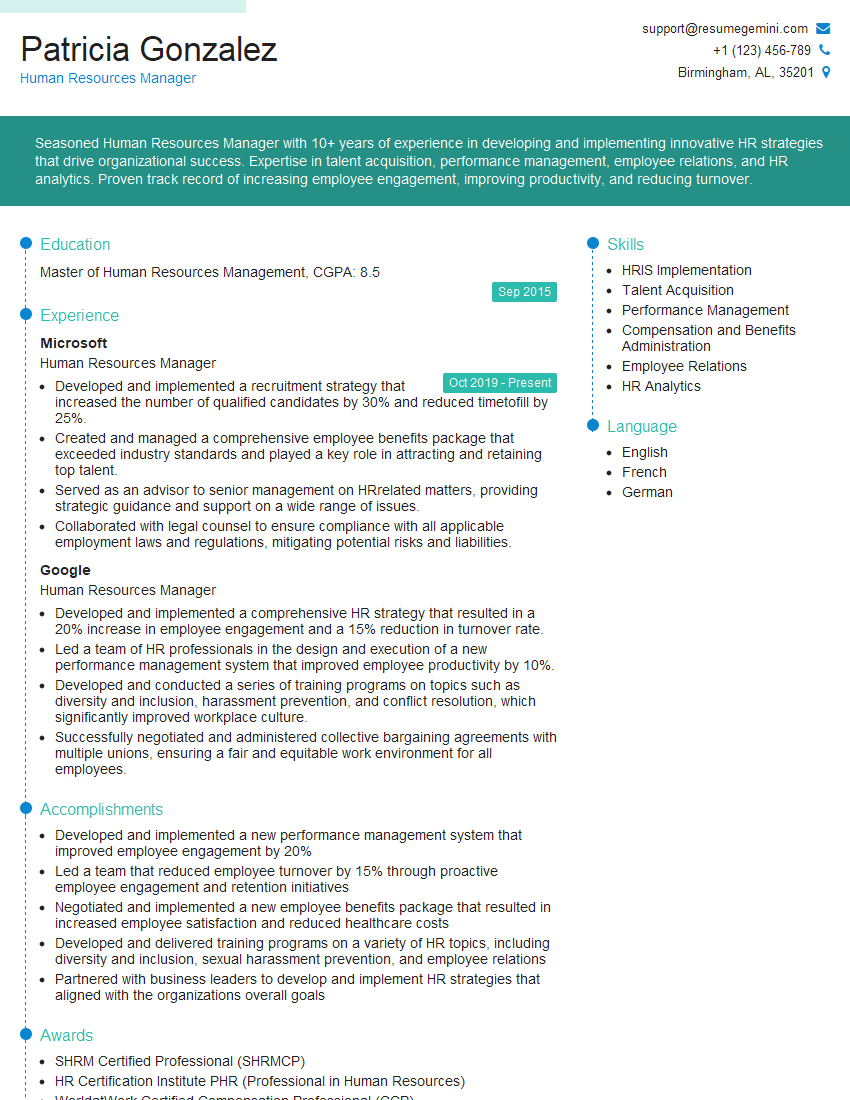
Human Resources Manager Resume Sample
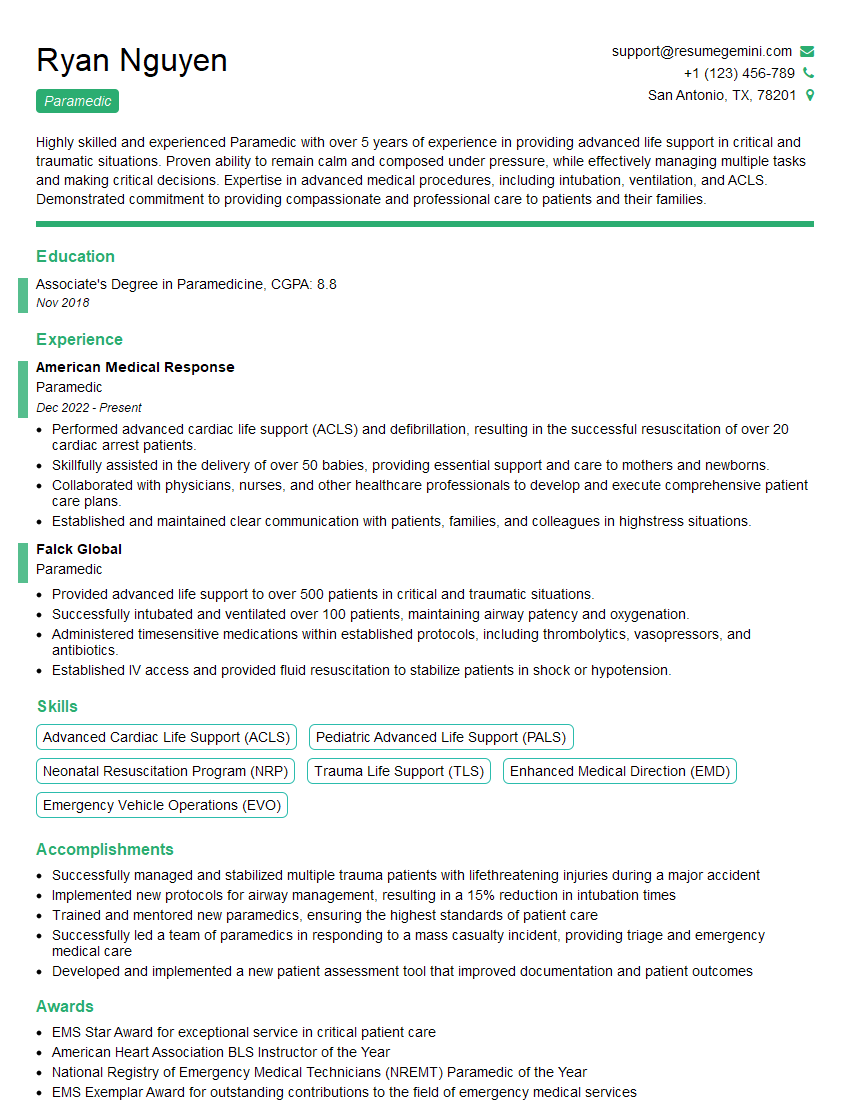
Paramedic Resume Sample

Compliance Officer Resume Sample
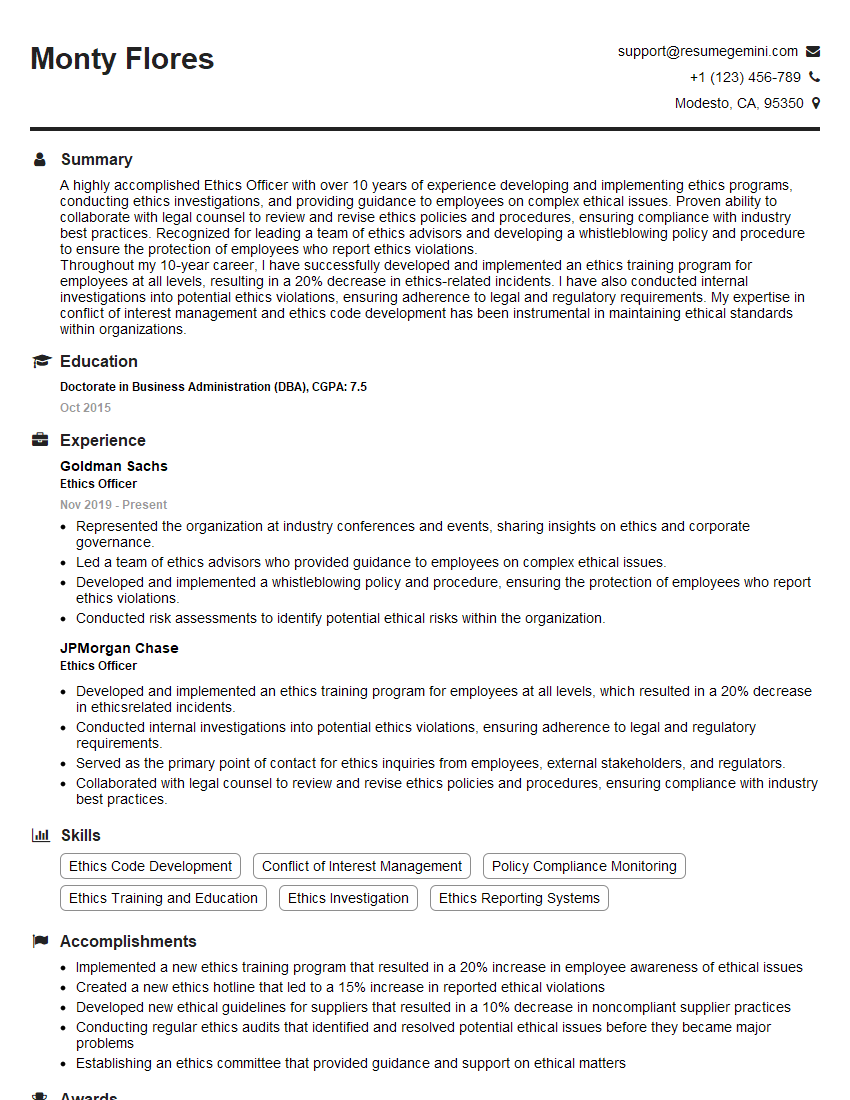
Ethics Officer Resume Sample
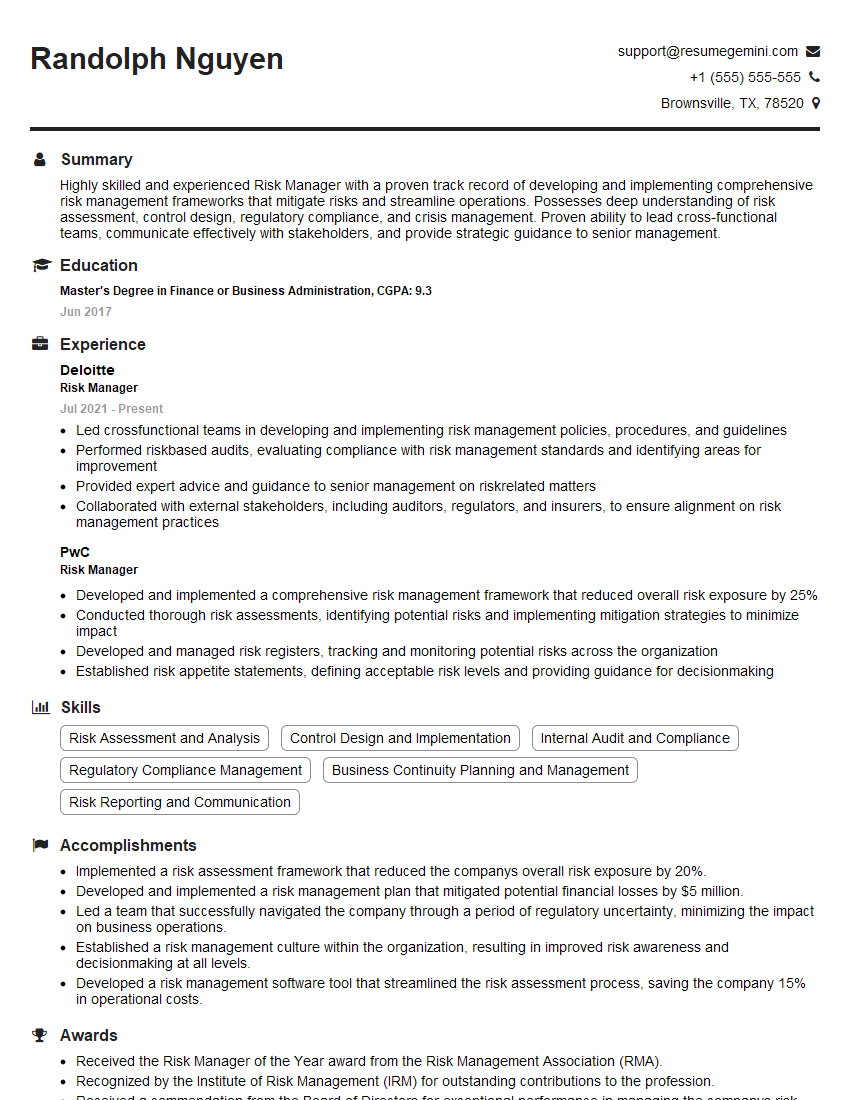
Risk Manager Resume Sample
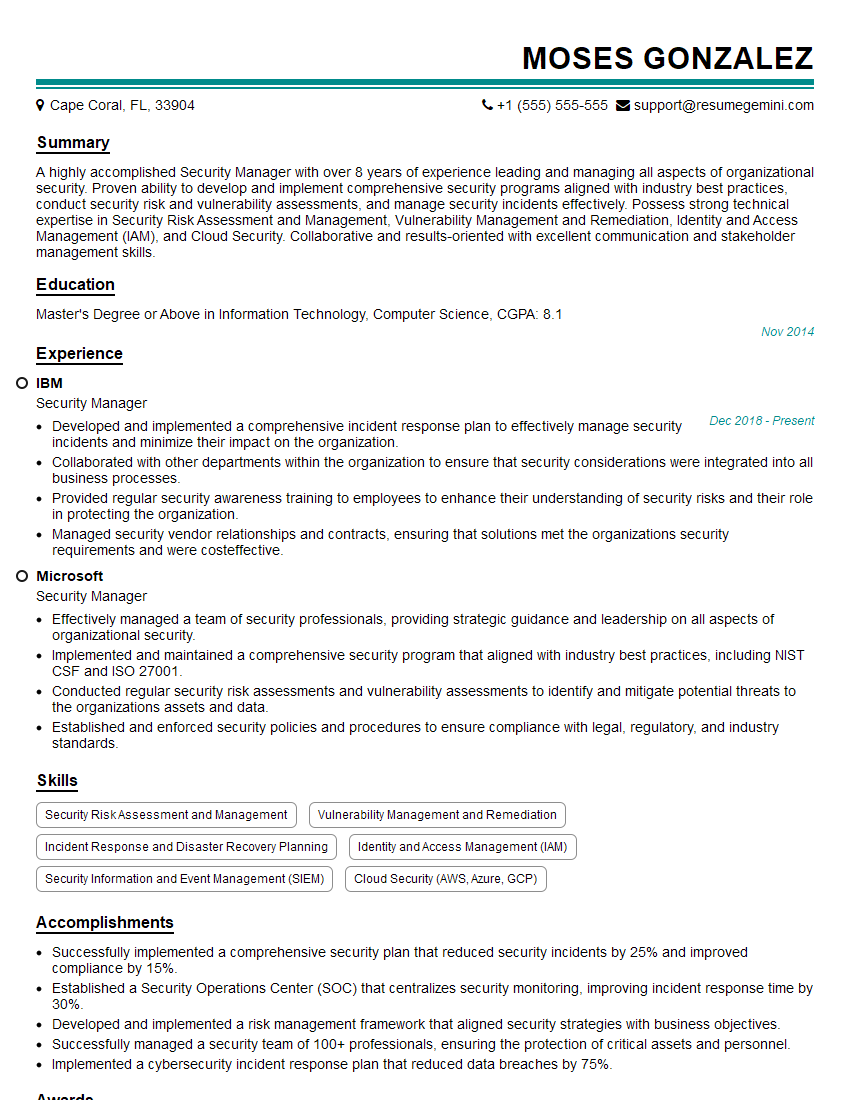
Security Manager Resume Sample
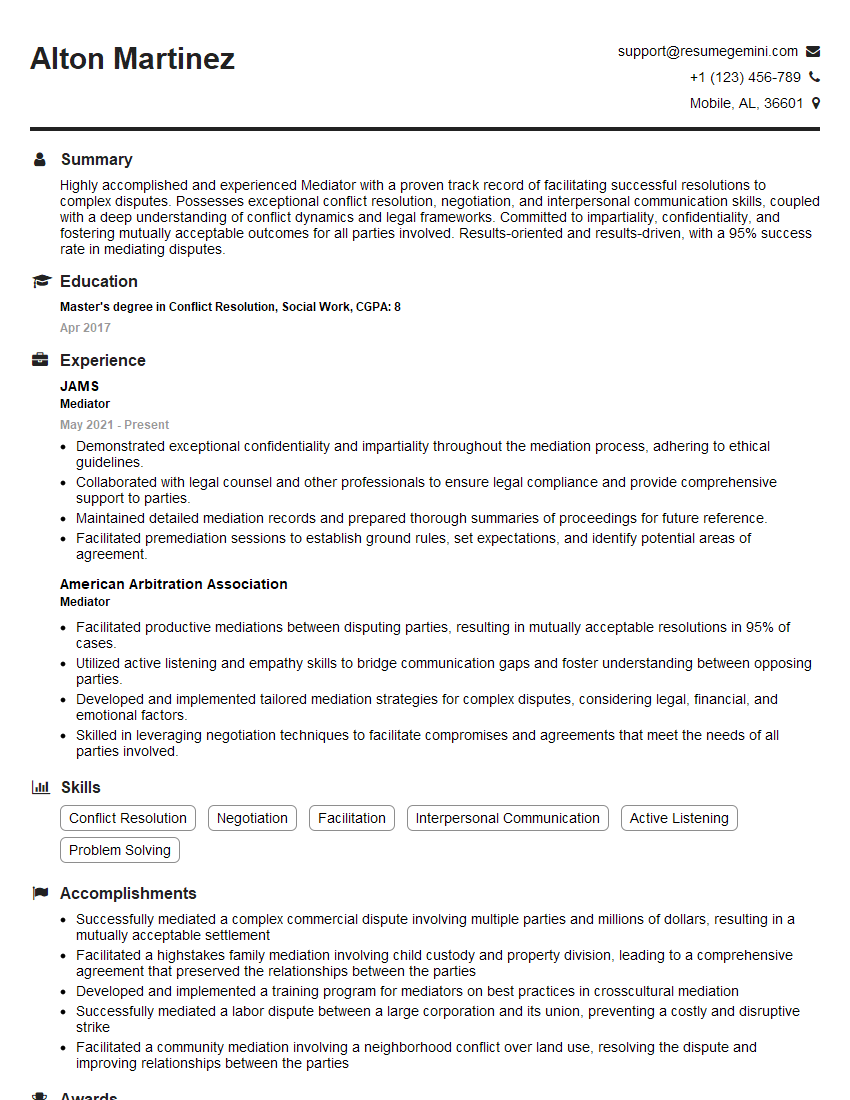
Mediator Resume Sample
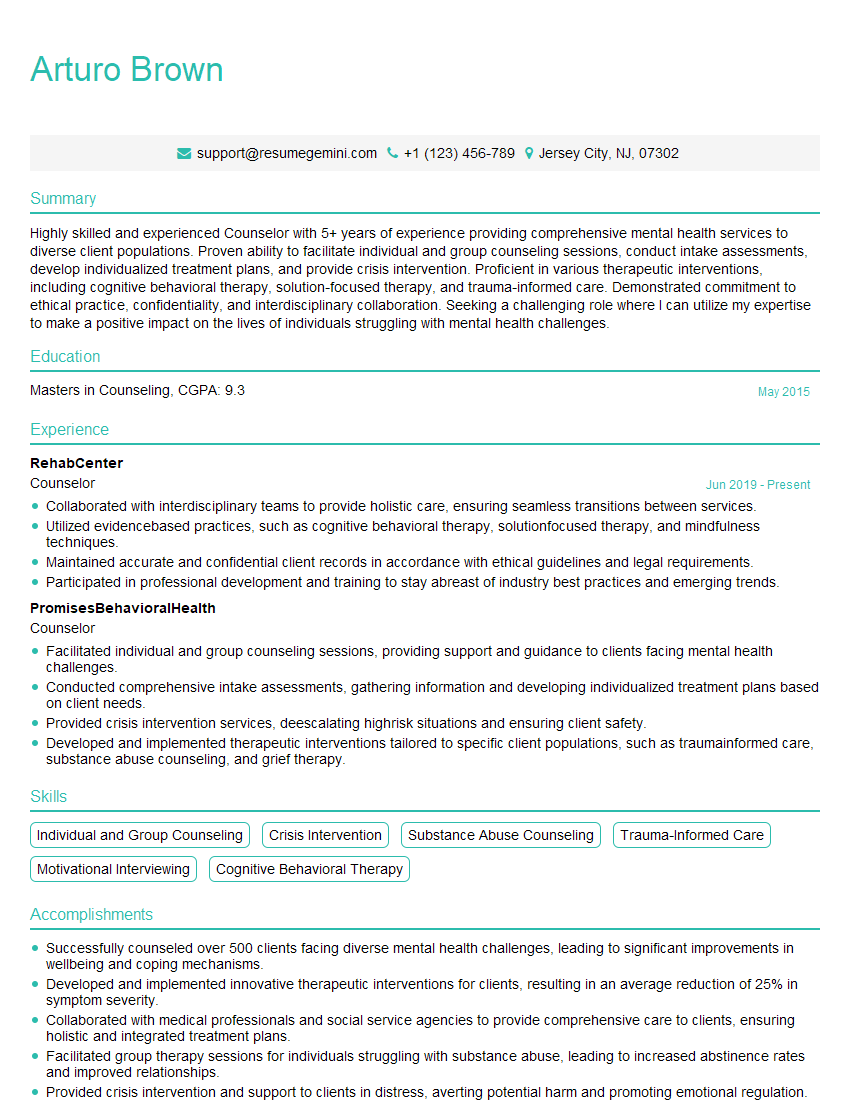
Counselor Resume Sample
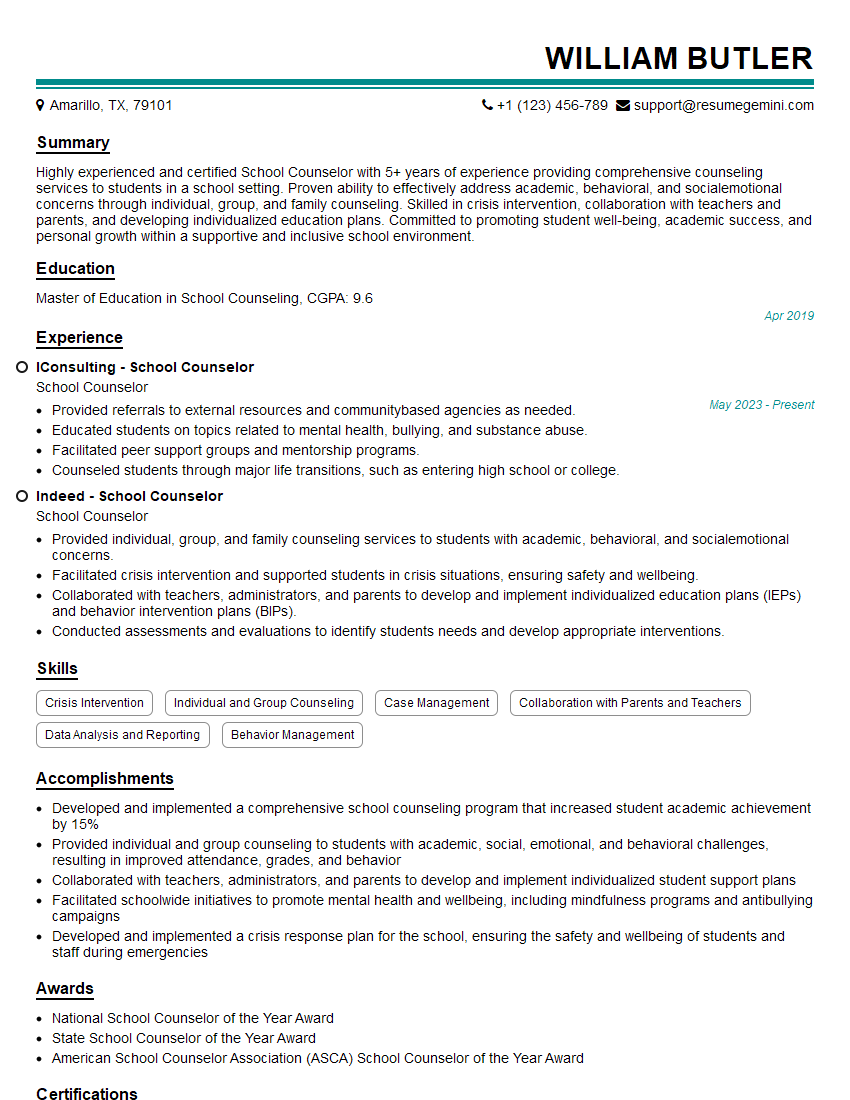
School Counselor Resume Sample
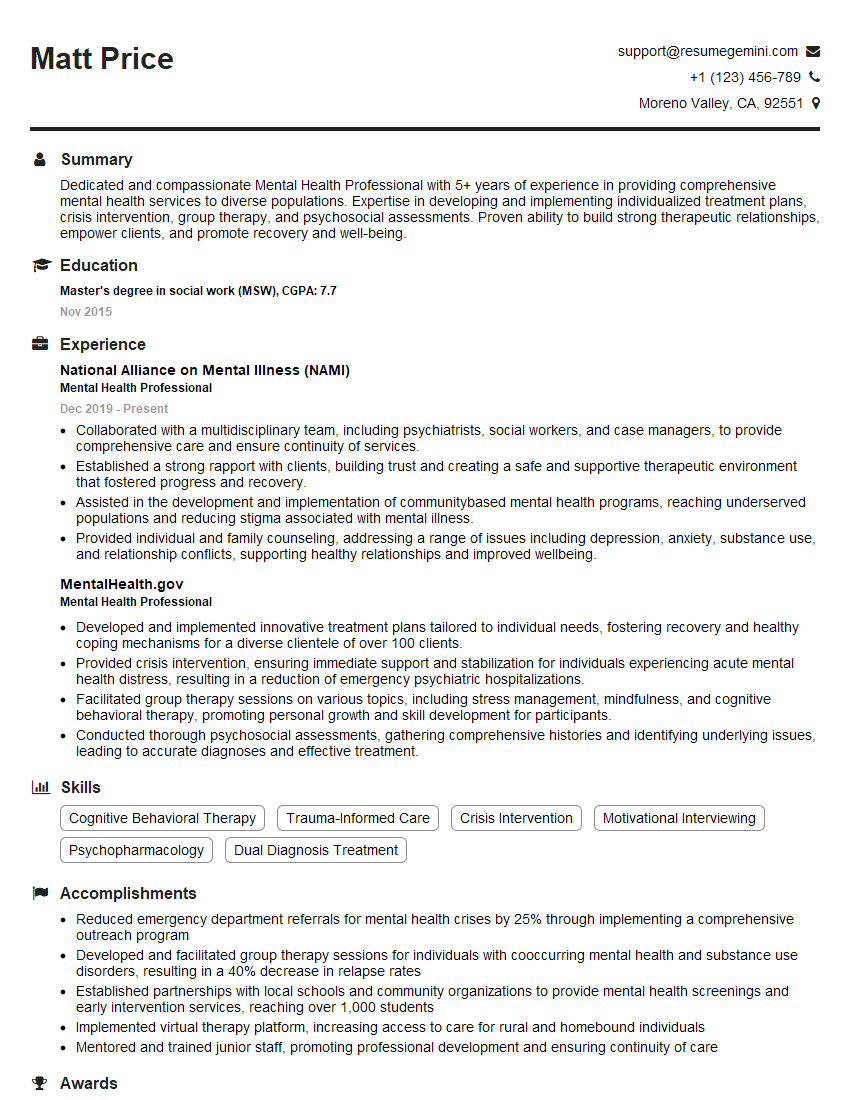
Mental Health Professional Resume Sample
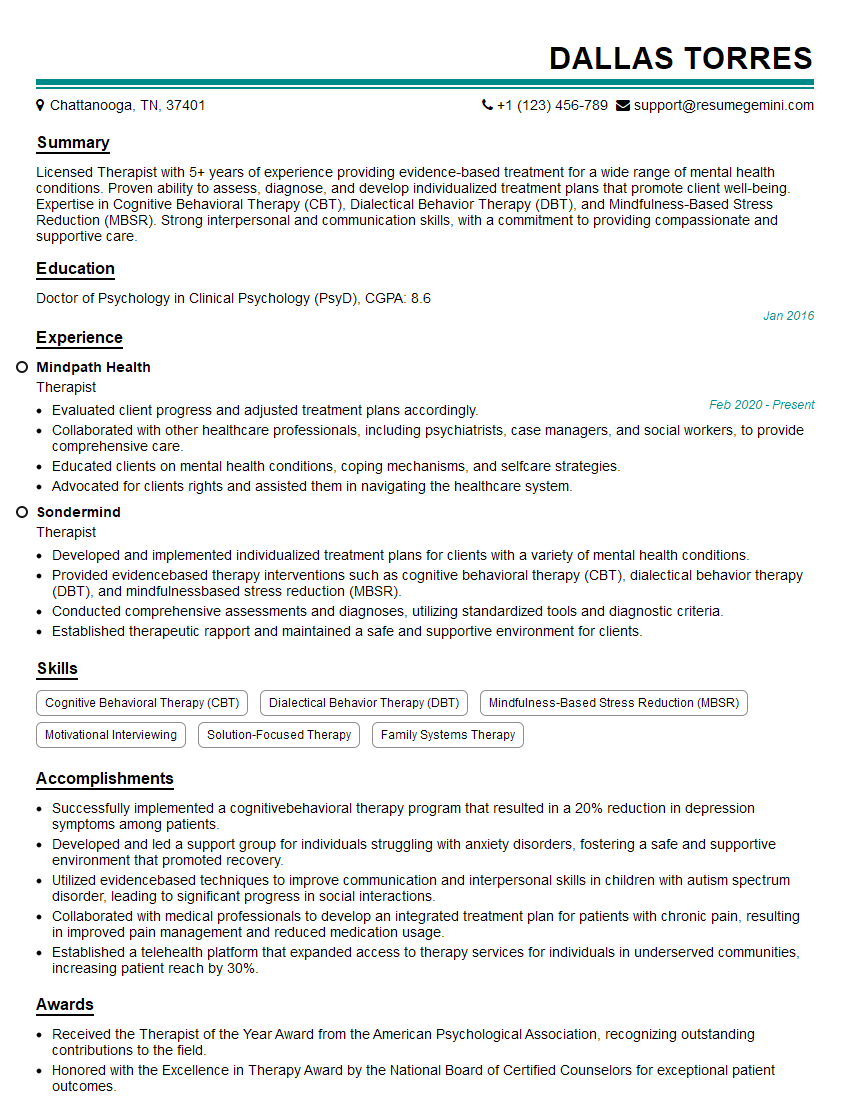
Therapist Resume Sample
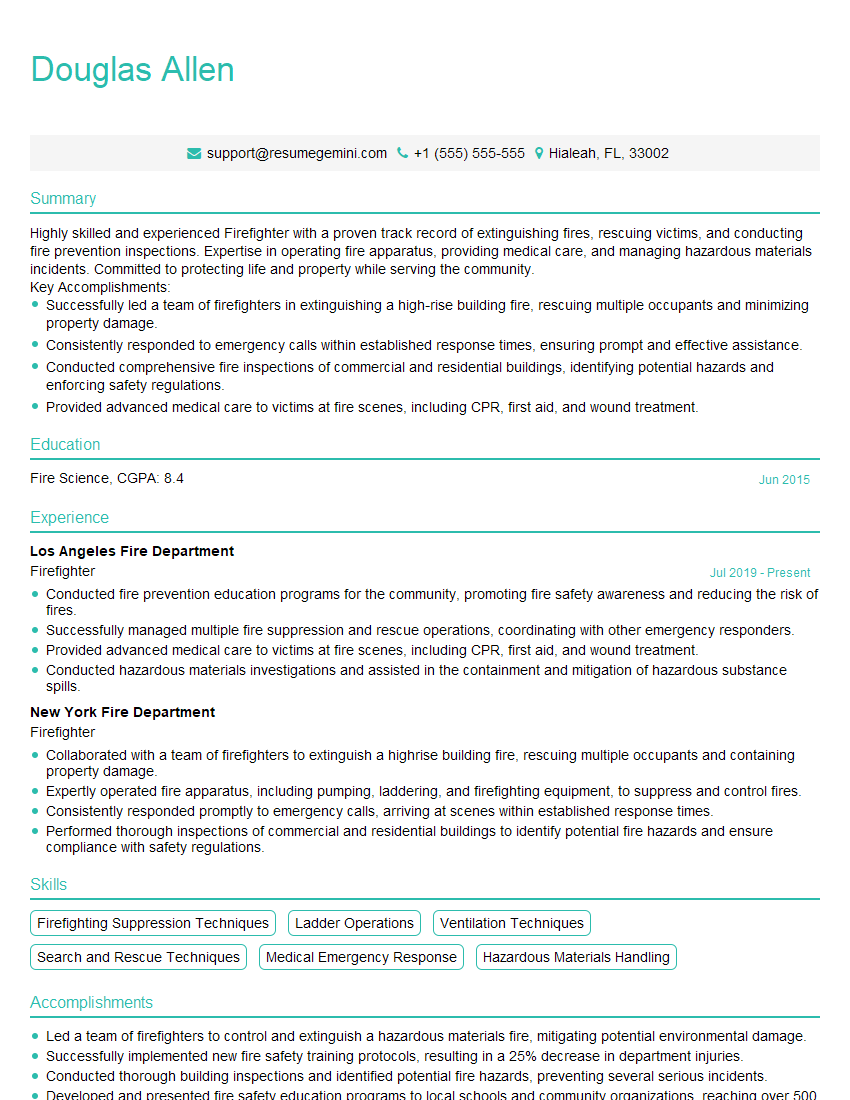
Firefighter Resume Sample
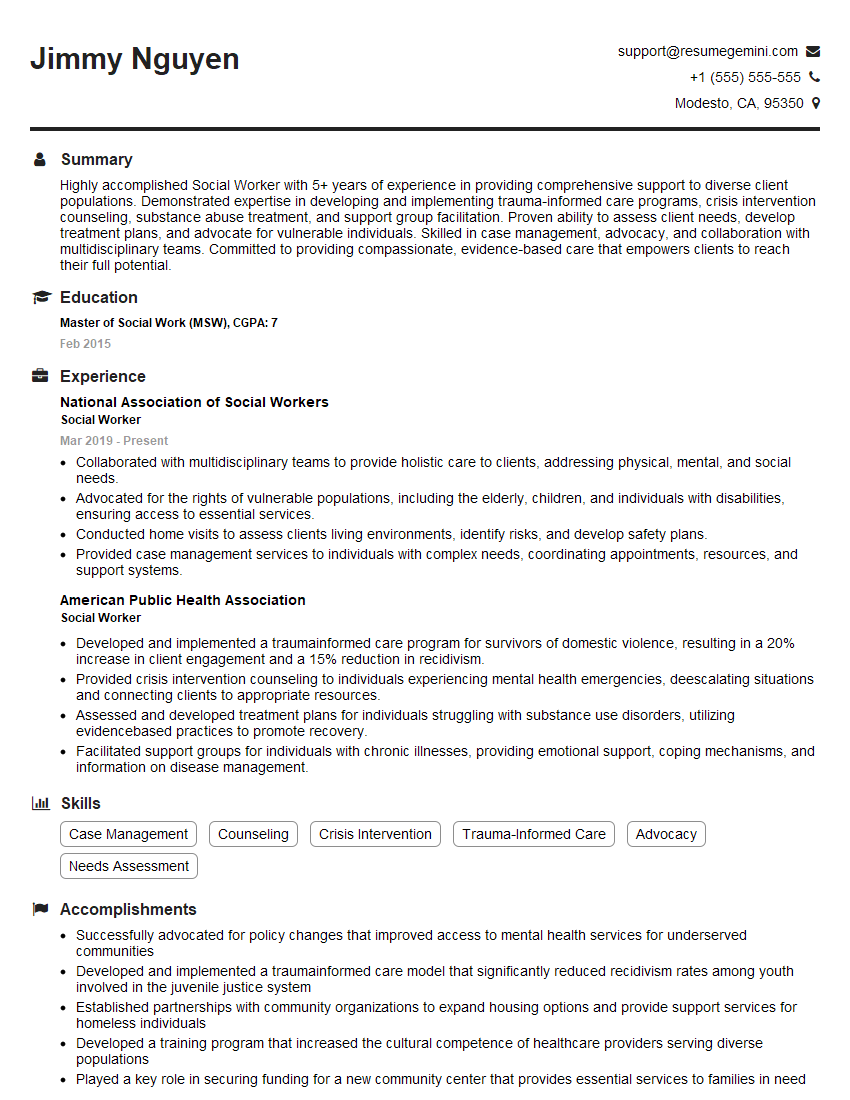
Social Worker Resume Sample
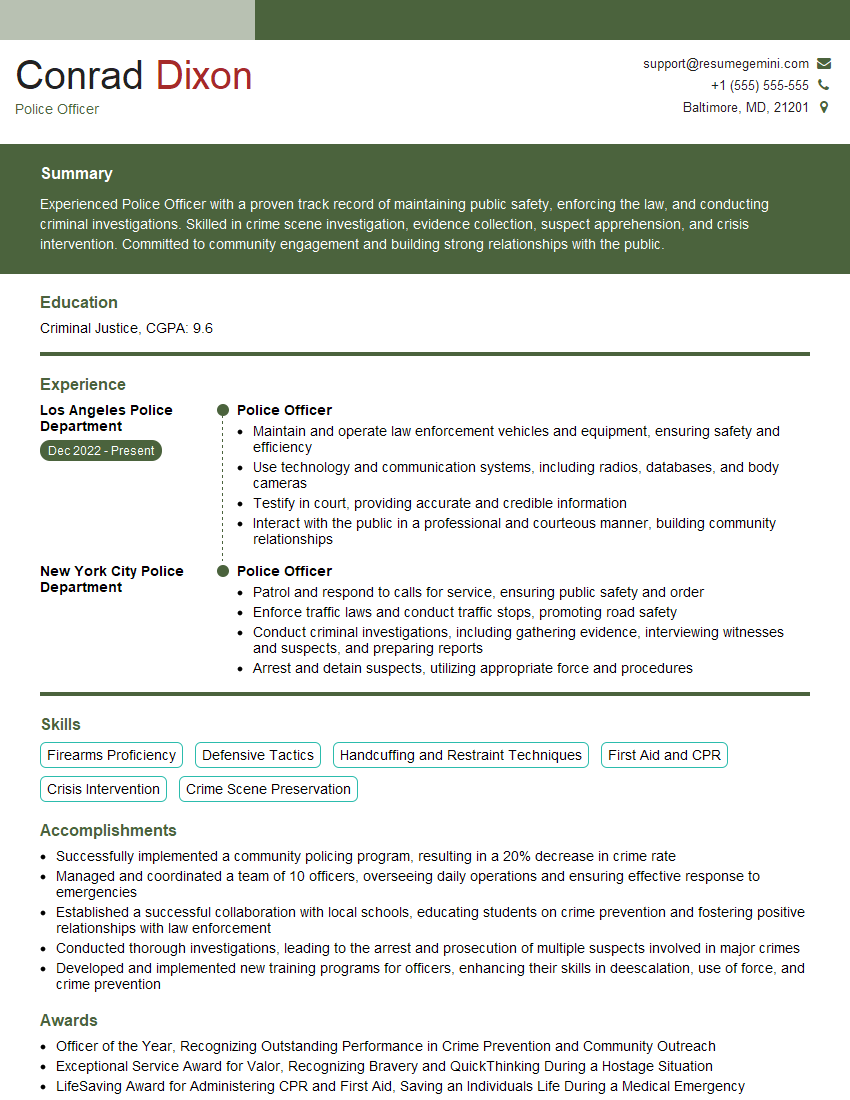
Police Officer Resume Sample
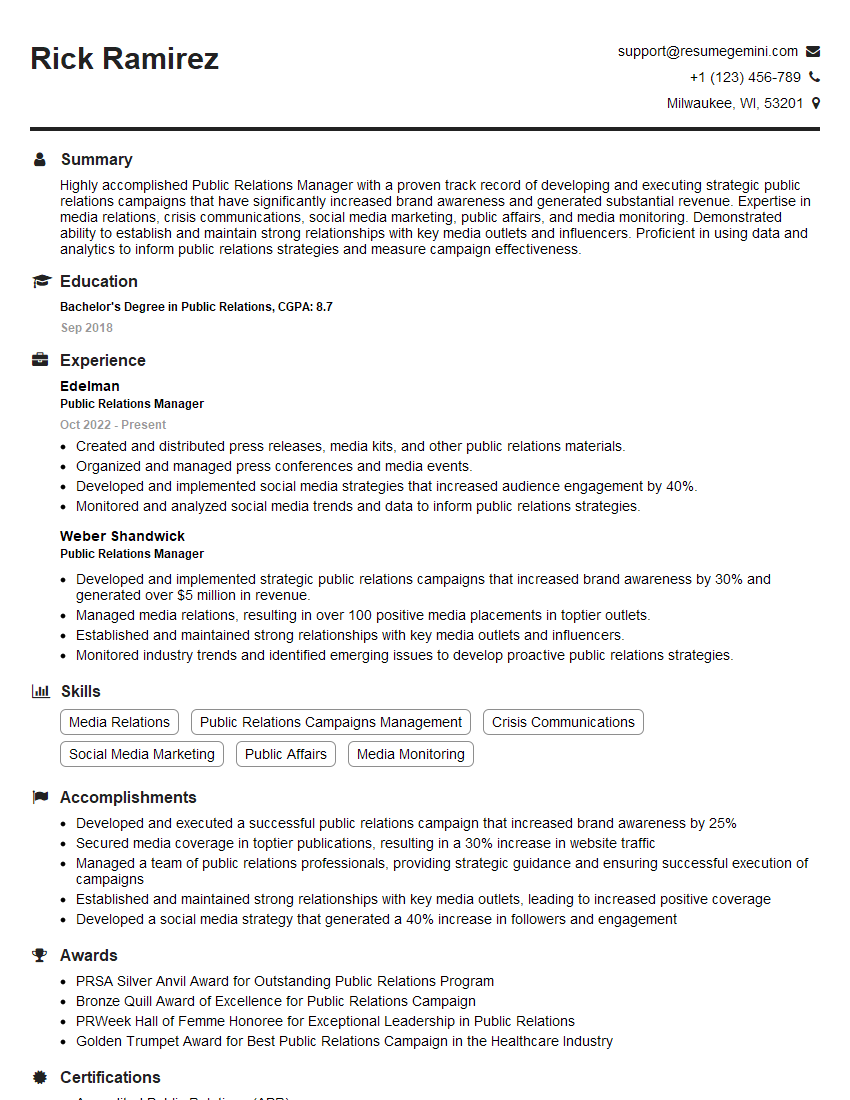
Public Relations Manager Resume Sample
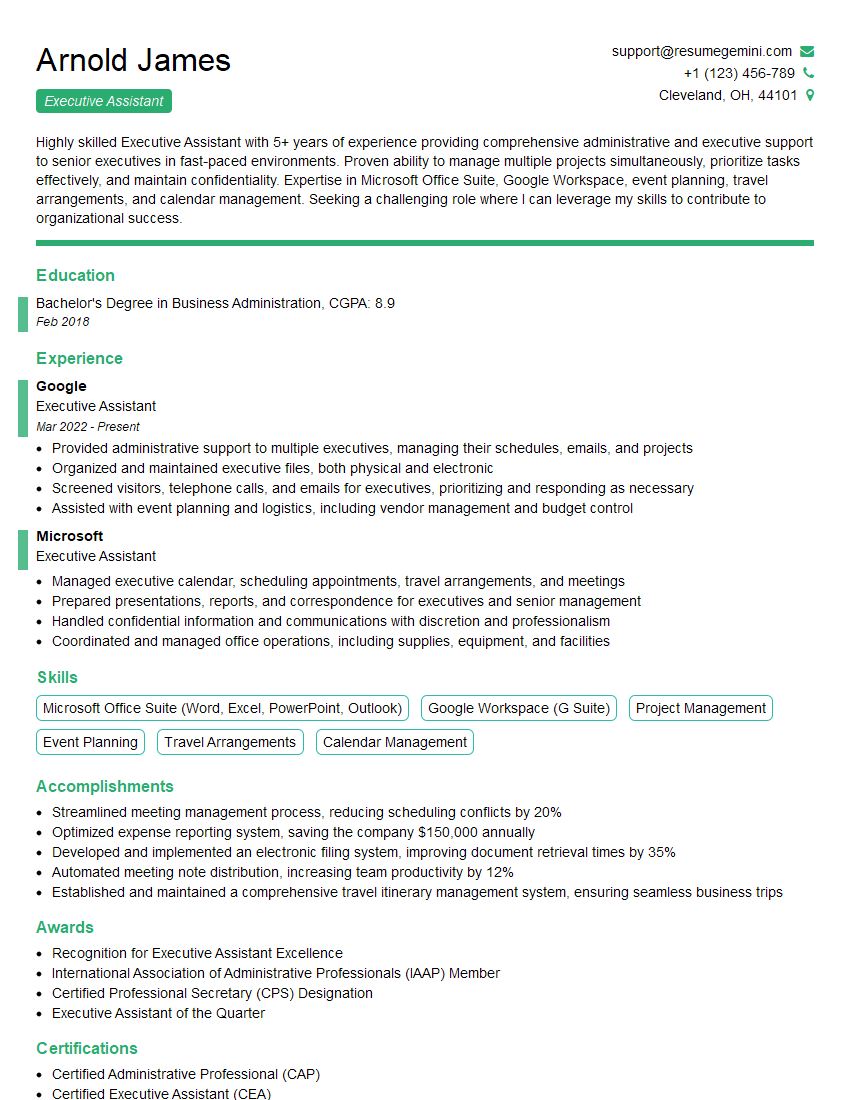
Executive Assistant Resume Sample
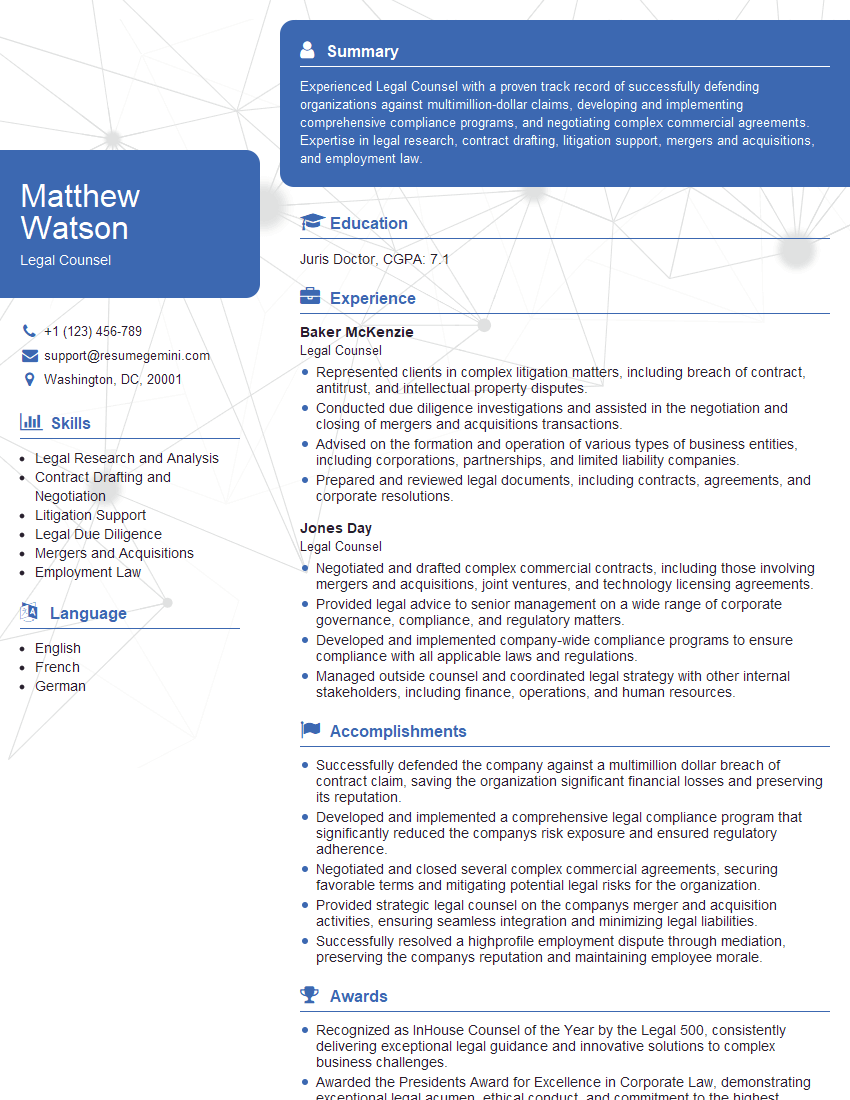
Legal Counsel Resume Sample
Explore more articles
Users Rating of Our Blogs
Share Your Experience
We value your feedback! Please rate our content and share your thoughts (optional).
What Readers Say About Our Blog
To the interviewgemini.com Webmaster.
Very helpful and content specific questions to help prepare me for my interview!
Thank you
To the interviewgemini.com Webmaster.
This was kind of a unique content I found around the specialized skills. Very helpful questions and good detailed answers.
Very Helpful blog, thank you Interviewgemini team.